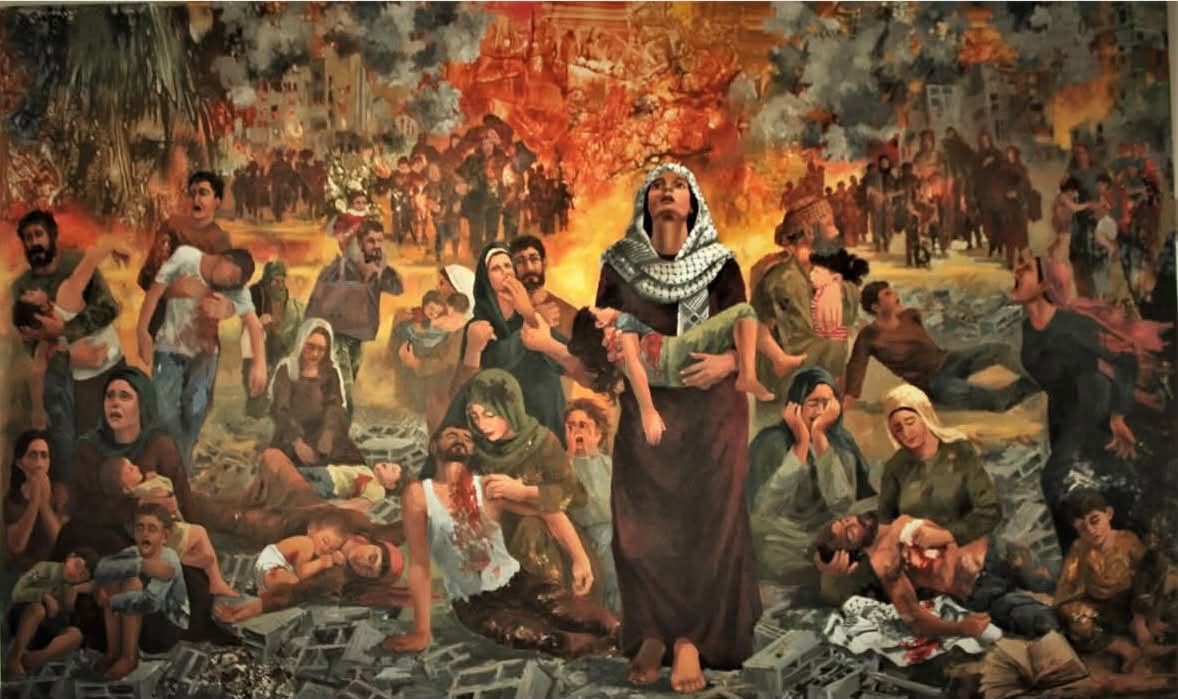
 Reem Arkan’s ‘Red Homeland’
 Israeli Army Seizes 16 Homes in The West Bank
 Israel Arrest Palestinian Journalist and Drop Site Contributor Mohammed Awad
 Palestinian School Year Starts 6 September
 Tel al-Zaater: 50 Years On! Memory of a Massacre
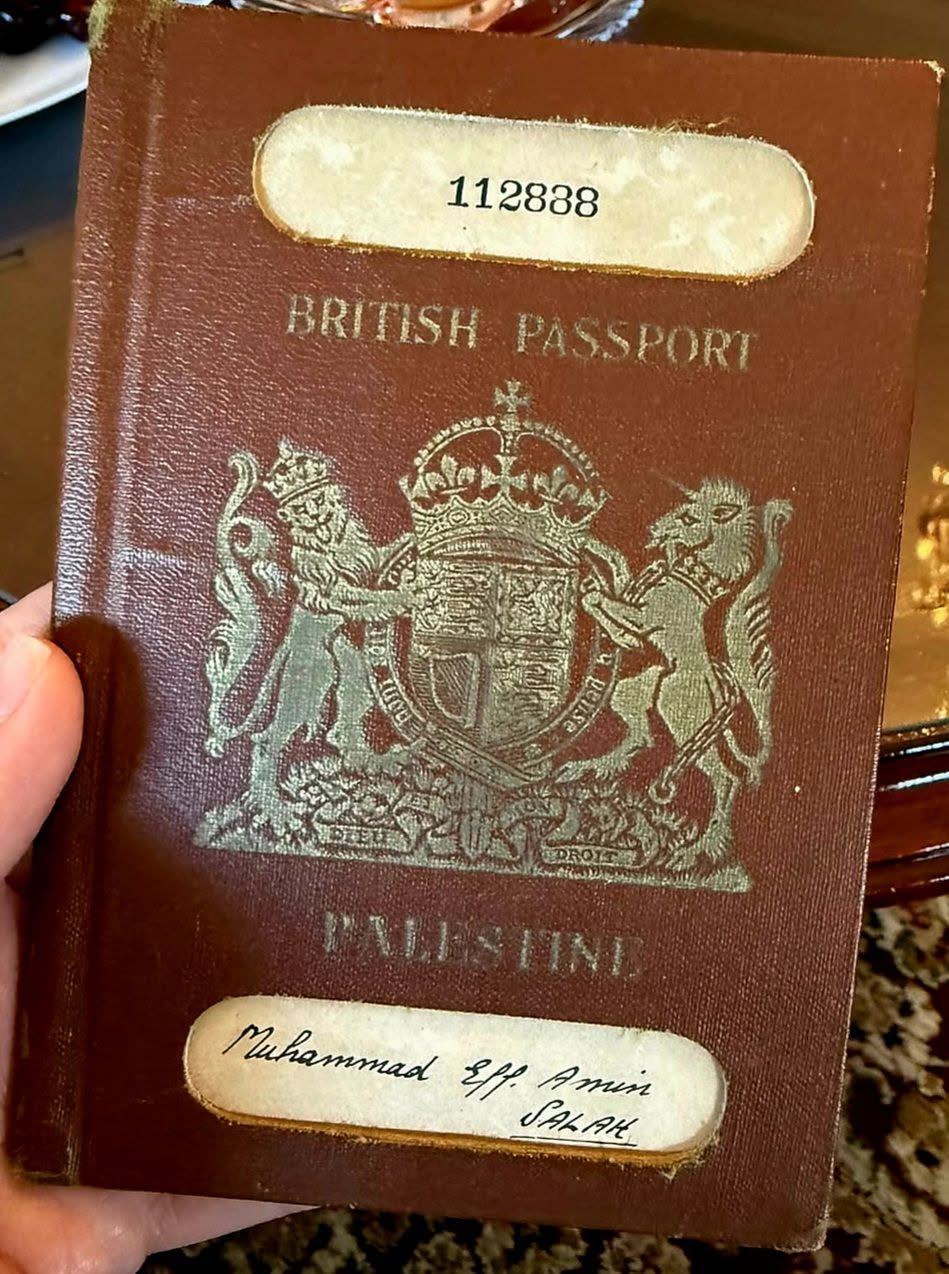



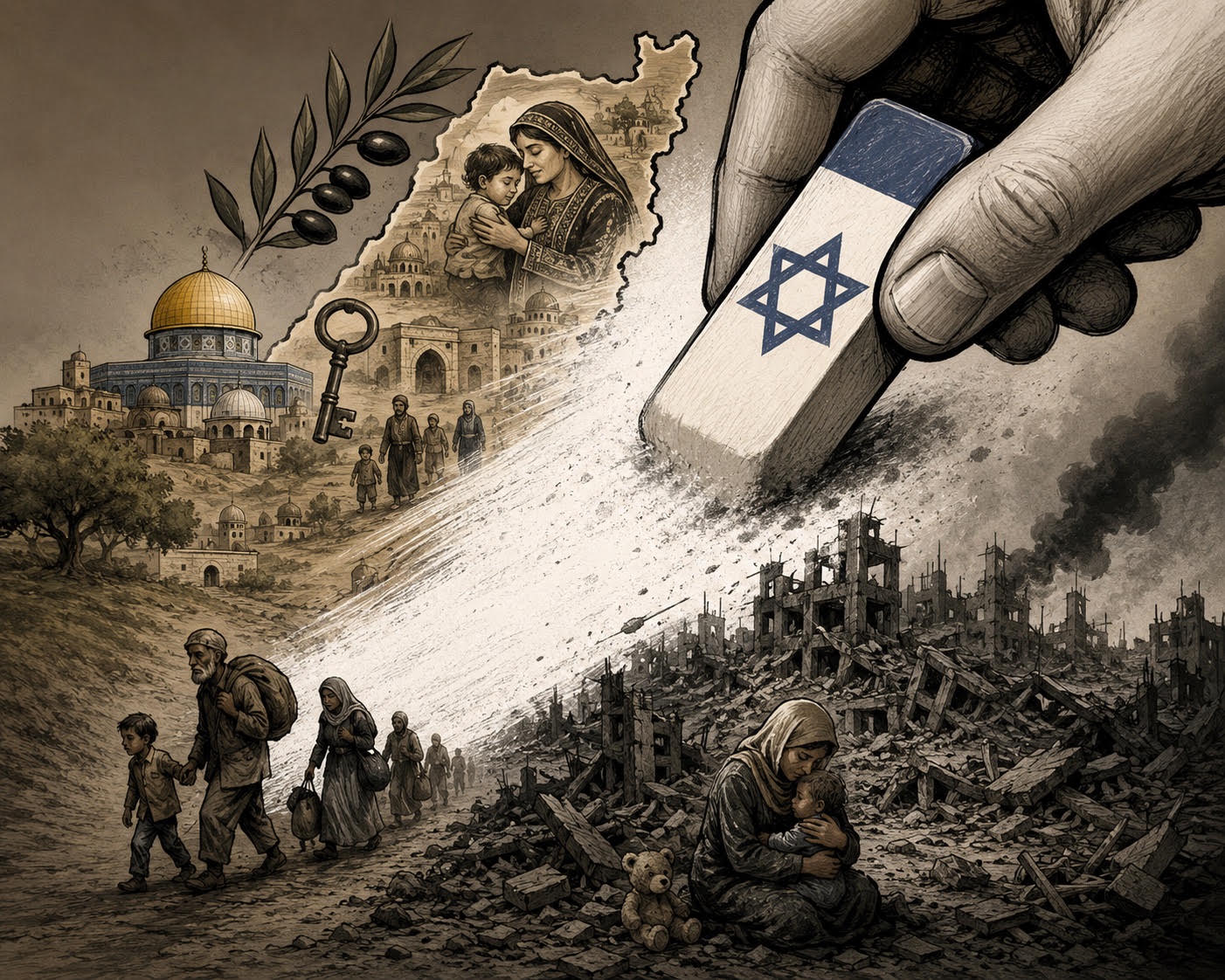
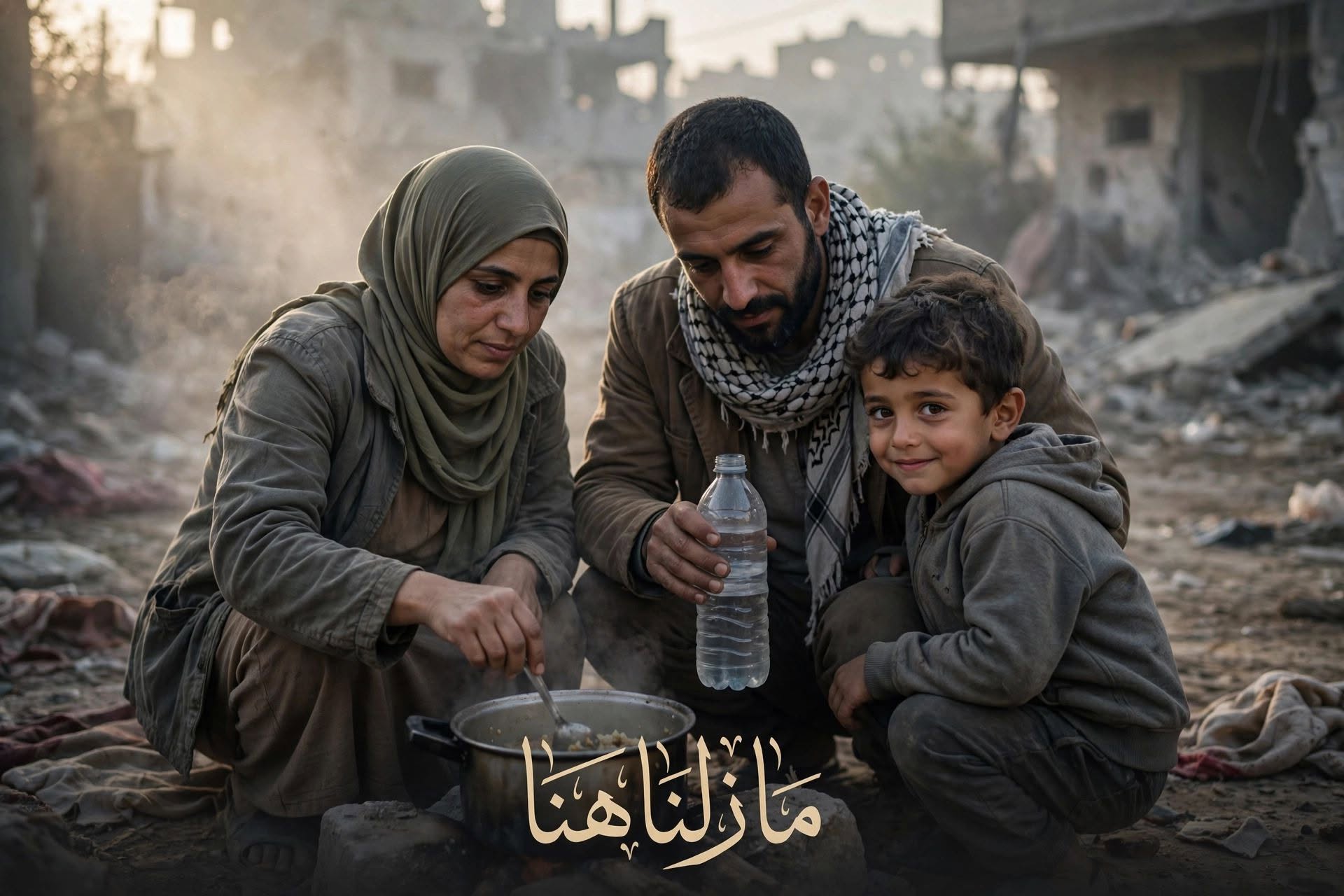
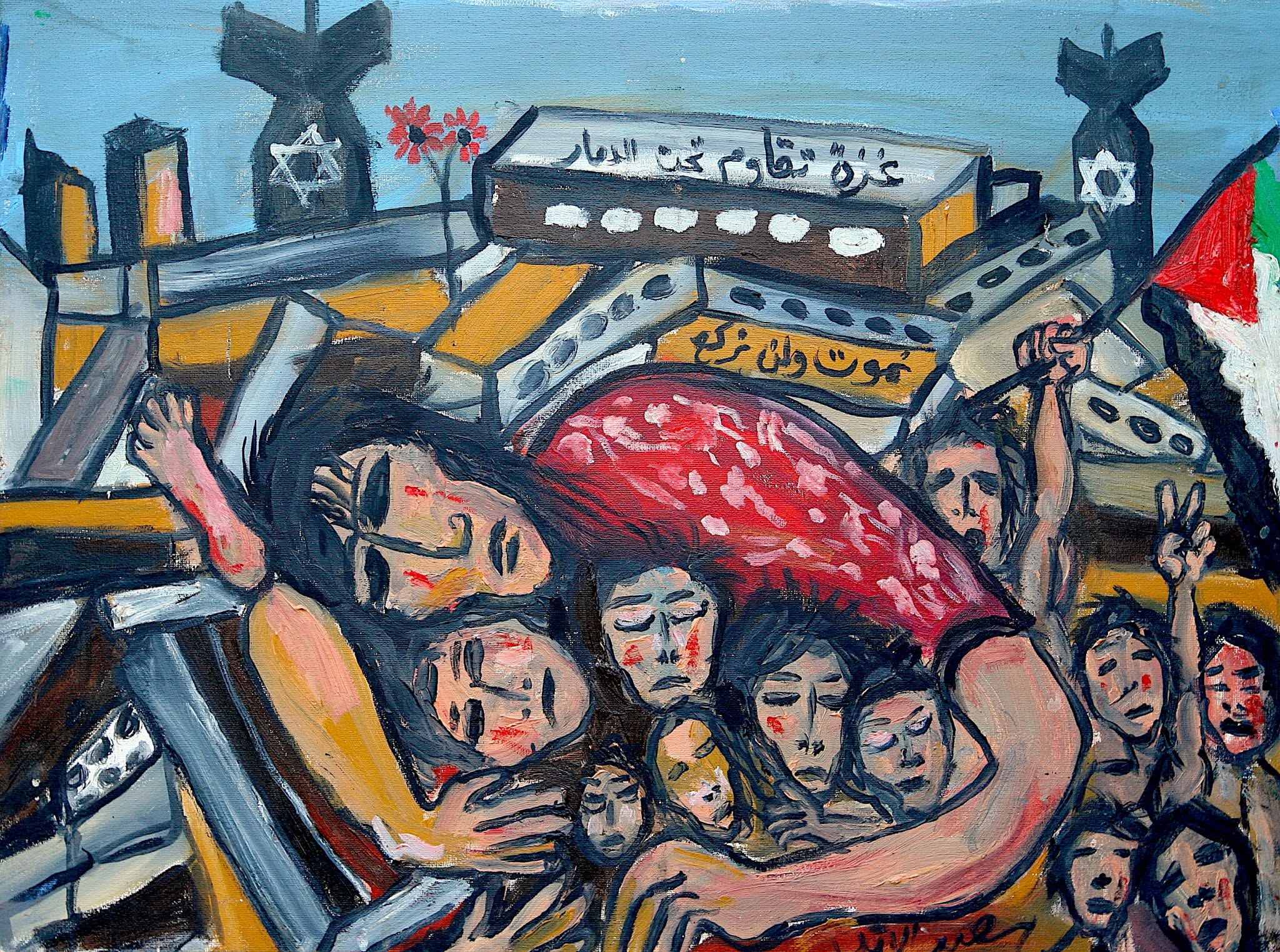
Reem Arkan’s ‘Red Homeland’
 CrossFireArabia
- August 13, 2026
 CrossFireArabia
 marwanmarwan
 HebaCrossFireArabiamarwanmarwanCrossFireArabiamarwanHebaCrossFireArabiaCrossFireArabiaCrossFireArabiaHebamarwanCrossFireArabiamarwanHebaCrossFireArabiaHebamarwanmarwanCrossFireArabiamarwanmarwanmarwanmarwanmarwanmarwanmarwanmarwanmarwanCrossFireArabiaCrossFireArabiamarwanmarwanCrossFireArabiaCrossFireArabiamarwanCrossFireArabiamarwanHebaHebamarwanmarwanCrossFireArabiamarwanmarwanmarwanmarwanCrossFireArabiaCrossFireArabiamarwanmarwanmarwanCrossFireArabiamarwanmarwanmarwanmarwanmarwanCrossFireArabiamarwanmarwanmarwanmarwanCrossFireArabiamarwanmarwanmarwanmarwanmarwanmarwanmarwanCrossFireArabia
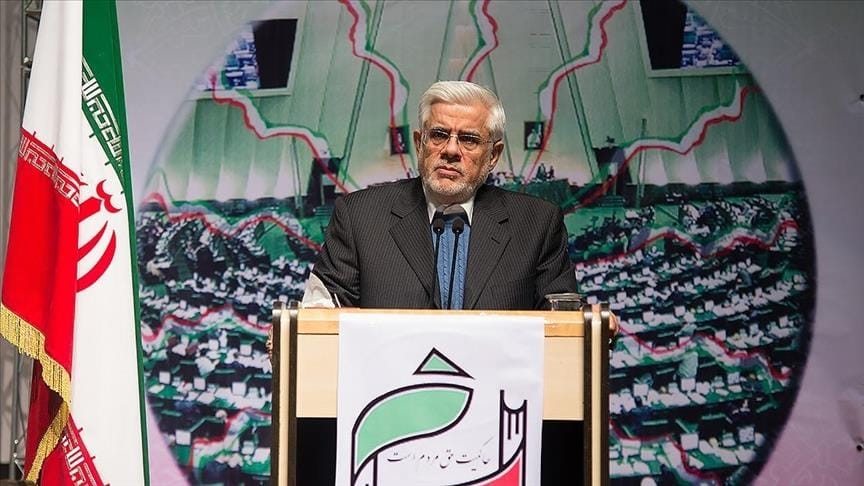
Iran’s Vice President Mohammad Reza Aref said on Thursday that the government considers itself to be in a “state of war readiness,” as tensions with the United States continue to escalate.
Addressing a meeting of government officials in Tehran, Aref said Iran “will not be the initiator of a war” but would defend itself “with full force,” adding that the end of any war “will not be determined by the enemies,” in an apparent reference to the US and Israel.
Referring to the 12-day war in June last year and recent regional developments, including the US military buildup in the Gulf and threats by President Donald Trump, Aref said the country remains in a “state of war readiness.”
He said the administration led by President Masoud Pezeshkian “adopted a wartime posture from day one,” adding that a “wartime economic plan” was implemented in the aftermath of the June war according to Anadolu.
Aref emphasized that Iran must remain prepared for a wartime situation in light of unfolding regional developments.
“Our strategy is that we never start a war, but if it is imposed on us, we will defend ourselves, and the end of the war will not be in the hands of the enemies. We believe in dialogue and logic, but if a war begins, its conclusion will no longer be decided by the enemies,” he said.
Commenting on diplomacy, Aref said the government has already declared its readiness for negotiations but is seeking firm guarantees.
“During the previous round of talks—which were also progressing well—the United States attacked the Islamic Republic of Iran. What guarantee is there that it will not do so again this time? If we are assured that they are seeking real negotiations and not using talks as a cover for greater mischief, then we will negotiate,” he said.
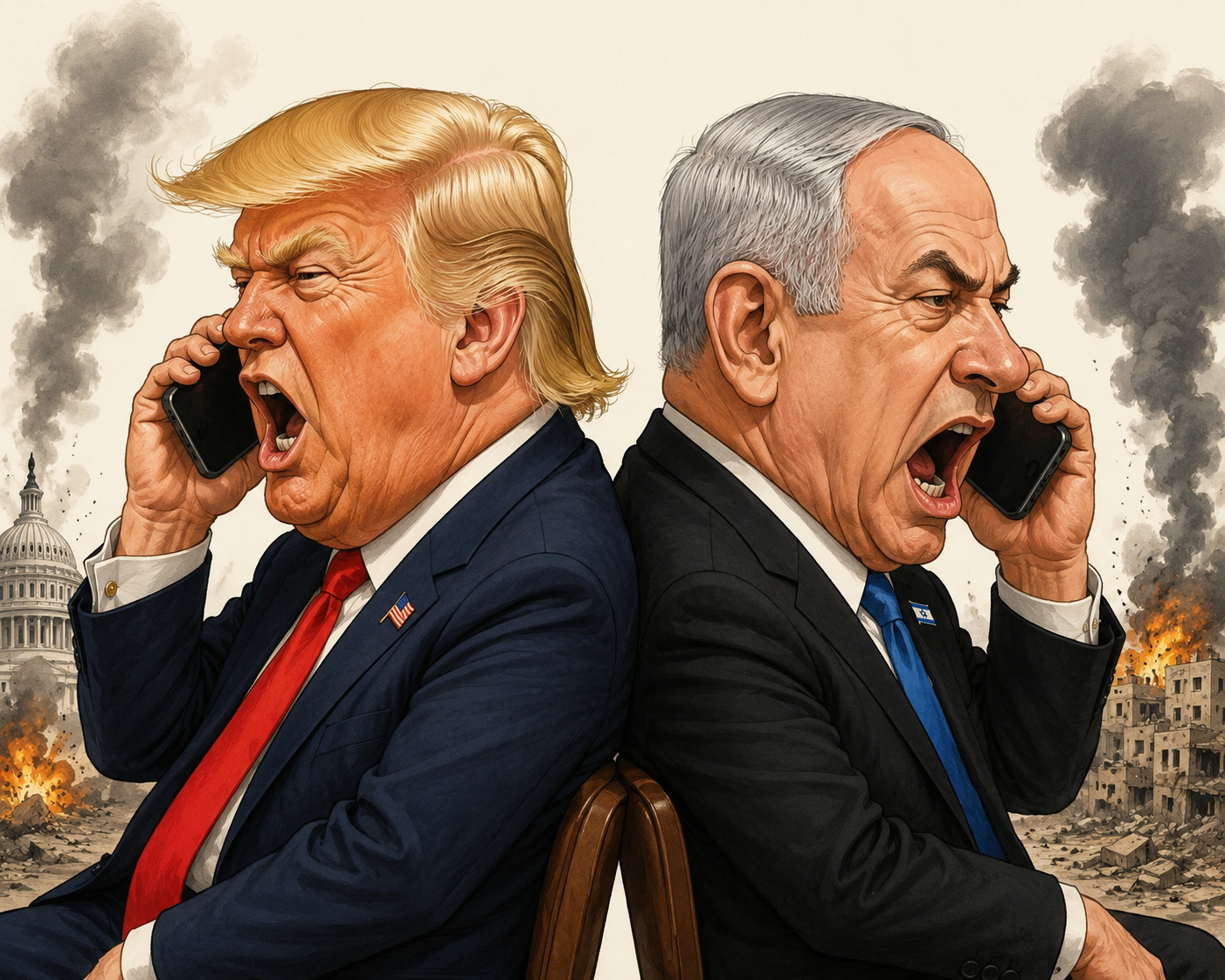
In a social media post on Wednesday, US President Donald Trump said a massive “armada” was on its way to Iran, while urging Tehran to immediately enter negotiations.
Trump’s statement led to speculation that a military strike on Iran is imminent, drawing strong reactions from Iranian officials.
Earlier on Thursday, Iran’s parliament speaker, Mohammad Baqer Qalibaf, echoed Aref’s remarks in an interview with CNN, saying Iran is not opposed to dialogue and diplomacy, but not under the shadow of war and threats.
According to reports, mediation efforts are underway to ease tensions between Iran and the US, with Türkiye leading the initiative.
Iranian Foreign Minister Abbas Araghchi is scheduled to visit Ankara on Friday.
CrossFireArabia
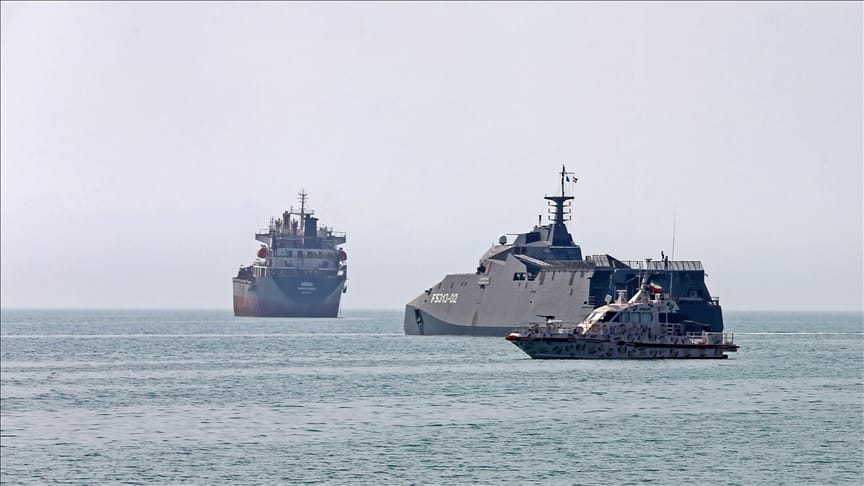
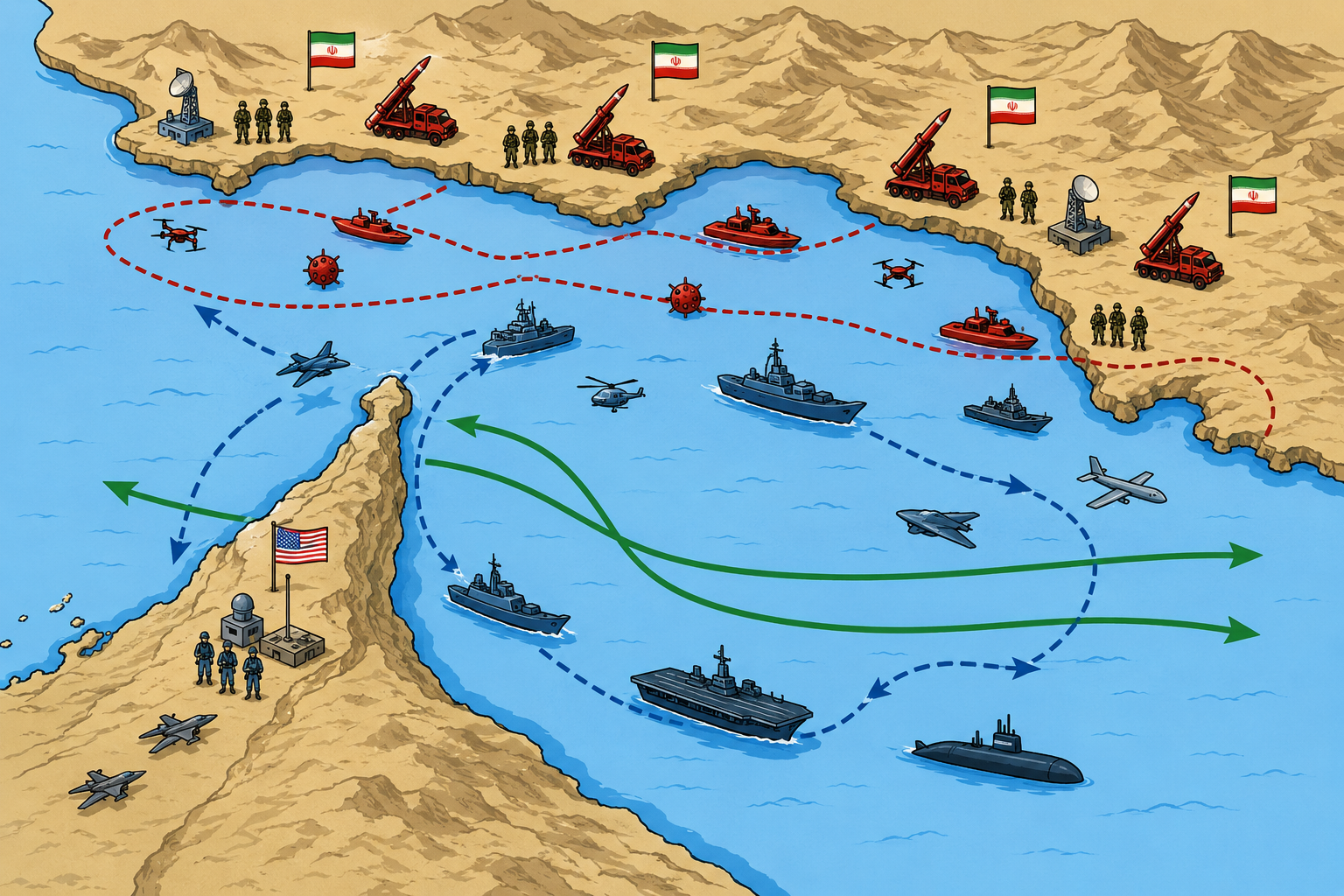
As US military assets continue to move into the Middle East, analysts warn that Washington is edging closer to a possible confrontation with Iran, weighing options that range from intensified economic pressure and a naval blockade to direct military action.
Recent developments have heightened fears that a US-led escalation could be imminent.
“It’s looking increasingly likely that with this buildup of military assets, President Donald Trump – and probably the Israelis – are preparing for a military escalation against the Iranians,” Ryan Bohl, a senior Middle East and North Africa analyst at the RANE Network, told Anadolu.
On Wednesday, Trump wrote on his social media platform Truth Social that a “massive armada” was heading toward Iran, expressing hope that Tehran would “come to the table” and negotiate with Washington. He warned that the fleet was prepared to “rapidly fulfill its mission with speed and violence, if necessary.”
Trump said the deployment was larger than the one previously sent toward Venezuela and confirmed that it is led by the USS Abraham Lincoln, one of the world’s largest aircraft carriers, which hosts electronic-warfare aircraft capable of disrupting Iranian radar systems.
The New York Times reported that the carrier strike group is accompanied by three warships equipped with Tomahawk cruise missiles, capable of long-range precision strikes. The US has also reportedly deployed around a dozen additional F-15E attack planes, along with Patriot and THAAD air-defense systems to protect against potential Iranian retaliation.
Steffan Watkins, a consultant specializing in tracking military ships and aircraft, said the US is also shipping supplies and deploying additional surveillance aircraft. “Preparations for operations targeting Iran appear to be underway,” he wrote Thursday on the American social media platform X.
“Time is running out,” Trump warned Iran, threatening that any future attack “will be far worse” than last year’s US strikes on Iranian nuclear facilities.
Although the rhetoric comes in the wake of Iran’s crackdown on protests, Bohl said Washington’s broader objective appears to be forcing changes in Iran’s foreign and security policies.
The goal is to see “if they can get Iran’s government to change its foreign policies, to give up on its missile program and its nuclear energy program,” he said.
Limited and targeted strikes
Analysts say one of the most likely military options under consideration is a campaign of limited, precision strikes targeting Iran’s military, missile and nuclear infrastructure.
“They could go after the missile program again – strike drones and missiles and manufacturing. They can try to destroy launchers, remains of Iran’s air force, some infrastructure related to the military-industrial complex,” Bohl told Anadolu.
During the 12-day war with Israel last June, the US struck three major Iranian nuclear facilities – Fordo, Natanz and Isfahan – using bunker-buster bombs, claiming the attacks crippled Iran’s nuclear program.
Bohl said it remains unclear whether Washington would allow Israel to initiate a new round of strikes or whether a joint US-Israeli campaign would unfold.
Another option, he added, would involve phased strikes rather than a single, overwhelming attack.
“We could be seeing a version of what we saw in Iraq back in the 1990s, where the US would strike Iraq, wait to see if that would create a concession process for the Iraqis and then strike again to try to again shift the Iraqis’ behavior,” he said. “And that could take weeks, even months to unfold.”
Blockade and attacks on infrastructure
Experts also suggested that the US might try to impose naval and aerial blockade on Iran.
“Imposing a new blockade on the Iranians and trying to seize their tankers like they did in Venezuela is escalatory,” Bohl said.
He added that Washington could also attempt to restrict Iranian airspace, limiting civilian flights in a bid to inflict economic damage.
“They could enhance their cyber campaign to try to cripple Iran’s infrastructure, particularly during this time where there’s still a lingering protest movement after those major crackdowns earlier this month,” he said. “So, disrupting infrastructure would also be a choice.”
The USS Abraham Lincoln Carrier Strike Group could also be used to intercept Iranian oil tankers leaving the Persian Gulf, he added.
However, Scott Lucas, a professor of international politics at the Clinton Institute at University College Dublin, cautioned that a blockade and seizure of Iranian vessels could be challenging.
“I think it would be very risky for the US to do what it’s done with Venezuela, which is to seize Iranian oil tankers,” he said.
“I think the prospect of that setting off a regional crisis is much greater, especially since Iran has the capacity to close off the Strait of Hormuz, and about 20% of the world’s oil supply goes through that waterway.”
Broad escalation and strikes on leadership
Analysts also warned that Washington could opt for a broader military campaign aimed at severely degrading Iran’s leadership and command structure.
“We are seeing reports that President Trump wants something ‘decisive,’ which is more of a major campaign to probably attack as many targets as possible and increasingly consider assassinations of top Revolutionary Guards and even some of the leadership like Supreme Leader Ali Khamenei,” said Bohl.
Such an approach could include attacks on senior commanders within the Islamic Revolutionary Guard Corps, political leadership nodes, and command-and-control infrastructure, analysts said.
Experts warned that efforts aimed at full regime change would almost certainly provoke retaliation against US forces and allies across the Middle East.
Bohl added that Trump believes Iran’s deterrence has comprehensively failed, as their missiles and drones have not stopped previous attacks.
“He (Trump) may believe that Iran isn’t able to carry out those sorts of comprehensive strikes on energy infrastructure,” he said. “That would encourage him to go on into a larger and more substantial campaign.”
Targeted assassinations and covert operations
A more limited alternative would involve targeted assassinations and covert operations rather than an overt large-scale war.
While analysts largely rule out a full US ground invasion of Iran, Bohl said Trump has demonstrated a preference for deploying special forces on high-risk missions.
“President Trump ran on a platform of avoiding another Iraq war, but he is very commando-happy and he likes to use his special forces,” said Bohl.
Such operations could include the destruction of high-value military targets or the assassination of individuals linked to Iran’s missile, drone or nuclear programs, analysts said.
“They have targeted Iranian leaders in the past. They assassinated the leader of the Quds Force … Gen. Qasem Soleimani at the start of 2020,” Lucas explained.
Bohl also pointed to US actions in Venezuela and North Korea as examples of attempts to apply pressure through targeted operations rather than regime-wide campaigns.
However, Bohl said that a repeat of Venezuela, where Washington reaches an understanding with the regime and takes out key leaders, does not appear to be a “viable option” in the case of Iran.
More economic pressure
Iran’s economy continues to be heavily constrained by sanctions. Earlier this month, the US announced an additional 25% tariff on countries trading with Tehran and imposed new sanctions on vessels and companies accused of transporting Iranian oil.
Bohl said Washington may seek to further destabilize Iran economically in hopes of forcing it back to negotiations.
The idea is to crack Iran’s politics by causing more economic damage and pushing them toward what are essentially surrender terms, he said.
Iran is already grappling with a severe economic crisis, marked by the rapid devaluation of the rial, which helped trigger nationwide protests late last December.
Lucas, however, argued that additional sanctions may have limited effect without broad international support.
“I think the Trump folks can bluster a bit, but they really can only tighten sanctions if they have international action on the sanctions,” he said, adding that countries such as Russia and China are unlikely to support further pressure.
What comes next
Analysts said several indicators could signal whether the US is moving closer to escalation.
Bohl said warning signs include commercial airlines avoiding Iranian airspace, the evacuation of foreign embassies, travel advisories urging civilians to leave Iran, and Israeli authorities placing the population on heightened alert.
He added that the arrival of the USS Abraham Lincoln in the US Central Command area of responsibility significantly shortens the timeline for potential action.
Given that Iran has already been struck in previous confrontations and that tensions remain extremely high, any move could rapidly spiral.
“Because it is kind of an undeclared war between the two sides already, it could really turn on a dime and begin sudden escalation,” Bohl warned.
CrossFireArabia
EDITOR’S NOTE: This is a reprint of an article written by me and posted in 2008 about Israel gearing up to hit Iran’s nuclear facilities. Perceptive is the fact it took Israel and and the USA 17 years, in June 2025, to make a direct hit on Iran and its nuclear facilities. Today, US President Donald Trump, and with the current protests in Iran, is weighing the options for another direct on Iran. However Tehran said it will retaliate with more launches on Tel Aviv and other Israeli cities just as it did last year as well on as US military bases. The reprint is made here with the same title, Weighing the hit against Iran as it appeared in the Media Monitors Network.
Will Israel hit Iran’s nuclear facilities, or won’t they? You would think everyone would be talking about it on the international level, and it might be the case judging from the newspaper articles that are being churned out about a possible nuke followed by regional conflagration.
In Jordan news is in full throttle: Yes Israel is contemplating a hit on Iran and it is in line with its power-hungry policies to dominate the region even if it eventually destroys itself.
Newspapers here see Israel as careless and would not only be prepared for that slippery-slope of a nuclear exchange but would use her nukes as a deterrent force to stop Iran from gaining her own nuclear capability.
Iran is not afraid, saying time and again, her nuclear development is for peaceful purposes and it will have a nuclear capability come what may regardless of what Israel is trying to do and of the international nuclear inspectors monitoring her activities which is more than can be said of Israel whose nuclear reactors and capabilities remain a state secret.
On a more personal level, I briefly talked to my wife about the possible hit in Iran, which I thought was well probable after reading the recent articles, and she just looked and said the issue is being blown out by media talk: There “won’t be war” and it is “media hype”.
Someone else just made fun of the issue. All this was going on when International Atomic Energy Agency chief Mohammad Al Baradei was warning that if a strike does happen then it will surely turn the region into a ball-fire.
Ball-fire or not, the journalists and media were having a field day, now they say is the best time to strike because US President George W. Bush is nearing his tenure in office and Israeli Prime Minister Ehud Olmert is in trouble over allegation of corruption charges and accepting bribes, and so the theory states if he is going to go then he wants to go in style.
But such reports and opinions are being made when the actual devastation and the far-reaching consequences of a potential strike and the subsequent military and nuclear exchange is underplayed and even treated as a daily occurrence where people will just pick up the pieces and continue with their lives.
People, including the media are not fully aware of what a nuclear exchange would mean, in terms of the scale of human losses, of radiation, devastation, the so-called nuclear winter of darkness, the nuclear holocaust that would actually make the area, the region and the geography completely uninhabitable for many years to come.
While this maybe the case in the West with the media there long tackling these issues, especially at the height of the Cold War in the 1980s, here the media has taken more of a sedate view about tackling these subjects especially since more important issues were on the scene.
That is up till now. Seeing the issue as an extension of the Arab-Israeli conflict, today the media is using the possible strike as a point of titillating us into fright regardless of the cynicism of many people like my wife who keep saying its media scare-mongering. But, and regardless again, what is required is a real cold analysis of the situation as it exists.
Would Israel be willing to take a chance and strike, whether military or nuclear, knowing full-will that the present Iran has the long-range missile capability, and knowing also the United States is not too sure and can’t make up its mind about the strike while playing lip service to negotiation and diplomatic talk.
Iran is not Iraq; this is not 1982 when Israeli F 16s flew over the region and bombed the Ozreiq reactor being built by under Saddam Hussein. Despite the fact the Americans are in Iraq, and the Israelis are flexing their muscles against the Palestinians and frequently threatening the Lebanese and Syrians, the security and military environment in the region is changing,
New powers like Iran, Syria, Turkey and non-state actors like Hizbollah and maybe Hamas are increasingly making headways in the region and internationally, and therefore a direct hit on Iran by Israel would not be received at all well by the Europeans who already recognize Israel’s intransigence on the Middle East process regardless if they want to do something about it or not.
Today, Israel’s image is increasingly at stake, an image that has come to be increasingly tarnished since the start of the Intifada in the year 2000, and Israel would definitely not want to rock the boat by seeking to pot practice with its own nuclear war heads and missiles–guessed at 200 in the late 1990s–on states like Iran.
The other important thing to remember is that Israel values its own existence and survival; that’s why it will not practice adventurist measures to the point where it may destroy itself through nuclear striking other nations even though such would be surgical strikes or limited which are nullified for all intense and purpose.
Hence survival is not only a security argument but an ideological one that involves an entity, identity and statehood. An Israeli state even if it does survive a nuclear exchange would probably be sitting in an ocean of radiation still far to be within the parameters of Europe, and certainly too far to remain as the United States valuable ally because if all things are destroyed there would be no need to have a “trusted friend” in the Middle East.
These continue to be in the realm of possibilities and conjectures. However, and against the argument of nuclear hit on Iran is the fact that American troops are in Iraq, in the middle of what would become a “nuclear ball-fire”. This is, unless of course, Israel refuses to give warning and go for the element of surprise and unleashes its weapons against Iran in the hope of preemption, a doctrine the US used for launching its 2003 war to remove Saddam Hussein and destroy his so-called weapons of mass destruction which were subsequently proved false.