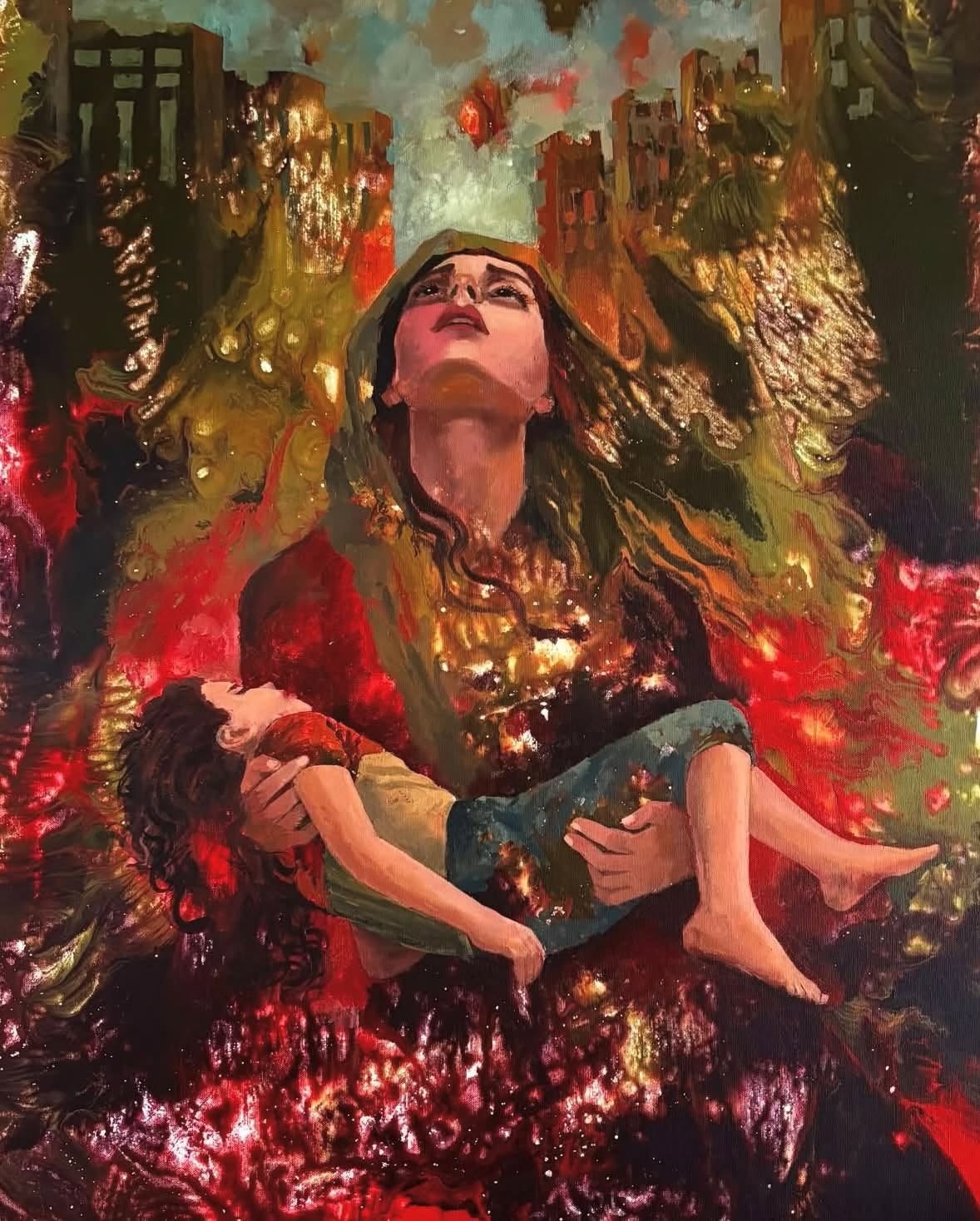
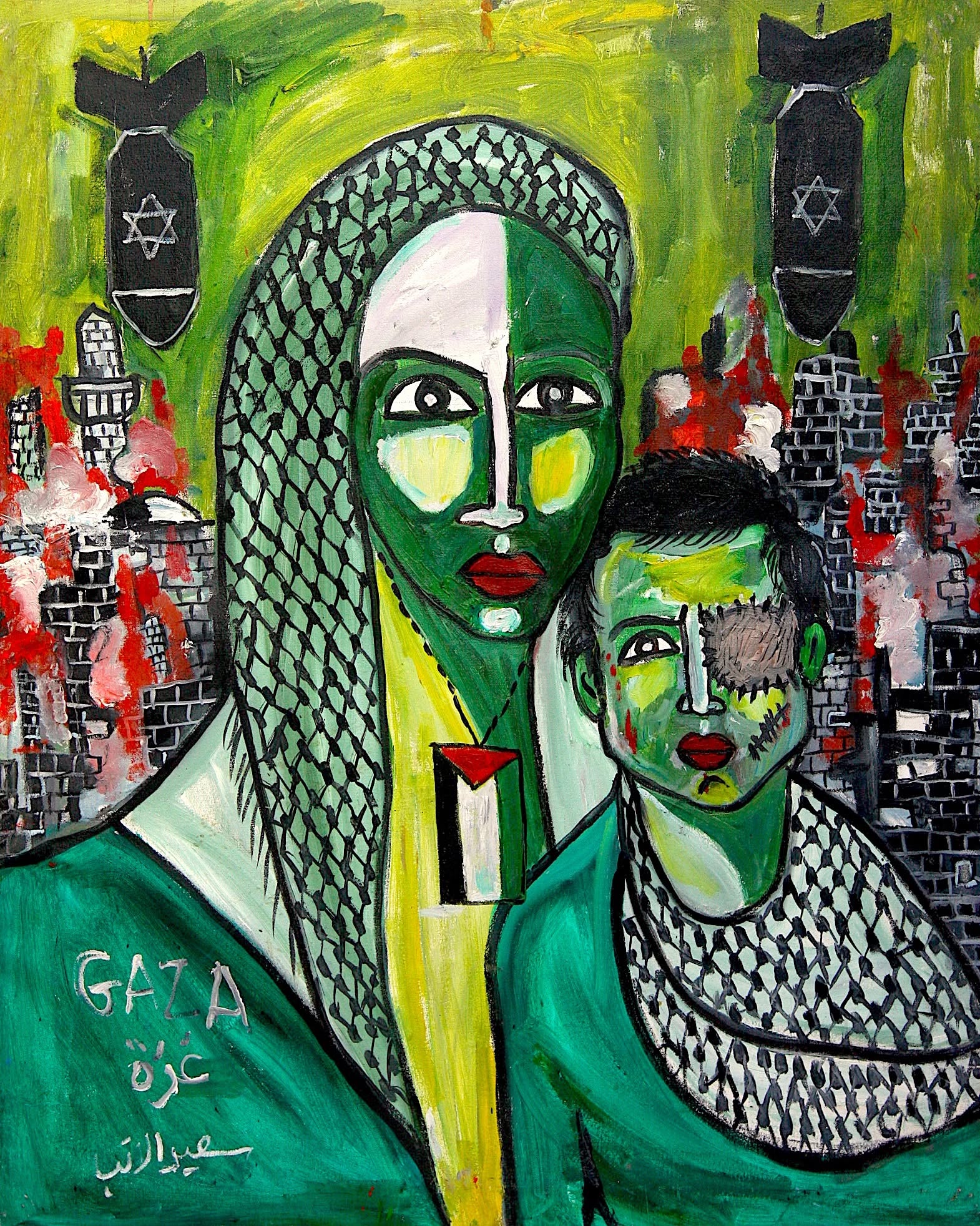
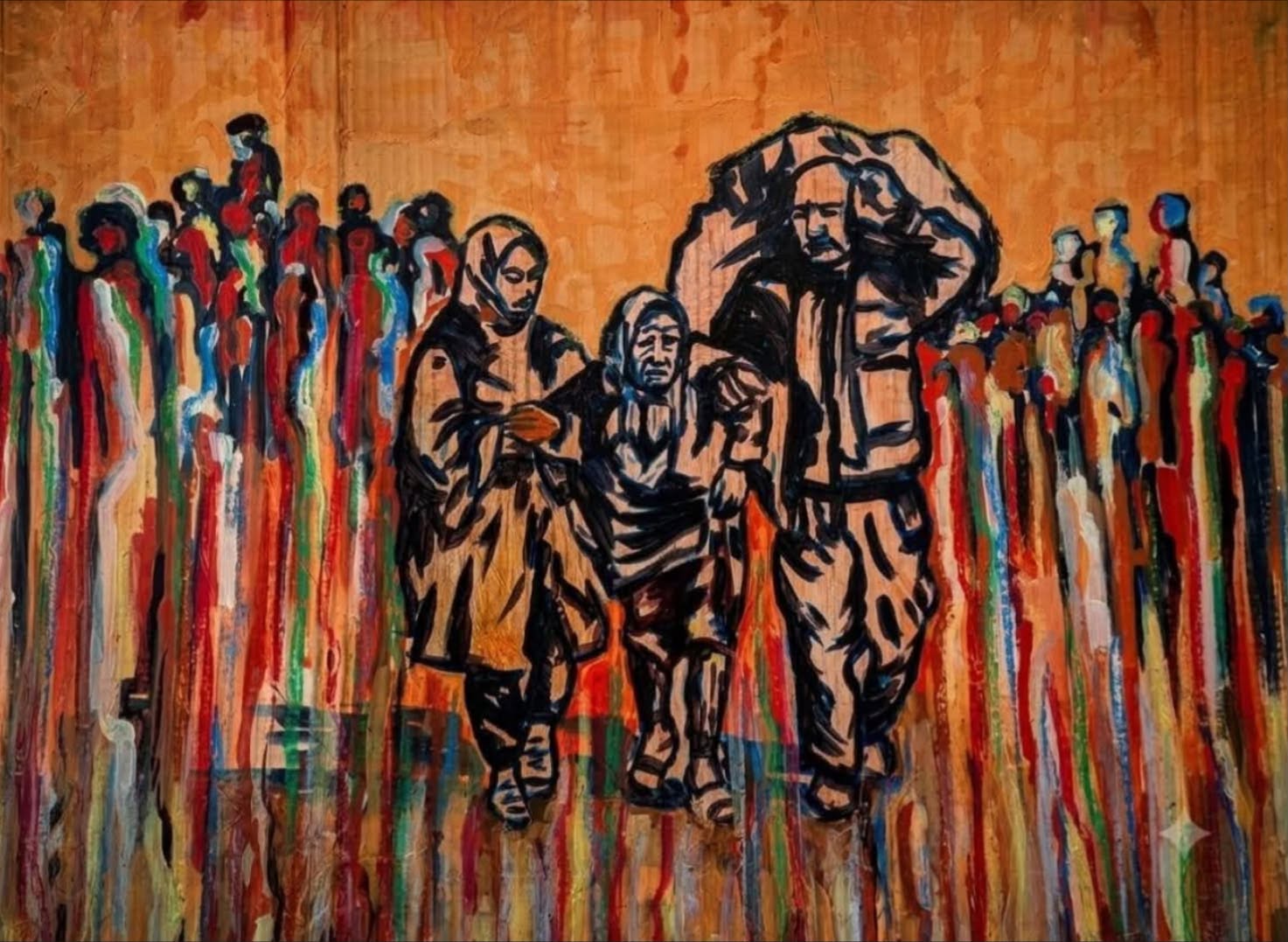
 Reem Arkan’s ‘Red Homeland’
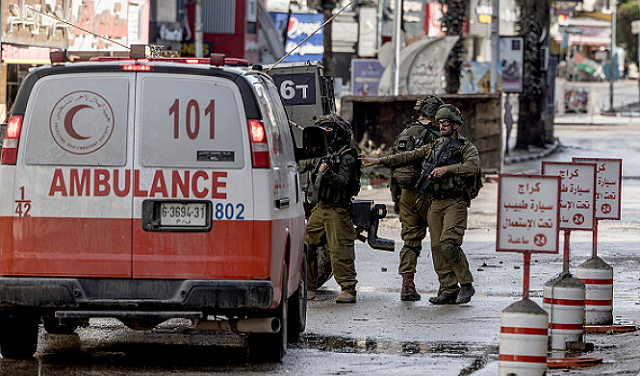
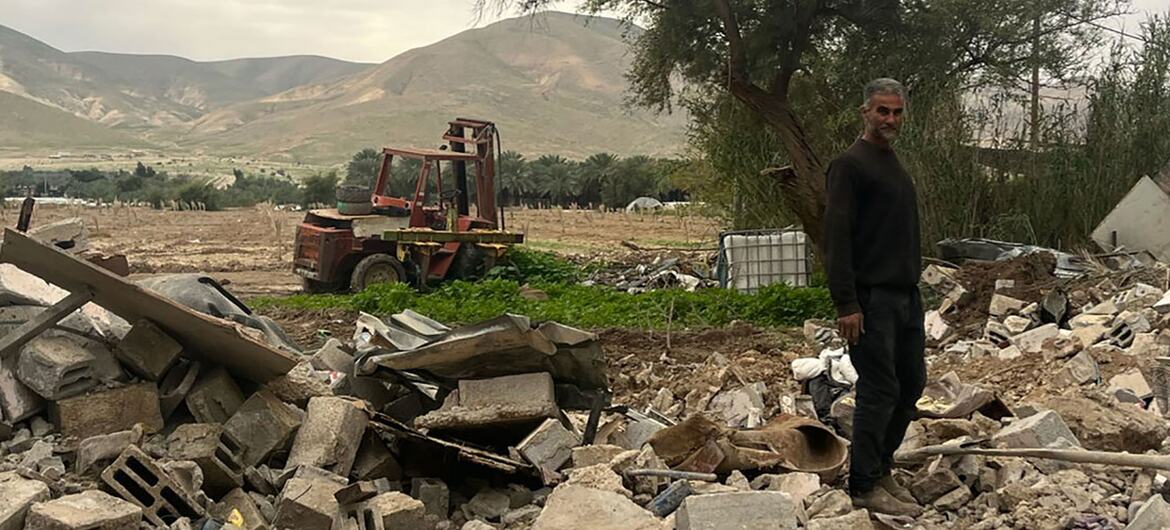
 Israeli Army Seizes 16 Homes in The West Bank
 Israel Arrest Palestinian Journalist and Drop Site Contributor Mohammed Awad
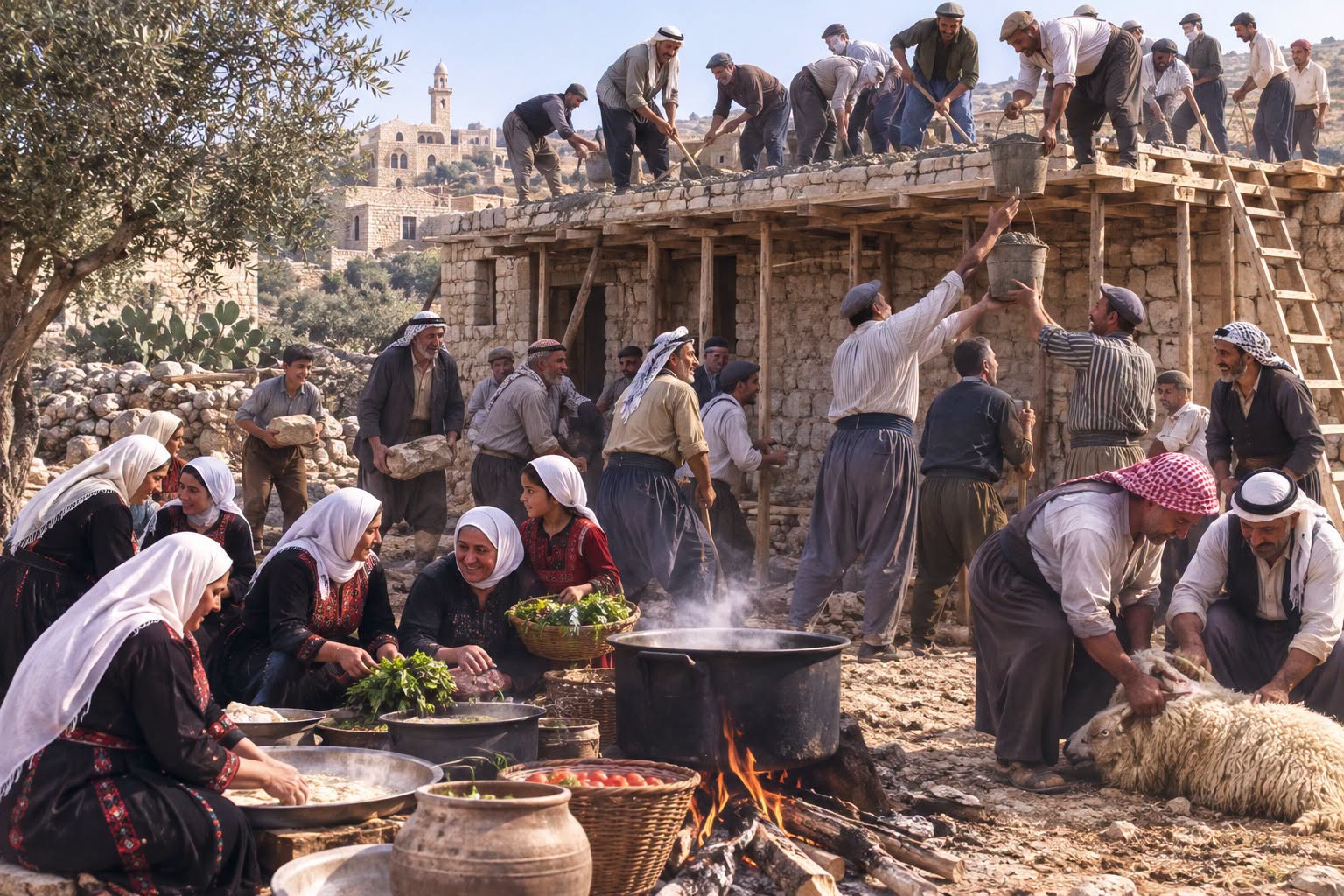
 Palestinian School Year Starts 6 September
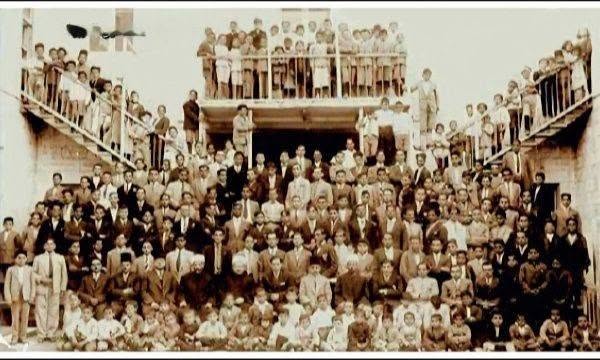
 Tel al-Zaater: 50 Years On! Memory of a Massacre



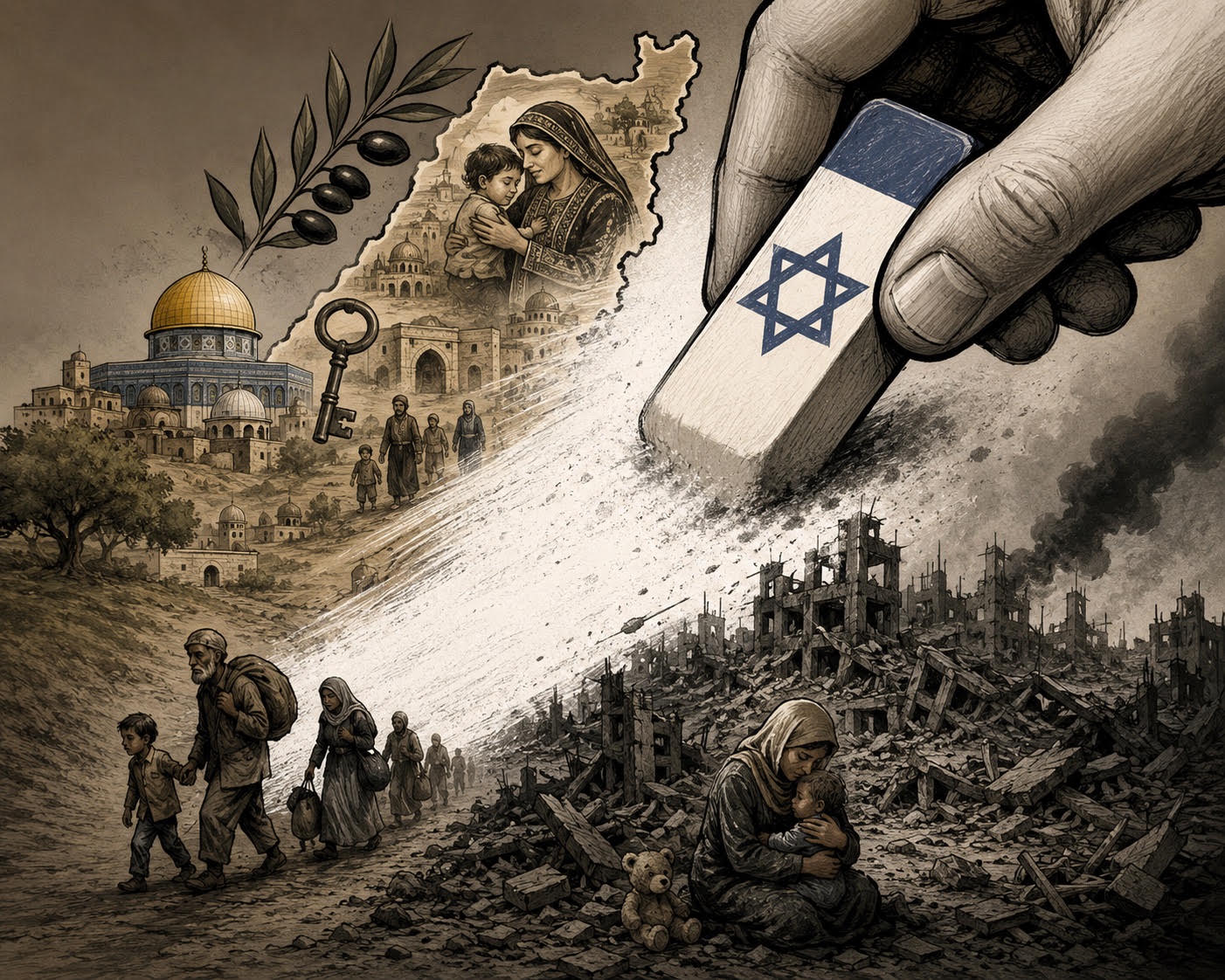

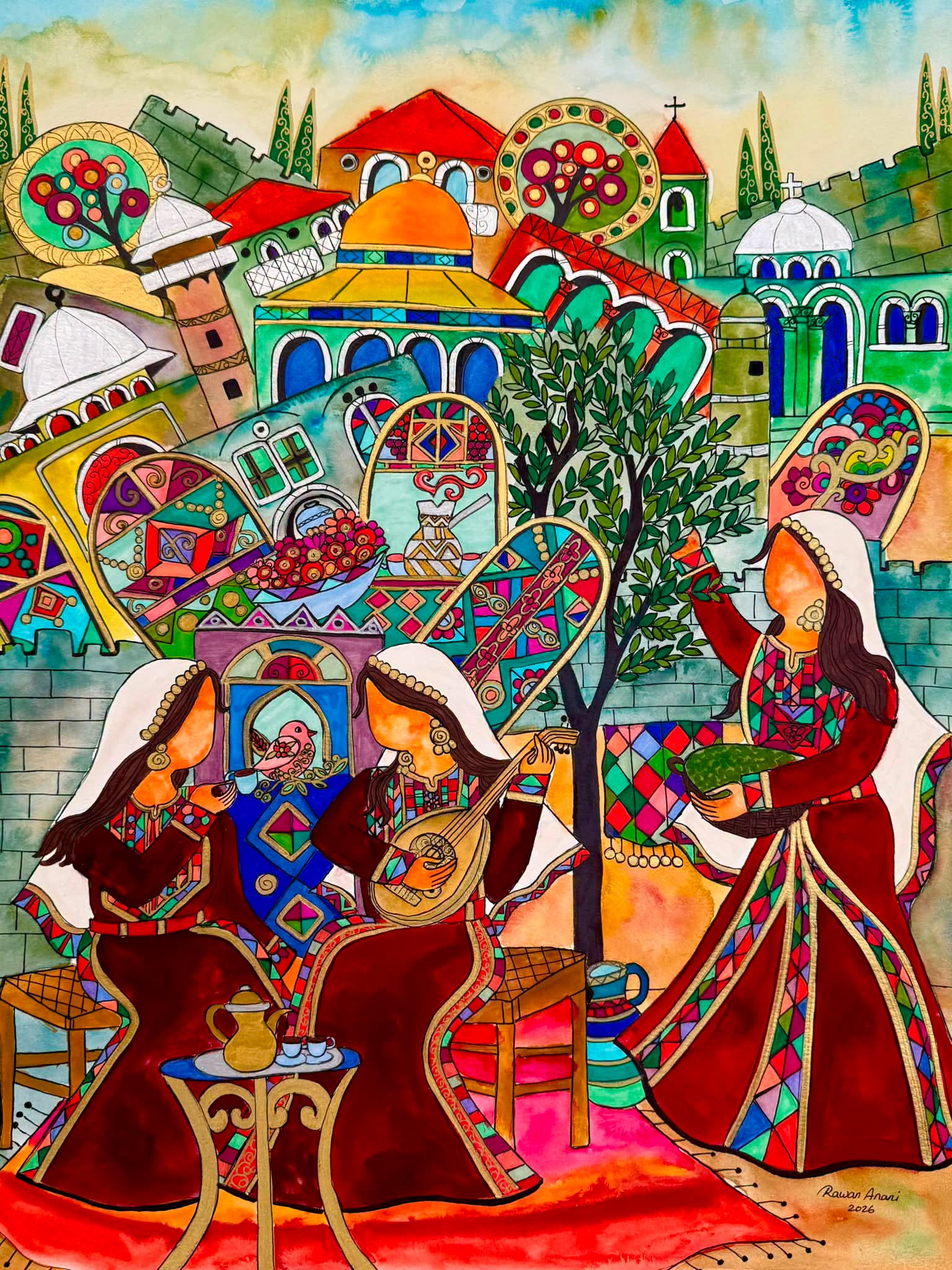
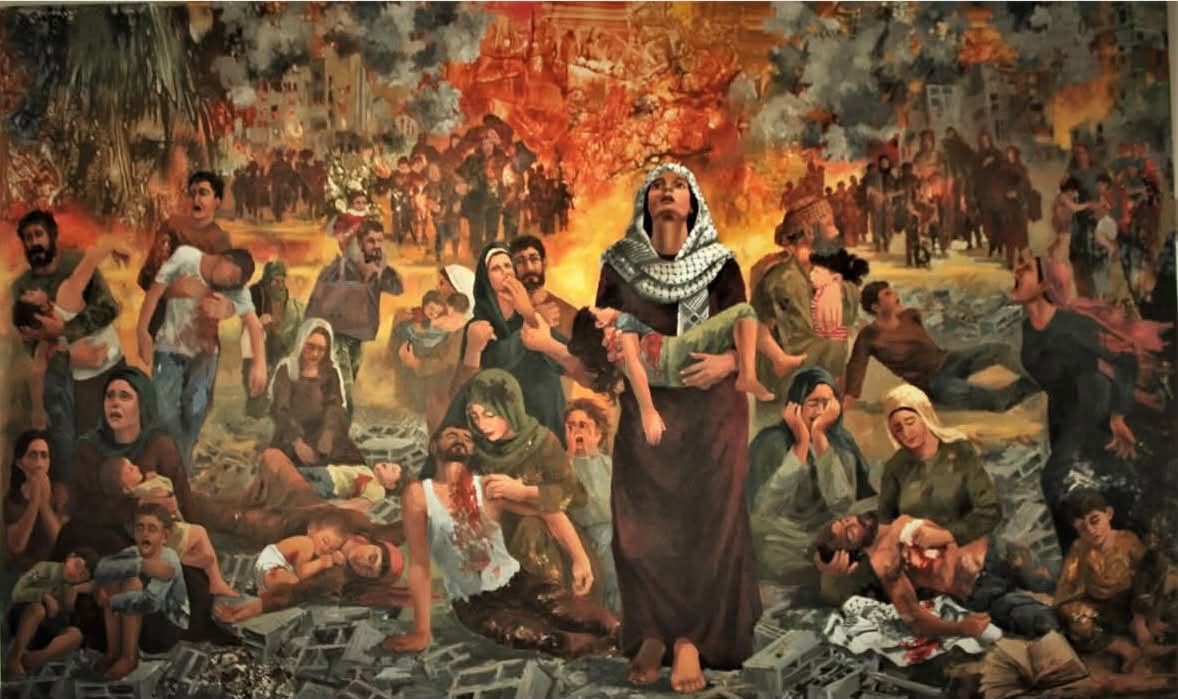
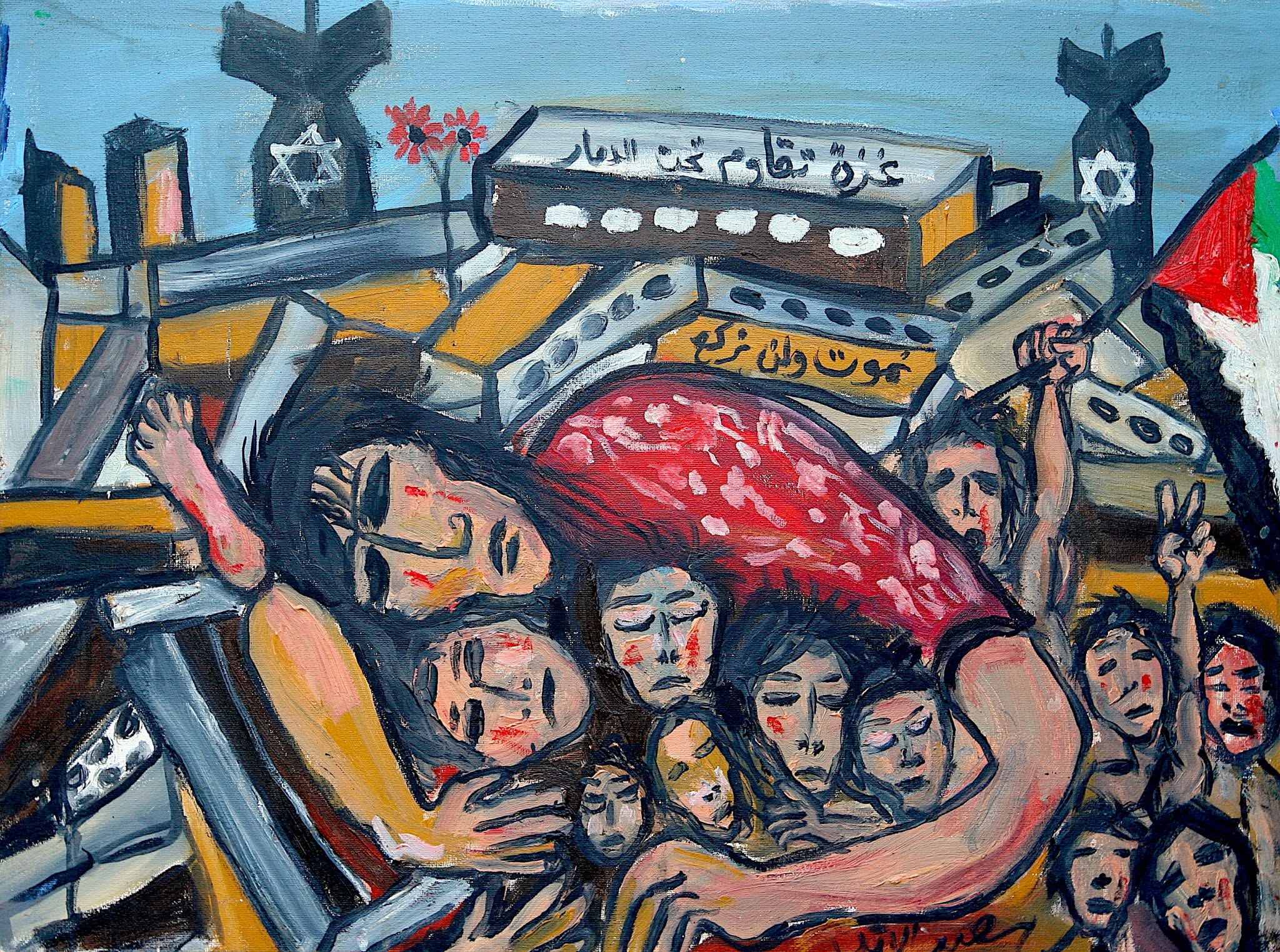
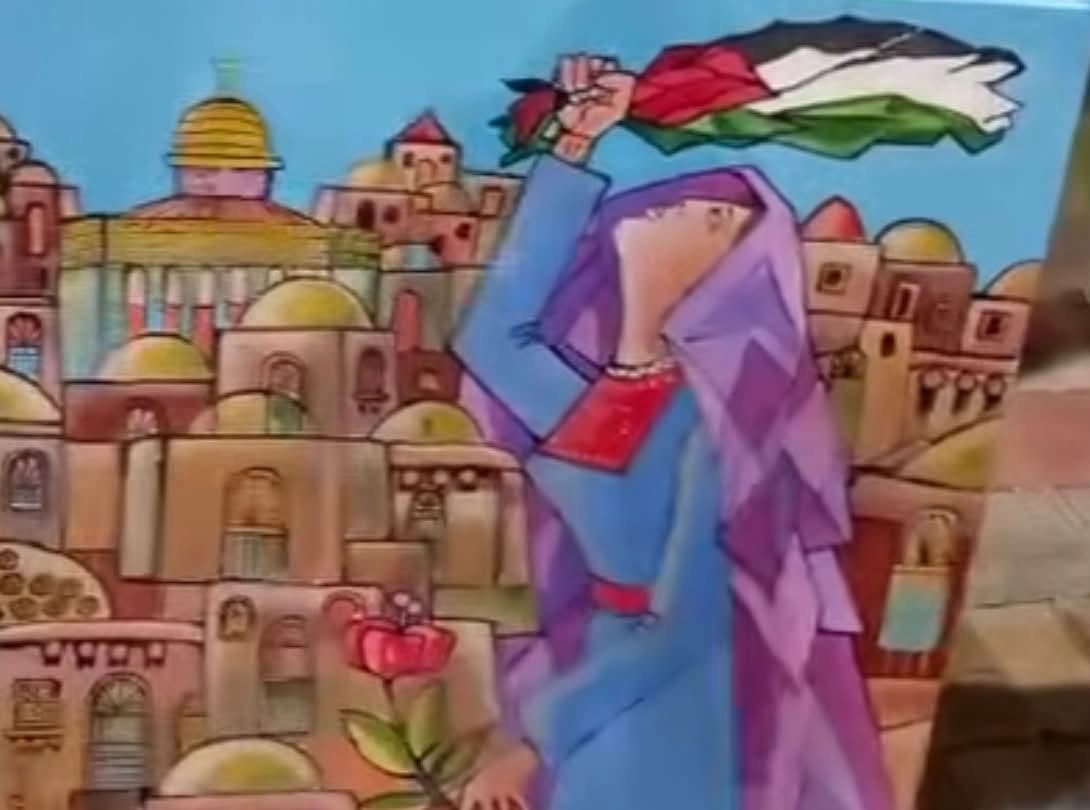
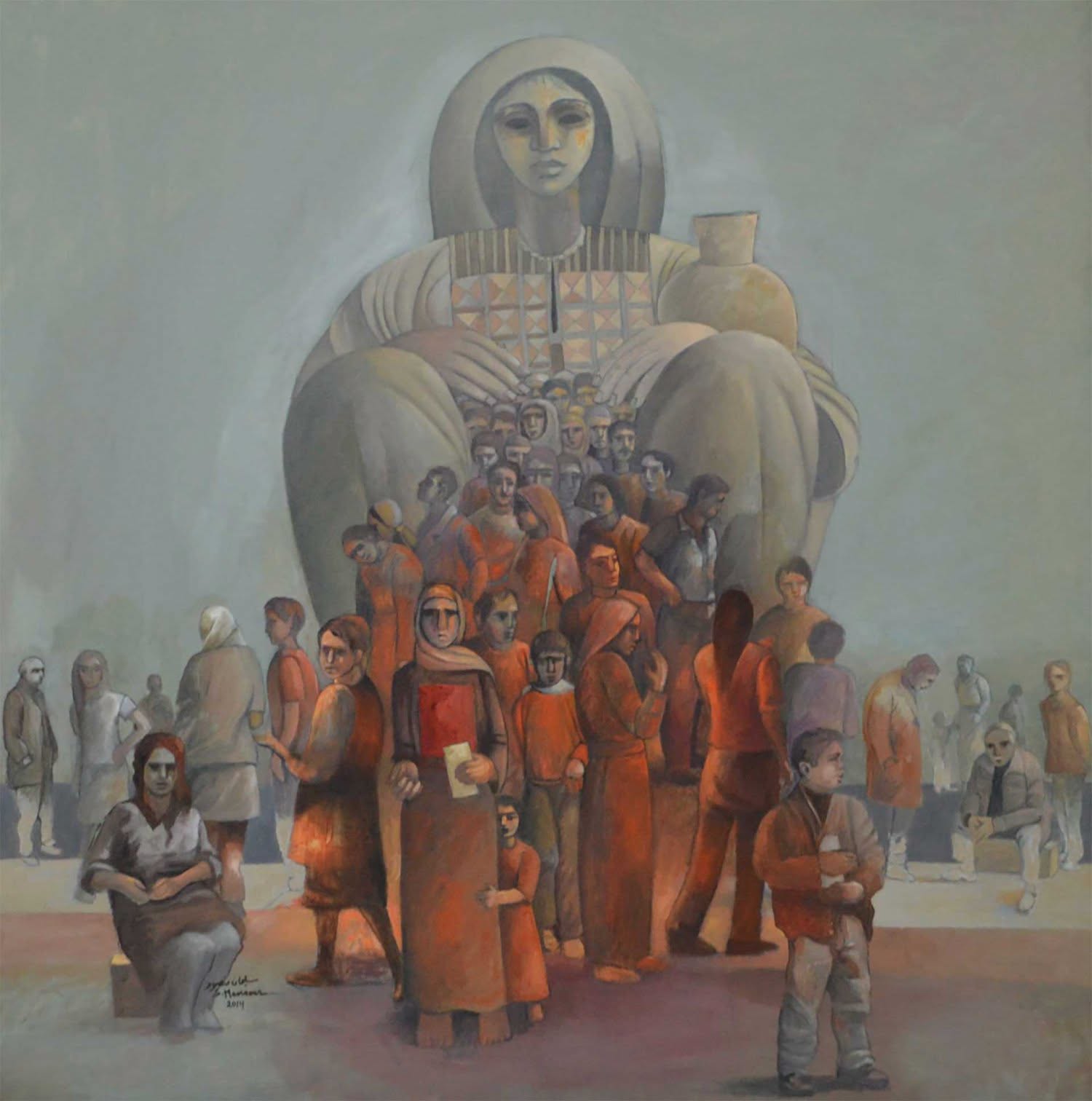
Reem Arkan’s ‘Red Homeland’
 CrossFireArabia
- August 13, 2026
 CrossFireArabia
 marwanmarwan
 HebaCrossFireArabiamarwanmarwanCrossFireArabiamarwanHebaCrossFireArabiaCrossFireArabiaCrossFireArabiaHebamarwanCrossFireArabiamarwanHebaCrossFireArabiaHebamarwanmarwanCrossFireArabiamarwanmarwanmarwanmarwanmarwanmarwanmarwanmarwanmarwanCrossFireArabiaCrossFireArabiamarwanmarwanCrossFireArabiaCrossFireArabiamarwanCrossFireArabiamarwanHebaHebamarwanmarwanCrossFireArabiamarwanmarwanmarwanmarwanCrossFireArabiaCrossFireArabiamarwanmarwanmarwanCrossFireArabiamarwanmarwanmarwanmarwanmarwanCrossFireArabiamarwanmarwanmarwanmarwanCrossFireArabiamarwanmarwanmarwanmarwanmarwanmarwanmarwanCrossFireArabia
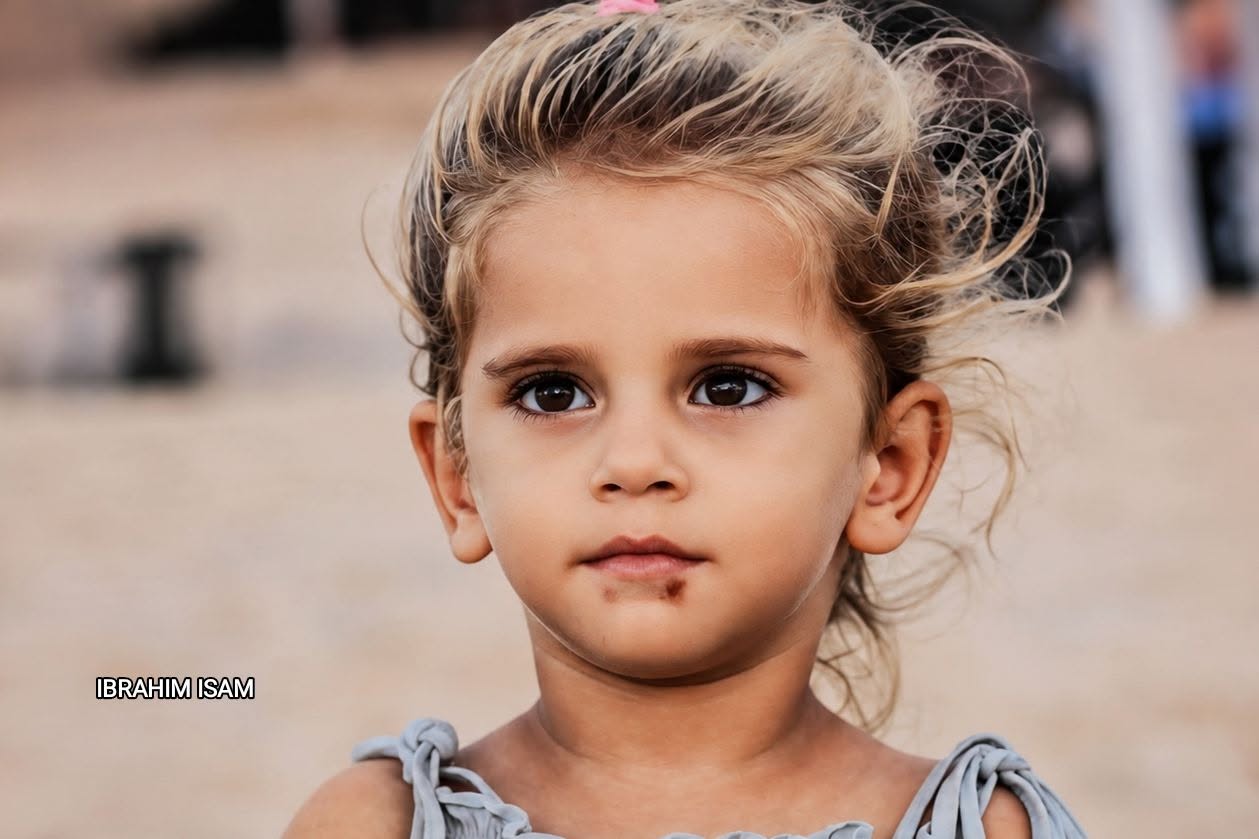
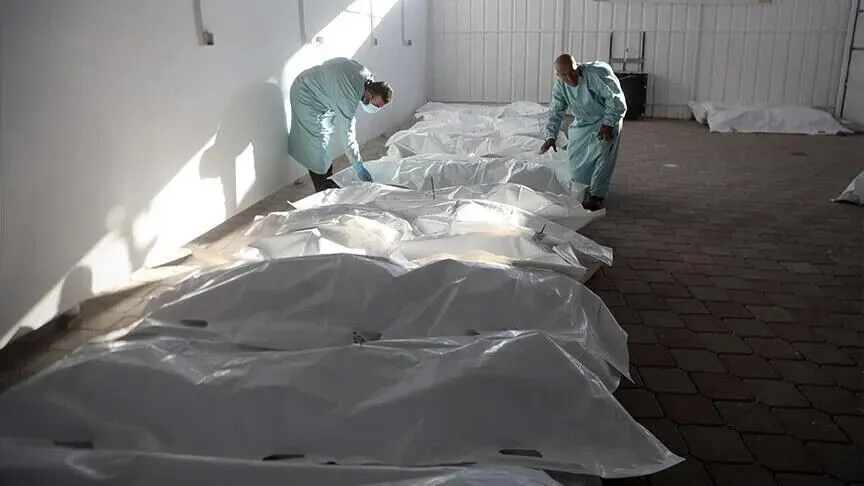
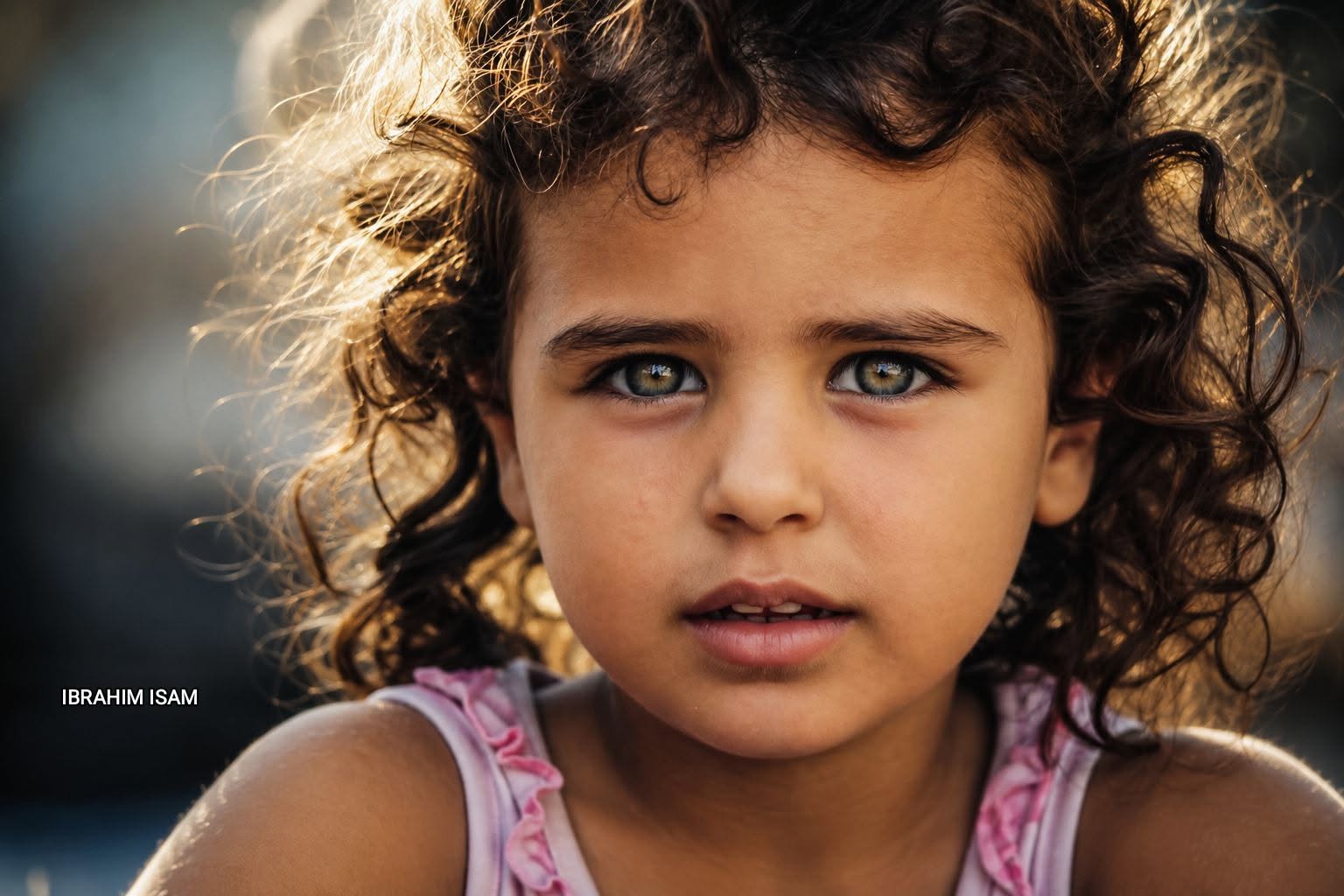
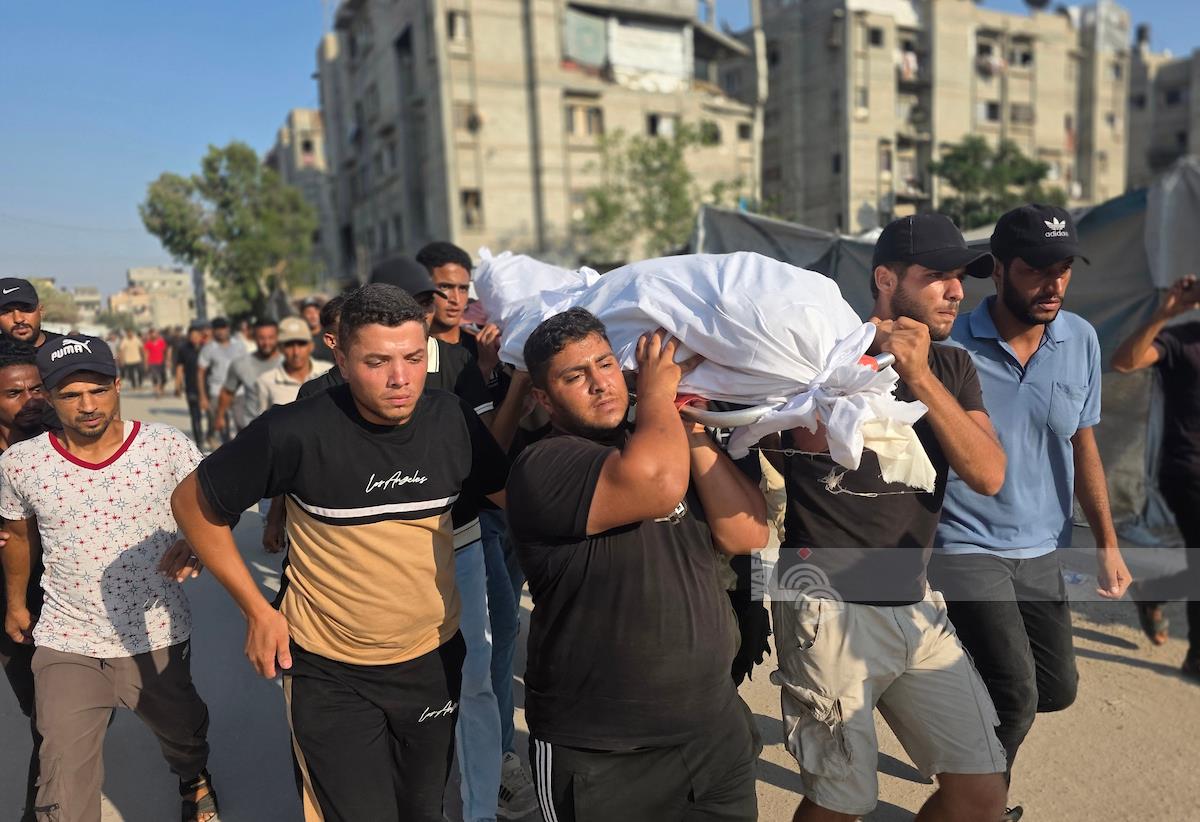
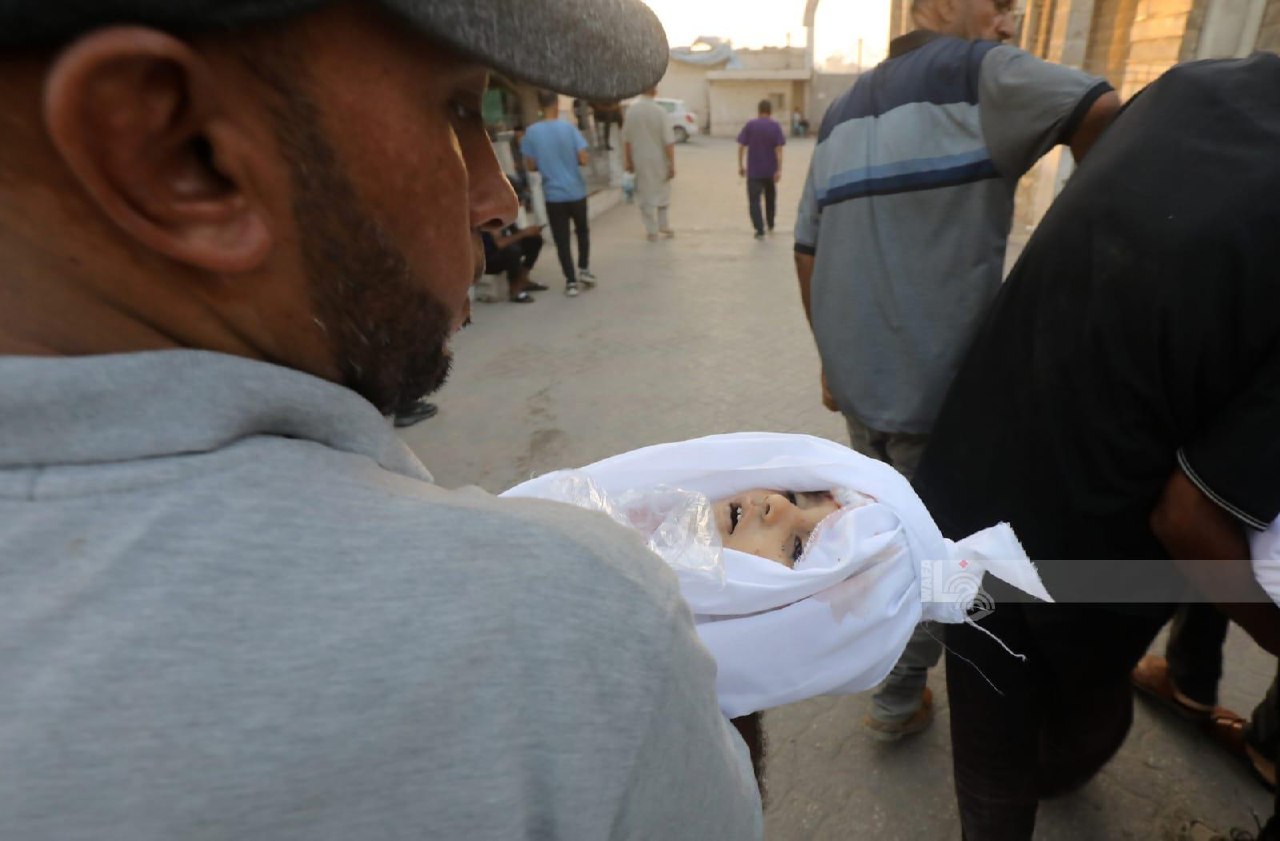
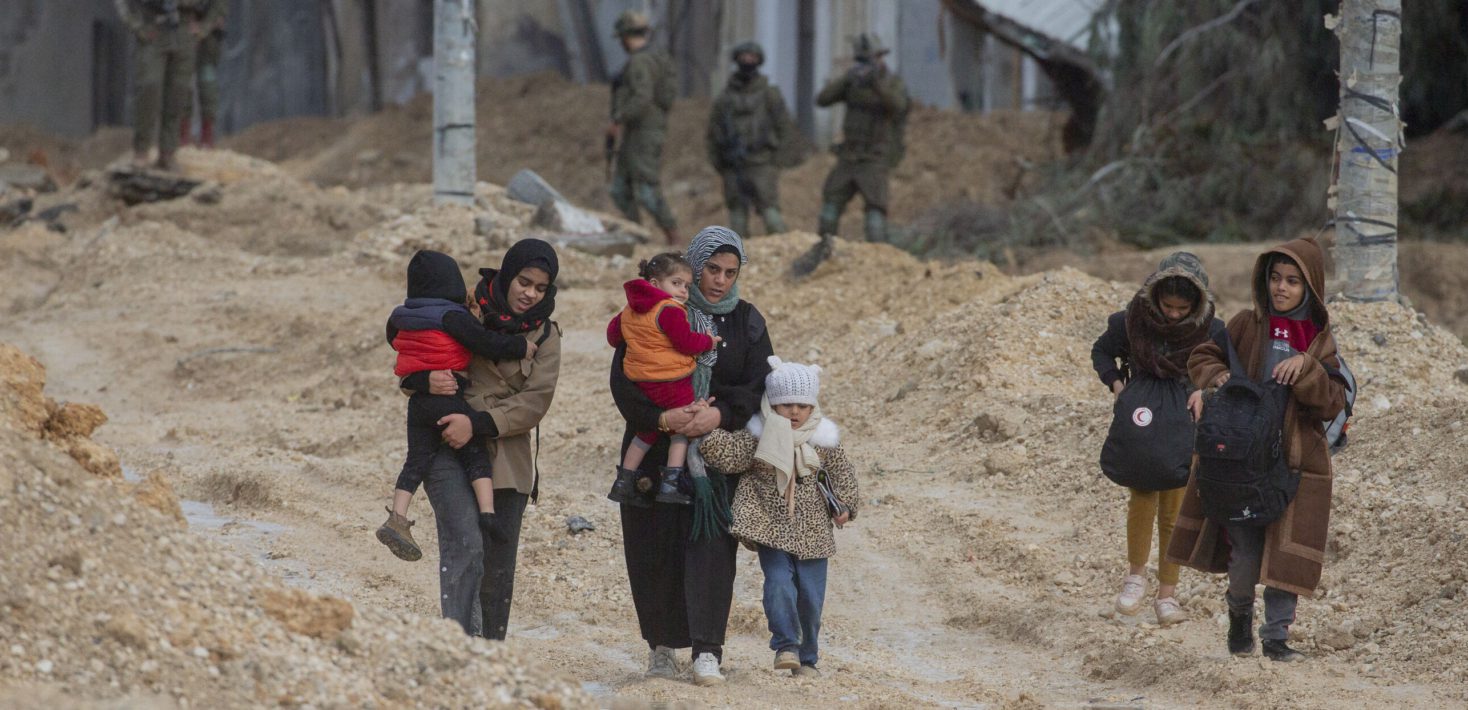
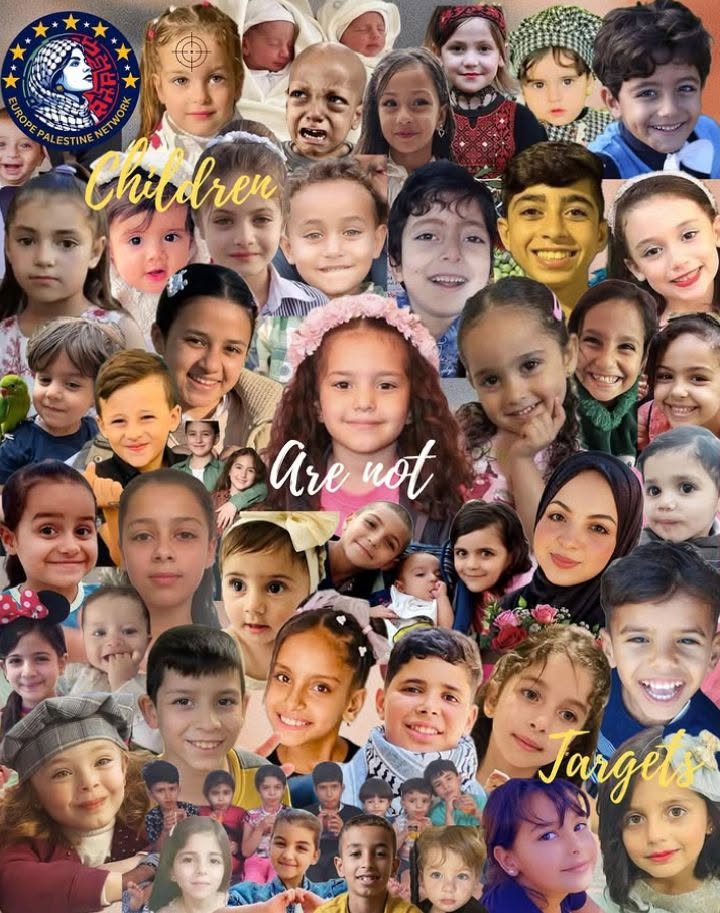
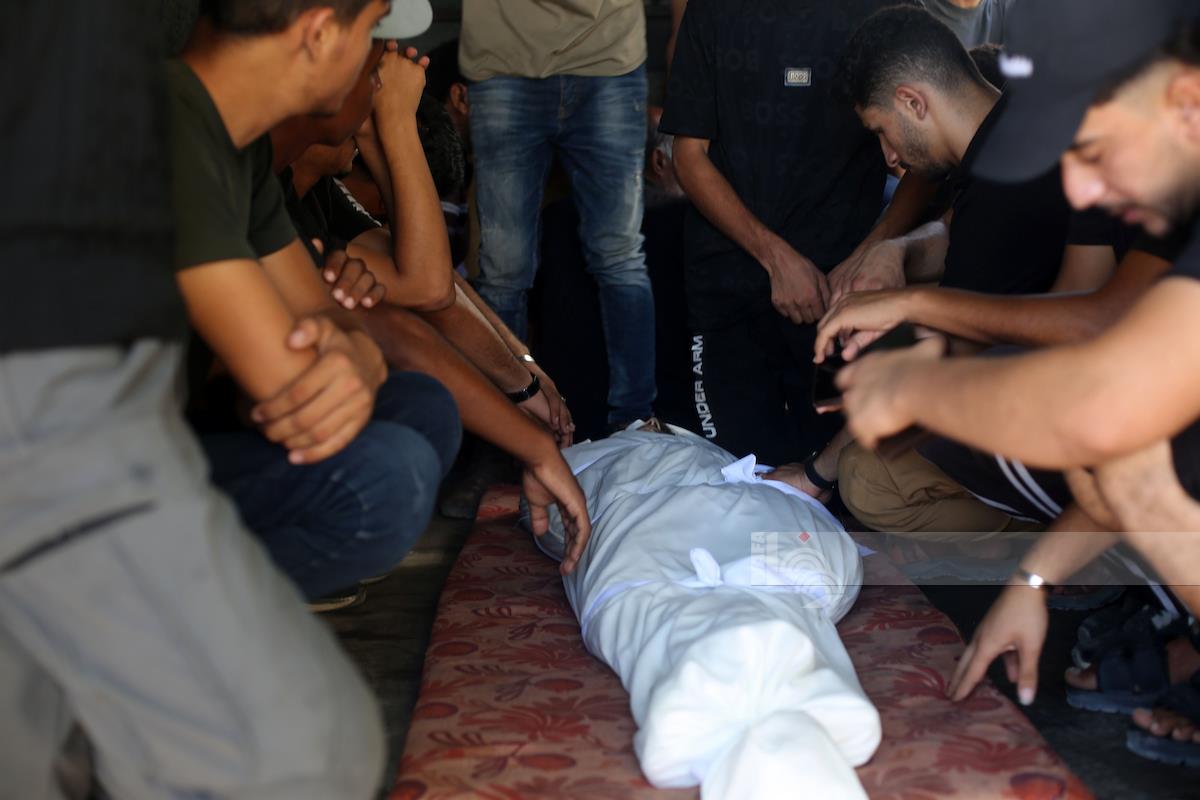
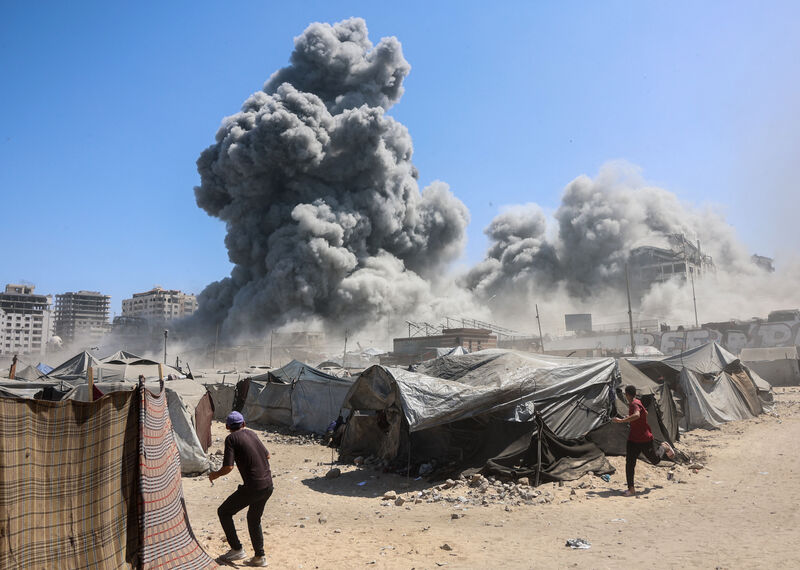
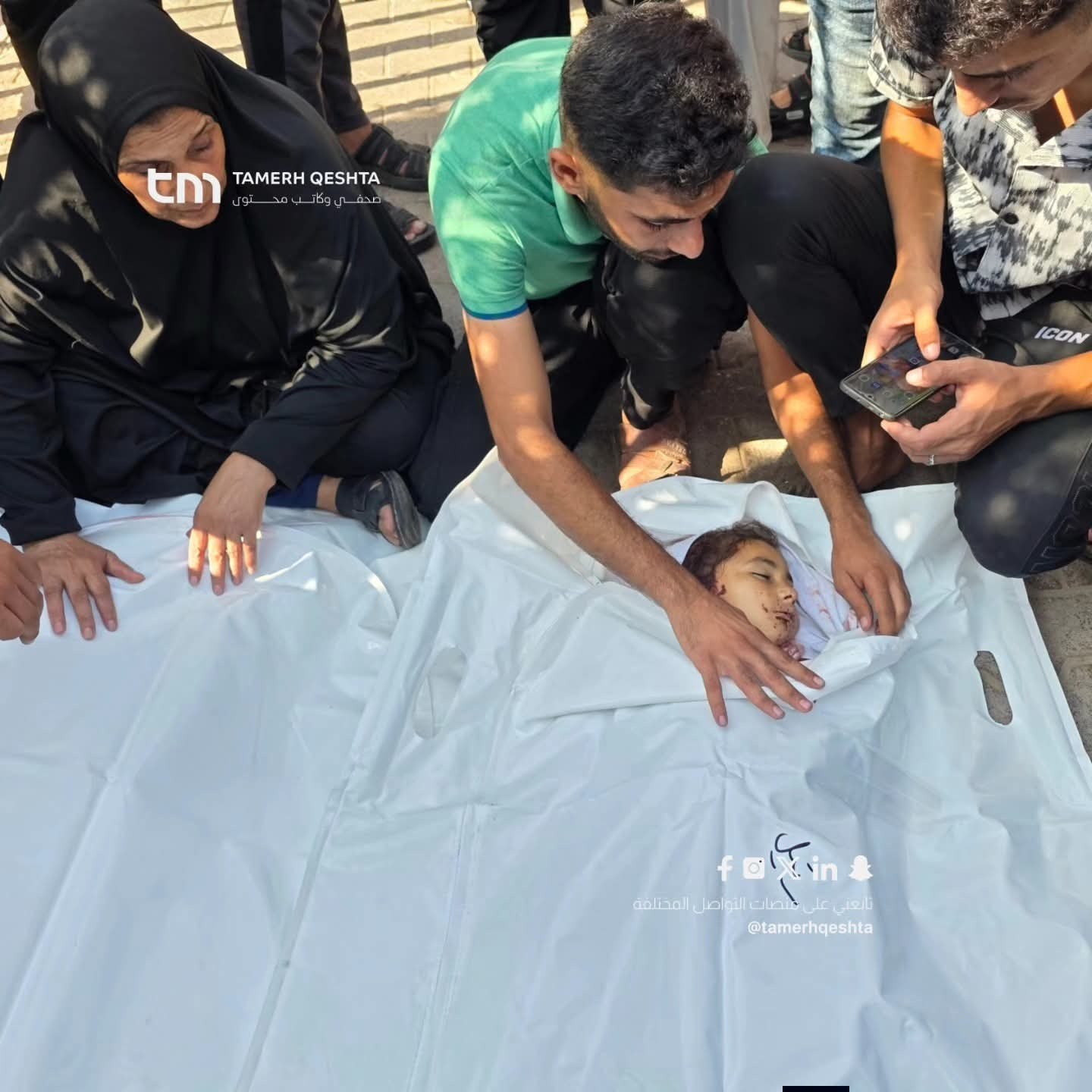
Airstrikes, drone attacks and hypothermia continue in Gaza despite the ceasefire, with more than 100 youngsters killed since early October, the UN Children’s Fund (UNICEF) said on Tuesday.
“That’s roughly a girl or a boy killed here every day during a ceasefire,” UNICEF spokesperson James Elder told reporters in Geneva.
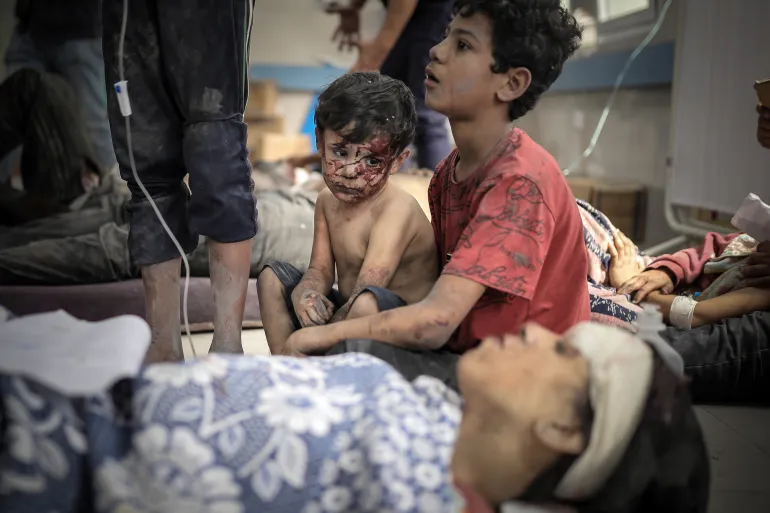
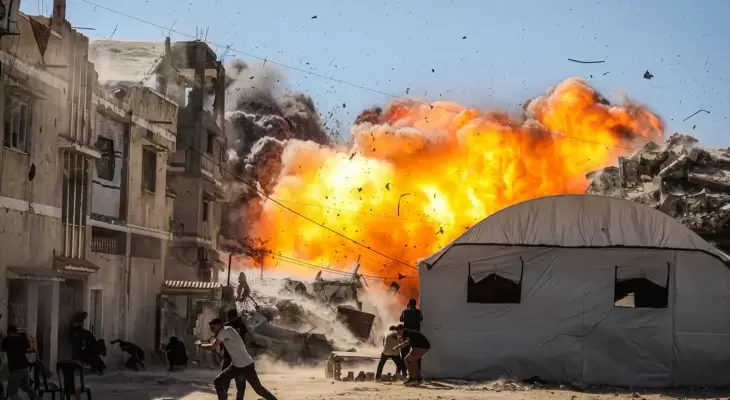
“These children are killed from airstrikes, drone strikes, including suicide drones,” he said, speaking from Gaza City. “They’re killed from tank shelling, they’re killed from live ammunition, they’re killed from [remote-controlled] quadcopters.”
Mr. Elder pointed out that more children have also died of hypothermia in the last few days, as harsh winter conditions expose the most vulnerable Gazans.
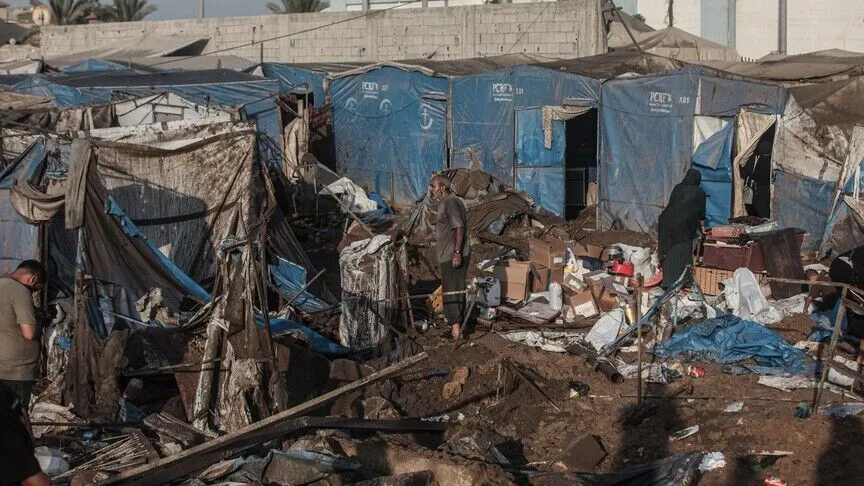
“We’ve now gone to six children who died of hypothermia just this winter,” he said. “I wish I could take a camera and show you 30, 40-kilometre [per hour] winds ripping through tents on the beach. It’s bitterly cold, it’s bitterly wet.”
The UNICEF spokesperson stressed that the ceasefire has allowed “genuine progress” in primary healthcare, with UNICEF and partners setting up the first health clinics in the north of the Strip and expanding immunization services.
But desperately needed medical evacuations of children remain at a standstill.
Mr. Elder noted “no noticeable improvement” both on approvals to get children with life-threatening injuries out of Gaza and in convincing more host countries take in the young patients.
He said that in his latest mission to the enclave, he spoke to many children and families denied evacuation despite completing an arduous, formal process.
These included a nine-year-old with shrapnel lodged in his eye who “will lose sight in an eye, maybe both”, a girl in Al Shifa hospital in Gaza City who “may well die” and another child whose leg needs amputating. “All three of those are absolute candidates for medical evacuation; all three of those have so far been denied,” Mr. Elder explained.
Before war erupted in Gaza following Hamas-led attacks in Israel on 7 October 2023, between 50 and 100 patients were evacuated from the enclave every day, according to the UN World Health Organization (WHO).
In an alert on Tuesday, the agency warned that extensive clearance procedures by the Israeli authorities continue to cause delays to deliveries of medicine and food.
“Some essential medical items are classified as ‘dual-use’ and denied entry,” WHO said in a post on X, in reference to goods that are primarily intended for civilian use but which the Israeli authorities believe could be diverted by Hamas or other militant groups for military purposes.
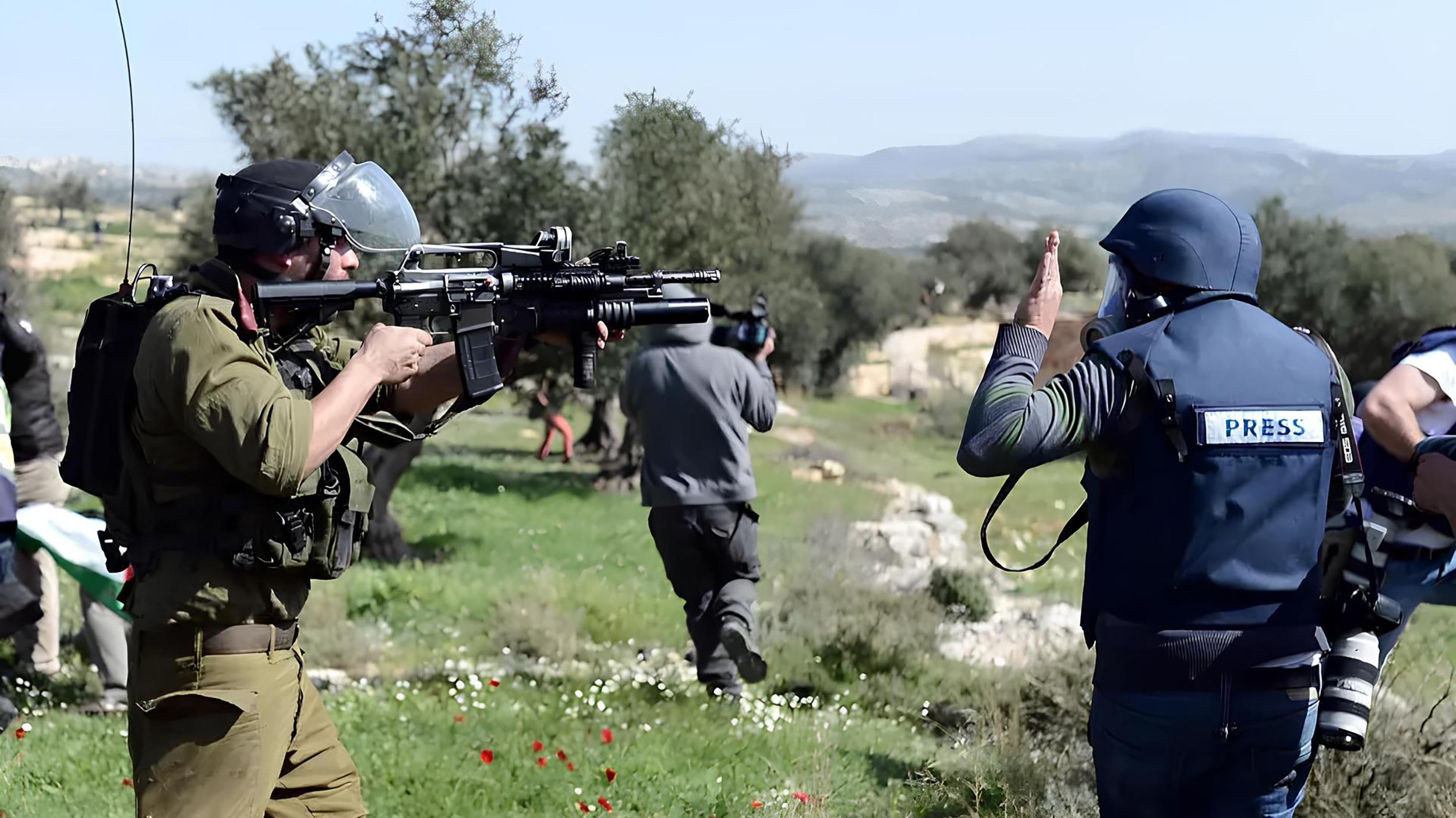
The UNICEF spokesperson also highlighted the dangers of a recent Israeli ban on international NGOs, which will come into effect in the coming month and mean “blocking life-saving assistance”, he alleged. Mr. Elder also stressed the importance of allowing international media into the enclave, which has not been granted despite the ceasefire.
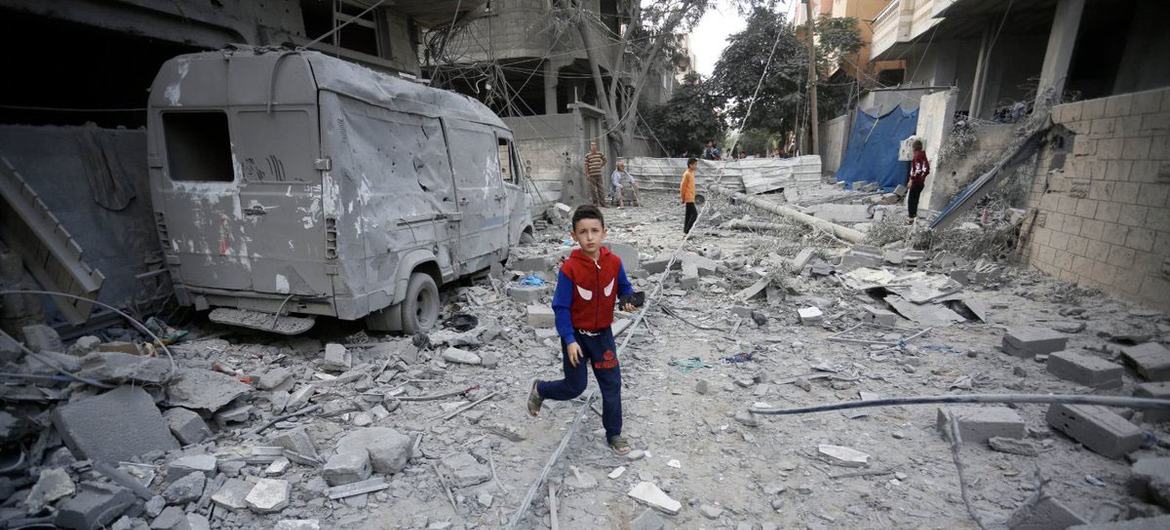
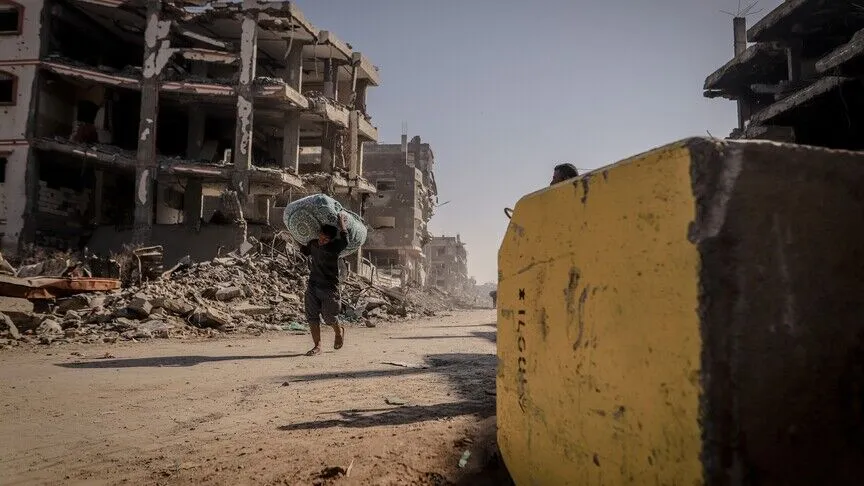
“There needs to be a lot more pressure on allowing international journalists to come in,” he said. “This is my seventh mission [to Gaza] and every time I see the 360-degree devastation, flattening of homes, my jaw drops.”
“It is absolutely as staggering yesterday as it was the first time I saw it more than two years ago,” he insisted.
Mr. Elder warned that two years of war have “left life for Gaza’s children unimaginably hard,” explaining that “the psychological damage remains untreated, and it’s becoming deeper and harder to heal, the longer this goes on”.
“A ceasefire that slows the bombs is progress, but one that still buries children is not enough,” he concluded as reported in UN News.
CrossFireArabia
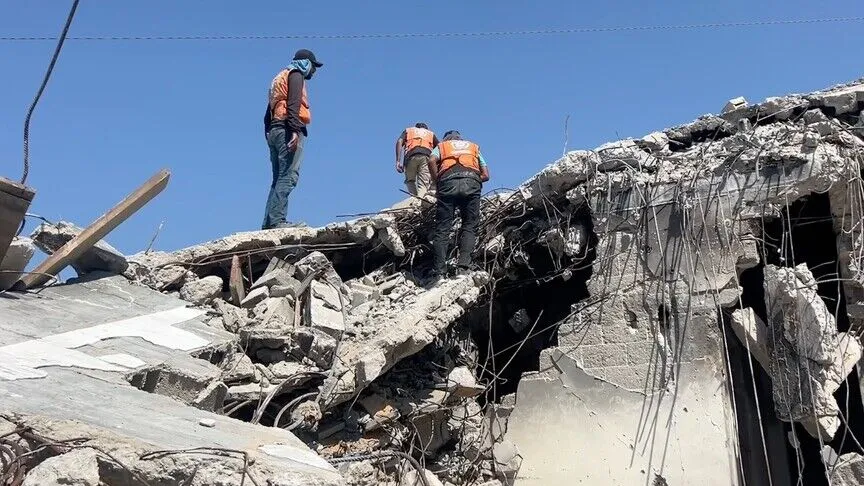
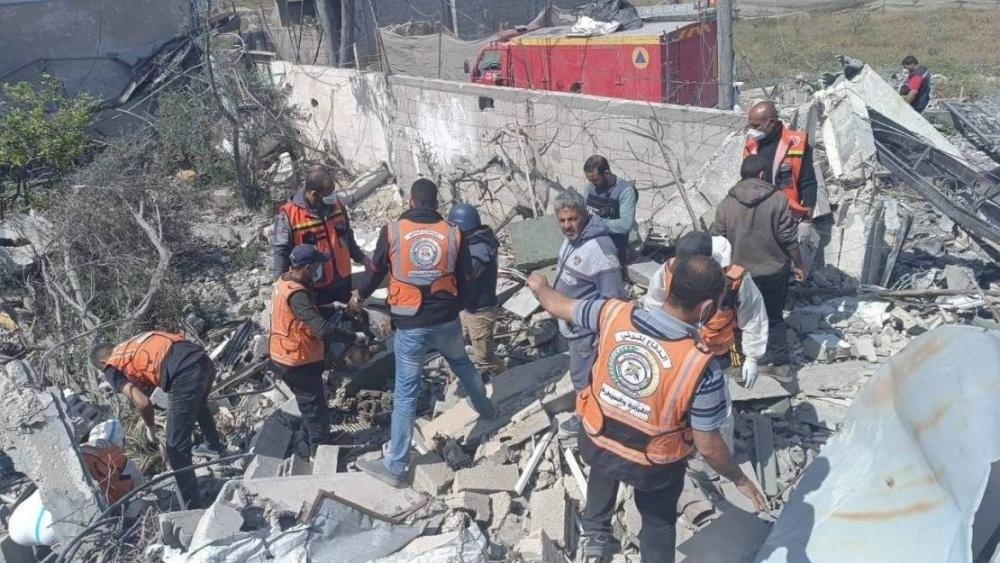
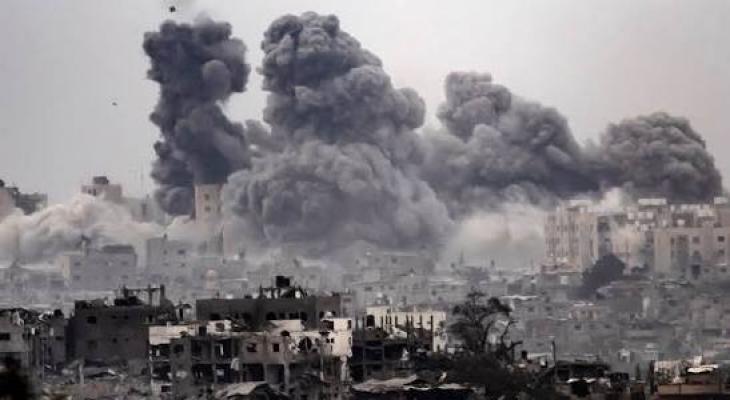
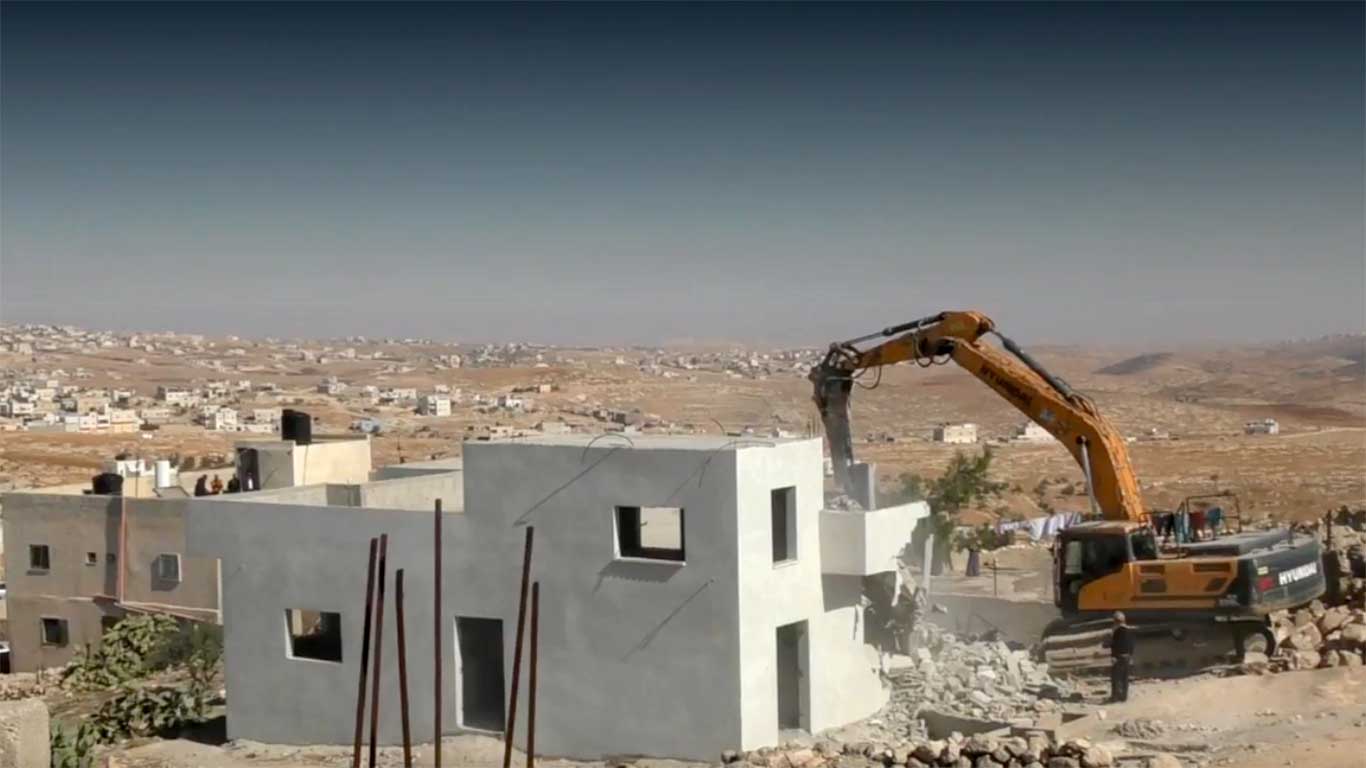
The Israeli occupation forces demolished more than 2,500 homes since the ceasefire was announced on 10 October, 2025 according to the Secretary-General of the Palestinian National Initiative, Dr. Mustafa Barghouti. He condemned the ongoing Israeli demolitions in the Gaza Strip, as a flagrant violation of all international laws and conventions.
Barghouti told Jordan 24 the continued policy of systematic demolition and destruction of homes and infrastructure is a war crime against humanity and clearly exposes the falsehood of the occupation’s claims that it is adhering to the ceasefire. He stressed the true aim of these Israeli policies is to deepen the humanitarian catastrophe, is clear collective punishment and create a wave of forced displacement out of Gaza.
Barghouti holds both the Israeli occupation government fully responsible for these crimes and that of the international community for failing to provide protection for the Palestinian people and for not compelling the Israeli occupation to immediately cease its violations.
Barghouti called for an immediate and complete halt to all demolitions and aggression against the Gaza Strip, the formation of an independent international commission of inquiry to hold those responsible for the crimes of demolition and destruction accountable, the provision of international protection for the Palestinian people, and guarantees for the unrestricted entry of relief and reconstruction materials.
He also stressed the necessity of holding the occupation accountable before international courts for its ongoing crimes against civilians, affirming that the occupation’s crimes will not break the Palestinian people’s resolve to remain steadfast on their land and thwart the plans of ethnic cleansing.
CrossFireArabia
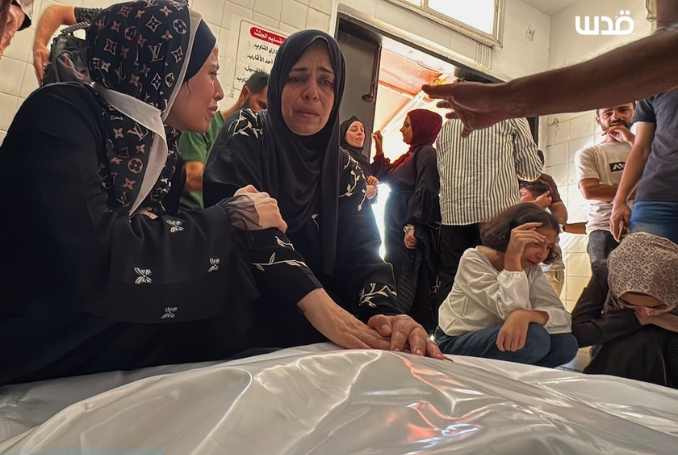
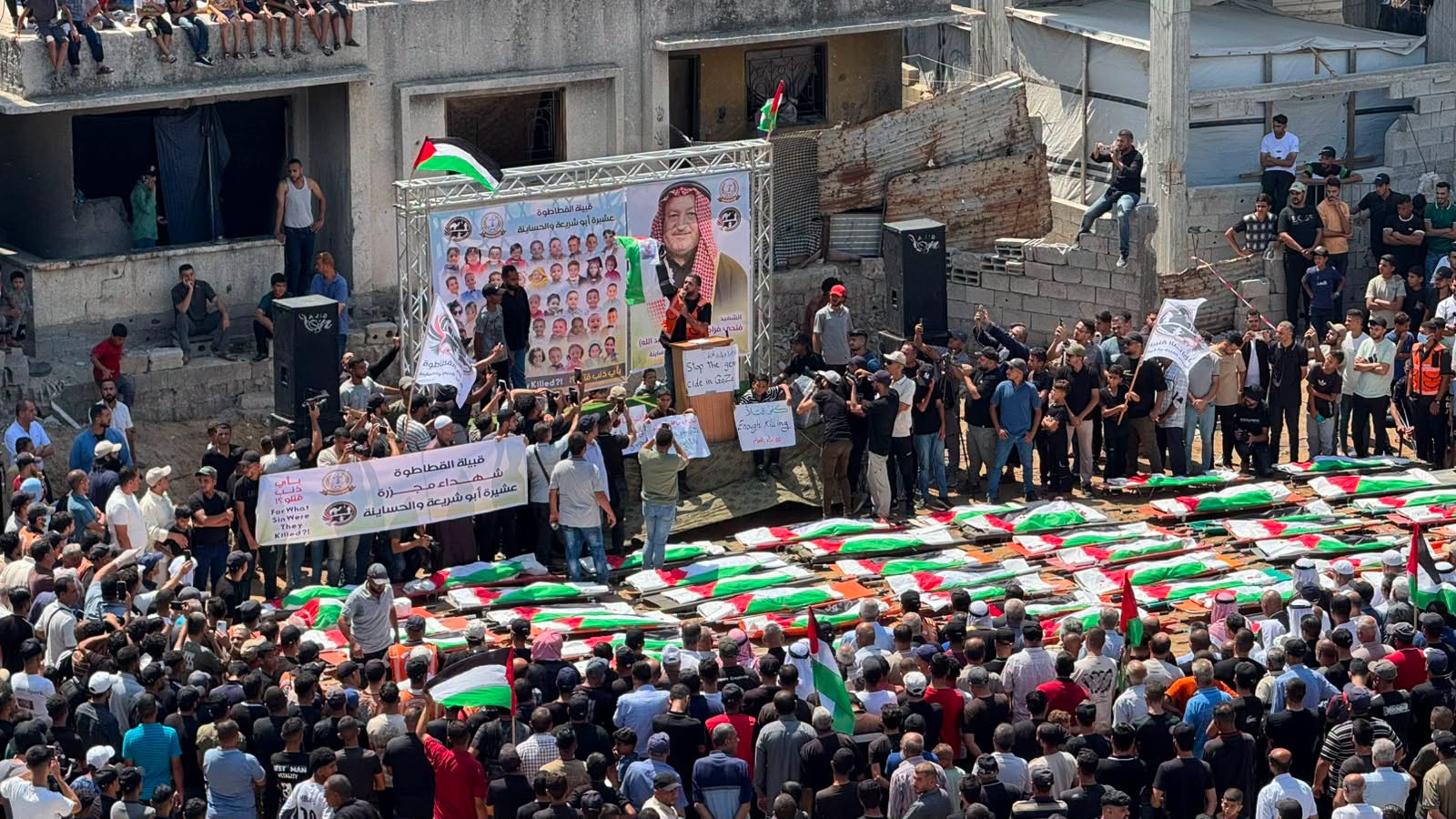
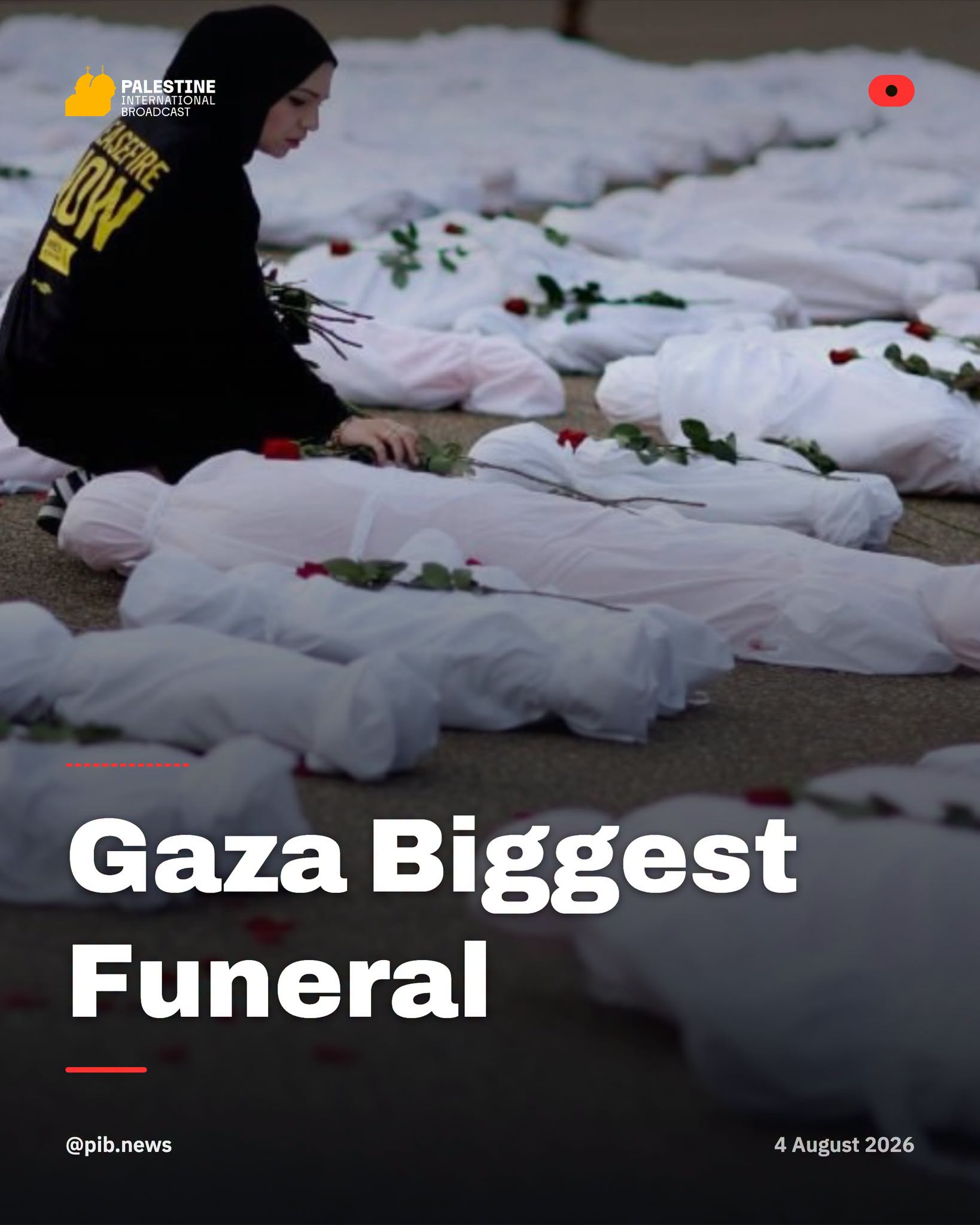
Deaths caused by extreme cold in the Gaza Strip have risen to 24, including 21 children, since the start of Israel’s genocidal war in October 2023, local authorities said Tuesday.
In a statement, the government media office said seven children have died since the beginning of the current winter season due to severe cold conditions, bringing the total number of cold-related deaths to 24 as of Jan. 13, 2026.
“All the victims were displaced Palestinians living in forced displacement camps,” the statement said.
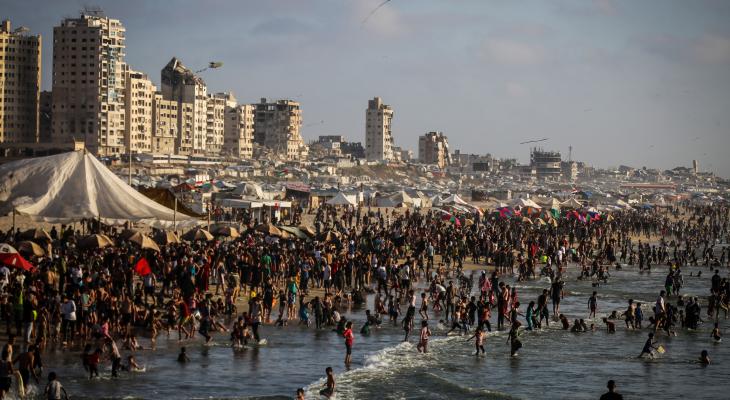
The media office also reported that around 7,000 tents have been swept away by the ongoing low-pressure weather system battering the enclave.
It warned of “catastrophic humanitarian consequences” as freezing temperatures return to Gaza amid the continued Israeli onslaught and suffocating blockade, which have caused widespread destruction of homes and infrastructure and forced more than 1.5 million Palestinians into displacement camps lacking the most basic living conditions.
The office said the situation poses a serious threat to the lives of the most vulnerable groups, particularly children, citing a near-total absence of heating supplies, lack of safe shelter, and severe shortages of blankets and winter clothing, compounded by ongoing restrictions on the entry of humanitarian aid.
It held Israel fully responsible for the deaths, which the statement described as part of a broader policy of “slow killing, starvation, and forced displacement.”
The media office urged the international community, the United Nations, and humanitarian and human rights organizations to take immediate action to establish safe shelters, allow the unrestricted entry of heating and relief supplies, and prevent further loss of life according to Anadolu.
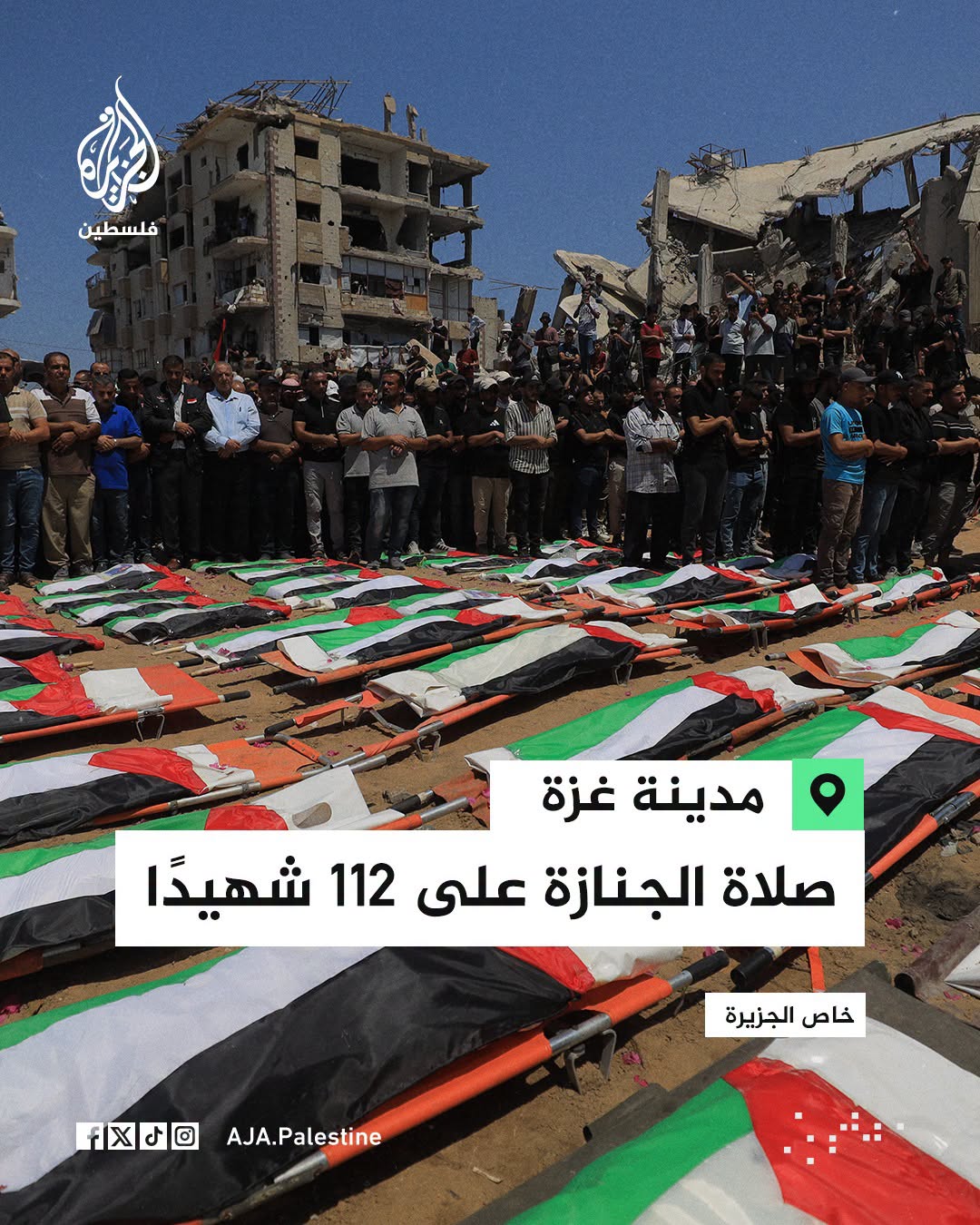
The Israeli army has killed more than 71,000 people, most of them women and children, and injured over 171,000 others in a brutal offensive since October 2023 that left the Gaza Strip in ruins.
Despite a ceasefire that began last Oct. 10, the Israeli army has continued its attacks, killing 447 Palestinians and wounding 1,246 others, according to the Gaza Health Ministry.