Gaza Relief: Bread Soaked in Blood

The Gaza Humanitarian Foundation is directly responsible for the escalating Israeli crimes against starved Palestinian civilians near aid distribution points in central and southern Gaza

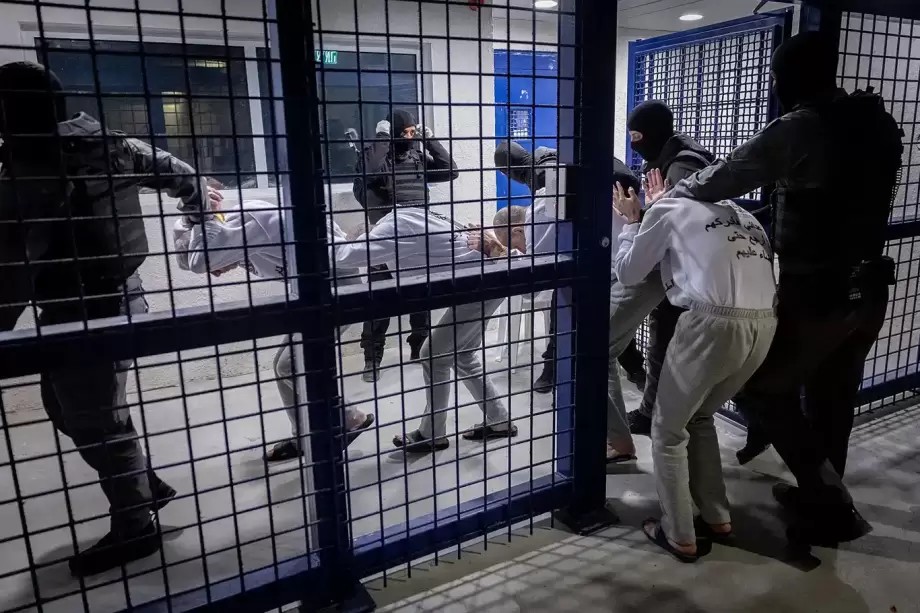
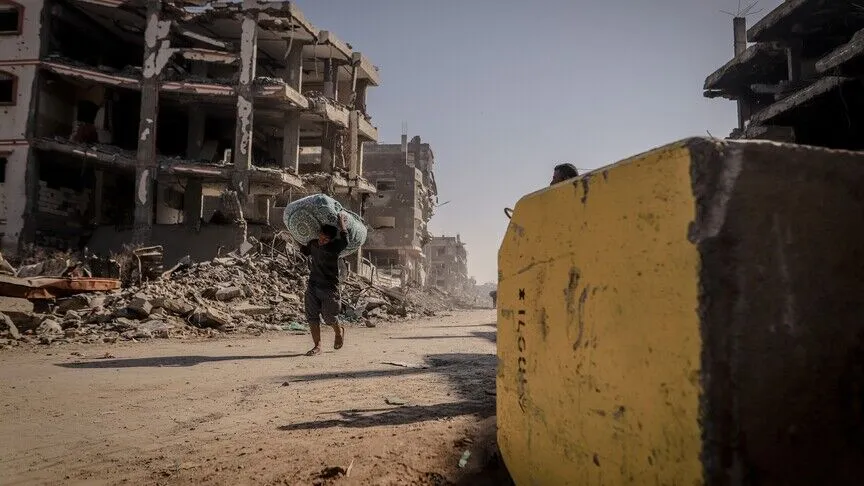
The foundation’s operational model involves luring civilians to specific locations coordinated with the Israeli army, where they are subjected to killing, injury, and cruel and degrading treatment. These points have effectively become death traps used as tools in Israel’s ongoing genocide against the Palestinian population for over 20 months.

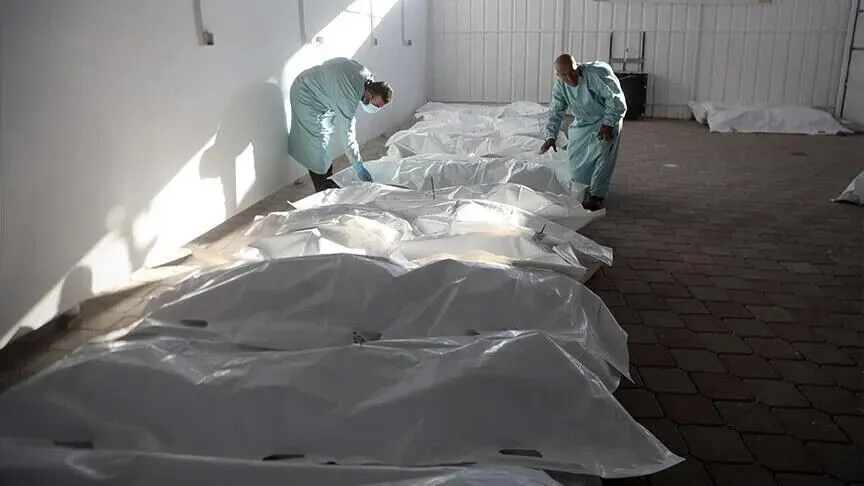
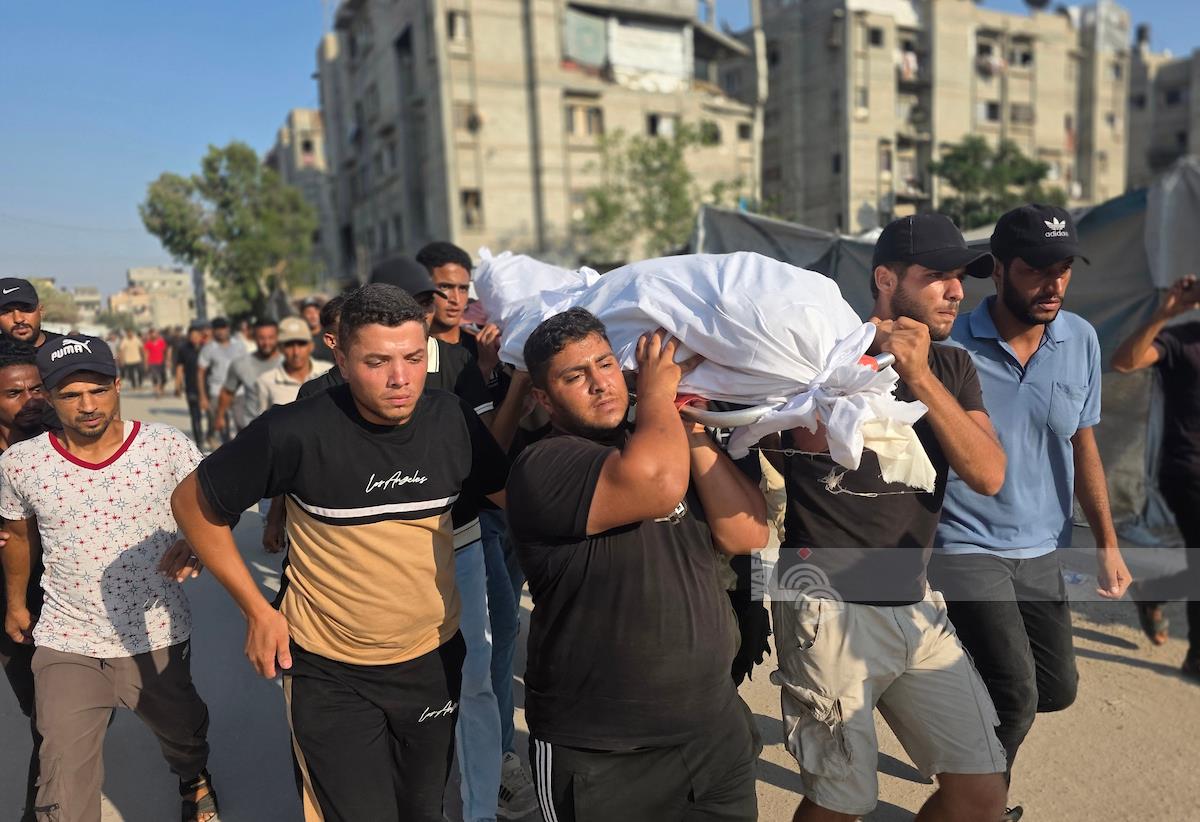
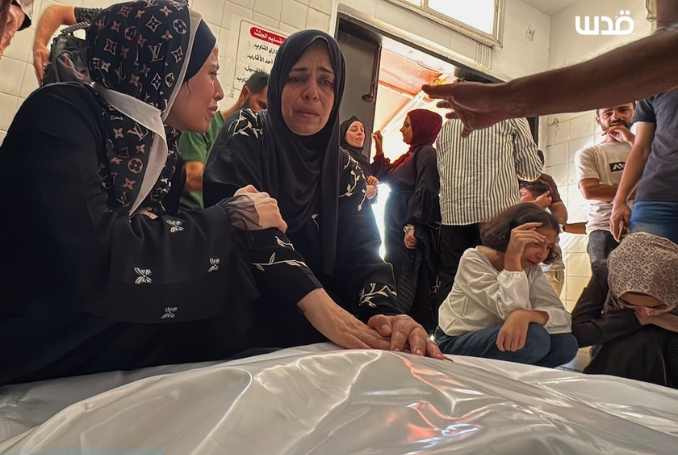
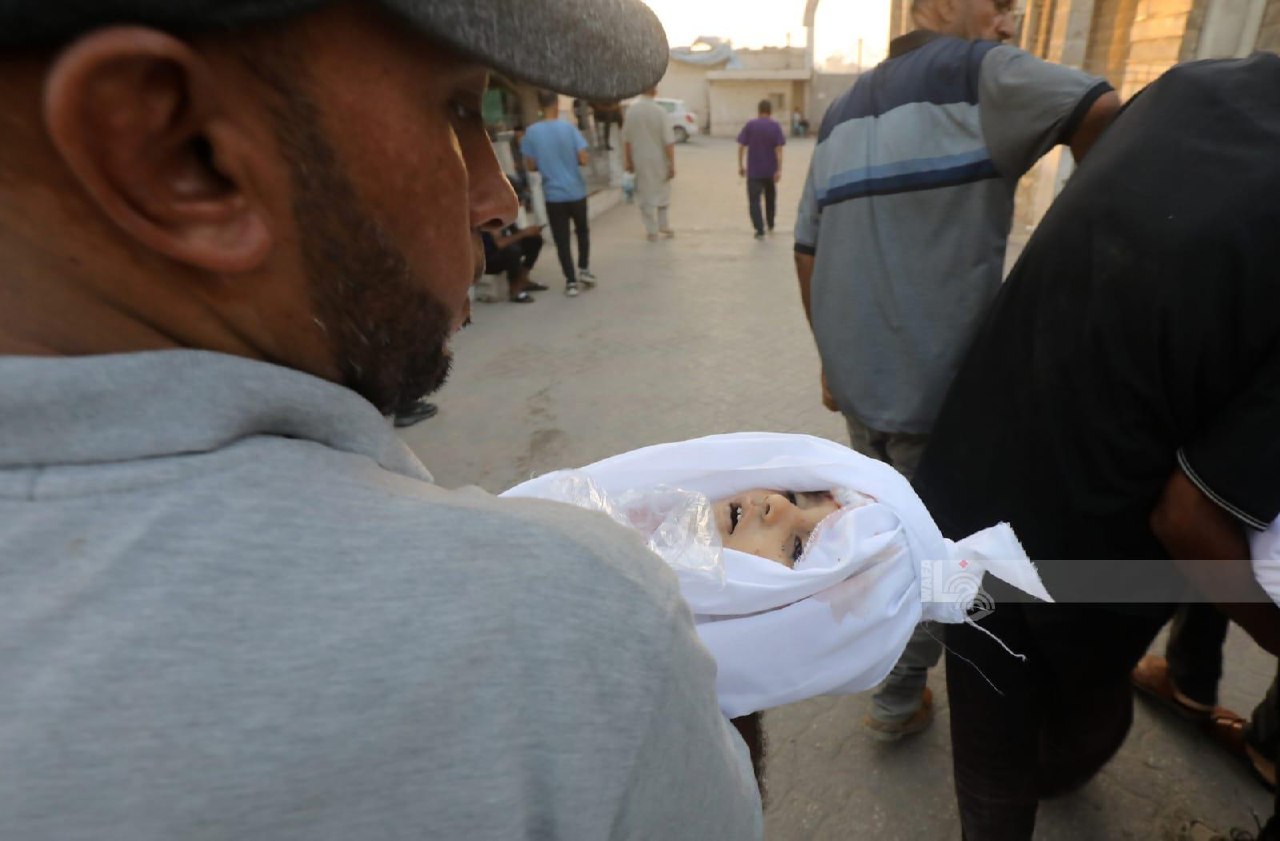
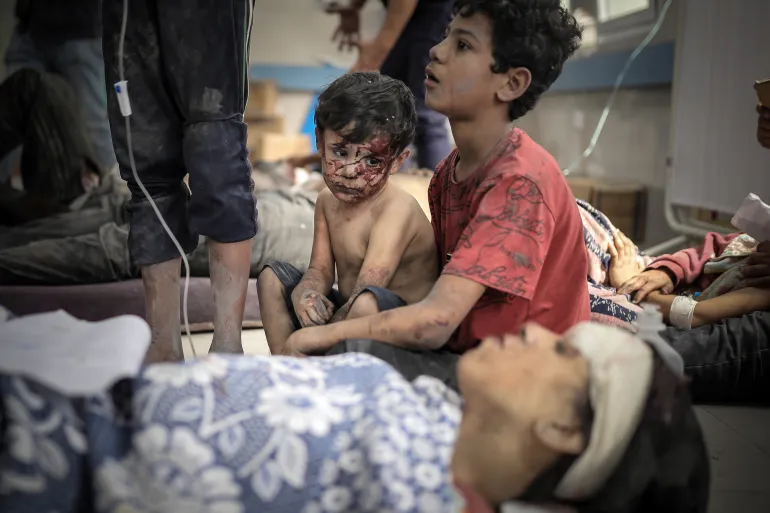
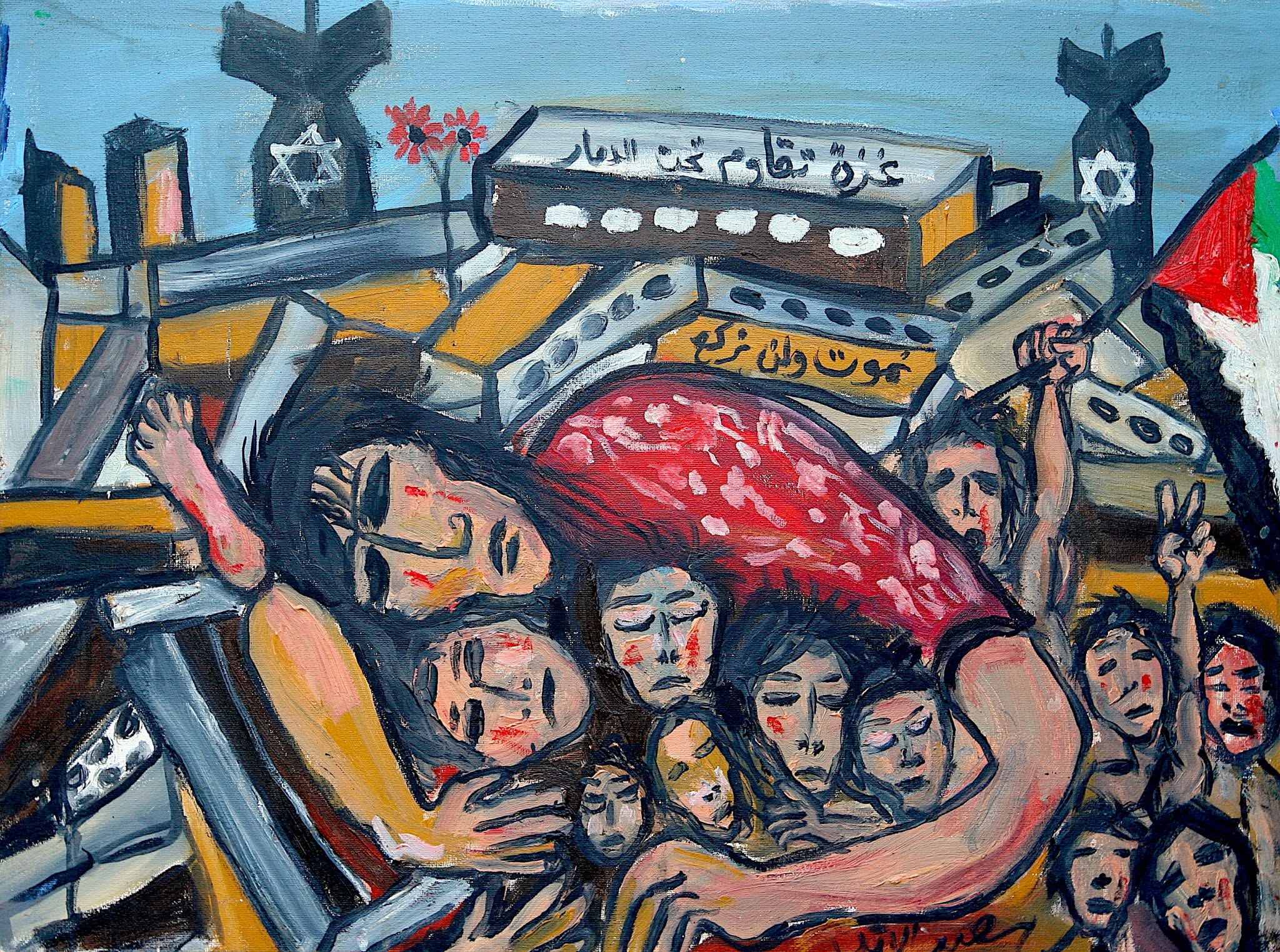
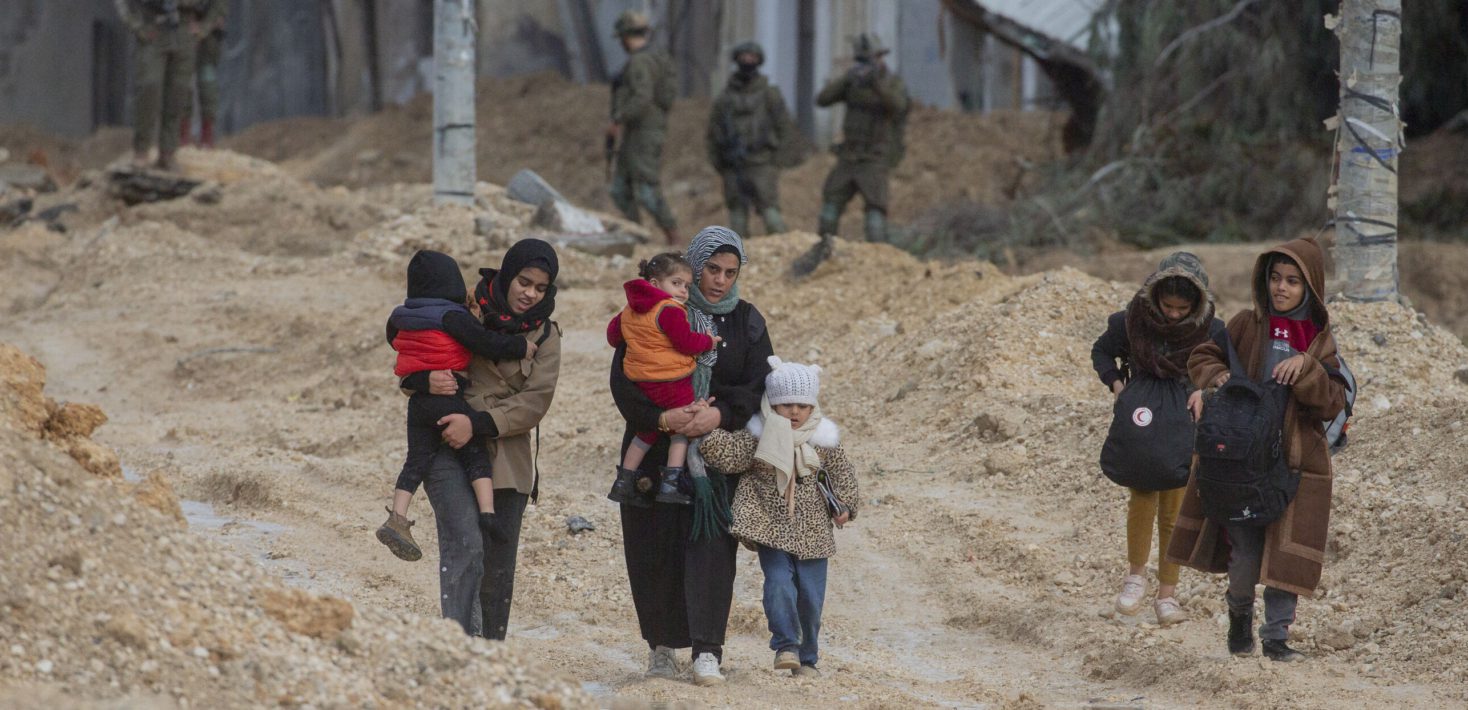
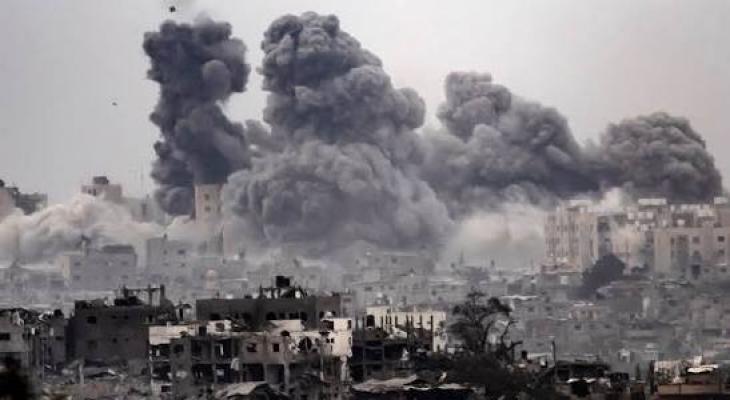
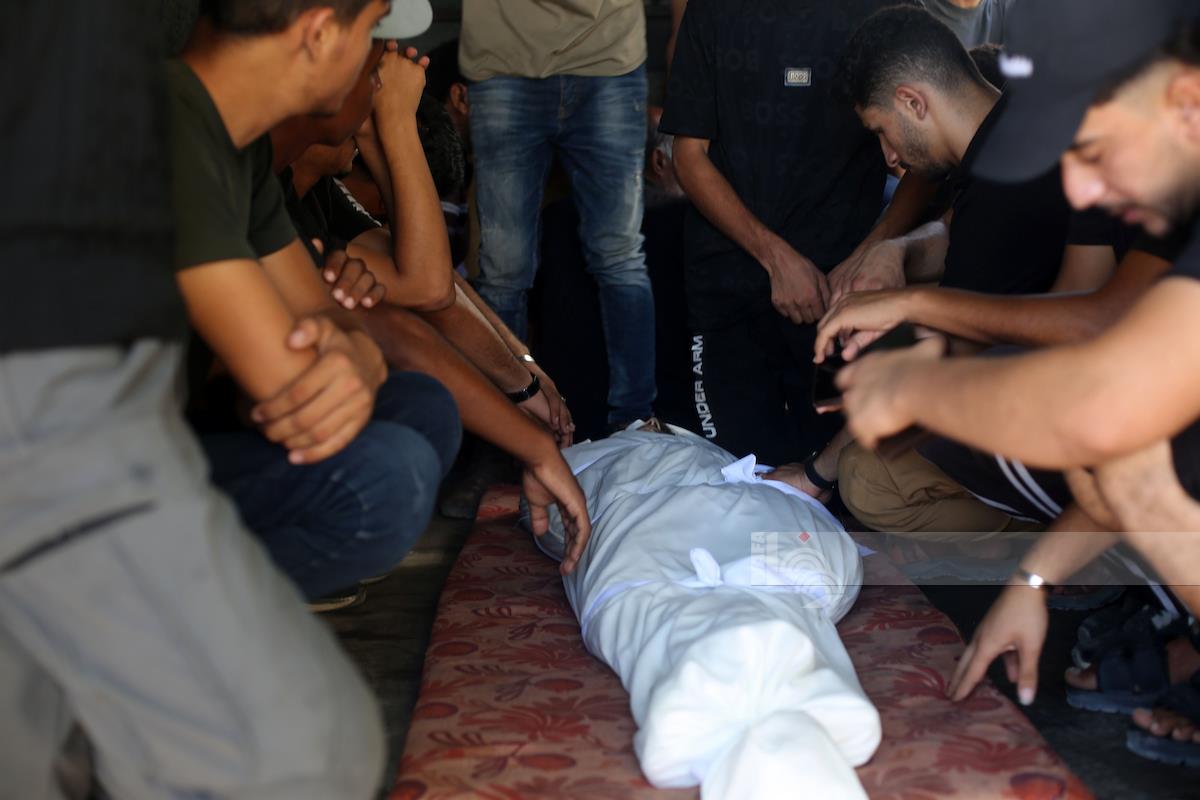
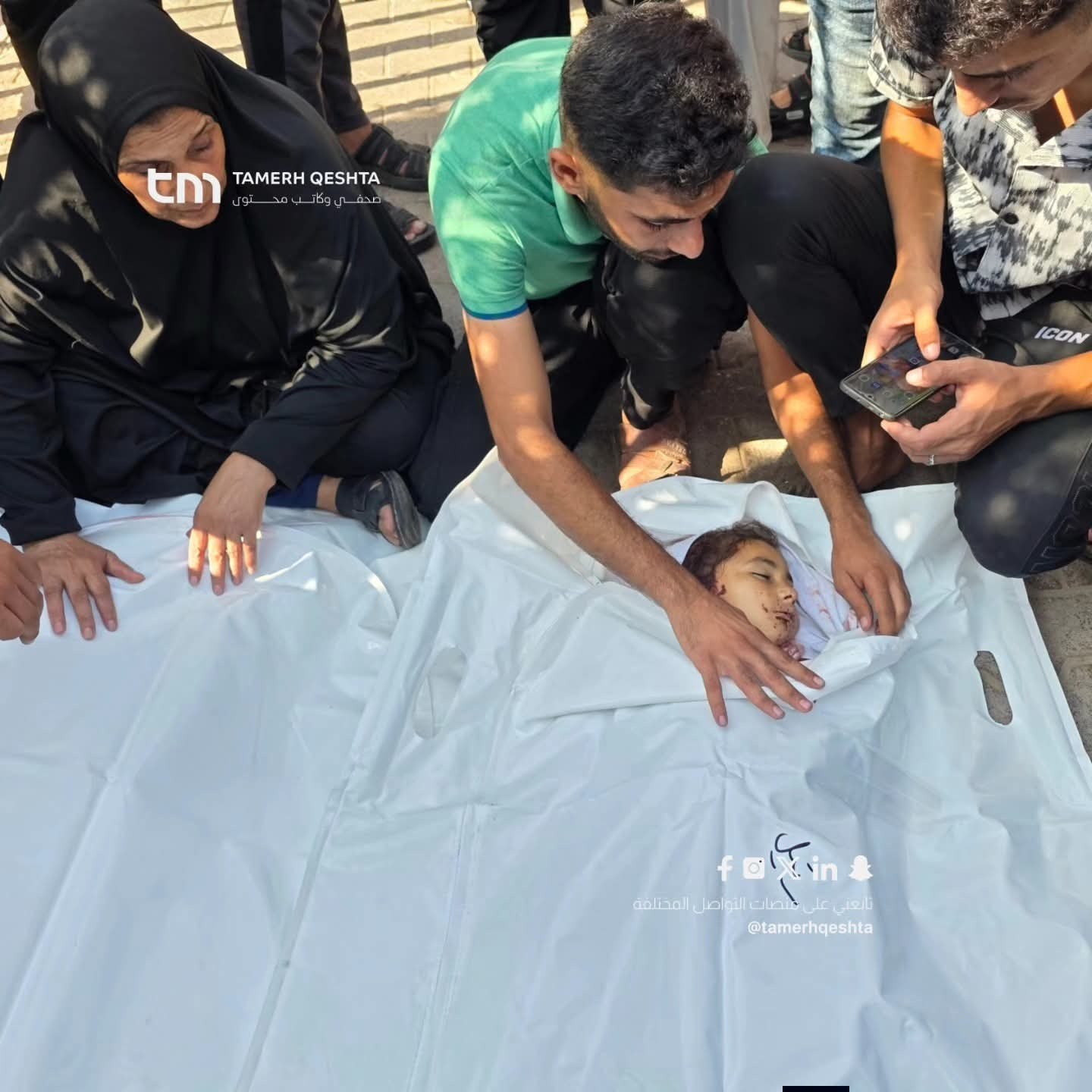
On Tuesday morning, at least 80 Palestinians were killed and 200 others injured by Israeli fire near a US-backed aid distribution point in eastern Khan Younis, southern Gaza Strip, as they approached the site to collect aid.

Euro-Med Human Rights Monitor calls for an independent international investigation into the foundation’s role and for its officials to be held criminally accountable for the crimes they facilitated—whether through planning, enabling, or remaining silent.

Euro-Med Monitor further urges donors to immediately halt all financial or logistical support to the foundation and to blacklist it among entities complicit in grave violations of international law.

The foundation’s continued operation of these sites—despite documentation of over 380 deaths in just three weeks—cannot be seen as incidental or isolated incidents. Rather, it constitutes direct involvement in the crime of starvation and the systematic targeting of civilians, a flagrant violation of humanitarian neutrality, and a clear contribution to war crimes, crimes against humanity, and complicity in genocide.

Euro-Med Human Rights Monitor said in a press statement that Israel has killed around 385 Palestinians and injured over 3,000 others since it imposed its aid distribution mechanism in the Gaza Strip on 27 May until 16 June. The Monitor explained that the mechanism relies on luring thousands of starving civilians each day to two main distribution centres—one near the “Netzarim corridor” in central Gaza and the other in Rafah, southern Gaza. Civilians are forced to walk long, exposed routes stretching for several kilometres, only to come under direct fire from military vehicles, drones, helicopters, and artillery shells. Large numbers are killed or wounded, while only the lucky few who survive the deadly journey reach the distribution points to receive a meagre amount of food that fails to meet even the minimum survival needs.

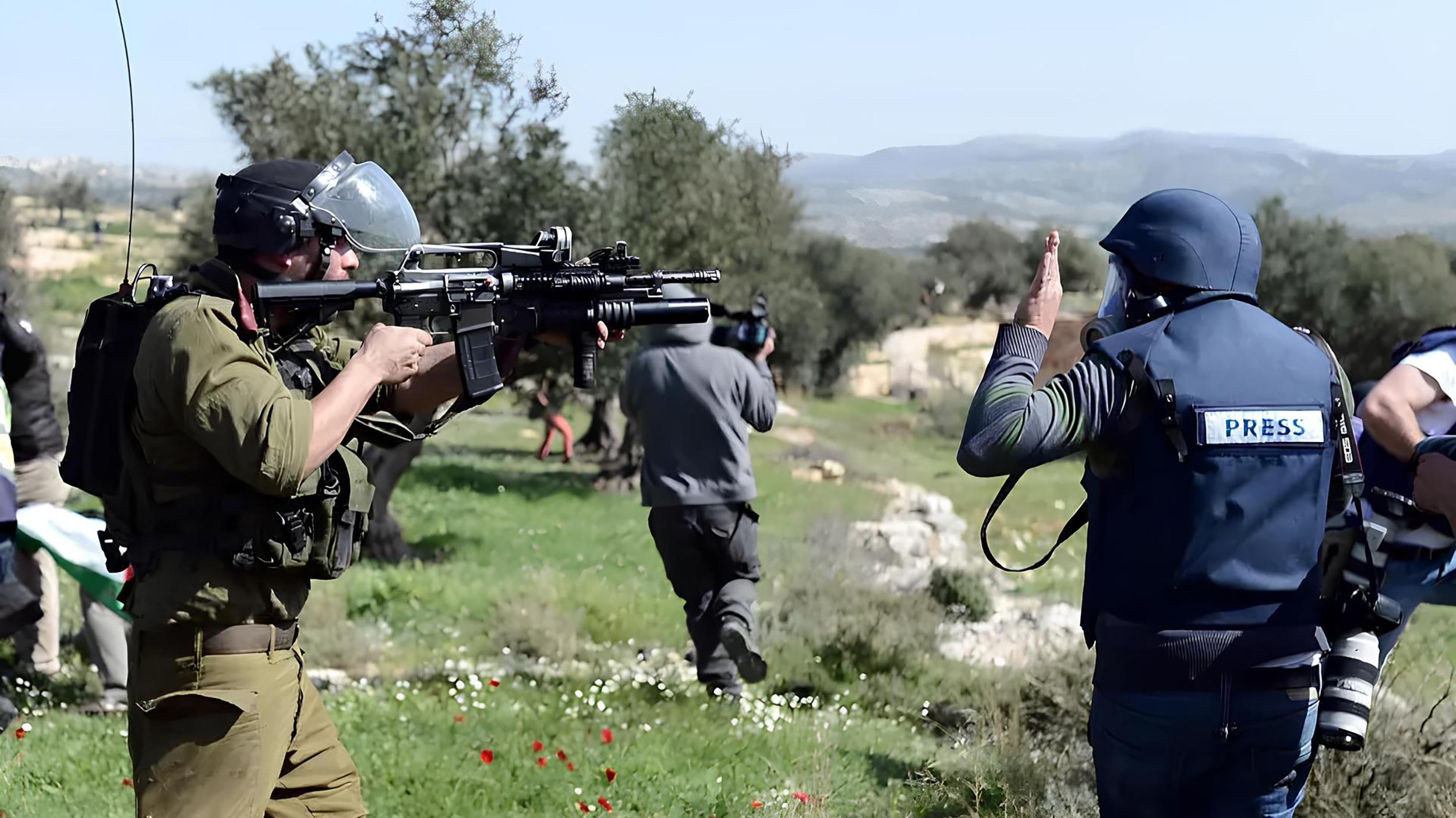
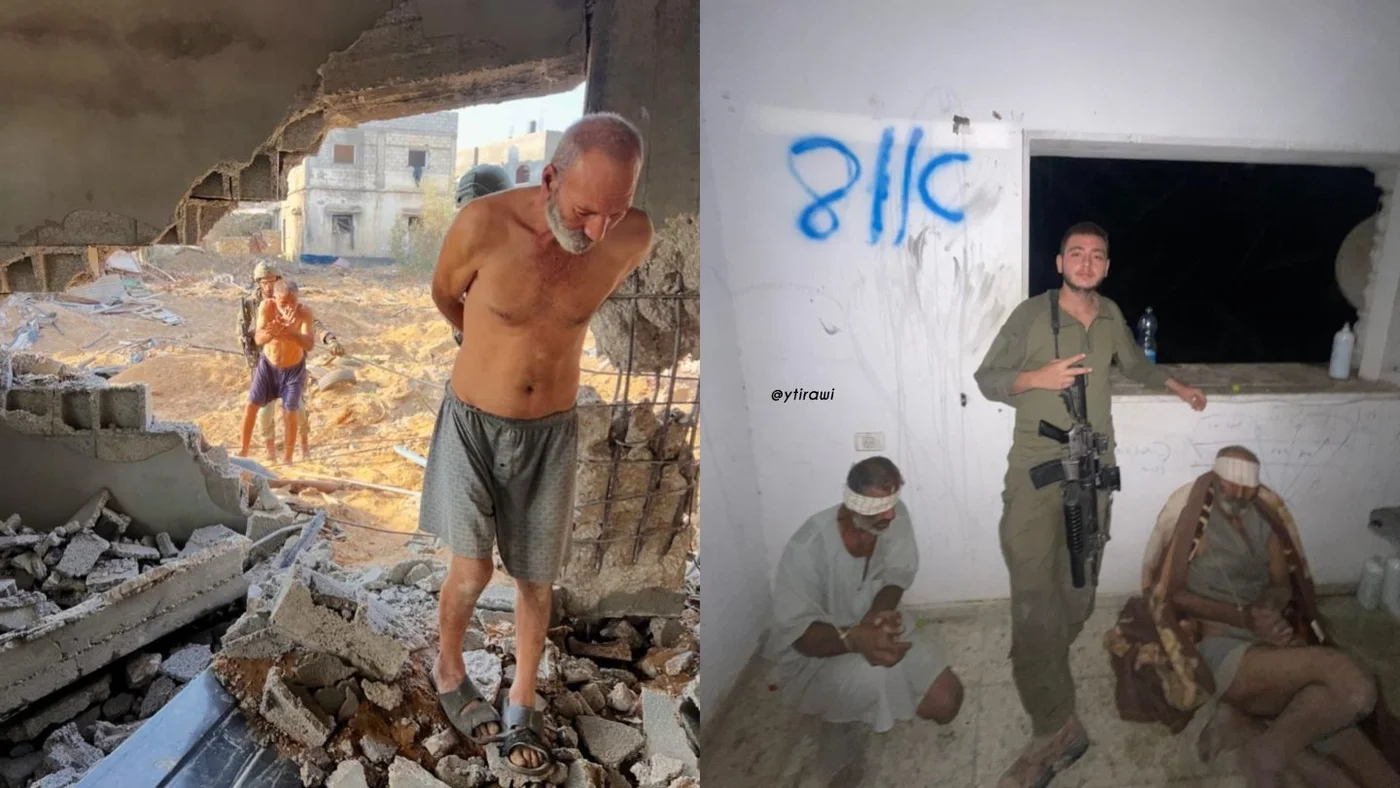
The Israeli army usually ignores the crimes it commits against starved civilians near aid distribution points. In the rare instances when it issues statements, it offers vague and generic narratives, often citing the presence of “suspects” near the forces—claims that are never substantiated with credible evidence. On the contrary, field data indicates that the victims are civilians, including women, children, and the elderly.

The investigations the Israeli army claims to open are even rarer than its public statements. These investigations are often superficial, left incomplete, their findings withheld, or they result in no real accountability. This reflects a systematic policy aimed at concealing evidence and ensuring impunity for perpetrators—a policy that spans decades of documented Israeli violations that have faced no serious accountability, including those committed as part of the ongoing crime of genocide in the Gaza Strip.

Euro-Med Monitor holds the international community responsible for allowing the continuation and escalation of systematic crimes committed by the Israeli occupation forces against starved civilians near the so-called aid distribution centres in central and southern Gaza. The failure of influential states to take deterrent measures—and their inability to exert any meaningful pressure to stop Israel’s crimes, including the continued operation of its inhumane aid distribution mechanism—has effectively provided political and practical cover for Israel to persist in using these centres as sites of mass killing and for carrying out practices that violate Palestinians’ most basic rights and demean their human dignity.

    Israel, which is using starvation as a central tool in committing the crime of genocide, cannot under any circumstances be considered a legitimate party in any humanitarian operation   

Relevant states and UN bodies have effectively abandoned their legal and moral obligations to protect civilians and prevent the worsening of the humanitarian catastrophe in Gaza. They have refrained from taking firm measures—not only to hold Israel accountable for killing starved civilians but even to protect the UN-led aid delivery mechanism, which Israel has deliberately undermined through siege and armed force, in blatant and dangerous defiance of the international system and the principles it was founded upon. 

International reactions have often been limited to ineffective verbal condemnations, falling far short of any meaningful action. This has enabled Israel to continue committing its crimes without real cost, leaving civilians to face death—either from starvation or from gunfire—as they follow the same path drawn by the occupying power under the guise of “humanitarian aid.”

Continuing to allow Israel to carry out such serious crimes against Palestinians in Gaza—killing and injuring hundreds daily as they attempt to access limited food aid—entails international legal responsibility for states with the capacity to influence events, particularly those that continue to provide political or military support to Israel.

The failure to take effective measures—such as imposing sanctions or exerting genuine pressure to halt these crimes—constitutes, under international law, direct contribution to the crime or responsibility for failing to prevent it despite having the proven ability to do so. This establishes legal liability for those states as parties that have, through action or inaction, contributed to the continuation of the crime.

Since Israel imposed its own mechanism for the distribution of humanitarian aid, Euro-Med Monitor has documented the involvement of Israeli occupation forces—alongside local gangs operating in coordination with them and personnel from the American security company managing the distribution sites—in the killing of Palestinian civilians as they approached the centres, despite posing no real threat to Israeli forces or security personnel.

Even in cases where an alleged threat exists, international law does not justify the use of lethal force. Security forces are bound by international legal standards to adhere to the principle of proportionality and gradual escalation in the use of force, and are only permitted to resort to deadly force as a last resort—and only in situations where there is an imminent and real threat to life. Such conditions were absent in the documented cases, making these killings a grave and explicit violation of international law.

The deliberate targeting of Palestinian civilians—through killings and injuries as they attempt to access food—combined with the use of starvation as a weapon, constitutes a blatant violation of international humanitarian law and international criminal law. These are war crimes under the Rome Statute, including wilful killing, targeting civilians, and using starvation as a method of warfare—all of which are categorically prohibited during armed conflicts.

The pattern of these violations—characterised by their widespread and systematic nature against the civilian population—meets the legal threshold for crimes against humanity, particularly the crimes of murder, persecution, and inhumane acts causing severe suffering or serious injury to mental or physical health, when committed as part of a widespread or systematic attack against a civilian population.

Placing these crimes within their broader context—including the systematic destruction of means of survival, obstruction of humanitarian aid, and the imposition of deadly living conditions on civilians, alongside public statements made by various Israeli political and military officials—reveals a clear and declared intent to destroy the Palestinian population in Gaza. This amounts, under Article II of the Convention on the Prevention and Punishment of the Crime of Genocide, to the crime of genocide—specifically through the deliberate killing of members of the group and the imposition of living conditions intended to bring about its physical destruction, in whole or in part.

As the occupying power, Israel bears a legal obligation under international humanitarian law to ensure the entry of humanitarian aid and the fulfilment of the basic needs of the civilian population in the Gaza Strip. However, this duty in no way entitles Israel to manage or control the distribution of aid.

Aid distribution must remain exclusively in the hands of neutral and specialised humanitarian actors, and that any military or political interference by Israel in this domain constitutes a serious breach of international law and a deviation from the humanitarian purpose of relief work.

Israel, which is using starvation as a central tool in committing the crime of genocide against Palestinians in Gaza with the aim of destroying them as a national group, cannot under any circumstances be considered a legitimate party in any humanitarian operation. Involving Israel in organising or overseeing aid delivery only serves to turn the aid itself into a means of annihilating the population and imposing coercive options on survivors—paving the way for their forced displacement as part of a colonial project aimed at erasing their presence and forcibly annexing their land.

The refusal of UN agencies and independent humanitarian organisations to cooperate with the Israeli mechanism—due to its lack of even the most basic humanitarian standards—should serve as a clear warning and an urgent call for the international community, especially influential states, to intensify political and diplomatic pressure on Israel. This should guarantee the immediate and unconditional flow of humanitarian aid into the Gaza Strip, end the use of any mechanisms employed as tools of genocide, and take swift action to end the ongoing crime against Gaza’s population since October 2023.

Euro-Med Monitor calls for comprehensive and independent international investigations into the role of the so-called Gaza Humanitarian Foundation in facilitating and executing serious crimes committed against Palestinian civilians. These investigations should address the individual responsibility of the organisation’s founders, directors, logistics coordinators, team leaders, and any other staff members—whether through planning, facilitating, directly contributing, or knowingly failing to prevent the commission of crimes.

We urge all states with territorial or universal jurisdiction to open immediate criminal investigations against all individuals affiliated with the Gaza Humanitarian Foundation and its contracted private security firms, in order to hold them accountable for their role in crimes committed against Palestinians in the Gaza Strip, particularly including wilful killings, starvation, and cruel or degrading treatment.

We further call for the initiation of civil lawsuits before national courts to demand compensation from the Gaza Humanitarian Foundation and all implicated entities and individuals for the severe harm caused to victims and their families, including deaths, physical and psychological injuries, and the forced deprivation of the rights to life, food, and dignity. Both criminal and civil accountability is essential to ensuring justice for the victims, ending impunity, and preventing the recurrence of such crimes under the guise of humanitarian work.

States and relevant entities must exert all possible pressure on Israel to force it to cease killing starving civilians, immediately end the operation of its inhumane aid distribution mechanism, and push for the urgent restoration of humanitarian access and the lifting of Israel’s unlawful blockade on the Gaza Strip. This is the only viable path to halting the rapid humanitarian collapse and ensuring the unimpeded entry of aid and goods. Safe humanitarian corridors must be established under UN supervision to guarantee the delivery of food, medicine, and fuel to all areas of Gaza, alongside the deployment of independent international observers to monitor compliance.

Euro-Med Monitor also calls on all states, individually and collectively, to uphold their legal obligations and take urgent action to stop the ongoing genocide in Gaza in all its forms. It calls for all necessary measures to be taken to protect Palestinian civilians, ensure Israel’s compliance with international law and the rulings of the International Court of Justice, and guarantee accountability for crimes committed against Palestinians. It also urged the enforcement of arrest warrants issued by the International Criminal Court against Israel’s Prime Minister and former Defence Minister at the earliest opportunity, without prejudice to the principle that no immunity applies to international crimes.

Finally, Euro-Med Monitor urges the international community to impose economic, diplomatic, and military sanctions on Israel in response to its systematic and grave violations of international law. This includes a comprehensive ban on the export or import of weapons, spare parts, software, or dual-use items; the suspension of all political, financial, military, intelligence, and security cooperation with Israel; the freezing of assets belonging to political and military officials involved in crimes against Palestinians; travel bans against those officials; the suspension of Israeli military and security companies from international markets and the freezing of their assets in international banks; and the suspension of trade privileges, customs benefits, and bilateral agreements that grant Israel economic advantages enabling it to continue committing crimes against the Palestinian people.

Continue reading
Israel Kills 32 Palestinians in Gaza

The Israeli army killed at least 32 Palestinians and wounded dozens more in airstrikes and gunfire across Gaza on Wednesday, according to medical sources and witnesses.

Among the dead were 11 Palestinians who had gathered near the Netzarim corridor in southern Gaza City awaiting humanitarian aid, where Israeli forces opened fire, wounding others, some critically.

The Israeli military allows only a limited number of aid trucks into Gaza, prompting large crowds of desperate civilians to gather.

According to Gaza’s Government Media Office, these gatherings have increasingly become targets of Israeli attacks or thefts by armed gangs supported by Israel to sow chaos.

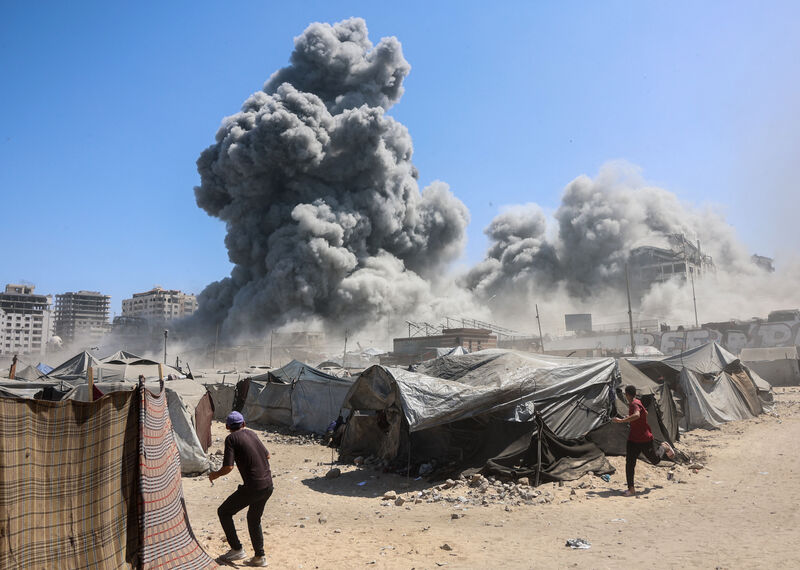
Elsewhere in Gaza City, an Israeli airstrike on a home in the al-Zaytoun neighborhood killed three people, including a child, and wounded several others.

In central Gaza, a strike on a house in the Maghazi refugee camp killed 10 Palestinians and injured others.

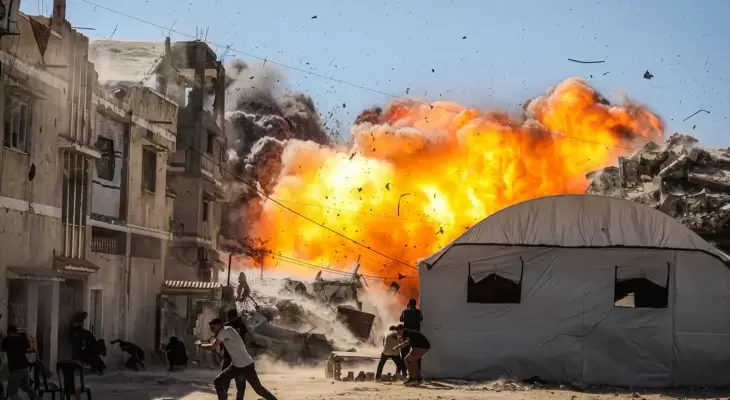
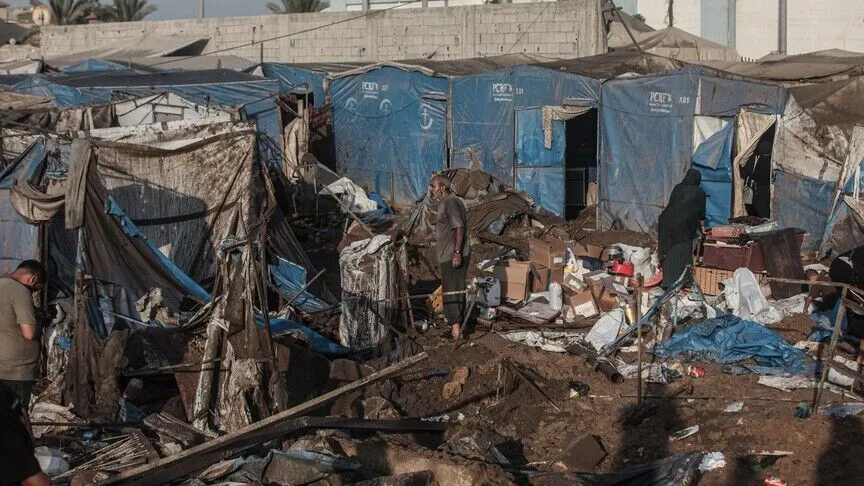
Separately, in the southern city of Khan Younis, Israeli forces struck two tents sheltering displaced families in the al-Mawasi area, killing eight civilians, including children.

Rejecting international calls for a ceasefire, the Israeli army has pursued a brutal offensive against Gaza since October 2023, killing nearly 55,400 Palestinians, most of them women and children.

Last November, the International Criminal Court issued arrest warrants for Israeli Prime Minister Benjamin Netanyahu and his former Defense Minister Yoav Gallant for war crimes and crimes against humanity in Gaza.

Israel also faces a genocide case at the International Court of Justice for its war on the enclave.

Continue reading
Iran Targets Israel, Ignores Trump’s Surrender Call

Iranian missiles have continued to fell on Israeli areas, Tuesday/Wednesday according to the Israeli media which also reported that the projectiles fell after the Israeli defenses failed to intercept them.

This failure caused fires and much damages including to a building after two missile salvos from Iran of approximately 30 missiles in less than an hour on Israel.

Iran’s Revolutionary Guard (IRG) announced in the attack it used hypersonic ballistic missiles for the first time. Observers say this is a clear message to US President Donald Trump, to steer away from entering the war despite his calls for Iran to surrender unconditionally.

At 00:35 local time (GMT+3), the Israeli military said in a statement: “Alerts were activated in several areas within the country after missiles were identified being launched from Iran towards Israeli territory,” as reported by Anadolu.
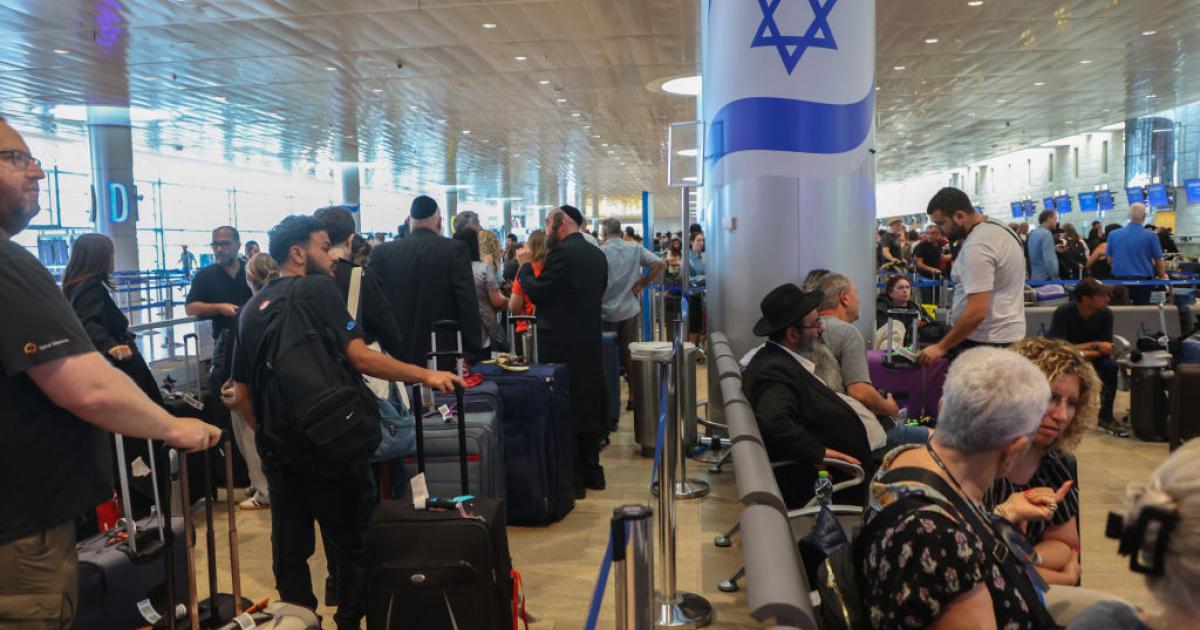
The Hebrew newspaper Yedioth Ahronoth reported air raid sirens blasted in the greater Tel Aviv area, Haifa, and Jerusalem, because of the eighth Iranian missile barrage since Tuesday morning.

Loud explosions in Jerusalem were held as a result of the interception of Iranian missiles according to the Turkish news agency.

On the other hand, Israel’s Channel 12 reported it estimated Iran fired 20 missiles at Israel in that barrage and as grudgingly confirmed by the Israeli  Army Radio.

This is while Israel Hayom reported that at least two missiles fell in Jerusalem and the Sharon region near Tel Aviv and with the Hebrew media also reporting of the damages caused in central Israel.

It added that missile fragments fell on a building in the northern region, while several fires broke out in open areas as a result of the fall of Iranian missiles or their fragments.

Air raid sirens

Air raid sirens sounded in central Israel, including in the Greater Tel Aviv, Ashdod, Rishon LeZion, and Netanya, following the detection of new missile launches from Iran. This is the ninth barrage since Tuesday morning with at least 10 rockets toward Israel and resulted in mass fires that engulfed at least 20 vehicles in central Israel.

The extensive fires were reported and dealt with Israeli fighters despite the strict news blackout the Israeli government is imposing and especially when reports are made on military bases and other installations.

Iran Fateh Rockets

Iran’s Revolutionary Guard said the first-generation hypersonic Fatah ballistic missiles are being used for the first time and wants to send a clear message to Israel and the USA,that Iran is willing to go the full away despite the extensive Israeli attacks on the country.  

“The powerful and highly maneuverable Fatah missiles repeatedly shook the shelters of the cowardly Zionists this evening after penetrating their defensive shield,” an IRG statement conveyed.

“Tonight’s missile attack proved that we have established complete control over the skies of the occupied territories, and that their residents are now defenseless against Iranian missile attacks,” it added.

According to Army Technology, a leading global website specializing in analyzing and documenting information related to defense industries and military technologies, the Fateh missile is one of the most advanced weapons in the Iranian Revolutionary Guard’s arsenal, thanks to its hypersonic speed.

The missile has a range of approximately 1,400 kilometers and features a movable nozzle and an advanced guidance system, allowing it to adjust its trajectory during flight and perform precise maneuvers both inside and outside the atmosphere, including lateral and rotational movements.

Continue reading
Changing The Middle East Face Through War

Dr Marwan Asmar

Israeli Prime Minister Benjamin Netanyahu finally got what he wanted: ‘A war with Iran.” But this war – now in its fifth day, is already proving very costly for Israel because of the Iranian military firepower meted out on Jewish cities, towns and military installations.

Such a war that begun Friday, 13 June, 2025, will be remembered as one of the greatest events in the calendar of the Middle East. The start of the reaping of the Muslim pride, for up until it was always US-backed Israeli ‘superman superiority’ – versus Islamic weakness and meekness.

Netanyahu may have made a devastating calculation by attempting to go after the Iranian vast nuclear infrastructure while in reality creating mayhem in Iranian cities, people and assassinating 10 of its top military leaders in the early hours of Friday morning.

This was all to change on the evening of that day as Iranian long-range missiles began to hurl down on central Israel and more precisely the Greater Tel Aviv area that includes other cities, towns and settlements with a population of 4 million people.

The start of the strikes on Israel stands today as unprecedented, a first-time development since the creation of the Zionist entity in 1948 and struck a series of bullet sounds among the Israeli population who has been huddling up-and-down the shelters since the conflict begun and best summarized by the US Ambassador to Israel Mike Huckabee who said one night after the bombs that:

“It was a tough night in Israel,” referring to the fact that he had to go down to the bomb shelter five times because of the incoming Iranian missiles that would not let up.

Shock, mayhem, hysteria quickly consumed Israelis as they started seeing first-hand, the destroyed buildings and quashed cars in the middle of Tel Aviv and its surrounding areas like Bat Yam, Ramat Gan, Rehovot, Petah Tikva and Herzliya.

Very quickly as well, missiles, and indiscriminately so, began to fall in these places, long seen as the pride of joy of Israeli technology, military industrialization and top business. These were crumbling in front of their eyes as reported by the Israeli newspapers and media channels.

Shocking was the fact, the incoming missiles, which made Israeli defenses like the Iron Dome and the David Sling look pitiful, were striking buildings and high-scrappers including the prestigious Weizmann Institute of Science with reporters of three its top flights struck and is now in fear of complete collapse.

Despite this, Netanyahu says he is sure of a complete victory, adding that Israel is on the verge of completely changing the face of the Middle East, including his claims of bombing Iranian military facilities, but in reality striking at civilian infrastructure and people.

However, for the first time Gazans and Palestinians are jubilating at the sight of what seems to be the non-stop Iranian missiles falling on Israeli areas where sirens go off and on in all middle of the night and day whilst in glee at the ruined and destroyed buildings. “Let them see how its like to be hit by a missile,” is a frequent comment voiced not only by Palestinians but also by many others in the world.

It is true the face of the Middle East is, and for the first time, is truly changing the face of the Middle East, but not according to the wishes of Netanyahu but to the people of the area of Gazans, Palestinians Arabs and Persians where they have watched the Israeli army bomb the enclave over the past 21 months or so.

This is indeed a historic moment led by Iran and soon to be joined by members of the Muslim world including Turkey, Pakistan, Malaysia and Indonesia. The unexpected war in the Middle East, as brought on by Netanyahu and his extremist and racist government, is upsetting the plans of the Trump plan for the Middle East who is portraying himself as a so-called “man of peace” – a fake image in the light of the fact that the US has been the top military supplier for Israel to carry out its Gaza genocide.

The conflict with Iran – that is not likely to end any time soon because of the arsenal that waits in the ready and to be unleashed – has effectively put an end to the idea of transferring Palestinians from Gaza to other lands. They are likely to stay firmly on their places despite the mass destruction of the enclave.

However, there is a clear slippery-slope to this war that is still in the initial stages with outside powers ready to take sides developing into a real possibility of World War III, if cool hands don’t take the lead and let real and effectively diplomacy take the reign of power to stop what was seen in the 1960s, 1970s and even 1980s the concept of Mutual Assured Destruction.  

The world today is on a precipice….


Continue reading
Iran-Israel War: Cost And Opportunities!

By Mohammad Abu-Rumman

Benjamin Netanyahu has placed the Iranian regime, the Wilayat al-Faqih system, before a fateful challenge through a harsh pre-emptive strike. While extremely risky, the strike was not decisive enough to settle the confrontation. Netanyahu himself did not expect that an ideological-nationalist regime like Iran’s would surrender and offer immediate concessions following the strike, without launching a retaliatory blow against Israel.

Despite Iran’s unprecedented powerful strikes on Tel Aviv, the reformist current in Iran, represented by Foreign Minister Abbas Araghchi, has also demonstrated its continued commitment to “the negotiating table” and to finding a way out of this war. Iran has deliberately avoided using its full missile capabilities against Israel to prevent the battle from reaching the point of no return.

Current indicators suggest that this war will likely not last long, nor will it expand geographically, because the destruction costs—for both sides—are immense. For Iran, this includes damage to its oil facilities, which are the backbone of its economy, as well as the protection of what remains of its nuclear program and infrastructure. For Israel, the fact that Iran managed to breach the Iron Dome and cause major direct damage in the heart of Tel Aviv and Haifa presents a reality that Israelis cannot endure.

In this light, there will likely come a tipping point at which both parties will be willing to end the conflict. The timing of that moment will be decided by the U.S. administration, which will step in to halt the military escalation. But when will this moment arrive? It will come when both sides realise that they can no longer achieve significant additional objectives, and that the cost of continuing the conflict far outweighs the cost of stopping it, especially given that a so-called “knockout blow” is impossible in such existential wars.

On the Israeli side, there are two major areas of superiority: First, Israel’s air force has successfully destroyed much of Iran’s air defense systems, allowing it to operate freely over Tehran and strike targets at will. Second, intelligence penetration, which could lead to further surprises that may force the Iranians to retreat or make subsequent concessions. However, Israel’s major vulnerability lies in its inability to withstand sustained, large-scale missile attacks, especially after a prolonged multi-front military conflict.

As for Iran, it has two primary objectives in the current military confrontation: To preserve the political legitimacy of the Wilayat al-Faqih regime, which is built on religious ideology and propaganda. Failing to respond or retreating now would reflect poorly internally and could erode the regime’s very source of legitimacy. To protect Iran’s deterrence capacity and prevent its regional standing from deteriorating—especially after losing the bulk of its regional influence in the aftermath of “Flood of al-Aqsa” (the Gaza war).

American intervention, whether military or diplomatic, will be decisive in ending this conflict. It is evident that President Donald Trump prefers a negotiated path, aiming for political, military, and economic gains. Netanyahu, however, is betting that a major military defeat for the Iranian regime will lead not only to concessions on its nuclear program (the primary stated objective) but potentially to changing or collapsing the regime itself, thereby neutralizing it within the regional power structure. This would constitute a strategic shift in the regional security equation in Israel’s favour.

Direct US military involvement remains unlikely, except in two scenarios: If Israel were to request assistance after a massive and successful missile strike against its territory. If the U.S. concludes that Iran will not back down unless there is a more dramatic shift in the military balance of power that compels it to return to the negotiating table and offer substantial concessions.

This equation was not the same two years ago. Back then, Iran had greater geopolitical space and extensive tools of influence in the region. However, what has occurred with the fall of Bashar al-Assad’s corridor (the Syrian axis), and the diminished power of Hezbollah and Hamas, has cost Iran critical advantages in the regional balance of power. After this war, there will be significant consequences even for Iran’s remaining influence in Iraq, which may become the final outpost lost by Tehran, ending a twenty-year effort (since the 2003 invasion of Iraq) to weave its intricate carpet of regional influence.

Mohammad Abu Rumman is the Academic Advisor of Politics and Society Institute in Amman and has contributed this article to The Jordan Times.

Continue reading