 Glorious Yemen
 Say Cheese!
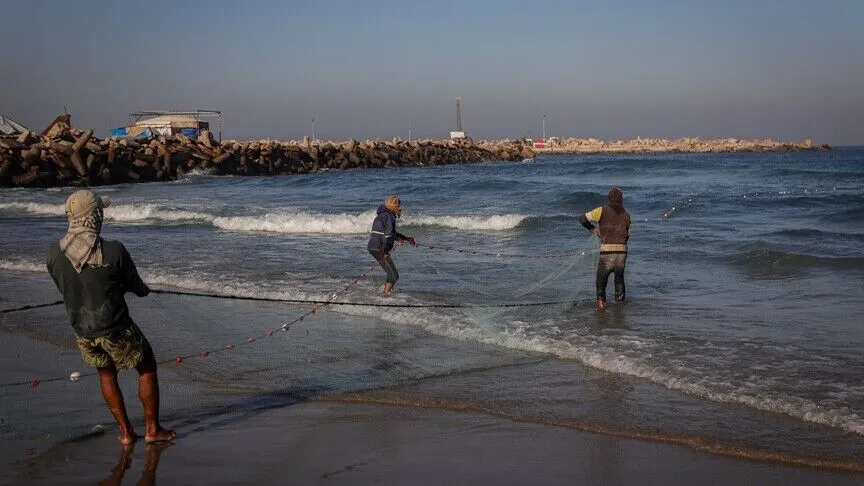 Israel Vessels Fire at Three Fishermen in Gaza
 Palestine in the Olive Harvest
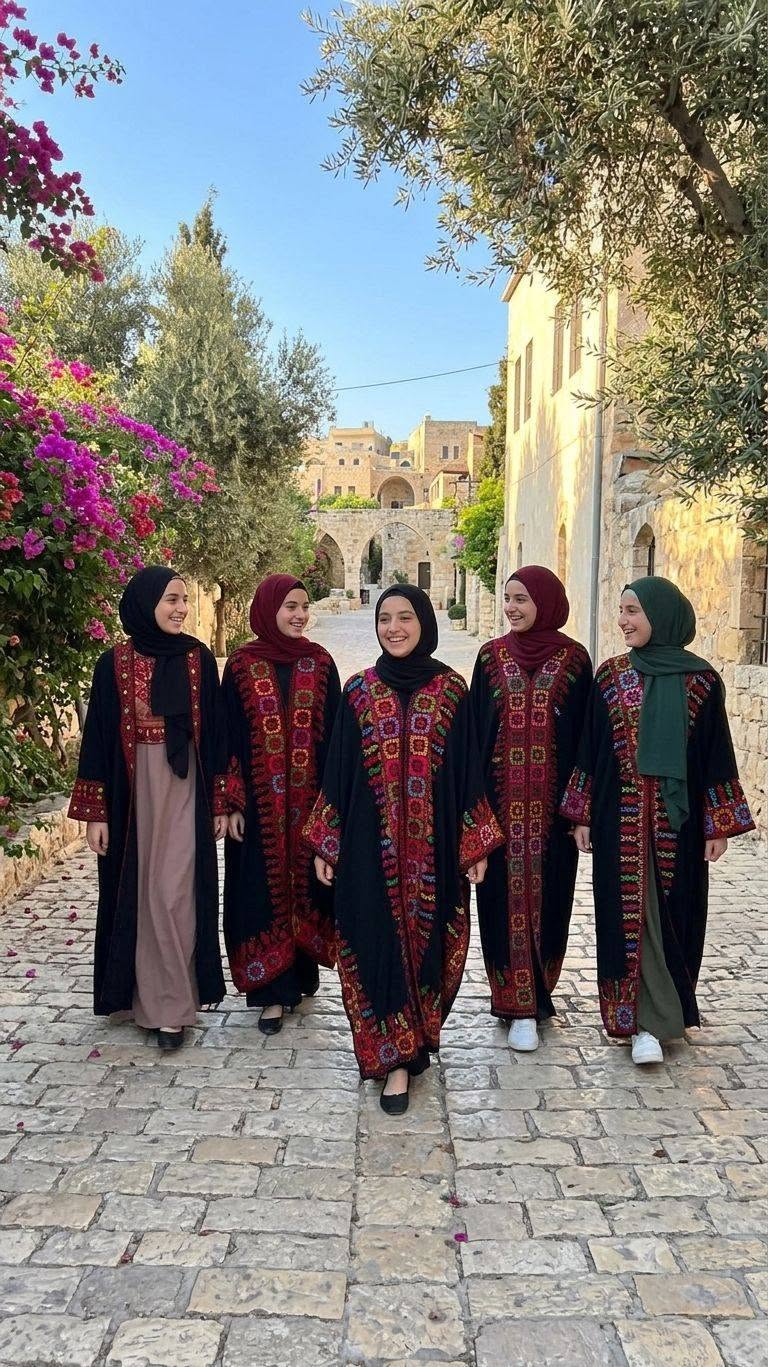 Smiles and Embroidery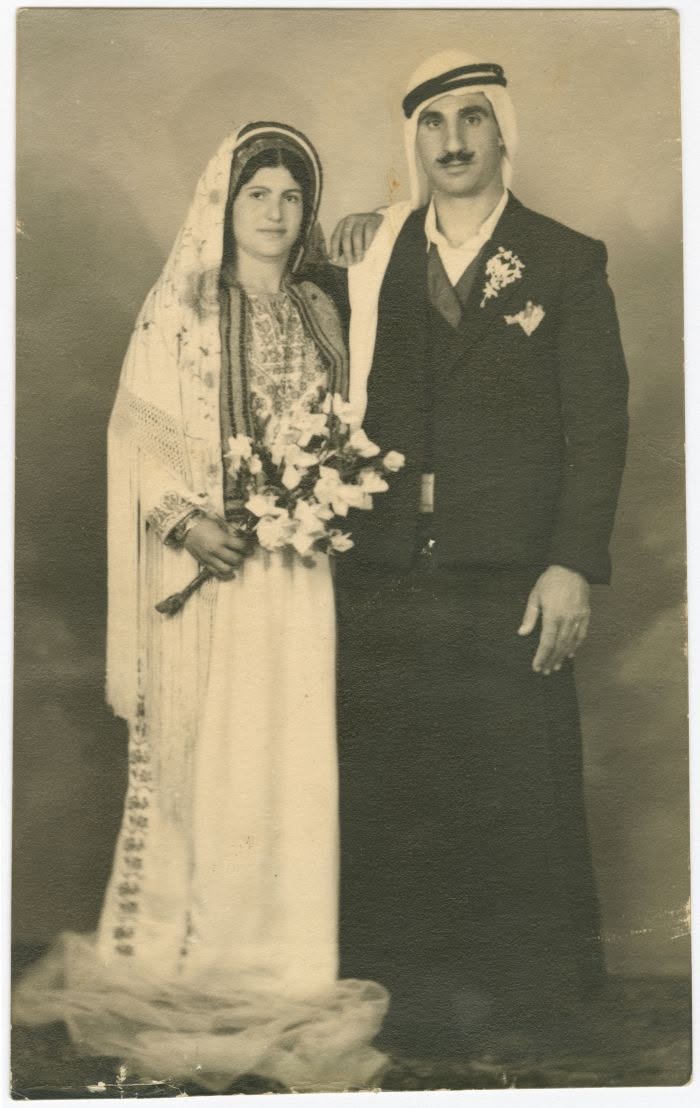
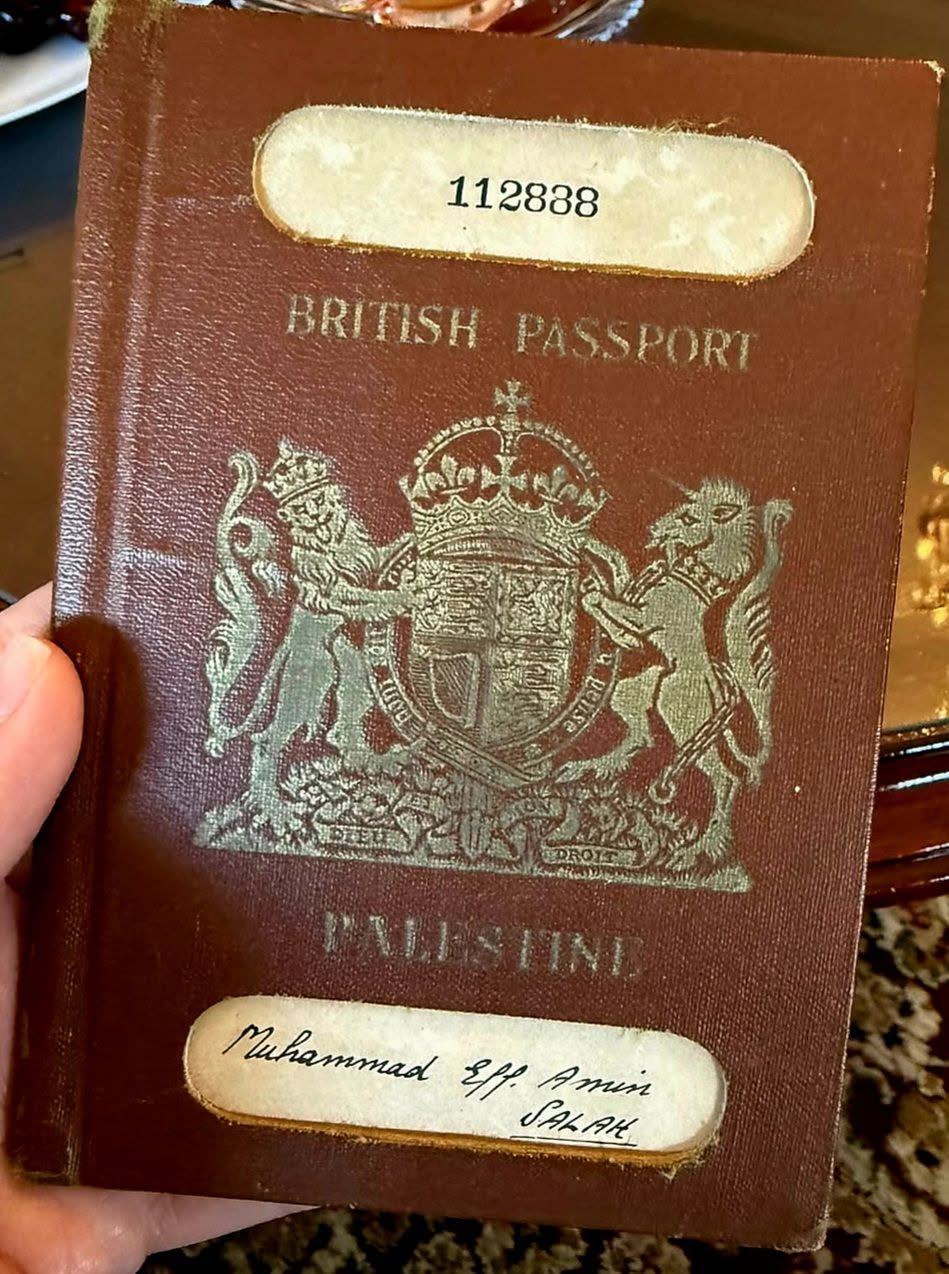

Glorious Yemen
Heba
- August 14, 2026
 Heba
Heba CrossFireArabia
 marwanCrossFireArabiamarwanHebaCrossFireArabiamarwanmarwanHebaCrossFireArabiamarwanmarwanCrossFireArabiamarwanHebaCrossFireArabiaCrossFireArabiaCrossFireArabiaHebamarwanCrossFireArabiamarwanHebaCrossFireArabiaHebamarwanmarwanCrossFireArabiamarwanmarwanmarwanmarwanmarwanmarwanmarwanmarwanmarwanCrossFireArabiaCrossFireArabiamarwanmarwanCrossFireArabiaCrossFireArabiamarwanCrossFireArabiamarwanHebaHebamarwanmarwanCrossFireArabiamarwanmarwanmarwanmarwanCrossFireArabiaCrossFireArabiamarwanmarwanmarwanCrossFireArabiamarwanmarwanmarwanmarwanmarwanCrossFireArabiamarwanmarwanmarwanmarwanCrossFireArabiamarwanmarwanmarwanCrossFireArabia
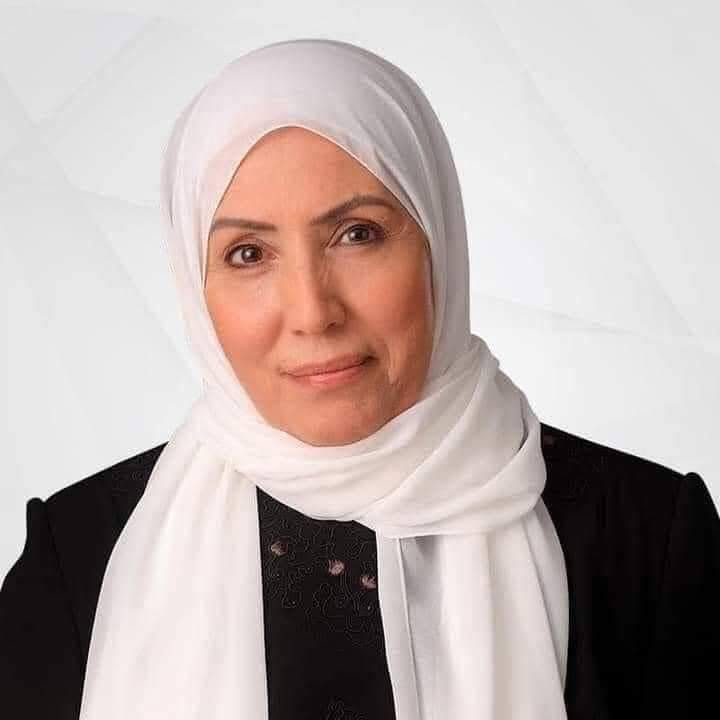
A Yemeni-Jewish freelance journalist based in Paris has joined the 2025 Freedom Flotilla to Gaza, saying that “determination to do the right thing overrides fear” as she and fellow activists set sail to challenge Israel’s blockade of the enclave.
Noa Avishag Schnall said she identifies herself as “an anti-Zionist Arab Jew” and renounced the citizenship of “the European colony known as Israel, or ’48 Palestine.”
“I joined the 2025 Freedom Flotilla, both out of a sense of deep-rooted responsibility to my Palestinian siblings, currently enduring a genocide and ethnic cleansing at the hands of Israel, and as an escalation of decisive action to break Israel’s illegal siege of Gaza,” she told Anadolu.
Schnall criticized what she called the “neglect” of international obligations under the Geneva Conventions and the Universal Declaration of Human Rights, arguing that civilians are stepping in where governments have failed according to Anadolu.
“The real question is not why I joined, but rather why it’s left to civilians to act on the duties of nation-states,” she said. “Nation-states that are neglecting their clearly outlined obligations under the Geneva Conventions and the Universal Declaration of Human Rights.”
She accused governments of offering only “lip service to Palestinian sovereignty” and said that their “strongly worded statements” have failed to stop the ongoing violence in Gaza.
“In the past 24 to 48 hours, our comrades in the Sumud Flotilla have been illegally intercepted in international waters and subsequently kidnapped and taken to Israel or ’48 Palestine,” she said, referring to another humanitarian convoy stopped by Israeli forces.
Asked whether she feared for her safety, Schnall said: “Fear and worry are human responses, but determination to do the right thing overrides all of those things. What we might go through is nothing compared to what Palestinians go through every day.”
She described Israel as “an ethnostate with a racial and cultural hierarchy” and said Palestinians have faced “genocide and ethnic cleansing” for nearly eight decades.
“For people who are uncomfortable with the word genocide, I encourage them to read the key tenets of the definition,” she said, citing the Genocide Convention’s clauses on intent, bodily harm, and conditions of destruction.
She argued that the international community has a legal and moral responsibility to intervene before atrocities occur.
“States are obligated to act to prevent genocide before it actually happens, when there’s a plausibility that it’s apparent, which clearly there has been,” she said.
“So if people are uncomfortable with the term, I really ask them to reckon with what’s actually going on.”
‘Mainstream media blackout’
Schnall said the flotilla also seeks to challenge what she described as a “mainstream media blackout” and amplify the voices of Palestinian journalists documenting the situation on the ground.
“We wish to break not only the legal Israeli siege on Gaza, but the mainstream media blackout on coverage,” she said. “Palestinian journalists are reporting on their own genocide.”
She concluded by calling on governments to enforce international law, halt arms deliveries to Israel, and end cooperation with what she described as “Israeli apartheid.”
“We want to stop arms deliveries to Israel by all countries that are themselves complicit,” she said.
“And we want to stop cooperation and support of any kind for Israeli apartheid and their genocide of the Palestinian people.”
 Dr Khairi Janbek
By Dr Khairi Janbek
One can only have a distant view of the current developments regarding the war on Gaza, and consequently in all honesty, a bird’s eye view of the situation. For all intense and purposes, one assumes the Hamas acceptance of plan presented by US president Donald Trump would represent extremely high-stakes gamble for them.
On the one hand it offers a pathway to end the bloodshed and set the road for reconstruction of the bludgeoned Gaza Strip. On the other hand, the plan demands existential concessions, loss of armaments, leverage, and an an end to the movement’s future. If Hamas accepts with sincerity, and the plan is implemented faithfully, it could mark a turning point towards stabilization, but also with risks of breakdown, backlash, internal splits, and which carry the warnings of a precarious road ahead.
It is important in the meantime to advise against the search for victors and/or the vanquished, because in this time and age, wars do not seem to be launched in order to be decisive, and the view of the Gaza war is no different. Essentially it is to be believed and cardinal to the Trump administration, the issue of arms pertaining to Hamas and Hezbullah are seen as obstacles to peace and to Israel’s normalization with the Arab world. Therefore, the objective, one imagines, is to eliminate those arms to the American administration which has wider objectives in this crucial region of the world.
Here, as well, one has to be careful with words. Is Hamas supposed to surrender all of its weapons, or will there be an accommodating plan for the Islamic movement to keep some of its weapons, so long as it is not seen to constitute any future threat?
On the other side of the equation, are we really at the juncture of seeing the total end of Hamas as an organisation? In other words, are we about to see an amnesty for the Hamas fighters, especially those who surrender their weapons and are willing to partake in the future plans for Gaza away from those who wish to leave and to be provided with a safe passage outside the Gaza enclave?
Or is there a plan within the plan. if indeed, the Trump plan is not in essence a diktat, will there be long and tedious negotiations that will accept a form of political participation for a future-transformed Hamas into less than a political organization and more than an NGO?
Then what about the role of the Arab and Islamic countries, whose leaders met with Trump during the last UN General Assembly and who subsequently welcomed Hamas acceptance of the Trump plan? After all, there is the supposition that Arab and Islamic countries will provide, if not brain, then money and brawn. Essentially, without Arab and to a lesser extent Islamic involvement, no plan will have a leg to stand on. But to what extent the Arabs are willing to get involved still remains to be seen.
Dr Janbek is a Jordanian writer based in Paris.
CrossFireArabia
The White House broadcast a recorded clip of US President Donald Trump commenting on the statement by the Islamic Resistance Movement (Hamas) agreeing to a proposal to cease the war on the Gaza Strip.
Trump said: “This is a great day, and we’ll see how things play out, and I very much look forward to the return of the hostages to their families.”
Trump added: “I want to thank the countries that helped with the Gaza issue, such as Qatar, Turkey, Saudi Arabia, Egypt, Jordan, and others. I thank the great countries that helped with Gaza, and we received a tremendous amount of support.”
Trump emphasized that “everyone was united in their desire to end the war and see peace in the Middle East, and we are very close to achieving that.”
CrossFireArabia
By Daniel Johnson
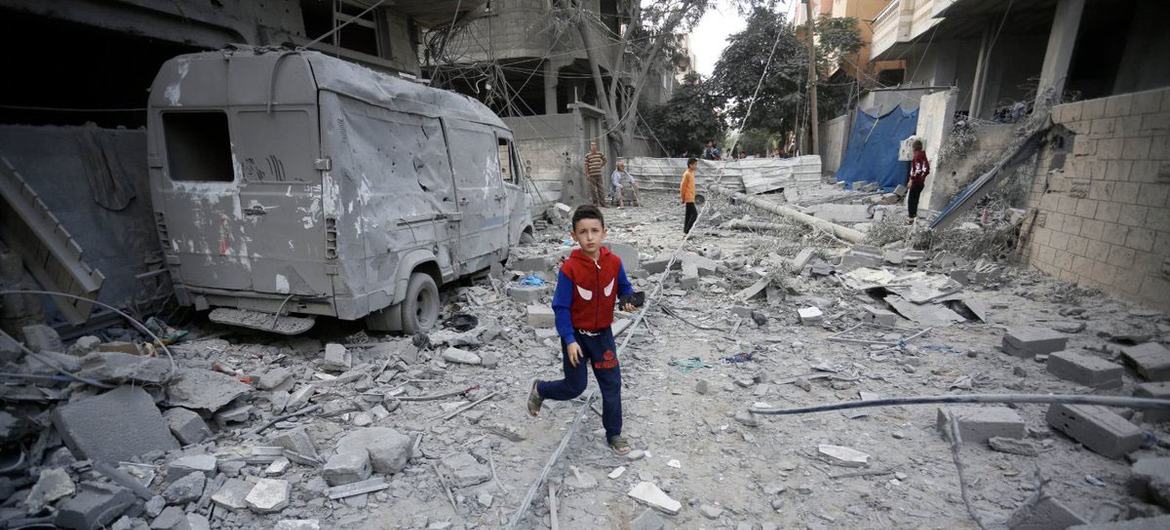
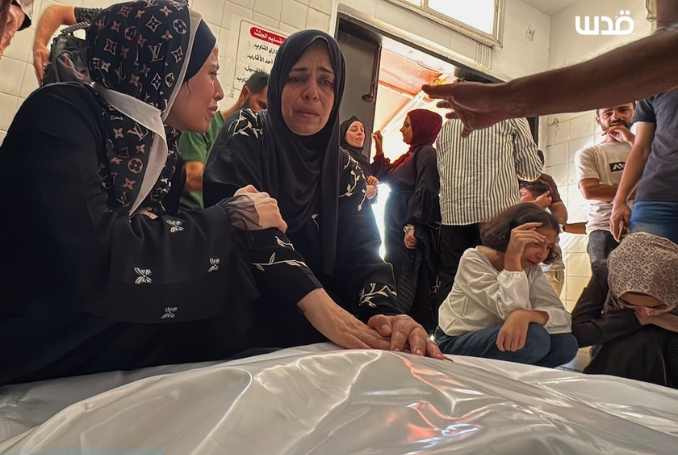
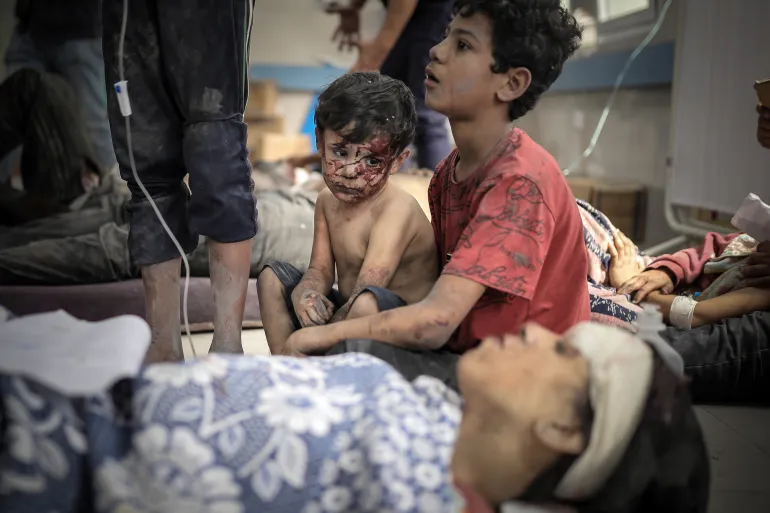
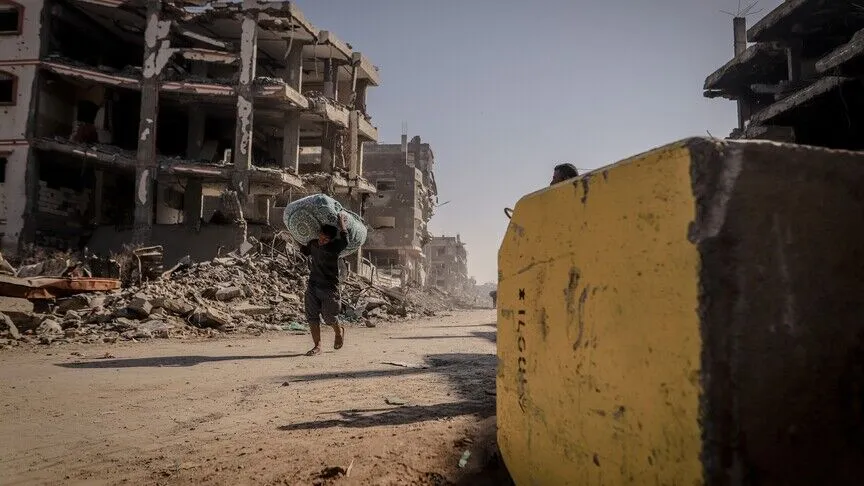
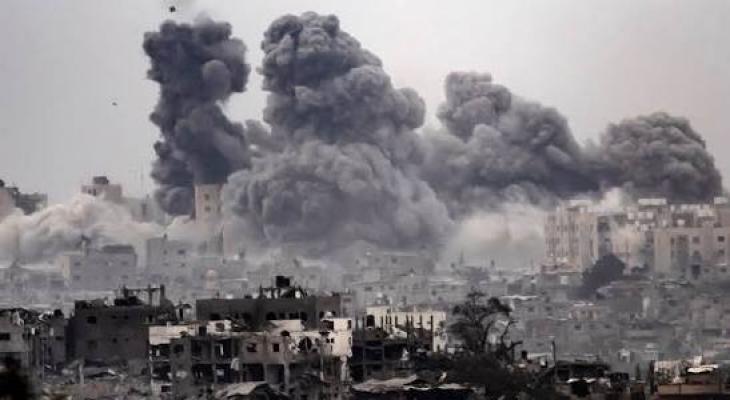
UN aid teams on Friday highlighted the disturbing situation in Gaza’s makeshift hospitals, where premature babies cry for scant oxygen and medics attempt to save child survivors targeted by airstrikes in their tents and quadcopter victims reportedly shot while fetching bread.
Speaking from the war-shattered enclave amid the ongoing Israeli military push to take full control of Gaza City, UNICEF spokesperson James Elder described one short visit to a hospital where youngsters were either suffering or dying everywhere he looked.
As we’re talking to the surgeon there, she dies on the bed in front of us
One victim at Al Aqsa Hospital in Deir Al-Balah, central Gaza, was six-year-old Aya, injured by an airstrike. “I’m really noticing not just the wound, but the attention that the bobs in her hair, the care that a parent’s given before the airstrike,” he said. “As we’re talking to the surgeon there, she dies on the bed in front of us. That’s 30 minutes in a hospital.”
At the same hospital, Mr. Elder reported seeing three children “all shot by quadcopters” – an attack drone with four propellers.
“It’s a war zone, children … bleeding out on the floor” with others wounded by shooting, shrapnel or burns.
The UNICEF spokesperson underscored reports that 1,000 infants have been killed in the last two years in Gaza since Hamas-led terror attacks in Israel triggered the war. “We have no idea how many more have died from preventable illnesses,” he continued.
With only around 14 of Gaza’s 36 hospitals still open and partially functional after almost two years of war, they are often “absolutely packed” with people needing help, Mr. Elder stressed.
“I turn around and there’s a little girl, Sham, who has just been pulled from the rubble; so, she’s covered in that dust and smoke with that terrified expression on her face, being held by an aunt or an uncle… Now Sham didn’t have any broken bones nor internal injury, [she] was not told though, that her mother and her sister were both killed in that attack.”
Turning to Gaza City, the veteran UN aid worker stressed that many thousands of people remain there unable to leave, amid continuing Israeli evacuation orders airstrikes that have left children “shuddering” and gazing skywards “to track the fire” from helicopters and quadcopters.
“You’ve got shoeless children who push grandparents around the rubble, amputee children are struggling through the dust, mothers are carrying exhausted children – literally their skin is bleeding because of the severity of rashes,” Mr. Elder continued, before warning about “continued indiscriminate attacks in densely populated civilian areas despite official statements”.
On Thursday, the NGO Médecins Sans Frontières (MSF) confirmed the killing in Gaza of its fourteenth medical worker, occupational therapist Omar Hayek, in an attack that also injured four of his colleagues in Deir Al-Balah.
Until 13 September he had worked at an MSF clinic in Gaza City before finally evacuating amid “relentless attacks and forced displacement from Israeli forces”, the NGO maintained.
“People are scared and rightly so…“If you ask me now, can we do our work? I say no, of course we cannot do our work in the north,” said Dr Rik Peeperkorn, UN World Health Organization (WHO) Representative in the Occupied Palestinian Territory.
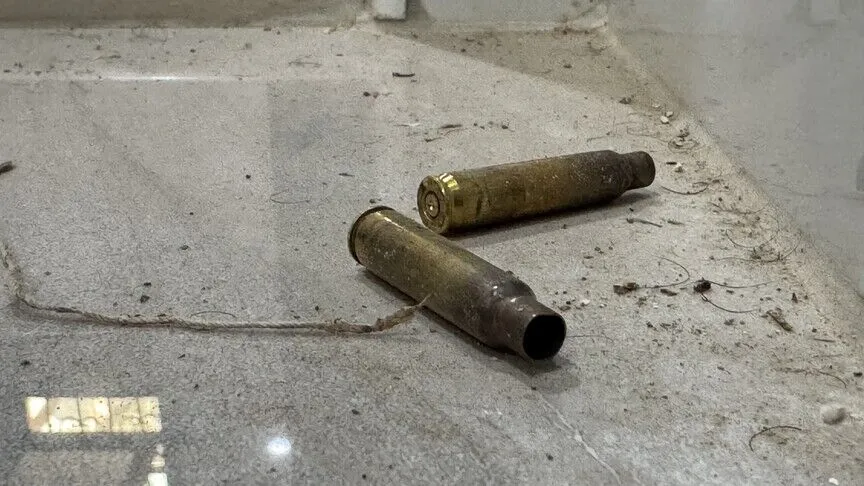
The level of violence in Gaza is such that nowhere is safe, including field hospitals, which offer no protection from stray bullets, said Christian Cardon from the International Committee of the Red Cross (ICRC).
“We had several occasions of people being injured, brought to the hospital and while they were being treated, were wounded again because of stray bullets coming in the hospital,” he said, noting another such incident on Thursday according to UN News.
CrossFireArabia
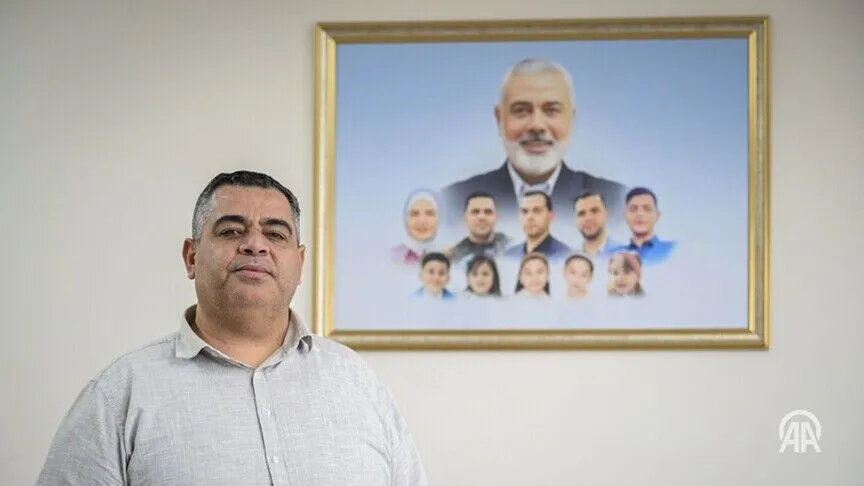
Senior Hamas official Mousa Abu Marzouk said Friday that the Palestine resistance group had agreed to US President Donald Trump’s plan on a ceasefire in the Gaza Strip “in principle,” endorsing its main outlines, while stressing that implementation would require negotiations.
Abu Marzouk emphasized in an interview with Qatar’s Al Jazeera network that the group “would hand over its weapons to a future Palestinian state,” and the fate of Palestinians is a “national matter that Hamas alone cannot decide.”
“We agreed to the US plan in its main outlines, as a principle,” he said.
Abu Marzouk noted that the plan’s implementation “requires detailed negotiations through mediators.”
He pointed out that Hamas “will enter negotiations over all issues related to the movement and its weapons.”
“For example, all the details concerning the peacekeeping force require understandings and clarification.”
Abu Marzouk explained that Hamas “will hand over weapons to the coming Palestinian state, and whoever governs Gaza will hold the weapons.”
He said that “shaping the future of the Palestinian people is a national issue that Hamas alone cannot decide,” calling on Washington to “look positively at the future of the Palestinian people.”
Abu Marzouk noted that “there was a national agreement to hand over Gaza’s administration to independents whose reference is the Palestinian Authority.”
He affirmed that Hamas is “a national liberation movement, and that the definition of terrorism in the plan cannot be applied to it.”
Earlier, Hamas announced that it approved the release of all Israeli captives, the delivery of deceased bodies and the handover of Gaza’s administration to an independent Palestinian body in its response to Trump’s ceasefire plan for Gaza.
The Palestinian group said in a statement on Telegram that “other issues raised in President Trump’s proposal concerning the future of the Gaza Strip and the legitimate rights of the Palestinian people are tied to a unified national position based on relevant international laws and resolutions.”
A Palestinian source told Anadolu that Hamas delivered its response to Trump’s plan to mediators and requested clarifications on some clauses.
Hamas indicated that it had conducted “in-depth consultations within its leadership institutions and broad consultations with Palestinian forces and factions, as well as with mediators and friends, to reach a responsible position in dealing with US President Donald Trump’s plan.”
It affirmed its readiness to “immediately” enter, through mediators, into negotiations to discuss the details of the plan.
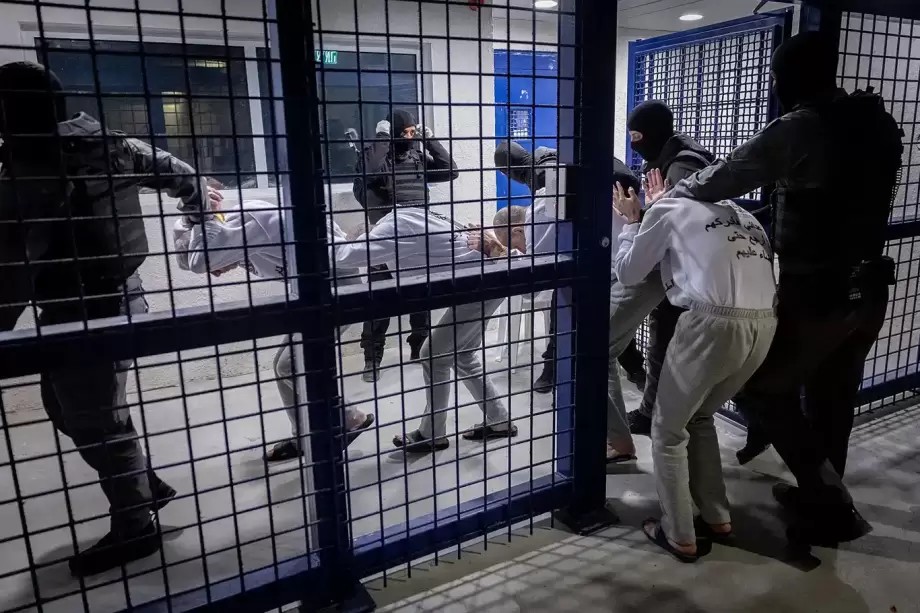
Israel estimates that 48 Israeli captives are in Gaza, including 20 alive, while around 11,100 Palestinians are held in its prisons, suffering from torture, starvation, and medical neglect, with many killed as a result, according to Palestinian and Israeli media and rights reports.
Earlier Friday, Trump gave Hamas until 6 pm Washington time (2200GMT) on Sunday to approve his plan regarding the Gaza Strip.
The White House issued a detailed plan on Sept. 29, calling for an immediate ceasefire in Gaza, followed by a comprehensive program for reconstruction and a reorganization of the enclave’s political and security situation.
The plan seeks to turn Gaza into a weapons-free zone, with a transitional governance mechanism overseen directly by Trump through a new international body tasked with monitoring implementation.
It includes the release of all Israeli captives held by Hamas within 72 hours of approval, in exchange for the release of hundreds of Palestinian prisoners from Israeli jails according to Anadolu.
The plan stipulates halting hostilities, disarming the Palestinian resistance and Israel’s gradual withdrawal from Gaza, to be governed by a technocratic authority under the supervision of an international body led by the US president.
Israel has maintained a blockade on Gaza, home to nearly 2.4 million people, for nearly 18 years. It tightened the siege in March when it closed border crossings and blocked food and medicine deliveries, pushing the enclave into famine.
Since October 2023, Israeli bombardment has killed nearly 66,300 Palestinians, most of them women and children. The UN and rights groups have repeatedly warned that the enclave is being rendered uninhabitable, with starvation and disease spreading rapidly amid widespread displacement.