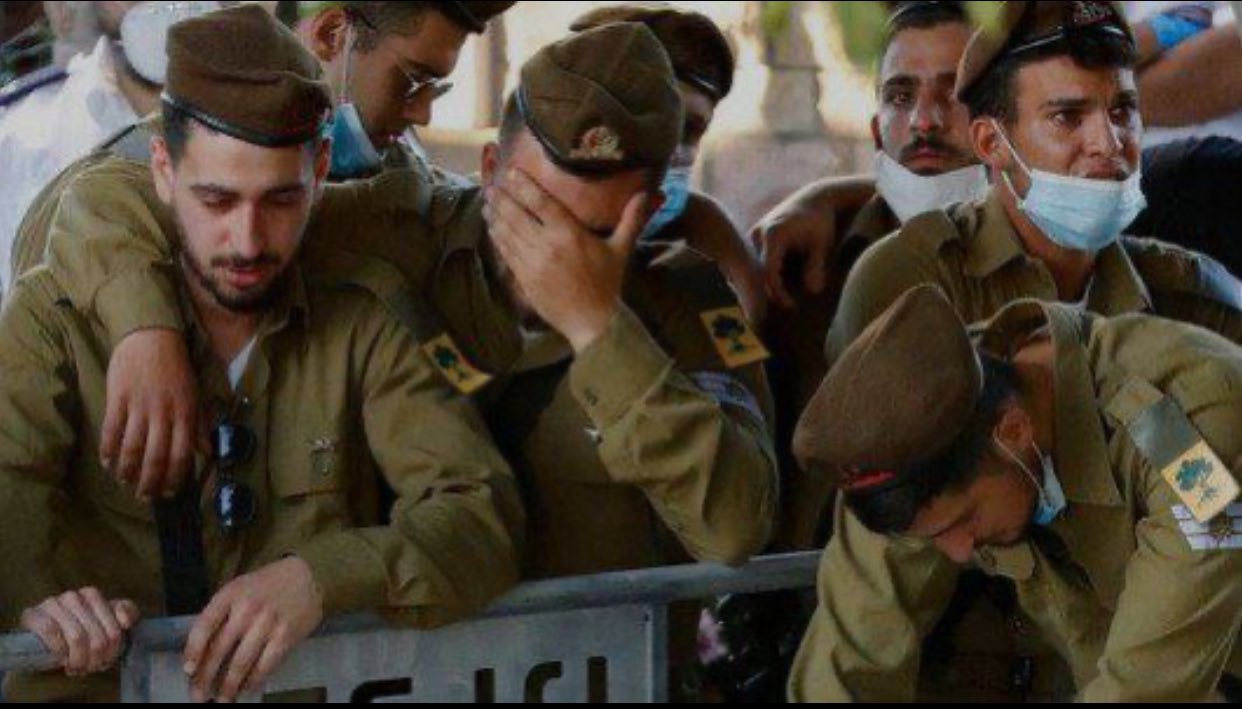
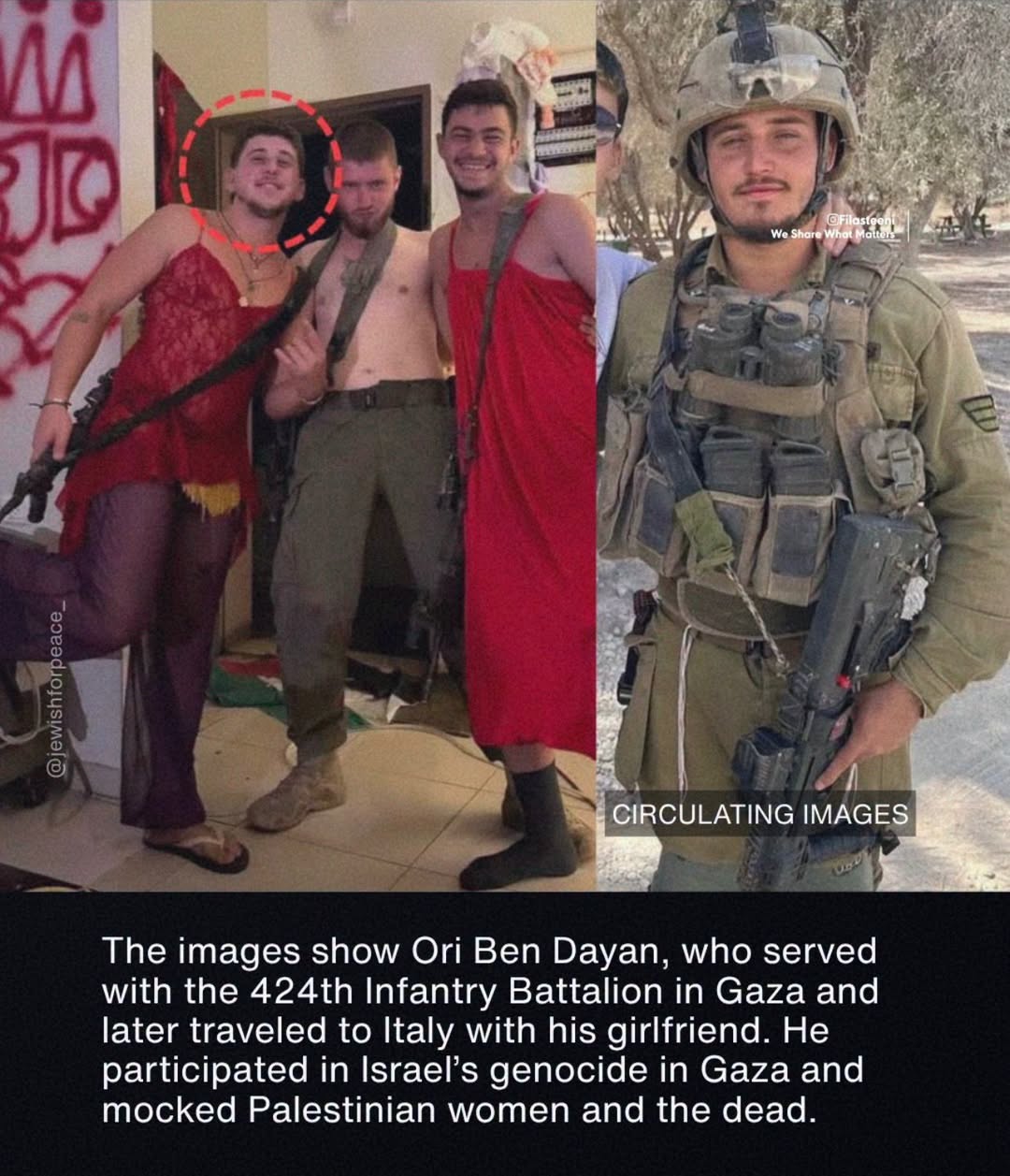
 ‘These Are Your Israeli Soldiers’
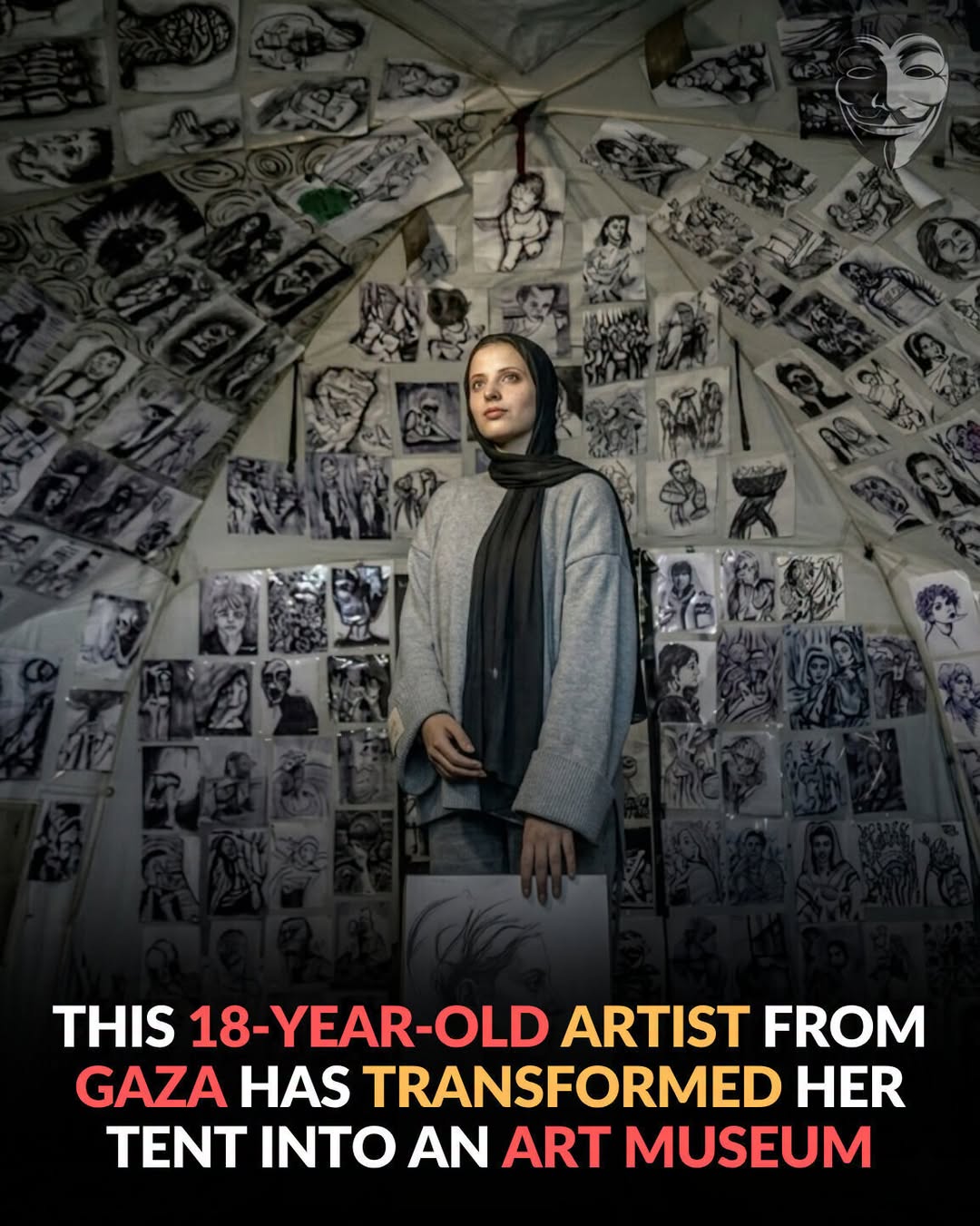
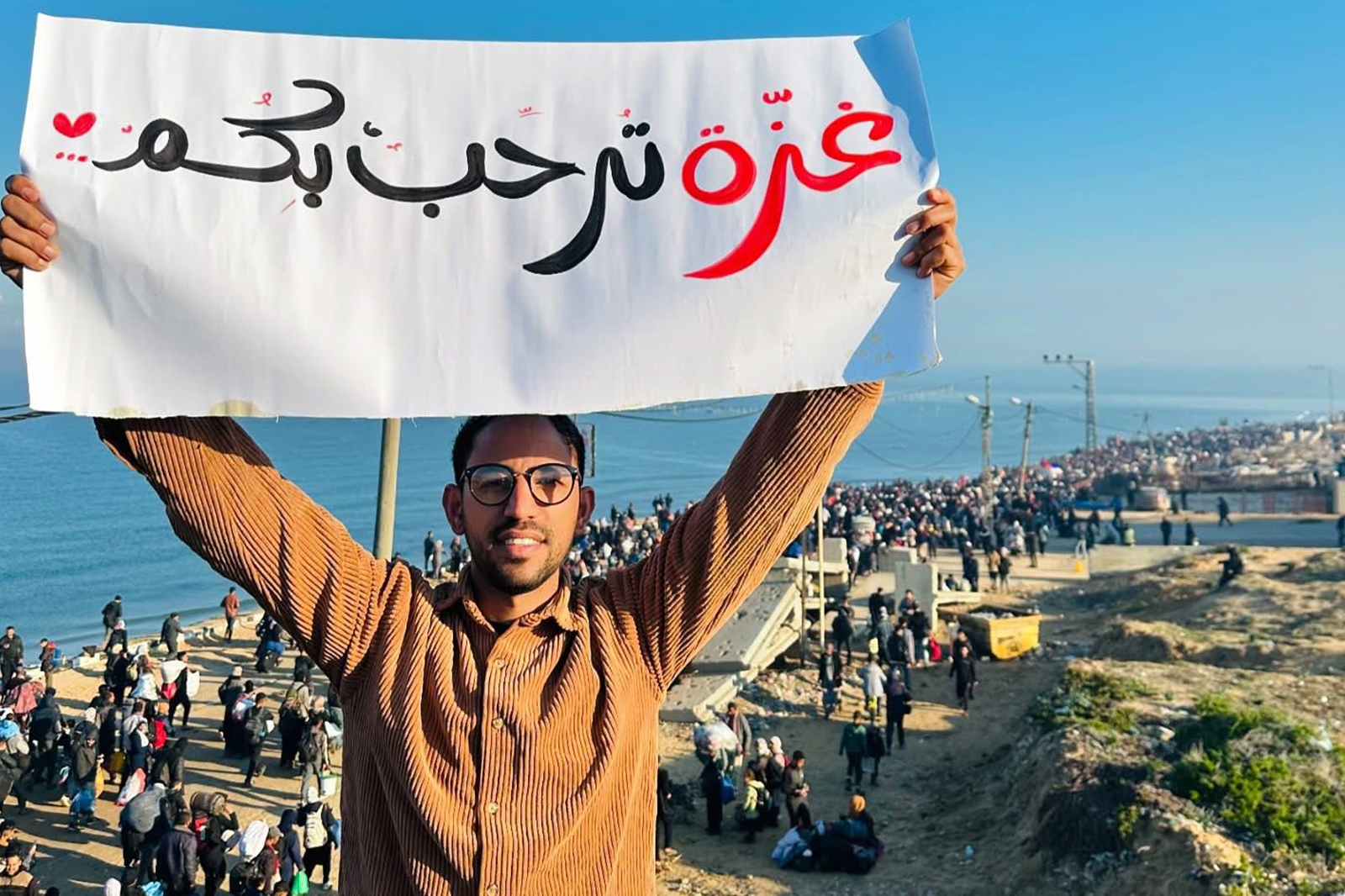 Welcome to Gaza: ‘We Are Not Leaving’
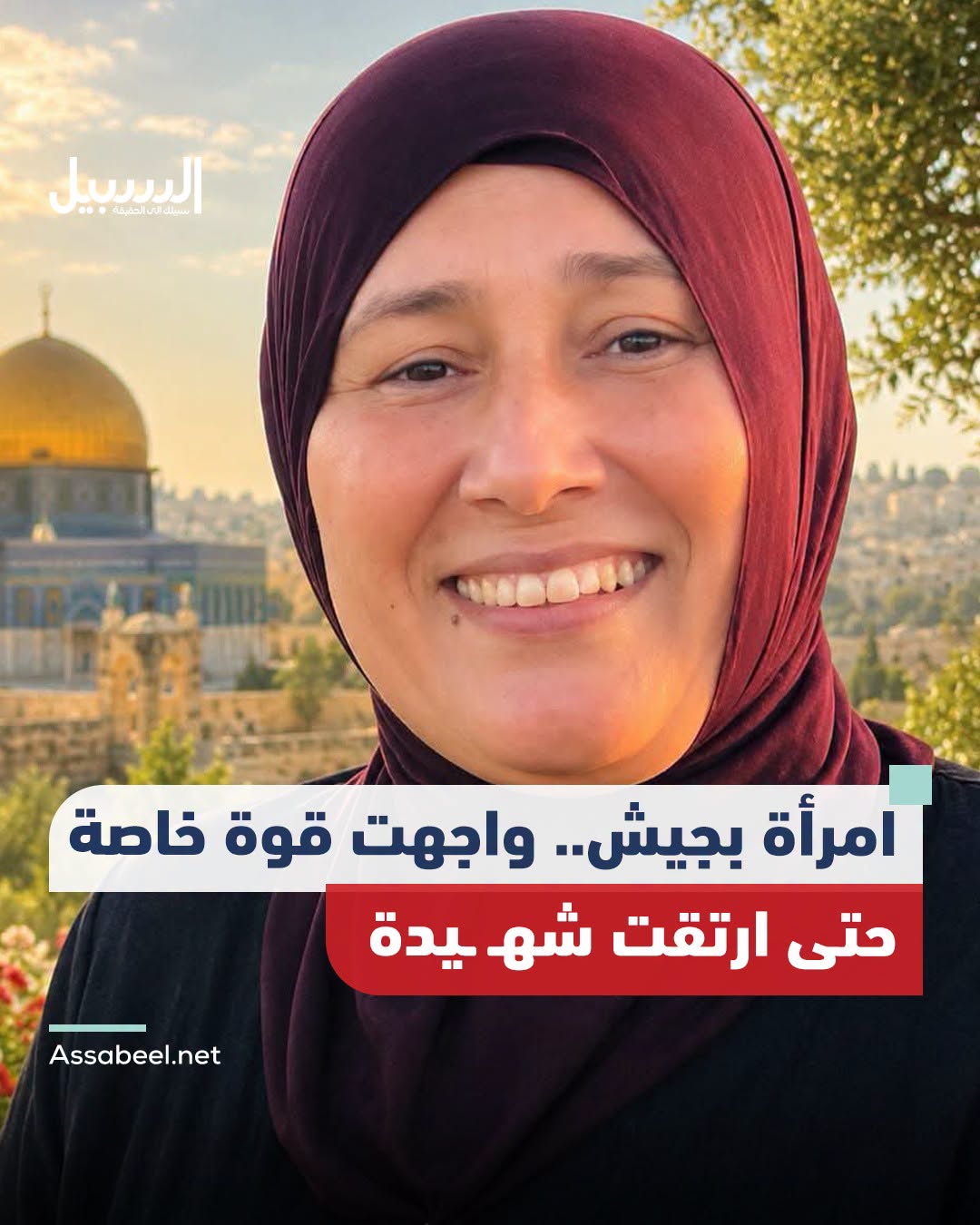
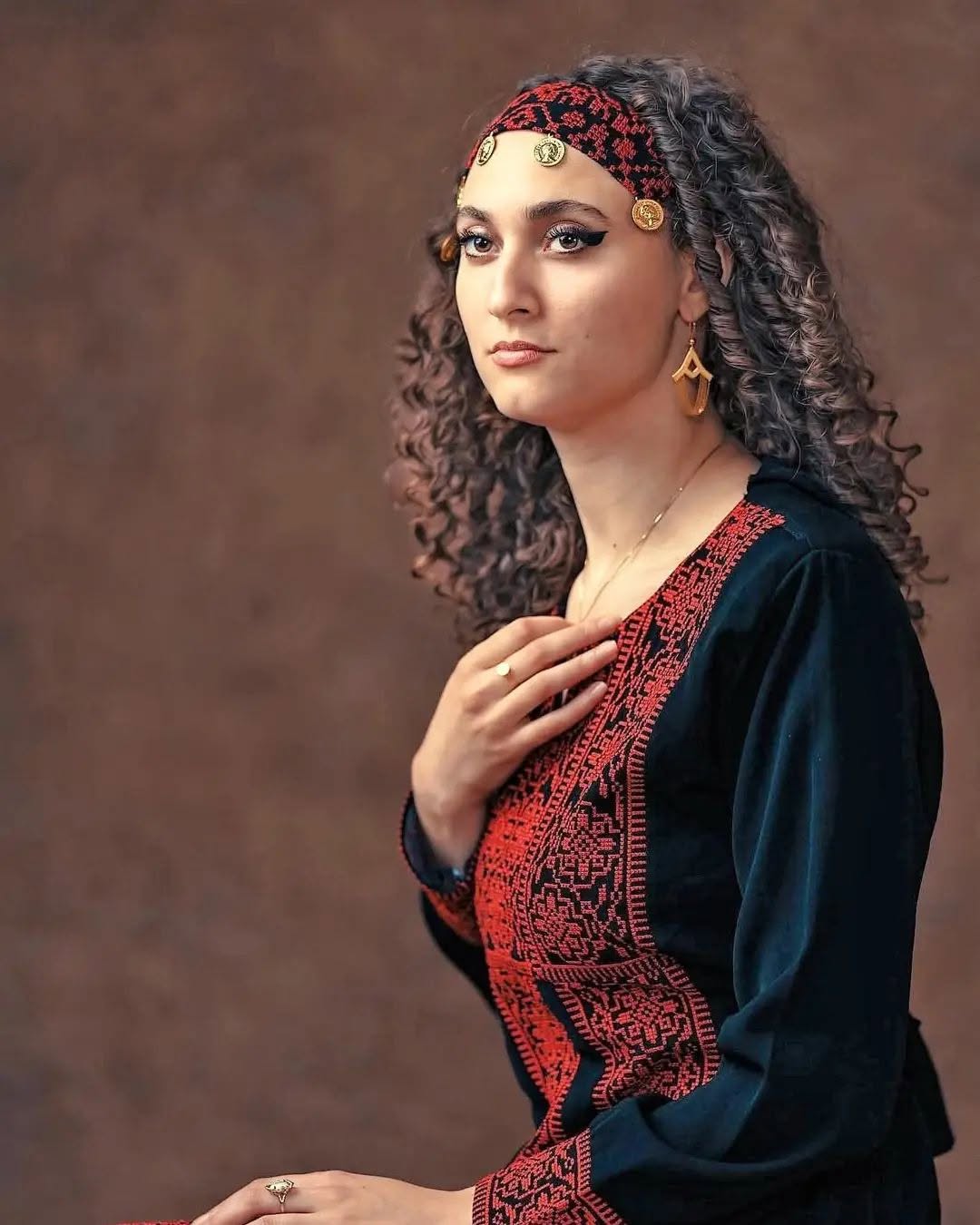
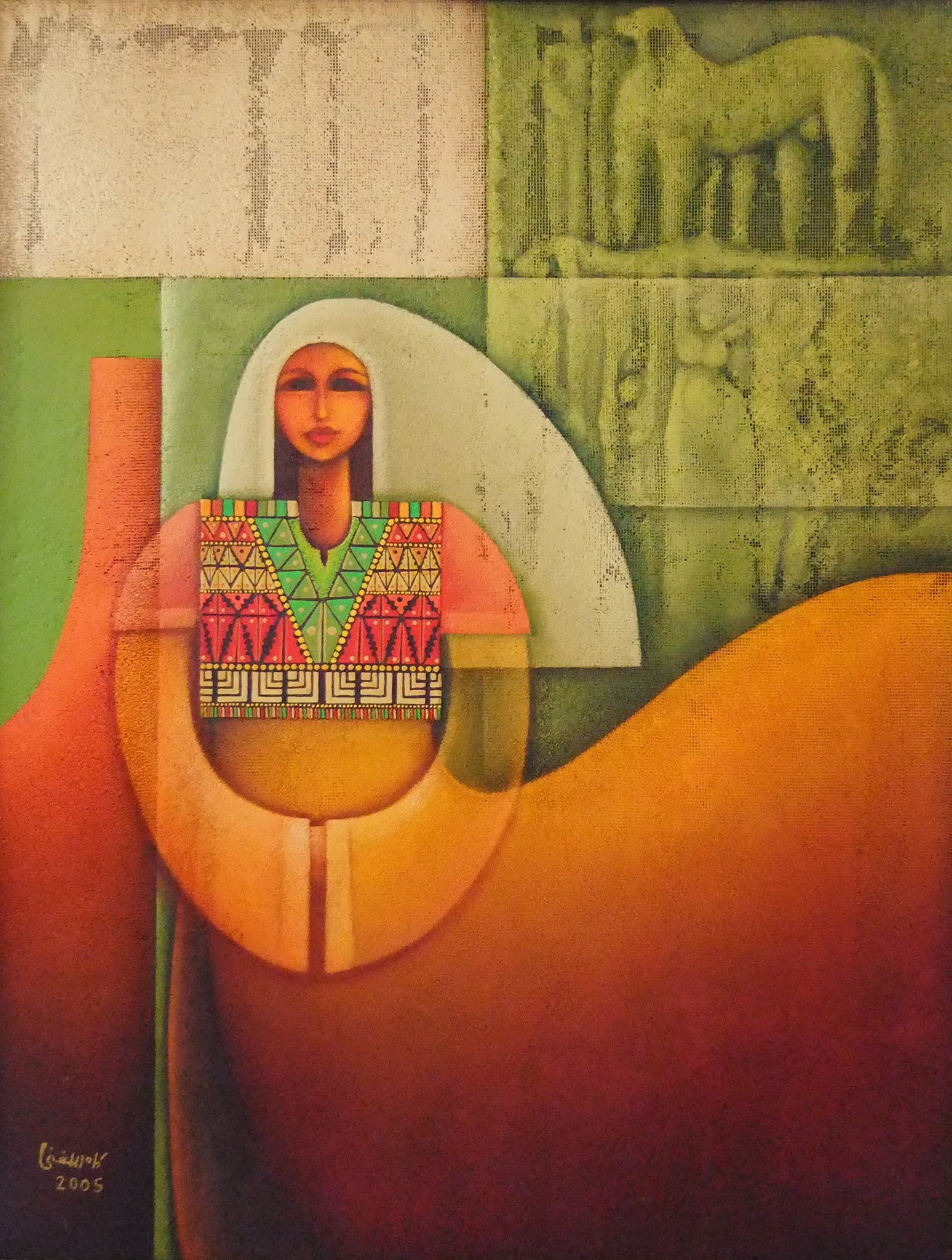 A Woman From Gaza
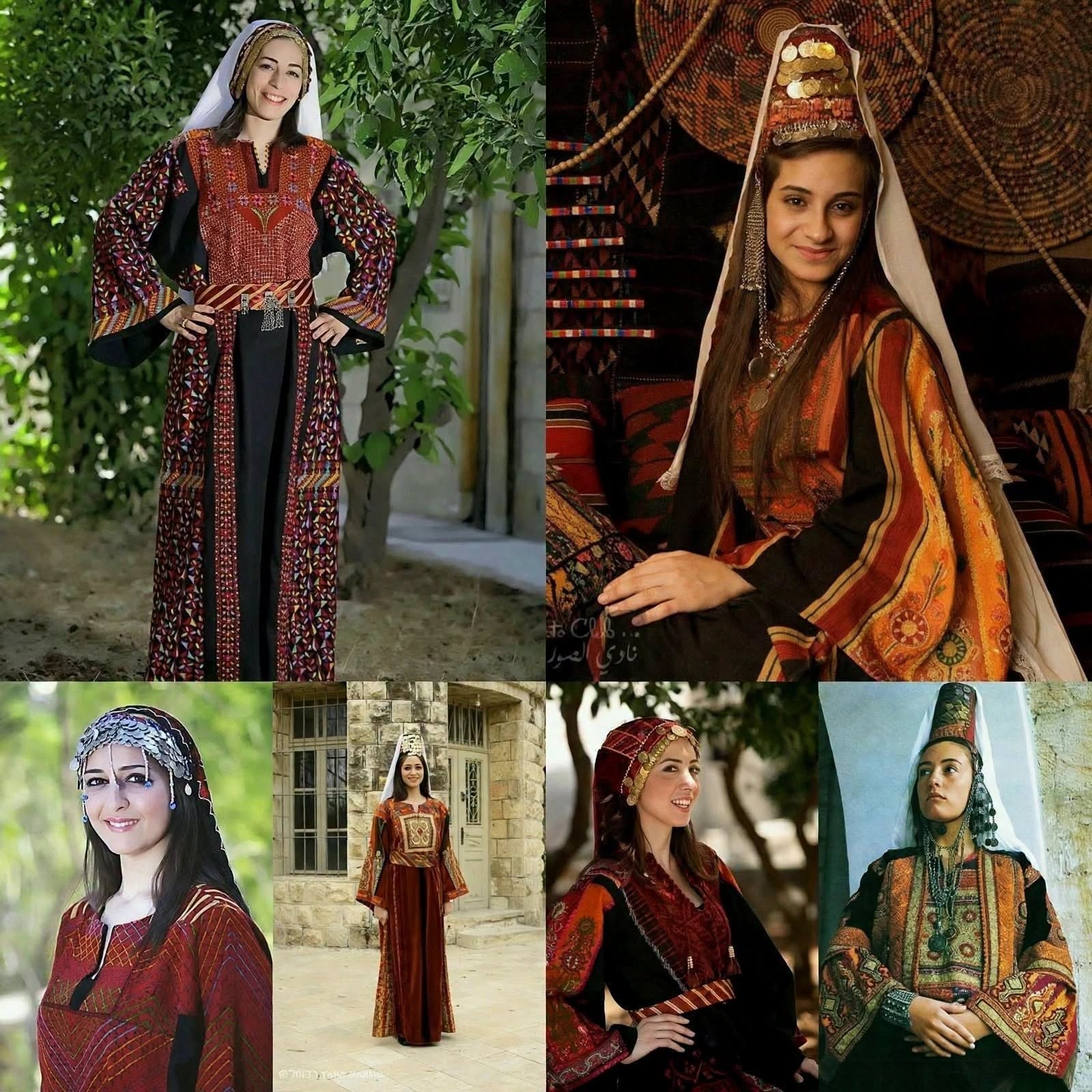
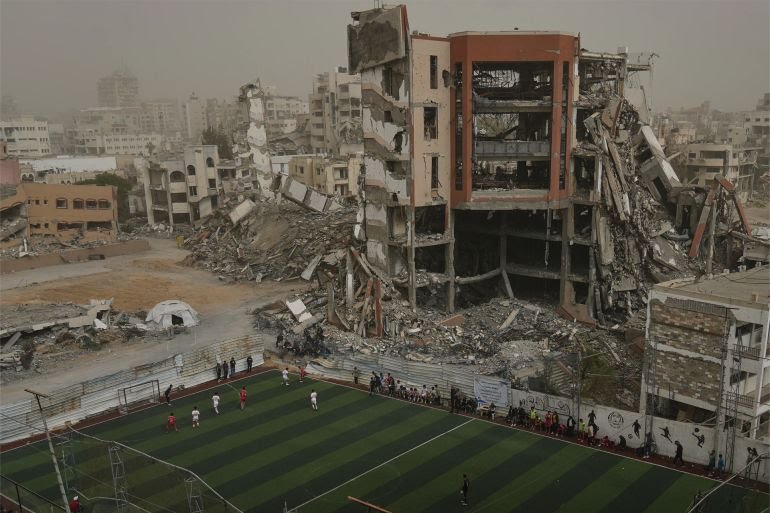
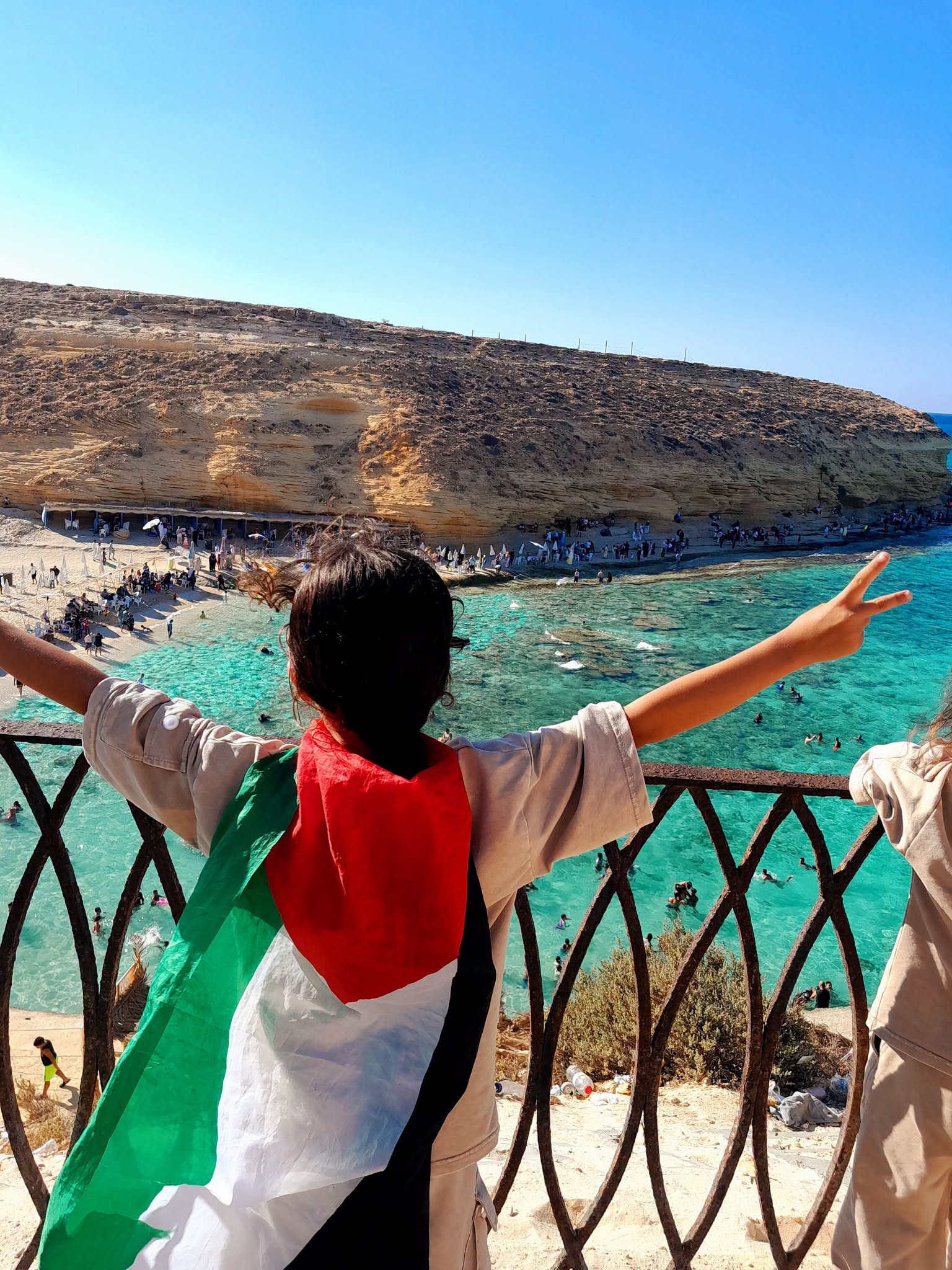 Balcony of Life
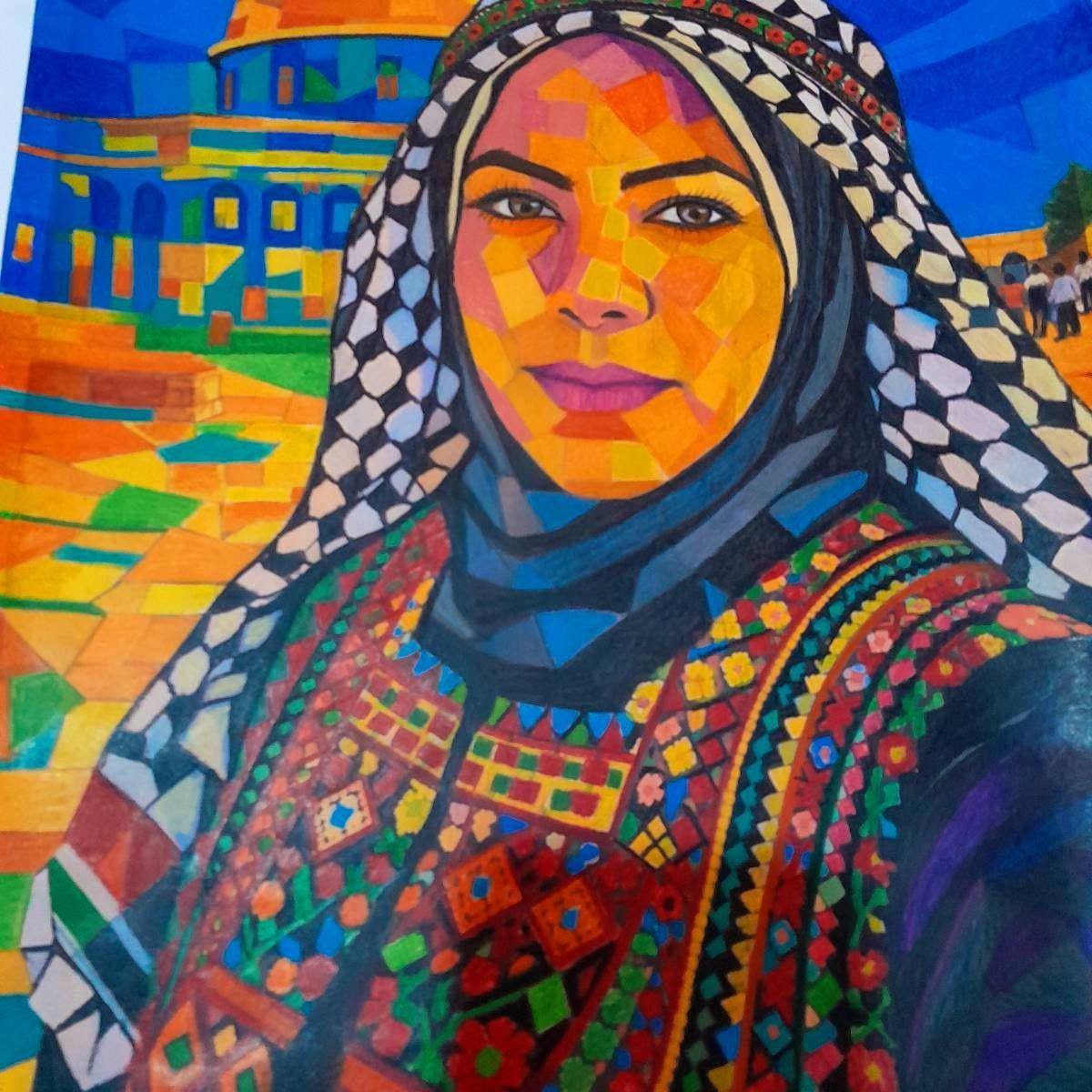
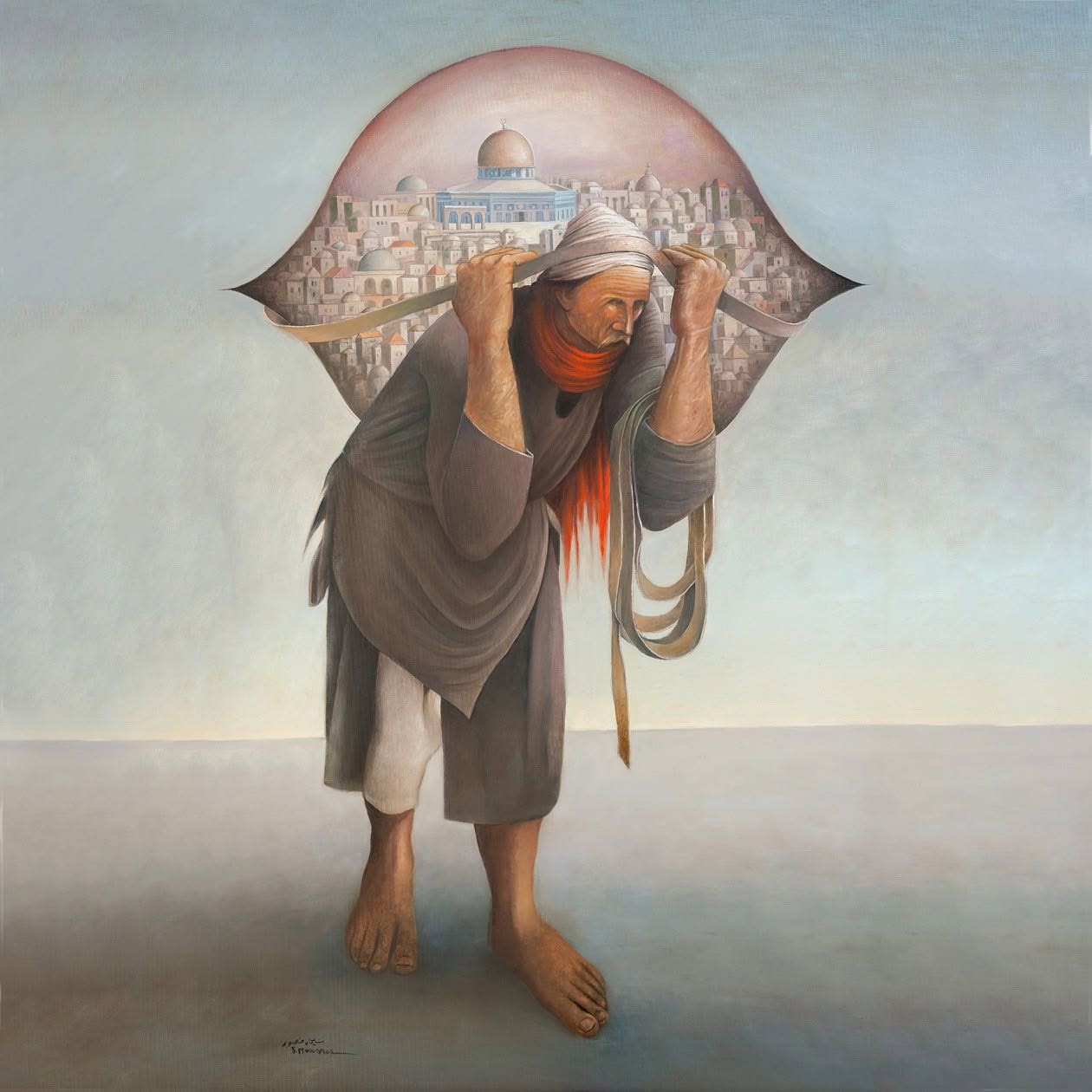 Who is Afraid of Palestinian Revolutionary Art?
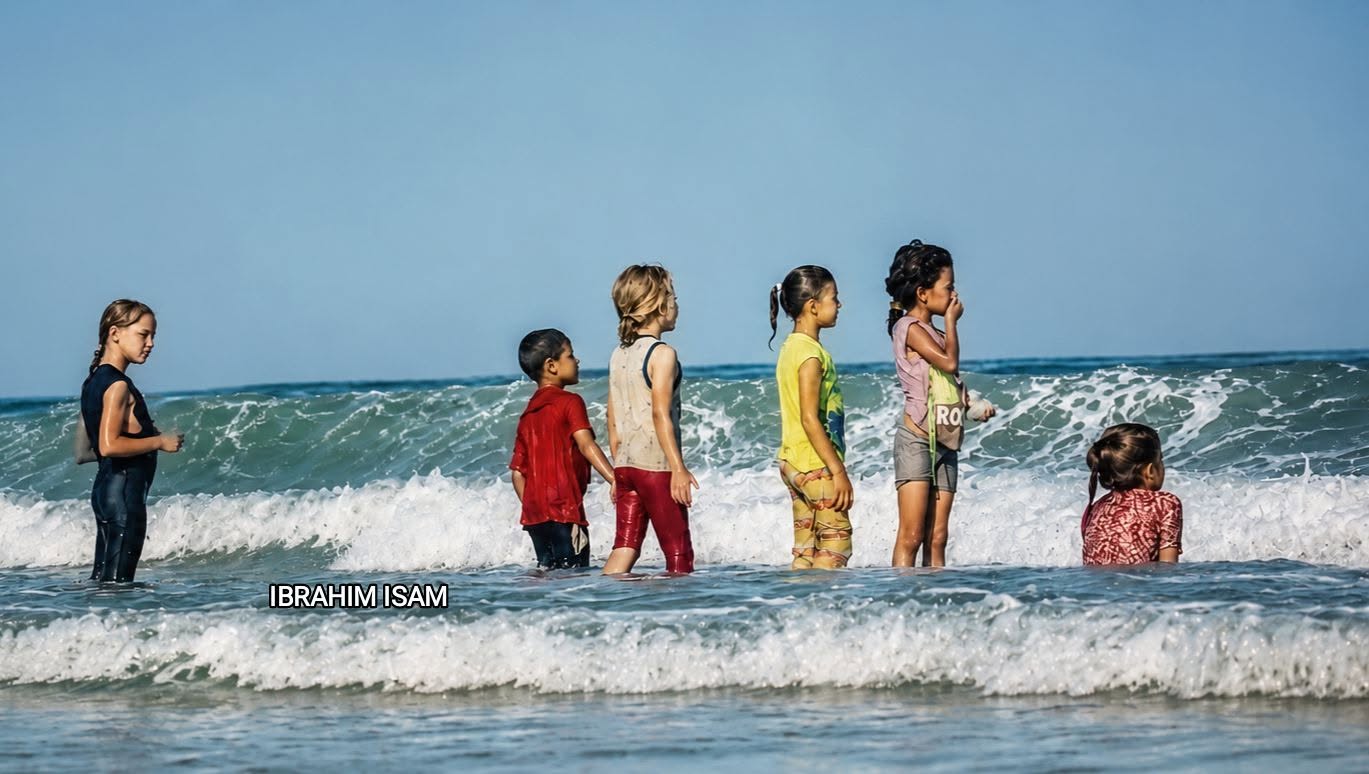
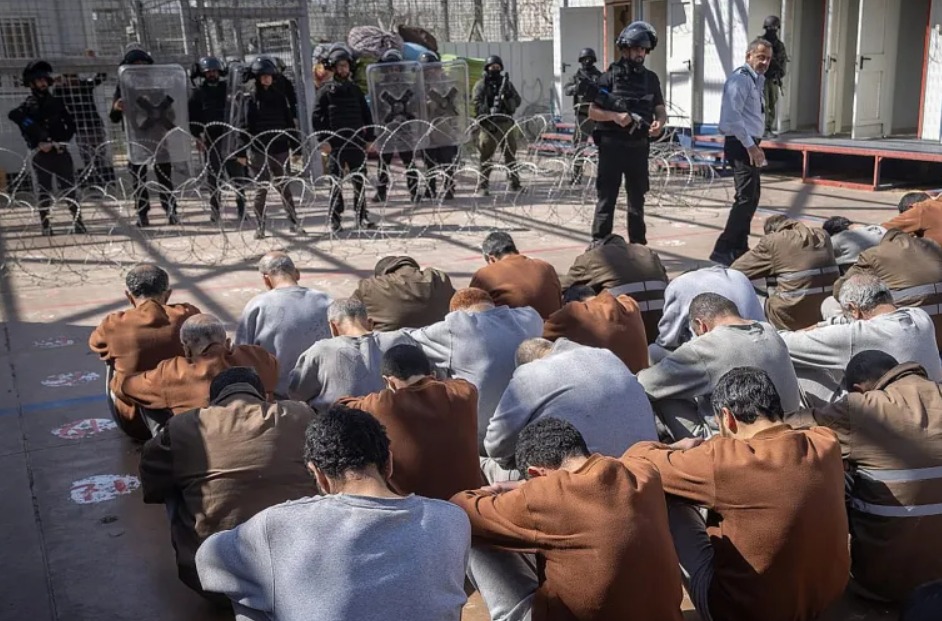
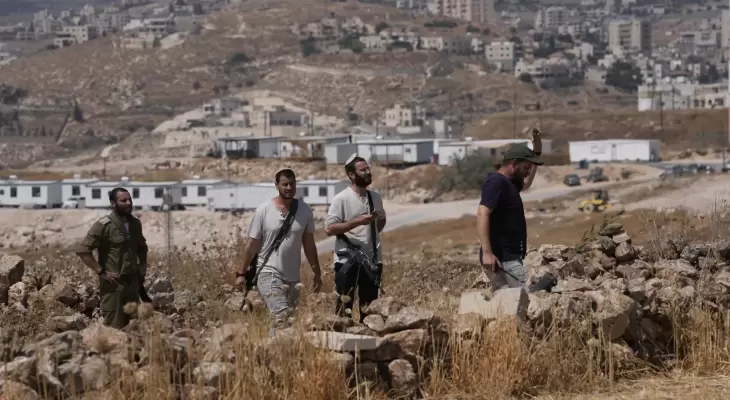
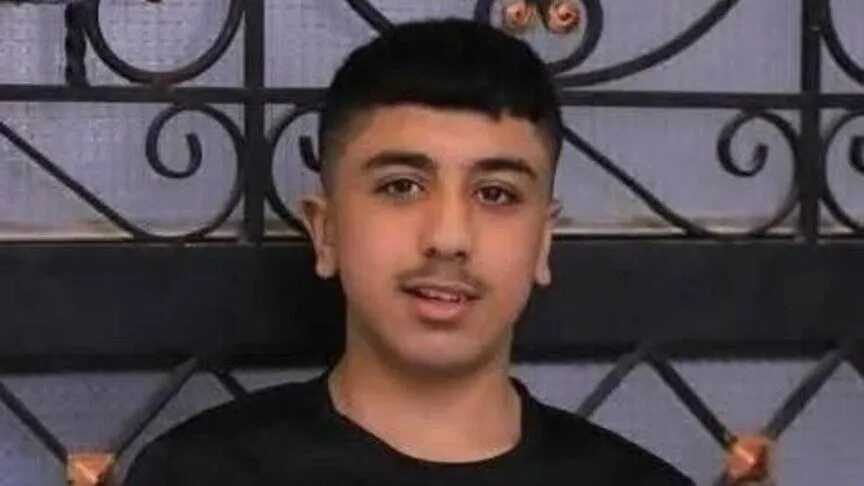
‘These Are Your Israeli Soldiers’
 CrossFireArabia
- September 4, 2026
 CrossFireArabia
 marwanCrossFireArabiaCrossFireArabiaCrossFireArabiaCrossFireArabiaCrossFireArabiaCrossFireArabiaCrossFireArabiaCrossFireArabiaCrossFireArabiaCrossFireArabiaCrossFireArabiaCrossFireArabia
 HebaCrossFireArabiaCrossFireArabiaCrossFireArabiaCrossFireArabiaCrossFireArabiaHebaHebaCrossFireArabiaCrossFireArabiamarwanCrossFireArabiaCrossFireArabiaHebaHebaHebaCrossFireArabiaCrossFireArabiamarwanCrossFireArabiaCrossFireArabiaCrossFireArabiaCrossFireArabiaHebaHebaHebaHebaCrossFireArabiaCrossFireArabiaCrossFireArabiaCrossFireArabiaCrossFireArabiaCrossFireArabiaHebamarwanmarwanCrossFireArabiaCrossFireArabiaCrossFireArabiaCrossFireArabiaCrossFireArabiaCrossFireArabiaCrossFireArabiaCrossFireArabiaCrossFireArabiaCrossFireArabiaCrossFireArabiaHebaCrossFireArabiaCrossFireArabiamarwanmarwanCrossFireArabiaCrossFireArabiaCrossFireArabiamarwanCrossFireArabiaCrossFireArabiamarwanHebaCrossFireArabiaHebaHebamarwanCrossFireArabiaCrossFireArabia
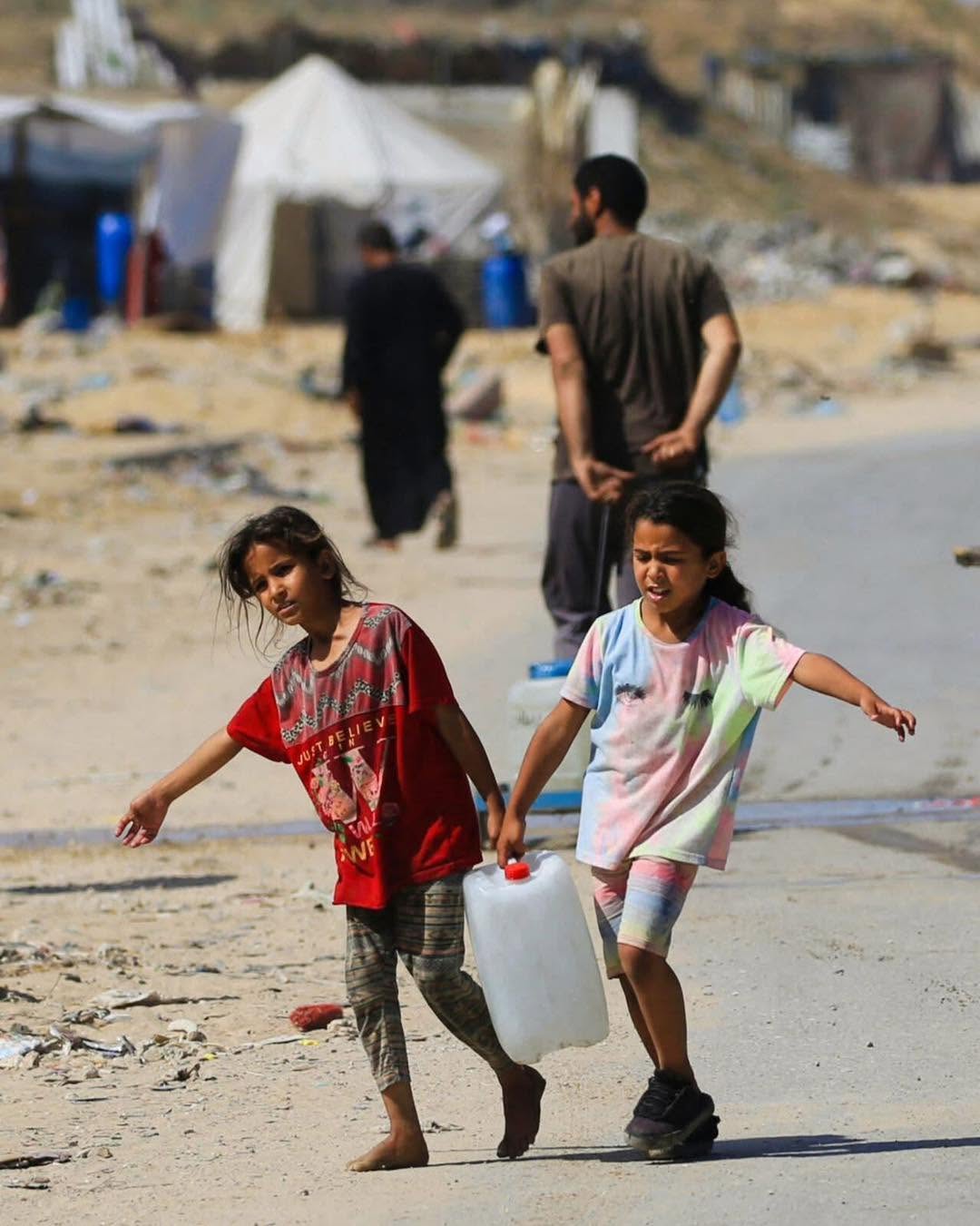
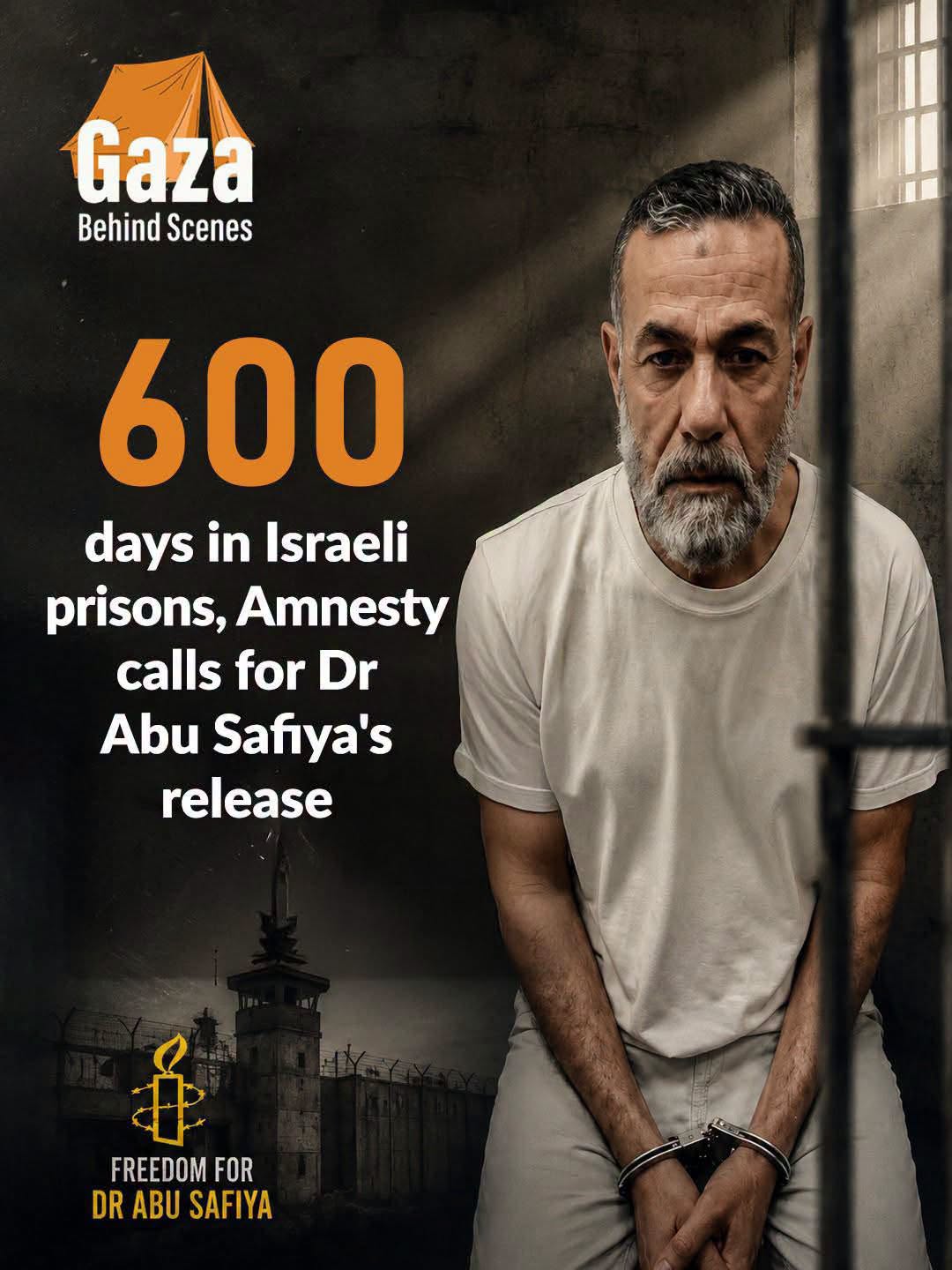
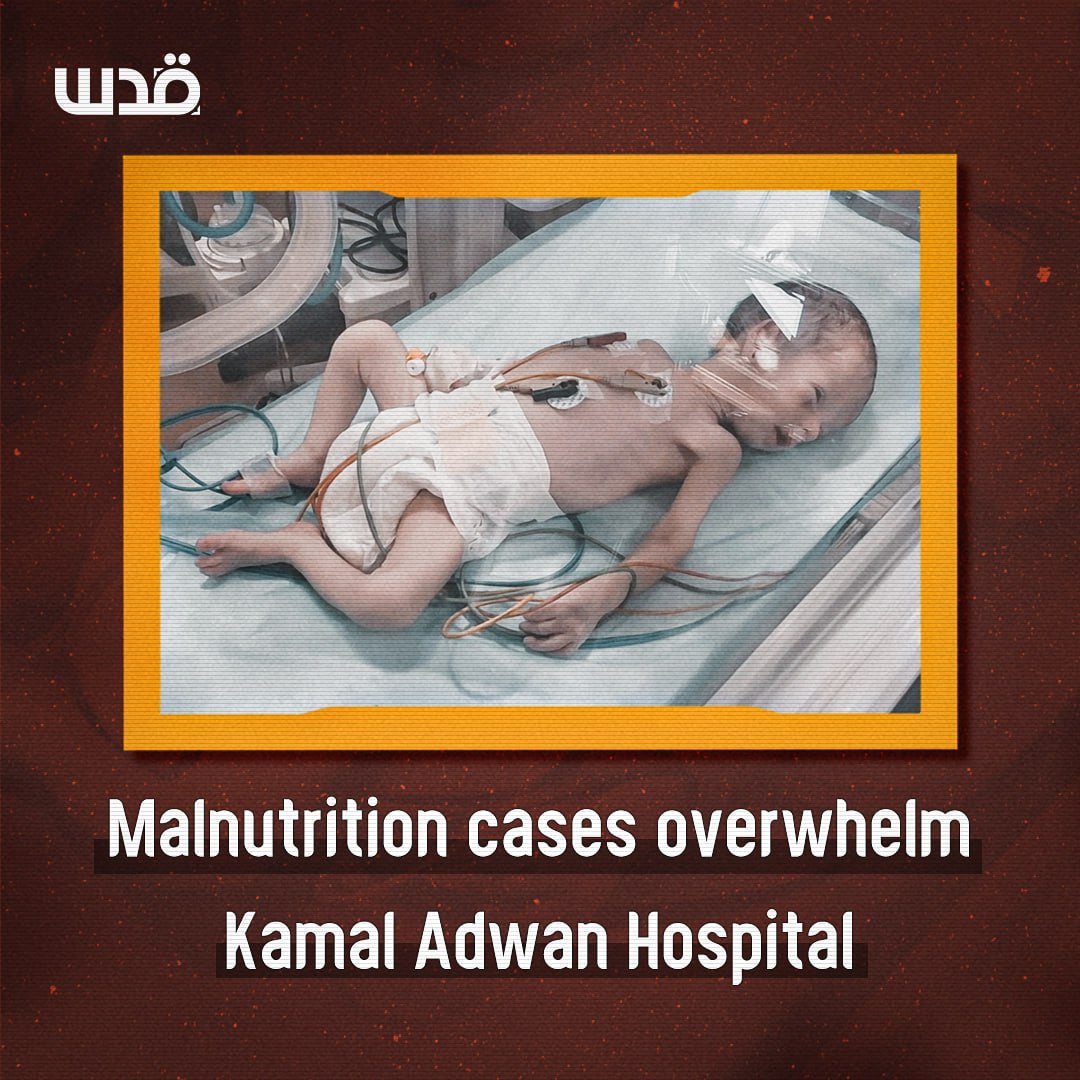
Dr. Hussam Abu Safia, director of Kamal Adwan hospital who accused Israel of blocking the entry of food, water, medical staff and materials destined for the north, said that a large number of children and elderly people continue to arrive to the hospital suffering from malnutrition.
The WHO has also raised alarm over the dire conditions in hospitals across northern Gaza, with Kamal Adwan Hospital in Beit Lahiya facing what its director called an “extreme catastrophe.” WHO spokeswoman Margaret Harris told journalists in Geneva
“We are very, very concerned, and it’s getting harder and harder to get the aid in. It’s getting harder and harder to get the specialist personnel in at a time when there is greater and greater need.”
CrossFireArabia
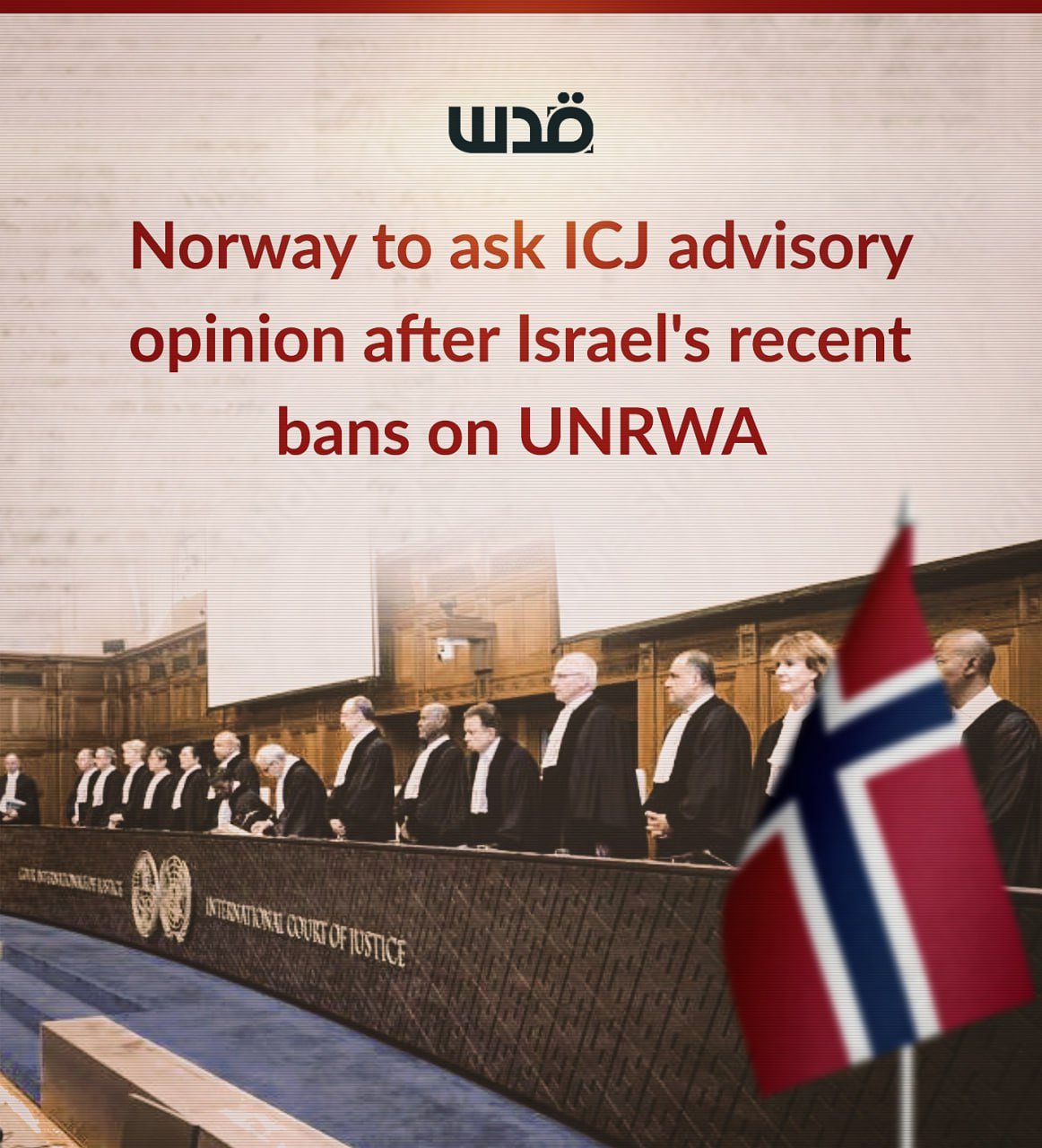
Norway is to ask the International Court of Justice (ICJ) for an advisory opinion after the Israeli occupation Knesset prevented UNRWA from practicing its work in Israel-occupied territories which makes the agency unable to enter aid to the Gaza Strip, according to The Guardian.
Norway’s deputy foreign minister, Andreas Motzfeldt Kravik, discussed at the United Nations in New York to draft resolution about this issue for the UN General Assembly.
“The international community cannot accept that the UN, international humanitarian organisations, and states continue to face systematic obstacles when working in Palestine and delivering humanitarian assistance to Palestinians under occupation,” Norwegian Prime Minister Jonas Gahr Støre said.
CrossFireArabia
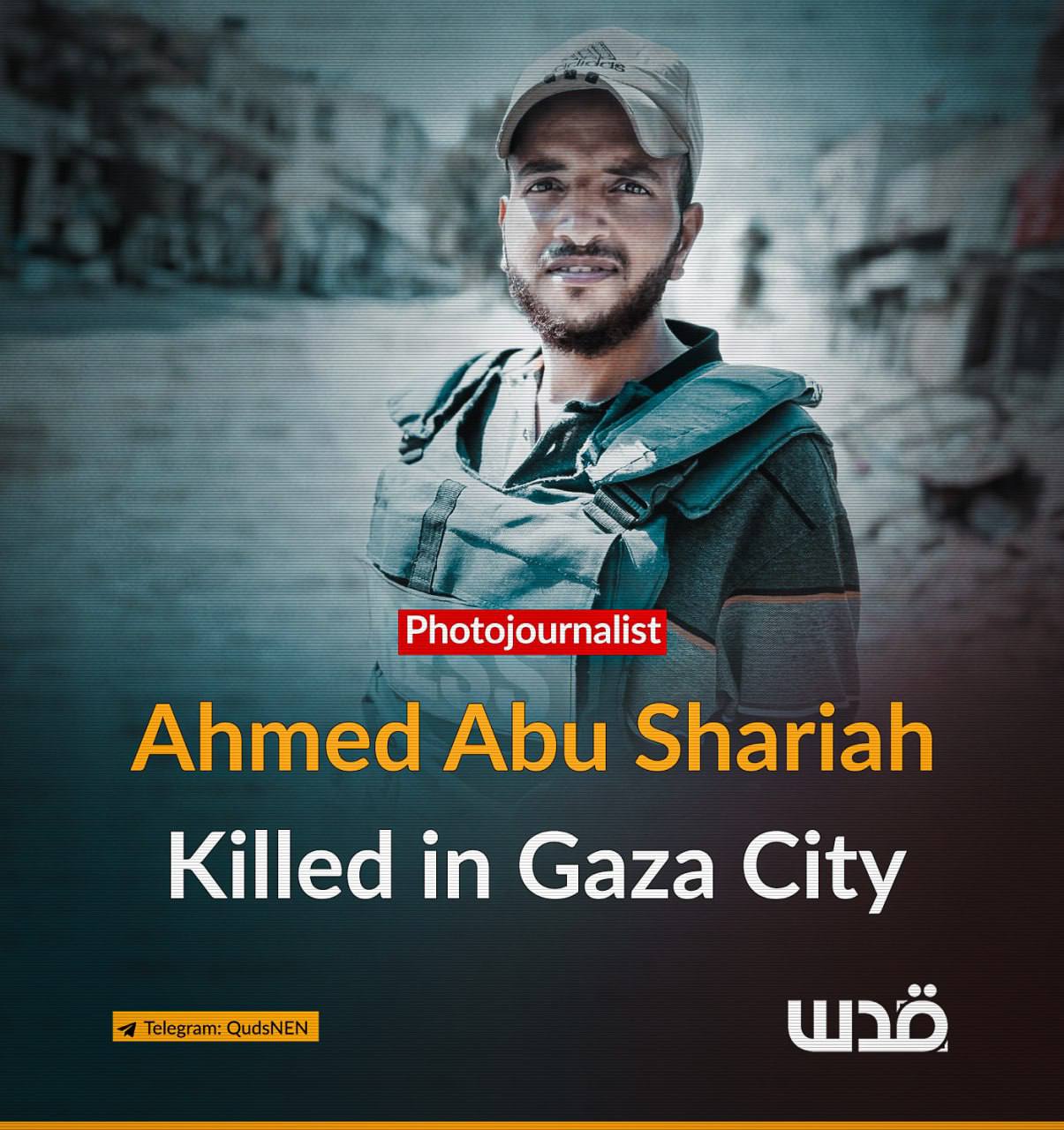
32-year-old Palestinian photojournalist Ahmed Abu Shariah was reported killed, Tuesday morning in an Israeli artillery shelling of his home in the Sabra neighborhood of Gaza City.
He was a father of two children. His father, Yousef Abu Shariah, was the former photographer of the late Palestinian leader Yasser Arafat.
Israel persists in deliberately targeting journalists and media workers in Gaza for over 13 months in an attempt to cover up its crimes against civilians and silence the truth, killing 189 journalists since the onset of the ongoing genocide in Gaza.
Meanwhie Palestinian journalist Husam Shabat describing the moment when Israeli occupation warplanes targeted a home again where he, his team, and civil defence crews were, injuring him and his colleague and killing a civil defence worker.
Shabat said in another post that the bombing wasn’t an accident as he has been threatened by Israeli occupation forces.
CrossFireArabia
Ahmed Mansour writes:
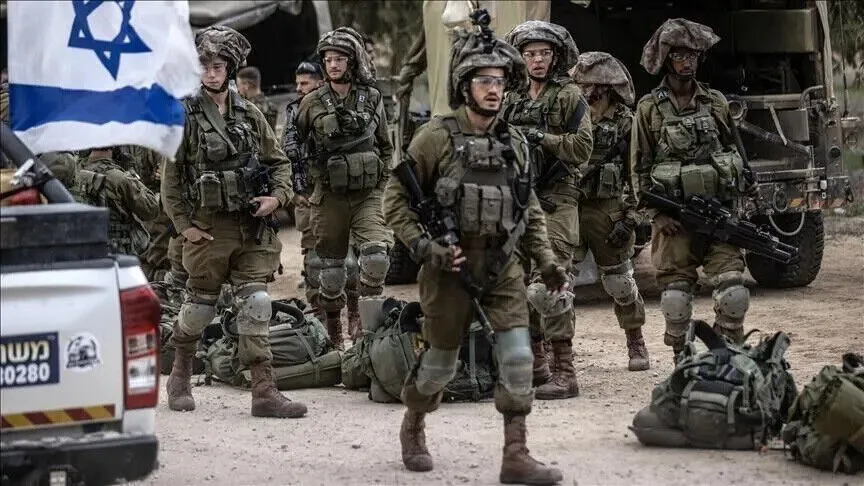
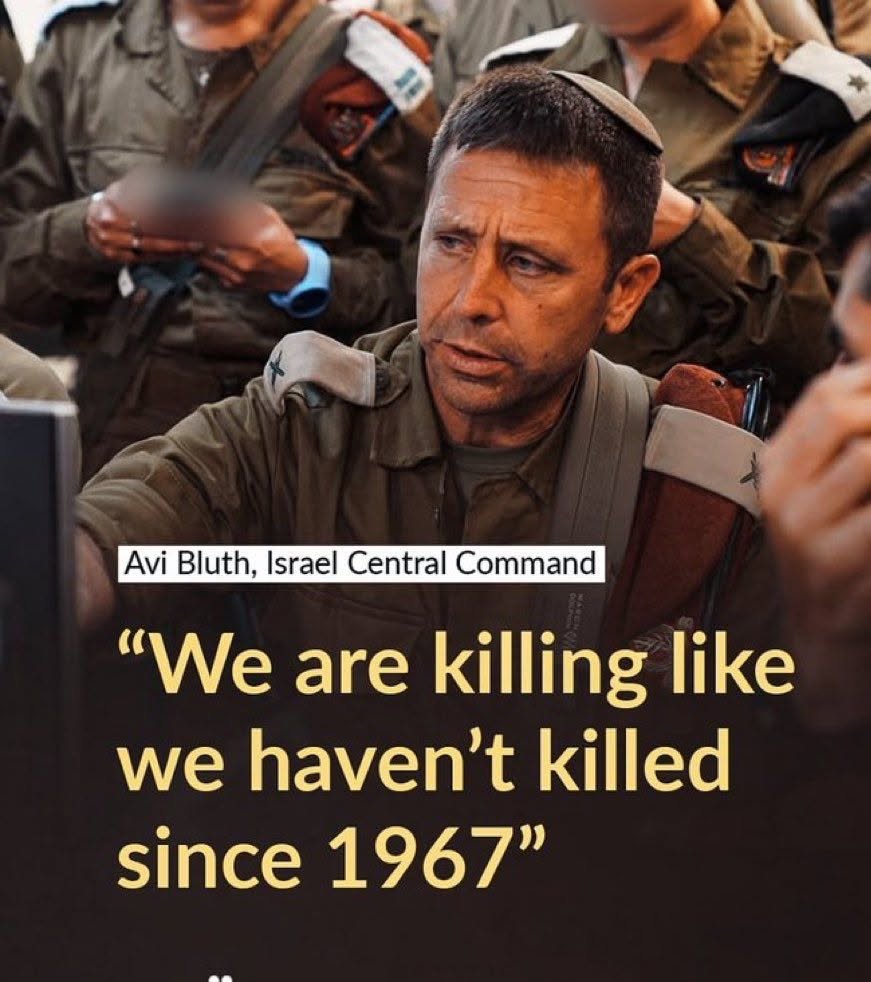
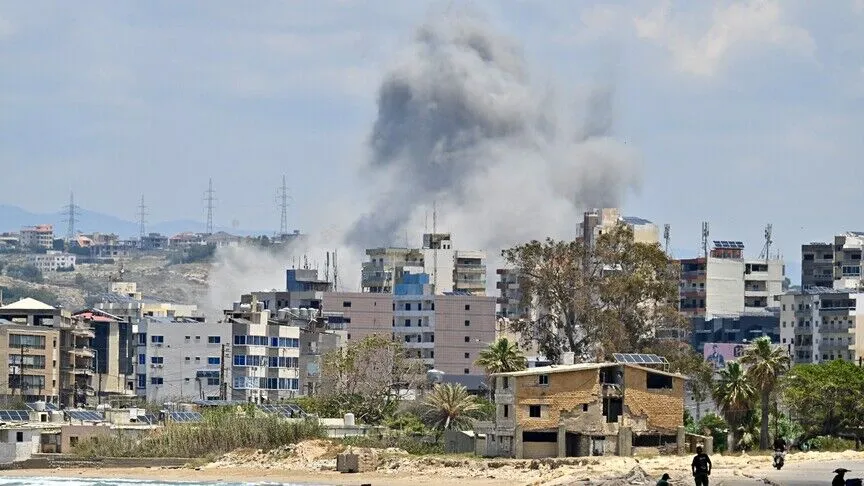
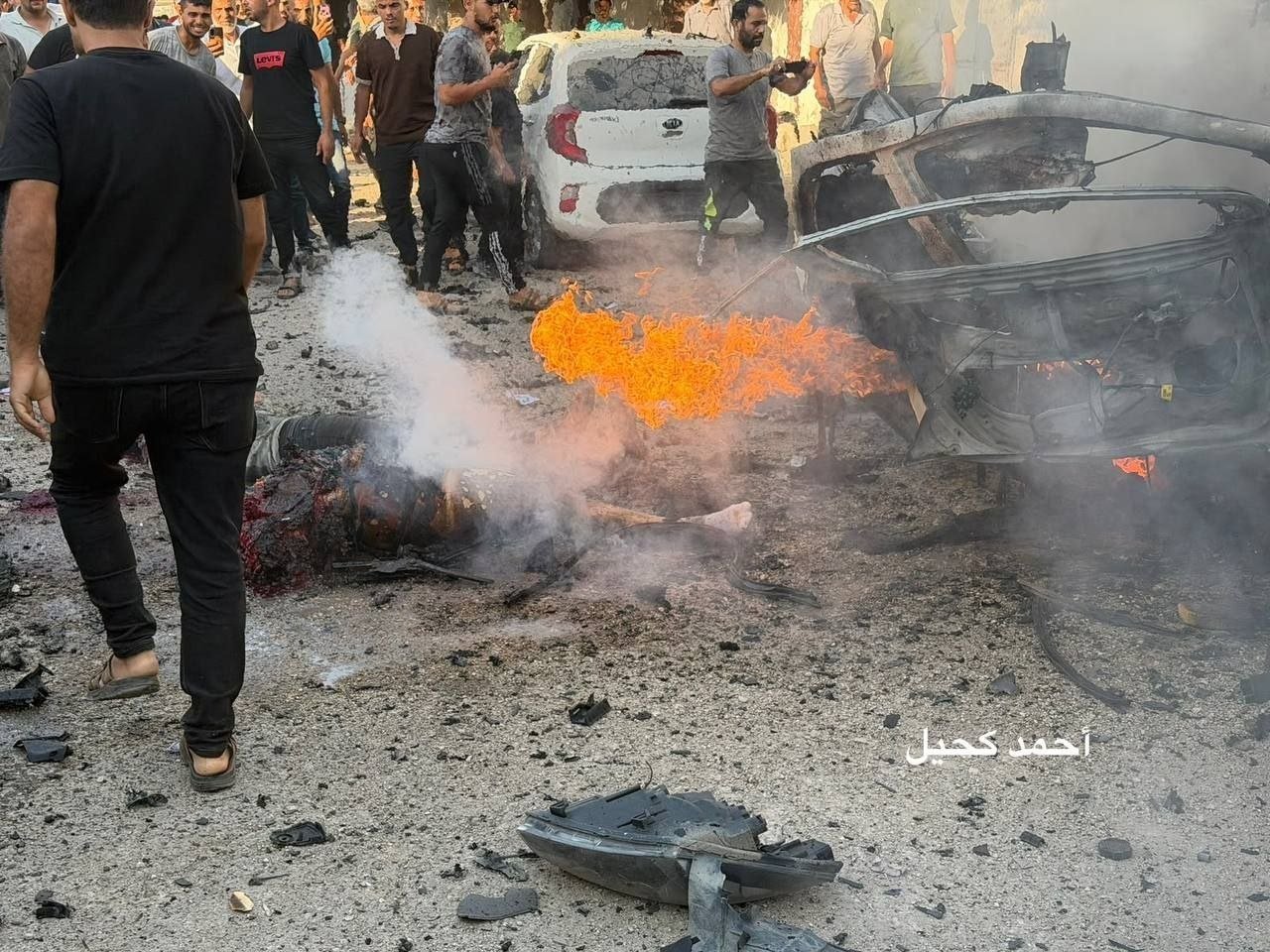
Jabalia has become a cemetery for the soldiers of the Israeli occupation army because of the intensity of the fighting and the high number of deaths.
Amit Halevi, member of the Knesset for the Likud Party says: The military operation in Jabalia should not have been launched, and Israel Katz (new Defense Minister) should instruct the army to change its plans. We lost 24 soldiers and officers there in a month and a half. Have we gone crazy?”
These are the official numbers that are recognized, but the Israeli losses are always many times what they announce.
Israeli army radio said that 27 Israeli soldiers were killed in Jabalia in the northern Gaza Strip since the start of the latest ground operation that started on 5 October, 2024.
 Dr Khairi Janbek
By Dr Khairi Janbek
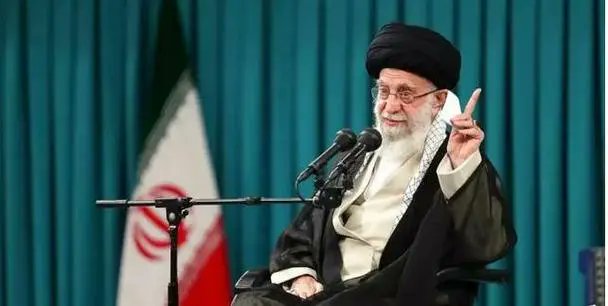
Iranian foreign policy is a mixture of historical, ideological and geopolitical factors. As a major regional power in the Middle East, its foreign policy has often been seen as pragmatic; but practicality with an ideological component.
The country’s policy decisions are influenced by its revolutionary origins in competition with other regional powers. In reality, Iran cannot be understood outside the consideration of the legacy of the 1979 revolution, which highlighted the centrality of the concept of Velayet e Faqih; the Guardianship of the Jurist on Iran’s political and and ideological stance on global affairs.
Iran adopted a foreign policy that combined ideology with the desire for regional leadership often expressed as the defender of oppressed Muslims, the power behind the spread of Islamic values and opposition to western imperialism, especially that of the USA.
The objective has been ever since to focus on expanding and maintaining influence in the Middle East, not necessarily by creating a ‘Shiite Crescent’, but rather by creating a Persian-dominated crescent through fostering alliances with groups in Syria, Iraq, Lebanon, Yemen, and Hamas in Gaza.
This crescent has been aimed primarily as being an arch to exclude, in the first degree, Iran’s biggest Islamic rival Saudi Arabia with its close relations with the USA, from its sphere of influence.
At the same time, Iran’s nuclear ambition have put it in direct conflict with the USA and western powers. However this confrontation with the USA has habitually fluctuated between agreement, as during the Obama administration, and confrontation during the first Trump administration, then the ambiguity of the current Biden administration.
However, currently, the country faces the delicate balance of managing its relations with the western powers as well as regional actors, while seeking to maintain good relations with Russia and China.
Currently, with the ongoing tensions with Israel on one side, and melting of ice with Saudi Arabia, with the possibility of further serious confrontation with the Trump administration, Iranian foreign policy and its ability to continue to be able to navigate the preservation of its interests, will most certainly be put to the test.
Dr Khairi Janbek is a Jordanian historian based in Paris and the above opinion is written exclusively for crossfirearabia.com.