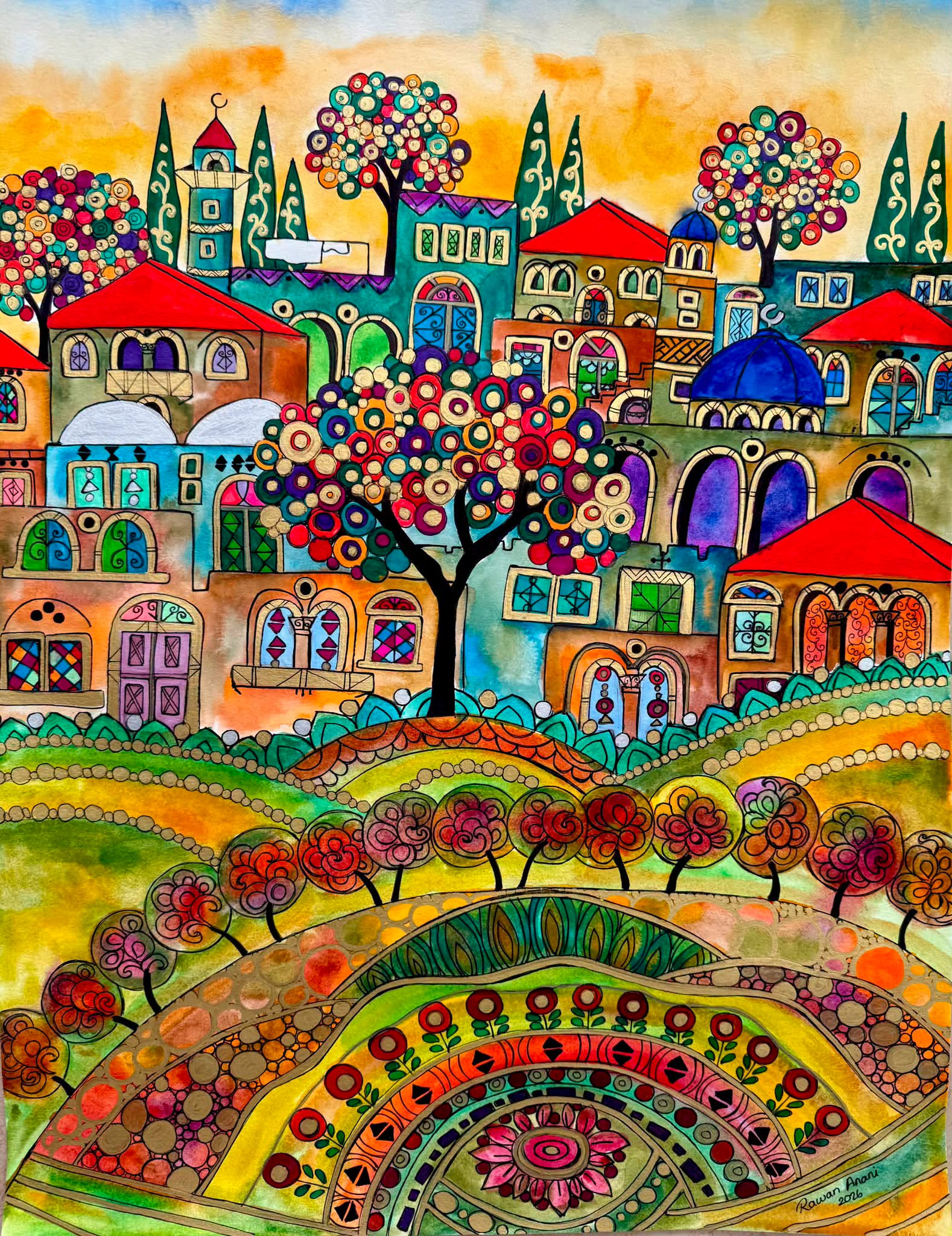
 Beautiful Tulkarem: Dreams Not For Dying
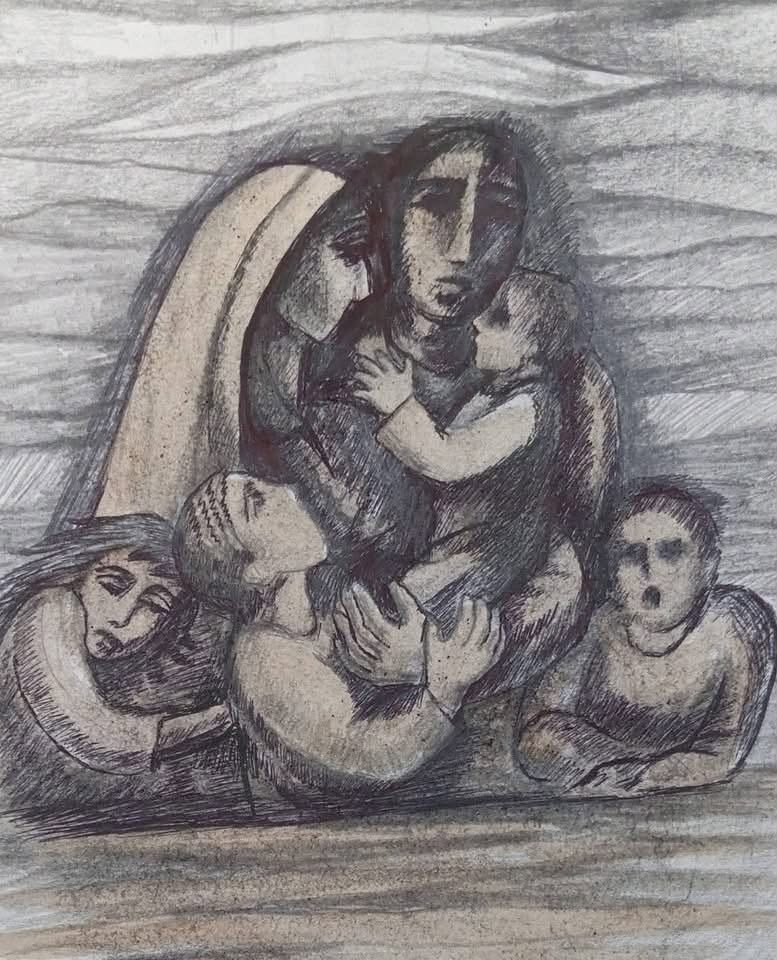
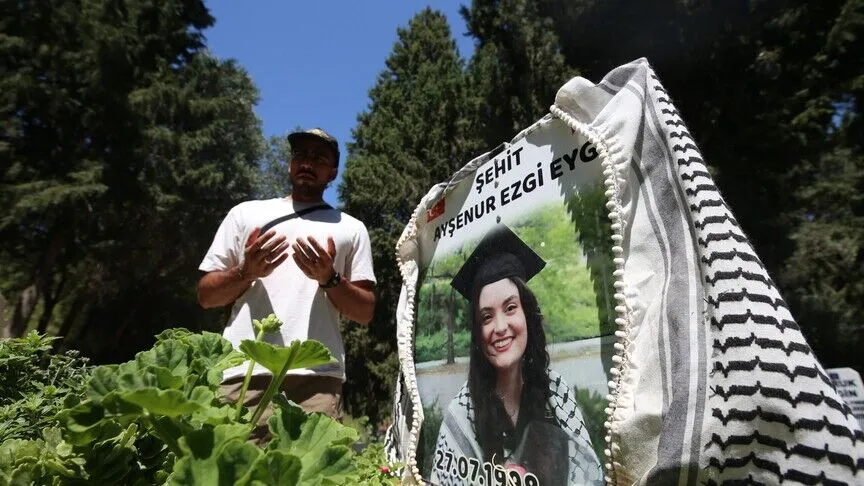 ‘Why Did You Kill Our Daughter’
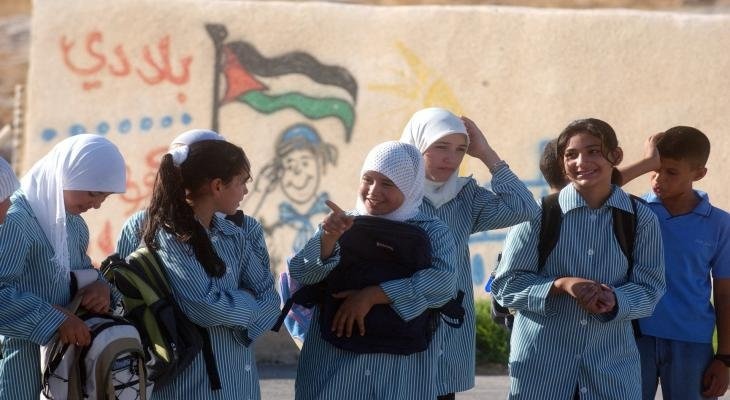
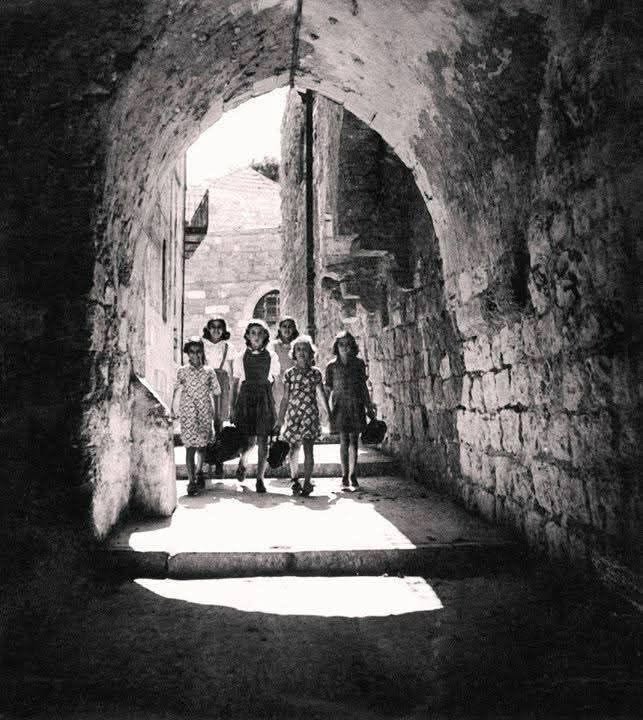
 Children of Jenin
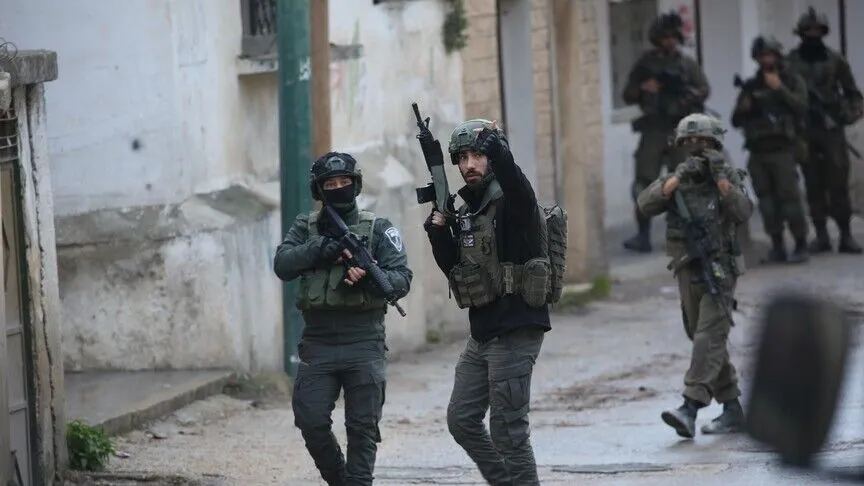
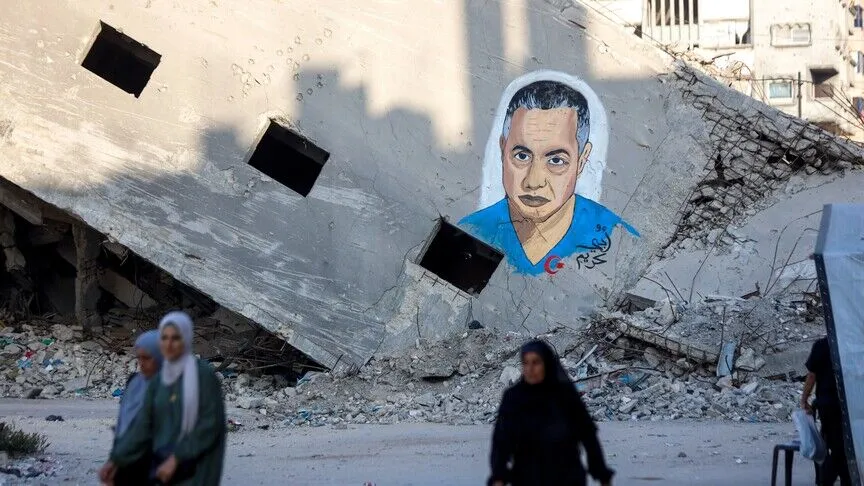
 Israeli Soldiers Tell Kindergarten Teacher ‘No School For You’
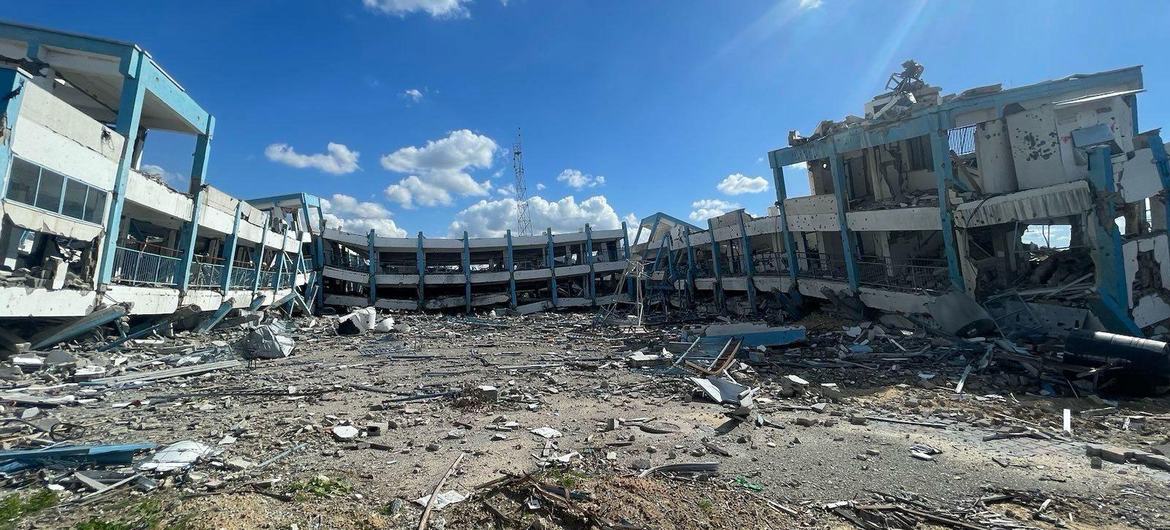
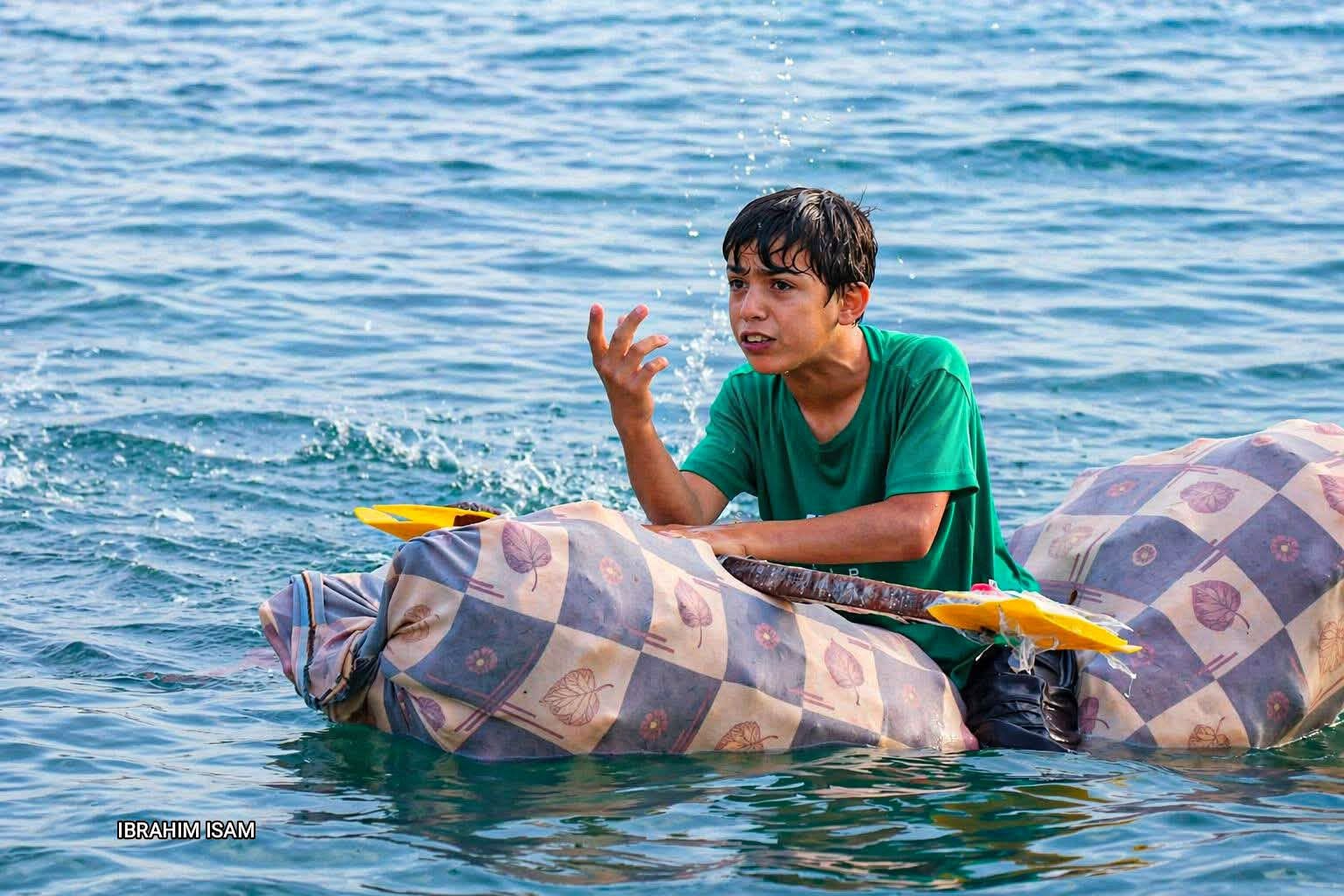
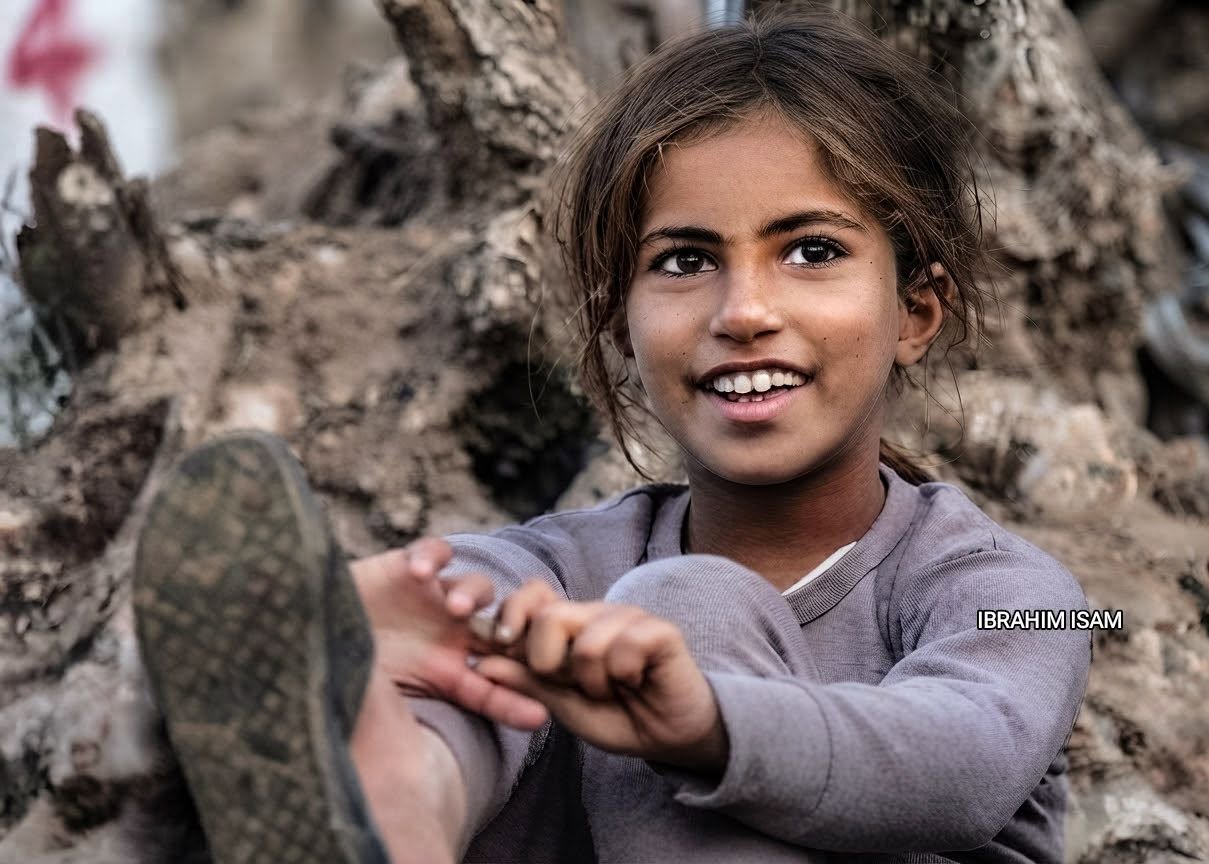
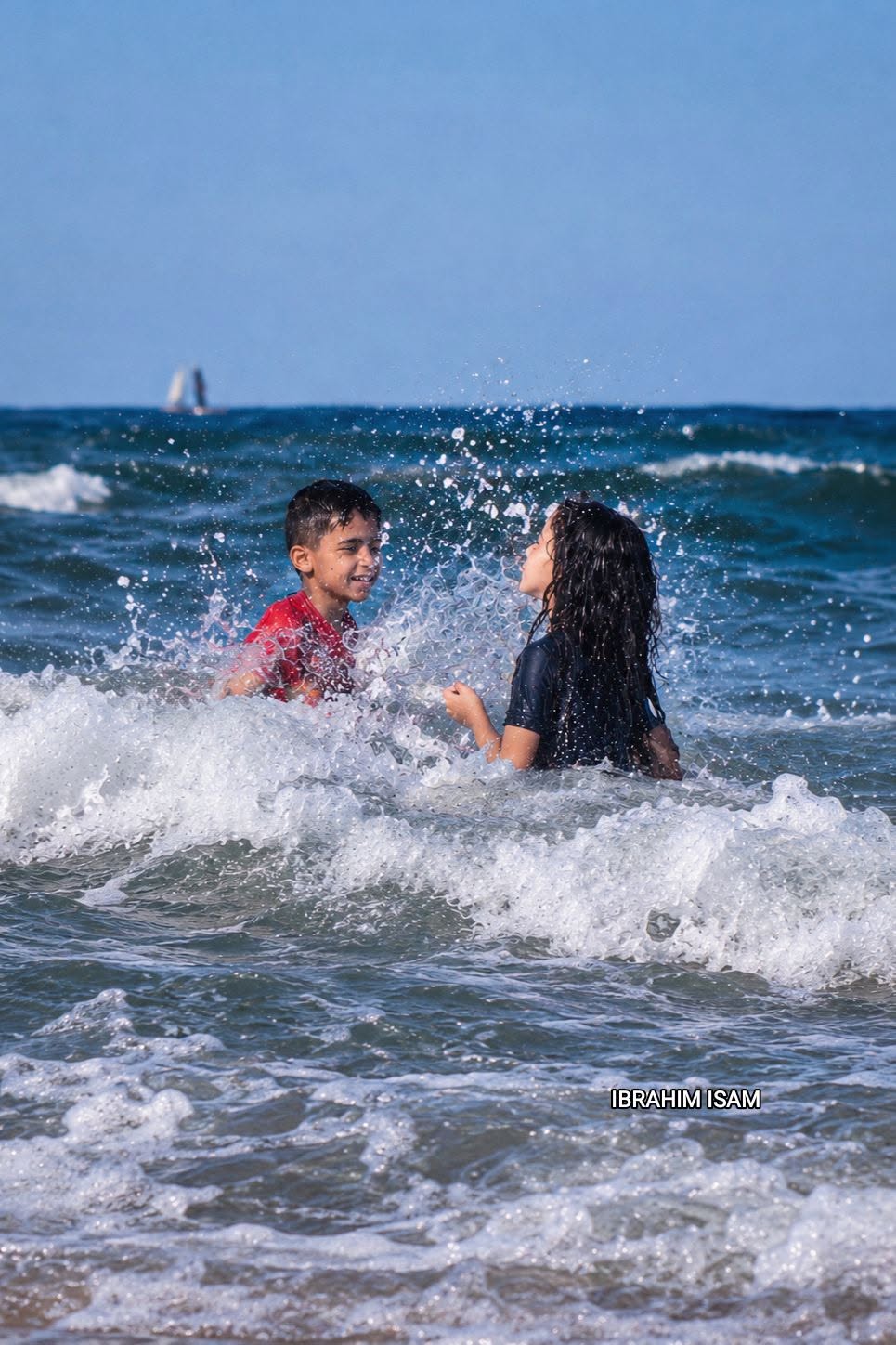 Good Morning From The Sea of Gaza

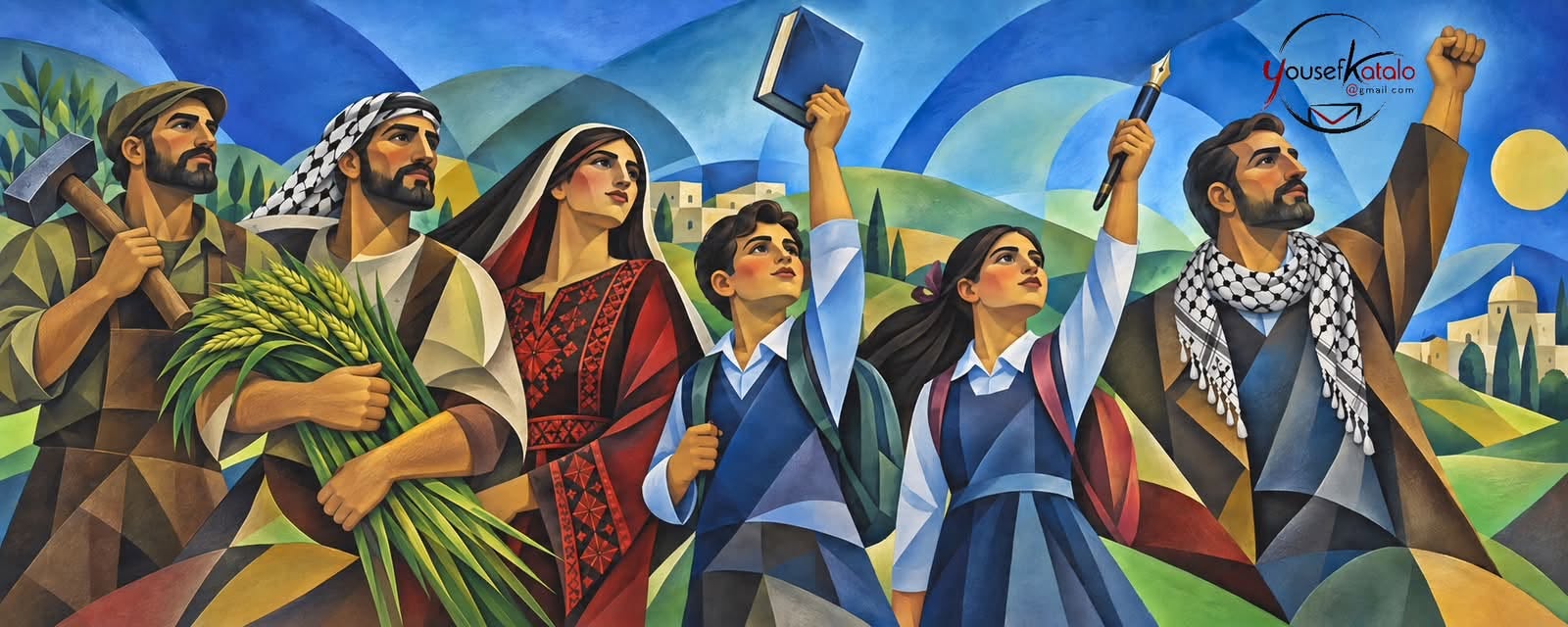
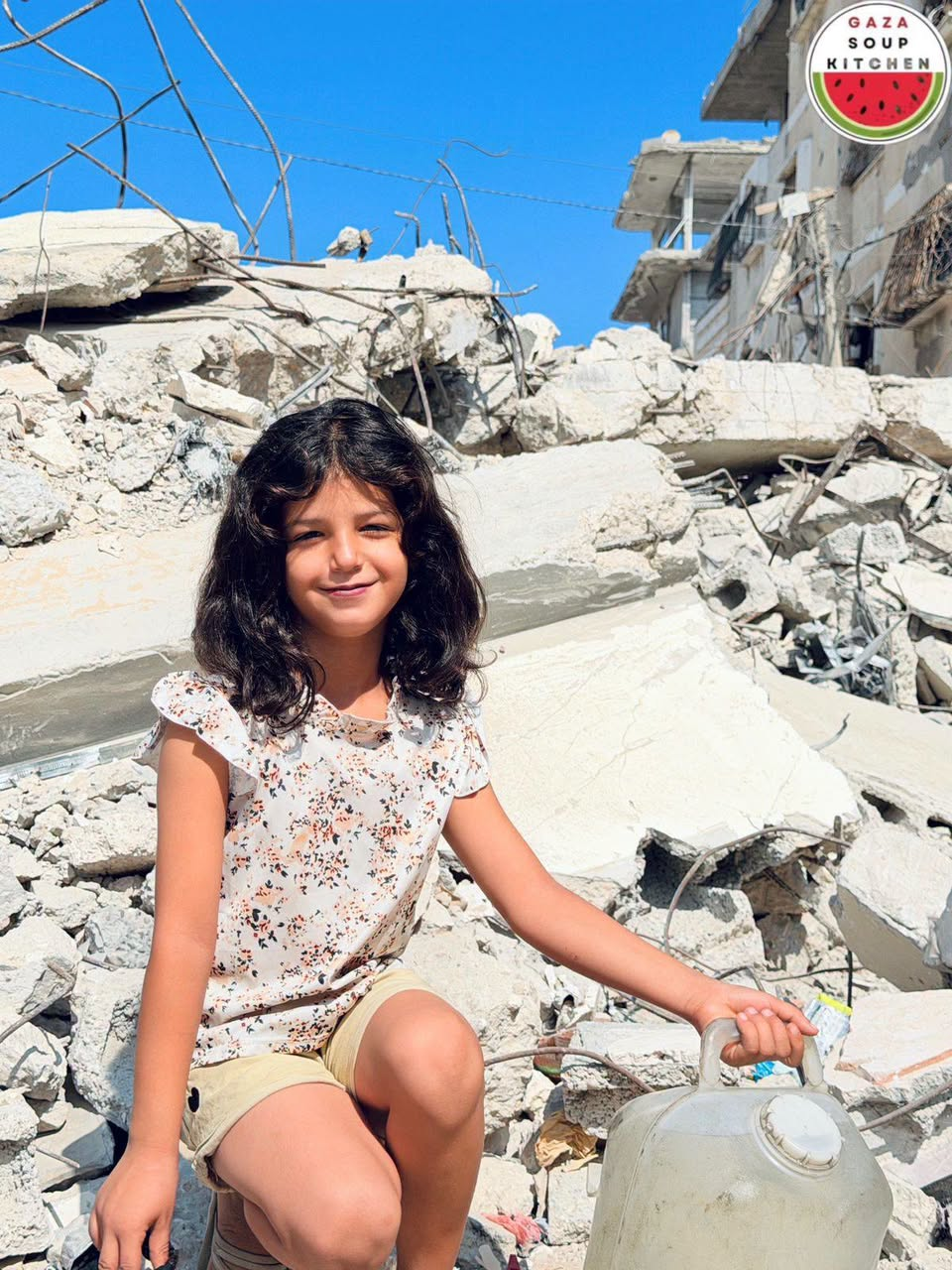
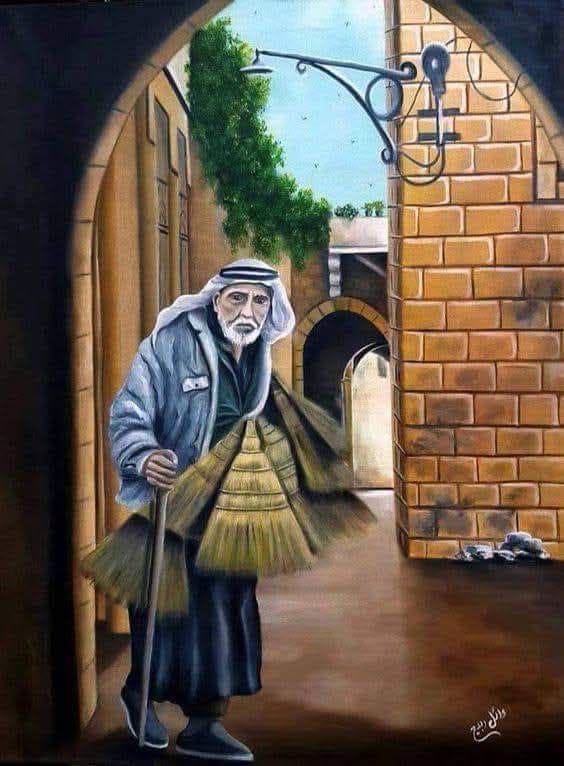
Beautiful Tulkarem: Dreams Not For Dying
 CrossFireArabia
- September 6, 2026
 CrossFireArabiaCrossFireArabiaCrossFireArabia
 HebaCrossFireArabiaCrossFireArabiaHebaCrossFireArabiaCrossFireArabiaCrossFireArabiaCrossFireArabiaCrossFireArabiaHeba
 marwanmarwanHebaCrossFireArabiaHebaCrossFireArabiaCrossFireArabiaCrossFireArabiamarwanCrossFireArabiaCrossFireArabiaCrossFireArabiaCrossFireArabiaCrossFireArabiaCrossFireArabiaCrossFireArabiaCrossFireArabiaCrossFireArabiaCrossFireArabiaCrossFireArabiaCrossFireArabiaHebaCrossFireArabiaCrossFireArabiaCrossFireArabiaCrossFireArabiaCrossFireArabiaHebaHebaCrossFireArabiaCrossFireArabiamarwanCrossFireArabiaCrossFireArabiaHebaHebaHebaCrossFireArabiaCrossFireArabiamarwanCrossFireArabiaCrossFireArabiaCrossFireArabiaCrossFireArabiaHebaHebaHebaHebaCrossFireArabiaCrossFireArabiaCrossFireArabiaCrossFireArabiaCrossFireArabiaCrossFireArabiaHebamarwanmarwanCrossFireArabiaCrossFireArabiaCrossFireArabiaCrossFireArabiaCrossFireArabiaCrossFireArabiaCrossFireArabiaCrossFireArabiaCrossFireArabiaCrossFireArabiaCrossFireArabiaHebaCrossFireArabia
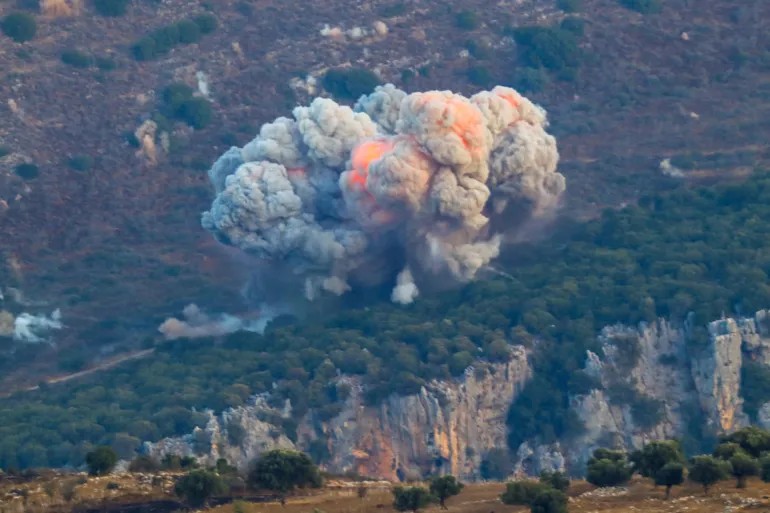
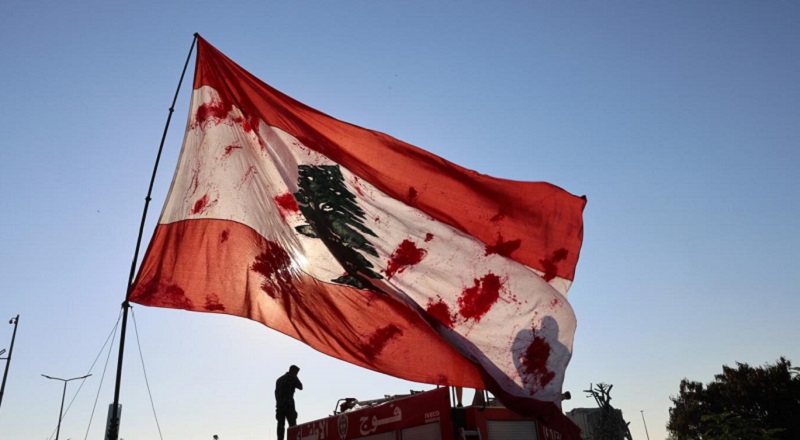
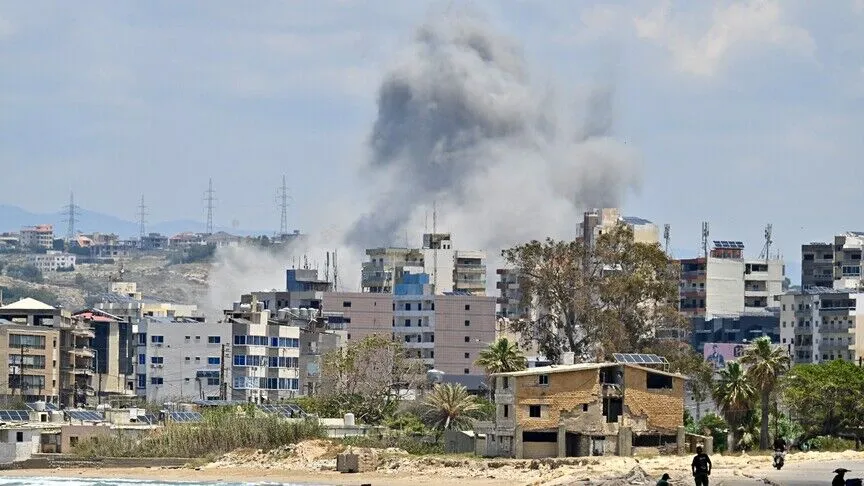
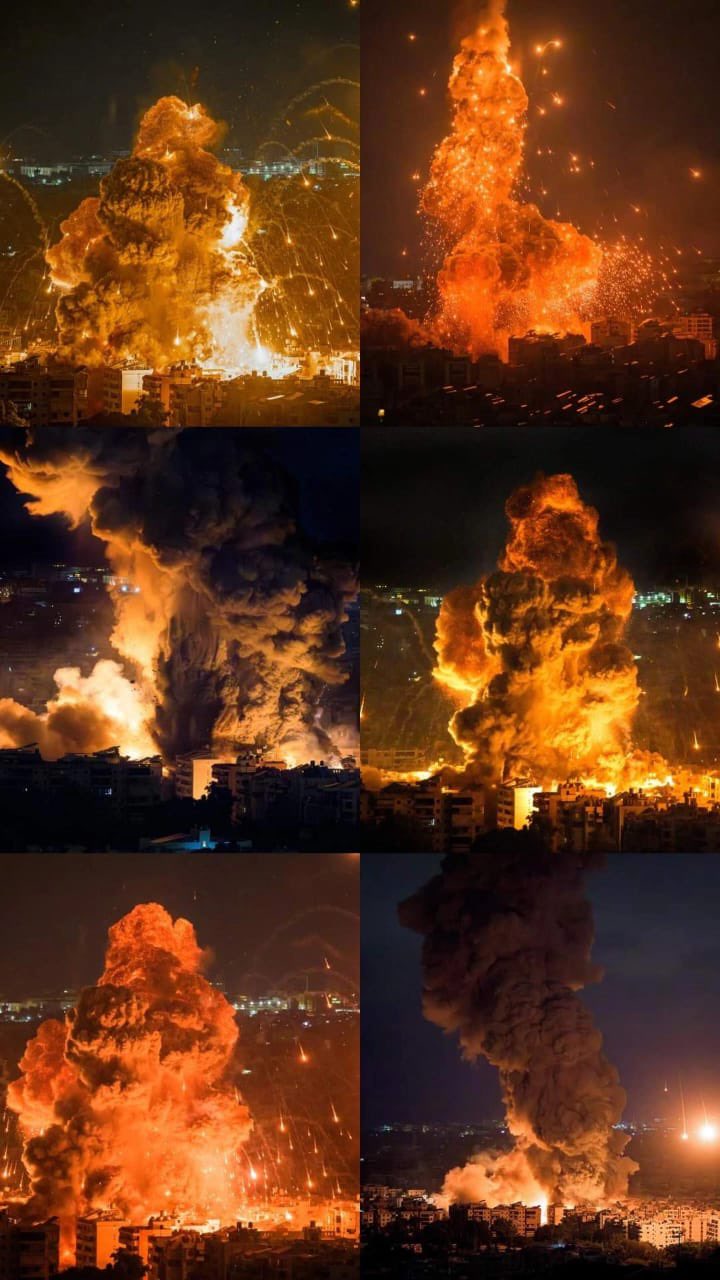
The UN urged the protection of cultural heritage sites on Wednesday after reported Israeli airstrikes on Baalbek in eastern Lebanon.
“Clearly, we do not want to see any harm, tend to people and also to the cultural heritage,” spokesperson Stephane Dujarric said at a news conference.
“I think one of the things we’ve seen in conflicts in recent years is the destruction of cultural heritage that can never be replaced,” he added according to Anadolu.
His remarks came in response to a question on the situation in Lebanon after a new wave of Israeli airstrikes near Baalbek, which reportedly killed 30 people.
An important urban center in the Bekaa Valley, Baalbek is famed for its towering Roman ruins. It is a UNESCO World Heritage site and home to more than 100,000 residents.
Previous Israeli airstrikes in Douris have destroyed ancient sites.
Israel last month launched a massive air campaign in Lebanon against what it claims are Hezbollah targets in an escalation in a year of cross-border warfare between Israel and the group since the start of Israel’s brutal offensive on the Gaza Strip.
More than 2,700 people have been killed and nearly 12,500 injured in Israeli attacks since last October, according to Lebanese health authorities.
Israel expanded the conflict by launching an incursion into southern Lebanon on Oct. 1.
CrossFireArabia
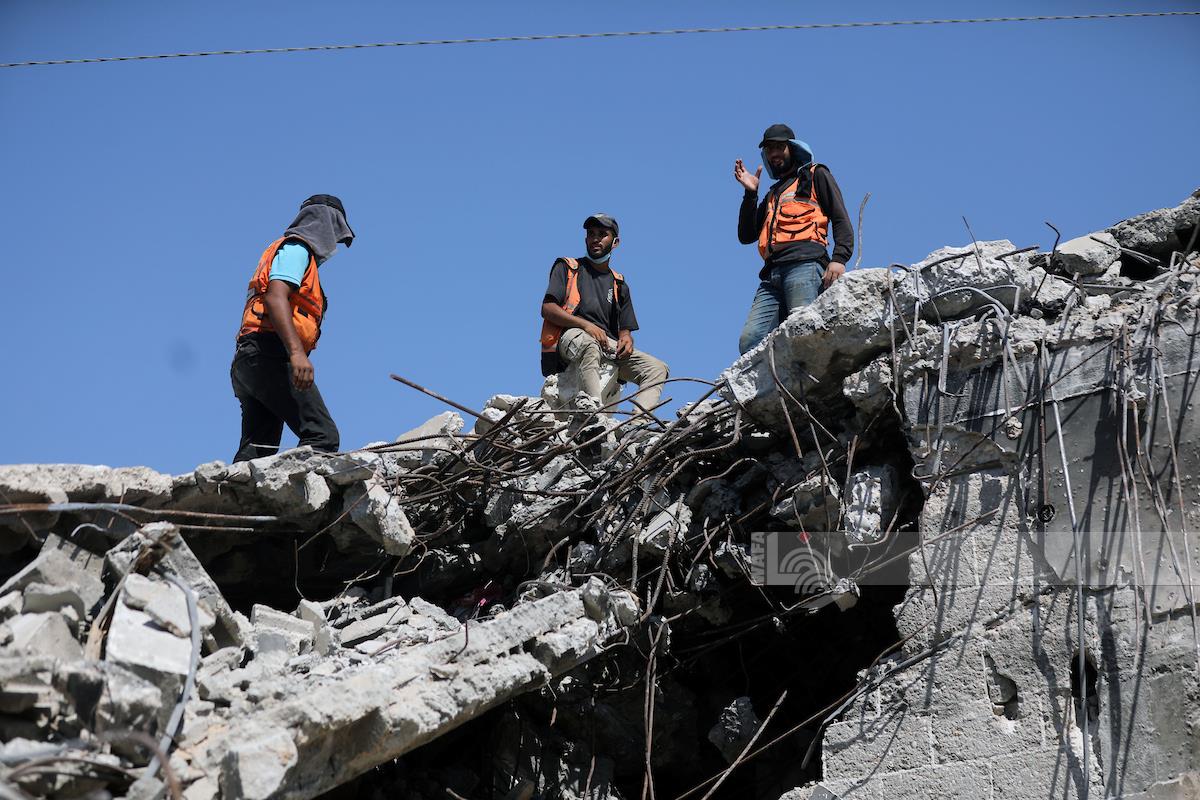
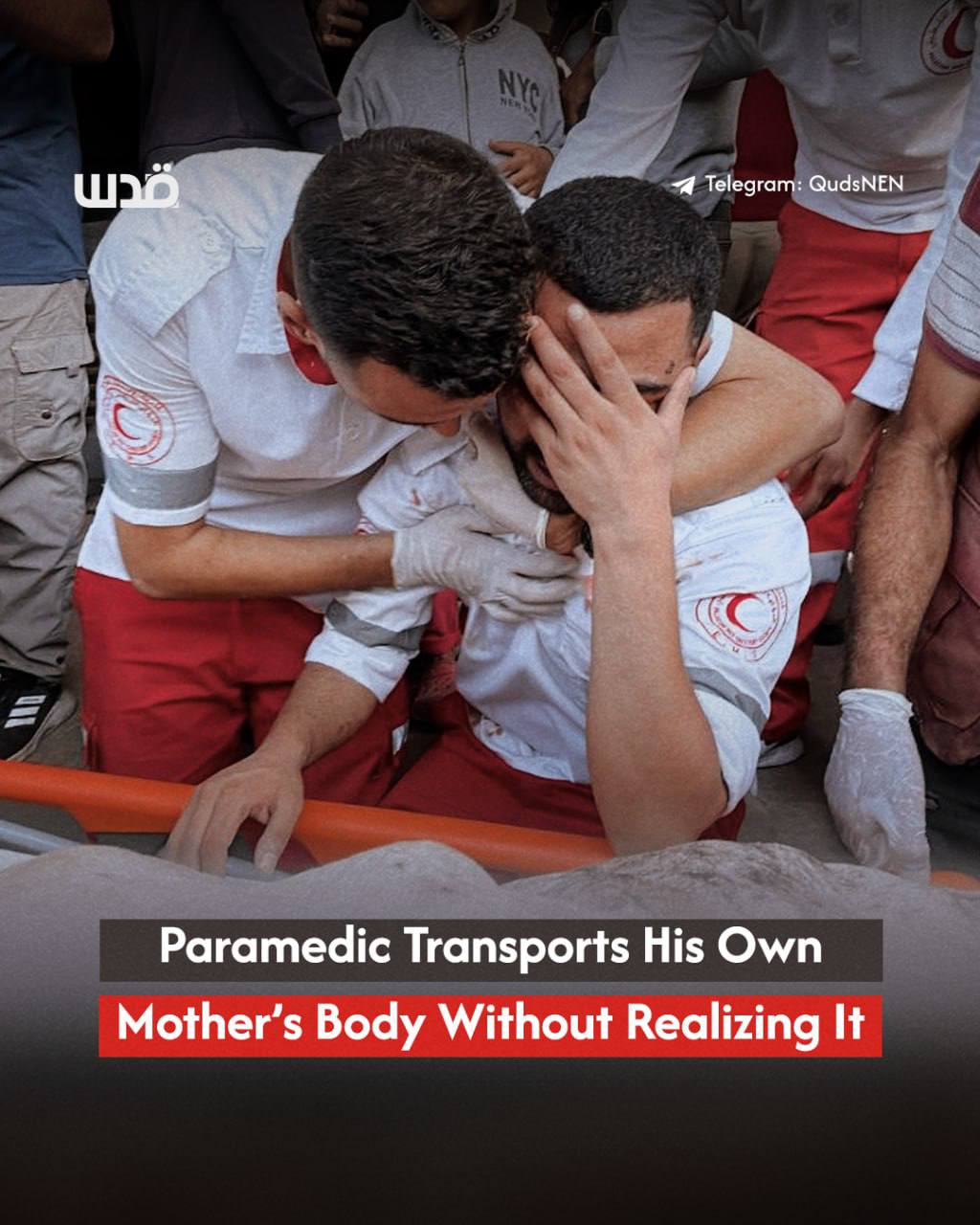
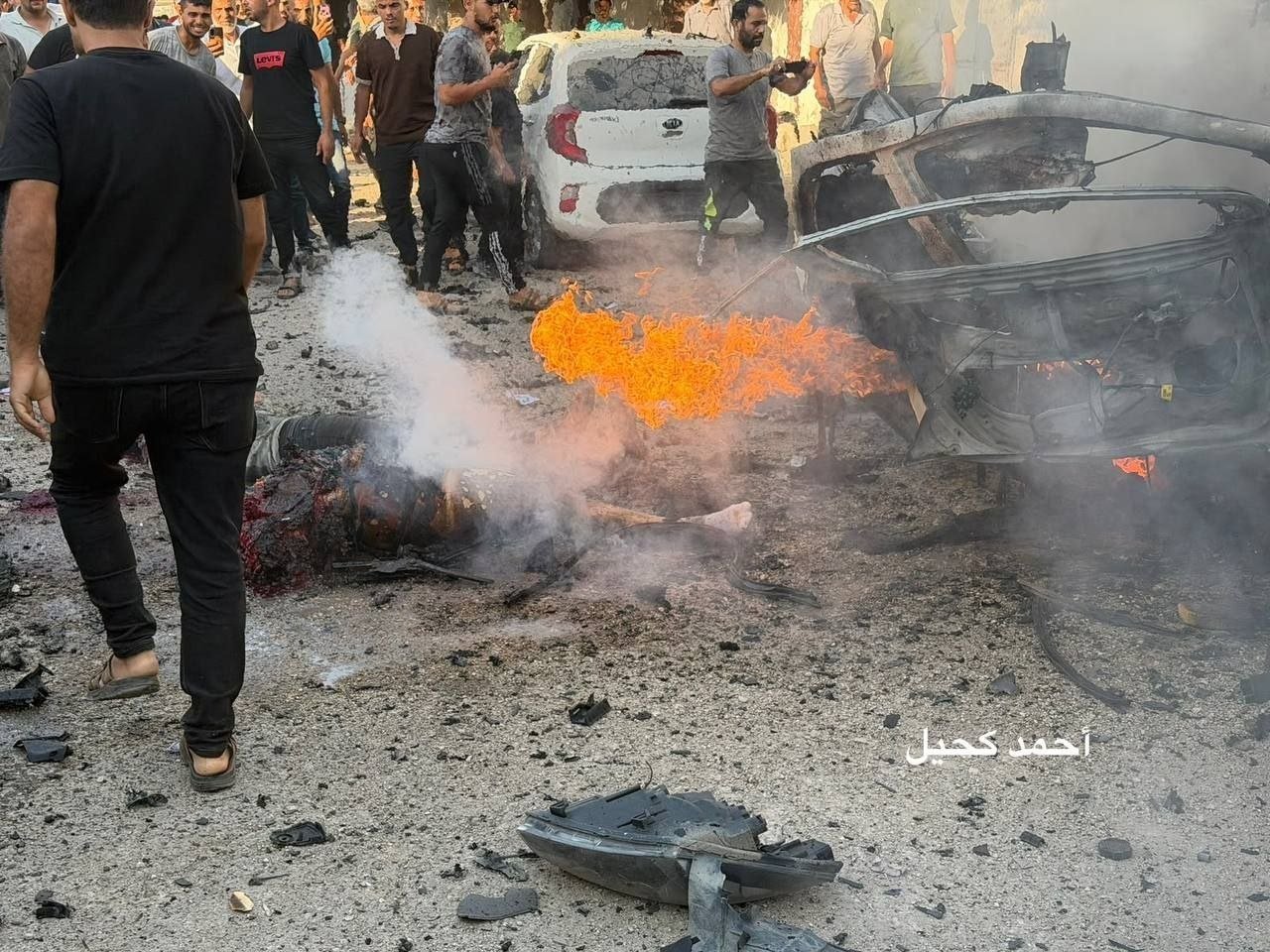
Palestinian paramedic Abdul Aziz al-Bardini discovered his mother among those killed while working to recover victims following an airstrike that targeted a civilian vehicle in Al-Nussairat refugee camp in central Gaza.
CrossFireArabia
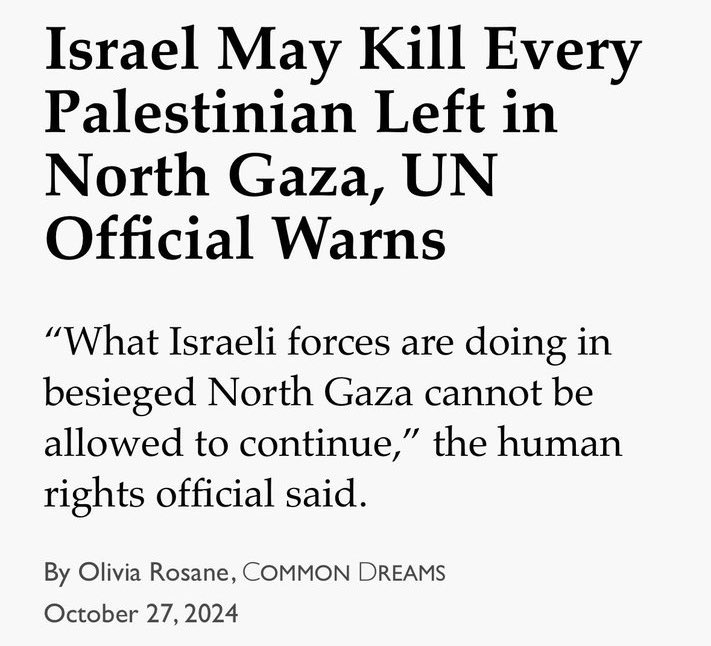
“What Israeli forces are doing in besieged North Gaza cannot be allowed to continue,” the human
rights official said. Read on!
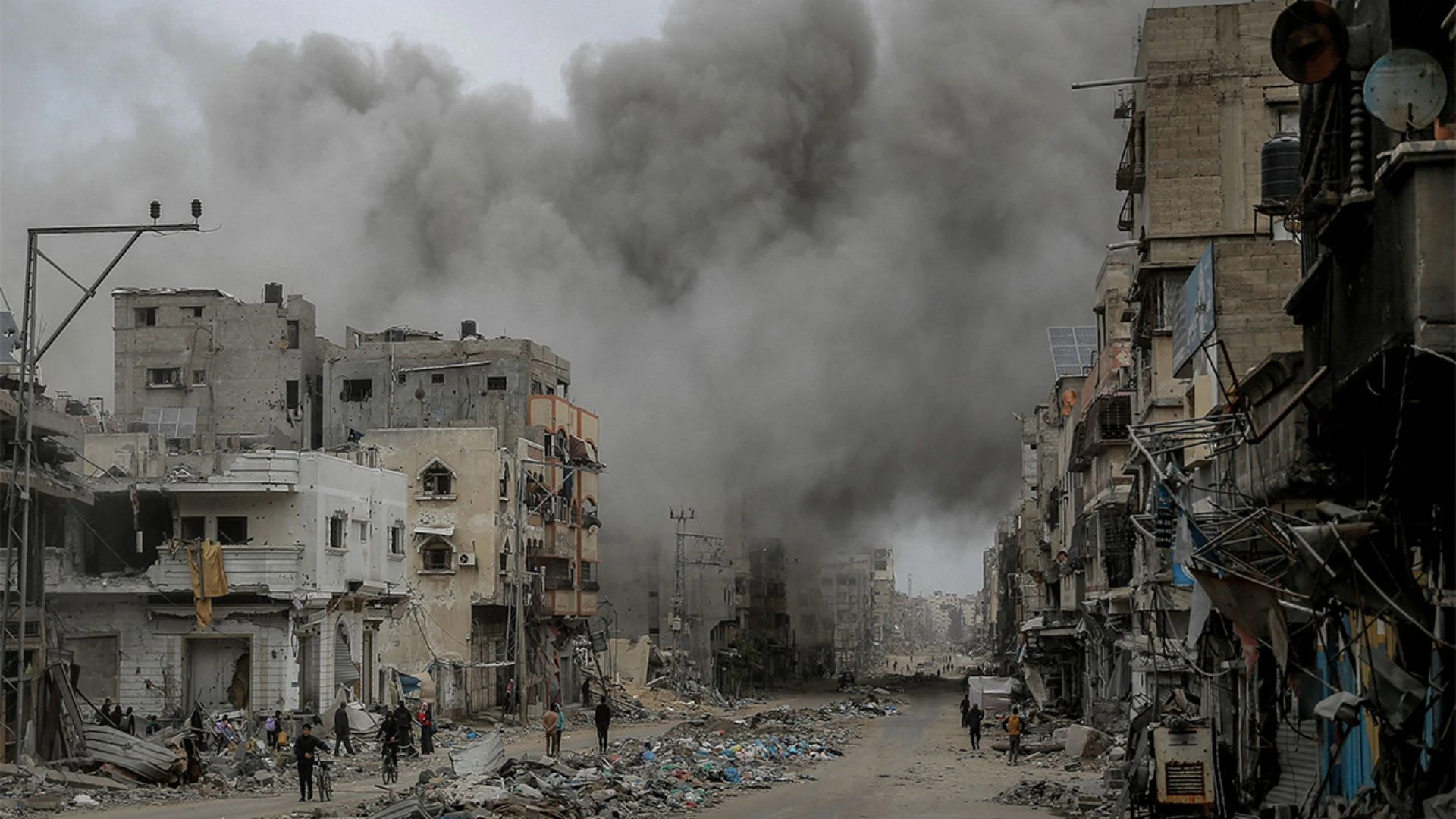
Israel could kill everyone left in Northern Gaza if its assault on the enclave continues, a United Nations relief official warned on Saturday.
U.N. Acting Under-Secretary-General for Humanitarian Affairs and Emergency Relief Coordinator Joyce Msuya also called for an end to the Israeli attack.
“What Israeli forces are doing in besieged North Gaza cannot be allowed to continue,” Msuya said.
CrossFireArabia
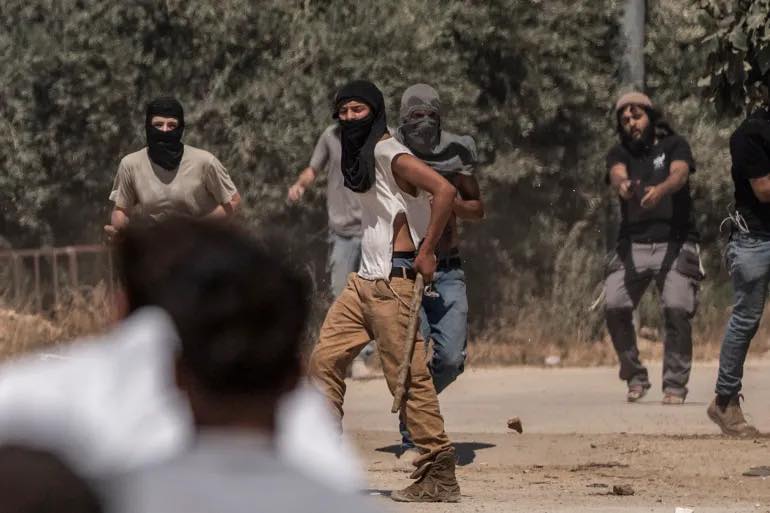
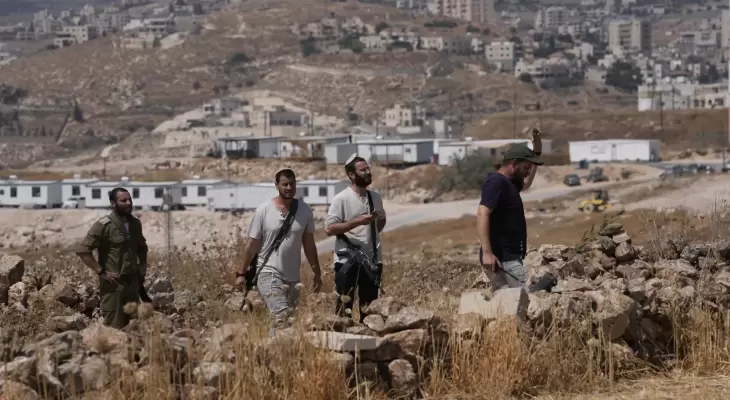
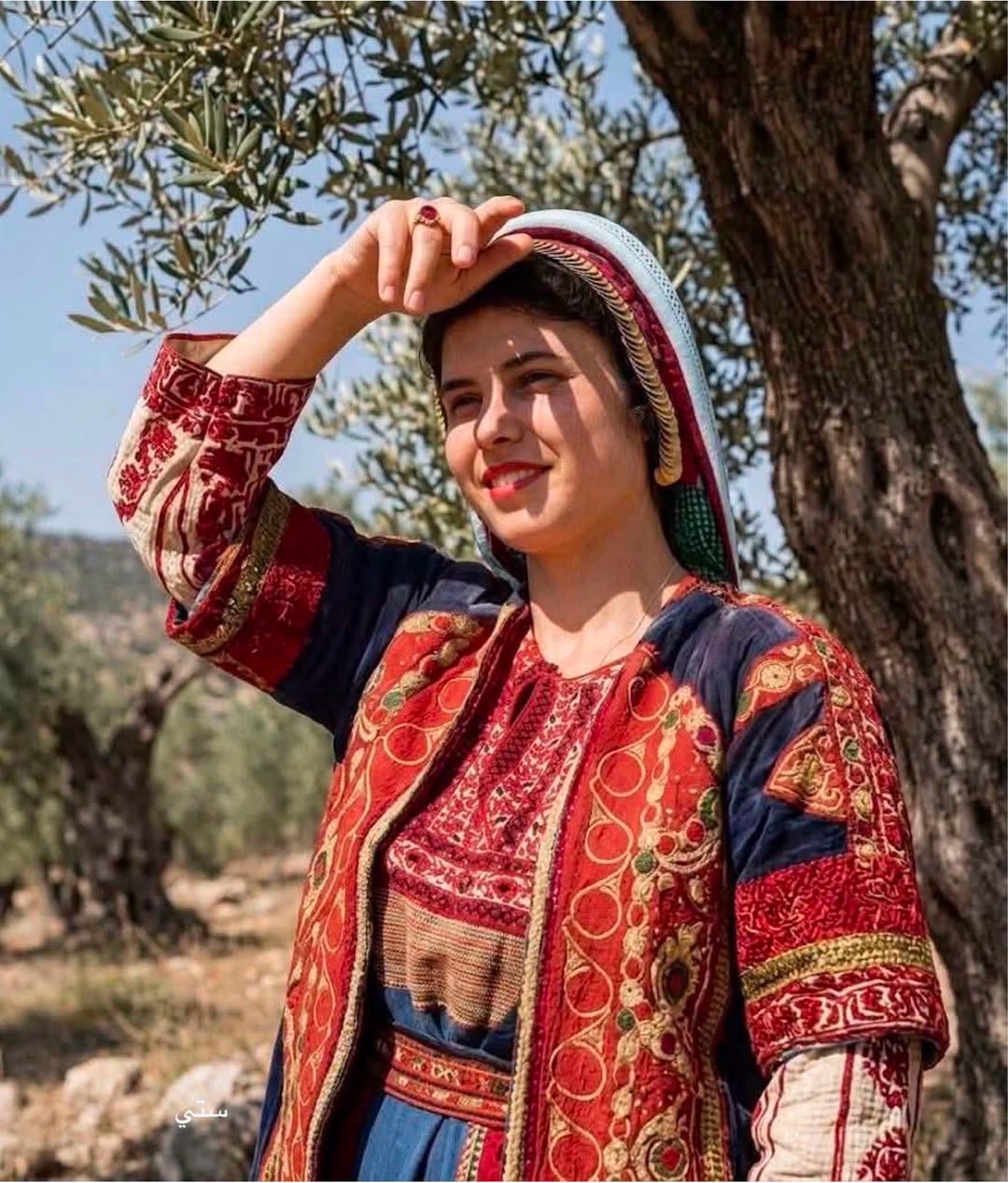
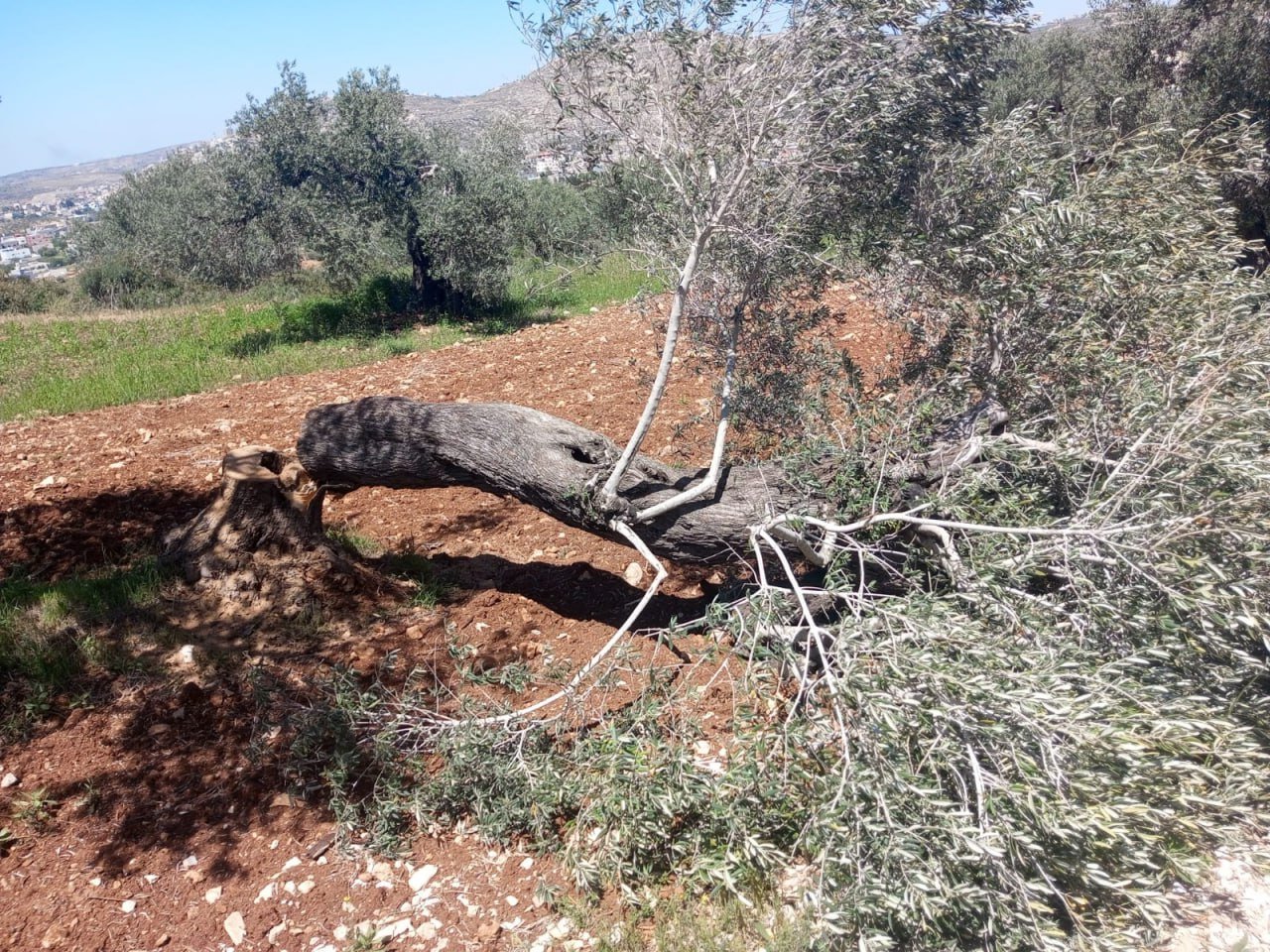
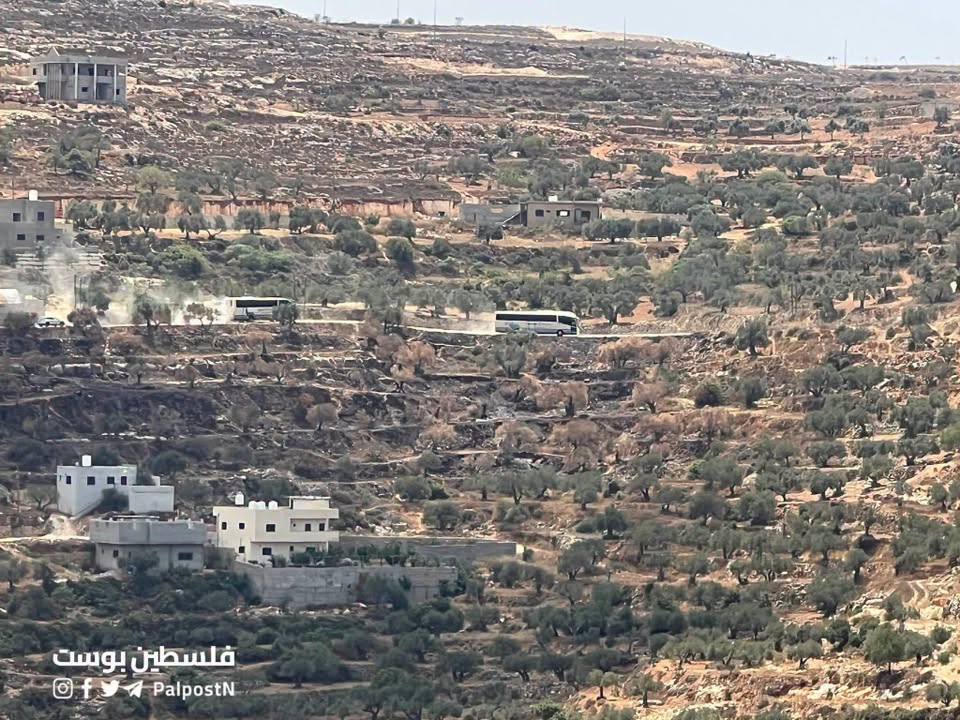
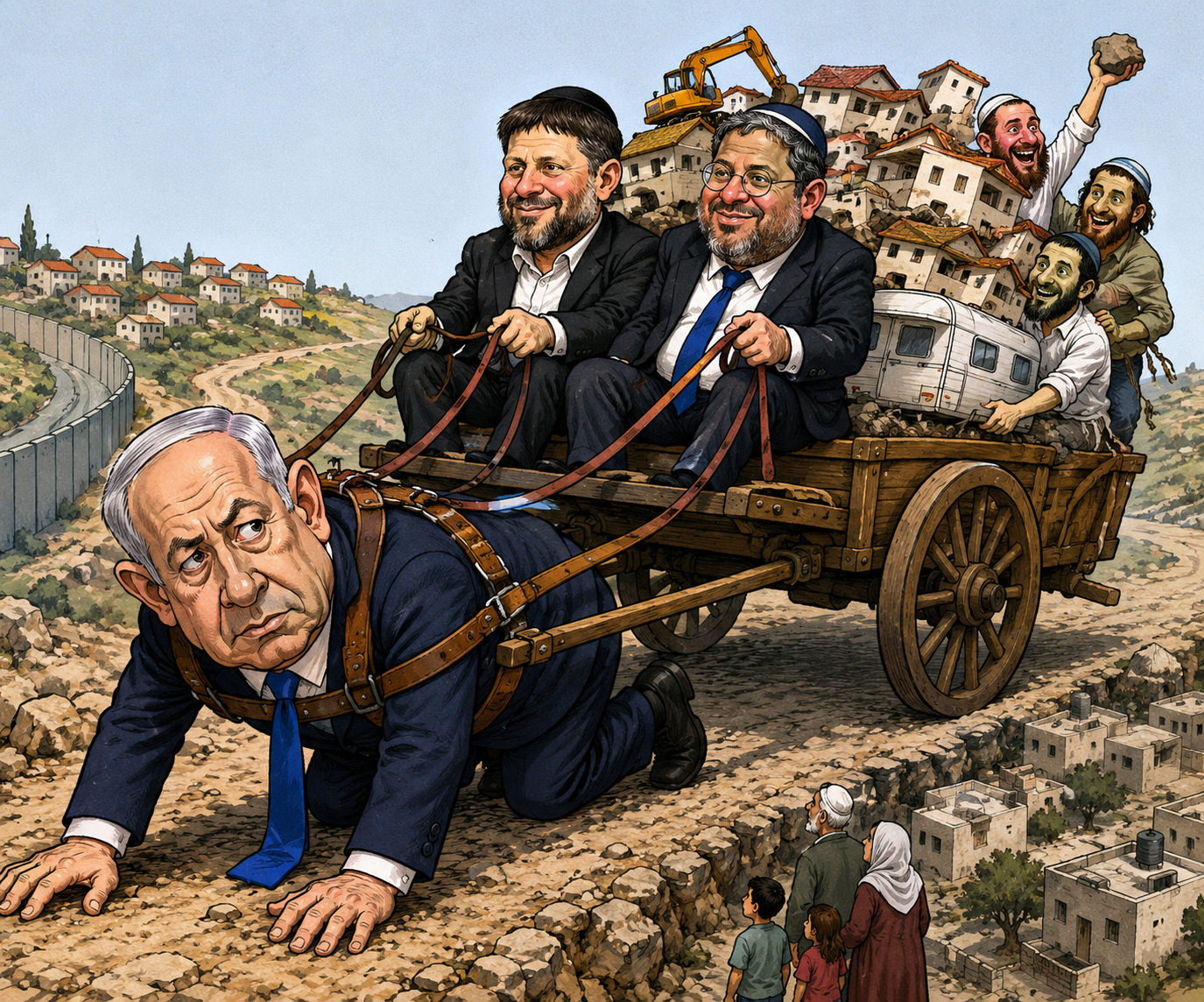
Illegal Israeli settlers uprooted hundreds of centuries-old olive trees in Qaryut village in north West Bank, according to a Palestinian farmer and activist on Wednesday.
“Around 2,000 dunams (2 square kilometers) are now almost empty of olive trees after settlers cut down hundreds of trees,” Bashar al-Qaryuti, an anti-settlement activist, told Anadolu.
He said farmers found the trees uprooted after they were allowed by the Israeli army to head to their farmlands near the settlement of Eli.
“Most of the uprooted trees were perennial,” he added.
Mohammad Badawi, a farmer, called the uprooting of the centuries-old olive trees a “real disaster.”
“I have lost 30 olive trees out of 100 trees by the settlers,” he said.
“For years, we have been facing intimidation and abuse by Israeli settlers,” Badawi added.
According to Palestinian figures, illegal Israeli settlers have carried out some 16,663 attacks on Palestinians and lands and properties across the occupied West Bank, including East Jerusalem, since October last year
Data from the Israeli anti-settlement group Peace Now show that there are half a million illegal settlers in 146 settlements and 224 outposts in the West Bank.
Tensions have been running high across the occupied West Bank due to Israel’s brutal offensive on the Gaza Strip, which has killed more than 43,100 Palestinians, mostly women and children, since Oct. 7, 2023.
At least 763 Palestinians have since been killed and nearly 6,300 others injured by Israeli army fire in the occupied territory, according to the Health Ministry.
The escalation follows a landmark opinion in July by the International Court of Justice that declared Israel’s decades-long occupation of Palestinian land “illegal” and demanded the evacuation of all existing settlements in the West Bank and East Jerusalem.