‘Insulting Phone Call’, Beirut, Iran and Changing Dynamics

By Abdul Bari Atwan

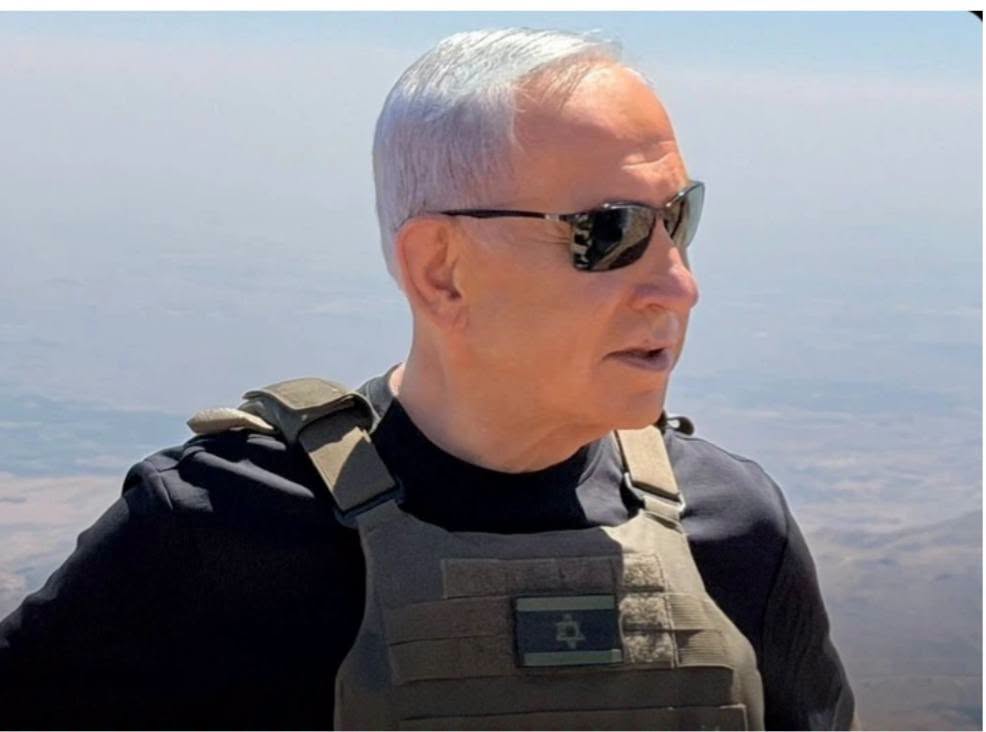
Israeli Prime Minister Benjamin Netanyahu demonstrated his ability to effectively redraw the maps and borders of the Middle East when he backed down from striking Beirut’s southern suburb to completely destroying it. He succumbed to the threats and pressure from US President Donald Trump. In this respect here, Iran can be considered to have become a regional superpower not only in the Middle East, the West and Central Asia, but globally.

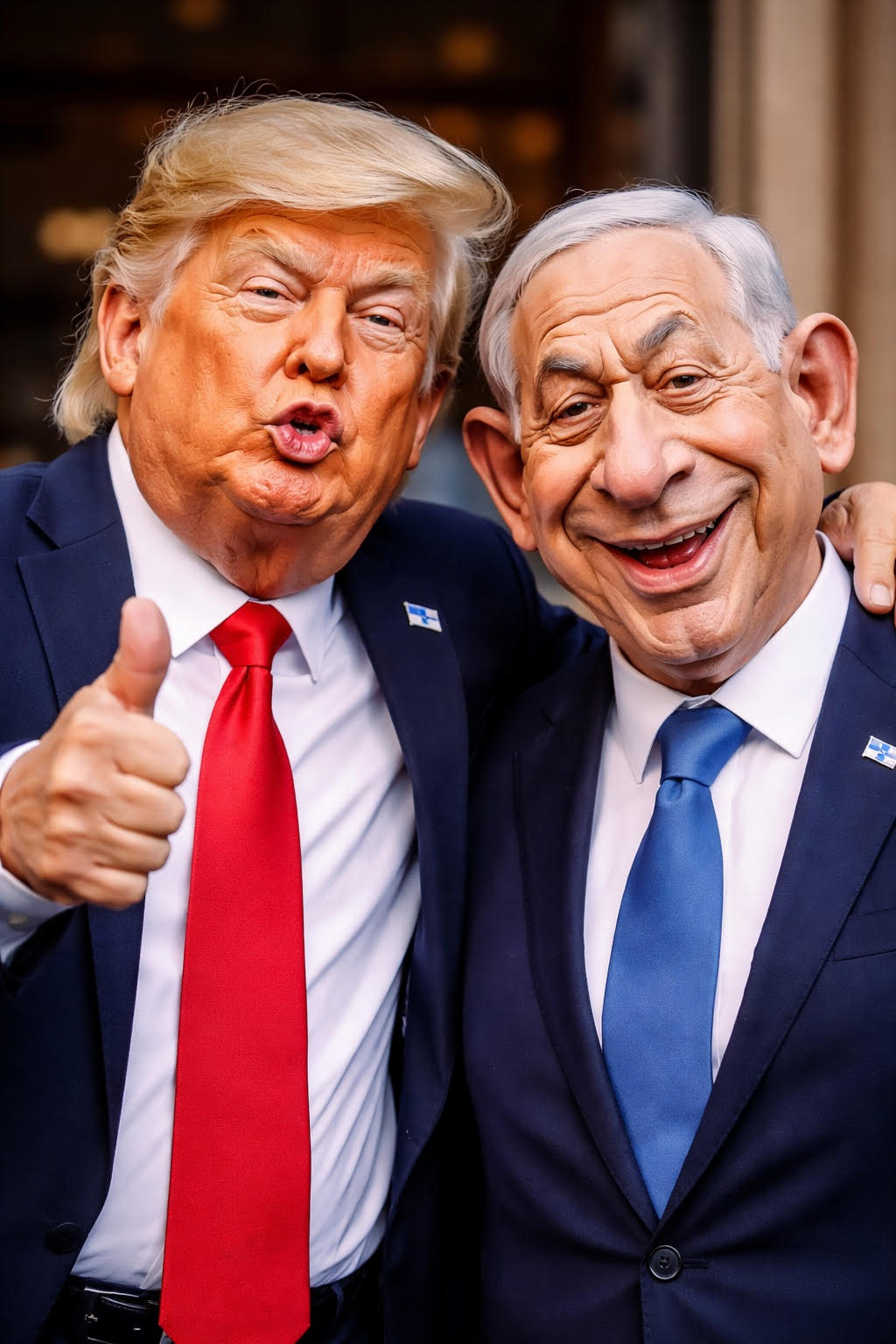
Trump, who previously threatened to wipe Iran off the map and unleash hell upon it, destroying all its energy and electricity infrastructure, scurried like a frightened rabbit to the phone to call Netanyahu in a “call of insults,” ordering him to immediately halt all plans to bomb Beirut’s southern suburb and withdraw his troops and warplanes en route to the area, just hours before the bombings and destructions where to begin.

***

In a Washington Post interview, Trump completely changed his threatening tone and began pleading for peace with Iran, after extending the unilateral ceasefire by 60 days. More importantly, he expressed his desire for a summit with Ayatollah Mojtaba Khamenei as soon as an agreement is reached, and confirmed that Mojtaba, whom he had previously claimed was no longer alive, is now involved in the decision-making process regarding war and peace in the current conflict.

The new and effective ‘password’ in the Middle East, reflecting Iran’s “power shift,” is embodied in its thunderous response to the Israeli threat to destroy the southern suburb of Beirut, western Bekaa Valley, and Nabatieh. Iran launched hundreds of missiles and drones to strike deep into occupied Israel, sending a clear message: “Greater Tel Aviv in exchange for the southern suburb.”

The Iranian leadership, backed by a solid popular base, a highly advanced missile and drone industry, a naval fleet, and over 460 kilograms of uranium enriched above 60%—enriched to produce 10 nuclear bombs in a few days—says what it means and acts accordingly. It will not tolerate injustice and is prepared for all eventualities.

There is ample evidence to support this assertion, as demonstrated early Wednesday morning when Iranian missiles and drones struck US military bases in Kuwait and Bahrain in retaliation for attacks on an Iranian oil tanker in the Strait of Hormuz and a communications tower on Qeshm Island, both launched from these bases.

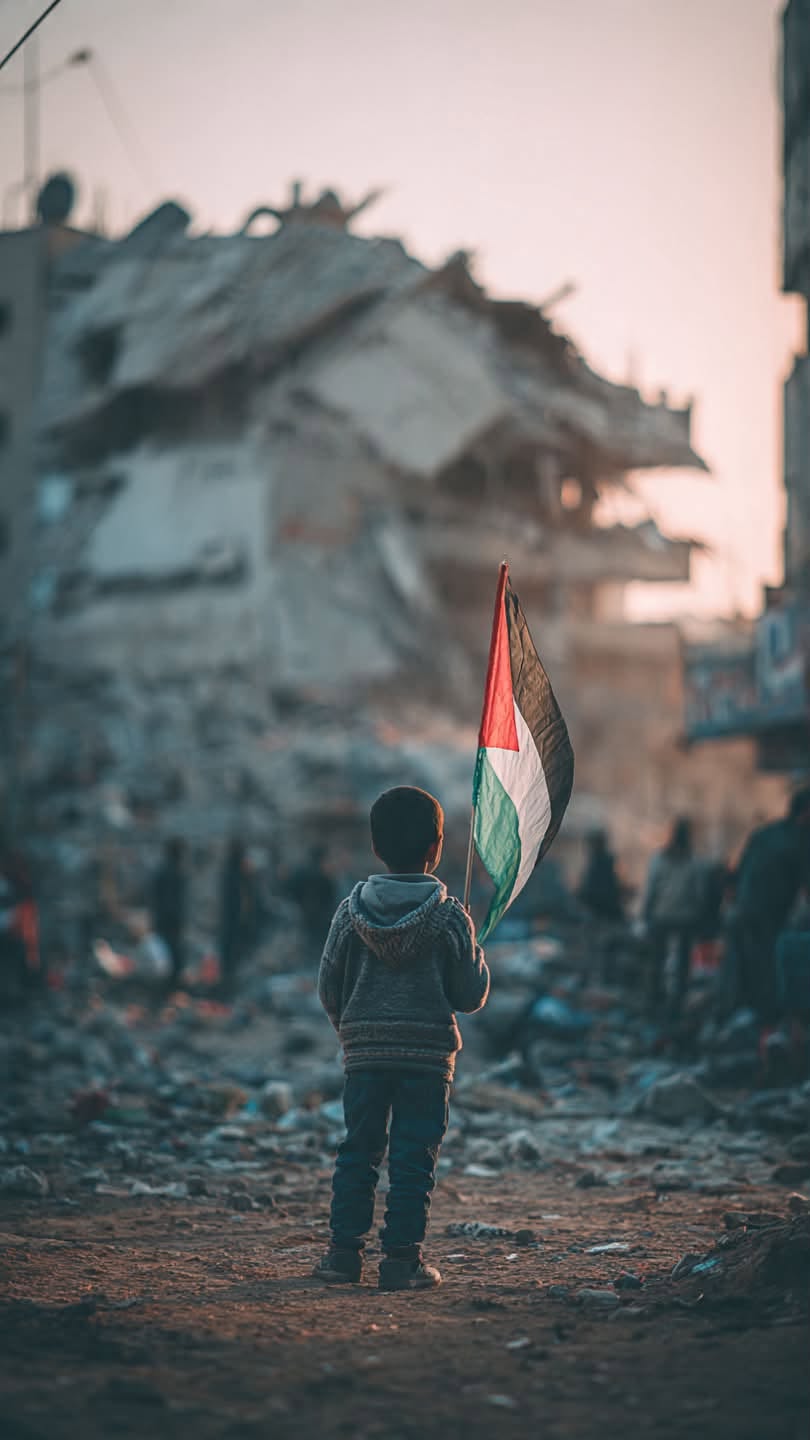
The American-Israeli alliance has, since the October War of 1973, grown accustomed to a deeply ingrained official Arab subservience, a failure to respond to any Israeli aggression, and a refusal to reject any American dictates. Most Arab leaders turn the other cheek to Israeli and American slaps, becoming indifferent to the situation. But now, someone has emerged to uproot this system of surrender and usher in a new, truly Islamic era—an era of resistance, where the response is not merely in kind, but in a stronger and more significant way.

Mohsen Rezaei, advisor to Iran’s Supreme Leader Mojtaba Khamenei, summarized this new military, political, and moral upheaval in a statement saying, “America and its president, Trump, should expect a barrage of missiles (hypersonic and cluster warheads) and drones should they renew their aggression against Iran.”

Netanyahu, who craved the limelight and the humiliation of Arabs, and who rubbed his hands with glee at the long line of Arab leaders queuing before his office seeking normalization and the signing of the Abraham Accords, has fallen silent and disappeared from the public eye. He no longer dares to threaten to destroy Iran alone, without America’s participation in the aggression.

The dictates Trump issued just days ago, the shifting balance of power on the ground, and Iran’s threat of retaliation for any aggression against Lebanon have evaporated. The American president, as a New York Times editorial acknowledged, has failed miserably in all his wars since arriving at the White House a year and a half ago—in Iran, Ukraine, and the Gaza Strip—and has not achieved his objectives and has become a laughingstock.

As for the Gulf states – those that normalized relations and/or those that were eager to join the “Abraham Accords” to avoid angering Trump and rejecting his demands – they reached a firm conviction that America is incapable of protecting itself, its bases, and its ships.

The most prominent evidence of this is the destruction of American military bases in their countries, including the US Navy base in Bahrain, and the closure of these bases and Saudi airspace to planes and drones, whilst preventing them from launching attacks on Iran from their territory. They saved the Hajj season, just as they saved themselves and their people from the consequences of the mirage of American power.

***

In conclusion, we sympathize with our Kuwaiti brothers who were injured as a result of an Iranian missile attack on the passenger terminal at Kuwait Airport, whether by mistake or deliberately. However, the blame lies entirely with those who allowed America to use Kuwaiti territory as a launching pad for aggression against Islamic Iran. America possesses three aircraft carriers and more than 300 warships in the Arabian Sea, so why didn’t it use them in this aggression? And why does it insist on using its bases in the Gulf states, thereby endangering millions of their citizens?

Abdul Bari Atwan is the Chief Editor of the Arabic Al Rai Al Youm and his piece has appeared in the English crossfirearabia.com English website. 
Continue reading
Iran-US Talks in Muscat: Winners and Losers

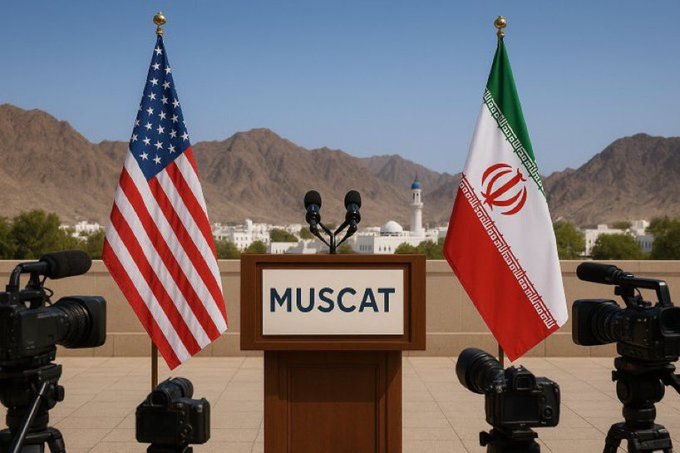
EDITOR’S NOTE: This editorial, written by Abdul Bari Atwan, chief editor of the Arabic Al Rai Al Youm website, on Saturday, 12 April, relates to the first talks of the Tehran-Washington negotiations that started in Muscat, Oman relating to the Iran nuclear file.

Iran succeeded in scoring a major goal against the United States in the clash of wills that began today, Saturday, in the Omani capital, Muscat, by insisting that the negotiations be “indirect,” contrary to what its American adversary wants: Namely “direct” negotiations as announced by US President Donald Trump at the White House in his meeting with Israeli Prime Minister Benjamin Netanyahu last week, who was surprised by this shocking announcement.

The US delegation, led by Trump’s Advisor Steve Witkoff, is participating in these talks from a weak and defeated position, especially after the failure of the US plan to impose tariffs on more than 200 countries worldwide. America has become friendless, and even turned its friends into enemies, especially in Europe and Southeast Asia like South Korea and Japan.

Strategies of negotiations

Iran, represented in the negotiations by veteran Foreign Minister Abbas Araqchi, the man who led the negotiations for the first nuclear agreement with the six major powers in 2015 and possesses extensive experience in the art and strategies of negotiation, did not submit to the “threats and intimidation” adopted by President Trump.

They imposed their conditions in full on their American opponents and insisted on limiting the negotiations to the nuclear issue, not addressing other issues such as missile and drone systems, and severing ties with the arms of the resistance in Gaza, Lebanon, Yemen, and Iraq. And they got what they wanted.

The one who called for a return to a diplomatic solution to the Iranian-American crisis and backed down from his threats of a devastating military strike was President Trump. This happened when he realized the threats of military strikes, coupled with the dispatch of three American aircraft carriers and squadrons of giant B-52 bombers, backfired.

These did not intimidate the Iranians, but prompted a response from Iran’s Supreme Leader Ali Khamenei, who declared a state of emergency in the Iranian military, placed giant missile platforms, advanced submarines, and ground and naval forces on high alert, and threatened to destroy all of the 10 military bases surrounding his country and housing 50,000 soldiers, close the Strait of Hormuz, and prevent Gulf oil exports to the entire world.

The Iranians do not trust President Trump, who tore up the nuclear agreement in 2018, and is well aware he has become an Israeli puppet. He also realizes that America, defeated in Ukraine, did not simply march to Moscow waving white flags, ready to sell Ukraine and its people to the Russians and surrender to all of its conditions, including the annexation of a fifth of Ukrainian territory to Russia, without consulting its European allies, whom it has become embroiled in this war.

When President Trump demands that the Muscat negotiations reach a quick agreement within two months, this is due to his bitter experience in the Vienna negotiations, which lasted a year-and-a-half and ended in failure due to Iran’s cunning use of the “yes, but” theory, without offering any concessions.

Globally hated…

We do not believe that this theory will be abandoned in the Muscat negotiations, especially since America, which is now globally hated and has lost all of its allies in the West and the East, has become weak, and is on the brink of bankruptcy due to the huge deficit in its annual general budget ($1.4 trillion) and its public debt that has reached more than $42 trillion.

What will encourage Iran to harden its position in these negotiations is China’s strong and defiant stance in the trade war against the United States. Its president, Xi Jinping, declared he will respond in kind to America and its president, and will fight this war to the end, no matter how costly the results.

He has decided to raise customs duties on American goods by a historic rate of more than 125 percent, and has given the green light to his allies in the BRICS group to declare war on the dollar and the global SWIFT financial system, through which America controls the global economy and financial movement.

Trump, wounded by the failure of his gamble to ignite a trade war, and the internal and global revolt against it, with the beginning of the decline in the value of the dollar and the escalation of the recession in the American economy as its first fruits, was forced to stop this war less than three days after its announcement under the cover of a three-month freeze on the application of customs duties.

Crushing military strike

Hence, his threats, i.e. Trump’s necessity of quickly to reach a nuclear agreement didn’t have any effect despite the threat of a crushing military strike. Iran’s respond to Trump forced him to make a major, unprecedented concessions to save face.

Iran, which has suffered significant losses in Lebanon, with the weakening of its powerful military arm in that country (Hezbollah), and in Syria with the fall of the President Assad’s regime, undertook rapid reviews internally and regionally, abandoning many of its policies pursued in recent years, after realizing that the knife is approaching its neck, and that the American-Israeli conspiracy does not only seek to destroy it and remove its military claws and fangs, but also to change the Islamic regime there.

The results of these reviews reflected in the transition from a phase of patience and long-suffering to a phase of confrontation in its military and political aspects, and the strengthening of its allied military arms, starting with the striking Yemen whose arm there is waging heroic wars not only against aircraft carriers and American warships in the Red and Arabian Seas, but also by intensifying ballistic missiles and drone bombardment of the occupied Palestinian interior in Jaffa, Haifa, and Eilat, accelerating the recovery process for Hezbollah in Lebanon, and finding other ways to deliver military supplies to it.

After the historic Syrian corridor was closed with the fall of the Assad regime, America became a farce in the first months of Trump’s rule. It’s no surprise that Iran and its allied proxies are among the biggest beneficiaries and gloaters. He who laughs last laughs loudest… and the days will tell!

Continue reading