By Samaa Abu Sharar
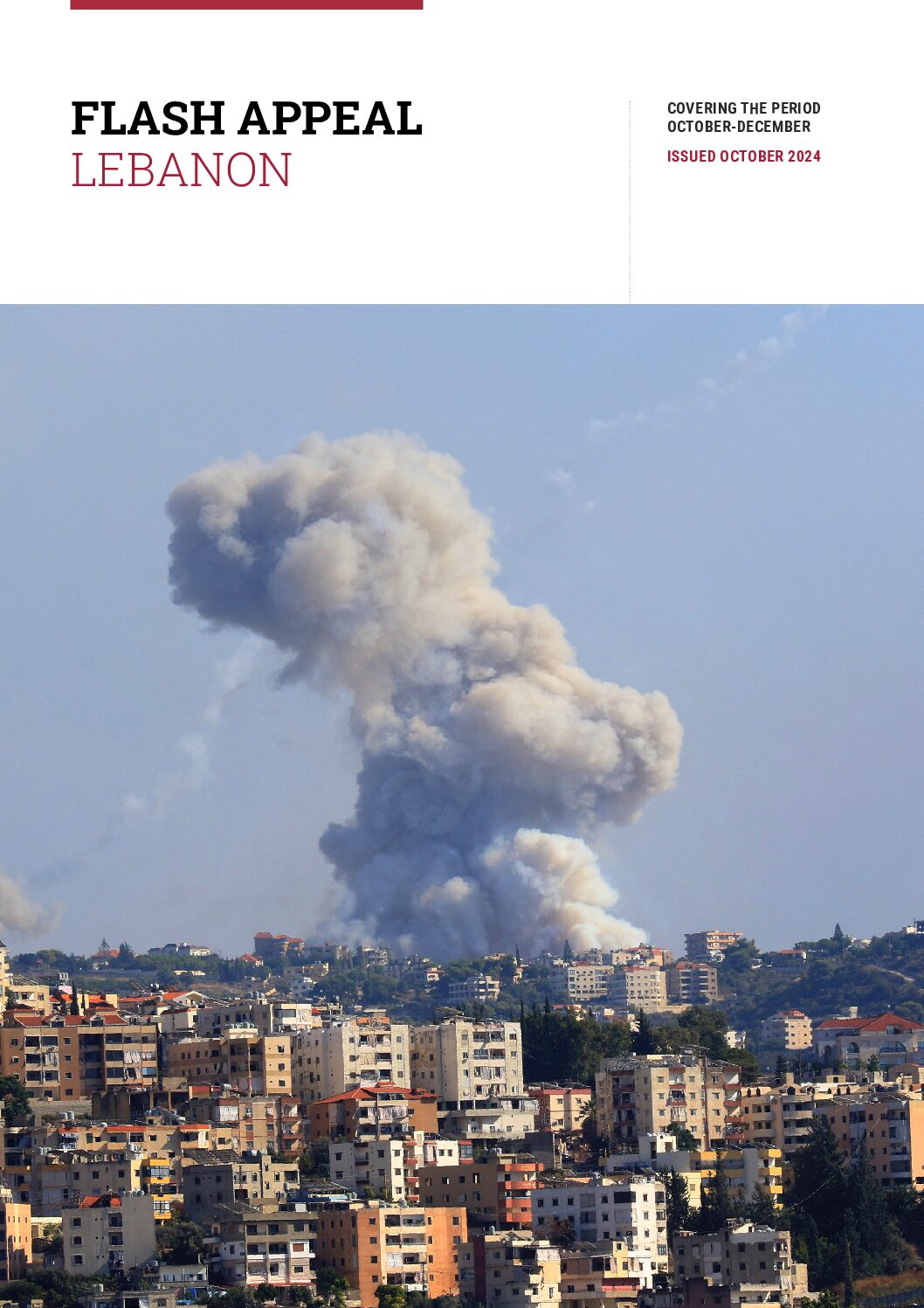
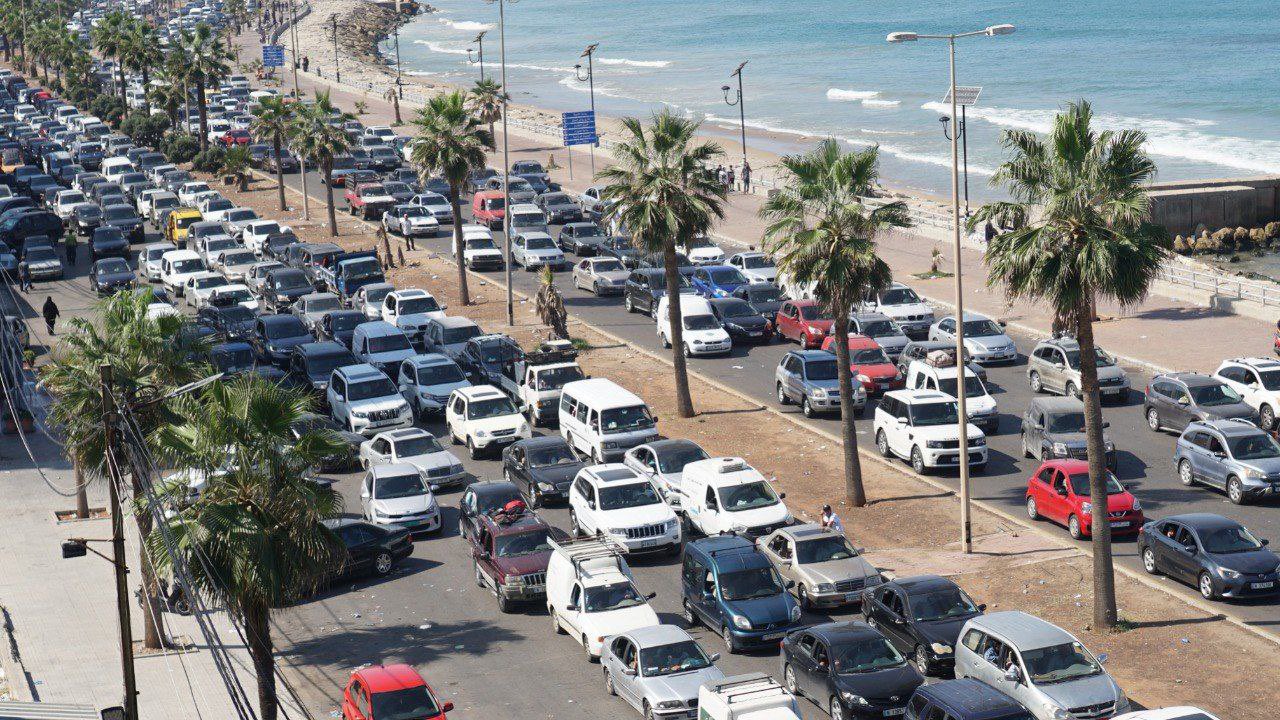
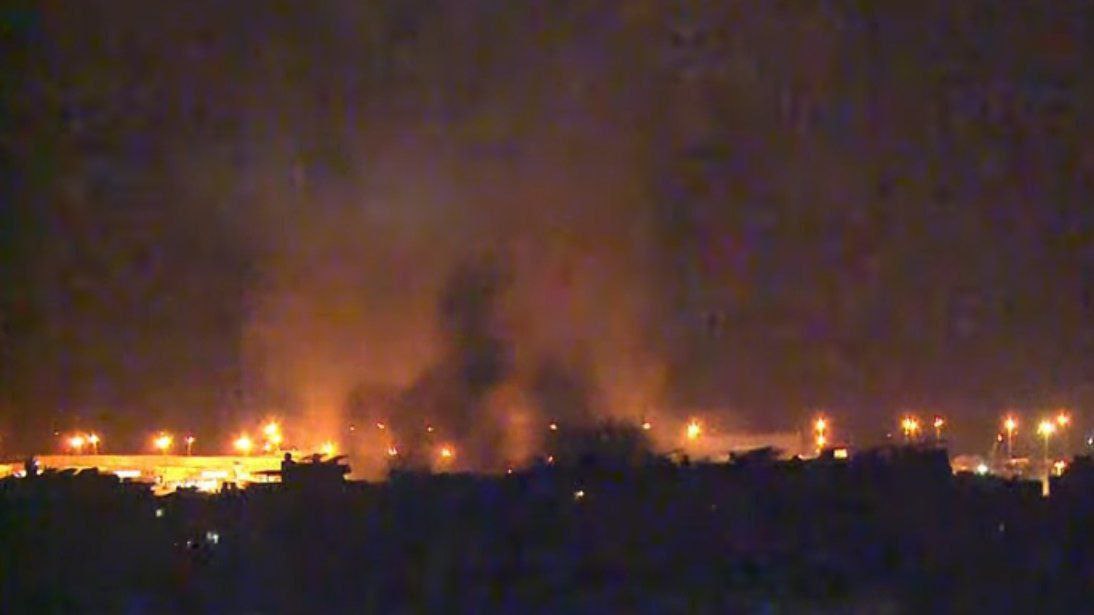
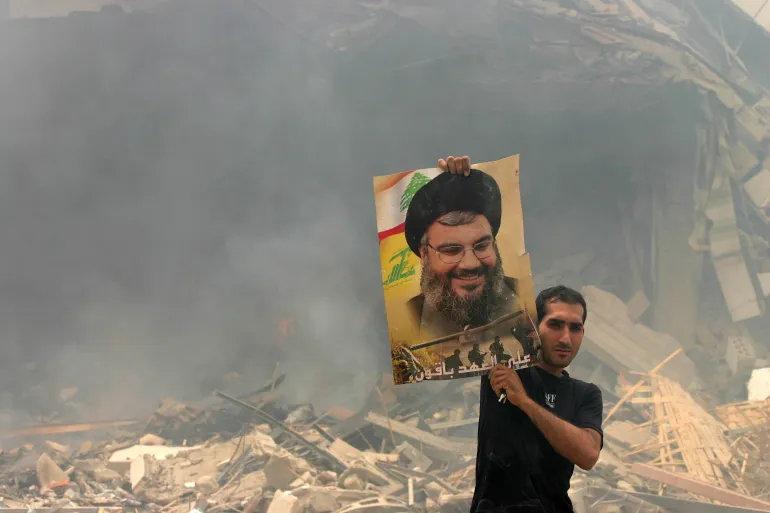
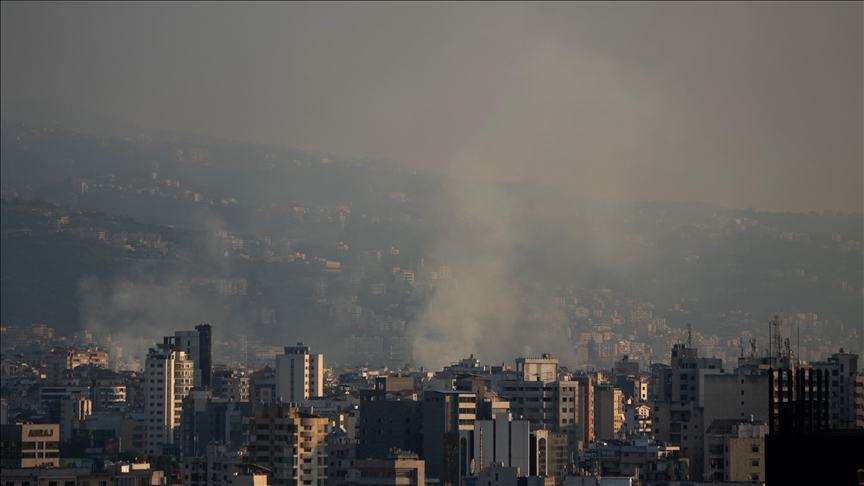
Over a million Lebanese have fled their homes in the south of Lebanon, the Bekaa Valley and the southern district of Beirut due to the unprecedented and indiscriminate Israeli raids on their cities.
In the blink of an eye, over a million people lost literally everything and became displaced on the streets of the tiny capital and other Lebanese cities they believe are safer. Luckier ones were able to secure a corner in schools or other public places that were opened by the Lebanese government to temporarily host the displaced people.
Along with the Lebanese, many Syrians and Palestinians were also displaced. Many of those resorted to the Palestinian camps to take refuge in the already cramped camps. This included refugee camps in Tyre in the south like Rashidieh.
A ‘Safe Place’
Photographer Rania Saadallah is a resident of the camp. She spoke to the Palestine Chronicle about the exodus of many families to the camp, particularly Lebanese and Palestinians with families in Rashidieh.
According to Saadallah, most of those who arrived in Rashidieh came for two reasons; one, to remain close to their villages and towns in the south and two, because they lacked the financial means to go elsewhere.
“I know a family from Bazouriye; they are 14 individuals who came and stayed with their relatives, a family of seven, because they don’t have the means to rent a place inside the camp,” she said.
The Palestinian photographer told us that there are Palestinians who live in Lebanese villages in the south who also sought refuge in the camp as they did in the war of 2006.
“They consider the camp a safe place and it is close to their villages, but most importantly there is this familiarity between people of the villages and refugees in the camps,” she explained.
This familiarity and closeness that bond both people is undeniable and the latest events are proof of that.
Palestinian refugees across Lebanon rushed to help displaced Lebanese from the very start of Israel’s war on Lebanon.
Fraternity
The youth of Ain Al-Hilweh camp were amongst the first to rush to the streets to welcome the displaced Lebanese distributing water and snacks to those stranded in their cars.
According to Walid el-Ahmad, coordinator of the ‘Hand to Hand’ initiative, the unprecedented wave of displacement caught everyone by surprise because it was much bigger than anything that was anticipated by the Lebanese government, the United Nations Relief and Works Agency (UNRWA) or the Palestine Liberation Organization (PLO).
El-Ahmad told the Palestine Chronicle that some people arrived at the Mar Elias camp in Beirut to stay with relatives and acquaintances but there were limited numbers because the camp is extremely small.
“We reactivated the emergency committee we created at the beginning of the genocide on Gaza, which is under the supervision of the Popular Committee of the camp,” he explained.
Enthusiasm to extend a helping hand to the displaced people was very visible.
“Despite their dire situation, refugees donated everything they had from money to food to mattresses, blankets, anything they could, they gave without hesitation,” he added.
El-Ahmad and many other activists in the camps confirm that help mostly came from individuals, small initiatives, or local organizations.
In many cases, the work of all those combined extended to schools surrounding the camps in the absence of the Lebanese government at the start of the displacement wave.
“We are entrusted with Palestine and its people until they return to their homeland,” a Lebanese man told el-Ahmad, who also supervises a clinic in the Mar Elias camp after he refused to take money from him for treating his son.
These sentiments of fraternity between Palestinians and Lebanese run very deep considering the common history and many sacrifices they both made for the Palestinian cause.
Contingency Plan
Nazira Mohammed al-Haj, a social activist who lives in the Naher El-Bared camp in the north of Lebanon, confirms these sentiments of solidarity.
“I have a friend, she has three furnished apartments in the camp. She offered two of them to displaced Lebanese families and provided them as well with groceries,” al-Haj said.
The activist emphasized that this is not a unique case as the majority of refugees in the camp rushed to offer anything they could afford.
As part of a contingency plan, UNRWA has opened several schools across the country for displaced people and already said that it will open others if there is a need for that. Two of those are in Naher El-Bared camp.
The UN agency has announced that although it gives priority to Palestinian refugees, it also welcomes displaced people of other nationalities depending on the “availability of resources.”
However, al-Haj told the Palestine Chronicle that the majority of people who arrived at Naher el Bared are staying with refugees in the camp.
“Some people gave their furnished apartments free of charge to displaced Lebanese,” she explained.
“Even generator owners and satellite and internet providers in the camp offered their services free of charge, in addition to those who donated clothes, mattresses and food items,” the activist explained.
Al-Haj attributes this overflow of solidarity with the displaced Lebanese to the fact that refugees in Naher el Bared went through a similar displacement in 2007 when clashes broke out between the Lebanese army and the Fateh El-Islam group.
Same Destiny
In the neighboring Beddawi camp, the scene is not different. Refugees of the camp along with Palestinian organizations constituted the rock for the displaced Lebanese.
Social activist Dalal Sharour spoke to the Palestine Chronicle about an initiative that was launched by the Palestinian Cultural Club in the camp through which they established a ‘station’ for all displaced Palestinians and Lebanese.
The station provided people with places to stay, received donations and offered basic aid.
“The youth in Beddawi camp are very active. They drove in a big pick-up truck roaming the camp’s streets collecting donations, which were largely received through WhatsApp groups,” Sharour said.
The Palestinian activist told the Palestine Chronicle that the Popular Committee in the camp along with many organizations created an emergency unit to collect data on the number of displaced people and their needs.
“The emergency unit will have representatives from each organization so as to coordinate efforts and not duplicate the services extended,” Sharour explained.
There are still no official numbers on how many displaced Palestinians and Lebanese headed to Tripoli in the north of Lebanon where the two camps are located. What we know is that people from the south, Bekaa and Beirut headed to Tripoli because at the moment it is considered safer than other areas.
Researcher and consultant in refugee studies Jaber Suleiman told the Palestine Chronicle that the overwhelming solidarity that the Palestinian refugees have shown towards the displaced Lebanese is expected and not strange to Palestinian refugees.
“In the face of the second phase of genocide, which started in Gaza and is continuing in Lebanon, there is a state of national Lebanese solidarity and the Palestinians are part it,” he said.
“Palestinians more than others feel the suffering of displacement and leaving one’s homes. These generations in the camps are the generations of the first, second and third Nakba, and they feel more than others with the Lebanese displaced from their villages,” the Palestinian researcher said.
Suleiman also attributes the support and solidarity to the deep gratitude Palestinians in Lebanon feel towards the Lebanese for the sacrifices they are enduring in support of Gaza and the Palestinian cause.
“If they could, they would place them in their eyes and hearts as a sign of gratitude for all they are doing,” he said.
According to Suleiman, this is not the first time that Palestinians have welcomed displaced Lebanese into their camps, since in 2006 many took refuge in Ayn el-Helweh camp despite the hardships these refugees face in a country that deprives them of many of their basic rights.
“They share the same destiny and they shed the same blood on the same soil against a common Zionist enemy, thus it’s no surprise to see this solidarity,” Suleiman concluded.
This article is reproduced from the Palestine Chronicle.

 CrossFireArabia