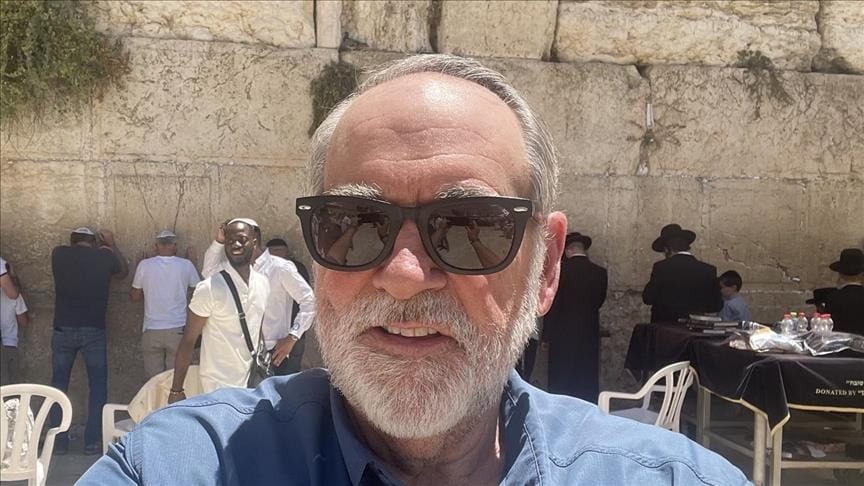
US Ambassador to Israel Mike Huckabee argued that Israel has a biblical right to the land stretching from the Nile to the Euphrates rivers, saying, “It would be fine if they (Israel) took it all,” on a podcast released Friday.
Huckabee made the remarks in an interview with US journalist Tucker Carlson, during which he defended Israel’s actions in the Gaza Strip and voiced support for the concept.
After Huckabee claimed Israel had a divine right to vast portions of the Middle East, Carlson asked him to clarify, “What land are you talking about?” Interpretations of the biblical phrase “river of Egypt” vary, with some scholars identifying it as a riverbed in the Sinai Peninsula and others as the Nile.
“It would be fine if they took it all,” Huckabee replied, referring to Israel’s biblical right to the territory stretching from the Nile River to the Euphrates.
“But I don’t think that’s what we’re talking about here today. … They don’t want to take it over, they’re not asking to take it over,” he said.
Huckabee said Israel is referring to the territory where the State of Israel currently exists and seeks to live in peace, emphasizing that Israel is not attempting to take control of Jordan, Syria, Iraq or any other country, but wants to safeguard its population.
Defends Israel’s nuclear capabilities, cites Iran as threat
Carlson brought up allegations that Israel developed its nuclear program using stolen US materials. Huckabee did not deny that Israel has nuclear capabilities.
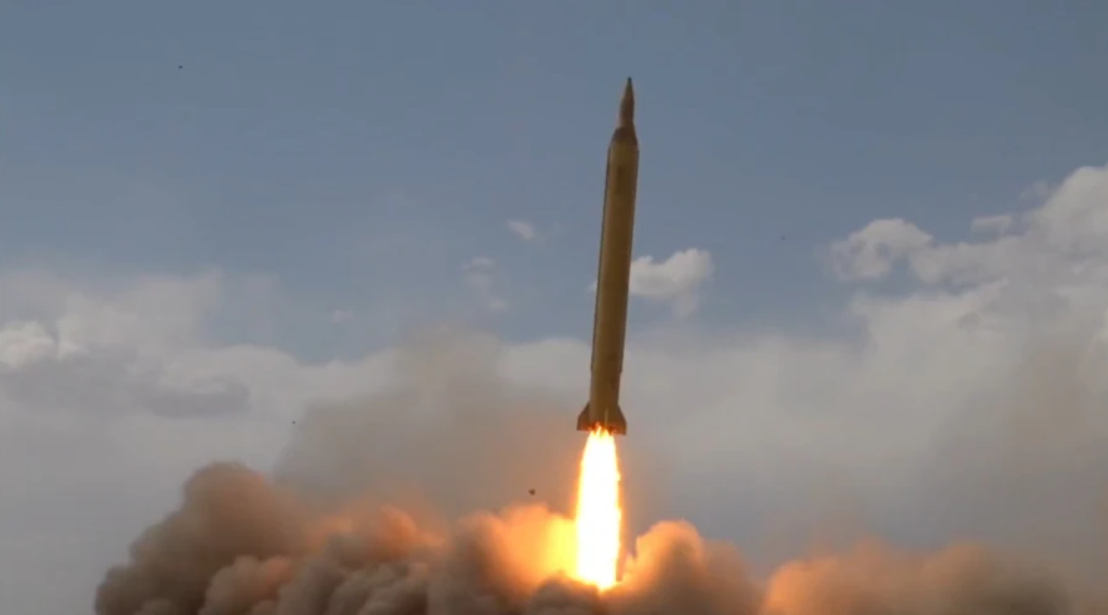
When Carlson said, “I don’t want anyone to have a bomb, including Israel. I don’t know why we’re okay with Israel having nuclear weapons … It’s mass murder,” Huckabee argued that Iran poses a genuine threat because of its nuclear ambitions and long-standing anti-American rhetoric, maintaining that deterrence helps preserve peace rather than provoke conflict.
“What are the costs if they were to get a nuclear bomb? They’ve said for 47 years, ‘Death to America.’ They’ve targeted us. They’ve targeted President Trump specifically,” he said. Anadolu
The Organisation of Islamic Cooperation (OIC) on Saturday condemned remarks by US Ambassador to Israel Mike Huckabee, warning that his comments about Israeli expansion in the Middle East threaten regional security and stability.
Mike Huckabee argued that Israel has a biblical right to the land stretching from the Nile to the Euphrates rivers, saying on a podcast released Friday: “It would be fine if they (Israel) took it all.”
Huckabee made the remarks in an interview with US journalist Tucker Carlson, during which he defended Israel’s actions in Gaza and voiced support for the idea of “divine providence” giving control of the region to Israel.
After Huckabee claimed Israel had a divine right to vast portions of the Middle East, Carlson asked him: “What land are you talking about?” Interpretations of the biblical phrase “river of Egypt” vary, with some scholars identifying it as a riverbed in the Sinai Peninsula and others as the Nile.
“It would be fine if they took it all,” Huckabee replied, referring to Israel’s biblical right to the territory stretching from the Nile River to the Euphrates.
‘Dangerous and irresponsible’
The OIC described Huckabee’s remarks in a statement as “dangerous and irresponsible,” calling them an unacceptable call for the expansion of Israel, the occupying power, and the seizure of additional Palestinian and Arab lands.
The comments were based on “a false and rejected historical and ideological narrative and claims” that violate state sovereignty, diplomatic norms, principles of international law, UN resolutions, and the UN Charter, the group added.
The organisation warned that such extremist rhetoric would fuel further extremism and embolden Israeli policies centered on displacement, settlement expansion, and attempts to impose annexation on occupied Palestinian territory.
It said these measures “threaten security and stability in the entire region.”
The bloc reaffirmed its unwavering support for what it described as the legitimate rights of the Palestinian people, foremost among them the right to self-determination and the establishment of an independent, sovereign state on the June 4, 1967 borders with East Jerusalem as its capital.
Huckabee, named US ambassador to Israel in April 2025, is an evangelical Christian who has previously spoken of expansionist claims based on what he described as a “divine right” for Israel in the West Bank.
Israeli Prime Minister Benjamin Netanyahu told news channel i24 last August that he feels “very attached” to the vision of a Greater Israel. He said he considers himself “on a historic and spiritual mission,” including “generations of Jews that dreamt of coming here and generations of Jews who will come after us.”
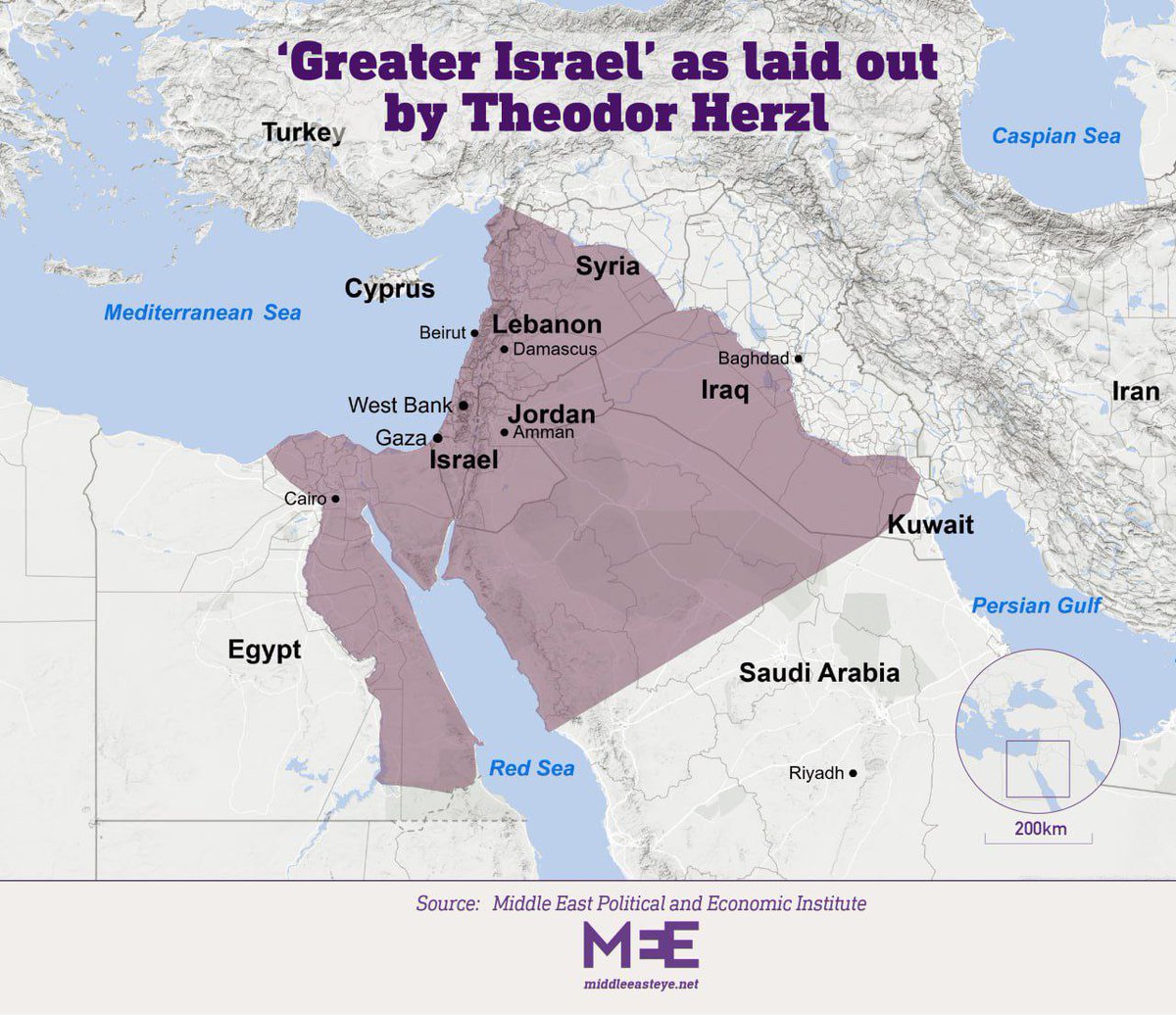
Greater Israel is a term used in Israeli politics to refer to the expansion of Israel’s territory to include the West Bank, Gaza, and Syria’s Golan Heights, with some interpretations also including Egypt’s Sinai Peninsula and parts of Jordan.
Arab countries
Arab countries also separately strongly condemned the statement as “absurd and provocative”, unacceptable, and contrary to international law.
Jordan
In a statement, Jordan’s Foreign Ministry called the remarks “absurd and provocative”, saying they “constitute a violation of diplomatic norms, an infringement on the sovereignty of states in the region, and a blatant breach of international law and the UN Charter.”
The ministry added that the comments “contradict the publicly declared position of US President Donald Trump rejecting annexation of the occupied West Bank.”
The ministry called for “the concerted efforts of all parties to consolidate stability in Gaza and to implement the US president’s plan and UN Security Council Resolution 2803, instead of issuing absurd, escalatory, irresponsible statements that carry no legal value or effect.”
Egypt
Egypt’s Foreign Ministry condemned the statements, describing them as a “flagrant departure” from the principles of international law and the UN Charter.
Cairo expressed surprise at the remarks, saying they contradict the vision put forward by US President Trump and the related 20-point framework aimed at ending the genocidal war in Gaza, as well as the outcomes of a Board of Peace conference held in Washington on Feb. 19.
Egypt reiterated that Israel has no sovereignty over occupied Palestinian land or any other Arab territories, stressing its categorical rejection of any attempts to annex the West Bank, separate it from Gaza, or expand settlement activity in the occupied Palestinian territory.
Saudi Arabia
Saudi Arabia’s Foreign Ministry also condemned “in the strongest terms” and fully rejected Huckabee’s “reckless remarks,” which violate international law, the UN Charter, and diplomatic norms, calling them a dangerous precedent when issued by a US official and dismissive of the region’s long-standing relations with the US.
A ministry statement warned that such extremist comments “threaten international peace and security” by antagonising countries and peoples in the region and undermining the foundations of the international order.
Saudi Arabia called on the US State Department to clarify its position on a rejected proposal and reiterated its firm stance in rejecting any infringement on states’ sovereignty, borders, and territorial integrity.
The statement stressed that the only path to a just and comprehensive peace lies in ending the occupation based on a two-state solution and establishing an independent Palestinian state on the 1967 borders with East Jerusalem as its capital.
Kuwait
Kuwait’s Foreign Ministry also rejected the US ambassador’s remarks, saying in a statement that they represent a clear violation of international law and relevant international legitimacy resolutions, including Resolution 2803, and undermine states’ sovereignty and territorial integrity.
It said the comments directly contradict President Trump’s stated vision and the related 20-point peace framework, warning that legitimising control over others’ territory would inflame tensions and weaken efforts to restore stability.
Kuwait reaffirmed that Israel holds no sovereignty over the occupied Palestinian territory or any other Arab land and rejected attempts to annex the West Bank, separate it from Gaza, or continue settlement expansion.
It reiterated its support for the Palestinian people’s inalienable right to self-determination and the establishment of an independent state on the June 4, 1967, borders with East Jerusalem as its capital, in line with international resolutions and the Arab Peace Initiative.
Iraq
Iraq’s Foreign Ministry said in a statement that the remarks constitute a serious overreach that contradicts the principles of international law and the UN Charter and infringes on the sovereignty, independence, and territorial unity of states.
Baghdad stressed its firm position in support of state sovereignty and its rejection of any policies based on domination or the imposition of a fait accompli, calling for respect for international law to strengthen regional security and peace.
Oman
Oman’s Foreign Ministry also condemned the remarks, describing them as an illegitimate acceptance of imposing control over Arab lands, including the occupied Palestinian territory.
Muscat said the comments were contrary to international law and the UN Charter, warning that the rhetoric undermines prospects for peace and threatens regional security and stability.
The ministry reiterated Oman’s firm support for the Palestinian people’s right to self-determination and the establishment of an independent state on the June 4, 1967, borders with East Jerusalem as its capital, and for ending the occupation of all Arab territories. – TRTWorld
The question of Greater Israel had always been there, swinging between Jewish religion and Zionist politics. Essentially it is a vague concept and interpreted according to the inclination of different groups inside Israel.
When Theodore Herzl talked about the land of Israel he defined it as being between the brook of the Nile and the Euphrates, with the debate being at the time, whether and area between the two rivers or actually all the way to both rivers.
Even when the state of Israel was established, its borders were not defined. It was the 1967 war which ignited the Greater Israel concept among the various Jewish groups with Israel occupying the West Bank, Sinai and the Golan Heights.
However, the recent pronouncements made by the Israeli government regarding this issue, started to ring bells of danger and awakened Arab fears especially, when the world sees Israeli military operations to retake Gaza, putting plans to annex the West Bank of Jordan and occupying territories in South Lebanon, annexing the Golan Heights and moving the Golan Heights and moving further into Syrian territories.
But where did the notion of Greater Israel originally came from, the idea which the father of Zionism Herzl defined? In fact it was taken from the book of Genesis in the Hebrew bible the Tanakh, where God grants Abraham and his descendants a vast expanse of land stretching from the brook of Egypt to the Euphrates.
Some Israelis refer to a narrower vision mentioned in the Book of Deutronomy, where God instructs Moses to lead the Israelites in taking possession of Palestine, Lebanon, and parts of Egypt, Jordan and Syria.
Others invoke the Book of Samuel which describes lands secured by Kings Saul and David, including Palestine, Lebanon, and sections of Jordan and Syria. In fact those whom hold those beliefs, the pursuit of Greater Israel, is not merely political, it is the fulfillment of divine mandate, a reclamation of land they see as rightfully theirs.
At the same time, some Zionist currents have used the concept of Greater Israel to advocate for political territorial expansion of the state of Israel maintaining control over the West Bank, claim Gaza and the Golan Heights, parts of south Lebanon as being part of Israel and so on.
Essentially the term Greater Israel can refer to several different concepts depending on the ideological, religious or political context.
Dr Janbek is a Jordanian writer based in Paris, France

 CrossFireArabia

 Dr Khairi Janbek