How Israel Uses Its Legal System For Genocide
 CrossFireArabia
- March 29, 2025
The Israeli Supreme Court’s ruling to deny a request to allow humanitarian aid into the Gaza Strip is a crucial component of a well-functioning colonial system designed to perpetrate the crime of genocide against the Strip’s people.
The ruling made 27 March is further evidence that the Israeli judiciary—which has never served as a tool of justice for Palestinians—functions as a part of a system in which all state institutions participate, whether Israel’s government, army and other security forces, military prosecution, courts, or media. All of these institutions blatantly violate international legal and humanitarian norms by committing crimes against Palestinians, aiding in the commission of such crimes by coordinating their activities, and/or providing a false legal cover.
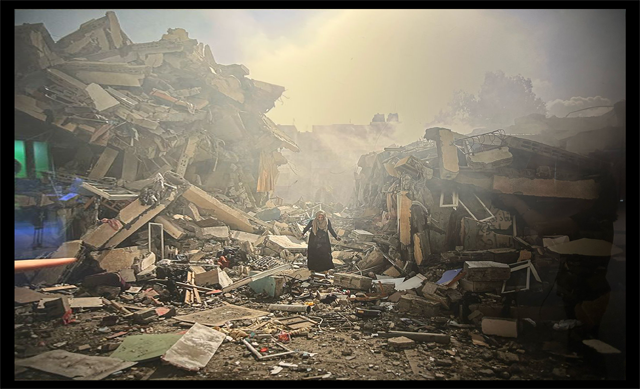
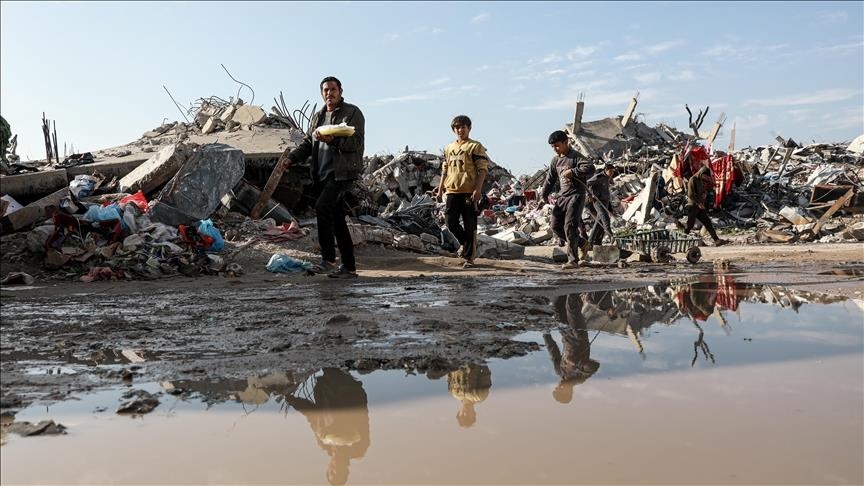
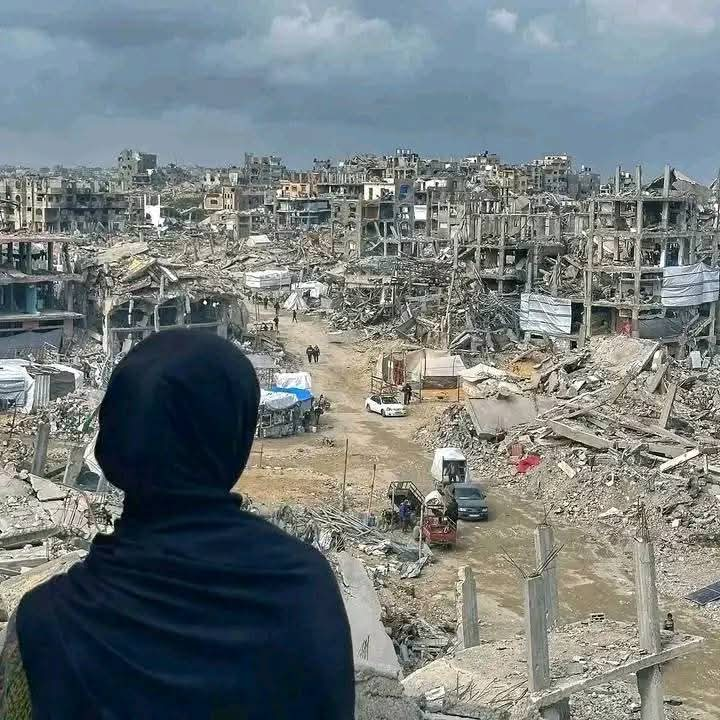
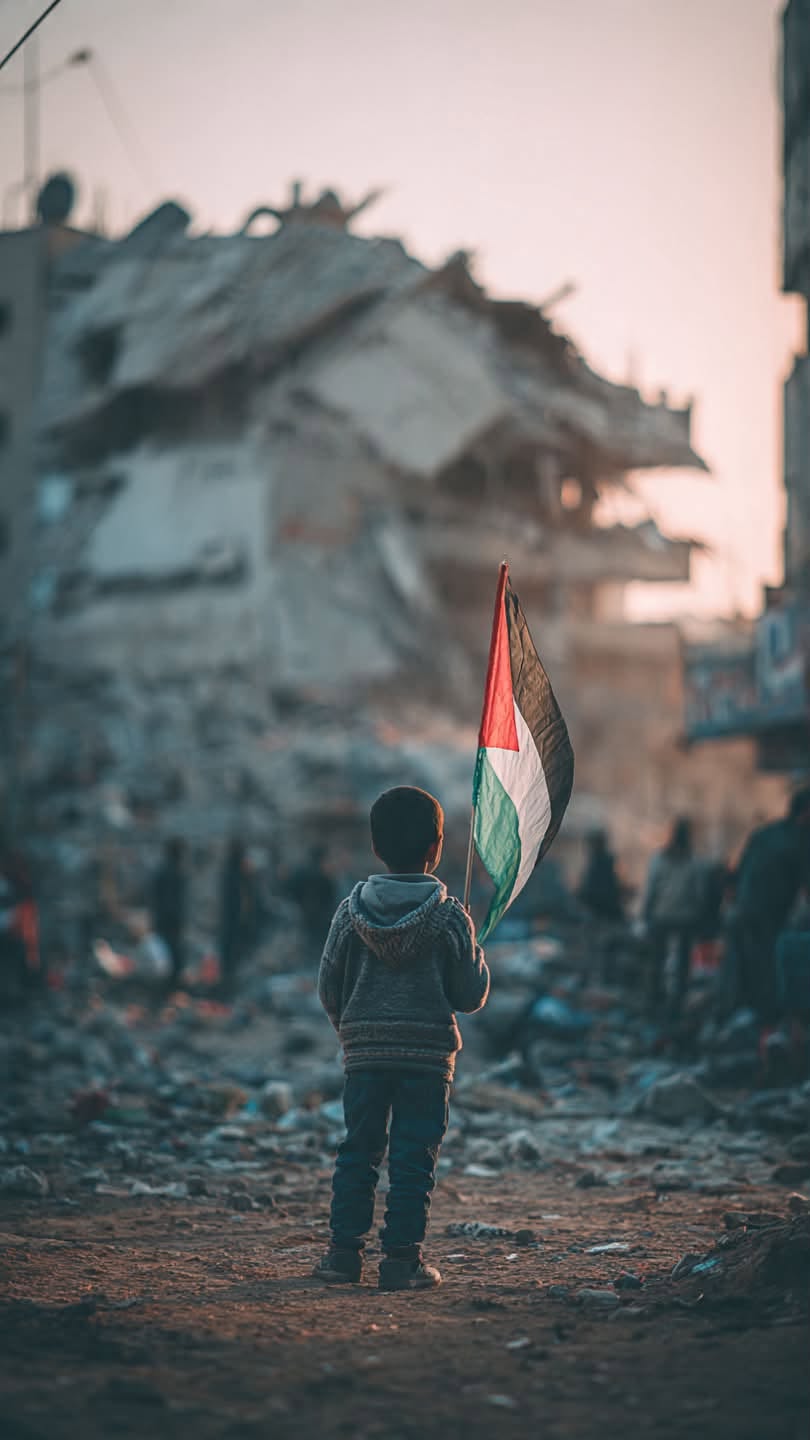
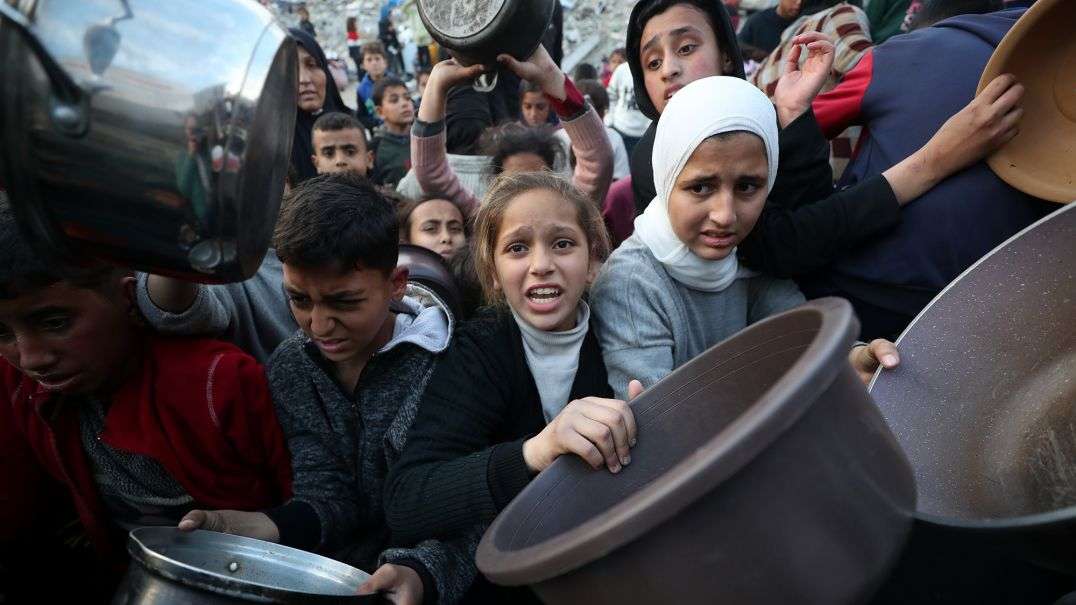
The Israeli Supreme Court has explicitly and directly legitimised Israel’s illegal blockade of the Gaza Strip. This blockade has denied food, water, medicine, fuel, and electricity to over two million people—half of whom are children—for nearly 18 months. Meanwhile, human rights organizations have warned that Israel’s refusal to allow humanitarian aid and basic supplies into the enclave for more than three consecutive weeks has accelerated famine in the Strip and led to the deaths of infants from starvation.
One of the most obvious examples of the complicity of all Israeli state institutions in the crime of genocide is the use of starvation as a declared weapon against Palestinians in the Gaza Strip, which has now been made an official policy through a “political” decision validated by a court ruling.
To support its ruling, the Israeli court used the argument that the State of Israel is exempt from the obligations of belligerent occupation under international law in all cases pertaining to the Gaza Strip. This blatantly violates established international legal norms that are acknowledged to apply to the Occupied Palestinian Territory. It also goes against the International Court of Justice’s 2024 advisory opinion and gravely breaches the ICJ rulings in South Africa’s genocide case against Israel.
The Fourth Geneva Convention, which applies to the Occupied Palestinian Territory, including the Gaza Strip, is gravely violated by the Israeli court’s recent decision. The occupying power is required by the Convention to provide food and medical supplies to the occupied population. It is also required to permit relief efforts for the benefit of these populations in the event that local resources are insufficient, and to allow for the supply of facilities, including those conducted by states or humanitarian organizations, especially those involving food aid, clothing, and medical supplies.
Euro-Med Monitor emphasizes that the decision is a flagrant disregard of the rulings of the International Court of Justice in the South Africa v. Israel genocide case. In January and March of 2024, the Court mandated that Israel take prompt and decisive action to allow for the delivery of humanitarian aid and essential basic services to alleviate the terrible circumstances faced by Palestinians in the Gaza Strip. In coordination with the United Nations, these measures included providing food, water, electricity, fuel, shelter, humanitarian aid, clothing, hygiene, and sanitation needs, as well as medical supplies and medical care to Palestinians across the Strip, including by expanding the number and capacity of land crossing points and keeping them open for as long as possible.
The International Court of Justice affirmed that Israel’s actions in the Gaza Strip constituted a real and immediate threat of genocide to the Palestinian people there, as well as the possibility of irreversible harm and violations of Palestinians’rights to be protected from genocide under the Convention on the Prevention and Punishment of the Crime of Genocide.
The Israeli court’s rationale is therefore in direct opposition to the advisory opinion issued on 19 July 2024 by the International Court of Justice, the highest court in the world.
The ICJ unequivocally affirmed that Israel’s legal obligations were not terminated by its military withdrawal from the Gaza Strip in 2005, as Israel still maintains effective control over key areas of the Strip, such as the buffer zone, the land, sea, and air borders, restrictions on the movement of people and goods, and tax control. Since 7 October 2023, this control has become much more intense. As a result, Israel continues to be the occupying force in accordance with international law and is responsible for providing humanitarian aid and other necessities to the civilian population in the Strip.
The rejection of these fundamental legal precepts by the Israeli court is not just a misreading; rather, it is a deliberate judicial intervention aimed at denying the existence of the Israeli occupation and undermining the laws that safeguard the rights of the people who are subject to it. Viewed within the larger framework of institutional complicity that helps to enable and carry out Israel’s crime of genocide against the Palestinian people, this intervention turns the international legal system from a tool of protection into a cover for impunity.
Israel has a legal duty to the people it governs, and this duty extends beyond its legal relationship with the territory. Instead, it necessitates a steadfast obligation to uphold and defend human rights and the principles of preemptive international law under all conditions. Israel’s responsibilities under fundamental human rights conventions, such as the International Covenant on Civil and Political Rights, the International Covenant on Economic, Social, and Cultural Rights, the Convention on the Rights of the Child, and other international instruments, extend beyond the regulations of occupation law and include duties pertaining to preventing population starvation and allowing the entry of humanitarian aid.
Regardless of a state’s legal standing under international law, its effective control over a territory serves as the foundation for its legal accountability for actions that impact this territory’s residents.
The presence of a state of occupation alone does not negate the duties of an occupying power to prevent the occupied population from living in substandard conditions or from suffering from severe physical or mental injury.
Instead, these duties are enforced by preemptive standards of customary international law, such as the outright ban on crimes against humanity, such as apartheid and genocide. Whether in times of peace or conflict, these standards require all states to uphold these rights and guarantee their protection at all times.
All Palestinians in the Gaza Strip are experiencing a dire humanitarian situation, especially since Israel’s genocidal campaign of direct killings in the Strip resumed on 18 March. This occurs at a time when Israel has been using other tools of genocide against the Strip’s people for a year and a half now.
These tools include starvation, blockade, deprivation of virtually all means of survival, severe physical and psychological suffering, and the imposition of living conditions that are destructive, all of which are intended to destroy the Palestinian people there.
Not only does the ongoing situation in the Gaza Strip violate Israel’s legal obligations, but it also directly calls into question all other states’ adherence to their own obligations, whether these states are directly involved in the genocide or have not acted decisively to stop Israel if in a position to do so. The Fourth Geneva Convention, the Convention on the Prevention and Punishment of the Crime of Genocide, and customary international law all bind these states. These regulations require states to actively work to prevent genocide and to abstain from any actions that facilitate, encourage, or open the door for its occurrence.
The international community must stop enslaving the Palestinian people to a state that is using all of its official institutions to destroy their lives, drive them off their land, and threaten their shared national identity. Given its decades-long failure to uphold international law and apply it equitably to, and without discrimination against, Palestinians, the international community is directly responsible for the disastrous reality that Palestinians face today, wherever they may be. This failure reveals the biased foundations upon which the international system was established, as this system has deprived Palestinians of their most fundamental rights, most notably their right to exist.
All states must take up their individual and collective legal obligations and act quickly to put an end to the genocide in the Gaza Strip. They must do everything they can to protect Palestinian civilians there, i.e. enforce all necessary measures to force Israel to immediately and fully lift the blockade; permit unhindered freedom of movement of people and goods; open all crossings without arbitrary conditions; and take decisive action to protect Palestinians from forced displacement and swift or slow-motion killing. This entails launching an immediate response to address the population’s pressing and pertinent needs, such as offering suitable temporary housing for displaced people.
The international community must impose economic, diplomatic, and military sanctions on Israel due to its systematic and serious violations of international law. These sanctions, which willincrease pressure on Israel to stop its crimes against Palestinians, should include barring arms exports to Israel; stopping military cooperation with Israel; freezing the financial assets of officials involved in crimes against Palestinians; and suspending trade privileges and bilateral agreements that give Israel economic benefits.
In addition to acting to stop Israeli policies that violate the most fundamental humanitarian principles and endanger the lives of millions of civilians, the States Parties to the Fourth Geneva Convention should fulfil their duty under Common Article 1 to uphold and guarantee adherence to the Convention under all circumstances.
The International Criminal Court must issue arrest warrants for Israeli officials involved in international crimes in the Gaza Strip, and expedite its ongoing investigations. Additionally, the Court ought to acknowledge and specifically address Israel’s crimes as genocide. The Rome Statute’s States Parties should fulfil their legal duties to assist the Court in every way possible;make sure that arrest warrants against Israeli officials are carried out; bring these officials to international justice; and make sure to end the policy of impunity that has been granted to these officials thus far.
Along with fulfilling its legal obligations, the international community must take immediate action to end the root causes of the suffering and persecution endured by the Palestinian people forthe past 76 years: Israeli occupation and settler-colonialism in the Occupied Palestinian Territory. The international community must compel Israelto guarantee the Palestinians’ right to live in freedom, dignity, and self-determination in accordance with international law; to dismantle the system of apartheid and isolation imposed on the Palestinians; to lift the illegal blockade of the Gaza Strip; to hold Israeli perpetrators and allies accountable and prosecute them; and to ensure Palestinian victims’ rights to compensation and redress.