‘Fleeing My Home Under Airstrikes and Fire’

Maryam Srour, a field communications manager for Médecins Sans Frontières (MSF) from Beirut, Lebanon, reported from a car as she fled, describing scenes of chaos in the southern suburbs of Beirut.

On Friday 27/09/2024, we heard and felt a huge series of blasts while we were in meetings at the office.

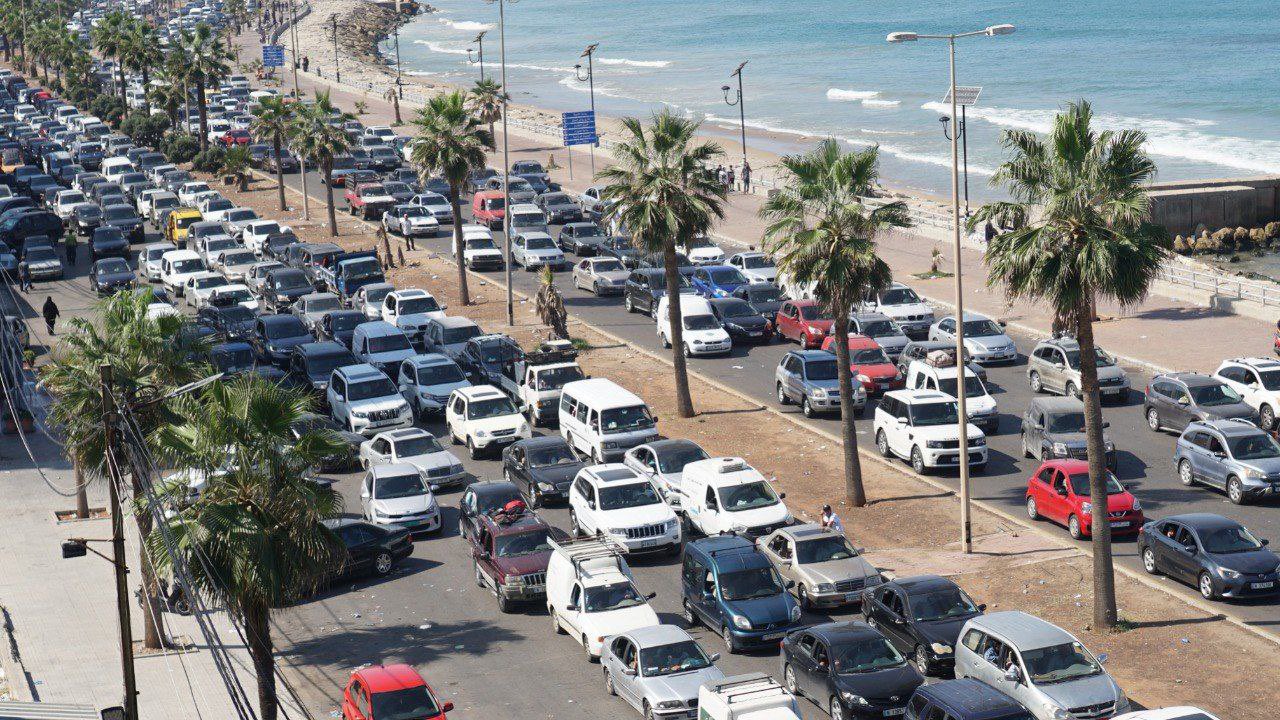
We wrapped up work and got stuck in heavy traffic. I had just relocated to a safer place since the bombing around Beirut and across the country intensified on Monday. When I reached my new home around 10 p.m., my relatives had already joined us – leaving their homes, thinking it would be safer where we were.

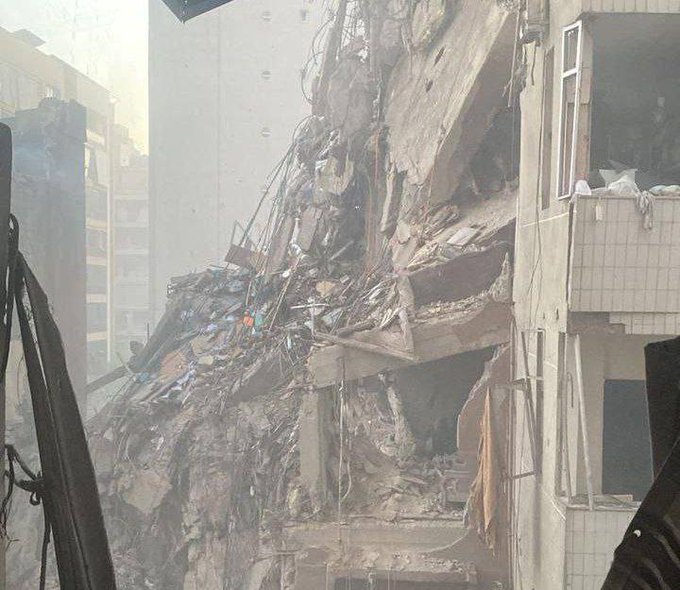
From my balcony, I saw dozens and dozens of people walking in the streets carrying what they could, plastic bags, backpacks, or nothing. People in the southern suburbs around ours had received evacuation orders from the Israeli armed forces. We saw people fleeing on foot, some walking with sticks, young and elderly. Some people were in cars. We were not in the neighborhood that was targeted but we heard drones and planes. We felt them close by.

Suddenly, there was darkness all around and bombing started everywhere. There was heavy smoke and people in the streets were coughing. I was with my mum, brother and sister, and trying to figure out what to do next. Are the roads safe? Where do we go?

I had just left my house in *Dahieh—* the southern suburb of Beirut—a few days ago because of the heavy bombardments and moved to this one. We thought we would be safer here. Now we had to leave again. I grabbed a bag of essential items I had at hand. We were told that it’s better to bring mattresses, so we stuffed two in our car and took a pack of water bottles. I didn’t know what to do. There were fires everywhere following the airstrikes, and I heard a huge blast. We heard, felt and saw the strikes. Our building was shaking. There was a huge blast in a place with no advance warning for evacuation.

Surrounded by fire and smoke, I was repeating to myself, “all we need is a plan and to take action, a plan and take action; do not wait here.” We just left the place as fast as we could. I don’t know what happened to my own house, or the new house. We kept calling around and drove for a couple of hours before we figured out where to go. Around 5 a.m, we found a place on the other side of the mountains.

We were very lucky that we left when we did because the fires after the airstrikes were still raging where we had been. We just needed a place to rest a little, to see where to go next, and we still haven’t slept.

Some people are still in cars. Now we’re watching the news and shocking footage of what is happening. I know that my colleagues, MSF teams, are in the field, supplying water by trucks to shelters and schools in Beirut and Mount Lebanon, where displaced families are staying. Some people are lying down on the sidewalks. MSF managed to provide 86,000 liters of water in 24 hours, and is also distributing kits containing basic hygiene and relief items, as well as mattresses to the displaced people.

Our mental health teams are on the streets providing psychological first aid to people who are traumatized and to people seeking refuge in schools. I am used to being a humanitarian worker, but now I am also a person displaced by air strikes in my own country. We are in a safe place, for now.

Reliefweb

Continue reading
With Open Arms: Displaced Lebanese Flock to The Camps

By Samaa Abu Sharar

Over a million Lebanese have fled their homes in the south of Lebanon, the Bekaa Valley and the southern district of Beirut due to the unprecedented and indiscriminate Israeli raids on their cities. 

In the blink of an eye, over a million people lost literally everything and became displaced on the streets of the tiny capital and other Lebanese cities they believe are safer. Luckier ones were able to secure a corner in schools or other public places that were opened by the Lebanese government to temporarily host the displaced people. 

Along with the Lebanese, many Syrians and Palestinians were also displaced. Many of those resorted to the Palestinian camps to take refuge in the already cramped camps. This included refugee camps in Tyre in the south like Rashidieh.

A ‘Safe Place’

Photographer Rania Saadallah is a resident of the camp. She spoke to the Palestine Chronicle about the exodus of many families to the camp, particularly Lebanese and Palestinians with families in Rashidieh.  

According to Saadallah, most of those who arrived in Rashidieh came for two reasons; one, to remain close to their villages and towns in the south and two, because they lacked the financial means to go elsewhere.

“I know a family from Bazouriye; they are 14 individuals who came and stayed with their relatives, a family of seven, because they don’t have the means to rent a place inside the camp,” she said.

The Palestinian photographer told us that there are Palestinians who live in Lebanese villages in the south who also sought refuge in the camp as they did in the war of 2006.

“They consider the camp a safe place and it is close to their villages, but most importantly there is this familiarity between people of the villages and refugees in the camps,” she explained.

This familiarity and closeness that bond both people is undeniable and the latest events are proof of that.

Palestinian refugees across Lebanon rushed to help displaced Lebanese from the very start of Israel’s war on Lebanon.

Fraternity

The youth of Ain Al-Hilweh camp were amongst the first to rush to the streets to welcome the displaced Lebanese distributing water and snacks to those stranded in their cars.

According to Walid el-Ahmad, coordinator of the ‘Hand to Hand’ initiative, the unprecedented wave of displacement caught everyone by surprise because it was much bigger than anything that was anticipated by the Lebanese government, the United Nations Relief and Works Agency (UNRWA) or the Palestine Liberation Organization (PLO). 

El-Ahmad told the Palestine Chronicle that some people arrived at the Mar Elias camp in Beirut to stay with relatives and acquaintances but there were limited numbers because the camp is extremely small.

“We reactivated the emergency committee we created at the beginning of the genocide on Gaza, which is under the supervision of the Popular Committee of the camp,” he explained.

Enthusiasm to extend a helping hand to the displaced people was very visible.

“Despite their dire situation, refugees donated everything they had from money to food to mattresses, blankets, anything they could, they gave without hesitation,” he added.

El-Ahmad and many other activists in the camps confirm that help mostly came from individuals, small initiatives, or local organizations.

In many cases, the work of all those combined extended to schools surrounding the camps in the absence of the Lebanese government at the start of the displacement wave.

“We are entrusted with Palestine and its people until they return to their homeland,” a Lebanese man told el-Ahmad, who also supervises a clinic in the Mar Elias camp after he refused to take money from him for treating his son.

These sentiments of fraternity between Palestinians and Lebanese run very deep considering the common history and many sacrifices they both made for the Palestinian cause.

Contingency Plan 

Nazira Mohammed al-Haj, a social activist who lives in the Naher El-Bared camp in the north of Lebanon, confirms these sentiments of solidarity. 

“I have a friend, she has three furnished apartments in the camp. She offered two of them to displaced Lebanese families and provided them as well with groceries,” al-Haj said.

The activist emphasized that this is not a unique case as the majority of refugees in the camp rushed to offer anything they could afford. 

As part of a contingency plan, UNRWA has opened several schools across the country for displaced people and already said that it will open others if there is a need for that. Two of those are in Naher El-Bared camp.

The UN agency has announced that although it gives priority to Palestinian refugees, it also welcomes displaced people of other nationalities depending on the “availability of resources.” 

However, al-Haj told the Palestine Chronicle that the majority of people who arrived at Naher el Bared are staying with refugees in the camp. 

“Some people gave their furnished apartments free of charge to displaced Lebanese,” she explained.

“Even generator owners and satellite and internet providers in the camp offered their services free of charge, in addition to those who donated clothes, mattresses and food items,” the activist explained. 

Al-Haj attributes this overflow of solidarity with the displaced Lebanese to the fact that refugees in Naher el Bared went through a similar displacement in 2007 when clashes broke out between the Lebanese army and the Fateh El-Islam group.

Same Destiny

In the neighboring Beddawi camp, the scene is not different. Refugees of the camp along with Palestinian organizations constituted the rock for the displaced Lebanese.

Social activist Dalal Sharour spoke to the Palestine Chronicle about an initiative that was launched by the Palestinian Cultural Club in the camp through which they established a ‘station’ for all displaced Palestinians and Lebanese. 

The station provided people with places to stay, received donations and offered basic aid.

“The youth in Beddawi camp are very active. They drove in a big pick-up truck roaming the camp’s streets collecting donations, which were largely received through WhatsApp groups,” Sharour said.

The Palestinian activist told the Palestine Chronicle that the Popular Committee in the camp along with many organizations created an emergency unit to collect data on the number of displaced people and their needs.

“The emergency unit will have representatives from each organization so as to coordinate efforts and not duplicate the services extended,” Sharour explained.

There are still no official numbers on how many displaced Palestinians and Lebanese headed to Tripoli in the north of Lebanon where the two camps are located. What we know is that people from the south, Bekaa and Beirut headed to Tripoli because at the moment it is considered safer than other areas.

Researcher and consultant in refugee studies Jaber Suleiman told the Palestine Chronicle that the overwhelming solidarity that the Palestinian refugees have shown towards the displaced Lebanese is expected and not strange to Palestinian refugees.

“In the face of the second phase of genocide, which started in Gaza and is continuing in Lebanon, there is a state of national Lebanese solidarity and the Palestinians are part it,” he said. 

“Palestinians more than others feel the suffering of displacement and leaving one’s homes. These generations in the camps are the generations of the first, second and third Nakba, and they feel more than others with the Lebanese displaced from their villages,” the Palestinian researcher said.

Suleiman also attributes the support and solidarity to the deep gratitude Palestinians in Lebanon feel towards the Lebanese for the sacrifices they are enduring in support of Gaza and the Palestinian cause.

“If they could, they would place them in their eyes and hearts as a sign of gratitude for all they are doing,” he said.

According to Suleiman, this is not the first time that Palestinians have welcomed displaced Lebanese into their camps, since in 2006 many took refuge in Ayn el-Helweh camp despite the hardships these refugees face in a country that deprives them of many of their basic rights. 

“They share the same destiny and they shed the same blood on the same soil against a common Zionist enemy, thus it’s no surprise to see this solidarity,” Suleiman concluded.

 This article is reproduced from the Palestine Chronicle.

Continue reading
Missiles, Sirens and Underground Shelters

CROSSFIREARABIA – Despite their heinous war on Lebanon, Israelis today are gripped with fear and psychological problems in a cyclone of fear dominated by incoming missiles, drones and blasting sirens all over northern and central Israel.

The Israeli psyche is particularly acute these days because of the insistence of Prime Minister’s Netanyahu extension of the Gaza war to Lebanon.

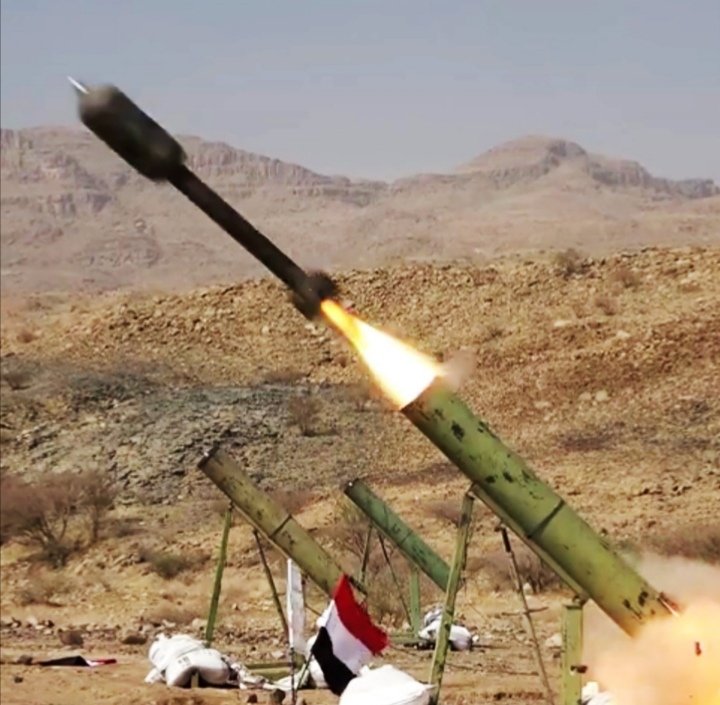
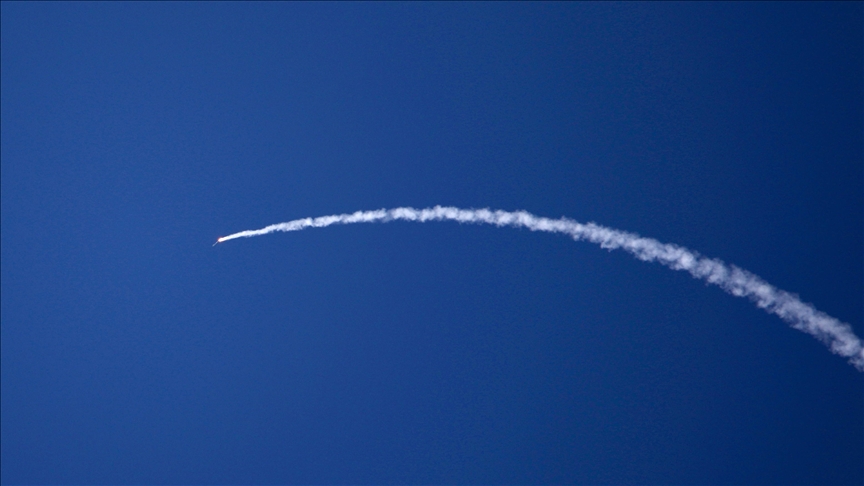
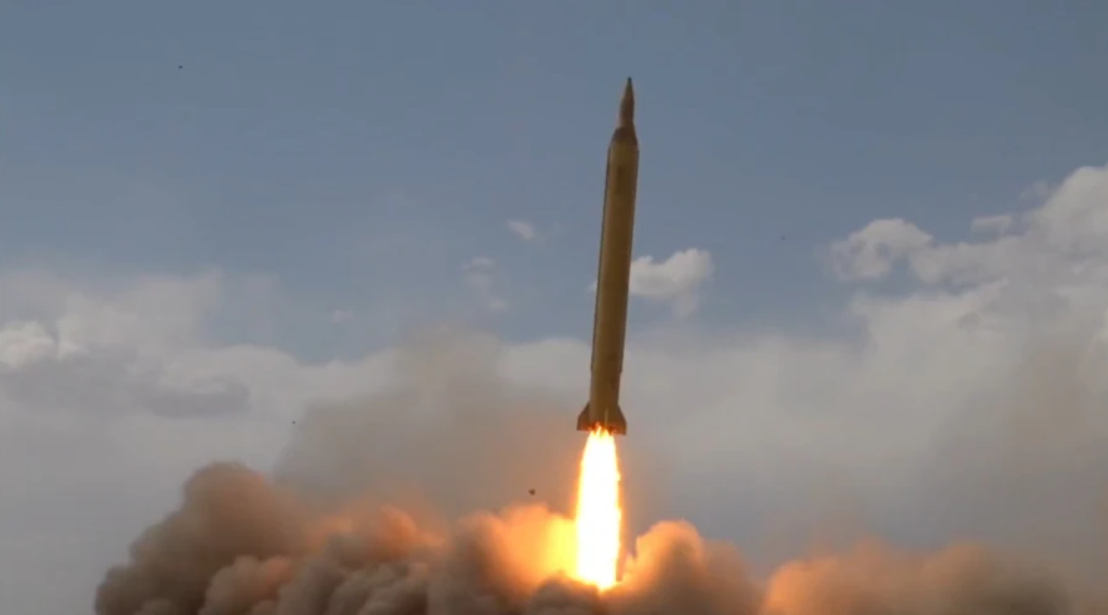
Saturday was particularly eerie for the Israelis because of the never-ending sirens that started in Tel Aviv in the afternoon warning of an incoming ballistic missile all the way from Yemen.

Although the Israeli media told us the missile – appropriately named Palestine 2 – was shot down by Israel’s Iron dome, no doubt bringing down with it lots of shrapnel, it created much panic among ordinary Israelis.

The social media video clips showed it all. People dropped whatever they were doing and hurried down to the underground shelters with the blasting sirens ready to give anyone a heart attack.  

The video clips showed a city in different positions. First of all, it was empty, hardly any traffic on the roads, you can say a ghost town, just tall buildings with risk noise in the background.

Then there is a video clip of people on road pavements amidst cars, hurrying, running and then steadying their pace to beat the others to get to the underground shelters. But there is a sense of anxiousness to get to the door of the shelter whether they have to go steadily down.

On this occasion, there was no news of injuries, but on previous rocket attack sirens in the city, there were reports of injuries, people trampled upon to reach the shelters in what appeared as tight doors.

And then there was the Ben Gurion Airport on the outskirts of the city. People were taking no chances this time. Just the previous day sirens blasted all over the city warning of a missile attack from the Houthis of Yemen, all 2000-kilometers away.

Just like this one, the previous missile struck just six kilometers from the Ben Gurion Airport. In the latest video-clip, people were seen running towards the end of the wide corridor at the sound of “horrible” noise with a man on the loudspeaker in Hebrew, no doubt telling people to hurry down to the shelters.

For Israelis, this war, although on the periphery of their lives, has become an absolute nightmare!

Outside, there was more noise coming from the beach filled with swimmers and sunbathers. At the sound of the sirens they dropped everything and began scurrying to the nearest shelter.

Meanwhile, there was another video clip of the plane carrying Prime Minister Benjamin Netanyahu after making his speech to the almost-empty UN General Assembly, because of the mass walkout.

Just as he entered Israeli airspace an F-35 phantom appeared to escort the plane to the airport. This was due to two reasons, the killing of Hezbollah’s Secretary-General Hassan Nasrallah, the previous day and which he ordered and the fact that incoming missiles and drones were coming in from Lebanon in a deadly war he insists on continuing.    

Continue reading
‘God Will Avenge Us’ – Lebanese React to Israel’s Cyber Terror Attacks

By Sama Abu Sharar

Editor’s note: This article was written before the second wave of explosions that hit Lebanon last Wednesday, also killing a number of Lebanese civilians and wounding hundreds.

BEIRUT – Beautiful Lebanon woke up sad this morning following the massive Israeli cyberattack that hit the whole country last Tuesday afternoon. The streets are gloomy and traffic is less heavy than it usually is on a busy weekday, as people are still in utter shock, trying to process the events of 17 September. 

All public and private schools and universities are closed today and a general strike was called by the General Workers Union in memory of the victims who were killed and the thousands who were injured.

‘Shock and Astonishment’

Joanna Nasserdine, the Beirut correspondent for the Jordanian Roya TV who covered the events of Tuesday, told the Palestine Chronicle that she was as puzzled as the rest of the population when news of the attack started coming in as there were numerous questions and unclarity.

“Today, I can say that I am in a state of shock and astonishment over what happened yesterday because it is a crime that was committed against Lebanon, which did not differentiate between a civilian or a child or a military man, it is a disaster for the whole country,” Nasreddine said. 

She told the Palestine Chronicle that what touched her most as a Lebanese citizen and as a reporter were the horrific scenes in front of the different hospitals in the capital Beirut.

“The scenes of victims, injured, with blood everywhere was a stark reminder of the explosion of the Beirut port in 2020, along with all the feelings of fear, anxiety, and panic that reigned yesterday,” the Lebanese reporter added.

According to Nasreddine, the criminal Israeli cyberattack is unprecedented in the long Arab-Israeli conflict and is extremely dangerous since it was able, in one minute, to harm at least 4,000 people, 300 of whom are in critical condition, and kill at least 12, including two children.

“How can an entity be so criminal to attempt to take the lives of thousands in one minute,” she questioned, expressing the fear of all Lebanese of what is to come next, given how vulnerable the country is at the moment. 

Indeed this is what people feel: Vulnerable and exposed. 

One of the incidents that took place in Tuesday’s attack involved a young man who was passing by a building in Mrijeh, in the southern district of Beirut.

The young man was seen by the neighbors bleeding. They all thought that he had been shot by stray bullets in the air so they grabbed him and tried to hide in one of the buildings. 

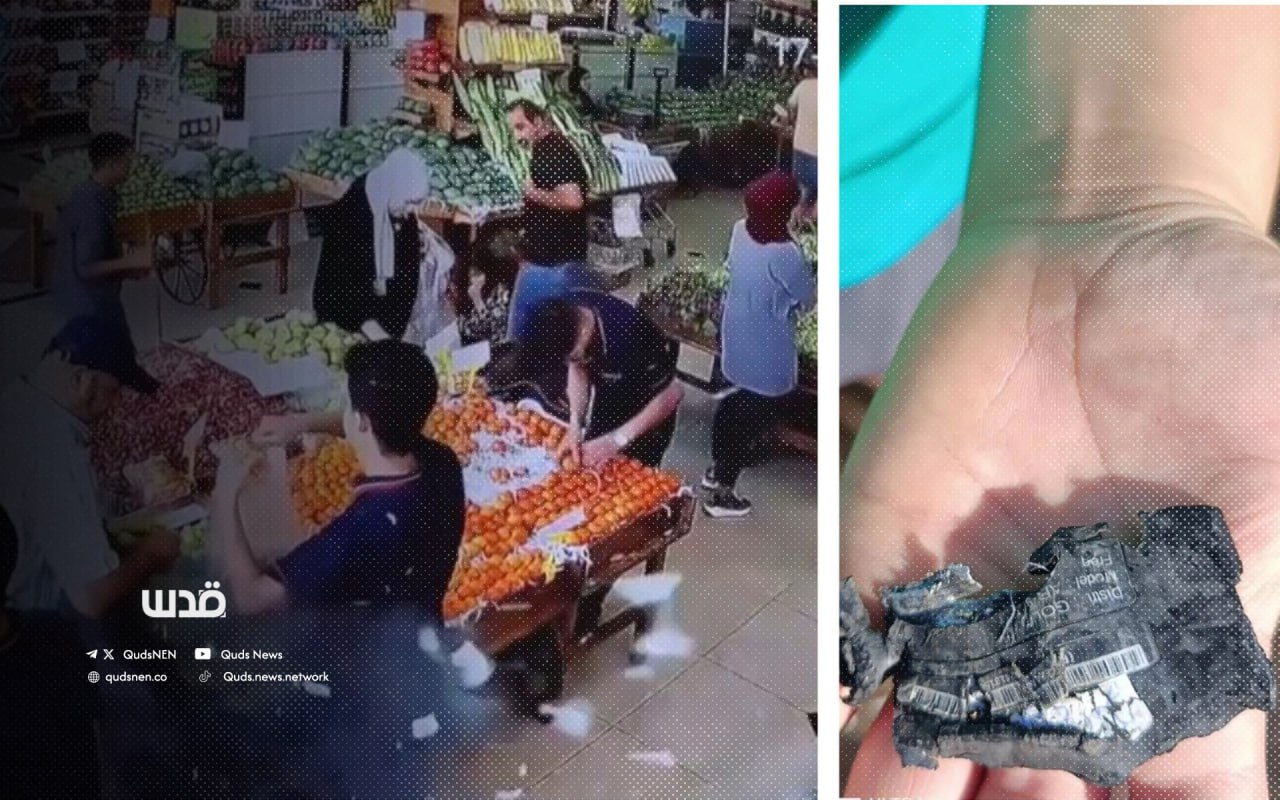
When it was clear there was no shooting in the area, they asked the man if it was his phone or the battery trying to pinpoint the source of bleeding, until the man realized that the pager on his waist had exploded, according to a friend who preferred not to be named.

“People were everywhere, their clothes stained with blood, the smell of blood reminded me of what happened after the Beirut port explosion, I could not bear it, I left in a hurry,” a businessman, who preferred not to be named, told the Palestine Chronicle, recounting his experience while passing by one of the hospitals yesterday.

Following the ‘pagers’ attack, messages heavily circulated on WhatsApp groups requesting from people in their homes to disconnect their wi-fi from their home inverters since many of the inverters work on lithium, which apparently detonated the pagers in the cyberattack. 

The majority of people in Lebanon depend on inverters for electricity, which feed on generators or the solar system due to electricity shortages or lack of electricity altogether. A state of panic reigned amongst the majority of Lebanese in fear that the inverters might be hit as well.

An expert on technology told Sawt el Chaab (La Voix du Peuple), a local radio station, in answer to people’s fears regarding their inverters and mobile phones, that “batteries in mobile phones have  higher protection,” admitting nonetheless that the gap between Lebanon and Israel is immense in regard to technology. 

‘A Child Just Died’

The scene by the American University Hospital (AUH) and other hospitals in Lebanon was indeed a stark reminder of the Beirut port explosion in 2020. Hospitals were flooded with the injured and relatives and friends outside of the medical facilities were packed trying to get any news about their loved ones.

A day after the Israeli attack, people still gathered around hospitals, waiting for any piece of news on their loved ones. The only topic of conversation is the attack of yesterday and the state of the patients inside. The streets by the hospitals are dotted with doctors and nurses running in and out of the hospital.

“A child just died,” one man said while on the phone coming out of AUH.

A group of young men in front of the hospital were discussing the insanity of these devices being detonated all at the same time.

I approached two women sitting on a bench by the AUH and asked them if they were waiting for someone.

“My nephew is inside,” she said. “How is he?”, I asked. “He’s ok, thank God,” she answered, “God will avenge us,” she added.

At the nearby Clémenceau Medical Center (CMC), and Makassed General Hospital further away, although less crowded, the scene is similar to military presence around the medical facilities. 

“The situation is bad, the hospital is full, they are even opening the outpatient departments due to the flooding of patients, it’s very bad,” a registered nurse at one of Beirut’s hospitals who spoke to the Palestine Chronicle on condition of anonymity. 

She explained that most injuries are in the fingers, face and hip. 

“It depends where the pager was, most people held the pager when it beeped to check if there was a message and it exploded in their hand so some endured injuries in the face and in the fingers. Others the pager was on their waist,” the registered nurse added.

The Palestinian hospitals, especially in the south of Lebanon, namely Al Hamshari Hospital in Saida, received numerous injury cases due to the over-flooding of the Lebanese hospitals. 

Also, Palestinian hospitals throughout Lebanon mobilized their staff and volunteers throughout the country to receive the wounded and “provide (the victims) with all support and assistance,” according to the Palestinian Ambassador to Lebanon, Ashraf Dabour.

The Palestinian Liberation Organization (PLO), along with all Palestinian groups in Lebanon, condemned the criminal attack and expressed their utmost “support and solidarity with the Lebanese people in the face of the Zionist attack.”

Lebanese political analyst Hussein Ayoub and editor in chief of the Arabic website ‘180 Post, told the Palestine Chronicle that Tuesday’s events are unprecedented due to the unconventional method that was used and the extremely high number of casualties, which he says is expected to rise. 

“It was a sudden and unexpected terrorist attack and a huge security breach,” he said, adding that he’s been asking himself since the attack yesterday what if this attack happened during the war and why didn’t the Israelis leave it till the war breaks.

According to Ayoub, the answer to this question could surface in the coming hours, because had Israel done this during a war the consequences would have been unimaginable. 

The political analyst admitted that “at one point in a battle you have to admit that your enemy did hit you but that this strike does not determine the outcome of the battle.”   

Ayoub says that Hezbollah must reconsider all its approaches, military formations and the subject of communications during the war.

“I believe that the matter requires a different kind of discussion, first, regarding seizing the national unity in the country, since everyone is in solidarity right now regardless of whether they are with the Resistance or not,” he stressed. 

“Secondly, in light of the Israeli superiority in war of technology, Hezbollah must return to the traditional and primitive means of previous guerrilla work,” the political analyst added. 

Ayoub believes that this is extremely necessary because we must understand that “the world’s capabilities are mobilized in service of Israel, including weapons, technology and AI, and all these are not in our service, on the contrary, they are fighting us.”

This article is reproduced from the Palestine Chronicle.

Continue reading
Israel Bombs Gaza Into The Dark Ages

Israel’s deliberate cut-off of electricity to the Gaza Strip for almost a full year now has had catastrophic effects and long-lasting humanitarian repercussions, affecting every aspect of residents’ lives. The subjection of over two million individuals to deplorable living conditions by Israel, including cutting off their electricity, is a tool of its ongoing genocide against the Palestinian people.

Total black-out

Cutting off electricity to a 2.3 million-person population spread over 365 square kilometres for almost a full year is a highly unprecedented measure in the history of conflicts and wars, as it is not only the product of military operations but also a political decision. Israeli officials have clearly stated that their goal is to annihilate the Palestinians in the Gaza Strip.

Israeli Defense Minister Yoav Gallant announced, on 7 October 2023, “a complete siege … no electricity, no water, no food, no fuel. We are fighting human animals, and we act accordingly.” Subsequently, on the same day, Israeli Minister of Energy and Infrastructure Yisrael Katz decided to cut off the Gaza Strip’s electricity supply, and the Minister of Defense decided to prevent the entry of any trucks carrying fuel.

Following these decisions, the 120 megawatt feeder lines from Israel to the Gaza Strip were disrupted on 8 October 2023, and this disruption has continued to the present day. As part of its genocidal war against Palestinians, Israel has also prohibited the entry of fuel into the Strip, shutting down the sole power plant in the enclave. The power plant produced a maximum of 80 megawatts until its fuel stock ran out on 10 October 2023, leaving the Strip completely dark.

Targeting solar panels

Israel did not stop at these two measures to cut off electricity to the Gaza Strip; instead, it launched a concerted campaign over the course of several months to seize alternative energy sources that some residents and service facilities relied on. These attacks targeted solar energy systems and panels installed on building roofs as well as public and private facilities, such as bakeries, hospitals, restaurants, and shopping centres. This suggests that Israel has a deliberate strategy to destroy any source of electricity, even a small amount of it, in order to guarantee total blackout conditions for residents of the Gaza Strip.

Recently, the Israeli occupation army bombed a number of residences, as well as Internet and electricity charging stations, that depend on small solar panels. Dozens of homes were also bombed, apparently for this specific purpose, without any security or military necessity.

Onset crises

Prior to the ongoing genocide, the Gaza Strip had been subjected to an arbitrary and illegal 17-year-long blockade that caused an acute electricity crisis. The shortfall in electricity supply amounted to roughly 60%, and conditions worsened every summer and winter. A daily total of 450 to 500 megawatts is required by the Strip, and this amount increases to 600 megawatts during the winter. Still, the supply was limited to 200 megawatts at most, compelling the local electricity authorities to implement an electricity programme which, under ideal conditions, consisted of eight hours of power followed by eight hours of blackout.

Because of the unpredictable and intentional power outages, the Gaza Strip has experienced multiple debilitating crises, with hospitals and health facilities being forced to close multiple times due to damage to solar energy systems and electricity generators. The situation has been made worse by the lack of fuel and ongoing failure of the surviving generators, attributable to their constant use. Consequently, a number of hospital patients—including infants in incubators, injured individuals, and ventilator-dependent patients—have died, and continue to die, as a result of the power outage disrupting vital medical services. The outage has also caused the disturbance of medical laboratories, impeding the performance of essential tests, and causing supplies and medications to be stored improperly.

Power outage, a weapon of war

The power outage assists in Israel’s use of starvation as a weapon of war, as well. Following the decision to shut off the water supplies to the Gaza Strip during the first days of the Israeli military assault, the power outage also resulted in the cessation or obstruction of desalination plant operations, particularly in northern Gaza, and triggered the now-entrenched practice of using starvation as a means of systematically displacing residents from the northern parts of the Strip.

The lack of fuel and the power outage also made it more difficult for municipal crews to deliver water that they are able to extract from wells. Hundreds of thousands of residents and displaced people have been forced to drink contaminated water during the ongoing genocide, and the per capita share of water in the enclave has dropped by 97% amid the extensive destruction of the Strip’s water infrastructure.

No fuel, no water

In contrast to a daily consumption rate of approximately 84.6 litres per person in 2022, the per capita share of water in the Gaza Strip has dropped to between three and 15 litres per day, according to a joint report released by the Palestinian Central Bureau of Statistics and the Palestinian Water Authority. The report states that approximately 65 sewage pumps and six wastewater treatment plants have shut down as a result of the power outage, resulting in numerous environmental issues and aiding in the spread of epidemics and contamination of the groundwater reservoir. Skin, respiratory, hepatitis, and other infectious diseases have spread as a result. Additionally, the shutdowns have disrupted sanitary landfills and solid waste collection; the rate of waste collection was estimated to be 98% prior to the genocide, and is currently less than 20%.

Due to Israel’s arbitrary blockade and decision to prevent the entry of humanitarian aid and essential materials like fuel into the Gaza Strip, even partial solutions—e.g. the entry of limited quantities of fuel provided by the United Nations to operate generators in some hospitals, water stations, and water wells—remain insufficient and subject to frequent interruptions. This has increased the psychological burden on Palestinians in the Strip and put hundreds of thousands of residents and patients in constant danger.

The Office for the Coordination of Humanitarian Affairs (OCHA) reported on 24 November 2023 that 75,000 litres of fuel entered Gaza from Egypt, following an Israeli decision on 18 November to allow the daily entry of small amounts of fuel for essential humanitarian operations. Notably, the Strip requires about 200,000 litres of fuel on a daily basis.

Eliminating jobs

The power outage has also impacted all other aspects of life, including affecting the few remaining manufacturing jobs; irrigation operations for agricultural lands; damaging dozens of tons of aid that need to be refrigerated; disrupting ongoing attempts at distance learning; and eliminating thousands of remote job opportunities. The outage has resulted in catastrophic damage and the deaths of many residents, with long-term consequences that will last for years to come. Euro-Med Human Rights Monitor emphasises that this situation has resulted in serious psychological scarring to the population, with 10s of thousands of young children growing up without ever seeing electricity.

Studying in the dark

Muhammad Ishaq Al-Ghazi, a researcher pursuing a master’s degree at Gaza’s Al-Azhar University, spoke with the Euro-Med Monitor team. “The power outage has had a significant impact on our lives,” stated Al-Ghazi. “My academic career was affected as a result. I struggled with studying in the dark and had to walk three kilometres to see a friend who had a broken solar panel so I could pass exams.”

“We have returned to primitive life because of the power outage,” Kholoud Najib Al-Habashi, from the northern Gaza Strip, told the Euro-Med Monitor team. Al-Habashi spoke of her time spent baking over a wood fire: “There is no oven, so we are forced to knead by hand and bake on a tray directly over the fire rather than in an electric or gas pot. There is no refrigerator, no washing machine, and no nighttime lighting. Everything is primitive and exhausting.”

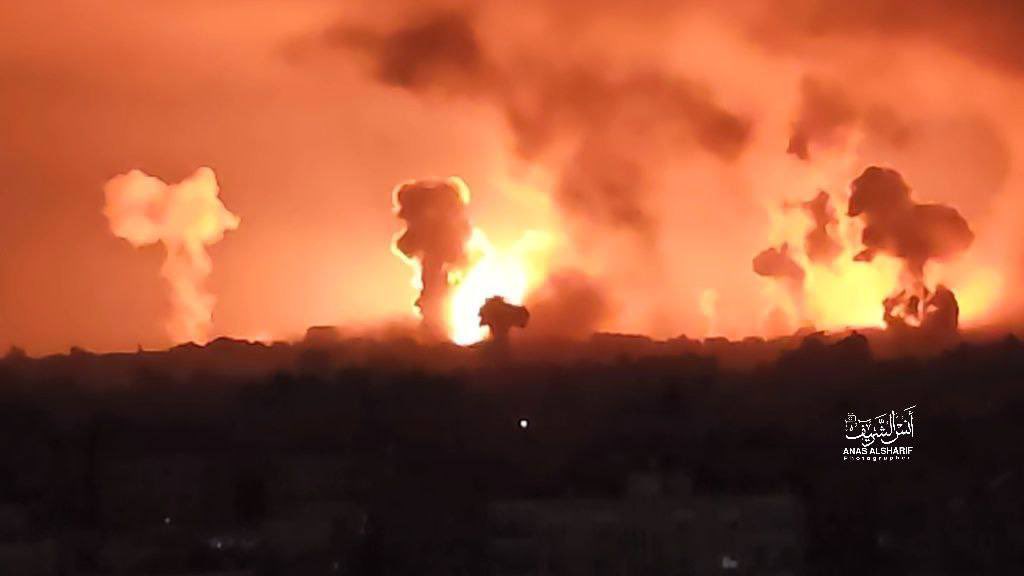
Thirteen-year-old Salem Hamid stated, “Since the start of the war, there has been no electricity. Except for Israeli lighting bombs and missile glow, the night descends into total darkness and terror. For hours, I have to gather cardboard and wood, so my mother can bake and cook for us over the fire.”

Returning to primitive life

Many of the hundreds of thousands of Gaza Strip residents who are compelled to light wood fires in place of using cooking gas and electricity to cook and carry out daily tasks have already started to experience respiratory and vision issues that will likely have long-term or permanent effects on their health.

The International Criminal Court issued arrest warrants on 5 March 2024 against two Russian officers suspected of being responsible for airstrikes carried out by Russian forces under their command. These attacks targeted Ukraine’s electrical infrastructure, including several power plants and substations. The Court found that while some of these attacks were directed against civilian targets, others targeted military-grade facilities and inflicted collateral damage on civilians and their property that was obviously disproportionate to the anticipated military advantage.

Accordingly, the Court classified these acts as war crimes under the Rome Statute. The Court further concluded that the airstrikes constituted a “recurring pattern of acts” against civilians in accordance with state policy and that they caused the Ukrainian people great suffering, in accordance with the definition of “inhumane acts”. As a result, the Court also determined that these actions qualified as crimes against humanity under the Rome Statute.

The international community must move to protect Palestinians, just as it has Ukrainians. It must act quickly to end Israel’s illegal blockade of the Gaza Strip; supply it with electricity and maintain these networks of electricity; rebuild other critical infrastructure that the Israeli bombing has destroyed; and guarantee that electricity is delivered to all facilities, starting with water and sanitation services and hospitals. This urgently requires the provision of generators and fuel.

The international community must uphold its obligations under international law to stop Israel from committing genocide against the Palestinian people in the Gaza Strip, a crime that has been ongoing since 7 October 2023. It must use genuine pressure tactics to compel Israel to immediately cease all of its crimes, including genocide, and to abide by international law and the ruling of the International Court of Justice in order to safeguard Palestinian civilians in the Strip from further atrocities.

The International Criminal Court must act quickly to issue arrest warrants for Israeli Prime Minister Benjamin Netanyahu and Defense Minister Yoav Galant; broaden the scope of its investigation into individual criminal responsibility for crimes committed in the Gaza Strip, to include everyone involved; issue warrants for their arrest; hold them accountable; and categorically declare Israel’s ongoing crimes to be genocide.

As part of their international moral and legal obligations, all nations must put an end to all forms of military and financial support of, and political cooperation with, Israel. This includes an immediate stop to all arms sales, exports, and transfers to Israel, including export licenses and military aid.

All nations that cooperate with Israel in committing crimes by providing it with any kind of direct support or assistance (most notably, the United States), must be held accountable. Giving aid and engaging in contractual agreements with Israel relating to the military, intelligence, politics, law, finance, and the media, among other domains that might help its crimes continue, is enabling Israel to commit its atrocities against Palestinians. The relevant employees and decision-makers in these countries must be held accountable, as they are complicit and partners in the Israeli crimes committed in the Gaza Strip, including the crime of genocide.

The international community must move quickly to address the root cause of the 76-year-long suffering and persecution of the Palestinian people, which is the Israeli occupation and settler colonisation of Palestine. It must put an end to Israel’s illegal occupation of the Occupied Palestinian Territory, including the Gaza Strip; abolish the apartheid system that has been imposed on all Palestinians for decades; lift the illegal, 17-year blockade on the Gaza Strip and its inhabitants; and take decisive action to support the path of Palestinian liberation and Palestinians’ right to self-determination.

This article is reprinted from the EuroMed Human Rights Monitor website

Continue reading