ESCWA: War Affects 5 Million in Arab States

ESCWA: Conflict Could Push 5 Million more People into Food Insecurity across Arab Countries

A 20% increase in global food prices could push an additional 5 million people into food insecurity across Arab middle- and low-income countries, the United Nations Economic and Social Commission for Western Asia (ESCWA) warns in a new policy brief released Wednesday 2 April, 2026. The report underscores that this risk is immediate and growing, particularly for fragile and conflict-affected countries with limited fiscal space and high dependence on food imports.
 
The brief, titled “Conflict and its shockwaves: escalating impacts and risks for energy, water and food systems in the Arab region”, cautions that the escalating conflict in the region is triggering severe and interconnected shocks to energy, water and food systems, with potentially devastating consequences for human security and economic stability.
 
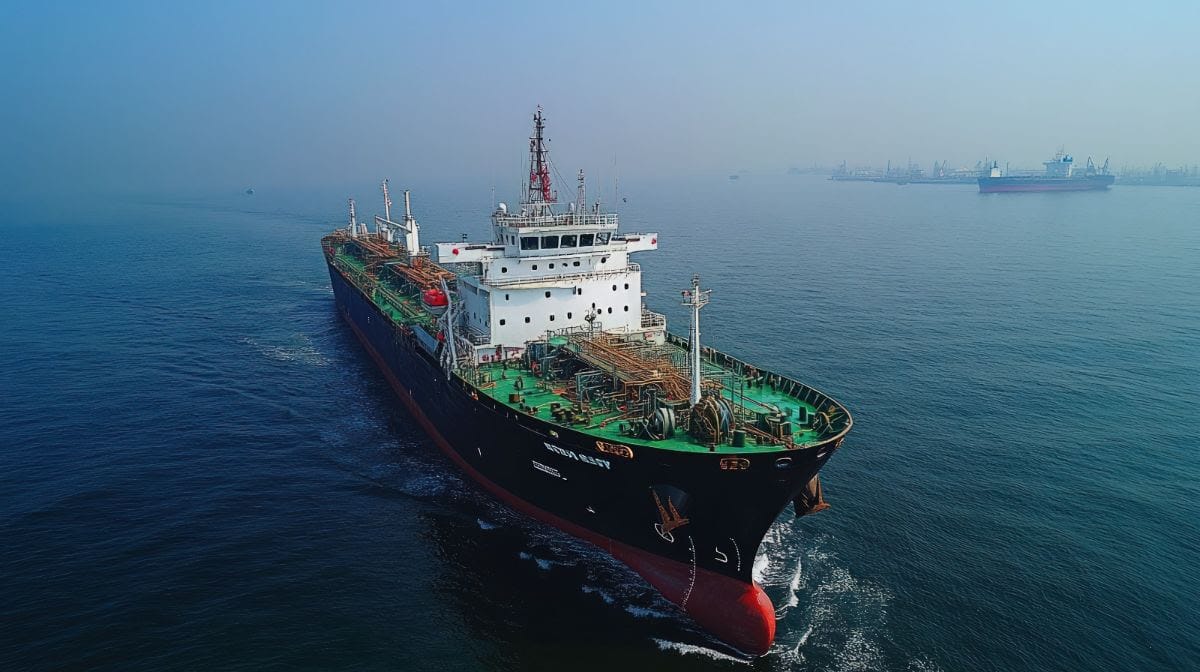
It highlights how disruptions to energy trade have been the most immediate macroeconomic shock. Oil markets are under acute stress, with Gulf hydrocarbon exports falling by 75 to 90% since the start of the war and oil prices surging above $112 per barrel due to the near-closure of the Strait of Hormuz. These disruptions are driving inflation, widening fiscal deficits, and sharply increasing transport and insurance costs across the region.
 
Water security risks are equally alarming. The brief notes that nearly 40 million people in Gulf Cooperation Council (GCC) countries depend on desalinated water drawn from the Gulf, making them highly vulnerable to any damage to energy or desalination infrastructure, as well as to marine pollution caused by the conflict. Any prolonged disruption could rapidly escalate into a humanitarian crisis, given  limited household-level  emergency water storage.
 
“These overwhelming figures entail urgent and coordinated regional action to safeguard critical supply chains,” urged ESCWA Acting Executive Secretary Mourad Wahba. “Such actions include deploying early warning systems, ensuring regional storage of strategic reserves, diversifying trade corridors, and accelerating investment in resilient energy, water and food systems.”
 
Food systems are already feeling the strain. The Arab region imports most of its cereals, and reserves remain limited, covering just over three months of consumption in recent years. Rising fuel prices, disrupted shipping routes and higher fertilizer costs are expected to further increase food prices and production costs, disproportionately affecting low-income households and vulnerable groups.
 
“Without swift intervention, the compounding effects of conflict could deepen poverty, fuel social unrest in fragile countries and reverse progress towards sustainable development across the Arab region,” Wahba added.
 
The brief is the second in a series of studies issued by ESCWA on the shockwaves of the conflict, the first having estimated that Arab economic output would be cut by $150 billion in one month.

One of five United Nations regional commissions, ESCWA supports inclusive and sustainable economic and social development in Arab States and works on enhancing regional integration.

Continue reading
Hezbollah Destroys 100 Israeli Tanks

Hezbollah has targetted its 100th Israeli Merkava tank since the start of the war on 28 February, 2026. In a statement Hezbollah says this is a major achievement against Israeli army positions along Lebanon’s southern border in daily clashes and exchanges of fire using missiles, drones, and artillery shells.

The destruction of the 100th tank is a major blow to Iraeli military morale. Hezbollah today states its fighters have managed to target Merkava tanks with guided missiles and attack drones in a number of border towns, including Qantara, Dibil, and Bayada. Its recent strike resulted in a direct hit on a Merkava tank by an attack drone, bringing the total number of tanks targeted since the start of the military confrontations to approximately 100. This is an unprecedented number since the beginning of the current war.

The Merkava tank is one of the most advanced tanks in the Israeli army’s arsenal, making the targeting of such a large number of them an indication of the intensity of the battles raging in southern Lebanon.

Continue reading
Knesset Condemns Palestinian Prisoners to Death

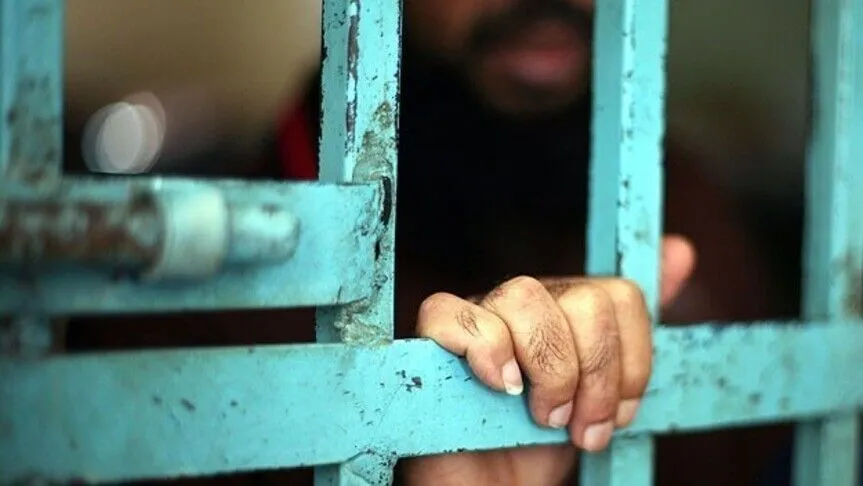
Israel’s Knesset voted Monday evening to pass a law to allow the execution of Palestinian prisoners, in a move that has triggered outrage from human rights groups.

A contentious bill, introduced by the far-right Jewish Power party led by National Security Minister Itamar Ben-Gvir, was approved in second and third readings in the Knesset by 62-48 votes.

According to Israeli media, Prime Minister Benjamin Netanyahu voted in favor of the bill.

The bill passed its first reading in November.

What does the bill propose?

The law would permit Israeli courts to impose the death penalty on individuals convicted of carrying out deadly attacks. Supporters argue the measure is aimed at deterrence and combating what they describe as “terrorism.”

However, critics say the bill’s scope would, in practice, apply almost exclusively to Palestinian prisoners, raising concerns over discriminatory enforcement.

Controversy in Israel

Before its passage, Israeli opposition lawmakers and rights groups have warned that the bill introduces a legal framework that could institutionalize unequal treatment.

Ofer Cassif, a Knesset member from the Democratic Front for Peace and Equality, called the proposal “legislation for genocide,” arguing it targets Palestinians specifically.

“The death penalty, beyond being state-sanctioned killing, corrupts society and entrenches extremism,” he said during a parliamentary debate.

Sameer Bin Said of the Hadash-Ta’al alliance also opposed the bill, warning that capital punishment is irreversible and carries risks of judicial error.

The law “raises serious concerns regarding its discriminatory nature and does not provide a real solution, but may instead contribute to further complicating the existing situation,” Bin Said added.

He said Arab lawmakers and opposition members who oppose this law “will turn to the Supreme Court to challenge it, in a step aimed at safeguarding fundamental values and protecting human rights.”

The debate comes amid heightened tensions and scrutiny over Israel’s treatment of Palestinian detainees.

According to Palestinian figures, more than 9,300 Palestinians are currently held in Israeli prisons, including women and minors. Numerous deaths were reported among Palestinians in Israeli custody due to torture, starvation, and medical neglect, according to human rights groups. Anadolu

Continue reading