 Don’t Forget Dier Yassin
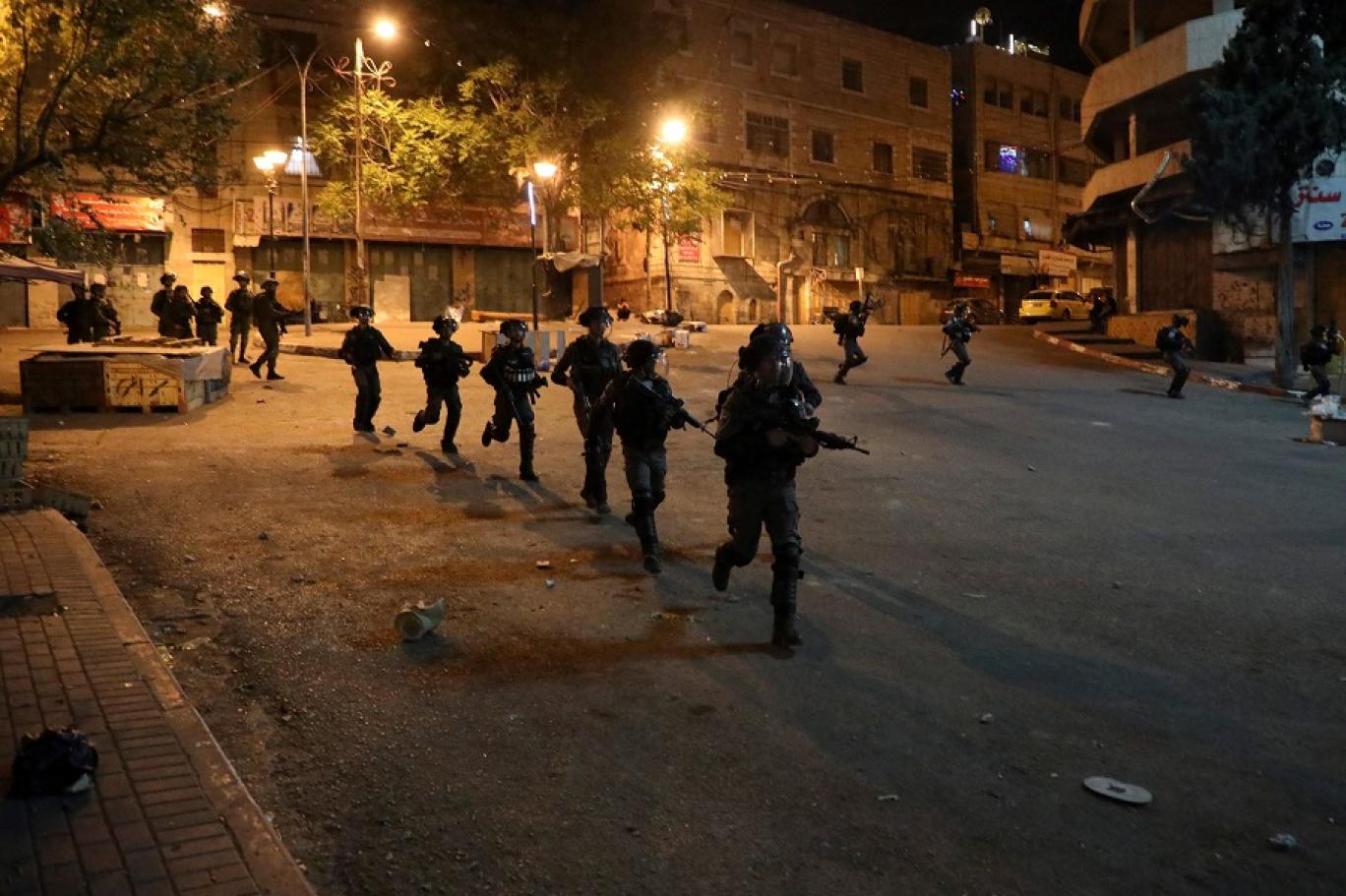
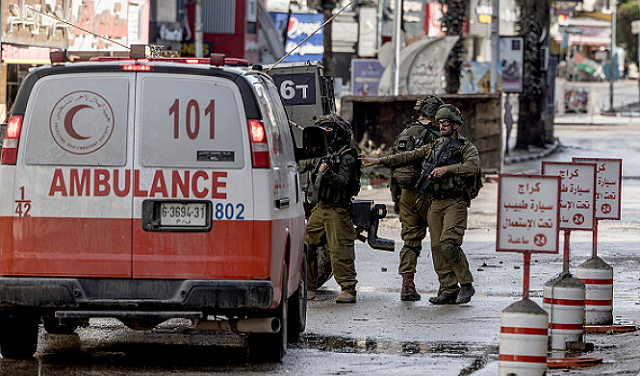
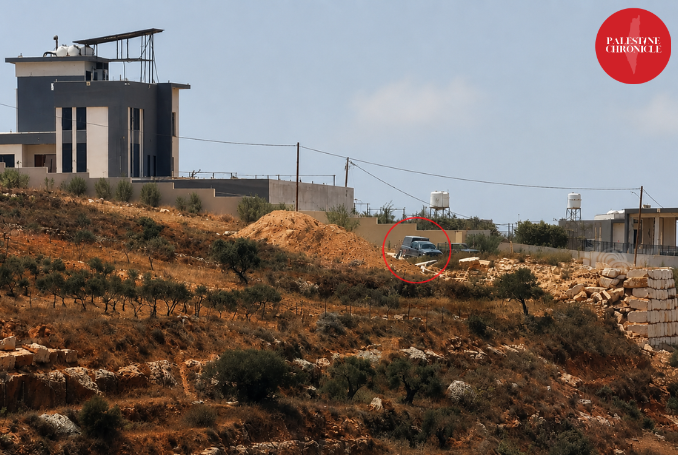 Israeli Army, Settlers Trap Three Palestinian Families in Their Homes for 11 Days
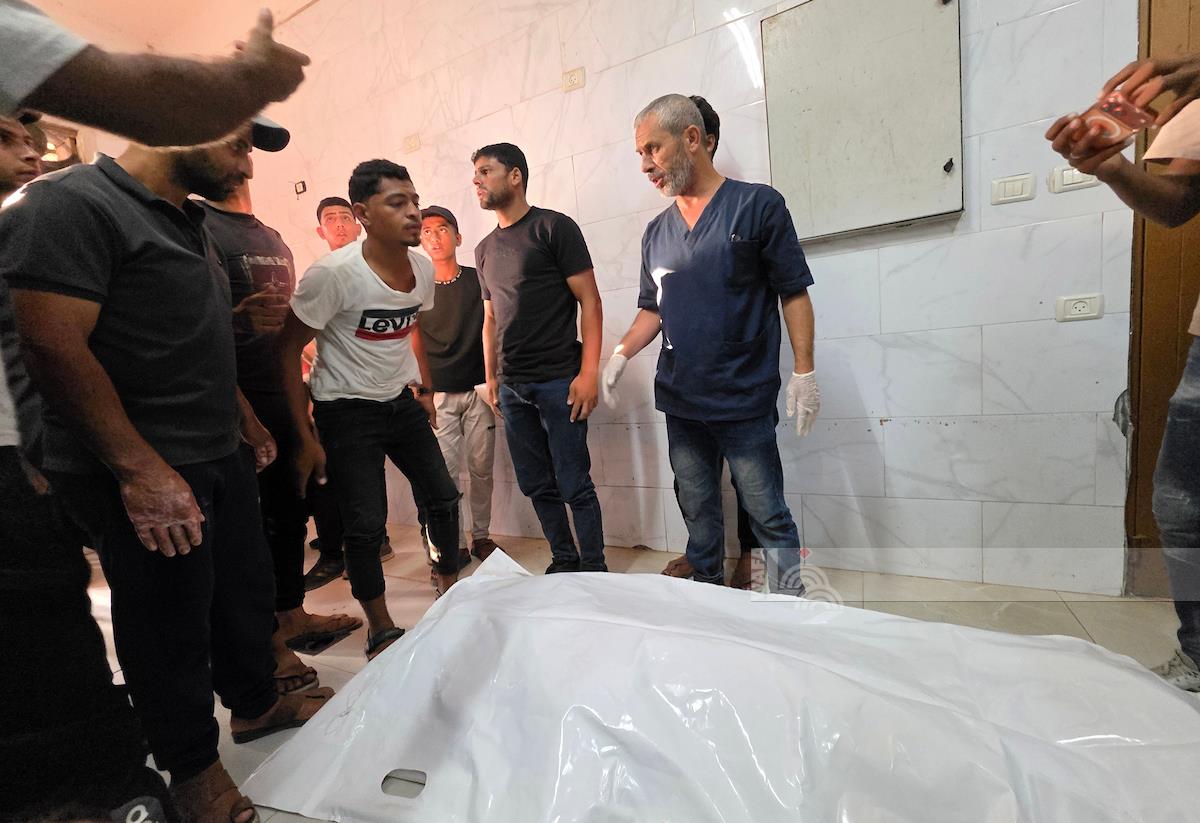
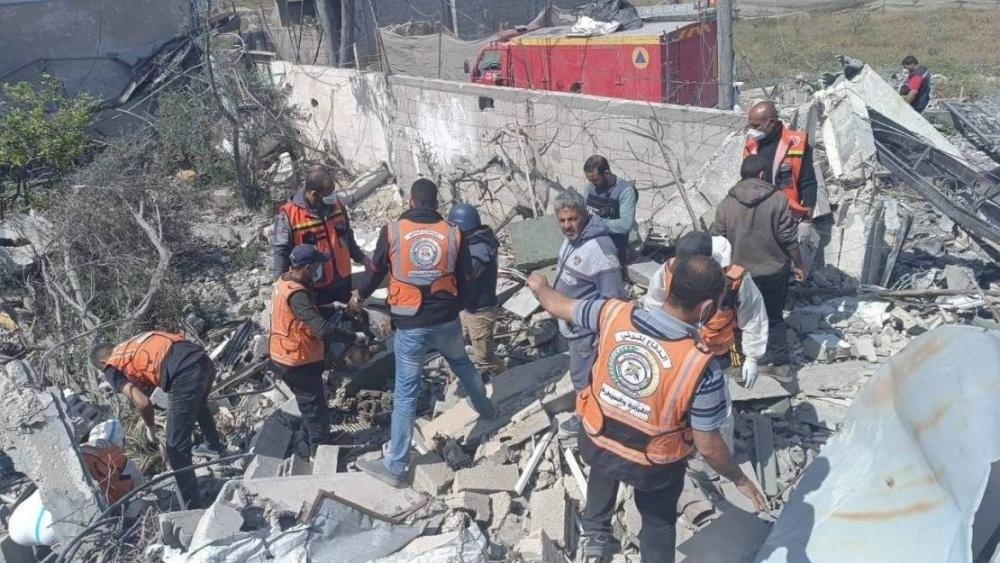
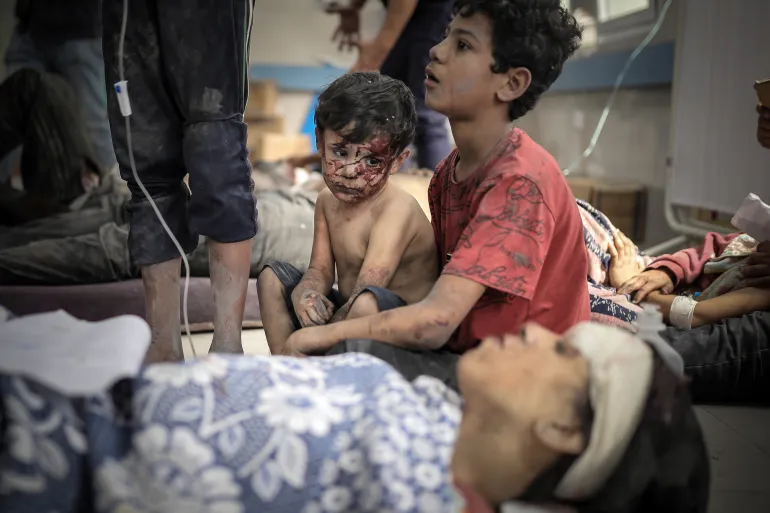
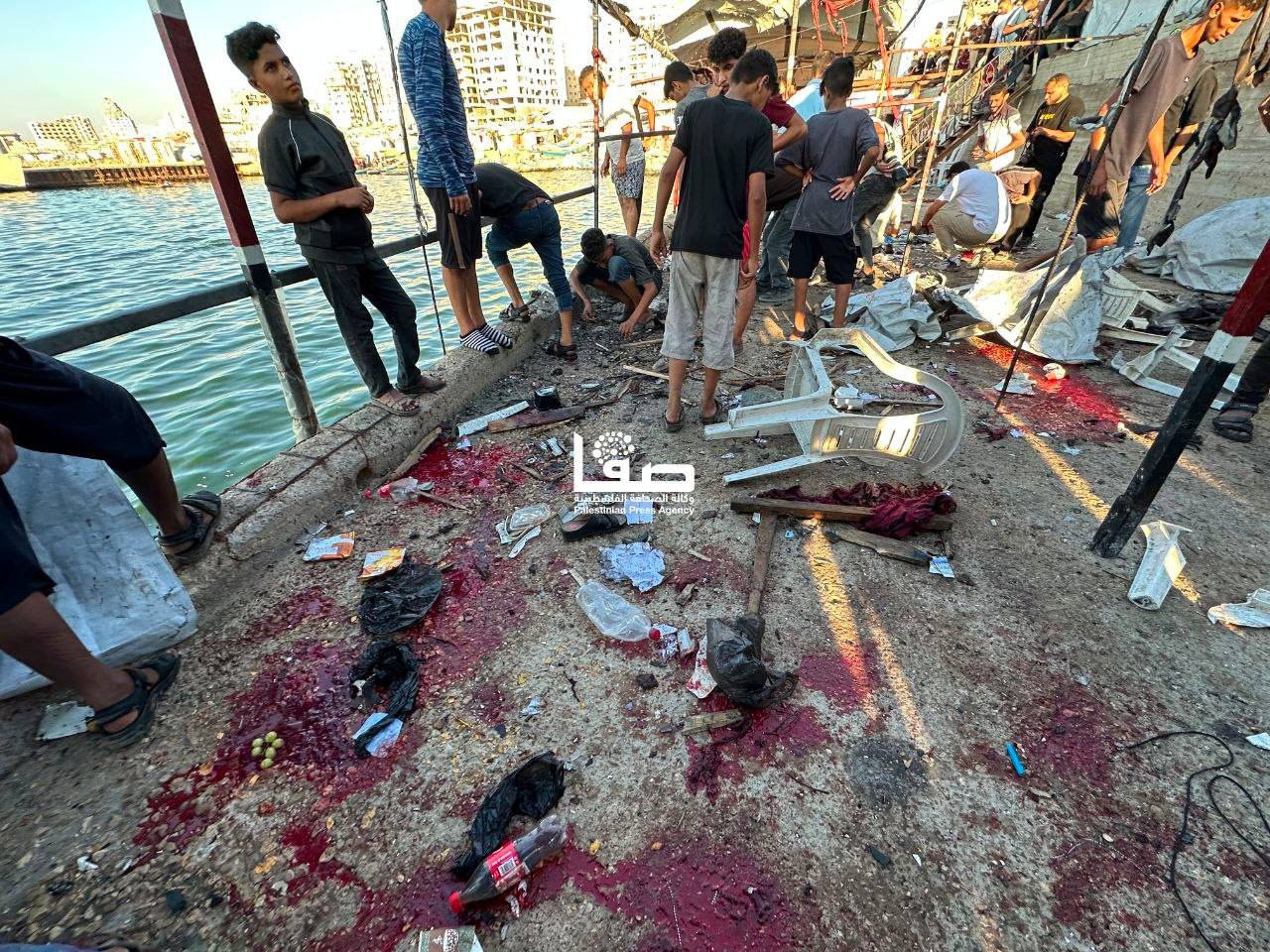 Israeli Strikes Gaza Port Café, Leaves 6 Dead, a Child and 14 Wounded
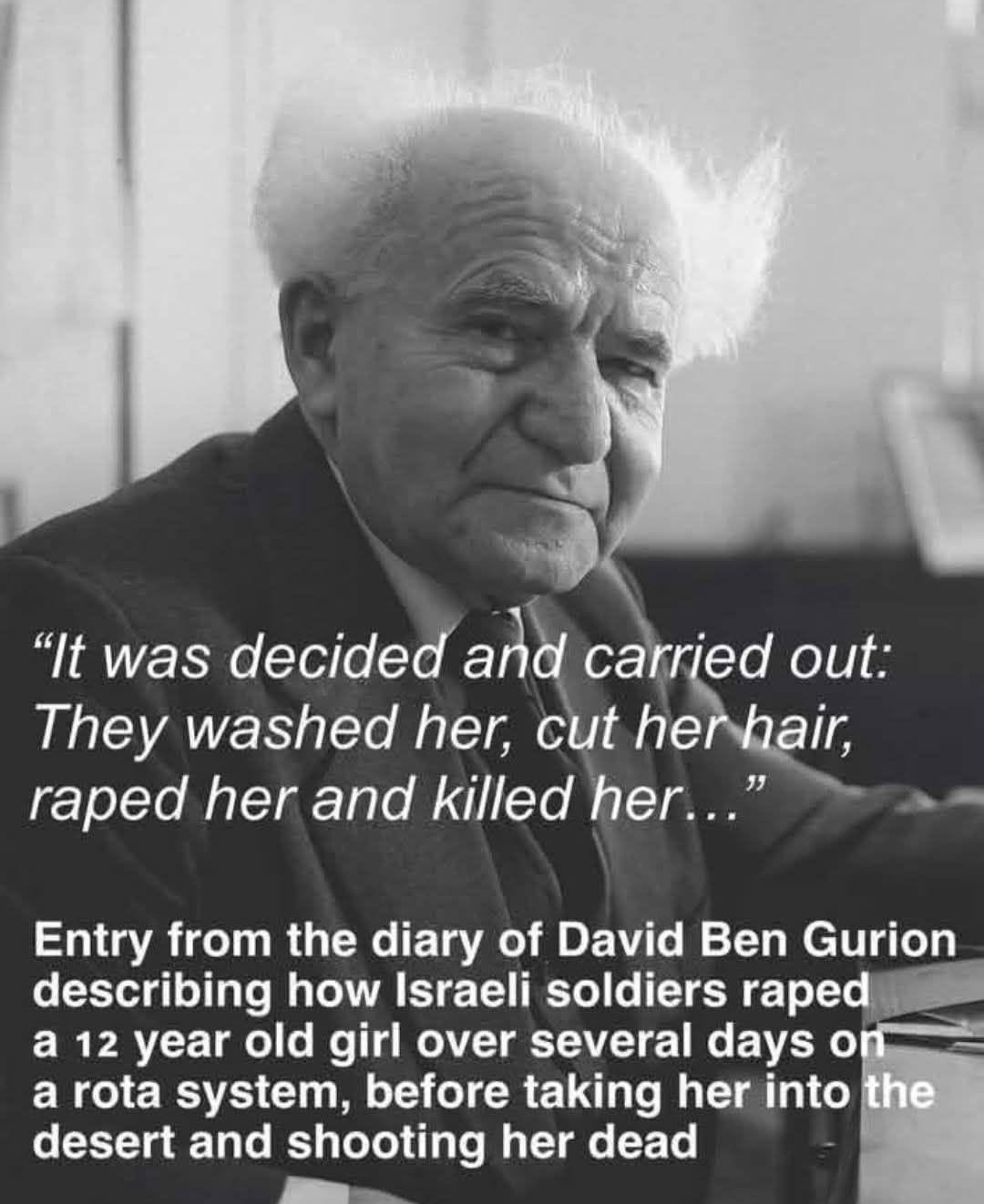 Your Ben Gurion! Revelations
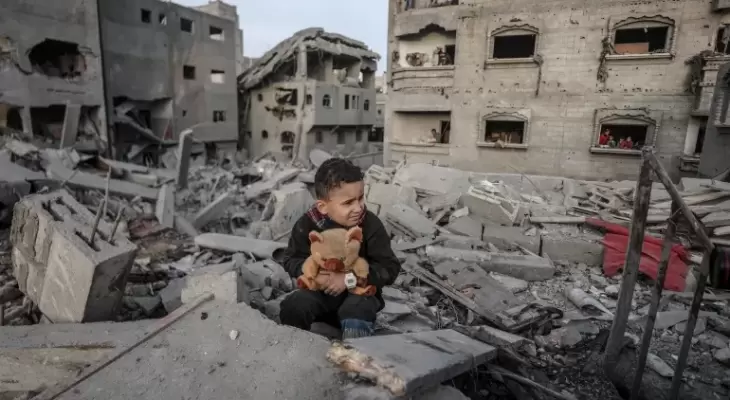
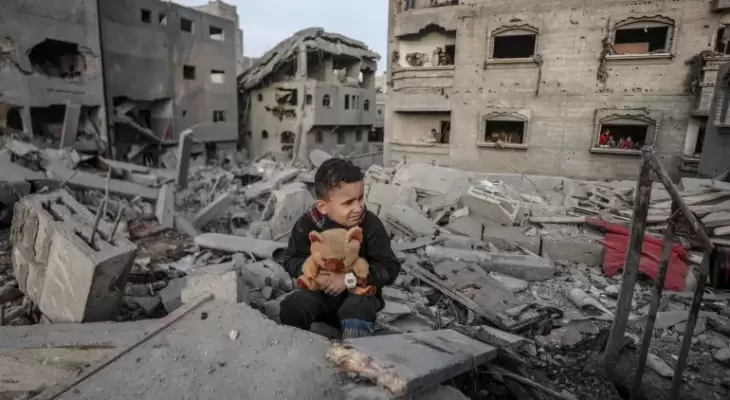
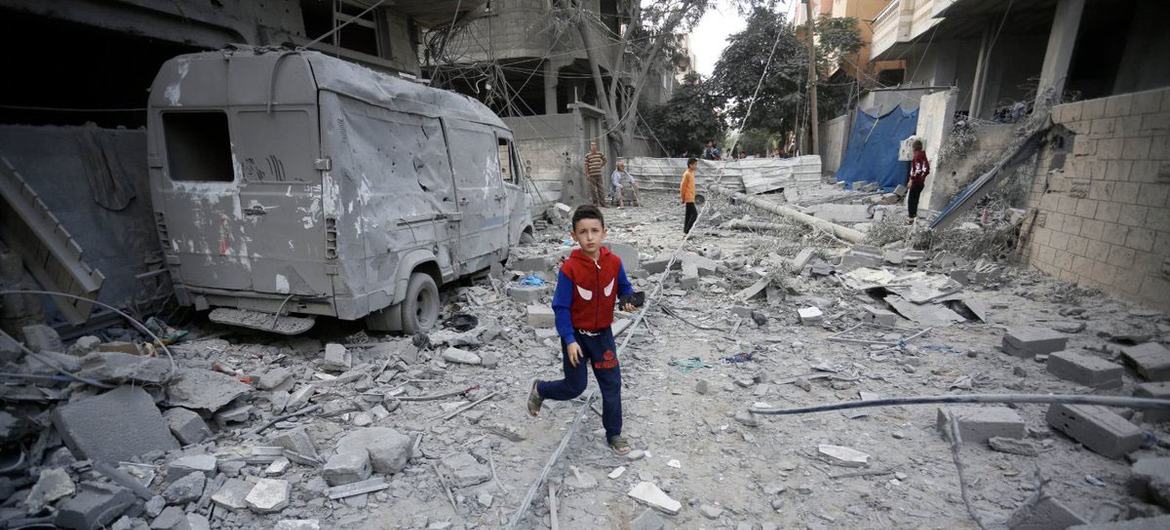
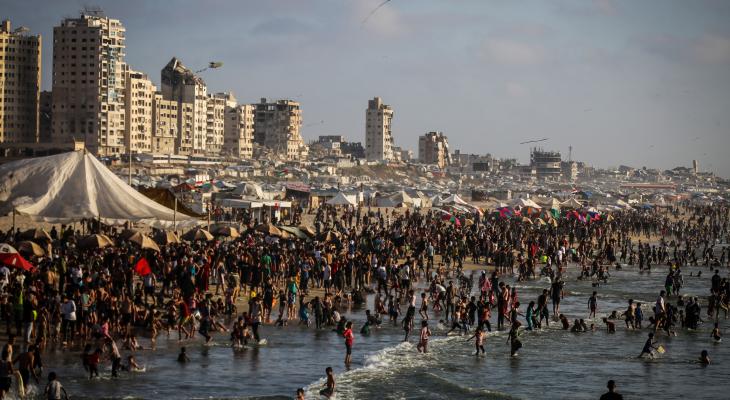
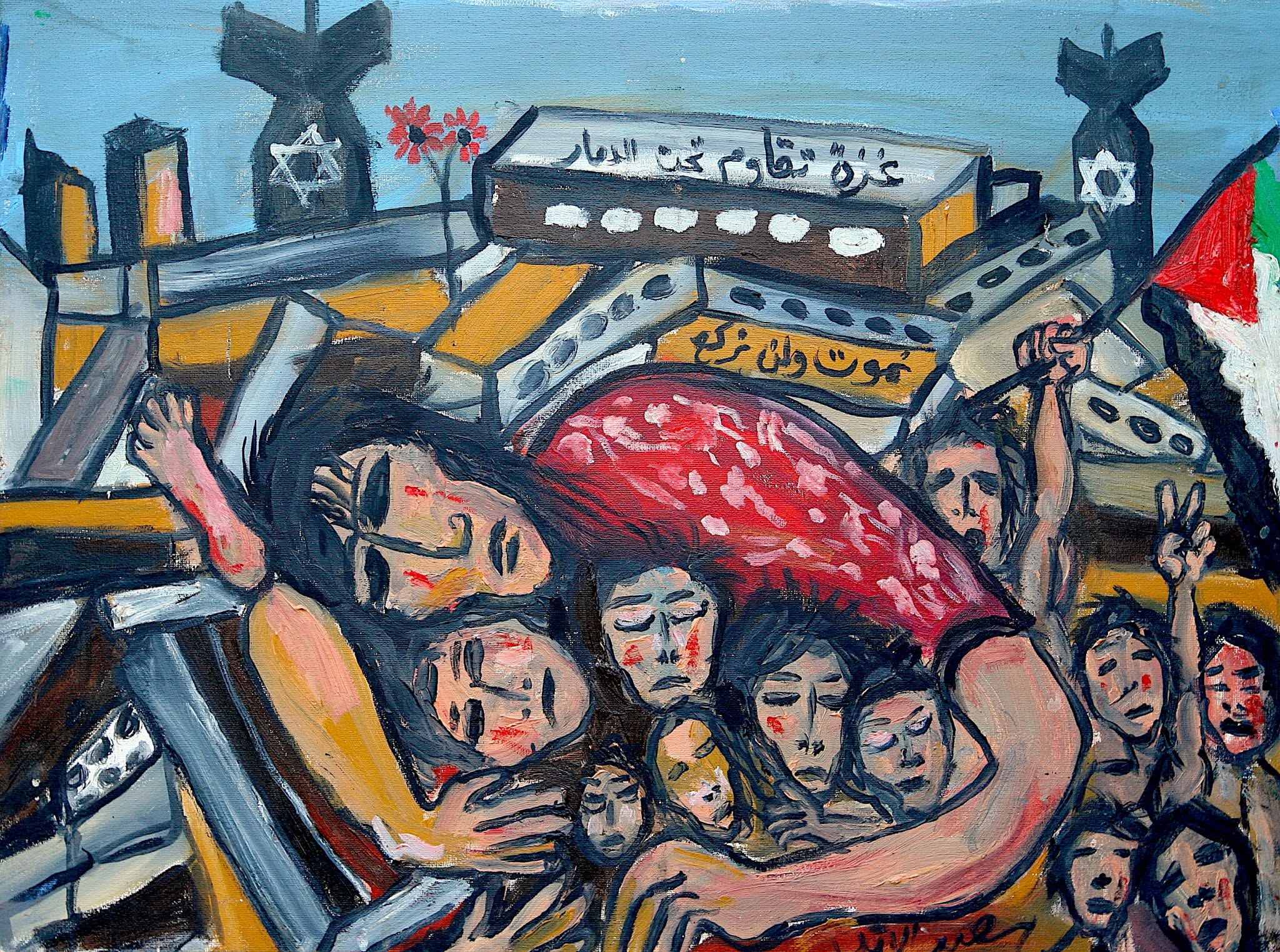
 Gaza’s Face of Destruction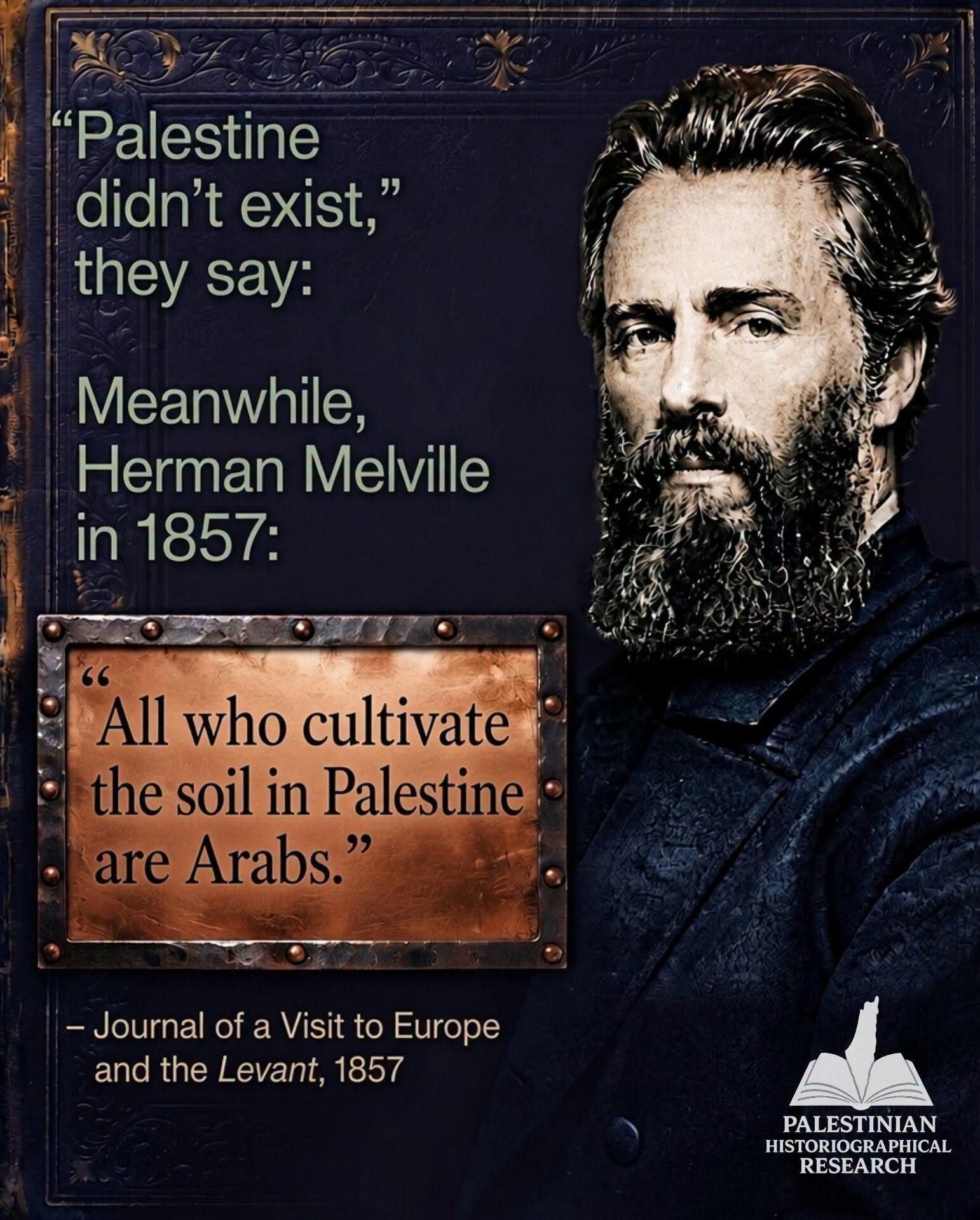

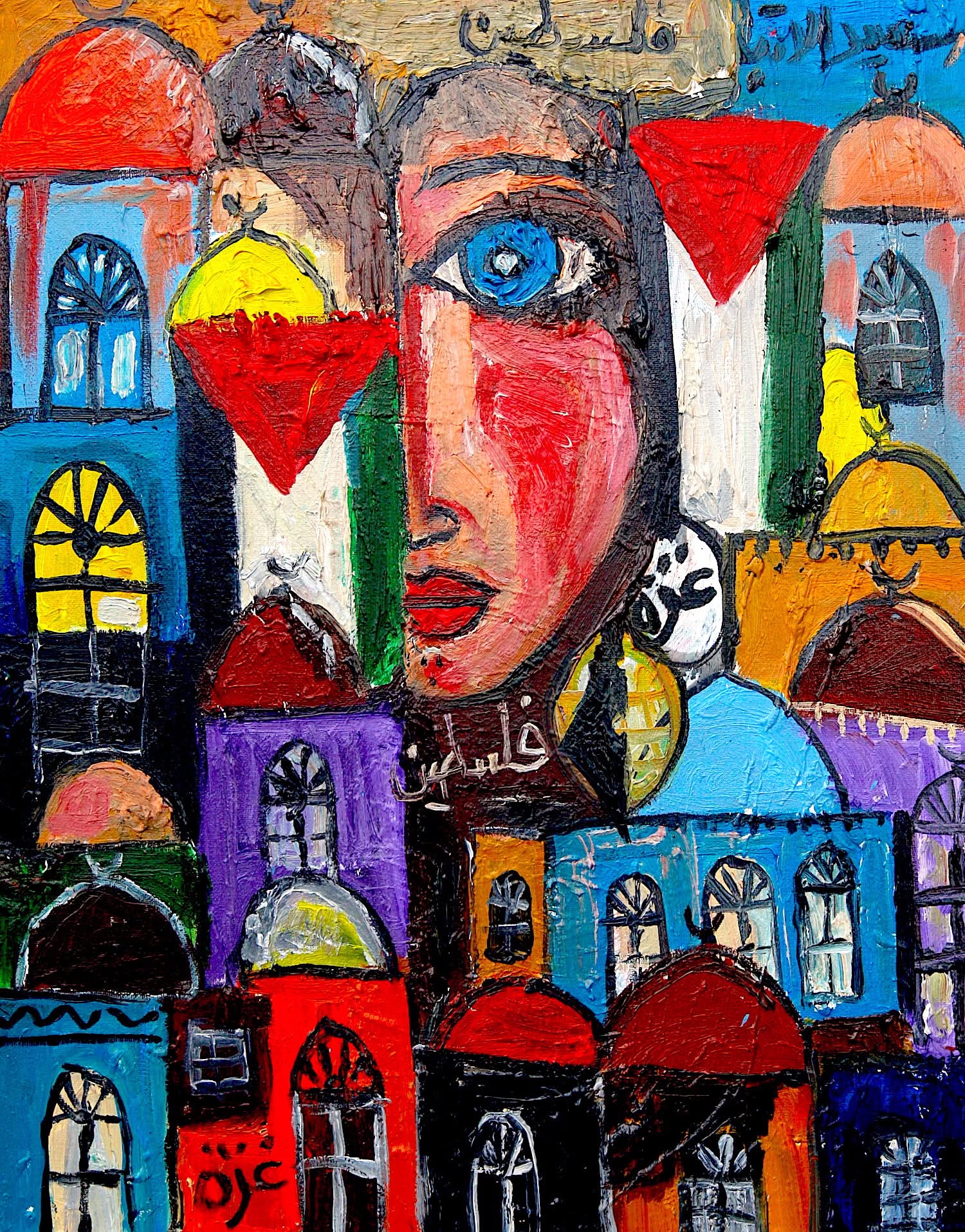
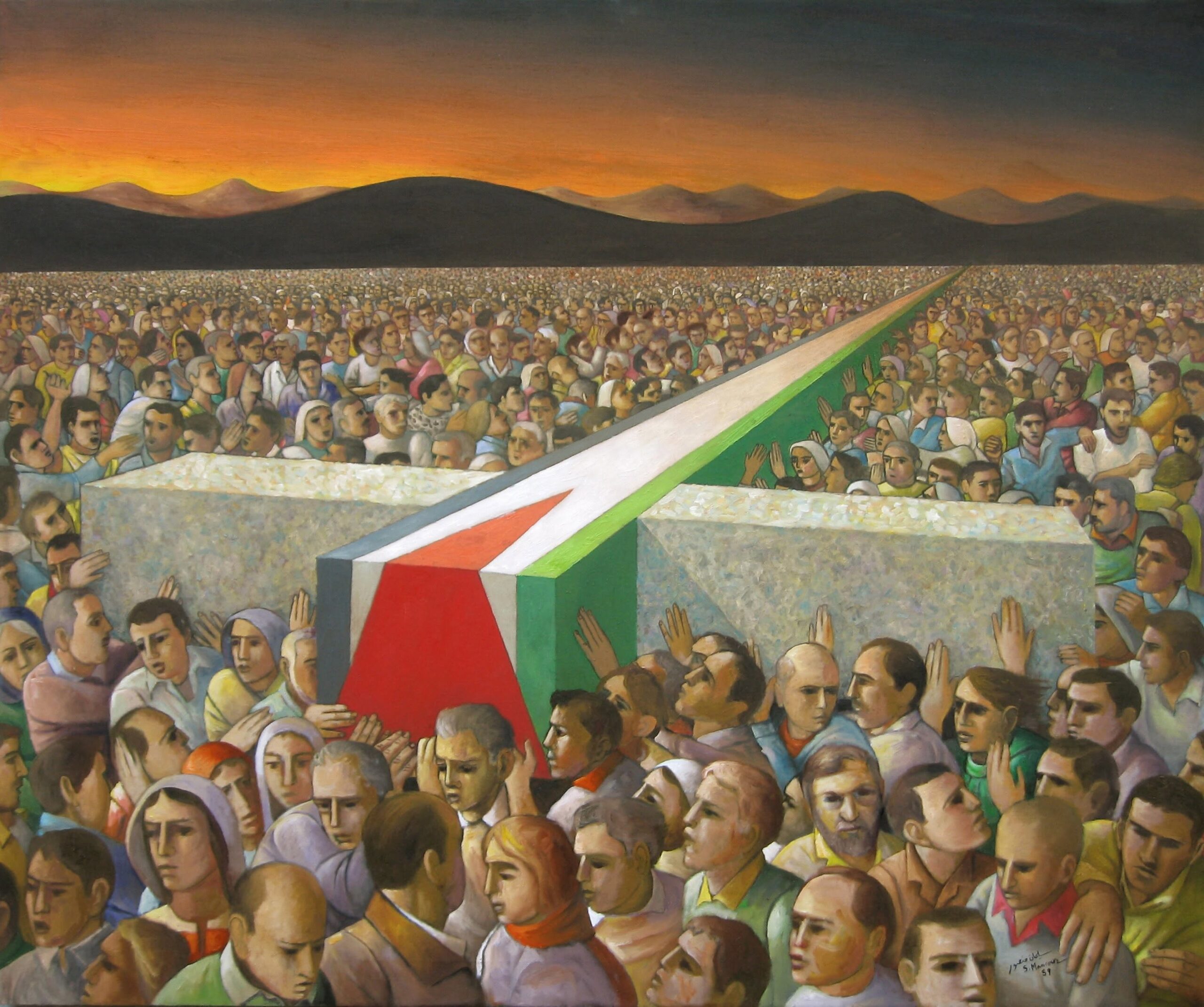
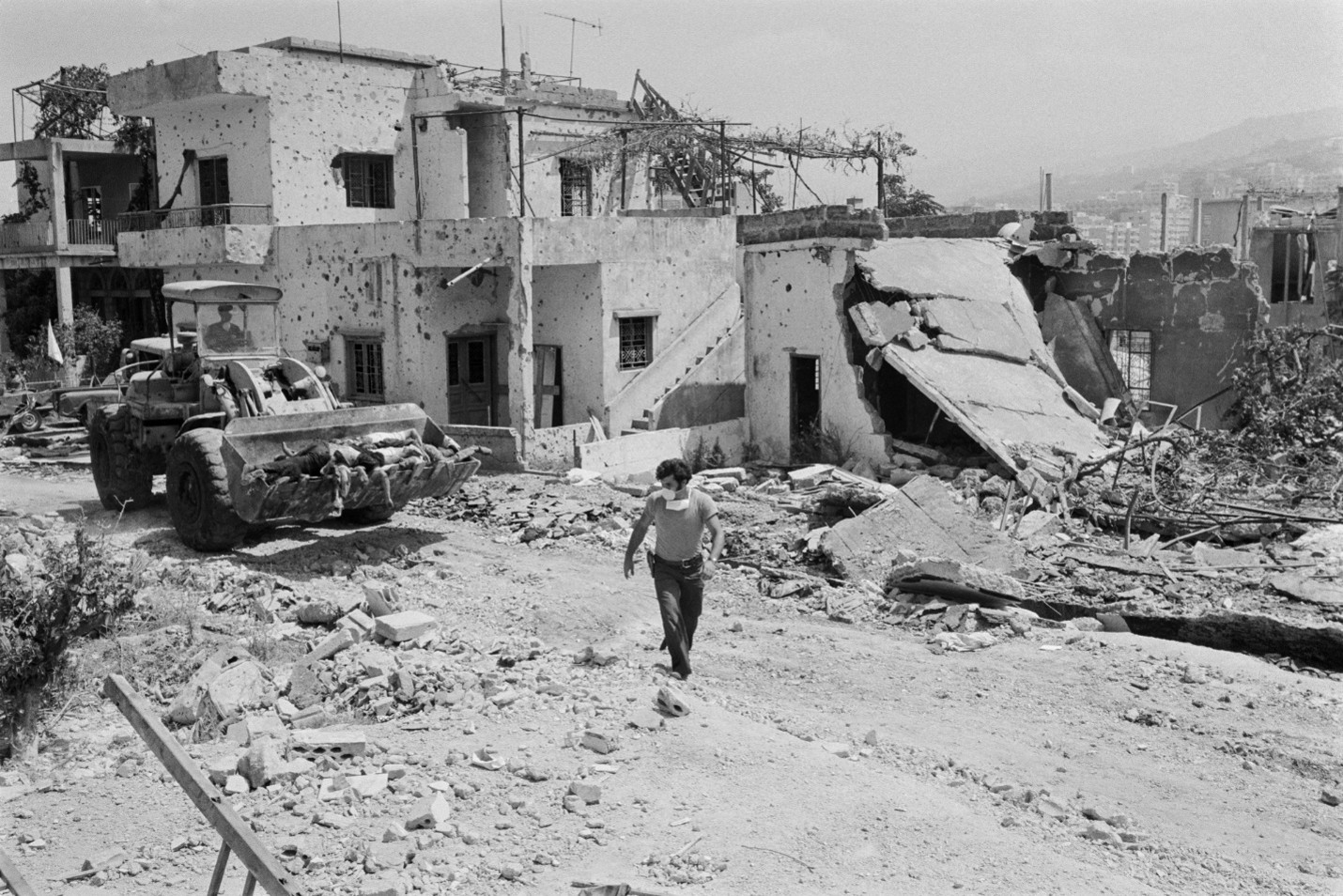
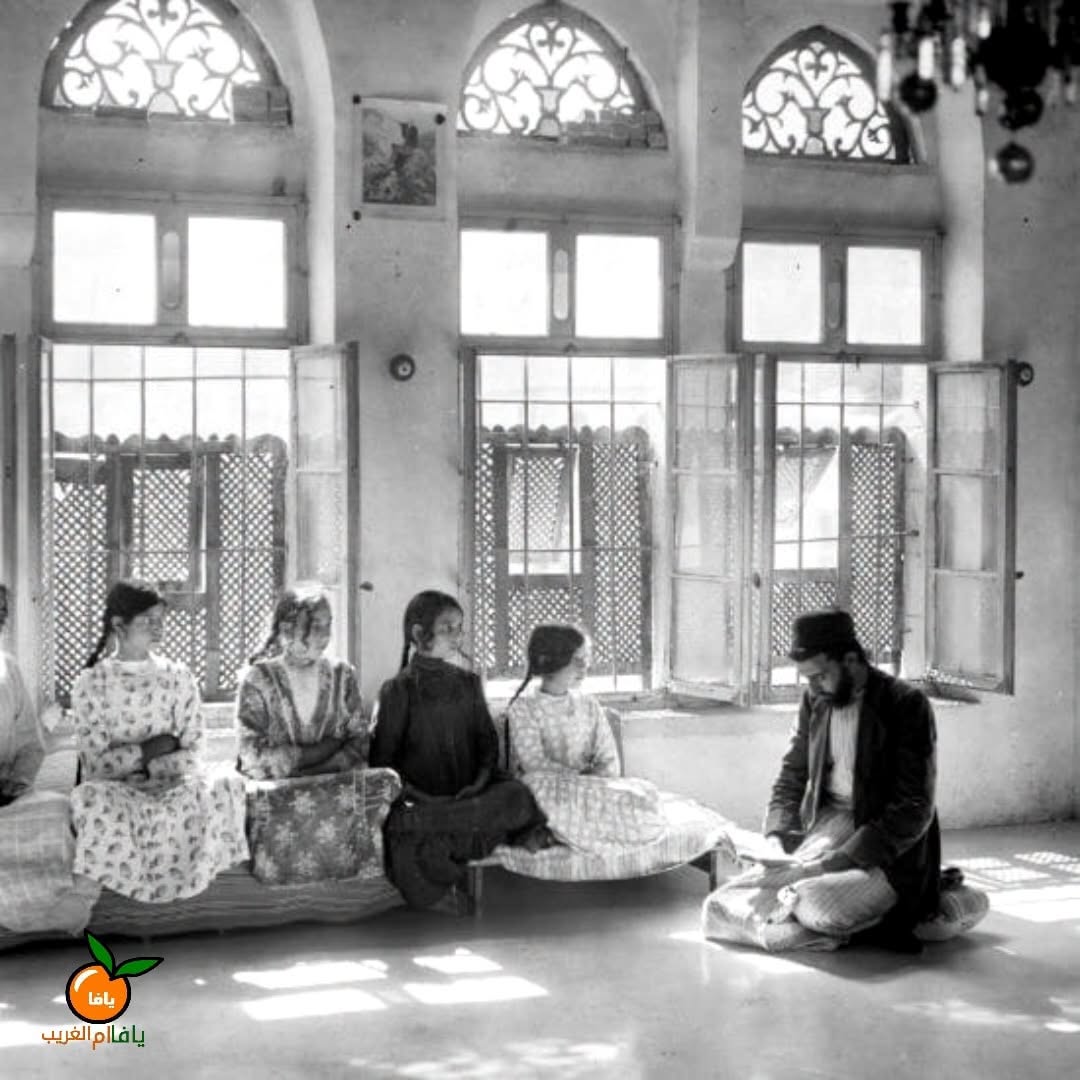
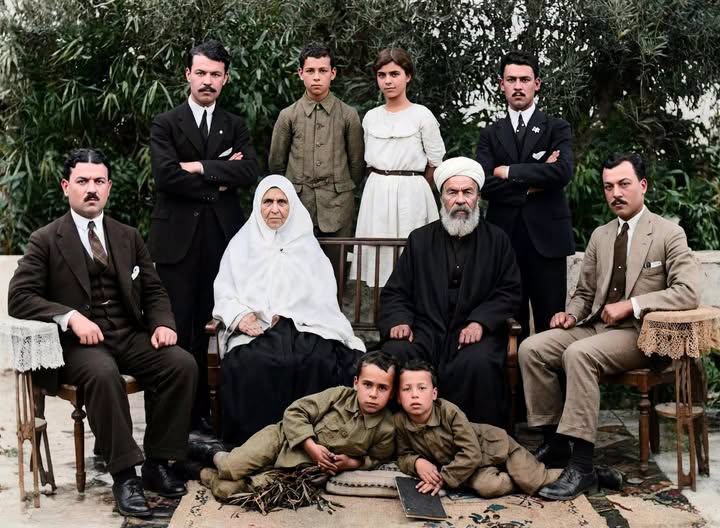
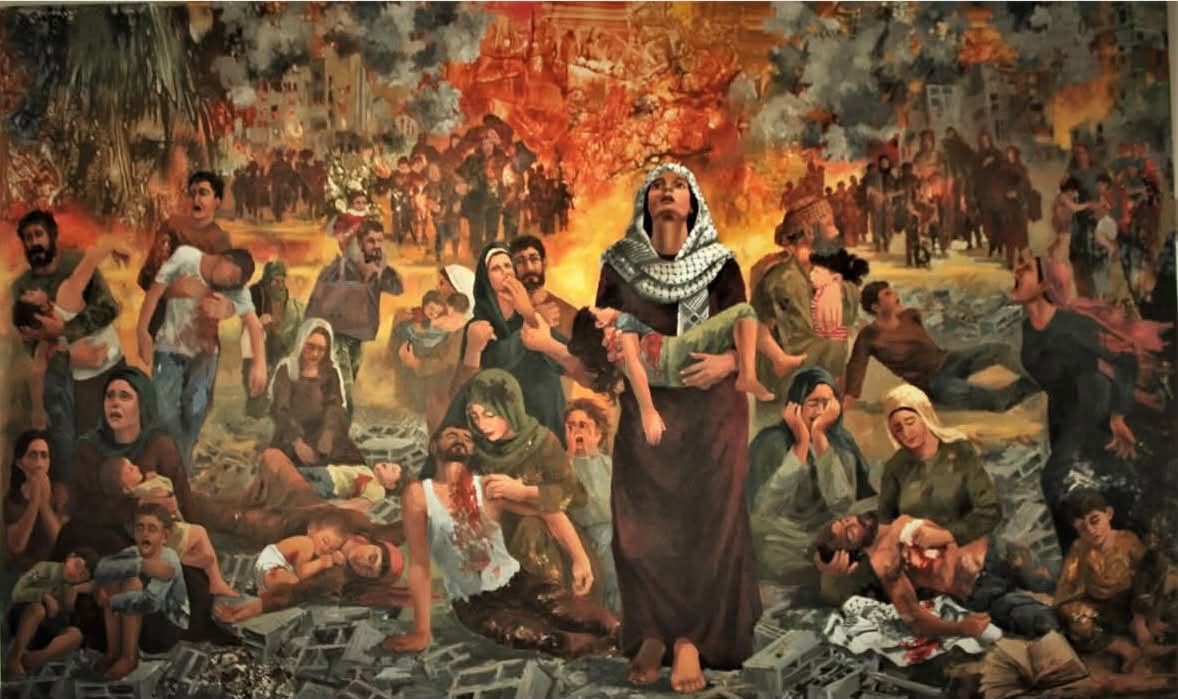
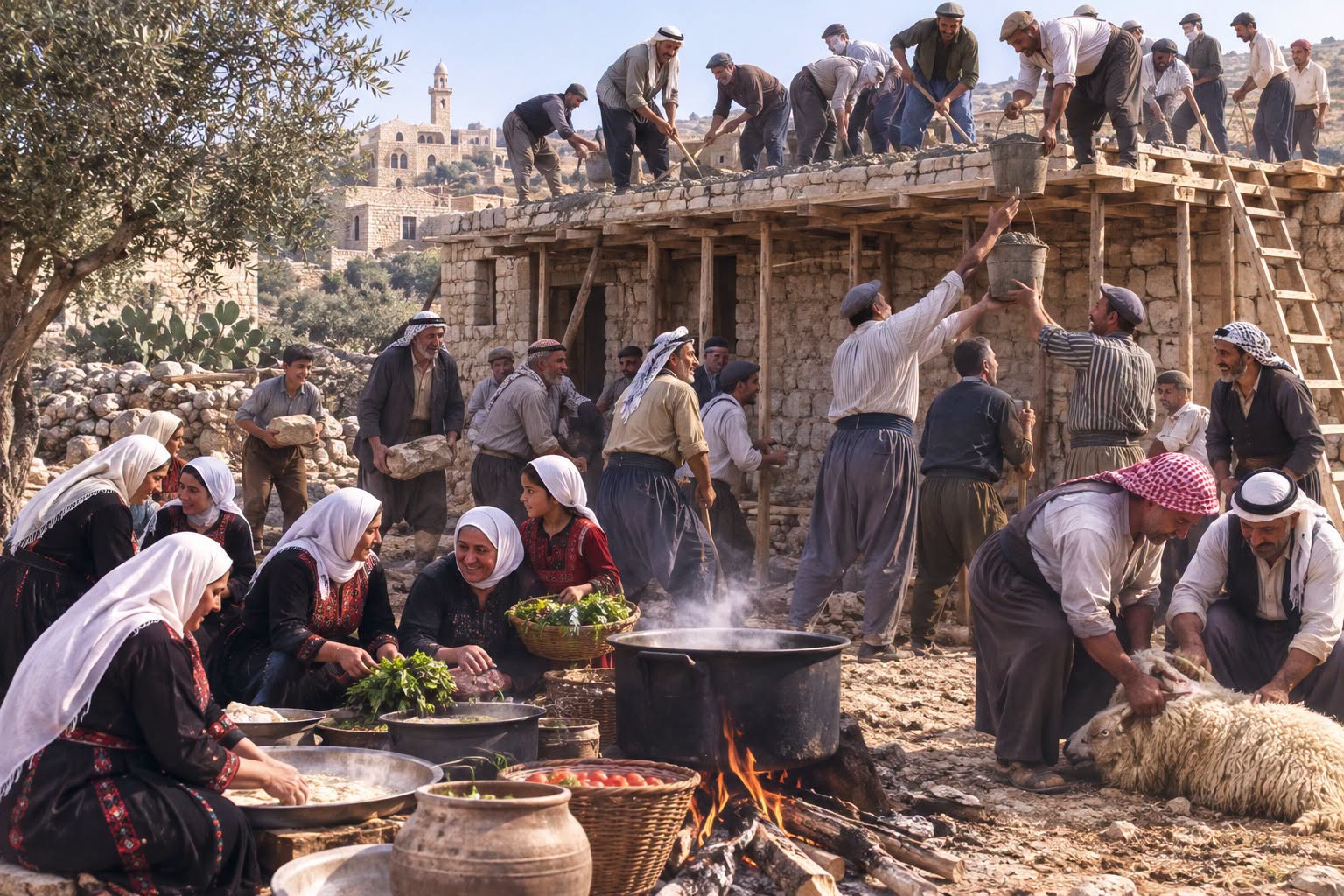
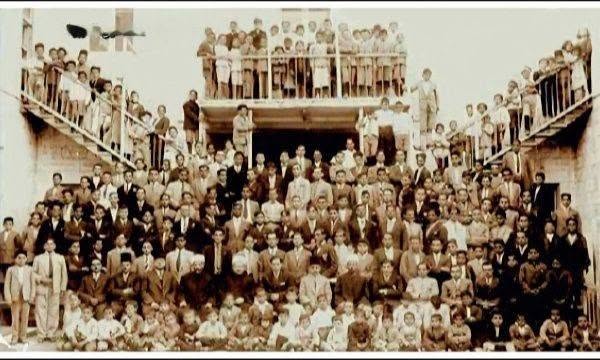
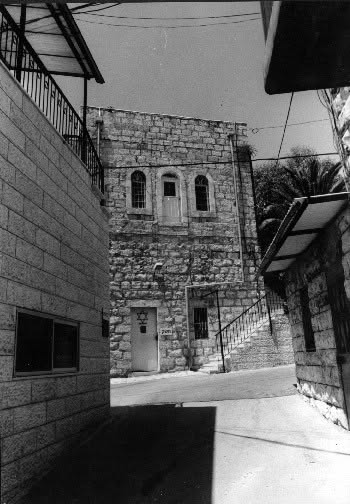
Don’t Forget Dier Yassin
Heba
- August 19, 2026
 Heba
Heba marwanmarwanmarwanmarwanmarwanmarwan
 CrossFireArabiamarwanmarwan
 Saleem Ayoub QunamarwanCrossFireArabiaCrossFireArabiaCrossFireArabiaCrossFireArabiamarwanCrossFireArabiaCrossFireArabiamarwanCrossFireArabiaHebaCrossFireArabiamarwanCrossFireArabiamarwanHebaCrossFireArabiamarwanmarwanHebaCrossFireArabiamarwanmarwanCrossFireArabiamarwanHebaCrossFireArabiaCrossFireArabiaCrossFireArabiaHebamarwanCrossFireArabiamarwanHebaCrossFireArabiaHebamarwanmarwanCrossFireArabiamarwanmarwanmarwanmarwanmarwanmarwanmarwanmarwanmarwanCrossFireArabiaCrossFireArabiamarwanmarwanCrossFireArabiaCrossFireArabiamarwanCrossFireArabiamarwanHebaHebamarwanmarwanCrossFireArabiamarwanmarwanmarwanmarwanCrossFireArabia
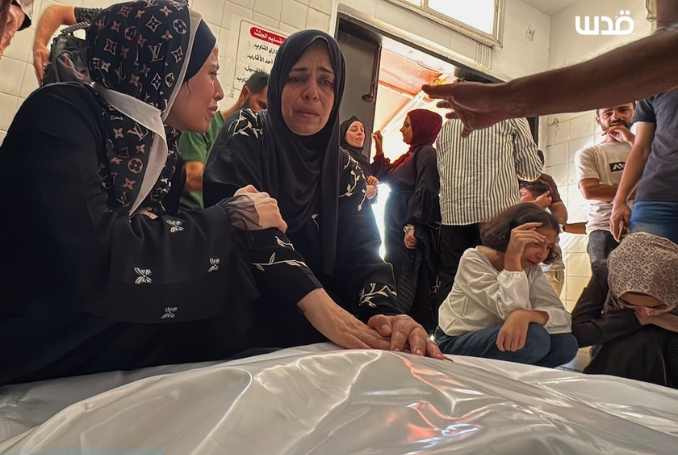
More than 300 staff members of the UN agency for Palestinian refugees (UNRWA) have been killed in Israeli attacks in Gaza since October 2023, the agency’s chief said on Sunday.
“Today, that death toll has surpassed the gruesome milestone of 300,” UNRWA Commissioner-General Philippe Lazzarini said on X.
“The vast majority of staff were killed by the Israeli Army with their children & loved ones: whole families wiped out.”
Lazzarini said most of the dead UNRWA staff were health workers and teachers.
“Several were killed in the line of duty while serving their communities,” he added.
“Nothing justifies these killings,” Lazzarini said. “Impunity will lead to more killing. Those responsible must be held accountable.”
Established in 1949, UNRWA has served as a critical lifeline for Palestinian refugees, supporting nearly 5.9 million people across Gaza, the West Bank, Jordan, Syria, and Lebanon.
Nearly 2.4 million people in Gaza live completely dependent on humanitarian aid, according to World Bank data.
Since March 2, Israel has kept Gaza crossings closed to food, medical, and humanitarian aid, deepening an already severe humanitarian crisis in the enclave, according to government, human rights, and international reports.
The Israeli army has continued its brutal offensive on the Gaza Strip since Oct. 7, 2023, killing more than 53,300 Palestinians, most of them women and children.
Last November, the International Criminal Court issued arrest warrants for Israeli Prime Minister Benjamin Netanyahu and his former Defense Minister Yoav Gallant for war crimes and crimes against humanity in Gaza.
Israel also faces a genocide case at the International Court of Justice for its war on the enclave according to Anadolu.
CrossFireArabia
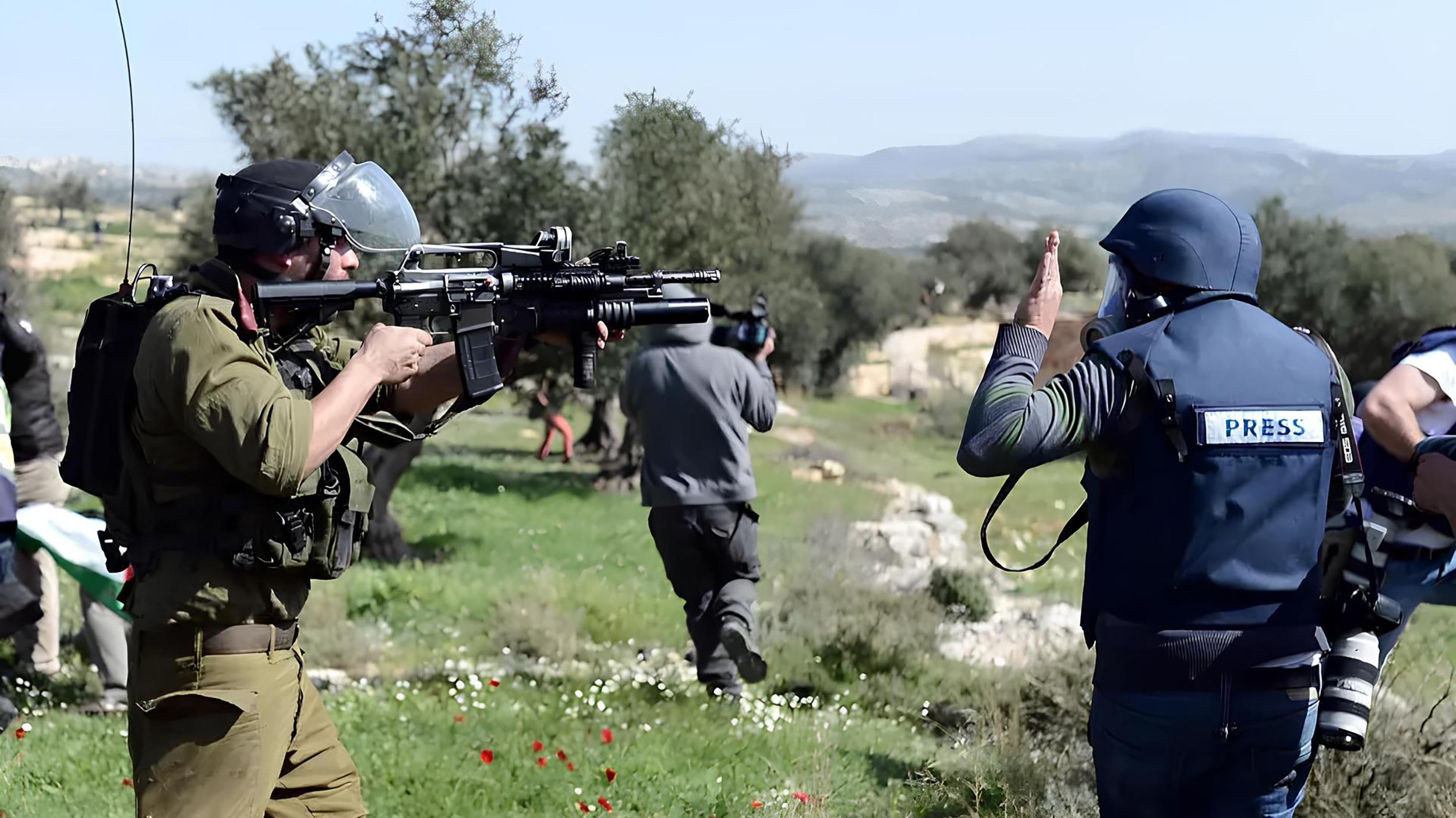
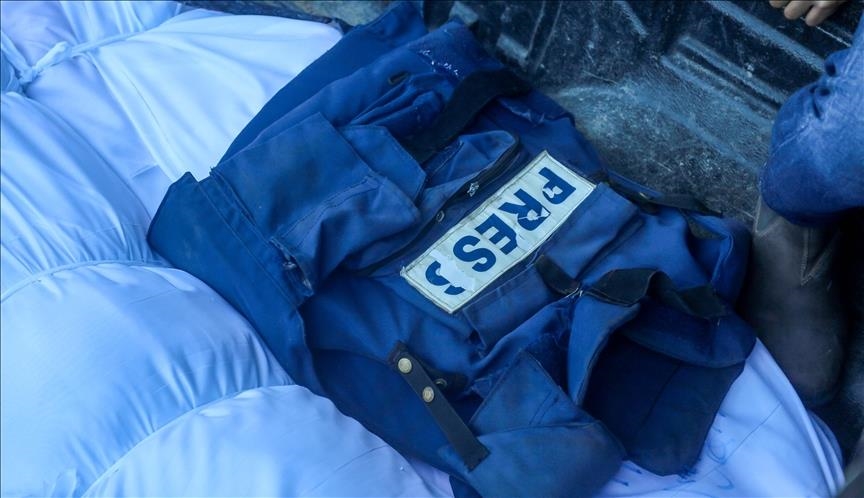
Five journalists were killed, Sunday, in Israeli raids on different areas of the Gaza Strip. This brings the totally number of journalists killed by Israel to 2022 since it began its onslaught on Gaza soon after 7 October, 2023.
The name of the journalists martyred were Aziz Al Hajar, Abdulrahman Al Abaadleh, Ahmad Musa Al Zinati, Khaled Abu Yousef and his wife Nour Qandeel.
The journalists were killed together with the rest of their families as is the case with Al Hajar, a photojournalist who was killed with his wife and children.
The journalists were targeted through Israeli strikes on their house. Abu Yousef and his wife Nour and their baby daughter were killed in Dier Al Balah.
The case was the same with Al Abaadleh. He was killed in his home in Al Qarara village near Khan Younis in the south of Gaza.
A week ago the Israeli army admitted it killed Hassan Al Isleih. He was receiving treatment for a previous wound in the Nasser Hospital in Khan Younis.
Last April the Israeli occupation bombed the “journalists tent” in Khan Younis that resulted in one journalists being killed and the injuries to a civilian and nine other journalists.
CrossFireArabia
French Rabbi Delphine Horvilleur is facing death threats and intense backlash after criticizing Israeli ministers for justifying the starvation of civilians in Gaza.
Horvilleur, a leader of the Liberal Jewish Movement in Paris and editor of the Jewish magazine Tenou’a, wrote last week that “starving innocents or condemning children neither relieves pain nor avenges the dead.” Her comments targeted Israeli ministers who publicly defended blocking humanitarian aid to Gaza.
In her editorial, she wrote, “Without a future for the Palestinian people, there is no future for the Israeli people either.” Zionists swiftly responded with online abuse, including calls for her execution. Many threats were gender-based, claiming women shouldn’t speak or hold religious authority.
According to Haaretz, Horvilleur had been a prominent defender of Israel in French media, especially after the October 7 military operation. She said, “I’m too Zionist for some, not Zionist enough for others. I’m caught in the crossfire.”
She confirmed that French police are now monitoring her social media accounts due to the volume and severity of threats.
In a show of solidarity, 42 French intellectuals — both Jewish and non-Jewish — signed an op-ed in La Tribune du Dimanche. They denounced the Israeli government for eroding ‘democracy’, threatening detainees, expanding settlements, and preparing for the annexation of occupied territories.
However, Meir Ben Haim, French spokesperson for Israel’s Otzma Yehudit party, accused Horvilleur and her allies of “violating Jewish tradition.” He warned, “The price will be blood,” according to the Quds News Network.
CrossFireArabia
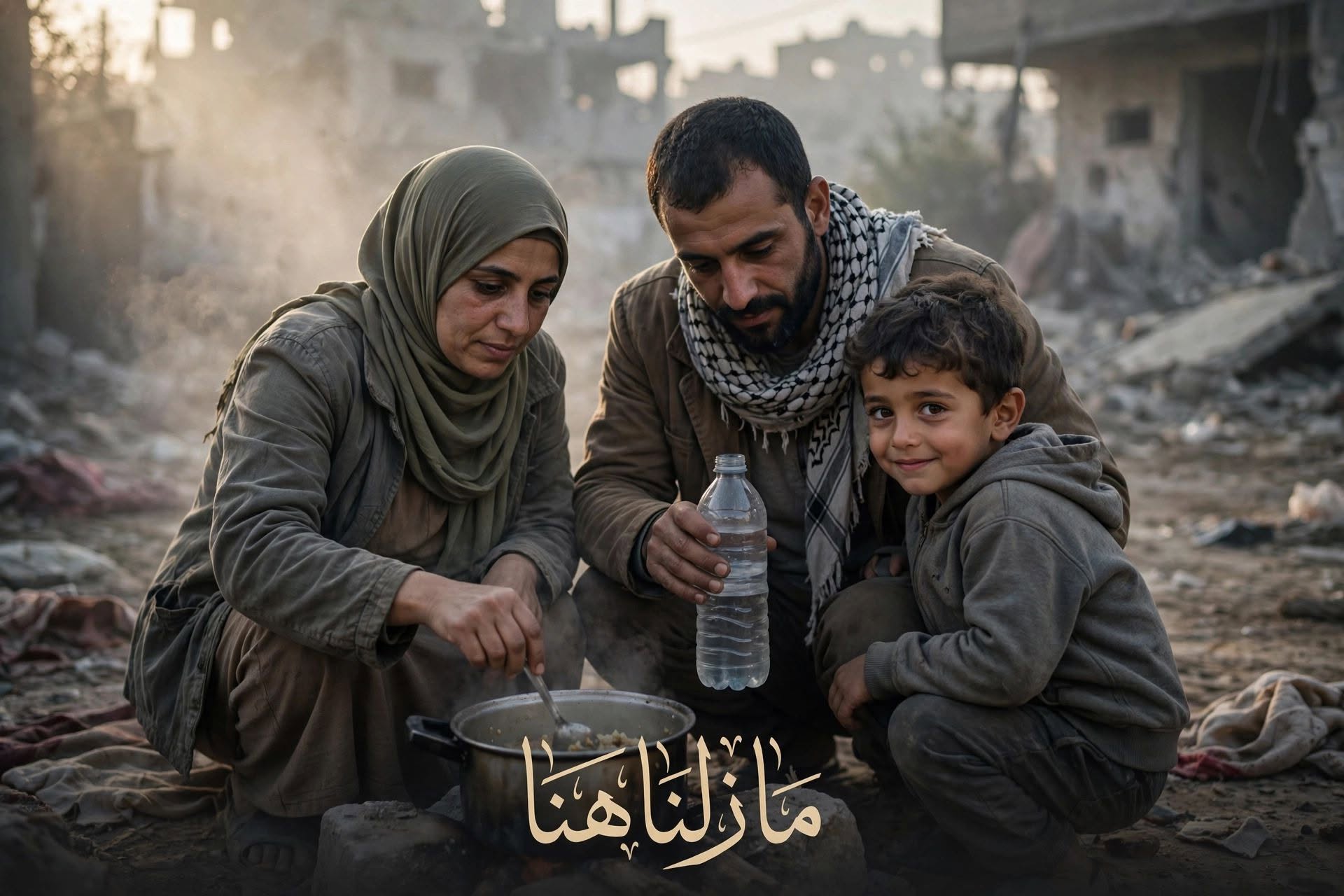
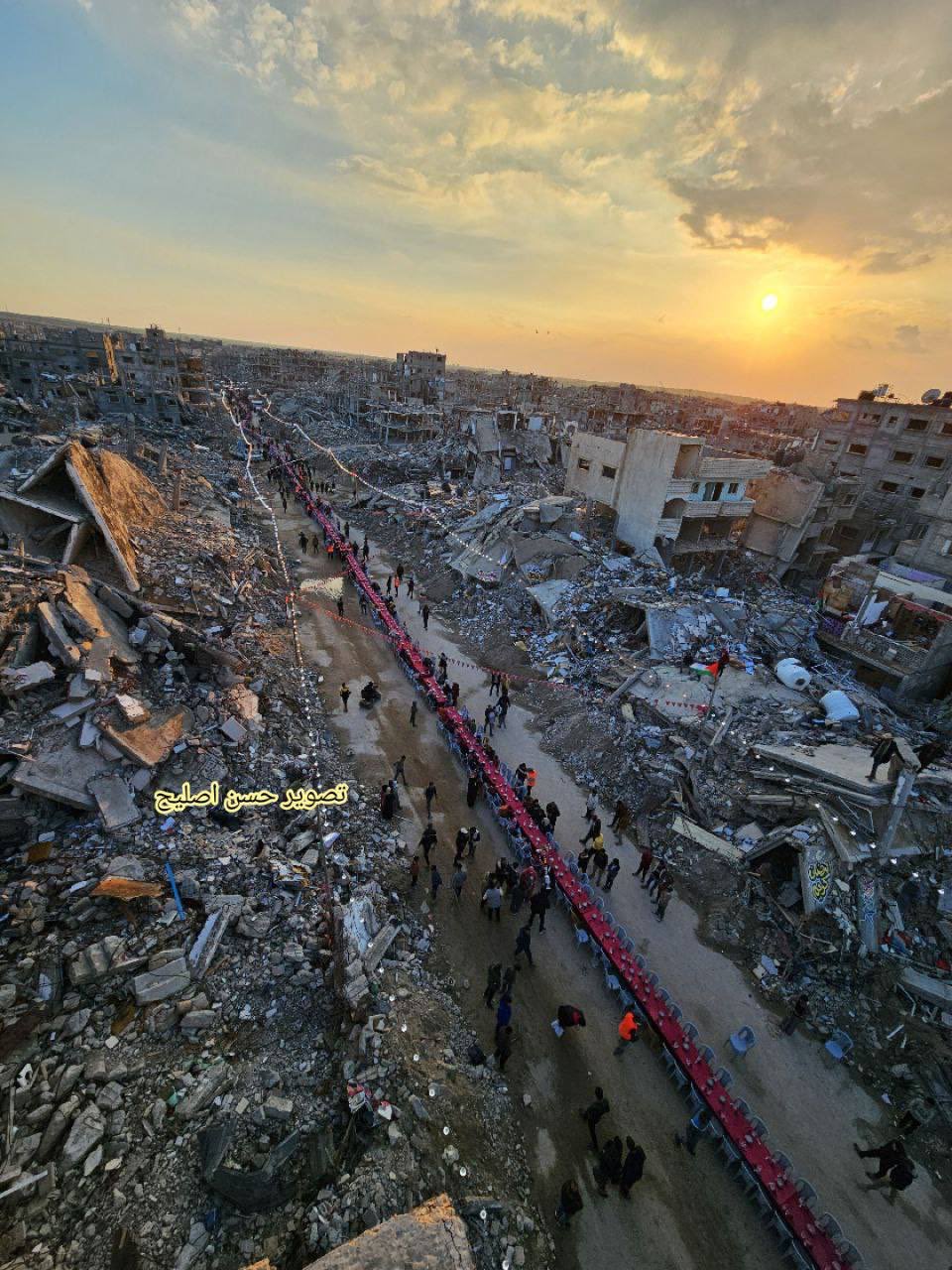
Israel has intensified its genocidal campaign in Gaza through one of the most extensive and lethal assaults since the beginning of its offensive, committing massacres and adopting a scorched-earth policy involving the total destruction of remaining neighbourhoods and infrastructure.
This approach follows a pattern sustained for over 19 months, characterised by mass killings, starvation, and the systematic destruction of all means of survival, with the deliberate targeting of Palestinian civilians in their homes, shelters, and vital facilities, all aimed at erasing Palestinian society in Gaza and eliminating any prospect of its return or reconstruction.
In recent days, Israeli occupation forces have escalated their assault across various areas of the Gaza Strip, carrying out systematic destruction of what remains of homes and civilian infrastructure, and committing mass killings of the population. This forms part of a policy designed to destroy all aspects of life, depopulate the area, and prevent the continued existence of its residents— a prelude to the imposition of a colonial reality by force, based on the erasure of the indigenous population and the de facto annexation of the territory to Israel, in grave violation of international law, including the prohibition on annexing land by force.
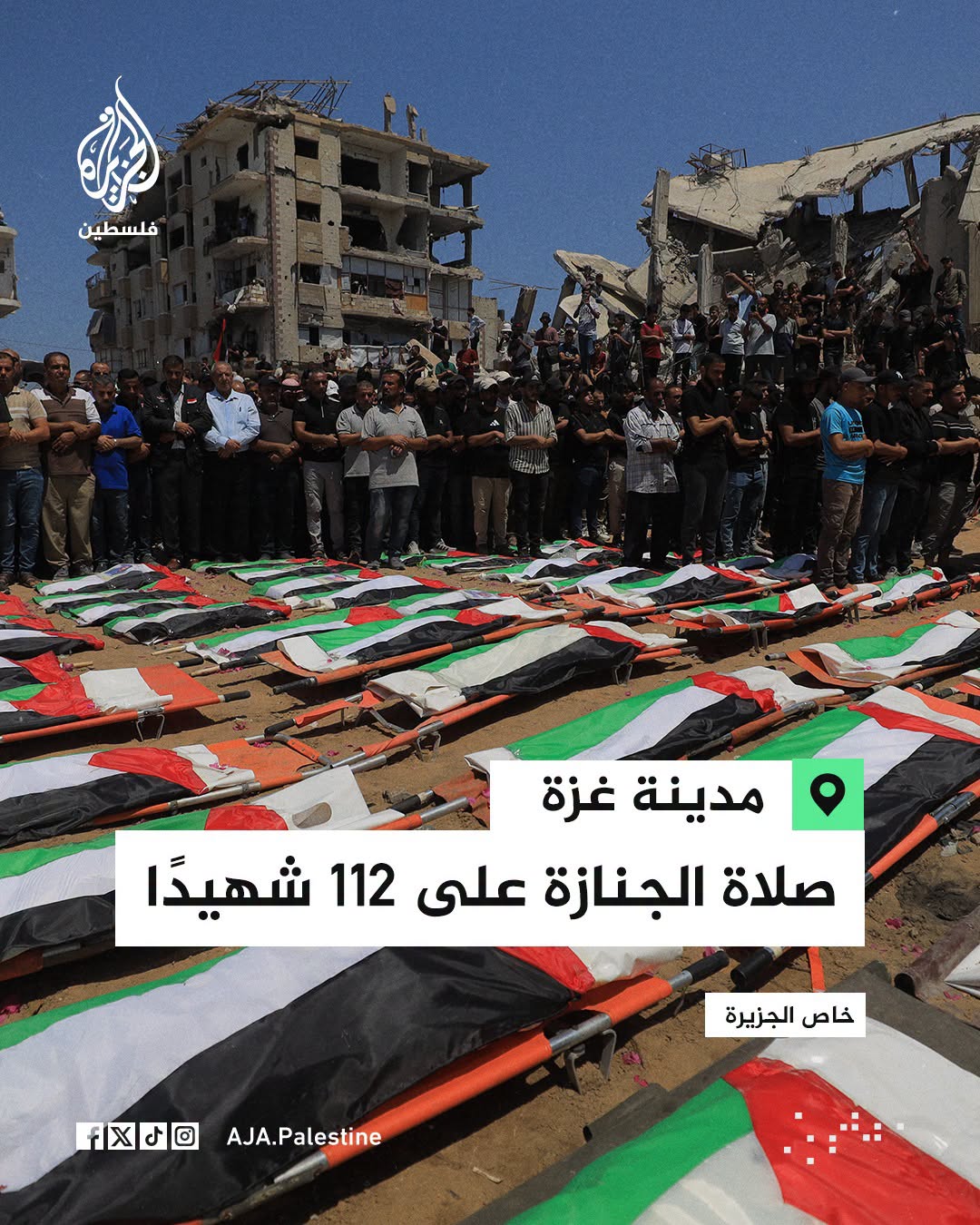
Euro-Med Monitor’s field team documented the killing of more than 115 Palestinians in the northern Gaza governorate alone in less than 12 hours since dawn on Friday. The casualties followed Israeli airstrikes on at least 10 residential homes in Tel al-Zaatar (Jabalia) and Al-Salatin neighbourhood (Beit Lahia).
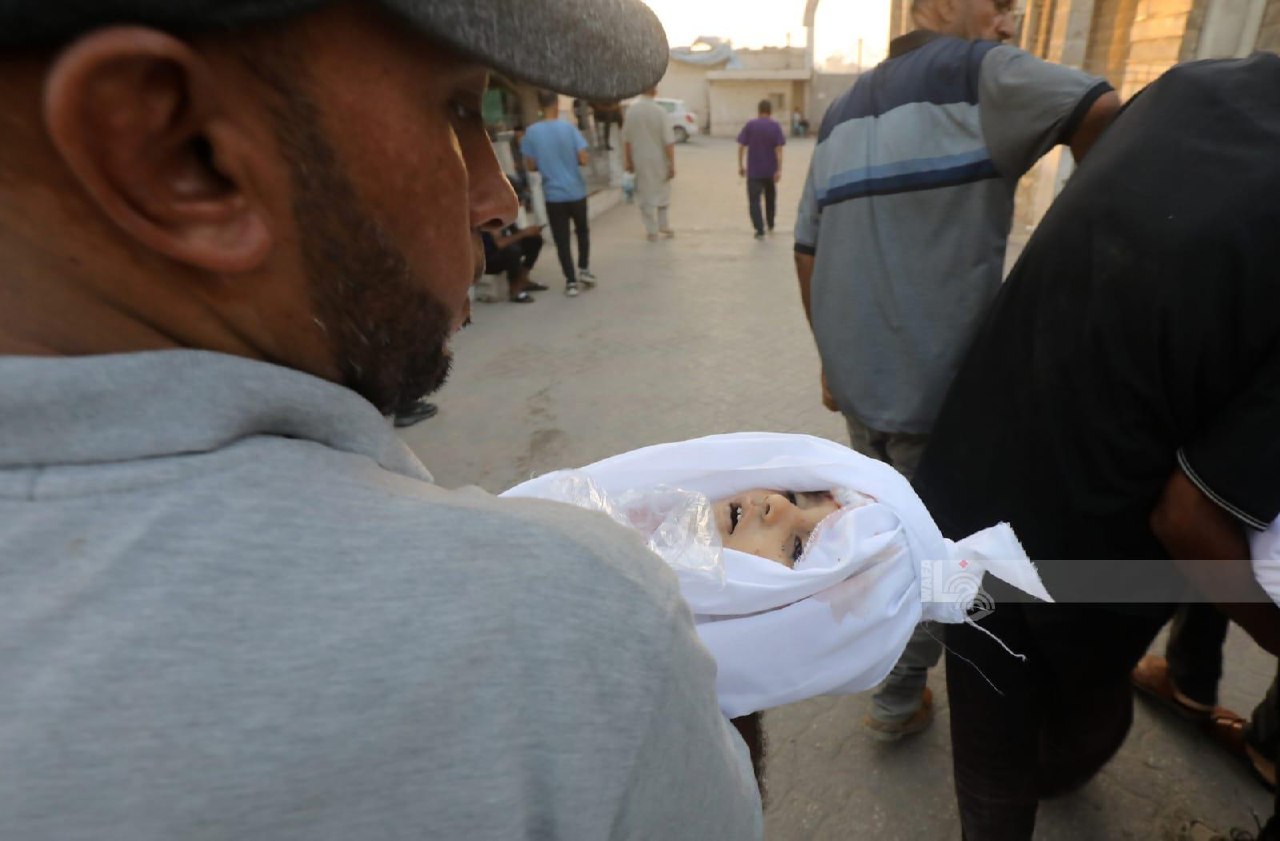
These homes were completely destroyed with residents inside, resulting in the deaths of dozens of civilians, including women and children, in what amounts to a series of mass killings reflecting an escalating pattern of systematic violence against civilians in the Strip.
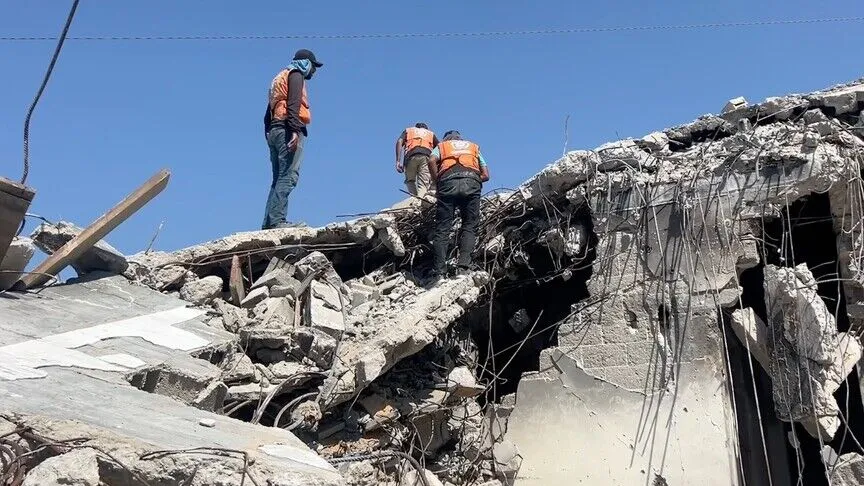
More than half of the victims remain trapped beneath the rubble, as rescue and civil defence teams are unable to reach them due to the lack of resources and equipment. Meanwhile, dozens of bodies and wounded individuals have overwhelmed the corridors of the Indonesian Hospital and Al-Awda Hospital, highlighting the complete collapse of Gaza’s healthcare system.
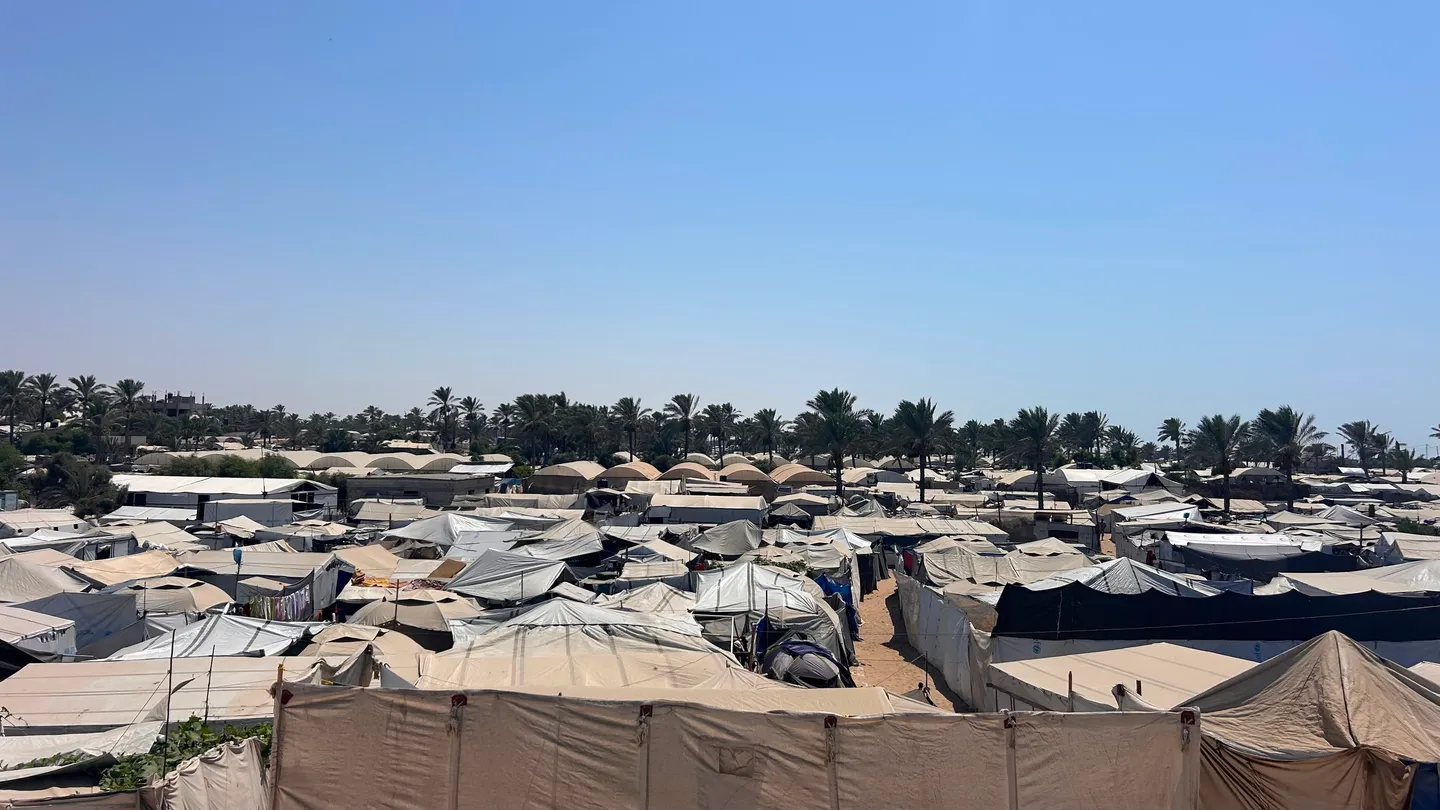
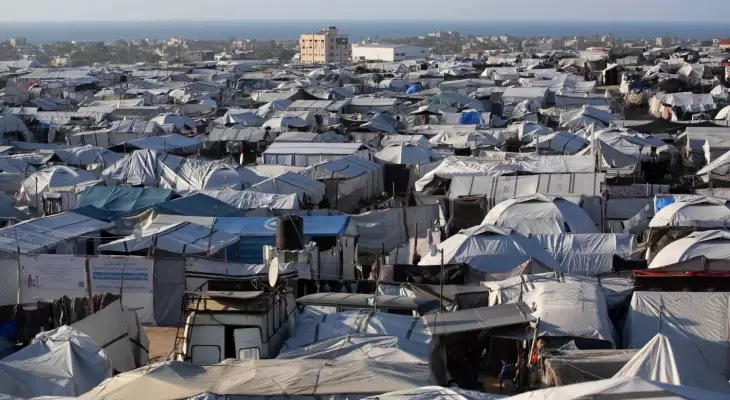
Limited incursions by Israeli ground forces were reported from two directions, north of Beit Lahia and east of Jabalia, under heavy artillery and air cover. There is growing concern that these ground operations could expand, placing hundreds of thousands of civilians, already living in tents under continuous bombardment, hunger, and daily violence, at even greater risk.
In addition, Israeli artillery targeted Palestinian civilians as they attempted to flee and search for shelter following repeated waves of bombardment. These attacks resulted in the killing of 10 people in the Al-Dur al-Gharbi area of Beit Lahia, and 8 more in the Azbet Abd Rabbo area of Jabalia.
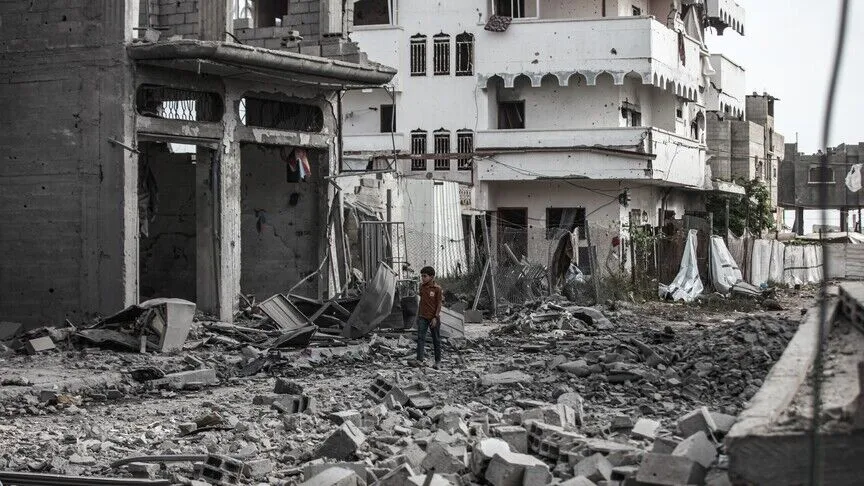
Over the past two days, Israeli forces have systematically destroyed a large number of partially damaged residential buildings in northern Gaza, in what appears to be a continuation of a broad campaign to obliterate entire urban areas, specifically targeting civilian population centres.
In recent days, the Israeli army has adopted a scorched-earth policy east of Khan Younis, while continuing its destruction of entire neighbourhoods in Rafah. Civilian Israeli contractors have also taken part in this effort, reflecting a deliberate intent to erase the city from the map.
These developments represent the practical implementation of Israeli Prime Minister Benjamin Netanyahu’s recent statements, in which he declared: “We will continue destroying Gaza’s homes until the Palestinians have no shelter left, and nothing remains but for them to leave. The only problem is finding countries willing to take them.”
This statement constitutes a clear admission from Israel’s highest political authority of an intent to uproot an entire population, an intent now being realised on the ground through the systematic destruction of all means of survival.
The recent massacres, particularly in Khan Younis and northern Gaza, mark a dangerous escalation in the targeting of civilians. Israel is deploying overwhelming and indiscriminate firepower without justification or the presence of active combat, strongly indicating that civilians themselves are the direct targets— a grave violation of international law.
The widespread destruction policy carried out by Israel cannot be classified as serving any legitimate military objective. Rather, it constitutes part of a deliberate and systematic approach to genocide, aimed at dismantling Palestinian society in Gaza,physically and demographically, by stripping it of the means to survive, eliminating it entirely, and preventing any future return.
The international community must act urgently to stop this ongoing genocide, initiate serious investigations into the crimes committed, and take effective measures to ensure the protection of civilians and bring an end to the culture of impunity that has emboldened Israel to commit grave violations without accountability.
The international community must impose economic, diplomatic, and military sanctions on Israel for its systematic and grave violations of international law. This includes banning the export of weapons or dual-use items to Israel, prohibiting the purchase of such items from it, halting all forms of political, financial, and military support and cooperation, freezing the financial assets of officials involved in crimes against Palestinians, imposing travel bans on them, and suspending trade privileges and bilateral agreements that grant Israel economic advantages enabling it to continue committing crimes against the Palestinian people.
States must also launch criminal investigations into Israeli and international companies involved in supplying the Israeli military with weapons and heavy equipment used in carrying out acts of genocide. This includes bulldozers, surveillance systems, and spyware used to track and target civilians. Public and private investments in these companies must be withdrawn, and the companies themselves must be blacklisted nationally and internationally.
States with universal jurisdiction laws must issue arrest warrants for Israeli political and military officials implicated in the crime of genocide and initiate legal proceedings — even in absentia — under their international legal obligations to prosecute such crimes and combat impunity.
An independent international mechanism must be established to preserve evidence related to the crime of genocide in Gaza. This body should document and safeguard digital evidence, satellite imagery, and testimonies from victims and survivors for use before international judicial bodies, particularly the International Criminal Court (ICC).
The ICC must expedite its investigations and issue arrest warrants for Israeli officials responsible for international crimes committed in the Gaza Strip. It must acknowledge and treat Israel’s actions as acts of genocide without equivocation. Member states of the Rome Statute must be reminded of their legal obligations to fully cooperate with the Court, ensure the enforcement of its arrest warrants, bring the perpetrators to international justice, and end the cycle of impunity.
CrossFireArabia
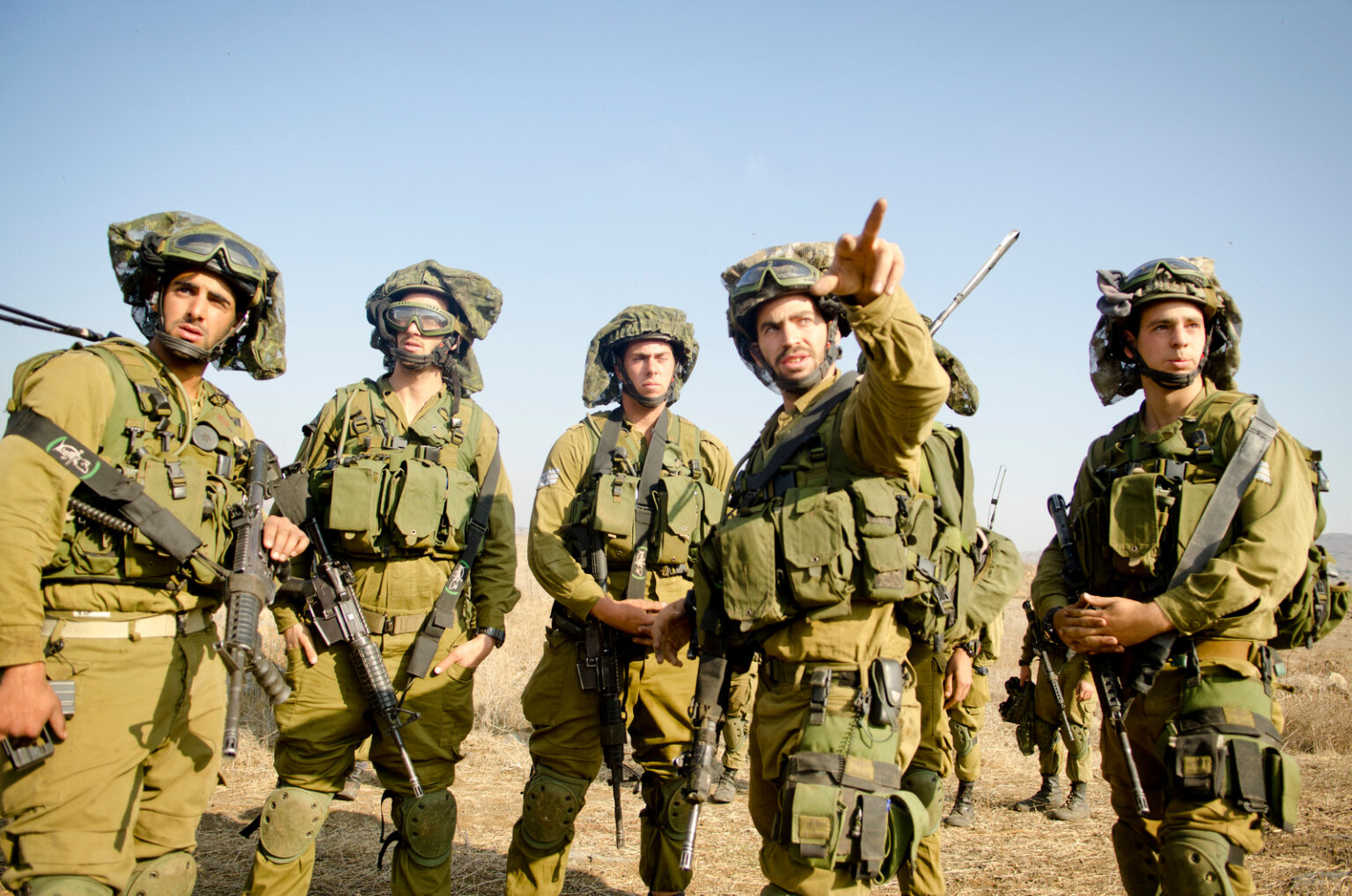
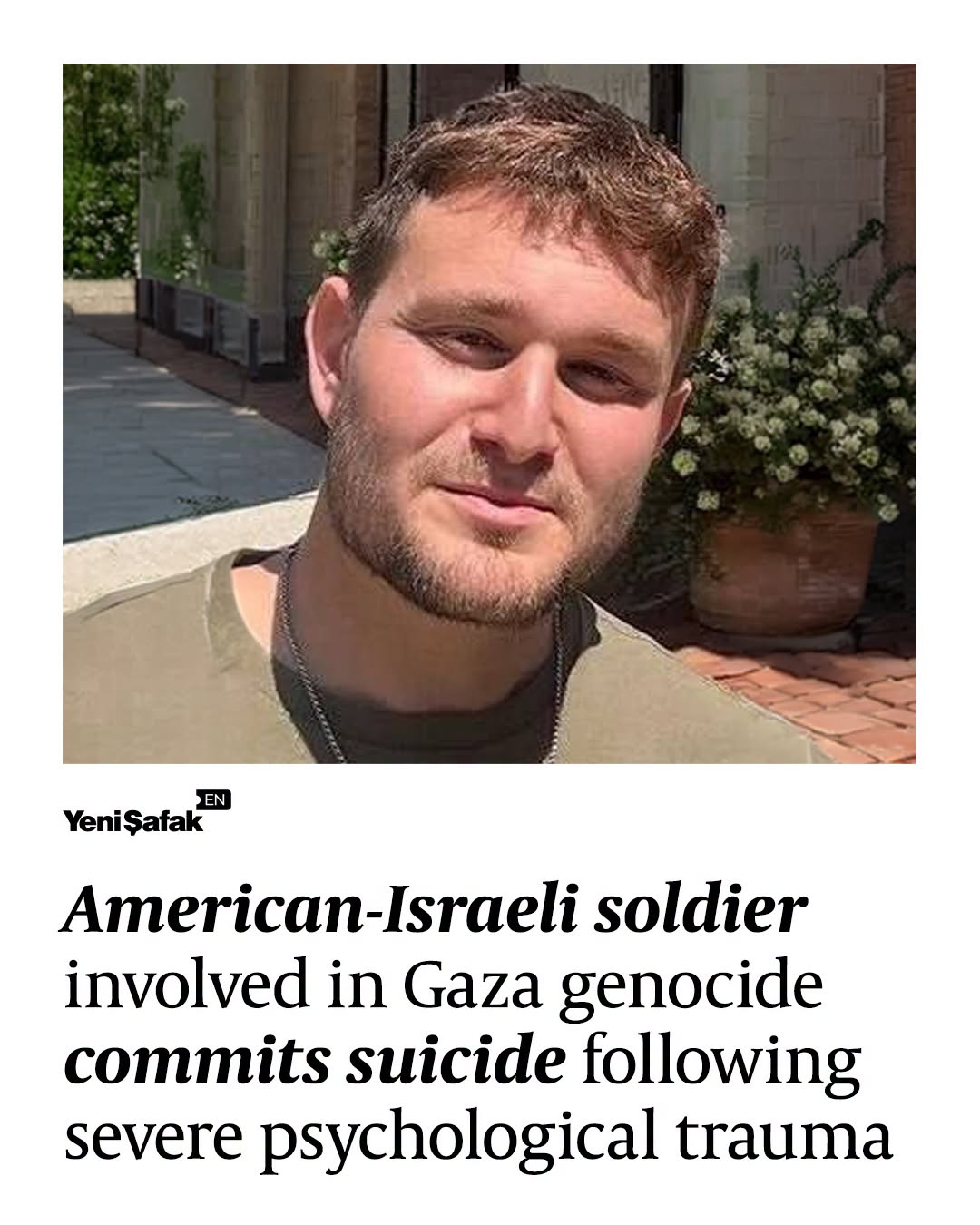
Thirty-five Israeli soldiers have committed suicide after serving in the war against Gaza. The latest figure is provided by the Israeli daily newspaper Haaretz.
The Israeli army doesn’t own up to the soldiers who take away their lives in their ranks, and so the figures provided are only till the end of 2024.
Soldiers started to commit suicide soon after 7 October, 2023 and after serving in the bloody war in Gaza.
It has been reported that seven soldiers committed suicide in the early months of 2025 after serving in Gaza.