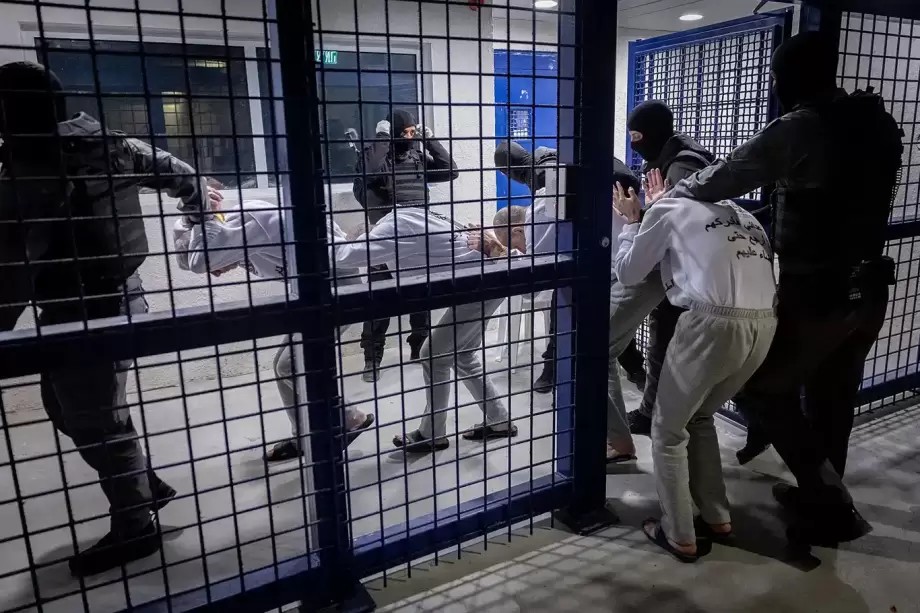
 Gaza: Lolo Heriz Finally Buried After 975 Days
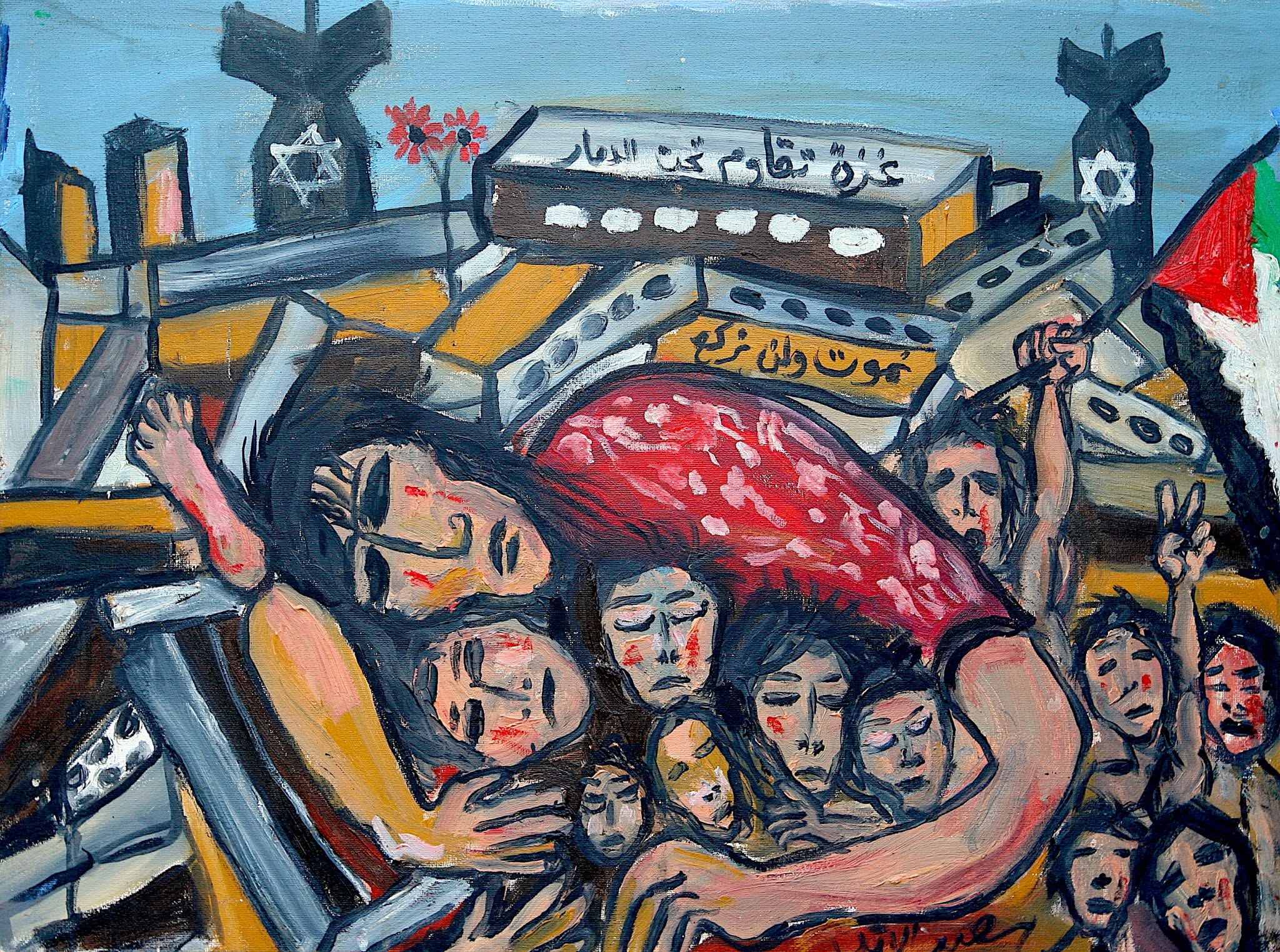
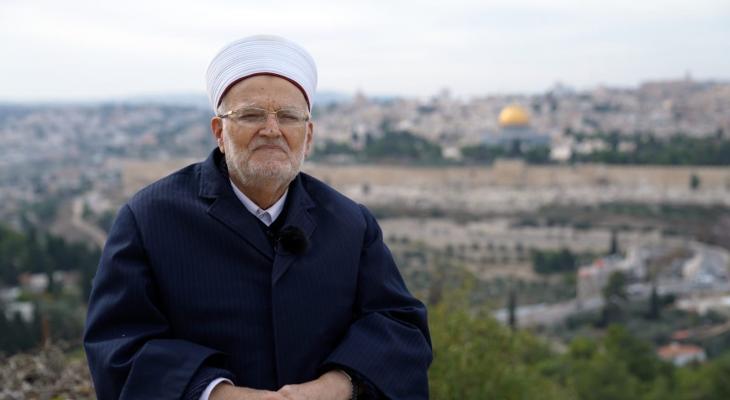 57th Year of Al Aqsa Burning: ‘The Fire Continues’ Ekrima Sabri Warns
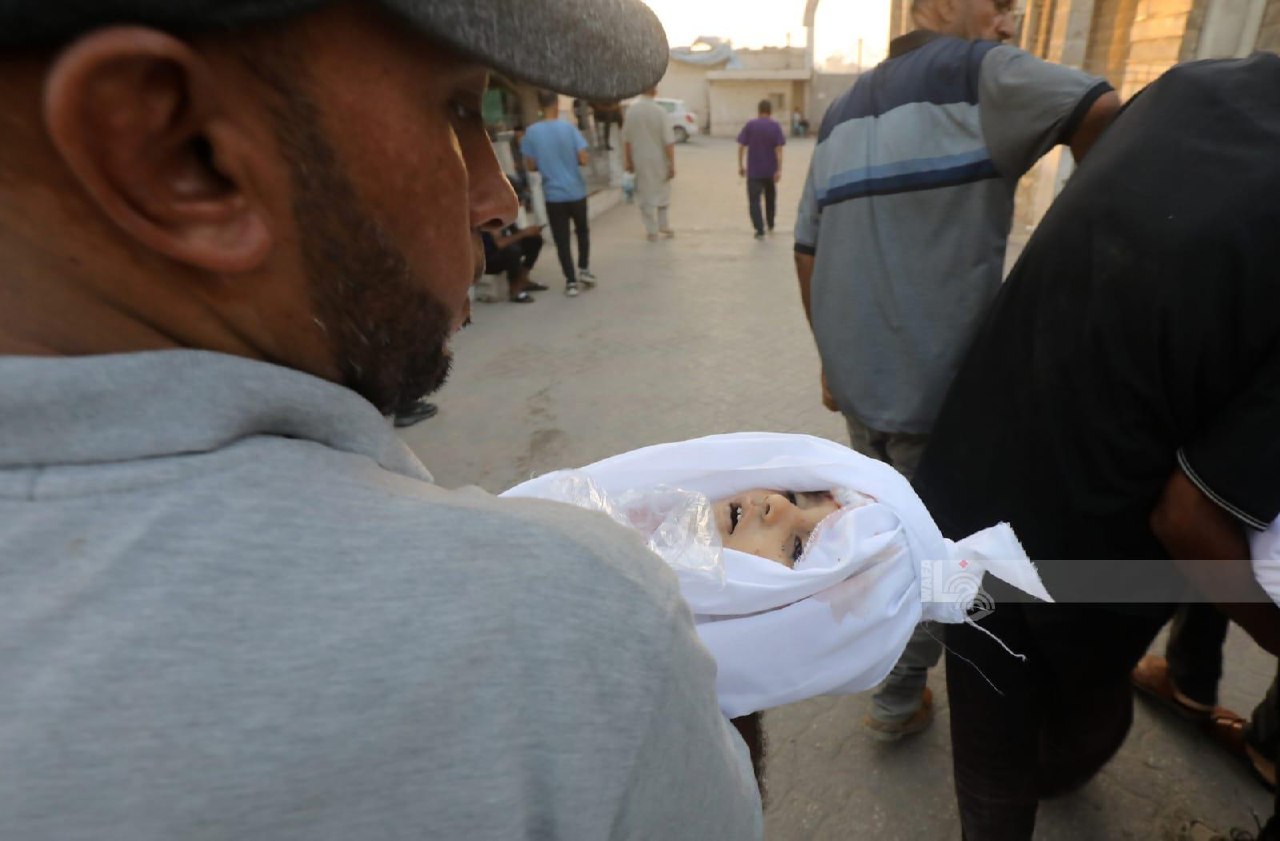
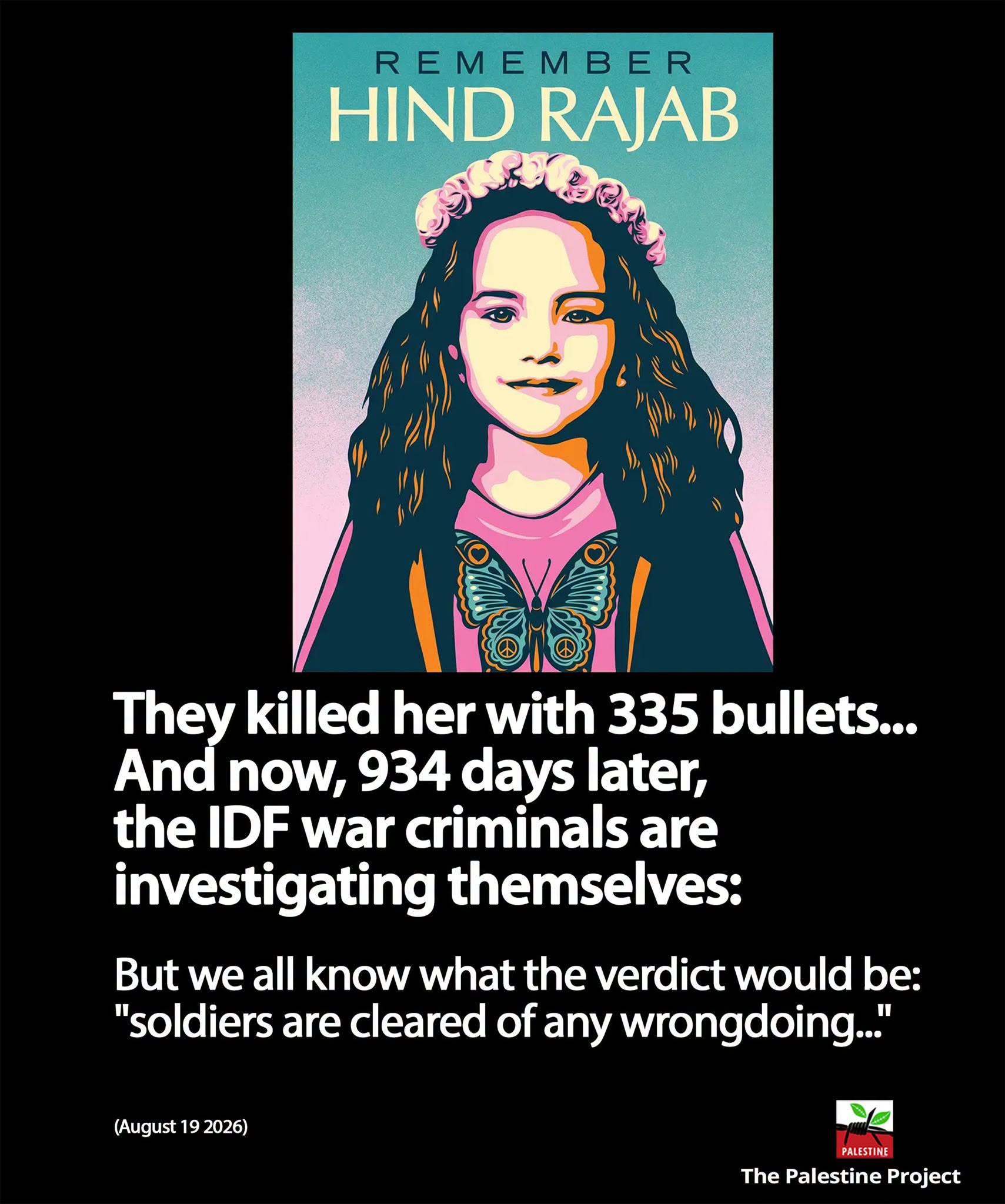 Remember Hind Rajab
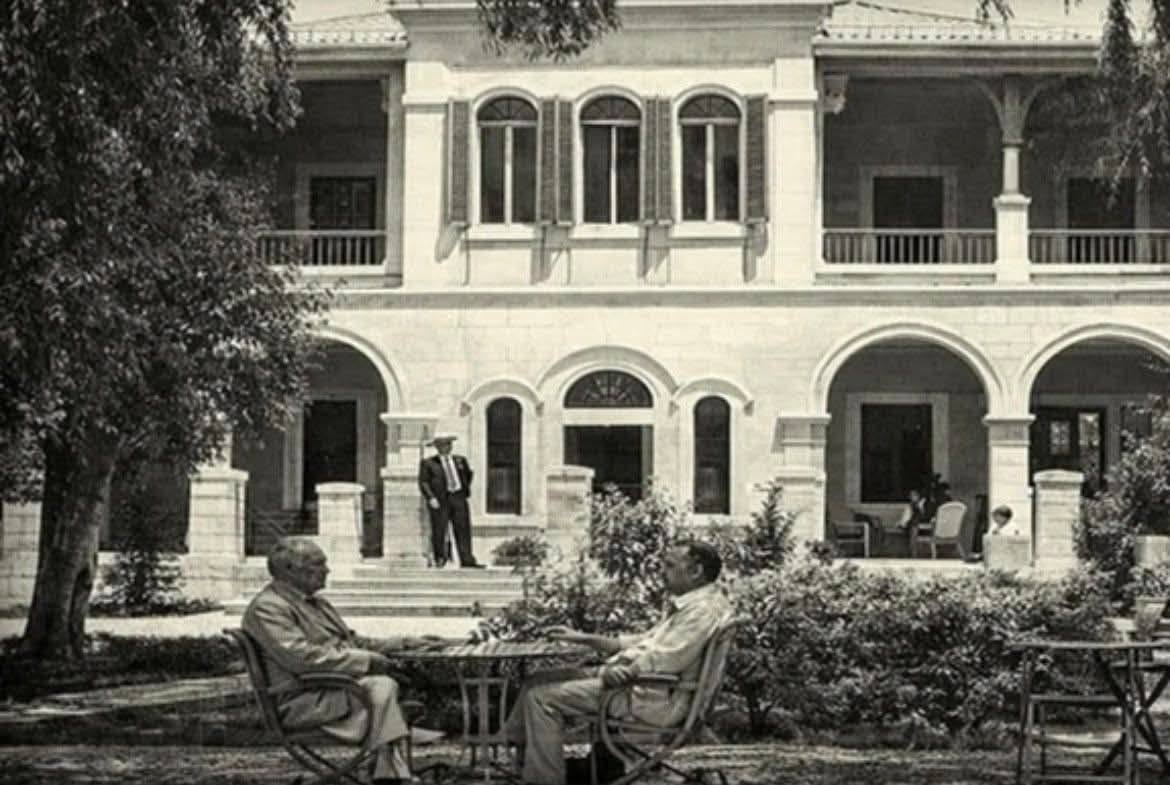 A ‘Palestinian’ Palace in Jerusalem
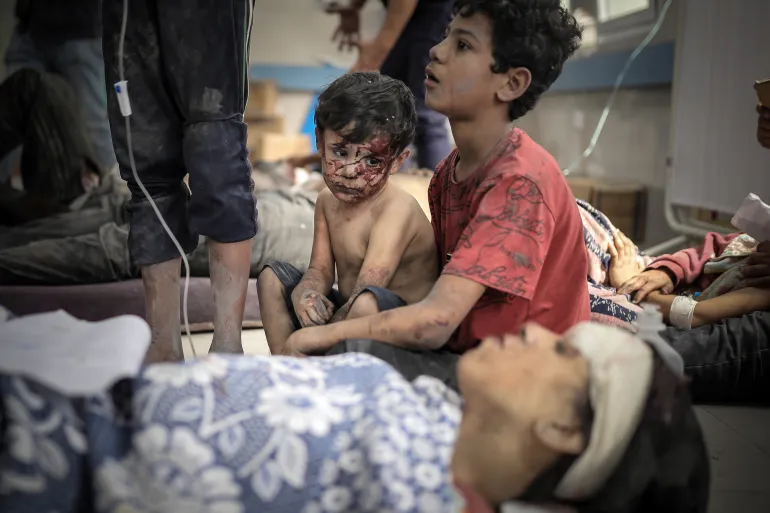
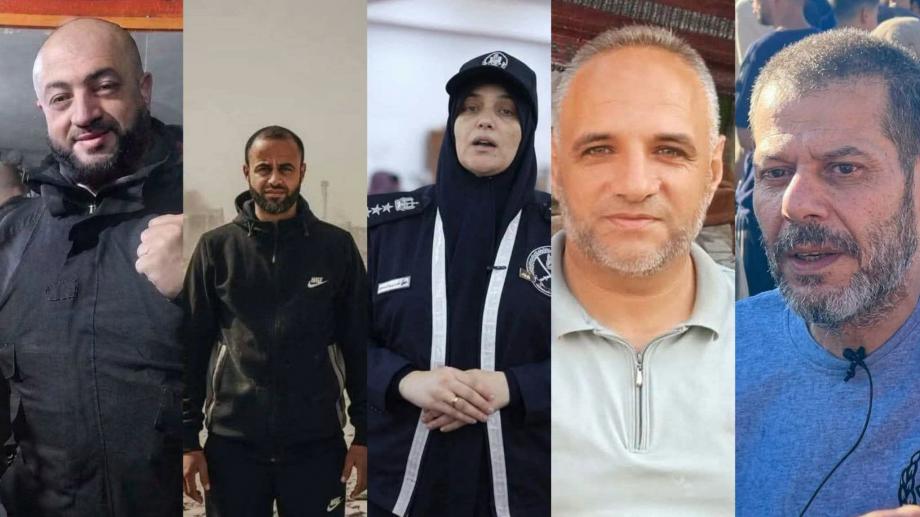 Israel Bombs Police Station, Kills Group of Officers


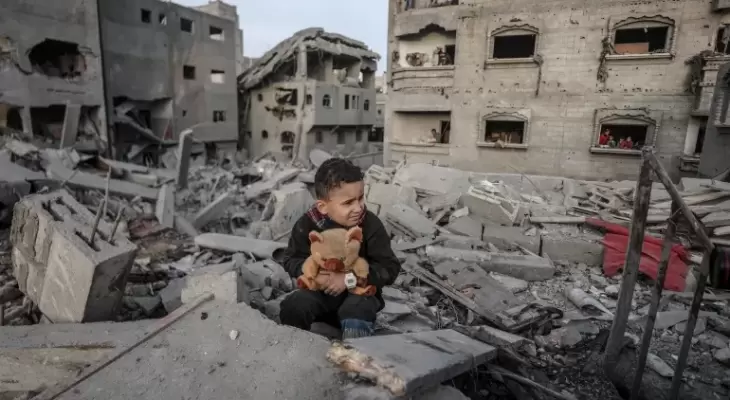
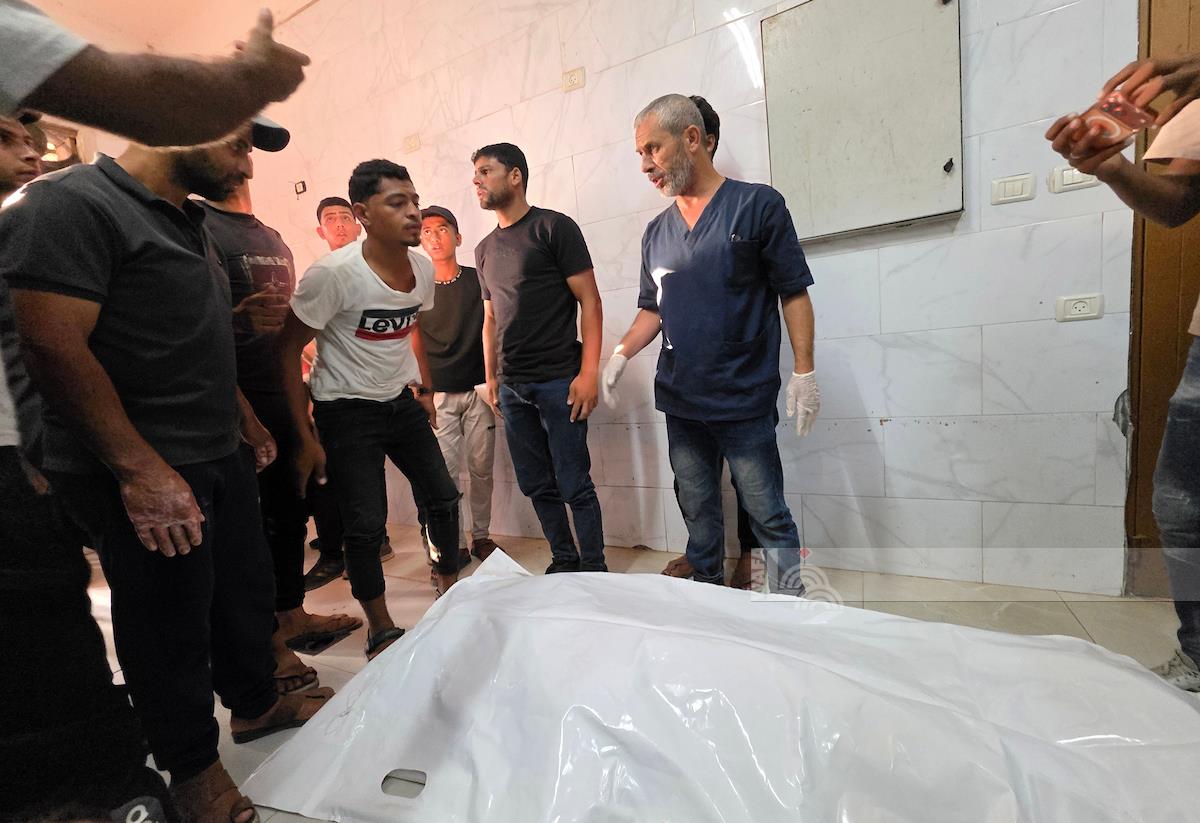
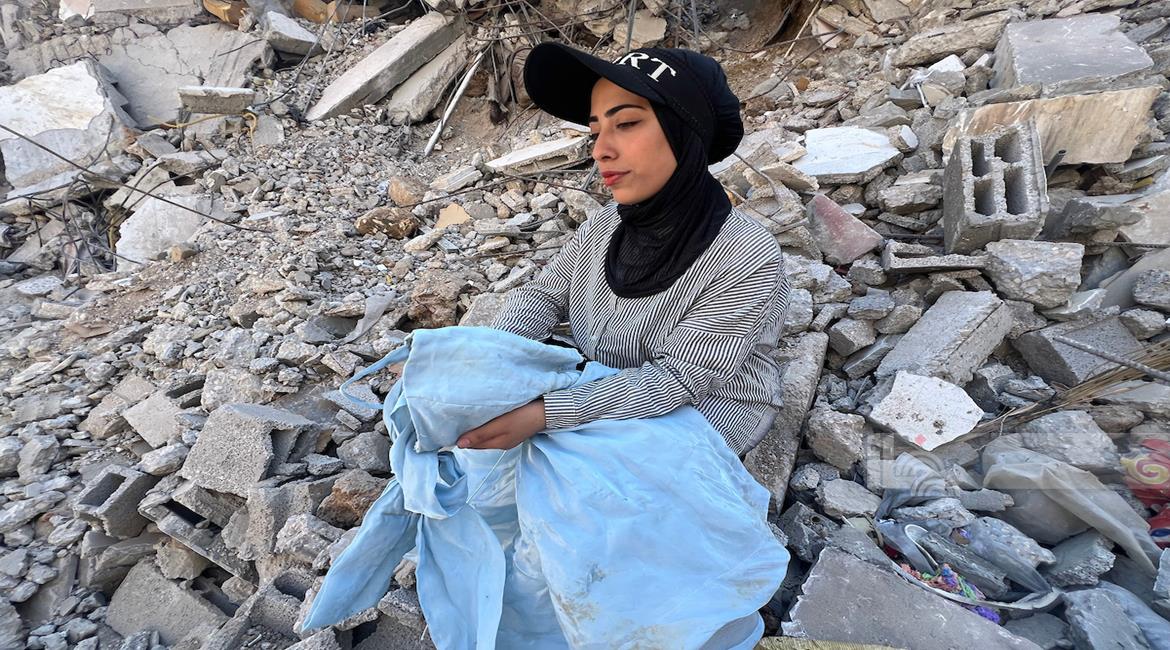
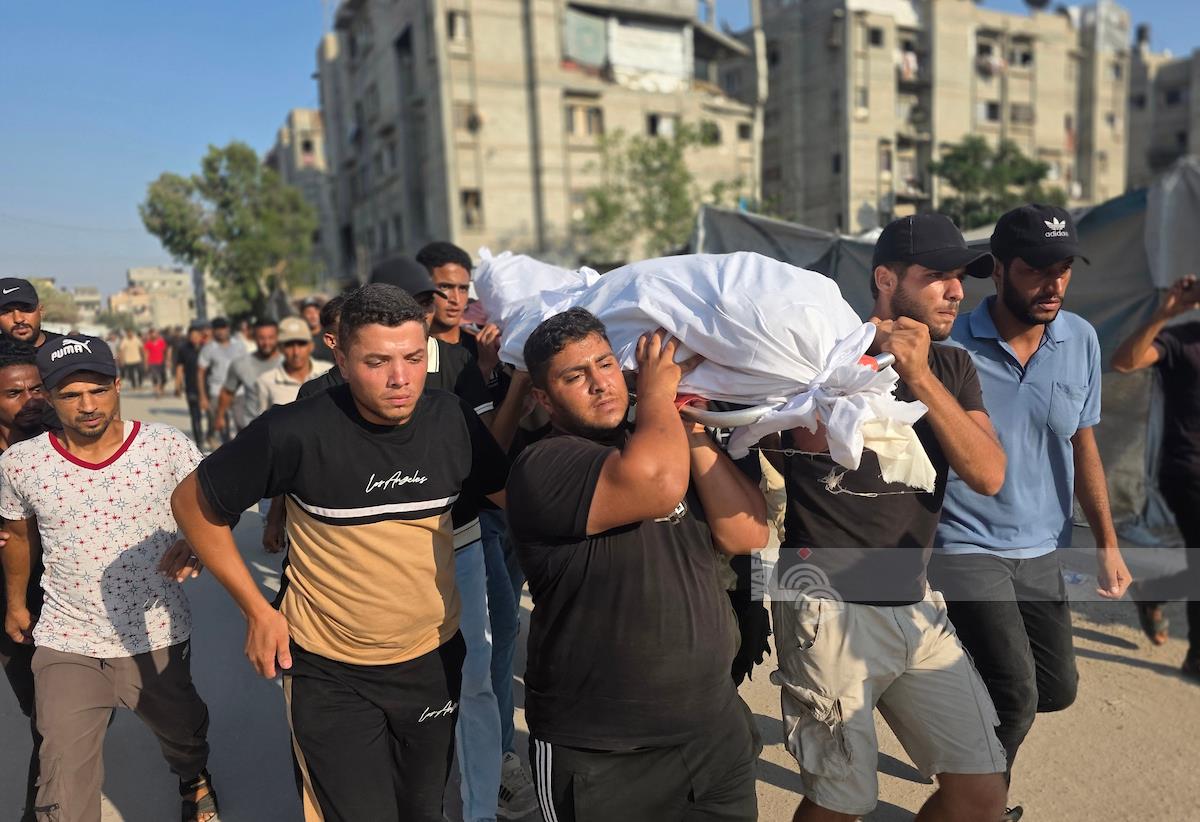
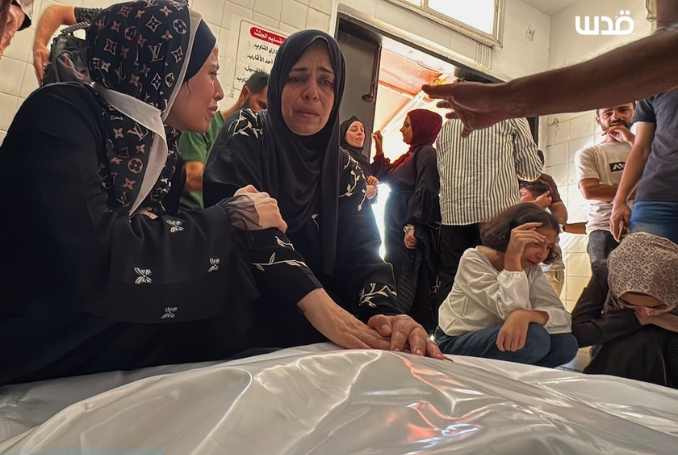
Gaza: Lolo Heriz Finally Buried After 975 Days
 CrossFireArabia
- August 20, 2026
 CrossFireArabia
 HebaCrossFireArabiaCrossFireArabiaHeba
 marwanmarwanmarwanmarwanmarwanmarwanCrossFireArabiamarwanmarwan
 Saleem Ayoub QunamarwanCrossFireArabiaCrossFireArabiaCrossFireArabiaCrossFireArabiamarwanCrossFireArabiaCrossFireArabiamarwanCrossFireArabiaHebaCrossFireArabiamarwanCrossFireArabiamarwanHebaCrossFireArabiamarwanmarwanHebaCrossFireArabiamarwanmarwanCrossFireArabiamarwanHebaCrossFireArabiaCrossFireArabiaCrossFireArabiaHebamarwanCrossFireArabiamarwanHebaCrossFireArabiaHebamarwanmarwanCrossFireArabiamarwanmarwanmarwanmarwanmarwanmarwanmarwanmarwanmarwanCrossFireArabiaCrossFireArabiamarwanmarwanCrossFireArabiaCrossFireArabiamarwanCrossFireArabiamarwanHebaHebamarwanmarwanCrossFireArabiamarwanCrossFireArabia
A sharp rise in adult death rates was documented among residents of the Gaza Strip, alongside alarming levels of child mortality, during the longest continuous total siege imposed by Israel since the beginning of its genocide campaign.
The escalating famine in Gaza reached catastrophic proportions amid the ongoing, illegal total blockade imposed by Israel for 62 consecutive days, preventing the entry of humanitarian aid, medicines, and basic supplies.
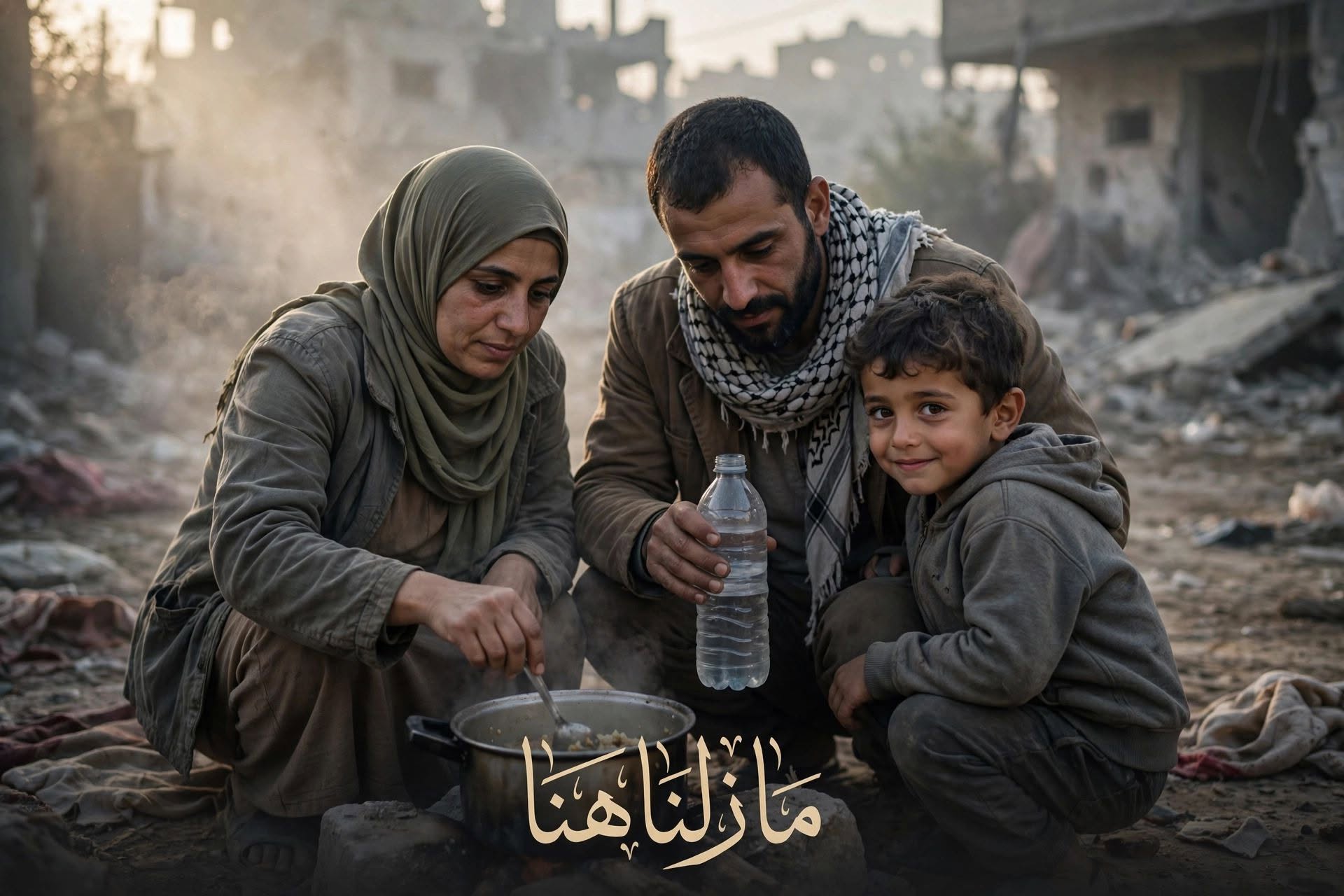
Dozens of deaths have been reported from malnutrition or lack of medical care. The latest is a four-month-old infant, Jenan Saleh al-Skafi, who died of severe malnutrition at Al-Rantisi Hospital in western Gaza City – amid what is called the worst campaign of systematic starvation in modern history.
The world buries its head in the sand, waiting for ‘ceasefire negotiations,’ forgetting that humanitarian aid is a non-negotiable right and that no justification can excuse starvation
All states and relevant international organisations must take immediate action to break Israel’s unlawful siege on Gaza by land, sea, and air. The siege is a flagrant violation of international humanitarian law and a tool of starvation used in the ongoing genocide against the civilian population.
The complete closure of all crossings must end immediately, ensuring the unhindered and effective entry of food, water, and medicine, before cases of acute malnutrition escalate into even more deadly and widespread life-threatening conditions.
Since 2 March, Israel has prevented all commercial and humanitarian supplies from entering the Gaza Strip. Food stocks are nearing depletion, and prices have soared by over 500% since October 2023, exacerbating malnutrition, particularly among children, pregnant women, the sick, and the elderly – the most vulnerable groups affected by the crisis.
The consequences of this policy are not confined to the present; they undermine the future of Palestinians as a national community by producing an entire generation threatened by long-term physical, psychological, and cognitive impairments, stemming from chronic malnutrition, the collapse of healthcare, and ongoing collective trauma.
These outcomes are not incidental. They reflect a deliberate policy aimed at disrupting the natural development of individuals and society, and dismantling the biological and social foundations of the Palestinian community. This reveals a clear intent to destroy – one of the defining hallmarks of the crime of genocide under international law, especially when executed through slow, cumulative tools such as siege and systematic, sustained starvation.
Lima Bastami, Director of the Legal Department at the Euro-Med Human Rights Monitor, stated: “The crime of starvation in Gaza is fully-fledged and committed in broad daylight; it requires no investigation committees or judicial rulings to prove it. It is enough to note that Israel has closed all crossings into the devastated Strip for over two months, completely banning the entry of food, medicine, and goods – a well-established reality openly acknowledged by Israeli officials without fear of accountability. Gaza is filled with irrefutable evidence of the crime’s horror: the emaciated bodies of people and children, tens of thousands lining up daily at charity kitchens, and the escalating death toll from hunger, malnutrition, and associated diseases.”
She added: “Despite this, the world buries its head in the sand, waiting for ‘ceasefire negotiations,’ forgetting that humanitarian aid is a non-negotiable right and that no justification can excuse starvation. Some states are directly complicit, but even silence or negligence constitutes active participation in perpetuating this crime. Every state, without exception, bears a legal and moral obligation to lift the blockade, ensure the flow of supplies, and save lives immediately.”
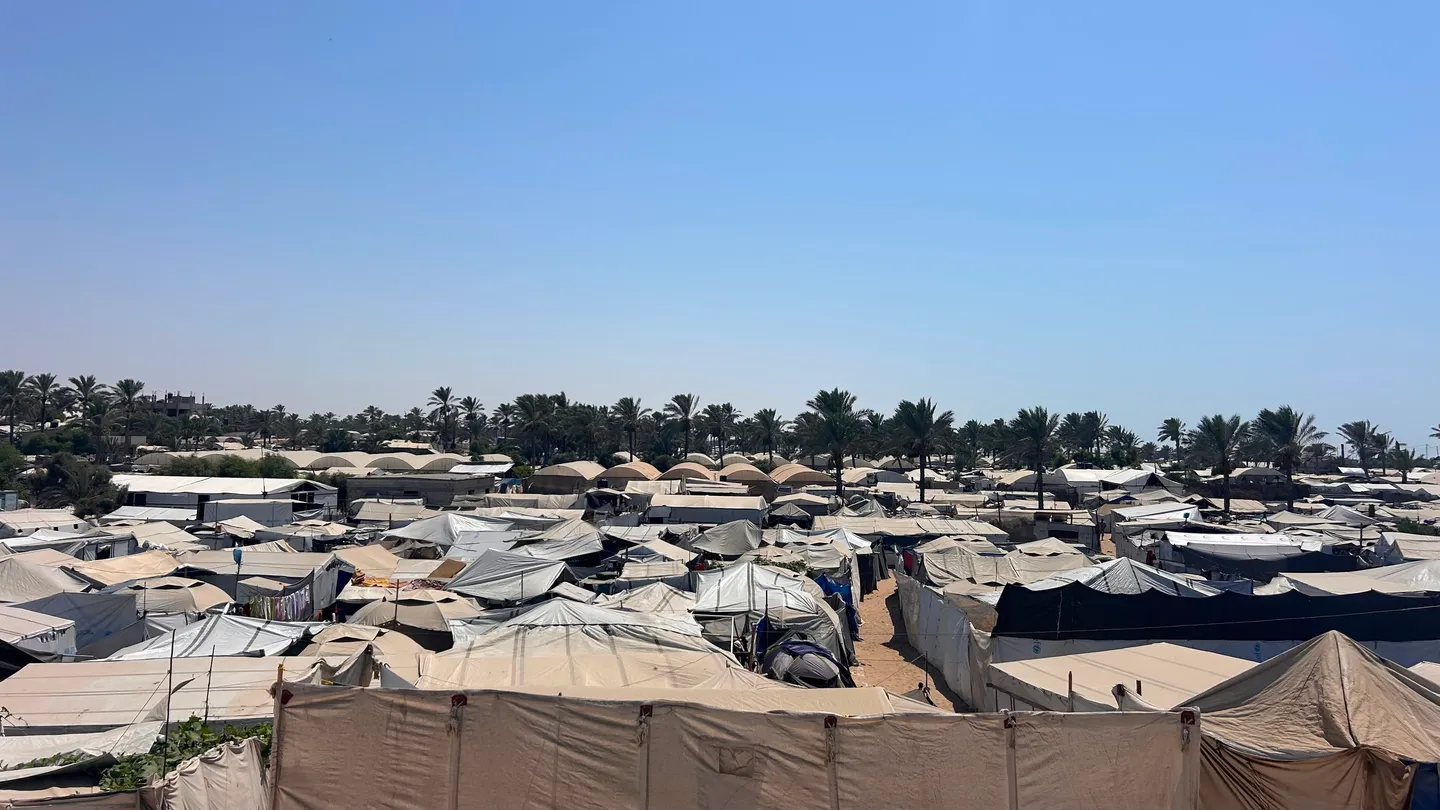
According to Gaza’s Ministry of Health, around 60,000 children require urgent treatment for severe malnutrition, and approximately 16,000 pregnant and breastfeeding women are in desperate need of healthcare, while families across the Strip face unimaginable hardship amid a worsening hunger crisis, ongoing displacement, a collapsed healthcare system, and relentless Israeli military attacks.
Community kitchens in Gaza, once a critical lifeline for hundreds of thousands of displaced and needy individuals, have been among the sectors most severely impacted. Previously distributing tens of thousands of meals daily, they have now ceased operations entirely, with nothing left to distribute, exacerbating the devastation in the face of a sweeping famine.
The severe Israeli blockade has caused a persistent and critical shortage of essential foods necessary for survival, including grains, proteins, and fats. It has also destroyed and disrupted what remained of Gaza’s agricultural and food infrastructure through bombardment and direct military occupation. Many residents have been forced to sell their essential belongings to buy food, a clear indicator of the collapse of their coping mechanisms.
Families across Gaza have been compelled to drastically reduce their daily meals, leading to a significant decline in the population’s body weights, with the majority now relying almost entirely on the few available canned goods, in the absence of fresh, nutritious food. Furthermore, families have come to depend on charitable kitchens for their daily meals, which the Israeli army has increasingly targeted in airstrikes, in a deliberate attempt to deprive the population of even the most basic access to food.
The term “famine” is a technical classification referring to widespread malnutrition and deaths related to hunger resulting from the inability to access food. International standards define three main conditions for an area to be declared in a state of famine:
The crime of starvation committed by Israel against civilians in the Gaza Strip constitutes one of the most extreme and brutal forms of genocide, stripping victims of their health and dignity. It is not limited to the deprivation of food but also seeks to eliminate the population’s ability to survive by destroying livelihoods, blocking humanitarian aid, targeting sources of production, and disrupting supply chains.
All states, individually and collectively, must uphold their legal responsibilities and act urgently to halt the genocide occurring in Gaza by all available means. They must take effective measures to protect Palestinian civilians, enforce immediate and complete lifting of the siege, ensure the free movement of people and goods without arbitrary restrictions, and open all crossings unconditionally. Concrete steps must also be taken to save Palestinians from slow death and forced displacement, including implementing an urgent and appropriate humanitarian response to meet immediate needs, such as providing temporary and dignified shelter.
The international community must impose economic, diplomatic, and military sanctions on Israel for its grave and systematic violations of international law. This includes banning the export and import of arms to and from Israel, halting military cooperation, and freezing the financial assets of officials implicated in crimes against Palestinians. It must also suspend trade privileges and bilateral agreements that grant Israel economic advantages, thereby increasing pressure to end its crimes.
States parties to the Fourth Geneva Convention must fulfil their obligation under Common Article 1 to respect and ensure respect for the Convention in all circumstances. They must act to halt Israeli policies that violate the most basic humanitarian standards and threaten the lives of millions of civilians.
The International Criminal Court must expedite its investigations and issue arrest warrants against Israeli officials involved in international crimes committed in Gaza. Furthermore, it must recognise and address the atrocities committed by Israel as genocide without equivocation. States parties to the Rome Statute are reminded of their legal obligations to fully cooperate with the Court, ensure the execution of arrest warrants, and bring perpetrators to justice, denying them impunity once and for all.
CrossFireArabia
Israeli newspaper Maariv reported, Friday, that fires swept the country resumed in fully force at the western suburbs of Jerusalem.
“Hours after the massive fire in the Latrun area (between Jerusalem and Tel Aviv) was brought under control, the fire resumed in the area today.”
Maariv added that Israeli firefighting crews rushed to the scene in a bid to put out the burning flames.
But, the Israeli Fire Authority said in a post on the X platform that: “There are no dramatic events currently in the fire zones in Jerusalem.”
It added: “Several points of smoke rising are being monitored, and firefighting forces and aircraft continue to work to bring the fires under control.”
On Thursday evening, Israel announced that it had brought under control the fires that swept through the area between Jerusalem and Tel Aviv, about 30 hours after they broke out and consumed approximately 20,000 dunams.
Hebrew media outlets, including the official broadcasting authority, reported that the fires were likely caused by “the negligence of hikers,” rather than by arson.
Contrary to Israeli Prime Minister Benjamin Netanyahu’s accusation that individuals started them, Channel 12 reported that “the central fires in the Jerusalem Hills were not set deliberately and are believed to be the result of negligence.”
Authorities are investigating the cause of the fires in the same area where similar, less intense blazes occurred last week.
The Times of Israel news website quoted President Isaac Herzog as saying, Thursday: “This fire is part of the climate crisis that must not be ignored. It requires us to prepare for serious and significant challenges and to make decisions, including appropriate legislation.”
The fires between Tel Aviv and Jerusalem, the largest in years, have forced the evacuation of 10 towns and settlements and have spread due to high temperatures and strong winds in the forested area as reported in Anadolu.
CrossFireArabia
As Israel’s continues its devastating war and relentless humanitarian blockade, the ancient Gaza Strip – once a radiant Mediterranean hub of commerce, culture, and religious coexistence – now faces a deeper erasure: not just from maps, but from the world’s collective memory.
A new exhibition at the Institut du Monde Arabe in Paris, titled ‘Gaza’s Saved Treasures: 5,000 Years of History,’ seeks to resist that disappearance. Running from April to November this year, the show presents around 100 archaeological masterpieces that illuminate Gaza’s extraordinary legacy as a crossroads of civilizations – from the Bronze Age to modern times.
The exhibition is both a celebration and a lament: a tribute to Gaza’s millennia-old cultural wealth, and a sober reckoning with what has been lost to Israel’s deadly occupation.
Gaza’s strategic location has always made it a coveted prize for empires – Egyptian, Persian, Roman, and Ottoman – but it was also a channel for connection, where cultures and religions converged.
The exhibit – with amphorae, oil lamps, coins, statuettes, and mosaics on display – tells the story of Gaza as a vital Mediterranean port and cultural meeting point.
Its history – shaped by Canaanite, Egyptian, Philistine, Neo-Assyrian, Babylonian, Persian, Greek, Roman, Byzantine, Islamic, and Crusader influences – reveals a city that flourished at the heart of ancient trade and intellectual exchange.
Among the most striking items is a dazzling Byzantine mosaic from Jabaliya, part of an ecclesiastical complex reflecting Gaza’s early Christian heritage.
Nearby, amphorae once used in the wine trade testify to the city’s crucial role in Mediterranean commerce, while figurines blend Egyptian motifs with Hellenistic gods, echoing a world of syncretism and porous cultural boundaries.
Race against oblivion
Since the start of Israel’s war on Gaza in October 2023, the territory’s cultural heritage has suffered catastrophic damage.
According to UNESCO, nearly 70 cultural sites have been destroyed or severely damaged, including the historic Greek Orthodox Church of Saint Porphyry – one of the oldest active churches in the world.
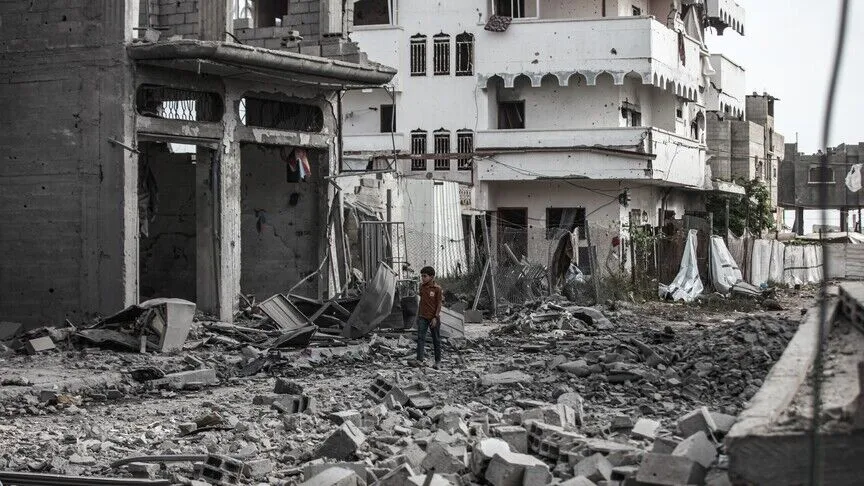
Where once stood mosaics, temples, and centuries-old tombs, there are now craters and rubble due to Israel’s ongoing bombardment. In this context, the exhibition in Paris becomes something urgent and defiant: a safeguard for memory, a museum in exile.
Much of the exhibition’s content is drawn from a trove of over 500 artifacts housed since 2007 at Geneva’s Museum of Art and History, entrusted to Switzerland by the Palestinian National Authority for safekeeping.
Many of the works stem from Franco-Palestinian excavations launched in 1995, supplemented by pieces from private collections – some of which are being shown publicly for the first time.
The curators have taken care not to separate Gaza’s ancient grandeur from the present-day suffering inflicted by Israel.
One dedicated section of the exhibition uses satellite imagery and field reports to map the devastation inflicted on cultural heritage since 2023.
French, Swiss, and Palestinian scholars have contributed rare documentation – including early 20th-century photographs of Gaza – that provide a visual archive of what once was and what may never return.
The exhibition makes no attempt to hide the political context. It explicitly refers to the destruction as part of “Israel’s brutal genocide,” anchoring the cultural annihilation in a broader system of occupation, blockade, and war.
By doing so, the Paris exhibition challenges the silence often surrounding cultural loss in war zones, raising questions about the responsibilities of international institutions and the politics of preservation as reported in Anadolu.
CrossFireArabia
Fires are raging in Israel. Flames have started in the West Jerusalem hills and are feared to be creeping into northern and mass Israel with around 119 fire crews, 10 firefighting planes, and a helicopter deployed to attempt to extinguish the blaze according to The Jerusalem Post.
Israel has asked for international help especially from countries like Italy, Greece, Croatia, Cyprus and Bulgaria to attempt to put down the raging fires that are spreading because of high winds. Later reports, and with the inability to contain the fires, Israel called for more help from England, France, Czech Republic, Sweden, Argentina, Spain, North Macedonia, and Azerbaijan.
The wild fires that started, Wednesday, are trending on the social media with images and videos of what are seen as apocalyptic scenes never seen before in Israel. The blazes, starting from the hills of western Jerusalem have spread to the areas of Tel Aviv in the north with up to eight Israeli municipalities affected with one blogger simply saying “Israel is burning.”
Reports show that people on the Jerusalem-Tel Aviv Highway abandoning their cars and running across the wilderness, anywhere, away from the raging fires consuming forests and natural habitats. Reports also suggest that 10,000 Israeli have been evacuated by over-worked Israeli firefighters who fear the battle will be long.
The highway as well as trains between Jerusalem and Tel Aviv have since been closed because of the consuming danger.
As soon as they started, Israeli government officials quickly declared a national state of emergency as raging fires spread to settlements and military bases near Jerusalem with soldiers caught in the blazes with reports that blazes raged in 29 locations such as Nataf, Eshtaol, Ramat Raziel, Giv’at Ye’arim, and Kisalon.
The fires from Jerusalem have also moved south and west due to the raging winds and weather conditions with the Israeli army being deployed to assist firefighting teams as the fires latched on to cars and other vehicles. New blazes have been reported to as far away as in Ashkelon, Ashdod and its port and bordering to the so-called Gaza envelope the territory that houses Jewish settlements and military basis.
The speed winds in Israel are expected to increase dramatically in the coming hours and days with Israeli hospitals recording 12 injuries so far due to smoke inhalation and burns. For the first time in 77 years, Israeli local councils have canceled so-called Independence Day celebrations that is when Israel was created in 1948 on Palestinians lands.
Nobody really knows how the fires have started while Israel’s National Security Minister Itamar Ben Gvir rushed to accuse local Palestinians of arson but this is hearsay.