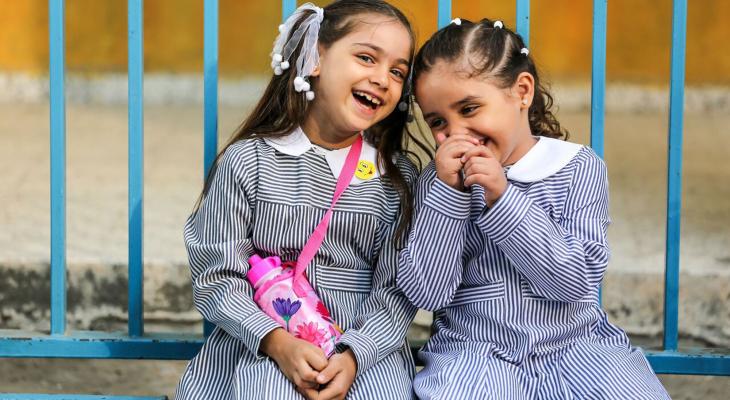
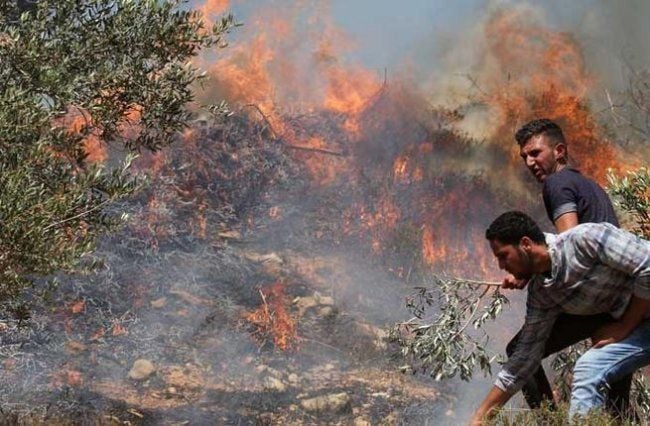
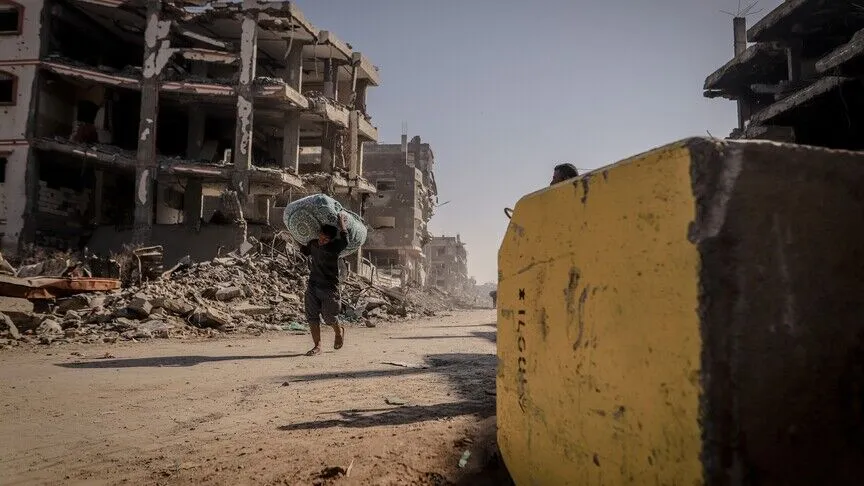
 In The Line of Fire: Gaza Families Fear The ‘Yellow Line’
 Kushner Tells Netanyahu Not to Move ‘Westwards’ in Gaza
 A Middle East Whirlpool! View From Amman
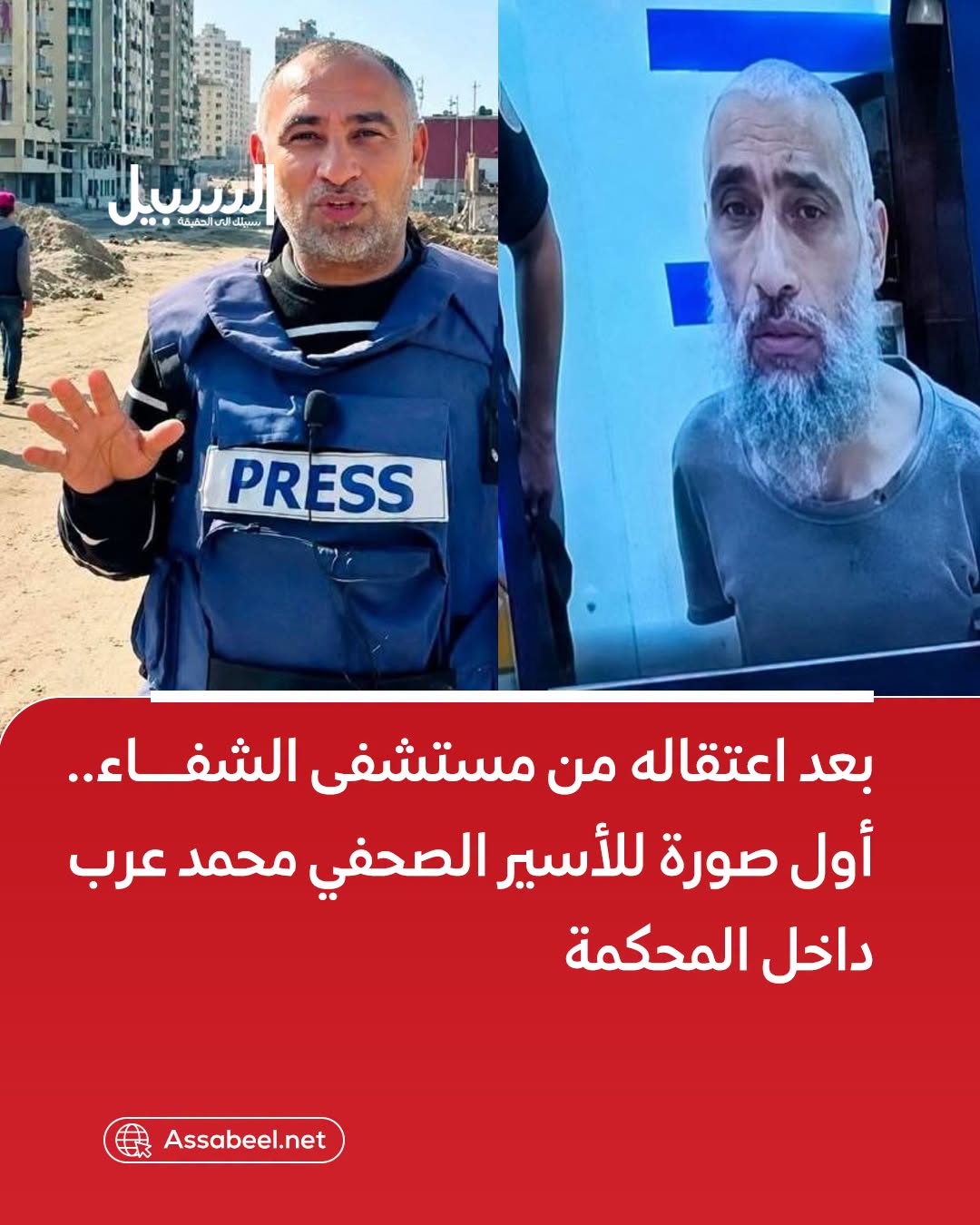 Prisoner Mohammad Arab Hadn’t Seen His Face in 2 Years!
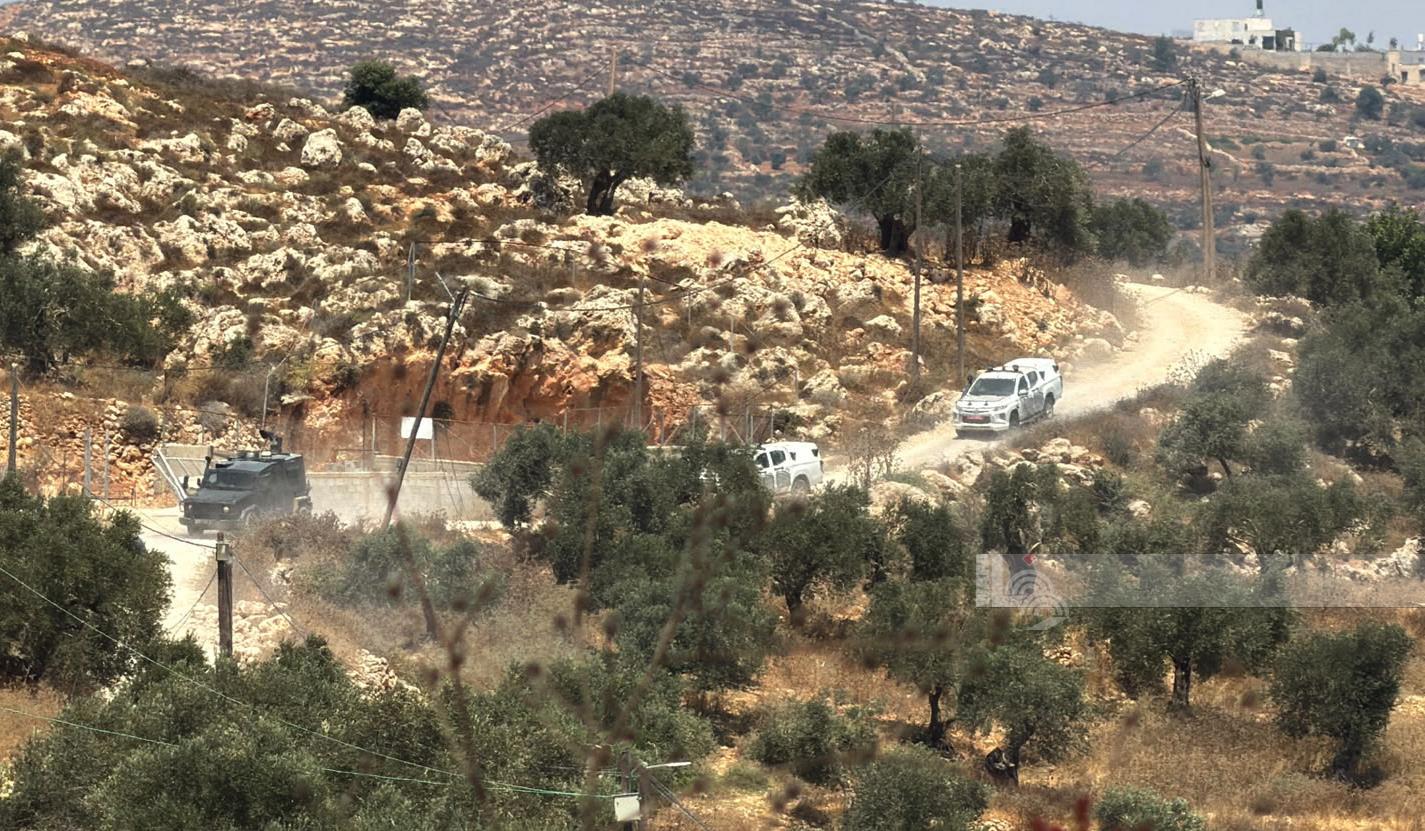 UN: 3000 Settler Attacks on West Bank Palestinians Since 2025
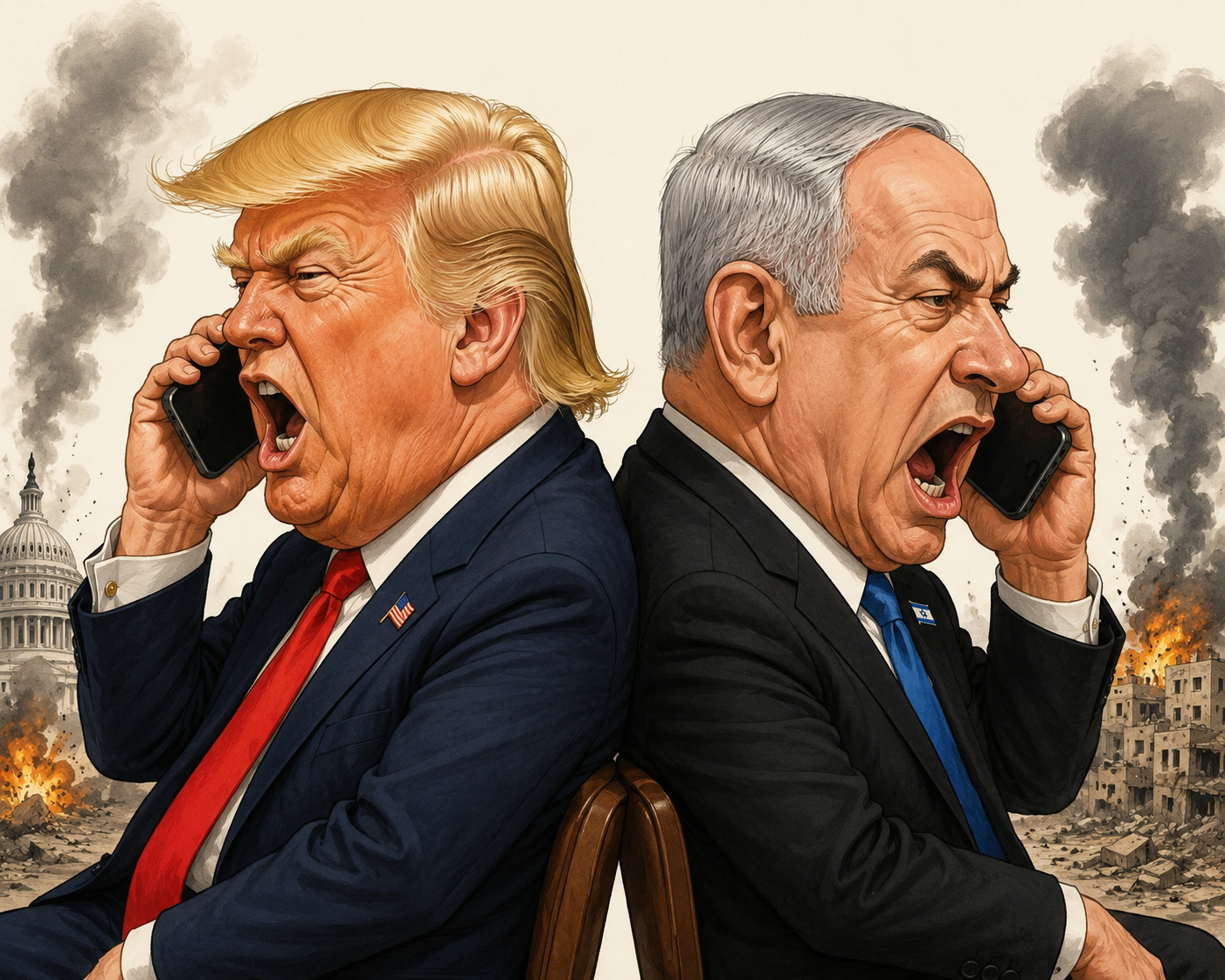
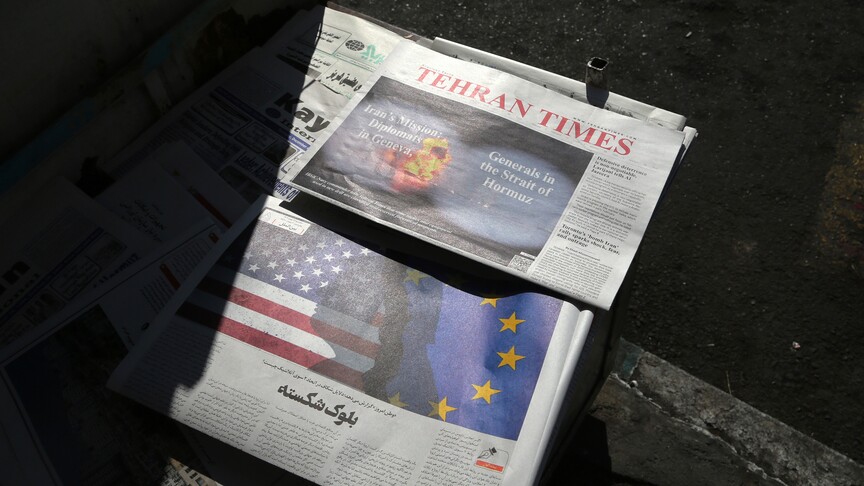
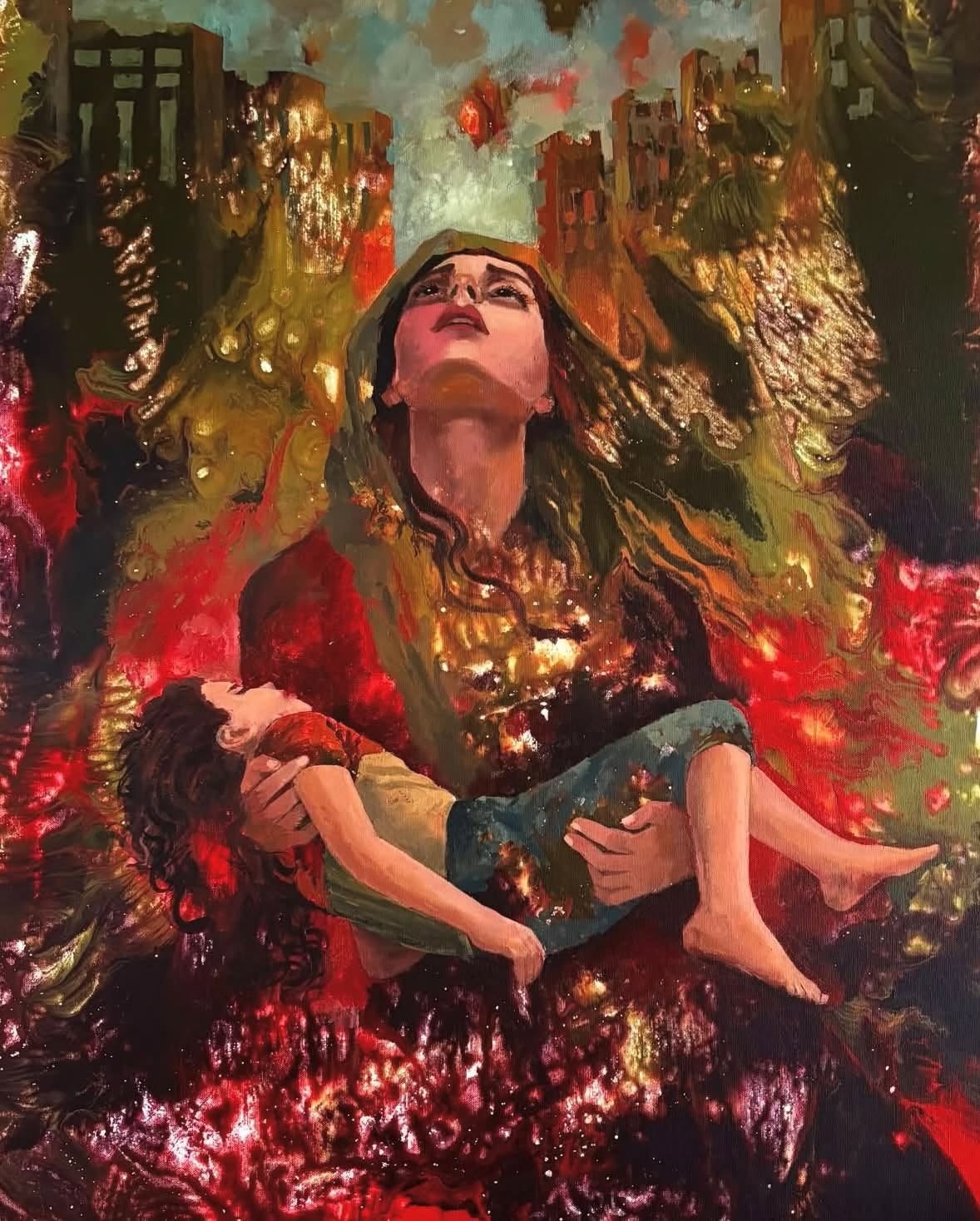
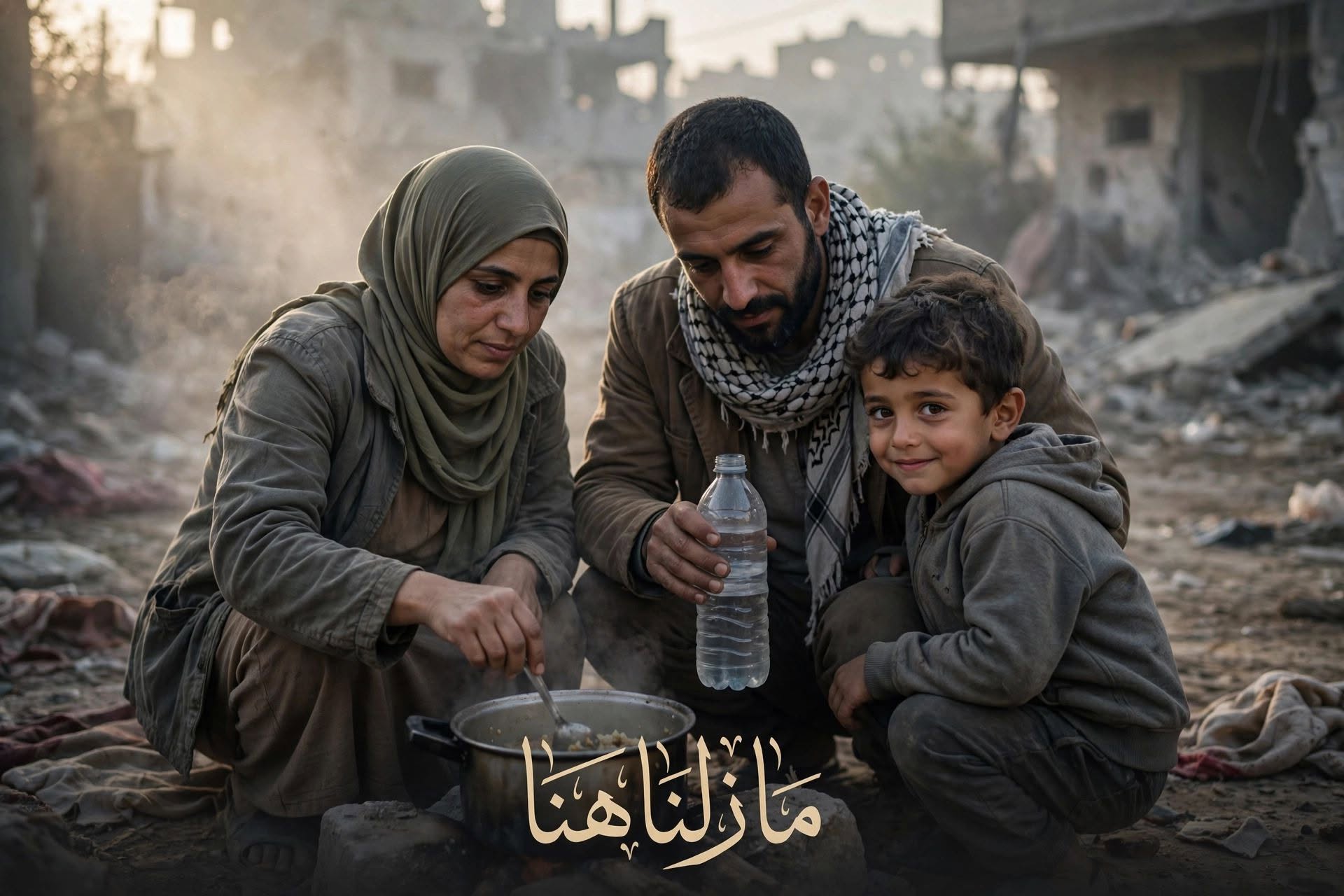
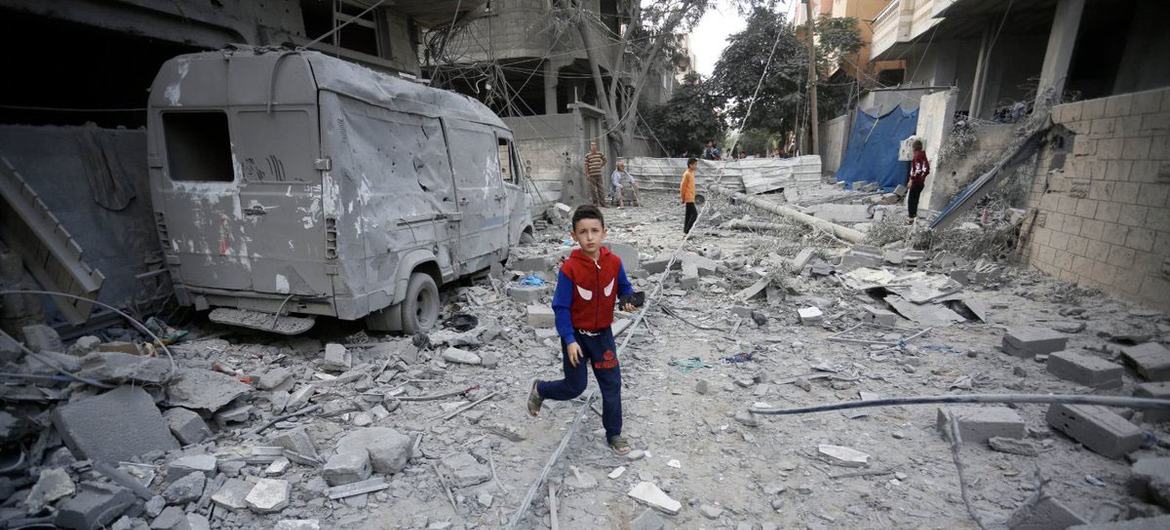
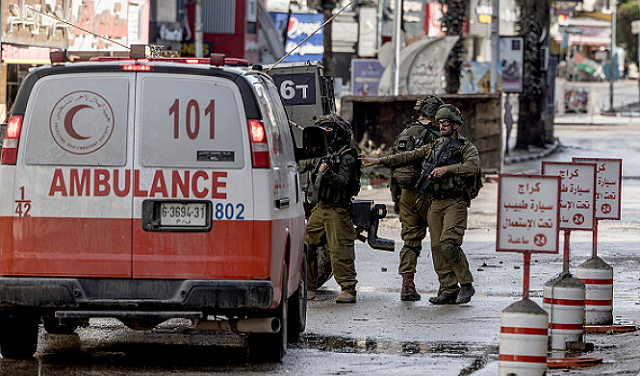
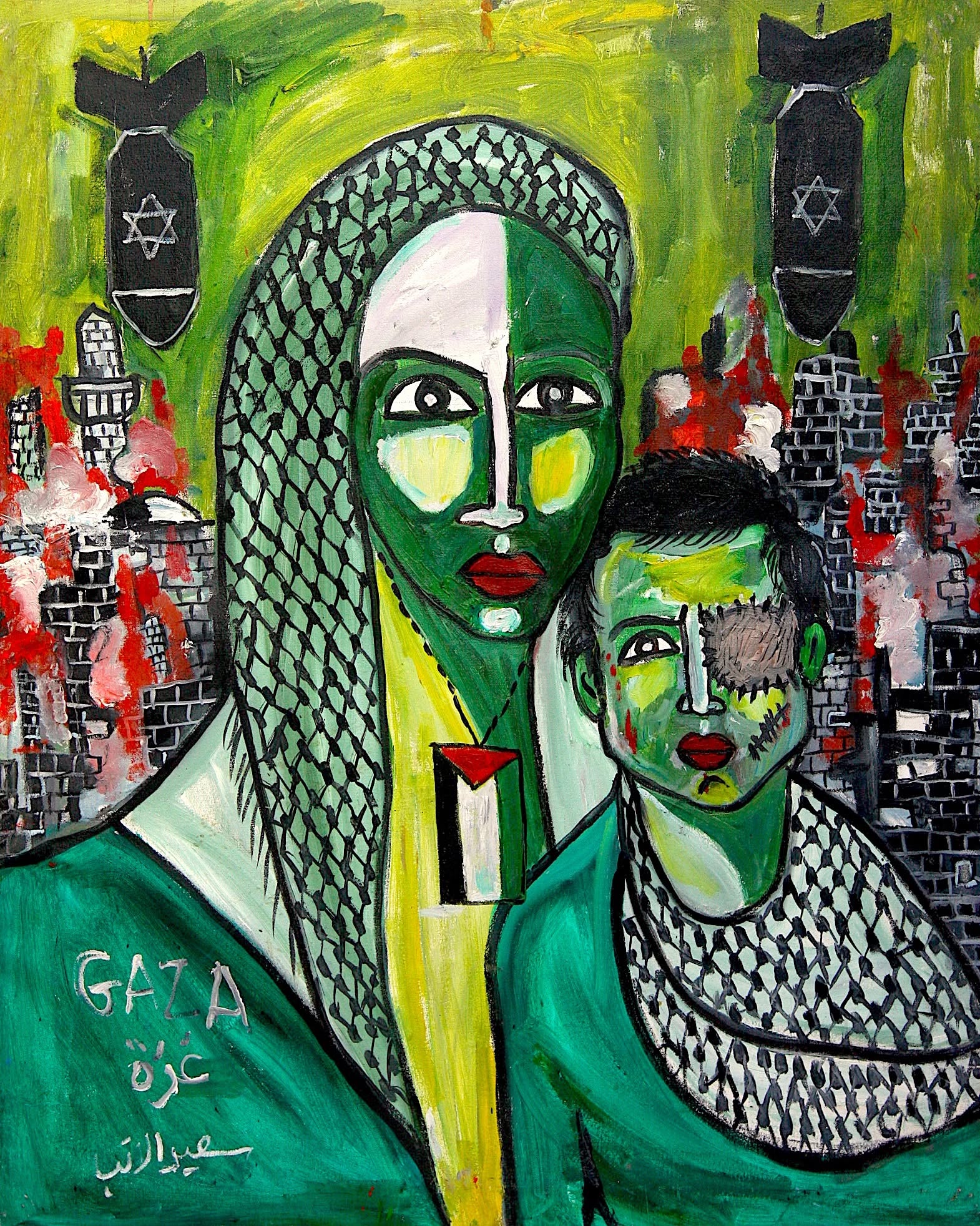
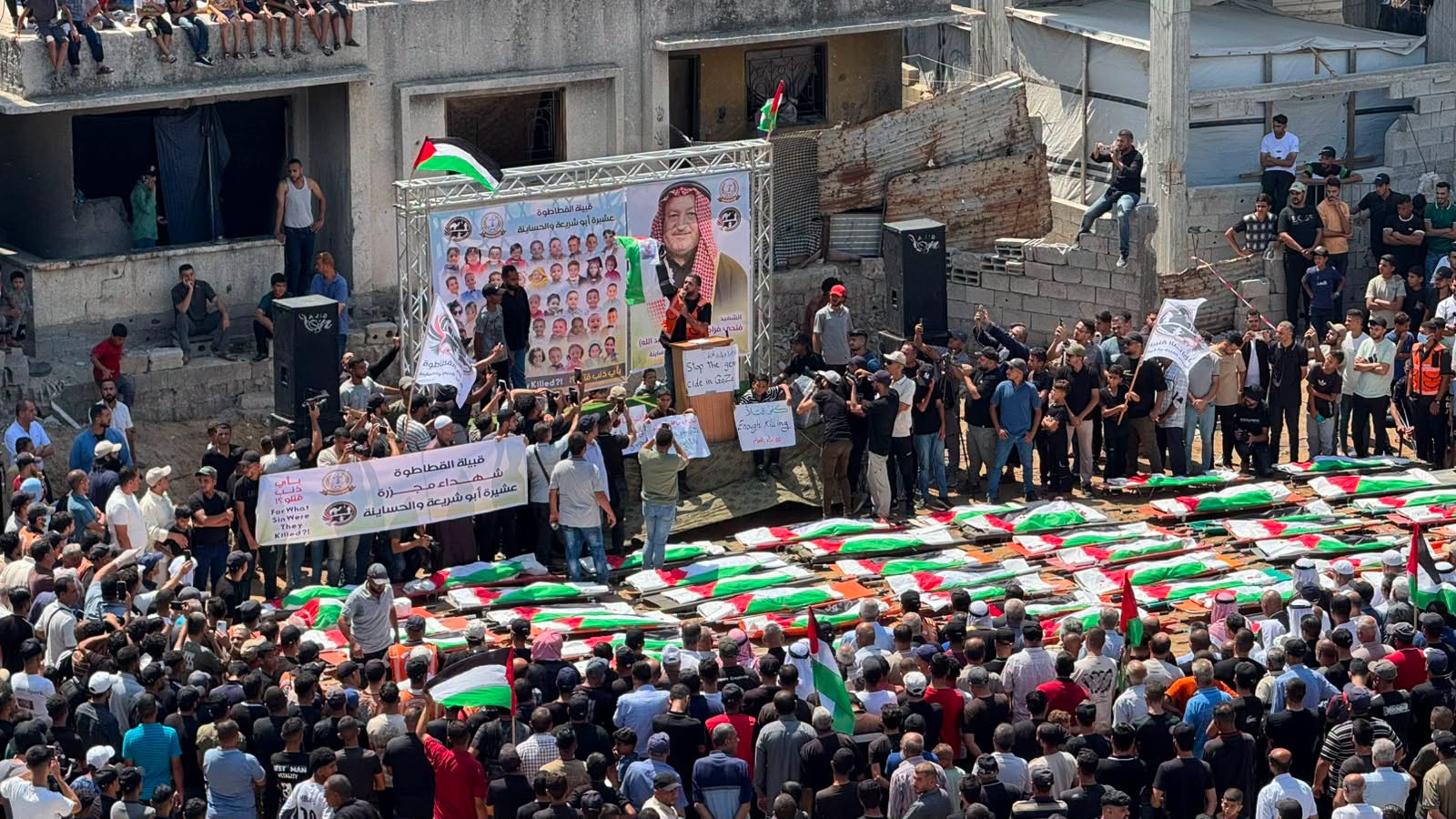
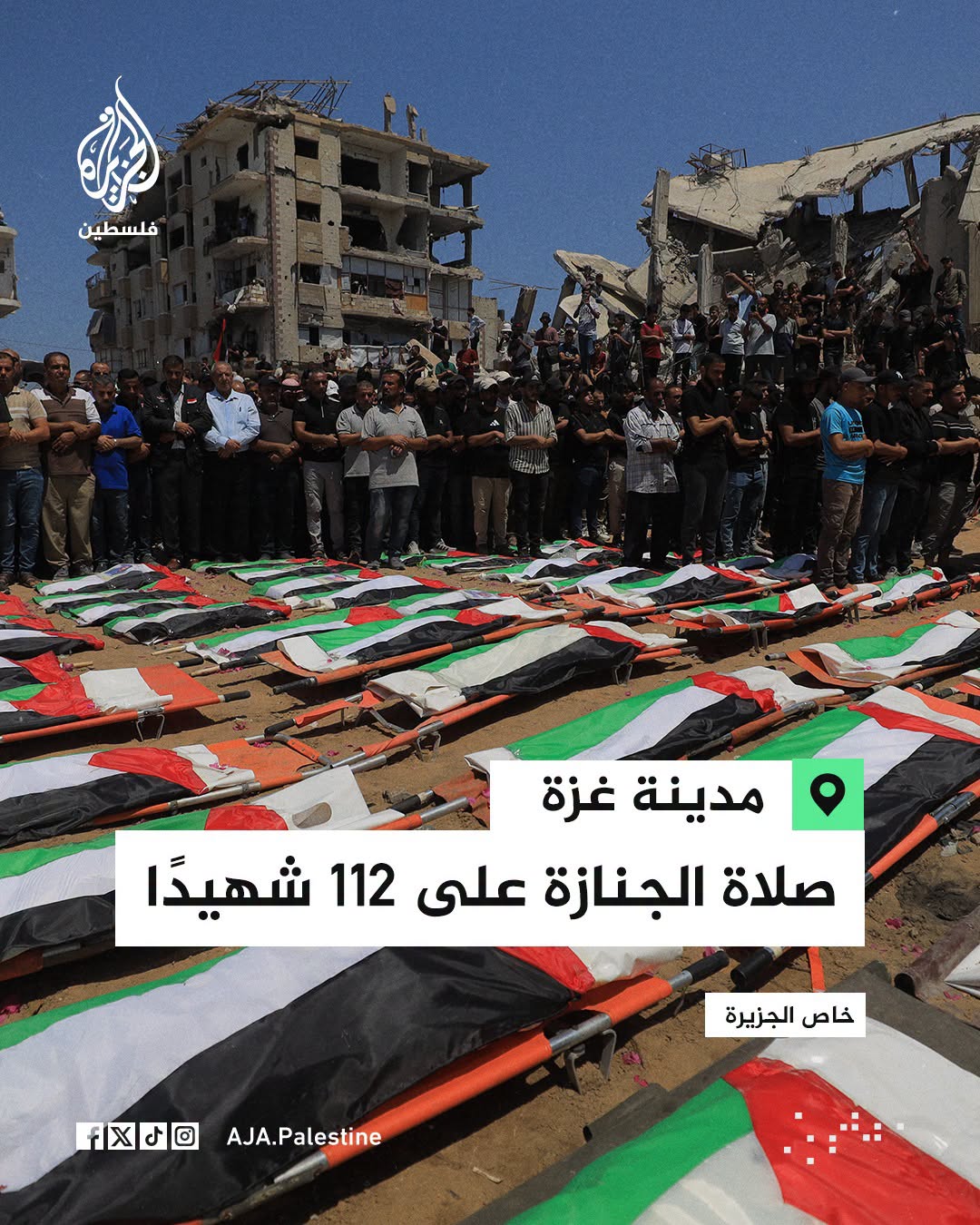
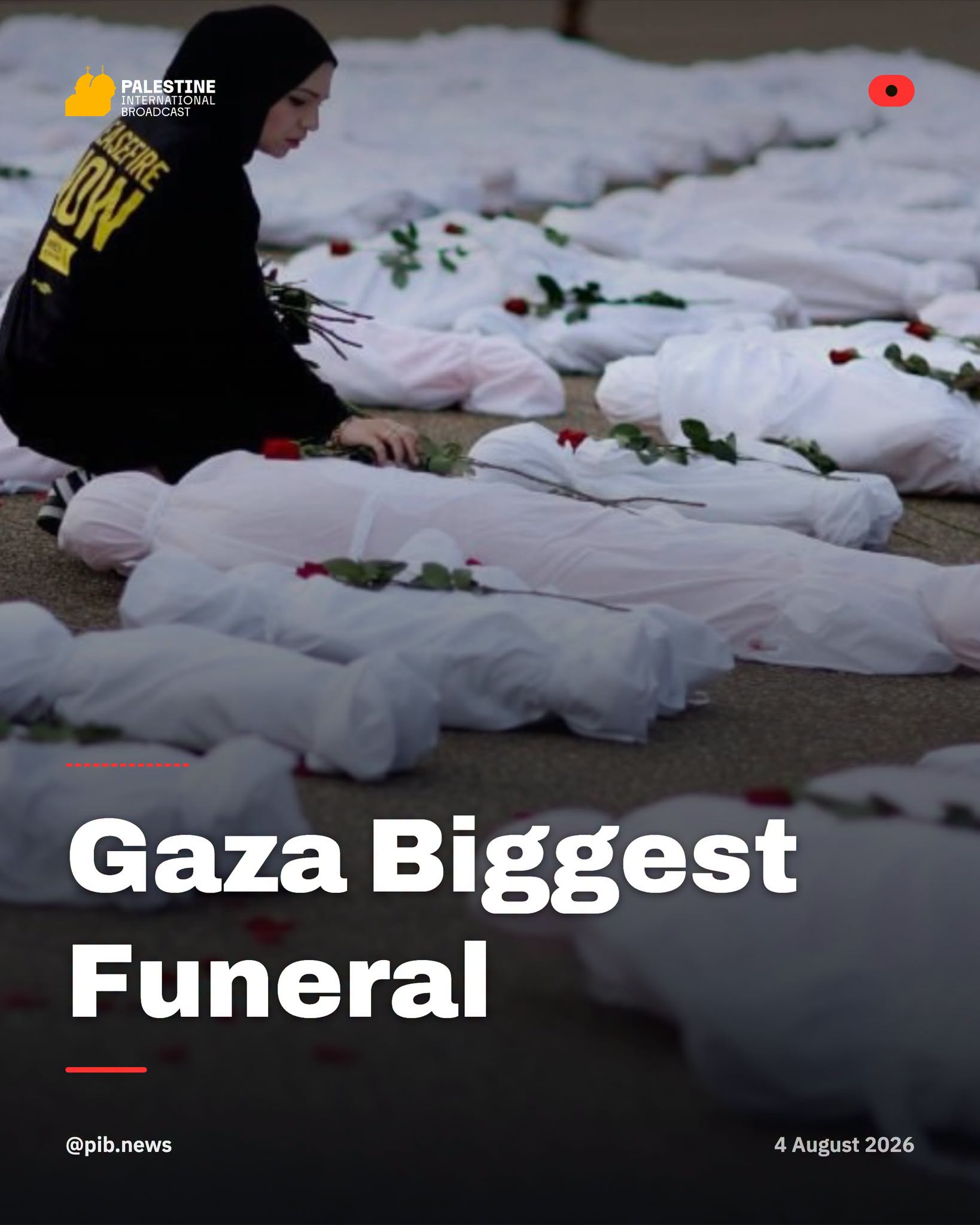
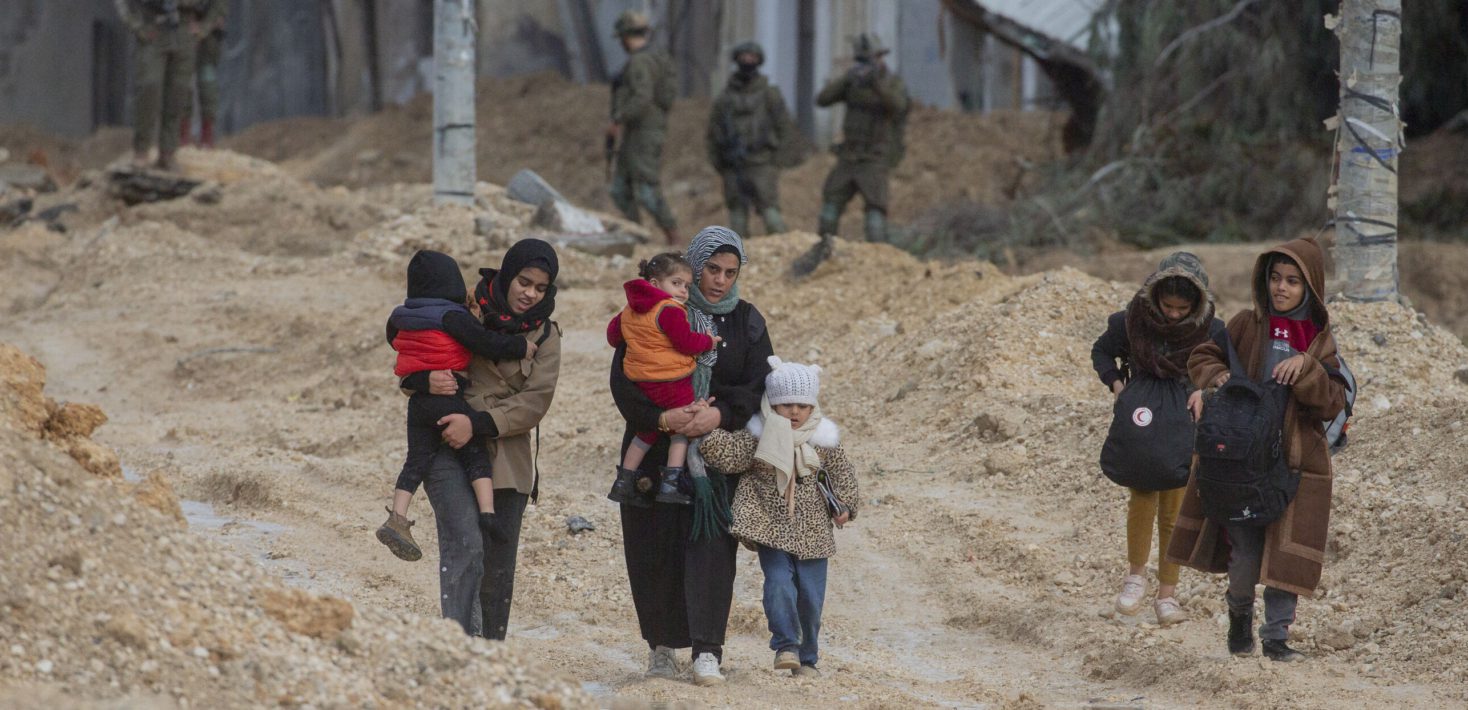
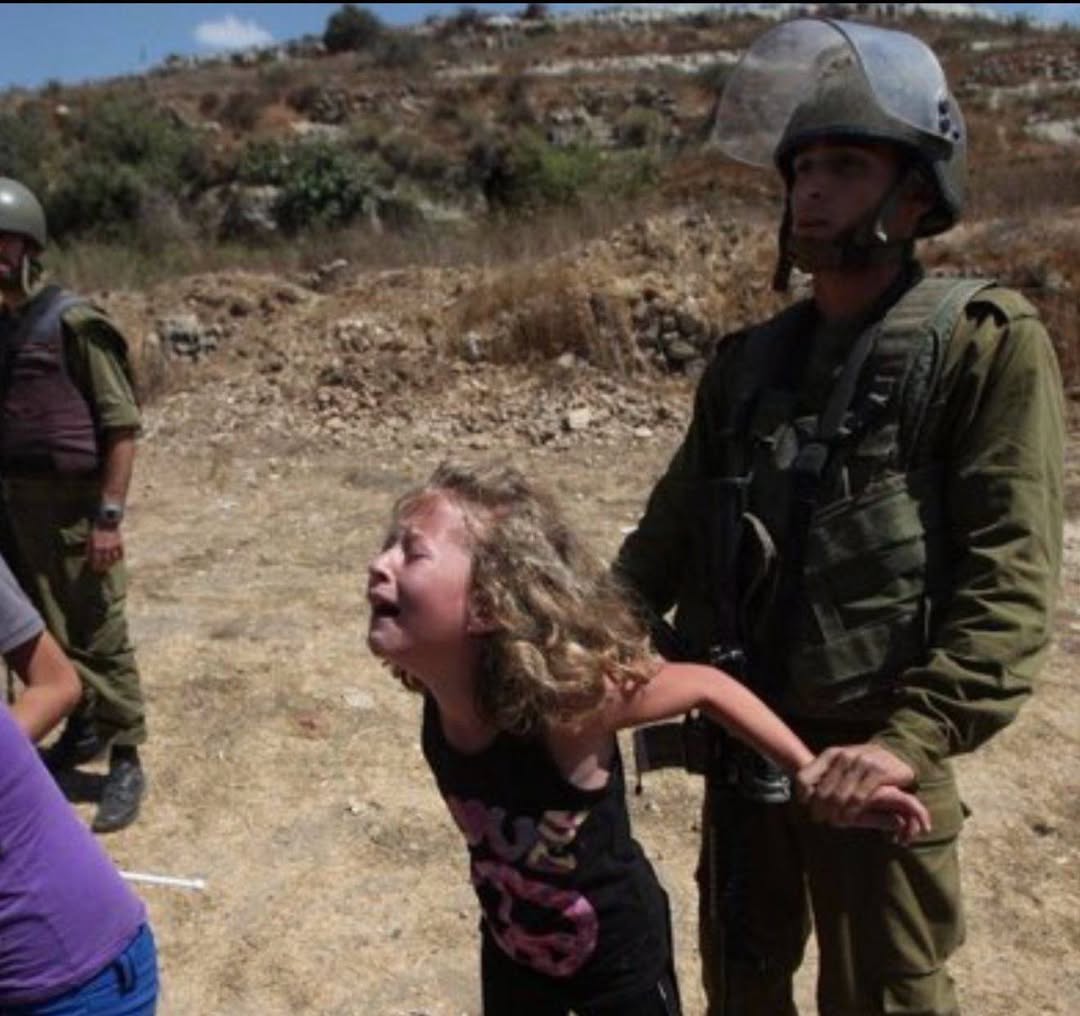
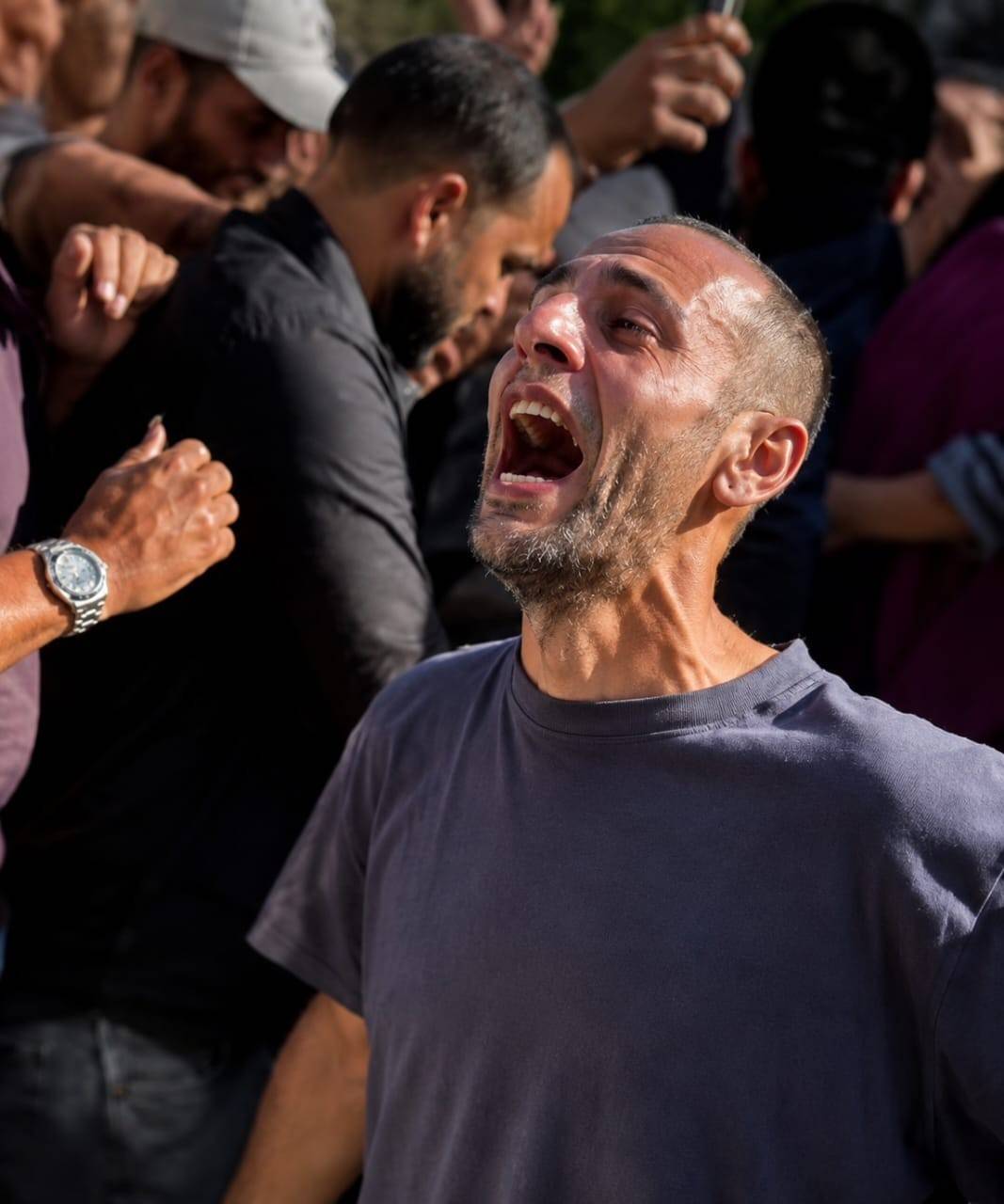
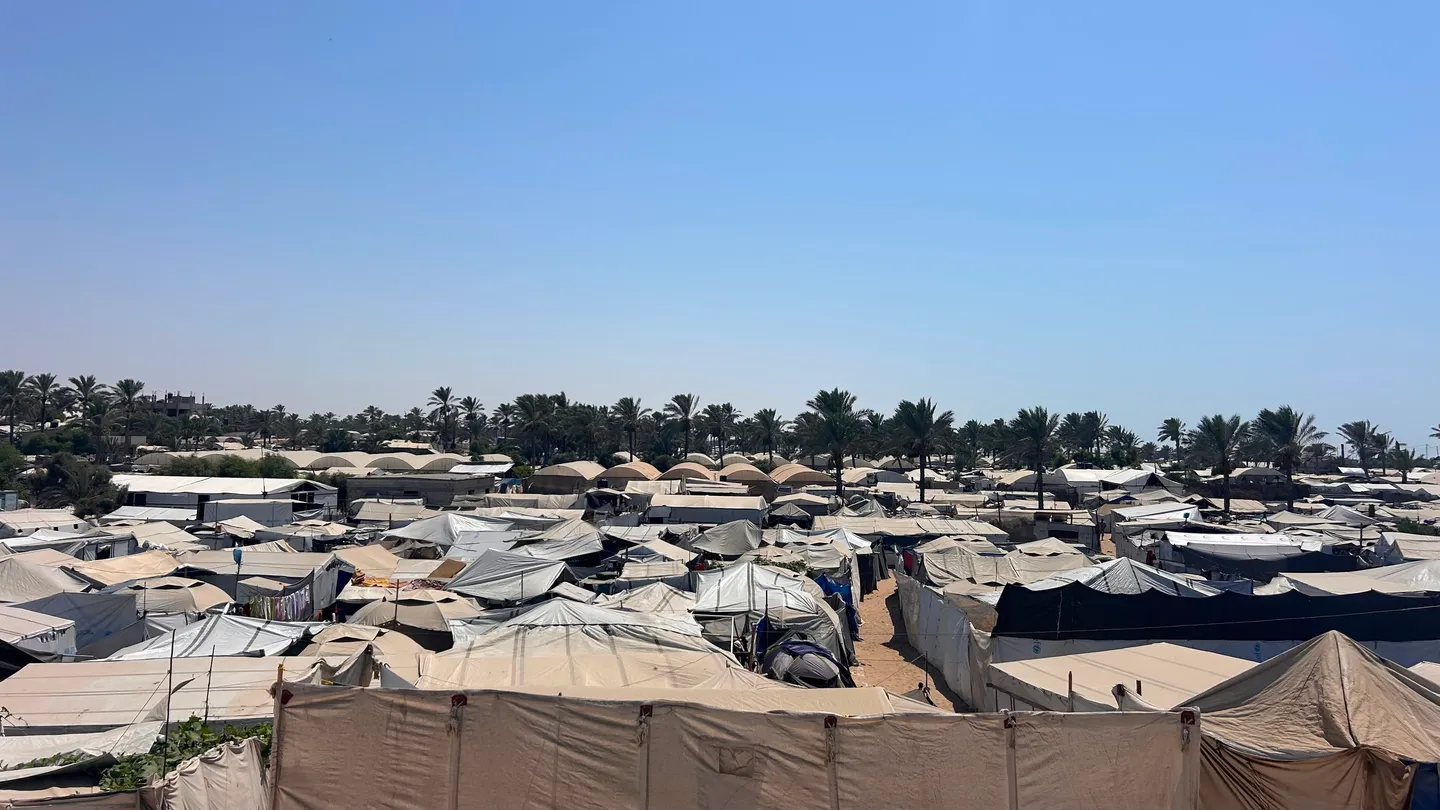
In The Line of Fire: Gaza Families Fear The ‘Yellow Line’
marwan
- August 17, 2026
 marwan
 Saleem Ayoub Qunamarwan
 CrossFireArabiaCrossFireArabiaCrossFireArabiaCrossFireArabiamarwanCrossFireArabiaCrossFireArabiamarwanCrossFireArabia
 HebaCrossFireArabiamarwanCrossFireArabiamarwanHebaCrossFireArabiamarwanmarwanHebaCrossFireArabiamarwanmarwanCrossFireArabiamarwanHebaCrossFireArabiaCrossFireArabiaCrossFireArabiaHebamarwanCrossFireArabiamarwanHebaCrossFireArabiaHebamarwanmarwanCrossFireArabiamarwanmarwanmarwanmarwanmarwanmarwanmarwanmarwanmarwanCrossFireArabiaCrossFireArabiamarwanmarwanCrossFireArabiaCrossFireArabiamarwanCrossFireArabiamarwanHebaHebamarwanmarwanCrossFireArabiamarwanmarwanmarwanmarwanCrossFireArabiaCrossFireArabiamarwanmarwanmarwanCrossFireArabiaSaleem Ayoub Quna
By Saleem Ayoub Quna
Another somber episode in the ongoing Middle East saga is about to be quietly scrapped by manipulative overt hands and emerging developments, that are no less than disappointing!
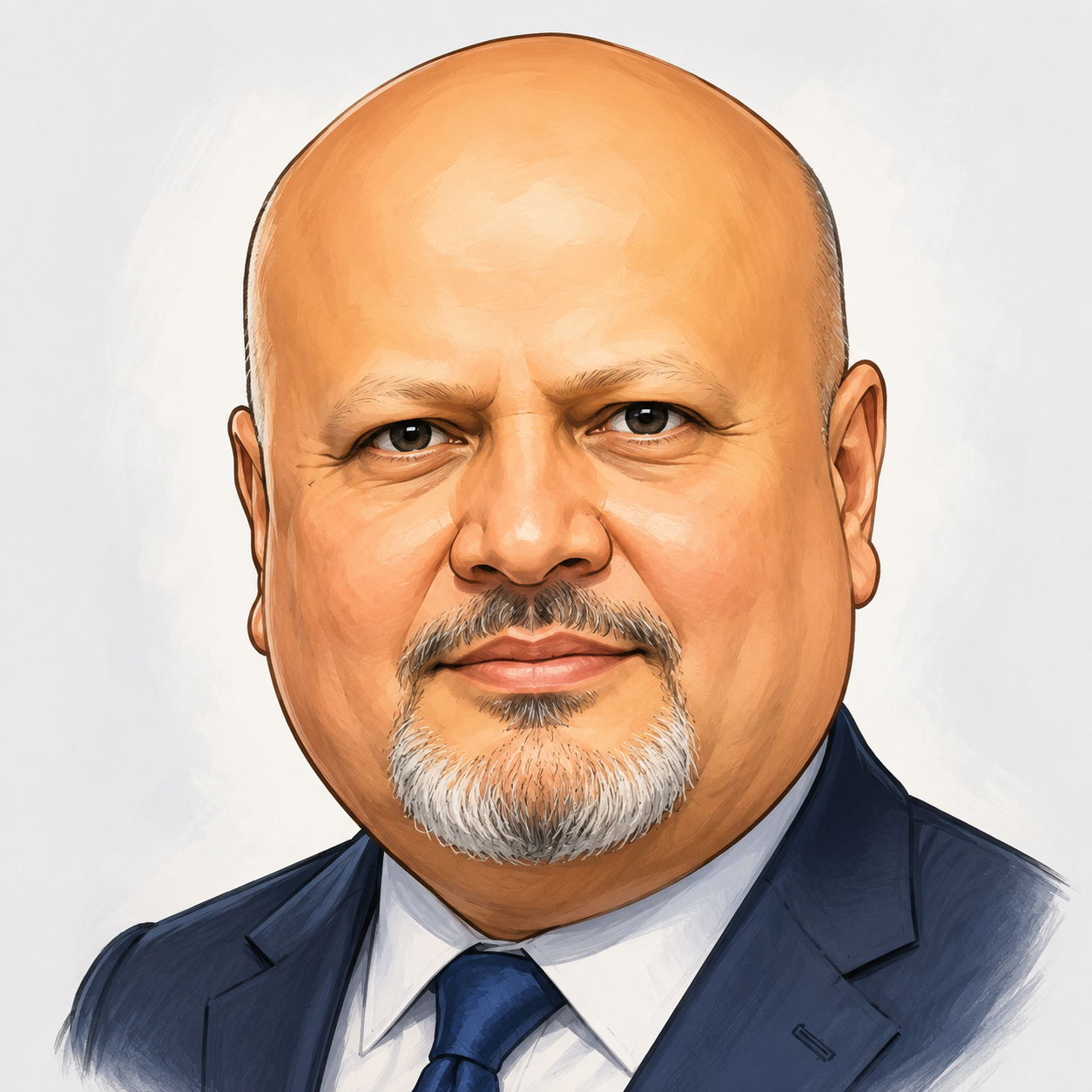
The story of the main character of this episode began long time ago in Edinburgh, Scotland, in 1970, when a child was born to a dermatologist Scottish mother and a Pakistani father of the same trade!
The child was named Kareem Asad Ahmad Khan, who grew up to educate himself in Law, later to pursue a judicial career, until he landed as top job in The Hague, the Netherland, in 2021, and eventually becoming the Chief Persecutor of the International Criminal Court (ICC).
It was at this juncture that he replaced Ms. Fatou Bensouda, a lady of Gambian origin, who was seeking to investigate the never-ending tragic situation in Gaza and the West Bank under the Israeli military occupation.
Scuffle With Mossad
Bensouda stepped down after 17 years of service at the ICC, including the last nine years as Chief Prosecutor. On her point of departure, she made it clear that the Israeli head of intelligence, Yossi Cohen, met her more than once and told her to drop the charges she was making against Israel’s actions in the two Palestinian territories, but she would not bow, until she officially resigned on 15 June, 2021.
And so since the beginning of his new appointment the new chief prosecutor, and like his predecessor, Khan was charged of continuing to investigate cases, situations and/or individuals suspected of offenses such as genocide, war crimes, crimes against humanity and aggression, where and whenever, they occurred, whether in Ukraine, Darfur, Belarus, Afghanistan or in Gaza and which indeed become his nightmare, magnified by an Israeli genocide on all accounts that began on 7 October 2023 and lasted for 2 years, 9 months and more, and was declared ‘De Jure’ in October 2025.
No one warned Mr. Khan that he was stepping into a thick minefield, or if they did, he would only listen to his heart and conscience! For that, he must have been bracing for the worse, for himself, and probably for the thousands of war victims he was investigating.
The war in Gaza led to the death and injury of hundreds of thousands of Palestinians, (nearly 75,000 dead and more than 200,000 injured), whereas for the Israelis, they suffered 1200 dead and at least over 5000 injured.
So, in May 2024, Khan adopting a “balanced” position despite the flagrant disparity between the two sides on all levels, announced the arrest warrants for five main individuals directly involved in Gaza war: Israeli Prime Minister Benjamin Netanyahu and his Defense Minister Yoav Gallant, and the top three leaders in Hamas: Yehya Sinwar, Mohammd Dief and Ismail Haniyeh.
Days after the issuance of these arrest warrants, the name of a certain local female employee (known only as Sarah) suddenly popped up at the ICC, as the alleged victim of sexual harassment at the hands of non-other than the honorable Chief Prosecutor, Kareem Khan!
In an orchestrated follow up, the US Treasury Department in February 2024 imposed sanctions on Khan, after President Donald Trump sanctioned the ICC judges for issuing the said arrest warrants against Netanyahu and Galant.
And in May 2025 Khan stepped down as Chief Prosecutor due to the said allegations of sexual misconduct, and was suspended pending a vote by the state members of the ICC.
In July 2026 Khan was ousted from his post as 82 out of 125 ICC member states voted, in secret, in favor of his dismissal!
As for the Palestinian leaders who were also involved in that war, Israel took things in their hands and ended the life of the three Hamas leaders: Mohammd Deif was killed in Khan Younes on 13 July 2024, Yehya Sinwar killed in the same city on 16 October, 2024 and Ismael Haniyeh was assassinated in faraway Tehran on 31 July, 2024.
The question now is whether the candidate for the Chief Prosecutor post at the ICC, will follow suit in the footsteps of his two predecessors, regarding the unfinished business of atrocities and war crimes around the globe, or will he/she be somebody of a new breed of international prosecutors?
Soon we may have a clue! But personally, I am not optimistic!
marwan
From Ghulam Murtaza Dahar:
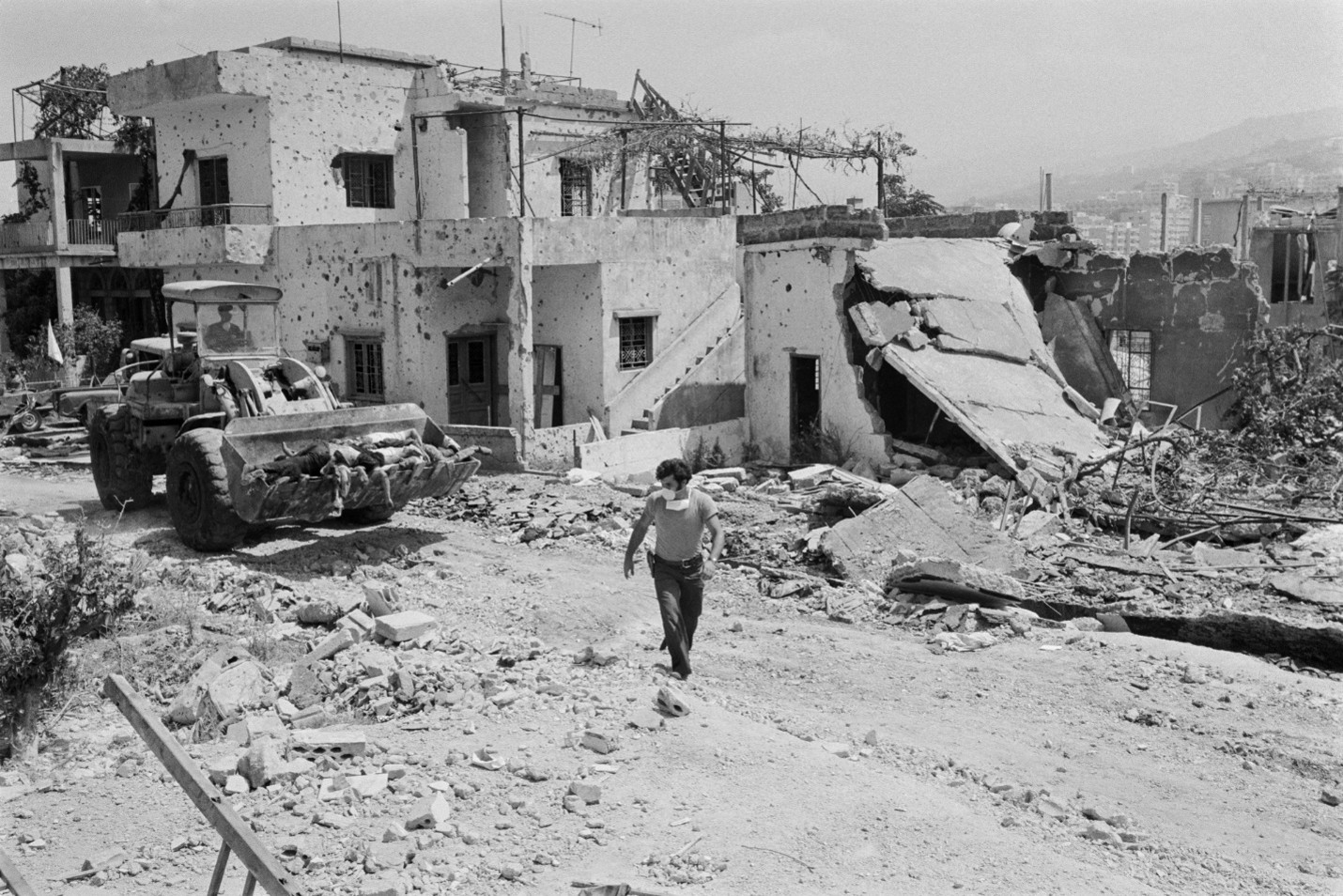
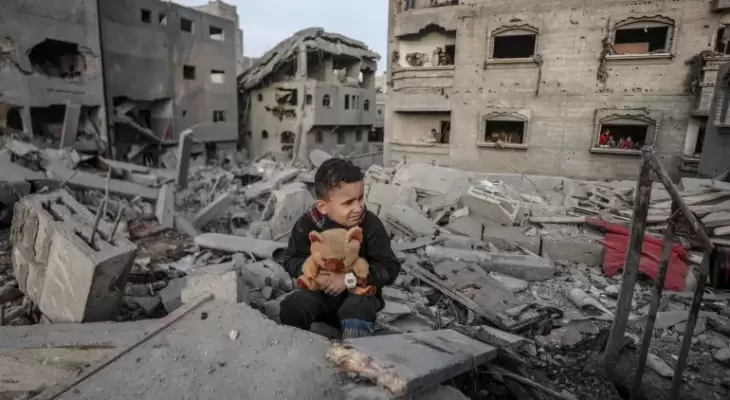
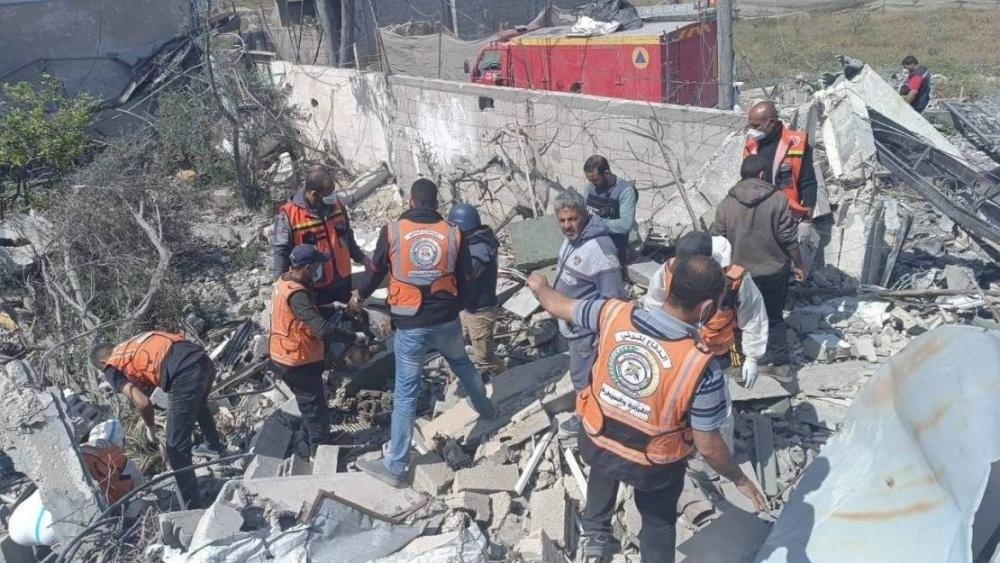
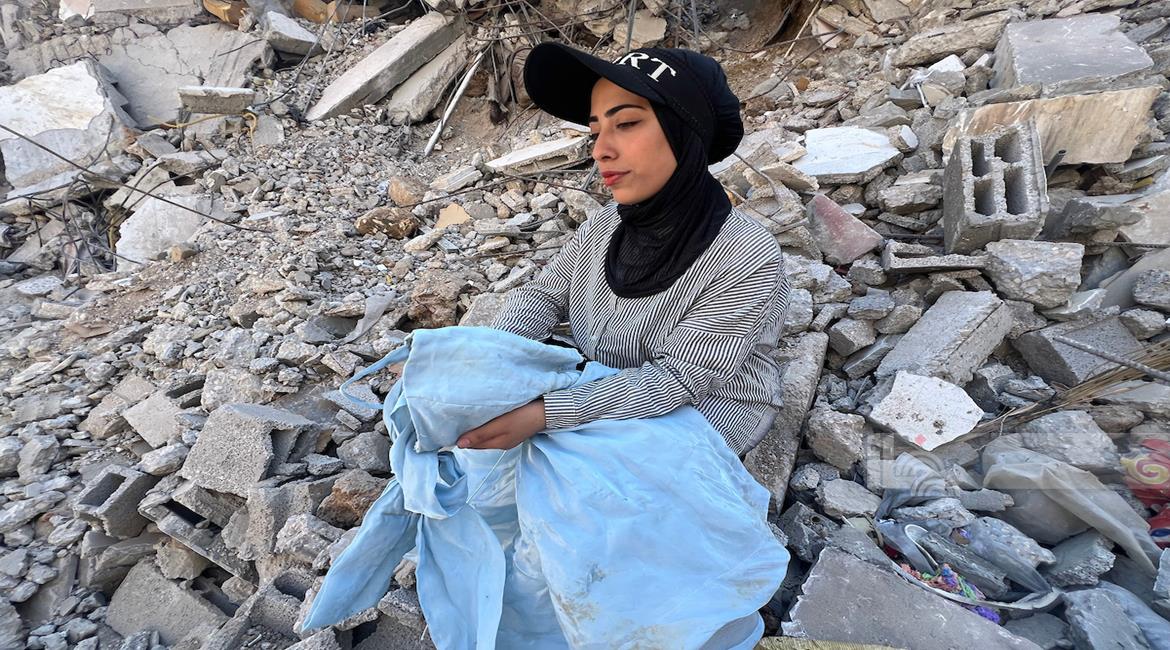
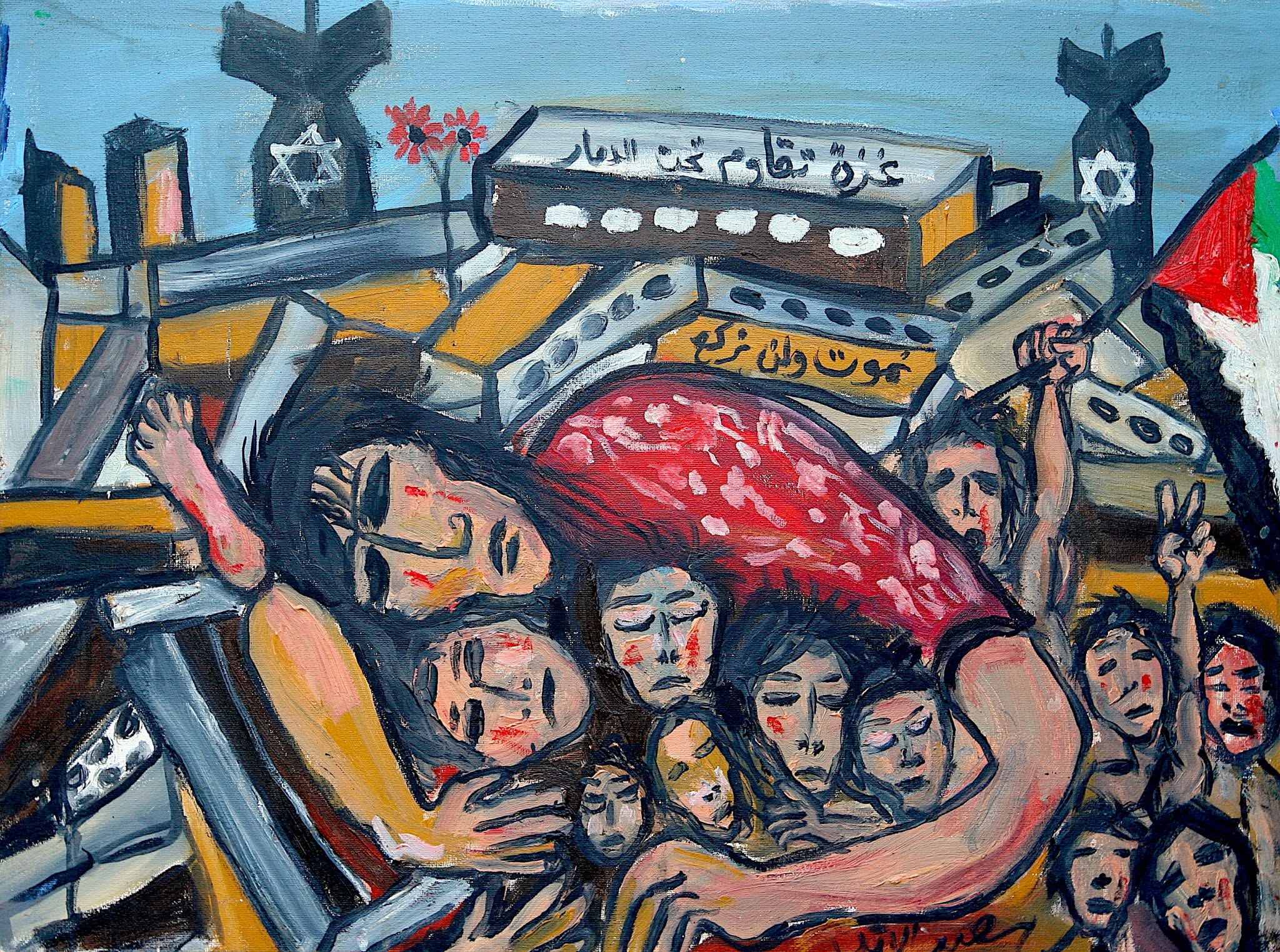
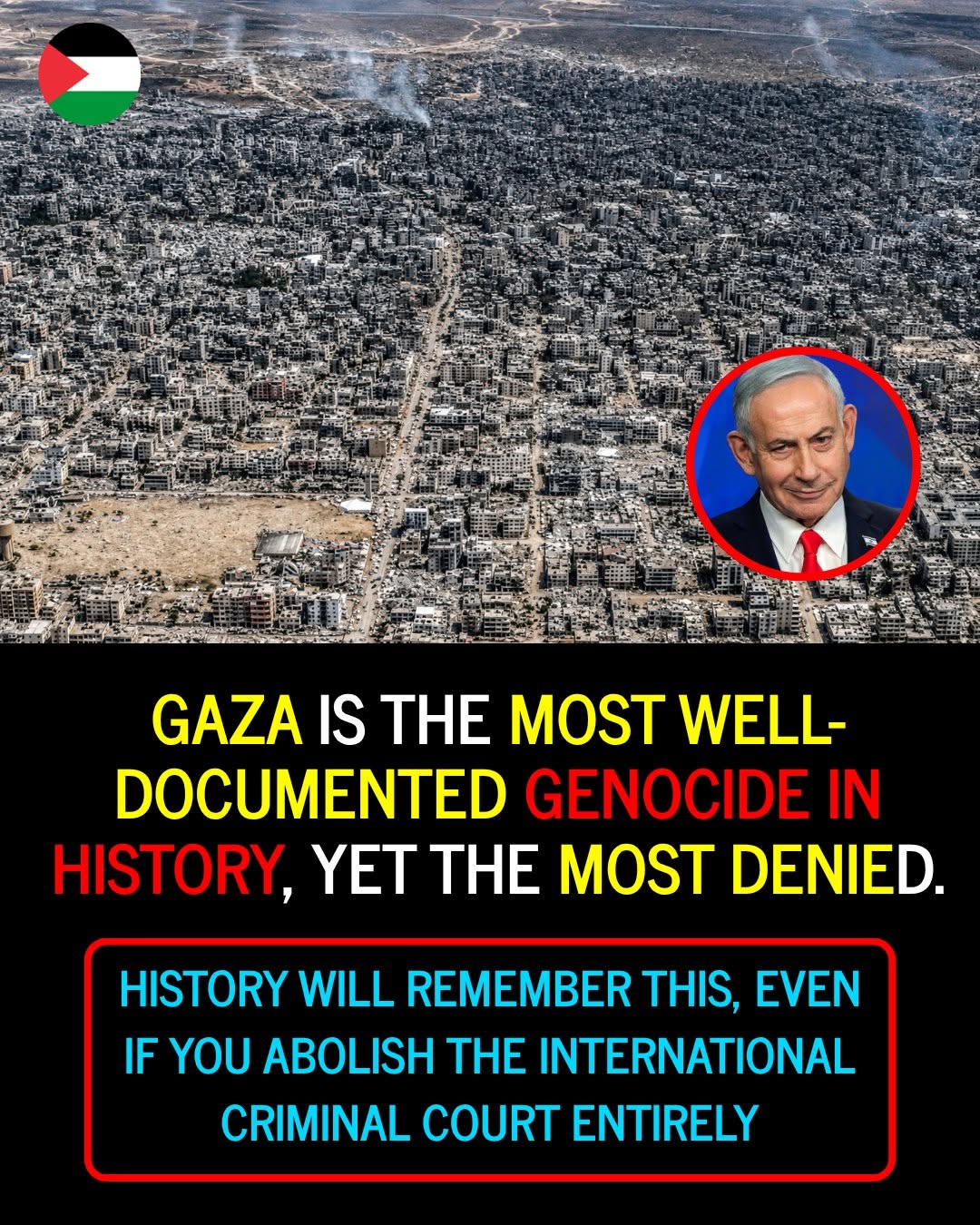
The images coming out of Gaza have been seen by billions of people in real time. Satellite footage. Videos from journalists. Testimonies from doctors. Aid workers. Families searching through rubble. Children pulled from collapsed buildings. Entire neighborhoods reduced to dust.
Never before has a modern war been documented so extensively while remaining so fiercely contested in the court of global opinion.
Many human rights organizations, legal experts, and governments have raised grave allegations about Israel’s conduct in Gaza, while Israel strongly rejects accusations of genocide and says it is acting in self-defense against Hamas.
But whatever legal judgment history ultimately reaches, one reality cannot be erased. The destruction is real. The civilian suffering is real. The graves are real.
Governments may debate definitions. Politicians may argue over terminology. Courts may take years to deliver verdicts.History, however, will remember what the world witnessed.
And future generations will ask not only what happened in Gaza, but who chose to look away
CrossFireArabia
By Ramzy Baroud
The words “killed”, “injured”, “maimed” and the like often lose a great part of their meaning when they are repeated so relentlessly.
Take, for example, a headline like: “13 Palestinians Killed in Gaza, Others Wounded.” Though many of us can still feel a deep sense of sadness over such a tragedy, the news itself becomes less shocking over time.
According to figures produced by the Palestinian Ministry of Health in Gaza, Israel has killed and wounded a total of over 250,000 Palestinians since the start of the genocide in 2023.
The tally is updated daily because the killing never stops.
On July 23, six Palestinians were killed in Gaza. A day earlier, 13 were killed and the day before that, nine others were killed and so on.
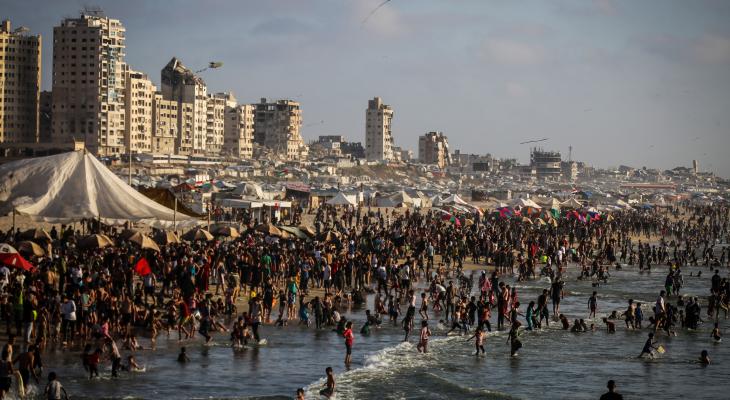
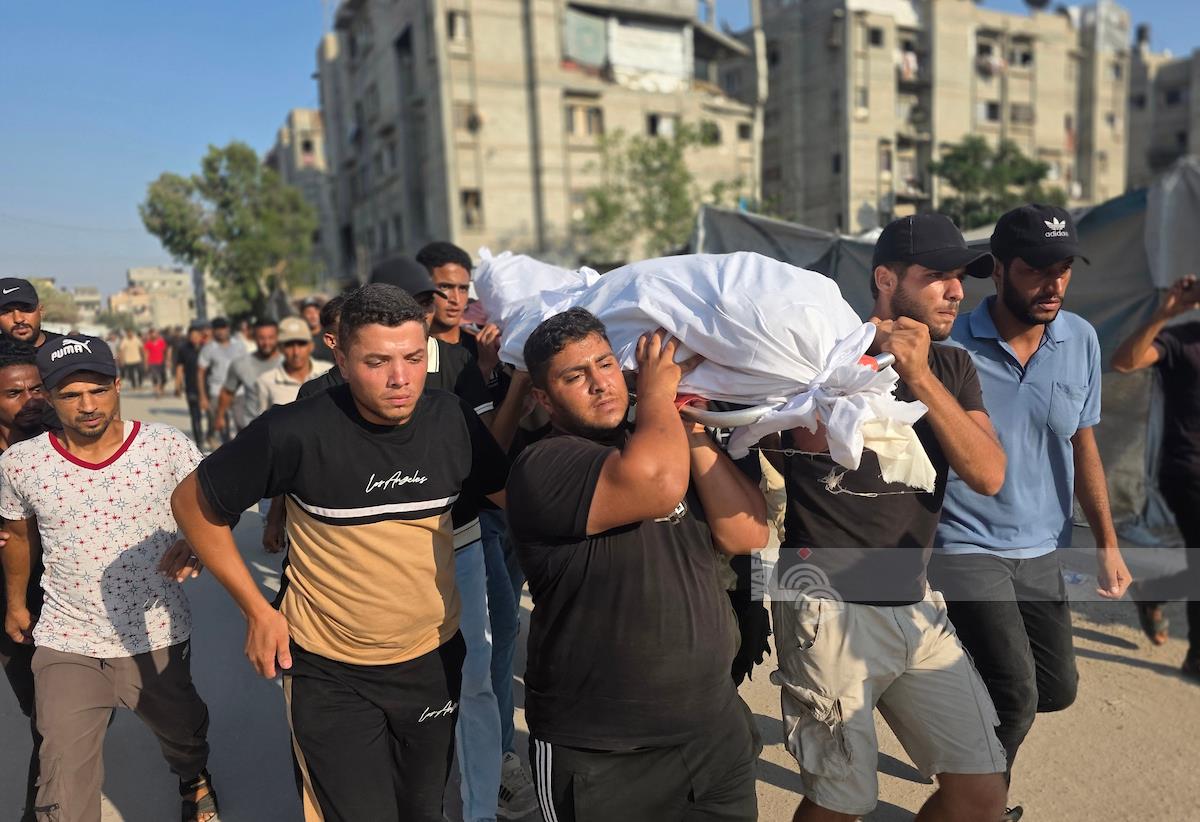
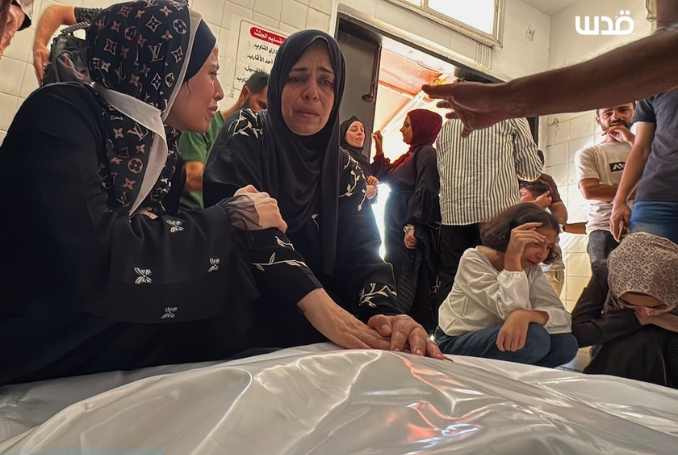
It is this “and so on” that makes us lose our sense, over time, of what these tragedies actually entail. These are innocent people who are burned alive in their tents, bombed in their cars, or killed while attempting to enjoy a brief moment of respite from the scorching heat on the beach.
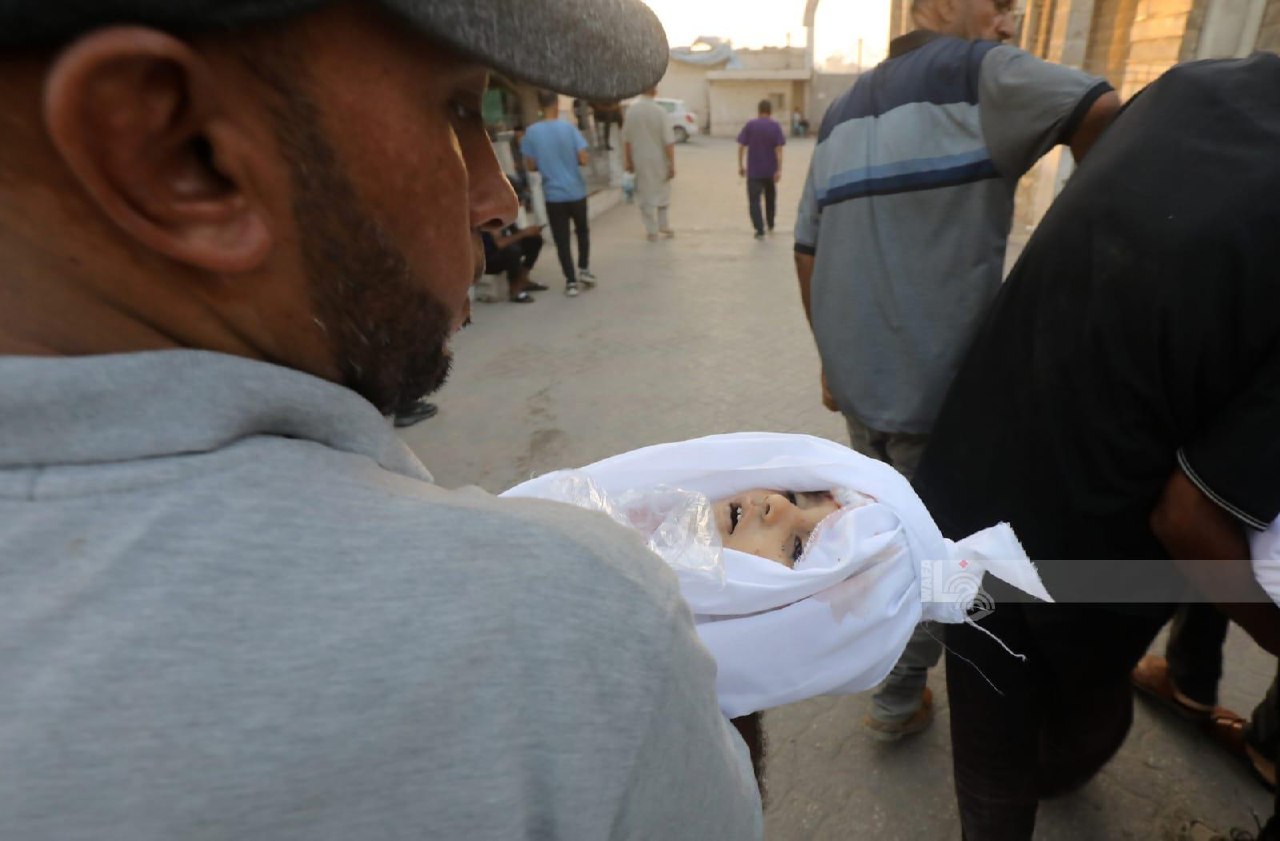
Among the nine killed on July 21, an entire family, including four young children, was wiped out in a single strike. As reports of Israel’s daily harvest of Palestinian lives in Gaza multiply, journalists too often neglect to humanize those killed.
A photo circulating on social media showed three of those children: A boy wearing a T-shirt that read “Santa Monica Beach”; his bespectacled sister in a pink shirt, proudly holding a certificate of achievement from her school; and their youngest sister, posing gently.
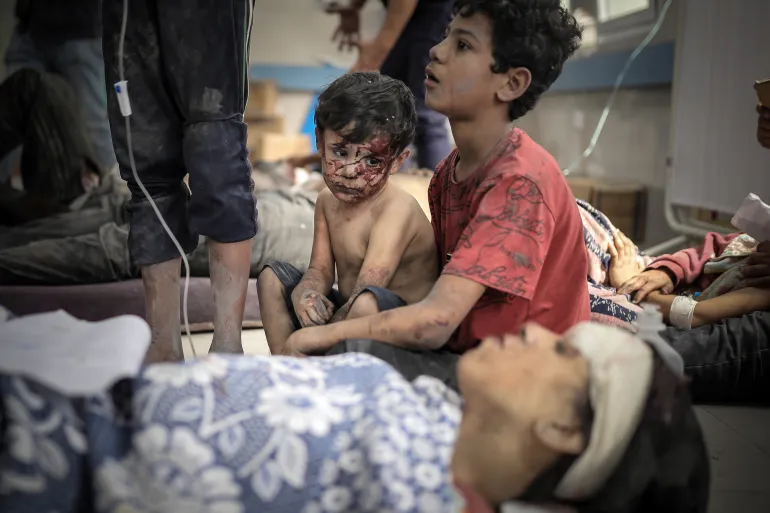
These three represent every single Palestinian child killed since the start of this genocide. According to UN and international estimates, over 21,000 children have been killed in Gaza, with tens of thousands more maimed or buried under the rubble.
Though the daily routine of killing makes the tragedy feel less shocking for those merely hearing the numbers, it becomes infinitely more tragic for those who must bear it directly. In Gaza, not a single family has been spared the loss of loved ones, making the grief compound day after day.
There are no words to describe the collective pain of Gaza.
What makes the tragedy even more unbearable is that the entire world knows what has transpired and continues to transpire in Gaza, yet fails to do anything about it. We keep track of the numbers, we point to Israel’s barbarity, we decry the failure of international institutions, and we shake our heads in despair.
Yet, the outcome remains unchanged: the death toll rises, and new statistics are generated daily to remind us of the magnitude of the crisis.
A July 23 joint report by the FAO, UNICEF, and the World Food Programme found that 1.4 million Palestinians in Gaza face acute food insecurity.
The report also warned that more than 74,000 children under five are expected to require urgent treatment for acute malnutrition over the coming year.
This report was released on the same day that Gaza health authorities updated the official death toll to over 73,311 Palestinians. That number is already higher now, as more have been killed since.
On that same day, Thameen Al Kheetan of the UN Office of the High Commissioner for Human Rights (OHCHR) stated that “no place in Gaza can be considered safe”.
That statement is true, of course, but it is also the most well-known fact in the world right now. No one is contesting it. And yet, no one acts: Israel keeps bombing, the US Congress continues assigning it more weapons, and the rest of the world tracks the death tally.
Meanwhile, Israel—which has seized control of even more territory in Gaza since the so-called ceasefire—is now constructing massive earth barriers stretching an estimated 23 kilometers across the Strip.
Though it was never fair to begin with, even the original Trump Gaza plan never mentioned the building of interior borders, the theft of additional land, or the concentration of displaced Palestinians into tiny enclaves within an already small piece of land.
Israel’s long-term plan is not only to maintain permanent military control over Gaza, as top Israeli officials have declared, but also to prolong its torment indefinitely.
Even as I write this article, news reports indicate that four more Palestinians have just been killed. It is unlikely the number will remain that low; the Israeli army rarely kills in small numbers.
But even these small numbers represent human beings whose grief cannot be measured in statistics, summed up in official statements, or reduced to clichéd headlines.
Nor do survivors cling to the empty promise of international law prevailing over US-backed impunity. History has made Palestinians cynical. For generations, through every massacre and land theft since the 1948 Nakba, waiting for justice has yielded nothing but hollow promises and rising body counts.
The only difference between the past and the present is that today, we all know, see, and hear exactly what is happening in Gaza and across Palestine.
The very least we can do is refuse to turn our backs or reduce the genocide before our eyes to numbers.
If we allow that to happen, we become culpable, too: Israel does the killing, using American arms, while we sit by, counting the dead and shaking our heads at the sad state of the world.
Ramzy Baroud is a journalist, author and the editor of The Palestine Chronicle. He is the author of eight books. His latest book, “Before the Flood”, was published by Seven Stories Press. His other books include “Our Vision for Liberation”, “My Father was a Freedom Fighter” and “The Last Earth”. Baroud is a non-resident senior research fellow at the Centre for Islam and Global Affairs (CIGA). He contributed this article to The Jordan Times
CrossFireArabia
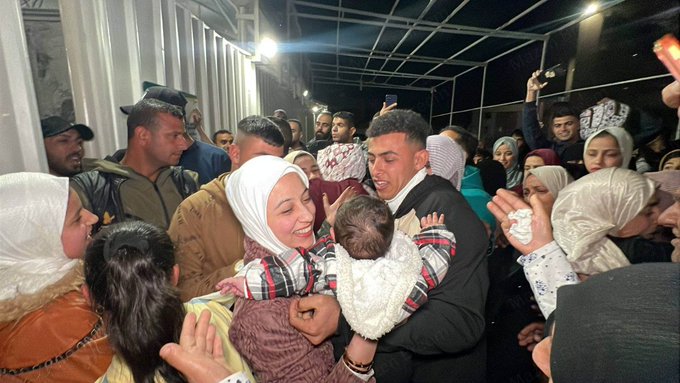
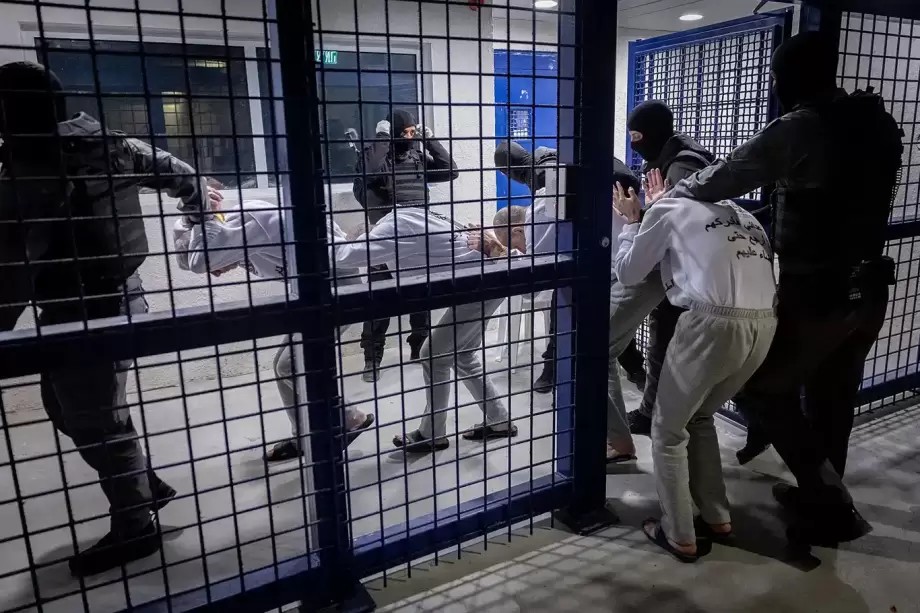
CROSSFIREARABIA – As seen as he left prison and was back in Gaza, freed prisoner Jabr Majdalawi made a sharp echo. “This echo is not only for me but it is for all the prisoners still in Israeli jails”. Majdalawi is among the 60 Palestinian prisoners freed, Tuesday, by the Israeli occupation authorities. They were received by a team from the International Red Cross Committee. He said he was prisoned for one year and nine months, six of which were in the notorious Sde Teiman prison, adding he was completely isolated from the outside world during his incarceration. He pointed out the Palestinian prisoners are living in “difficult conditions” and that “no words can describe the conditions we lived under, we suffered a lot and the our prisoners are in danger…”
CrossFireArabia
“The most brilliant propaganda does not need to violently censor truth. It simply creates a society so deeply addicted to meaningless noise that the truth no longer matters.”
— Aldous Huxley
#AldousHuxley#Quotes#LiteraryQuotes#CriticalThinking#BraveNewWorld#PhilosophicalQuotes