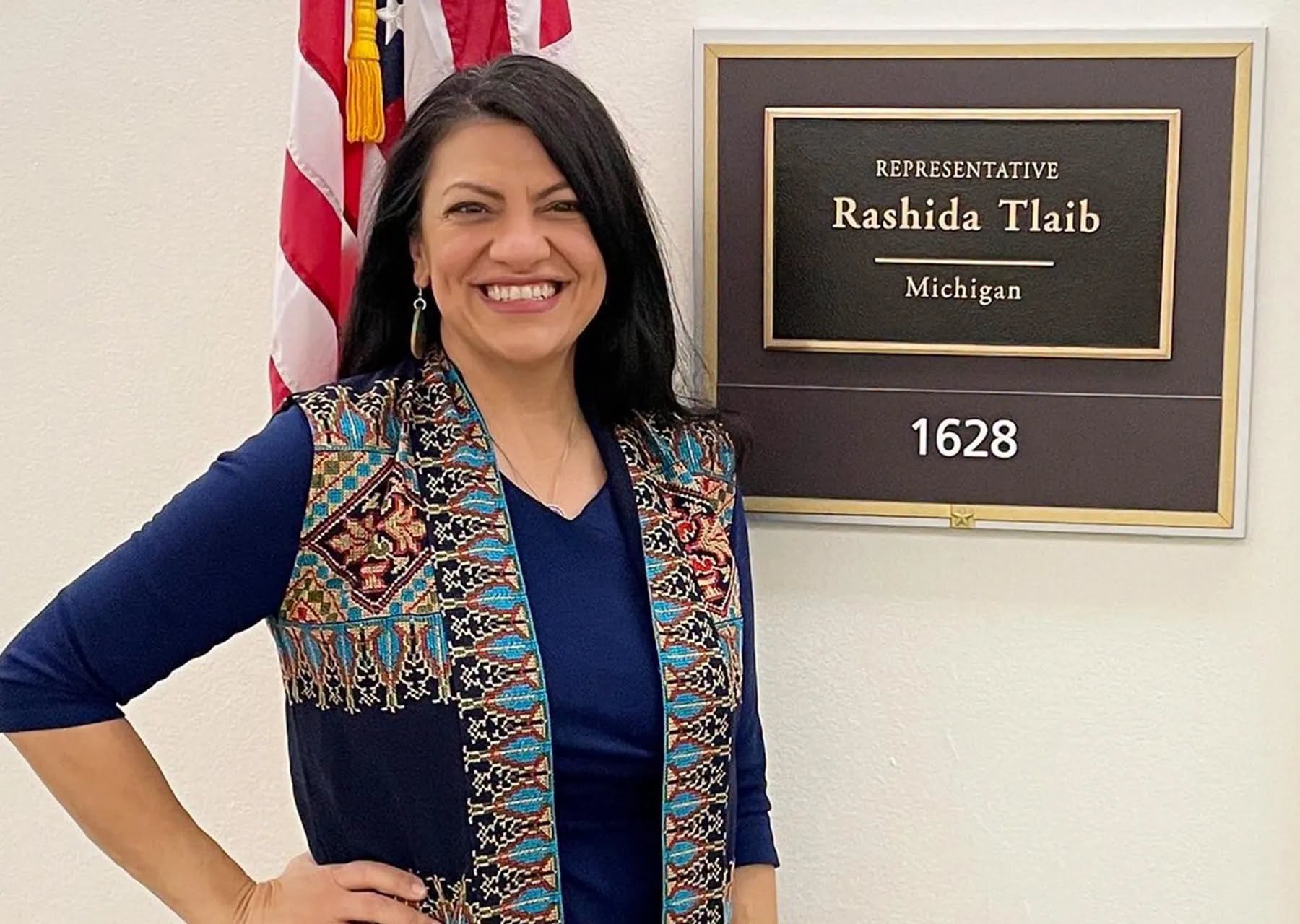
 Reshida Tlaib Sweeps in Polls
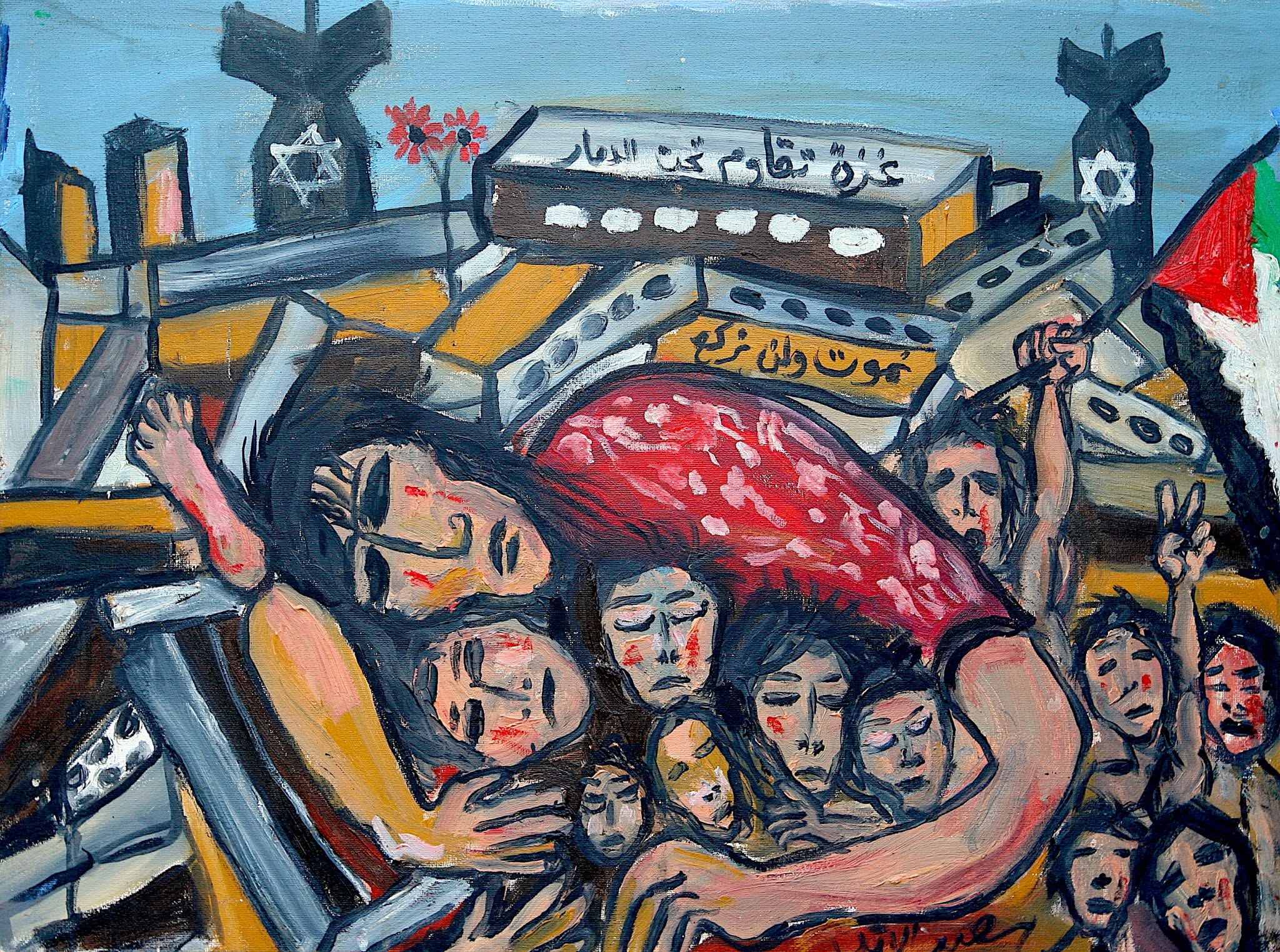
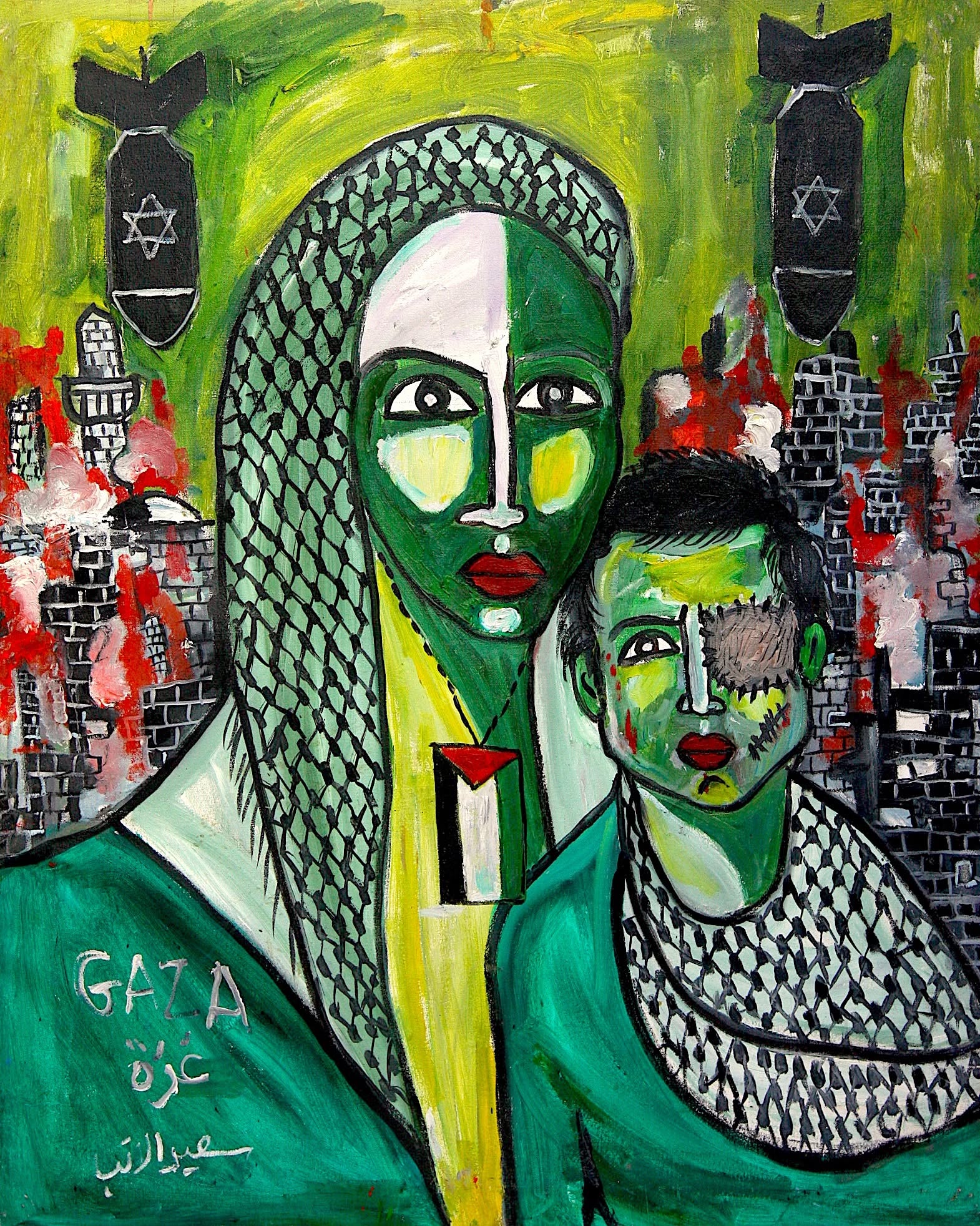
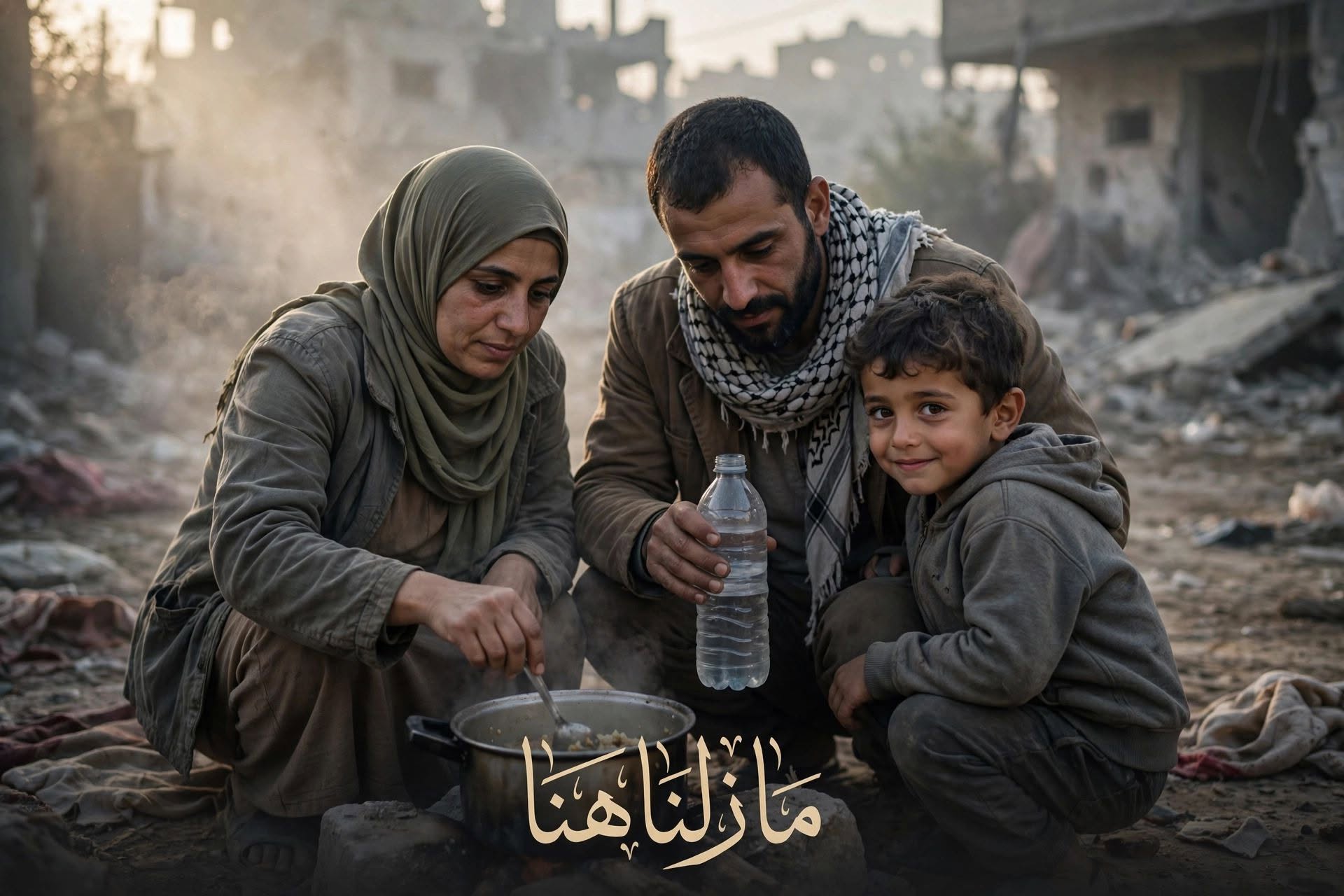 ‘We Are Still Here – Gaza’
 The Mecca Agreement: Is This The Beginning?
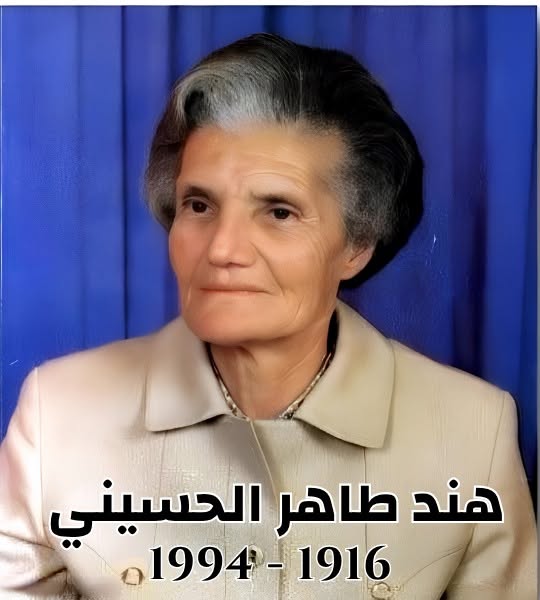 Thinking of Hind Taher
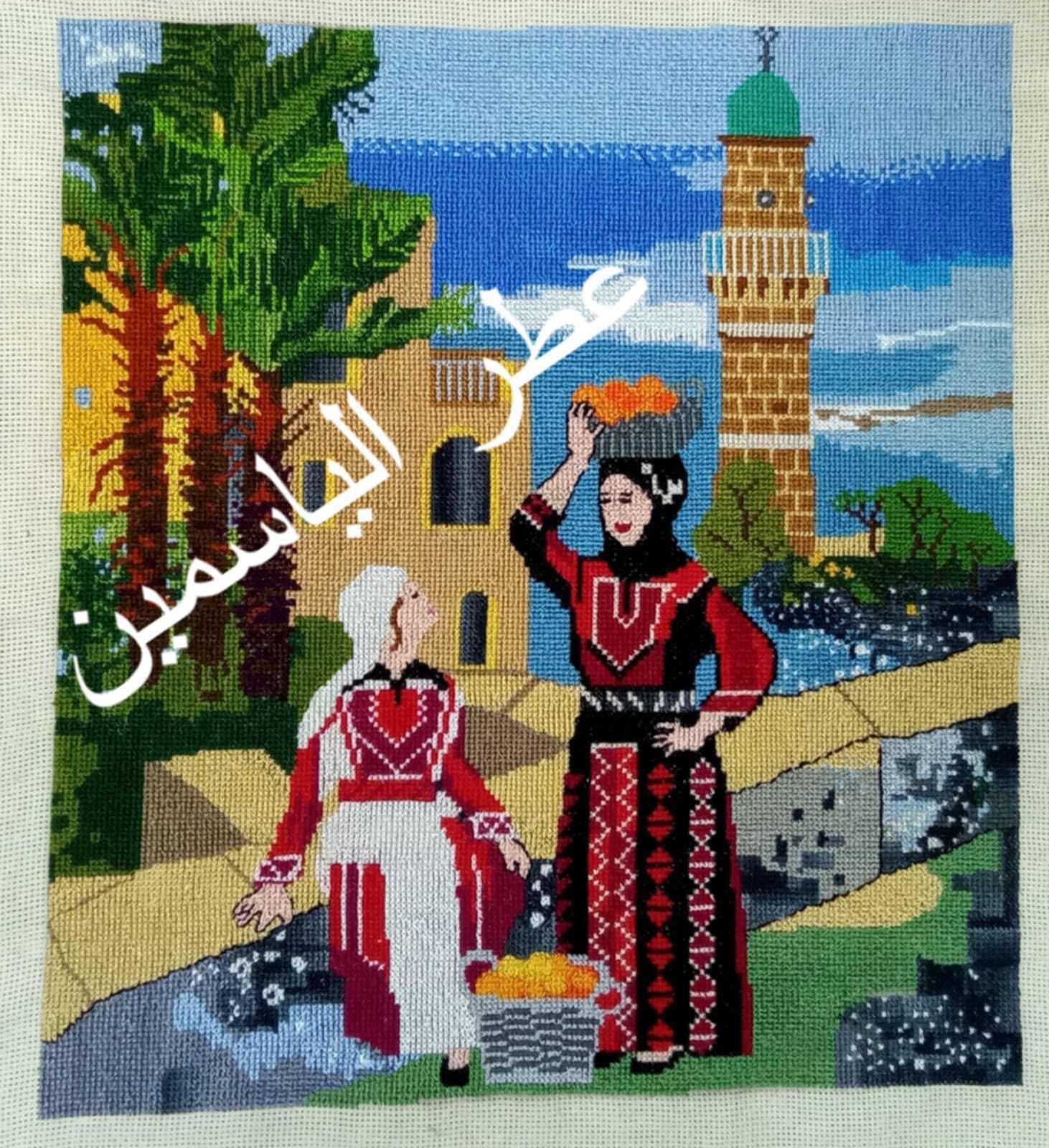
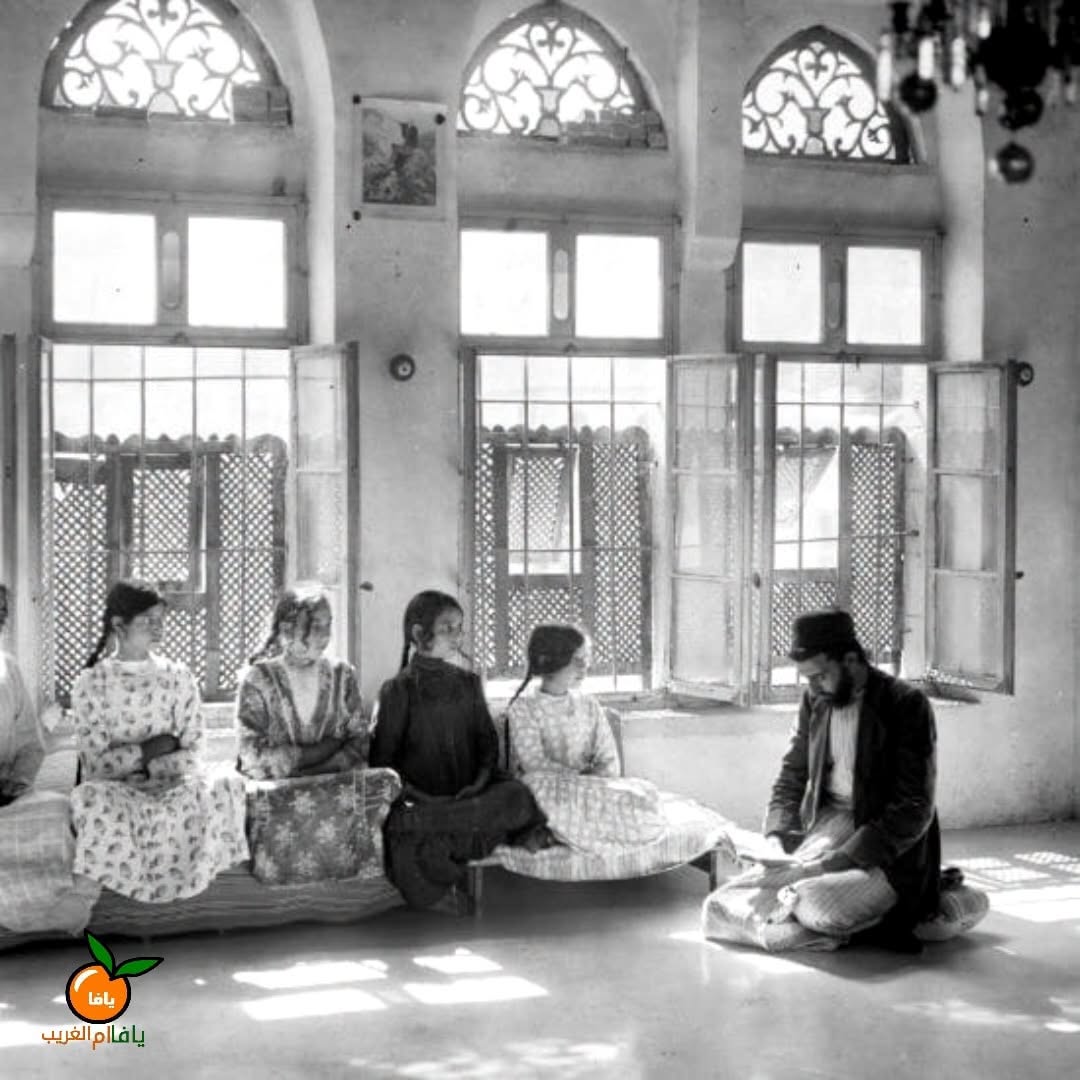
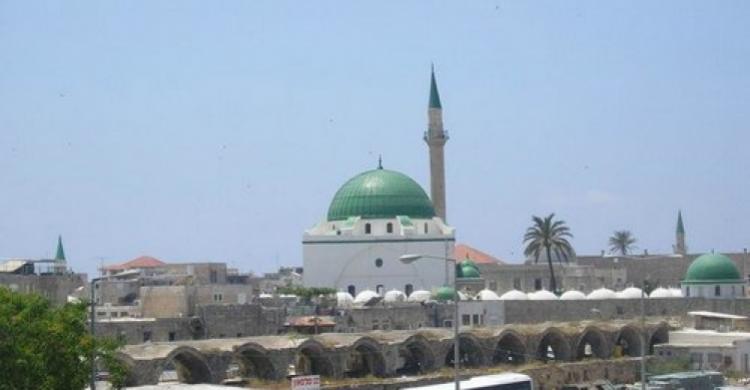
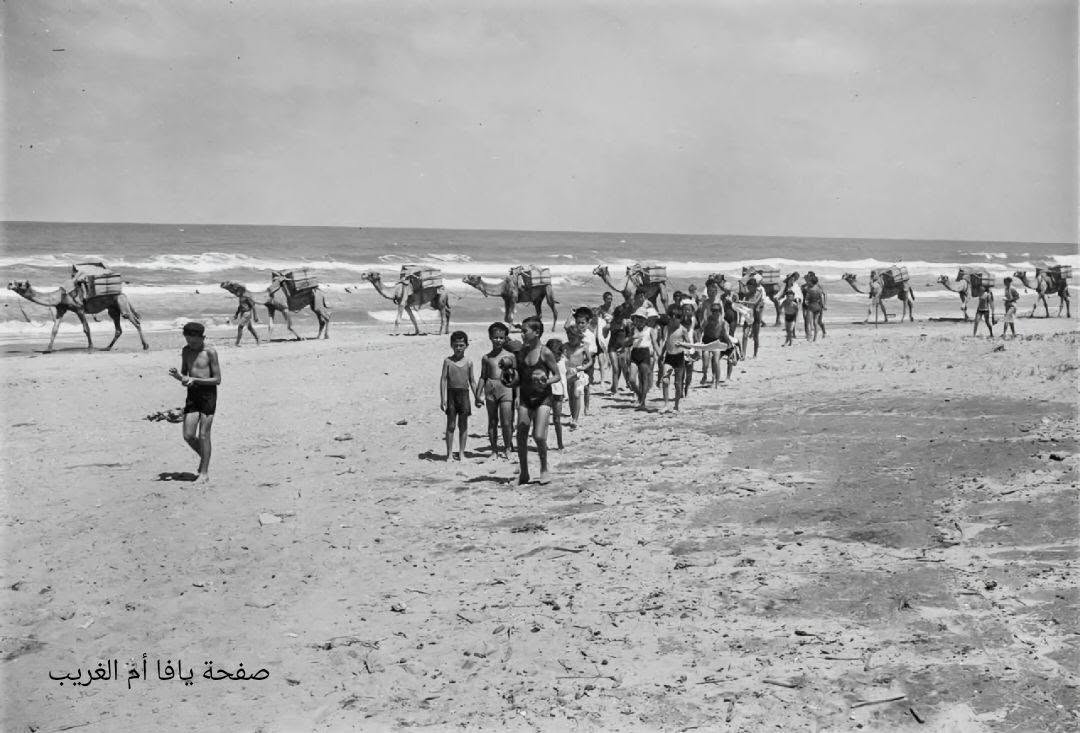
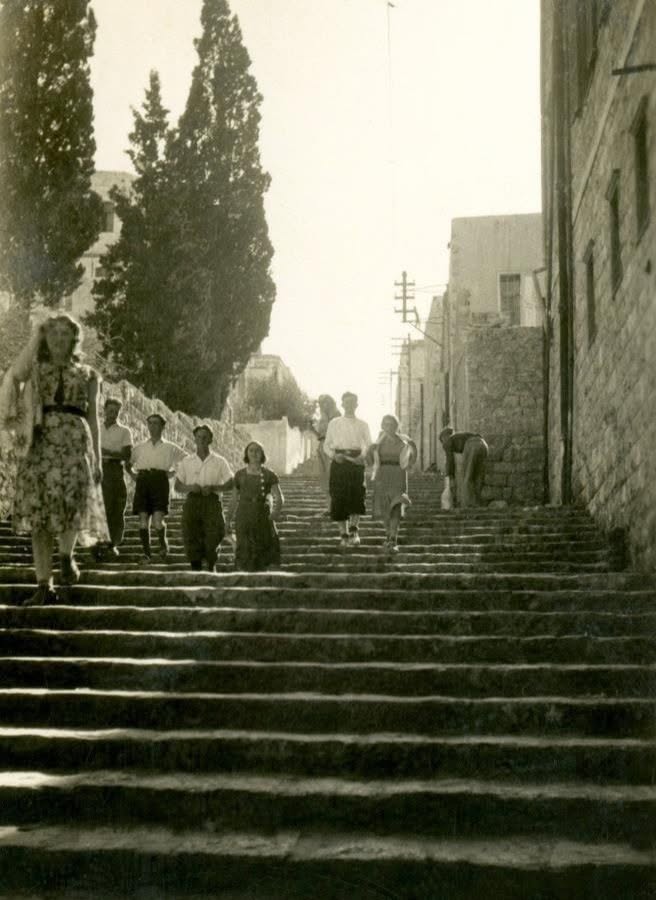
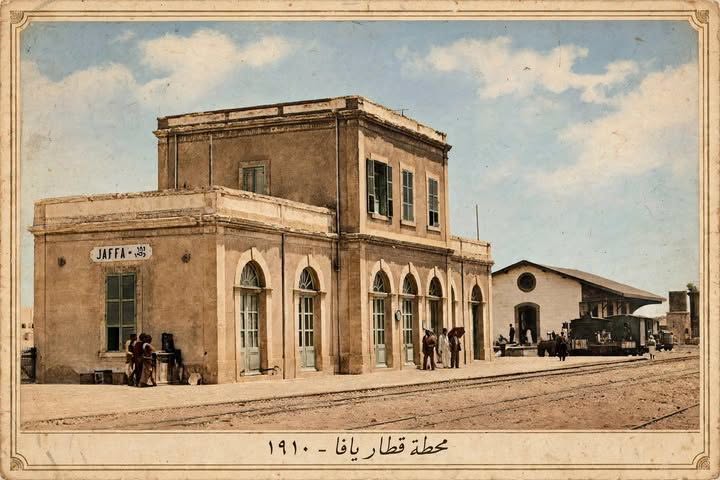 Yafa Train Station 1910





Reshida Tlaib Sweeps in Polls
 CrossFireArabia
- August 12, 2026
 CrossFireArabiaCrossFireArabiaCrossFireArabiaCrossFireArabia
 Heba
Heba marwanCrossFireArabiamarwanHebaCrossFireArabiaHebamarwanmarwanCrossFireArabiamarwanmarwanmarwanmarwanmarwanmarwanmarwanmarwanmarwanCrossFireArabiaCrossFireArabiamarwanmarwanCrossFireArabiaCrossFireArabiamarwanCrossFireArabiamarwanHebaHebamarwanmarwanCrossFireArabiamarwanmarwanmarwanmarwanCrossFireArabiaCrossFireArabiamarwanmarwanmarwanCrossFireArabiamarwanmarwanmarwanmarwanmarwanCrossFireArabiamarwanmarwanmarwanmarwanCrossFireArabiamarwanmarwanmarwanmarwanmarwanmarwanmarwanmarwanmarwanmarwanmarwanCrossFireArabia
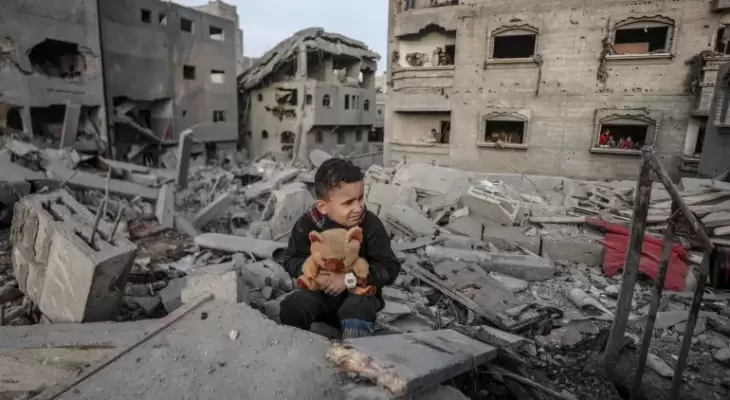
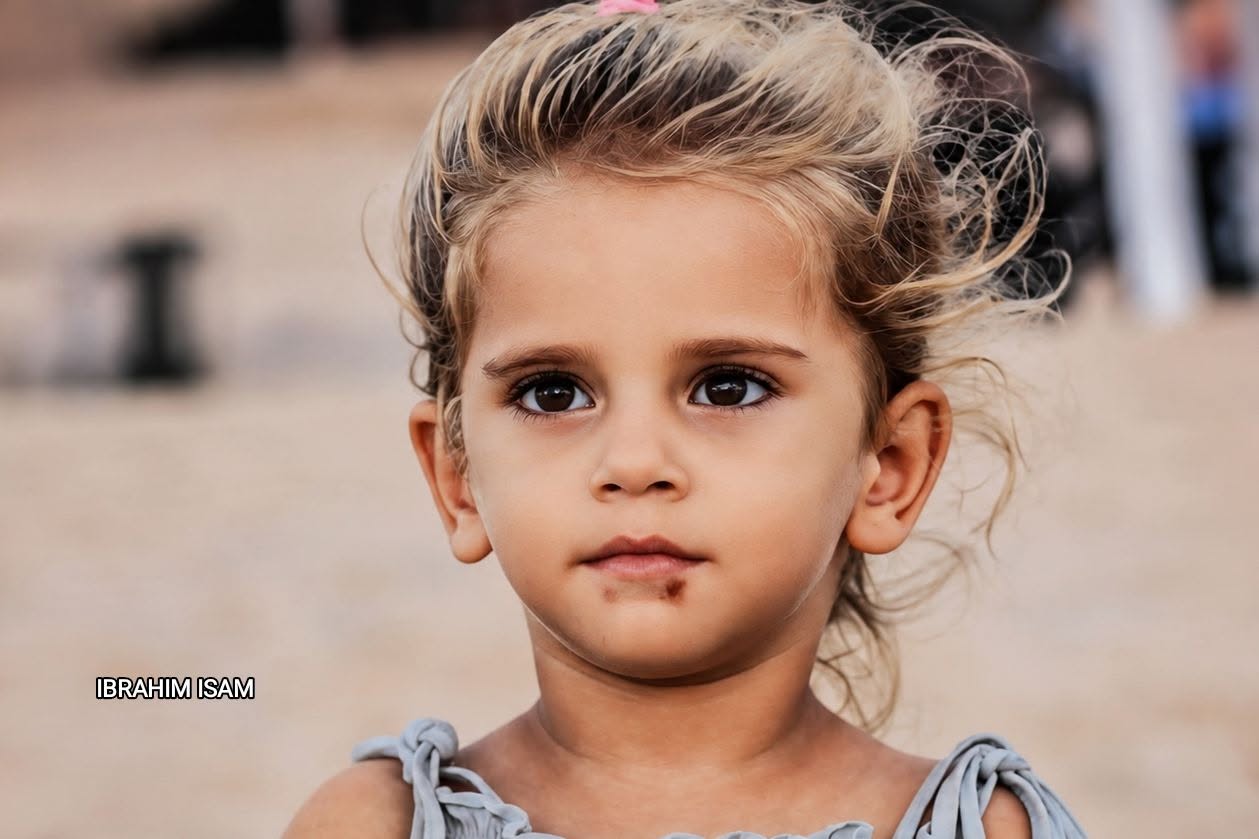
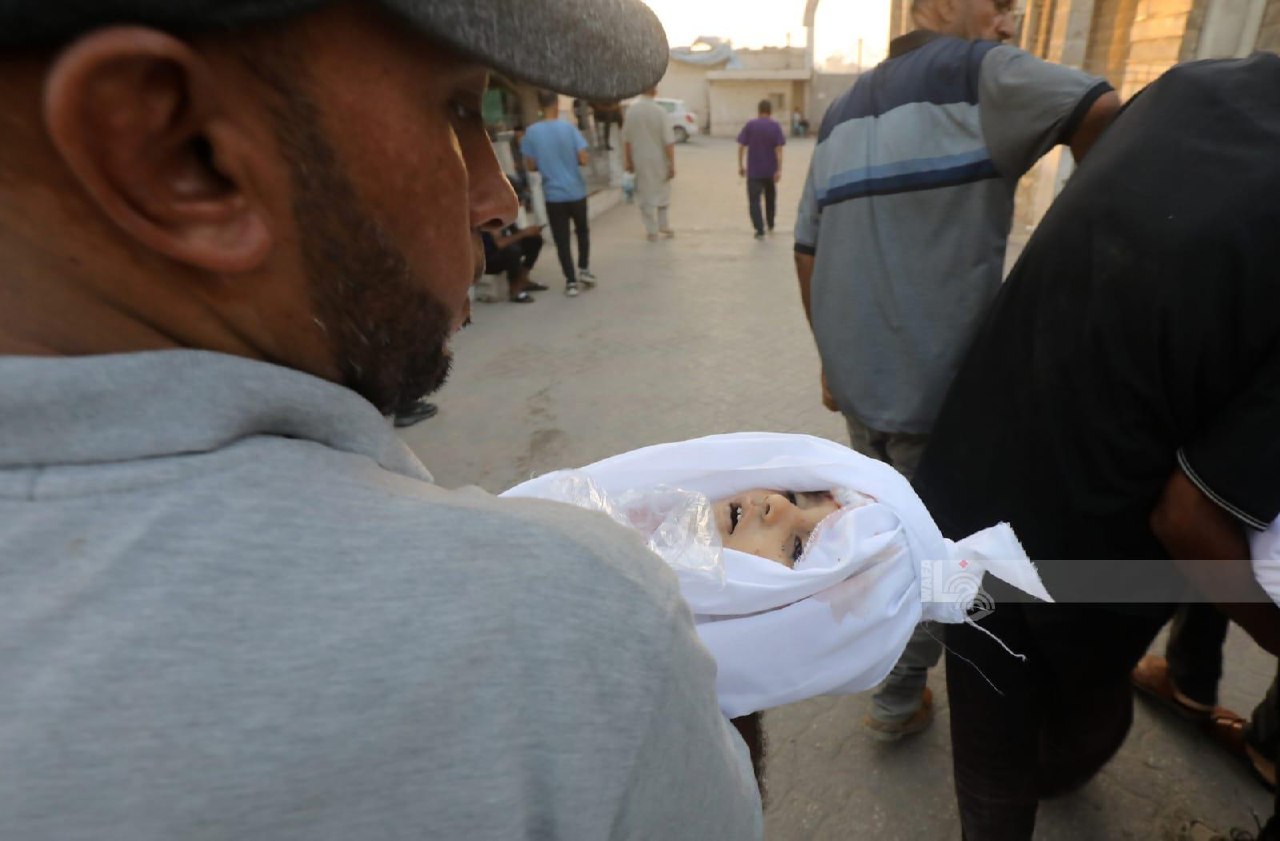
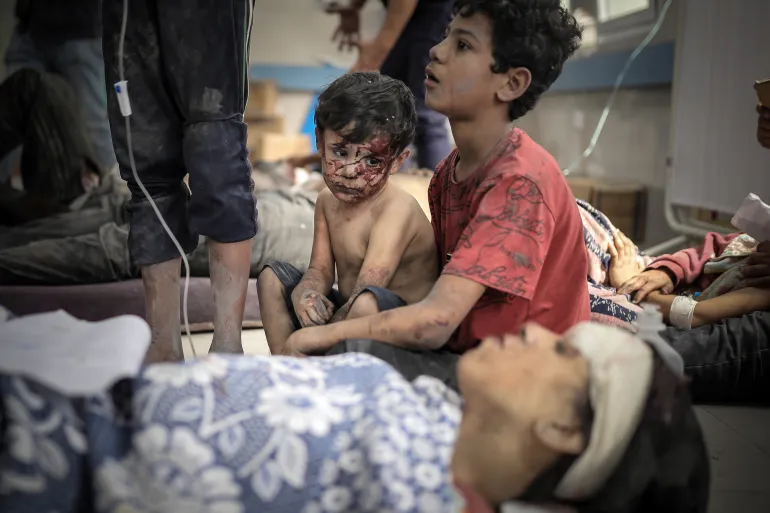
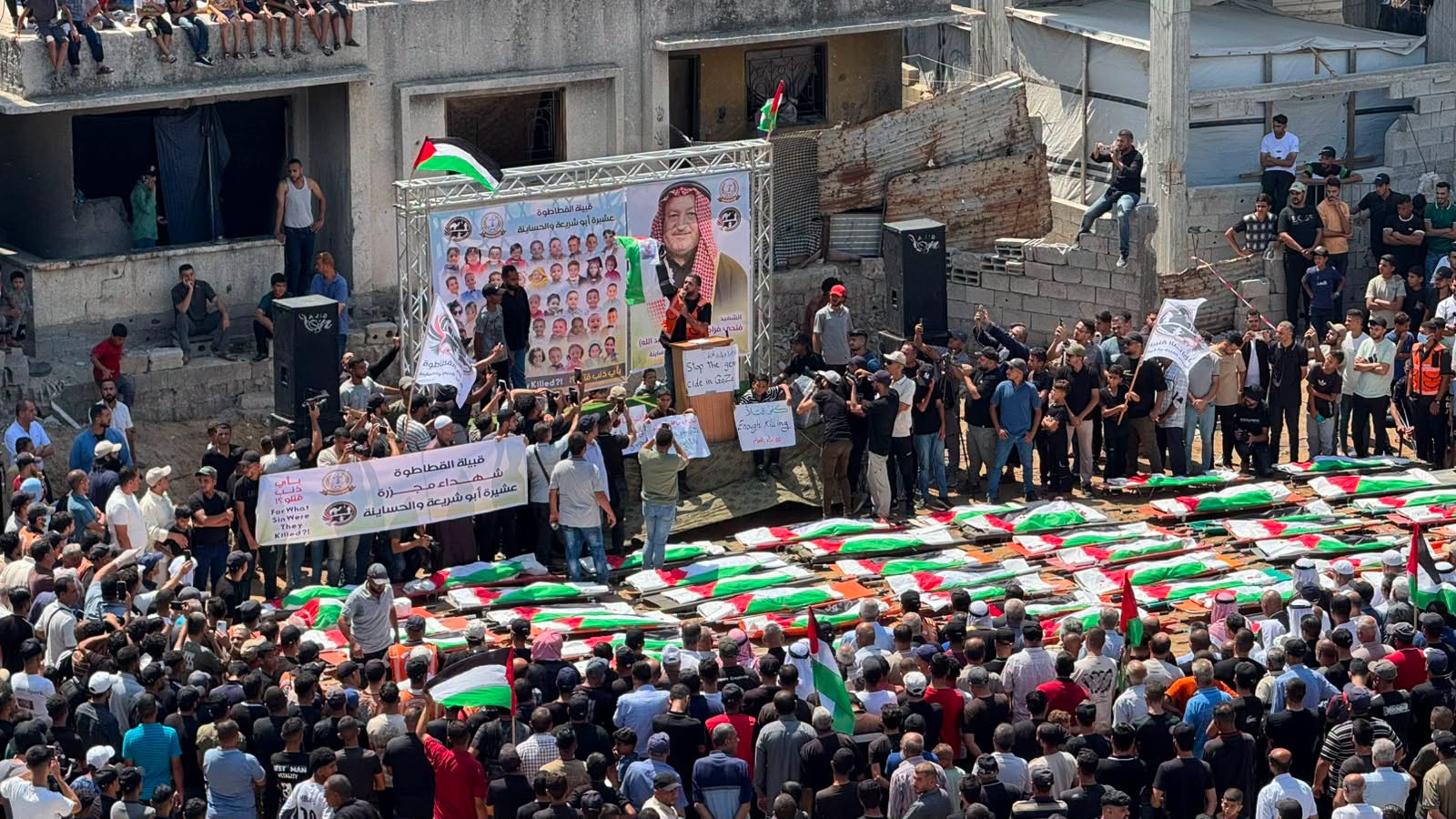
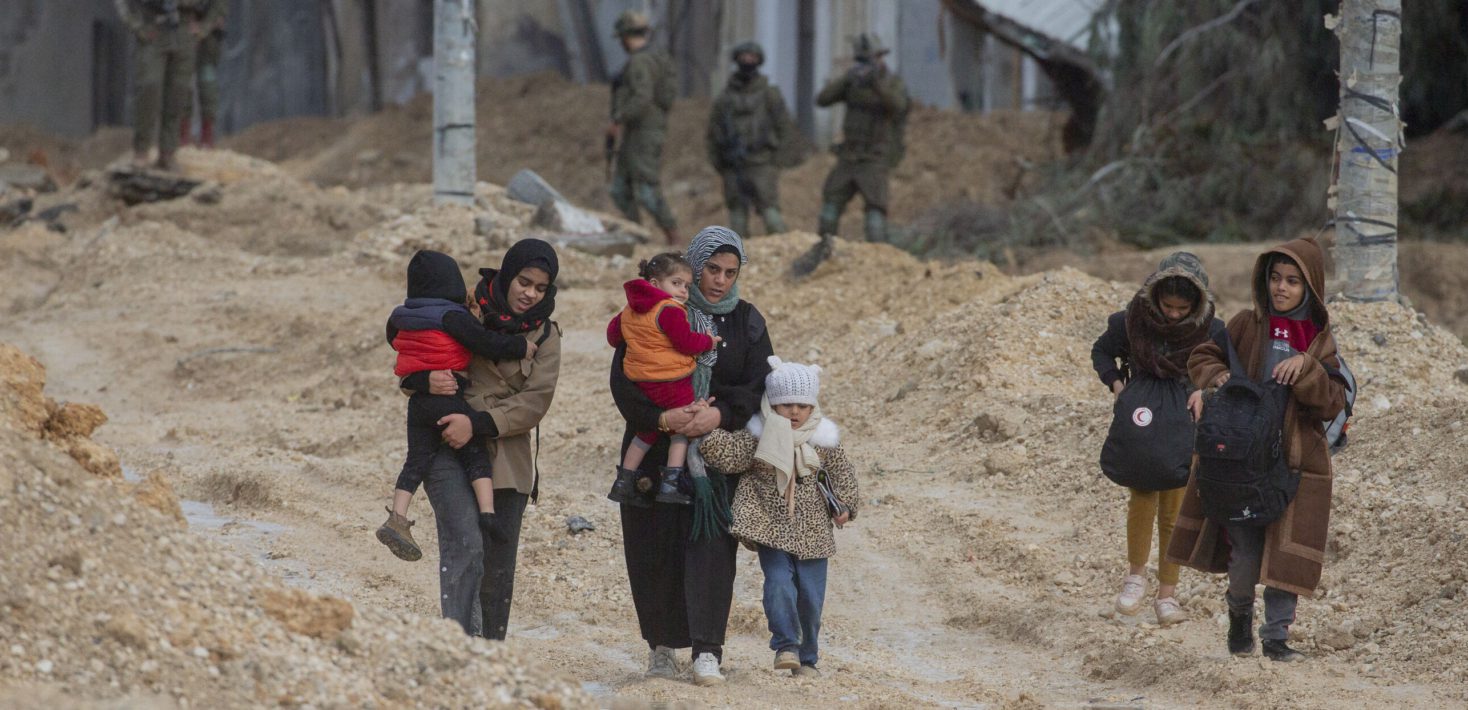
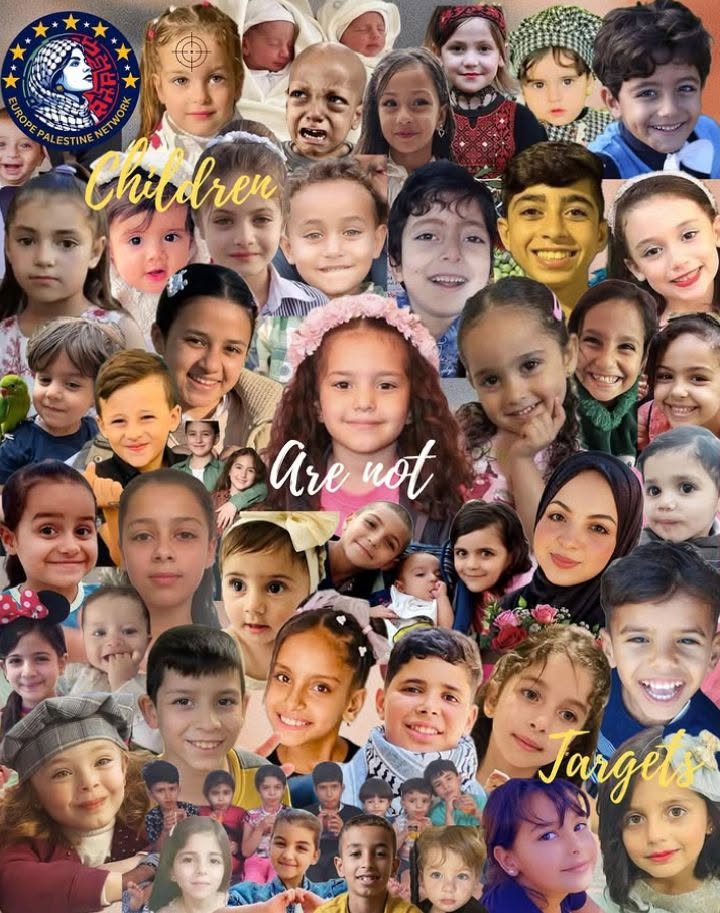
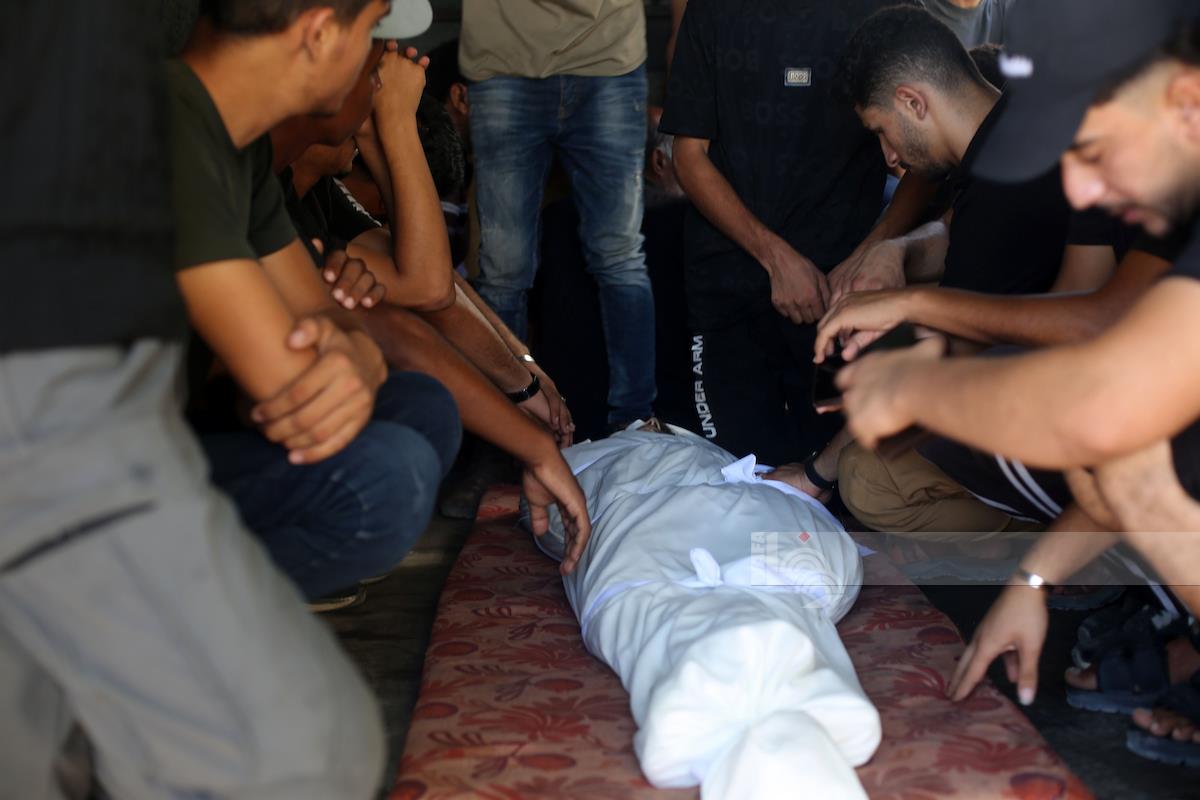
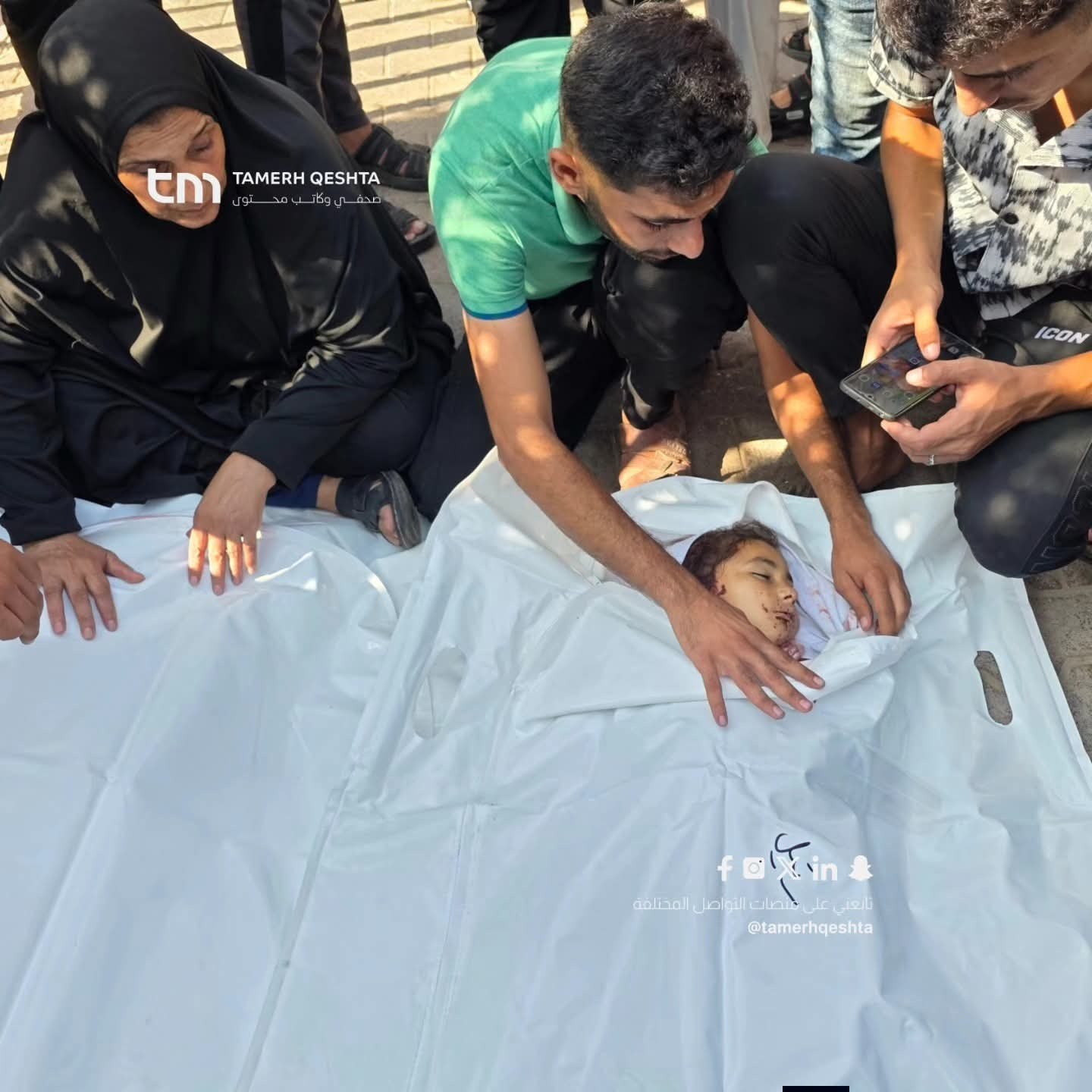
CROSSFIREARABIA – UNICEF stated that no less than 300 children were killed in the Gaza Strip during the past 300 days when a ceasefire was declared on 10 October, 2025. It warned of more victims amongst children being killed despite promises to stop attacks. “A ceasefire that leaves, on average, one dead child every day simply fails the children. Children have heard promises before. This time, the agreements must be translated into action,” said Edward Beigbeder, UNICEF Regional Director for the Middle East and North Africa.
 CrossFireArabia
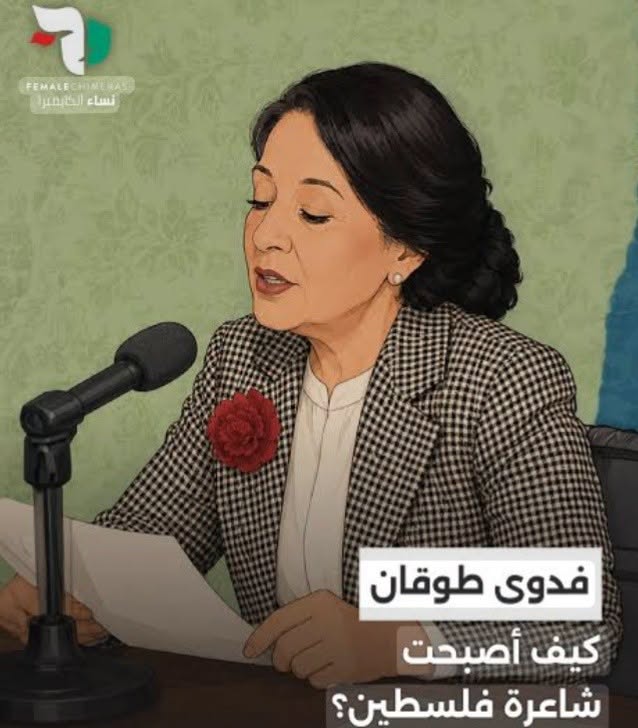
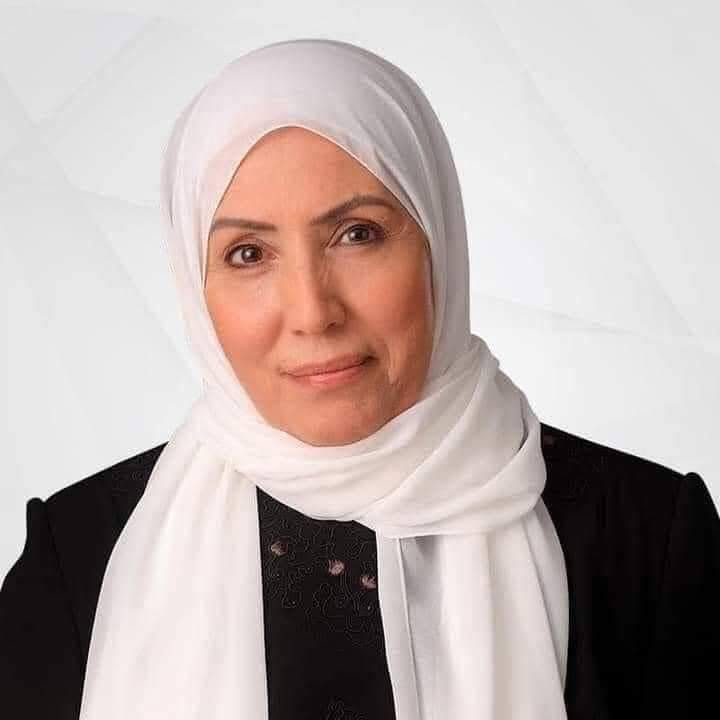
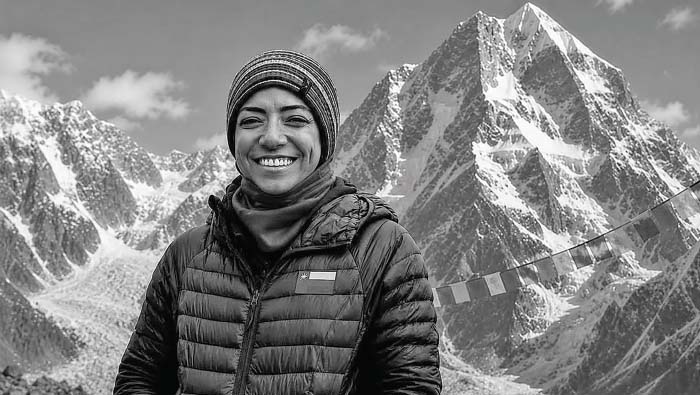
She is a Palestinian singer, producer, and a PhD researcher in neurology from the Haifa Institute of Technology, the Technion.
Dalal Abu Amneh was born in Nazareth on 9 August, 1983 and became captivated by science and music at a young age. In music, Dalal got to be known for her melodious voice and ability to perform various musical styles.
In this she forged a global Palestinian identity producing all of her musical projects while making three albums: “Ya Baladi,” “Ya Sitti,” and “Nour,” underlined in the spirit and heritage of the Palestinian and Arab people while at the same developing didactic vocal styles including classical Tarab, Andalusian singing, Sufi spiritual chanting, and her revival of Palestinian and Levantine folk traditions.
Dalal grew up in an artistic family. Her mother, Juhaina Al-Hawari, has a beautiful voice but has not pursued a professional musical career, but looked after her children. Her father, Ghazi Abu Amneh, plays the oud and owns a fish restaurant. She has four sisters: Nida, Salam, Jihan, and Faten. Salam and Jihan work in the arts and singing, while Nida and Faten work in visual arts due to their hearing impairments.
Dalal began singing at the age of four, participating in the Princess of Spring competition and winning the title in 1987 with her song “Maryam Maryamti.” By the age of 16, she was known for her masterful performances of classical Arabic songs and traditional roles, in addition to her renditions of Palestinian and Levantine folk songs. Leading musicians in the Arab world, such as Salah El Sharnouby and Asala Nasri, have praised her voice, which they said blends authenticity with modernity.
Dalal is commited to socially-conscious art and is working to develop Palestinian art scene in a way to preserve its authenticity while appealing to younger generations and western audiences to strengthen Palestinian identity and support the Palestinian cause.
Over the years, Dalal participated in major international and Arab festivals, such as the Jerash Festival and the Arab Music Festival at the Cairo Opera House and represented Palestine in several Arab operettas, including “Land of the Prophets” (2012) and “Call of Freedom” (2014).
She also regularly participates in cultural and artistic events locally, regionally, and internationally. In addition to her performances with her own band, Dalal is the principal singer of the MESTO World Orchestra, performing traditional Arab and Palestinian songs with western musicians and orchestral arrangements worldwide.
Dalal released several popular songs, including “Ana Qalbi wa Rouhi Fidaak” (My Heart and Soul Are Yours) in 2001, with lyrics by Adnan Abbasi, music by Alaa Azzam, and arrangement by Habib Shehadeh. It was recorded at Karam Matar Studios.
She also released “Khallini Fi Balak” (Keep Me in Mind) in 2003 and two albums: “Kareem Ya Ramadan” (Generous Ramadan) in 2007 and “An Baladi” (About My Country) in 2013, an album that explores Palestine from various perspectives and through diverse musical styles.
One of her songs, “Ain Al-Adhraa” (The Virgin’s Eye), was a radio hit, and “Bokra Jadeed” (Tomorrow is New) was among the five songs selected for the Euromed International Festival in 2006. Dalal, also known as Amna, combined her artistic career with her academic studies.
She graduated from the Bishop’s School (Clerical School) in Nazareth in 2001. She earned a bachelor’s degree in Cognitive Science and Psychology from the Hebrew University in Jerusalem, followed by a MA degree. She was then accepted to study medicine at the Technion in Haifa.
She became the first Palestinian Arab to study this specialized field, which combines computer science, medicine, biology, biophysics, psychology, and philosophy. In 2006, she enrolled in the graduate program at the Technion where she earned a MSC degree in Medical Sciences, specializing in neuroscience.
In 2011, she began working as a researcher and doctoral candidate at the same institute in the field of neuroscience, where she is developing a new technological method for treating chronic neurological diseases such as multiple sclerosis.
≈
She is a Palestinian singer, producer, and a PhD researcher in neurology from the Haifa Institute of Technology, the Technion.
Dalal Abu Amneh was born in Nazareth on 9 August, 1983 and became captivated by science and music at a young age. In music, Dalal got to be known for her melodious voice and ability to perform various musical styles.
In this she forged a global Palestinian identity producing all of her musical projects while making three albums: “Ya Baladi,” “Ya Sitti,” and “Nour,” underlined in the spirit and heritage of the Palestinian and Arab people while at the same developing didactic vocal styles including classical Tarab, Andalusian singing, Sufi spiritual chanting, and her revival of Palestinian and Levantine folk traditions.
Dalal grew up in an artistic family. Her mother, Juhaina Al-Hawari, has a beautiful voice but has not pursued a professional musical career, but looked after her children. Her father, Ghazi Abu Amneh, plays the oud and owns a fish restaurant. She has four sisters: Nida, Salam, Jihan, and Faten. Salam and Jihan work in the arts and singing, while Nida and Faten work in visual arts due to their hearing impairments.
Dalal began singing at the age of four, participating in the Princess of Spring competition and winning the title in 1987 with her song “Maryam Maryamti.” By the age of 16, she was known for her masterful performances of classical Arabic songs and traditional roles, in addition to her renditions of Palestinian and Levantine folk songs. Leading musicians in the Arab world, such as Salah El Sharnouby and Asala Nasri, have praised her voice, which they said blends authenticity with modernity.
Dalal is commited to socially-conscious art and is working to develop Palestinian art scene in a way to preserve its authenticity while appealing to younger generations and western audiences to strengthen Palestinian identity and support the Palestinian cause.
Over the years, Dalal participated in major international and Arab festivals, such as the Jerash Festival and the Arab Music Festival at the Cairo Opera House and represented Palestine in several Arab operettas, including “Land of the Prophets” (2012) and “Call of Freedom” (2014).
She also regularly participates in cultural and artistic events locally, regionally, and internationally. In addition to her performances with her own band, Dalal is the principal singer of the MESTO World Orchestra, performing traditional Arab and Palestinian songs with western musicians and orchestral arrangements worldwide.
Dalal released several popular songs, including “Ana Qalbi wa Rouhi Fidaak” (My Heart and Soul Are Yours) in 2001, with lyrics by Adnan Abbasi, music by Alaa Azzam, and arrangement by Habib Shehadeh. It was recorded at Karam Matar Studios.
She also released “Khallini Fi Balak” (Keep Me in Mind) in 2003 and two albums: “Kareem Ya Ramadan” (Generous Ramadan) in 2007 and “An Baladi” (About My Country) in 2013, an album that explores Palestine from various perspectives and through diverse musical styles.
One of her songs, “Ain Al-Adhraa” (The Virgin’s Eye), was a radio hit, and “Bokra Jadeed” (Tomorrow is New) was among the five songs selected for the Euromed International Festival in 2006. Dalal, also known as Amna, combined her artistic career with her academic studies.
She graduated from the Bishop’s School (Clerical School) in Nazareth in 2001. She earned a bachelor’s degree in Cognitive Science and Psychology from the Hebrew University in Jerusalem, followed by a MA degree. She was then accepted to study medicine at the Technion in Haifa.
She became the first Palestinian Arab to study this specialized field, which combines computer science, medicine, biology, biophysics, psychology, and philosophy. In 2006, she enrolled in the graduate program at the Technion where she earned a MSC degree in Medical Sciences, specializing in neuroscience.
In 2011, she began working as a researcher and doctoral candidate at the same institute in the field of neuroscience, where she is developing a new technological method for treating chronic neurological diseases such as multiple sclerosis.
marwan
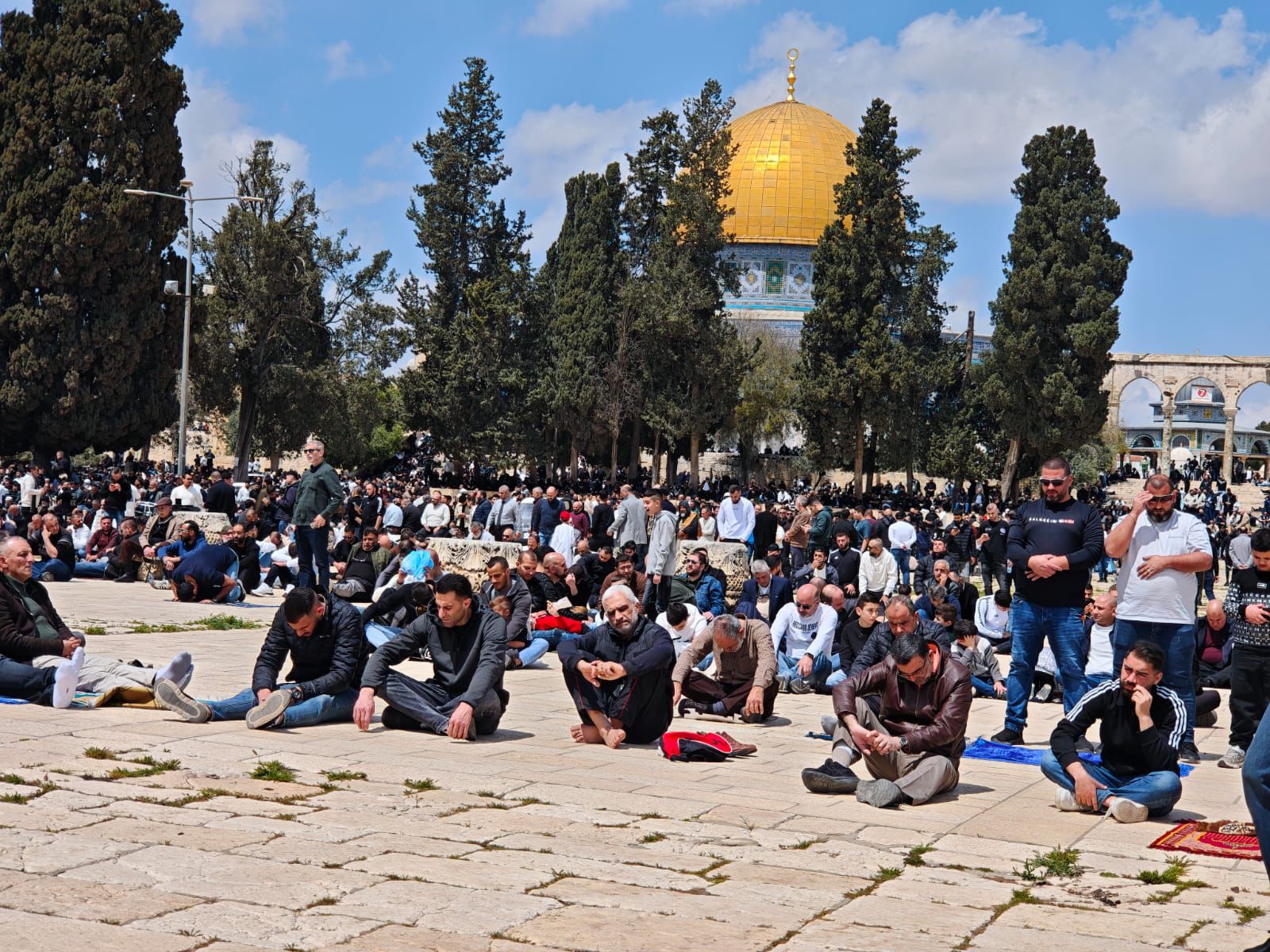
CROSSFIREARABIA –The Israeli Environmental Quality Authority slammed hundreds of financial fines on Moathneen (Prayer Callers) in a number of Arab cities inside Israel under the pretext that such calls violate environmental noise pollution laws. These fines are being made as the Israeli authorities are passing policies the limit the Muslim call-to-prayers, Athan, in mosques. Lawyer Khaled Zabarqa said the mosque Moathneen in the city of Lyddia received 150 fines from the Israeli Ministry of Environmental Protection because of the use of loud speakers for the Athan. He added every prayer caller is being slammed with a hefty fine for echoing his voice, and which is against freedom of religious practice. He said the aim is clearly to limit the Arab-Islamic presence and to shut off the prayer calls. He said Arab lawyers are currently contesting the fines in Israeli courts to stop the escalation procedures against the Prayer Callers. according to the Palestine Information Center. The Israeli Knesset is currently looking for ways to ban the Athan inside the 1948 territories and Jerusalem and enforce it through hefty fines.
CrossFireArabia
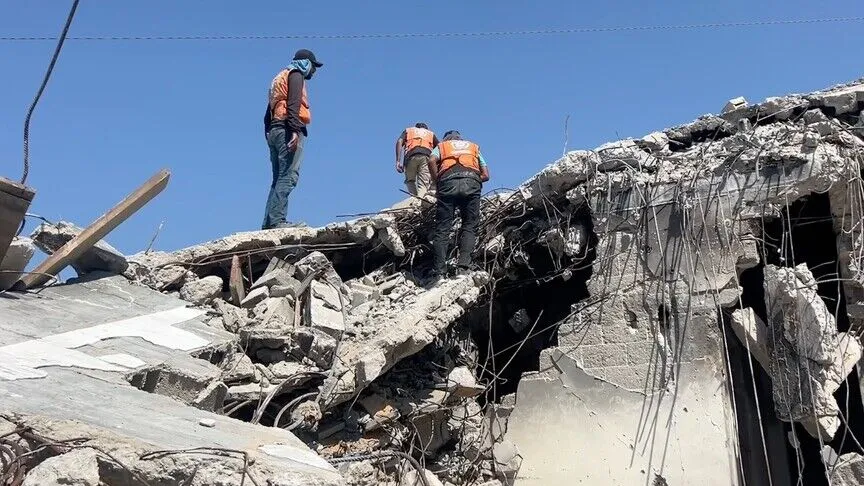
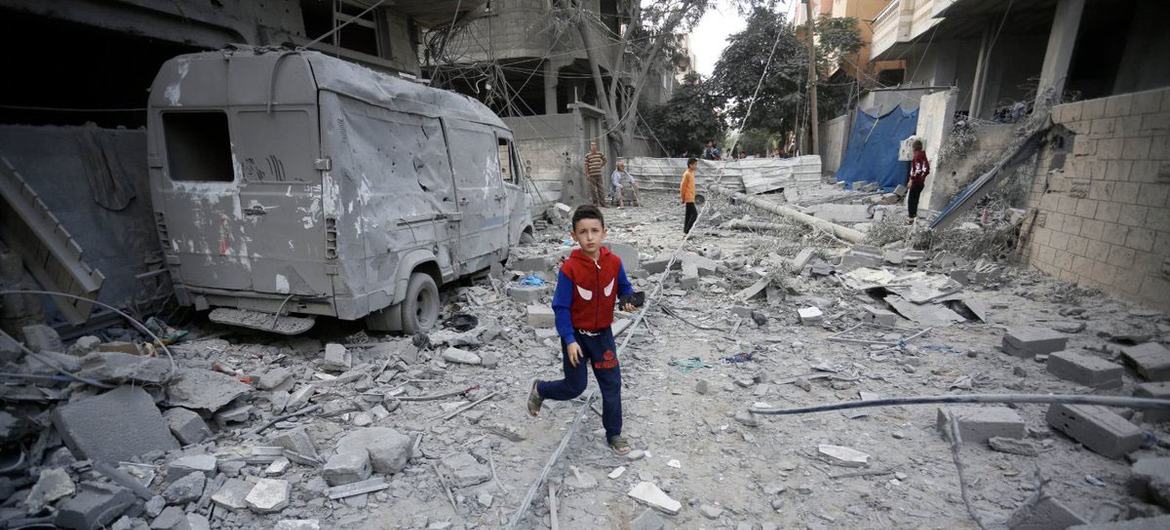
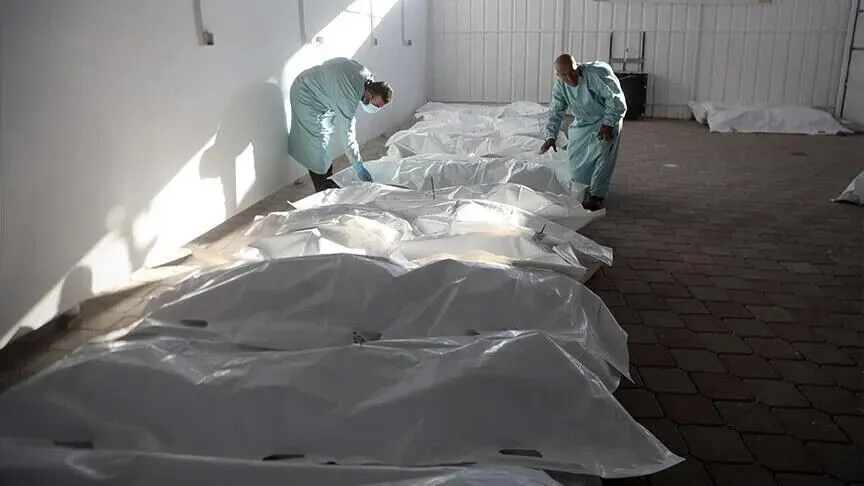
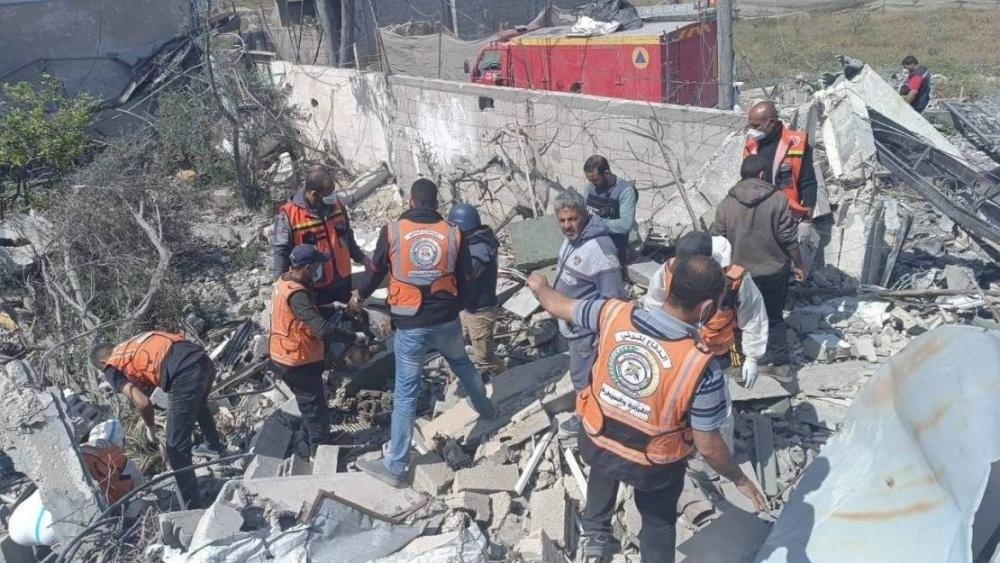
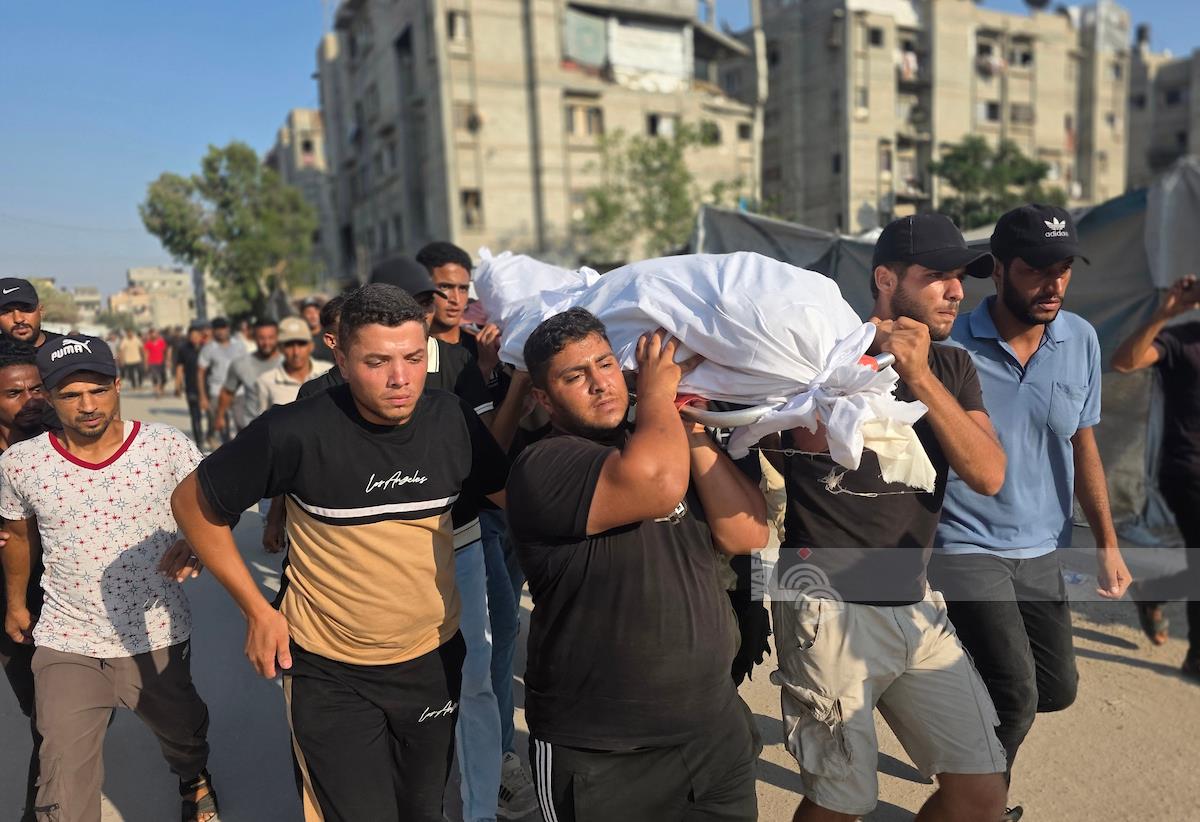
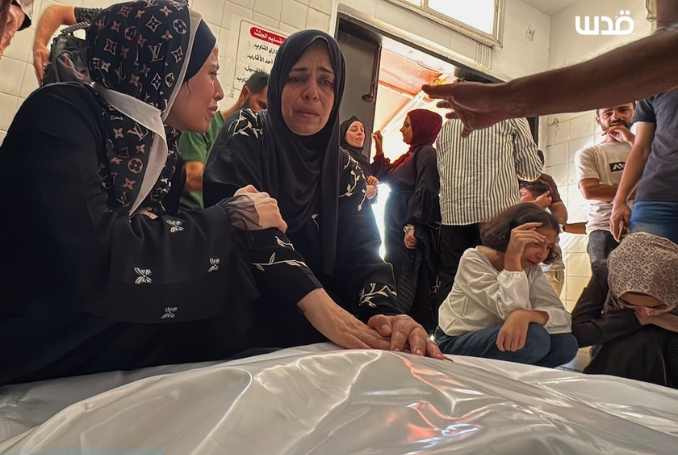
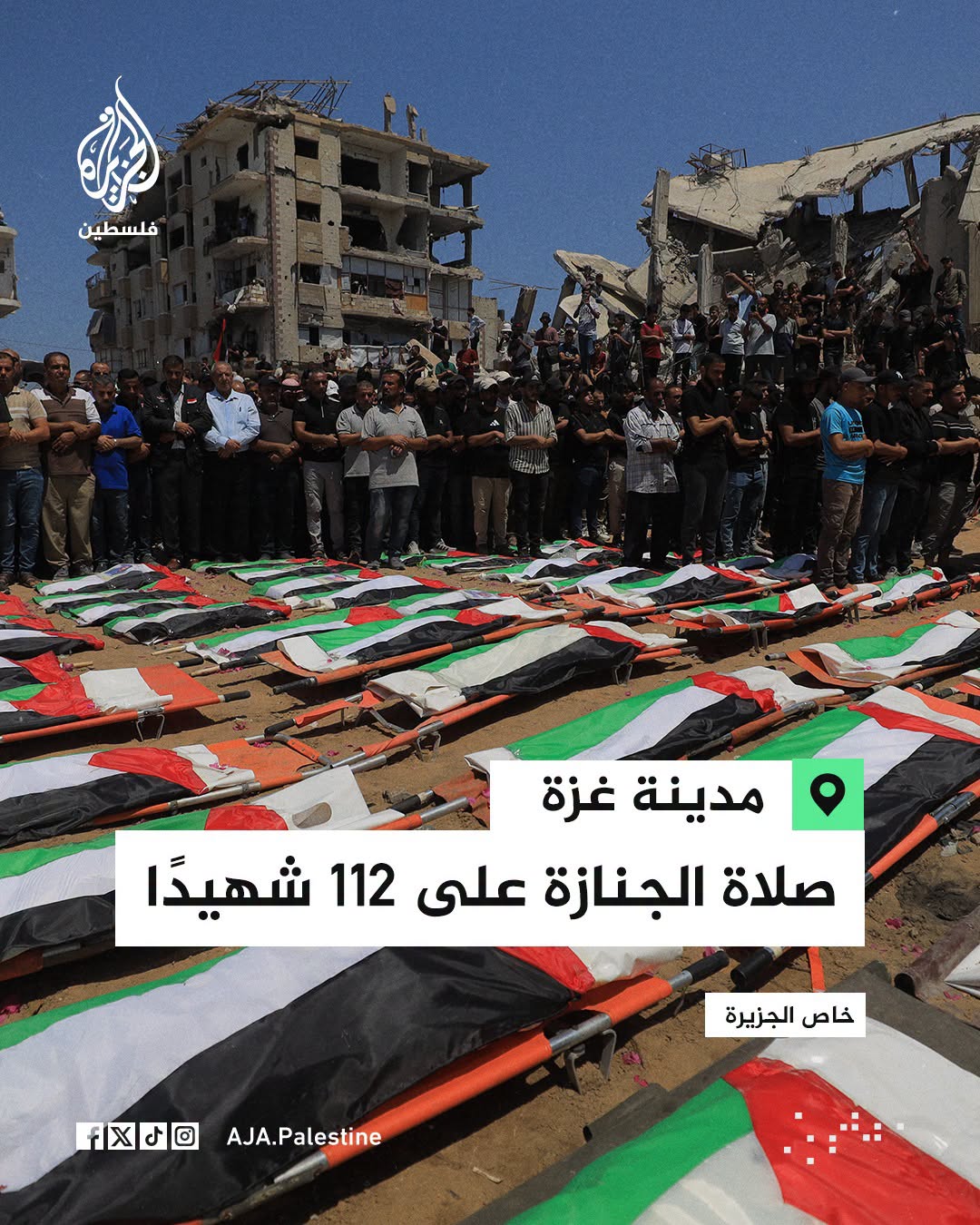
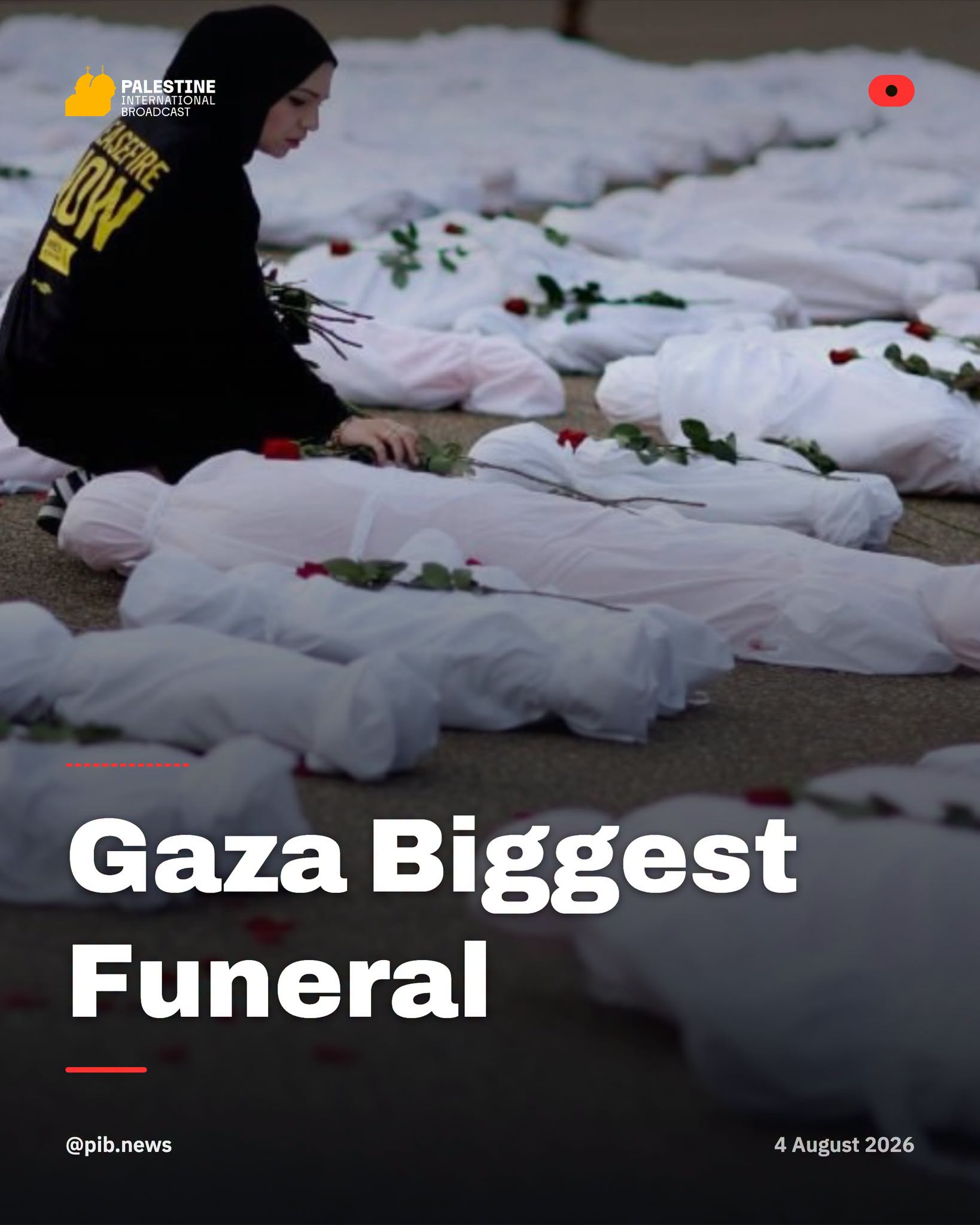
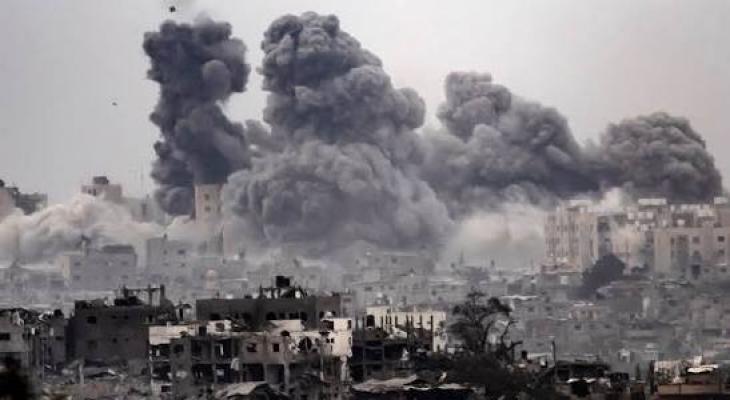
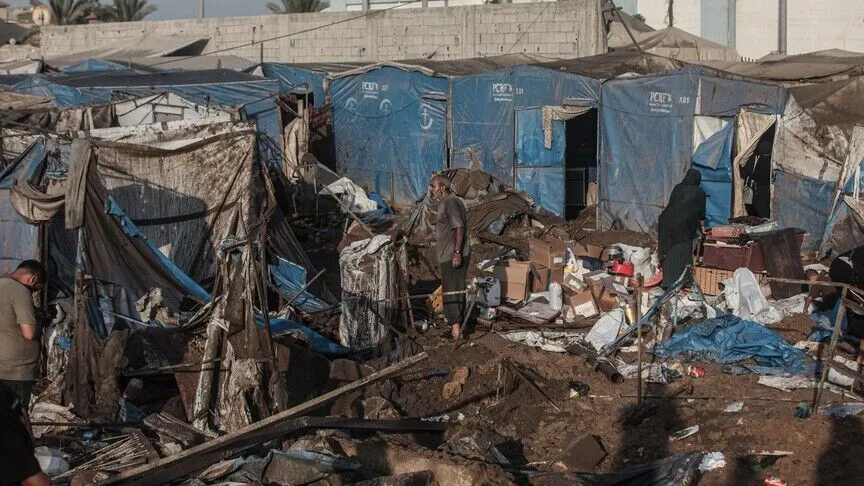
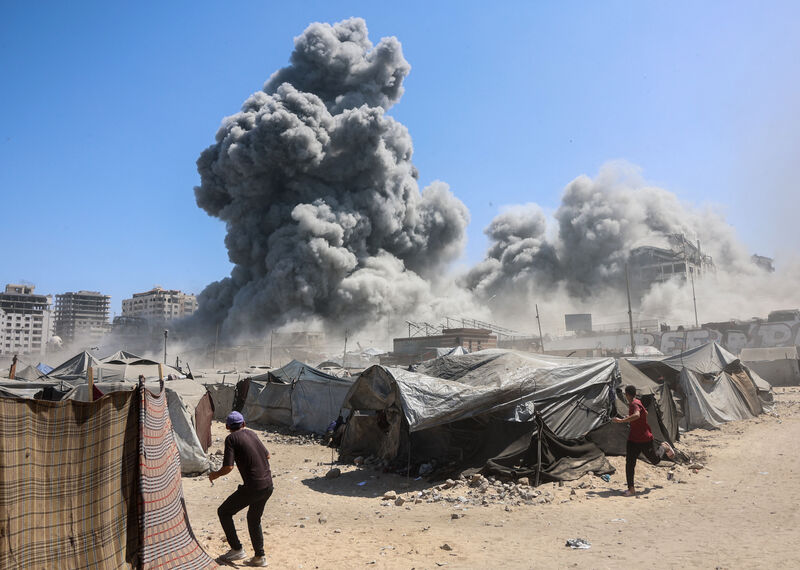
The Gaza Heath Ministry announced, Thursday, a Palestinian was killed and five others wounded in the past 24 hours. It further stated that the total number of Palestinians killed and wounded since the beginning of the Israeli offensive on the enclave since 8 October, 2023, rose to 73,382, with 174,236 injured. It added that thousands of bodies remain under the rubble and in the streets with ambulance and civil defense teams unable to reach them. The ministry also clarified since the ceasefire agreement came into effect on 11 October, the total number of Palestinians killed by Israeli violations reached 1,255, in addition to 4,125 wounded. The bodies of 806 missing persons have been recovered from under the rubble.
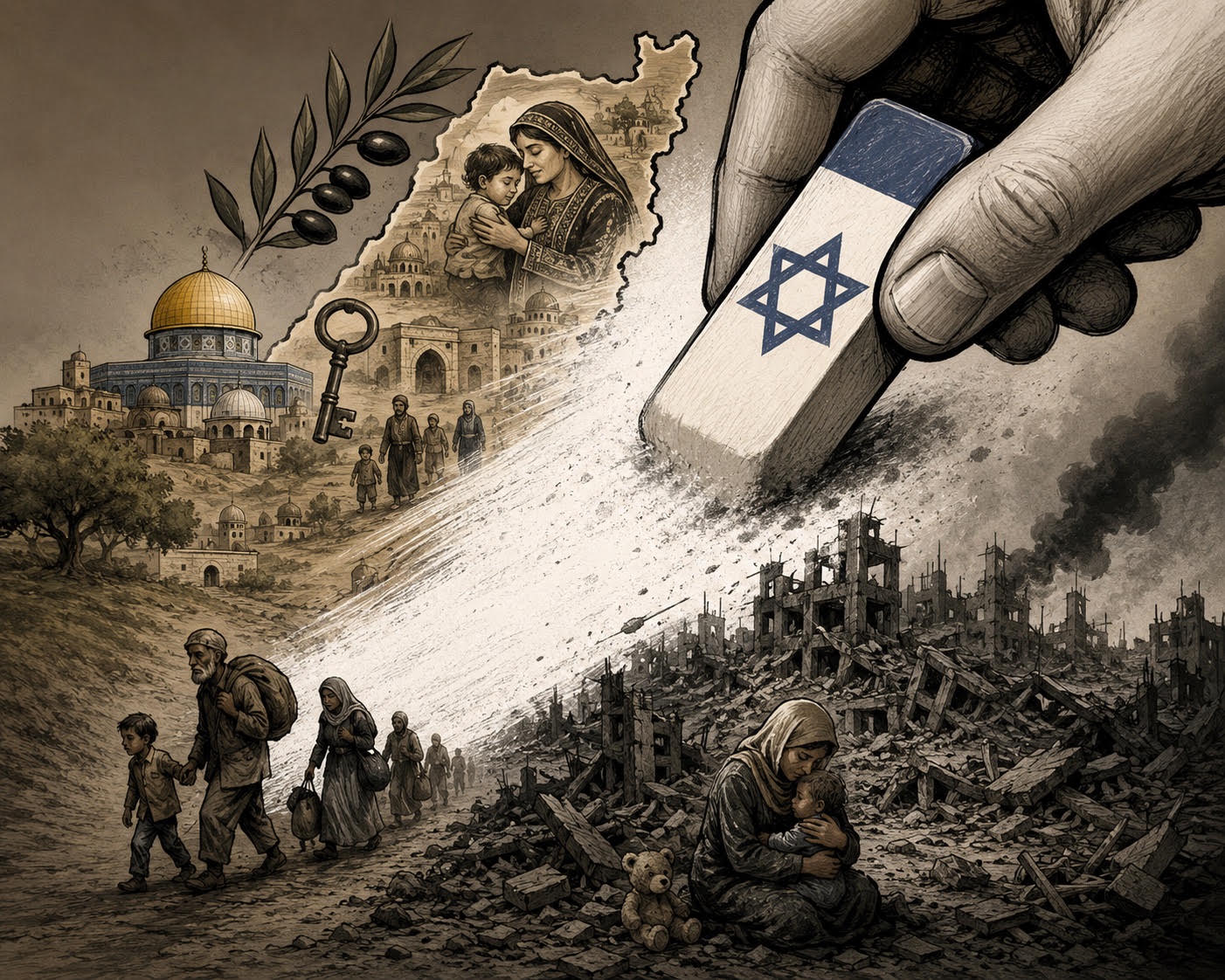
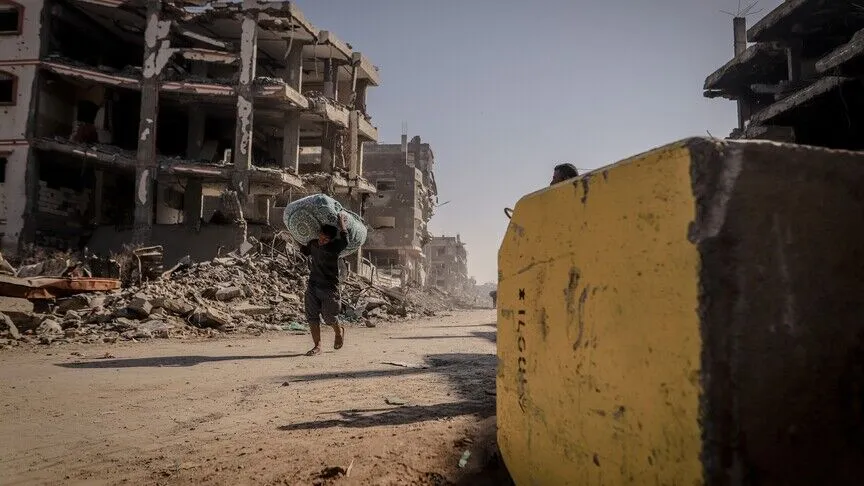
Since 8 October, 2023, Israel, with American and European support, has been committing genocide in the Gaza Strip, including killing, starvation, destruction, displacement, arrest, and disease, ignoring international appeals and orders from the International Court of Justice to halt its actions. This genocide has left more than 247,000 Palestinians dead or wounded, most of them children and women, and more than 11,000 missing. In addition, hundreds of thousands have been displaced, and famine has claimed the lives of many, mostly children. Furthermore, the Gaza Strip has suffered widespread destruction, with most of its cities and towns effectively erased from the map.
marwan
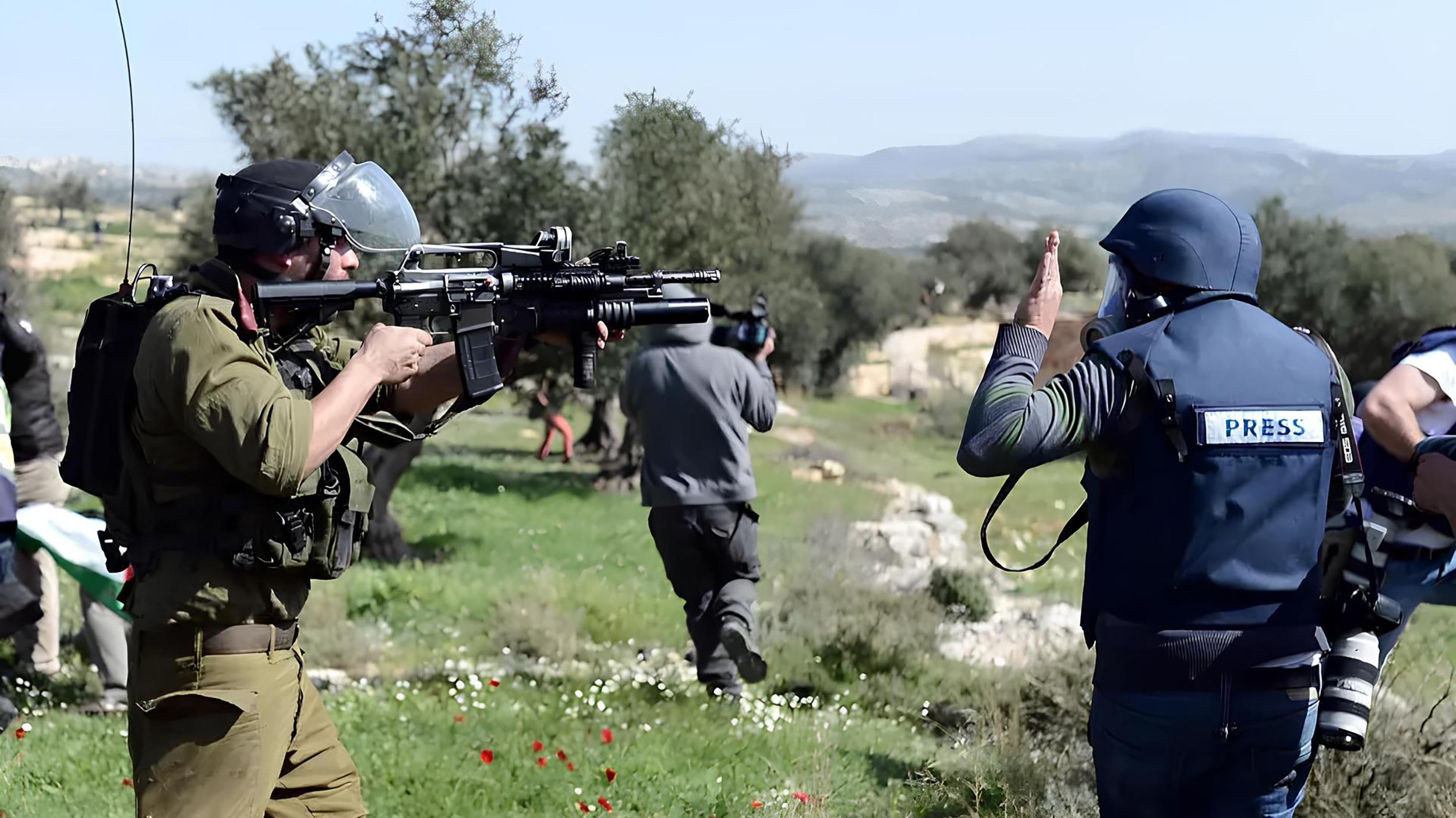
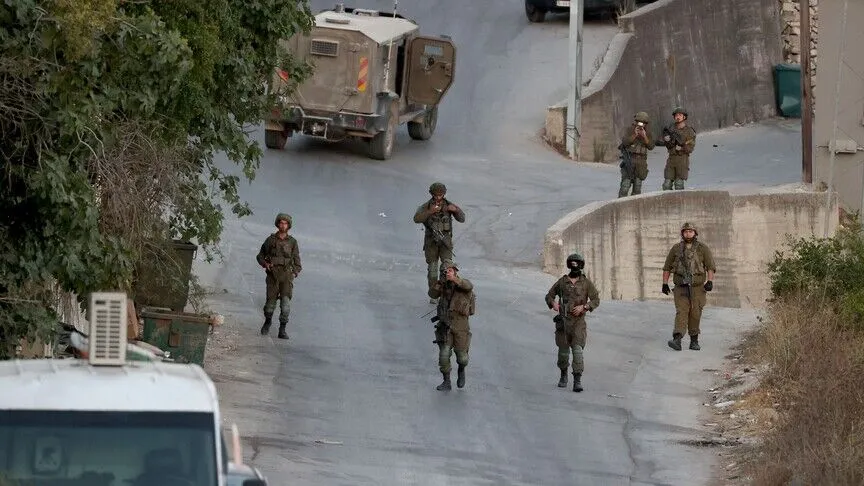
For the second day running, the Israeli army is continuing its military incursions of the Qalandiya refugee camp in occupied north Jerusalem, amidst a widespread campaign of raids and arrests, the conversion of homes into military barracks, and injuries among Palestinians.
Mohammed Aslan, head of the Popular Committee for Services in Qalandiya Camp, a Palestine Liberation Organization-affilate, told Anadolu Agency that “the Israeli occupation army’s incursions are still ongoing for the second day, with more raids and abuse of residents, storming homes, destroying their contents, and stealing money and gold jewelry from several houses.”
He added that the situation inside the camp is “extremely difficult,” and that the occupation forces continue to send military reinforcements and carry out more raids on homes.
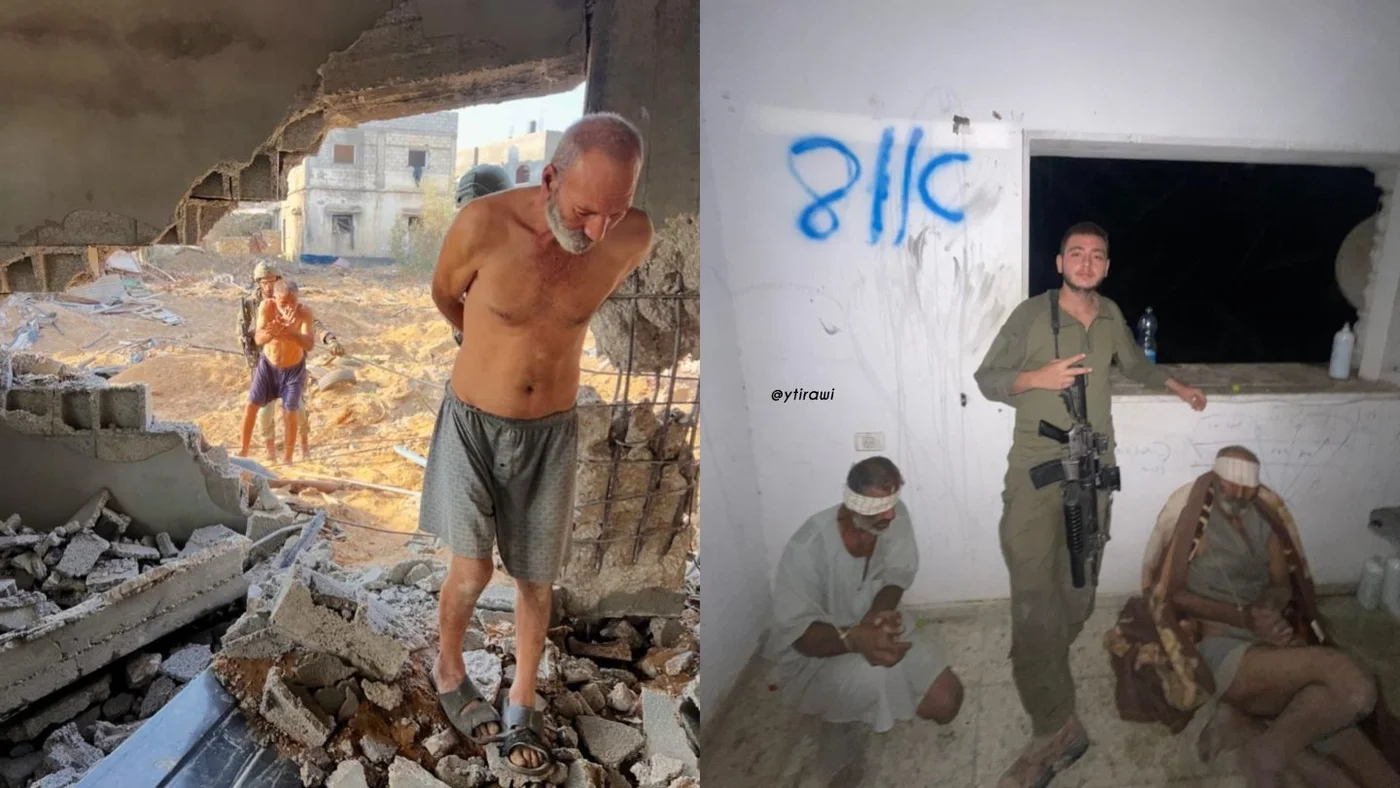
He explained that the Israeli army converted about eight homes into military barracks, while the number of detainees has reached about 20 Palestinians so far, with the number expected to rise as the military operations continues.
Aslan reported three serious injuries resulting from beatings, including a skull fracture, in addition to more than 60 cases of suffocation due to tear gas inhalation.
He continued, expressing his outrage: “It is shameful that the world sees what is happening in Qalandiya camp and remains silent. We hope the international community will awaken from its silence in the face of the torture and abuse inflicted upon the residents.”
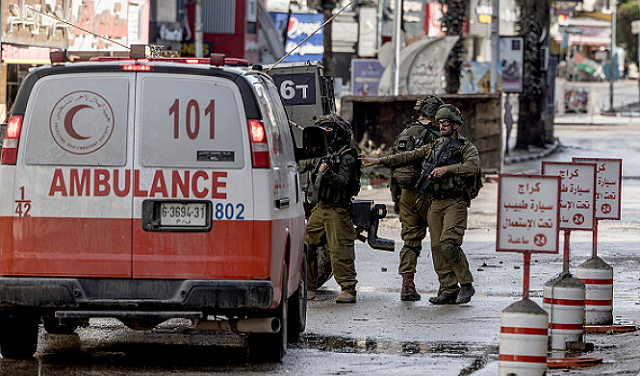
On its part, the Palestinian Red Crescent Society emphasized in a statement that its teams have so far treated 10 injuries resulting from Israeli army attacks, in addition to evacuating a number of patients.
It added that Israel army forces prevented its teams from entering the camp during the night and forced them to leave, despite the presence of patients they have not yet been able to reach.
In a related development, local sources told Anadolu Agency that Israeli army forces evacuated the home of Muhammad Jamil Ammar before planting explosives inside and detonating parts of it, then arrested him.
On Wednesday morning, the Israeli army launched a large-scale military operation in the Qalandiya refugee camp and the town of Kafr Aqab, north Jerusalem. The operation included raiding dozens of homes, converting several into military outposts, preventing dawn prayers in the camp’s mosques, and carrying out arrests and beatings of residents.
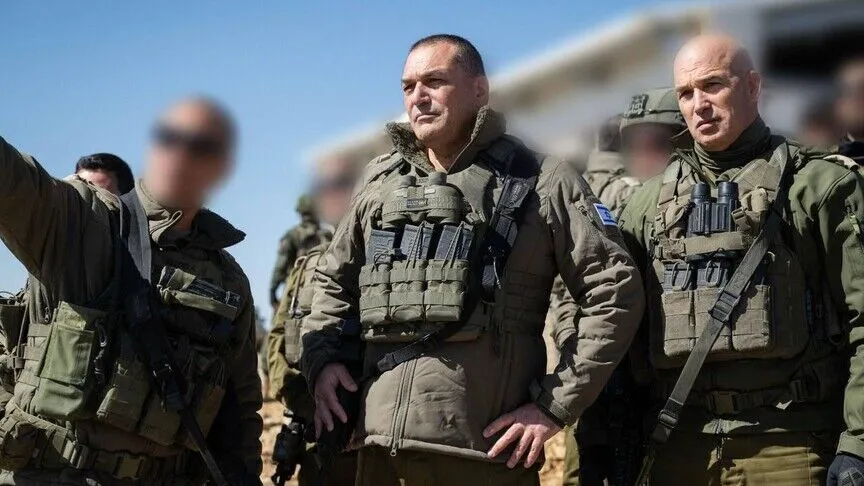
Yoram Halevi, the Israeli army’s coordinator of activities in the Palestinian territories, announced the operation on Facebook Wednesday, stating: “The army has begun a large-scale operation in the Qalandiya refugee camp.”
Halevy did not specify the duration of the operation, claiming it targeted “militants, hostile infrastructure, and the phenomenon of weapons possession and trafficking.”
Israeli forces routinely raid cities and towns in the occupied West Bank, including East Jerusalem.
Since the start of the Israeli offensive in the Gaza Strip on 7 October, 2013, the Israeli army and settlers escalated their attacks in the occupied West Bank, resulting in the deaths of more than 1,182 Palestinians, the injury of approximately 13,000, and the arrest of nearly 24,000.
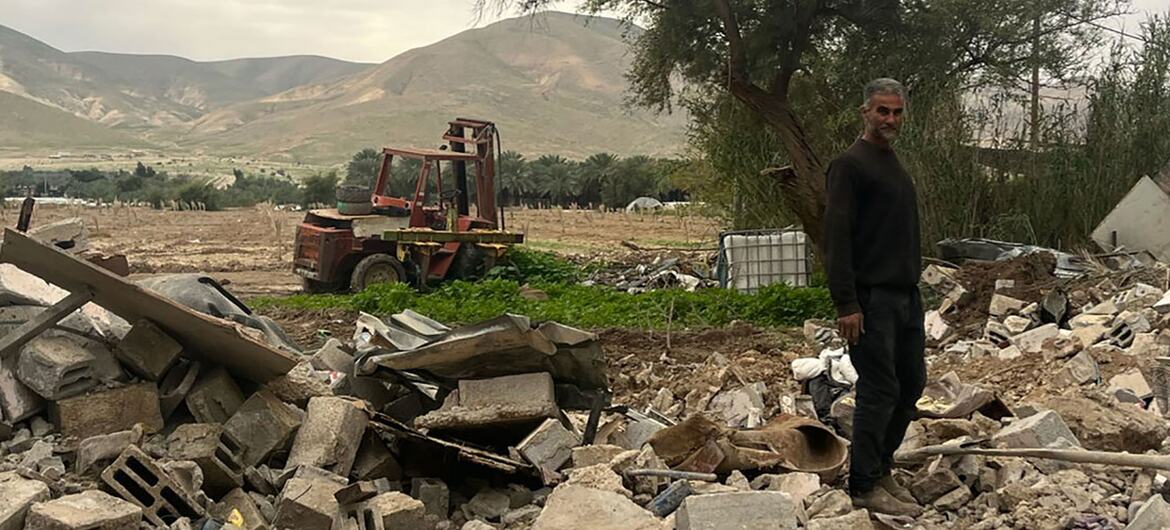
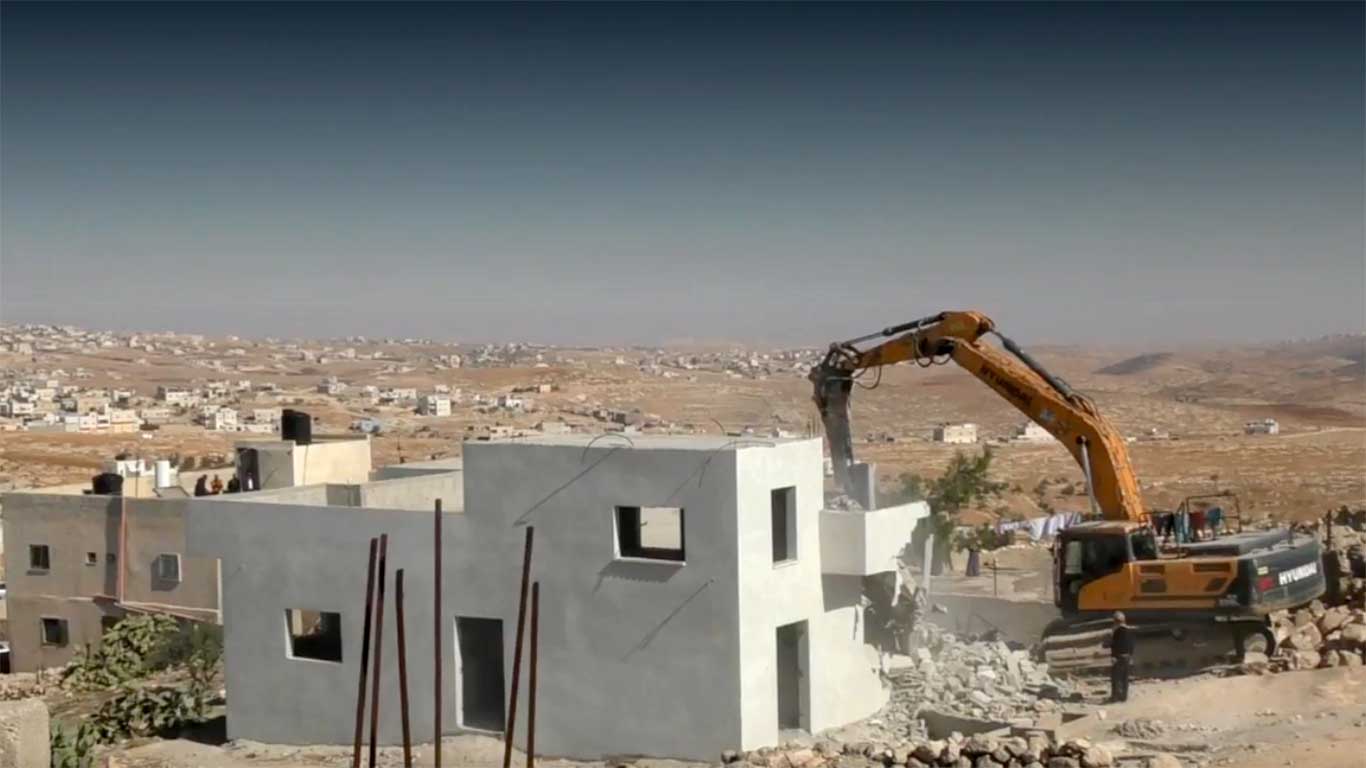
The attacks also include the demolition of homes and structures, the burning of mosques, the bulldozing of agricultural land, preventing farmers from accessing their fields, the displacement of Palestinians, and the expansion of settlements on their land.
Palestinians warn that Israel, through these attacks, is paving the way for the formal annexation of the West Bank, which would undermine the possibility of establishing a Palestinian state as stipulated in relevant UN resolutions.
In 1948, Israel was established on Palestinian land occupied by armed Zionist militias who committed massacres and caused the displacement of at least 750,000 Palestinians, before Tel Aviv occupied the remaining territory and refused to withdraw.















 Saleem Ayoub Quna