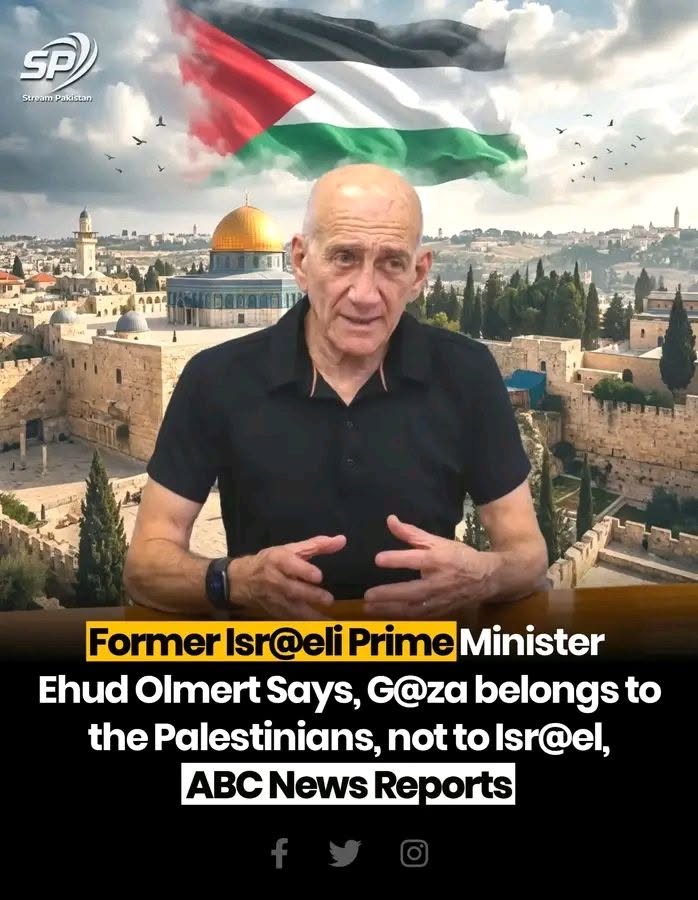
 Ehud Olmert: Gaza Belongs to The Palestinians
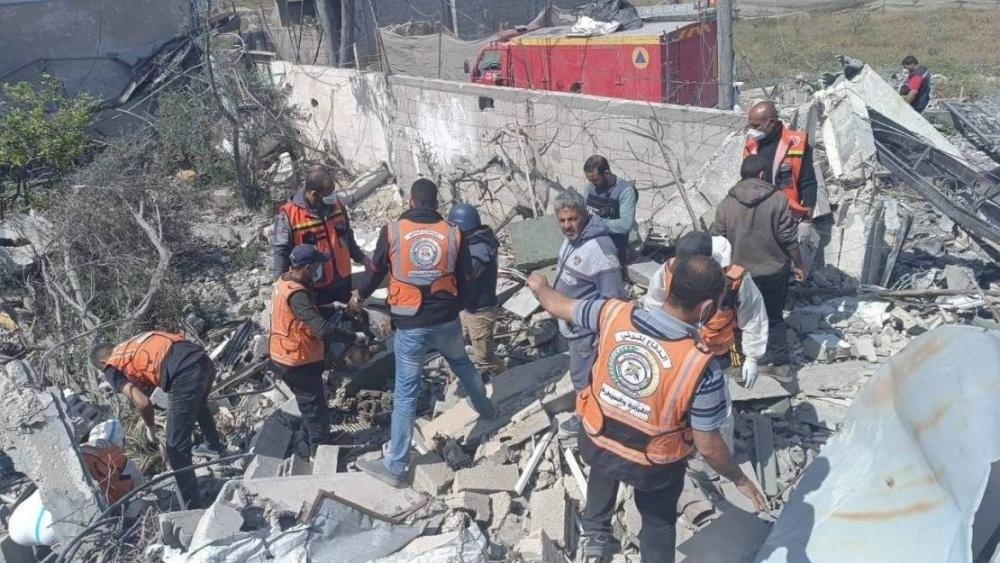
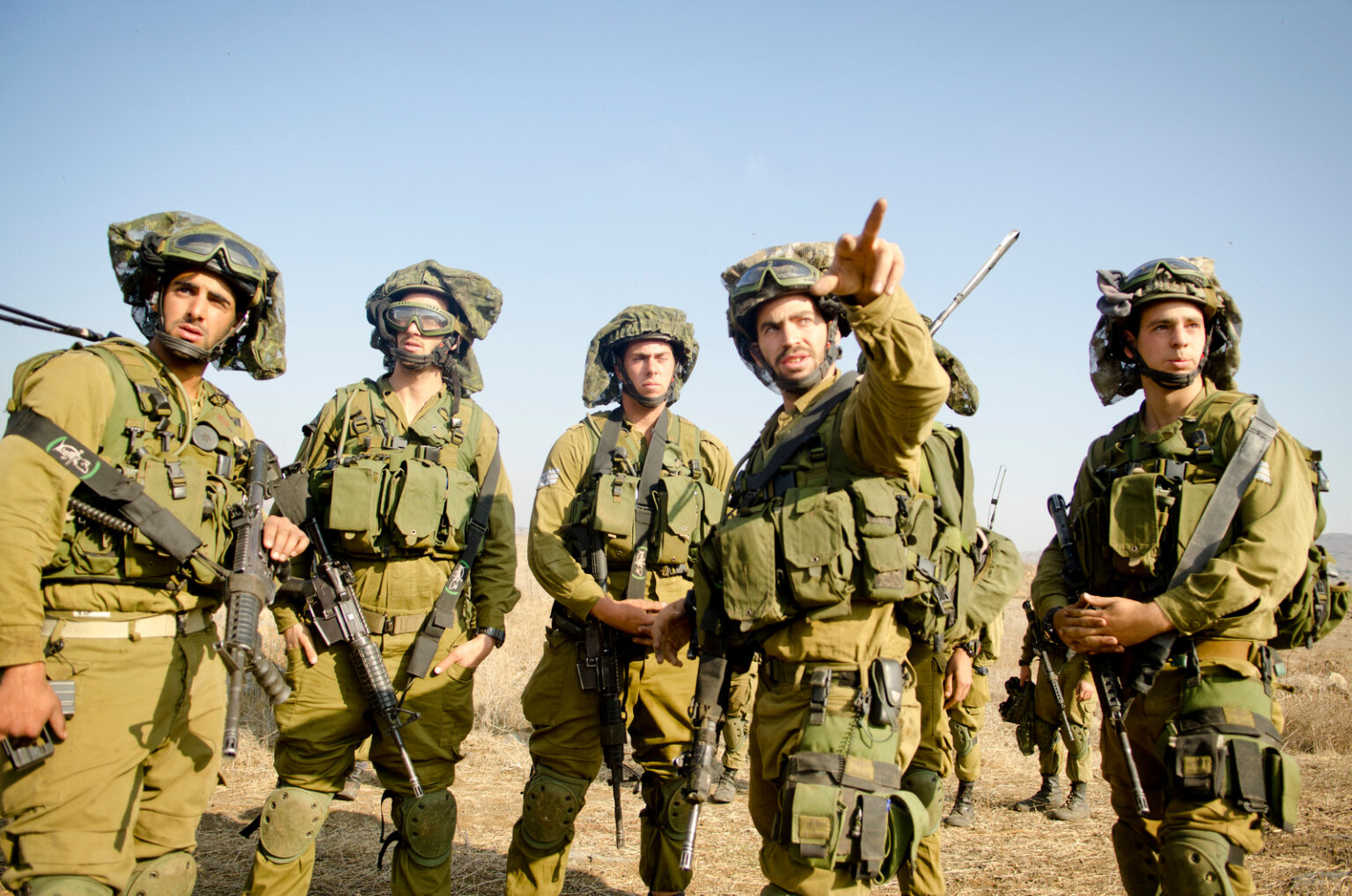 300 Israeli Soldiers Call For an End of ‘Settler Terrorism’
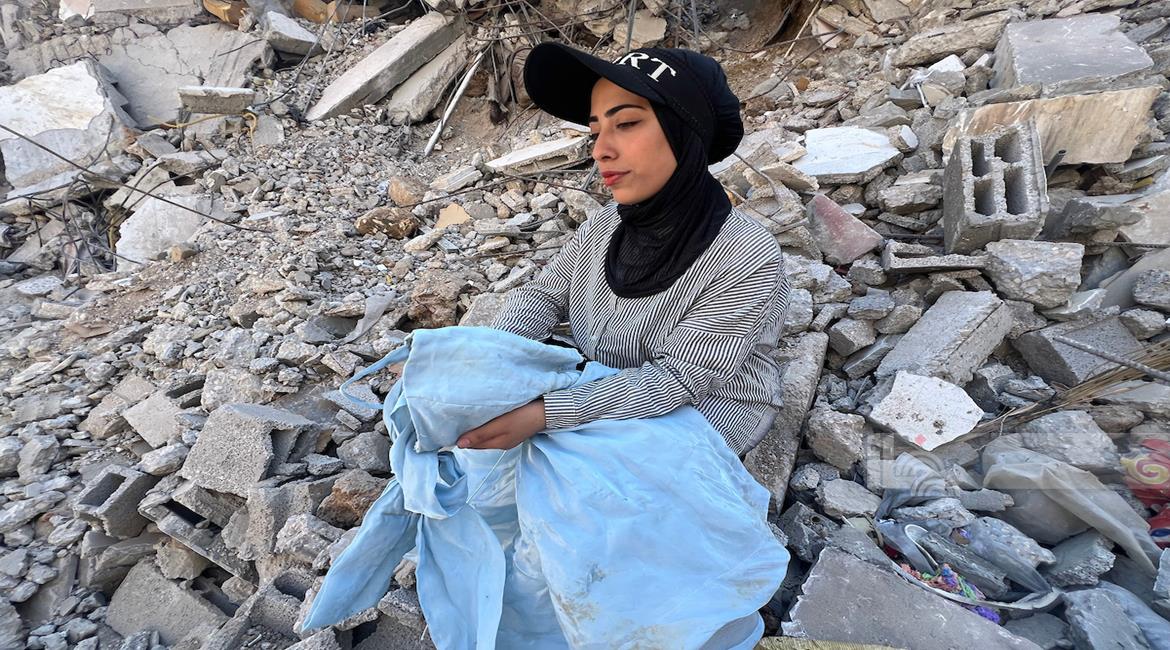
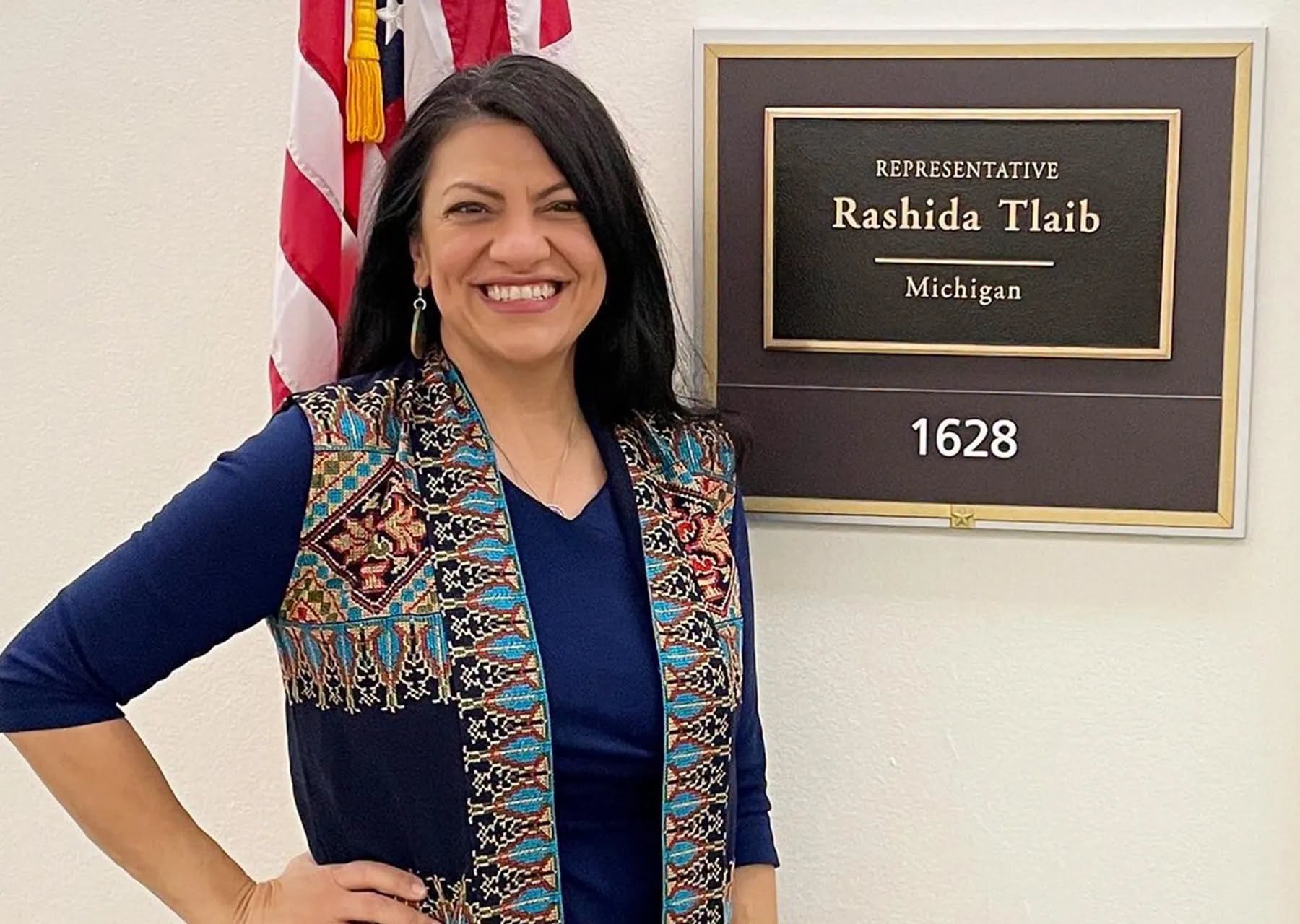 Reshida Tlaib Sweeps in Polls
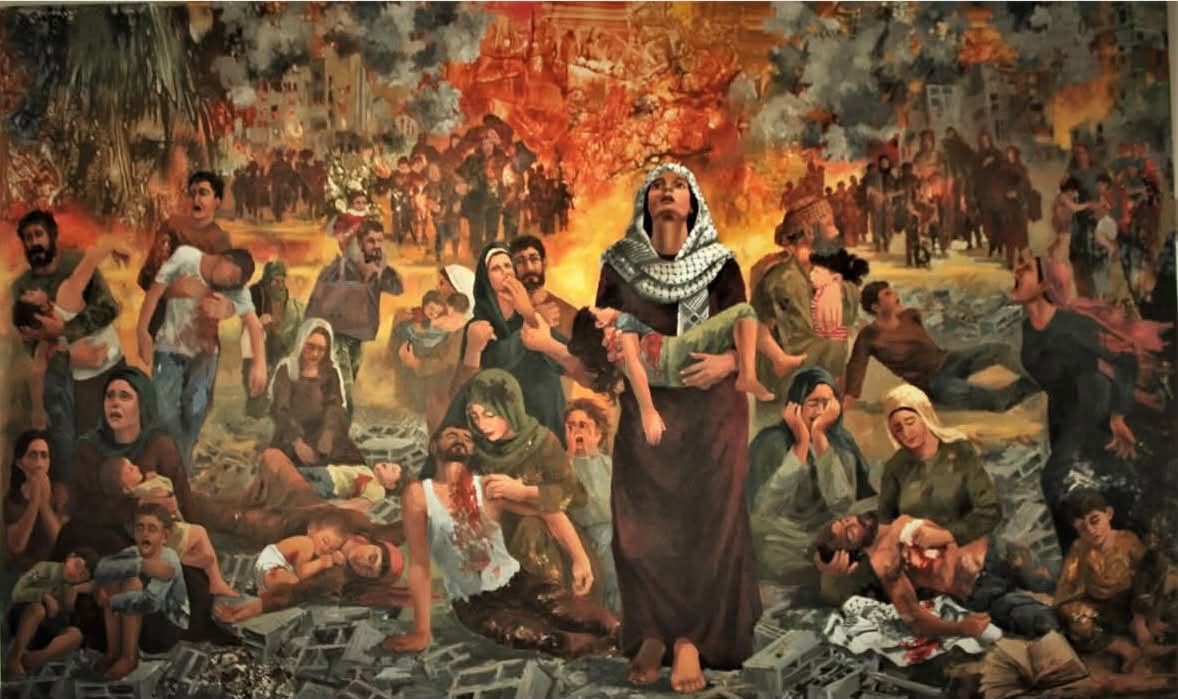
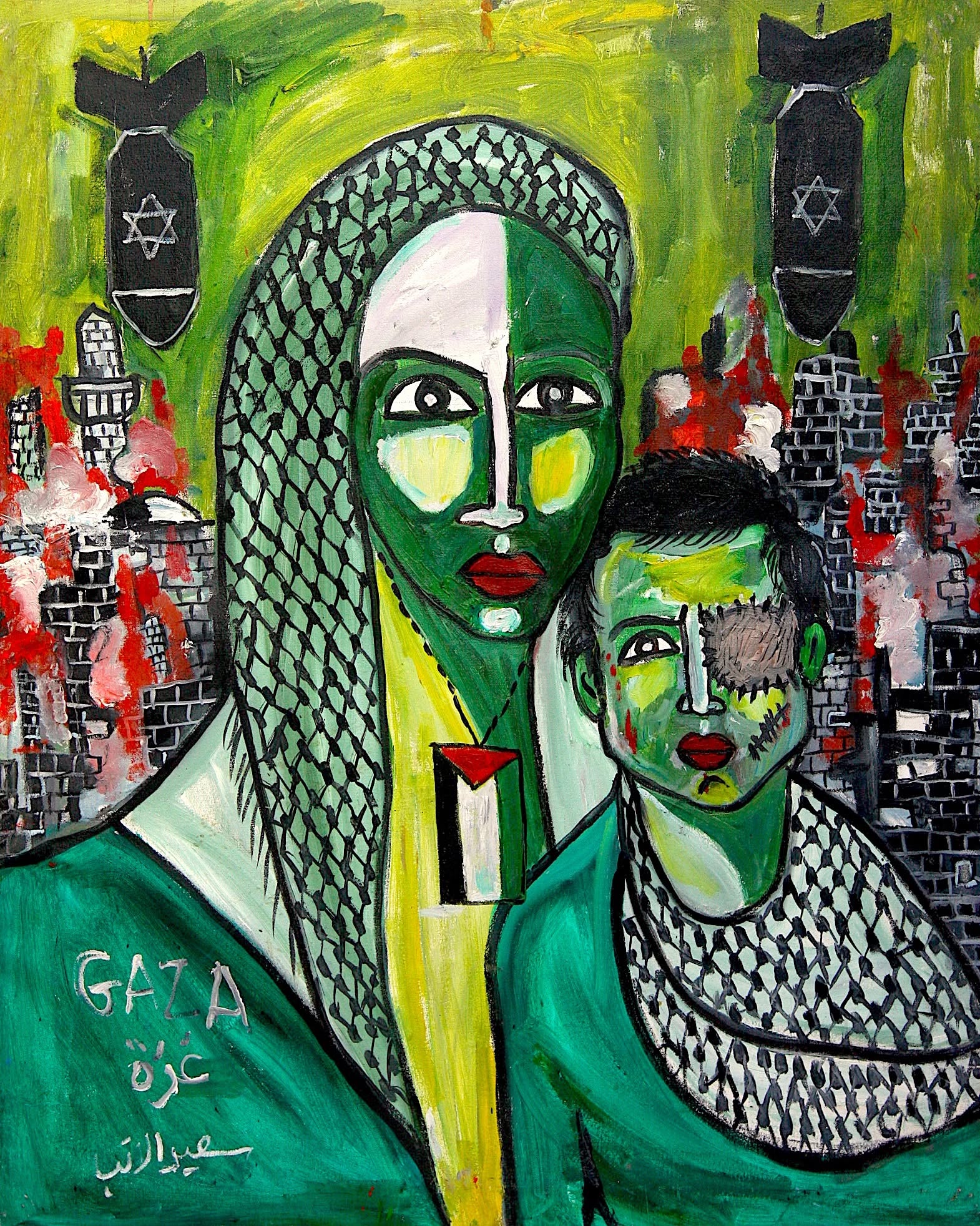
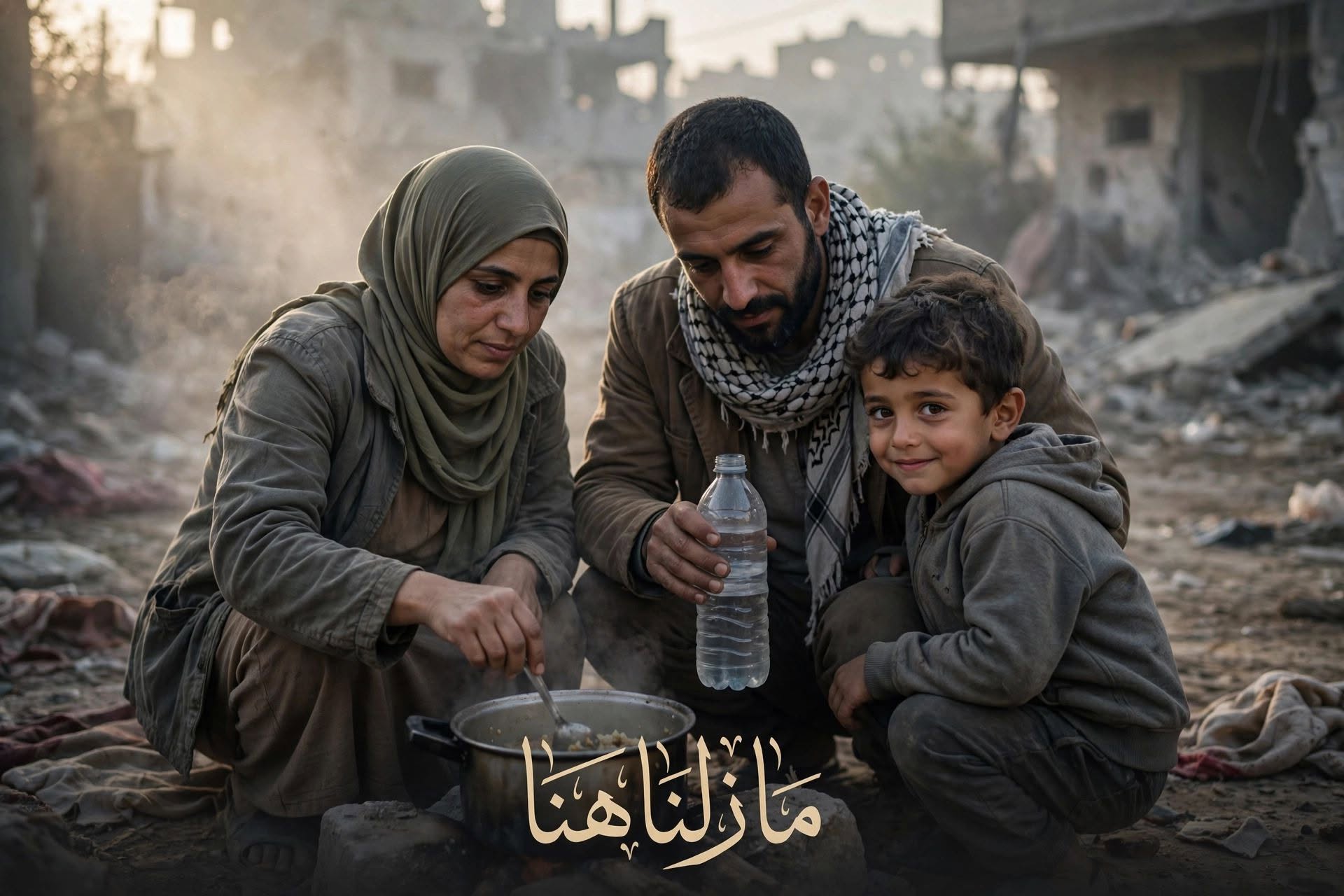 ‘We Are Still Here – Gaza’
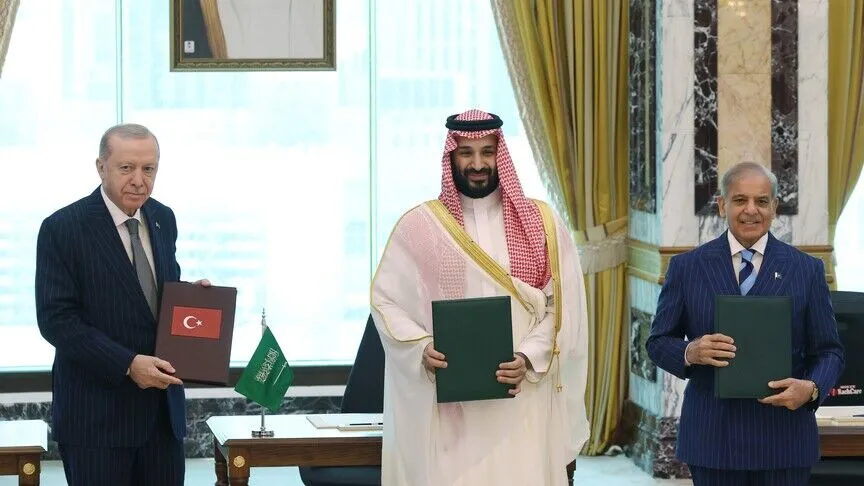
 The Mecca Agreement: Is This The Beginning?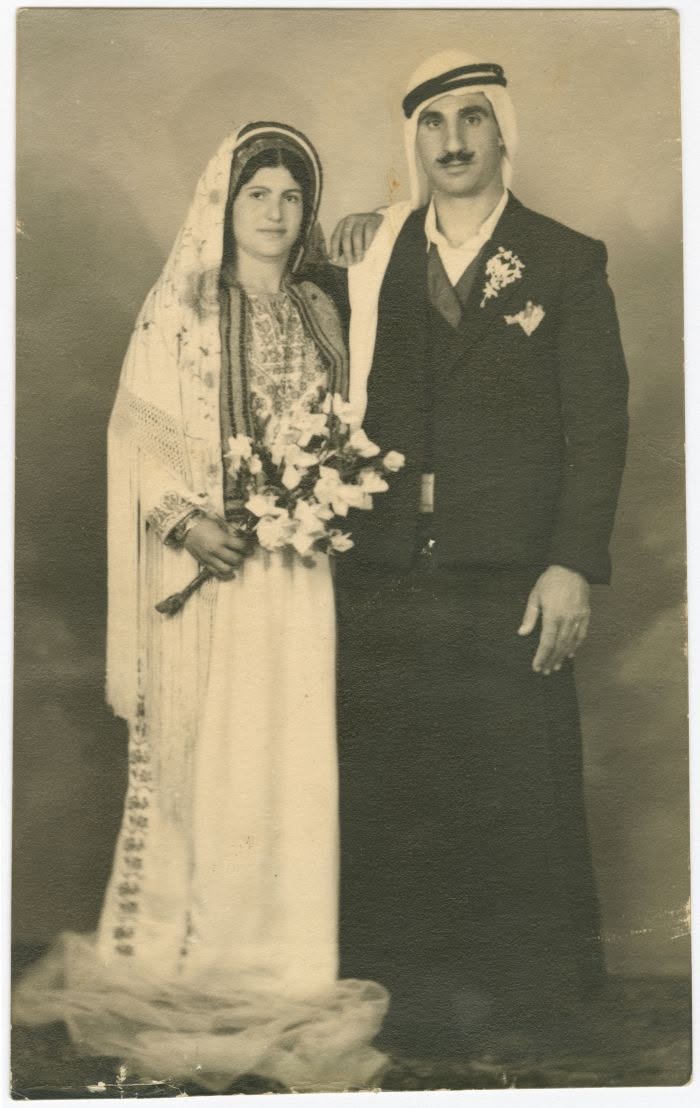
Ehud Olmert: Gaza Belongs to The Palestinians
 CrossFireArabia
- August 12, 2026
 CrossFireArabiaCrossFireArabiaCrossFireArabiaCrossFireArabia
 Heba
Heba marwanCrossFireArabiamarwanHebaCrossFireArabiaHebamarwanmarwanCrossFireArabiamarwanmarwanmarwanmarwanmarwanmarwanmarwanmarwanmarwanCrossFireArabiaCrossFireArabiamarwanmarwanCrossFireArabiaCrossFireArabiamarwanCrossFireArabiamarwanHebaHebamarwanmarwanCrossFireArabiamarwanmarwanmarwanmarwanCrossFireArabiaCrossFireArabiamarwanmarwanmarwanCrossFireArabiamarwanmarwanmarwanmarwanmarwanCrossFireArabiamarwanmarwanmarwanmarwanCrossFireArabiamarwanmarwanmarwanmarwanmarwanmarwanmarwanmarwanmarwanmarwanCrossFireArabia
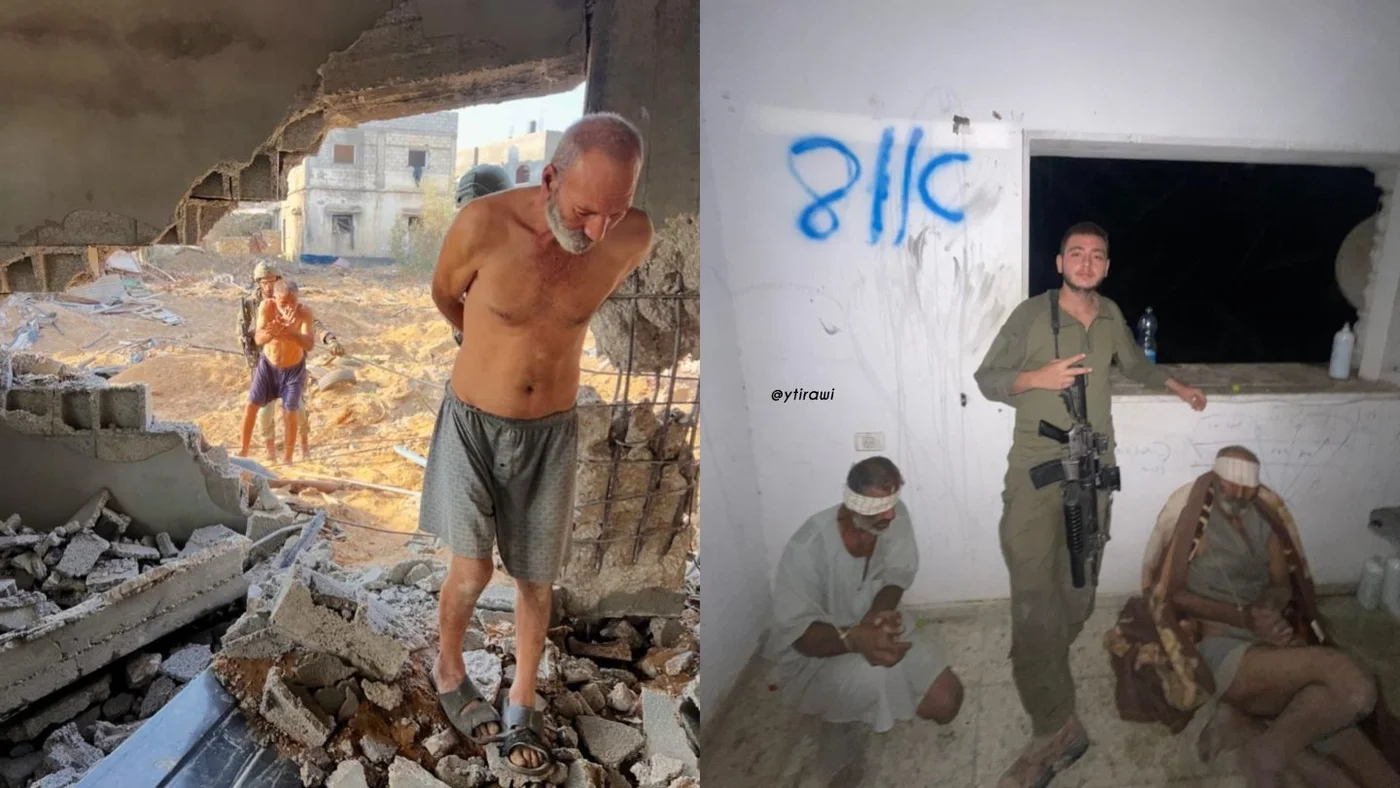
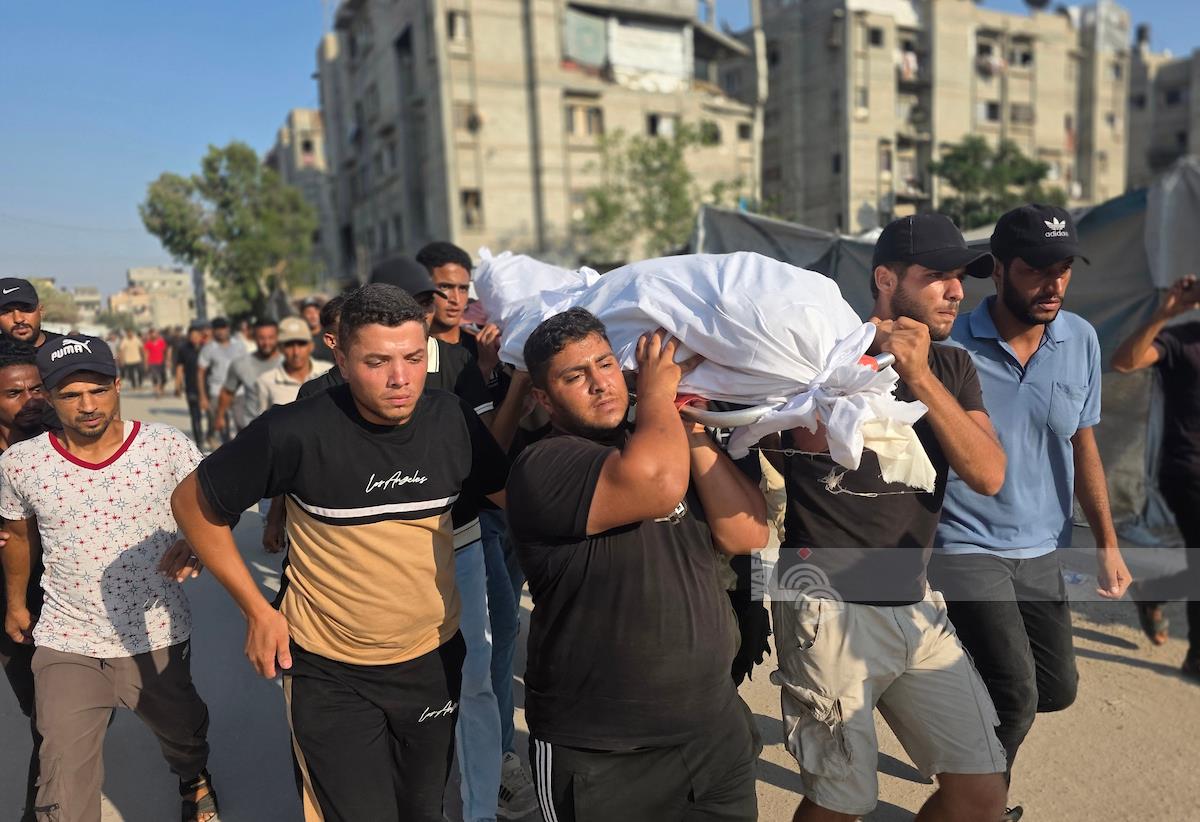
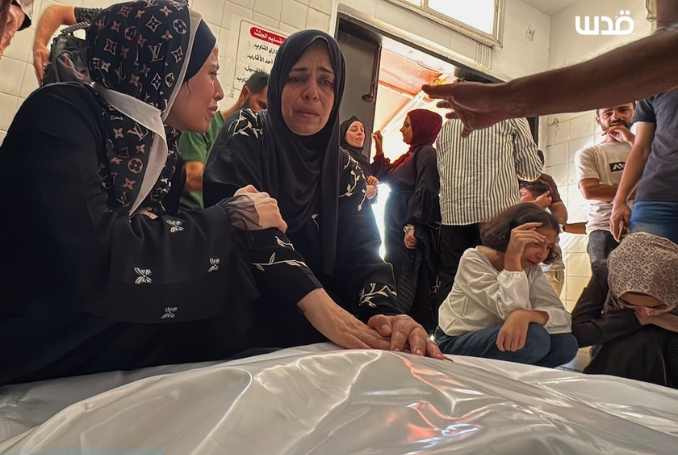
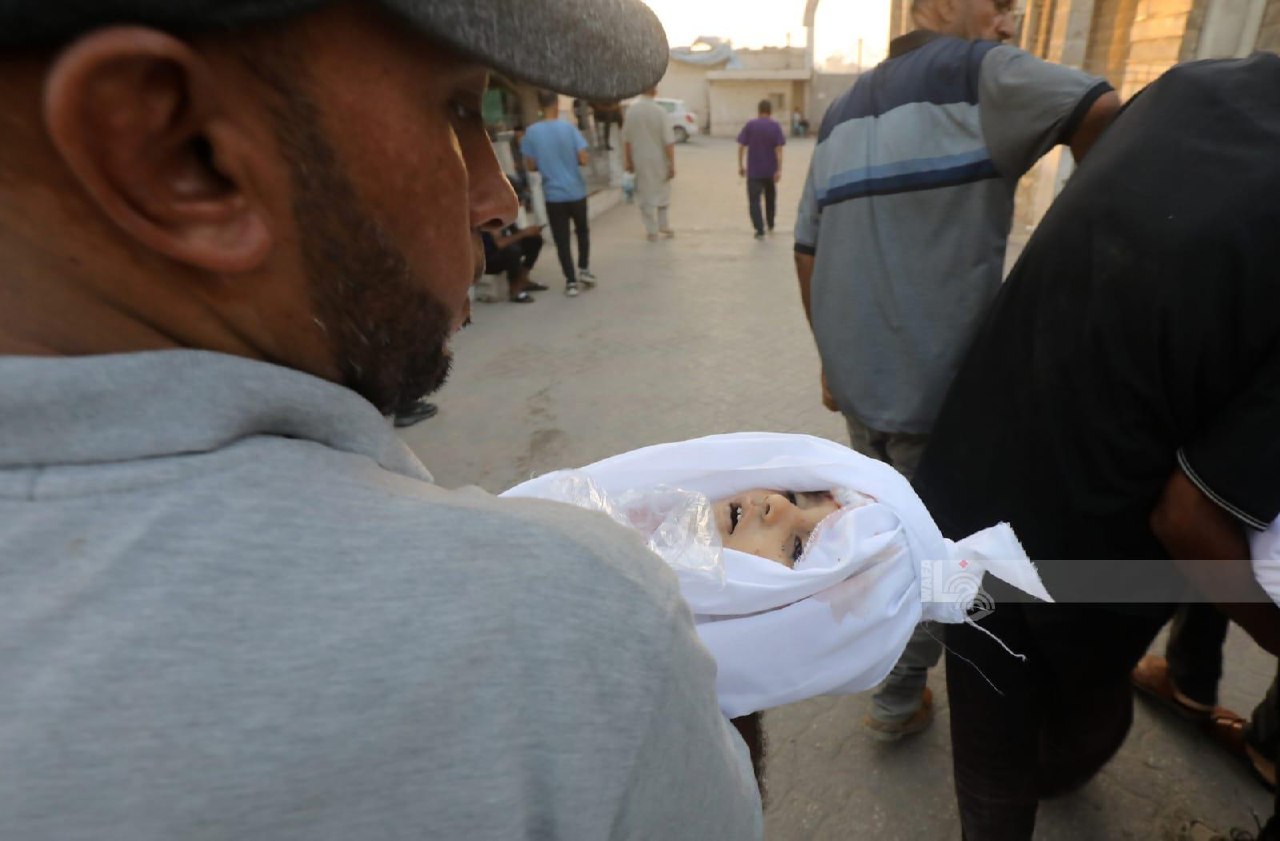
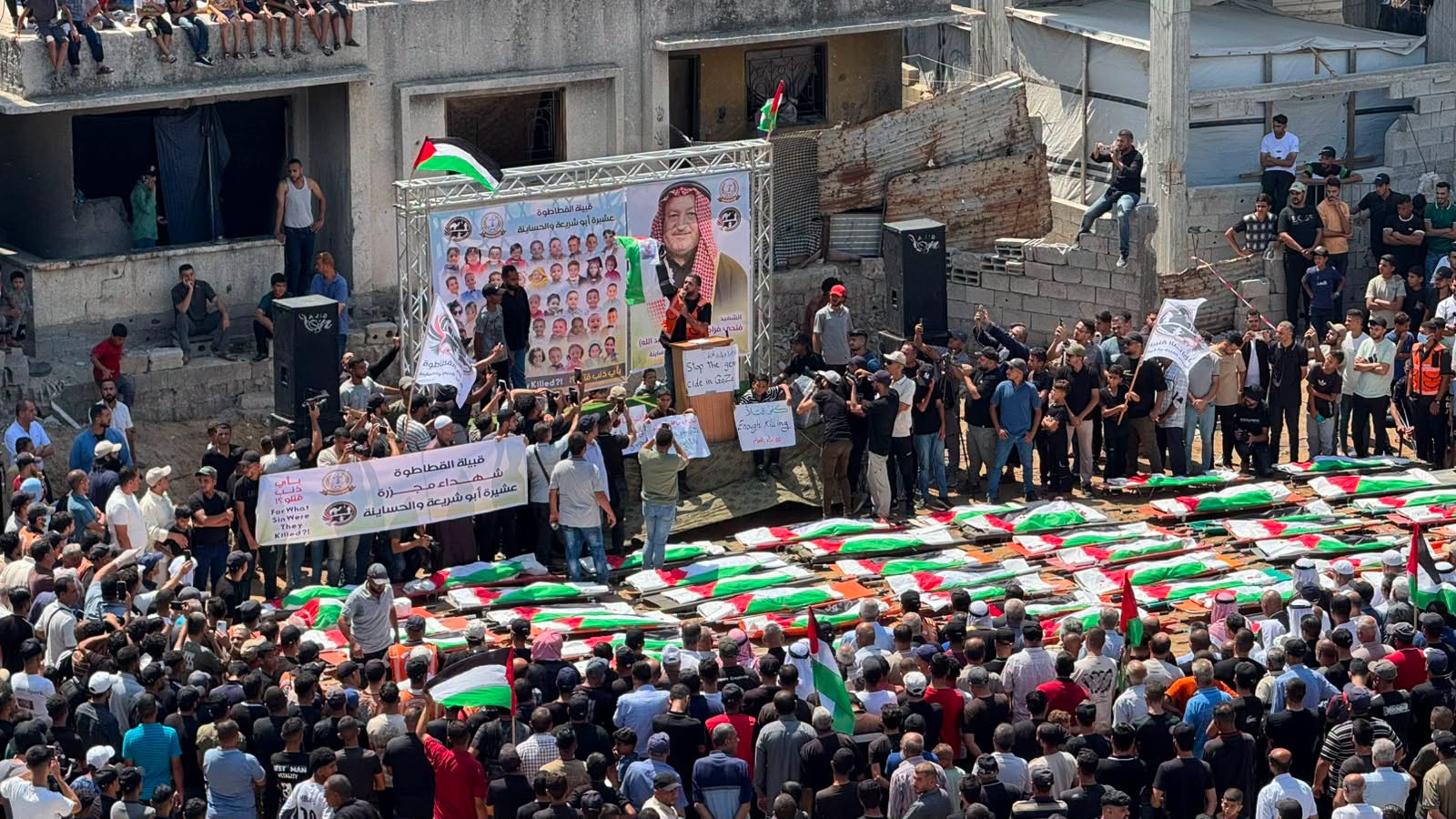
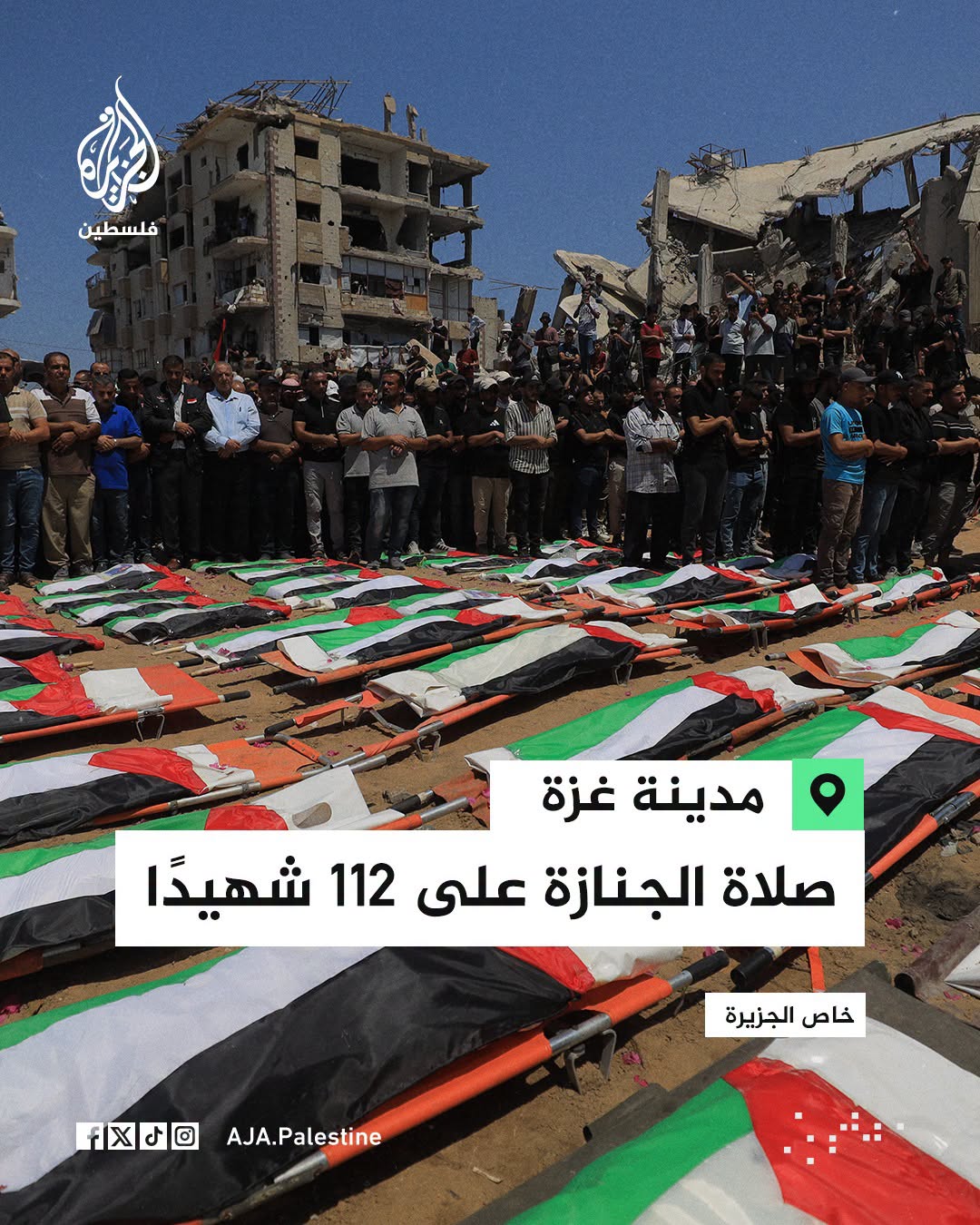
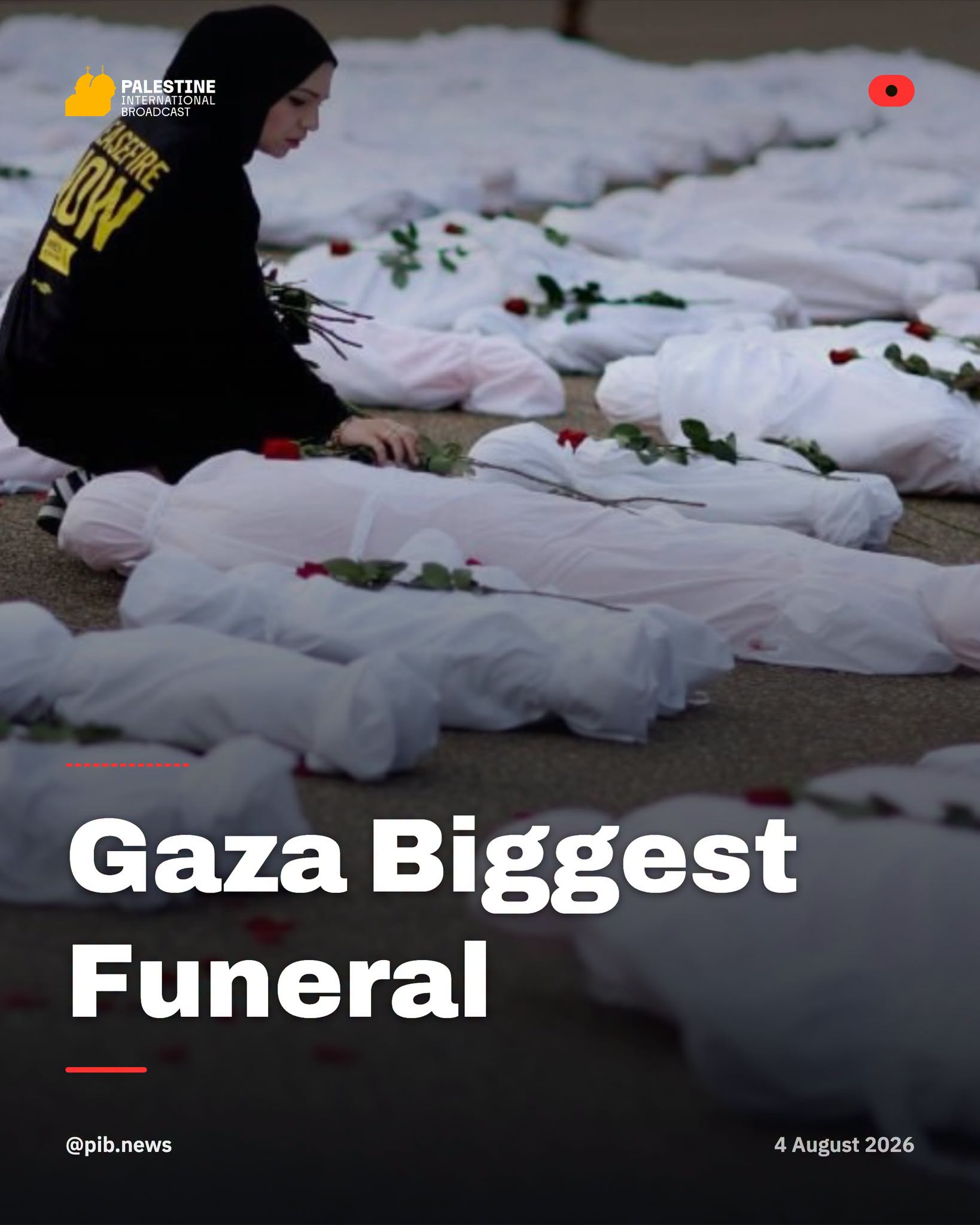
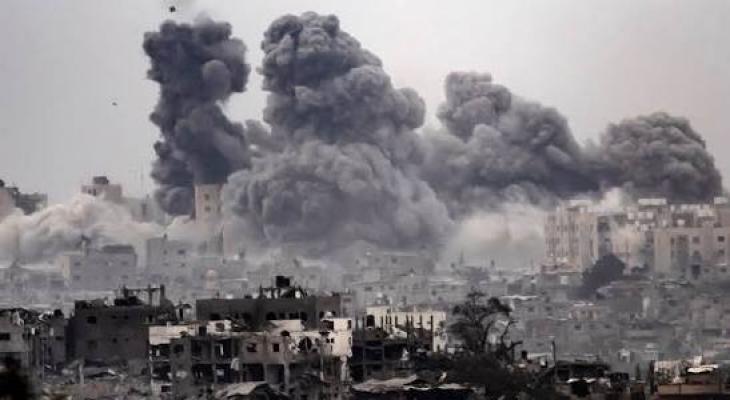
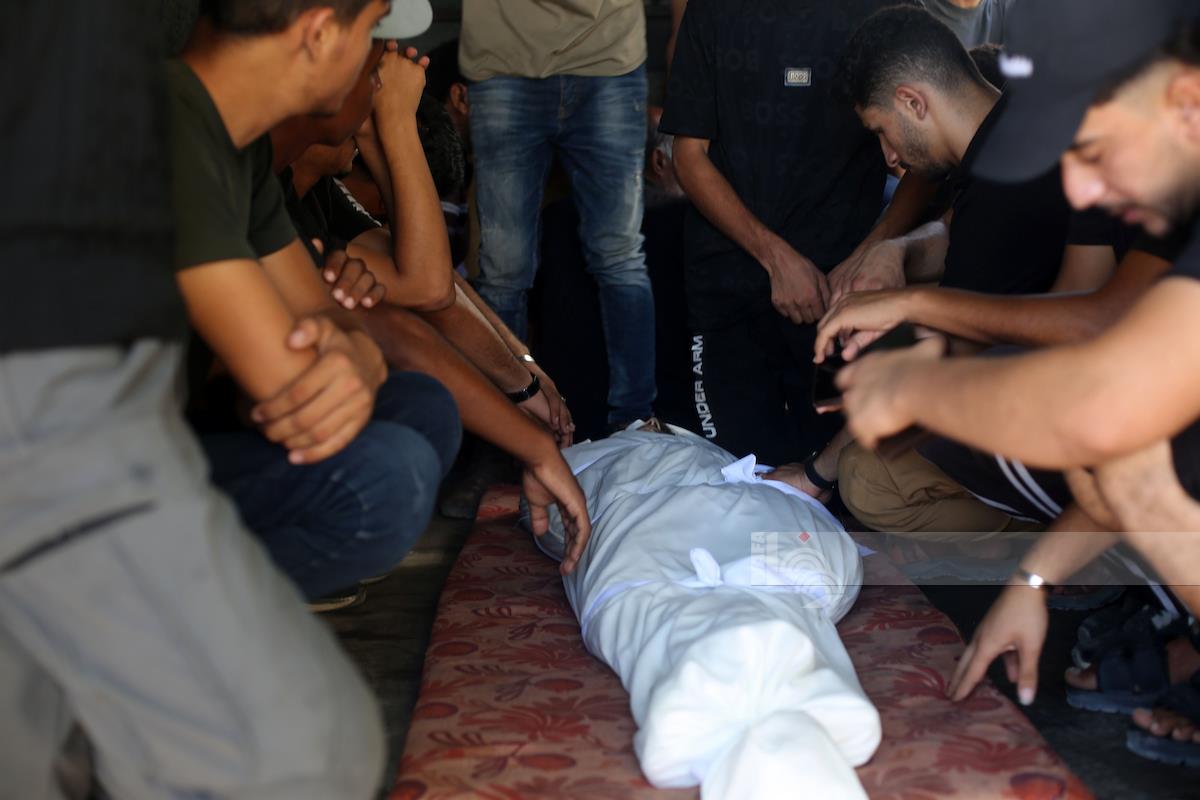
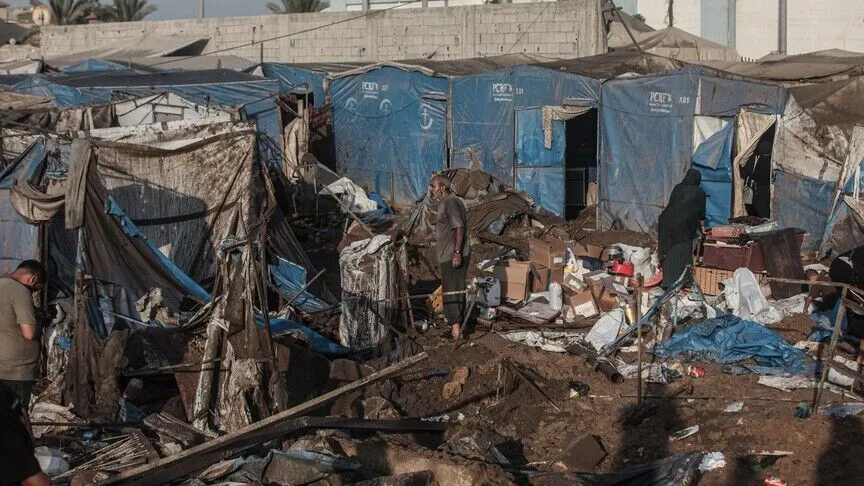
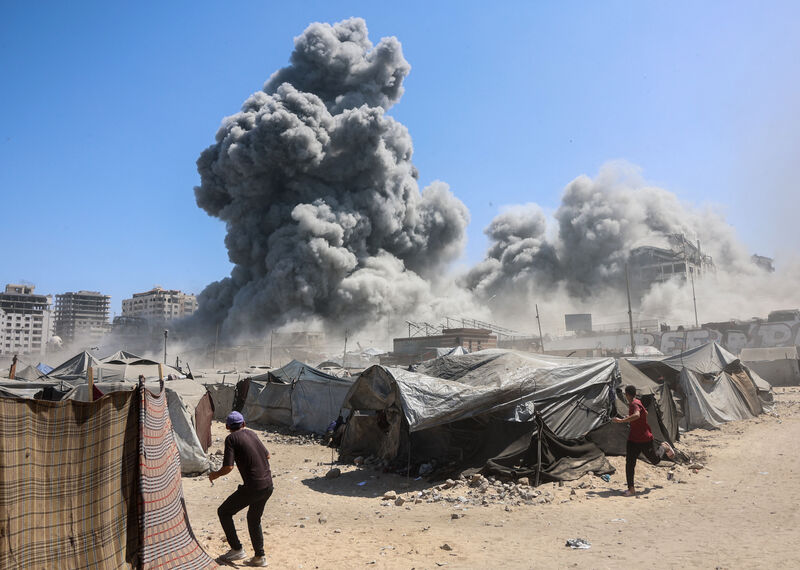
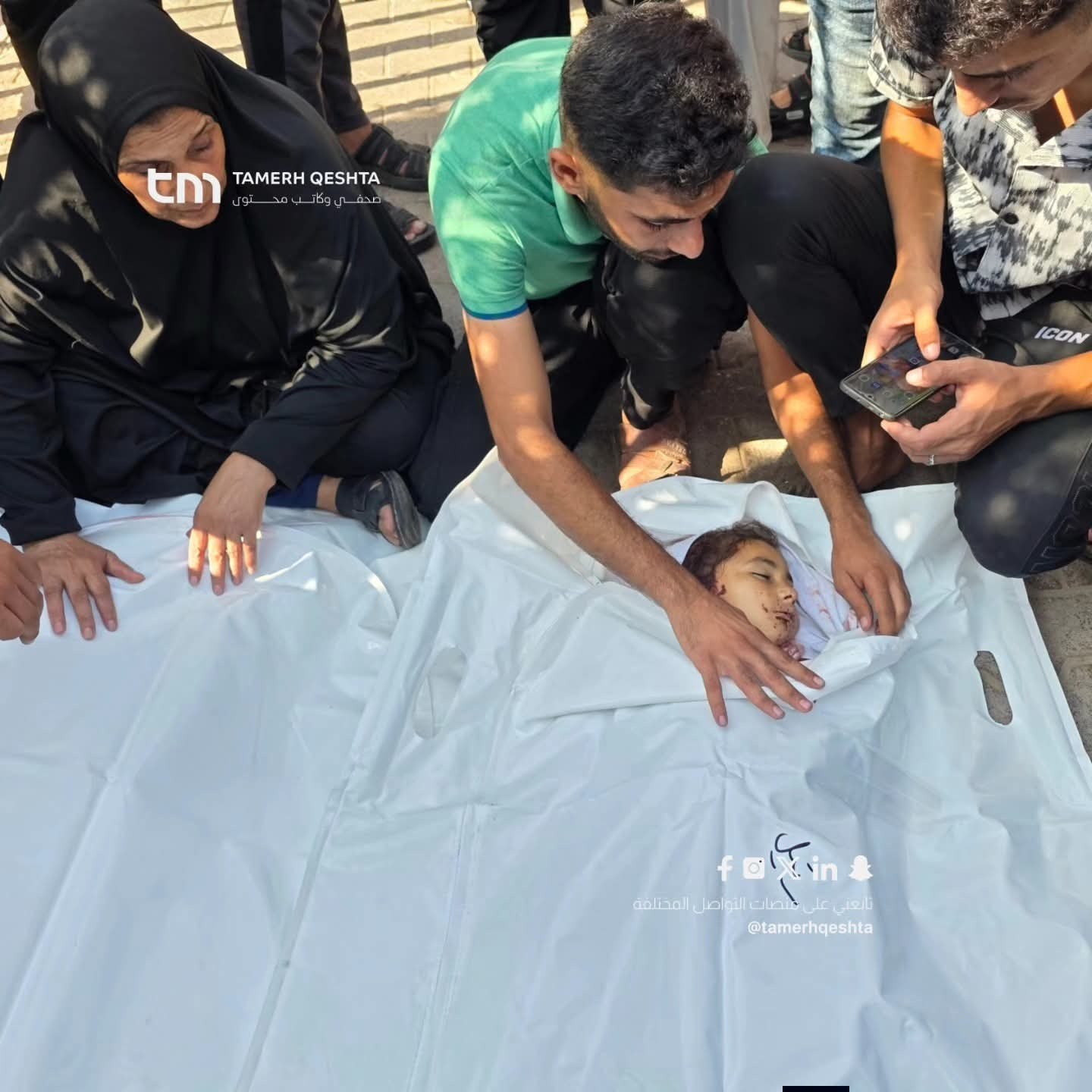
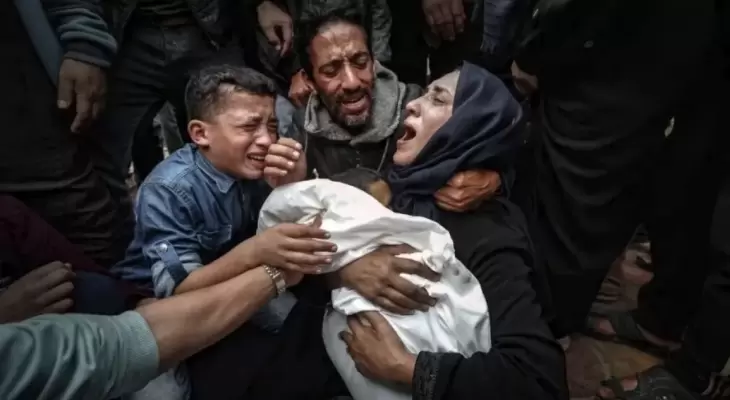
The Gaza Heath Ministry announced, Thursday, a Palestinian was killed and five others wounded in the past 24 hours. It further stated that the total number of Palestinians killed and wounded since the beginning of the Israeli offensive on the enclave since 8 October, 2023, rose to 73,382, with 174,236 injured. It added that thousands of bodies remain under the rubble and in the streets with ambulance and civil defense teams unable to reach them. The ministry also clarified since the ceasefire agreement came into effect on 11 October, the total number of Palestinians killed by Israeli violations reached 1,255, in addition to 4,125 wounded. The bodies of 806 missing persons have been recovered from under the rubble.
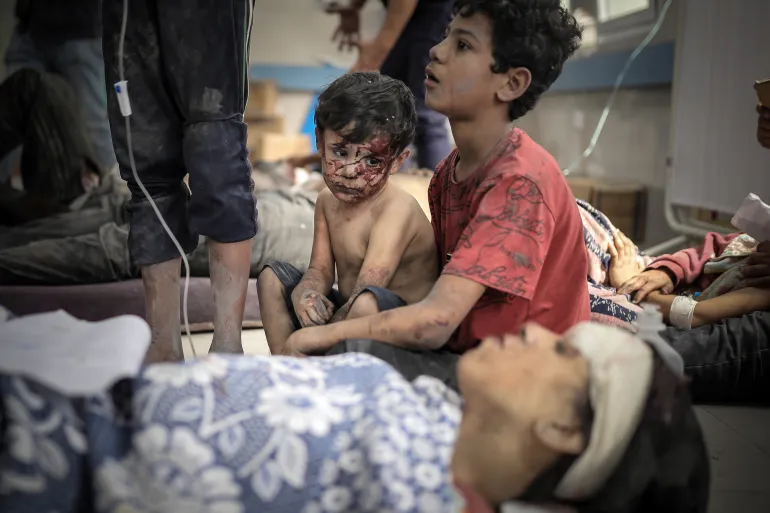
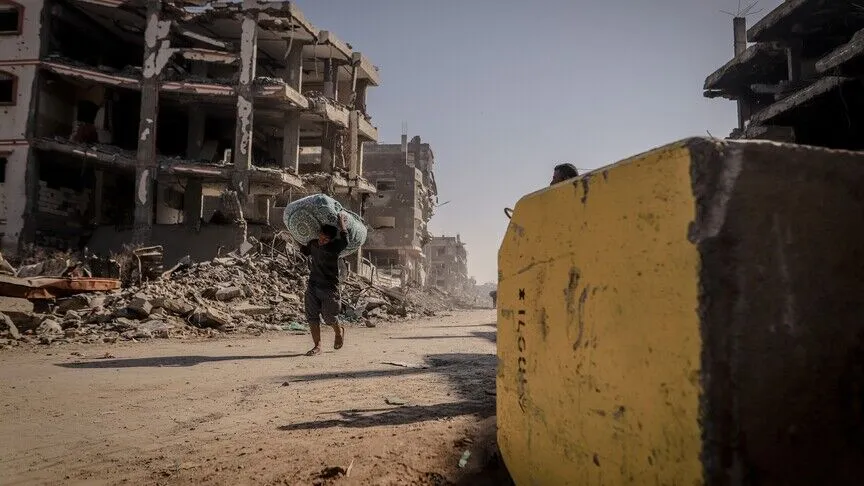
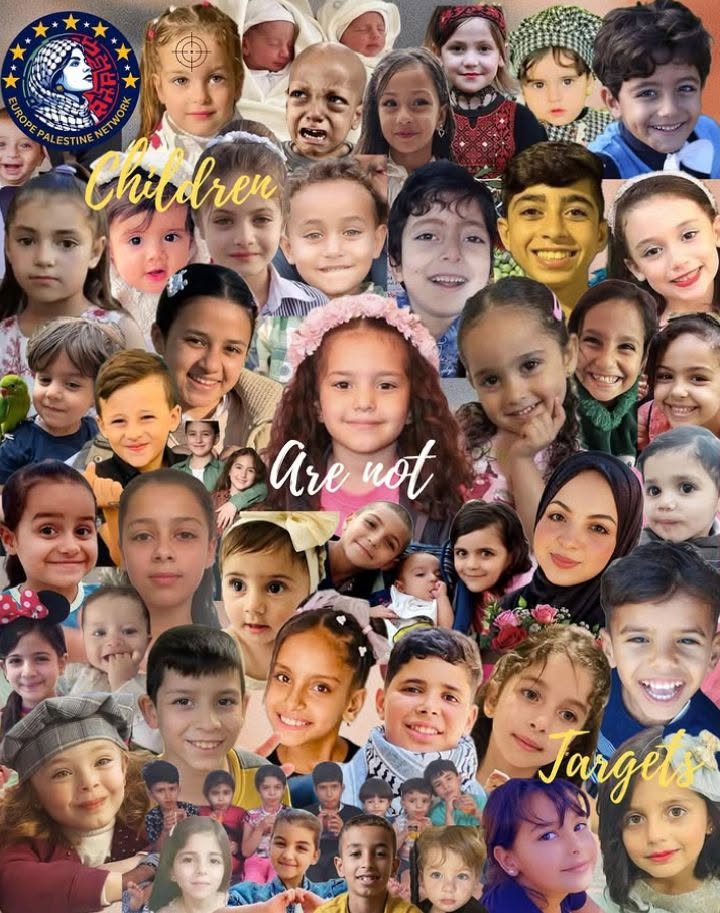
Since 8 October, 2023, Israel, with American and European support, has been committing genocide in the Gaza Strip, including killing, starvation, destruction, displacement, arrest, and disease, ignoring international appeals and orders from the International Court of Justice to halt its actions. This genocide has left more than 247,000 Palestinians dead or wounded, most of them children and women, and more than 11,000 missing. In addition, hundreds of thousands have been displaced, and famine has claimed the lives of many, mostly children. Furthermore, the Gaza Strip has suffered widespread destruction, with most of its cities and towns effectively erased from the map.
marwan
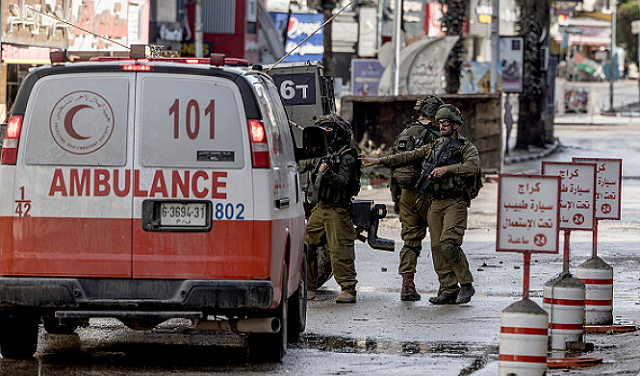
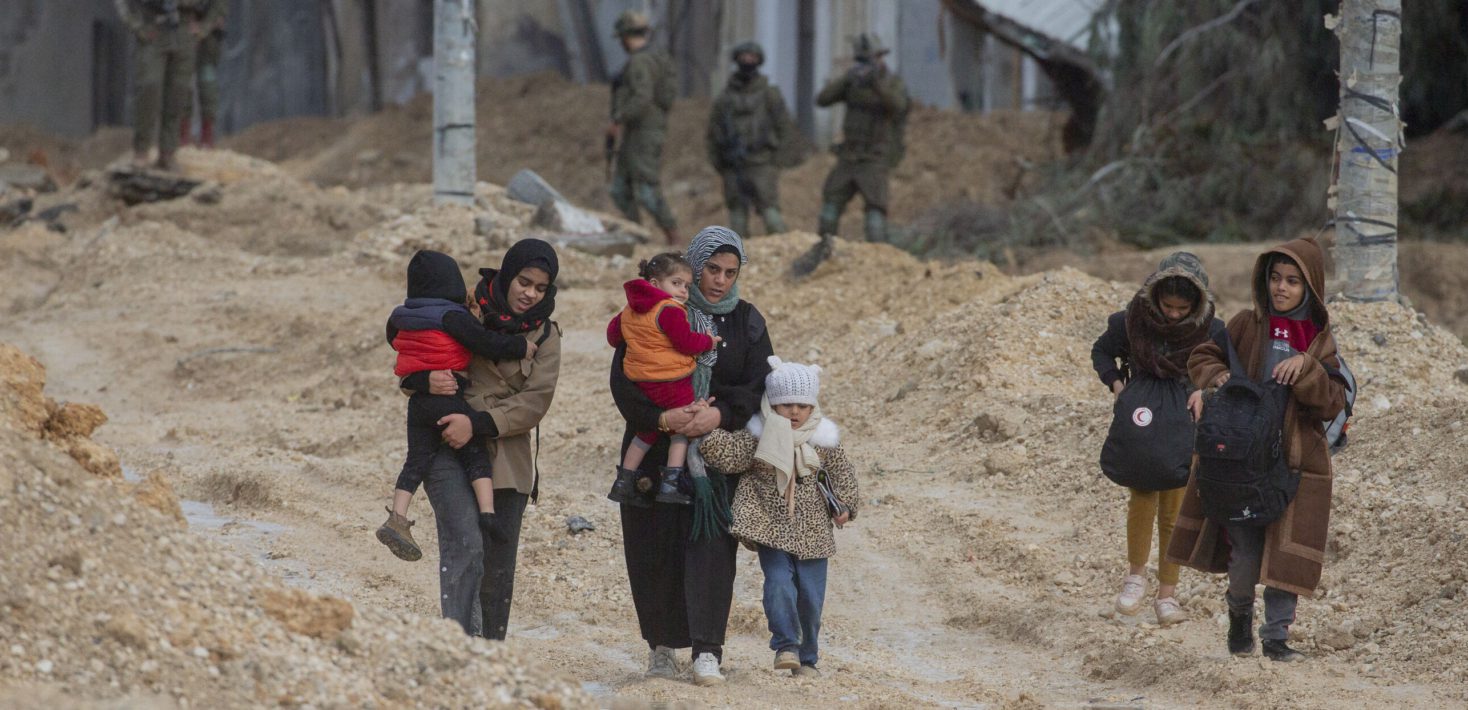
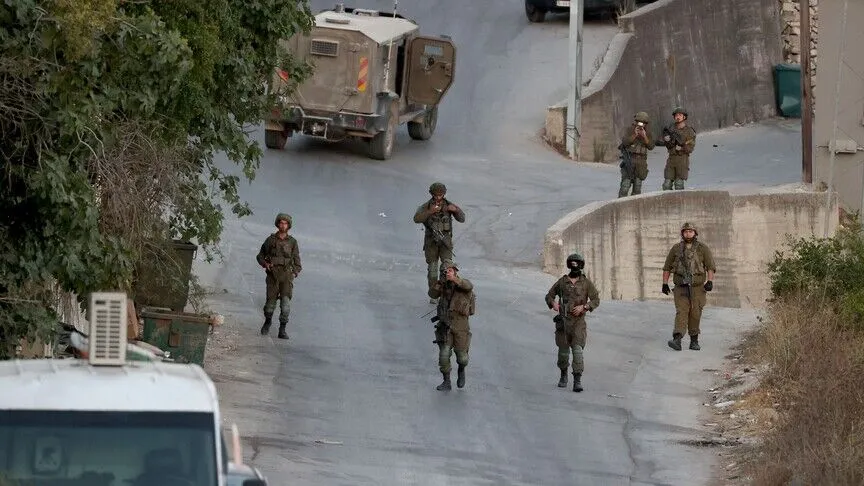
For the second day running, the Israeli army is continuing its military incursions of the Qalandiya refugee camp in occupied north Jerusalem, amidst a widespread campaign of raids and arrests, the conversion of homes into military barracks, and injuries among Palestinians.
Mohammed Aslan, head of the Popular Committee for Services in Qalandiya Camp, a Palestine Liberation Organization-affilate, told Anadolu Agency that “the Israeli occupation army’s incursions are still ongoing for the second day, with more raids and abuse of residents, storming homes, destroying their contents, and stealing money and gold jewelry from several houses.”
He added that the situation inside the camp is “extremely difficult,” and that the occupation forces continue to send military reinforcements and carry out more raids on homes.
He explained that the Israeli army converted about eight homes into military barracks, while the number of detainees has reached about 20 Palestinians so far, with the number expected to rise as the military operations continues.
Aslan reported three serious injuries resulting from beatings, including a skull fracture, in addition to more than 60 cases of suffocation due to tear gas inhalation.
He continued, expressing his outrage: “It is shameful that the world sees what is happening in Qalandiya camp and remains silent. We hope the international community will awaken from its silence in the face of the torture and abuse inflicted upon the residents.”
On its part, the Palestinian Red Crescent Society emphasized in a statement that its teams have so far treated 10 injuries resulting from Israeli army attacks, in addition to evacuating a number of patients.
It added that Israel army forces prevented its teams from entering the camp during the night and forced them to leave, despite the presence of patients they have not yet been able to reach.
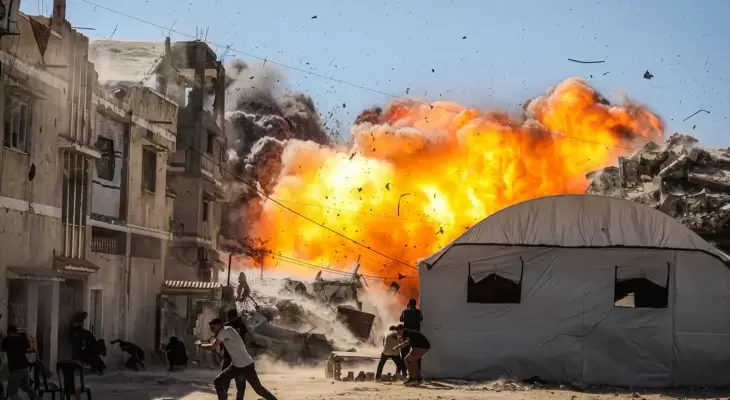
In a related development, local sources told Anadolu Agency that Israeli army forces evacuated the home of Muhammad Jamil Ammar before planting explosives inside and detonating parts of it, then arrested him.
On Wednesday morning, the Israeli army launched a large-scale military operation in the Qalandiya refugee camp and the town of Kafr Aqab, north Jerusalem. The operation included raiding dozens of homes, converting several into military outposts, preventing dawn prayers in the camp’s mosques, and carrying out arrests and beatings of residents.
Yoram Halevi, the Israeli army’s coordinator of activities in the Palestinian territories, announced the operation on Facebook Wednesday, stating: “The army has begun a large-scale operation in the Qalandiya refugee camp.”
Halevy did not specify the duration of the operation, claiming it targeted “militants, hostile infrastructure, and the phenomenon of weapons possession and trafficking.”
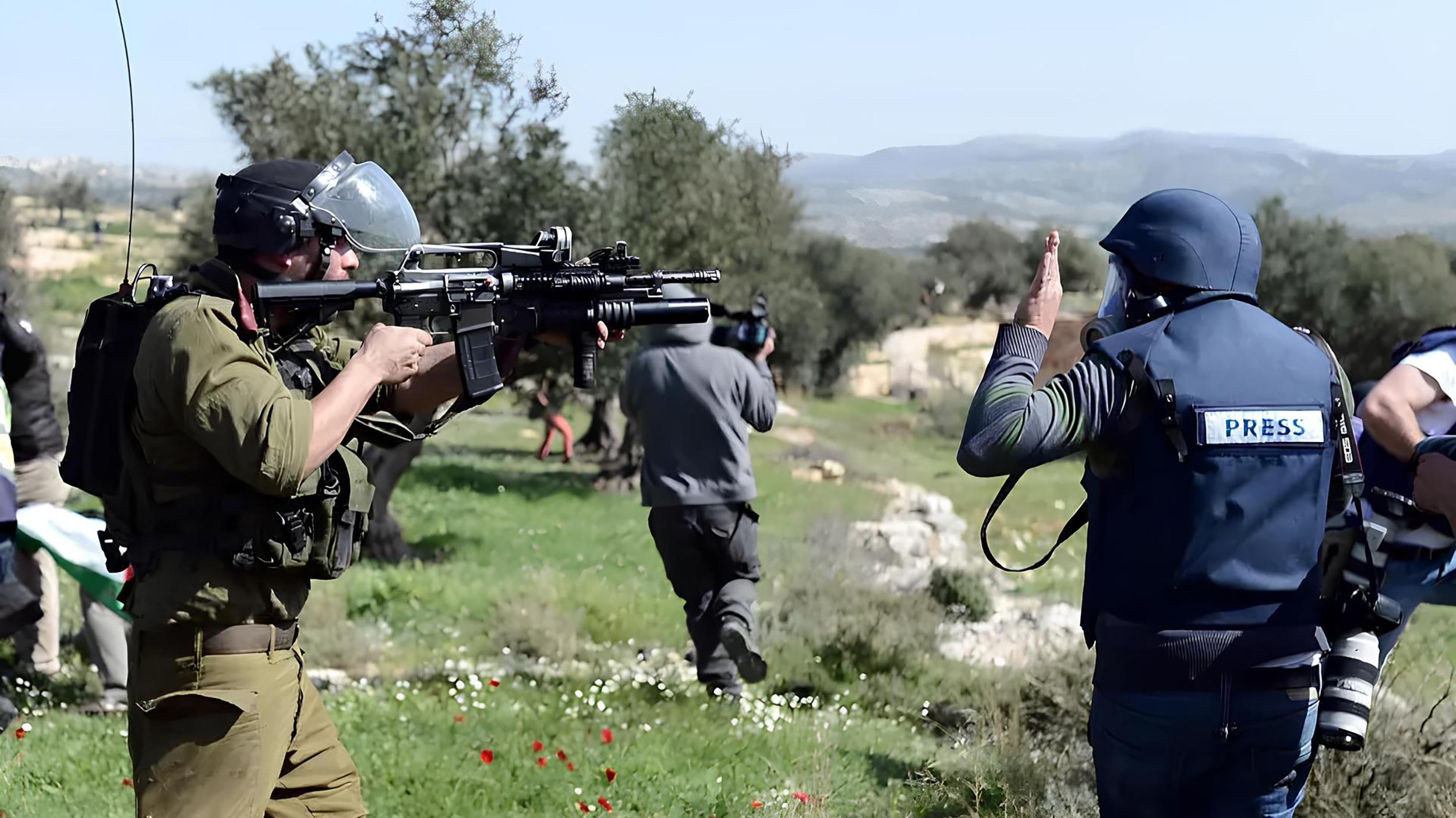
Israeli forces routinely raid cities and towns in the occupied West Bank, including East Jerusalem.
Since the start of the Israeli offensive in the Gaza Strip on 7 October, 2013, the Israeli army and settlers escalated their attacks in the occupied West Bank, resulting in the deaths of more than 1,182 Palestinians, the injury of approximately 13,000, and the arrest of nearly 24,000.
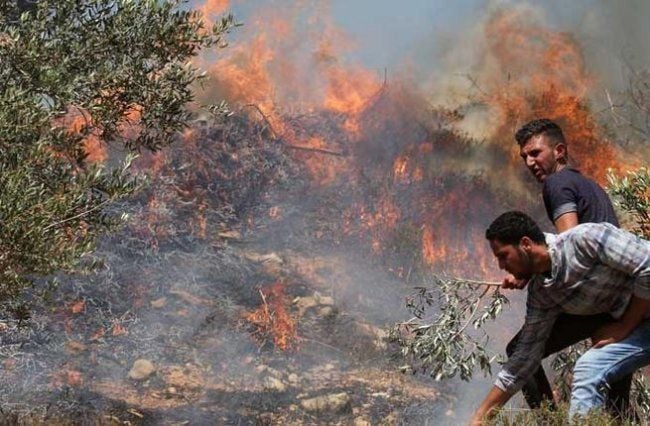
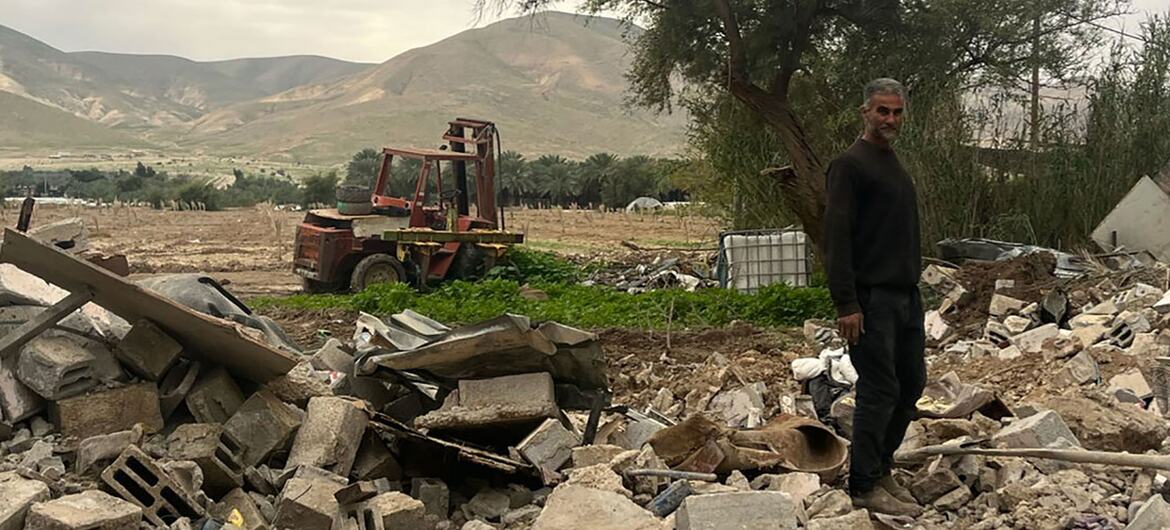
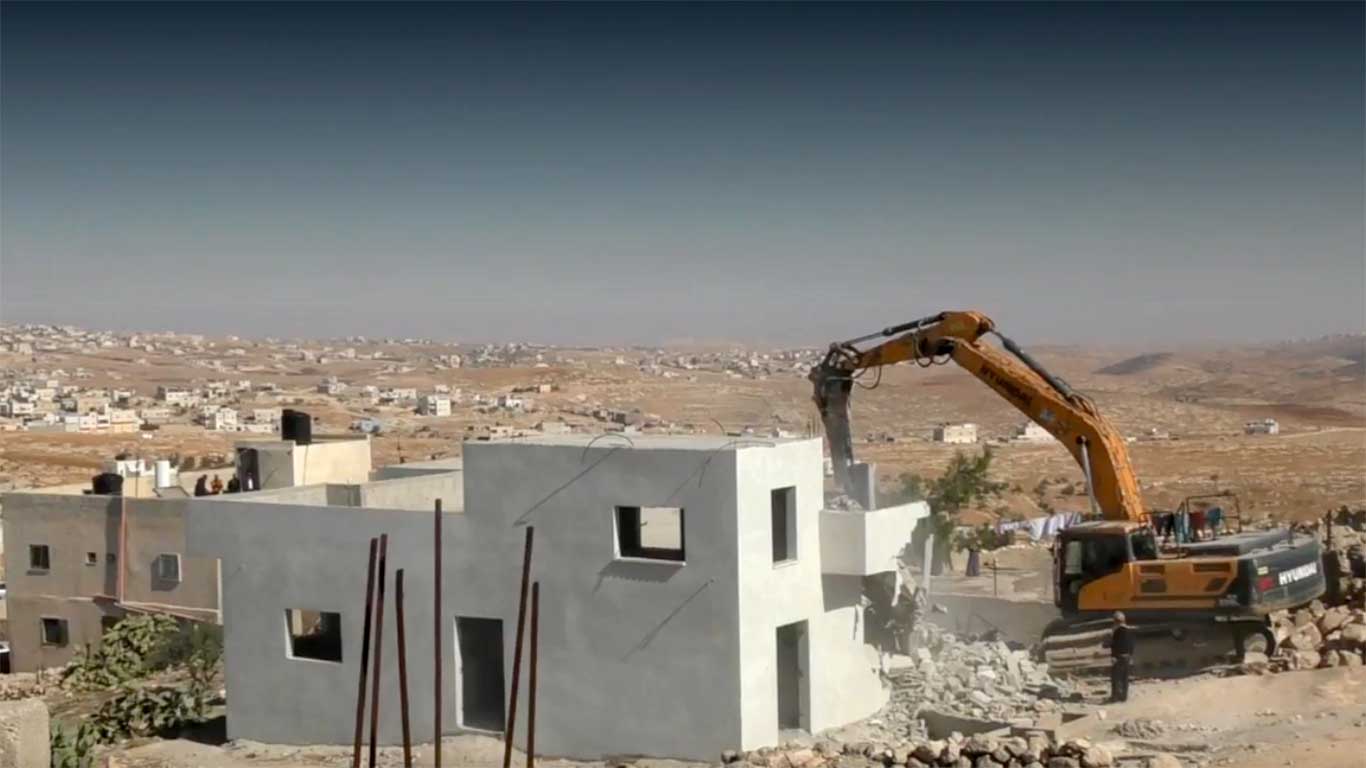
The attacks also include the demolition of homes and structures, the burning of mosques, the bulldozing of agricultural land, preventing farmers from accessing their fields, the displacement of Palestinians, and the expansion of settlements on their land.
Palestinians warn that Israel, through these attacks, is paving the way for the formal annexation of the West Bank, which would undermine the possibility of establishing a Palestinian state as stipulated in relevant UN resolutions.
In 1948, Israel was established on Palestinian land occupied by armed Zionist militias who committed massacres and caused the displacement of at least 750,000 Palestinians, before Tel Aviv occupied the remaining territory and refused to withdraw.
Heba
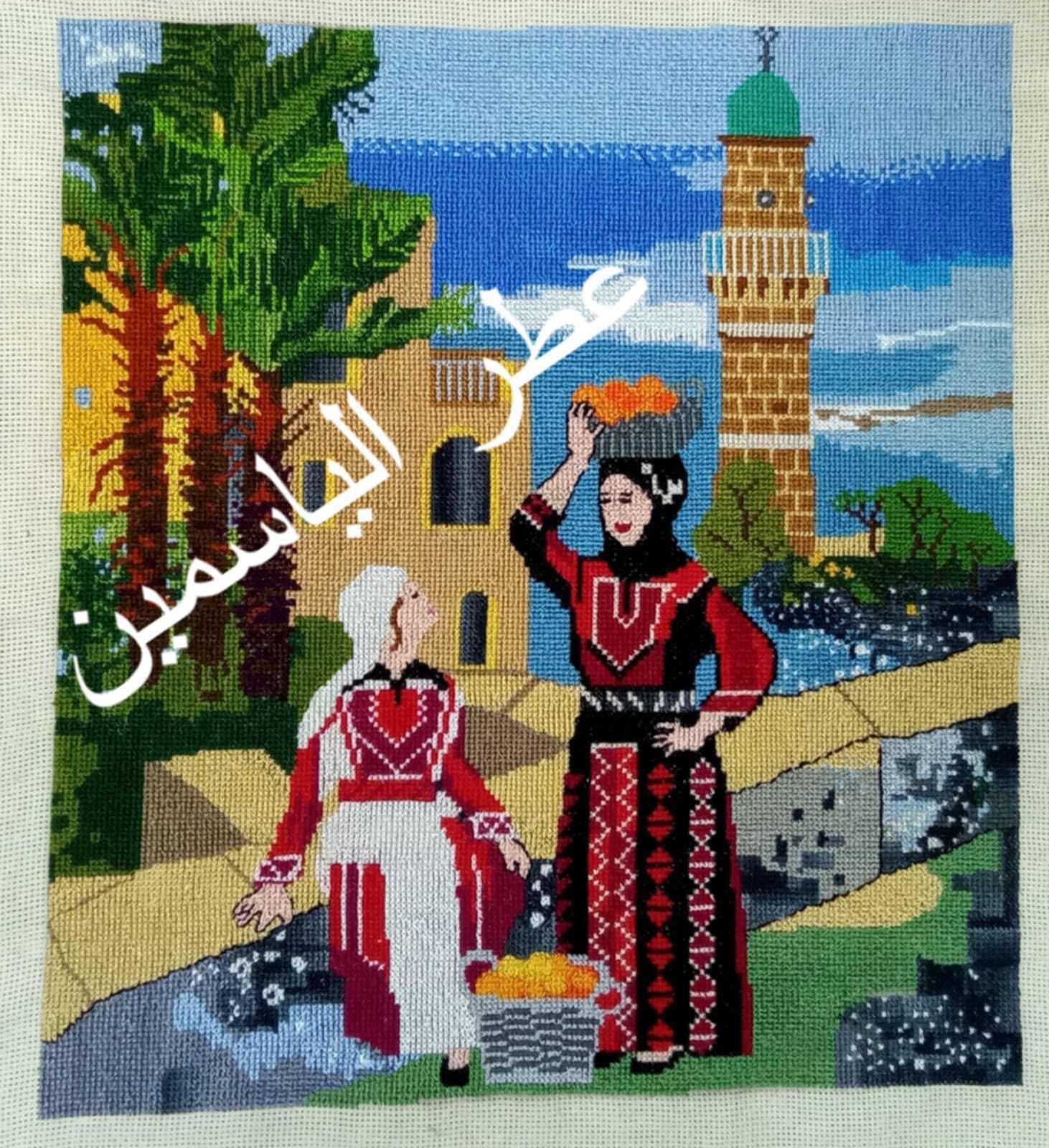
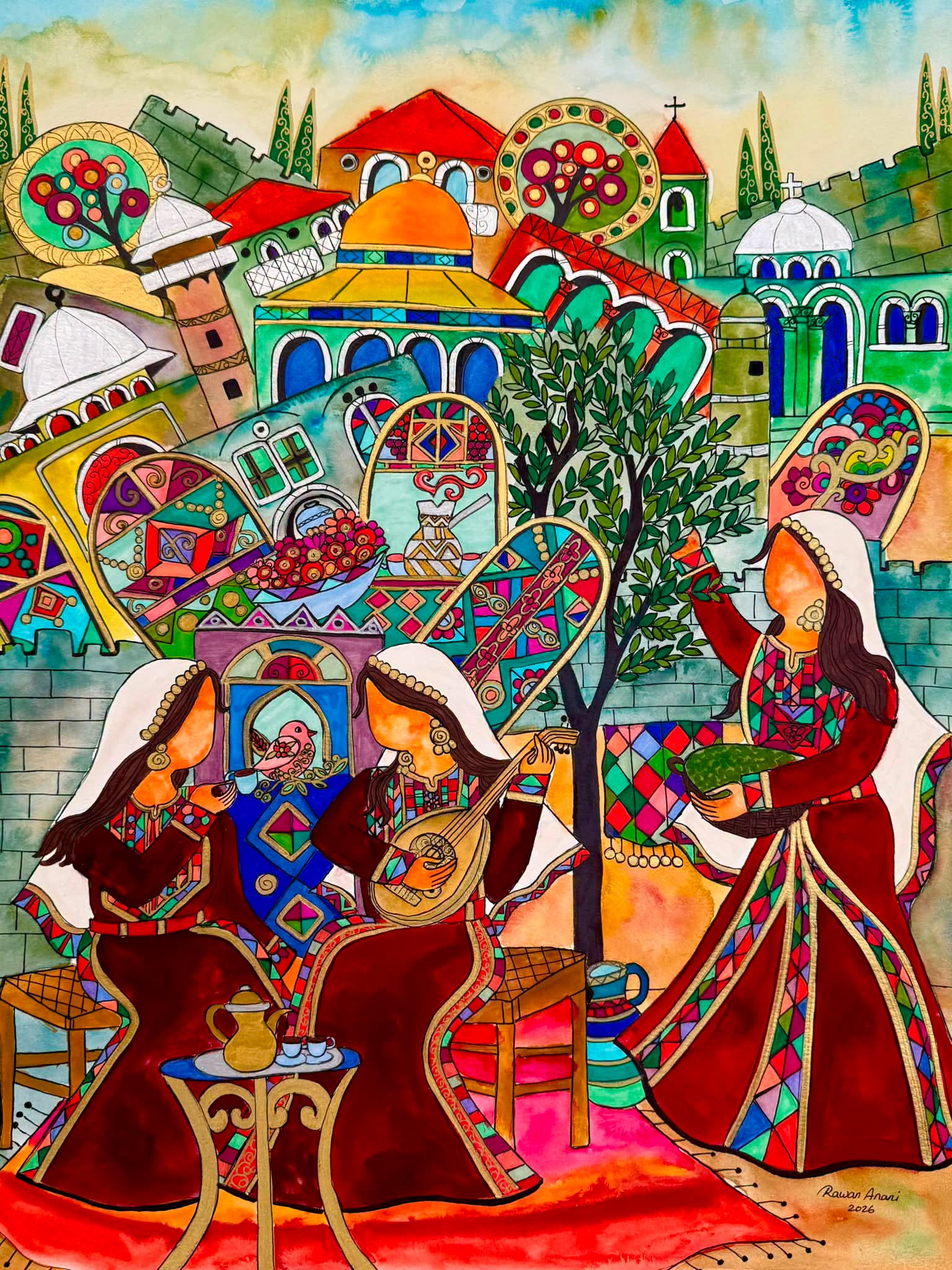
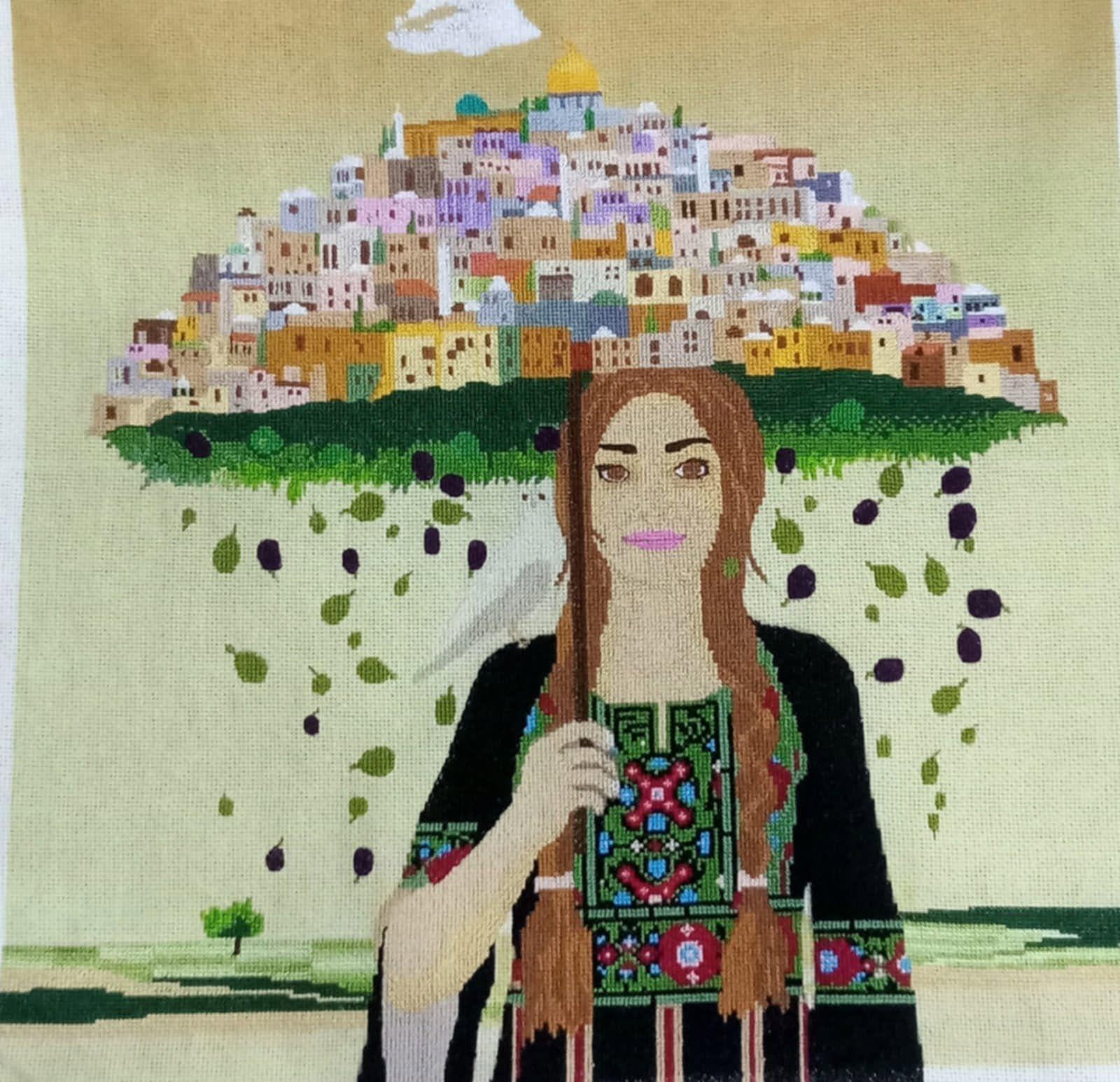
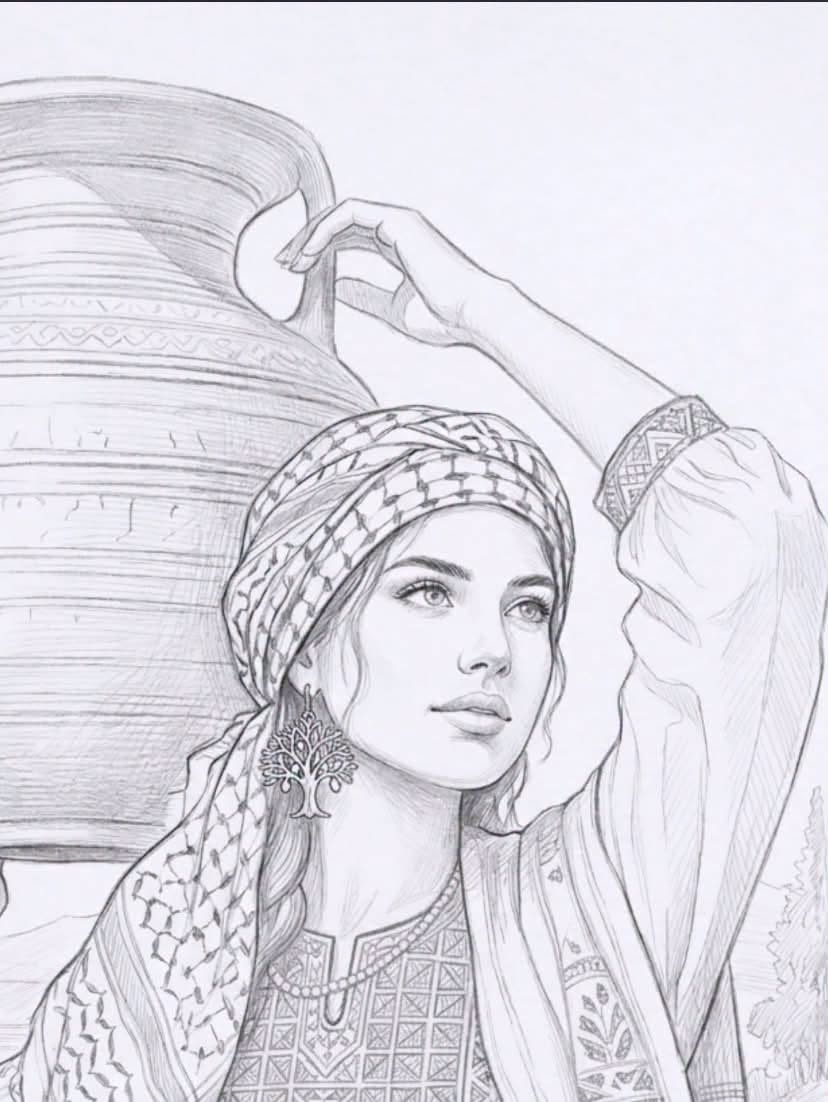
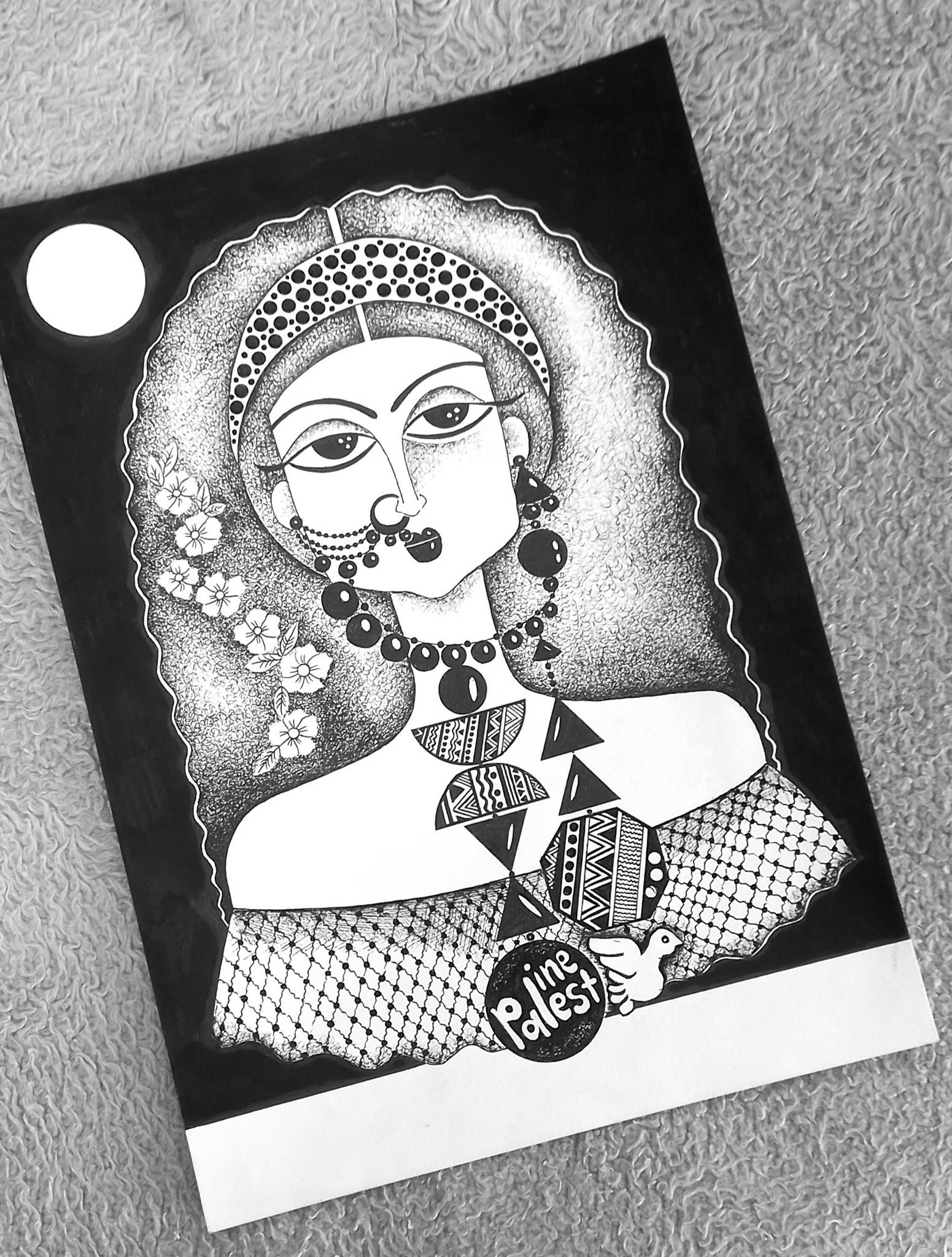
Embroidery is not merely a handicraft. It is a timeless heritage embodied in every stitch of thread and needle, proudly sharing the authenticity of our generations with the world.
Heba
Palestinian Heritage facebook page
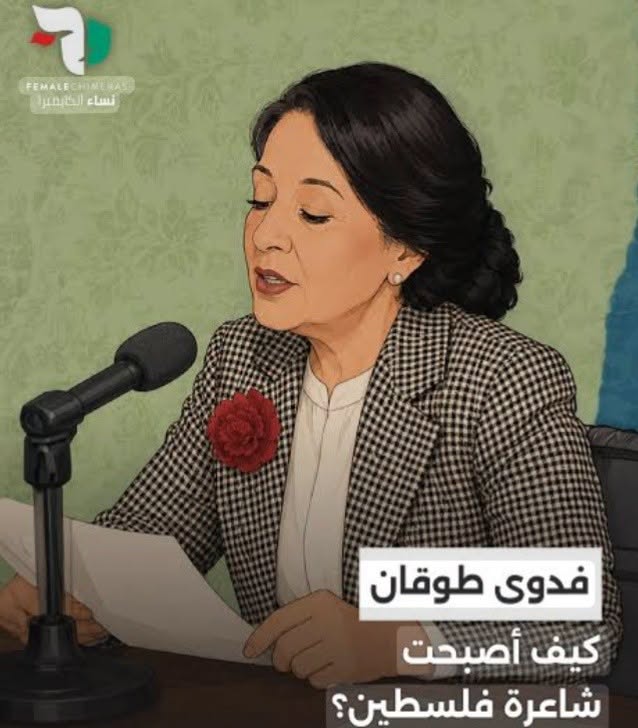
Fadwa Tuqan (1917-2003) was one of the most important Palestinian poets of the 20th century. Born in Nablus to a prominent Palestinian family, she was known as the “Poet of Palestine” because her poetry provided a strong foundation for exploring women’s experiences of love, revolution, and protest against society.
Fadwa Tuqan received her education only up to the primary level, as her family considered women’s participation in public life unacceptable. She left school and continued her education independently. Later, she studied under her brother, the renowned Palestinian poet Ibrahim Tuqan, who nurtured her talents and guided her towards writing poetry.
He encouraged her to publish in numerous Arab newspapers and called her “Umm Tammam” (Mother of Tammam). Mahmoud Darwish later dubbed her “Umm al-Shi’r al-Filastini” (Mother of Palestinian Poetry).

Although she signed her early poems with the pen name “Dananeer,” a name derived from a slave girl’s name, her favorite pseudonym was “al-Mutawwaqa” (the Encircled One) because it contained a double entendre, a subtle and eloquent allusion to the poet’s specific circumstances. The word “Matawwaqa” means her affiliation with the well-known Touqan family, and at the same time symbolizes her circumstances in a traditional, unforgiving society.
marwan
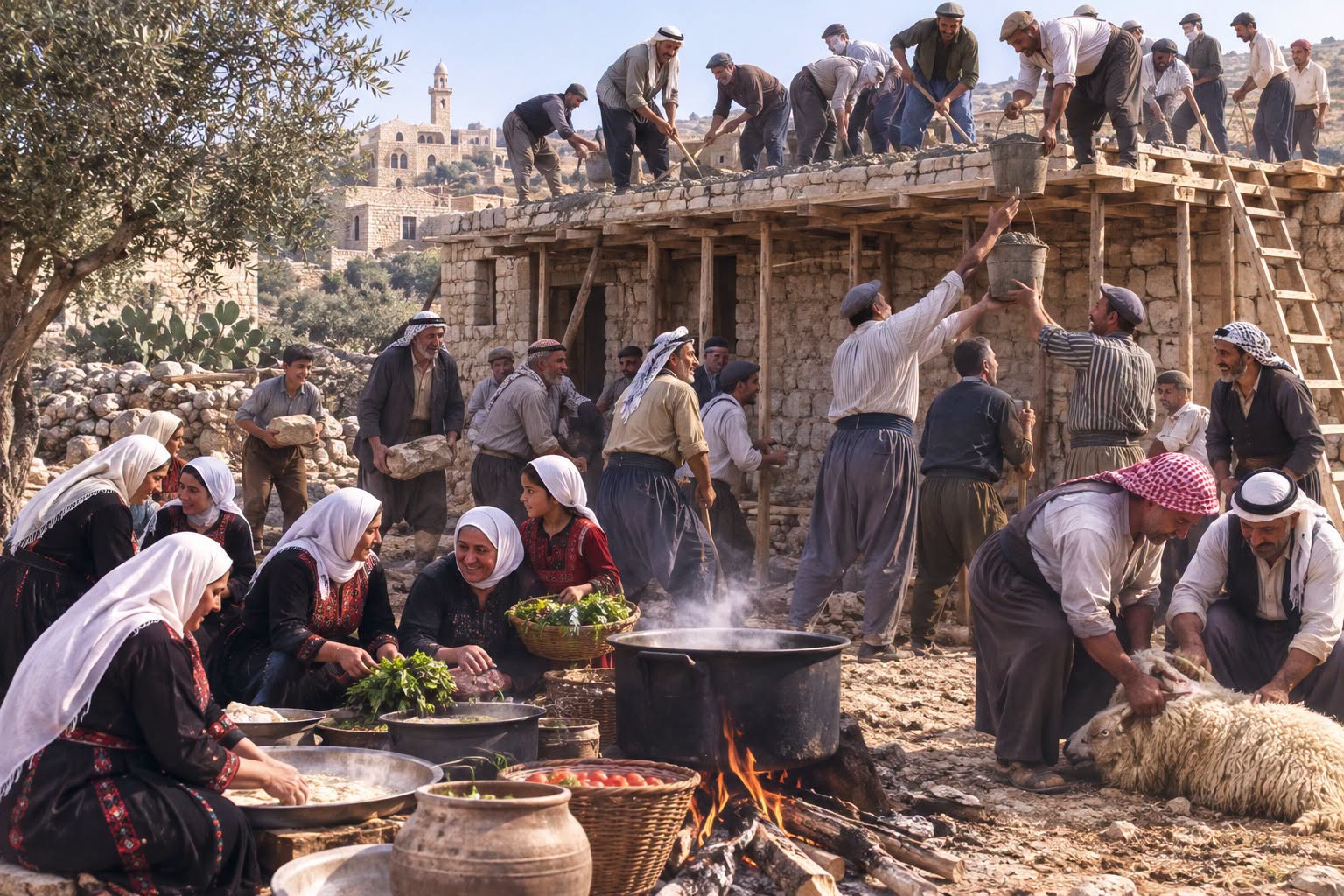
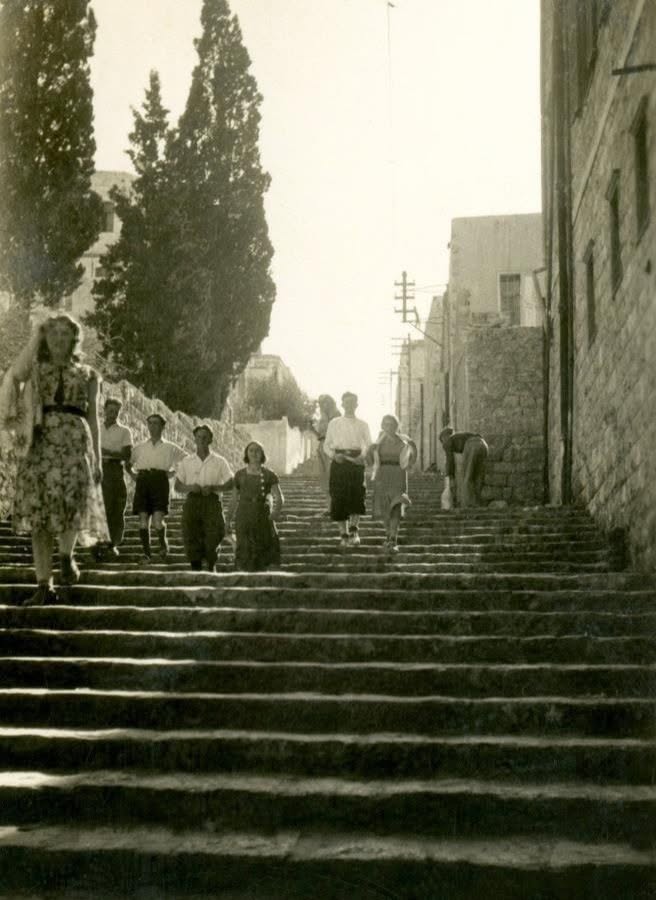
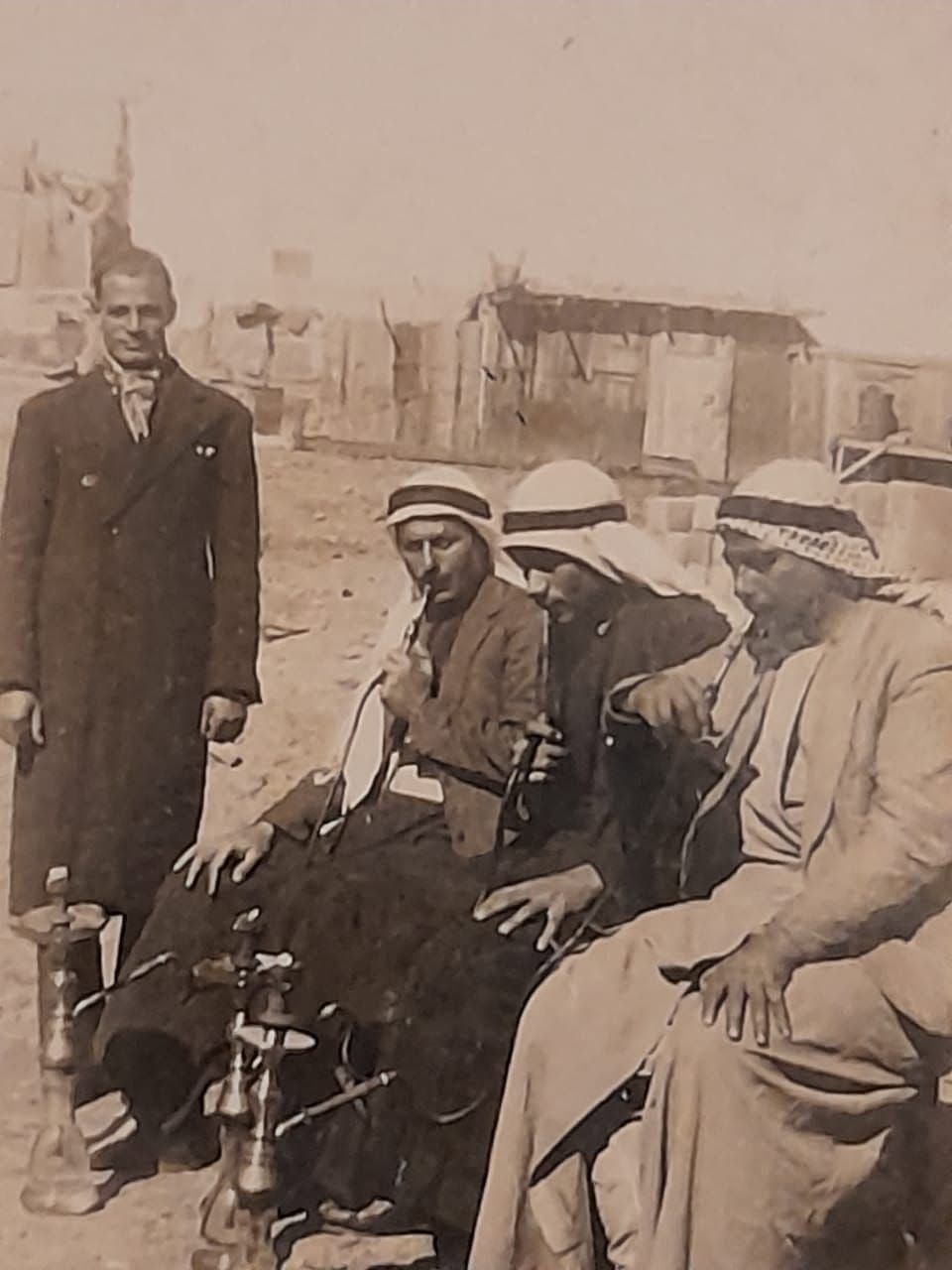
Mutual aid was more than just a social custom; it was an unwritten pact that united hearts before hands, making the community one home whose doors were never closed to anyone. As soon as someone began building a house, harvesting a crop, or pouring concrete for a roof, men would rush from every direction, carrying picks and stones, each offering their labor with love and contentment, without expecting any reward or compensation.

Generosity was deeply rooted in their hearts, and the sound of folk songs would fill the air, easing the hardship of the work and planting joy in their hearts. The owner of the concrete structure would slaughter a sheep or a goat in honor of those who stood by him, and the women would prepare the food. The workday would then transform into a celebration of cooperation and love, showcasing the most beautiful aspects of Palestinian solidarity. Today, life has become a heavy burden on people… everyone is preoccupied with their livelihood, work, and studies… many of the values we were raised on have faded… and “mutual assistance” has become more of a tale from a bygone era than a reality… Yet, this spirit hasn’t died… it still lies dormant in the hearts of the people of this nation… waiting for someone to awaken it and restore it to its rightful place.
Nations are not preserved by their buildings and markets alone… but also by their authentic values… and by the sense of honor that compels a person to rush to the aid of their brother before being asked… Does that spirit of mutual assistance that once united people in love still exist among us… or has it become a memory we recount to our children with endless nostalgia?