Trump, Netanyahu’s Shared Secret!

By Dr Hasan Al Dajah

Since his arrival on the American political scene, Donald Trump has been an exceptional case in the United States’ relationship with Israel. Historically described as a strategic alliance, this relationship has transformed under Trump into a personal partnership between him and Israeli Prime Minister Benjamin Netanyahu. This relationship has deepened to an unprecedented degree, with Trump becoming one of the most biased and supportive American presidents toward Netanyahu, not only in foreign policy decisions but also on issues of a purely Israeli domestic nature, such as the ongoing trials against Netanyahu or calls for early elections.

What drives Trump to this level of involvement in Israeli domestic affairs? And why does he insist on defending Netanyahu despite the criticism and accusations against him? In the current Israeli landscape, Netanyahu faces significant domestic challenges related to multiple corruption trials, in addition to escalating tensions within the ruling coalition, particularly with the religious parties, which have expressed on more than one occasion their desire to dissolve the Knesset and call for early elections. These parties, despite being partners in the government, view continuing under Netanyahu’s leadership as a political burden due to the corruption cases and poor performance in some cases. This recently prompted them to propose a vote within the Knesset to call for new elections.

In this context, Trump’s position was clearly supportive of Netanyahu, expressing his rejection of any attempt to remove Netanyahu from power and considering his continued rule essential to Israel’s stability and its security and political future. Even stranger are the reported interventions by Trump or his circle in the matter of Netanyahu’s trial. It has been reported—through both official and unofficial channels—that he called for a pardon or an end to the legal proceedings against him, arguing that these trials are politically motivated and that Netanyahu is being subjected to an unfair campaign by the Israeli judiciary. This intervention raises many questions, most importantly: What is Trump’s interest in Netanyahu’s survival? Why would he risk his political reputation for the sake of being a foreign leader facing criminal charges?

The answer to these questions requires examining the nature of the relationship between the two men. Since Trump assumed the presidency in 2017, he has pursued an unprecedented agenda in support of Israel, including moving the US embassy to Jerusalem, recognizing Israel’s sovereignty over the occupied Syrian Golan Heights, and supporting the “Deal of the Century,” considered the most biased in the history of US mediation.

All these measures were met with widespread acclaim and celebration by Netanyahu, who used them in his election campaign to bolster his domestic popularity, portraying himself as capable of bringing absolute US support to Israel.

In turn, Trump found in Netanyahu a reliable ally who reflects his vision for the Middle East and helps him win the support of a pivotal electoral base within the United States: evangelical Christians. People must realize that the true backbone of support for Israel in America is not the Jewish community, but evangelicals, who constitute approximately 25% of the population, compared to less than 2% of American Jews.

Therefore, Trump—as he has stated on more than one occasion—considers engaging with evangelicals more effective than appeasing the Jews, because they constitute a formidable lobbying force pushing for American policies aligned with the Israeli right-wing agenda, and view support for Israel as part of the Christian Zionist religious doctrine. These people see Netanyahu as the leader most qualified to preserve the “Jewishness of the state” and advance policies of expansion and hegemony.

Accordingly, Netanyahu’s downfall, or even his trial, represents a threat not only to Trump, but also to the political and ideological system he has meticulously crafted during his presidency. It is impossible to trust that potential Israeli alternatives will maintain the same level of loyalty or pursue the same confrontational approach toward Iran and the Palestinians.

Hence, for Trump, defending Netanyahu becomes a defense of a broader regional project that keeps Israel at the forefront of the confrontation with Tehran and strengthens right-wing populist alliances globally.

Moreover, Trump himself faces investigations and legal prosecutions in the United States, whether related to his attempt to overturn the election results, his retention of classified documents after leaving the White House, or various financial issues. Therefore, his defense of Netanyahu may be implicitly understood as self-defense. He seeks to establish the principle that the trial of political leaders is primarily a selective political process, not a fair judicial process. If Netanyahu is able to escape accountability or obtain a pardon, Trump will see this as a precedent that will strengthen his argument before the American judiciary and domestic public opinion.

Strategically, Trump does not view Israel merely as a traditional ally, but rather as an extension of his global political vision based on isolation from international institutions, undermining the liberal multilateral order, and strengthening bilateral alliances with strong leaders who share his political style and confrontational personality. For him, Netanyahu is the Israeli version of this model: a leader who clings to power despite internal and external pressures, fiercely confronts the media and the judiciary, and relies on a solid right-wing popular base fueled by a sense of existential danger and threat.

From this perspective, Trump’s support for Netanyahu is not limited to domestic issues but extends to regional security issues, most notably the open confrontation with Iran. Trump believes that an alliance with Netanyahu is necessary to sustain the escalation against Tehran and contain its influence in the region. Therefore, any weakening of Netanyahu, whether through elections or trials, is viewed as a direct blow to the axis of pressure on Iran and a threat to the deterrence strategy adopted by Trump during his presidency.

All of this explains why Trump supports Netanyahu and even intervenes in domestic issues, such as seeking a judicial pardon or rejecting early elections that could lead to Netanyahu’s removal from the political scene. It is a deeply mercenary relationship that transcends diplomatic protocol and extends to an ideological alliance between two leaders who each see the other as a mirror to their own selves and a first line of defense for their political and personal futures. Despite the criticism Trump faces for this involvement, he continues this approach without wavering, driven by an overwhelming desire to return to the White House and see a world shaped according to his own vision. In this world, there is no place for trials of political leaders, no room for elections that bring down allies, and only mutual loyalty, no matter the cost.

Dr Dajah is a professor of Strategic Studies at Al-Hussein Bin Talal University. He contributed this article to the Jordan Times.
Continue reading
Middle East End Game!

By Dr Khairi Janbek

For the last four decades, each time a tragic event or another took place in the Middle East, the slogan that gets thrown onto the arena is that of a “new Middle East”. No one is certainly not against a new Middle East per se, but against the one in which someone acts stupidly and then against the stupid acts of someone else to stop the first one from acting stupidly.

Such a series of stupid events makes one think that the notion of the Middle East is supposed to be worse for the peoples of the region except most probably, Israel. Into the fray, is the idea of Israeli Prime Minister Benjamin Netanyahu who wants to change the face of the region, giving the impression this region is the face and Netanyahu is the make-up artist whom to make this “face beautiful” for Israel and probably with those grudging consent of those around it.

Now, considering what has been achieved on the ground as far as Israel is concerned in relation to Netanyahu’s end game may well be too early to tell, but at least one can say that Israel has gained a respite with its seeming regional  supremacy.

The start was with crippling the threat capability of Hezbullah and although it has not been destroyed, the responsibility for dealing with this Iranian proxy is now left to the new Lebanese government, which means that the latter will have to bear the new/old responsibility.

Then Syria came along. After the demise of the Assad regime, all Syrian military capabilities became fair game for Israeli bombardement, but in fairness, they were already so during the past Assad regime. Now, however, Israel has gone further, occupying the buffer zone between the two states while expanding its security zone deep inside Syria. Here, the project being pursued is a push for a federal structure to make the country incapable of becoming a future threat to Israel.

As for the 12-day campaign of bombardment and counter-bombardment by Israel and Iran with US cameo appearance, it is hard to reach any conclusions because of the great damage on both sides that is not really known as it verges on exaggerations, either for seeking international sympathy or as a show of awkward display of power.

Here, the end game was for Iran to be stopped from backing its proxies in Yemen, Iraq, and Lebanon and to eliminate its nuclear capability, if indeed it has reached such a level. Here, again, it is very hard to say to what extent the Iranian nuclear program has been set back, and to what extent Iran will go on the diplomatic path to stop its military support for its regional proxies.

Inevitably, we go back in circles, to the bleeding wound of Gaza, bleeding for the Palestinians, Arabs and Israelis. End game, ideal scenario and possible solution are all lost between the Israeli genocide policy, Arab impotence and naïveté , EU flip-flopping in accordance with the change of wind, and Trumpist absurd proposals and change of mind.

The issue here is far beyond Hamas, it’s Gaza and its people. As things stand the strip is divided into three regions under starvation. A massive refugee camp for people on their own land which for all intents and purposes, will no longer be their land. All in all, Israel is, with the consent of all, will be the supreme power in the region. 

Dr Janbek is a Jordanian writer based in Paris, France.

Continue reading
Deflecting Netanyahu’s Problems

By Jonathan Fenton-Harvey 

Just a day before launching airstrikes on Iran, Israeli Prime Minister Benjamin Netanyahu, facing bribery and fraud charges, narrowly survived a Knesset vote that could have collapsed his government. Alongside the legal charges, Netanyahu’s domestic popularity has plummeted over corruption, economic woes and failures to return Israeli hostages from Gaza. But for Netanyahu, the war offered more than military momentum: It has given him a temporary reprieve.

Within days, Israeli airstrikes reportedly weakened Iranian nuclear and military infrastructure, eliminated senior military figures, and killed hundreds of civilians. On X, Israeli Defense Minister Israel Katz claimed “civilians in Tehran will pay a collective price,” signaling a destructive intent. As Iran has hit back, firing missiles at Israeli infrastructure and cities, diplomacy over Iran’s nuclear program has all but collapsed.

Even if a ceasefire occurs, Israeli-Iranian tensions have escalated to near irreversibility as long as both the current Israeli and Iranian governments remain in power. Israel presents the assault on Iran as a necessary move to neutralize its nuclear ambitions, a claim repeated over the years, despite the lack of convincing evidence that Tehran was close to building a nuclear bomb. In reality, the war is driven more by Netanyahu’s personal survival than just Israel’s.

As with Israel’s prolonged onslaught on Gaza, this conflict appears designed to consolidate domestic support – attempting to rally the population around the image of an existential enemy – just as it did with Hamas and the Palestinians in Gaza. That same logic extended into Lebanon, where Israel’s assault weakened Tehran’s ally Hezbollah and coincided with a jump in public approval for Netanyahu’s Likud party. But with neither Gaza nor Lebanon yielding lasting political dividends, Iran has become the next catalyst in Netanyahu’s survival strategy.  

A fragile government

For Netanyahu, projecting external threats has not only been a means of consolidating power, but also unity. His government, already fragile, is also caught between deeply divergent factions – secular versus ultra-Orthodox, nationalist versus technocratic. This internal fragmentation of Israeli civil society raised the specter of a looming civil war, warned of even before the Gaza war. But Israel’s wars and the projection of external enemies aim to unify Israeli society, at least for now.

There is also the international dimension. Netanyahu and other officials are wanted by the International Criminal Court over war crimes in Gaza, while Western backers face domestic pressure to end arms sales to Israel. The Israeli initiated Iran conflict has provided Netanyahu with yet another political lifeline as Western governments have clearly aligned with Israel. The G7 and the EU have expressed support for Israel, while the US, UK, Germany and France had pledged to uphold Israel’s security.

Even though Western public opinion on Israel has shifted recently – including legal cases and political pressure – arms sales are still expected to continue, or even increase. Moreover, the focus on Iran has also taken away spotlight from Israel’s actions in Gaza, which continues to endure Israeli airstrikes and blockade-induced starvation.  

Shielded internationally

Before the escalation, US President Donald Trump, however, had taken an unexpected turn. His truce with Yemen’s Houthis and openness to renewed nuclear talks with Iran suggest a willingness to pursue diplomacy – even if it angers Israel. Trump appears caught between appeasing his pro-Israel support base and his America First-driven MAGA base – the latter of which prompted him to override Israeli objections in favor of US interests, namely economic engagement with Iran. Netanyahu is certainly banking on Trump siding with Israel in the event of a deeper escalation with Iran. Trump’s own “urging” of Iranians to leave Tehran signals an alignment with Tel Aviv, even if he may seek to continue keeping the door open for future diplomacy with Iran. Ultimately, the cost of Netanyahu’s bid to maintain his own grip on power is regional instability.

The war has bought Netanyahu time. Less ideologically hardline voices have resigned from his coalition government over failures in Gaza, allowing him to consolidate power around extremist figures like Bezalel Smotrich, Itamar Ben Gvir and Israel Katz. Yet this hardline government, which Netanyahu has fostered to maintain his own position, is further contributing to Israel’s diplomatic and economic isolation. That’ll undoubtedly add to the economic costs of the war on Gaza, which has cost around 10% of its GDP and scared foreign investors off, creating future fiscal instability in Israel.

However, the Netanyahu-led multi-front offensives in Syria, Lebanon, Yemen and now Iran also reflect a notable historic pattern: regimes tend to lash out when they feel increasingly threatened or cornered. Netanyahu’s calculus, partly driven by a sense that Israel is facing compounding global scrutiny for its military operations, may further harm its global image – even if Western governments continue to support Israel’s actions for the time being.

For his own political survival, Netanyahu will resist efforts to halt the violence, unless sustained international pressure forces Israel to halt its operations. Because he knows that, if he ends the wars, he’ll almost certainly face renewed calls for his indictment in Israel, or be unseated in the next Israeli elections, due by October 2026. As such, he has every incentive to prolong the violence unless international pressure forces a change in course. If Trump or other key powers push for de-escalation and accountability, it could shift the trajectory toward regional stability, especially as Iran weighs withdrawing from the Nuclear Non-Proliferation Treaty. Otherwise, Netanyahu’s own instincts risk plunging the region – and inadvertently Israel – into deeper regional instability that could ultimately harm Israel itself.  

The author is a researcher and journalist focusing on conflict and geopolitics in the Middle East and North Africa, primarily related to the Gulf region. He has contributed this article to Anadolu

Continue reading
Iran Launches 400 Ballistic Missiles on Israel

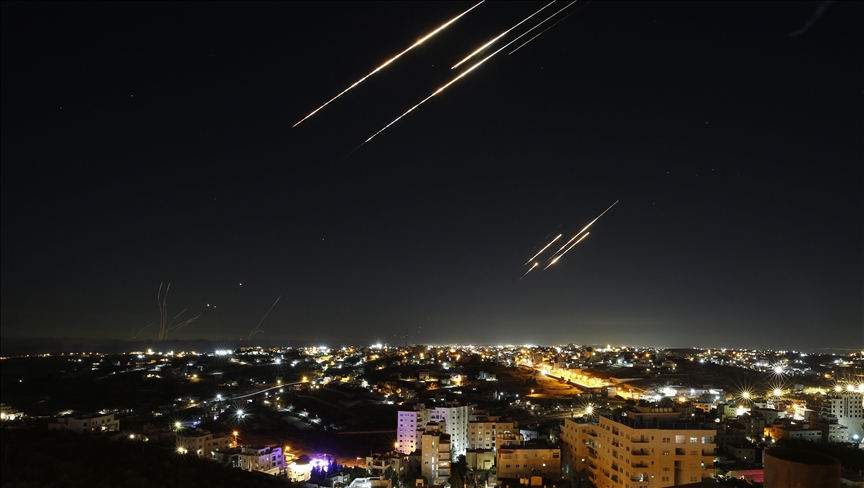
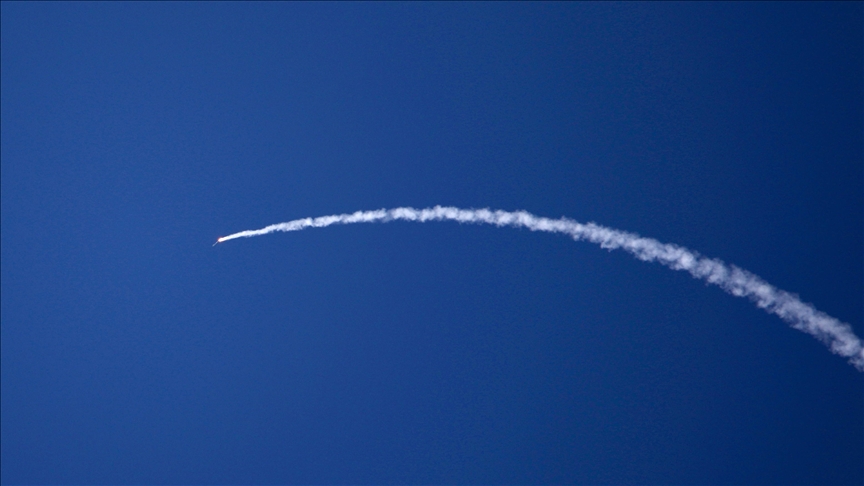
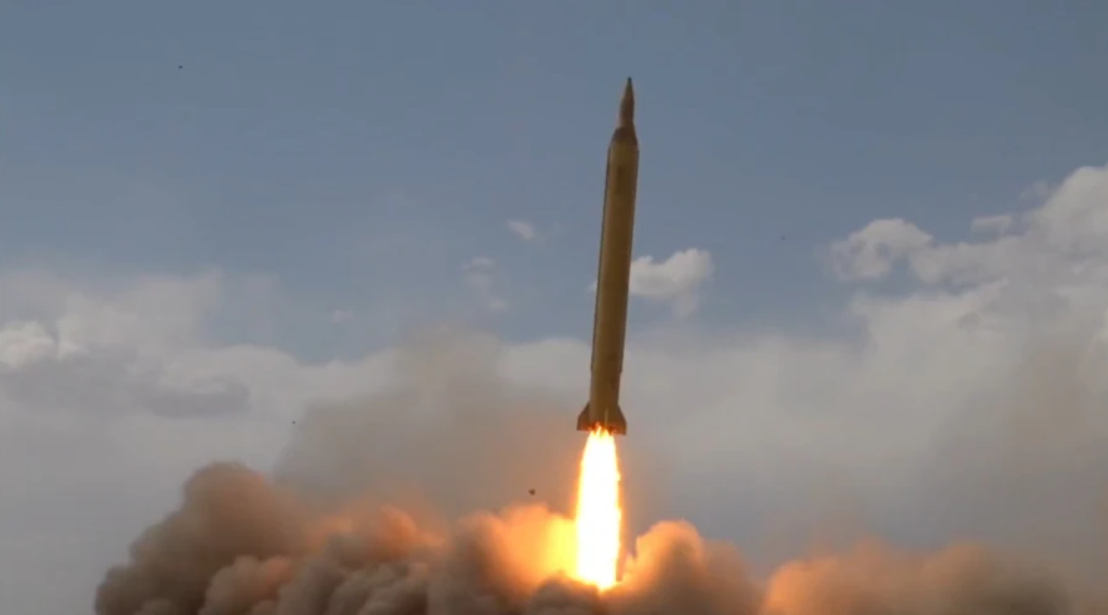
Iran has fired over 400 ballistic missiles and hundreds of drones on Israel since 13 June according to an Israeli Government statement.

This was in retaliation of the Israeli mass attacks on Iran that begun on Friday, and as instituted by the extremist government of Benjamin Netanyahu.

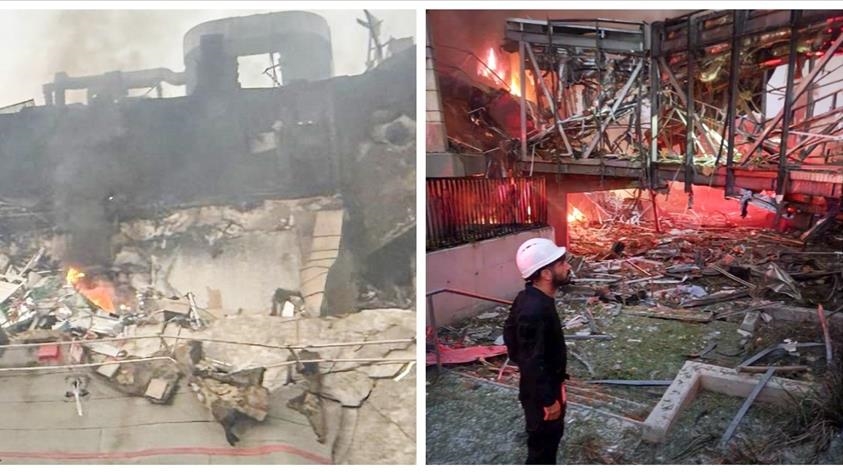
The Israeli statement also confirms that the Iranian attacks have resulted in over-40 confirmed impact sites, without specifying the exact locations according to Anadolu.

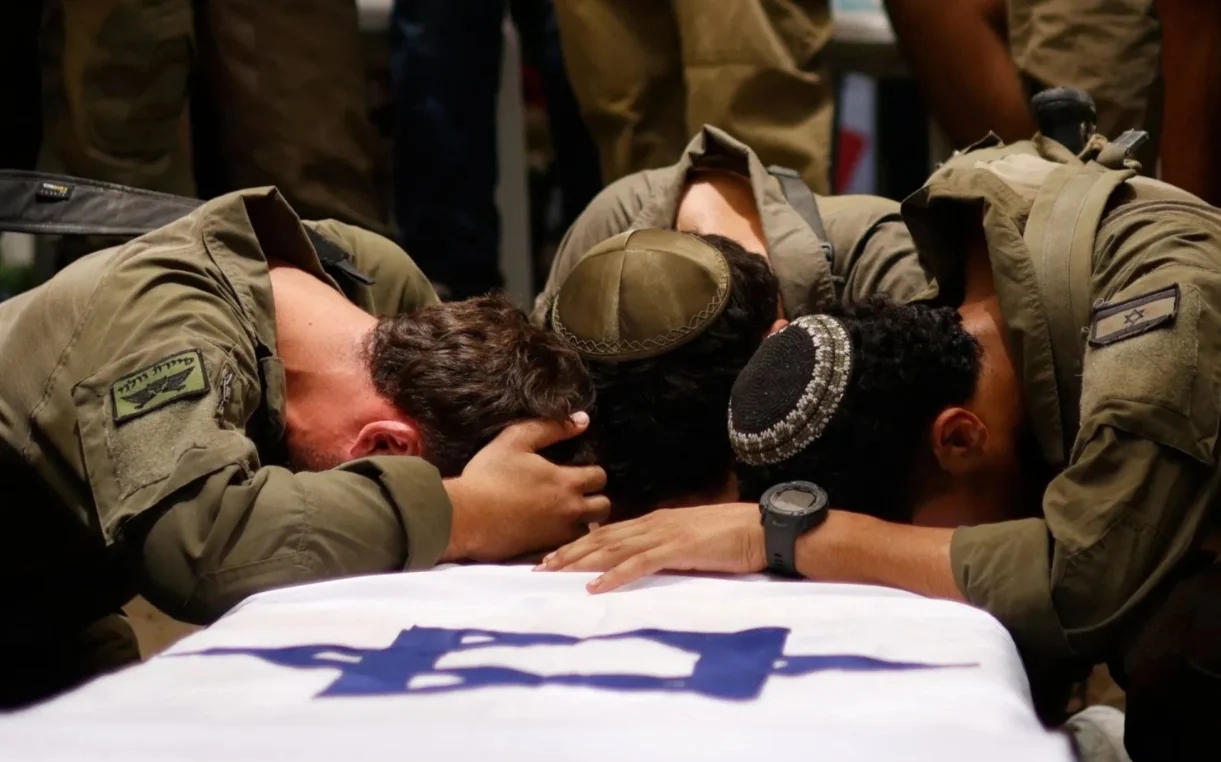
At least 24 Israelis were killed and 804 others injured in the Iranian attacks, including eight in critical condition, the statement added.

The Israel-Iran war is still in its 6th day and is set to continue.

Continue reading
Changing The Middle East Face Through War

Dr Marwan Asmar

Israeli Prime Minister Benjamin Netanyahu finally got what he wanted: ‘A war with Iran.” But this war – now in its fifth day, is already proving very costly for Israel because of the Iranian military firepower meted out on Jewish cities, towns and military installations.

Such a war that begun Friday, 13 June, 2025, will be remembered as one of the greatest events in the calendar of the Middle East. The start of the reaping of the Muslim pride, for up until it was always US-backed Israeli ‘superman superiority’ – versus Islamic weakness and meekness.

Netanyahu may have made a devastating calculation by attempting to go after the Iranian vast nuclear infrastructure while in reality creating mayhem in Iranian cities, people and assassinating 10 of its top military leaders in the early hours of Friday morning.

This was all to change on the evening of that day as Iranian long-range missiles began to hurl down on central Israel and more precisely the Greater Tel Aviv area that includes other cities, towns and settlements with a population of 4 million people.

The start of the strikes on Israel stands today as unprecedented, a first-time development since the creation of the Zionist entity in 1948 and struck a series of bullet sounds among the Israeli population who has been huddling up-and-down the shelters since the conflict begun and best summarized by the US Ambassador to Israel Mike Huckabee who said one night after the bombs that:

“It was a tough night in Israel,” referring to the fact that he had to go down to the bomb shelter five times because of the incoming Iranian missiles that would not let up.

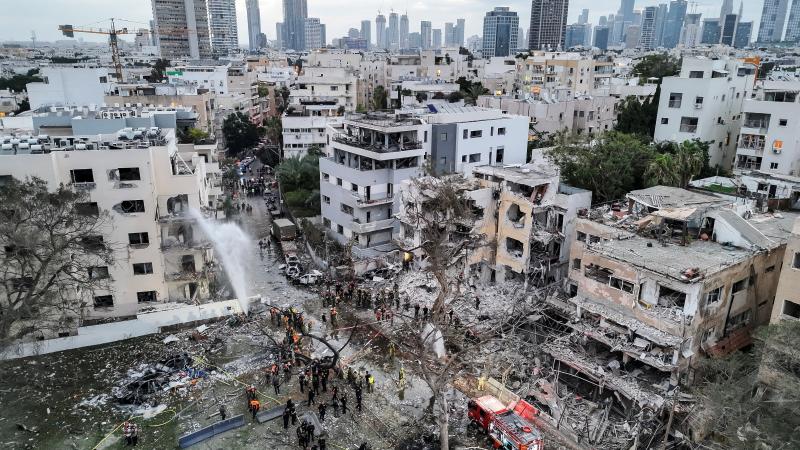
Shock, mayhem, hysteria quickly consumed Israelis as they started seeing first-hand, the destroyed buildings and quashed cars in the middle of Tel Aviv and its surrounding areas like Bat Yam, Ramat Gan, Rehovot, Petah Tikva and Herzliya.

Very quickly as well, missiles, and indiscriminately so, began to fall in these places, long seen as the pride of joy of Israeli technology, military industrialization and top business. These were crumbling in front of their eyes as reported by the Israeli newspapers and media channels.

Shocking was the fact, the incoming missiles, which made Israeli defenses like the Iron Dome and the David Sling look pitiful, were striking buildings and high-scrappers including the prestigious Weizmann Institute of Science with reporters of three its top flights struck and is now in fear of complete collapse.

Despite this, Netanyahu says he is sure of a complete victory, adding that Israel is on the verge of completely changing the face of the Middle East, including his claims of bombing Iranian military facilities, but in reality striking at civilian infrastructure and people.

However, for the first time Gazans and Palestinians are jubilating at the sight of what seems to be the non-stop Iranian missiles falling on Israeli areas where sirens go off and on in all middle of the night and day whilst in glee at the ruined and destroyed buildings. “Let them see how its like to be hit by a missile,” is a frequent comment voiced not only by Palestinians but also by many others in the world.

It is true the face of the Middle East is, and for the first time, is truly changing the face of the Middle East, but not according to the wishes of Netanyahu but to the people of the area of Gazans, Palestinians Arabs and Persians where they have watched the Israeli army bomb the enclave over the past 21 months or so.

This is indeed a historic moment led by Iran and soon to be joined by members of the Muslim world including Turkey, Pakistan, Malaysia and Indonesia. The unexpected war in the Middle East, as brought on by Netanyahu and his extremist and racist government, is upsetting the plans of the Trump plan for the Middle East who is portraying himself as a so-called “man of peace” – a fake image in the light of the fact that the US has been the top military supplier for Israel to carry out its Gaza genocide.

The conflict with Iran – that is not likely to end any time soon because of the arsenal that waits in the ready and to be unleashed – has effectively put an end to the idea of transferring Palestinians from Gaza to other lands. They are likely to stay firmly on their places despite the mass destruction of the enclave.

However, there is a clear slippery-slope to this war that is still in the initial stages with outside powers ready to take sides developing into a real possibility of World War III, if cool hands don’t take the lead and let real and effectively diplomacy take the reign of power to stop what was seen in the 1960s, 1970s and even 1980s the concept of Mutual Assured Destruction.  

The world today is on a precipice….


Continue reading