Bassem Youssef: This Man Can’t be Silenced
 CrossFireArabia
- August 28, 2024
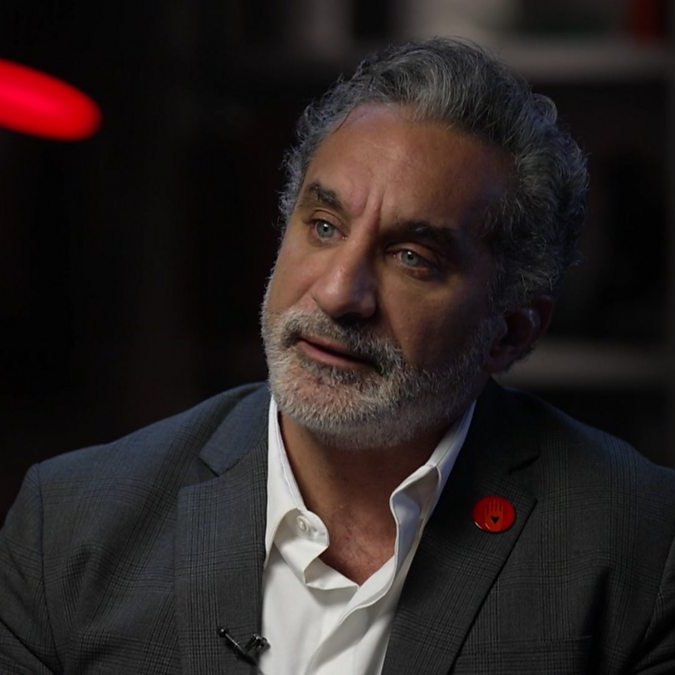
Egyptian-American comedian Bassem Youssef announced, Tuesday, he is back on the social media platform X, following a week-long deactivation due to security and safety concerns.
Youssef, known for his support for Palestinian rights, clarified he deactivated his account after receiving alarming messages suggesting his account may have been hacked and that there were potential safety issues involving people he knows.
“A few days ago, I deactivated my X account. Two reasons: I received concerning messages that gave me and my team the impression that my account has been hacked with the potential of being doxed; also, there were potential safety issues concerning people I know. I only take these issues seriously if it concerns other people, not me,” Youssef explained on X.
“So, I deactivated the account and started to research if this is legitimate or not and if both issues were related or not.”
Last week, his 12-million-followers account disappeared, and the last post was “Antisemitism was an accusation that used to freeze the blood on people’s veins. I see many people now realizing how this fear tactic is used to shut down conversations and scare people.”
He added, “It’s been overused and abused in order to intimidate people. Are you still scared to be called an antisemite by those Zionists? Vote and tell me in the comments. No, I don’t give a… anymore. Or: Yes, I’m still scared.”
Youssef admitted his initial post was unclear.
“In two days, there were many rumors and speculations; I admit the post was not clear. So, I posted again on all my other platforms that I am the one who deactivated my account, and I will be posting on other platforms in the meanwhile,” he said according to Anadolu.
Youssef also shared that he had not posted on any platforms during this time, as he was dealing with personal and health issues.
“My family members were under a lot of pressure, so I had to deal with all that. This caused a major burnout to all of us,” he said.
Although the safety concerns were alleviated and the hacking issue was resolved a few days later, Youssef felt the need to take a break from social media.
“Although the safety concerns were alleviated and the hacking issue was secured a few days later, I needed to get away from social media so I didn’t post anywhere,” he added.
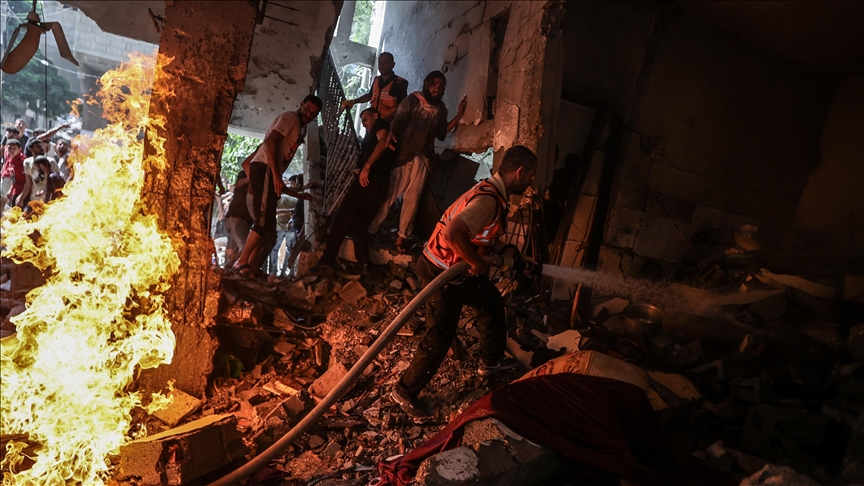
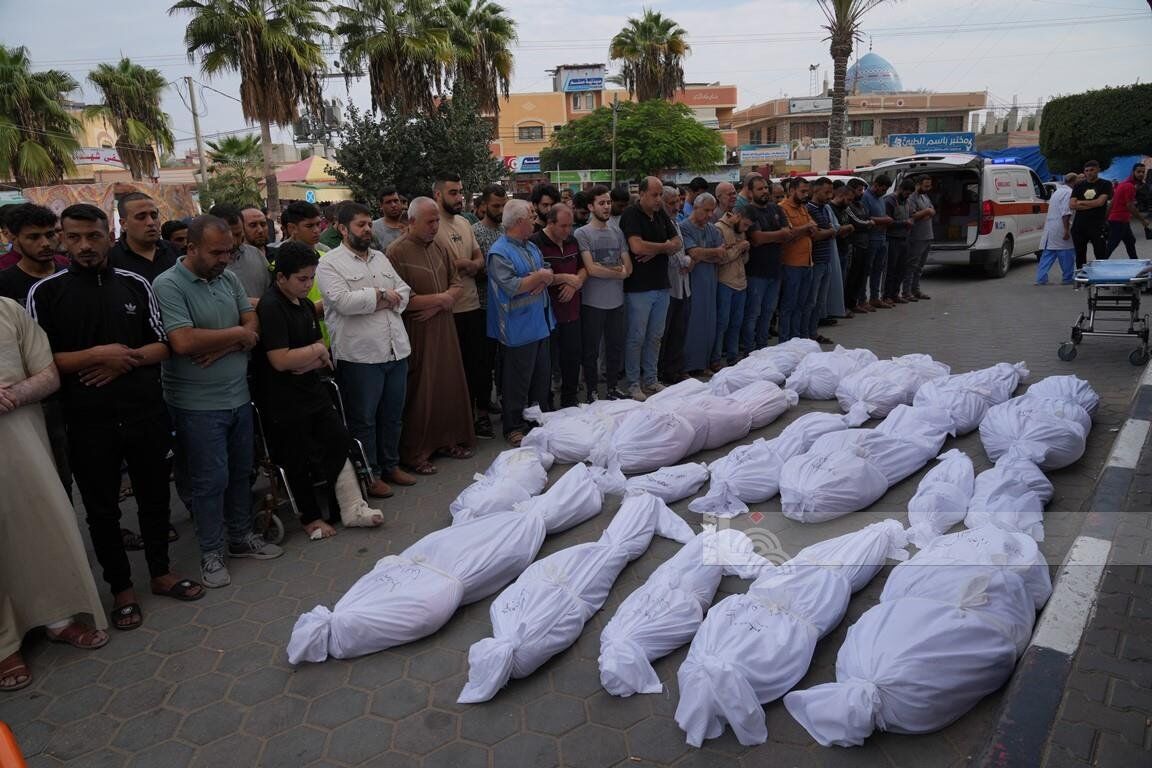
Last October, Youssef did an interview with British journalist Piers Morgan on Israel’s brutal offensive on Gaza that went viral.
His pointed and humorous critique of the Israeli onslaught against the Palestinians in Gaza and the West Bank got significant attention.
Hala Diab, Youssef’s wife, is from Gaza, and her criticism of Israel also attracted attention.
Youssef, a former heart surgeon, has lived and worked in the United States since around 2015 according to the Turkish news agency.