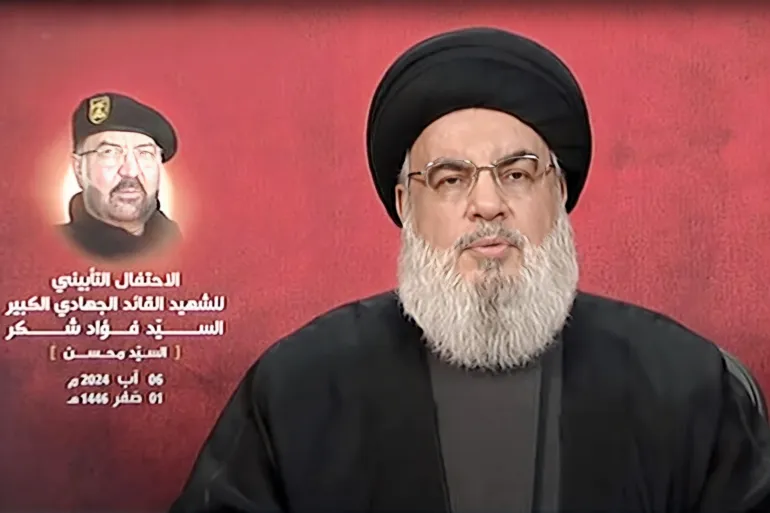
Has Hezbollah Abandoned Gaza?

Bloggers are today asking that with the current ceasefire between Israel and Lebanon if Hezbollah has abandoned Gaza?

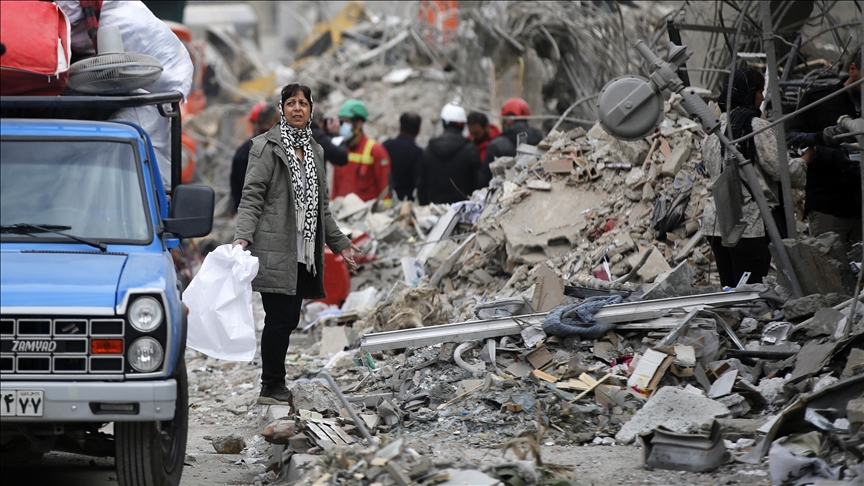
The ceasefire agreement between Israel and Hezbollah was the most prominent event on Arab social media platforms. After nearly a year of support announced by the party to the Palestinian resistance, an agreement was reached, Wednesday, with Israel to stop the fighting and war.

This announcement sparked controversy and division. Some bloggers considered Hezbollah abandoned the will of its late General Secretary Hassan Nasrallah who was killed by Israel, to support Gaza according to Al Jazeera.

Others on the other hand, saw that the party did what it could to support the people of Gaza in many ways which other  countries were unable to do.

The first thing bloggers circulated was part of Nasrallah’s last speech, in which he said, “the resistance in Lebanon will not stop supporting Gaza, despite all the sacrifices it has made.”

They added the current ceasefire agreement has gone beyond the last will of Nasrallah that “the Lebanese front will not stop before the aggression on Gaza stops.”

They pointed out: “We will not deceive ourselves. Israel succeeded tonight in separating the fronts, leaving Gaza alone, and this has now become a reality. This scenario was proposed since the beginning of the war: Stopping support for Gaza and Hezbollah withdrawing from south of the Litani, which was ultimately agreed upon according to their interpretation.

One of the bloggers commented: “Today, and today only, we felt the loss of Mr. Hassan Nasrallah, who promised not to abandon supporting Gaza in its honorable struggle for human dignity and freedom, but the party’s acceptance of the truce with Israel is a great loss.”

On the other hand, there are those who saw that the party did what it had to do in supporting the resistance in Gaza and that it lost its Secretary-General and a number of its first leaders to support and back the Palestinian resistance. They added that Hezbollah did what it had to do and made great sacrifices, starting with its political and military leaders, and that in the end it is not a superpower but a resistance movement in a small country and the whole world is against it.

Others saw that Israel acquiesced to the ceasefire with Hezbollah for several reasons, the most important of which is separating the Hezbollah front from Gaza and the isolation of Hamas and that Israel’s failed in its land war in Lebanon as in Gaza despite its air superiority.
Continue reading
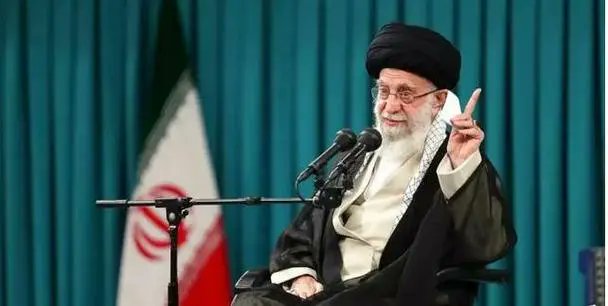
Testing Iran’s Foreign Moves

By Dr Khairi Janbek

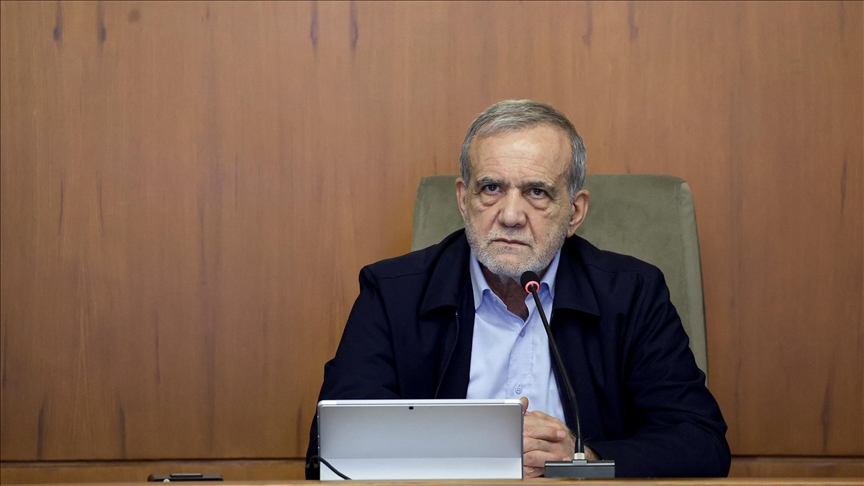
Iranian foreign policy is a mixture of historical, ideological and geopolitical factors. As a major regional power in the Middle East, its foreign policy has often been seen as pragmatic; but practicality with an ideological component.

The country’s policy decisions are influenced by its revolutionary origins in competition with other regional powers. In reality, Iran cannot be understood outside the consideration of the legacy of the 1979 revolution, which highlighted the centrality of the concept of Velayet e Faqih; the Guardianship of the Jurist on Iran’s political and and ideological stance on global affairs.

Iran adopted a foreign policy that combined ideology with the desire for regional leadership often expressed as the defender of oppressed Muslims, the power behind the spread of Islamic values and opposition to western imperialism, especially that of the USA.

The objective has been ever since to focus on expanding and maintaining influence in the Middle East, not necessarily by creating a ‘Shiite Crescent’, but rather by creating a Persian-dominated crescent through fostering alliances with groups in Syria, Iraq, Lebanon, Yemen, and Hamas in Gaza.

This crescent has been aimed primarily as being an arch to exclude, in the first degree, Iran’s biggest Islamic rival Saudi Arabia with its close relations with the USA, from its sphere of influence.

At the same time, Iran’s nuclear ambition have put it in direct conflict with the USA and western powers. However this confrontation with the USA has habitually fluctuated between agreement, as during the Obama administration, and confrontation during the first Trump administration, then the ambiguity of the current Biden administration.

However, currently, the country faces the delicate balance of managing its relations with the western powers as well as regional actors, while seeking to maintain good relations with Russia and China.

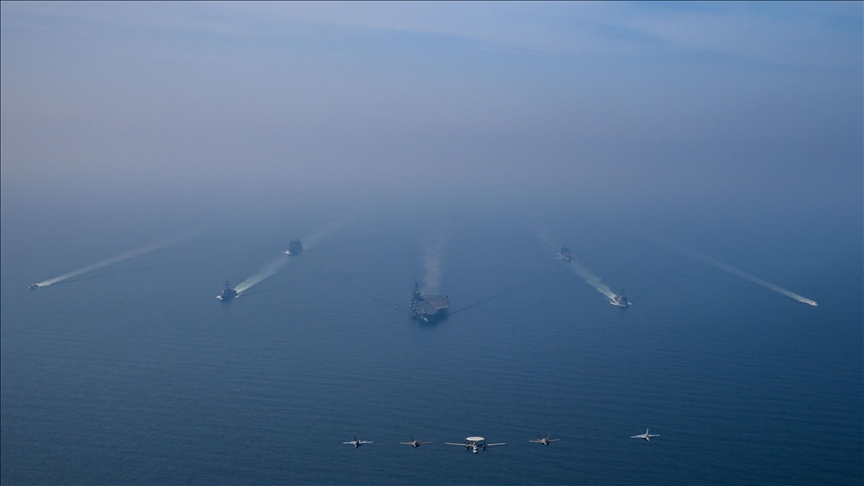
Currently, with the ongoing tensions with Israel on one side, and melting of ice with Saudi Arabia, with the possibility of further serious confrontation with the Trump administration, Iranian foreign policy and its ability to continue to be able to navigate the preservation of its interests, will most certainly be put to the test.

Dr Khairi Janbek is a Jordanian historian based in Paris and the above opinion is written exclusively for crossfirearabia.com. 

Continue reading
Knesset Turns Raucous Over Katz Appointment

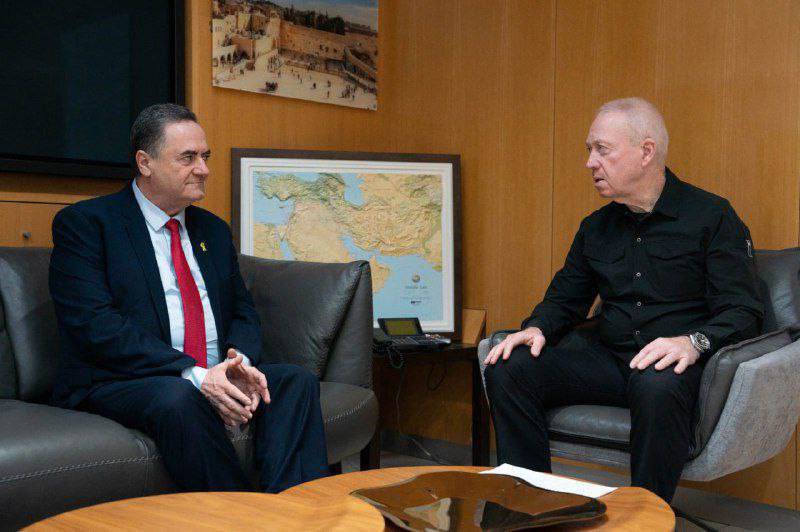
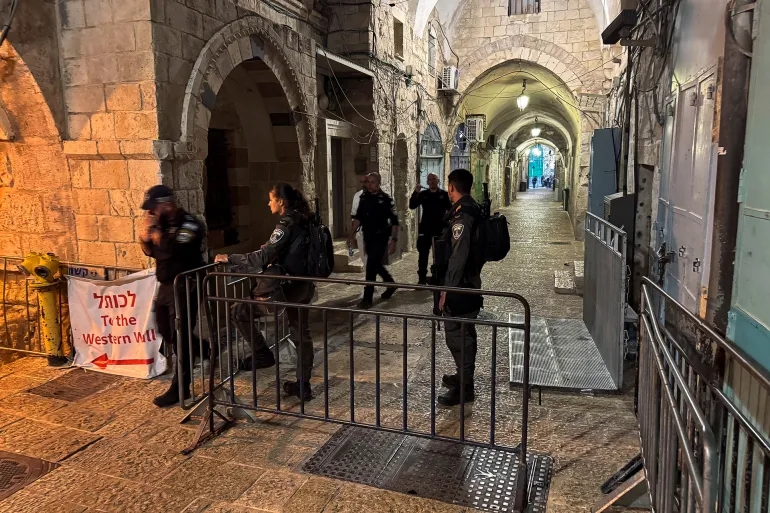
Members of the Israeli opposition and the ruling right-wing coalition government exchanged insults and curses, Thursday, during the swearing-in ceremony of Yisrael Katz as Minister of Defense, succeeding Yoav Galant, who was dismissed by the occupation Prime Minister Benjamin Netanyahu.

The Knesset approved new government appointments in a rare session as Yisrael Katz was appointed Minister of Defense, and Gideon Sa’ar as Foreign Minister. This is in addition to the appointment of Ze’ev Elkin as a minister.

According to the English Jerusalem Post, the session witnessed the exchange of insults and attacks between Knesset members from all parties.

Ultimately, opposition members left the Knesset hall in protest of Galant’s dismissal, which was met with severe criticism and protests in Israel.

During Communications Minister Shlomo Karhi’s speech against the opposition, opposition leader Yair Lapid shouted at him, describing him as “poison, and a draft evader.”

While Likud MK Tali Gottlieb attacked Galant on social media after news of his dismissal broke out, she supported Netanyahu’s choice.

In total, 58 MKs supported the new appointments without protest, while the opposition walked out of the session in protest at Galant’s dismissal.

Netanyahu justified Galant’s dismissal, Tuesday, by citing a breakdown in trust, while his statements were said to be shaky and weak.

Galant has repeatedly called for a diplomatic solution to secure the release of the remaining hostages held by Hamas in the Gaza Strip, and has also called for the conscription of ultra-Orthodox men into military service.

This has angered Netanyahu’s ultra-Orthodox and far-right coalition partners, on whom he relies.

Continue reading
Forgotten Famine of Gaza

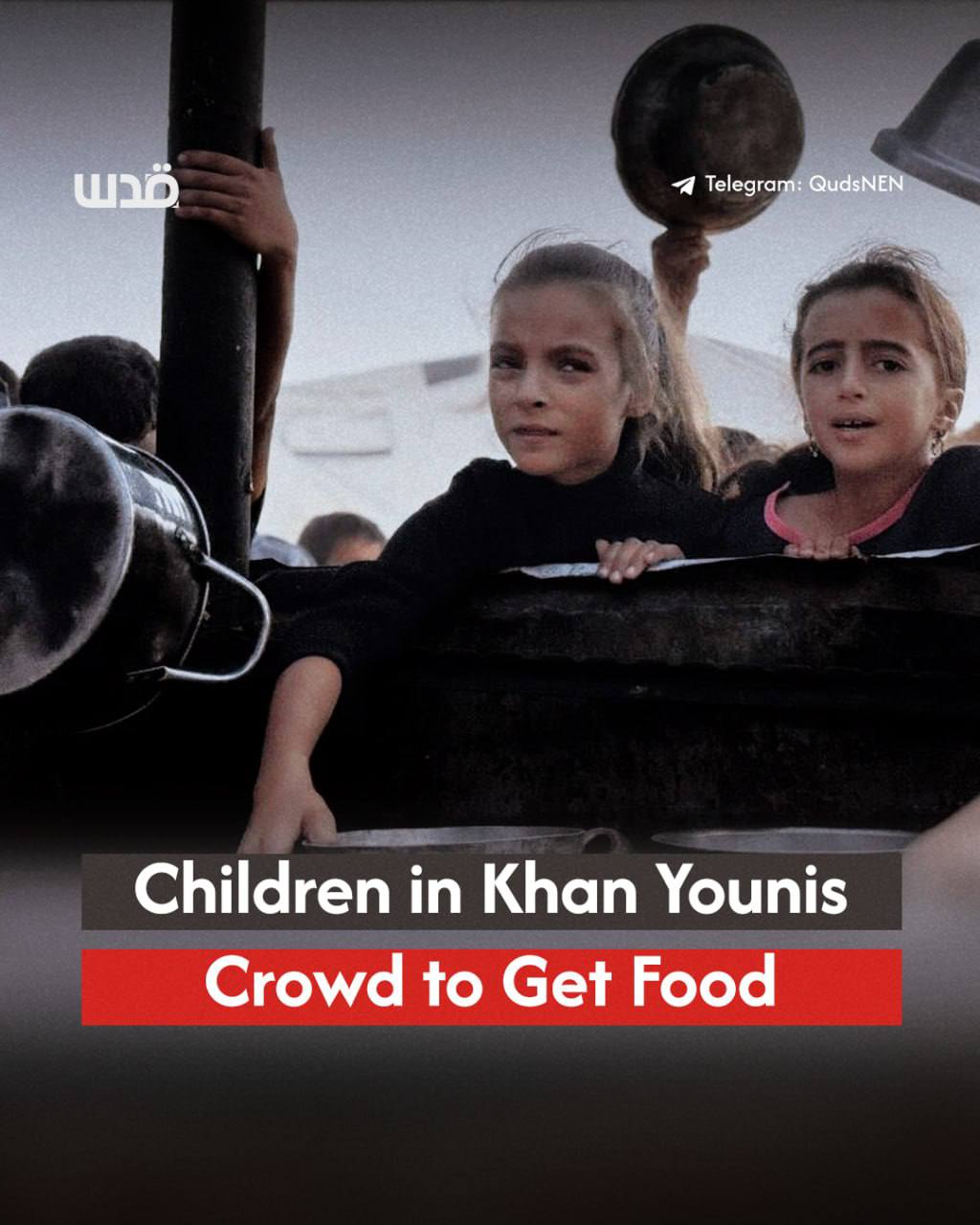
Since the beginning of the ongoing Israeli genocide in the Gaza Strip, the Israeli occupation has imposed a severe blockade, preventing the entry of humanitarian supplies and essential food, leaving more than 2.5 million Palestinians facing the threat of famine and malnutrition.

Israel reduced the daily number of humanitarian aid trucks allowed into the Gaza Strip to just 30 in October, the head of the UN agency for Palestinian refugees (UNRWA) said Monday.

“This is the lowest in a long time, bringing the assistance back to the level of the beginning of the war,” Philippe Lazzarini said on X.

Since the outbreak of hostilities on Oct. 7, Israel has maintained strict closures on Gaza’s crossings, limiting essential goods and imposing significant restrictions on humanitarian aid, creating severe living conditions.

Lazzarini emphasized that these 30 daily trucks “cannot meet the needs of over 2 million people, many of whom are starving, sick, and in desperate conditions.”

He noted that these trucks “represent only 6% of the supplies (commercial and humanitarian) allowed into Gaza before the war,” according to Anadolu.

Israel has continued a devastating offensive on Gaza since an attack last year by Hamas, despite a UN Security Council resolution demanding an immediate cease-fire.

Nearly 43,400 people have since been killed, mostly women and children, and over 102,200 others injured, according to local health authorities.

Israel also faces a genocide case at the International Court of Justice for its actions in Gaza.

Continue reading
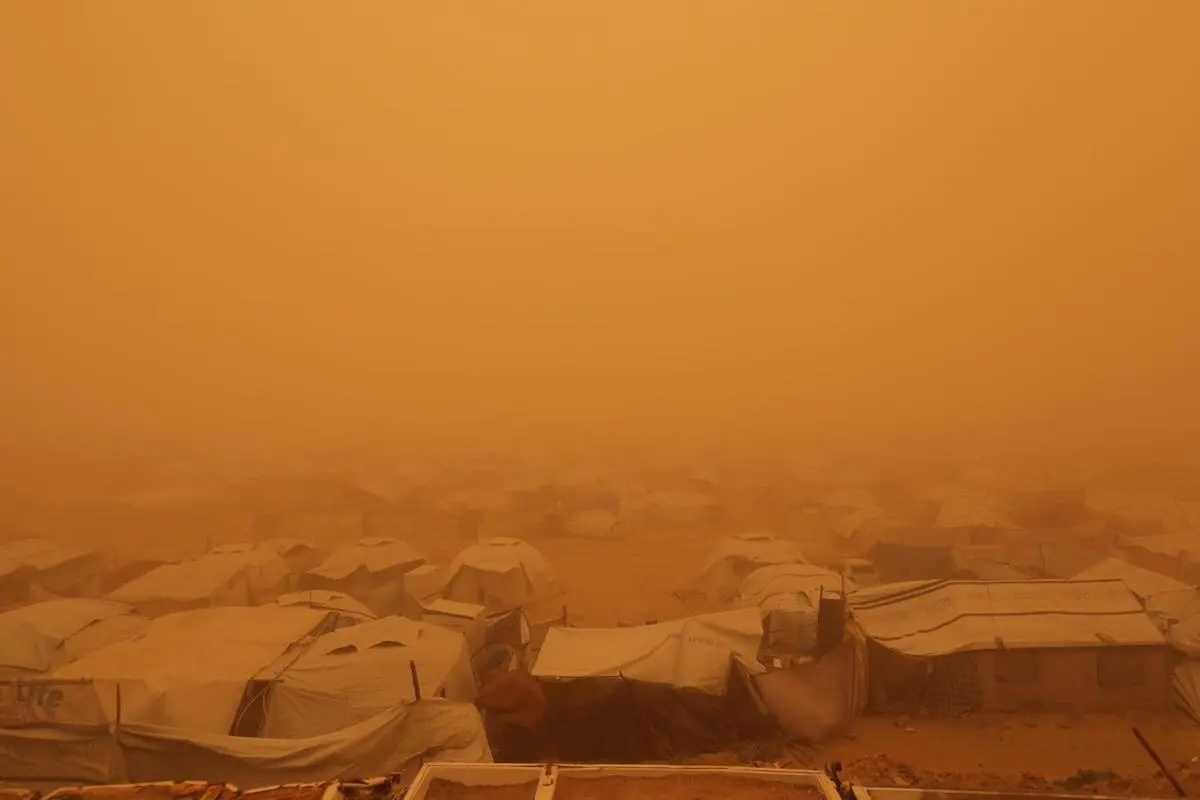
UN: Extra 100,000 Palestinians in Makeshift Sites

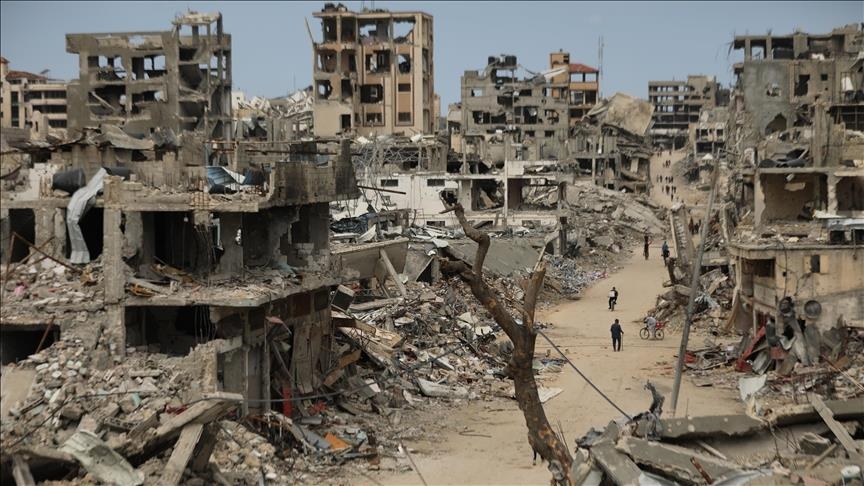
Some 100,000 people recently displaced from North Gaza are sheltering in schools, buildings, or makeshift sites in Gaza City, said a UN spokesman.

“The Office for the Coordination of Humanitarian Affairs (OCHA) warns that in North Gaza governorate, virtually all incoming supplies and humanitarian services have ceased,” Stephane Dujarric told reporters during a briefing.

“This is due to the ongoing siege imposed by Israeli security forces, as well as insecurity limited supplies and the displacement of aid workers,” he added.

About 75,000 people are estimated to remain in North Gaza governorate, Dujarric said.

“With no electricity or fuel allowed since October 1, only two of eight water wells in Jabalia refugee camp remain functional, just partially,” he added.

Israel has continued its brutal offensive on the Gaza Strip following an attack by the Palestinian group Hamas last Oct. 7, despite a UN Security Council resolution calling for an immediate cease-fire.

The onslaught has resulted in over 43,200 Palestinian deaths, mostly women and children, and over 101,800 injuries, according to local health authorities.

Continue reading