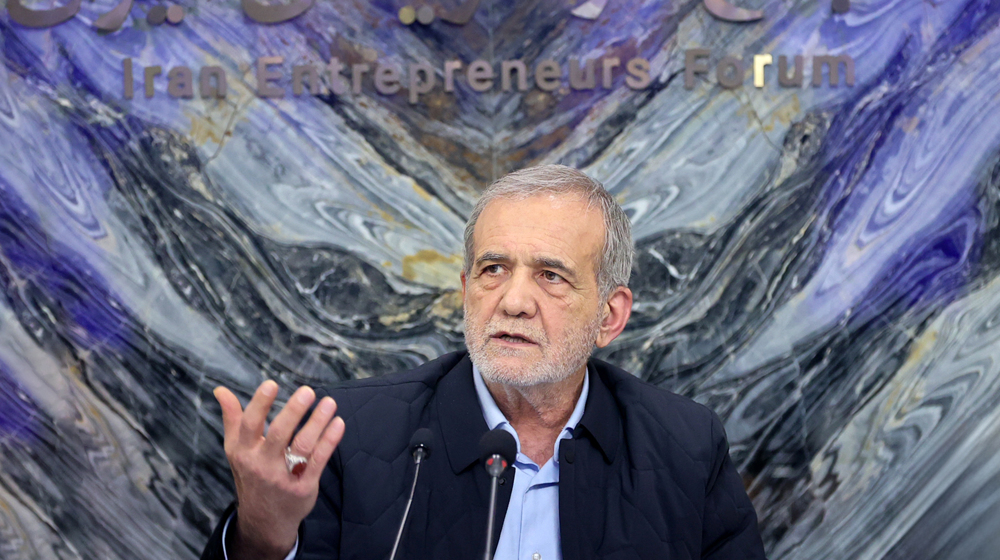
Pezeshkian: Iran Will Not be Bullied, Tells Trump to ‘Go to Hell’

One couldn’t help but feel a tinge of pleasure in Iranian President Masoud Pezeshkian lashing out at Donald Trump. Without mincing his words, and certainly not sticking to diplomatic niceties, no doubt taking his cue from the new boss at the White House, Pezeshkian told the US president a few home truths.

Depending on the translation into English from Persian, he basically told the US president to “go to hell”. This is a phrase that is making great headlines all over the world for its intensity and meaning.

On its part, the social media is having a field day at Pezeshkian, to say the least “forthright” speech at the Iran Entrepreneurs Forum in which he lambasted Trump for the way he is called on Tehran to heed and either go back to the nuclear deal or face the mighty military of the United States.

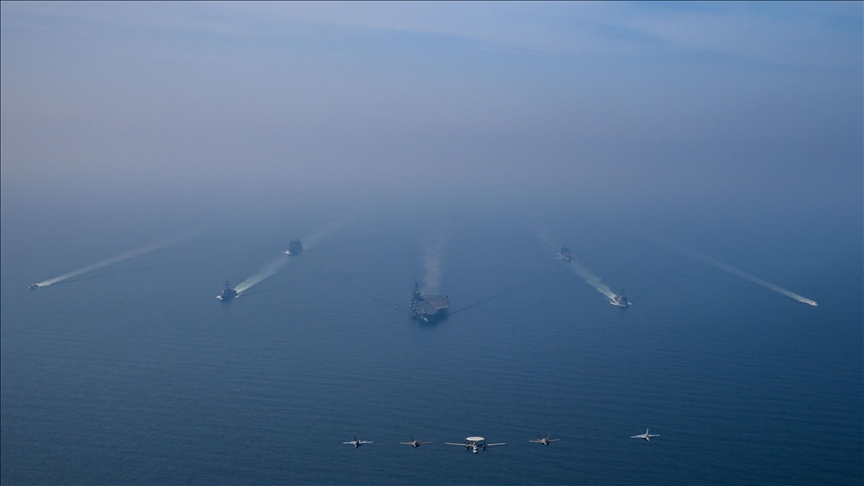
He didn’t at all like how Trump framed his appeal for Iran to get back to the negotiations table  when he spoke nonchalantly that “there are two ways Iran can be handled: militarily or make a deal.”

In turn,  Pezeshkian and the Iranian leadership starting from Ayatollah Seyed Ali Khamenei to Foreign Minister Abbas Araghchi became particularly angry at this approach as Trump is now seeking to revive the 2015 Iran Nuclear Deal which he muzzled out of in 2018 during his first administration as one of the latest pieces of the US global, foreign and security policies.

Though denied by Iran, Trump said he sent a letter to Ayatollah Khamenei in which he told them to agree to a deal or face the military wrath of the United States with extended crippling sanctions on Iran’s oil sector, its exports and the shutting off of its global financing.

The subsequent utterings on the international media about Trump and his latest obsession in “controlling” the nuclear file of Iran has created a knee-jerk reaction among the country’s leadership which saw what Trump was doing was “coersive diktates” and imposition of maximalists pressure which today, they are in no mood to pay heed to because of so many factors including its ballistic missile attacks on Israel last October where up to 250 missiles landed on different sites of the country.

Pezeshkian, dubbed as a reformist president and one who is willing to listen, was startlingly critical at the way Trump invited, more like dictating, to get back to the nuclear deal under vastly different and stringent negotiating terms, and ones that would strip Iran of its nuclear aspirations and impose an additional and an even tougher monitoring and observation regime than the previously deal allowed for which Pezeshkian and other leaders rejected.

In plain, straight talking, again no doubt like Trump’s abrasive approach Pezeshkian leading a country on the threshold of becoming a nuclear power as many analysts suggest with more than 60 percent uranium enrichment capacity, said Iran would not negotiate with Washington while while being threatened. He essentially delivered the ultimate stab that the US president can “do whatever the hell you want”, as reported by the Iranian state media, Tuesday.

”It is unacceptable for us that they [the U.S.] give orders and make threats. I won’t even negotiate with you. Do whatever the hell you want”, Pezeshkian repeated at the behest of a country long standing up to the United States and to maintain cold and freezing relations with the United States.

Further, and to say the least, this was the ultimate snub delivered by the Iranian president who was in no mood to listen to the antics of the new US president wishing to wield his rhetorical stick around the world and was not afraid of telling him so.

Pezeshkian was especially irked him by the way Trump met the Ukraine President Volodymyr Zelensky in the White House recently calling it disgraceful and shameful and Iran would not listen to such talk as a way of moving the negotiations forward.

It was Trump, who initially pulled out of the Iran deal officially called Joint Comprehensive Plan of Action (JCPOA) signed by the then Barack Obama administration with international backing of five major UN powers including Russia, China, Britain, France and Germany in 2015.

Then Trump said the deal was a bad one and wanted to re-negotiate. But since taking the USA out of the deal, Tehran no longer found it necessary to continue to observe the strict regime imposed by JCPOA on Iranian nuclear facilities which slowly started to top up its uranium enrichment levels to where it is today.

As well, Pezeshkian was echoing the words of Ayatollah Khamenei who earlier rejected the prospects of direct talks, calling them neither “smart, wise nor honorable” while saying that Iran will not be bullied into negotiations.

This was seconded by Iran’s Foreign Minister Araghchi who made it perfectly clear on his X account that “we will NOT negotiate under pressure and negotiation, We will NOT even consider it, no matter what the subject might be, whilst emphasizing that dialogue must be rooted in mutual respect, not threats.”

For all the outward talk however, Iranian officials have stressed as they did so in the past that the country’s nuclear program has been always for peaceful purposes and is open about the country’s nuclear reactors and plants as proved in its current consultation with the different world powers of the United Nations Security Council.

The above-analysis is written by Dr Marwan Asmar, chief editor of the crossfirearabia.com website.
Continue reading
CARE Calls on Israel to Lift Aid Blockage Into Gaza

By Deepmala Mahla

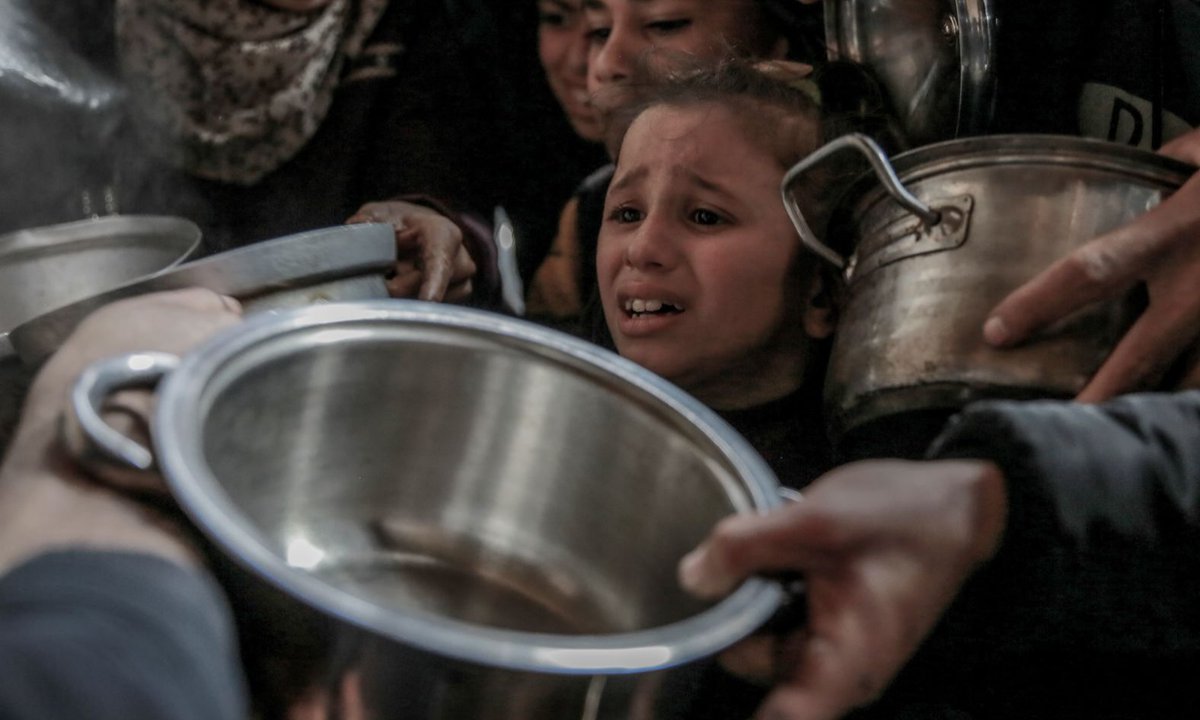
It has been close to a week since Israel’s extremely concerning March 2 decision to stop aid from entering Gaza – a decision that is having dire consequences for a population who have already endured 15 months of unimaginable suffering.

Trucks stocked with CARE food parcels, medical supplies, and shelter items – which were scheduled to arrive over the next weeks – are not reaching Gaza.

Meanwhile, our current supply of medical provisions will allow us to be fully operational for one month only, after which we will be forced to scale back our medical services. Our ability to supply our local partners will also be impacted should the aid suspension continue.

Israel is required under international humanitarian law to facilitate access of aid into and across all areas of Gaza. CARE and all humanitarian actors call for compliance with this law wherever we work. It saves and protects the lives of women, children, and families in times of conflict – from Sudan to Syria. Humanitarian assistance for civilians such as food, medicine, and other life-saving supplies should not be withheld as a bargaining chip within a conflict.

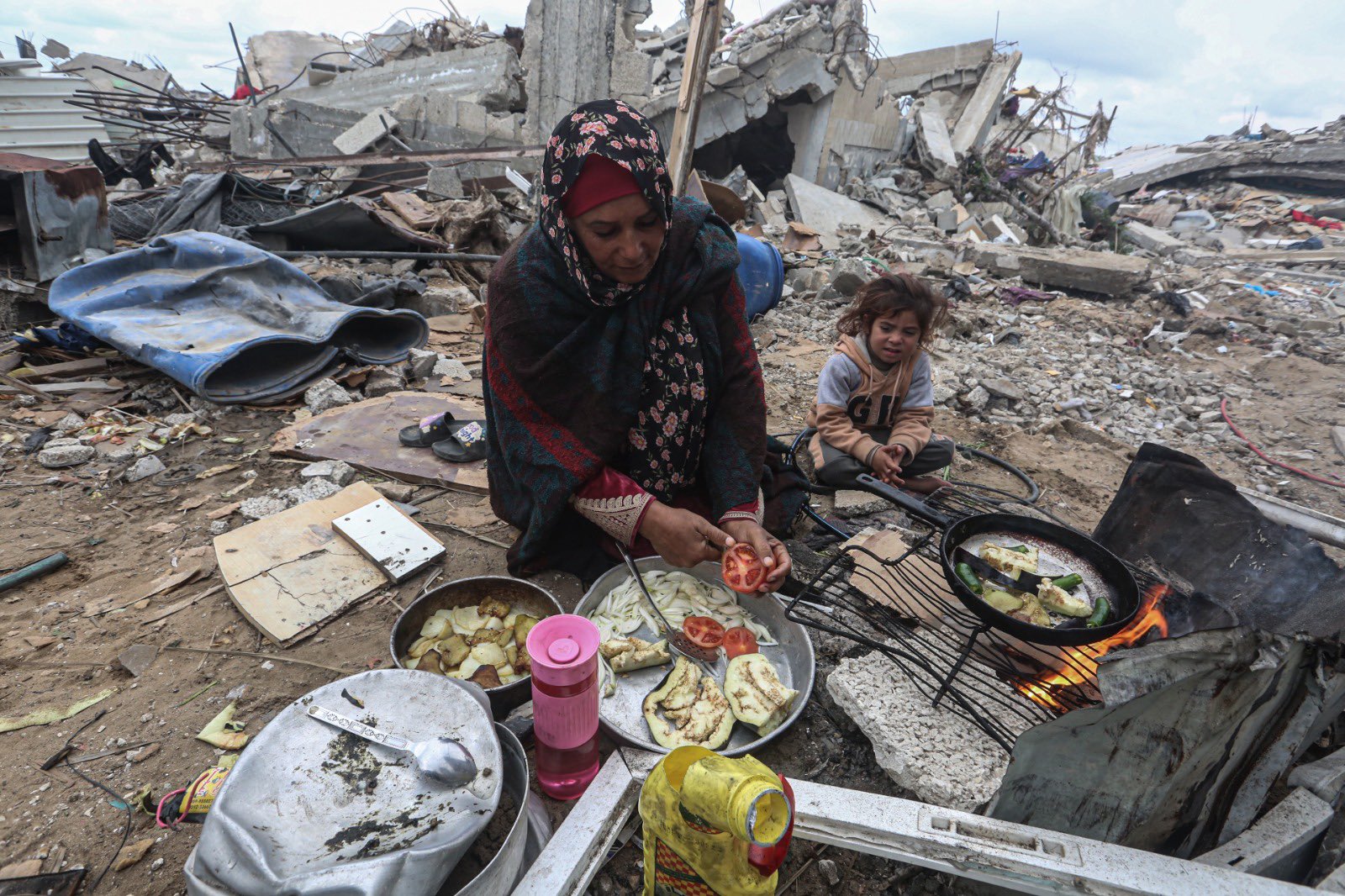
Families are already living in makeshift shelters on the ruins of their homes and are still battling exposure to the basic elements of cold and hunger. It is critical that aid deliveries continue while a sustained cease fire is negotiated towards a lasting peace and the return of hostages.

The writer is the Chief Humanitarian Officer of CARE International

Continue reading
Israel’s Aid Blockage…Collective Punishment

Israel’s decision to block aid to over two million Palestinians in the Gaza Strip as Ramadan begins is a reckless act of collective punishment, explicitly prohibited under international humanitarian law and as Oxfam stated.

Humanitarian aid is not a bargaining chip for applying pressure on parties, but a fundamental right of civilians experiencing urgent need in challenging and life-threatening circumstances.

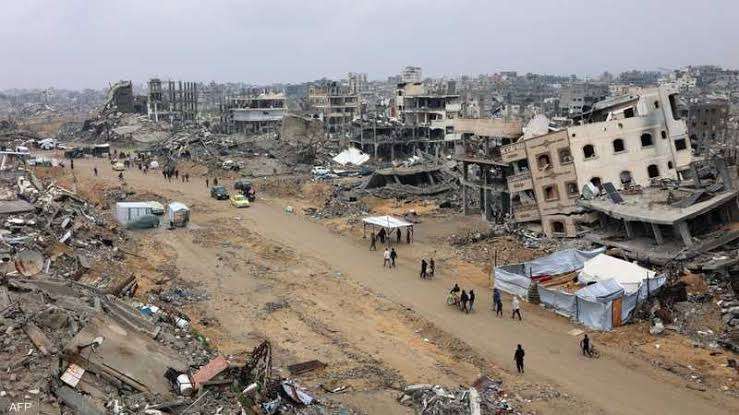
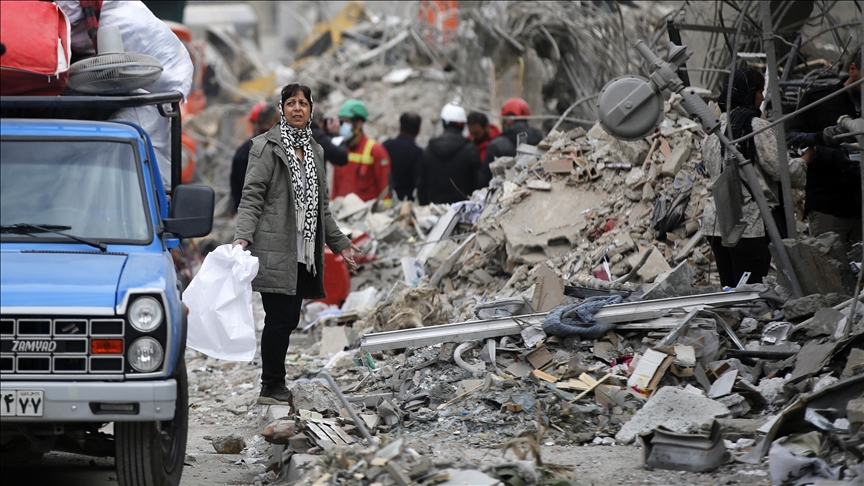
When our teams assessed the conditions in Gaza in the wake of the January 19th announcement of a temporary ceasefire, they encountered apocalyptic scenes of complete destruction and famine-like conditions.

People in Gaza need everything: lifesaving water, food, sanitation and other necessities, as well as equipment critical for the restoration of water and electricity. The goods that were able to enter during the weeks of ceasefire have brought some relief, but remain a drop in the ocean.

The international community must apply immediate pressure on Israel to ensure vital aid urgently gets into Gaza. The International Court of Justice has ordered Israel to ensure aid deliveries at scale throughout Gaza.

Reliefweb

Continue reading
Putting The Cart Before The Horse

With the approach of the Cairo Summit to discuss the Palestinian issue and the reconstruction of Gaza, Arab leaders find themselves facing three main scenarios to make decisive decisions that determine the future of Gaza and the fate of the Palestinians the day after the cessation of the war. The dilemma is no longer limited to reconstruction only but also includes the political and administrative arrangements that ensure the stability of the sector and prevent the recurrence of the devastating conflict.

From the American side, it seems that the Trump administration is adopting a more stringent approach, as it recently stated the necessity of displacing Palestinians from Gaza as a “solution” to ensure regional security, which reflects its traditional position biased towards Israel and complicates any Arab efforts to find an independent solution for the sector.

 This American position raises great concerns in Arab and international circles, given the disastrous consequences it carries for the Palestinians and the entire region, especially in light of the widespread international rejection of forced displacement policies.

The first scenario involves adopting a comprehensive regional solution led by Arabs, aiming to place Gaza under temporary Arab administration, which may include Egypt and perhaps some Gulf states, in coordination with the Palestinian Authority. In this scenario, a transitional body would be established to administer the Strip, which would undertake reconstruction operations, organize basic services, and reorganize the security situation in a way that prevents the recurrence of the conflict. 

This body could also work to pave the way for comprehensive Palestinian elections to be held later, so that Gaza would be part of a unified Palestinian entity. 

This temporary administration would work to restructure institutions within the Strip, ensure the regular provision of health and education services, and rehabilitate infrastructure damaged by the war. It would also undertake the tasks of securing the crossings and ensuring the flow of humanitarian aid, while imposing strict control to prevent the infiltration of any elements that might contribute to destabilization. 

It is expected that the contributing Arab states would have different roles, as Egypt could handle security aspects, while the Gulf states would contribute to financing and reconstruction. This option requires Arab and international consensus, as well as internal Palestinian acceptance, which may be difficult in light of the differences between the factions. 

Israel may not view this scenario favorably, as it strengthens the Arab role in Gaza and limits its influence there. In addition, the success of this scenario depends on the Arabs’ ability to impose a unified vision and work to reduce external interventions that may hinder this solution. Ultimately, this scenario remains a realistic option, but it is fraught with challenges that require active diplomacy and strong political will.

As for the second scenario, it is to support the restructuring of the Palestinian Authority and grant it full control over Gaza after reaching internal understandings with the various factions, including Hamas. In this framework, the security services are integrated into a unified framework under the supervision of the Authority, and the administrative institutions are unified, with an Arab and international commitment to provide financial and logistical support to ensure the success of this transition.

One of the main pillars of this scenario is rebuilding trust between the various Palestinian factions, which requires intensive efforts from regional and international mediators, especially Egypt and the United Nations. This proposal also requires providing guarantees that the faction leaders will not be targeted or excluded from the political scene, which necessitates establishing a joint governance mechanism for a transitional period.

This scenario depends primarily on the ability of the Palestinian Authority to impose its effective control over the Strip, which is doubtful, especially in light of the deep differences between the West Bank and Gaza, and the lack of trust between the Palestinian parties. 

In addition, Hamas’s acceptance of this proposal may be conditional on effective participation in governance, which may not be acceptable to Israel or some regional powers. Moreover, this solution faces obstacles related to the extent of the international community’s ability to commit to funding reconstruction, and to ensuring that Israel does not obstruct any efforts aimed at strengthening the Palestinian Authority’s control over the Strip.

The third scenario, which may be the most complex, is to impose an international solution under the auspices of the United Nations, whereby international peacekeeping forces are deployed to oversee the administration of Gaza for a transitional period, during which the Strip is rebuilt, and the political conditions are prepared to find a comprehensive Palestinian settlement. 

In this scenario, the infrastructure is rehabilitated, security guarantees are provided to prevent the outbreak of new confrontations, while the way is opened for an internal Palestinian dialogue under international auspices to reach an agreement on the future of governance in Gaza. 

This scenario also includes international supervision of the rehabilitation of civilian institutions in Gaza, ensuring the distribution of aid, and preventing the use of resources in any military activities that may lead to a renewal of the conflict. 

It could also contribute to reactivating the peace process between the Palestinians and the Israelis through an international mechanism that ensures the implementation of any understandings reached. 

However, this option faces several obstacles, most notably the rejection by some Palestinian forces of any direct international intervention in Palestinian affairs, and Israel may refuse to deploy international forces near its borders, preferring to keep Gaza under siege or in a state of instability that keeps it weak and unable to pose a security threat. 

Moreover, any international intervention will require consensus among the major powers, which may be difficult to achieve in light of global political tensions. Each of these scenarios carries its own challenges, and the optimal choice remains linked to the extent of the Arabs’ ability to unify their positions and make bold decisions that go beyond narrow political calculations. 

The main challenge lies in reaching a solution that spares Gaza further destruction, establishes a new phase of stability and development, and ensures that the Palestinian issue is not exploited in regional conflicts. The question remains: Will the Cairo Summit be able to overcome Arab differences and present a unified vision to save Gaza and its future?

Hasan Dajah is professor of Strategic Studies at Al-Hussein Bin Talal University

Continue reading