Beirut Under Attack
 CrossFireArabia
- October 23, 2024
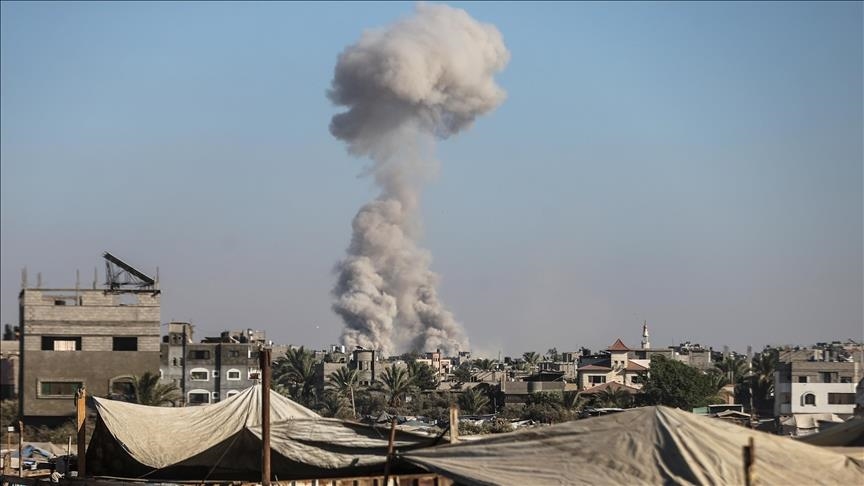
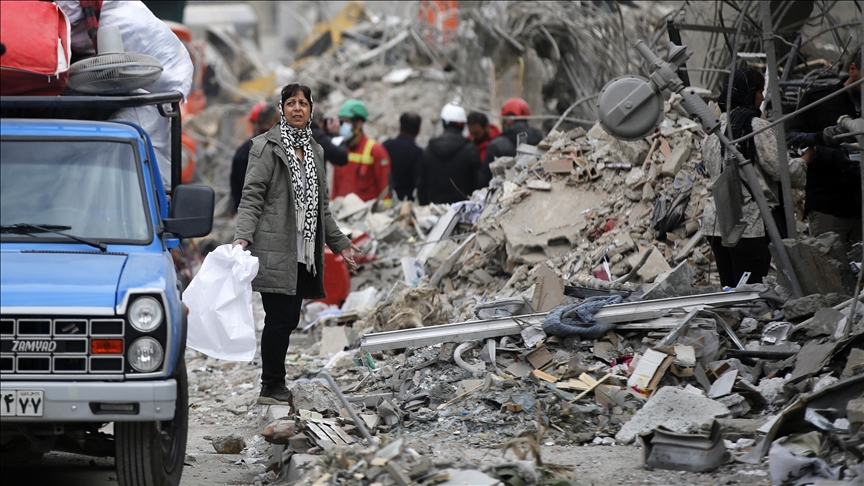
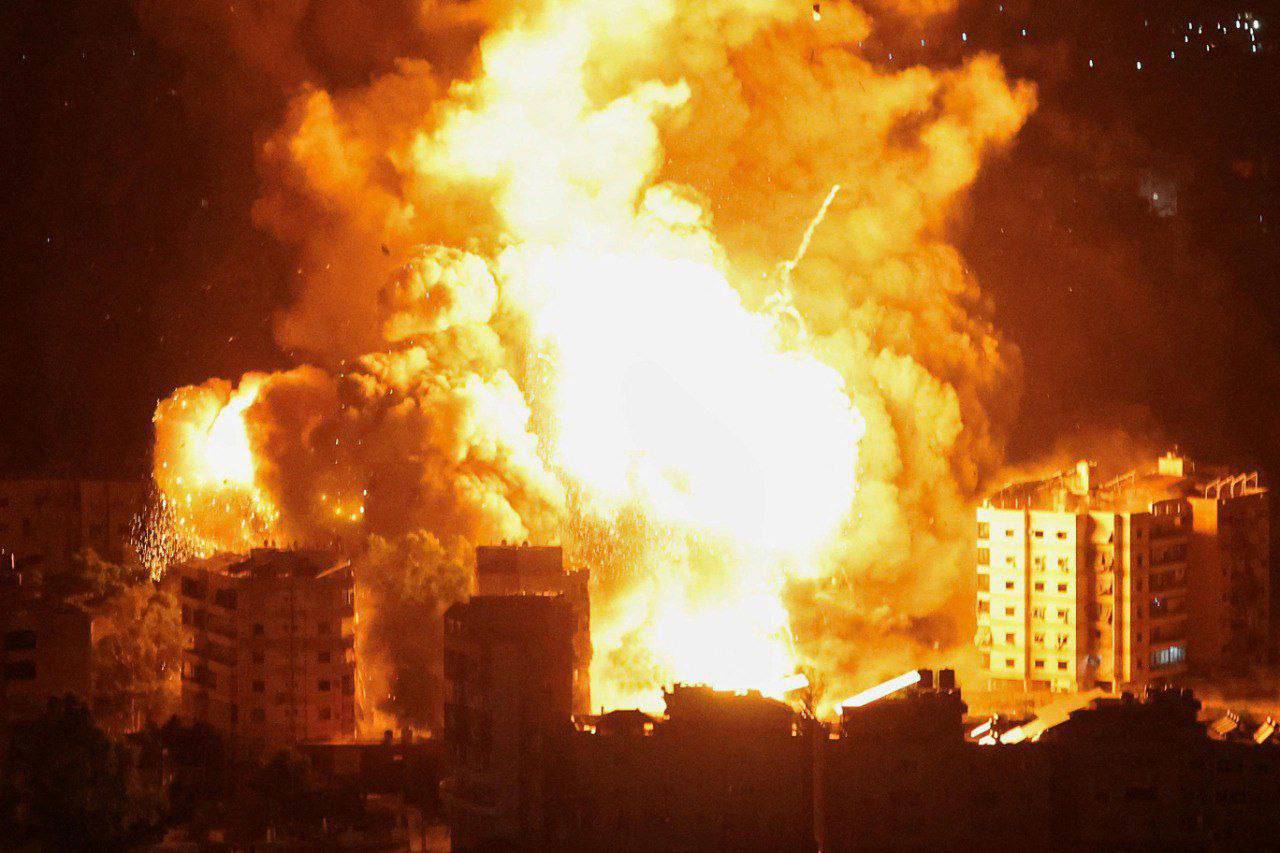
Casualties have been reported due to Israeli airstrikes targeting the southern suburb of Beirut.
 CrossFireArabia
Casualties have been reported due to Israeli airstrikes targeting the southern suburb of Beirut.
CrossFireArabia
In recent days, the region has witnessed significant events, the most notable of which was the assassination of Yahya Sinwar, the de facto leader of Hamas. This event, heavily relied upon by Israel, came at a time when the military focus had already shifted to the Lebanese front. This shift has kept the war atmosphere ablaze, making it difficult for the international community to put more pressure on Netanyahu to end the war in Gaza.
Meanwhile, Israel will likely manoeuvre by appearing to offer concessions in humanitarian aid and relief efforts, while in reality escalating its pressure on Hamas and seeking to take advantage of the uncertainty within the movement following Sinwar’s death. This situation may force Hamas to urgently craft a new political strategy for the coming phase, especially as its upcoming political battle promises to be one of its most complex challenges.
On the Lebanese front, Hizbollah managed to deliver strikes inside Israel in recent days, the most prominent of which was the drone attack targeting Israeli Prime Minister Benjamin Netanyahu’s residence. Although the attack did not cause significant damage, its symbolism was considerable. Netanyahu quickly seized the opportunity to shift the narrative in his favour, moving from a position of blame in the eyes of some allies to portraying himself as a victim. This allowed him to launch a new campaign of mobilization. Through this effort, Netanyahu aims to gain a green light for a series of operations that could go beyond military and security targets to also include political objectives in Lebanon and Iran, with potential extensions into Syria and Iraq.
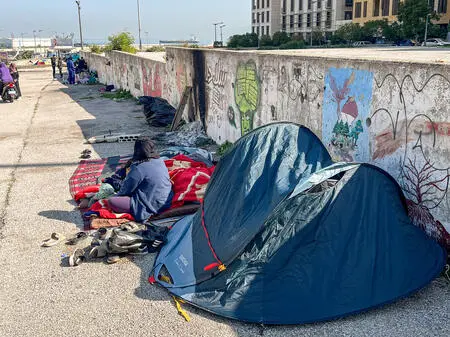
At the same time, Israel has intensified its attacks on Hizbollah across various regions of Lebanon, targeting individuals and locations, particularly in Beirut’s southern suburbs. It is clear that Israel aims to dismantle the urban infrastructure of this area while also contributing to ongoing demographic displacement efforts. The broader goal appears to be turning the southern suburbs into an uninhabitable zone, displacing its residents. Ultimately, Israel seeks to reshape Lebanon’s security landscape by creating a deep buffer zone in the south, ensuring a different form of international presence that would replace the current UNIFIL forces, and stripping Hezbollah of its social strongholds in the future.
As Israel works to contain the surrounding fronts, from Gaza to the West Bank, it continues to escalate its strikes against Lebanon and maintains Syria under constant attack to disrupt the presence of Iran and Hezbollah and cut off potential logistical supplies. These actions indicate that Israel is paving the way to target Iran’s Revolutionary Guard Corps (IRGC).
At the same time, Yemen and Iraq remain potential sources of threat. The United States’ robust engagement in targeting the Houthis with specialized operations, particularly using B-2 bombers, suggests that Iraq might be the front activated to distract Israel and create a security crisis within its borders. This aligns with recent operations from Lebanon that aim to create internal security turmoil in Israel, seeking to disrupt daily life. These efforts are expected to escalate through multiple operations using diverse methods, as has already been observed in recent weeks.
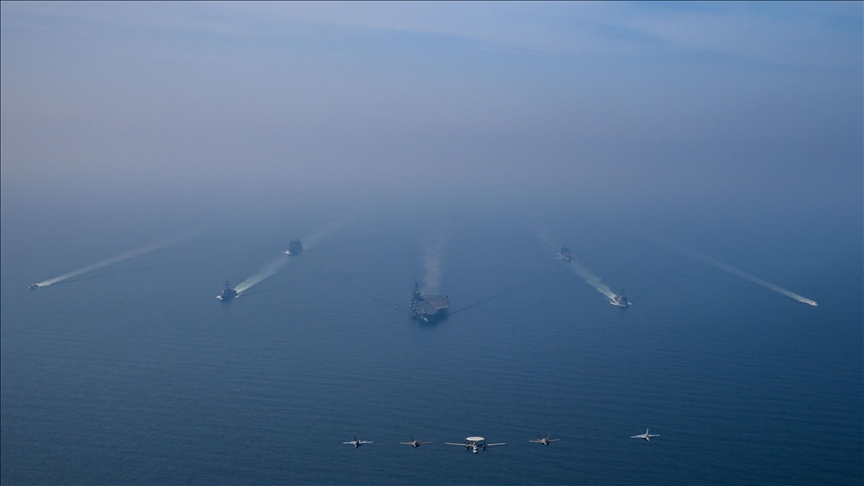
The intensification of attacks on Lebanon, the isolation of Syria, and the significant US military buildup, including the deployment of the “THAAD” missile defence systems to Israel, all fall under the broader preparations for what could come after an Israeli strike on Iran. This further suggests that the groundwork has been laid for a significant and targeted attack on the IRGC.
Sensing this looming threat, Iran’s foreign minister has embarked on a wide-reaching diplomatic campaign across the region, though it appears that none of its objectives have been met. The campaign’s primary goal was to prevent military action against Iran while highlighting the dangers of entering an open confrontation with Iran and the security risks it would pose across the region.
The region’s entry into a phase of direct targeting of Iran opens the door to new repercussions. Large swaths of geography could face waves of violence and attacks, particularly given the possibility that various groups and cells may act independently. This raises the level of security threats across much of the region, including areas that are not currently involved in the active conflict zones.
Dr Amer Al Sabaileh, a professor in Jordan University, is a columnist for the Jordan Times
CrossFireArabia
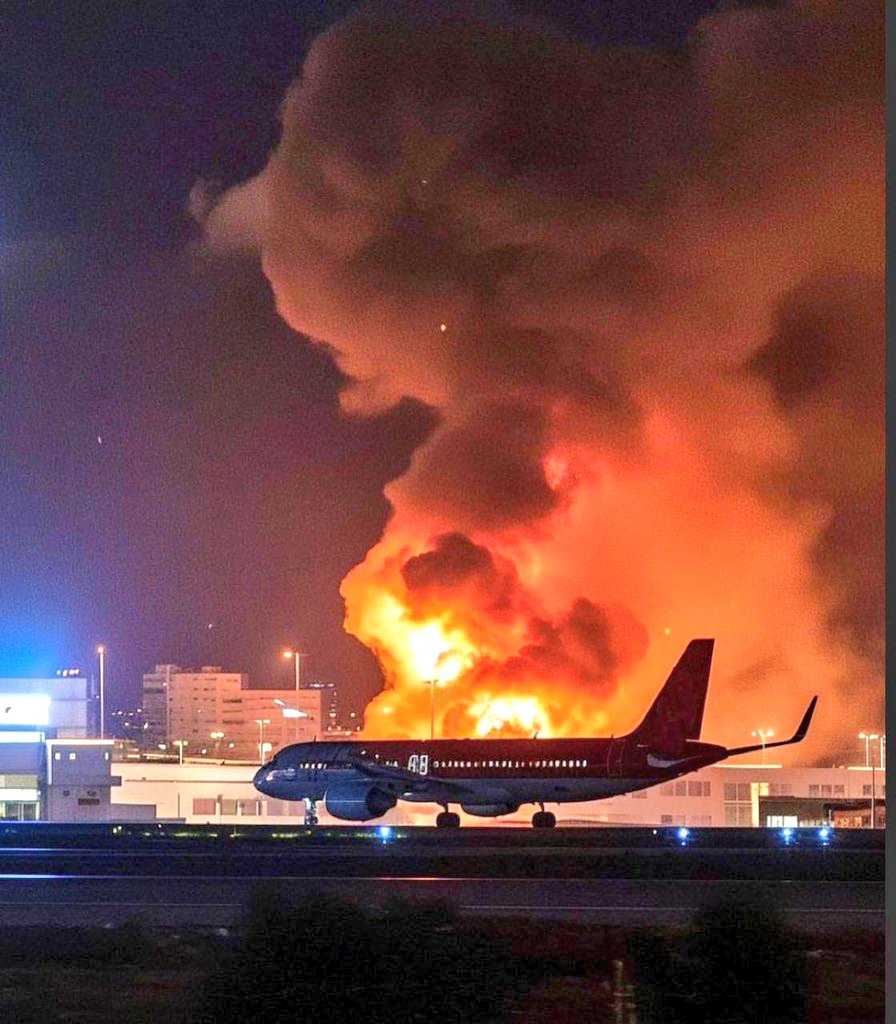
Beirut International Airport on October 20th, 2024. Israel bombed the vicinity of the airport in that date.
CrossFireArabia
Yedioth Ahronoth points out that a senior Israeli economic official says that enduring a long war in the north and south is hard on the Israeli economy. He noted the expansion of the war in the north has cost the Finance Ministry an extra $6.7 billion since the beginning of last September.
He added the expenses of one day of fighting in Lebanon amounts to around $134 million and may increase soon, pointing out the costs of ammunition used in Lebanon are very high.
The Israeli official stressed the expansion of the war requires an increase in the budget in light of the absence of funding sources according to Al Jazeera.
Recent data showed the growth of the Israeli economy continued to decline in the second quarter of this year, against the backdrop of the ongoing war waged by Israel on the Gaza Strip and its expansion into Lebanon.
The Israeli Central Bureau of Statistics stated that the gross domestic product rose by only 0.3% on an annual basis in the period from April to June, down from the 0.7% growth rate announced the previous month, and the 1.2% growth rate announced last August.
Ten days ago, the Israeli Finance Ministry announced that the budget deficit reached 8.8 billion shekels ($2.34 billion) in September, as the war on the Gaza Strip escalated and expanded to Lebanon and other fronts.
The deficit rose in the 12 months through September to 8.5% of GDP, from 8.3% in the 12 months through August.
The rise in the deficit to 8.5% comes from an increase in military and civilian spending to finance the war, and the deficit has risen for the sixth consecutive month above the annual target set by the government at 6.6%.
Worth noting in 2023, Israel’s budget deficit was at 4.2%, and it plans to reduce it to 4% next year is now out of reach.
Spending on the war, which began on 7 October, 2023, exceeded 103 billion shekels ($27.35 billion).
CrossFireArabia
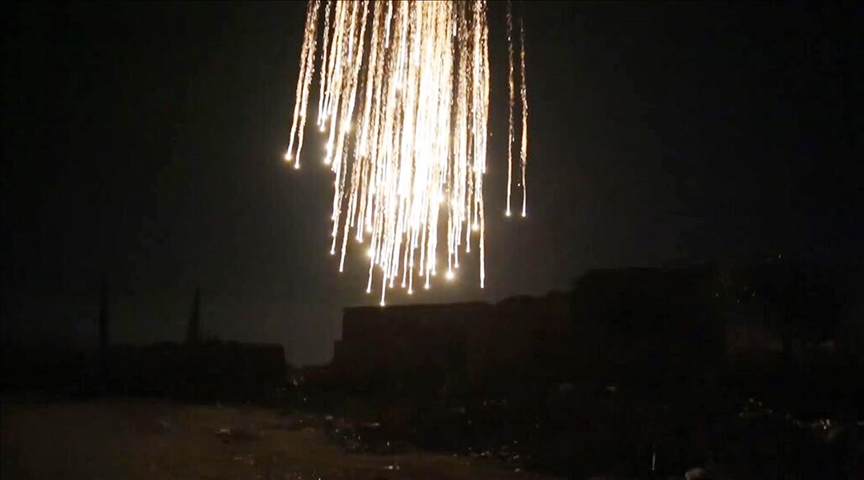
The Israeli army shelled the southern Lebanese town of Kafr Shuba with internationally banned phosphorus munitions, Lebanon’s state news agency reported on Sunday.
No information was provided about damage or injuries.
The state-run National News Agency also said that Israeli forces shelled the nearby town of Al-Qantara.
Israeli warplanes also staged fresh airstrikes in the southern suburb of Beirut, including Haret Hreik, a Hezbollah stronghold according to Anadolu.
Separately, Hezbollah said that its fighters targeted with rockets Israeli troop deployments in the Misgav Am settlement in northern Israel and the Ma’ale Golani barracks in Syria’s occupied Golan Heights.
Israel has mounted a huge air campaign in Lebanon since late last month against what it claims are Hezbollah targets, killing over 1,500 people and displacing more than 1.34 million others. Cross-border warfare between the two sides continued since the Gaza war last October.