US-Israel Relations Toxic
 CrossFireArabia
- July 22, 2026
Zionists have now become so unpopular that the Vice President feels the need to appear critical of Israel.
The recent comments made by US Vice President JD Vance to Joe Rogan are indicative of just how toxic the Israel brand has become. Yet his comments have been largely pulled out of context in order to invent an image of a totally different politician to the man who is actually operating as America’s second in command.
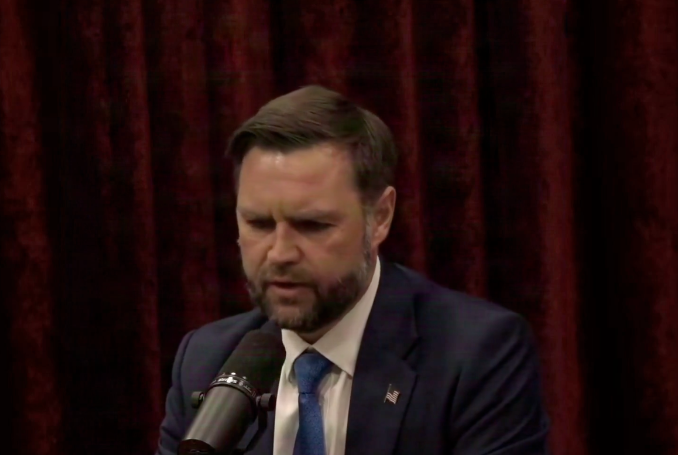
In a recent episode of the Joe Rogan Experience, JD Vance made some notable comments on Israel when pushed on the topic – ranging from admitting an Israeli Mossad connection to the infamous Jeffrey Epstein to Israeli interference in the negotiation process he led with the Islamic Republic of Iran.
Understanding the nature of these comments first requires a little background information on who JD Vance actually is. This is a man whose political rise has largely been attributed to Palantir co-founder Peter Thiel.
Vance’s relationship with Thiel began to form back in 2011, when the German-American entrepreneur gave a speech at Yale Law School, which would lead to a relationship whereby Vance would be brought into the world of big tech and venture capital.
The Palantir co-founder later granted Vance $15 million dollars – the largest single sum ever donated to a Senate candidate – to buy him into politics. While JD Vance had previously criticized US President Donald Trump’s character vociferously, Thiel is credited with having successfully convinced Trump to make him his VP.
It is clear that Vance has broader political ambitions, including winning the Presidency in the future. Paramount to understanding his recent shift on the question of Israel is understanding all of this context. What has presented as a shift on the question of Israel began with the comments he previously made regarding Israeli opposition to the Memorandum of Understanding (MoU) the US briefly secured with Iran.
At the time, the Vice President had stated that those Israelis who had become critical of Washington’s strategy needed to “wake up and smell the reality of the situation that country is in”, after noting that the US taxpayer had footed the bill for defending it and reminding those critics that Donald Trump was their last true ally.
Again, on the Joe Rogan Podcast, he attempted to replicate this sentiment, but was subjected to follow-up questions which ended up making what he was trying to pull off fall flat.
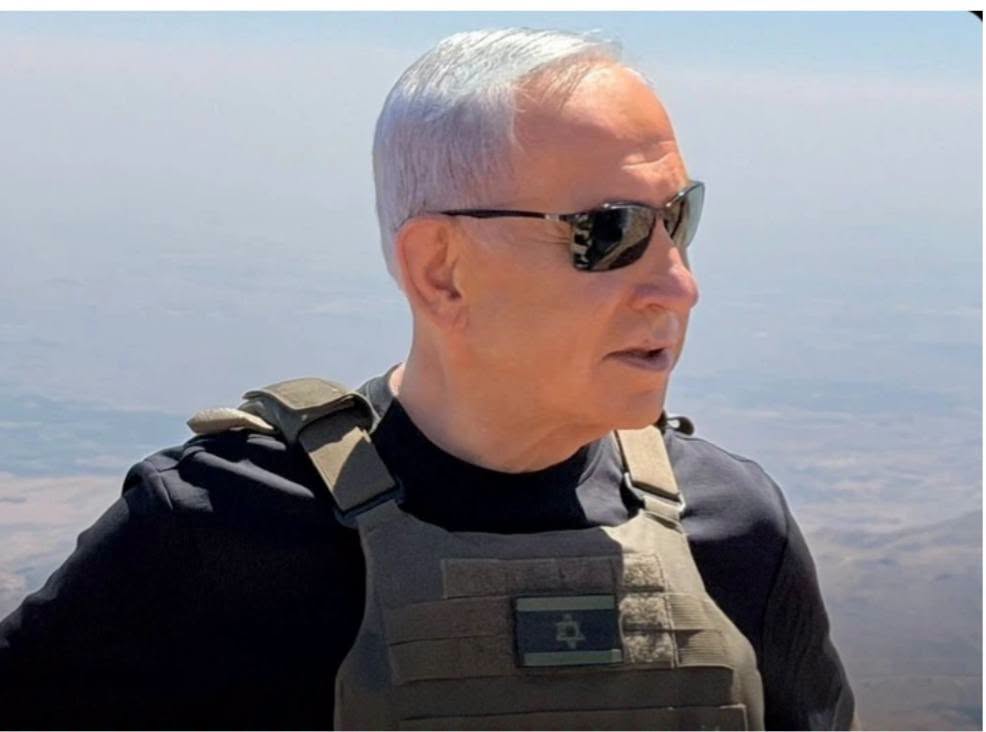
While Vance has proven capable of questioning some Israelis and their supporters, he is deliberately ambiguous. This is because he is siding with Israeli Prime Minister Benjamin Netanyahu and trying to criticize the current Israeli opposition, without actually going as far as naming anyone consequential.
He even told Joe Rogan that Jeffrey Epstein was connected to both the CIA and Mossad, but made it clear that former Israeli Prime Minister Ehud Barrack was responsible for coordinating with the convicted sex trafficker. The American official then tries to pass off the situation as if Netanyahu is an opponent of Epstein’s affiliates.
When discussing Israeli influence on the United States, he does not deny that it exists, but instead argues that this is normal and even tries to compare it to Qatar’s limited role in influencing Washington.
All this being said, it is clear that JD Vance is not making radical critiques of Israel; it is a strategy that hopes to put him on the record as having been a voice within the Trump administration who has pushed back against the disastrous pro-Tel Aviv policy choices.
What is significant about this, however, is that a politician like him feels it to be necessary to present himself as critical of the Israelis. It reflects a substantial shift in American politics across the board, especially amongst voters 35 years old and younger.
In the Democratic Party, the base has become so incredibly pro-Palestinian that taking contributions from AIPAC and stating a pro-Israel position has gone from being a net positive to now being a position that could even lose an establishment Democrat their position in Congress.
On the Republican side, there is still remaining support for Israel amongst its base, but the vast majority of these sentiments come from older voters. If you look at young Republicans, the picture is very different, and according to the polls, the 35-year-old and under bracket is gradually shifting more and more towards an anti-Israel position. There is, therefore, a need for even Republican candidates to begin treading a fine line on the issue.
For a large segment of American voters, a politician’s position on Israel is a primary indicator of whether they are genuine actors or not. If they are seen to be identifying with the Israel Lobby, the assumption is that they are not going to prioritize their constituents and instead will work to please the donor class.
It represents a radical change in US politics and is a major loss for the Zionists, who have now become so unpopular that the Vice President feels the need to appear critical of Israel in order to avoid committing political suicide.

– Robert Inlakesh is a journalist, writer, and documentary filmmaker. He focuses on the Middle East, specializing in Palestine. He contributed this article to The Palestine Chronicle.