Iran-US Talks in Muscat: Winners and Losers

EDITOR’S NOTE: This editorial, written by Abdul Bari Atwan, chief editor of the Arabic Al Rai Al Youm website, on Saturday, 12 April, relates to the first talks of the Tehran-Washington negotiations that started in Muscat, Oman relating to the Iran nuclear file.

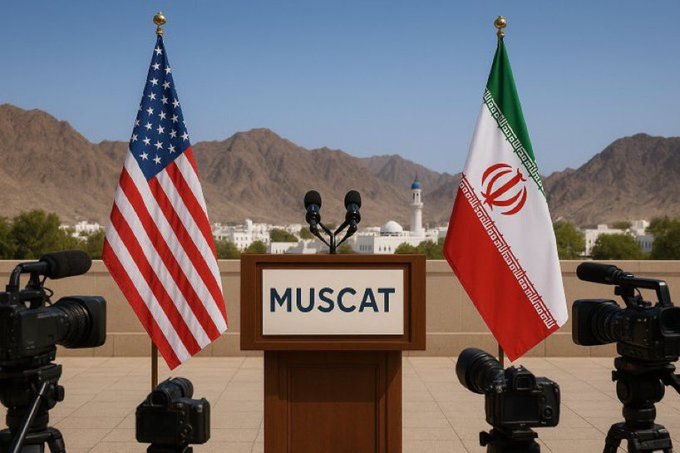
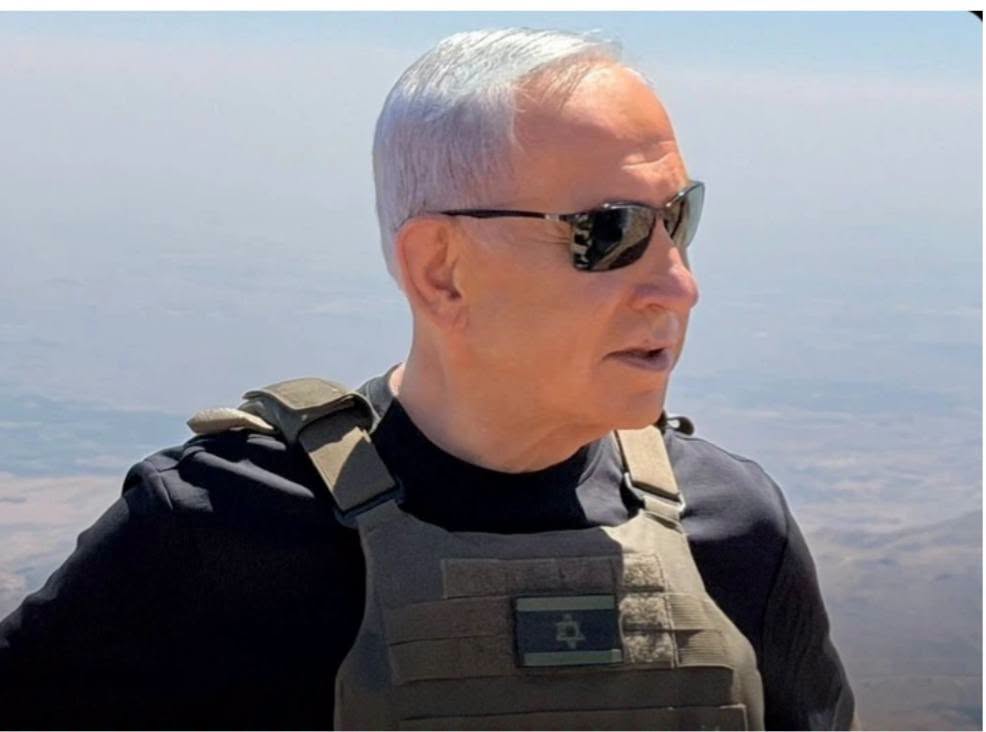
Iran succeeded in scoring a major goal against the United States in the clash of wills that began today, Saturday, in the Omani capital, Muscat, by insisting that the negotiations be “indirect,” contrary to what its American adversary wants: Namely “direct” negotiations as announced by US President Donald Trump at the White House in his meeting with Israeli Prime Minister Benjamin Netanyahu last week, who was surprised by this shocking announcement.

The US delegation, led by Trump’s Advisor Steve Witkoff, is participating in these talks from a weak and defeated position, especially after the failure of the US plan to impose tariffs on more than 200 countries worldwide. America has become friendless, and even turned its friends into enemies, especially in Europe and Southeast Asia like South Korea and Japan.

Strategies of negotiations

Iran, represented in the negotiations by veteran Foreign Minister Abbas Araqchi, the man who led the negotiations for the first nuclear agreement with the six major powers in 2015 and possesses extensive experience in the art and strategies of negotiation, did not submit to the “threats and intimidation” adopted by President Trump.

They imposed their conditions in full on their American opponents and insisted on limiting the negotiations to the nuclear issue, not addressing other issues such as missile and drone systems, and severing ties with the arms of the resistance in Gaza, Lebanon, Yemen, and Iraq. And they got what they wanted.

The one who called for a return to a diplomatic solution to the Iranian-American crisis and backed down from his threats of a devastating military strike was President Trump. This happened when he realized the threats of military strikes, coupled with the dispatch of three American aircraft carriers and squadrons of giant B-52 bombers, backfired.

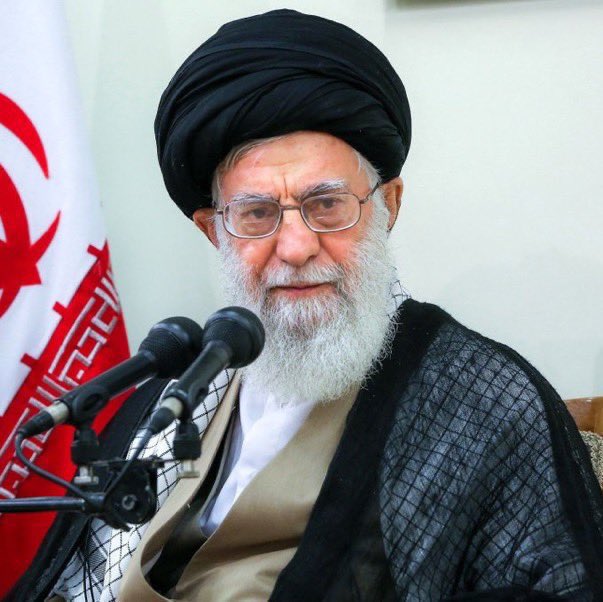
These did not intimidate the Iranians, but prompted a response from Iran’s Supreme Leader Ali Khamenei, who declared a state of emergency in the Iranian military, placed giant missile platforms, advanced submarines, and ground and naval forces on high alert, and threatened to destroy all of the 10 military bases surrounding his country and housing 50,000 soldiers, close the Strait of Hormuz, and prevent Gulf oil exports to the entire world.

The Iranians do not trust President Trump, who tore up the nuclear agreement in 2018, and is well aware he has become an Israeli puppet. He also realizes that America, defeated in Ukraine, did not simply march to Moscow waving white flags, ready to sell Ukraine and its people to the Russians and surrender to all of its conditions, including the annexation of a fifth of Ukrainian territory to Russia, without consulting its European allies, whom it has become embroiled in this war.

When President Trump demands that the Muscat negotiations reach a quick agreement within two months, this is due to his bitter experience in the Vienna negotiations, which lasted a year-and-a-half and ended in failure due to Iran’s cunning use of the “yes, but” theory, without offering any concessions.

Globally hated…

We do not believe that this theory will be abandoned in the Muscat negotiations, especially since America, which is now globally hated and has lost all of its allies in the West and the East, has become weak, and is on the brink of bankruptcy due to the huge deficit in its annual general budget ($1.4 trillion) and its public debt that has reached more than $42 trillion.

What will encourage Iran to harden its position in these negotiations is China’s strong and defiant stance in the trade war against the United States. Its president, Xi Jinping, declared he will respond in kind to America and its president, and will fight this war to the end, no matter how costly the results.

He has decided to raise customs duties on American goods by a historic rate of more than 125 percent, and has given the green light to his allies in the BRICS group to declare war on the dollar and the global SWIFT financial system, through which America controls the global economy and financial movement.

Trump, wounded by the failure of his gamble to ignite a trade war, and the internal and global revolt against it, with the beginning of the decline in the value of the dollar and the escalation of the recession in the American economy as its first fruits, was forced to stop this war less than three days after its announcement under the cover of a three-month freeze on the application of customs duties.

Crushing military strike

Hence, his threats, i.e. Trump’s necessity of quickly to reach a nuclear agreement didn’t have any effect despite the threat of a crushing military strike. Iran’s respond to Trump forced him to make a major, unprecedented concessions to save face.

Iran, which has suffered significant losses in Lebanon, with the weakening of its powerful military arm in that country (Hezbollah), and in Syria with the fall of the President Assad’s regime, undertook rapid reviews internally and regionally, abandoning many of its policies pursued in recent years, after realizing that the knife is approaching its neck, and that the American-Israeli conspiracy does not only seek to destroy it and remove its military claws and fangs, but also to change the Islamic regime there.

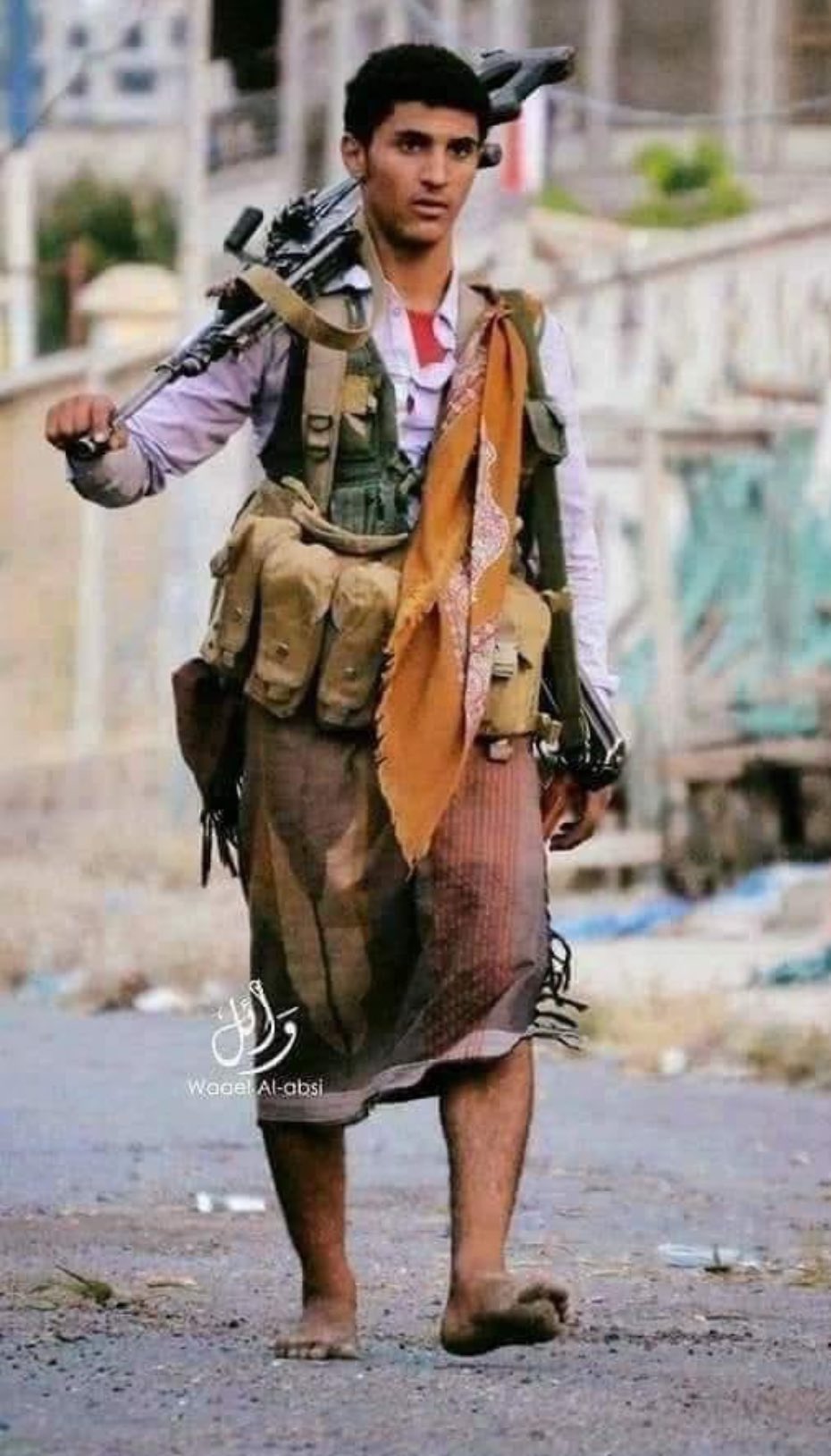
The results of these reviews reflected in the transition from a phase of patience and long-suffering to a phase of confrontation in its military and political aspects, and the strengthening of its allied military arms, starting with the striking Yemen whose arm there is waging heroic wars not only against aircraft carriers and American warships in the Red and Arabian Seas, but also by intensifying ballistic missiles and drone bombardment of the occupied Palestinian interior in Jaffa, Haifa, and Eilat, accelerating the recovery process for Hezbollah in Lebanon, and finding other ways to deliver military supplies to it.

After the historic Syrian corridor was closed with the fall of the Assad regime, America became a farce in the first months of Trump’s rule. It’s no surprise that Iran and its allied proxies are among the biggest beneficiaries and gloaters. He who laughs last laughs loudest… and the days will tell!

Continue reading
Trump, Iran And The ‘Nuclear Fight’

Experts say the Middle East region is poised on an impending war with the top protagonists being the USA, Israel and Iran.  They stand on a military pedestal of violent conflict where Armageddon has become the new catchphrase.

The man at the center of it all is US president Donald Trump who has been elected on a so-called global “peace” ticket but is fueling the worldwide escalation with his rhetoric.

He is telling Iran, nay warning it, to either hitch out and agree to a new accord on the country’s nuclear file or face the American wrath where its Persian cities and nuclear facilities would be wildly attacked in a first-time development that is turning international relations upside down.

And so a war of words began between Tehran and Washington since Trump sent a stern letter to Iran’s spiritual leader, Ayatollah Ali Hosseini Khamenei, telling him to submit to a new nuclear agreement to stall his country’s nuclear facilities or face extensive US bombing. 

This was a callous, stark warning. The international system has never, till now, faced such discursive diplomatic parlance, even at the height of the Cold War between the United States and the Soviet Union.

The Iranian leadership saw Trump’s verbiage as an outright threat and refused to submit, even telling US president that Iran will not be bullied and he can to “go to hell”, a comment made by Iranian president Massoud Pezeshkian. He was speaking for the Ayatollah and the top leadership in the country.

Since then however, and in spite of the occasional utterings, recently made by Iran’s Foreign Minister Abbas Iraghchi that Tehran would respond quickly and heavily to any outside attack, both sides have been involved in a “jostling affair” issuing different and irk statements short of the war-mongering tirade Trump started.

Military brink

Today, and on the face of it, both sides appear to want to pull back from the military brink. The Iranians are now saying they would be prepared to negotiate but only indirectly through Oman, the country that has traditionally served as a consummate link between Washington and Tehran.

Whilst the Trump administration may be contemplating such a fact, although it’s on record for stating it would prefer direct face-to-face negotiations involving fully-fledged American and Iranian expert teams in the field of nuclear weapons and proliferation, Washington has not closed the doors to such an offer from Tehran and it is still considering it which means it might be softening its position.

But there is another snag to this. Iranian officials have stated they want confidence-building measures from the Trump administration and don’t believe in negotiations under threat but this appears to be what is happening today.

As the diplomatic chit chat continues, Washington is sending military reinforcements with jet fighters, mass bombs and missiles to the Indian Ocean, Arabian Sea and the Red Sea as part of their stepped-up fight against the Houthis and potentially against Iran, both of whom are against the Israeli military onslaught on the Gaza Strip which is being financed by the USA.

Thus, what is happening now is that both sides are involved in sending out mixed signals despite the military escalation and war of words with Trump in what is becoming his customary U-turns. He is now saying that he doesn’t want a fight with Iran and is prepared for negotiations. 

But the ball is turning so to speak. For one thing Israel has long sought deadly strikes on Iranian cities and nuclear facilities and for it, today this is a “golden opportunity” being flanked and supported by US warships in the area.

Israel sees such a series of strikes as more urgent than before because after 2018 when Trump got the USA out of the nuclear deal, Iran started once again to boost its uranium enrichment program and many argue it’s very near to achieving a nuclear bomb and capability.

But that may be over-stating the fact, because Iran has always stated its nuclear program is for peaceful purposes and its officials have maintained an official dialogue with the countries it originally made a deal with in 2015 officially named as the Joint Comprehensive Plan of Action (JCPOA).

So the current escalation may be tinged with diplomatic talk for although Trump maybe rash in what he says, there is usually a back up plan up his sleeve of not reaching beyond the military brink with brinkmanship being played at the highest levels.

This comment is written by Dr Marwan Asmar, chief editor of the crossfirearabia.com website.

Continue reading
Houthi Missiles, Trump and The Israeli depth

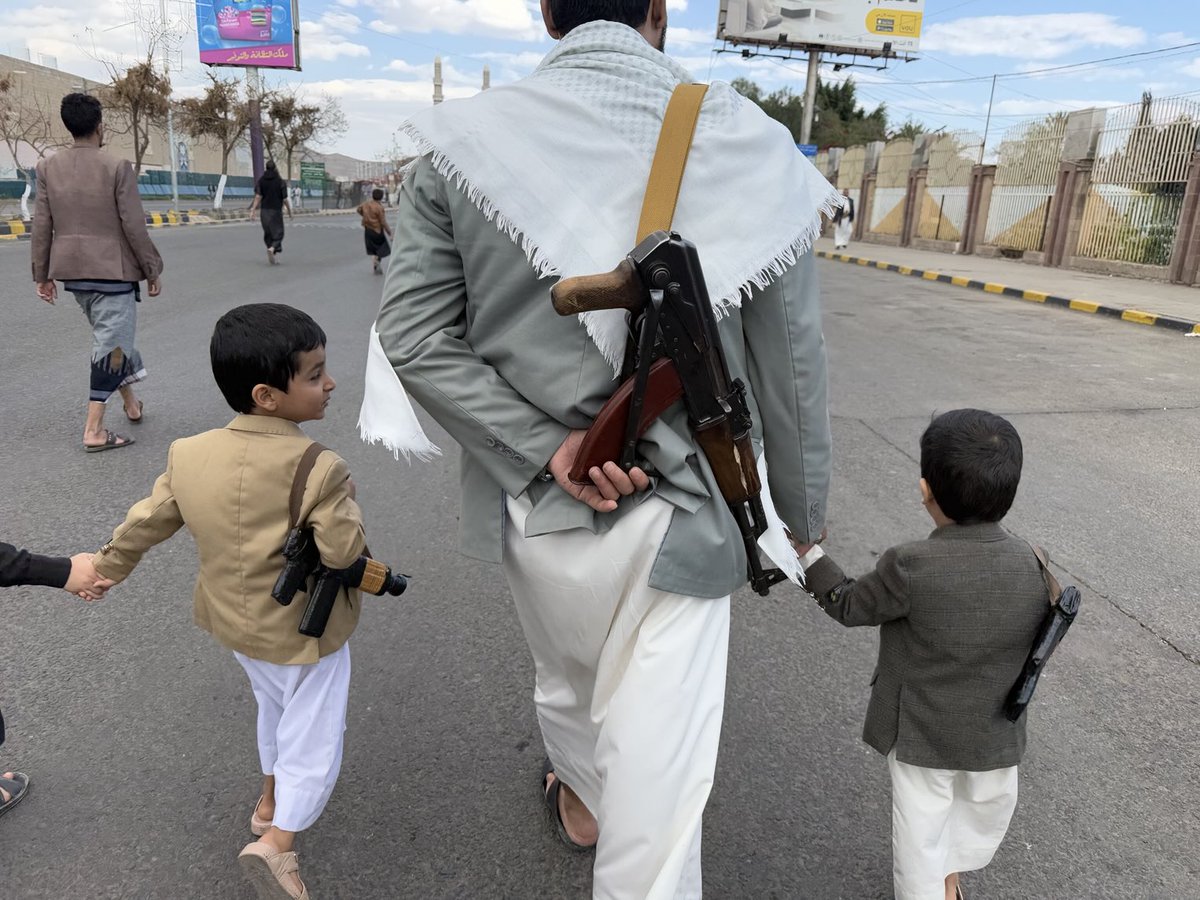
The Houthis are back firing at the heart of the Israeli depth. The military escalation is increasing despite US President Donald Trump’s warning that the Yemeni group, also called Ansar Allah, are set to be destroyed. But there is no proof of that as yet!

Ever since Israel restarted its military campaign on Gaza on 19 March, exactly two months after it ceased its military operations on the enclave, the Houthis reinitiated its trajectories, drones and hypersonic missiles on Israel. It adopted an eye-for-eye point of view — that is as long as Israel stops humanitarian aid to Gaza, Houthi missiles would continue on the Zionist state. 

The latest Houthi ballistic missiles were fired Wednesday during the day, a first-time shocker for these trajectories are delivered in the middle of the night. It was reported by the Hebrew media that millions hurried to underground shelters where sirens went off in 250 cities, towns, and settlements to the chagrin of many Israelis whose lives were turned upside down in the war on Gaza.

Wednesday will be remembered as a hard day for many as the ballistic missiles, which according to the Israeli army were intercepted and shot down from the air by counter trajectories. Such a series of Israeli military actions sent an intense amount of debris hurling down across a wide area of central and southern Israel including in Jewish settlements in the occupied West Bank.

Analysts are saying it’s back to the old days of attempting to readdress the strategic equilibrium of Houthis and Hezbollah missiles targeting the Israeli depth. While Hezbollah is on the border with Lebanon, the Houthi missiles, and their success in reaching their targets, were fired all the way from Yemen, 2000 kilometers away into Israel.

This time, and like before during the course of 2024 where hundreds of trajectories were fired on the Zionist entity, the hypersonic missile was meant for the Ben-Gurion Airport, a busy hub for international travelers. Because of the timing of the trajectories it was reported that a significant number of the incoming planes had to be diverted and re-routed to Larnaca in Cyprus as a stopover and wait for the calm to set in.

Again this is a first-time development because the disruption usually lasted for no more than 30 minutes whilst this time around it paralyzed the airport and its aviation systems and meant to send a Houthi signal to the Israelis and their American allies especially, that this would be the status quo from now on unless the onslaught on Gaza is stopped and humanitarian aid allowed in the enclave.

Today, the incoming missiles on the different parts of Israel have been almost daily, at least for the last one week. This is seen as a signal that a new and forceful strategic approach is being adopted by the Houthis who are daring the Americans despite their daily military strikes on Yemen that Israel would continue to be a legitimate target.

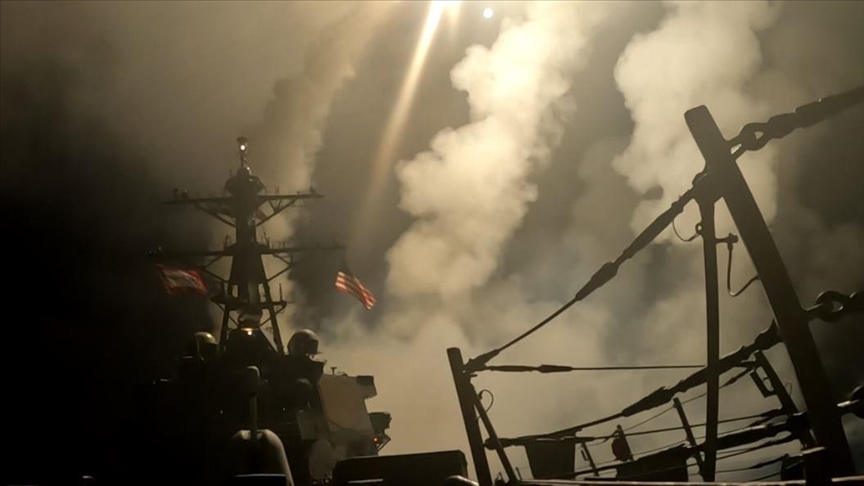
The American navy through its USS Harry Truman destroyer in the Red Sea is striking Yemen with such force and vehemence whilst assuring the Israelis that they will do the job and end the Houthi presence.

But this is not having the military effect the Americans would like it to have for Yemen is a big country with its harsh setting and difficult geographical terrain that makes such strikes seem like ‘bee stings” rather than painful blows. On Tuesday, the US struck different locations in Yemen 17 times and before that the strikes were carried out with the same level of intensity.

But the Houthis are not being brought to their knees, a proving fact that has cost the preceding Biden administration an estimated $2 billion to attempt to rein in the Houthis but with no apparent success despite the level of destruction inside the country for Yemenis, across-the-board, and not just the Houthis, have proven to be a formidable force over the years.

It’s still too early to see for how long Trump will follow in the footsteps made by former US president Joe Biden. This is bearing in mind that the new man in the White House doesn’t like to spend US money and therefore will likely lose steam as the days pass bye and especially because the Houthis started to target the US destroyer and any other ships going to Israel with the group determined to continue to upset the international trading system unless their is a reprieve on Gaza.

The above-analysis is written by Dr Marwan Asmar, chief editor of the crossfirearabia.com website.

Continue reading
War in The Red Sea Escalates

The Yemeni Armed Forces have announced a large-scale military operation against the US Navy in response to deadly American airstrikes on Yemen. The military confirmed that US forces launched 47 air raids targeting the capital, Sana’a, and seven other provinces.

In retaliation, Yemeni forces carried out a military operation against the USS Harry S. Truman and its warships in the northern Red Sea. According to the statement, the attack involved 18 ballistic and cruise missiles, along with drones.

The Yemeni Armed Forces declared that they will not hesitate to target all US warships in the Red Sea and the Arabian Sea. They emphasized that the American assault will only strengthen Yemen’s resistance according to the Quds News Network.

Additionally, the military reaffirmed its commitment to enforcing the naval blockade on Israeli-linked ships. They stated that the blockade will continue until humanitarian aid reaches Gaza.

The Yemeni Ministry of Health had confirmed that the death toll from US airstrikes on multiple provinces rose to 31, with 101 people injured. Most of the victims are women and children.

Explosions shook the capital, Sana’a, as missiles struck several locations on Saturday. Local sources reported that residential areas were among the targets. Thick smoke and debris covered parts of the city. Houthi-affiliated media described the damage as severe.

Ansar Allah’s political office condemned the attack, calling it a direct act of war. The group stated that the US is serving Israel’s interests and vowed retaliation. Houthi leaders stated that the strikes would not stop their military operations against Israeli ships.

US officials confirmed the assault and warned that strikes could continue for weeks.

Since November 2023, the Houthis have targeted Israeli-linked ships in response to Israel’s genocide in Gaza. The US and UK launched earlier airstrikes on Yemen in 2024, hitting mostly civilian areas. The Houthis retaliated by expanding their operations against American and British warships.

Continue reading
Cairo Plans to Rebuild Gaza Without Displacing Palestinians

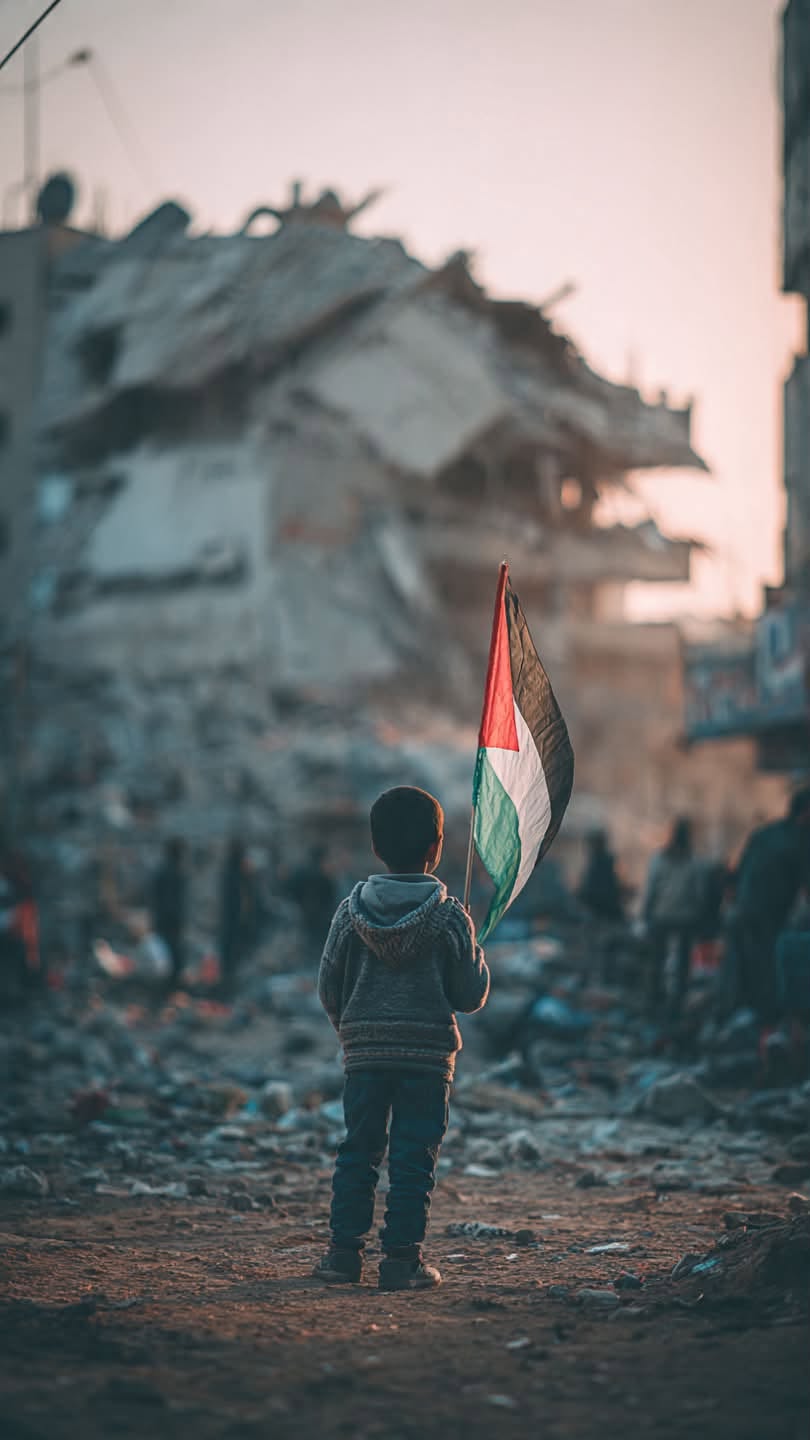
Egypt said Sunday that it has a “clear vision” regarding the reconstruction of the war-torn Gaza Strip without displacing Palestinians from the territory.

“The Egyptian efforts regarding Gaza are ongoing and will not stop with regard to implementing the specific requirements of the ceasefire agreement in its three stages,” Foreign Minister Badr Abdelatty told a news conference in Cairo with his Djiboutian counterpart Mahamoud Ali Youssouf.

“We have a clear vision for rebuilding the Gaza Strip without any citizen leaving his land,” he added.

Trump suggested last weekend that Palestinians in Gaza should be relocated to Egypt and Jordan, calling the enclave a “demolition site” after Israel’s war. His proposal, however, was vehemently rejected by Cairo and Amman.

A six-nation Arab ministerial meeting in Cairo on Saturday firmly rejected Palestinian displacement from Gaza and renewed calls for implementing a two-state solution to the Israeli-Palestinian conflict.

Trump’s proposal came after a ceasefire agreement took effect in Gaza on Jan. 19, suspending Israel’s genocidal war that has killed nearly 47,500 people, most of them women and children, and injured over 111,000 since Oct. 7, 2023.


Red Sea

The top Egyptian diplomat said there is no justification for military escalation in the Red Sea after the Gaza ceasefire.

“We stress the need to enhance the security of the Red Sea and freedom of maritime navigation, and we reject any military presence of any country that does not border the Red Sea,” he added.

Tension has begun to ease in the Red Sea after the Gaza ceasefire deal. During the Gaza war, Yemen’s Houthi group carried out drone and missile attacks on Israeli cargo ships or ones linked with Tel Aviv in the Red Sea in a show of support for the Palestinian enclave.

Egyptian President Abdel Fattah al-Sisi met early Sunday with the Djiboutian foreign minister to discuss bilateral cooperation and the latest developments in Somalia and the Red Sea region, the presidency said in a statement.

Tension escalated between Ethiopia and Somalia originated in January 2024, when Addis Ababa signed an agreement with Somalia’s breakaway region of Somaliland to use the Red Sea port of Berbera. Since then, Türkiye has actively mediated to ease tensions between the two nations.

Egypt and Ethiopia are already locked in a decade-long dispute over the construction of a dam project on the Nile River, which Cairo fears will drastically reduce its share from the Nile water. Ethiopia says that the dam is vital for its development process according to Anadolu.

Continue reading