Israel’s ‘New Battle’ With Hamas

CROSSFIREARABIA – Now the remains of Ran Gvili, the last Israeli hostage in Gaza recovered, many thought Israel would move to open the borders and quickly allow for the rebuilding of the enclave.

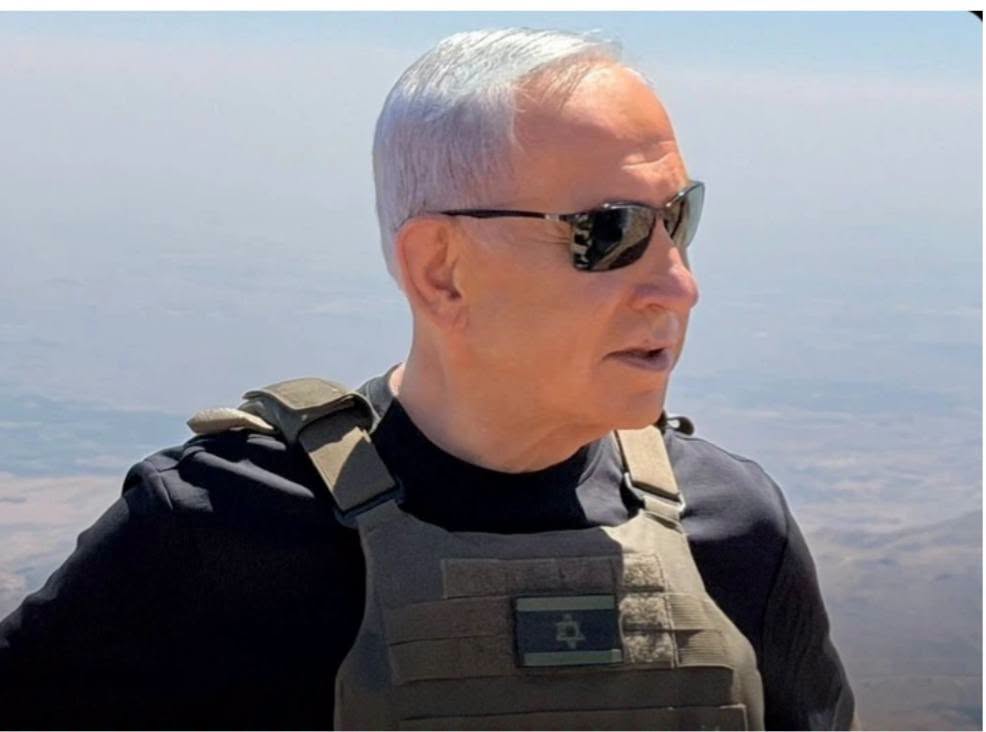
But not so. Israeli Prime Minister Benjamin Netanyahu now says before that can happen Hamas must disarm and dismantle itself. He says if the Islamic movement doesn’t give up its arms voluntarily it will be forced to, no less by Israel and its army. 

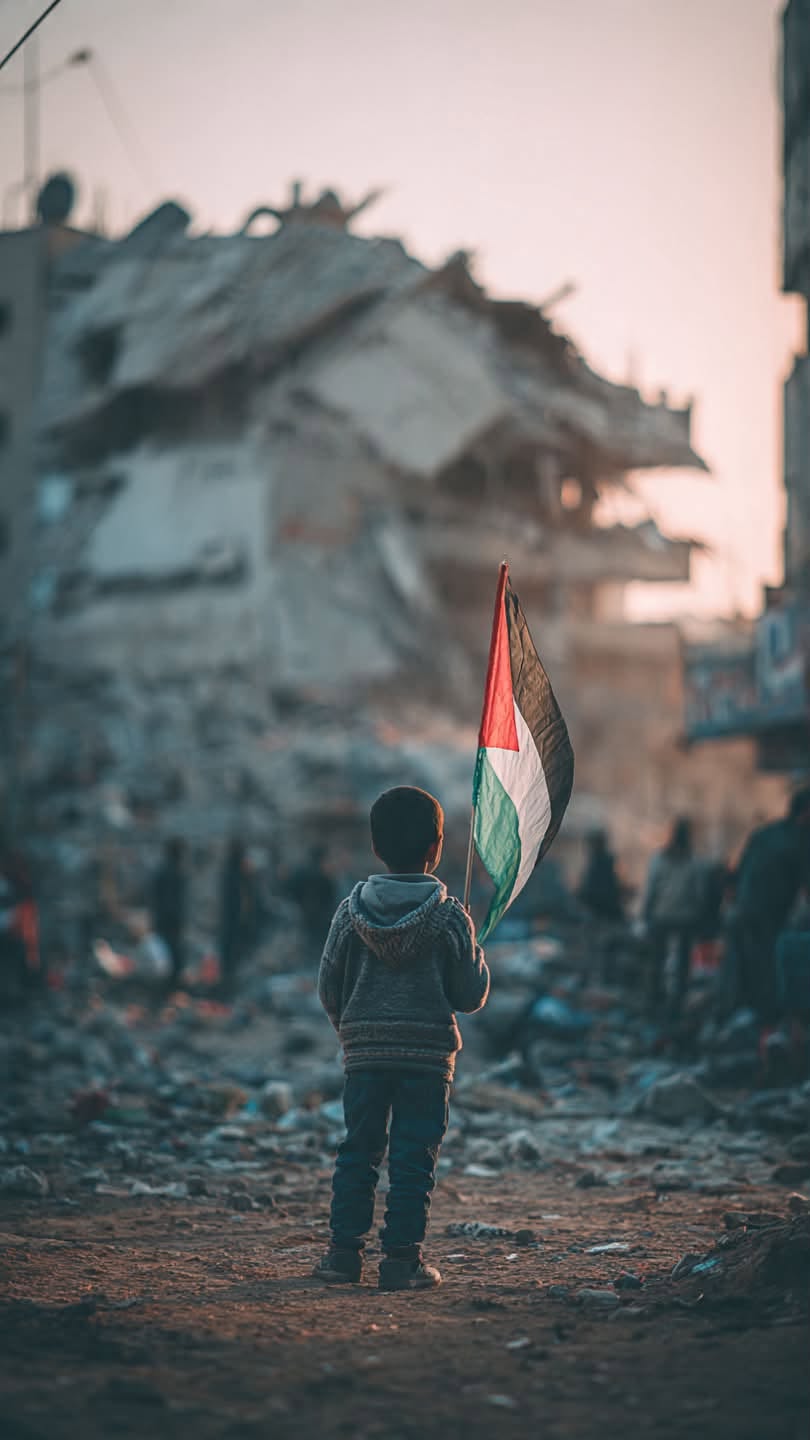
But this is laughable. Netanyahu has been consistently saying throughout this genocide that his army is moving towards destroying the movement and its army of fighters and operatives. Instead, Israel destroyed the whole of Gaza, turning the strip into a huge rubble and debris site.

The only thing that Israeli couldn’t do was to destroy the Palestinian resistance, Hamas and the other different factions. Hamas and its fighting forces is said to be alive and kicking according to different  estimates including the Americans but Israeli intelligence currently put the Hamas fighters at 20,000. 

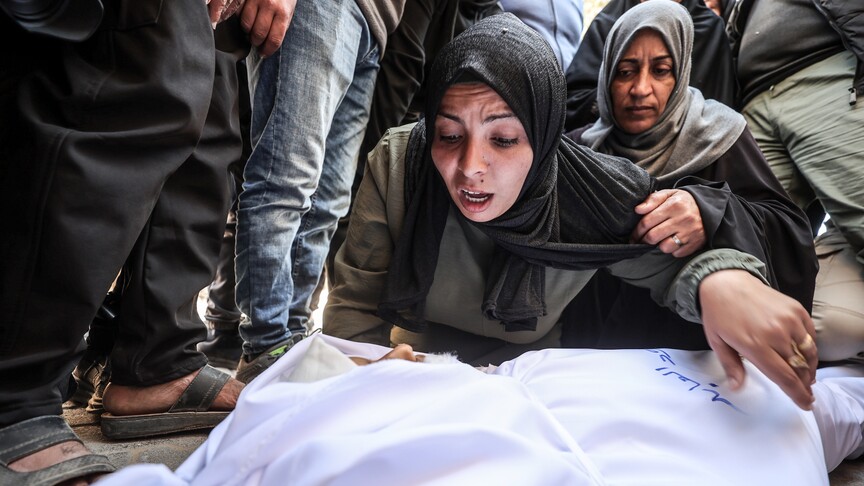
This must be depressing for Netanyahu who spent over $66 billion on trying to defeat Hamas. All he did however is massively destroy the enclave creating around 60 million tons of debris and wreckage according to UN estimates and killing 71,000 civilians while 10,000 remaining buried underground. 

For all his bombast about slowly destroying Hamas, Netanyahu did nothing of the sort. While he may have killed some of its top leaders like Ismael Haniyah and Yehiya Sinwar who died in direct battlefield combat and not in an underground bunker away from his men as the Israelis like to claim, fighters are being replenished from human mass in Gaza whose population is estimated at around 2 million people.

Based on commentary from Israel’s Channel 13 Netanyahu has provided  US President Donald Trump with Israeli military intelligence to say that Hamas still has 60,000 kalashnikovs inside the Gaza Strip. These are yet to be destroyed. 

While Netanyahu may have provided the figures for political reasons, it maybe travesty on his part because it shows that despite the mass Israeli massacres in two years of war against the Gaza Strip, Tel Aviv is not able to get rid of Hamas nor of the other Palestinian resistance groups.

Kalashnikovs are not the only weapons. While intelligence estimation suggests that long and short-missiles may have been heavily reduced, Hamas still has thousands of rockets in its stockpiles and is still an effective fighting force despite the fact that Israel, in its “yellow line” still controls more than 53 percent of the Gaza Strip.

Now under Stage II of Trump’s peace accord on Gaza, Hamas is supposed to give its weapons to the Palestinian Authority, but Israel is fearful this may not happen and are on military alert and are still trigger-happy having killed 490 people since the ceasefire was killed on 10 October, 2025.

But these weapons frequently fall into the hands of the resistance as it is estimated that 15 percent of the weapons, missiles, bombs and mortar fired onto the different parts of Gaza don’t go off. What tended to happen in the past two years is that these would fall into the hands of the Hamas fighters, “repackaged” and fired back at Israeli soldiers and cities. Some may off course stay in the Hamas stockpiles.

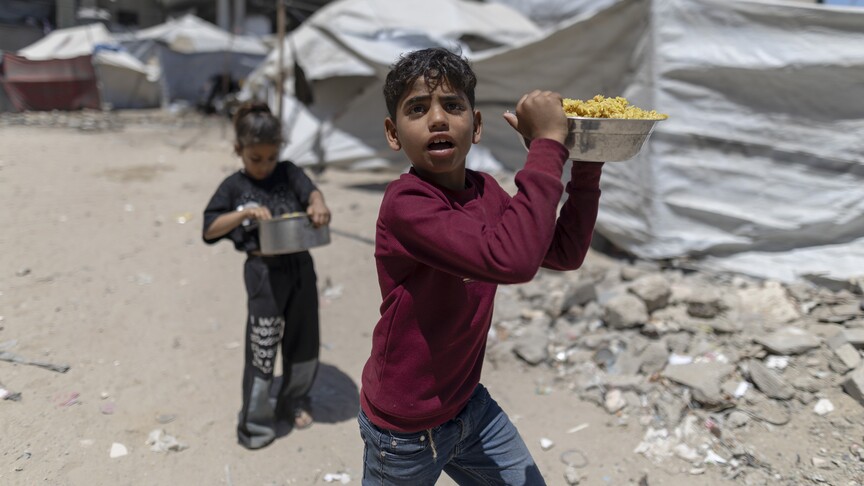
What this means is the fight between Israel and Hamas will continue despite the Trump peace machinations. A bit of good news maybe coming out of that as Israel, under pressure from the White House, has promised to open the crucial southern Rafah Crossing between Gaza and Eygpt. While Israel has been resisting this, it has finally agreed to open the border both ways so that people can go in and out of Gaza. The short-coming of that is that Israel is refusing to allow the entry of aid trucks for the starved enclave.

Continue reading
Yasser Abu Shabab: Israeli Collaborator Killed in Rafah

Yasser Abu Shabab, a militia leader who collaborated with Israeli occupation forces throughout the genocide, was killed on December 4 by unknown fighters in Gaza, according to Israeli media reports.

His death comes after months in which he became one of the most controversial figures of the genocide, operating openly under Israeli military protection and playing a central role in aid theft, extortion, intimidation, and killing of civilians in areas occupied by Israeli forces.

Abu Shabab, 32, was originally detained by Hamas authorities on drug trafficking charges and he escaped prison in the aftermath of October 7, 2023. 

By early 2024, he had aligned himself with Israeli occupation forces and assumed command of an armed group in eastern Rafah, later known as the “Popular Forces.” 

The Israeli-backed militia was responsible for overseeing territory on behalf of the occupying army.

Multiple humanitarian officials and journalists documented how the group operated near the Kerem Shalom and Rafah crossings, where it controlled the movement of aid convoys entering the Strip. 

Humanitarian workers accused the militia of seizing or diverting relief supplies, demanding payments from organizations, and contributing to the collapse of aid distribution at a time when famine conditions were intensifying. UN officials stated that criminal gangs, including Abu Shabab’s, had been able to operate “under the watch of Israeli forces.”

During the temporary ceasefire in January 2025, Israel deepened its support for Abu Shabab’s faction by providing uniforms, tactical gear, weapons, and vehicles. 

Israeli media later confirmed that members of these militias, including Abu Shabab’s, received direct orders from Israeli officers during operations targeting Hamas and other resistance factions. The Israeli government acknowledged the policy publicly after domestic criticism, framing it as an effort to reduce Israeli military casualties.

Western outlets subsequently began portraying Abu Shabab as the leader of a local anti-Hamas movement. One high-profile example was a July 2024 Wall Street Journal op-ed attributed to him, despite reports that he did not speak English and had limited literacy in Arabic. 

Videos verified by international media showed his men accompanying Israeli soldiers in areas that were militarily occupied by Israel.

Inside Gaza, resentment toward Abu Shabab was significant. Residents and clan representatives accused him of exploiting the humanitarian crisis, collaborating with an army responsible for mass civilian casualties, and strengthening Israel’s control over key areas in Rafah. His own family eventually issued a statement formally disowning him and condemning his collaboration with Israeli authorities.

Abu Shabab’s influence grew alongside Israel’s broader strategy of supporting local armed groups in Rafah, Khan Yunis, and northern Gaza during renewed operations in 2024 and 2025. 

These groups were tasked with conducting raids, gathering intelligence, and confronting Palestinian resistance fighters in territories Israel sought to secure. 

By late 2025, Abu Shabab had become a primary target for Palestinian resistance groups as well as a polarizing figure among civilians. Hamas declared that it would seek to kill him, and Israeli media reported several earlier attempts on his life. 

His killing on December 4 leaves open questions about the future of other Israeli-backed militias operating in Gaza and the extent to which those networks will persist without their most prominent commander.

Palestine Chronicle

Continue reading
Destroying The Ceasefire

Dr Marwan Asmar

Since the signing of the ceasefire on 10th October 2025 Israel killed at least 347 Palestinians in the Gaza Strip. 

Although the Donald Trump team officials in the White House keeps saying how they satisfied are about the maintenance of the Gaza ceasefire, the truce is in a precarious mode. Many expect the ceasefire to be broken any day because of the bloody Israeli military actions and fire on the whole of the Gaza Strip.

Since it took effect last October, Israel violated the truce over 500 times. Israel begun attacking the Gaza Strip at the end of the first week of the ceasefire, and continued thereafter with the average daily killed standing at seven at least.

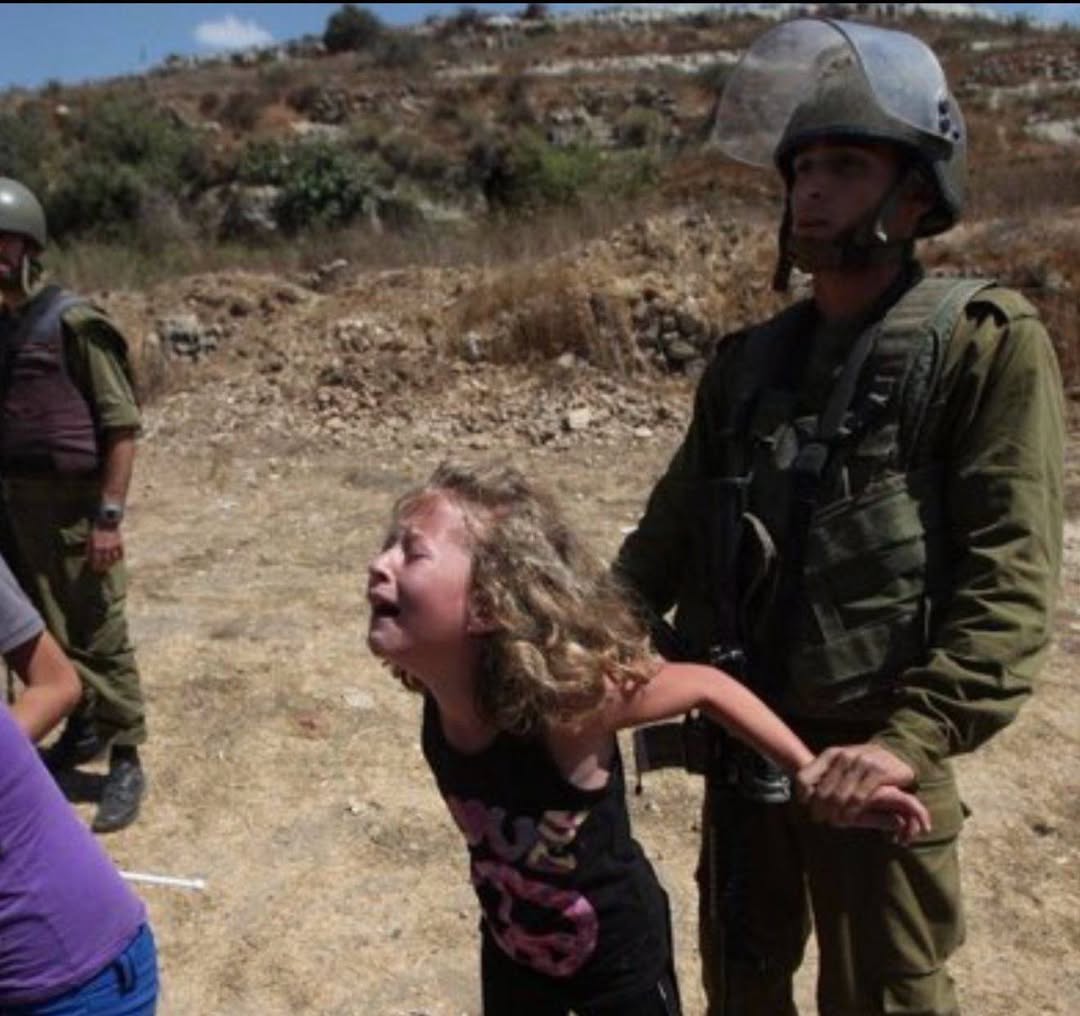
However, the highest number of those killed was on 29 October, 2025, when 109 people were slaughtered and a reminder of the carnage days of the war. But after that, the number went down significantly. On 19 October the number of those killed went down to 45, 33 on 19 November and at least 21 people on 23 November. Here as well, and although figures may vary, UN experts say at least 70 of those killed were children. Did they pose a threat to the mighty military machine?

This is not to say anything about the number of those injured, a figure conservatively put at 889 and likely to increase as the days go by especially since there is nobody to stop the Israelis.

While the number of those murdered may have gone down drastically, the Israeli war machine continues to bomb different areas of Gaza, from its north, center and south of the Strip, neighborhoods, communities, cities, towns and refugee camps that exist only in names but already lie in debris, heaps of rubbles and destruction.

Biet Hanoon, Jabalia, Biet Lahia, Gaza City, Al Maghazi, Khan Younis and Rafah and more, once thriving population centers have become mounts of rubble and wreckage unfit for human habitations, gorges stumped into the earth with nothing but skewed bricks and mortar.

The Israeli army, and through its air force, has continued to re-bomb schools, mosques, residential building and tattered infrastructures and/or what remained of them. Israeli pilots and/or quite often through drones, are flying over sorrow horizons of destroyed mounts and bombing what is left of a past society, all in search of illusive Palestinian groups they were unable to “flush out” in the last two years of their genocide of Gaza.

The genocide has created a sence of acceptable madness among the Israeli populace that “you bomb as much as you can” twice, thrice, four times and more so the vicious cycle of violence is indelibly printed on helpless civilians who nevertheless, refuse to be expunged.  

Today, Gaza is a horror story with its new cold, calculated and unforegiven Israeli masters refusing to accept their new stalemate. They continue to occupy 53 percent of the enclave with them unwilling to quench their thirst for blood but leap into the misery they have created. Just after 10 October, they have demolished 1500 buildings in the areas they control and this is just the beginning for Israel is planning for a long occupation despite the US plan outlined by president Donald Trump on 29 September to end the war on Gaza and start to redevelop the enclave. This is certainly a pipedream.

The killings continue as Israel pays lip service to a US plan outlined at the heart of which is dismantling Hamas and the rest of the Palestinian resistance groups. But the story as plotted by the new political masters of Trump et el., begins here. With the ending of Hamas, the redevelopment of Gaza is supposed to start.

However, everyone is still stuck at stage of one of the plan. Hamas has already set free the 20 remaining Israeli hostages and is yet to handover the final two of the 28 dead hostages it already delivered to the Israeli hostages. God only knows when they will be delivered.

The movement says it has been finding it extremely difficult to search for the remains of the hostages and finding the final two would be a grueling task because of the mass bombing of the enclave whose geography has been drastically altered with people no longer knowing where former places, houses and roads no longer are. They have become alien to a society they lived in all their lives.

Of course, this has become music to the ears of Israeli Prime Minister Benjamin Netanyahu and his extremist government who feel they can continue to bomb Gaza under the eyes of the Americans in a pretext that the final remains of the hostages are still to be delivered and that Israel continues to fight Hamas.

Within this context many observers are saying Israel wants to “lock” the Trump 30-point plan in phase I and doesn’t want to move to stage II because that would mean it’s war objectives was for nothing apart from destroying Gaza: No Palestinian transfer, No end to Hamas and the calls for a Palestinian state growing by the majority of countries of the world. 

Despite the close alliance between the United States and Israel, the ultimate aim of the Trump plan – being its end result – is the call for a Palestinian state. Netanyahu has long realized this and this is why he wants to lock Gaza into an initial ceasefire phase in which he will continue to call the violent shots on Gaza.

Continue reading
The Olive Tree Defies Israel

By Ali Osman Karaoglu  

A lesser-known dimension of Israel’s ongoing occupation of Palestine since 1967 is the systematic destruction of the Palestinian people’s economic resources and means of livelihood. One of the most important sources of income for Palestinians is olive cultivation – so much so that the olive tree is regarded as one of Palestine’s national symbols. Palestinian poet Mahmoud Darwish captured this symbolism in his famous words: “Here we remain, as long as thyme and olives remain.”

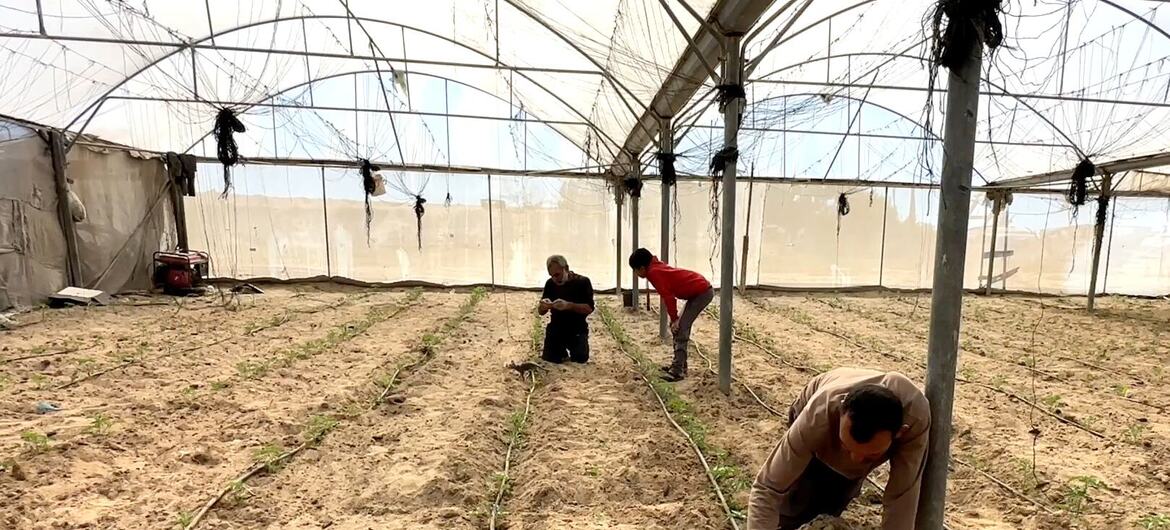
Beyond its symbolic value, the olive tree is the main source of income for nearly 80,000 Palestinian families. According to UN data, about 48% of the agricultural land in the West Bank and Gaza is covered with olive trees. Olive production contributes around 14% to the Palestinian economy. About 93% of harvested olives are used for olive oil production, while the remainder is used to make soap, table olives, and pickles.  

Usurpation of olive trees: Israel’s assault on nature and identity

Recently, Israeli settlers in the West Bank prevented Palestinians from harvesting olives, an essential source of livelihood, and destroyed 13,000 olive trees. Such actions, either directly committed or condoned by Israeli authorities, are known and documented as systematic practices.   

According to various international reports, Israel has destroyed around 800,000 olive trees over the past 20 years, and more than 2.5 million trees since 1967.

Palestinians face great difficulty in harvesting and protecting their olive trees. Since the Oslo Accords, Israel has exercised full control over 60% of the West Bank and requires Palestinians entering these areas to obtain a “permit issued by Israeli authorities.”

Farmers are therefore forced to secure permission to access their own land, but this permit system is largely arbitrary. There are no clear criteria specifying what conditions Palestinian applicants must meet to obtain a permit.

Even when they provide ownership documents and pass “security” checks, permits are often issued only to the person named on the deed, excluding other family members from entering the land. The permits are typically short-term, and each time they expire, farmers must reapply without any guarantee of renewal.

According to UN data, nearly half of permit applications are rejected on arbitrary grounds, turning the system into a policy of harassment and attrition. The same restrictive policy applies to bringing in agricultural necessities such as tractors, equipment, and fertilizers.

Over time, many Palestinians who once cultivated other crops have converted their land into olive groves, since olive trees can survive even without intensive care.  

How Israel’s seizure of olive trees violates international law

The destruction of olive trees in the occupied Palestinian territories occurs almost every year. Thousands of trees are destroyed annually during Israeli military operations or through attacks by settlers. Such incidents are rarely taken seriously or investigated by police or other public authorities.

Israeli soldiers frequently fail to protect Palestinians from settler attacks and, in many cases, act against the Palestinians themselves when they try to defend their land and trees.

In fact, the destruction of Palestinian farmlands and olive trees violates international law. Even Israel’s own Supreme Court has recognized the illegality of arbitrary practices in the “Morar v. IDF Commander” case.

In that case, Palestinian farmers appealed to the Israeli Supreme Court after a military commander denied them access to their farmland. The commander claimed the closure was intended to “protect Palestinian farmers from settler harassment.” The plaintiffs argued, however, that Israeli settlers systematically harass, assault, and damage the property of Palestinian villagers, while the Israeli army fails to intervene to stop this violence or take necessary measures to protect Palestinians and their agricultural products.

The court ruled that the army must take steps to prevent settler violence, stating that the proper way to protect Palestinian farmers from harassment is for Israeli military authorities to implement necessary security measures and impose restrictions on the settlers responsible for unlawful actions. Nevertheless, Israeli authorities continue to disregard their own court’s ruling and persist with arbitrary practices.

Under international humanitarian law, causing environmental damage as a military tactic is prohibited. The law stipulates that “care shall be taken to protect the natural environment against widespread, long-term, and severe damage during armed conflict.” This protection includes prohibiting methods or means of warfare that are intended – or expected – to cause such damage, as these may endanger the health or survival of the population.

Palestinian territories have been under Israeli occupation since 1967. This ongoing occupation constitutes a “continuing act of aggression,” and under the provisions of the 1949 Fourth Geneva Convention, imposes obligations on the occupying power.

The occupying power is responsible for ensuring a secure environment that allows the local population to meet its daily needs, and must protect civilians against looting and destruction of property.

Moreover, the damages caused by Israel – an apartheid regime – to the environment and to olive trees are considered war crimes under Article 8 of the Rome Statute.

UN Security Council resolutions also emphasize that Israel must refrain from harming the environment and is obligated to prevent settler provocations. Israel has repeatedly violated these obligations and continues to act in breach of international law.

It is known that Israel’s policy of destroying olive trees aims both to make its occupation permanent and to clear land for the establishment of future settlements. Therefore, Israel’s environmental crimes should be added to the cases currently being pursued against it at the International Court of Justice (ICJ) and the International Criminal Court (ICC).  

The author who contributed this piece to Anadolu, is a faculty member in the Department of International Law at Yalova University’s Faculty of Law. 

Continue reading
Post-War Gaza: ‘Let The Journalists in’

International media, fact-finding commissions, UN special rapporteurs, ICC investigators, and all expert technical teams must be granted unfettered access to Gaza to document the genocide committed by Israel and ensure accountability for those responsible, thereby promoting justice and redress for victims.

The success of the ceasefire between Israel and Palestinian factions, which entered into force at noon on 10 October 2025, depends on full respect for international law, cessation of genocide against Palestinians in Gaza, and concrete steps to address the root causes of their suffering. Foremost among these are ending Israel’s illegal occupation, fully lifting the blockade on Gaza, dismantling the system of segregation and apartheid imposed on Palestinians, and guaranteeing their right to self-determination.

There is an urgent need to open Gaza to international journalists and media teams for unrestricted field access to cover the humanitarian catastrophe left by this genocide. Israel has systematically sought to erase truth by targeting Palestinian press, killing at least 254 journalists, destroying most media institutions, and continuing to bar international journalists from entering the enclave.

Euro-Med Human Rights Monitor calls on International media outlets to immediately dispatch their teams to Gaza to document the scale of destruction, the extent of civilian suffering, and to monitor compliance with the ceasefire. Covering developments in Gaza is not merely a professional mission but a moral and humanitarian duty toward victims of one of the most brutal crimes of modern times.

Any restriction on press freedom or denial of entry to media and international investigation mechanisms perpetuates efforts to conceal facts and withhold evidence from the global public, obstructing independent documentation of genocide and widespread destruction inflicted upon civilians and infrastructure.

Immediate, unconditional access must also be granted to forensic and criminal investigation teams, with the necessary equipment, to assist in recovering victims’ bodies from beneath rubble and areas of Israeli military incursion, identifying their identities, and clarifying the fate of missing persons. Swift field access for experts is essential to preserving truth and ensuring justice for victims and their families.

Initial field visits following the ceasefire revealed large numbers of bodies of Palestinians killed by Israeli bombardment, many decomposed after being trapped for extended periods beneath rubble or within former combat zones. Volunteer rescue and civil defence teams retrieved 135 bodies, mostly from Gaza Governorate, while many others remain buried due to the vast destruction and lack of necessary equipment.

Investigators from independent UN inquiry committees, the ICC, UN special rapporteurs, and other international mechanisms must be allowed into Gaza to examine crimes, gather and preserve forensic evidence, and ensure accountability for serious violations, particularly genocide. Gaza’s population requires far more than a ceasefire; they demand a complete end to the genocide and destruction, and a radical remedy to the root causes through the full lifting of the siege, free movement and supply of aid, and reconstruction led by Palestinians, grounded in dignity and the right to life.

Any ceasefire or arrangement must uphold human rights standards and not condition humanitarian aid on political considerations. Such aid is a protected right under international humanitarian law, not subject to bargaining or restriction.

All agreements must guarantee the complete cessation of hostilities, the removal of all restrictions on the movement of food, medicine, fuel, and reconstruction materials, and the restoration of essential civilian services after years of systematic destruction. Central to this is ensuring the immediate and full withdrawal of Israeli occupation forces from Gaza and the rapid reconstruction of vital infrastructure, including health, education, and public services.

Israeli attempts to impose permanent “security zones” or buffer areas in Gaza must be firmly rejected, as these measures seek to demographically and geographically reconfigure the Strip, annex fertile land under false security pretexts, entrench segregation, and turn Gaza into isolated ghettos, threatening food security and Palestinians’ right to life.

Any political or security arrangements that impose external oversight or governance over Gaza undermine Palestinians’ right to self-rule and constitute extensions of Israeli domination. Such measures threaten Gaza’s unity, territorial integrity, and legal status.

Ignoring human rights or the ongoing occupation in any political initiative perpetuates impunity and enables Israel to repeatedly commit atrocities without accountability. Rigorous monitoring of Israeli practices in Gaza is vital to prevent the recurrence of genocide. Preventing genocide is not a political choice or negotiable matter but an absolute legal and moral duty requiring decisive international action.

Tolerating serious violations or settling for temporary or conditional promises effectively legitimises the re-creation of conditions that enabled genocide and prolonged civilian suffering. The international community must activate accountability mechanisms, punish perpetrators, ensure full reparations and redress, uphold victims’ dignity, and enforce the principle of no impunity.

The international community must act swiftly and decisively on its legal obligations: to end the root causes of Palestinian suffering and persecution over the past 77 years; to guarantee the inalienable rights of Palestinians to freedom, dignity, and self-determination under international law; to terminate Israel’s illegal occupation; dismantle settler colonial and apartheid structures; fully withdraw Israeli presence from the 1967 occupied territories; lift the unlawful blockade on Gaza; ensure full accountability for crimes committed; and secure fair, comprehensive compensation and justice for Palestinian victims.

Continue reading