US Soldier Commits Suicide After Serving in Gaza
  • HebaHeba
  • August 12, 2026

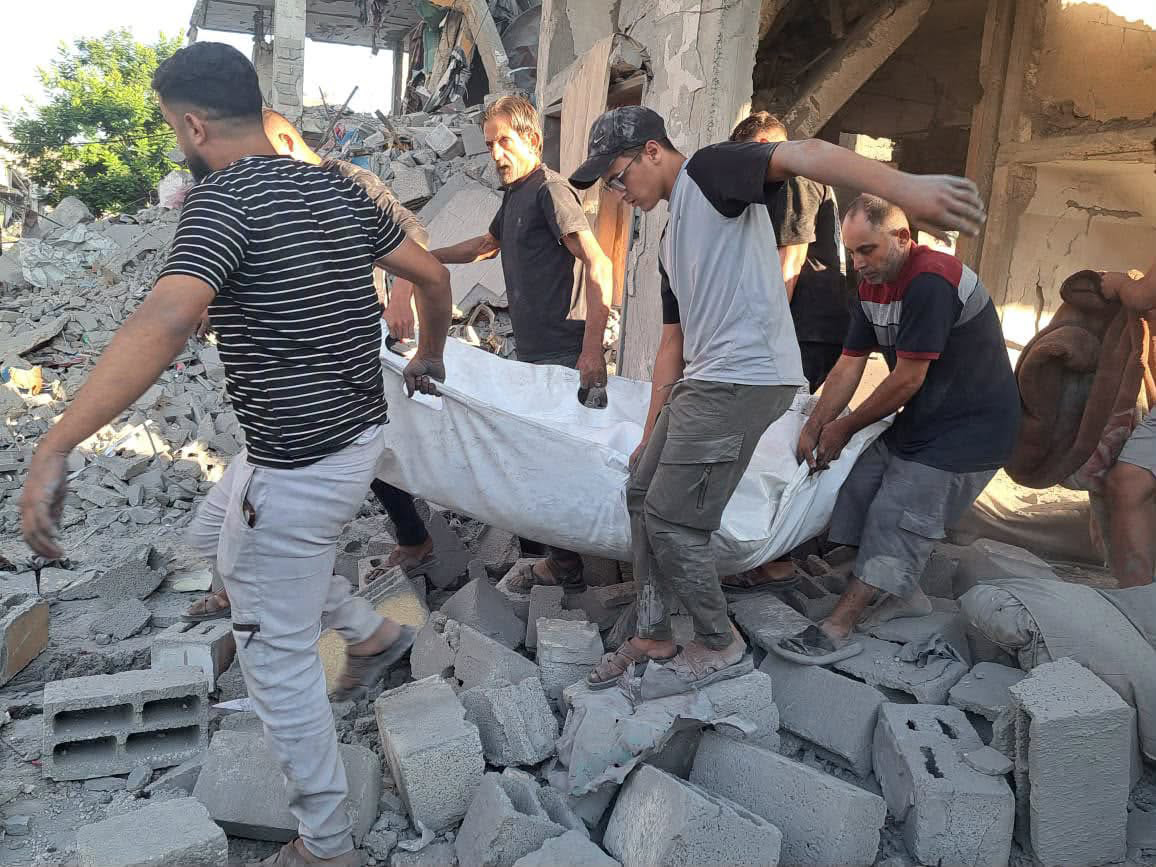
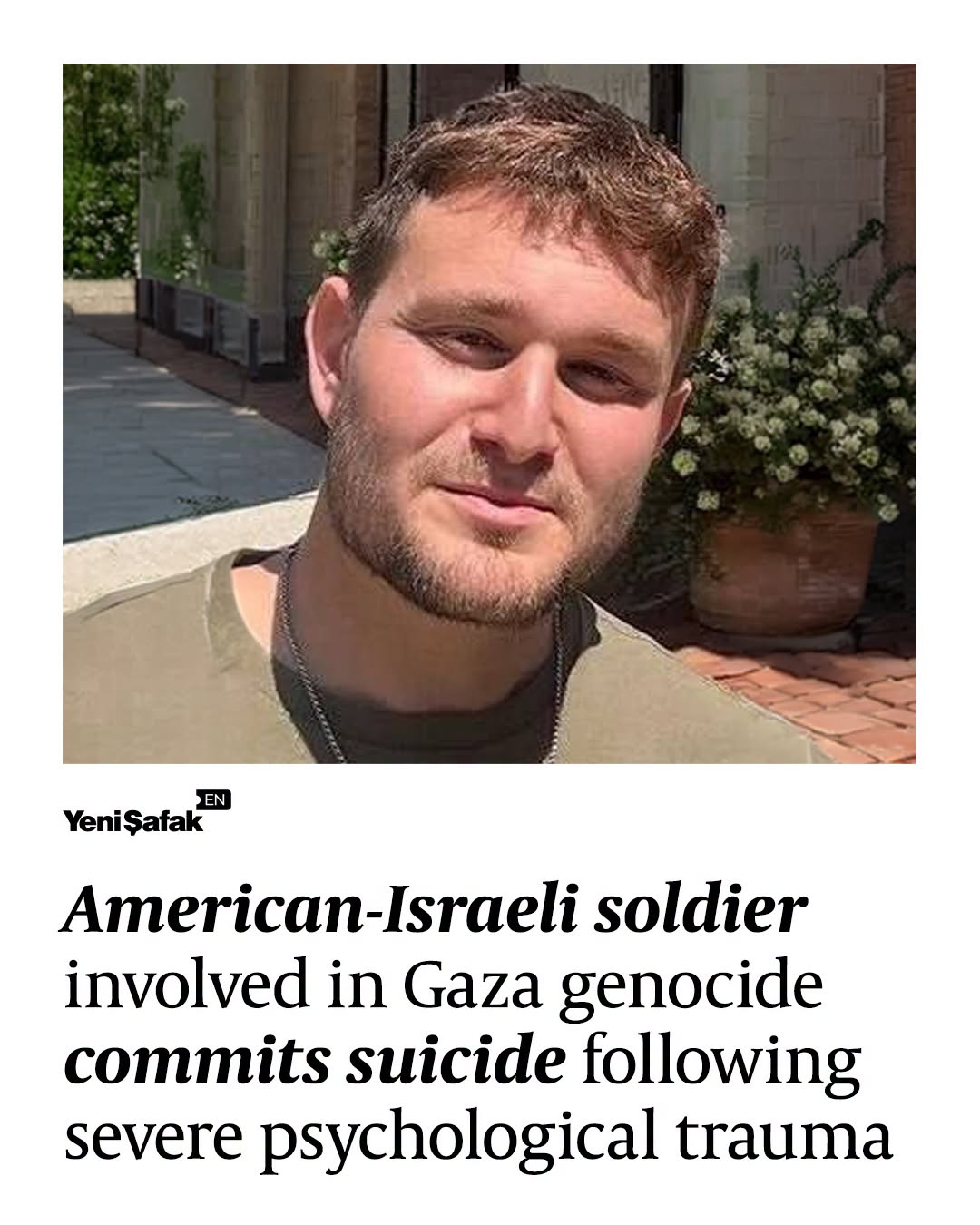
Hebrew sources reported, Tuesday soldier William (Will) Shakin, an American citizen who volunteered for the Israeli army and fought in the Gaza Strip, committed suicide, Monday. in New York City. Israel’s Channel 7 reported Shakin suffered from severe psychological distress following his military service. It noted he arrived in Israel after the events of 7 October, 2023 and joined the Israeli army through the “Mahal” program for foreign volunteers. Shakin was assigned to the 13th Battalion of the Golani Brigade, in the Gaza Strip. During the fighting, he lost several of his comrades before his mental health deteriorated. In a related incident, Israeli sources announced Monday an Israeli soldier committed suicide inside a military base in southern Israel (occupied Palestine) the previous night. Haaretz reported 18 suicides have been recorded in the Israeli army since the beginning of 2026. According to a previous report published by the newspaper, 22 Israeli soldiers committed suicide while on active duty in 2025, the highest rate recorded by the occupation army in 15 years. Israeli reports in recent months have indicated a link between the rise in suicides among soldiers and the psychological repercussions of the ongoing Israeli war of genocide in the Gaza Strip, which began on October 8, 2023 according to Quds Press.

Continue reading
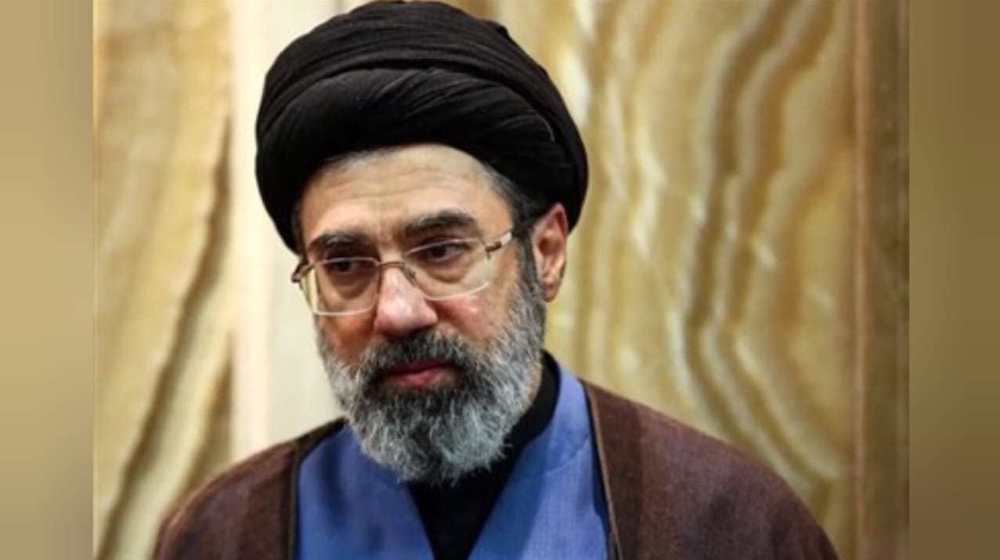
Mojtaba Khamenei in ‘Full Physical Health’

Iranian President Masoud Pezeshkian said Monday that Supreme Leader Mojtaba Khamenei is in “full physical health” following a seven-hour meeting.

“We met with the Leader of the Revolution and discussed all manner of issues. Physically, he was in full health,” Pezeshkian said during a meeting cited by the semi-official Tasnim news agency.

“He offered his guidance, and I raised the concerns and problems. He listened to what I had to say with ease,” he added.

The official IRNA news agency earlier reported that Khamenei and Pezeshkian held a seven-hour long meeting to discuss challenges facing the country.

“Maintaining unity and cohesion was the most important advice that the Supreme Leader of the Revolution emphasized,” Pezeshkian said.

He added that the meeting primarily focused on people’s livelihoods, employment and housing, as well as “the problems caused by sanctions.”

Iran is engaged in a military conflict with Washington since the US and Israel launched a joint offensive against Tehran in February, fueling regional tensions. Iran retaliated with attacks targeting regional countries hosting US military assets.

Iran and the US agreed to a ceasefire in April and subsequently signed a memorandum of understanding in June aimed at ending their military conflict and reaching a lasting peace agreement.

​​​​​​​The deal, however, collapsed last month with Tehran and Washington exchanging attacks for nearly two weeks before US President Donald Trump abruptly halted the bombardment amid reports of talks to resolve the conflict according to Anadolu.

Continue reading
Facing The Israeli Gun: 108 Cases Against Journalists in July

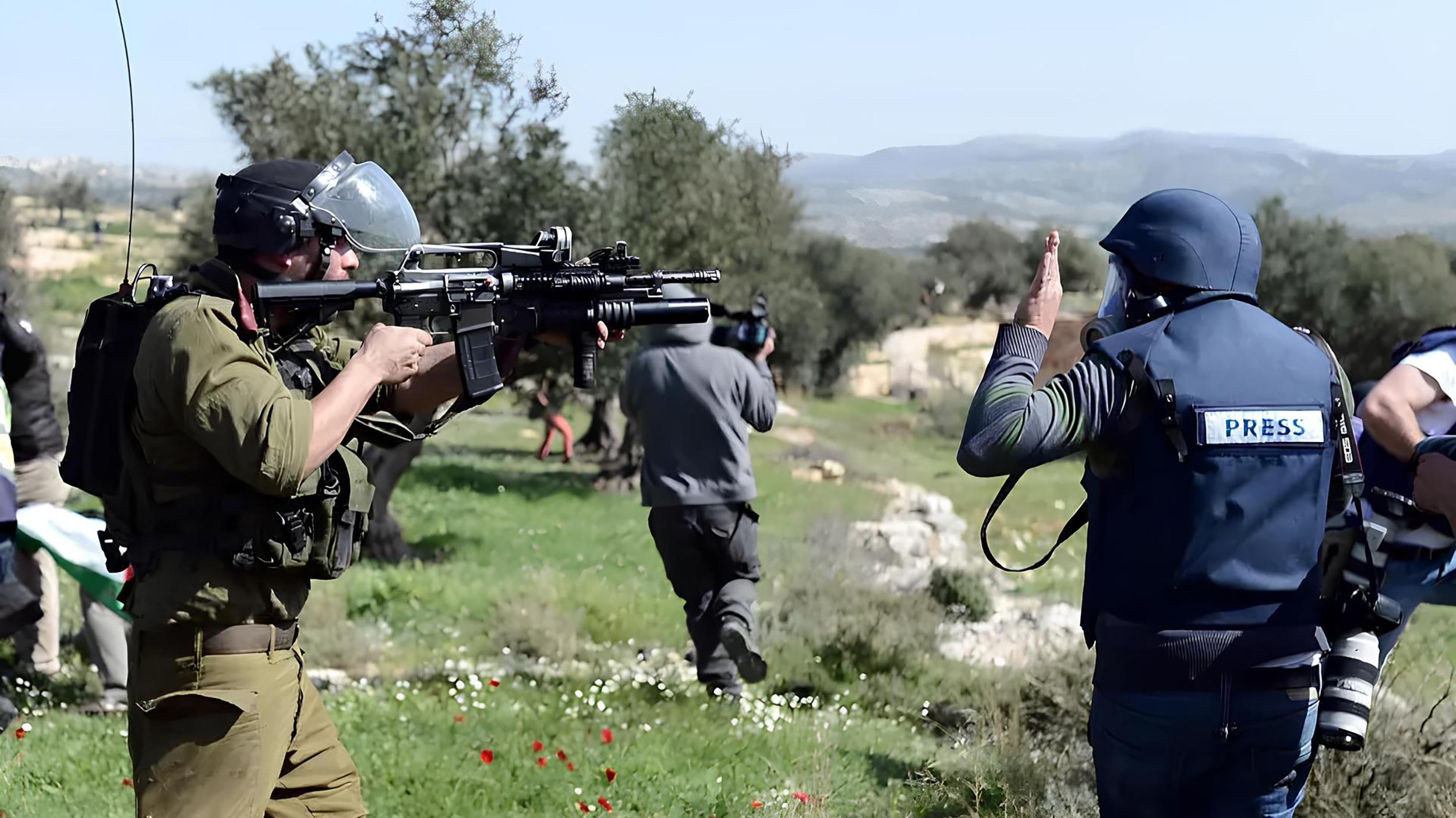
The Freedoms Committee of the Palestinian Journalists Association has documented 108 cases of crimes, attacks, and violations against journalists and media workers in last July 2026. These included arrests, beatings, interrogations, detentions, and prevention from covering events, as well as attacks with stun grenades and tear gas, settler assaults, raids on homes and media outlets, and the confiscation and destruction of equipment.

The Freedoms Committee confirmed that 58 cases of detention and prevention from covering events topped the list of documented violations in that month of July, while restrictions on journalists’ work continued as they covered events in the field.

The committee also recorded 11 attacks by settlers against journalists and media crews, including physical assault, pushing, threats, and preventing journalists from carrying out their work, particularly while covering events and attacks in various areas of the West Bank.

The committee also documented 12 cases of journalists being targeted with stun grenades and tear gas, which in several instances resulted in journalists suffering from suffocation while covering raids, attacks, and field events.

Regarding physical assaults, the Committee documented six cases of beatings, in addition to four cases of journalists sustaining serious injuries while performing their journalistic duties and covering events in the Gaza Strip. These injuries included those caused by shrapnel from rockets and shells.

Concerning arrests, the committee documented two cases of journalists being detained, while also recording four cases of interrogation, as part of measures targeting journalists while performing their work or due to their journalistic activities.

The committee also monitored four cases of raids on homes and media outlets, some of which involved searches, tampering with contents, and interrogations of journalists. Additionally, one media outlet was closed and its contents confiscated.

With regard to journalistic equipment, the committee recorded three cases of confiscation and destruction of equipment, along with two cases of deletion of video footage during the prevention of journalists from covering events or attacks against them while performing their duties.

The Committee for Freedoms also documented two cases of journalists being barred from Al-Aqsa Mosque, where decisions were issued preventing them from entering the mosque’s courtyards for specific periods.

The field reports documented by the Committee during the month show that the attacks were not limited to one type of violation, but extended from arrest, interrogation, and detention to physical assault, targeting with tear gas and stun grenades, as well as preventing coverage, confiscating equipment, and deleting footage.

These findings confirm the continued exposure of Palestinian journalists to multiple risks and restrictions while performing their professional duty of reporting and documenting events, amidst repeated instances of prevention, detention, and attacks on media crews in various locations.

The Palestinian Journalists Association demands guarantees for the protection of journalists and their ability to perform their work without threats, attacks, or harassment. It also calls for respect for press freedom and the public’s right to access information, and for holding accountable those responsible for attacks and violations against journalists and media crews. Quds Press

Continue reading
Gaza Sea: A Time Bomb in Waiting

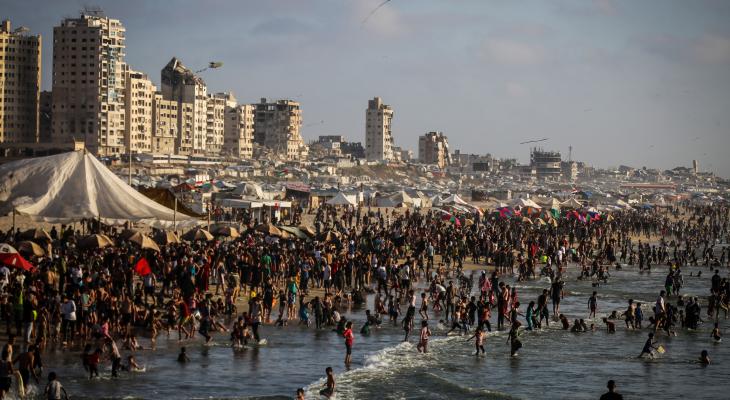
As the sweltering summer heat intensifies and living conditions shrink for residents of the Gaza Strip, the beach is no longer just a place for picnics, relaxation, or seasonal recreation for hundreds of thousands of families. Instead, it has become the last remaining geographical refuge from the scorching heat inside dilapidated tents and overcrowded makeshift settlements.

Along the Gaza City coastline, large numbers of people flock daily in search of fleeting moments of respite and a breath of fresh air.

Faced with an unprecedented and severe shortage of potable water, dozens of families living near the beach have become directly dependent on seawater for their daily needs, such as bathing children and washing clothes and belongings, despite being fully aware of the associated environmental and microbiological risks.

Read also: Between Pollution and the Lack of Rescue Equipment: A Deepening Disaster on Gaza’s Beaches

This crisis is taking on even more complex dimensions as nearly two million Palestinians remain crammed into a narrow coastal strip that comprises only 12% of the Gaza Strip’s total area, according to data from the Civil Defense Authority.

This forced overcrowding along the coastline has made daily, direct contact with the marine environment the only viable option for saving lives from the sweltering heat and harsh displacement conditions.

Before the war, the relevant environmental and health authorities in the Gaza Strip subjected the beach waters to regular monitoring and testing. Based on these tests, they distributed color-coded awareness maps indicating safe and prohibited swimming areas for the public, using precise scientific indicators.

In the last official assessment published before the war, specifically in July 2023, the Palestinian Water and Environmental Quality Authority announced that approximately 60% of the Gaza Strip’s total coastline was classified as a safe and healthy environment for recreational swimming, based on microbiological tests and field health inspections. Pollution was limited to 40% of the coastline near known discharge points.

However, these figures and calculations are now outdated and cannot be applied to the situation in 2026 as reported in the Sanad News Agency.

Continue reading