Gustavo Petro’s Trump Message

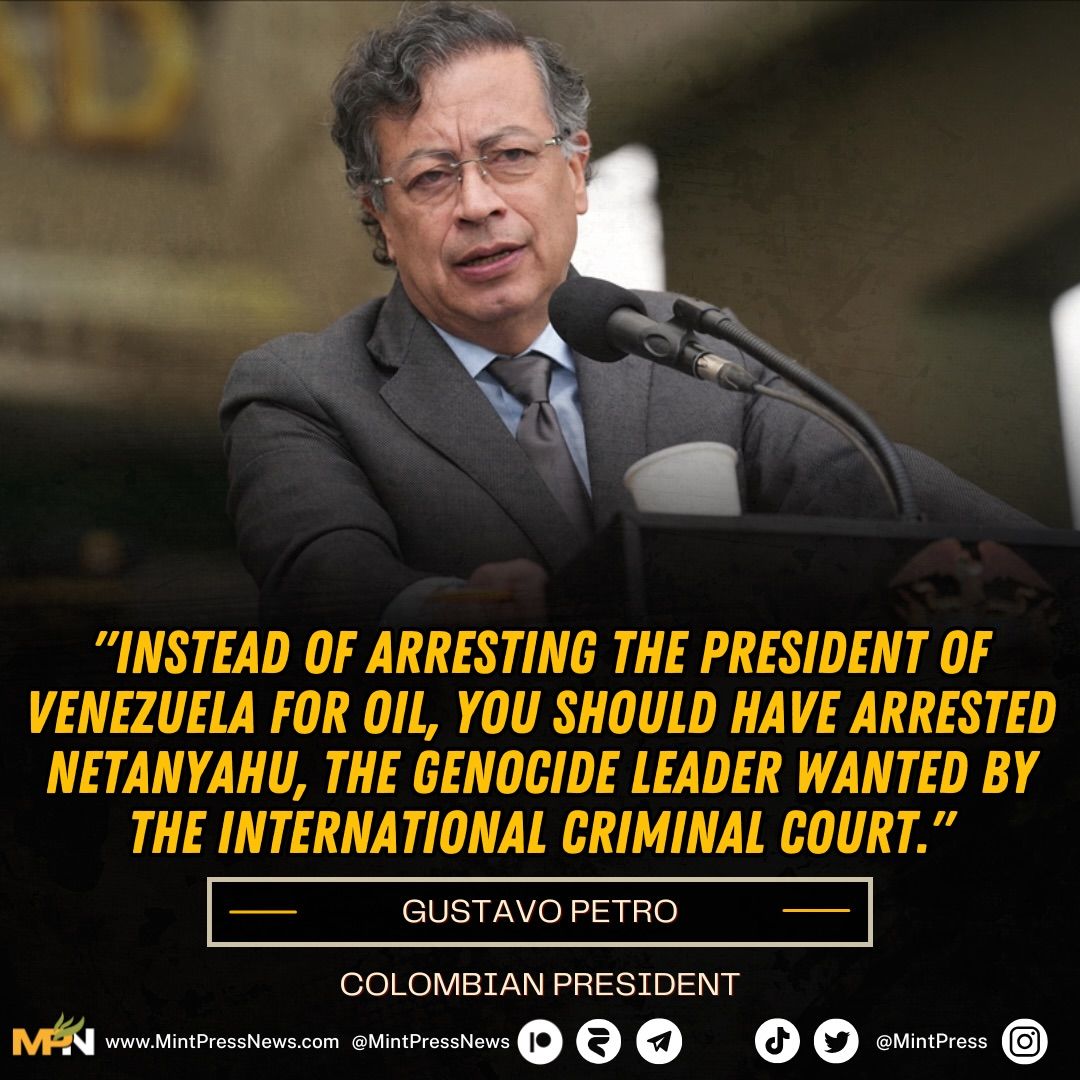
Colombia’s president, Gustavo Petro, sent a message to Donald Trump saying that rather than arresting Venezuela’s president over oil, he should have arrested Benjamin Netanyahu, whom he referred to as a “genocide leader” wanted by the International Criminal Court.

Continue reading
Netanyahu ‘Reassures’ Iran Via Putin

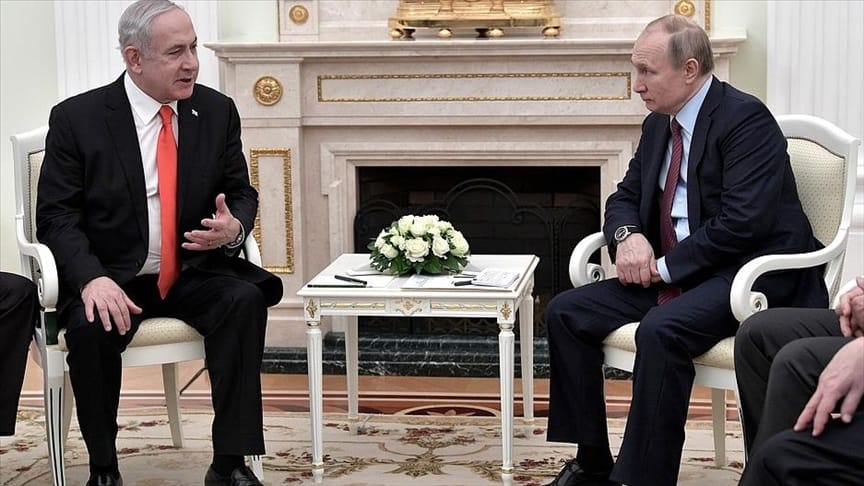
Israel’s Prime Minister Benjamin Netanyahu sought the help of Russian President Vladimir Putin to relay reassuring messages to Iran that Tel Aviv does not intend to attack it, amid fears of a preemptive strike by Tehran, Israeli media reported on Monday.

Public broadcaster KAN, citing unnamed diplomatic sources, said Netanyahu asked Putin to convey “reassurance” messages to Iran that Israel has no plans to launch an attack.

Accoring to the outlet, the messages were recently delivered to Iran, including through phone calls between Netanyahu and Putin, amid concerns that Tehran might move to strike Israel preemptively to avert a possible Israeli attack.

KAN reported that the Russian president said last October that he had been asked to pass along a message to Iran stating that Israel was “not interested in escalation.”

Netanyahu, however, told the Knesset on Monday that Israel sent a message to Iran that if Israel is attacked, it would face “very severe consequences.”

KAN said that there was concern within Israel that a miscalculation by Iran could lead to an attack driven by fears of an imminent Israeli strike.

In recent weeks, Israeli political and security leaders have held discussions on various security issues, including the Iranian file.

Speculation has recently increased in Israeli media about a potential Israeli strike on Iran, against the backdrop of what has been described as Tehran’s “rebuilding of its ballistic missile program.”

Israel launched a 12-day war against Iran in June, with Tehran retaliating with drone and missile attacks. The US military bombed three major Iranian nuclear facilities — Fordo, Natanz, and Isfahan — using bunker-buster bombs during the assault, before Washington managed to strike a ceasefire deal between the two arch-foes according to Anadolu.

Continue reading
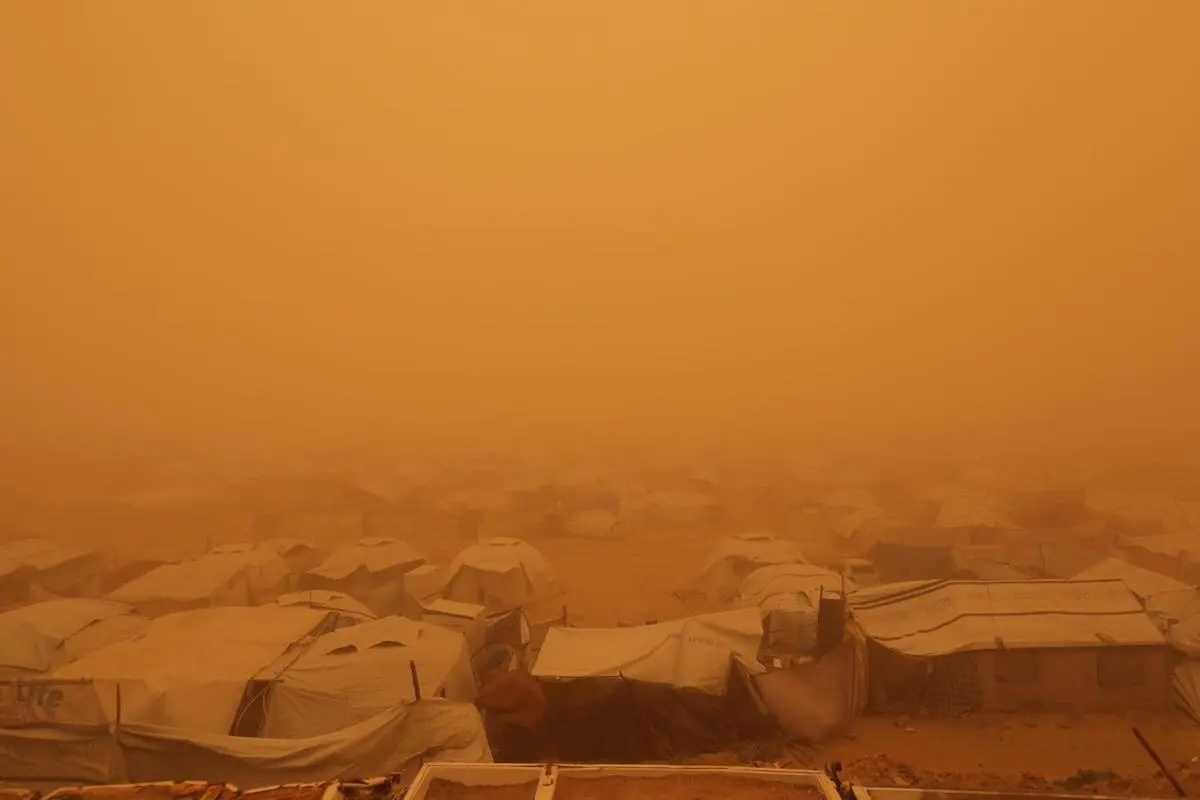
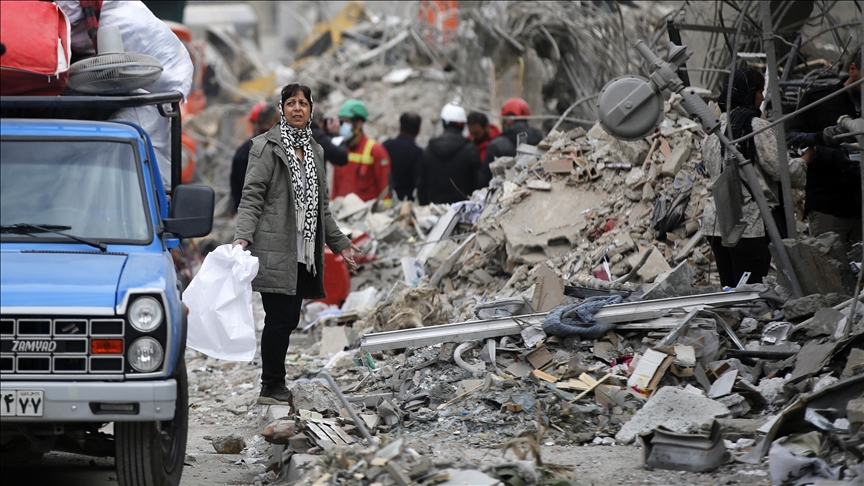
Battling The Rains in Gaza

Severe weather conditions have led to further casualties and heightened health risks in Gaza over the past 24 hours, the UN aid coordination office (OCHA) reported on Monday.

Heavy seasonal downpours are compounding an already dire humanitarian situation, as rainstorms cause war-damaged buildings to collapse, flood tents and soak people’s belongings, OCHA said.

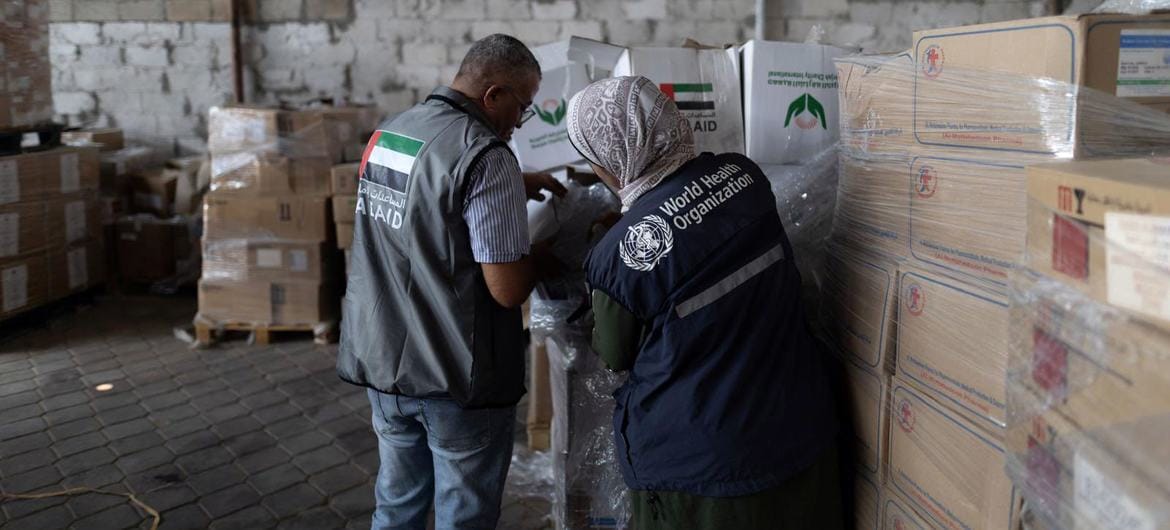
To respond swiftly to flood alerts, a coordinated system bringing together UN agencies and non-governmental organizations is distributing tents, tarpaulins, warm clothes, blankets and dignity kits across Gaza.

The UN and its partners are also mobilising heavy equipment to pump overflowing sewage – which poses serious health risks – away from residential areas. OCHA warned that the conditions have increased the risk of hypothermia, particularly among babies, as well as illnesses linked to sewage flooding.

Separately, humanitarian teams are assisting hundreds of people newly displaced from the At Tufah neighbourhood in Gaza City, where ongoing military operations have forced many residents to flee.

People who remain in, or have returned to, the As Sanafour area of At Tufah – often due to a lack of space elsewhere – report significant challenges in accessing water, food and basic services.

Relief operations continue

Other relief operations under the UN-coordinated humanitarian plan for the ceasefire are continuing.

Between 23 and 26 December, partners working on water, sanitation and hygiene dispatched tens of thousands of dignity kits, hygiene kits and bottles of shampoo across Gaza, reaching some 150,000 people in need, according to OCHA.

As of Sunday, partners addressing food insecurity had reached more than one million people – about half of Gaza’s population — through 60 distribution points with December’s monthly general food assistance.

In parallel, humanitarian partners distributed veterinary kits and animal feed to more than 2,000 families with livestock between 9 and 26 December, helping support local production and reduce aid dependency according to UN News.

Continue reading