Israel’s Bloody Day Revisited

The occupation state witnessed a deadly wave of operations on Monday. Armed Palestinians, resistance fighters in Gaza, and drones from Yemen all struck Israel within hours. By the end of the day, at least 10 Israelis were killed, dozens were wounded, and the occupation state was left shaken.

Jerusalem Shooting

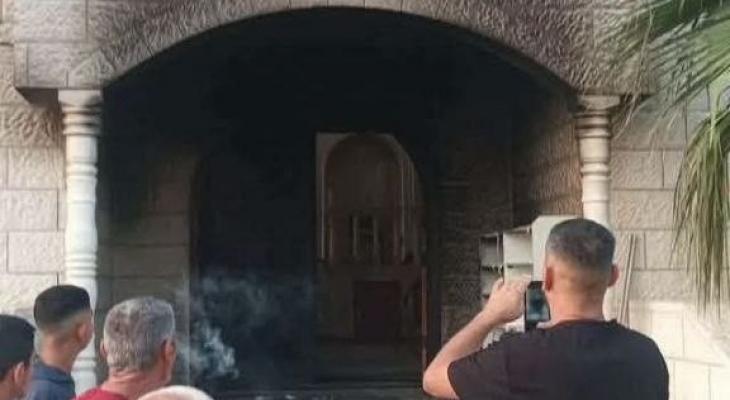
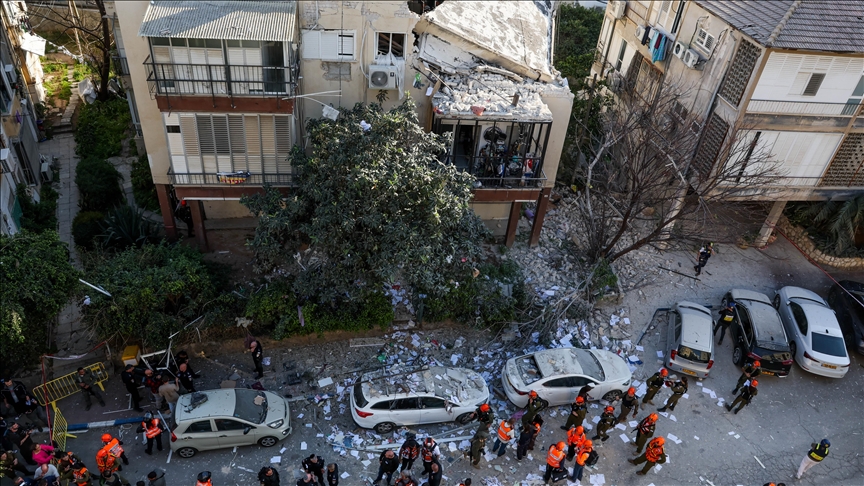
The bloodiest scene unfolded at a central bus station in an Israeli colonial settlement in occupied Jerusalem. Two Palestinians opened fire inside a crowded bus near Ramot settlement and in the area surrounding it.

Israeli police confirmed that six Israelis were killed and 15 others were wounded. Six remain in critical condition. Witnesses said panic spread among settlers as gunfire echoed.

Israeli Channel 12 reported that the two young men came from a village near Ramallah in the occupied West Bank.

The police said an Israeli soldier and a settler shot and killed the two young men. Still, their operation had already left deep marks inside one of the most fortified areas of the city.

Prime Minister Benjamin Netanyahu, wanted by the International Criminal Court for war crimes in Gaza, skipped his corruption trial in Tel Aviv because of the operation. He arrived at the scene later, joined by National Security Minister Itamar Ben Gvir.

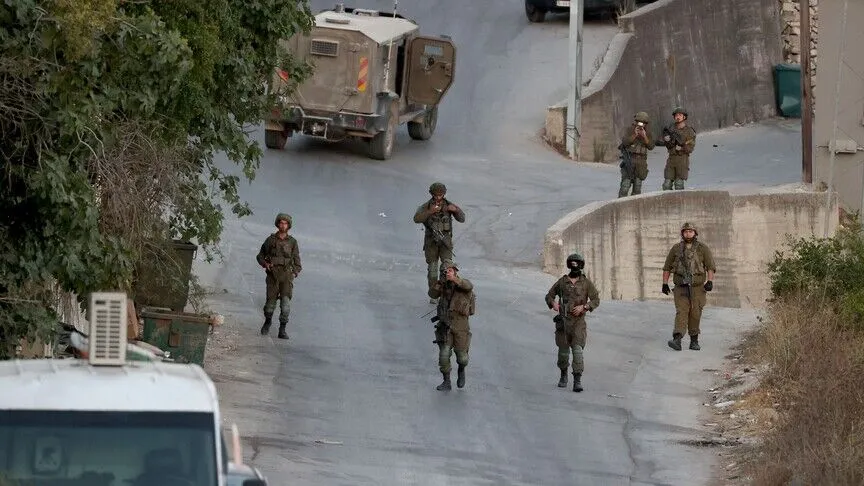
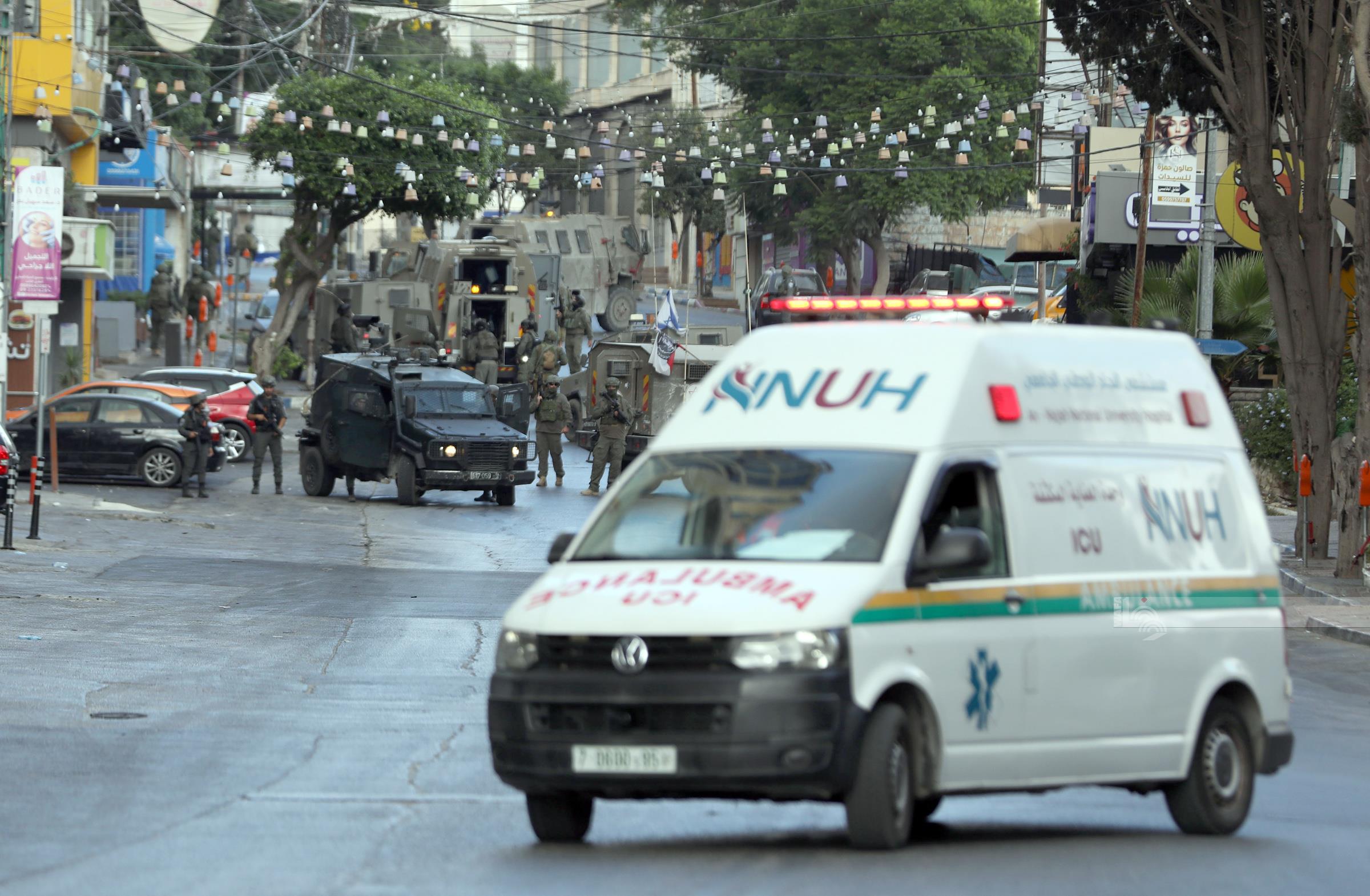
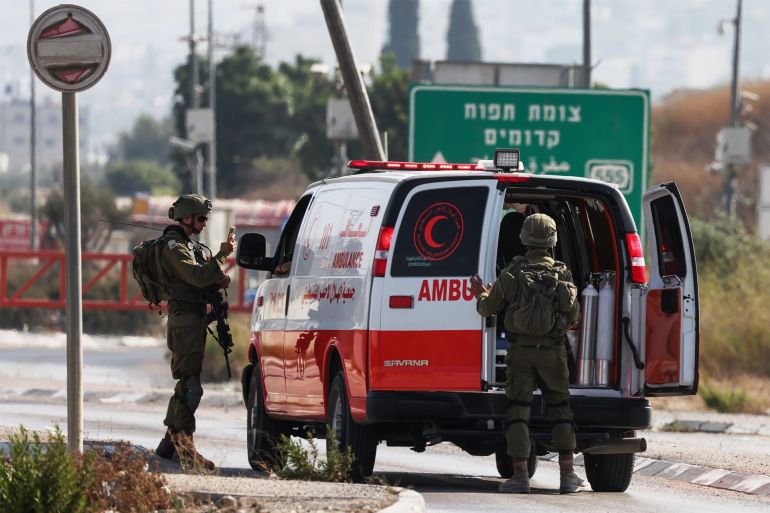
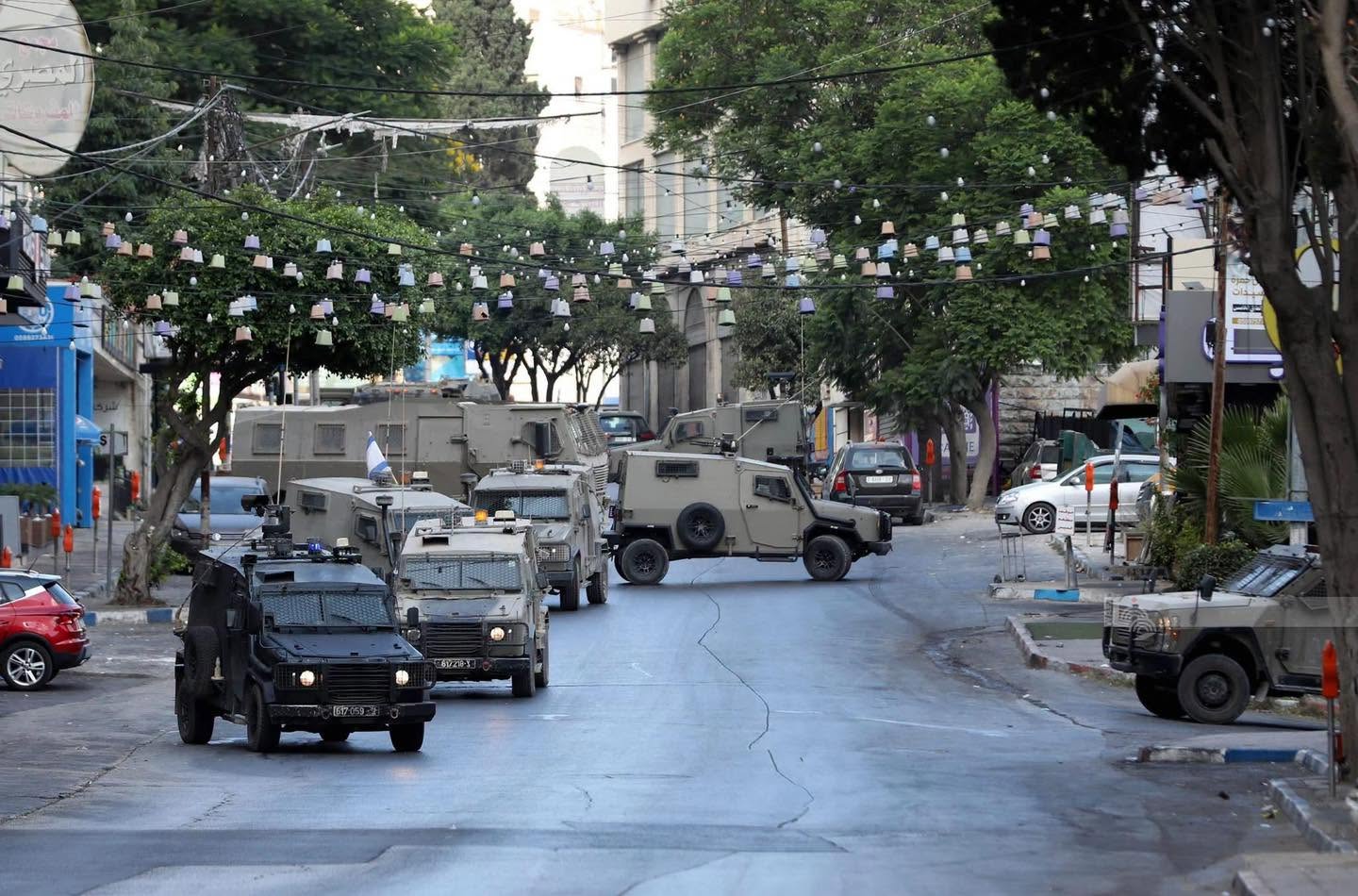
The occupation forces immediately closed all entrances and exits of the occupied Palestinian capital city. A heavy security cordon surrounded Jerusalem. The police also searched for explosives after finding a suspicious object near the site of the operation.

Hours later, Israeli forces raided the homes of the executors. They kidnapped the father and brother of one of them. The Shin Bet intelligence agency also detained a young man from Jerusalem, accusing him of helping the gunmen reach the city.

Israeli ministers competed to call for harsh retaliation. Energy Minister Eli Cohen demanded the expulsion of families of Palestinians who carry out resistance operations. Defense Minister Yisrael Katz vowed to crush resistance in West Bank refugee camps just as the army has done in Jenin.

Israeli media reported that among the dead was a rabbi from the illegal settlement of Ramot.

The operation near Ramot settlement carries symbolic weight. Ramot is one of the largest settlements in occupied Jerusalem. Built after the 1967 war, it sits on confiscated lands belonging to Palestinian villages including Beit Iksa, Beit Hanina, and Nabi Samwil.

Over 50,000 settlers live there today. It forms part of the northern settlement belt that cuts Palestinian towns off from Jerusalem. The international community views it as illegal under international law. Yet Israel keeps expanding it, ignoring repeated condemnations.

Gaza Front: A Tank Destroyed in Jabalia

While Jerusalem reeled, resistance in Gaza dealt another blow. In the early hours of Monday, Palestinian fighters ambushed an Israeli tank in Jabalia, north of Gaza City.

According to Israeli military radio, four soldiers were killed. Local sources said fighters detonated an explosive device under the tank, then opened fire on its crew. Flames engulfed the vehicle, leaving no survivors.

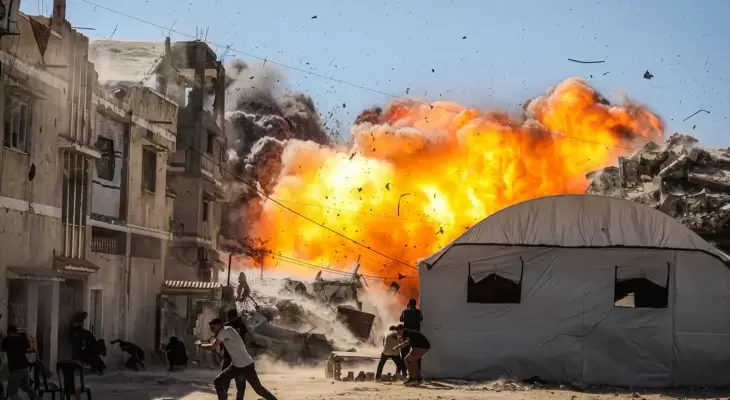
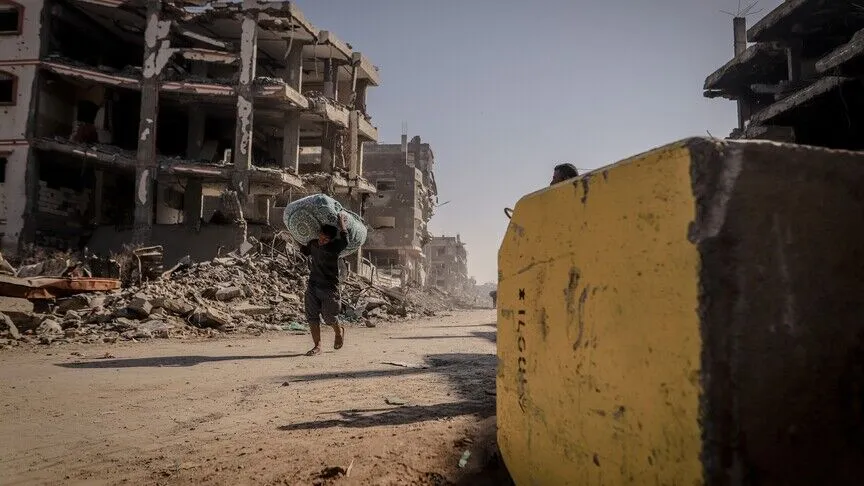
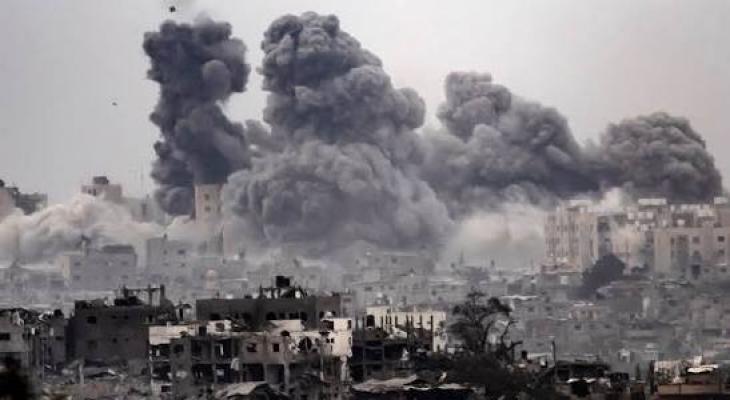
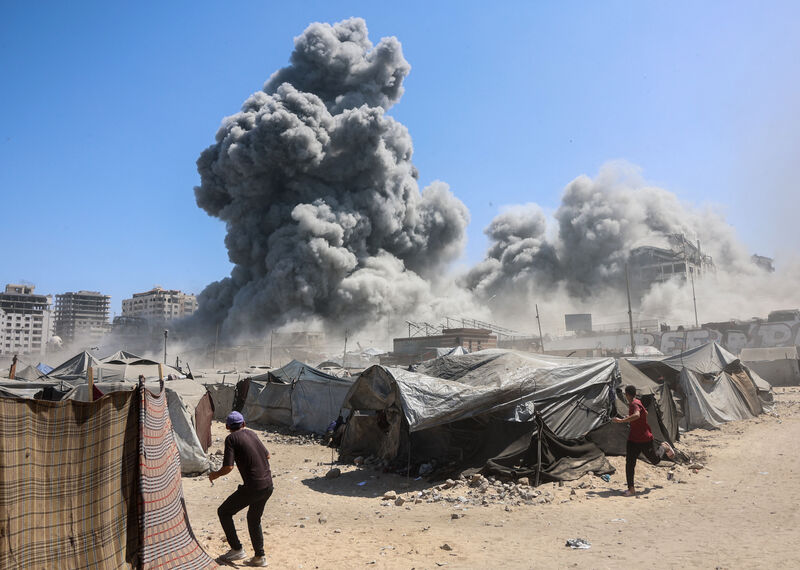
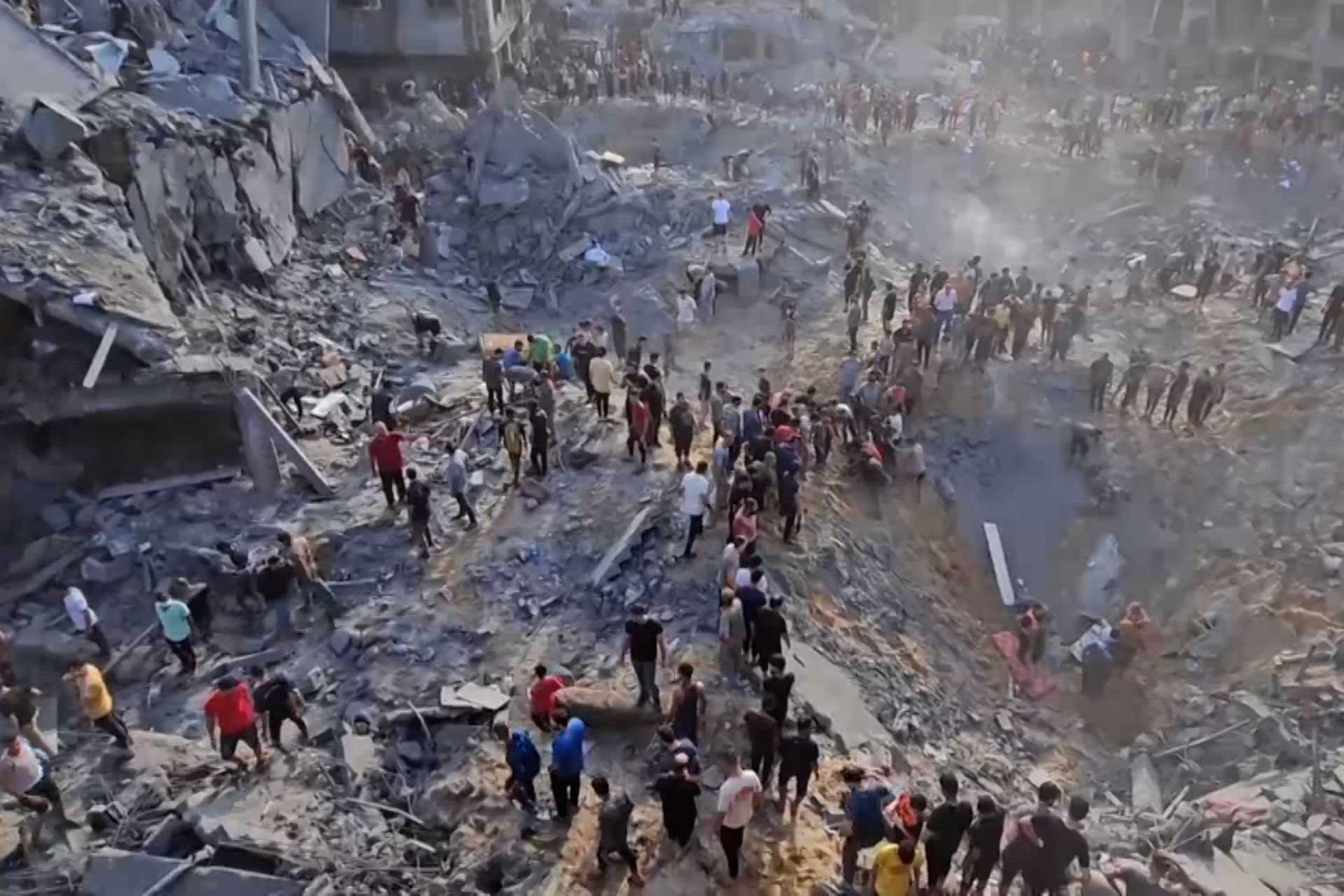
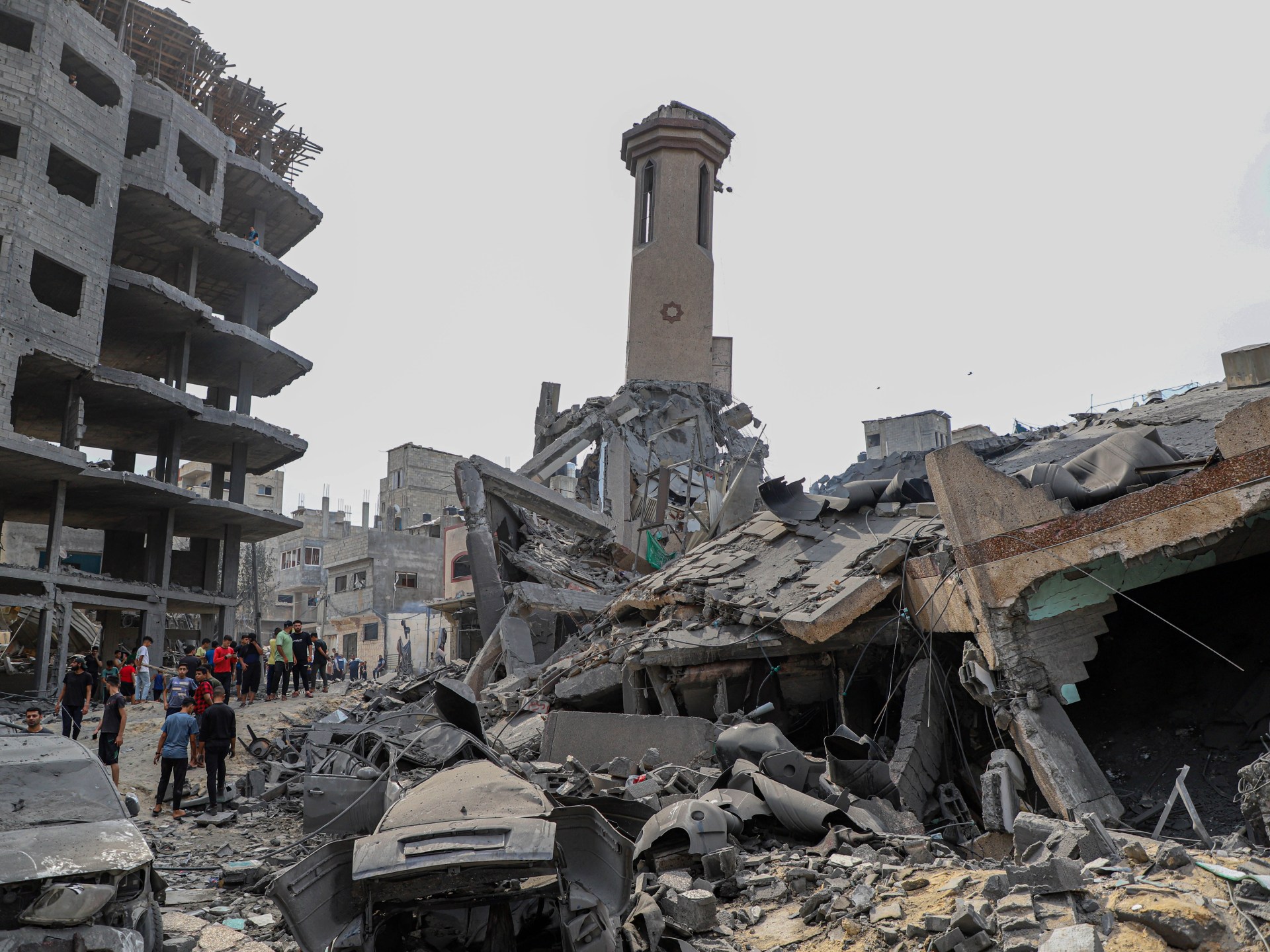
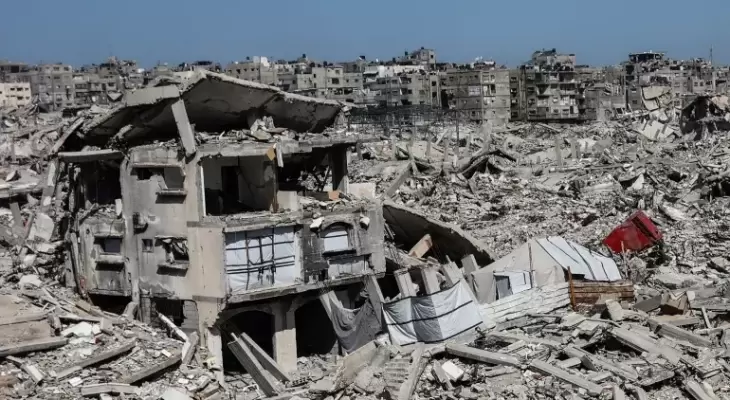
The operation came as the Israeli army continued its massive destruction campaign in Gaza. Troops bombarded neighborhoods in Gaza City, demolishing residential towers and forcing families into displacement.

Hamas’ military wing, Al-Qassam Brigades, said the ambush was part of its “Moses’ Rod” operations. Over recent days, it has targeted tanks, armored carriers, and groups of soldiers in several areas, including Gaza City’s Zeitoun neighborhood and Jabalia camp.

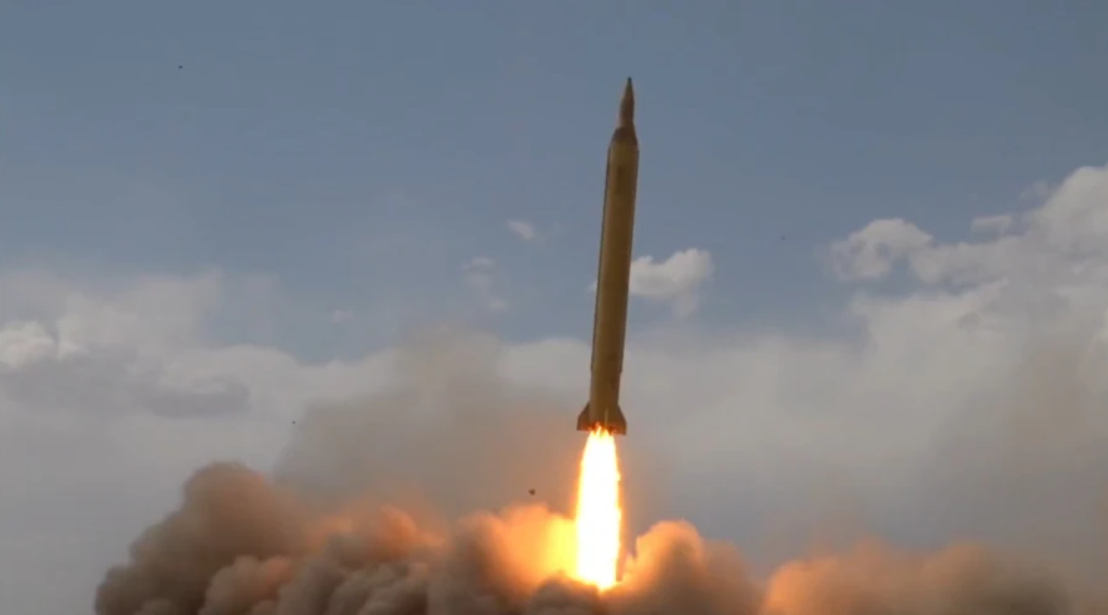
Islamic Jihad’s armed wing, Saraya al-Quds, also announced rocket fire on the settlement of Netivot. It said the strike came in direct response to “massacres against civilians in Gaza.”

Yemen Joins the Battlefield

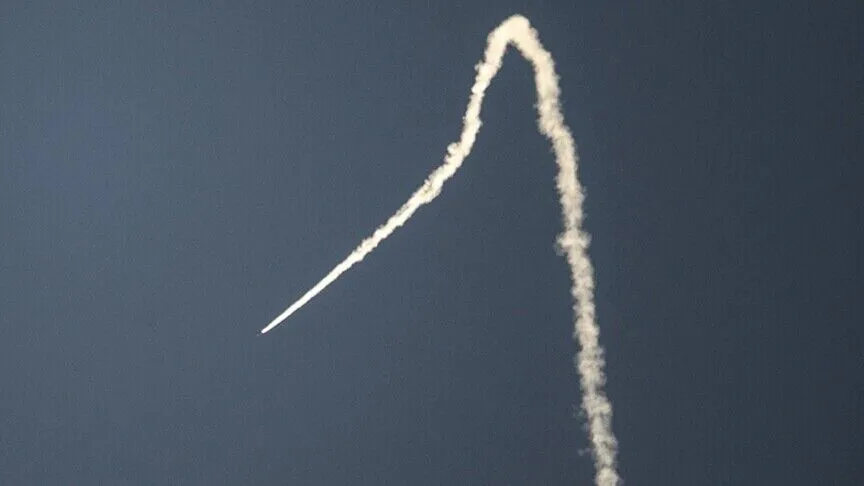
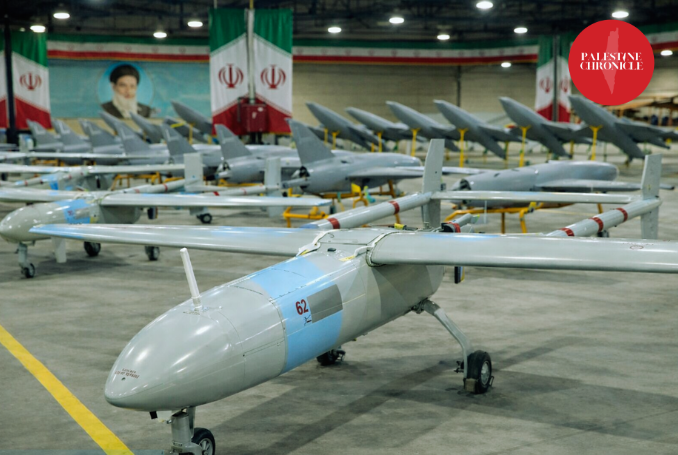
The confrontation widened further south. Israeli media confirmed that drones launched from Yemen penetrated Israeli airspace.

The army said it intercepted several drones. Yet one crashed near Ramon Airport in the Negev. Alarms also sounded in Dimona, where Israel hides its nuclear reactor.

The previous day, a drone from Yemen hit Ramon Airport, damaging a passenger terminal. Yemen, declared that its attacks would continue until Israel stops its war on Gaza. They also vowed revenge for Israel’s assassination of their Prime Minister Ahmed al-Rahwi in Sana’a last month according to the Quds News Network.

Continue reading
Netanyahu Boasts His Army Destroyed 50 Towers in 48 Hrs

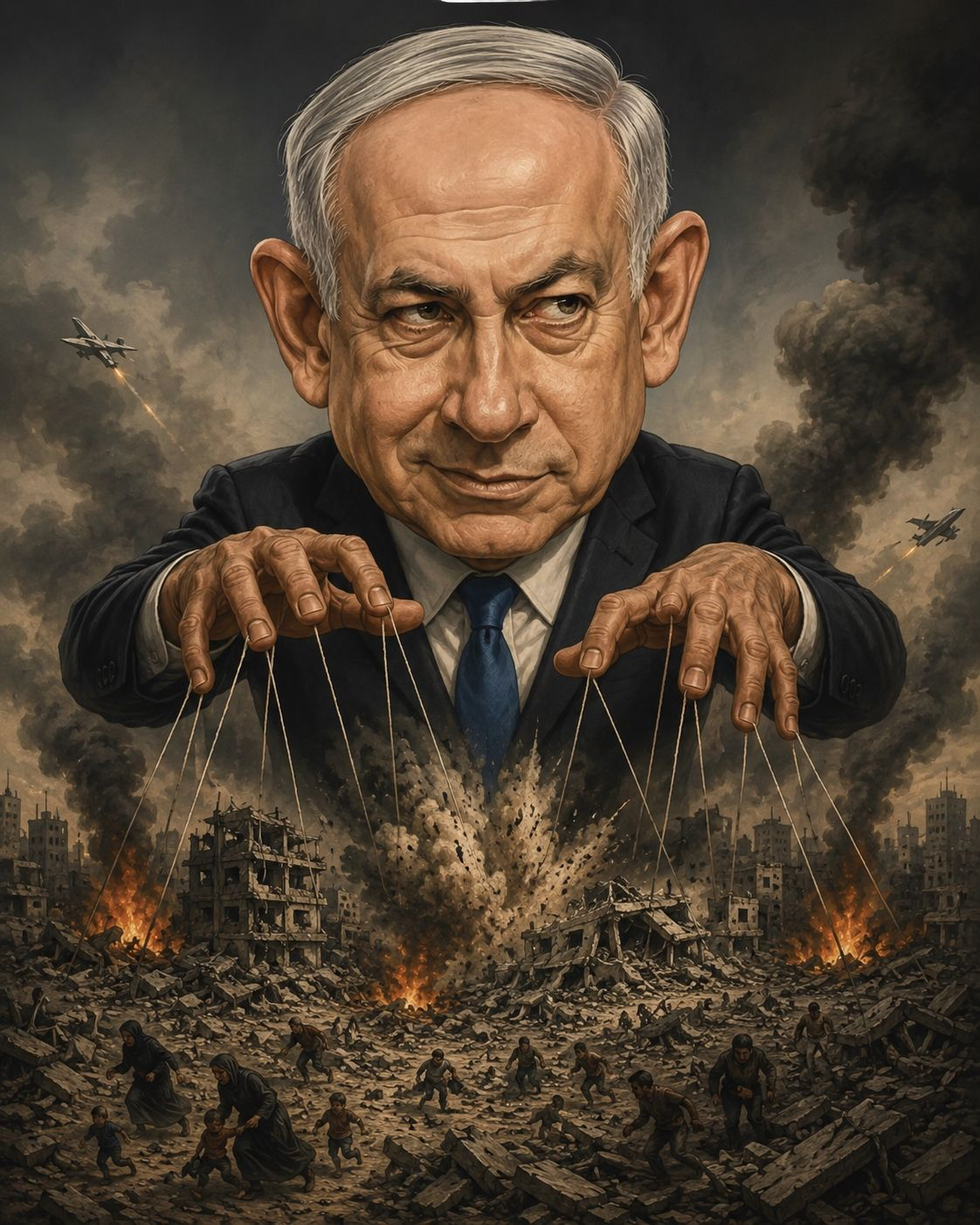
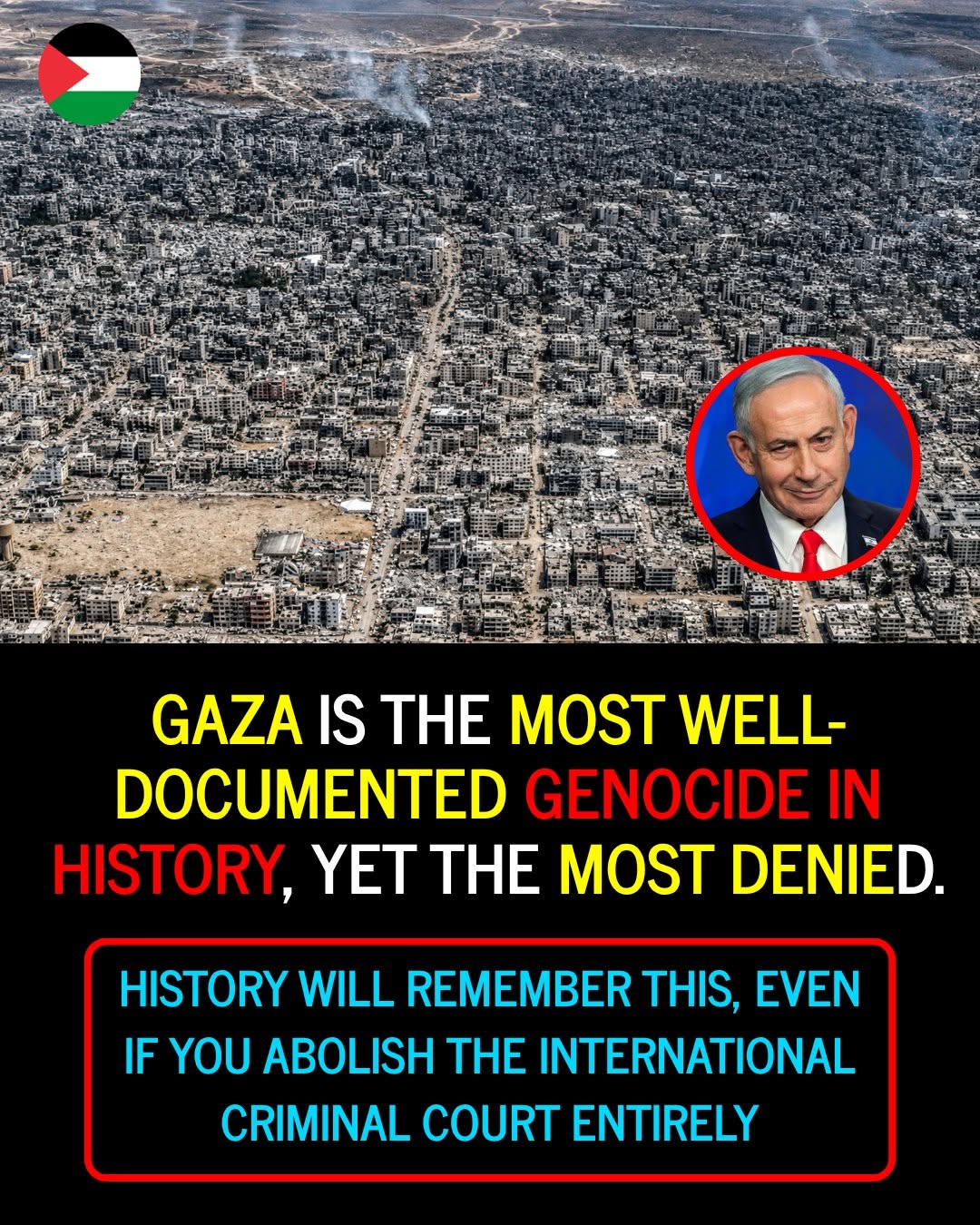
Israeli Prime Minister Benjamin Netanyahu boasted Monday that his army destroyed 50 high-rise residential buildings in Gaza City in two days, vowing further demolitions and forced displacement.

“In the past two days, 50 of these towers have fallen. The air force brought them down,” Netanyahu said in a video statement.

“Now all of this is just an introduction, just a prelude, to the main intense operation — a ground maneuver of our forces, who are now organizing and gathering in Gaza City.”

Netanyahu pledged to proceed with forced displacement plans. “This is just the prelude to the main powerful operation, so I tell Gaza residents: you have been warned, get out of there,” according to Anadolu.

The Palestinian resistance group Hamas denounced Netanyahu’s boasting as “one of the ugliest forms of sadism and criminality” in full view of the world.

On Friday, the Israeli army began to bomb multi-story buildings sheltering hundreds of displaced civilians in Gaza City, as Tel Aviv pressed ahead with a plan to occupy the entire city.

Israel has killed more than 64,500 Palestinians in a brutal offensive in Gaza since October 2023. The military campaign has devastated the enclave and pushed the entire population into famine.

Last November, the International Criminal Court issued arrest warrants for Netanyahu and his former Defense Minister Yoav Gallant for war crimes and crimes against humanity in Gaza.

Israel also faces a genocide case at the International Court of Justice for its war on the enclave.

Continue reading
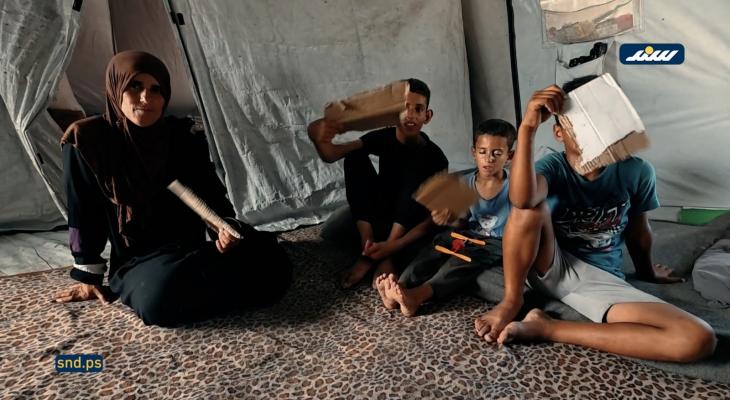
Voices From Gaza: 700 Days of ‘Hell’

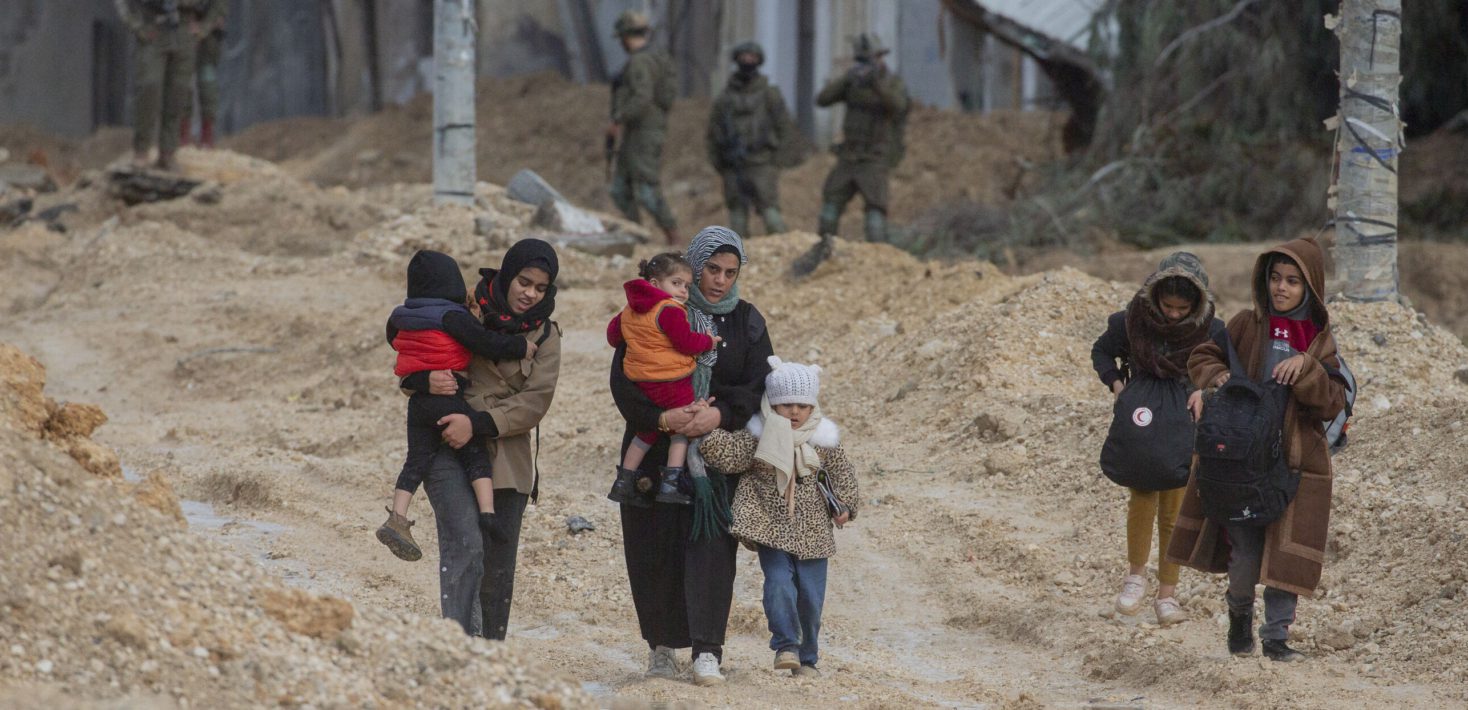
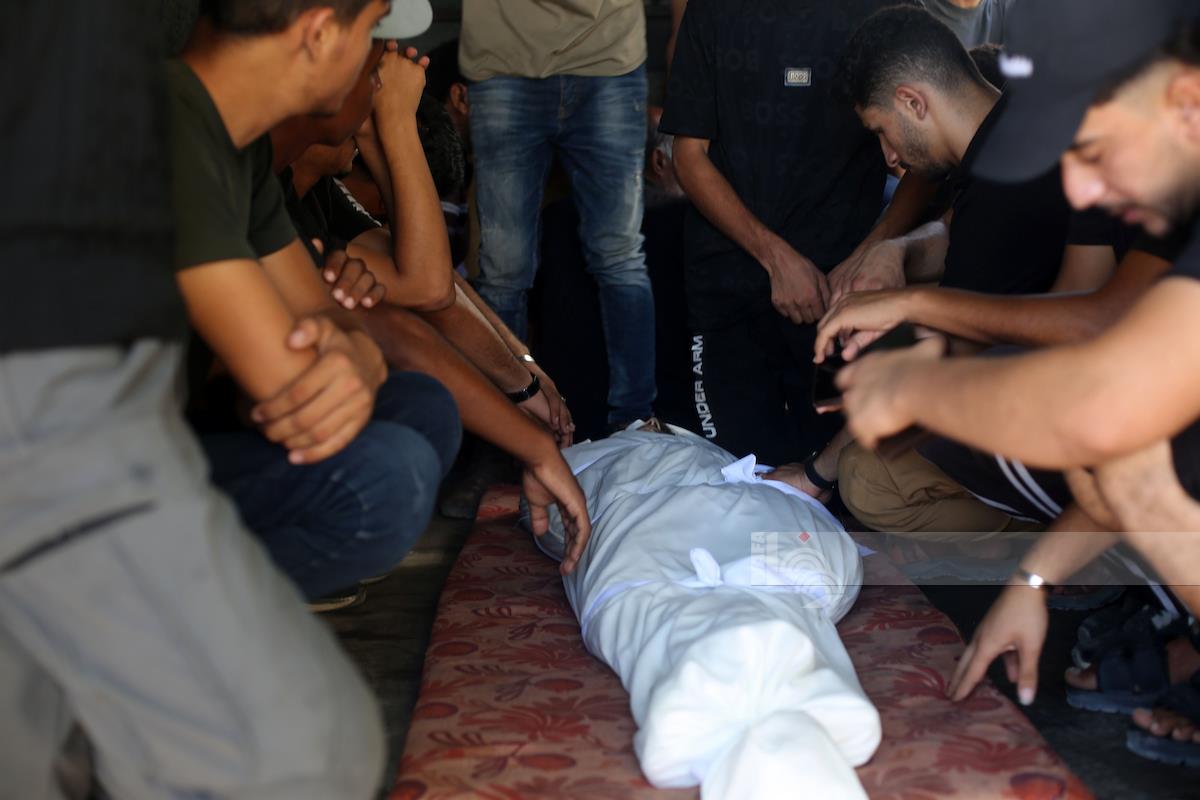
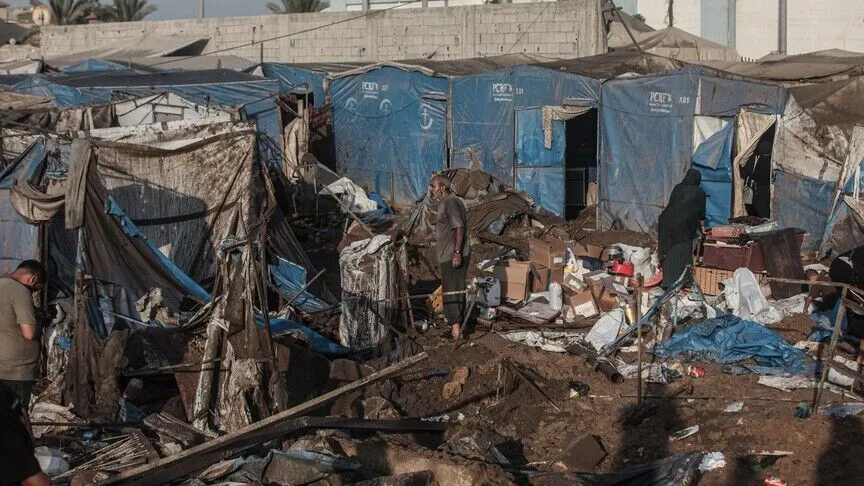
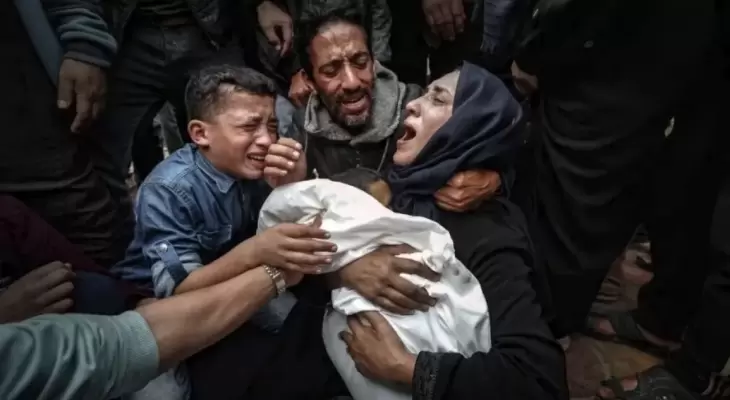
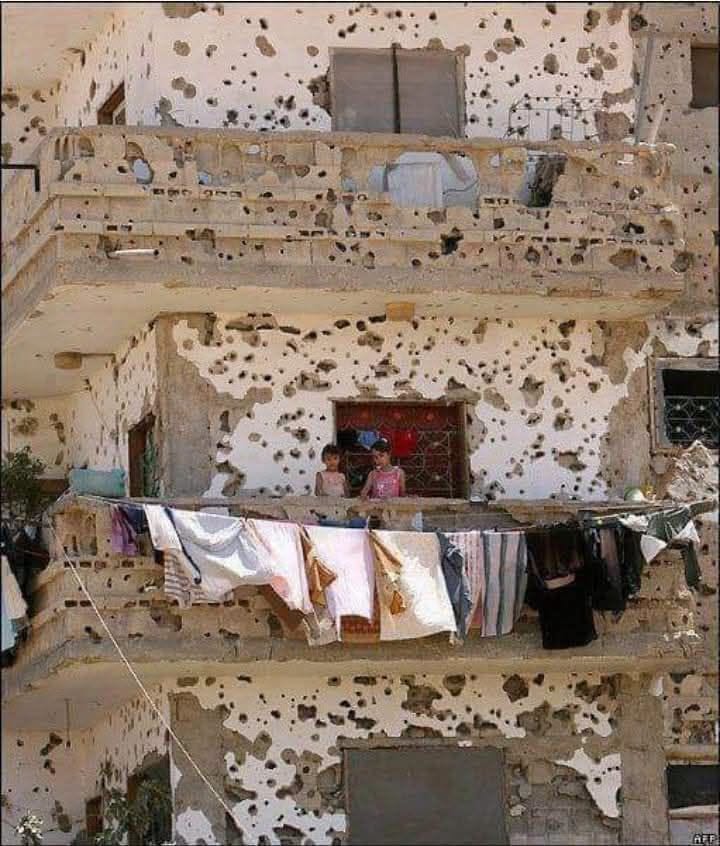
The Israeli genocide starting on 27 October, 2023 through mass bombs and missiles dropped on the Gaza Strip is being discribed as hell-on-earth. After 700 days of slaughter in which the enclave was reduced to ruin, debris and mass killings, Gazans speak of the “hell” they are going through between multiple and countless displacements, starvation and waiting in limbo for what is going to happen next. Their lives have been turned upside down and live in limbo of fog.

All the above interviews were conducted by Al Jazeera satellite channel on the 700 days of horrors the Israeli army has subjected the Palestinian civilians of Gaza to.

“700 days and the killings are still going on with the war taking everything from us,” said one man. “The blood of martyrs is still hemorrhaging,” he continued.

“I now envy the people who have died in this slaughter,” said another. “In this past 700 days, journalists were killed, civil defense men gone, hospitals bombed, children murdered and many other things disappeared…”

After 700 days there is nothing left, there is no children left, no food,  no drink, starvation everywhere, life has become extremely difficult. I have started to say to myself I wish I was long dead and have left this sorry place,” said another woman.

What about the handicapped

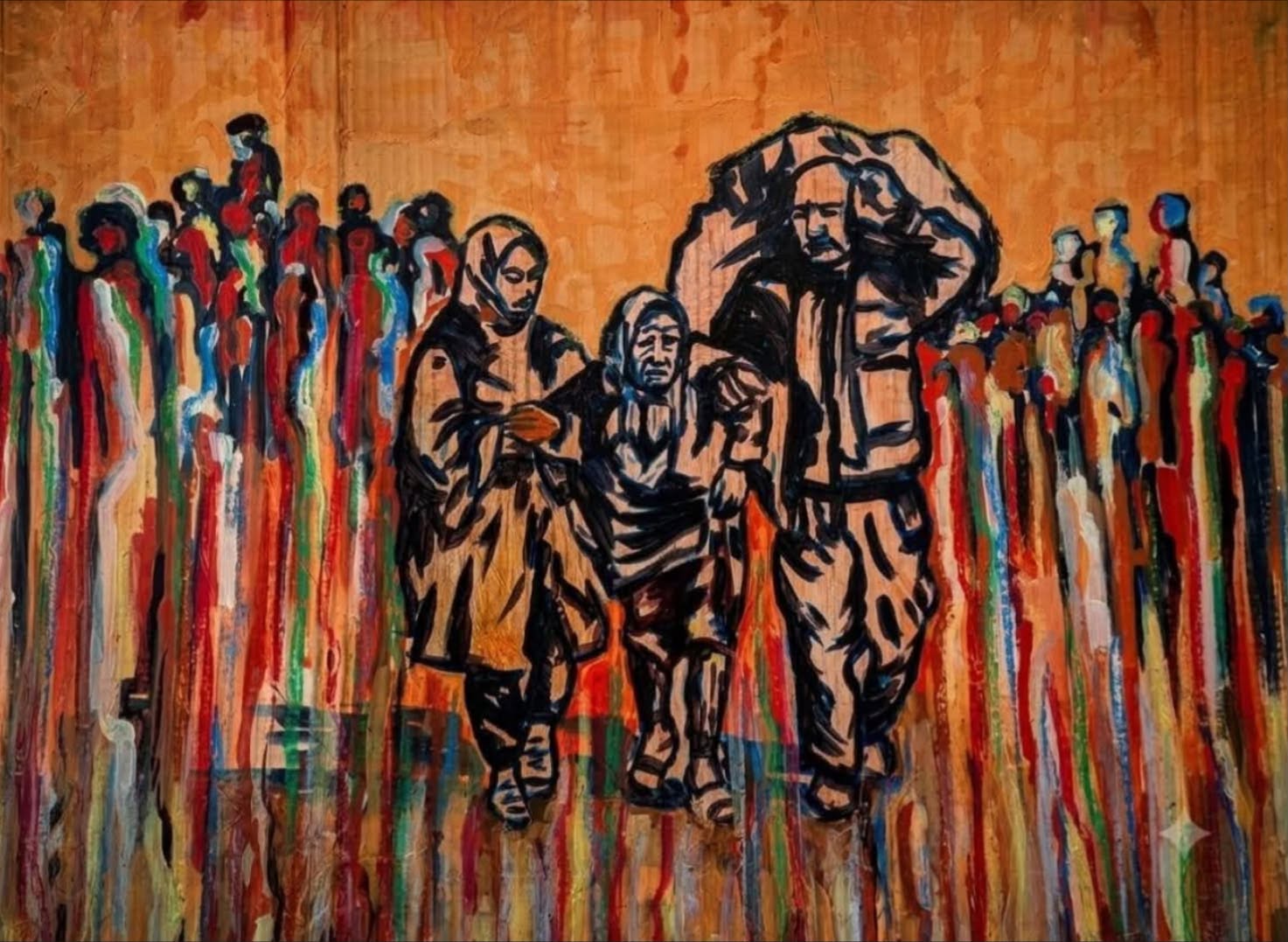
‘“I have three teenager sons who are handicapped and the process of displacement with them is very difficult…we were forced to move by the Israeli army more than 15 times – I walked them, I sometimes carried them would you believe, there is no transport and walked under bombs and missiles, sometimes they’d fall very near us, the danger of being killed is real,” the father of the three said.

“There is no food, no drink, there is no place to live, the sewerage is bad, we can’t do anything.”

He added on this 700 day of living like this, the Israeli army has just called on us to keep moving. “They want to displace us yet again from the north to the south, what is next we don’t know. 

We don’t have food, we don’t have water, we don’t have tents, we don’t have anything. On the 700 day, the world is just sitting and looking at us while we move from one place to another.

Another 30-year-old who lost her husband and five children and just stares into the void: “Now they are gone I feel life is empty and meaningless. I force myself to work just to forget but its like living in a distant memory and suddenly wake up to this nightmare. 

Another man with five small children moving around him said: “I have a handicapped son – a grown up, as you can see and I have to carry him across my shoulder blades whenever we are ordered to keep moving.

We are at the end of our tethers after 700 days of devastation, we see death in front of our eyes, there is no let up, the kids keep screaming at all hours of the day and night. We don’t know what is going to happen to us and now we are called upon to keep moving.”

The same is true of another lady. Her plight is the same as many others. “We are being displaced from one place to another. After 700 days we are not able to settle down to establish a tent we can live in, being displaced is like losing one’s soul and I don’t know when this will end or how.

We are living in devastation, death, slow death. Today I envy the people who have died and become martyrs.” 

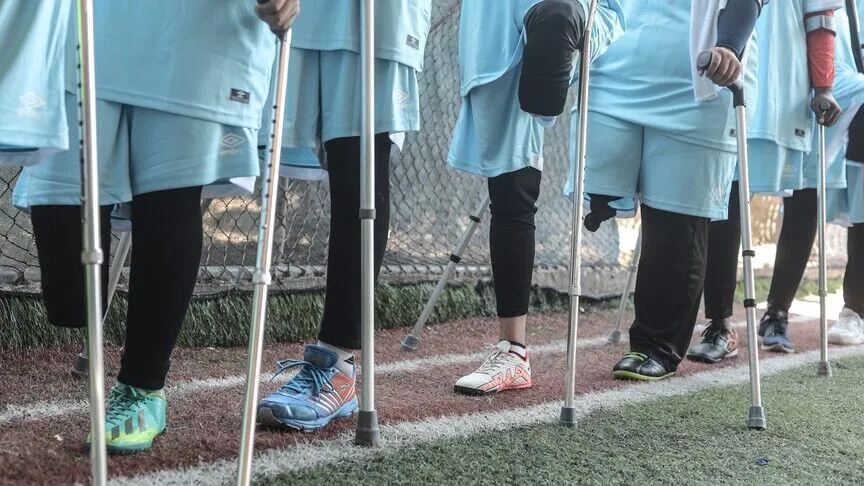
Another man in crutches said: “Our savings have now ended, we are on aid to say alive, my son used to go to Zakim to get some stuff but they shot at him and now sit by me unable to move.

Blood on the streets

“The past 700 days were the deadliest, killings, bombing, starvation, you see blood seething on the streets, laying bodies of martyrs, people with no legs or arms”.

It has been an extremely difficult 700 days for a woman with the responsibility of looking after three children. “How do I cope, how do I make ends meet. My husband went before my eyes, in front of his kids, I saw, my kids saw an incredible sight of their father spluttering on the wall and now that image never leaves me nor them.

In this 700 days you lost a brother, a relative, a friend as you were forced to move from one place to another in between charities, water queues, cutting wood and all the rest of it. I just can’t describe it,” said one young man.

Sullen future

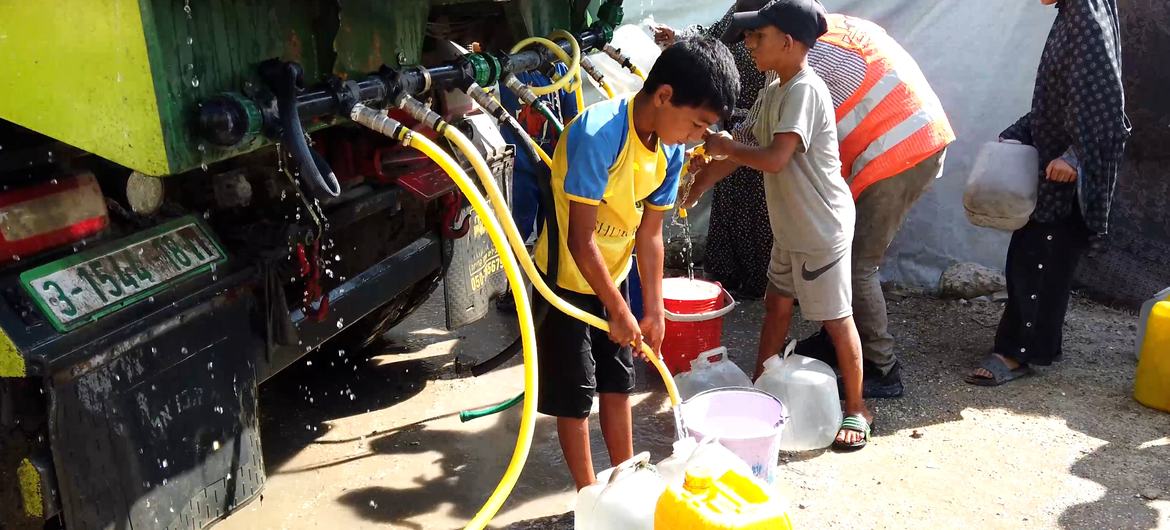
“For me, my future has perished, gone up in flames, I could have been working by now, having just finished university, but I live in a 4 by 6 tent with nothing to look forward, searching for morsels of food and hewing water, carrying buckets of water not just today but everyday, said a young lady.

Nothing is for certain. The people of Gaza, as of yet, have nothing to look forward to but more slaughter. There is a nagging fleeing, frequently made by Israeli ministers, that the aim is to push these people dubbed at around two million to other countries.

But the Gazans, still after two years of slaughter and going to the third, say they are not leaving Gaza except as dead bodies.

Continue reading
Macron: Persona Non Grata in Israel

Israel signaled Thursday it will rebuff any visit by French President Emmanuel Macron over his country’s plan to recognize a Palestinian state.

Israeli Foreign Minister Gideon Saar said in a phone call with his French counterpart, Jean-Noel Barrot, that France’s move to recognize Palestinian statehood would “undermine stability in the Middle East and harm Israel’s national and security interests.”

“Israel seeks good relations with France, but France must respect Israel’s position when it comes to matters essential to its security and future,” Saar said during the call as cited by his office’s statement according to Anadolu.

He stressed that any visit by Macron “has no place” as long as France pursues the recognition move.

According to The Times of Israel news outlet, Prime Minister Benjamin Netanyahu has conditioned any visit by Macron on scrapping his move to recognize a Palestinian state.

There was no immediate French comment on Saar’s statement.

France and several European countries, including Belgium, the UK, Canada, and Australia, plan to recognize Palestinian statehood during the upcoming meetings of the UN General Assembly on September 8-23, joining 147 nations that already do.

Continue reading
Israel’s War on The Truth

By Najla M. Shahwan

Israel’s military operation in Gaza, in the aftermath of the October 7 attack by Hamas, has become the deadliest, most dangerous conflict for journalists.

Reporting on the Gaza war has become increasingly perilous, with large numbers of journalists and other media personnel killed or deliberately targeted by Israeli armed forces.

Moreover, the Israeli Authorities have since the war began banned the entry of international journalists to Gaza, an unprecedented move in any other conflict in modern history.

It is a ban on the truth and a ban on reporting the facts.
It is the perfect recipe to fuel misinformation, deepening polarisation and dehumanisation.

While the foreign press has been banned from entering Gaza, Palestinian journalists there have been treated by Israel as legitimate military targets.

Palestinian journalists, whether classical “war correspondents” or, more dangerously, operate with varying degrees of independence have been among a precious few remaining actors capable of exposing illegality.

Over the past 22 months, the world has watched the war in Gaza unfold.

The Israeli military onslaught on the Strip continues nonstop, resulting in the killing of more than 65,000 Palestinians, mostly women and children and almost all of the 2.3 million residents displaced multiple times, struggling to survive the dual threats of targeted attacks and starvation.

Palestinian journalists killed, international reporters banned and members of press and influencers covering devastation in Gaza being silenced despite protection under international law.

In its war on the Gaza strip Israel has been running a special campaign for narrative control of how the world understands what was happening.

The vast majority of Palestinian journalists and social media influencers documenting, mass killing, starvation and other Israeli war crimes in Gaza have been killed since then in the deadliest conflict for journalists ever documented, according to the Committee to Protect Journalists (CPJ).

Even though it is illegal to target journalists, the “Palestinian journalists are being threatened, directly targeted and murdered by Israeli forces, and are arbitrarily detained and tortured in retaliation for their work.

By silencing the press – those who document and bear witness – Israel is silencing the war,” the CPJ said.

In Israel’s latest attacks, two more journalists, Rasmi Salem of Al Manara and Eman Al Zamli, were killed, bringing the total number of journalists killed since the war on the Palestinian enclave began to more than 270.

Earlier, on September 31, Islam Abed, a correspondent for Al Quds Today TV, was also killed in an Israeli air strike on Gaza City.

On August 25, five journalists were killedin a “double -tap” Israeli strike targeting Naser hospital in southern Gaza, which killed at least 21 people.

The journalists killed, all worked or freelanced for international media outlets, including Hossam Al Masri, a cameraman with Reuters, Mariam Abu Daqa, a freelance photojournalist with the Associated Press, and Mohammed Salama, a photographer for Al Jazeera.

Freelance journalists Ahmad Abu Aziz and Moas Abu Taha were also killed, while several other journalists were injured in the attack.

Earlier on August 10, another four Al Jazeera journalists and two freelancers were killed by a targeted Israeli strike on their tent outside Al Shifa hospital in Gaza City.

The Israeli army said it deliberately targeted the Al Jazeera crew – the correspondent Anas Al Sharif, who had reported on the war since its outset, the reporter Mohammed Qreiqeh, the cameraman Ibrahim Zaher, and Mohammed Noufal, a crew driver and cameraman.

The Israeli army claimed it had evidence that Sharif was a Hamas terrorist.

The CPJ and other organisations said that this claim is part of a pattern of misinformation, along with other cases where slain journalists have been labelled as Hamas fighters or operatives, and is without credibility.

Press freedom groups and journalists said that those killings are part of a campaign of intimidation to shut down vital reporting, which Israel has justified internationally with smears and false claims that the targets were undercover Hamas fighters.

To many people outside Gaza, the war flashes by as a doom scroll of headlines and casualty tolls and photos of screaming children, the bloody shreds of somebody else’s anguish but the true unimaginable scale of death and destruction is impossible to grasp, the details hazy and shrouded by internet and cell phone blackouts that obstruct communication, restrictions barring international journalists, extreme, often life-threatening challenges local journalist reporting from Gaza are facing.

Besides, local journalists inside Gaza face displacement, starvation, and extreme violence.

On August 21, 29 member states of the Media Freedom Coalition issued a statement calling for access to the Strip by foreign press and for Israel to ensure the safety of local journalists working inside Gaza.

French President Emmanuel Macron called on Israel to respect international law, emphasising the important role of independent media in covering “the reality of the conflict.”

Germany’s ambassador to Israel Steffen Seibert demanded an investigation and access for international media to Gaza, while United Kingdom’s Foreign Secretary David Lammy also condemned the attacks, calling for the protection of journalists.

“We are appalled and shocked to see Israel continue to kill journalists with no accountability, as the world watches. It is critical for the international community to step up and take concrete action to ensure the safety of Gaza’s remaining journalists,” International Press Institute (IPI) Executive Director Scott Griffen said.

“As more journalists in Gaza are killed, fewer remain to carry on their work, which means we know less about what is actually happening on the ground.”

“The unabated killing of journalists during the course of this conflict has grave implications for journalists not only in Gaza, who have sacrificed so much and endured such unimaginable violence to cover this war – but also for journalists’ safety all over the world,” Griffen added.

Despite growing global condemnation and concerns over breaches of international law, Israel is continuing its military assault on Gaza and it is likely that more journalists will die as a result.

International journalists must independently report from Gaza and support their Palestinian colleagues who continue to do a heroic job at a heavy price.

The international community must act fast to ensure that journalists are kept safe and hold Israel to account for the deaths of all journalists whose killings may have been targeted. Journalists are civilians, and it is illegal to attack them in a war zone.

Reliable information about wars and conflicts is essential for the wellbeing of local populations and is necessary to enlighten the world on the forces behind wars and the toll on civilians.

The author writes for The Jordan Times.

Continue reading