The A, B, C to Rebuilding Gaza

By Dr Raad Mahmoud Al-Tal

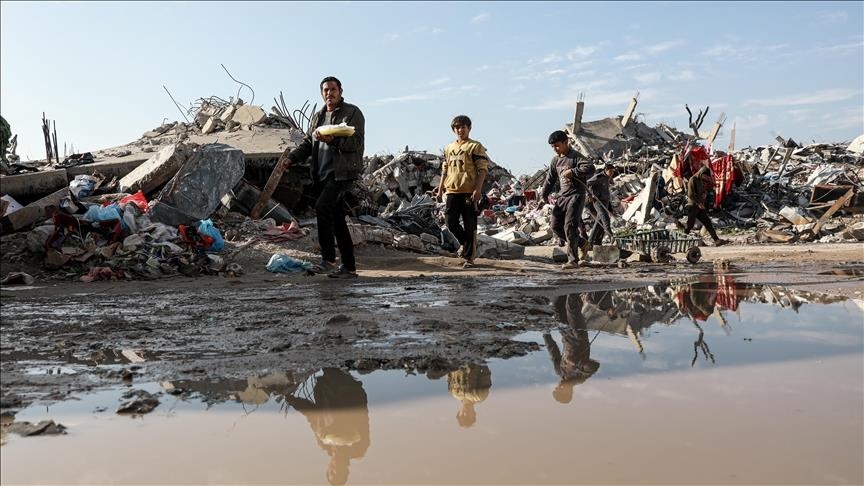
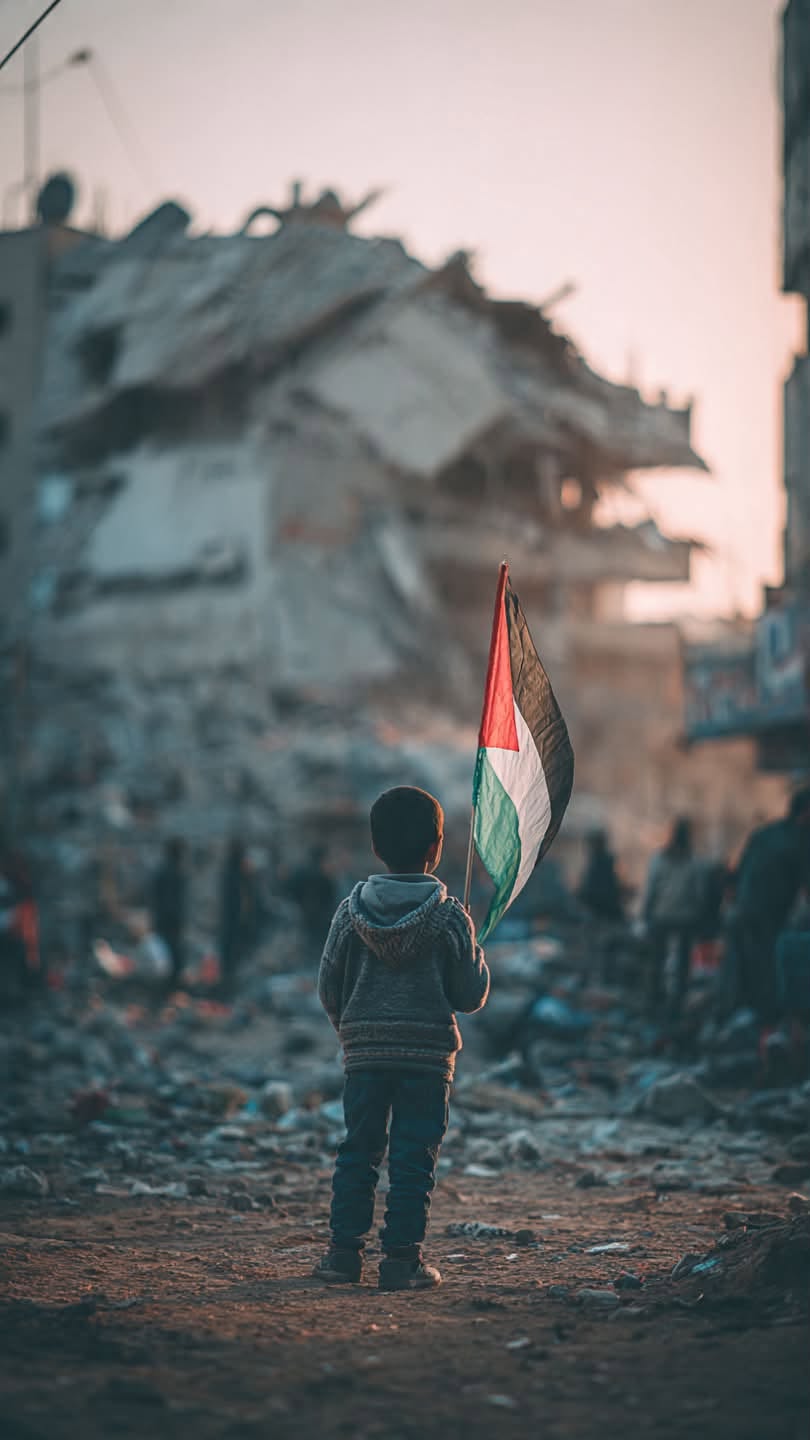
According to the Gaza reconstruction plan report from the temporary Arab Summit in Cairo, Gaza’s economy shrank by 83 per cent in 2024. Unemployment rose to 80%, and inflation reached 309.4 per cent in October 2024 due to severe supply shortages. On the humanitarian side, 91 per cent of Gaza’s population faces food insecurity, and this number is expected to rise to 1.95 million by April 2025. The healthcare system is collapsing, with 64 per cent of primary health centers out of service, and 25 per cent of the injured require long-term rehabilitation. Education is also in crisis, with 745,000 children out of school because schools were either destroyed or used as shelters. Over a million children need psychological and social support, and there are between 17,000 and 18,000 unaccompanied children, which makes child care even more difficult.

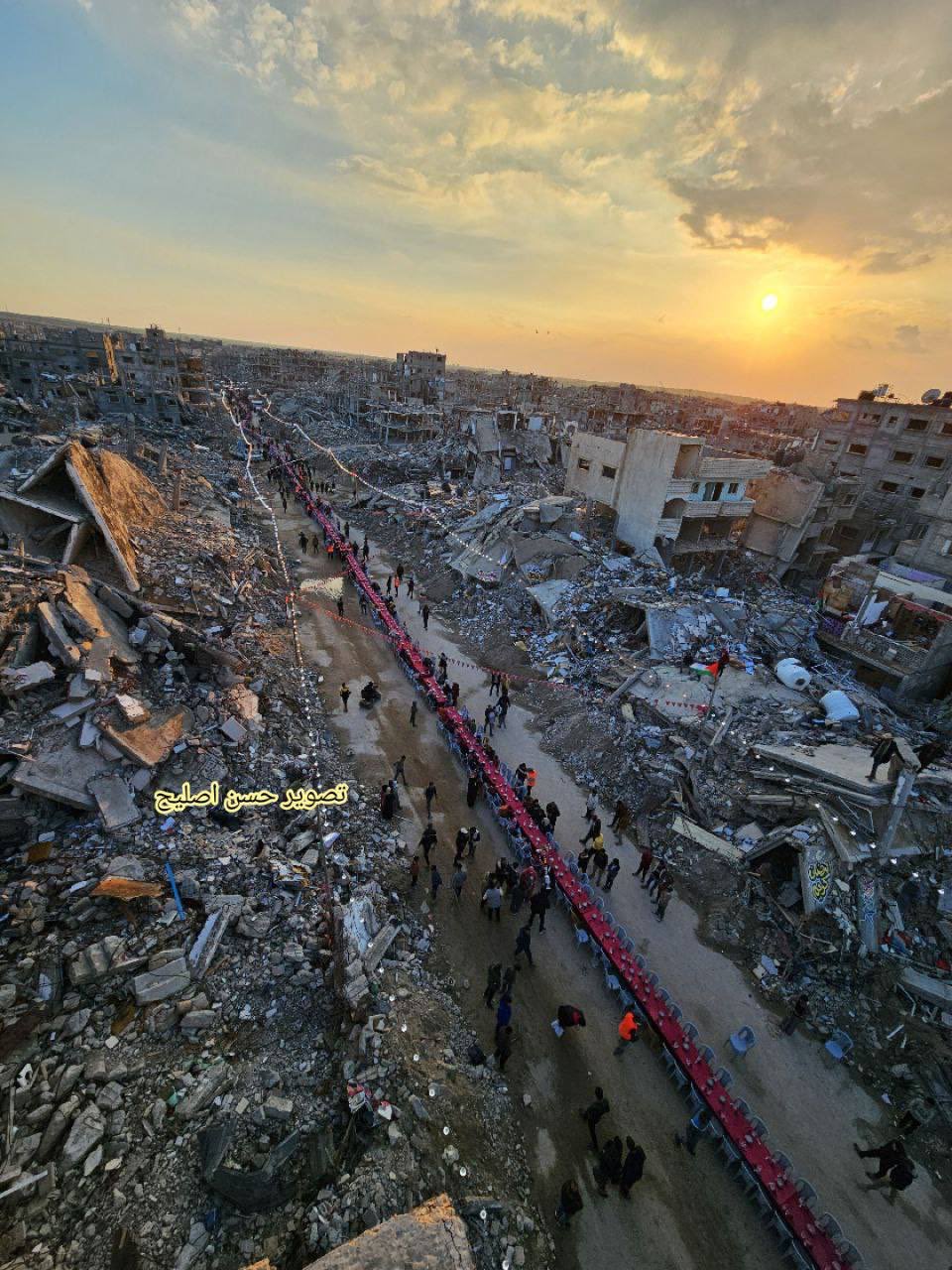
The damage in Gaza is divided into three categories: areas completely destroyed, which need the rubble cleared and infrastructure rebuilt from scratch; semi-destroyed areas, which need repairs to restore basic services; and lightly damaged areas, which require limited work to restore services and ensure ongoing reconstruction. The damage is assessed by comparing the current situation to how things were before the crisis, and the affected assets are classified into three levels: fully destroyed, partially damaged, and lightly damaged.

The reconstruction plan has two phases. The first phase, early recovery, will take 6 months and cost $3 billion. This phase includes clearing rubble, repairing main roads, providing 200,000 temporary housing units, and restoring 60,000 damaged homes. The second phase, which is the main reconstruction phase, will take 5 years and cost $50 billion. It is split into two parts: The first part, lasting 2 years at a cost of $20 billion, involves finishing the rubble removal, building 200,000 homes, repairing 20,000 acres of farmland, and setting up water desalination plants and sewage treatment facilities. The second part, lasting 2.5 years at a cost of $30 billion, involves building 200,000 more homes, developing ports, creating an industrial zone, and building a coastal road.

Housing has been the hardest-hit sector, with 15,000 homes completely destroyed. The plan aims to build 150,000 new homes and provide 100,000 temporary homes, costing $15 billion. About 30 per cent of Gaza’s farmland was also destroyed, requiring the rehabilitation of 10,000 hectares at a cost of $5.6 billion. The water and electricity sectors also need significant investment to keep providing essential services to the people. The total cost of reconstruction is estimated at $53 billion over 10 years. The funds for this will come from international donors, humanitarian organizations, and local investments. Around $4.5 billion will be for development projects, and $18 billion will go toward infrastructure.

For the reconstruction plan to succeed, it is important to get enough financial resources to fix the huge damage in Gaza. This will help restore normal life and improve the economic and social situation, leading to long-term sustainable development. To ensure the plan works, it is crucial to have different sources of funding. These could include the United Nations, international financial organizations, donor countries, investment funds, government agencies, development banks, and civil society groups.

An international trust fund will be set up to manage the funds efficiently, ensuring transparency and proper oversight. The Egyptian government will also hold a high-level conference in Cairo, in partnership with the Palestinian Authority and the United Nations, to gather the necessary support for the reconstruction plan. This conference will bring together donor countries, international and regional financial institutions, the Palestinian and international private sectors, and civil society organizations. It will be a key event to secure financial resources and suggest investment projects that can be implemented with the help of supporting organizations.

The writer is head of the Economics Department – University of Jordan – [email protected]

Continue reading
Israel Rejects Egypt’s Plan to Rebuild Gaza

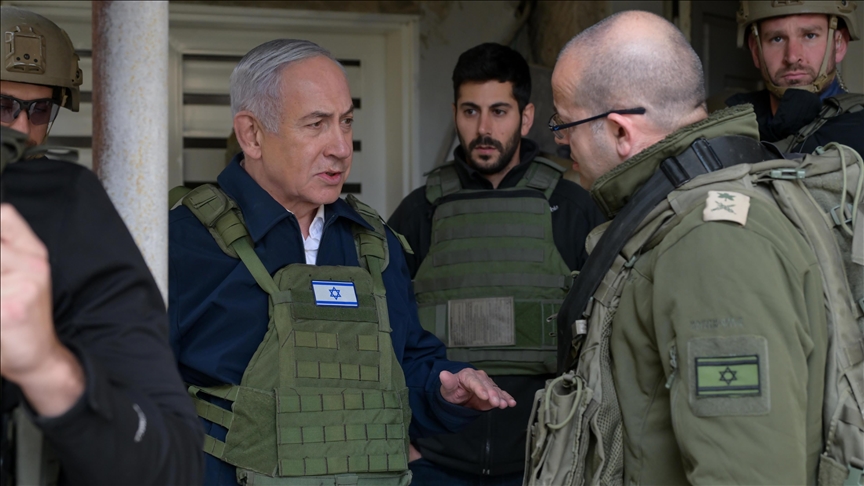
Israel rejected Egypt’s Gaza reconstruction plan, which opposes any forced displacement of Palestinians, a proposal put forward by US President Donald Trump, calling to encourage his “take over” Gaza plan.

Arab leaders met on Tuesday in Cairo for an emergency summit to discuss an Egyptian plan for Gaza’s reconstruction and governance following Israel’s genocide. The summit reaffirmed rejection of any forced displacement of Palestinians.

Israel’s Foreign Ministry claimed that the plan “continues to rely on the Palestinian Authority and UNRWA — both have repeatedly demonstrated corruption, support for terrorism, and failure in resolving the issue.”

“Now, with President Trump’s idea, there is an opportunity for the Gazans to have free choice based on their free will. This should be encouraged! Instead, Arab states have rejected this opportunity, without giving it a fair chance, and continue to level baseless accusations against Israel,” it added.

Egypt’s Foreign Minister Badr Abdelatty slammed Israel’s rejection as “unacceptable,” describing its position as “stubborn and extremist.”

“There will be no peace neither to Israel or to the region” without establishing an independent Palestinian state in accordance with United Nations resolutions, he said. He added, “Israel violates all international law rules … the international law must be imposed.”

“No single state should be allowed to impose its will on the international community,” he said.

Washington also voiced its disapproval.

“The current proposal does not address the reality that Gaza is currently uninhabitable and residents cannot humanely live in a territory covered in debris and unexploded ordnance,” White House spokesman Brian Hughes said when asked whether Trump would support the Arab leaders’ plan.

“President Trump stands by his vision to rebuild Gaza free from Hamas,” he added.

Trump’s “Riviera of the Middle East”

Trump had previously proposed permanently displacing Palestinians from Gaza and transforming the area into what he called the “Riviera of the Middle East.” His plan envisioned a developed, Palestinian-free zone under US control and ownership, where “the world’s people” could reside.

He suggested that Jordan and Egypt take in displaced Palestinians, but both countries firmly rejected the idea. Palestinian leaders also dismissed it.

However, two weeks ago, Trump appeared to walk back his Gaza plan. Speaking on Fox News Radio, he said he would not push the proposal but simply recommend it then own the Palestinian territory.

“I’m not forcing it. I’m just going to sit back and recommend it,” Trump said, suggesting that if implemented, “the US would own the site.”

“If you gave the people of Gaza a choice between that and living in a nice community, I think I know where they’d go,” he added, implying support for the ethnic cleansing plan against the Palestinian people but avoiding direct advocacy.

Trump’s remarks sparked global criticism, with many pointing out that he promotes ethnic cleansing. Legal experts warned that forced displacement violates international law and could destabilize the region.

Key Points of Egypt’s Reconstruction Plan

The plan comes as a reaction to Trump’s proposal. According to the draft final statement of the summit, the plan includes:

A six-month administrative committee that would govern Gaza under the Palestinian government. The committee will be independent and composed of technocrats, paving the way for a full Palestinian-led administration according to the Quds News Network.

Egypt and Jordan will train Palestinian police in preparation for deployment in Gaza. The possibility of international peacekeeping forces in Gaza and the West Bank will also be studied.

A medium-term ceasefire to build trust and halt unilateral actions, with a commitment to the two-state solution as part of a political resolution.

Debris removal and temporary housing for displaced residents. The plan includes 20 temporary housing zones built with the participation of Egyptian and international companies. Reconstruction efforts will take three years.

Palestinian elections within a year if conditions allow, reaffirming that Gaza is an inseparable part of Palestine.

A unified Arab stance against any attempts to displace Palestinians, with legal and international measures to protect their rights and ensure ceasefire commitments.

Hamas Welcomes Reconstruction Plan

In a statement issued on Tuesday, Hamas welcomed the extraordinary Arab summit in Cairo which “aims to address the critical threats to our Palestinian cause, in light of the ongoing Zionist aggression and the plans for extermination and displacement that our people in Gaza, the West Bank, and Jerusalem are enduring.”

Hamas also hailed the reconstruction plan adopted by the Arab summit in its final statement, calling for the “provision of all necessary resources to ensure its success. We also commend Egypt’s efforts in preparing to host an international conference for the reconstruction of Gaza.”

The movement emphasized its commitment to support any efforts that serve the interests of the Palestinian people in “removing the consequences of the aggression and genocide targeting our people and land.”

Continue reading
Saudi FM: KSA Rejects Displacement, Calls For Ceasefire Guarantees

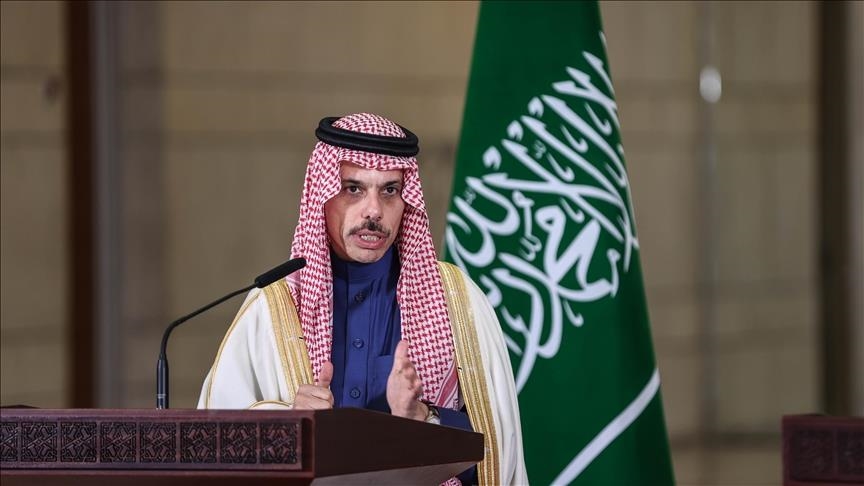
Saudi Foreign Minister Prince Faisal bin Farhan reaffirmed on Tuesday his country’s rejection of the displacement of Palestinians from their land, calling for international guarantees to ensure a ceasefire in Gaza.

“We reject any infringement on the rights of the Palestinian people, whether through settlement expansion, annexation of land, or attempts to displace Palestinians,” Bin Farhan said at an emergency Arab summit in Egypt on the Gaza reconstruction.

He added: “We stress the necessity of having international guarantees to ensure the continuation of the truce in Gaza and prevent a return to fighting,” according to Anadolu.

Continue reading
King Abdullah: Jordan Supports Rebuilding Gaza, Rejects Displacement

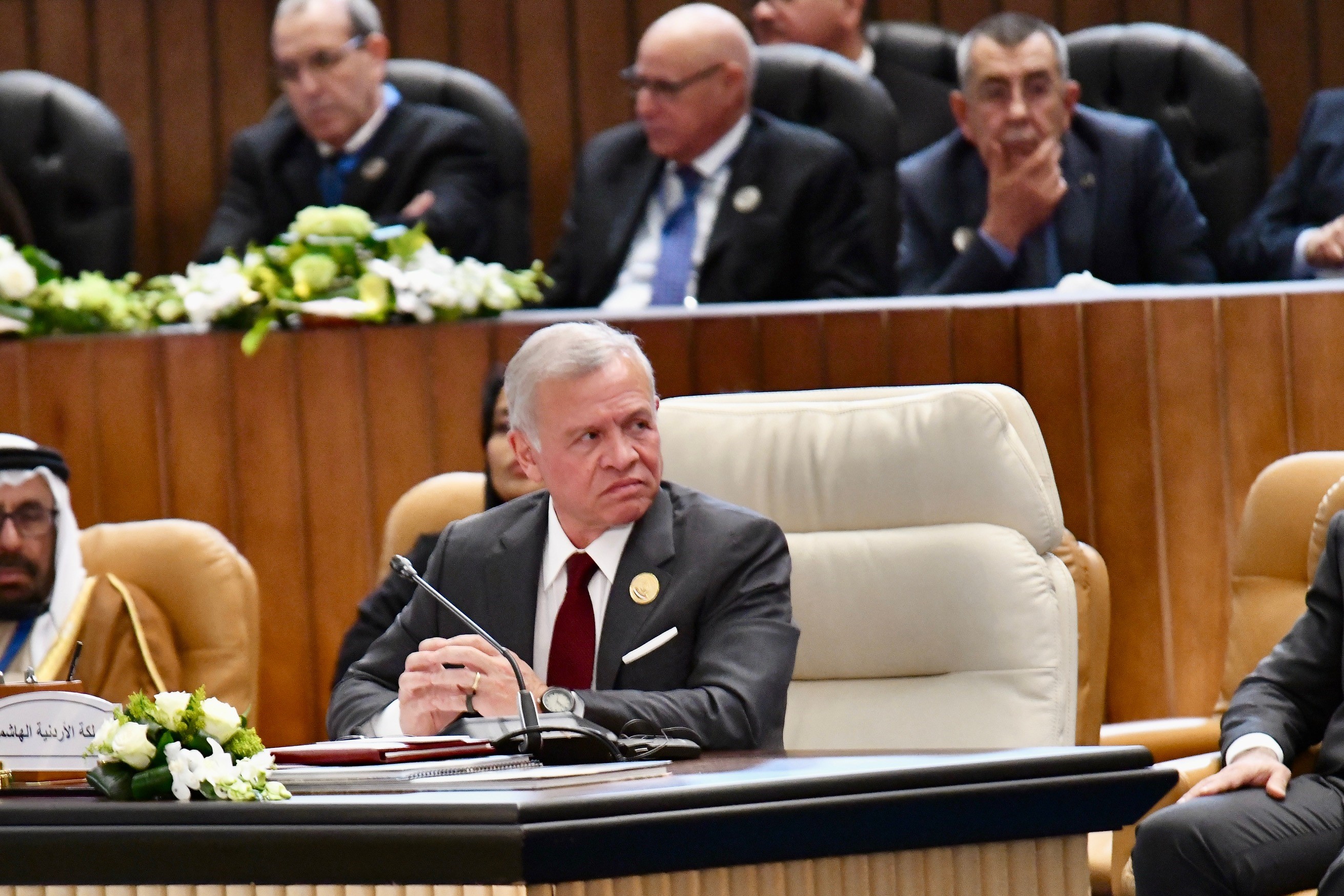
His Majesty King Abdullah II on Tuesday affirmed Jordan’s support for the plan to rebuild Gaza, which will be presented to active partners to gain international support, according to a royal court statement.

Delivering Jordan’s address at the Extraordinary Arab Summit hosted by Egypt, dubbed the ‘Palestine Summit,’ His Majesty reiterated Jordan’s total rejection of all attempts to displace Palestinians in the West Bank and Gaza and annex land, in addition to condemning the Israeli decision to block humanitarian aid to Gaza.

The King stressed the importance of maintaining the ceasefire in Gaza and ensuring the implementation of all its phases, as well as stopping the dangerous escalation of the situation in the West Bank.

Following is the English translation of Jordan’s address at the Extraordinary Arab Summit and as printed in the Jordan Petra news agency:

“In the Name of God, the Compassionate, the Merciful,

Prayers and peace be upon our Prophet Mohammad,

Your Majesty King Hamad bin Isa Al Khalifa,

Your Excellency President Abdel Fattah Al Sisi,

Your Highnesses and Excellencies,

Peace, God’s mercy and blessings be upon you.

I would like to first express my thanks to my brother President Abdel Fattah Al Sisi for hosting this extraordinary summit during this difficult phase, which demands stepping up Arab coordination and unifying our positions, and to my brother, King Hamad bin Isa Al Khalifa for his outstanding efforts in presiding over the ordinary session of the summit. I also thank the Secretary General of the Arab League and its staff for their efforts in organising our summit today.

My brothers,

We salute the steadfastness of the Palestinian people on their land, and renew our support for our Palestinian brethren in their efforts to gain their full legitimate rights, foremost of which is their right to freedom and an independent and sovereign state on their national soil, on the basis of the two-state solution, which is the only way to achieve just and comprehensive peace that guarantees security and stability for our region.

At this delicate stage, when the Palestinian cause is facing very serious challenges, it is imperative to work urgently together to counter any attempts to impose solutions at the expense of Palestinians and liquidate their cause.

We stress the importance of maintaining the ceasefire in Gaza and ensuring the implementation of all its phases. We also reiterate our rejection of the Israeli decision to block the entry of humanitarian aid into Gaza, which constitutes a violation of the most basic principles of international law.

Thus today, we need to prioritise four main themes:

First: Our total rejection of all attempts to displace Palestinians in the West Bank and Gaza, and to annex land, which is a flagrant violation of international law and international humanitarian law, and our support of the plan to rebuild Gaza, to be presented to active partners in order to gain international support.

Second: Supporting the reform efforts of the Palestinian National Authority in the interest of our Palestinian brethren, as well as preparing a clear and implementable vision for the administration of Gaza and linking it to the West Bank in order to provide all basic services and ensure the required security.

Third: The need to stop the dangerous escalation in the West Bank, which threatens the existence of Palestinians in the West Bank and is resulting in the displacement of some of them, leading to the erosion of prospects for stability and peace in the entire region. We also need to counter the violations of Muslim and Christian holy sites in Jerusalem and preserve the historical and legal status quo, especially during the holy month of Ramadan, to prevent attempts by extremists in the Israeli government to exacerbate the situation.

Jordan will persist in undertaking its historic duty to safeguard Muslim and Christian holy sites under the Hashemite Custodianship.

Fourth: Reaffirming that the two-state solution is the only way to achieve just and comprehensive peace that guarantees the establishment of an independent Palestinian state on Palestinian national soil, with East Jerusalem as its capital. The two-state solution provides a comprehensive political horizon to stabilise the region and spare its peoples further conflict.

My brothers,

Since the beginning of Israel’s unjust war on Gaza, Jordan’s position has been clear: we reject any attempt at displacement and any measure to liquidate the Palestinian cause and undermine the two-state solution.

An immediate and effective regional and international effort must be launched to address the tragedies, killings, terror and destruction caused by the war on Gaza. Efforts must focus on providing shelter, treatment, and food for the people in Gaza, and we must work to implement plans to rebuild what was destroyed by the war.

The humanitarian response in Gaza must continue. Jordan will continue to provide aid to Gaza by land and air. We also appreciate the efforts of our brothers and friends and their continued work alongside us to provide relief to Gazans.

My brothers,

The outcome of our summit must be practical steps to support our Palestinian brethren, support their steadfastness on their land, alleviate their suffering, and mobilise international efforts to stop everything that prevents the achievement of peace, which cannot be realised through military escalation, displacement of peoples, and denial of their rights.

Peace, God’s mercy and blessings be upon you.”

The Jordanian delegation at the Extraordinary Arab Summit included Prime Minister Jafar Hassan, Deputy Prime Minister and Foreign Minister Ayman Safadi, Director of the Office of His Majesty Alaa Batayneh, and Jordan’s Permanent Representative at the Arab League Amjad Adaileh.

Continue reading
Cairo Unveils Plan to Rebuild Gaza Without Displacement

Egyptian President Abdel Fattah al-Sisi announced a comprehensive plan on Tuesday to rebuild the Gaza Strip without displacing its inhabitants, urging regional and international backing.

Addressing an emergency Arab summit in the New Administrative Capital east of Cairo, Sisi said that Egypt had worked with Palestine and international institutions to develop the plan and called on Arab leaders to endorse it. He also proposed a dedicated fund for its implementation.

The Egyptian leader emphasized that the initiative aims to “preserve the Palestinian people’s right to rebuild their homeland and remain on their land.”

Egypt “will not partake in any injustice against the Palestinian people,” Sisi stressed.

Additionally, he announced an international conference for the Gaza reconstruction set for April and revealed that Egypt and Palestine had formed an independent administration committee to temporarily manage the enclave, monitor the flow of humanitarian aid, and pave the way for the Palestinian Authority’s return to the territory.

Sisi condemned Israel’s war on Gaza, stating that it sought to “empty the strip of its people,” and described the onslaught as a “stain on humanity.”

“We hope that US President (Donald Trump)’s efforts to maintain the ceasefire in Gaza will continue,” he said.

Reaffirming Egypt’s stance on the need for a permanent solution, Sisi asserted that true peace in the region requires a just settlement of the Israeli-Palestinian conflict.

“Jerusalem is not just a city, but a symbol of our identity,” he stressed.

Continue reading