Is America Abandoning Europe?

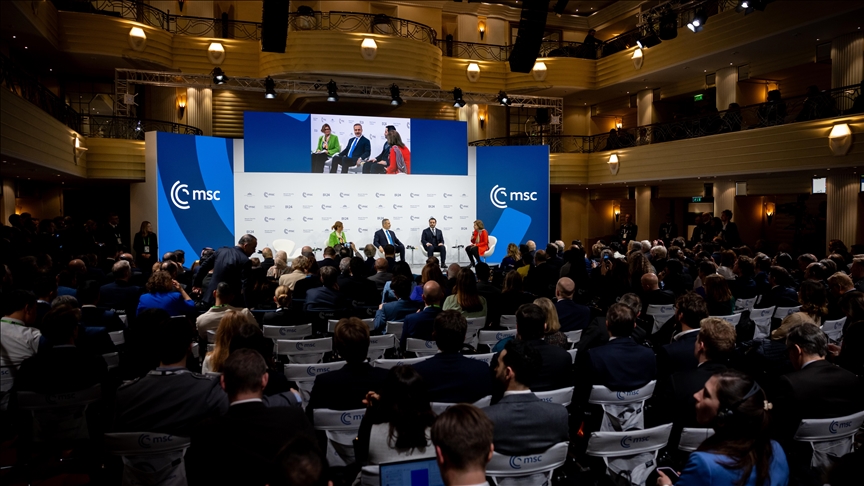
In 2007, Russia’s President Putin gave a now-infamous speech at the Munich Security Conference (MSC), announcing Russia’s new posture of hostility towards the US and Europe. In 2022, when Russia invaded Ukraine, many looked back at Putin’s 2007 Munich speech as a revealing moment of his intentions.

This year’s MSC could be a similar watershed. This time, the warning bells ring from across the Atlantic. US Vice President JD Vance delivered one of the most hostile speeches by a US official to Europe in decades. Rather than addressing the Russian or Chinese threats, Vance argued that Europe faced a “threat from within,” accusing the EU and national governments of censorship and ignoring popular demands on issues like illegal migration.

Meanwhile, away from Munich, US President Donald Trump held a phone call with Putin, setting the stage for negotiations between the US and Russia for a peace agreement in Ukraine – without involving European counterparts in the discussions. The day before, Defence Secretary Pete Hegseth announced some of the US expectations from this deal: Ukraine should drop its NATO membership bid, European countries would need to provide the forces to enforce the agreement, and these forces would not be covered by NATO’s Article 5 guarantees.

The transatlantic picture in which the MSC took place was even bleaker. Since Trump’s inauguration one month ago, the new president had promised (and now imposed) tariffs against countries across the world, including Europe. He has threatened to annex the territory of allies like Canada and Denmark.

Normally, the MSC is an opportunity for the United States to reaffirm its commitment to Europe and the Atlantic alliance. This year, it could be remembered as the time when the US started the process of abandoning Europe – or even going aggressively after it.   

An attack on Europe

Vance’s speech and the reactions to it have dominated the discussions at the MSC. Although the conference theme was “multilateralization”, the real topic on everyone’s mind was: how would Trump’s second administration approach Europe?

As the pre-conference report argued: “Donald Trump’s presidential victory has buried the US post–Cold War foreign policy consensus that a grand strategy of liberal internationalism would best serve US interests.” That this consensus was gone was clearly visible in the conference. Despite perfunctory references to shared values, Vance’s speech did not talk about the alliance between Europe and North America, nor about the common threats and how to face them.

And he has voiced support for anti-EU parties. Vance pronounced his speech in Germany, just weeks before federal elections, and argued that there should not be “firewalls” in government – a clear reference to the far-right Alternative für Deutschland (AfD) which has so far been kept out of governing coalitions. After the speech, Vance met with the AfD leader.

Additionally, Vance criticized Romania for canceling its 2024 elections and accused the EU of censoring free speech. But Vance failed to acknowledge that the very election that brought Trump and him to power in November was the subject of major foreign interference by Russia, China, and Iran. Rather than sitting idly by, US agencies took active measures to counter these malign actions and prevent disruptions – like raising awareness, coordinating with the media, and keeping politics out of the fight. With his speech, Vance seems to be arguing for the exact opposite approach.

All these issues did not touch on security and defense, the core of the MSC’s discussions. But they did lure in the background of Vance’s speech. A few months ago, Vance argued that the EU should not regulate tech companies owned by Elon Musk. If the Europeans did so, he argued, the US should reduce its security commitments to NATO. Hence, American assurances could become bargaining chips to resolve other issues.   

How will the EU respond?

Vance’s Munich speech marks a new era in US relations with Europe. While the themes are not new – Trump has never been a fan of NATO, and enjoys courting Europe’s far-right – the extent of the rhetorical change cannot be understated. Ukraine’s President Zelensky, speaking in Munich the day after Vance, spelled out the challenge in clear terms: “We can’t rule out the possibility that America might say ‘no’ to Europe on issues that threaten it.”

The reaction from European leaders has been strong so far. EU Commission President Von der Leyen called for an emergency clause in the EU treaties to allow member states to boost defense spending [8]. French President Macron called for a summit of European leaders in Paris on Monday, February 17 – to sketch out a common position on the upcoming negotiations over Ukraine, and on making up for US security guarantees from Europe.

The greatest challenge, however, will be transforming outrage into meaningful action. Europeans have long ignored calls to take charge of their own security. Domestic constraints over spending, divisions and the continued belief that Uncle Sam will have their back have stood in the way of ambitious choices. Will this time be different?  

This opinion was written by Giuseppe Spatafora for the Anadolu news website.
Continue reading
How Will Hawkish Trump Deal With Iran?

Ata Şahit

Ata Şahit

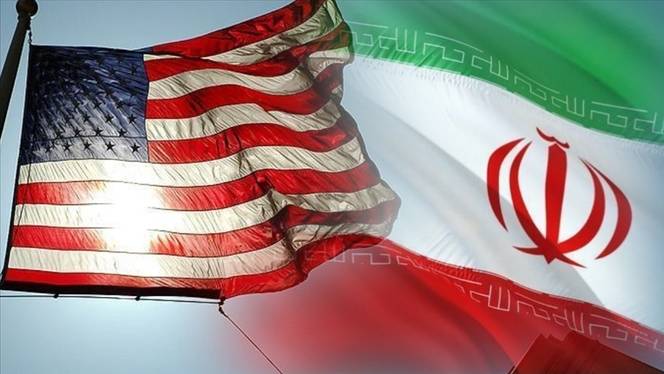
Immediately upon his return to the White House for a second stint, a hawkish Donald Trump has put Iran on notice.

In the first week of February, the US President signed a presidential decree reinstating the maximum pressure policy on Iran, saying that though he was not pleased with the decision, he had no choice but to adopt a firm stance.

A few days later, Trump claimed that a very “frightened” Iran was ready for a deal with the US over the Shia-majority nation’s nuclear programme.

The moot point of his assertion was that he would also prefer a deal rather than Israel carrying its threat of attacking Iran’s nuclear facilities. “I’d much rather do a deal that’s not going to hurt them.”

Since Trump assumed office, Iranian officials have consistently voiced their support for dialogue and expressed a willingness to engage in negotiations with the new administration.

On January 14, Iranian President Masoud Pezeshkian reaffirmed this position in an interview with NBC, emphasising Iran’s openness to talks.

However, any potential for a dialogue appeared to have been decisively shut down following a February 7 statement by Iran’s Supreme Leader, Ali Khamenei.

Addressing members of the Iranian military, Khamenei declared that engaging in negotiations with the US was neither a prudent nor an honourable course of action, unequivocally rejecting the prospect of talks between the two countries.

Some analysts have interpreted Trump’s January approval of the sale of 4,700 additional MK-84 bunker-buster bombs to Israel as part of a broader Iran strategy.

This begs the question: How would Iran-US relations evolve under Trump, and how significant is the threat posed by Iran’s potential nuclear capabilities?

Read More

Israel likely to attack Iran nuclear facilities by midyear — report

Trump’s first term and Iran

Trump’s re-election marks a critical turning point for Iran. Even during his first presidency, Trump’s policy of maximum pressure had led to significant economic, political, and military challenges for Tehran.

It was during the first Trump administration that some seismic events – such as the US withdrawal from the nuclear deal, the re-imposition of economic sanctions, and the assassination of Quds Force commander Qassem Soleimani—intensified the pressure on Iran.

With Trump’s re-election, the Iranian leadership is concerned about the prospect of further escalation of previous policies.

Recent developments in the region indicate that Iran’s deterrence capabilities have reached a critical low.

An analysis of Iran’s national security and defence doctrine reveals that it rests on three principal strategic pillars: the establishment of a forward defence line via non-state actors under the Quds Force, an extensive missile programme, and efforts to achieve nuclear threshold status.

However, Israel’s attacks in 2023 and 2024 have significantly weakened these pillars. Indeed, the elimination of Hezbollah leaders, the destruction of its command structures, and successful Israeli airstrikes against Iranian territory have complicated Iran’s ability to leverage these elements as an effective deterrent.

Moreover, although Iran’s missile programme is still impressive in terms of variety and quantity, its effectiveness was found to be limited during the April and October 2024 attacks. The majority of Iran’s missiles either missed their targets or proved ineffective.

The Israeli strikes on October 26 severely damaged Iran’s missile engine production facilities and solid fuel production capabilities.

In particular, the strikes on the Shahroud missile complex have significantly constrained Iran’s ability to develop long-range missiles. As a result of these strikes, Iran’s most advanced air defence systems (S-300 PMU2) were rendered inoperable.

The remaining systems are limited both in range and capability, thereby increasing Iran’s vulnerability to external attacks. These vulnerabilities have prompted Tehran to reconsider the option of developing nuclear weapons.

While Iran has the capability to produce weapons-grade uranium within a week, integrating a nuclear warhead into a missile system is regarded as a time-consuming process.

Iran’s nuclear programme and rising concerns

Trump’s threats and the continuing tensions surrounding Iran’s nuclear programme represent a critical juncture for the country.

Rather than initiating the production of nuclear weapons, Tehran could adopt the more cautious yet effective step of announcing its intention to withdraw from the Nuclear Non-Proliferation Treaty (NPT).

Such a move would underscore Iran’s seriousness while seeking to extract more concessions at the negotiating table.

A notable example is North Korea, which in 1993 employed a similar strategy by announcing its intention to withdraw from the treaty, subsequently suspending its decision before ultimately carrying it out.

Iran’s threat to withdraw from the NPT could be perceived by the international community as a shift toward nuclear weapons production. This, in turn, could escalate regional tensions and potentially encourage Israel to deploy US-made bunker-buster bombs against Iranian nuclear facilities.

Iran’s clandestine nuclear weapons programme, known as the Amad Plan, sought to produce five nuclear weapons between 1999 and 2003.

Under this plan, four warheads for Shahab-3 ballistic missiles and one bomb for an underground test were developed.

According to the Iranian nuclear archive captured by Israel in 2018, Iran has made significant advances in critical technologies, including nuclear warhead design, neutron initiators, and detonation focusing systems. This information is regarded as a contributing factor to Iran’s increased capacity to produce nuclear weapons.

Significant similarities exist between China’s first nuclear bomb (codenamed 596) and Iran’s early designs. The findings indicate that Iran is approaching the status of a nuclear threshold state.

Therefore, Trump’s nuclear policy toward Iran is a critical issue, both in terms of differing perspectives within his administration and the broader international context.

Where can the process evolve?

Iran’s nuclear programme remains a priority concern for both Europe and the US.

With the expiration of the UN Security Council (UNSC) snapback sanctions in October 2025, the US-led West risks losing one of its most powerful tools of diplomatic leverage.

In this context, Europe plans to leverage Iran’s vulnerabilities and time constraints to initiate an effective nuclear diplomacy process.

Indeed, a statement by the E3 – France, Germany and the UK – that it is prepared to utilise all diplomatic tools against Iran indicates that patience is waning.

Simultaneously, Iran’s statements suggesting it may reassess its technical capabilities and political intentions have raised concerns within the international community.

The US might intensify pressure by tightening the enforcement of secondary sanctions on the Iranian economy.

As an initial measure, Trump imposed sanctions on a key international network involved in the sale of Iranian oil, delivering a significant blow to Iran’s oil exports.

Expanding sanctions to target major purchasers of Iranian oil, particularly China, could exacerbate Iran’s economic vulnerabilities.

In other words, the US and Europe may capitalise on this window of opportunity by intensifying pressure on Iran while simultaneously presenting clear diplomatic solutions.

In Iran, contrary to Khamenei’s rhetoric, there are indications that a large section of the leadership and population are generally supportive of negotiations with the US.

Recently, the Center for Islamic World Studies, aligned with Supreme Leader Khamenei, conducted a survey on Iran-US negotiations as part of its advisory role in foreign policy.

The study surveyed 119 academics, senior executives, and current and former officials. The results revealed that 86.5 percent of respondents supported direct negotiations between Iran and the Trump administration, while just 5.8 percent opposed the proposal. A further 7.5 percent of respondents indicated that negotiations would be conditional.

Against the backdrop of Trump’s belligerence against Iran, the risk of Israel attacking Iran’s nuclear facilities has gone up manifold.

How Tehran decides to navigate the choppy waters of uncertainty will determine the future of US-Iran relations. And, perhaps, of the volatile region too.

Ata Şahit

Ata Şahit

Ata Şahit is an executive producer for TRT.

Continue reading
A World Without America?

By Dr Khairi Janbek

Away from the condom politics which seems to be just an obsession of a Washington administration suffering from erectile dysfunction, on thought it would be intriguing to imagine a world without America, which means deep cultural, economic as well as political implications. It’s a thought experiment which forces one to imagine how the world would look like without the specific influence, history and power dynamics that the USA has shaped.

On the geopolitical and global power level, other nations would have to step in into the void, vying for influence. Europe, China, Russia and India would probably play a central role on global politics, in addition, the Security Council of the UN will start looking very different, Europe would become the dominant force strengthening its collective military and political capabilities.

In terms of culture and society, American has played a central role in shaping global pop culture, Hollywood, music, fashion and hi-tech, indeed other nations would have come in, in Asia South Korea, Japan and India would take a central role in shaping global culture, with Europe asserting itself in the arts and literature.

In technology and innovation, the US has produced Silicon Valley and leading corporations in software, hardware and AI, however without, China and Europe would fill the hitech leadership role which probably would accelerate their breakthroughs.

As for the economy, without America, the world economy would be real different, the US dollar would not be the world reserve currency, with the Euro and the Yuan, being the global standard. Trade dynamics would be rearranged and institutions like the World Bank and the IMF would have other substitutes.

Regarding military and defense, American power is unmatched , without it global security dynamics would shift drastically, NATO might not exist, while regions powers like Russia, China and India, would become more aggressive in asserting their influence.

In terms of the environment and social movements, the US has been at the forefront of global debates on climate change, social Justice and human rights; taking note of course, with mixed results, but without it, certainly others would take the lead, for a start, Europe has been a leader in pushing for climate action , and in social action, countries like Brazil, South Africa, would fill in the gap with most probably leading to different outcomes. But , the USA has been a major donor for global and humanitarian aid, and their contribution would have to be substituted by other coalitions, which one assumes would be limited only to crisis.

Essentially, a world system without America, the international system would be less centered around one dominant great power, as power would be more diffuse with multiple centers of influence and more regional power struggles, but at the end of the day, the purpose for the use of condoms would be much clearer.

Dr Janbek is an opinion writer based in Paris

Continue reading
Israeli Army Withdraws From The Rafah Crossing

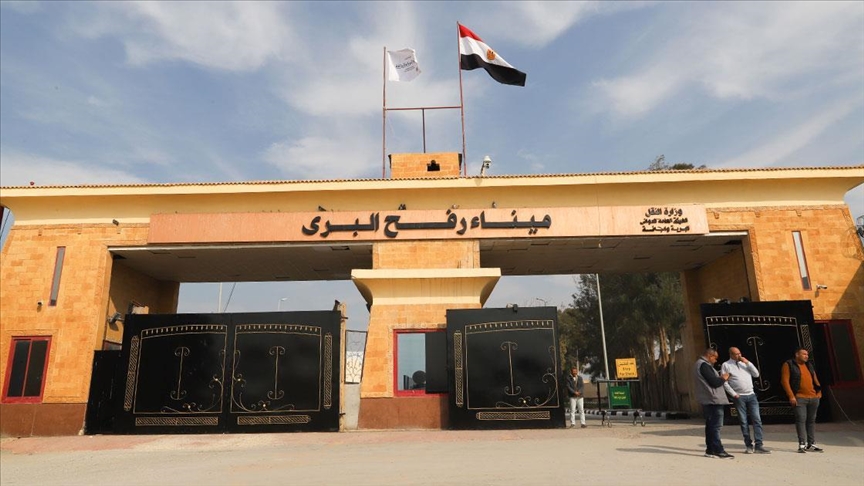
The Israeli army withdrew from the Rafah border crossing between Gaza and Egypt on Friday in accordance with the terms of the cease-fire agreement, which went into effect on January 19.

According to Israeli Army Radio, the army handed over the crossing to an international force from the European Union (EU) in preparation for its reopening later on Friday.

The radio, which quoted a security source without mentioning his name, noted that the Israeli army has redeployed its forces in an area along the Gaza-Egypt border.

Besides the EU mission, the source said Palestinians from the Ramallah-based Palestinian Authority will run the crossing from the Palestinian side, with the role being to stamp existing permits from Gaza.

The broadcaster’s correspondent, Doron Kadosh, said 50 wounded Palestinians will be allowed every day to travel in addition to three escorts to each injured, totaling 200 people every day.

He added that all names of wounded people and their escorts will be checked by the Israeli general security service Shin Bet, along with Egyptian approval on the names.

The EU on Friday resumed its Rafah border crossing mission connecting the southern Gaza Strip to Egypt, including for Palestinians needing medical care.

“Europe is here to help: the EU’s civilian border mission deploys today to the Rafah Crossing at the request of the Palestinians and the Israelis,” EU foreign policy chief Kaja Kallas announced on X.

The Palestinian Health Ministry also confirmed that the crossing would open on Saturday for the first batch of wounded people to leave Gaza.

It added that their travel is planned in collaboration with the World Health Organization.

The Rafah crossing, a vital route for humanitarian aid into Gaza, has been closed since May 2024 after Israel’s ground offensive in the southern city of Rafah.

On Jan. 19, a ceasefire agreement and prisoner exchange between Hamas and Israel went into effect, initially lasting 42 days, during which negotiations will continue for subsequent phases of the deal. The agreement is mediated by Egypt and Qatar, with support from the US.

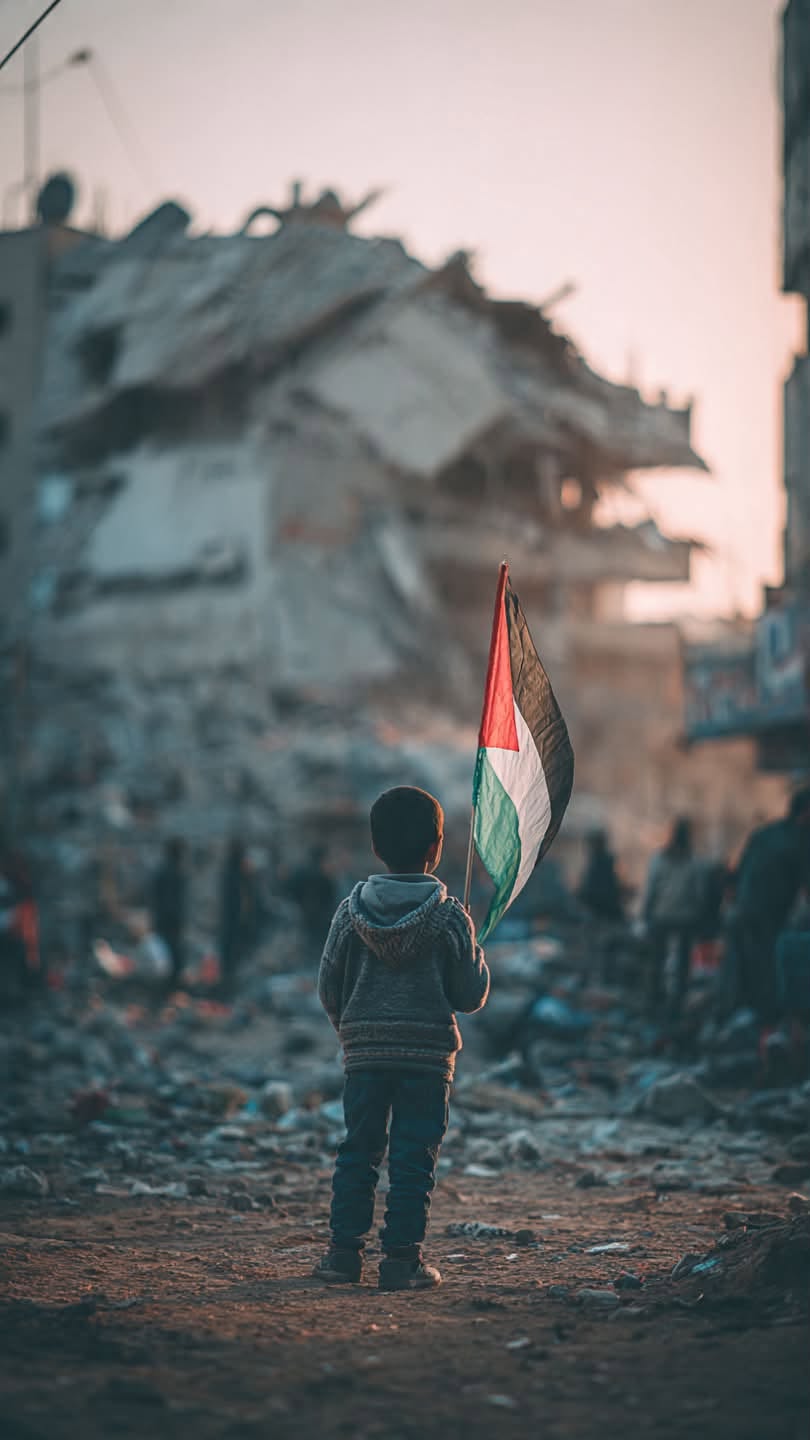
Israel’s genocidal war has killed more than 47,400 Palestinians, most of them women and children, and injured more than 111,000 since Oct. 7, 2023.

The Israeli onslaught on Gaza has left more than 11,000 people missing, with widespread destruction and a humanitarian crisis that has claimed the lives of many elderly people and children in one of the worst global humanitarian disasters ever according to Anadolu.

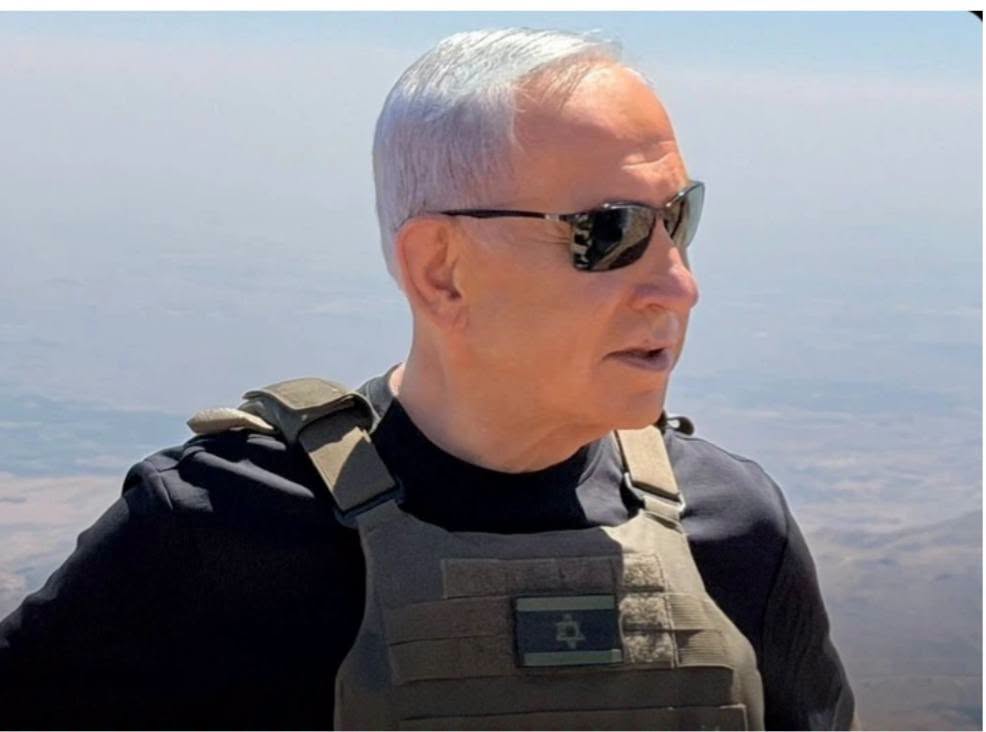
The International Criminal Court issued arrest warrants in November last year for Israeli Prime Minister Benjamin Netanyahu and his former Defense Minister Yoav Gallant for war crimes and crimes against humanity in Gaza.

Israel also faces a genocide case at the International Court of Justice for its war on the enclave.

Continue reading
Houthi Missile: 18 Israelis Injured in Rush to Get to The Shelters

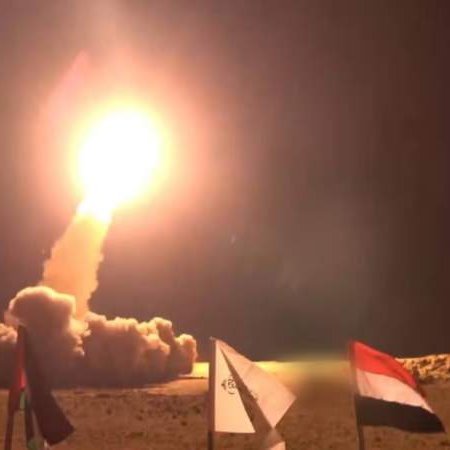
At least 18 Israelis were injured early Friday while rushing to shelters in Tel Aviv, following a missile launch from Yemen which the Israeli army claimed to have intercepted.

According to the army, the missile was intercepted before entering Israeli airspace, with alarm sirens sounding across central areas of the country, including the Tel Aviv metropolitan area.

Emergency services reported no direct injuries or material damage from the missile but confirmed that 18 individuals were hurt during the rush to shelters.

Following the missile launch, several flights from Europe to Ben Gurion International Airport were delayed with landing operations resuming approximately 30 minutes later.

On Thursday evening, the Houthis reported that Israeli airstrikes on Sanaa International Airport and Al-Hudaydah province killed six people and injured 40 others.

The latest strikes are part of a pattern of Israeli military action in Yemen this year.

On 20 July, Israeli airstrikes on Al Hudaydah Port are said to have killed dozens and caused significant material losses, estimated by Houthi officials at $20 million.

On 29 September, Israeli forces conducted widespread airstrikes on western Yemen, including Al Hudaydah and Ras Isa ports.

Most recently, on 19 December, Israel targeted power stations in Sanaa, Al Hudaydah, Salif, and Ras Isa, resulting in nine deaths, three injuries, and severe infrastructure damage. The strikes left hundreds of thousands without electricity.

The Houthis have targeted Israel, as well as Israeli-linked shipping and naval vessels in the Red Sea, in solidarity with the Palestinian people in the Gaza Strip, where Israel has killed more than 45,300 people since the 7 October, 2023 Hamas attacks.

The US and UK have also been bombing Houthi targets in Yemen according to Anadolu.

Continue reading