Gaza: A Painter’s Tragedy Toolkit

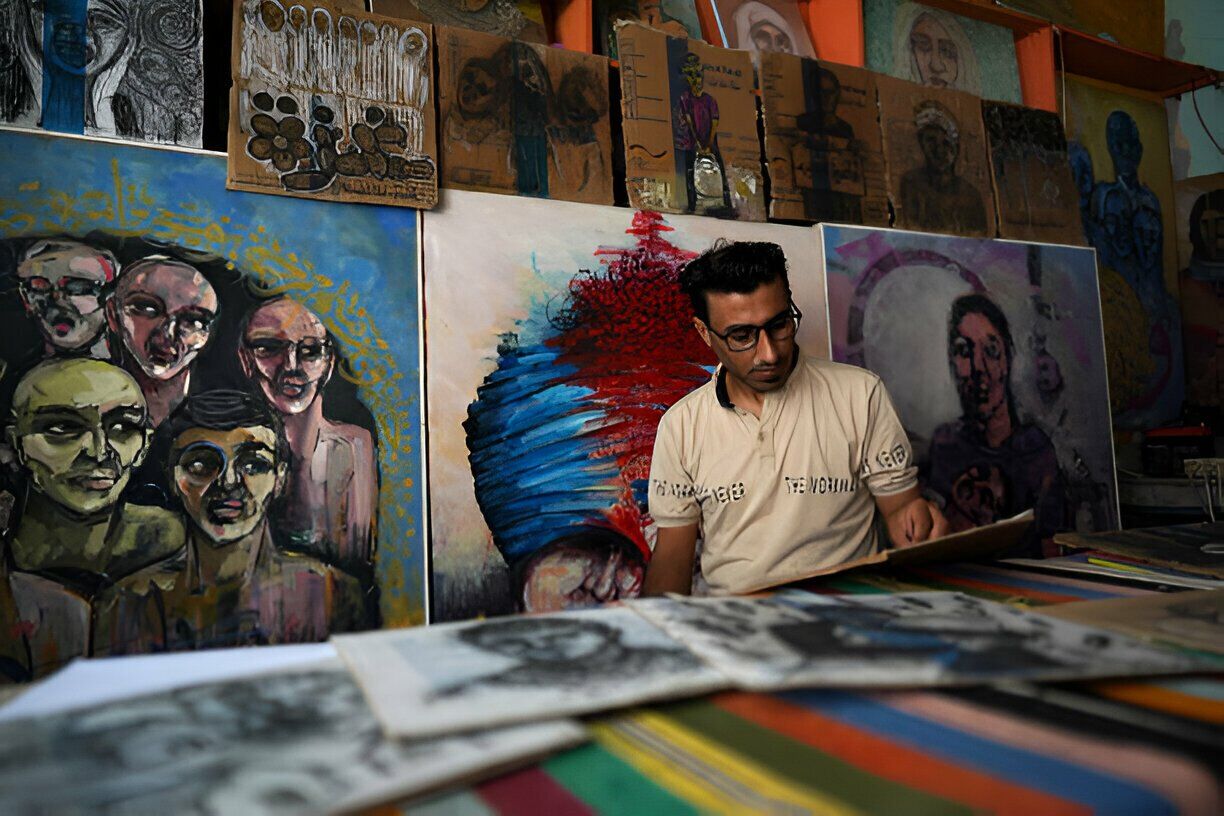
As if his works were from distant crumbling past, Gaza artist Ahmad Mahna documents the aggression on his little enclave. He uses the aid boxes dropped from the parachuted air to feed the starved to draw on and tell a painter’s story of the ongoing Israeli genocide.

Mahna says the goal of drawing is not only to document Israeli crimes but to send a message to the world, there are people in Gaza who love life and have needs beyond food and drink and want to tell the world of the need to stop the criminal actions against them meted by Israel and their forced forced displacement while the world looks on in silence as narrated in Al Mayadeen.

As a citizen living in a besieged enclave, Mahna has always been accustomed to difficult circumstances and never felt bound by the routine methods followed by world artists to see their creations come to light.

When he does not find the appropriate tools, he turns to whatever is available to him. Such may include paper, pencil, wall, piece of cloth, glass and even an old, neglected wooden board. In the artist’s eyes, these “worn-out” things can be transformed into inspiring artworks.

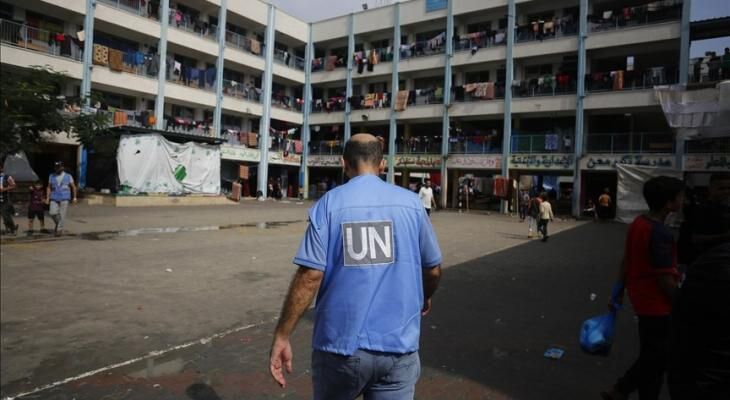
“Being across from an UNRWA school is a major incentive to draw,” Mahna pointing to the scenes of displaced people running to shelters as the aggression thickens combined with people fleeing guns and bombs thrown on displacement camps, queues to obtain water, bread and firewood, and scenes of the wounded carried on shoulders.

These tragedies become sad but rich material for Mahna to transfer such oppression and grief onto paper and from there on pass to the world.

Today the Gazan artist left his mark everywhere through his works and murals, saying it was difficult to stand idly by amidst the horrors he was witnessing, so he armed himself with his charcoal pen, and divided the “carton” into four paintings beginning with “A Four-Year-Old Girl Carrying a 16-Liter Gallon of Water”, and published it on the social media.

It became an instant hit, generating much and unexpected interest with many asking him to draw more about the sufferings of the displaced. Today,  Mahna is a “beacon” for many artists, and the owner of dozens artistic pieces which tell the world, through simple lines, the meaning of the ethnic cleansing that is taking place in Gaza, through such titles as “Escape from Death”, ” Last Embrace” and others.

Mahna says the painting comes out of a “first-time situation I experience” with emotions flooding whether its love, fear, anger or sadness. He fills his painting with details that convey a reality of interconnected circuits surrounding the lives of residents including death to provide basic needs daily, movement of passersby to and from hospitals that has become a daily routine due to the bombs and air-raids, and the incessant spread of diseases that is everywhere.

Because the tent has become the main “hero” in the story of Palestinian displacement, Mahna transfers the canvas into a painting with rich details, focusing on the scorching temperatures that melt the people inside, the insects, scorpions, and snakes that surround them like a barbaric army from every direction, and the sounds they hear from every corner, nullifying the individual privacy and the human need for rest and calm.

Coffee and Painting

“There is no one left who has not been affected by the war,” says Mahna, a former employee in one of the art institutions in Gaza. He lost his job and had to look for an alternative to provide him with his daily bread, so he opened a tea and coffee kiosk whilst making wall paintings where passersby would stop not only for the coffee but contemplate the paintings with respect for the skilled maker, as if directing words of thanks to him for what he conveys for their suffering.

Like others, Mahna did not comprehend the ongoing war of extermination till three months after the massacres when he shook off the cloak of despair and decided to stand up again. Thus, he opened his own studio under his downtrodden house. Only then did he feel he returned to the world he belonged to, amidst the looks of children escaping the boredom of the shelter that now surround him from every direction, reminding him of his societal role in managing workshops to relieve their psychological stress through art.

Mahna describes himself as a street artist because his drawings express the state of society and its conditions. From drawing destroyed homes and the color of the rubble, Mahna gives passersby hope in a city reduced to ruins. He has plenty to draw from images of corpses, limbs, mass graves, grief of bereaved mothers over their sons and their screams over those who remained under the rubble to the depiction of the ungodly famine in north Gaza.

Mahna faces difficulty in obtaining drawing materials. Charcoal pencils can run out at any time. Aid boxes have also become difficult to obtain in light of the increasing gas crisis, as residents prefer to burn them to prepare food instead of producing several paintings to look at while they are starving. He pointed out he faces the same problem that forced him to set fire to the wood that supports his paintings, but he is still trying to keep art alive in Gaza despite everything.

Continue reading
Bibi Tells Israel Army No Escape From Gaza

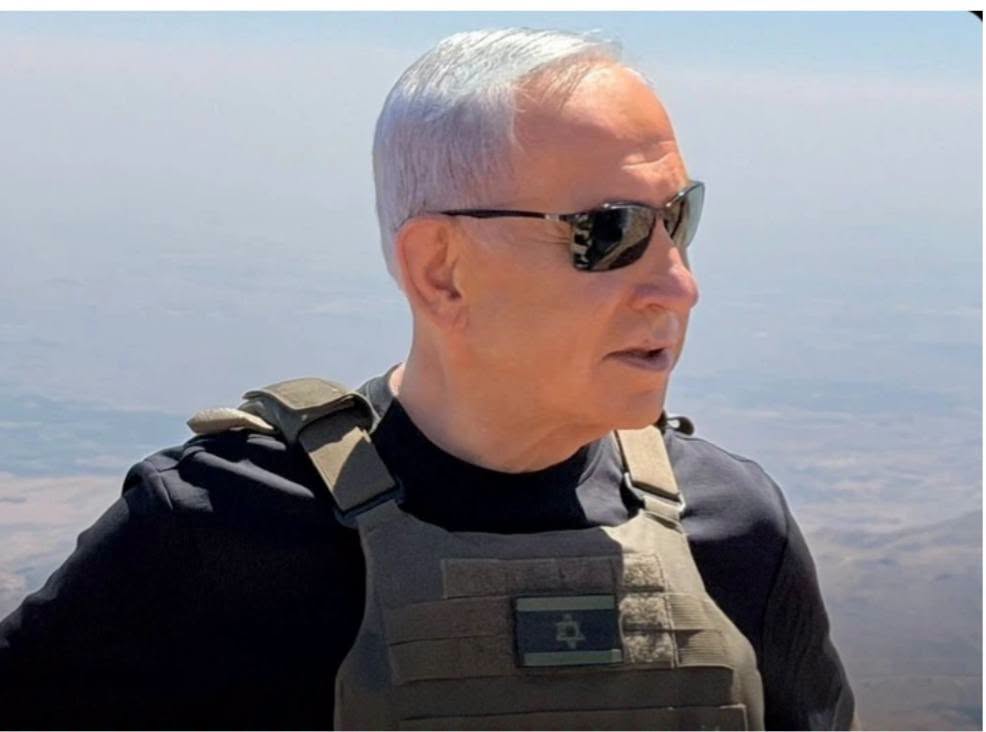
Military expert Major-General Fayez Al-Duwairi confirmed that Israeli Prime Minister Benjamin Netanyahu is trying to prolong the war on Gaza by carrying out assassinations in the Lebanese and Iranian capitals in the hope of “reshuffling the cards” in the region.

He explained – in his analysis of the military scene in Al Jazeera – if Netanyahu had achieved his goals in the Gaza Strip, he would not have bombed the southern suburb of Beirut and assassinated chief of the Hamas political bureau Ismail Haniyeh, in Tehran.

He pointed out Netanyahu wants to save himself, and does not care about the Israeli prisoners held in Gaza. Netanyahu recovered a very small number through military operations, while more than 100 prisoners returned as part of the exchange deal concluded with Hamas late November 2023 according to Assawsana.

Al-Duwairi stressed the war of attrition of the occupation army is continuing in Gaza. He said it will keep going on while noting talk about the third phase of the war has become a thing of the past in light of the presence of four Israeli military divisions inside the Gaza Strip.

According to the military expert, the presence of this large number of Israeli forces means “a return to square one of the fighting despite the passage of more than 300 days since the outbreak of the war,” and which started soon after 7 October of last year.

He stressed the resistance videos that are broadcast daily from various combat zones in the Gaza Strip speak for themselves. They show the resistance’s performance on the ground.

He pointed out the statements of the Chief of Staff of the Occupation Army Herzi Halevi in which he called for seizing any opportunity to conclude a deal to cease fire in Gaza and exchange prisoners, indicate this means his army want to “escape from the sands of Gaza.”

Continue reading
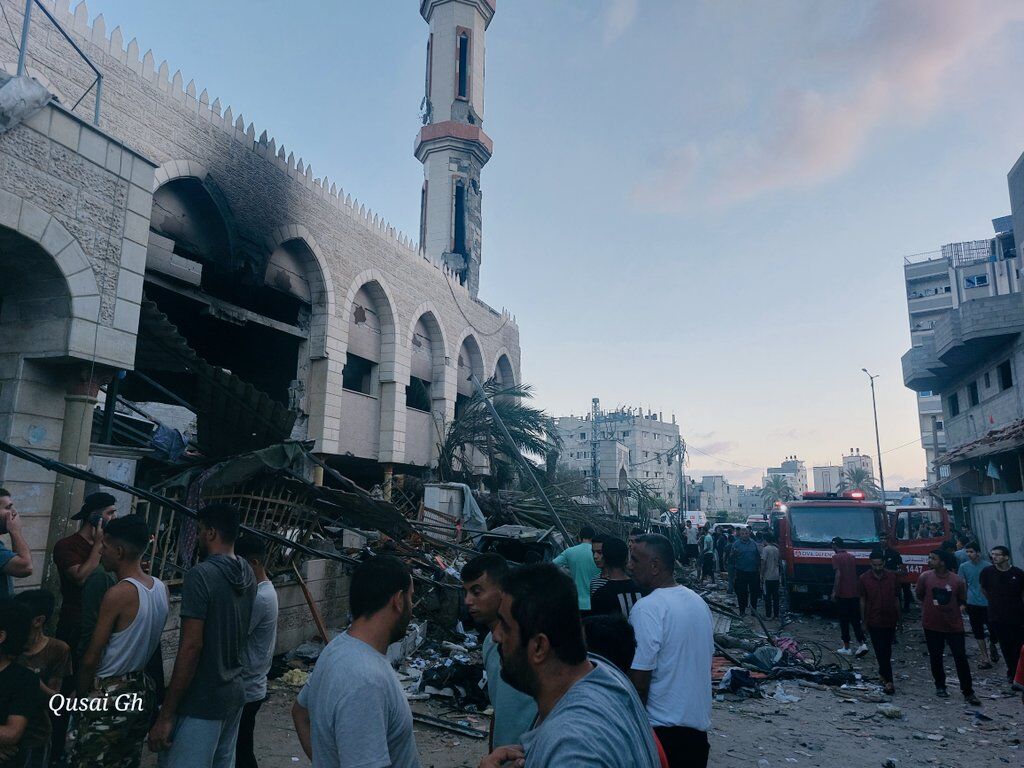
17 Killed in School Massacre Israeli Style

At least 17 people were killed in Israeli airstrikes on a school sheltering displaced Palestinians in central Gaza, Saturday.

The Government Media Office in Gaza said many others were injured in the attack on the Al Hamama School in the Sheikh Radwan neighborhood in Gaza City.

Sources on the ground reported at least three bombs were dropped on the school whilst rescuers and volunteers inside the facility were trying to help people escape the rubble as it was destroyed completely.

Al Jazeera’s Anas al-Sharif was reporting on the Israeli attack on the school.

“While we were documenting the massacre inside this school, the displaced people received calls from the Israeli military ordering them to evacuate the building immediately, because it was going to be targeted again,” he said.

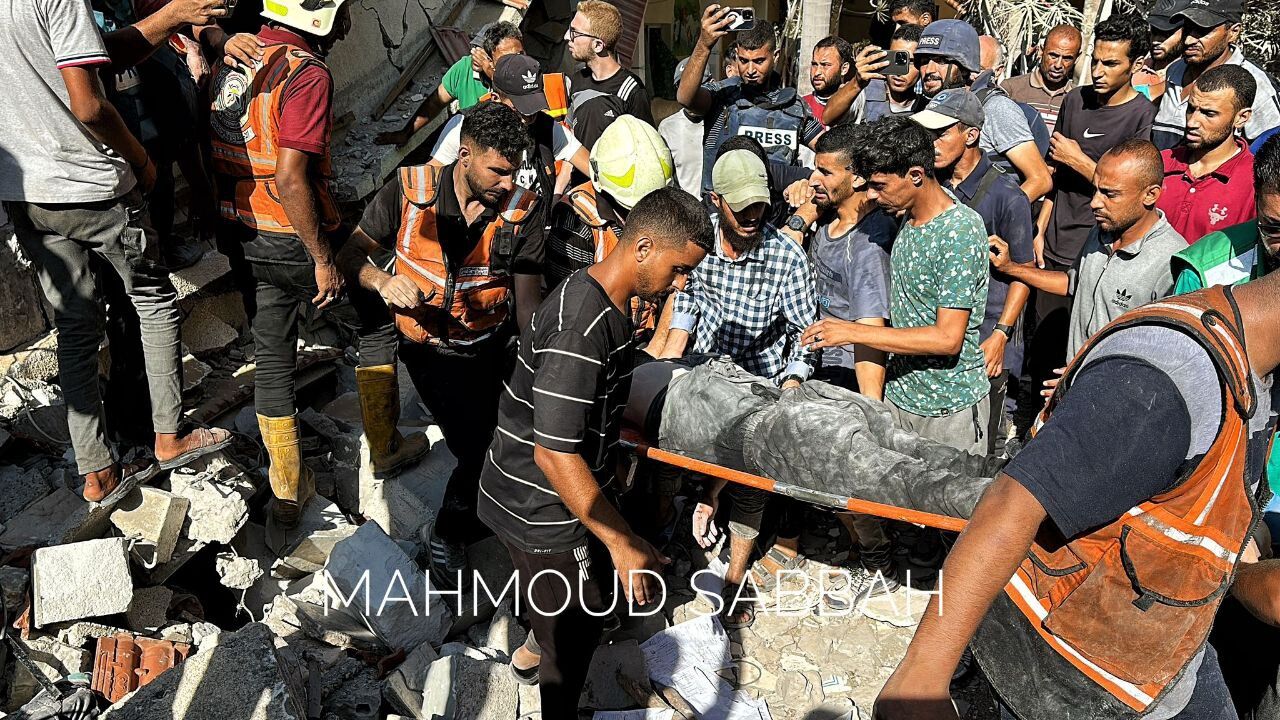
“Bodies are everywhere and the medics are retrieving them and body parts everywhere … it’s a big massacre,” according to the Quds News Network.

Continue reading
Military Expert: Israel to Retreat From Tal Al Hawa in 72 Hrs

Military and strategic expert Major-General Fayez Al-Duwairi expects the Israeli army to be forced to retreat from Tel Al-Hawa in Gaza City, in the next 72 hours. The intensity and effectiveness of the resistance operations in the area will make sure of that, he added.

The Al-Qassam Brigades, the military wing of Hamas, announced it carried out several operations targeting Israeli soldiers and vehicles in Tel Al-Hawa. Al-Jazeera correspondent monitored the intense fighting in the neighborhood and the direct targeting of the occupation forces.

In an analysis of the military scene, Al-Duwairi pointed out there are four Israeli divisions fighting from Tel Al-Hawa to Rafah in the south. These are the 98, 99, 252 and 162 divisions, noting the fighting is fierce in most of theses areas, except in the northern region and parts of Gaza City.

Al-Duwairi explained the framework of operations in the areas surrounding Gaza city is difficult for the Israeli army, indicating it failed to achieve its goals in Jabalia, Shuja’iyya and Zeitoun, entering these areas repeatedly without achieving its goals.

The military expert pointed out that this is the sixth time the Israeli army enters this neighborhood, and this time as it will be forced to leave soon. He also pointed out the occupation army entered the camps area in the south twice with its  98th Division and failed, then sent the 36th Division and failed there as well.

Complete destruction

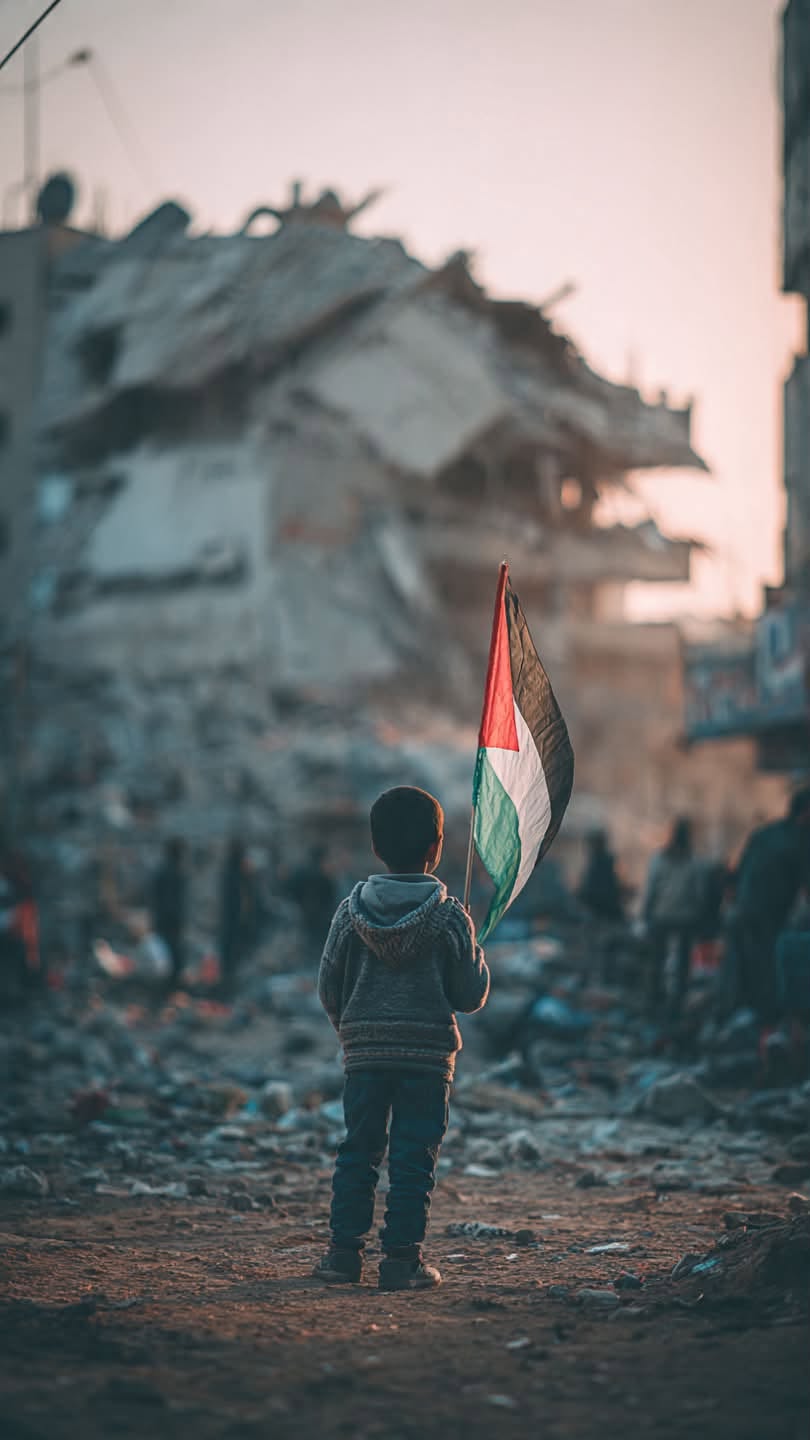
The real reasons for these Israeli incursions lie in the goal of completing the destruction of Gaza, displace more people and end the basic necessities of life, as each incursion is preceded by an Israel military order to the residents to evacuate the area.

In this context, he pointed out, the occupation destroyed the main water tank in Tel al-Sultan neighborhood in Rafah. He emphasized this reflects the army’s approach that is based on “gang ideology.”

Al-Duwairi, a military analyst in Al Jazeera Satellite Channel, pointed out the occupation doesn’t want the people who have been displaced to return, under the pretext of the infiltration of militants, which indicates a forced displacement process that may turn into permanent one.

As evidence of this, the military expert pointed out the Israeli army has completely destroyed homes and residential complexes in the south and east of Gaza City, and destroyed agricultural areas in the eastern region, saying such action is aimed at preventing people from returning.

Sniper bullet

Commenting on the sniper operation of an Israeli soldier in Khan Yunis broadcast by the Qassam Brigades, Al-Duwairi believes these Hamas fighters are using “leftover” war ammunition which reflect their ability to efficiently exploit available resources.

He explained the bullet that was used was 14.5 mm in caliber. He noted the use of these bullets reflects the resistance’s ingenuity in benefiting from weapons neglected and abandoned by the occupation soldiers.

Al-Duwairi pointed out the operation included accurate monitoring of occupation soldiers, which reflects a high level of planning and implementation, and best locations identified to carry out the sniper operation, which demonstrates professionalism on the part of the Palestinian fighters.

The military expert pointed out the morale of the Qassam fighters plays a decisive role in the success of the operations, stressing the sniper who carried out the operation enjoyed high confidence stemming from his belief in his cause.

He explained that the resistance does not only rely on recycling war remnants, but also uses strategies for direct reuse, as happened with the sniper bullets that appeared in this clip.

He pointed out the Al-Qassam Brigades use three main strategies: Reusing ready-made waste, recycling explosives, and reusing missiles dropped by occupation aircraft according to the Jo24.net website.

Continue reading
Eyewitness Report: Israel’s Atrocities in West Gaza

During its four-day incursion into the western parts of Gaza City, the Israeli army committed horrific atrocities against Palestinian civilians, including willful killings, extensive destruction and burning of civilian buildings and homes, and forced evacuation as part of the ongoing crime of genocide for the tenth consecutive month.

After invading the area at dawn on Monday, 8 July, Israeli army forces began to withdraw early on Friday, 12 July, from the Universities Area and the Sinaa’ Area, west of Gaza City. During this time, they launched numerous fire belts and engaged in indiscriminate shelling, stormed homes, and harassed residents. Reports indicated that over 60 people had been killed, with many bodies found in the streets and alleys, some of which were charred.

Euro-Med Monitor field crews are investigating reports that the Israeli army forces committed extrajudicial killings and unlawful executions of numerous residents, the majority of whom were women. These victims included two sisters, Maysoon Yaqoub Al-Ghalayini and Arwa Yaqoub Al-Ghalayini, as well as their sister Rafida Al-Ghalayini, who was left bleeding to death for two days without the Israeli forces allowing medical teams to reach her.

According to preliminary reports, the Israeli army killed entire families after raiding their homes in the Al-Sina’a area west of Gaza City. Those killed included Mustafa Ahmed Zaidiyeh, the two brothers Imad Khaled Zaidiyeh and Mahmoud Khaled Zaidiyeh, Abu Youssef Nasser Zaidiyeh, Fahmi Lulu, Jamalat Al-Shawa and her two sons, Ahmed Maher Al-Badri and Suha Maher Al-Badri, as well as six members of the Al-Khatib family.

Euro-Med Monitor teams documented the Israeli army torturing and severely beating Khaled Darwish Muhammad Zaidiyeh, 58, while he and several of his relatives were besieged in his home close to the industrial area, which was the army’s point of incursion on Monday, 8 July.

Khaled Zaidiyeh stated the following in his testimony to the Euro-Med Monitor crews: “(The soldiers) peed, put coffee on their urine, and made us drink it.” The children and women were forced out while crying. We were tortured and tied up, and the scars from the chains are still visible on us.  My nephew Mustafa, who was killed, asked to have his handcuffs taken off or loosened. But the soldiers refused and beat him all over his body. Anybody attempting to speak would face severe beating.”

He went on, “One of the soldiers put his leg over my head and started repeatedly stomping on it with full force. He then went to torture one more of the twenty-one people there before returning. My nephew’s face has swollen, despite suffering a heart problem, while the second who has special needs and was permitted to accompany the women. While I was lying on my stomach, one of the soldiers got up on top of me and began hitting me with his combat boots. I tried to calm down and be patient, but he kept jumping on top of me with his heavy weight and pressing his legs, aiming to break my bones.”

The soldiers then got a call and began to withdraw, while one of them threatened to return to me. All we could hear was our own voice as the soldiers broke the window glass of one of the houses. I thought they would make us step on the shattered glass, but they started shooting. Then they withdrew and left the area, threatening to kill us with quadcopters and snipers.”

A woman who wished to remain anonymous told the Euro-Med Monitor team: “The army opened fire on the house. We opened the door while raising the white flag. They forced the men to take off their clothes and assaulted them in front of us. My son was tired, so they beat him severely. Without bringing anything with us, we were forced to flee to the southern part of the Gaza Strip.”

According to documentation provided by Euro-Med Monitor teams, the Friends of the Patient Hospital was destroyed by the Israeli army for the second time, following its restoration approximately one month ago to serve the Gaza residents’ medical needs. The Israeli army also bombed the Al-Salam clinic, the only health centre in the Al-Sabra neighbourhood, south of Gaza City.

Along with demolishing and setting a number of homes on fire, the Israeli army also destroyed UNRWA schools near the industrial area, extensively damaging the classrooms, particularly the ground floors.

Based on observations and follow-up conducted by the Euro-Med Monitor team, it appears that the lack of equipment is making it difficult for rescue workers to recover victims from under the debris of the homes and buildings that were targeted by the Israeli army.

Additionally, testimonies were provided to Euro-Med Monitor regarding widespread thefts and robberies by Israeli army forces during home raids and forced evacuation of the locals, including large amounts of money and valuables.

The Israeli army has been looting gold jewellery and cash from homes it raids and from residents it forced to relocate to the south of the Gaza Valley, where they were forced to leave their bags and all of their belongings seized by the soldiers. These operations have been routinely carried out by the Israeli army when storming residential areas, raiding homes, and initiating random arrest campaigns against civilians.

Families Khudair and Jadallah members told the Euro-Med Monitor team that the Israeli army forces amassed and pilfered their personal belongings in bags, beating and detaining the men before driving the women and children out of the area and forcing them to evacuate to the central Gaza Strip.

Since the early hours of Monday, 8 July, the Israeli army has been waging a war of intimidation and forced displacement against the people of the Gaza City and its northern region. This has resulted in yet another massive wave of forced evacuation following military assaults and intense raids that the army has carried out as part of the genocide it has been committing since 7 October.

Under heavy rocket and shell fire in the industrial area, the Israeli army launched a ground incursion, directly targeting the nearly completely destroyed UNRWA headquarters and the headquarters of several other destroyed universities in western Gaza.

Subsequently, the Israeli army ordered the evacuation of large areas of Gaza City and forced the staff of the “Ahly Baptist” hospital to leave the area entirely. As a result, the only major hospital operating in Gaza for months was turned out of service.

Based on the aforementioned, all nations are required to fulfil their international obligations by enacting strong sanctions against Israel and severing all other types of political, financial, and military support and cooperation. This includes immediately halting arms transfers to Israel, including export permits and military aid; otherwise, these nations will be held accountable for the crimes that have been committed in the Gaza Strip, including genocide.

In order to ensure accountability, a comprehensive and impartial international investigation is required into the serious crimes and violations committed by the Israeli army forces against the Gaza Strip’s population and their property. These crimes and violations amount to fully-fledged, self-contained war crimes and crimes against humanity that cause serious harm and destruction to civilians and their livelihoods without justification or military necessity,

Additionally, the International Criminal Court ought to keep looking into any and all crimes committed by Israel in the Gaza Strip; broaden its investigation into criminal responsibility, in order to hold all perpetrators accountable; issue arrest warrants for those responsible; and acknowledge and address Israel’s crimes in the Strip, as they are international crimes that fall under the purview of the International Criminal Court and are clearly crimes of genocide.

This article is a reprint of a report by Euromed Monitors

Continue reading