ESCWA: War on Gaza Sets Backs Development by 69 Years

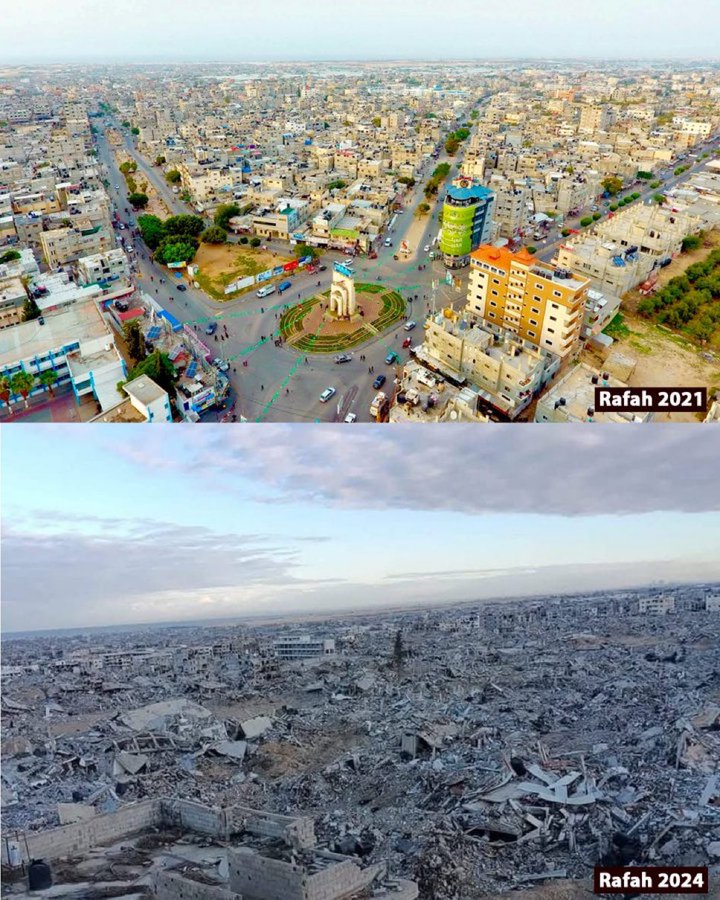
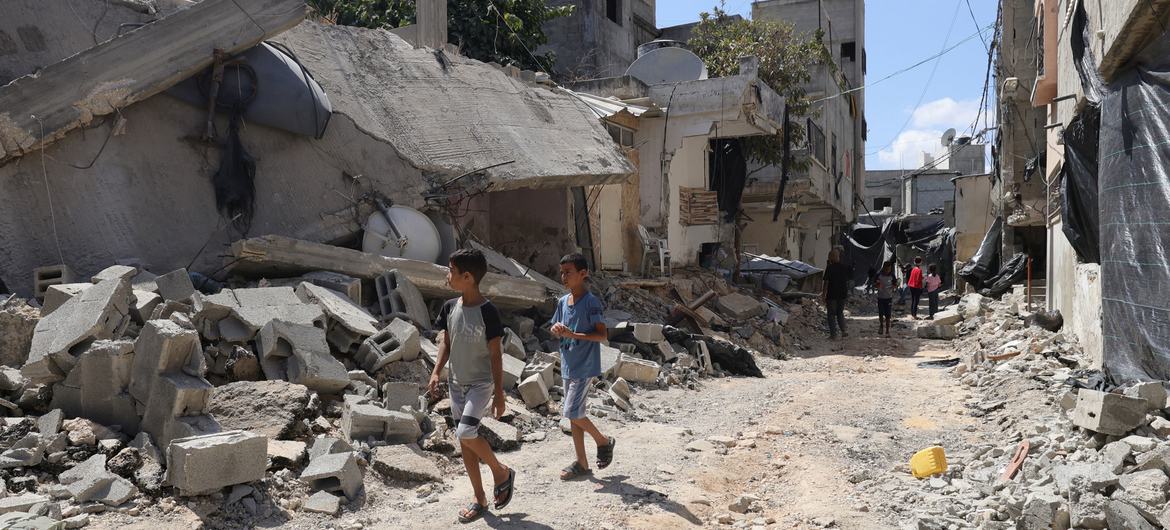
The impact of the year-long war in Gaza and escalations in the West Bank has set development in the State of Palestine back by about 69 years, according to a new UN report released on Tuesday.

“Without lifting economic restrictions, enabling recovery, and investing in development, the Palestinian economy may not be able to restore pre-war levels and advance forward by relying on humanitarian aid alone,” Gaza war: Expected socioeconomic impacts on the State of Palestine, concludes, produced by the UN Development Programme (UNDP) and the UN Economic and Social Commission for Western Asia (ESCWA).

The analysis suggests three recovery scenarios for Palestine. Given that the recovery will be a long-term process, the report assessed both the immediate impact projected for 2025 and the long-term impact anticipated by 2034, a decade after the start of the conflict.

“Our assessments serve to sound the alarm over the millions of lives that are being shattered and the decades of development efforts that are being wiped out,” said ESCWA Executive Secretary Rola Dashti.

“It is high time to end the suffering and bloodshed that have engulfed our region. We must unite to find a lasting solution where all peoples can live in peace, dignity and reap the benefit of sustainable development and where international law and justice are finally upheld.”

Projections estimate that the gross domestic product (GDP) will contract by 35.1 per cent in 2024 compared with a no-war scenario, with unemployment potentially rising to 49.9 per cent.

Three recovery scenarios

Building on findings published in November and May, the report estimates that poverty in Palestine will rise to 74.3 per cent in 2024, affecting 4.1 million people, including 2.61 million people who are newly impoverished.

The assessment also examines the extent and depth of deprivation, employing multidimensional poverty indicators and includes recovery prospects for Palestine after a ceasefire is reached as well as three early recovery scenarios.

The non-restricted early recovery scenario sees restrictions on Palestinian workers lifted and withheld clearance revenues restored to the Palestinian Authority.

In addition to $280 million in humanitarian aid, $290 million is allocated annually for recovery efforts, resulting in an increase in productivity by one per cent annually, enabling the economy to recover and putting Palestinian development back on track.

Unrestricted aid can help

The assessment suggests that a comprehensive recovery and reconstruction plan, combining humanitarian aid with strategic investments in recovery and reconstruction along with lifting economic restrictions, could help put the Palestinian economy back on track to realign with Palestinian development plans by 2034.

But, this scenario can only play out if recovery efforts are unrestricted, said UNDP Administrator Achim Steiner.

Projections in this new assessment confirm that amidst the immediate suffering and horrific loss of life, a serious development crisis is also unfolding – one that jeopardises the future of Palestinians for generations to come,” he said.

“The assessment indicates that, even if humanitarian aid is provided each year, the economy may not regain its pre-crisis level for a decade or more.”

As conditions on the ground allow, he said, the Palestinian people need a robust early recovery strategy embedded in the humanitarian assistance phase, laying foundations for a sustainable recovery.

Humanitarian situation deteriorating

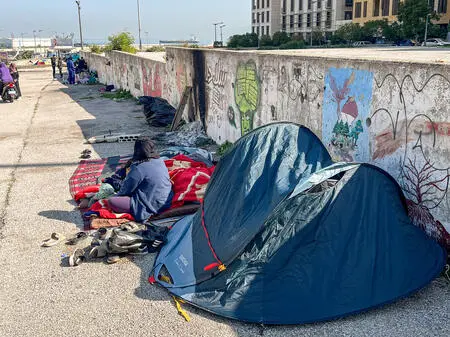
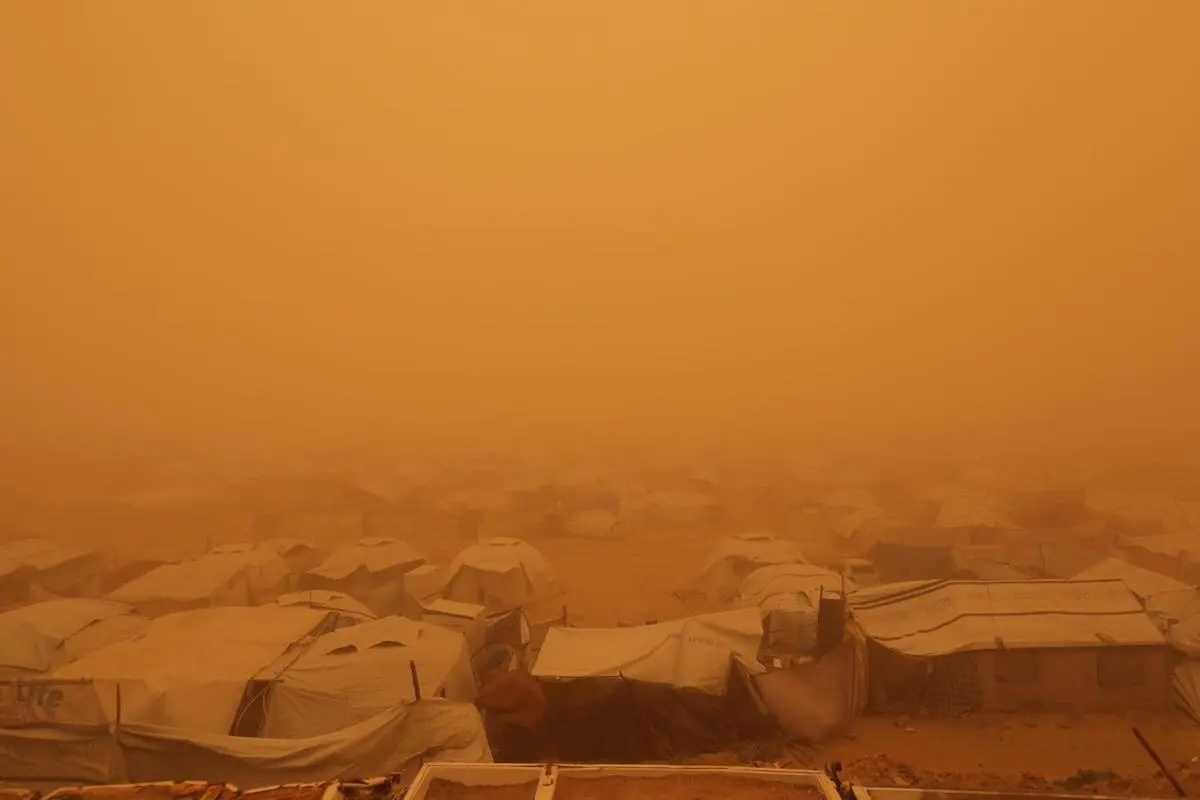
The humanitarian situation is catastrophic and deteriorating daily, said UNDP’s Chitose Noguchi, briefing reporters in Geneva from Deir Al-Balah, Gaza, where many displaced people are currently living.

“The State of Palestine is experiencing an unprecedented setback in development to the year 1955,” she said.

“Restrictions that are currently stifling the economy must be lifted,” she stressed, underlining the new assessment conclusion’s importance for the region. Currently, assessments are being conducted in Lebanon and Syria.

Read the full report here.
UN News

Continue reading
Winners, Losers in Ceasefire Gaza

Dr Khairi Janbek

The idea of peace in Gaza is a deeply complex and sensitive issue that involves multiple layers of history, politics, and human rights concerns. When asking who is the winner in such a situation, it is important to note that in conflicts like this, there is often no clear cut winner. Both sides have experienced significant losses, and the true victory is ideally peace and justice for all involved.

Therfore, writing about peace in Gaza and identifying a winner is a delicate and complex issue, given the long history of the conflict, the many political, religious, and social factors involved , anf the human toll. Rather than framing it in terms of winner, it might be more constructive to focus on how peace could be achieved and what that would mean for the people of Gaza, Israel, and the broader region.

To move forward, in any conflict the idea of a winner is flawed. For those caught in the crossfire, both Palestinians and Israeli have face immeasurable losses, so instead of asking who emerged victorious, we must ask how can both, Israelis and Palestinians, live side by side in dignity and security? Essentially, a lasting peace would not mean the obliteration of one side or the domination of another. It would require mutual recognition of each other’s rights, history and humanity. It would mean ending the cycle of violence that harms innocent civilians and leaves communities devastated, while opening the door for political and economic solutions that allow both peoples to thrive.

Heavy hand

For Israel, security is a non-negotiable priority. The persistent threat of violence from militant groups in Gaza has been a constant concern. On the other hand, Palestinians in Gaza must also be able to live without the heavy hand of occupation and blocade, ensuring their freedom. In this context, the international community must ensure that the rights of both Palestinians and Israelis are upheld, with a focus on dignity of the individuals; whether it is the right to live without fear of violence, or the right to self- determination and sovereignty.

Indeed the people of Gaza have long suffered under economic hardship, with hardly any access to basic services like healthcare, education, and employment opportunities, consequently any peace agreement must include a comprehensive plan for rebuilding Gaza, improving living standards, and opening up pathways to regional cooperation and trade. Achieving peace will require honest peacemakers on both sides, committed to negotiation and diaogue over violence. This clearly will involve the international community playing a much more active rôle in mediating talks, promoting trust-building measures, and holding all parties accountable.

The true winners in a new beginning would be the people; both Palestinians and Israelis, whom have suffered for too long. Peace would allow for the children of Gaza to grow up without fear of bombings, and for Israeli families to live in security without constant worry of attacks. Therefore, victory would be a shared one, a victory of humanity over hate, of hope over despair, and of a future where both Palestinians and Israelis can claim their right to live in peace, security, and mutual respect.

Dr Khairi Janbek is a Jordanian analyst based in Paris

Continue reading
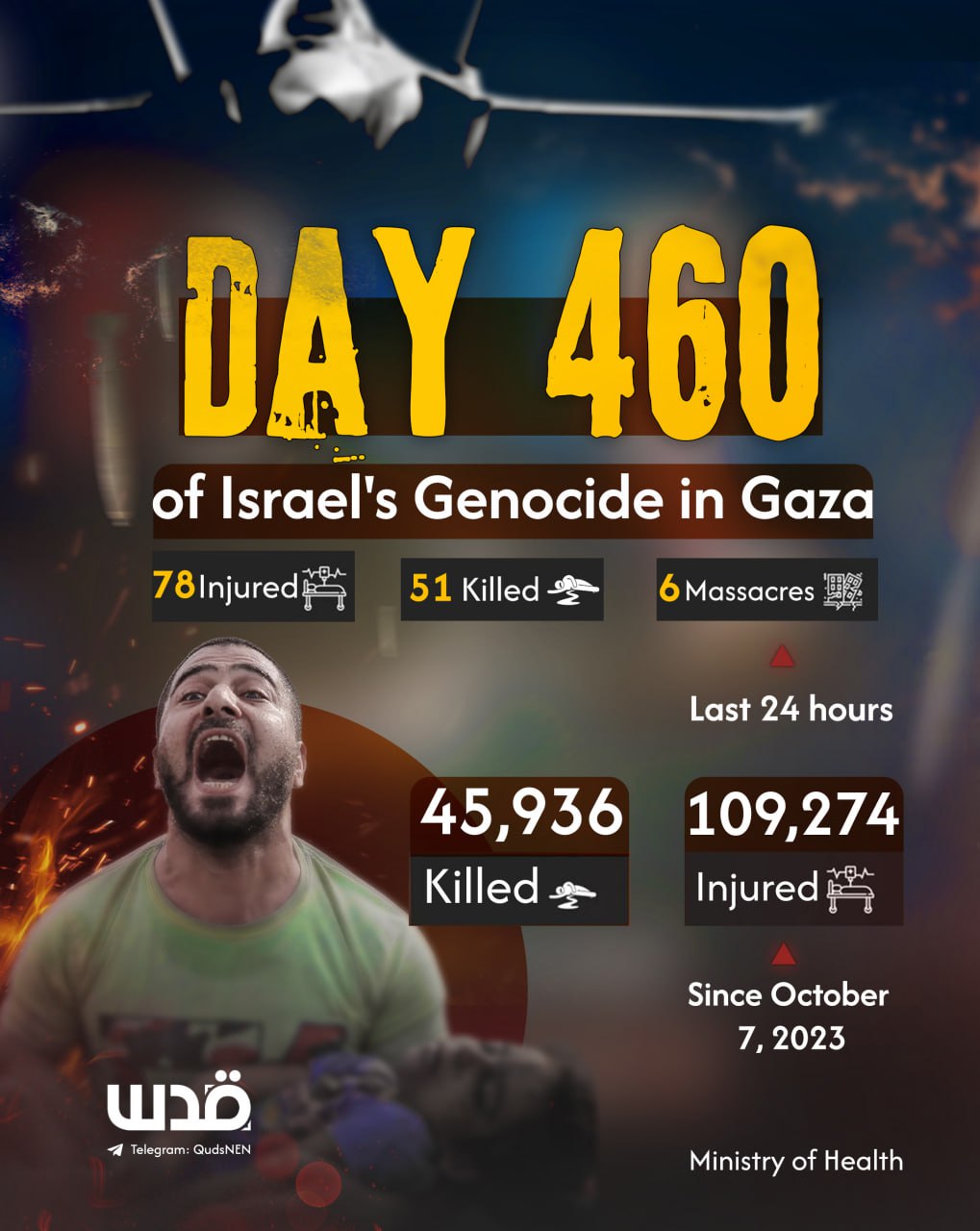
Day 460 of Israel’s Genocide

Daily briefing by the Ministry of Health in Gaza on day 460 of the ongoing Israeli genocide:

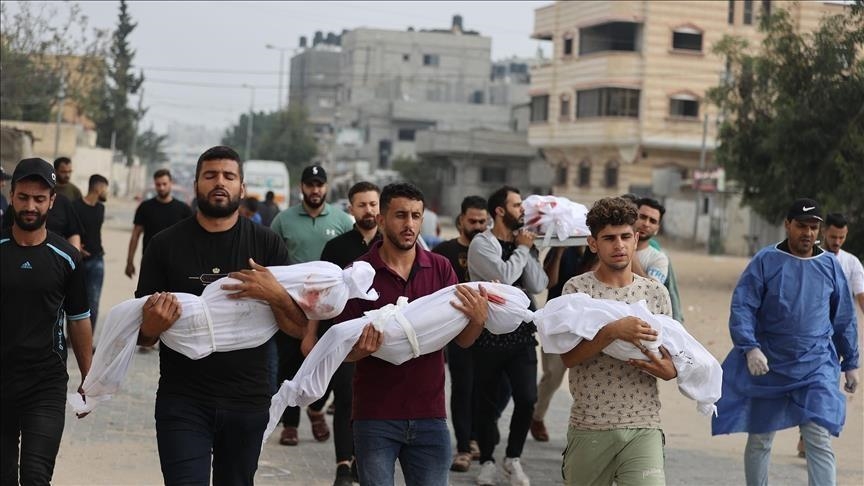
The Israeli occupation committed six massacres against families in the Gaza Strip over the previous 24 hours, resulting in 51 documented fatalities and 78 people injured.

The documented Palestinian death toll has now reached 45,936 individuals killed and 109,274 others injured since October 7, 2023.

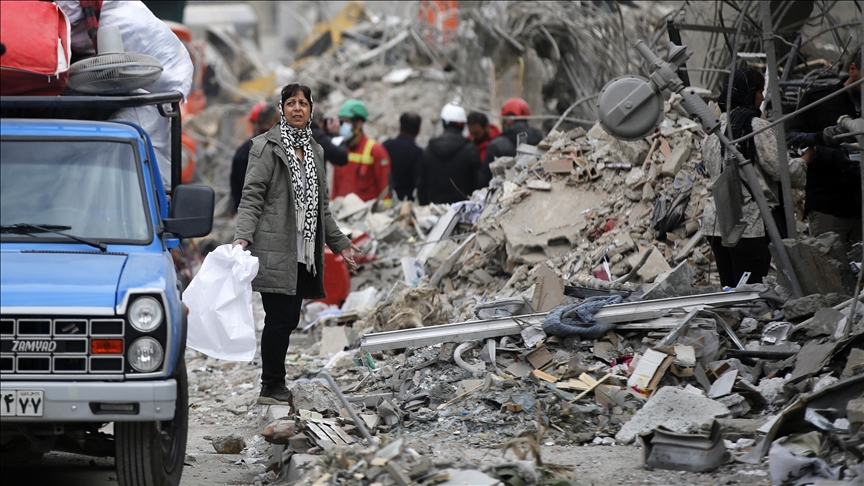
Many victims are still unaccounted for, either buried under the rubble or scattered on the streets, and rescue and civil defense teams are unable to reach them.

Continue reading
Gaza Genocide: Death Toll Spikes to Over 45,000

The Ministry of Health in the Gaza Strip announced, Monday, the death toll from the genocide committed by Israel against the Palestinians has risen to 45,541 dead and 108,338 wounded since October 7, 2023.

The ministry stated in its daily statistical statement the Israeli army “committed three massacres against families in the Gaza Strip, with 27 martyrs and 149 wounded arriving to hospitals in the past 24 hours.”

It reported “the death toll from the Israeli aggression has risen to 45,541 martyrs and 108,338 wounded since October 7, 2023.”

The ministry indicated there are victims under the rubble of destroyed homes and on the roads, but the civil defense and ambulance crews are unable to reach them due to the repeated Israeli targeting.

The Israeli genocide since 7 October, 2023 with American support has caused the loss of more than 11,000 Palestinians, amid massive destruction and famine that killed dozens of children and the elderly.

Israel continues its massacres, ignoring two arrest warrants issued by the International Criminal Court on 21 November against Prime Minister Benjamin Netanyahu and former Defense Minister Yoav Galant, for committing war crimes and crimes against humanity against Palestinians in Gaza.

Tel Aviv has turned Gaza into the largest prison in the world, besieging it for the 18th year, and the war of extermination has forced about two million of its citizens, numbering about 2.3 million Palestinians, to flee in tragic conditions with a deliberate severe shortage of food, water and medicine.

For decades, Israel has occupied lands in Palestine, Syria and Lebanon, and refuses to withdraw from them and establish an independent Palestinian state, with East Jerusalem as its capital, on the borders before the 1967 war as reported in Anadolu.

Continue reading
What Will The Future Hold For Palestine in 2025?

In 2024, there were a host of startling developments occurring in the Middle East and the wider world that impacted Palestine, most of them unforeseen 12 months ago: the continuation of the unrelenting Israeli genocide in Gaza, the battlefield defeat of Hezbollah and the devastation in Lebanon, the overthrow of Bashar Assad in Syria, the isolation of Iran, the election of Donald Trump, and a series of seminal rulings by the International Court of Justice (ICJ) and the International Criminal Court (ICC).

All of these seismic events make the assignment of imagining what Palestine’s future will be in 2025 a precarious task. Yet, with caution thrown to the wind, we can make some educated guesses on six leading features.


Leading scenarios for Palestine’s future

Donald Trump’s return to the US presidency will certainly encourage Israel’s accelerating subjugation of the Palestinians. His major appointments on the Middle East – including his secretary of state, his ambassador to Israel, and his two regional envoys – are all diplomatic gifts to Israel’s far-right nationalist government. His political instincts are all about respecting the strong and disparaging the weak. The only restraint that Trump may impose on Israel would result from his quest for a substantive deal with Saudi Arabia, which is publicly demanding a credible path to Palestinian statehood.

A genuine Palestinian state is further away than ever. In 2025, more Palestinian land will be confiscated, more illegal Israeli settlements will be built, and settler violence, already at record levels, will only intensify. While Trump might restrict Israeli Prime Minister Benjamin Netanyahu from formally annexing parts of the West Bank, de facto Israeli annexation will continue unabated. The ability of the Palestinian Authority to shape events in its favor will likely shrink even further. As for the comatose peace process, the Palestinians long ago arrived at a traffic intersection, and the red light never changed. It remains red today, its only color.

The genocidal war on Gaza will finally end with a formal ceasefire, the release of Israeli hostages, and some Palestinian detainees. However, the unimaginable toll of deaths and suffering among the Palestinian civilians in Gaza will continue, as starvation, infectious diseases, a decimated economy, and a devastated landscape afflict the population. Hamas won’t be completely defeated, but it has suffered a grievous blow in the short run. Israel will push hard to build settlements in the north and for clan warlords to run the rest of Gaza, which Trump might allow. Another great test will be the raising of the $40-60 billion needed for the reconstruction of Gaza; this will create tension between Trump and his Gulf states allies, who will resist paying the lion’s share of the consequences of a war they opposed.

Will the international community face the Palestine issue in 2025?

Respecting Palestine, the United Nations will face some of its most perilous challenges in 2025. The one-year deadline set by the General Assembly for Israel to completely end its occupation of Palestine arrives next September, with Israel and the US committed to defying the obligation. In addition, Israel – with Trump’s backing – is seeking to dismantle UNRWA, the UN agency that delivers education, health, and social services to Palestinian refugees in the Levant. The challenge for Europe and the Arab world will be whether they will defend the UN, its core commitment to successfully resolving the oldest item on its political agenda (Palestine), and the preservation of its largest agency.

Israel’s diplomatic isolation will continue, even as its relationship with its superpower patron will deepen. Its outlier status at the United Nations – particularly at the General Assembly and the Human Rights Council – will see even more lopsided votes against its 57-year-old occupation, its denial of Palestinian self-determination, and its abuse of international law. The arrest warrant issued by the International Criminal Court against Benjamin Netanyahu and his former Defense Minister Yoav Gallant will make him politically radioactive, with heads of state and government that have signed the 1998 Rome Statute refusing to meet him. Pressure will grow within Europe to rethink various trade and cooperation agreements with Israel as a reaction to the war and its horrendous humanitarian consequences.


Role of international law more important for Palestine than ever

The role of international law in pronouncing on the question of Palestine will become even more momentous in 2025. After the signature rulings by the ICJ and the ICC in 2024, we are likely to see a growing movement to insist upon a rights-based approach to peacemaking in Palestine, replacing the discredited (but still very much alive) realpolitik approach of the Oslo process.

The momentum created by the recent genocide reports by Amnesty International and Human Rights Watch will continue to echo through UN corridors and foreign ministries. But there are also headwinds: Republicans in the US Senate are determined to sanction the ICC for issuing the arrest warrant against Netanyahu, meaning that the viability of the court will require a stout defense by the 124 members of the Rome Statute, particularly from Europe.

As we learned from the past year, there will almost certainly be unexpected surprises in 2025. And while there will continue to be dark times for the Palestinians in the year ahead, the war in Gaza has also sparked a global movement of solidarity – particularly among the young – that will continue to inspire courageous thinking and bold acts. Its lasting impact should never be underestimated.

Michael Lynk he author is a professor emeritus of law at Western University, London, Ontario, Canada. He served as the 7th United Nations special rapporteur for human rights in the occupied Palestinian territory between 2016 and 2022. Opinions expressed in this article are the author’s own and do not necessarily reflect Anadolu’s editorial policy.

Continue reading