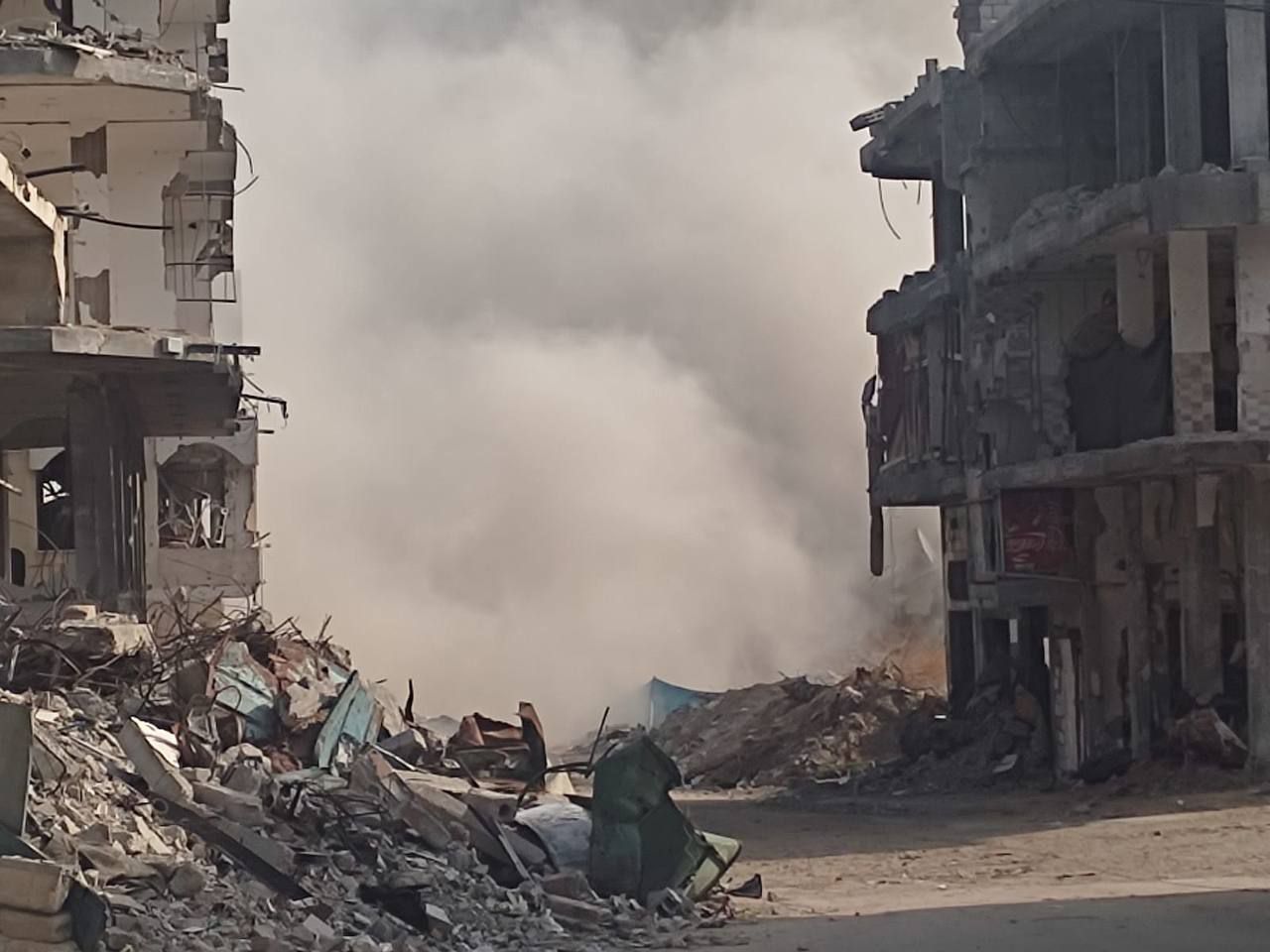
Israel Bombs Another Family
 CrossFireArabia
- December 11, 2024
Israeli forces bomb the home of the Al-Juaidi family in Block 12 of the Al-Bureij refugee camp in the central Gaza Strip.
 CrossFireArabia
Israeli forces bomb the home of the Al-Juaidi family in Block 12 of the Al-Bureij refugee camp in the central Gaza Strip.
CrossFireArabia
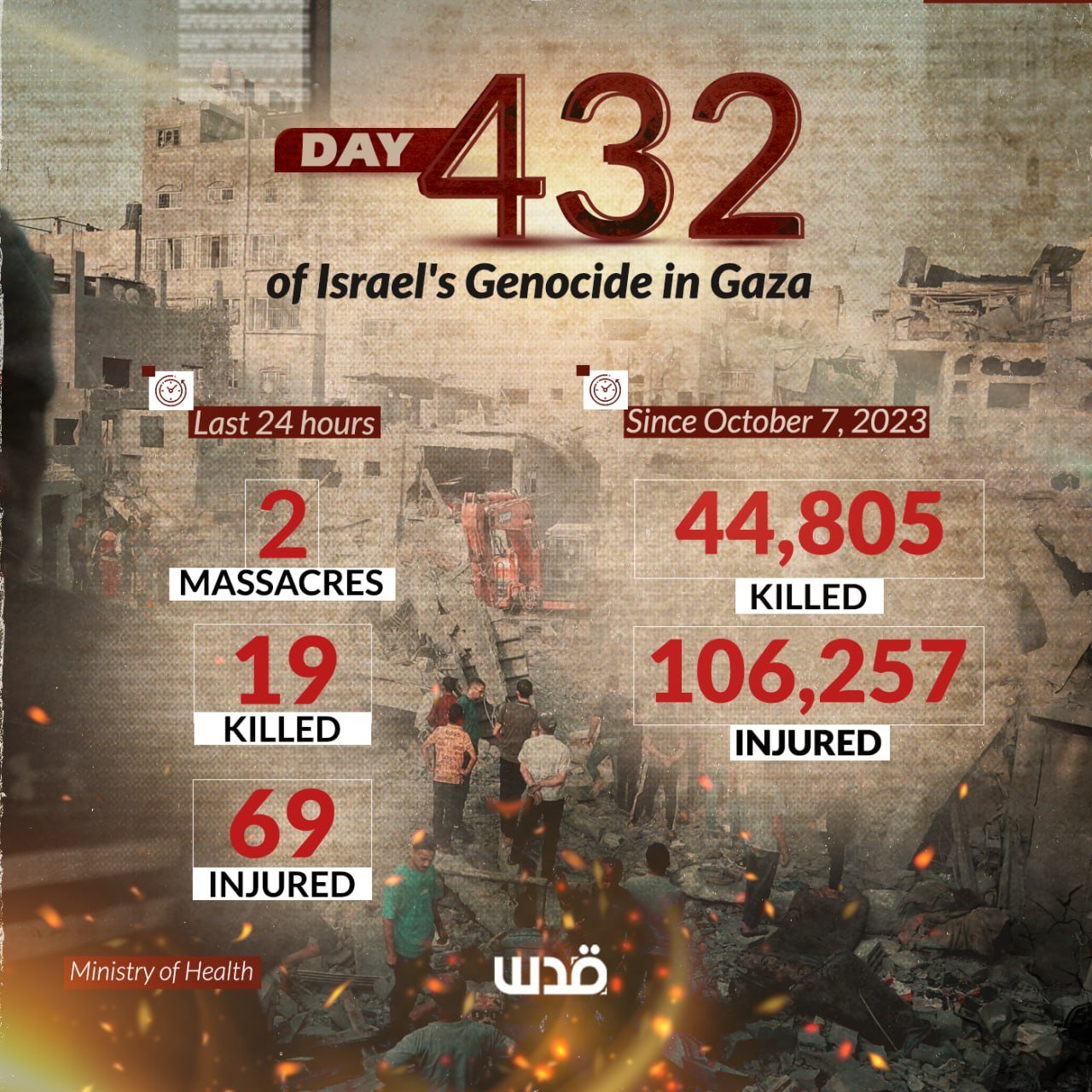
Daily Briefing by the Ministry of Health in Gaza on day 432 of the Israeli Genocide:
The Israeli occupation committed two massacres against families in the Gaza Strip over the previous 24 hours, resulting in 19 documented fatalities and 69 people injured.
The documented Palestinian death toll has now reached 44,805 individuals killed and 106,257 others injured since October 7, 2023.
Many victims are still unaccounted for, either buried under the rubble or scattered on the streets, and rescue and civil defense teams are unable to reach them.
CrossFireArabia
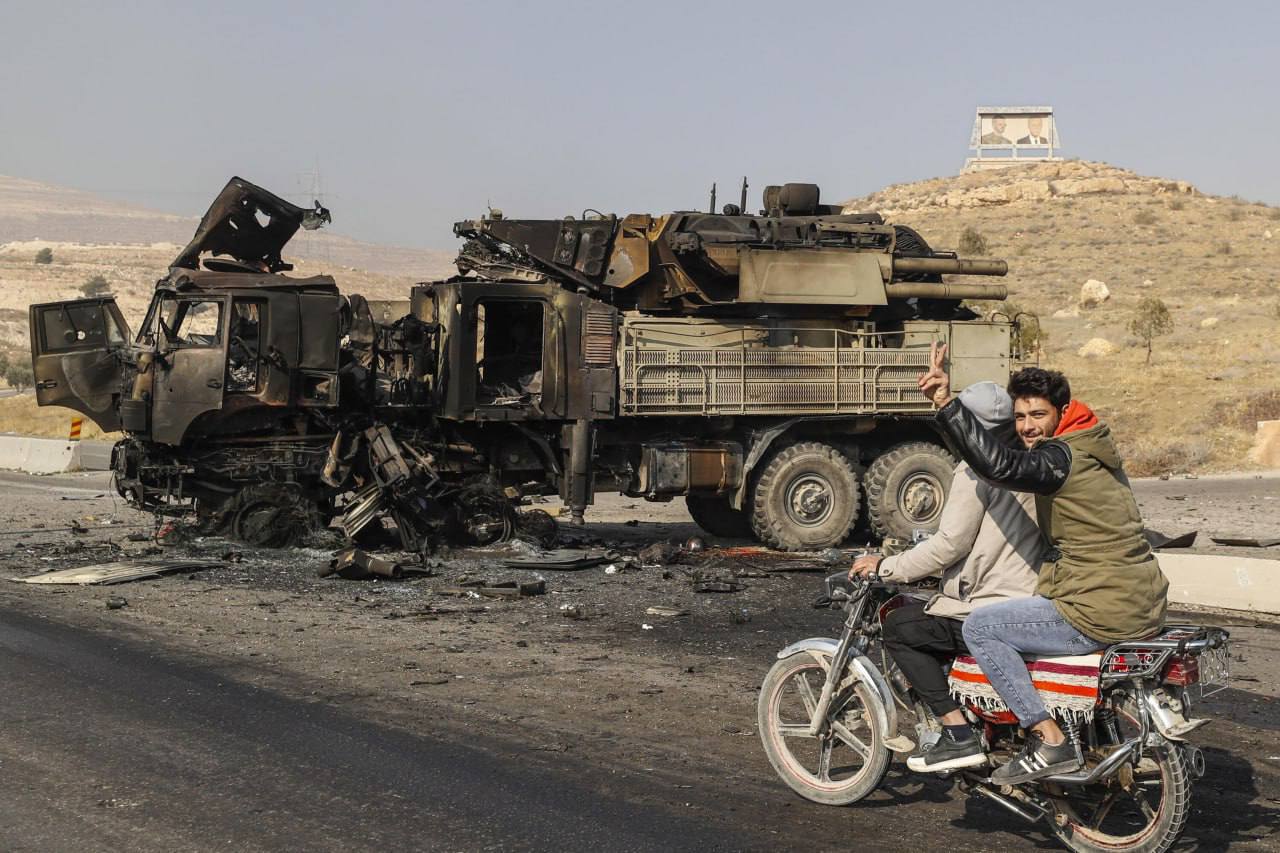
The Israeli occupation army announced, Tuesday, it destroyed about 70%-80% of the capabilities of the Syrian army.
Its stated that about 350 Israeli Air Force fighter jets participated in the aggression, attacking around 320 targets throughout Syria.
It added that “…warplanes and helicopters, radars, surface-to-air missile batteries, ships, surface-to-surface missiles, rocket shells, weapons production sites, weapons warehouses, Scud missiles, cruise missiles, sea-to-sea missiles, drones, and others were destroyed.”
In parallel, the aggression continues on land, through operations carried out by the ground forces in the “buffer zone” in the occupied Syrian Golan, so that the Israeli army is working to “establish a presence in the area and destroy weapons.”
On the political level, Prime Minister Benjamin Netanyahu, said that “Israel will respond forcefully if the new regime in Syria allows Iran to return, or allows weapons to pass to Hezbollah, and will exact a heavy price from it,” but adding it “wants to establish relations with this new regime.”
However, he stressed “what happened to the previous regime in Syria will happen to this regime as well, if it allows weapons to pass to Hezbollah.”
Earlier, the Israeli army radio described the latest aggression on Syria, following the fall of the President Bashar al-Assad regime, as “one of the largest attacks since the establishment of Israel.”
Israeli Defense Minister Yisrael Katz confirmed the occupation’s decision to continue controlling strategic points in Syria, establish a security buffer zone, and target strategic weapons and air defense systems, and any attempts to transfer weapons to Lebanon.
The Israeli Channel 12 confirmed that the air force is operating on a very large scale throughout Syria with the aim of destroying what remains of the Syrian army and all its equipment, “from tanks to missiles,” according to the Kan official channel.
CrossFireArabia
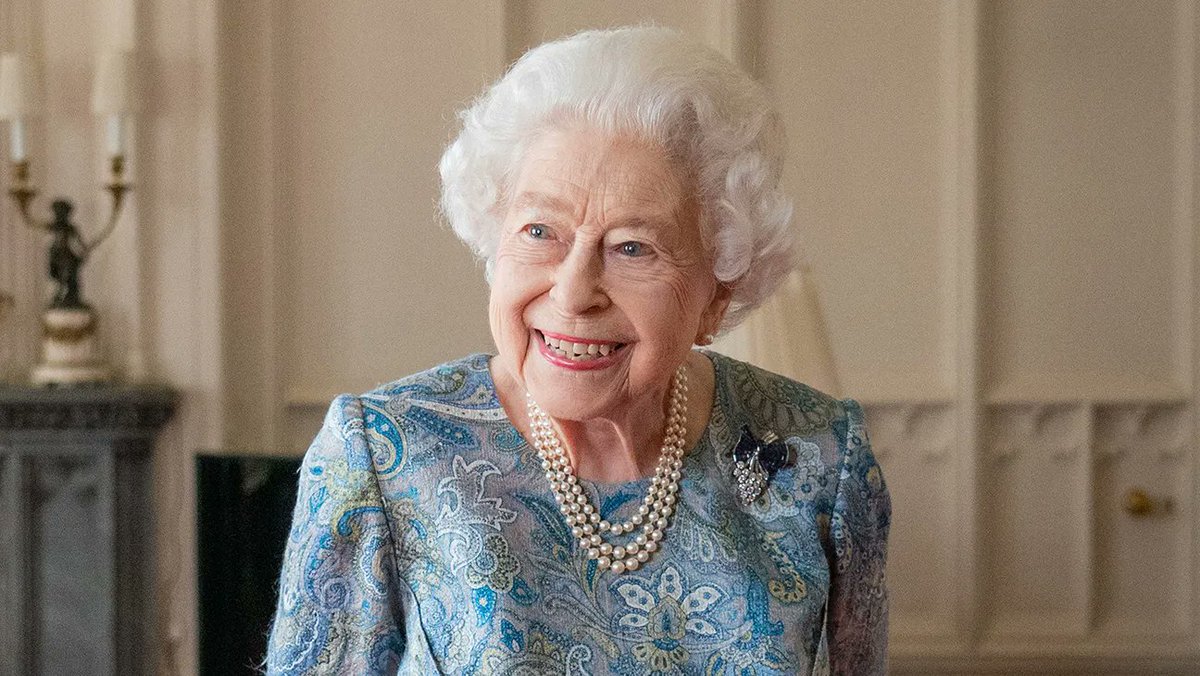
(Quds News Network) – Former Israeli President Reuven Rivlin recently discussed the complicated relationship between the occupation state of Israel and the late Queen Elizabeth II. He described the ties as “difficult” due to the Queen’s views on the occupation state as a colony.
Speaking at an event in London, Rivlin shared that Queen Elizabeth believed Israelis were either terrorists or the children of terrorists. He explained that the Queen was reluctant to accept Israeli officials into Buckingham Palace, except during international occasions. Rivlin, however, compared this with the support of King Charles III, who he described as “so friendly.”
Despite her position, Queen Elizabeth maintained cordial relations with zionist leaders throughout her reign. She visited many countries as head of state, but she never visited Israel.
In contrast, her son, then-Prince Charles, made two visits to the occupation state in 1995 and 2016. Charles also made an official visit to Israel in 2020.
No member of the UK’s royal family visited Israel in an official capacity until 2018, when Prince William, the queen’s grandson, arrived for the 70th anniversary of Israel’s ‘independence’, ending what appeared to many as an unofficial boycott.
During a visit to Jordan in 1984, one of several trips she made to the Middle East, Queen Elizabeth reportedly exclaimed, “How frightening,” as Israeli fighter jets flew by while she gazed at the occupied West Bank in the distance.
Queen Nour, the wife of King Hussein of Jordan, is said to have responded, “It’s terrible.”
Later, after viewing a map depicting the locations of illegal settlements in the occupied West Bank, Queen Elizabeth was quoted saying, “What a depressing map.”
During the British Mandate of Palestine, Zionist militias, such as the Irgun (Etzel) and the Lehi (Stern Gang), engaged in a series of terrorist attacks aimed at ending British rule and gaining control of historic Palestine. These groups carried out numerous attacks on British soldiers, police, and infrastructure, viewing such actions as a means of pressuring the British to leave Palestine. Their operations included bombings, assassinations, and raids, with one of the most notorious being the bombing of the King David Hotel in 1946, which killed 91 people.
These militias not only targeted British forces but also attacked native Palestinians. In 1948, these gangs carried out the ethnic cleansing of Palestine, the Nakba, before being rebranded as the Israeli army.
CrossFireArabia
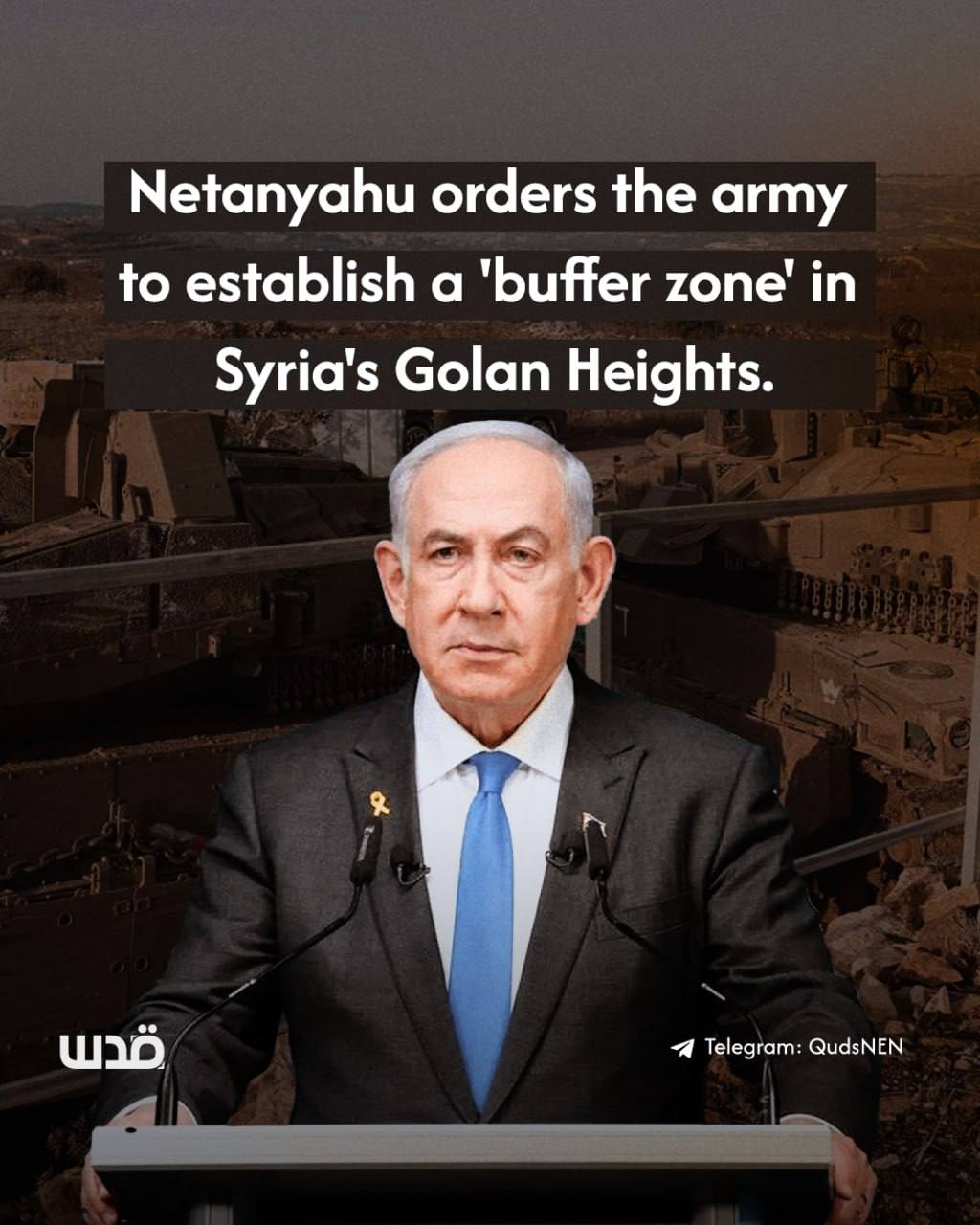
Israeli Prime Minister Benjamin Netanyahu stated that he ordered the occupation army to establish a buffer zone in the Syrian’s Golan Heights after Syrian soldiers abandoned their positions following the fall of Assad’s regime.
Netanyahu said that the disengagement agreement signed with Syria in 1974 had collapsed, and added, “We will not allow any hostile force to establish itself on our borders.”
After the Netanyahu order, Israeli army warned Syrians living in five villages all close to the Israeli-occupied portion of the Golan Heights to “stay home”.