A flotilla carrying activists and humanitarian aid to Gaza departed Barcelona’s port late Monday after bad weather forced its return a day earlier, organizers said.
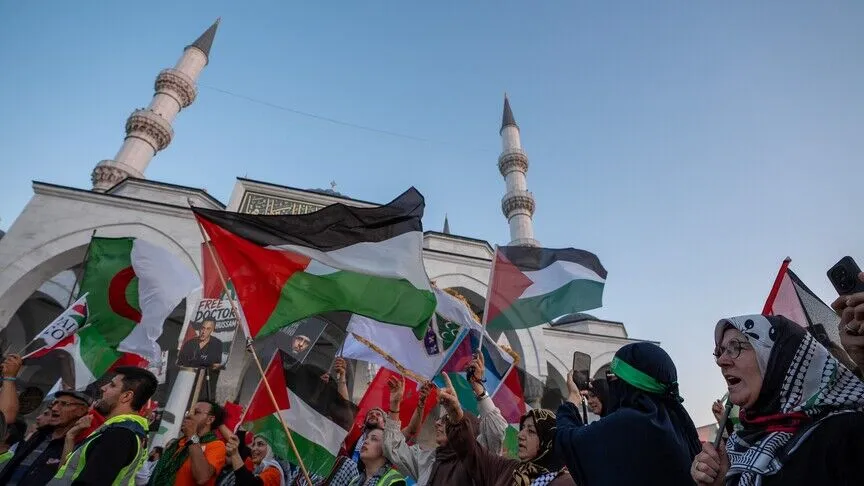
“Now the weather forecast has improved, the first group of boats has now set sail, carrying not only their crews but the spirit of all who stood at the dock and everyone rising together across the world,” the Global Sumud Flotilla said in a post on the US social media company Instagram’s platform.
“More boats will join in the days ahead coming from all across the Mediterranean. The message from Barcelona was clear: the world has had enough, and Palestine is not alone,” it added.
Around 200 activists, politicians and artists from 44 countries initially set sail Sunday from Barcelona after a large rally in support of their mission.
Swedish climate activist Greta Thunberg, Irish actor Liam Cunningham, Spanish actor Eduardo Fernandez and former Barcelona Mayor Ada Colau are among those taking part in the voyage.
“Every ship sailing towards Gaza is a cry for human dignity. This mission is not a threat – it is an act of humanity against barbarity,” said Fernandez on Sunday. “Silence is complicity. And silence kills as much as bombs do.”
Organizers say the flotilla will be joined by more ships departing from Italy and Tunisia, bringing the total to more than 500 people and around 60 vessels.
It hopes to reach Gaza by mid-September.
Thunberg said that everything possible must be tried to end the Gaza blockade.
“Every day, more people are waking up and realizing the scale of Israel’s massacres and genocide,” she said Sunday. “Today’s news is not that this flotilla is setting out, but rather how the world can remain silent and how politicians can betray and abandon the Palestinian people.”
Thunberg participated in another flotilla mission earlier this year. That ship was intercepted and seized by Israel, which eventually deported its 12-member crew.
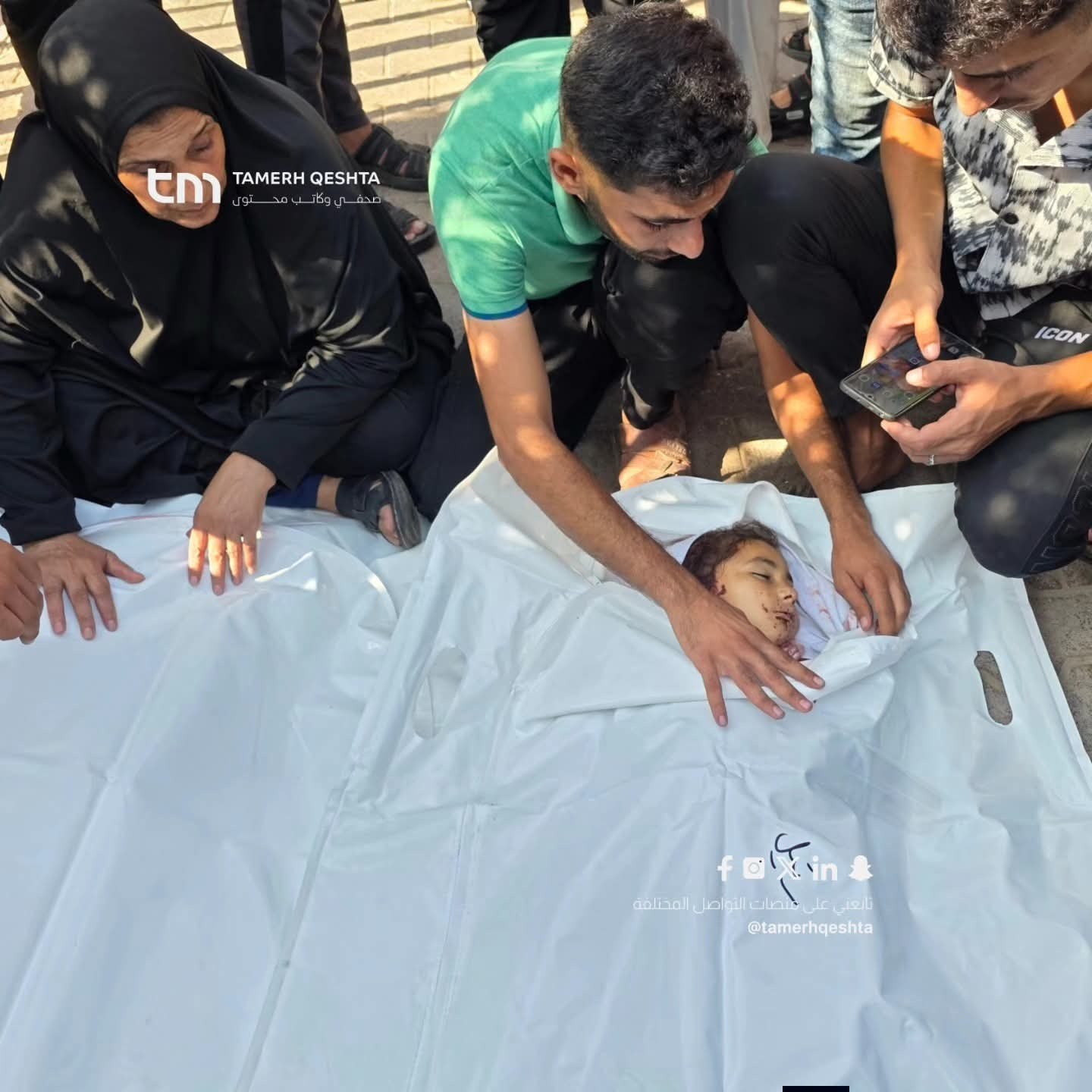
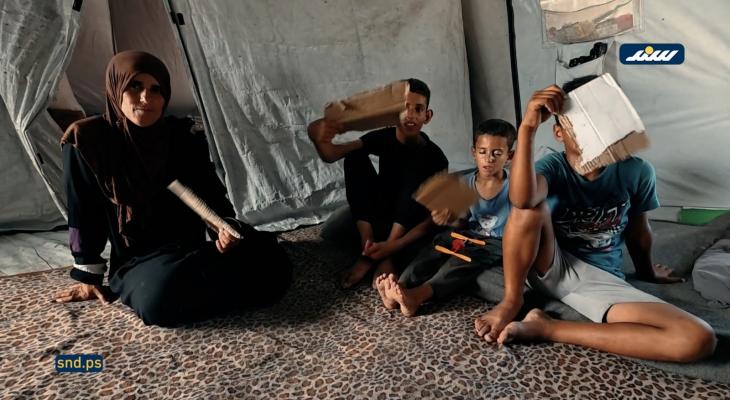
Israel’s full blockade of the Gaza Strip, in place since early March, has created catastrophic conditions for the enclave’s 2.4 million residents, leading to famine, widespread disease and the collapse of essential services.
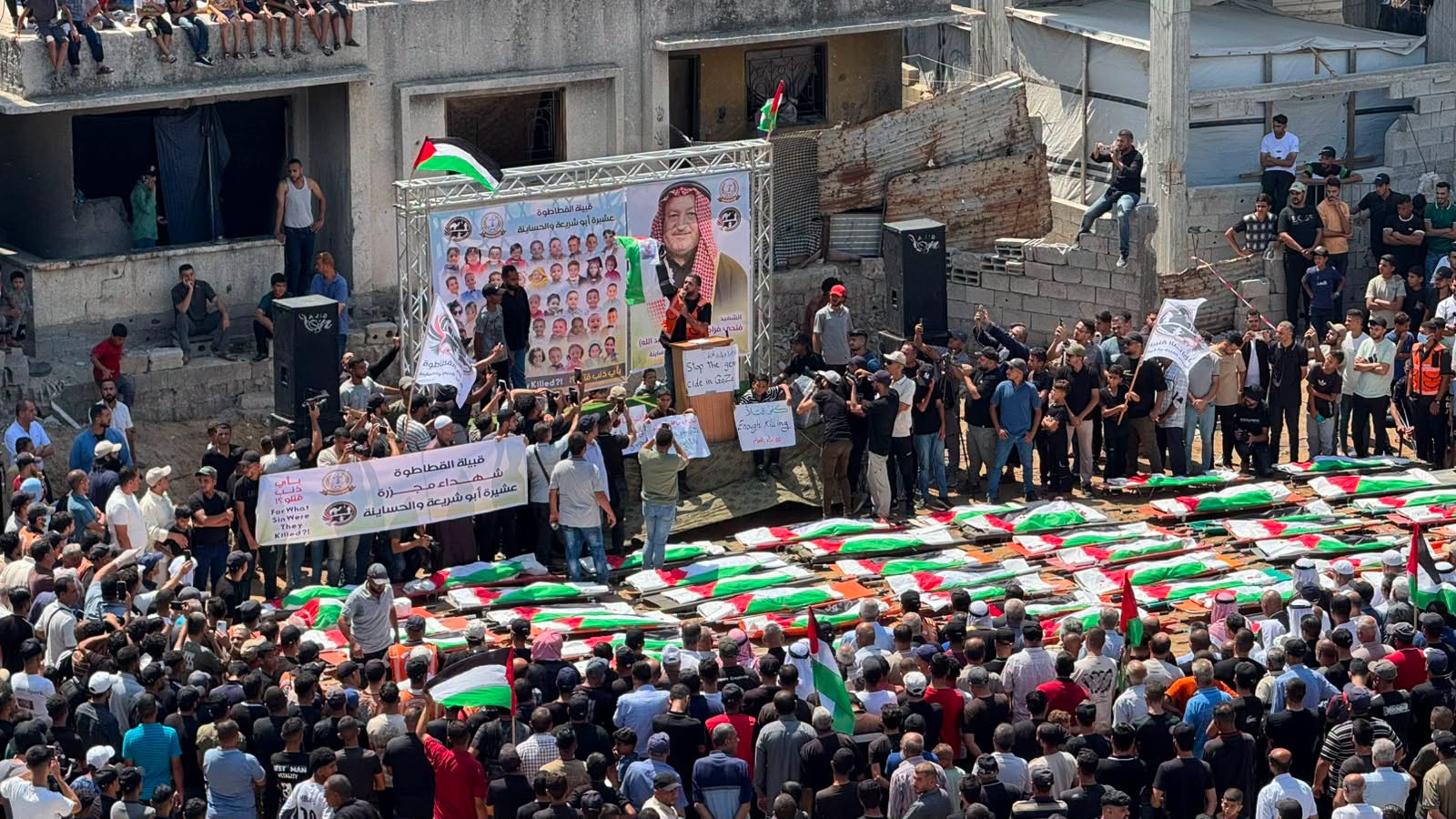
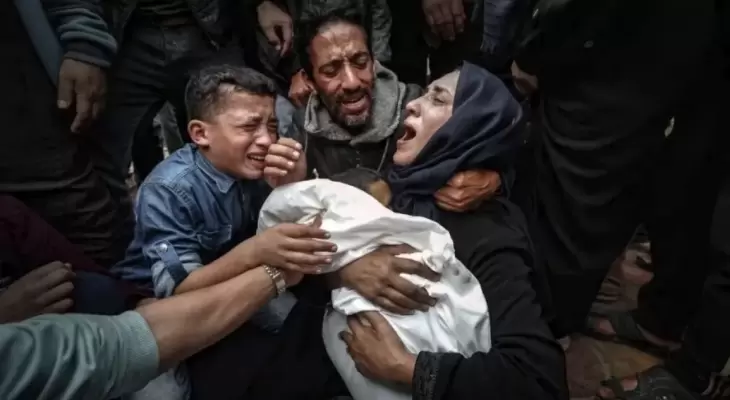
Israel has killed over 63,500 Palestinians in its genocidal war on the Gaza Strip since October 2023.
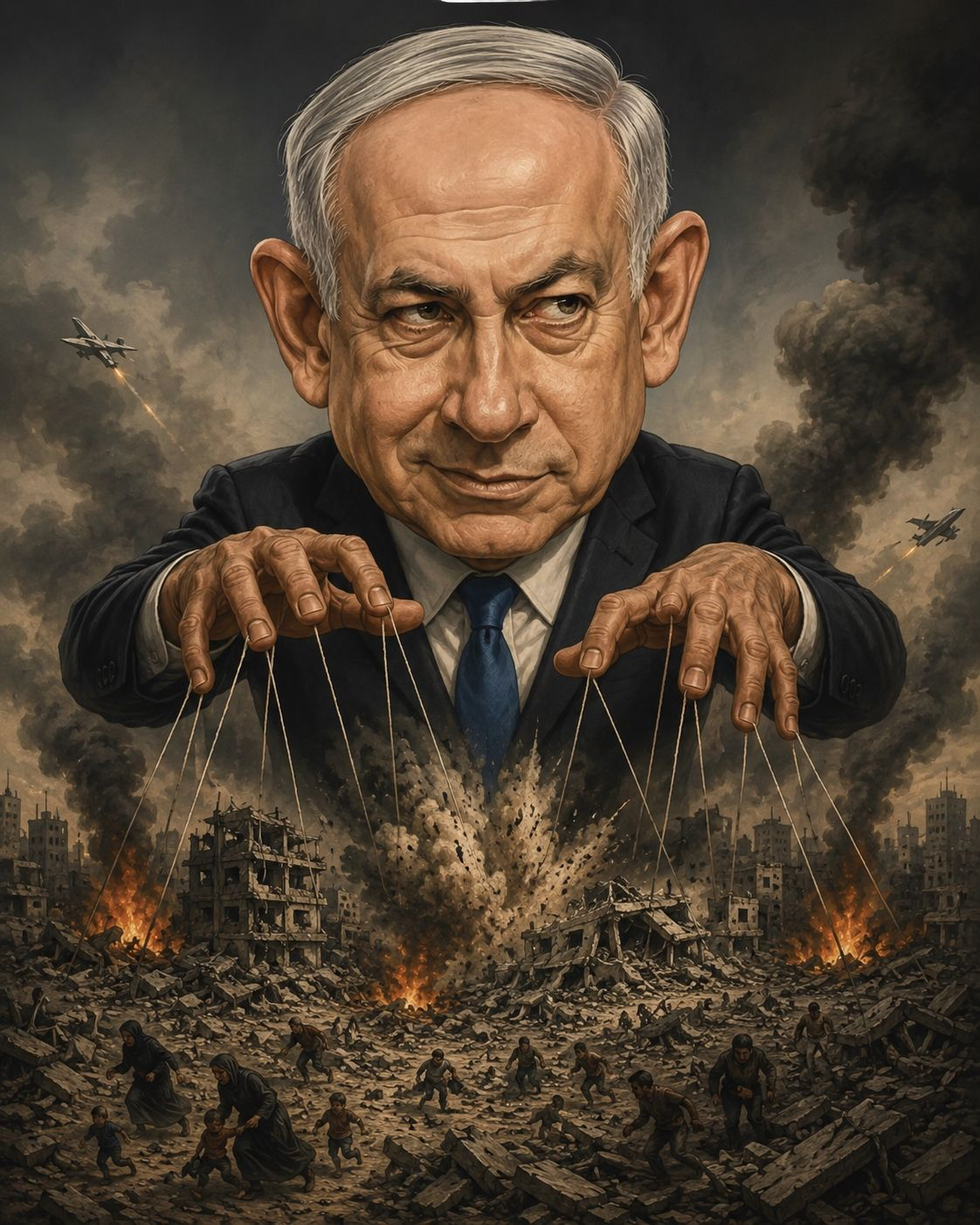
Last November, the International Criminal Court issued arrest warrants for Israeli Prime Minister Benjamin Netanyahu and former Defense Minister Yoav Gallant for war crimes and crimes against humanity in Gaza.
Israel also faces a genocide case at the International Court of Justice over its war on the enclave.
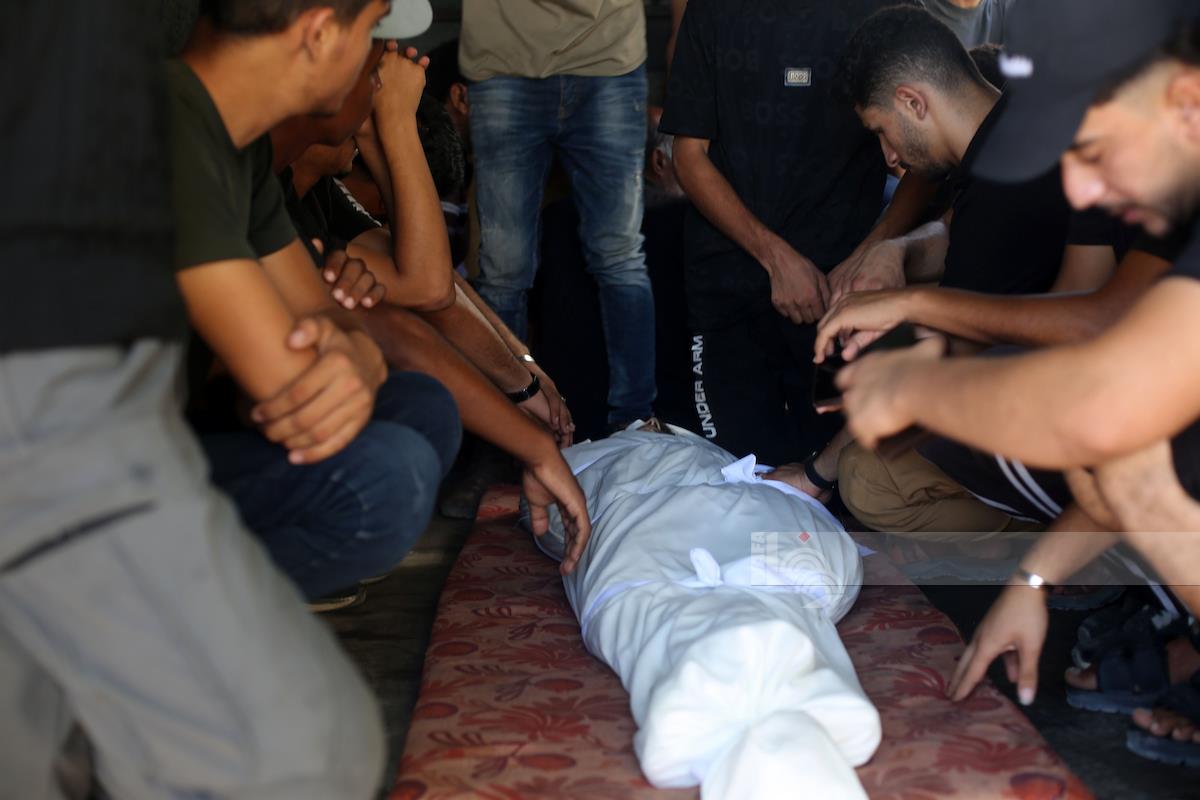
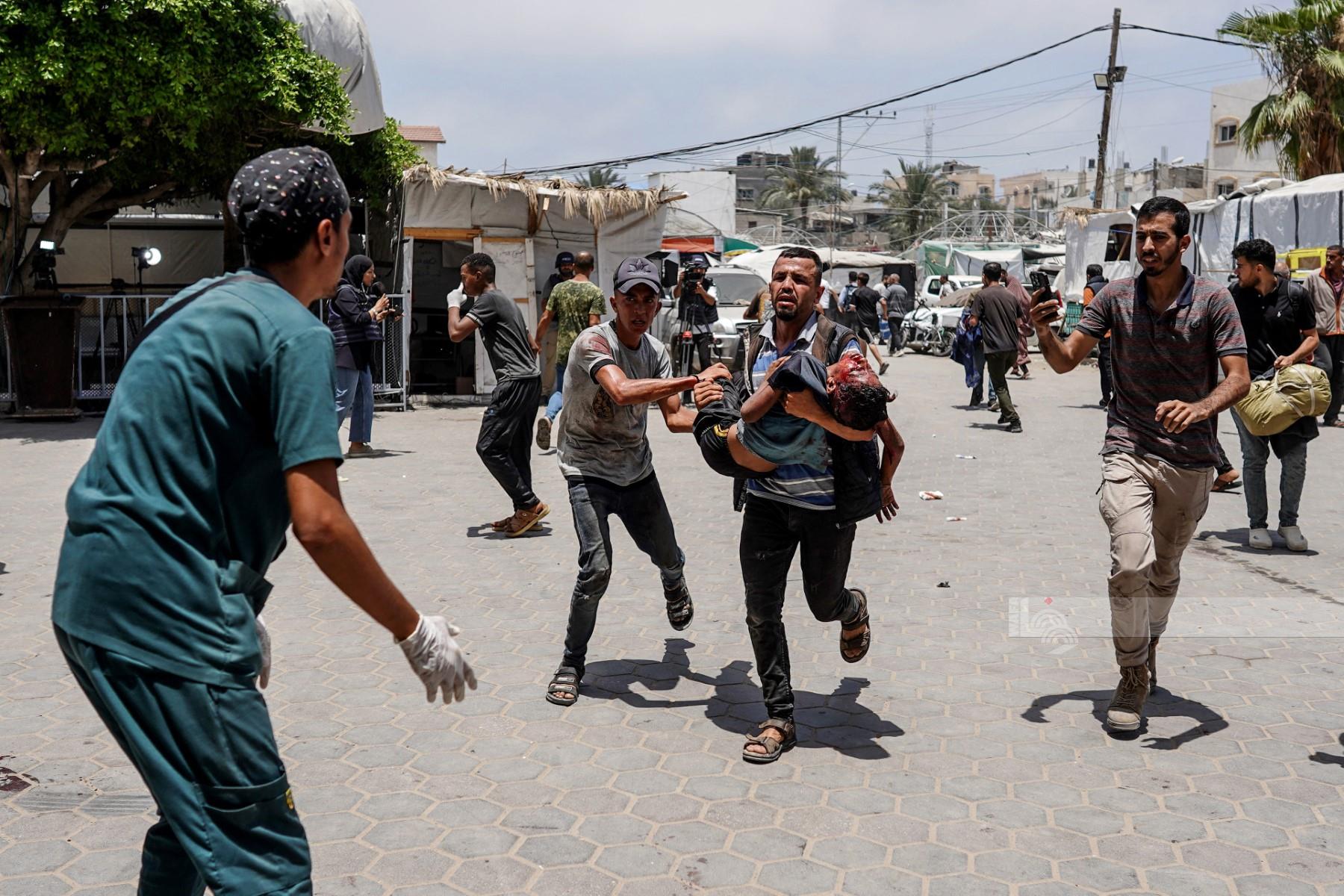
The Gaza Health Ministry stated Tuesday that 185 people, including 12 children, died of starvation in August, the highest monthly figure recorded since Israel’s war on the enclave began nearly two years ago.
The ministry said 70 of the deaths occurred after the UN-backed hunger monitoring system Integrated Food Security Phase Classification (IPC) formally declared Gaza a famine zone last month.
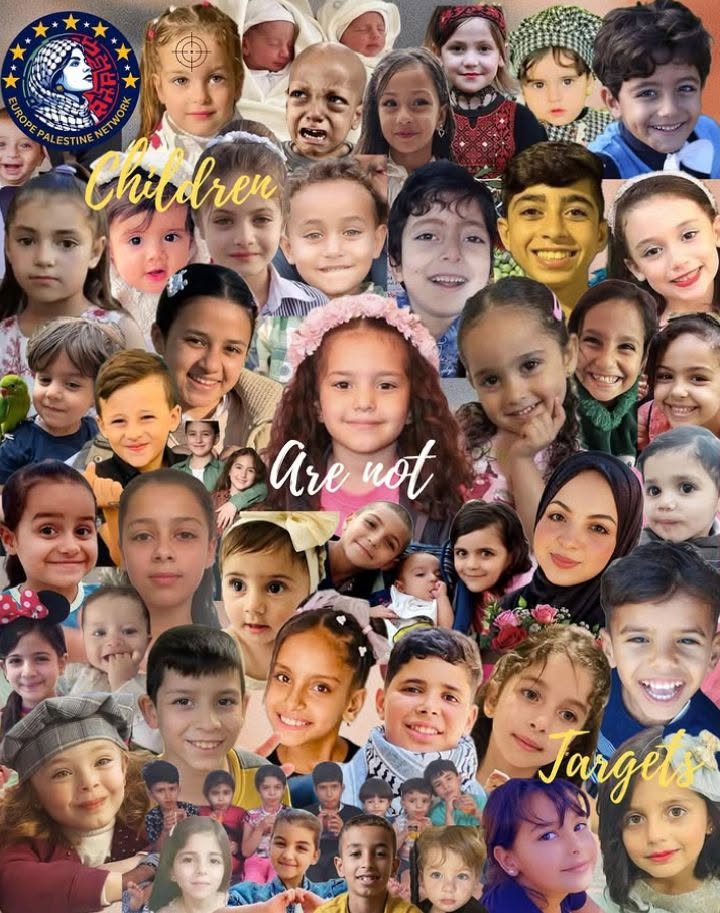
Health officials reported that more than 43,000 children aged under 5 are suffering from malnutrition, alongside 55,000 pregnant and breastfeeding women according to Anadolu.
They added that 67% of pregnant women are now anemic, the most alarming rate documented in years.
The ministry warned of catastrophic consequences if emergency food and medical supplies are not delivered immediately, citing the rapid escalation of hunger-related deaths.
Israel has killed more than 63,500 Palestinians in Gaza since October 2023. The military campaign has devastated the enclave, which is facing famine.
Last November, the International Criminal Court issued arrest warrants for Israeli Prime Minister Benjamin Netanyahu and his former Defense Minister Yoav Gallant for war crimes and crimes against humanity in Gaza.
Israel also faces a genocide case at the International Court of Justice for its war on the enclave.
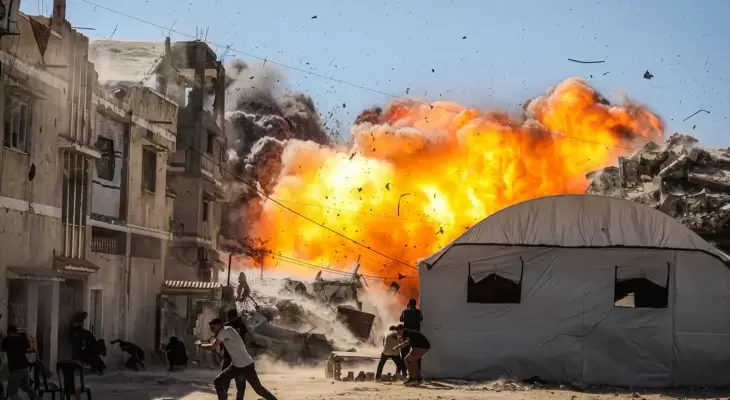
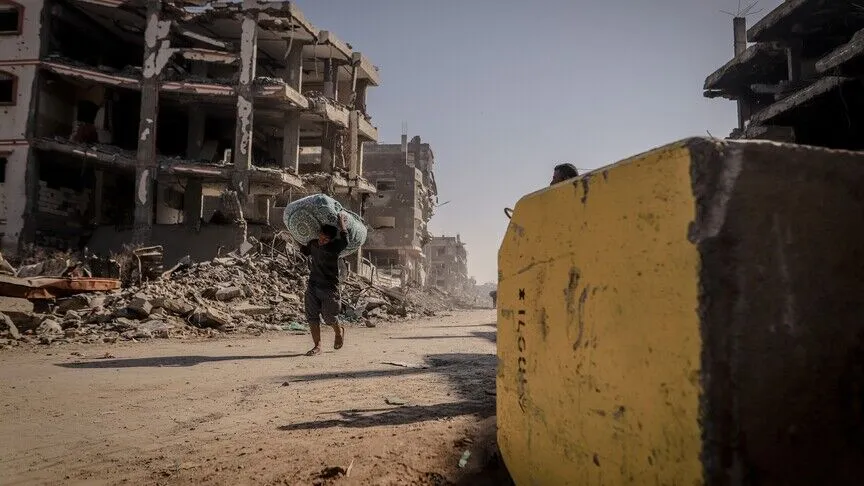
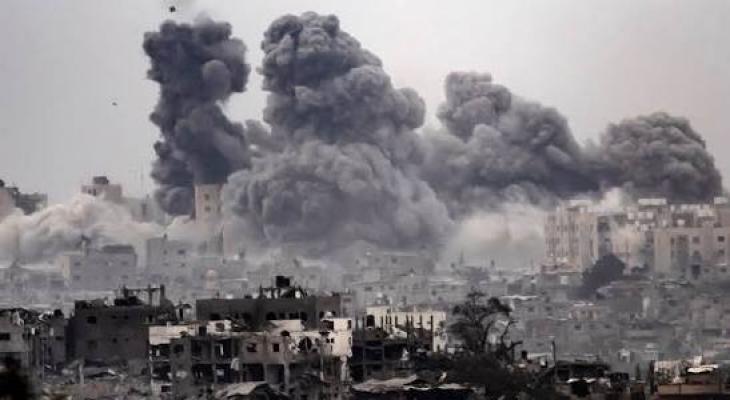
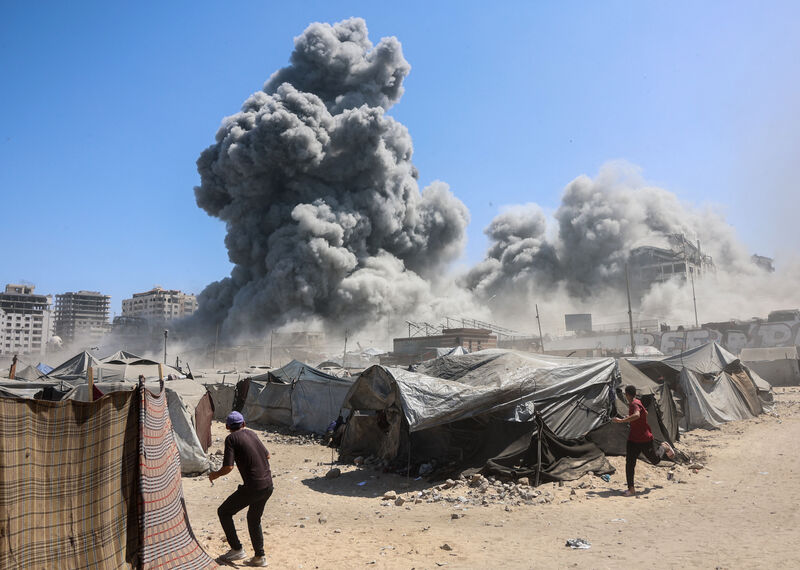
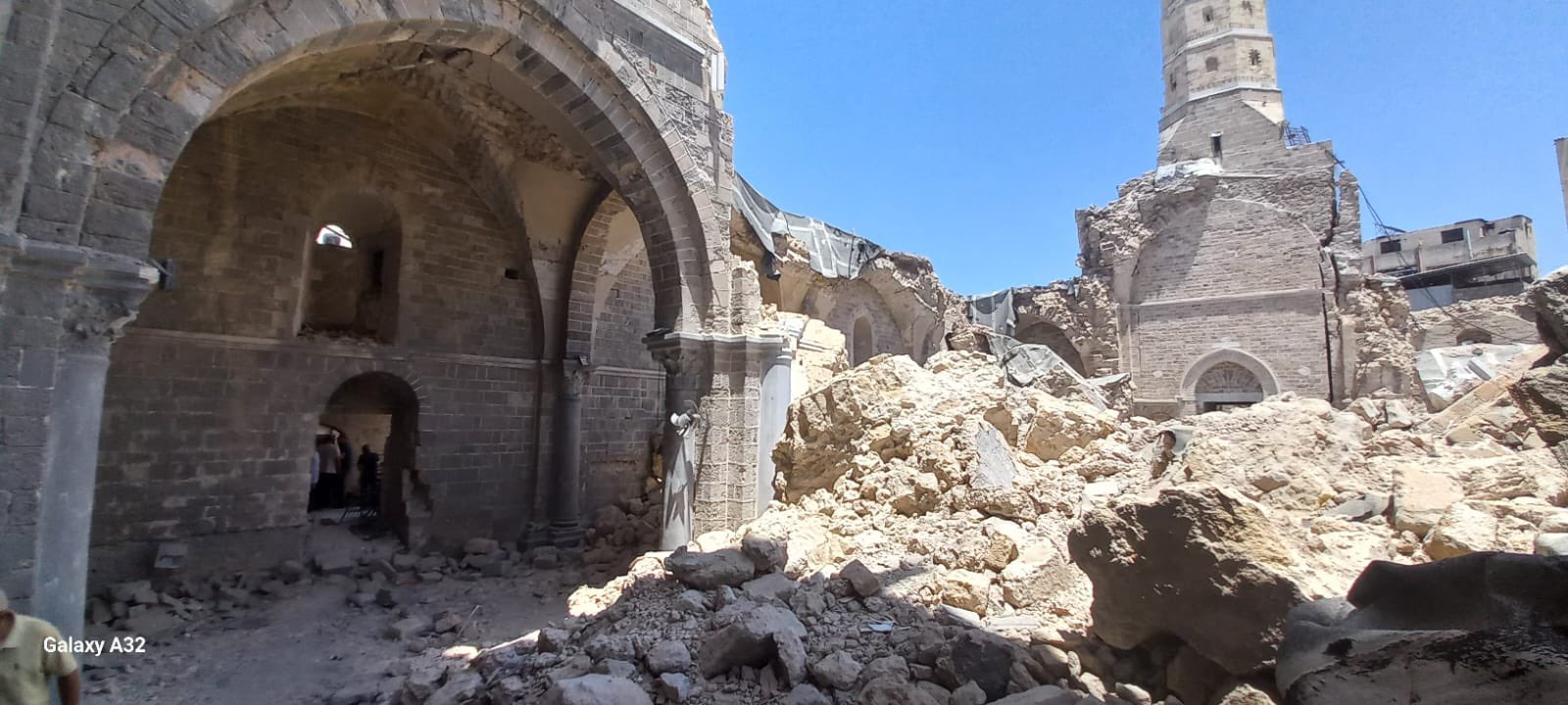
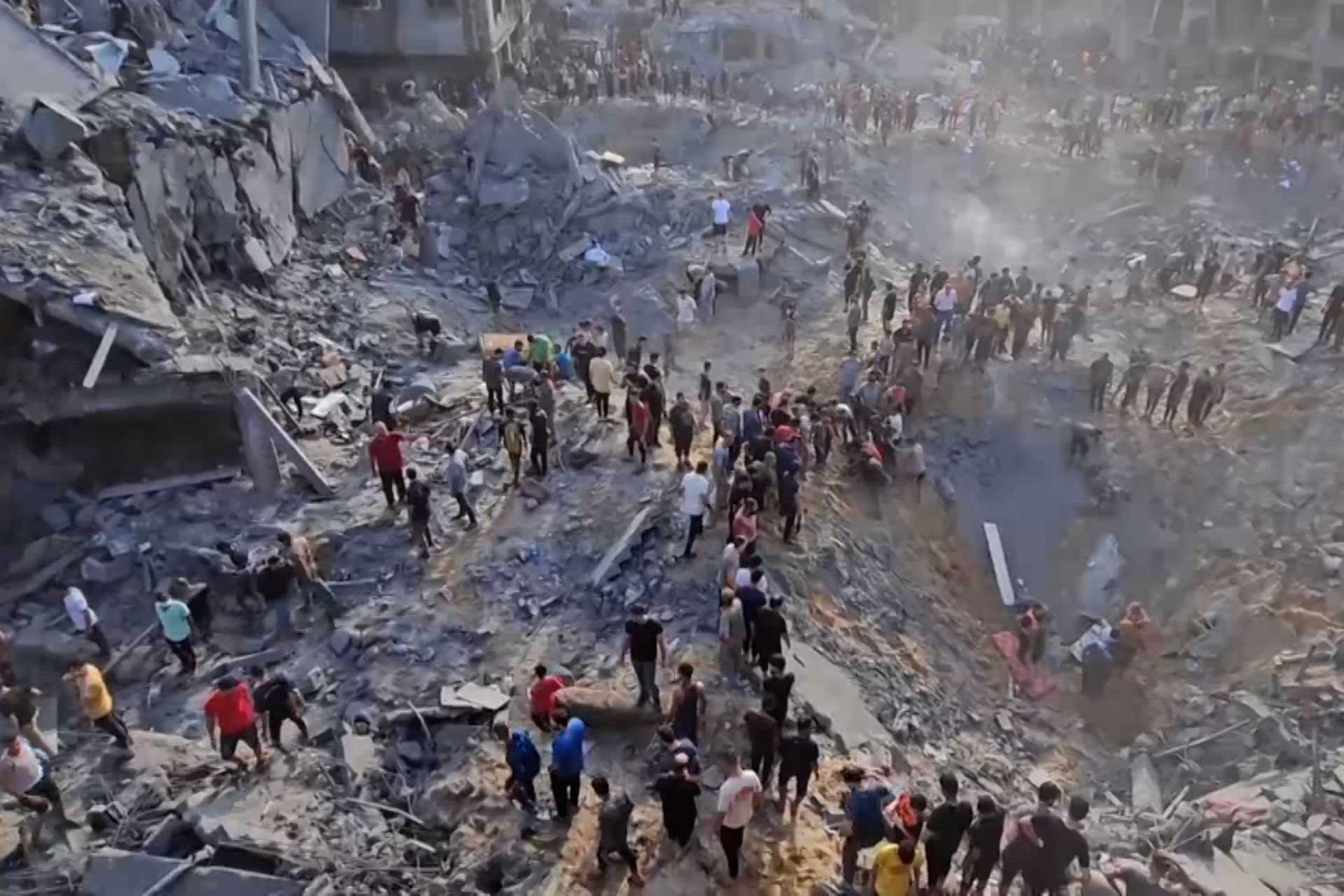
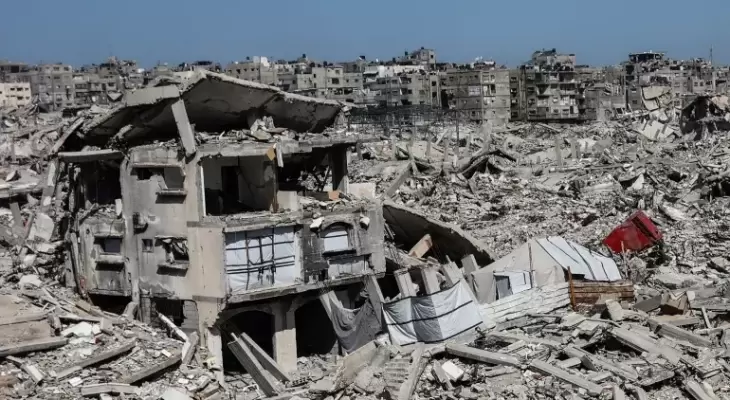
The Israeli army is destroying about 300 residential units daily in Gaza City and Jabalia, using around 15 robots carrying nearly 100 tonnes of explosives.
These bombings are taking place at an unprecedented pace, aimed at destroying Gaza City and displacing its residents, as part of a dangerous escalation of the ongoing genocide against Palestinians in the Gaza Strip for nearly 23 months.
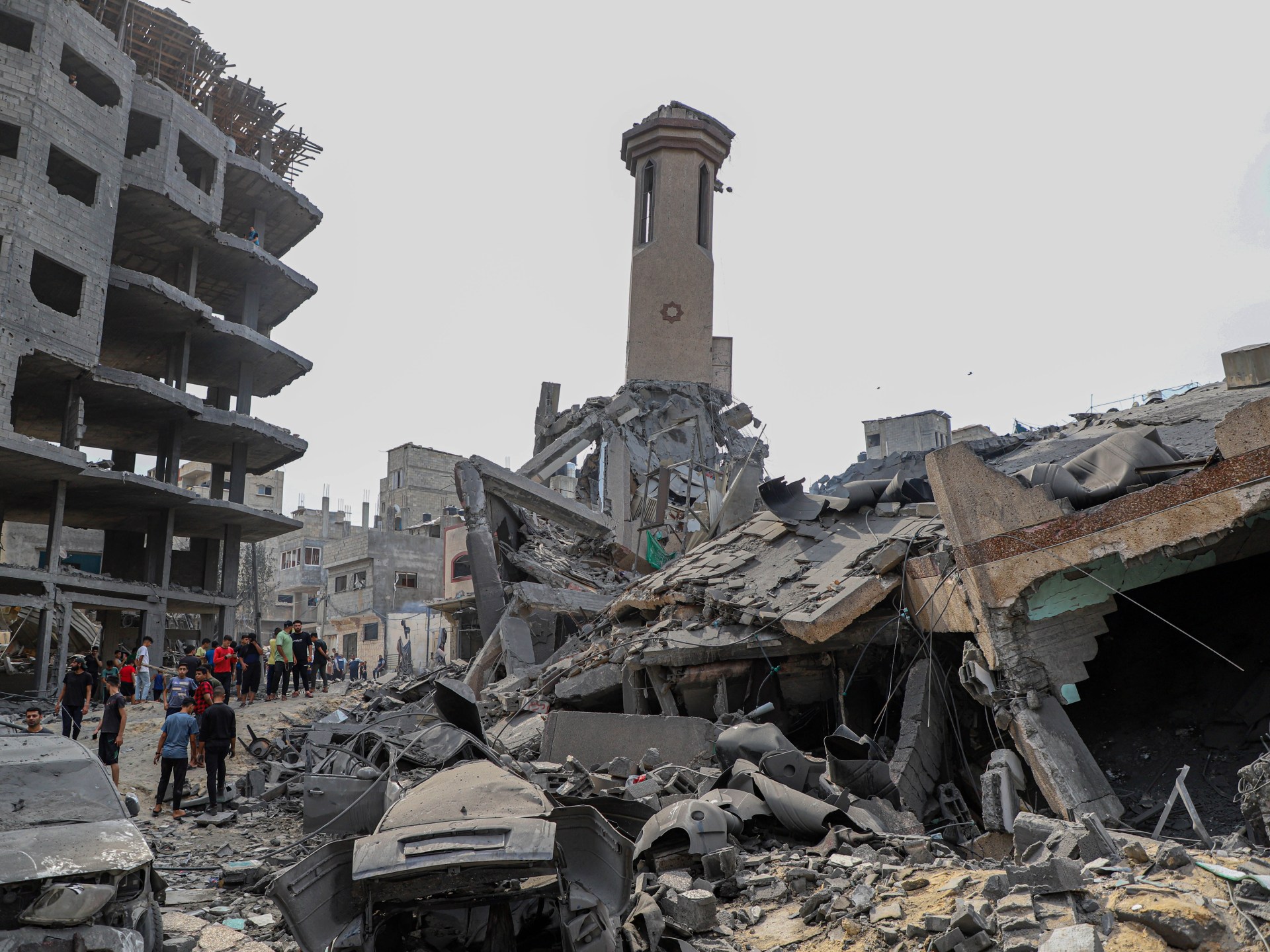
Euro-Med Monitor’s field team documented the Israeli army’s intensified use of armoured, explosive-laden robots to demolish residential areas at an accelerating pace. Most homes and infrastructure in Jabalia al-Balad and Jabalia al-Nazla have already been destroyed, while the army advances with comprehensive destruction toward the heart of Gaza City from the south, east, and north.
Since the Israeli army announced last Friday, the end of what it called a “temporary humanitarian ceasefire” in Gaza City, which it claimed applied during daylight hours, Euro-Med Monitor’s field team has documented a doubling in the number of explosive-laden robots detonated, from about seven to nearly 15 per day.
Each of these robots is loaded with highly explosive materials, sometimes weighing up to seven tonnes, and is directed to detonate in Jabalia al-Balad and Jabalia al-Nazla north of Gaza City; the Zeitoun, al-Sabra, al-Shuja’iyya, and al-Tuffah neighbourhoods south and east of Gaza City; as well as the al-Saftawi and Abu Iskandar areas northwest of Gaza City.
The unprecedented pace of destruction of residential neighbourhoods in Gaza City using explosive-laden robots indicates Israel’s determination to wipe the city off the map. At the current rate, the rest of the city could be destroyed within two months, a timeline that may shorten further given the Israeli army’s massive firepower and the absence of any pressure to halt its crimes against Palestinians.
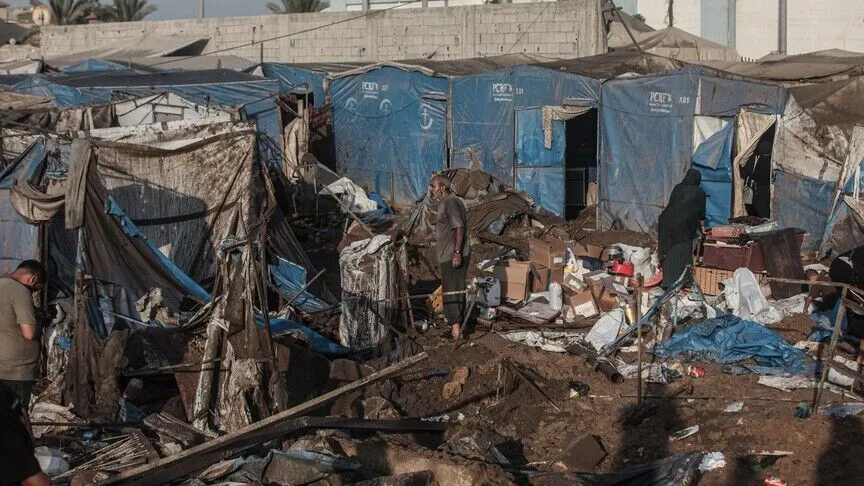
After preliminary assessments of the robot attacks, Euro-Med Monitor estimates that each robot can completely or partially destroy around 20 housing units. This will soon leave hundreds of thousands of people without homes or shelters, forcing them to flee once again in deadly conditions, without even the bare minimum for survival.
The robots used in the bombing are essentially Israeli military vehicles, such as outdated M113 armoured personnel carriers, loaded with tonnes of explosives and remotely piloted through civilian neighbourhoods. They are directed to explode in carefully selected locations to maximise destruction. In some cases, the robot is not rigged to detonate but is fitted with large boxes of explosives that are unloaded at the target site, after which the vehicle is returned to base for reuse in other operations. This reflects an organised military strategy aimed at systematically destroying residential neighbourhoods and maximising the scale of devastation.
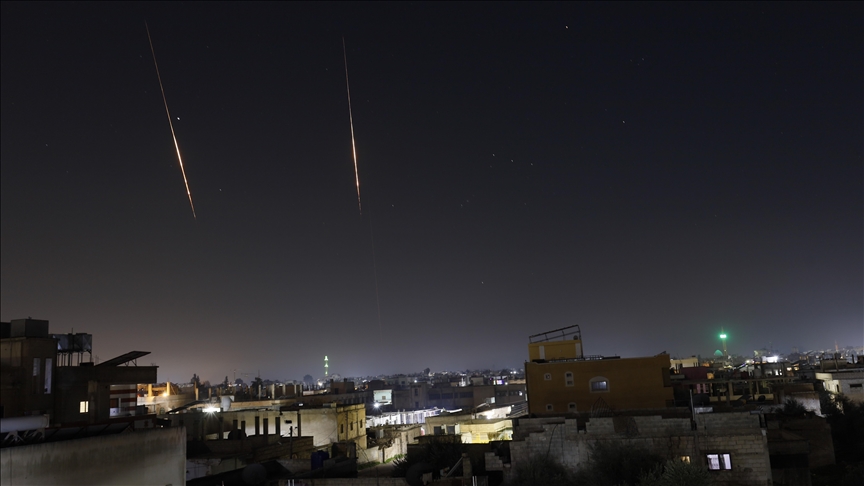
The catastrophic impact of explosive-laden robots extends beyond the physical destruction of residential neighbourhoods to the systematic use of psychological terror against civilians. The Israeli army deliberately detonates most of these robots late at night or at dawn to spread fear and panic and force residents to flee. The explosions produce deafening sounds that shake Gaza City, while the remaining buildings shudder under the violent blast waves, deepening the population’s suffering and turning daily life into a constant state of terror and insecurity.
The sound of explosions from these robots often carries beyond the entire Gaza Strip, heard at distances of over 40 km from the blast site. This demonstrates the immense destructive force of such weaponry, which Israel employs to wipe out cities in the enclave.
The international community’s blatant inaction and complicity, together with the refusal of influential states and relevant UN and international bodies to hold Israel accountable, have enabled it to carry out the destruction of Gaza City openly, without even attempting to invoke legal justifications to legitimise the crime.
Such blatancy was illustrated by Israeli Defence Minister Israel Katz’s statement on 22 August, when he declared: “If they [Hamas] do not agree to Israel’s terms, Gaza will become Rafah and Beit Hanoun. Just as I promised – so it will be.”
The first documented use of robots by the Israeli army to destroy residential areas occurred during the two campaigns against the Jabalia refugee camp in the northern Gaza Strip in May and October 2024, before their deployment expanded to other areas across the Strip.
Israel’s use of explosive-laden robots is explicitly prohibited under international humanitarian law, as they are inherently indiscriminate weapons incapable of accurately targeting military objectives. Their wide-area explosive effect directly and indiscriminately impacts civilians and civilian objects, in blatant violation of the principles of distinction and proportionality, which form fundamental pillars of international humanitarian law.
These weapons fall under the category of prohibited arms, and their use in populated areas constitutes both a war crime and a crime against humanity, as they cause widespread killing, forced displacement, and deprivation of basic living conditions as part of a systematic or widespread attack on the civilian population.
Moreover, the systematic use of such robots, as currently practised to destroy residential neighbourhoods and strip residents of their homes and livelihoods, makes them a direct tool for committing genocide. This pattern of destruction clearly falls within the acts defined in the Genocide Convention, specifically the intentional infliction of conditions of life calculated to bring about the destruction of the group, in whole or in part.
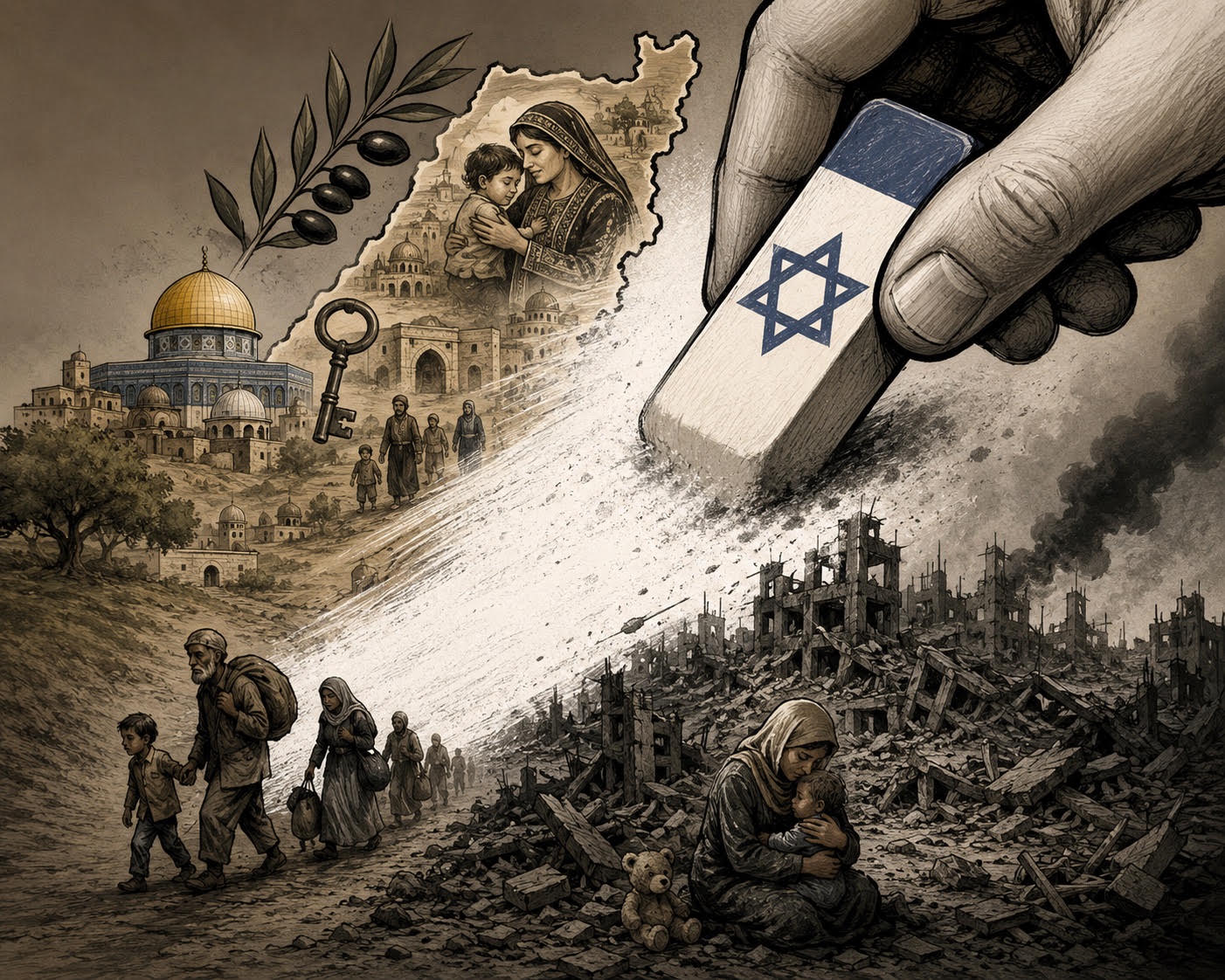
The use of these destructive methods, primarily robots, not only causes loss of life and forces residents into deadly displacement but also seeks to obliterate residential neighbourhoods and infrastructure entirely, erasing any possibility of life in Gaza City and undermining Palestinians’ future, along with their inherent right to remain on their land and return to their homes.
Explosive-laden robots are only one of the methods used by the Israeli army to wipe out cities in the Gaza Strip. They form part of a broader arsenal of destructive tools, including aerial bombardment with missiles and heavy bombs, continuous artillery shelling, the dropping of bombs and explosive packages from drones, the deliberate booby-trapping and detonation of buildings, and the use of military and civilian bulldozers to raze structures or what remains of them.
More than one million Palestinians in Gaza City face an existential threat as Israeli destruction, starvation policies, and forced displacement persist, amid the international community’s unjustifiable silence on this unprecedented crime.
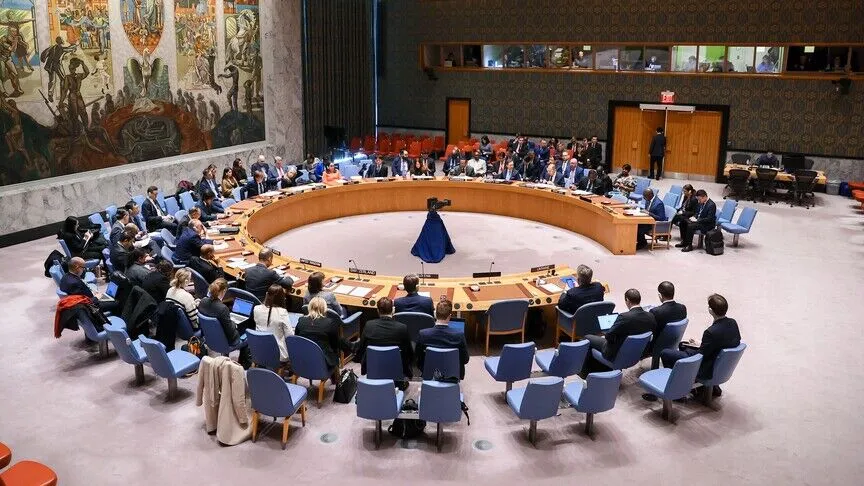
The UN General Assembly must urgently act under Resolution 377 (V) “Uniting for Peace”, which authorises it to address situations where the Security Council fails to act due to a lack of unanimity among its five permanent members. Under this resolution, the General Assembly may issue recommendations to UN member states for collective measures to ensure the restoration of international peace and security.
The General Assembly must urgently act under the aforementioned resolution to establish and deploy an international peacekeeping force in the Gaza Strip. This step is necessary to end crimes against civilians, guarantee their protection, secure unhindered access to humanitarian aid, safeguard medical and relief facilities, and stop the systematic targeting of such facilities. Activating this mechanism is both a legal and moral duty of the international community to protect over two million people in Gaza from ongoing genocide and grave violations.
All states, individually and collectively, must fulfil their legal obligations and act urgently to stop this genocide in Gaza, taking every feasible measure to protect Palestinian civilians there. They must enforce Israel’s adherence to international law and the rulings of the International Court of Justice and hold Israel accountable for its crimes against Palestinians.
Israel must be held accountable for its crimes against Palestinians before both international and national courts. This includes, without waiver, enforcing the arrest warrants issued by the International Criminal Court for the Israeli Prime Minister and former Minister of Defence at the earliest opportunity and surrendering them to international justice to stand trial for crimes against humanity and war crimes committed against Palestinians in the Gaza Strip, including killing, persecution, other inhumane acts, and the use of starvation as a method of warfare.
The international community must also impose economic, diplomatic, and military sanctions on Israel in response to its systematic and grave violations of international law. This includes banning weapons exports to Israel and halting arms purchases from it; suspending all forms of political, financial, and military support and cooperation; freezing the assets of officials involved in crimes against Palestinians or inciting such acts; and imposing travel bans on them. Moreover, trade privileges and bilateral agreements that grant Israel economic advantages, enabling it to commit crimes, must be suspended.
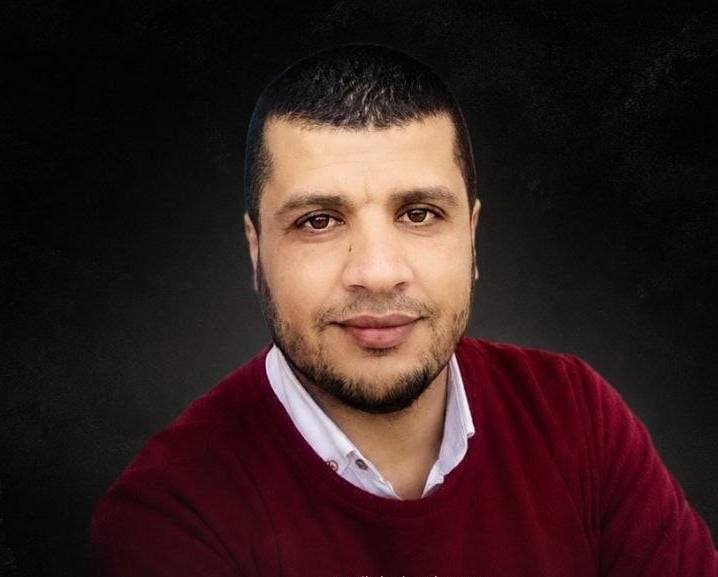
News websites and the social media are today concerned whether the official spokesman of the Izz ad-Din al Qassam Brigades Abu Obaida was killed or not by the Israeli war machine.
The most frequent question that is being asked: “Has he been martyred (killed) or not?” But really what does it matter if he was martyred or not?
Before this supposedly deadly incident there was Mohammed Deif, Yahya Sinwar, and Marwan Issa. They were martyred and killed during this genocide on Gaza.

Senior military leaders have long preceded them and in this war that started soon after 7th October, 2023. However the Brigades did not falter for one minute, continuing to fight more fiercely than before after significantly developing their organizational and tactical military capabilities.

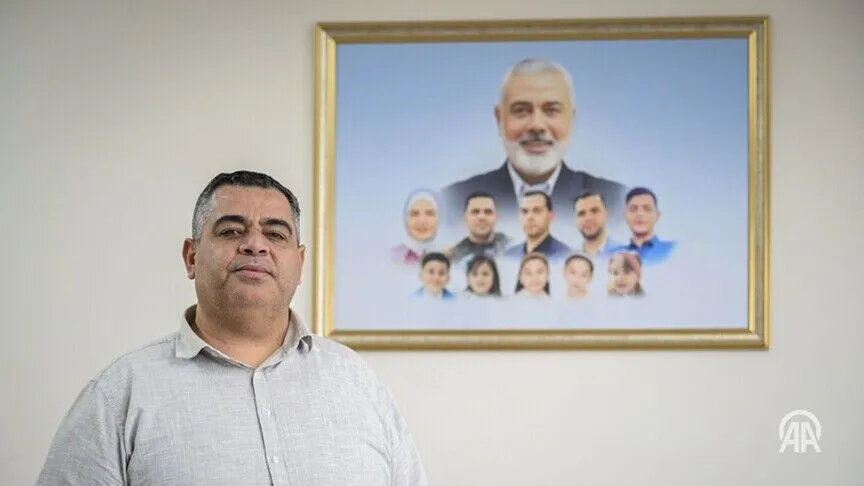
Hamas leader Ismail Haniyeh himself was martyred, preceded by Hamas leaders Sheikh Ahmed Yassin and Dr. Abdel Aziz al-Rantisi. The caravan of martyrs will not stop. Anyone who chooses to join the ranks of the resistance, whether militarily, politically, or in the media, knows full-well they are either a potential martyr deferred, or an eternal prisoner in the enemy’s fascist and brutal prisons.

Since the start of the war of extermination on Gaza on 7th October, the Israeli army composed of scums and mercenaries has killed a number of Hamas leaders, most notably Saleh al-Arouri, deputy head of the movement’s political bureau, who was martyred in an attack in his office in Beirut’s southern suburbs.
Ayman Nofal, a member of the Qassam Brigades’ military council and commander of the Central Region Brigade, Ahmed al-Ghandour, a member of the military council and commander of the Northern Brigade in Gaza, and Ahmed Bahar, acting head of the Legislative Council and former head of the movement’s Shura Council were also the object of Israeli targeting.
Jamila al-Shanti, the first woman to serve as a member of the Hamas Political Bureau and a member of the Palestinian Legislative Council, was also killed. So were Osama al-Muzaini, a leader in the movement and former head of its Shura Council, and Zakaria Abu Muammar and Jawad Abu Shamala were also members of the Political Bureau.
The convoy continues on its path, and the lies and deception of the ruling gang in Tel Aviv, which seeks any victory to present to the Israelis, who know they are marching toward the unknown under the leadership of the reckless, arrogant, and psychopathic Benjamin Netanyahu, will not stop them.
The assassinations are nothing more than an official announcement of the Israeli military failure in the Gaza Strip. They are cowardly acts befitting a bloodthirsty man and a war criminal who has escaped justice.
The Palestinian people have sacrificed throughout their history hundreds of leaders who were martyred on the path of liberation and struggle, and no vacuum was created anywhere. On the contrary, whoever assumed the position outdid themselves to prove to us and to themselves that they were worthy of the trust and responsibility they carried.
Palestine, the birthplace of Palestine, will continue to produce heroes and will never cease to produce heroism, courage, and dignity.
“Abu Obaida” is not a person in the abstract or moral sense, but rather an idea, and ideas never die; they continue to blossom and grow until they strangle the occupier with their ropes.
Ali Saadeh is a columnist in the Arabic Al Sabeel electronic newspaper in Amman.