 In The Line of Fire: Gaza Families Fear The ‘Yellow Line’
 Kushner Tells Netanyahu Not to Move ‘Westwards’ in Gaza
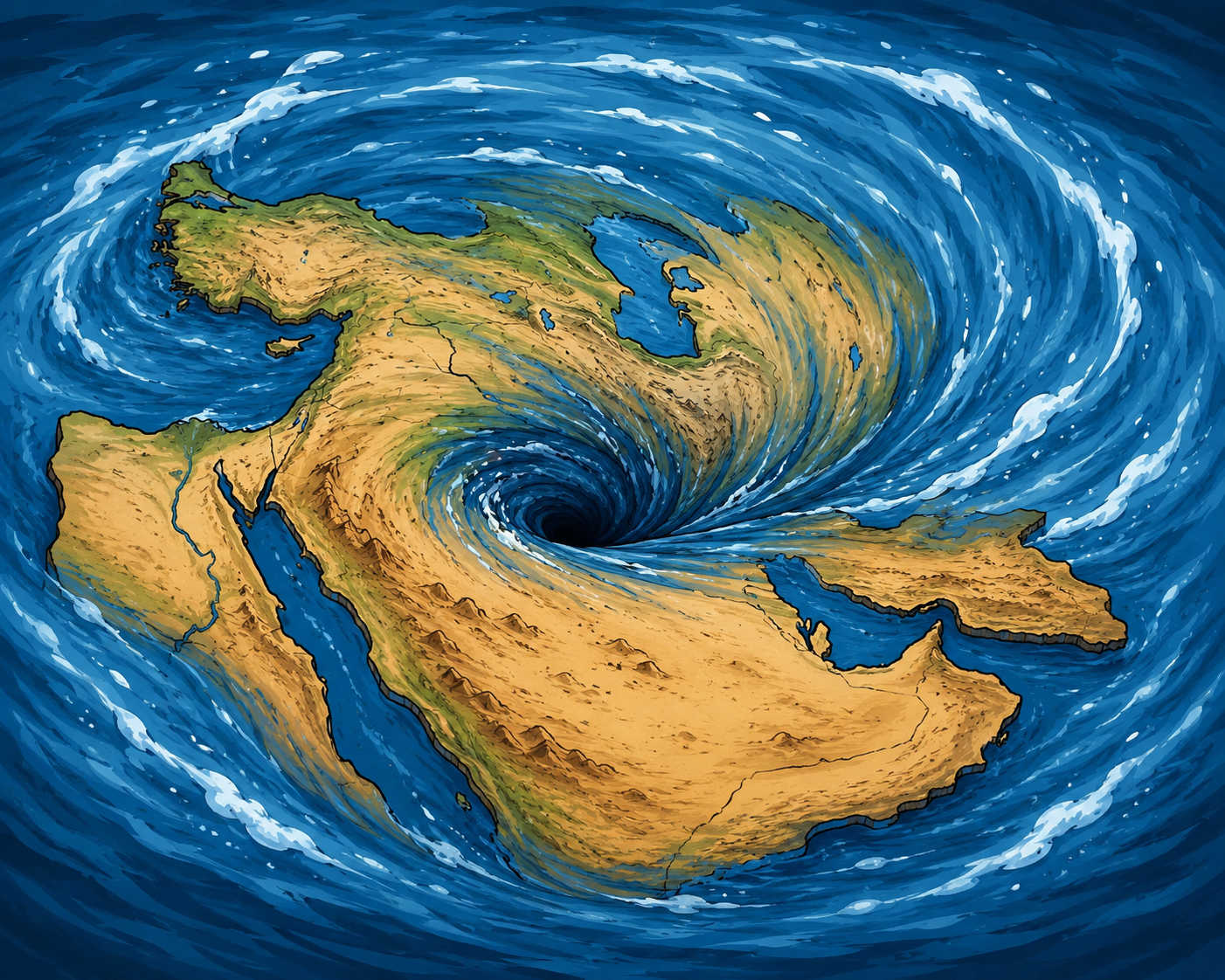 A Middle East Whirlpool! View From Amman
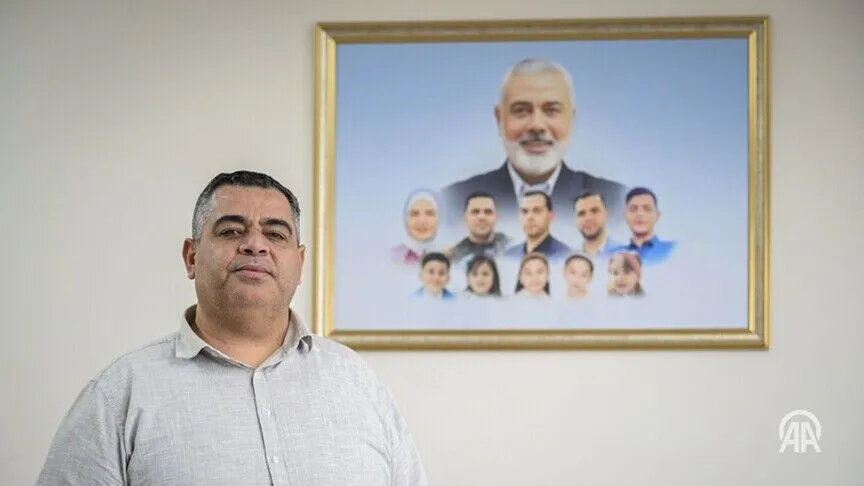
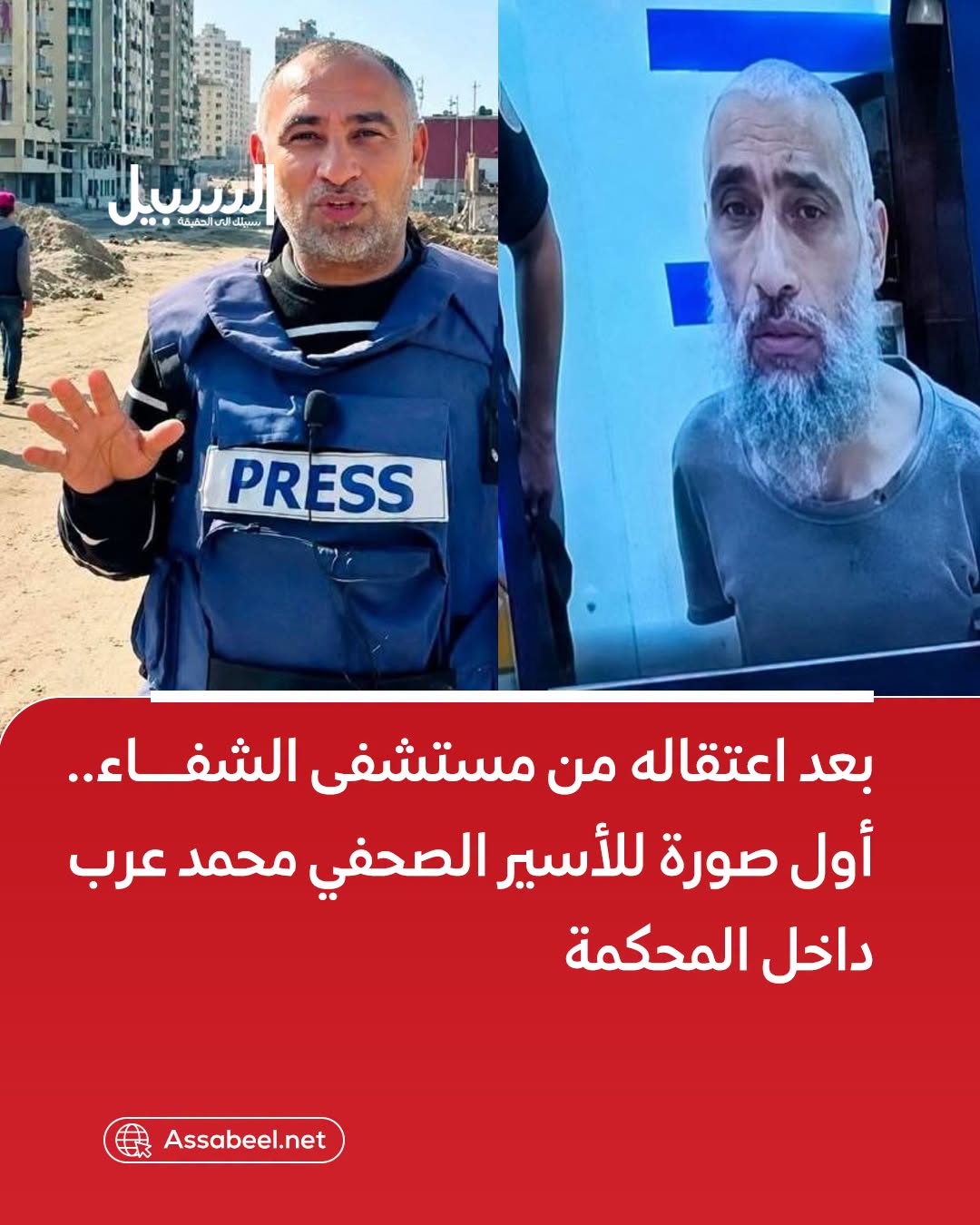 Prisoner Mohammad Arab Hadn’t Seen His Face in 2 Years!
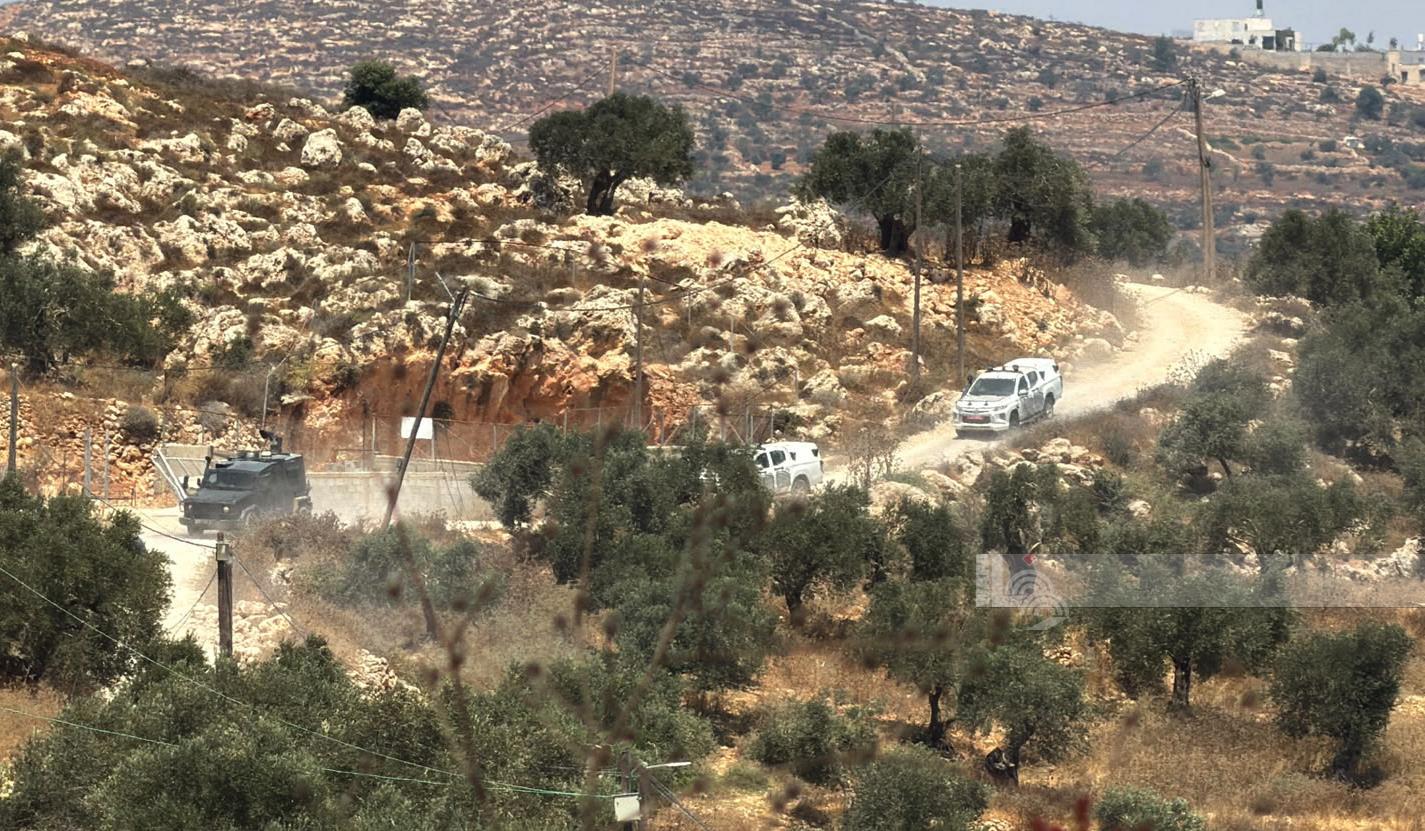 UN: 3000 Settler Attacks on West Bank Palestinians Since 2025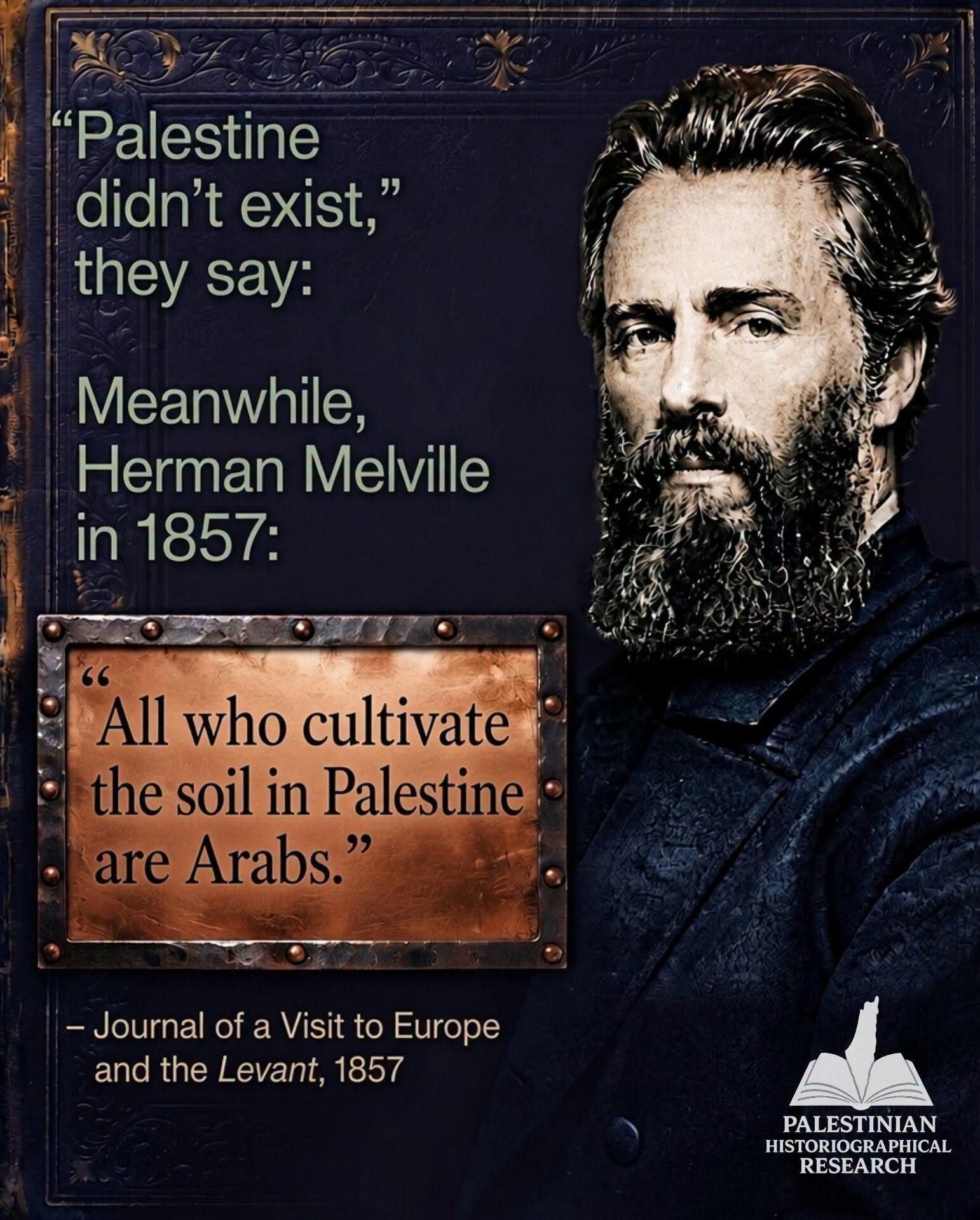

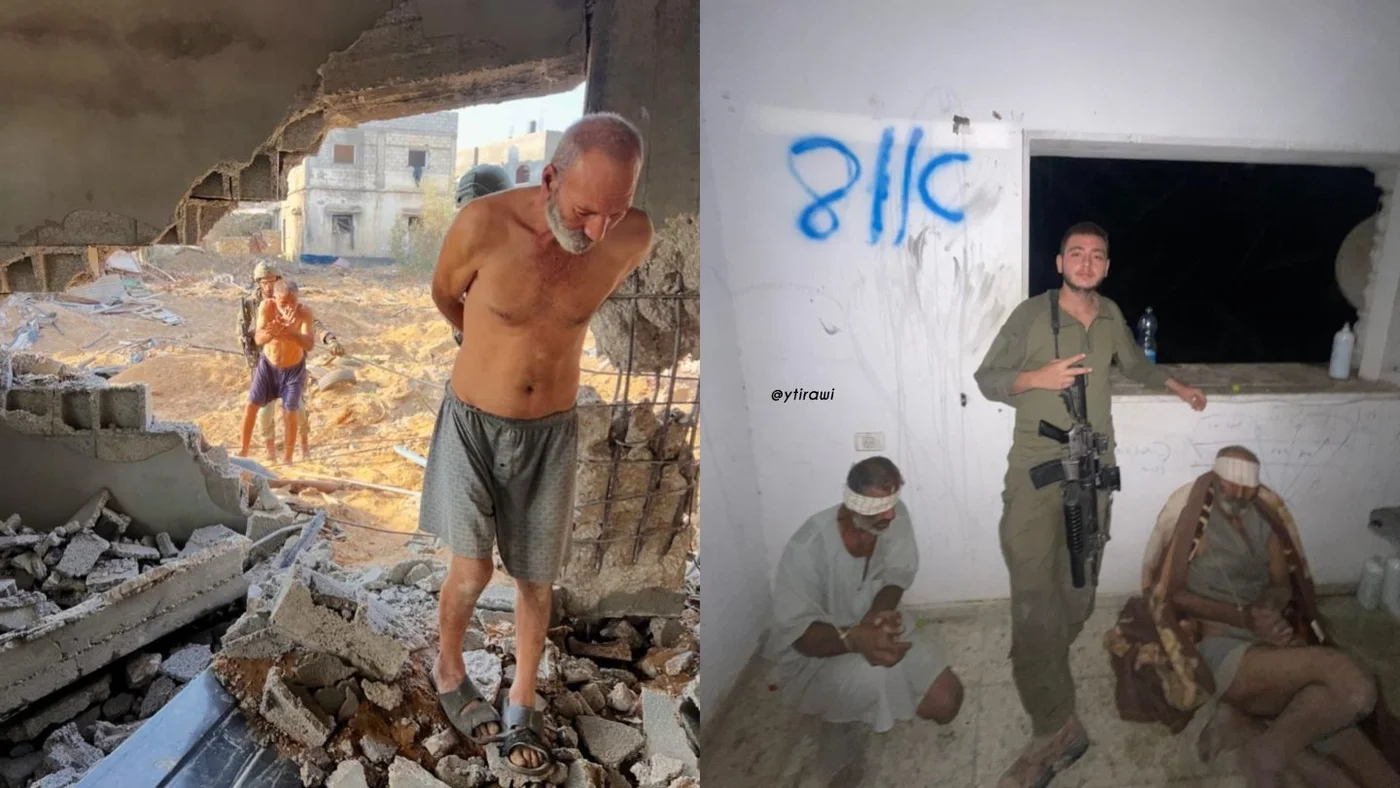
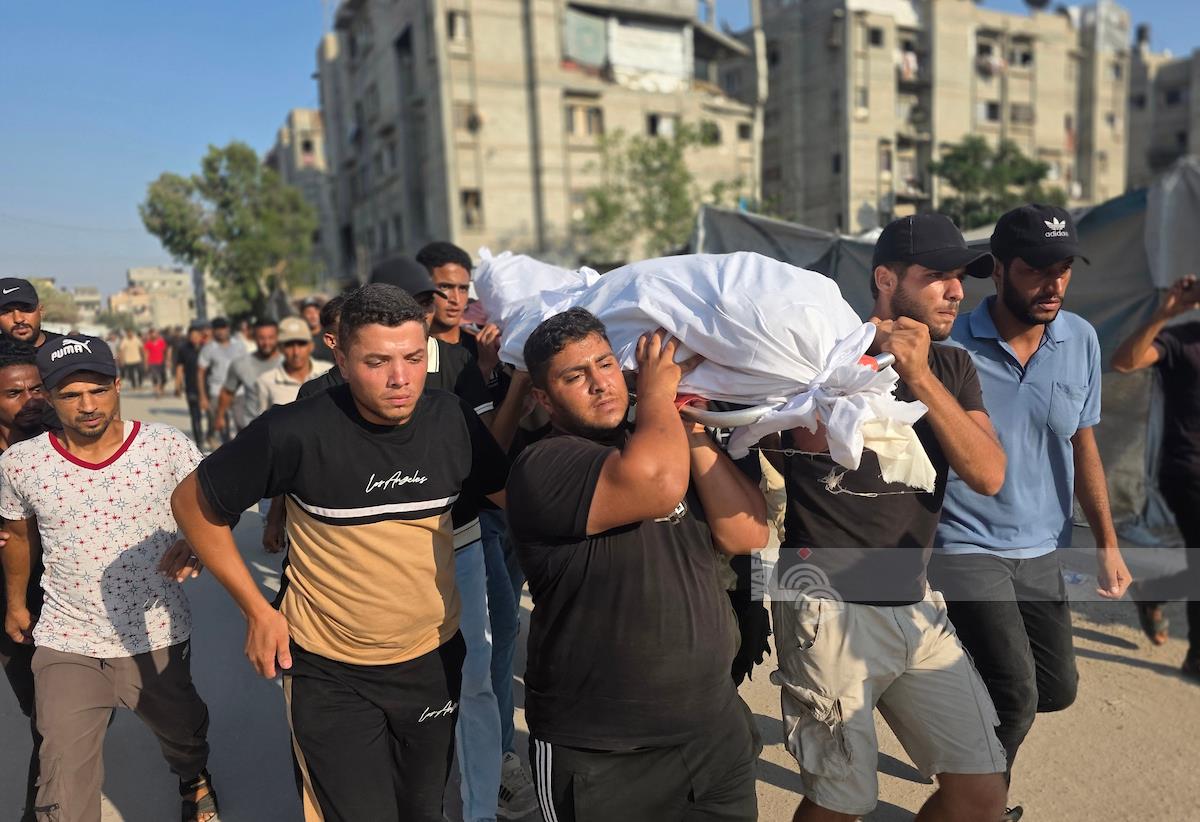
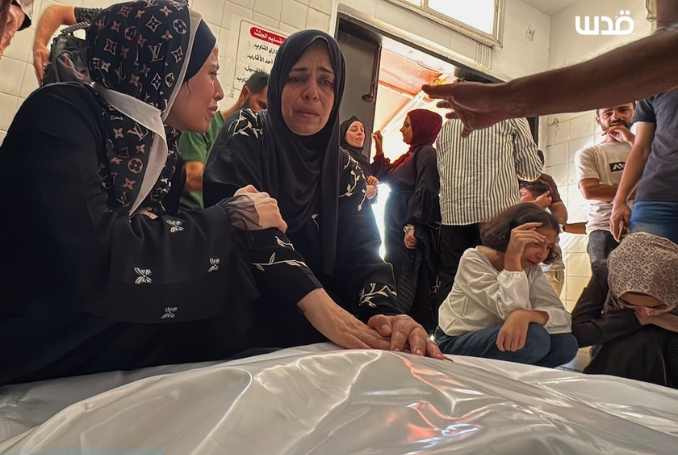
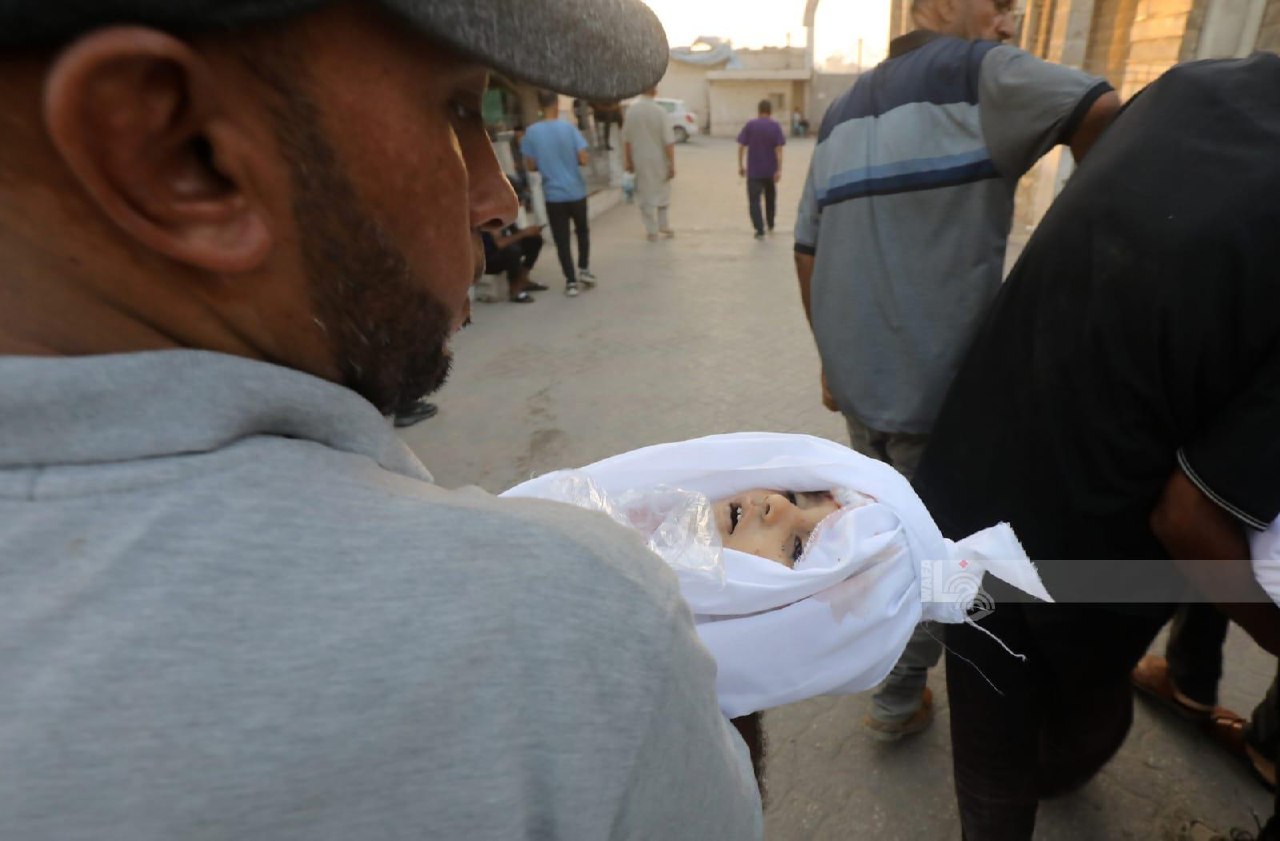
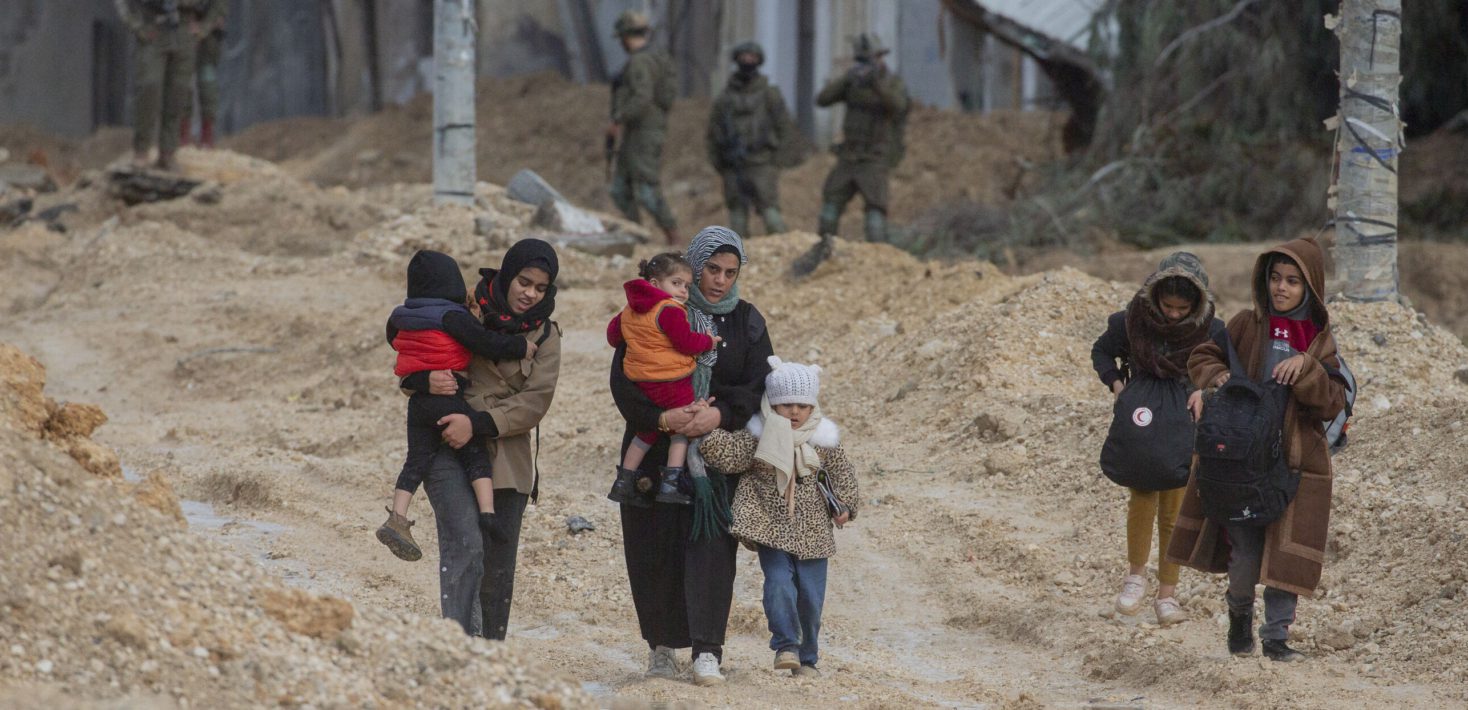
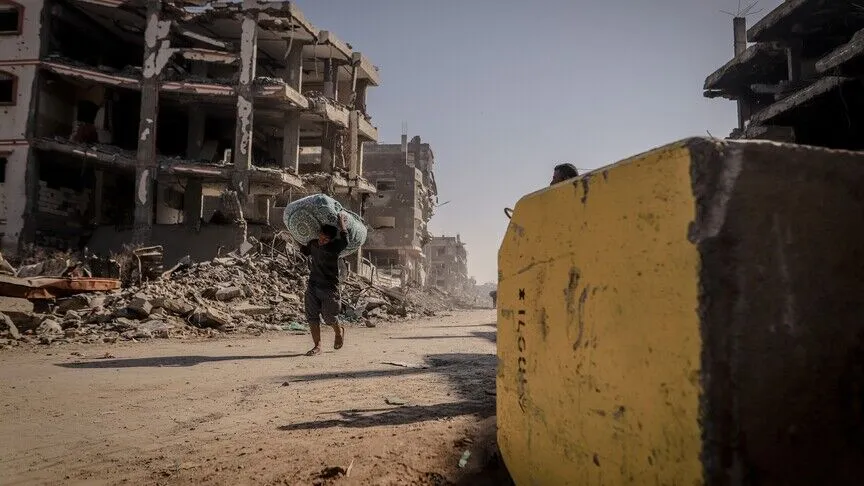
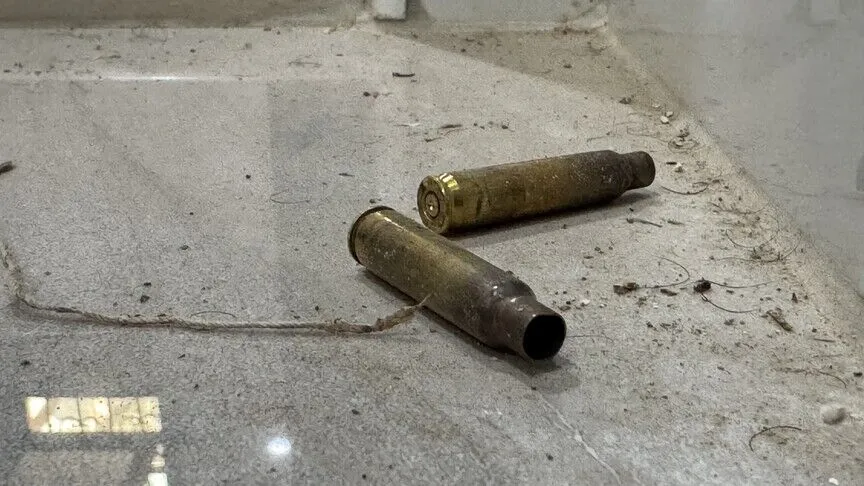
In The Line of Fire: Gaza Families Fear The ‘Yellow Line’
marwan
- August 17, 2026
 marwan
 Saleem Ayoub Qunamarwan
 CrossFireArabiaCrossFireArabiaCrossFireArabiaCrossFireArabiamarwanCrossFireArabiaCrossFireArabiamarwanCrossFireArabia
 HebaCrossFireArabiamarwanCrossFireArabiamarwanHebaCrossFireArabiamarwanmarwanHebaCrossFireArabiamarwanmarwanCrossFireArabiamarwanHebaCrossFireArabiaCrossFireArabiaCrossFireArabiaHebamarwanCrossFireArabiamarwanHebaCrossFireArabiaHebamarwanmarwanCrossFireArabiamarwanmarwanmarwanmarwanmarwanmarwanmarwanmarwanmarwanCrossFireArabiaCrossFireArabiamarwanmarwanCrossFireArabiaCrossFireArabiamarwanCrossFireArabiamarwanHebaHebamarwanmarwanCrossFireArabiamarwanmarwanmarwanmarwanCrossFireArabiaCrossFireArabiamarwanmarwanmarwanCrossFireArabiaCrossFireArabia
By Fawaz Turki
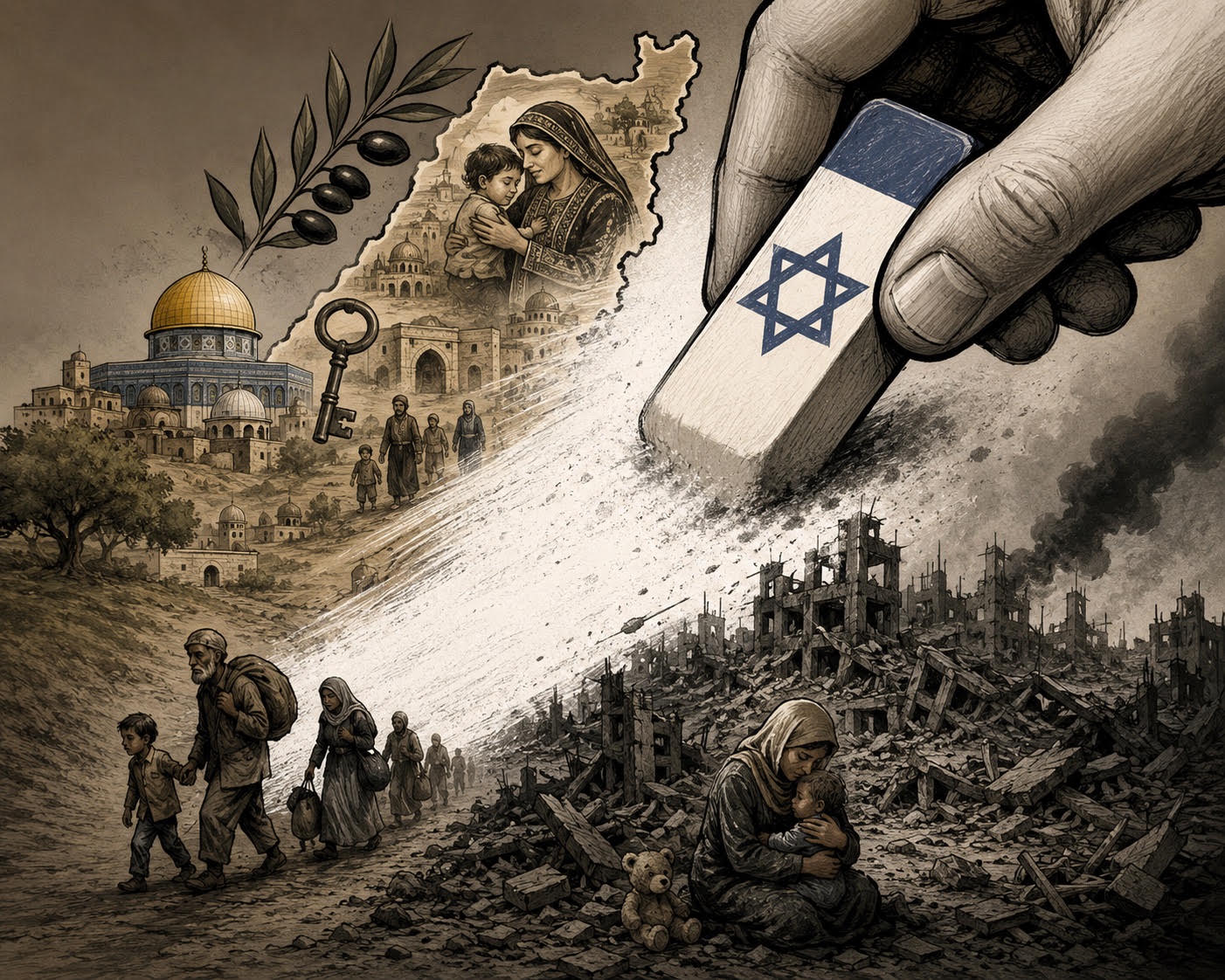
No doubt you’ve noticed. There are rational men and women engaged in the mainstream media of the Western world who still allow eroded figures of speech to inhabit their common parlance when they write about the deranged horrors in Gaza, as if what is happening there is a “war,” typically an open and often prolonged, garden variety military conflict between the armed forces of two nations or groups.
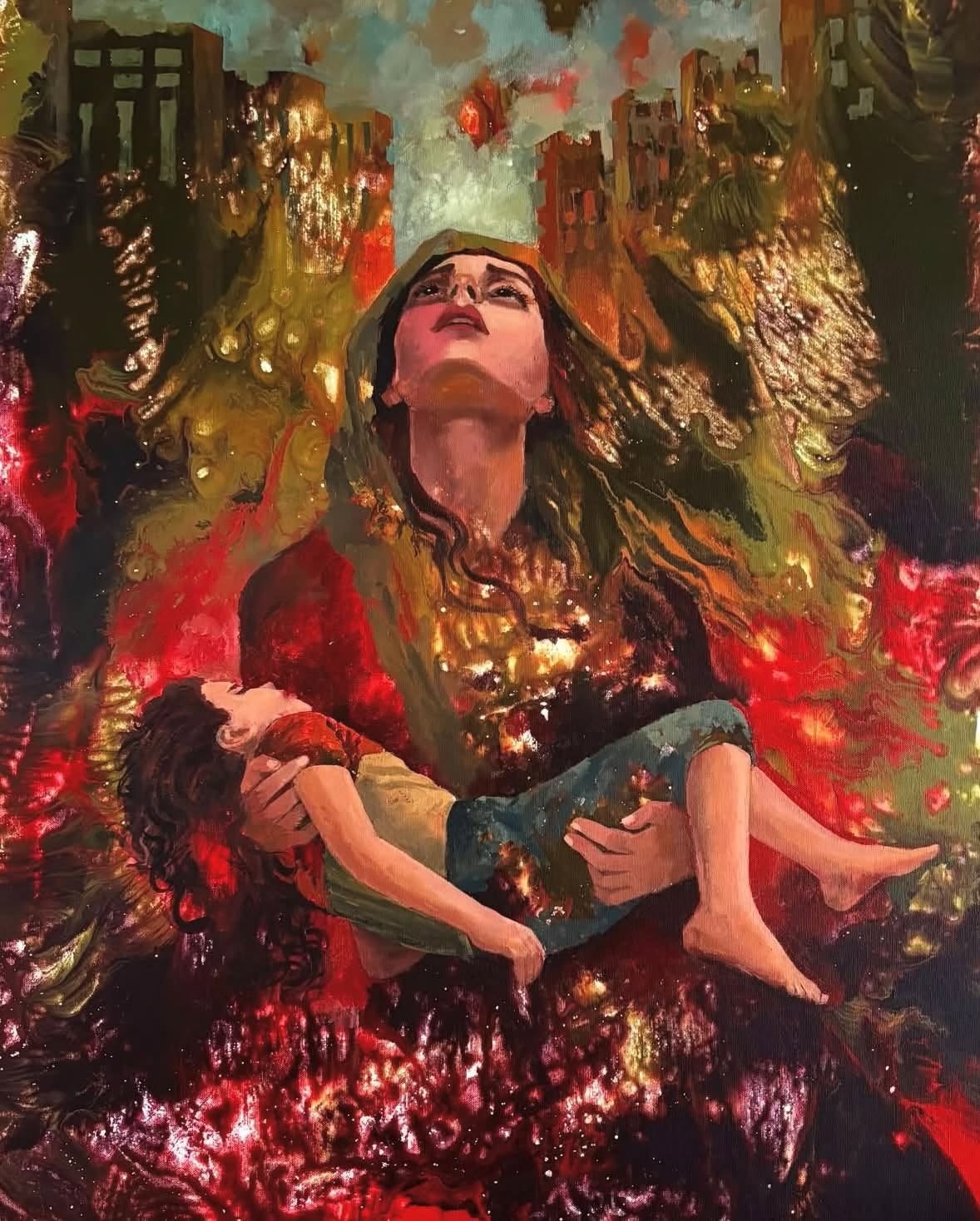
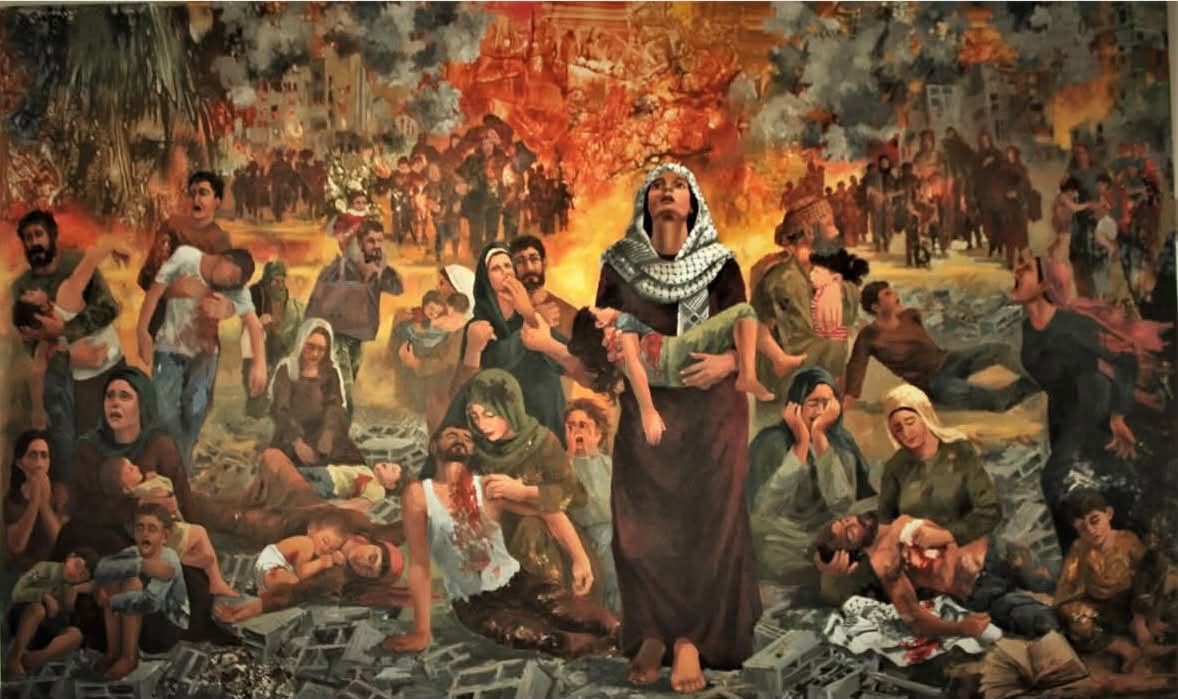
What we are in reality witnessing in that tormented, 142-square-mile strip of land — once described as an open-air prison camp but now as an open-air death camp — is clearly not a war but the most anguishing humanitarian catastrophe of the 21st century, one that challenges the shared sense of morality inherent in our global dialogue of cultures.
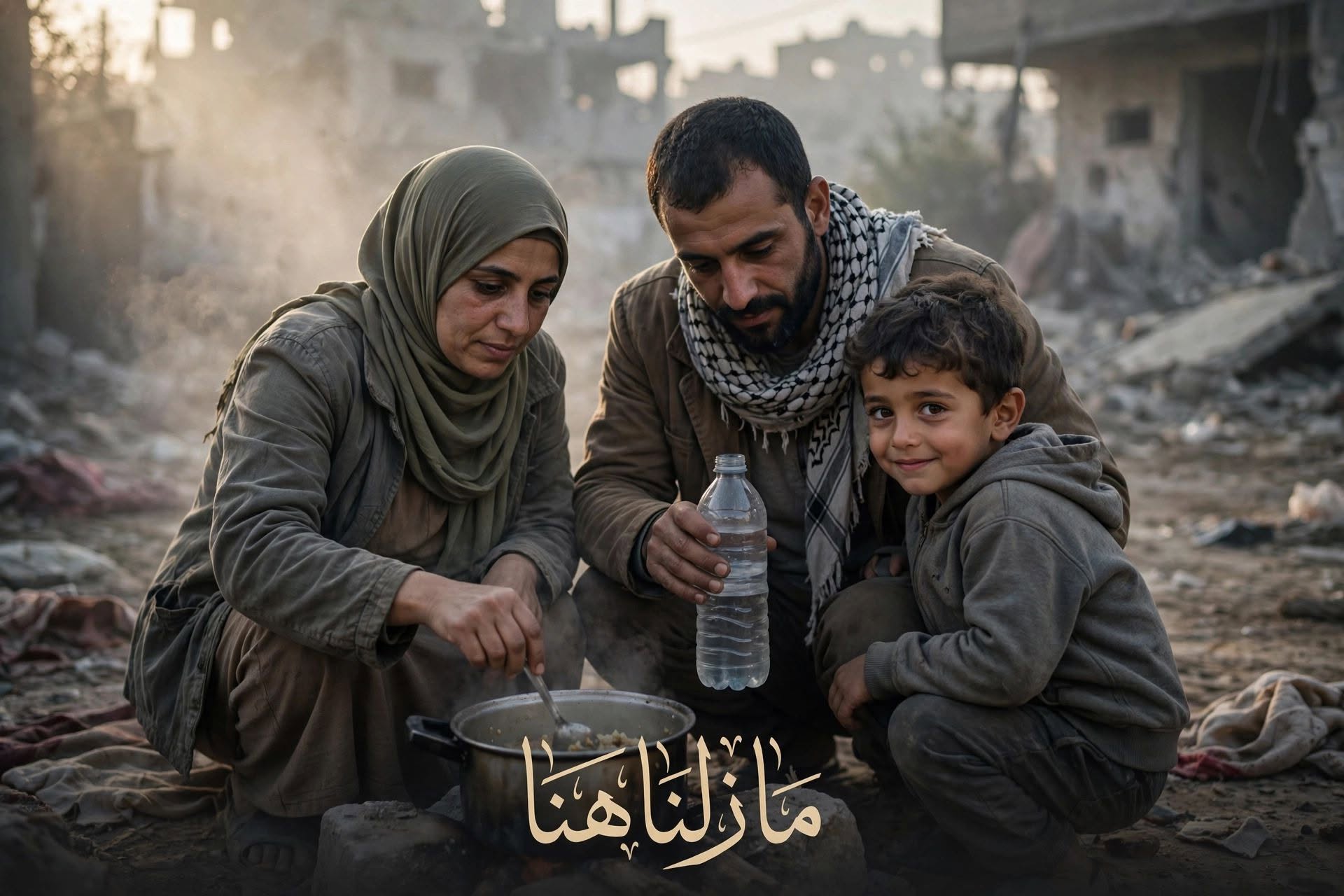
We need not describe these horrors inflicted on the 2.3 million souls who “live” – yes, this word needs to be enclosed in quotation marks – in Gaza, a people now hunted beyond all human endurance.
We know these horrors already. We’ve read about them. We’ve watched them on our screens. And they have shocked us to the core of our humanity.
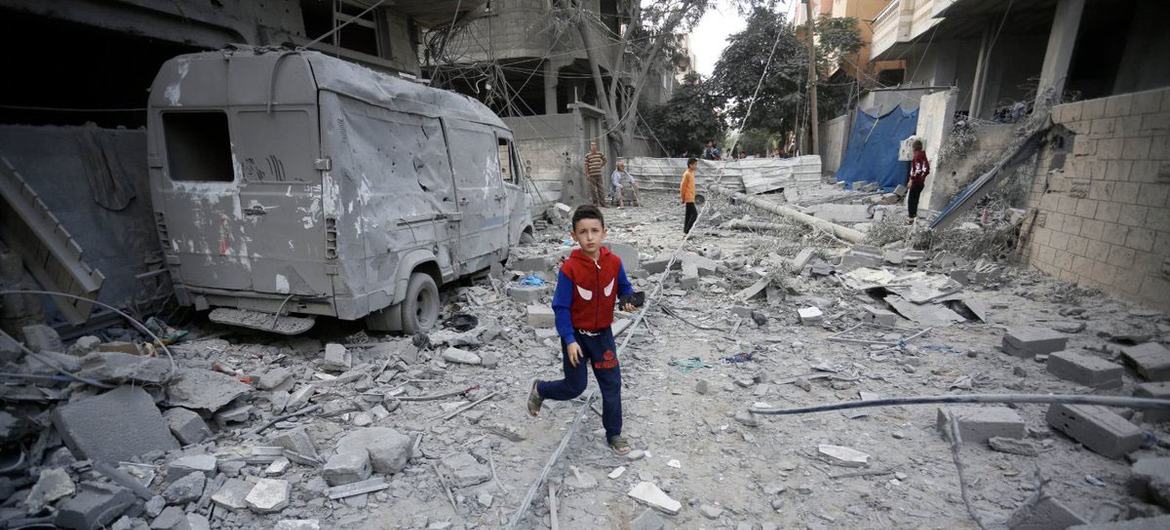
The enclave we call Gaza is today a wasteland whose destruction has been Carthaginian in scale, where starved Palestinians are neither dead nor alive. They and their skeletal children have been ghoulishly described as “walking corpses.”
You see them at dangerous food distribution centres where trigger-happy Israeli soldiers gratuitously kill dozens of them daily, and where their humanity is so reduced to a fragment that they are willing to die for a bag of rice, a quart of milk, a jerrycan of water.

Yet, a few kilometres away, across the border, supermarkets are loaded with food and people go about their quotidian lives. Walking their streets. Drinking their coffee. Watching their films. Reading their Torahs. Visiting their dentists. Hugging their children. Listening to music. And making love.
Surely, these are two orders of reality whose spatial and temporal coexistence the mind baulks at reconciling and the imagination recoils at envisioning.
Questions crowd upon us.
What justification do those who deny children access to food have for preventing them from meeting their basic needs? What propels the need in one people to calculatedly inflict such repeated, unspeakable savagery on another?
And what drives the seemingly normal Israelis to give such a massive echo of approval to the racist bellowing of their political and military leaders, instead of turning away from it in nauseated disbelief, thus reducing whatever there is in them of the human and restoring what there is of the beast? (It is a sad fact that progressive Israelis have always failed to insinuate into, let alone impose on society, the humane rigour inherent in their beliefs.)
Writers, like other laymen, would do well to abstain from taking part in a debate such as this that the therapeutic community considers its own. But reasons there must be, albeit dark and disquieting ones.
One thing is plain. Gaza is burning. Its analogue is hell. So, why has the global conscience not compelled the powers that be to intervene and put an end to the genocide in Gaza, an end to the immeasurable agonies of its people? And if not now, when?
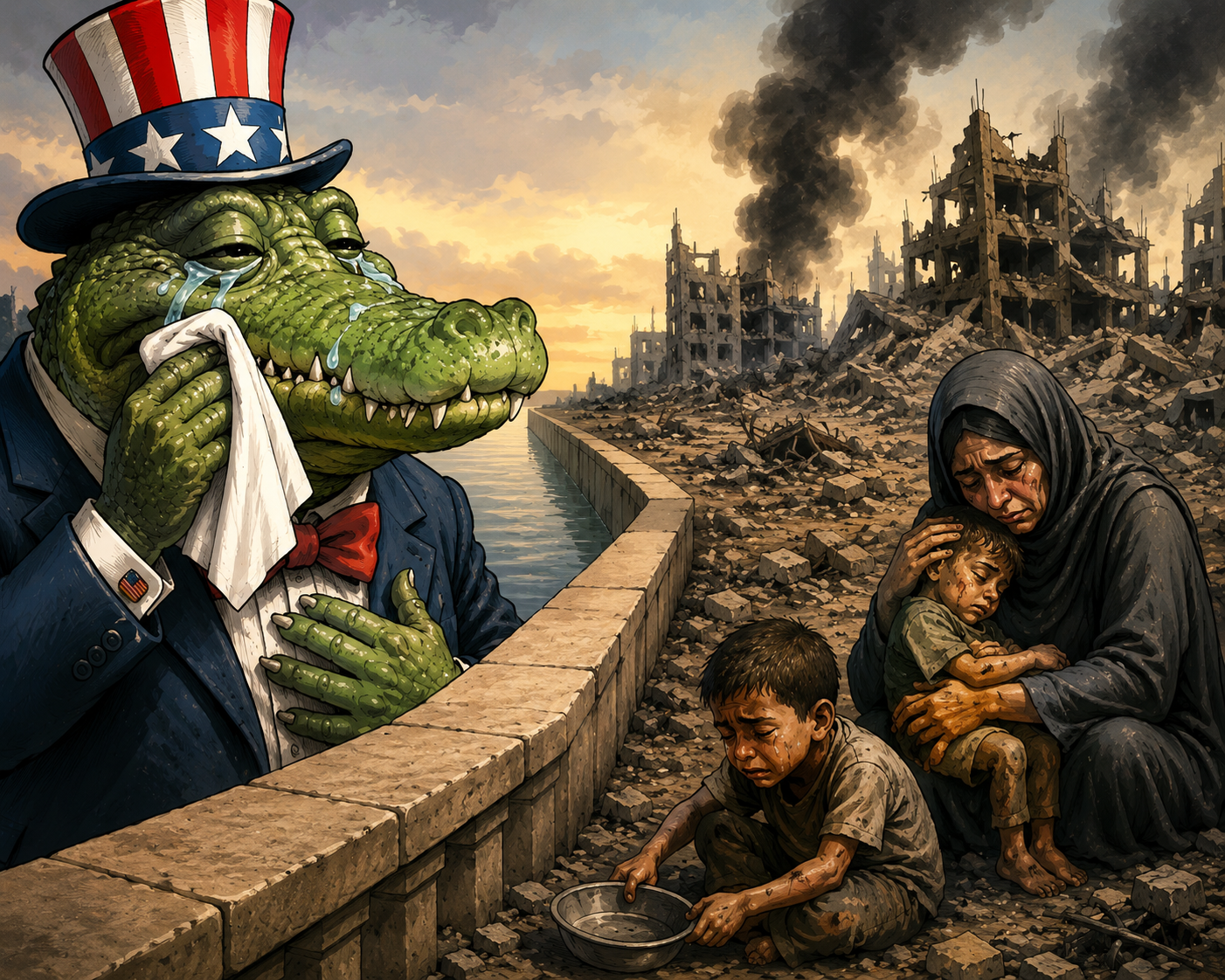
Very simply this: The US, the self-styled “leader of the free world” and putative “maker and shaker” of international affairs, insists on maintaining its long-held, notoriously right-or-wrong support of Israel.
So much so, it has repeatedly used its veto power to sabotage any efforts by other members of the UN Security Council to end the mayhem in the besieged enclave.
And governments elsewhere in the Western world have opted to become mere onlookers of that mayhem, that is, where they are not closet backers of it.
Yet, that is not the end of that. That global conscience has already become something to reckon with, having progressively morphed into – to paraphrase Japanese Admiral Isoroku Yamamato’s famous observation about Japan’s assault on Pearl Harbour — a sleeping giant, now awakened and filled with potent resolve.
True, the silence with which the Western world has met the horrors in Gaza may have raised serious doubts about the gravitas attributed to the foundational values of Western liberalism, showing them as a sham.
But the majority in that same world have now bravely taken a stand against their governments, seeing it not just as a moral imperative but also as a means to speak truth to power.
And by adopting that posture, they in effect tell themselves, each other and the world at large that human beings are complicit in that which leaves them indifferent, for by not speaking up, they are indirectly giving their approval to the prevailing order.
Let no one be in doubt that these folks’ voices have been heard.
Their voices have resonated, loudly, clearly, and impactfully, even in the US, traditionally the heartland where support of Israel was once robotic. Indeed, signs of that shift are already evident in public surveys, including the most recent Pew poll.
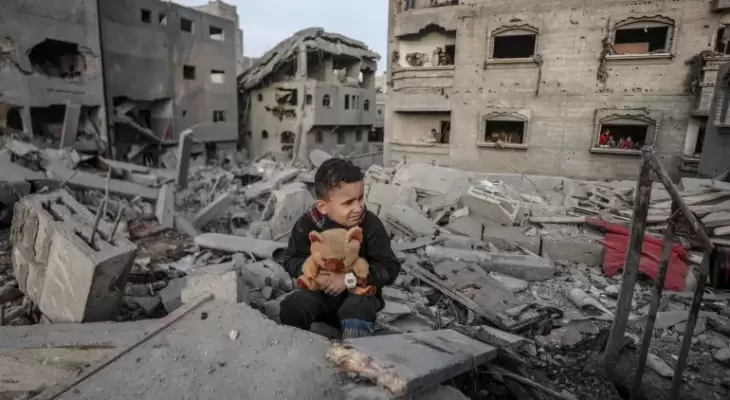
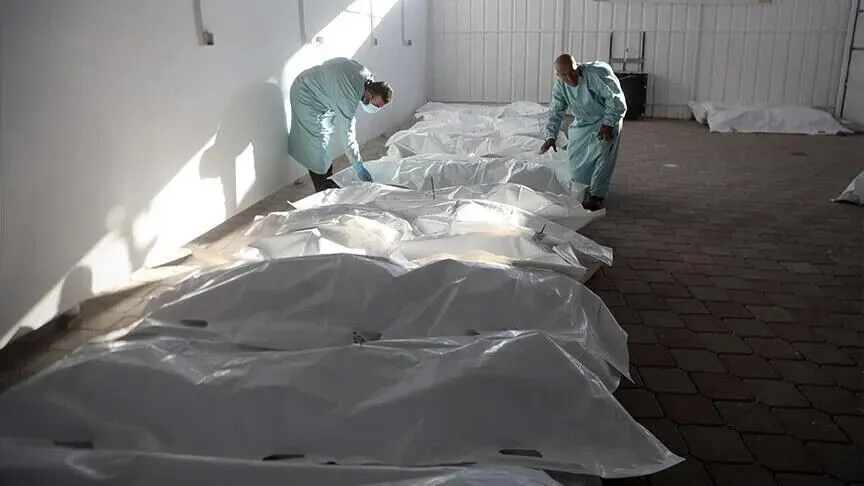
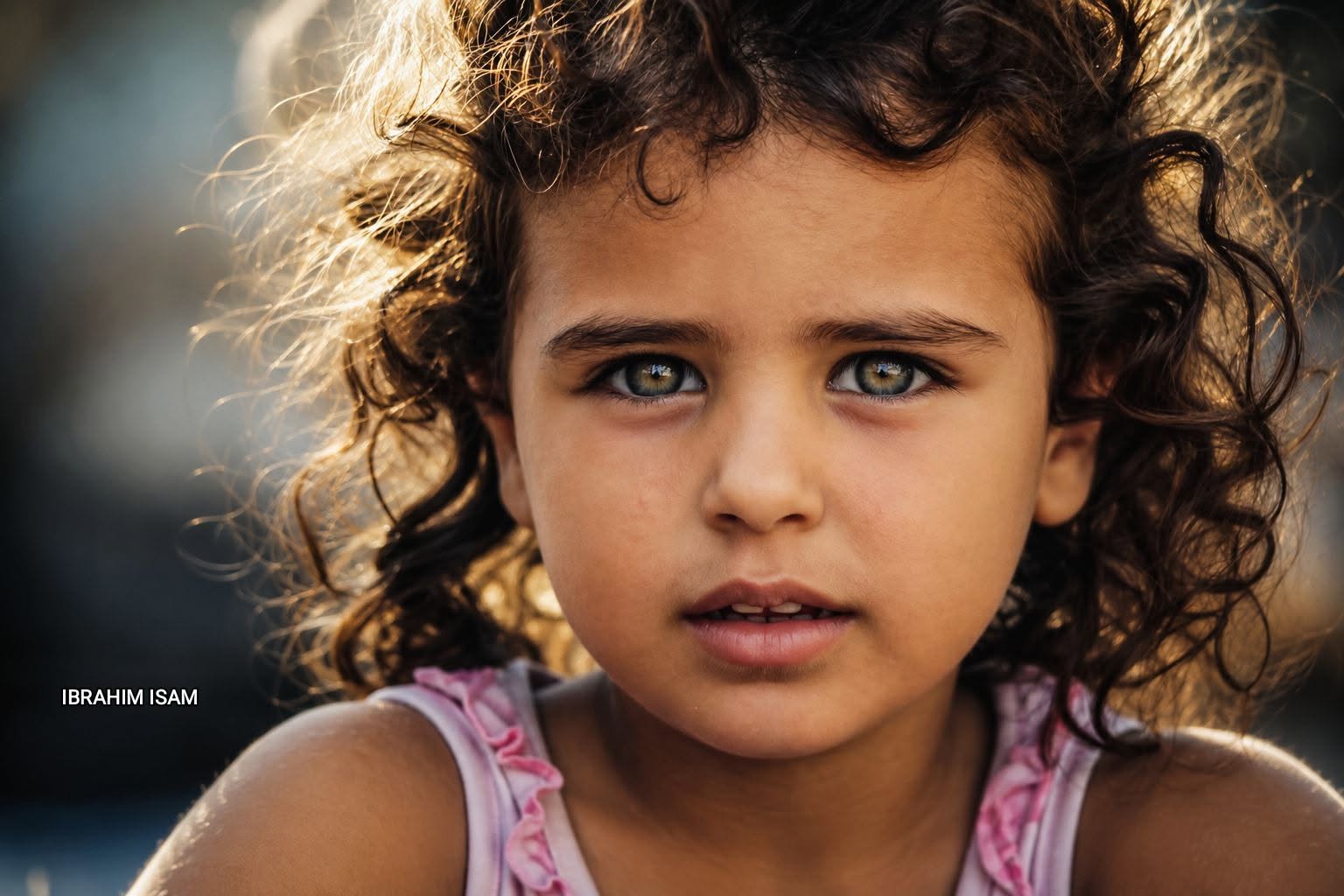
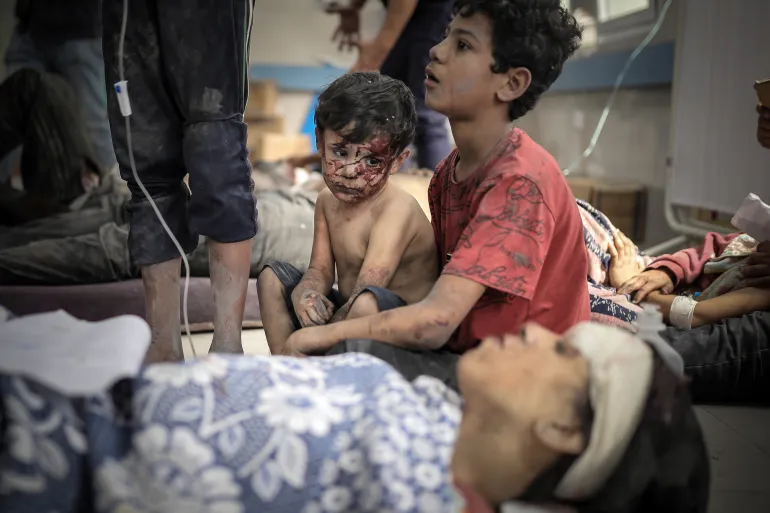
Yes, more than 18,500 children have so far been killed by Israel in Gaza, a little strip of land now reduced to being a place where the dead reach out to drag the living into the abyss of their mass graves, as a final act of mercy in a place where living has lost all meaning.

As for us Palestinians who, by a trick of fate, are “here,” fed beyond our need, safe in our beds and in our streets and protected against disorder in our daily lives, what is happening “there”, in that parcel of hell, remains indivisible to our identity and will remain tattooed, in indelible ink. It is etched in our collective memory and will remain with us for generations.
And our history books will tell that no child slaughtered in Gaza was ever forgotten, no brutality committed there was ever forgiven.
Fawaz Turki was born in Haifa in 1940. He fled with his family to Lebanon following the 1948 Nakba. He is a Palestinian-American journalist, lecturer and author based in Washington, DC. His publications include the autobiography The Disinherited: Journey of Palestinian Exile (1972), Soul in Exile (New York, 1988) and Exile’s Return: The Making of a Palestinian-American (New York, 1995). TRT World.
CrossFireArabia
Israel has destroyed nearly all animal wealth in the Gaza Strip, approximately 97 per cent, through bombing and systematic starvation, including working animals that served as the last means of transport amid fuel shortages and limited public mobility.
The destruction of animal wealth coincides with the bulldozing of thousands of acres of farmland as part of a deliberate policy to starve the population, destroy food sources, and inflict severe physical and psychological suffering, all of which are fundamental components of the ongoing crime of genocide against Palestinians in the Gaza Strip.
Through the deliberate imposition of unsustainable living conditions leading to physical destruction, Israeli policies reflect a systematic and ongoing pattern of genocide. This is carried out through the destruction of food sources, livestock, and agricultural production, alongside widespread killings, an illegal blockade on the Gaza Strip, and the deliberate restriction of food supplies for nearly two years. These acts constitute a grave violation of international law and demonstrate a clear intent to destroy the Palestinian population as a protected group under the Genocide Convention.
More than 97 per cent of sheep and goats were destroyed, either through direct killing or death caused by genocidal conditions
Before Israel’s genocide in the Gaza Strip in October 2023, the enclave had around 6,500 poultry farms that supplied about three million chickens to the local market each month. Now, 666 days later, over 93 per cent of these farms have been completely destroyed, and the few remaining have ceased operations entirely.
Euro-Med Monitor’s field team documented the deaths of tens of thousands of birds, either due to direct bombing or the lack of feed and water, in one of the largest systematic assaults on white meat production.
According to data collected by the field team, the Gaza Strip had approximately 15,000 cows before the genocide. More than 97 per cent were killed, either by direct bombing or starvation, while a limited number were slaughtered for food in the early months due to the lack of alternatives.
Regarding livestock, including sheep and goats, estimates indicate that the Gaza Strip had around 60,000 sheep and 10,000 goats before the genocide. Current data shows that more than 97 per cent were destroyed, either through direct killing or death caused by genocidal conditions, as part of the systematic targeting of food sources and livelihoods.
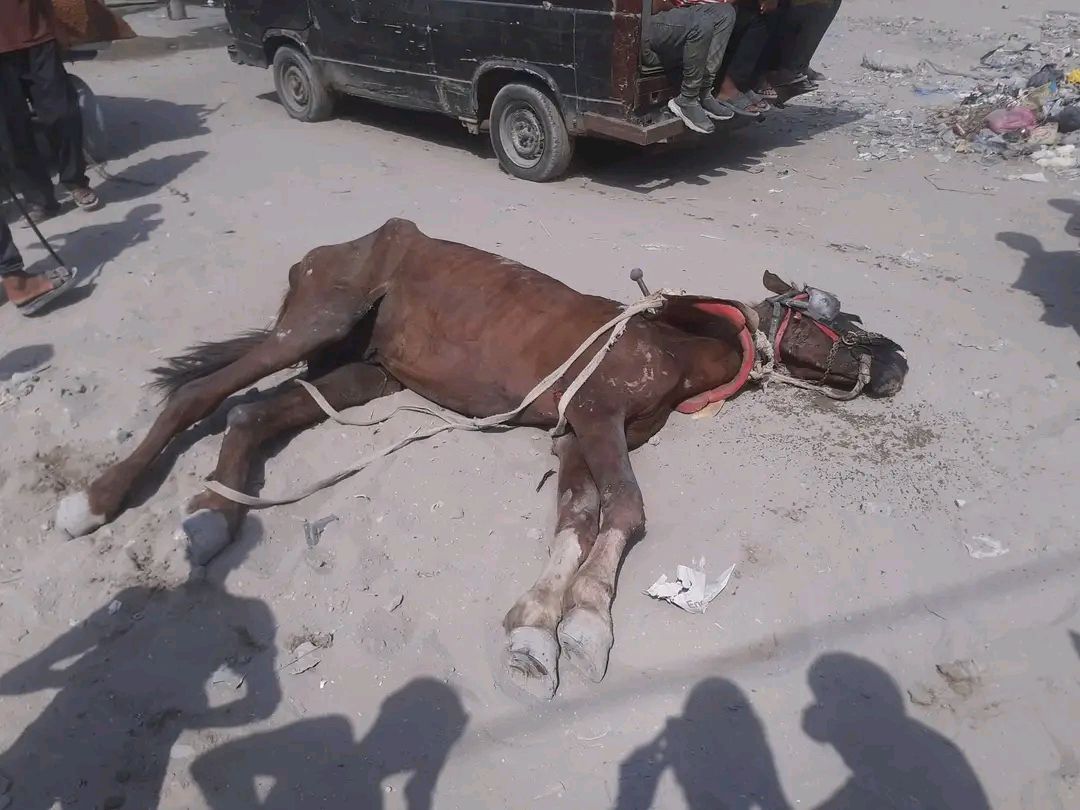
Estimates prior to the genocide indicated that the Gaza Strip had approximately 20,000 donkeys, along with several horses and mules used as working animals. By August 2024, around 43 per cent of these animals had died, while more recent data shows that no more than 6 per cent remain, reflecting a near-total collapse of this vital sector.
Donkeys and mules have become the main mode of transport in the Gaza Strip, used to carry people, aid, the injured, and even corpses, amid the destruction of roads and vehicles and the complete breakdown of transportation due to fuel shortages. Despite growing reliance on them, most of these animals have died, while the rest are so exhausted by bombing, starvation, and severe fodder shortages that they can no longer move or perform any tasks.
Reports by Israeli Channel Kan 11 revealed that the Israeli army gathered hundreds of donkeys from across the Gaza Strip during military operations, transferred them to a farm run by the non-profit Starting Over Sanctuary, and then sent them to animal shelters in France and Belgium under the pretext of rescuing “animals in distress”. This is not only misleading propaganda designed to mask the reality of genocide, but also a blatant act of looting and part of a systematic policy to dismantle the foundations of life in the Gaza Strip by seizing the last remaining means of survival under blockade and destruction.
Depicting such acts as humanitarian while all forms of life in Gaza have been systematically wiped out over the past 22 months is nothing more than a deceptive ploy aimed at manipulating global public opinion.
Israel’s extermination of animal wealth is part of a systematic policy to enforce starvation and dismantle the foundations of survival. The ongoing military attacks have had catastrophic impacts on public health, the environment, agricultural land, and the quality of water, soil, and air, contributing to a deepening environmental collapse.
These impacts do not occur instantly but accumulate and intensify over time, eventually reaching a tipping point that can trigger sudden and alarming surges in the death toll. This is already evident in the daily deaths from hunger and malnutrition, with clear indications that the numbers will rise sharply unless the blockade is lifted and basic necessities are restored.
Access to food, in all its variations, and water is a fundamental human right essential to preserving health and dignity. This right can only be upheld by ending the genocide, lifting the blockade as a form of collective punishment and a war crime, and urgently salvaging what remains of the Gaza Strip, now rendered uninhabitable. Each day of delay risks pushing the enclave past the point of no return, at a grave cost to civilian lives and health.
States must urgently push for the restoration of humanitarian access and the lifting of the illegal blockade, as this is the only way to stop the accelerating humanitarian deterioration and ensure the entry of aid, given the imminent threat of famine.
The establishment of safe humanitarian corridors under UN supervision is vital to ensure the delivery of food, medicine, and fuel to all areas of the Gaza Strip, with the deployment of independent international monitors to verify compliance and ensure the rapid rehabilitation of the agricultural and livestock sectors as part of both emergency relief efforts and long-term recovery.
All states, individually and collectively, must urgently fulfil their legal obligations to halt the genocide in the Gaza Strip in all its forms. This includes taking concrete measures to protect Palestinian civilians in the enclave, ensure Israel’s compliance with international law and the International Court of Justice rulings, and guarantee full accountability for crimes committed against Palestinians. Euro-Med Monitor also calls for the enforcement of the International Criminal Court arrest warrants issued for the Israeli Prime Minister and former Defence Minister, and for their swift surrender to international justice without regard to immunity.
The international community is urged to impose economic, diplomatic, and military sanctions on Israel and its more powerful allies, particularly the United States, for their grave and systematic breaches of international law; these sanctions should include comprehensive arms embargoes and the suspension of all forms of political, financial, military, and intelligence cooperation. In addition, Euro-Med Monitor calls for freezing the assets of responsible Israeli, US, and any complicit EU officials, banning their travel, halting their military and security companies’ access to international markets, and suspending trade privileges and bilateral agreements that facilitate Israel’s ongoing Western-backed crimes against the Palestinian people.
CrossFireArabia
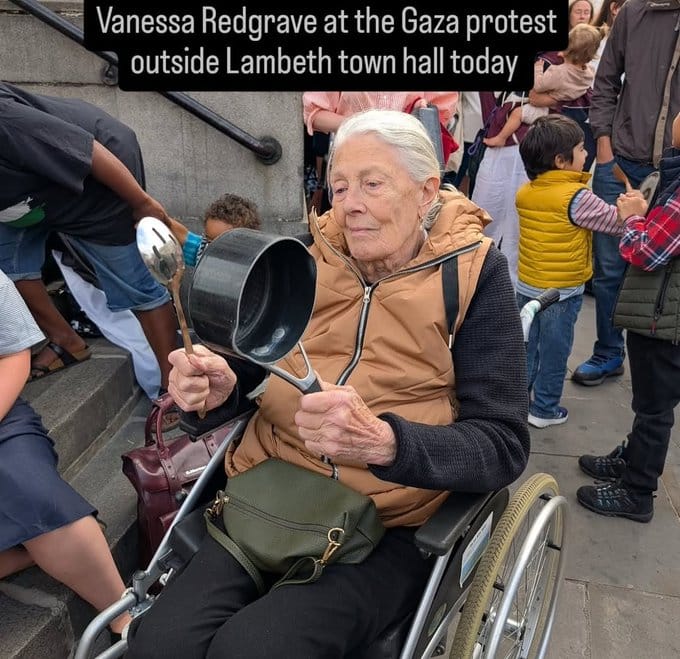
This is what Ali Saadeh wrote in Arabic:
Most people don’t remember her. Vanessa Redgrave is an English film and stage actress who won an Academy Award, an Emmy Award, and a Golden Globe.
Protests erupted by some Jews against her receiving an Oscar and her attendance at the ceremony to accept the award for her participation in a documentary about the Palestinian cause in 1977.
During her acceptance speech at the Oscars, she attacked “that bunch of Zionist thugs,” as she described them, who objected to her participation in the documentary and her receiving the Oscar.
CrossFireArabia
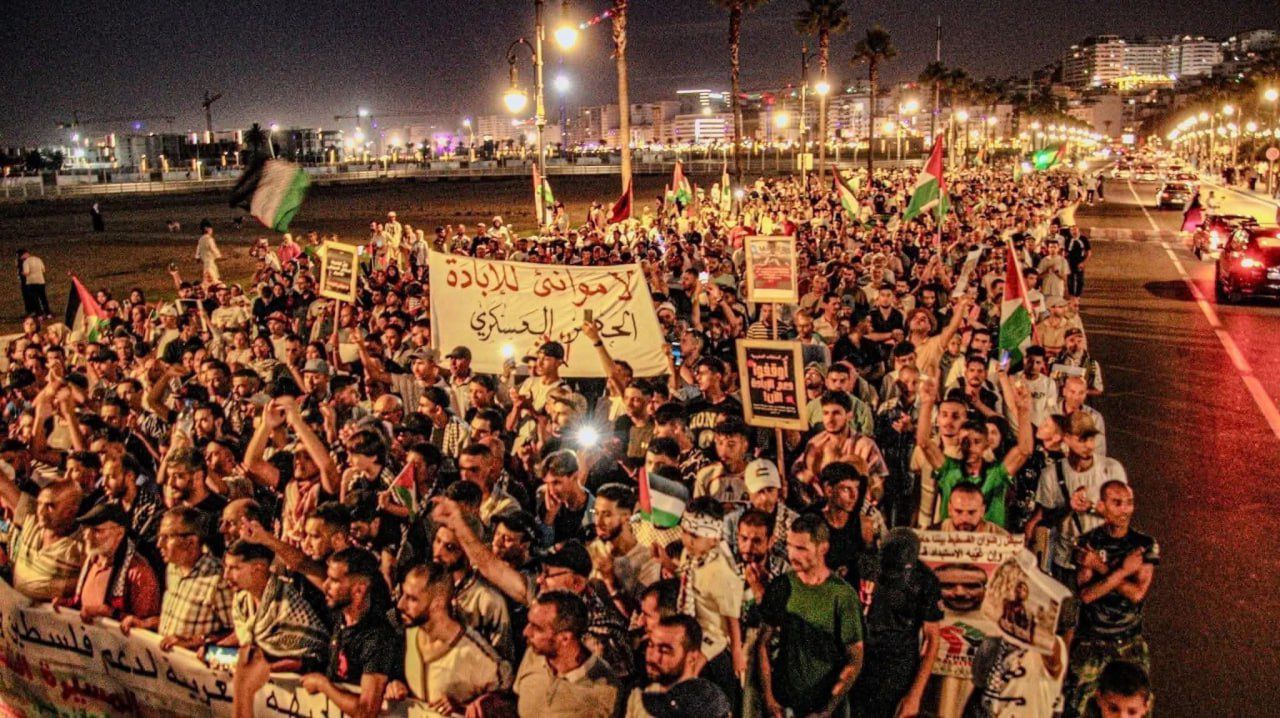
Thousands of Moroccans are marching at Tangier Port, demanding a halt to ships allegedly carrying weapons to the Israeli occupation, rejecting any complicity in Gaza’s genocide according to the Quds News Network.
CrossFireArabia
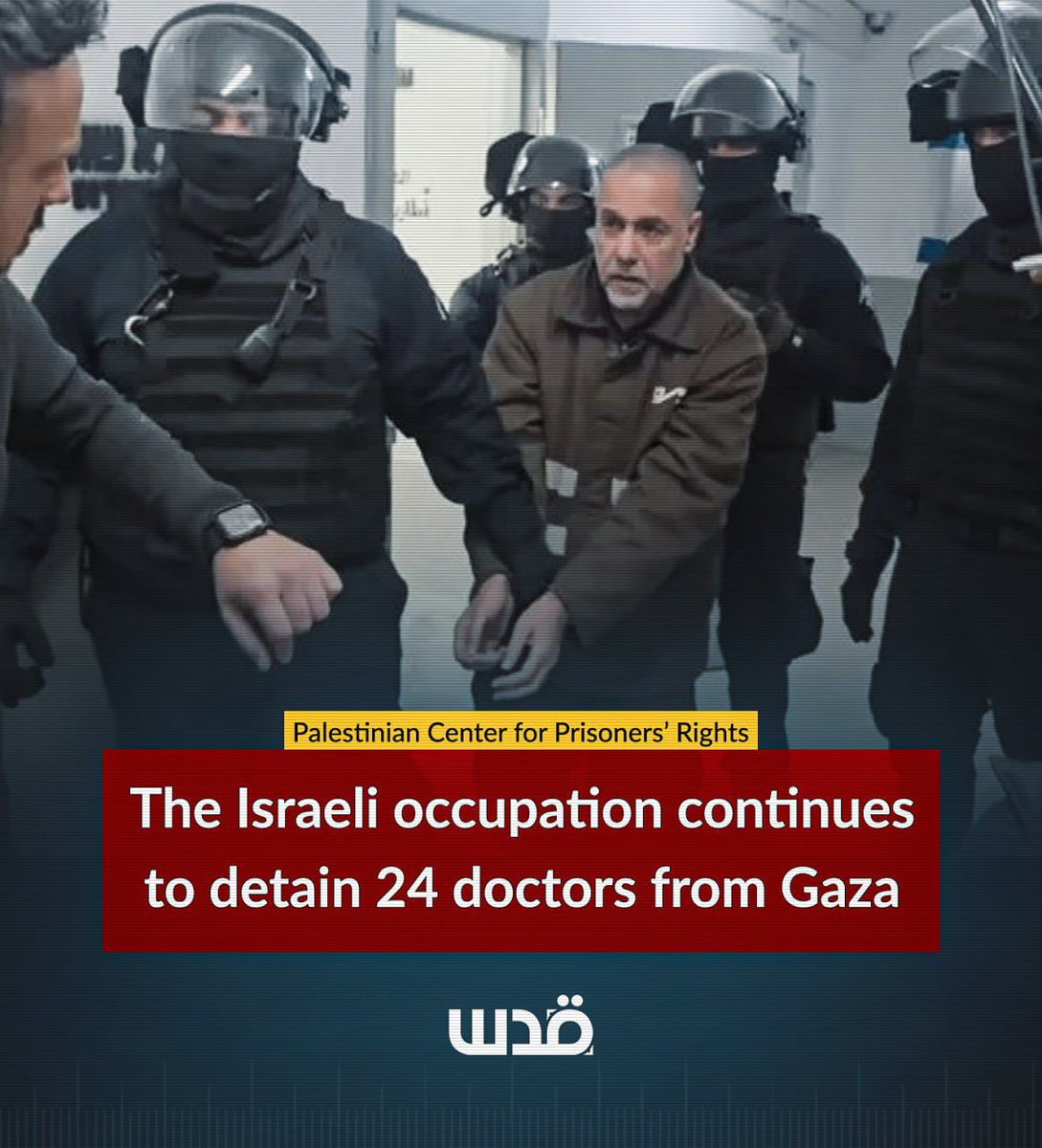
The Palestinian Center for Prisoners’ Rights stated that the occupation continues to hold 24 doctors from Gaza under extremely dire humanitarian conditions.
The detained doctors were subjected to brutal, systematic, and deliberate abuse, which led to the death of Dr. Adnan Al-Borsh and Dr. Eyad Al-Rantisi due to severe torture. The Center called on:
The World Health Organization and the United Nations to act urgently to secure the immediate release of the Palestinian doctors from Israeli prisons.
Reports from the UN and human rights organizations such as Physicians for Human Rights and Human Rights Watch have documented cases of torture, violence, and psychological abuse against health workers during detention.