 Gaza Genocide 1000 Days on….
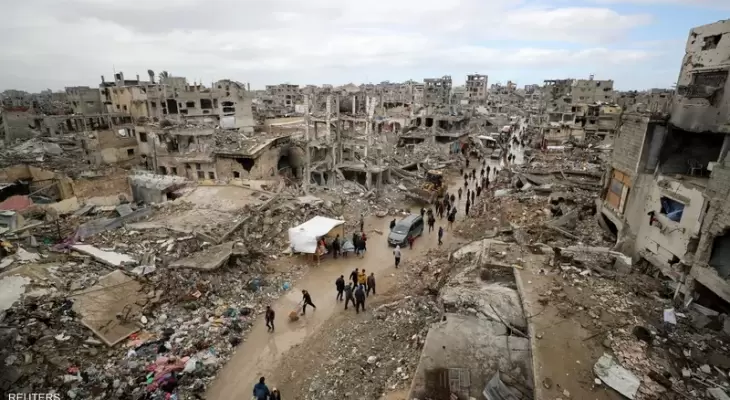
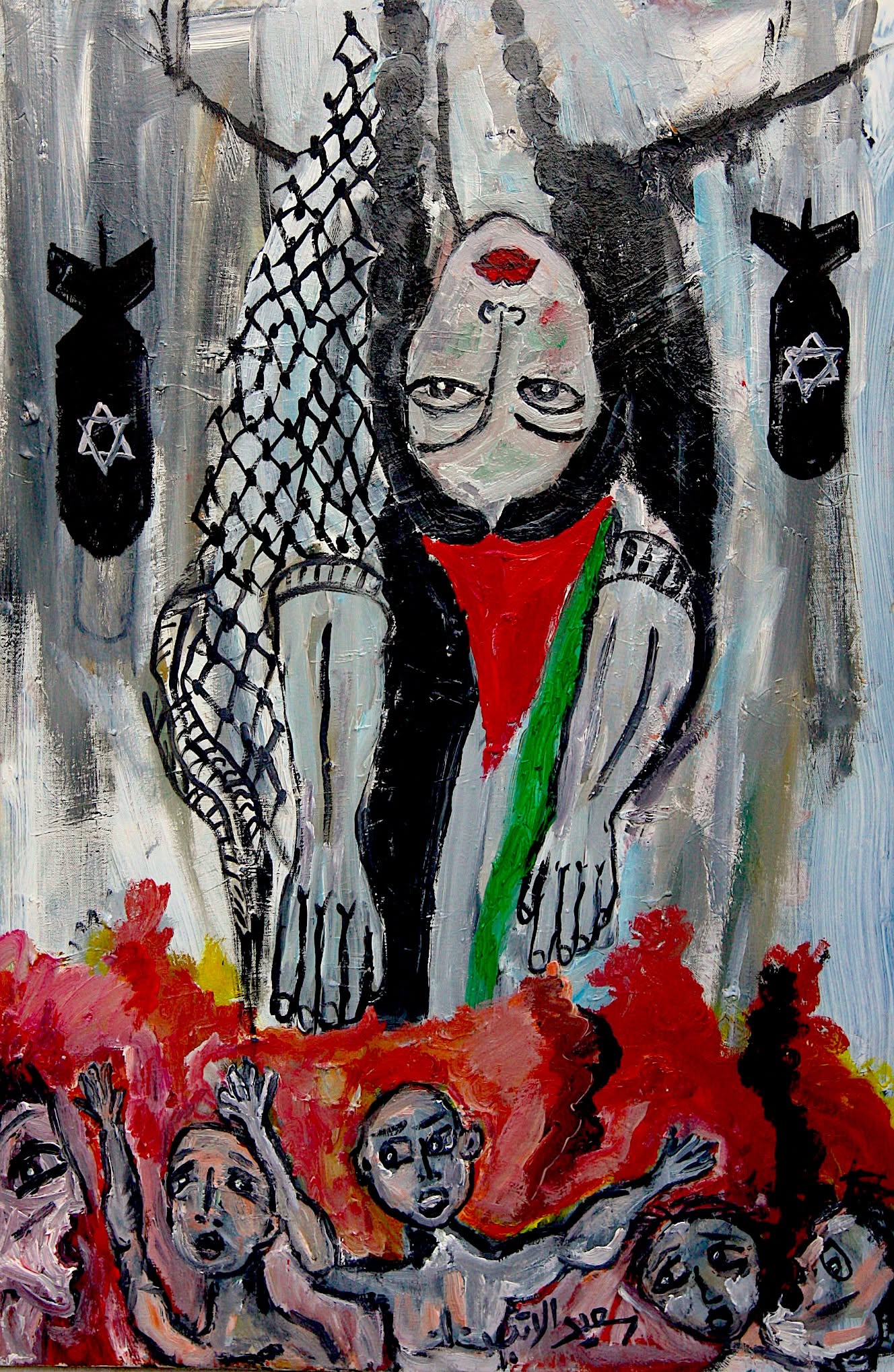 Genocide in Gaza
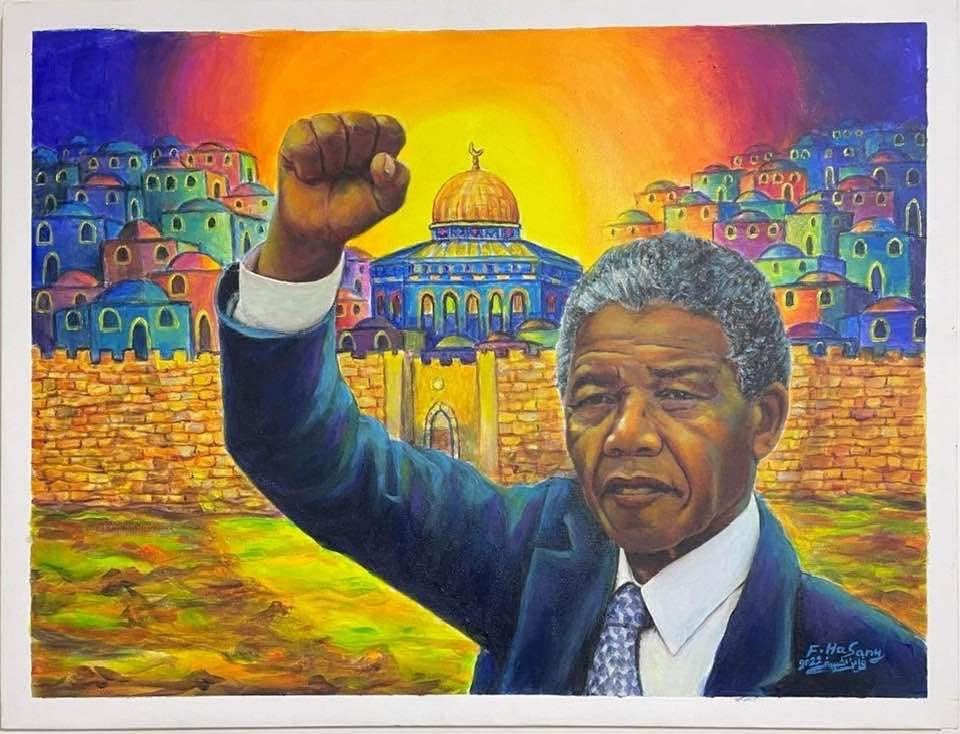
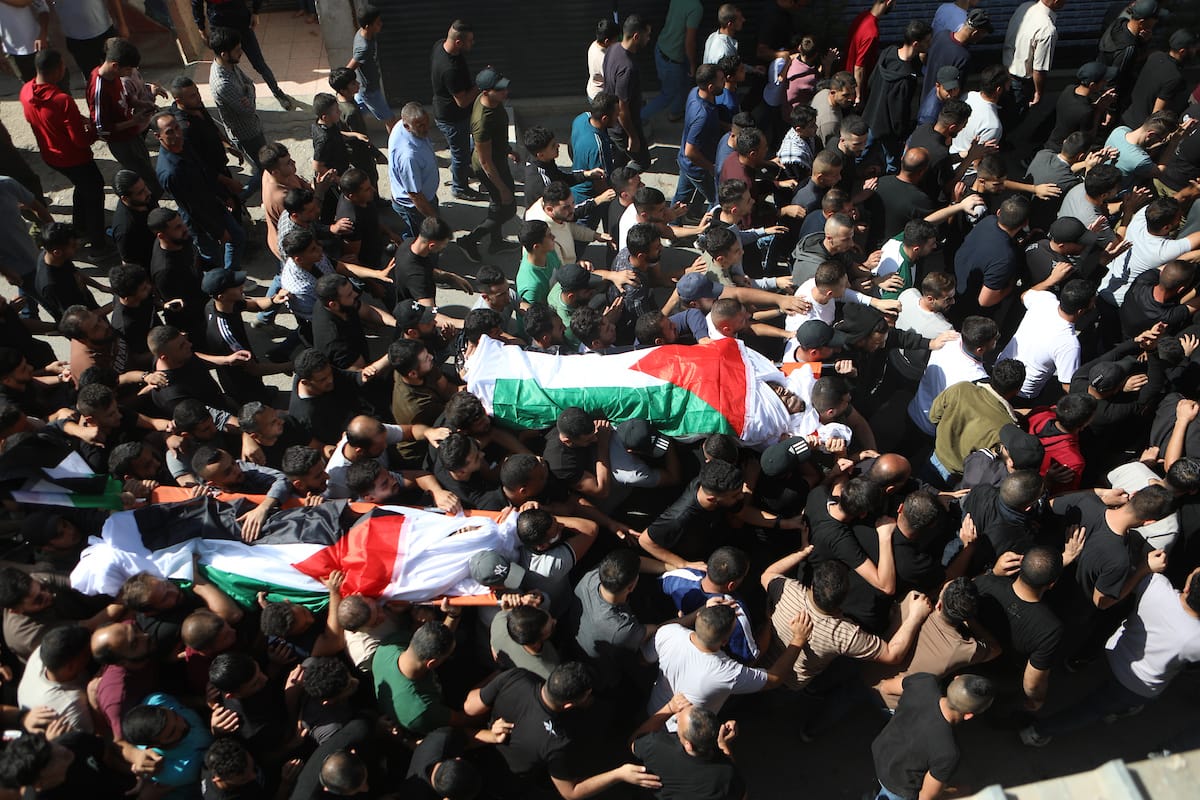
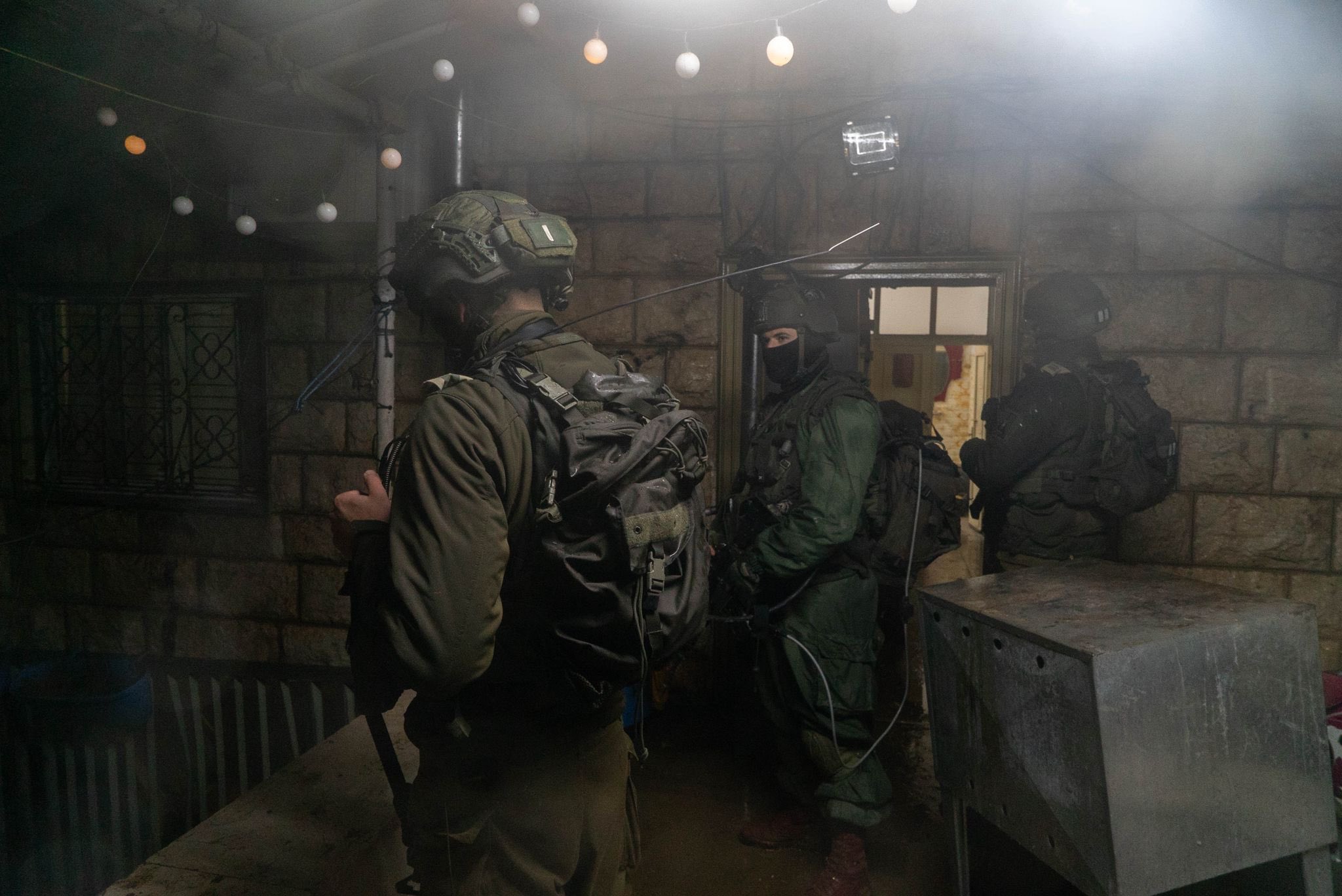
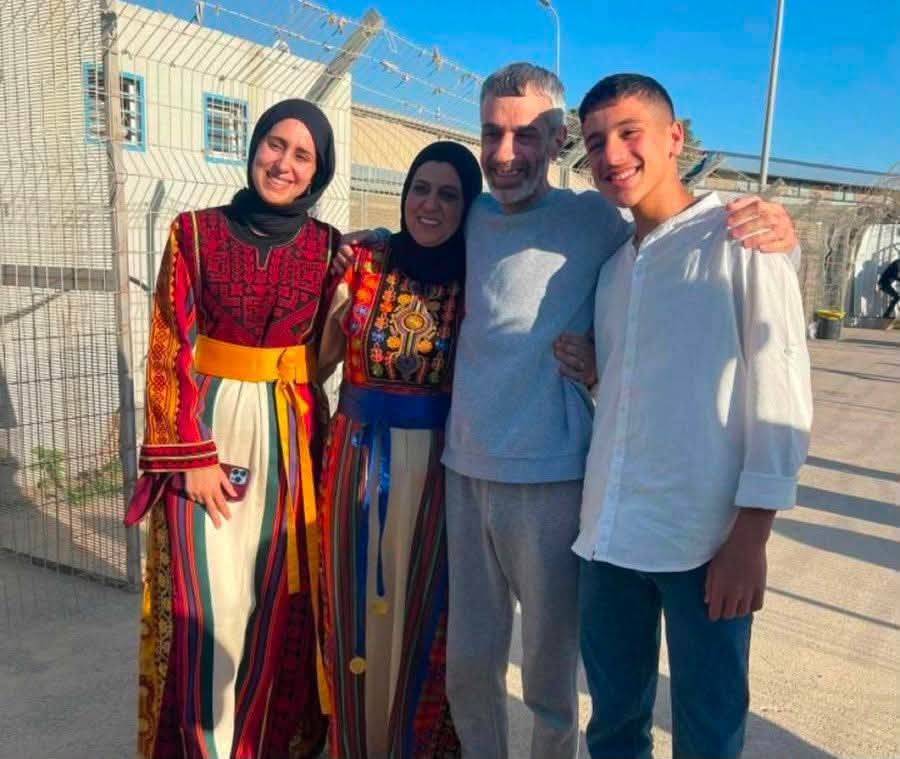
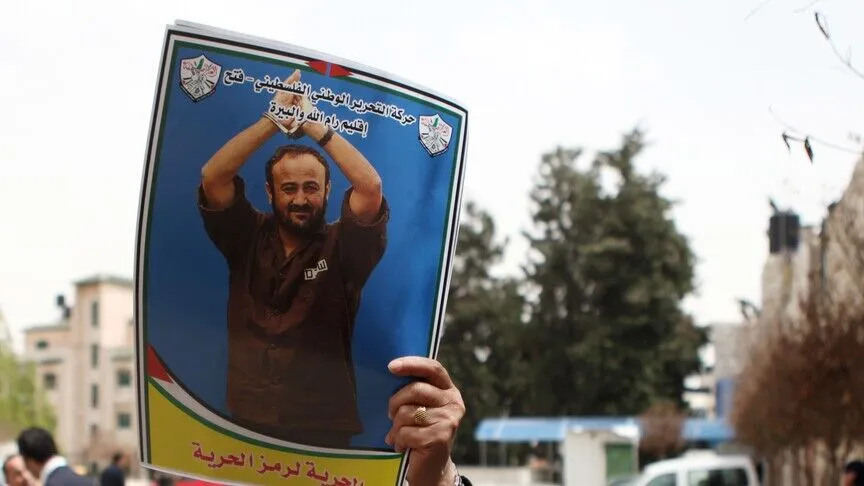 Israel Tightens Confinement of Marwan Al Barghouti
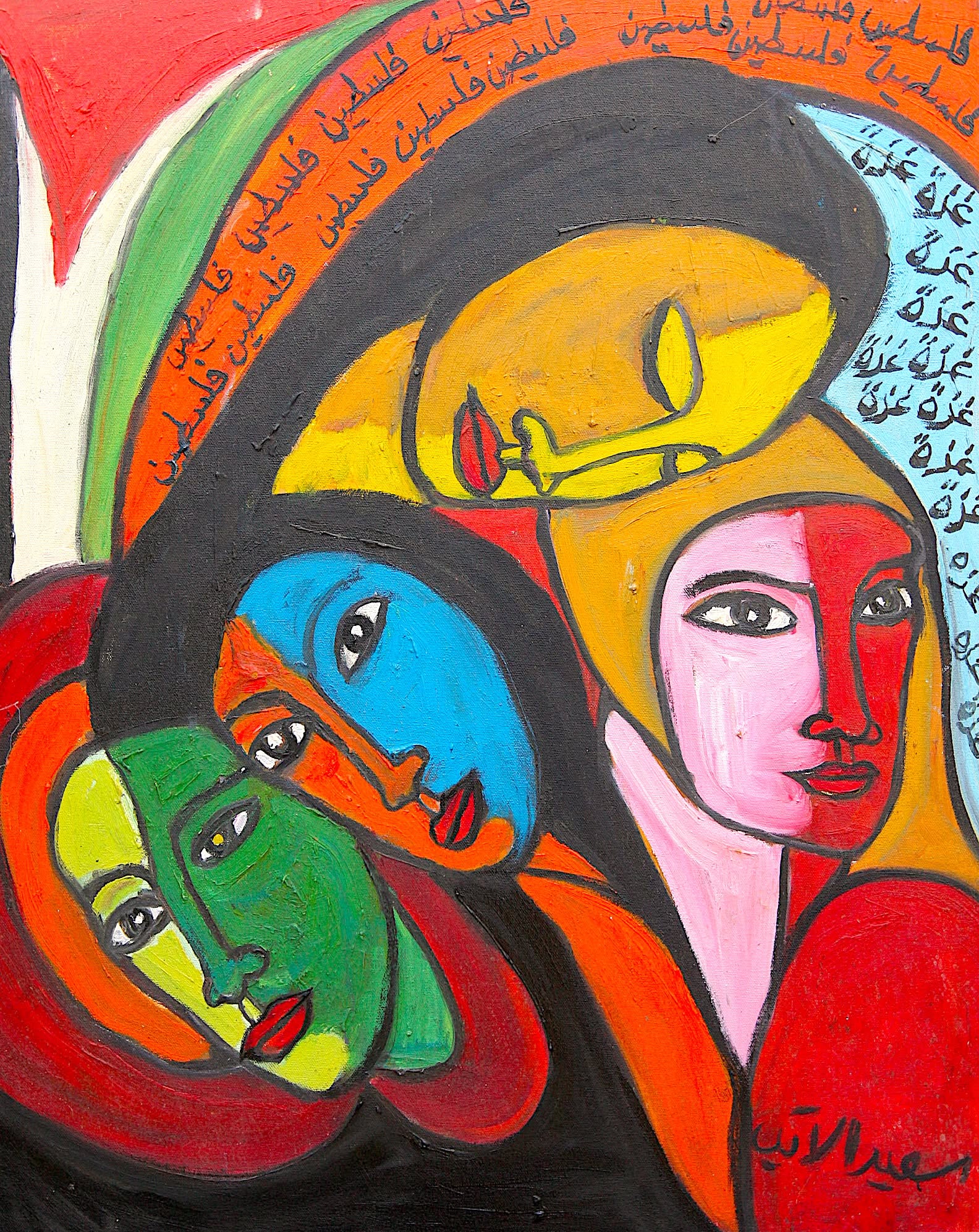
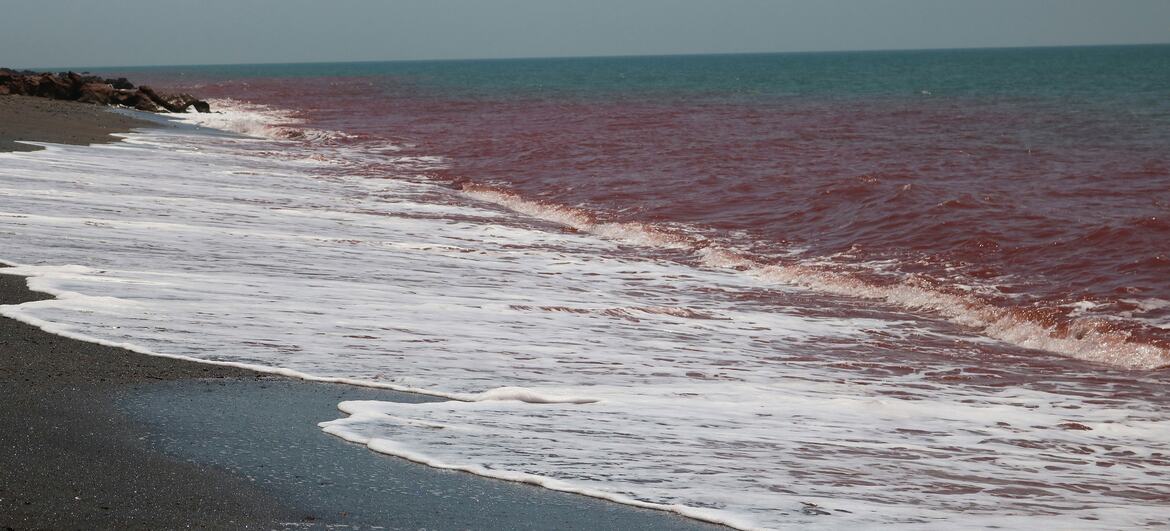 Hormuz Strait in The Checkered Ceasefire
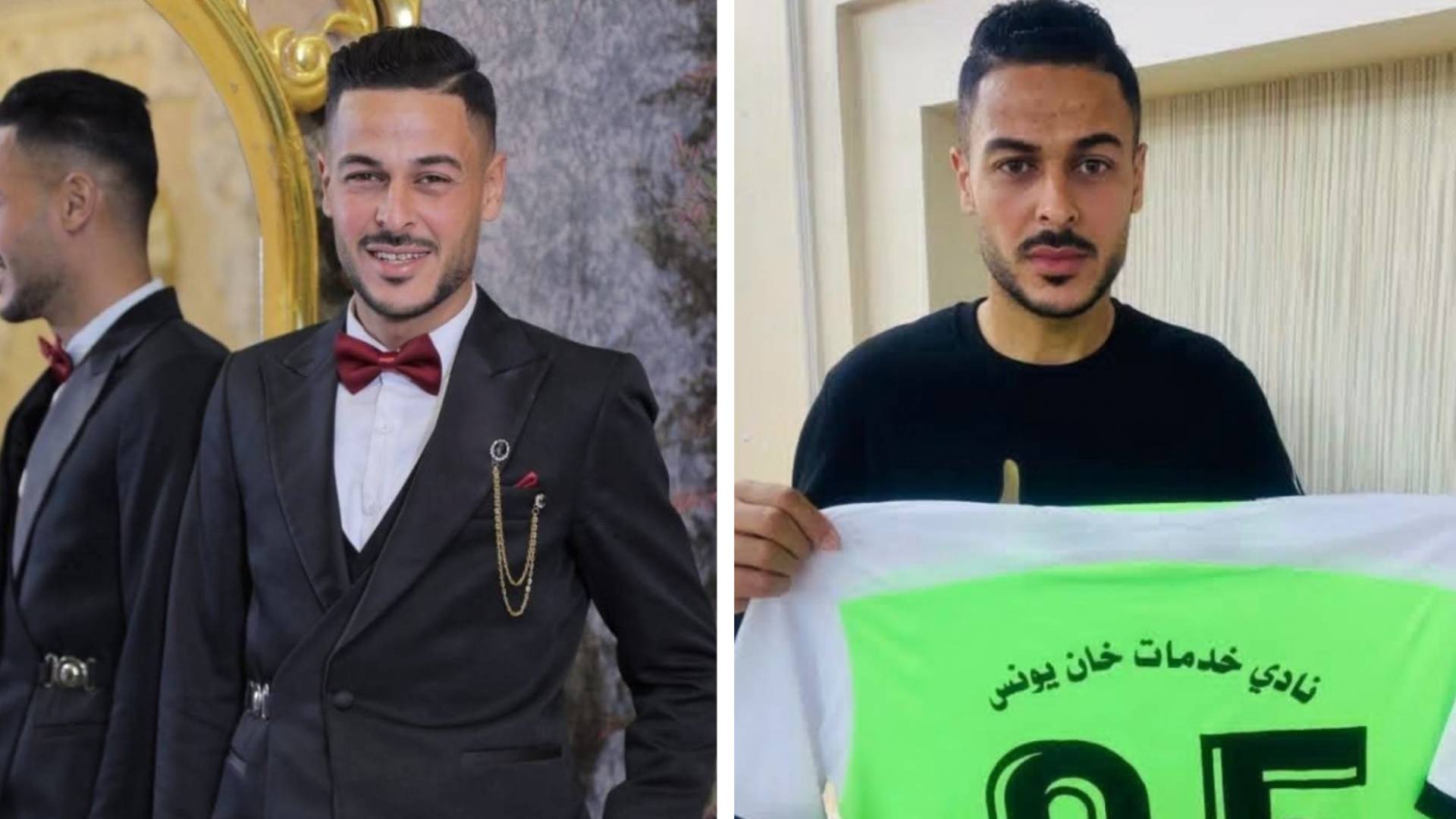
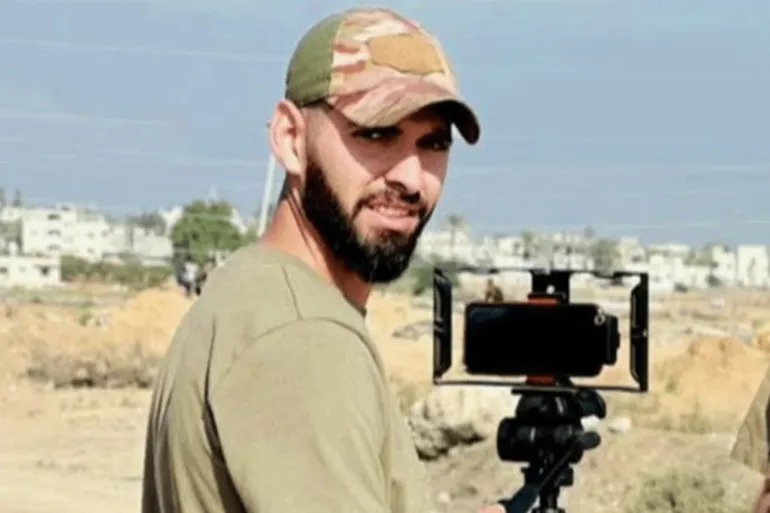
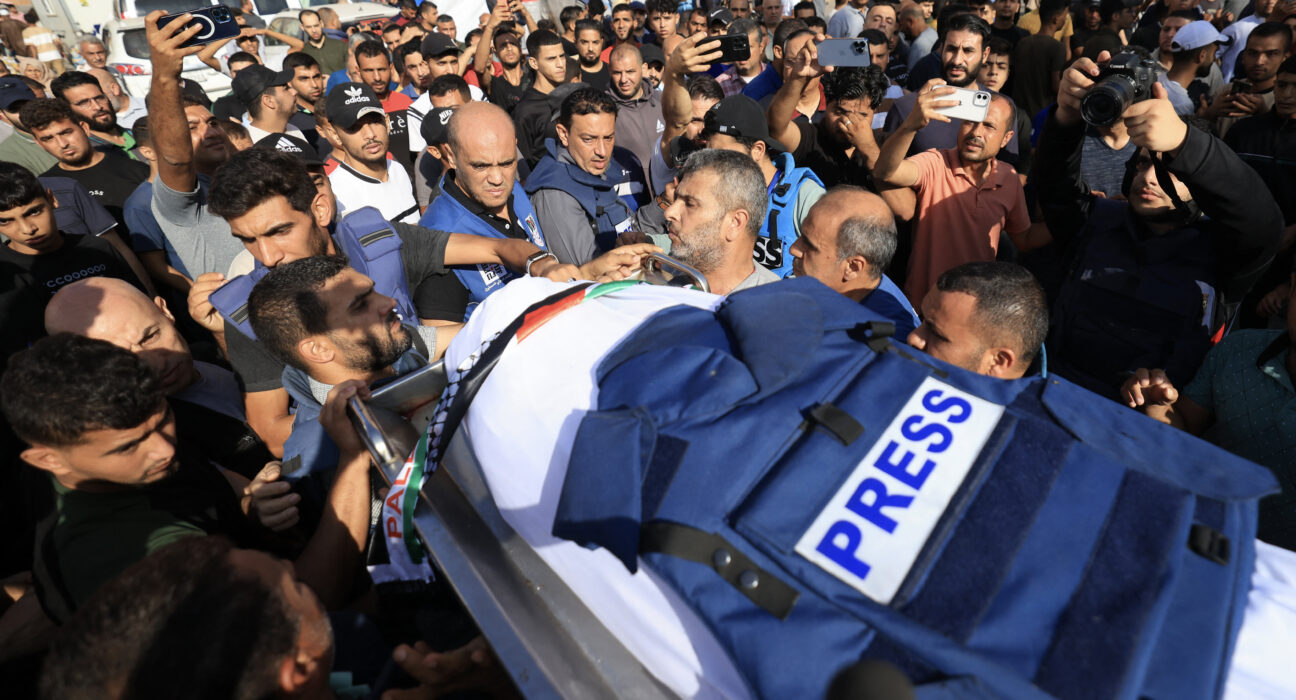 Media Cries Foul: CBJ Removes 20 Martyred Palestinian Journalists From its Records


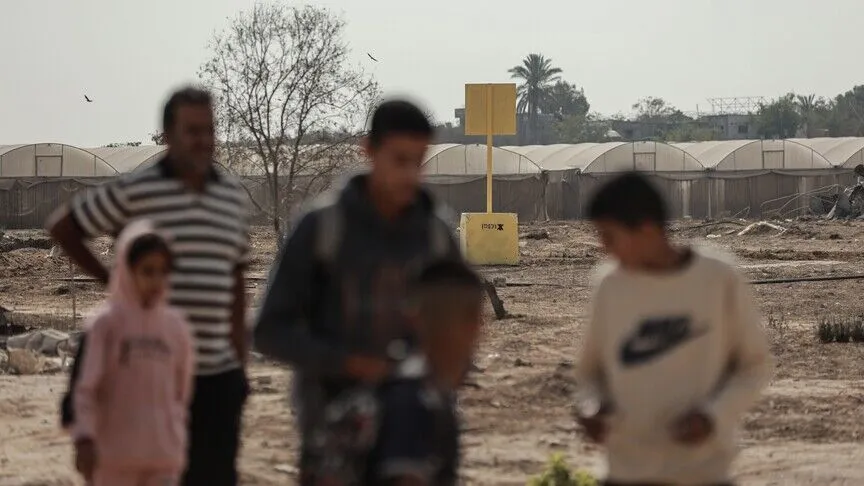
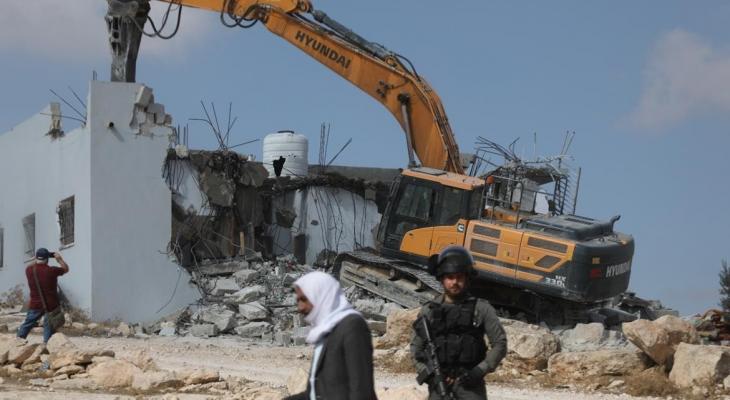
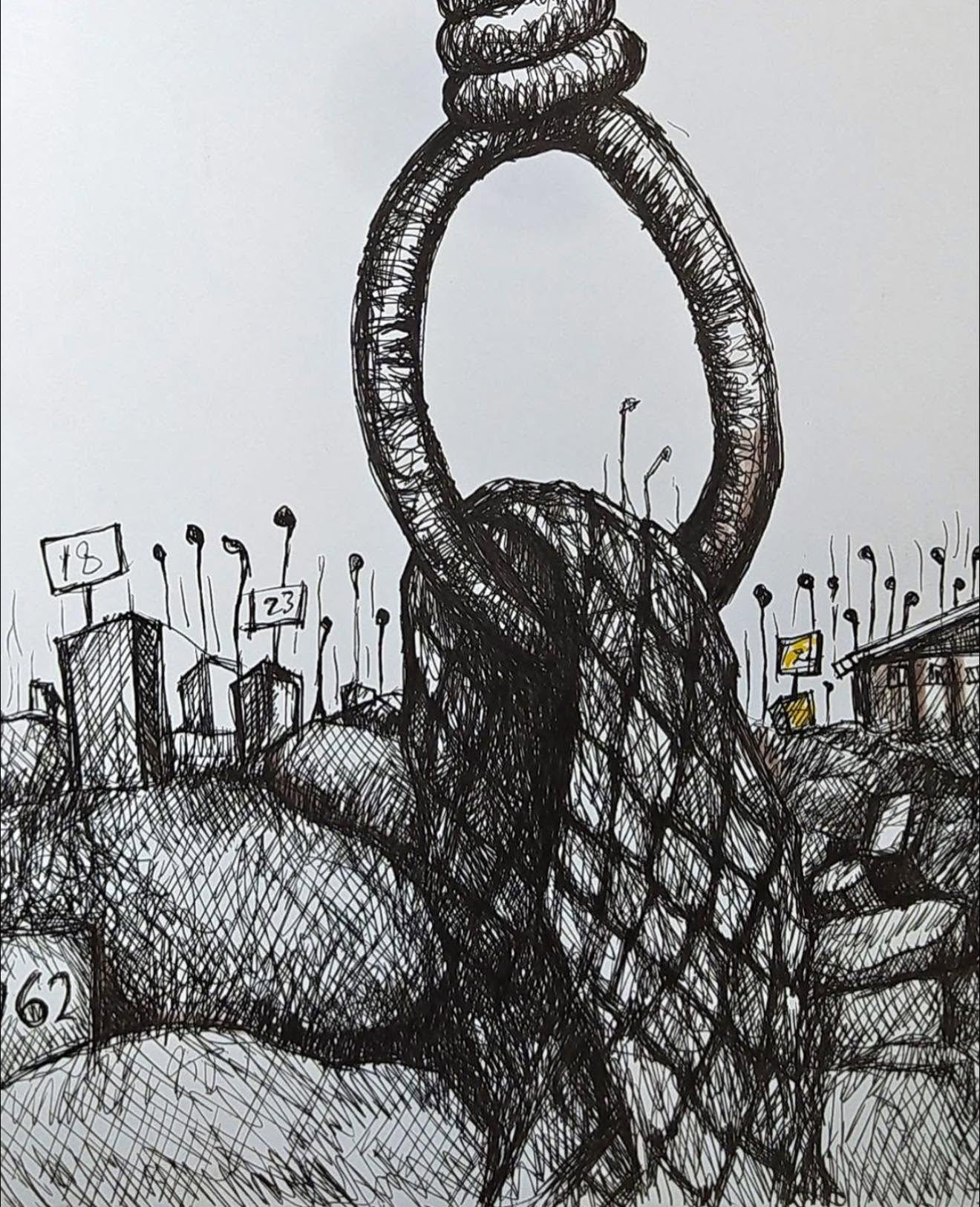
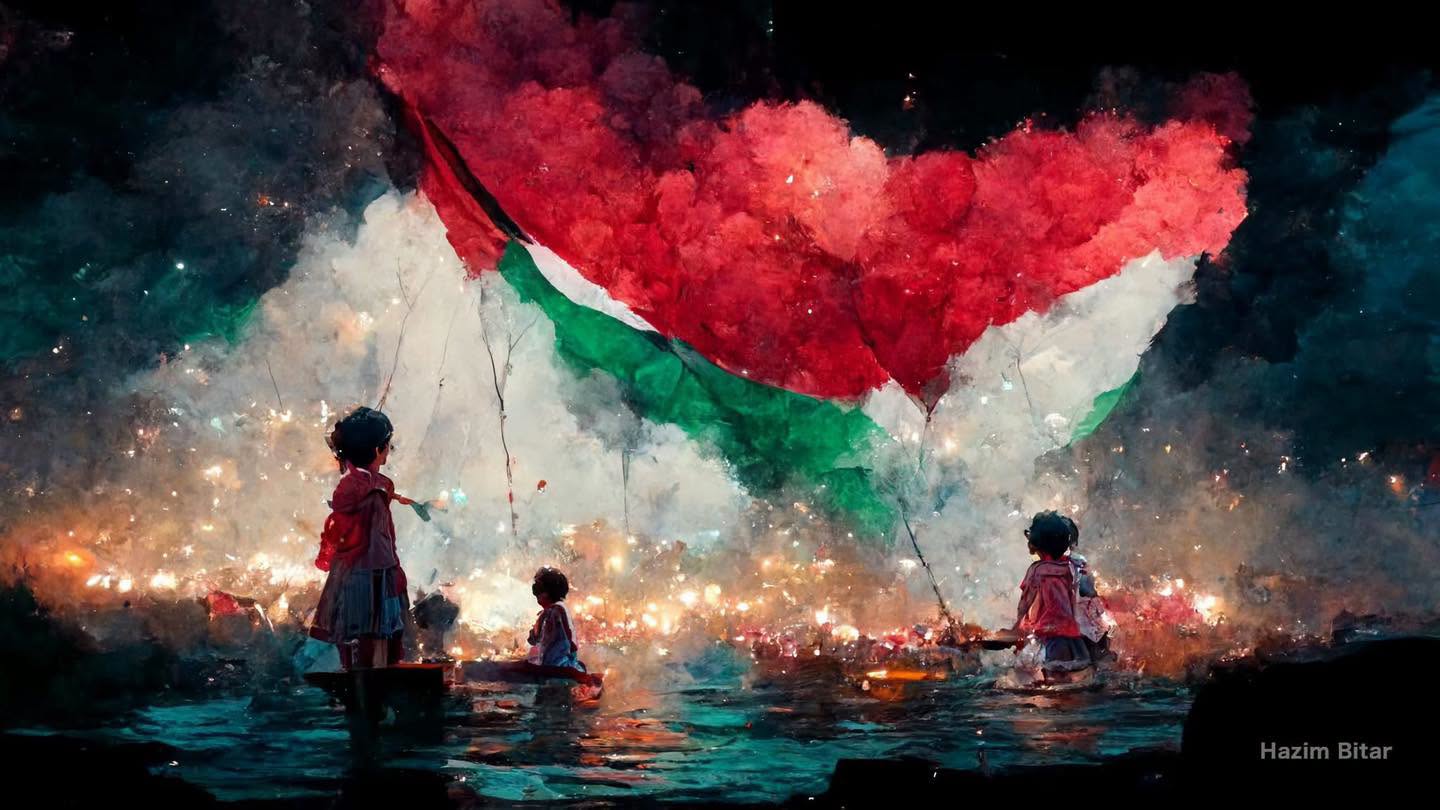
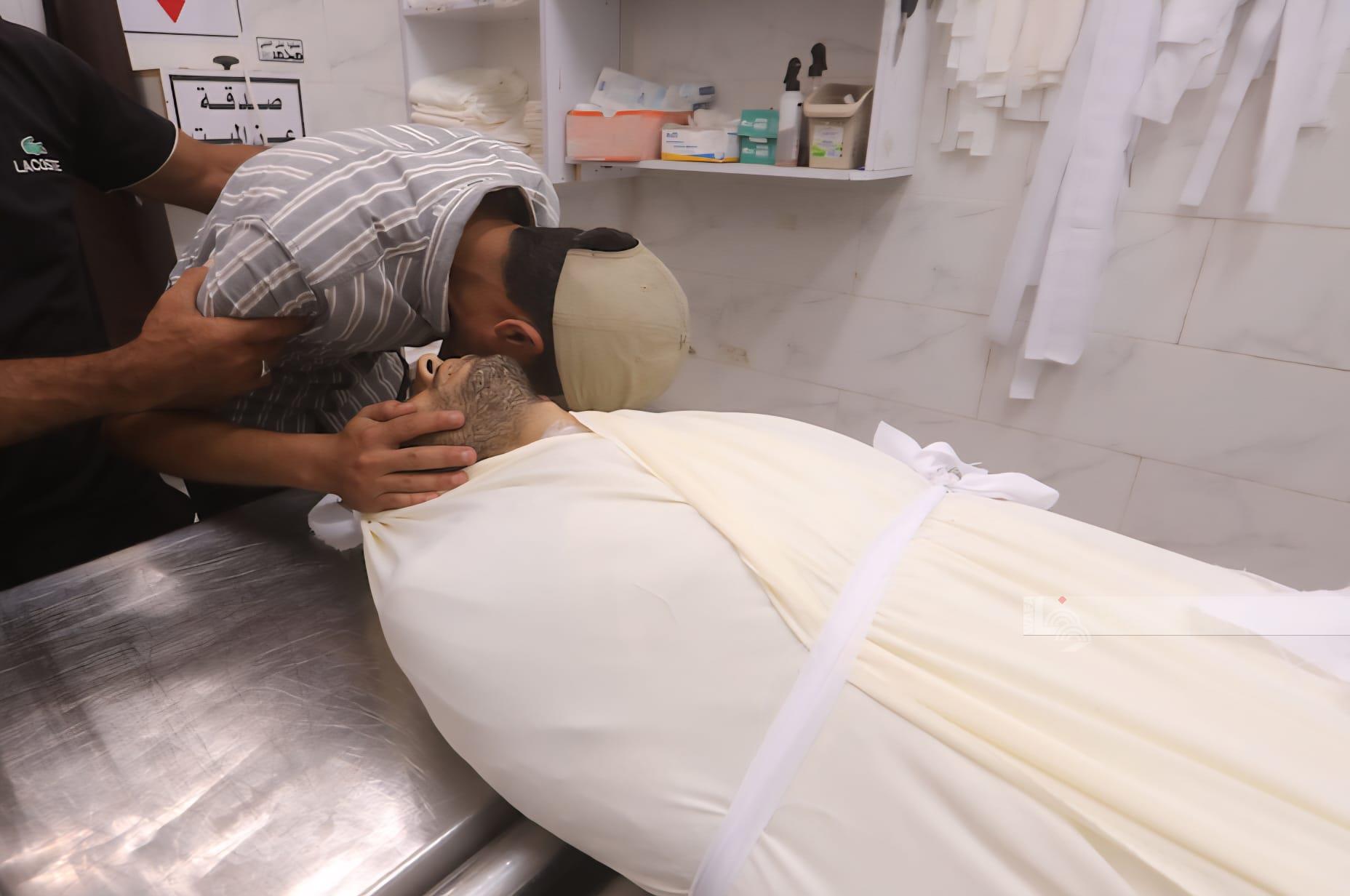
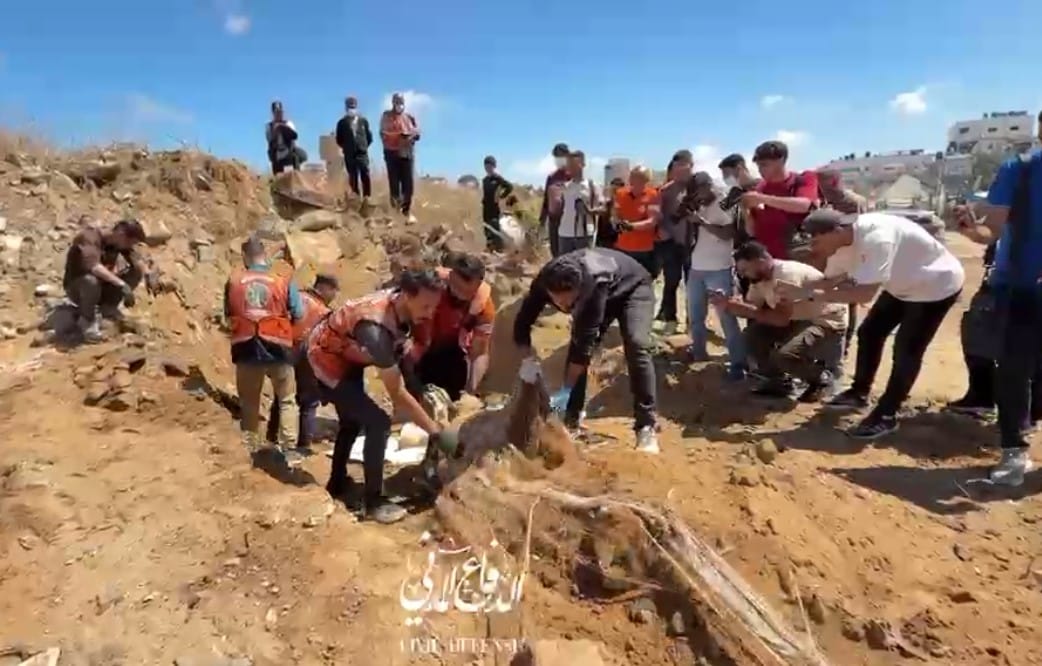
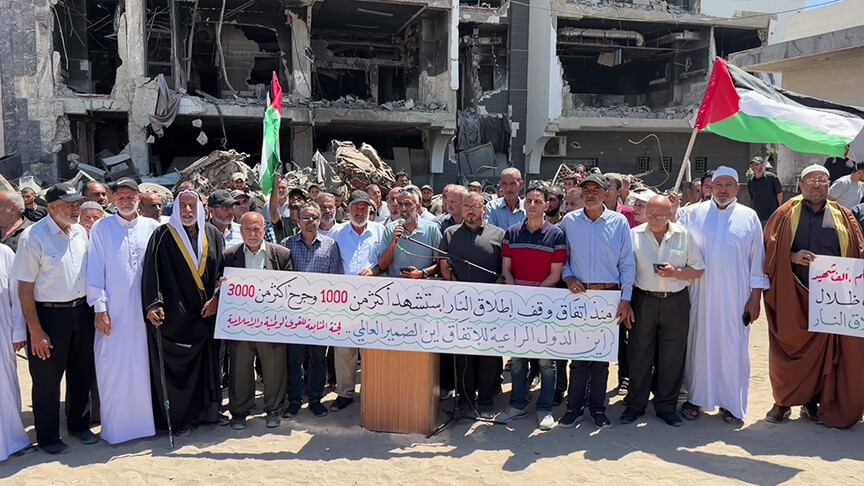
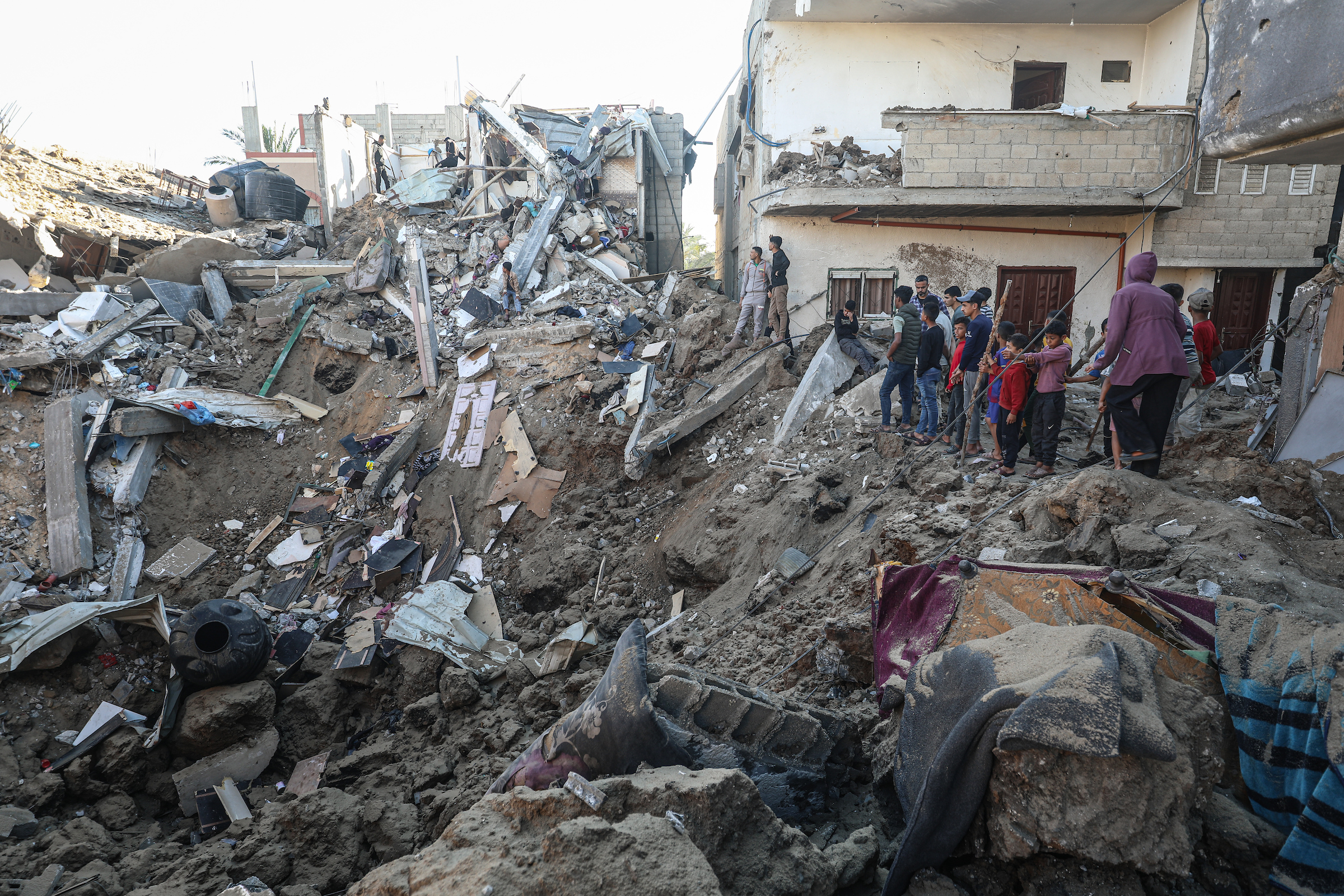
Gaza Genocide 1000 Days on….
 CrossFireArabia
- July 3, 2026
 CrossFireArabiaCrossFireArabiaCrossFireArabiaCrossFireArabiaCrossFireArabiaCrossFireArabiaCrossFireArabiaCrossFireArabiaCrossFireArabiaCrossFireArabiaCrossFireArabiaCrossFireArabiaCrossFireArabiaCrossFireArabiaCrossFireArabiaCrossFireArabiaCrossFireArabiaCrossFireArabiaCrossFireArabiaCrossFireArabiaCrossFireArabiaCrossFireArabiaCrossFireArabia
 marwanmarwanCrossFireArabiaCrossFireArabiamarwanCrossFireArabiaCrossFireArabiaCrossFireArabiaCrossFireArabiaCrossFireArabiaCrossFireArabiaCrossFireArabiaCrossFireArabiamarwanmarwanCrossFireArabiaCrossFireArabia
 Saleem Ayoub QunaCrossFireArabiaCrossFireArabiaCrossFireArabiaCrossFireArabiaCrossFireArabiaCrossFireArabia
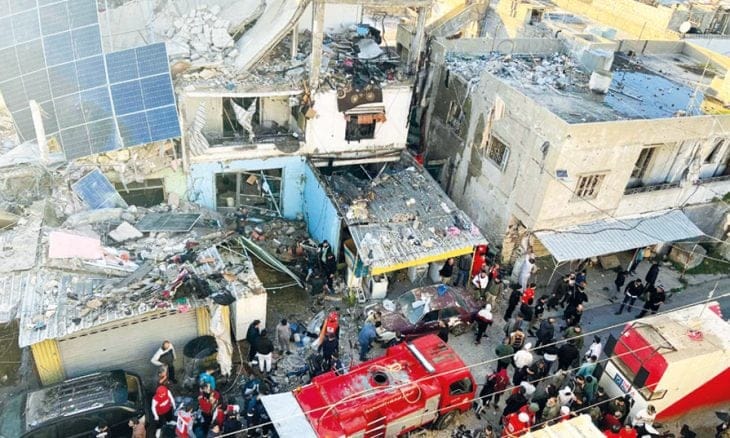
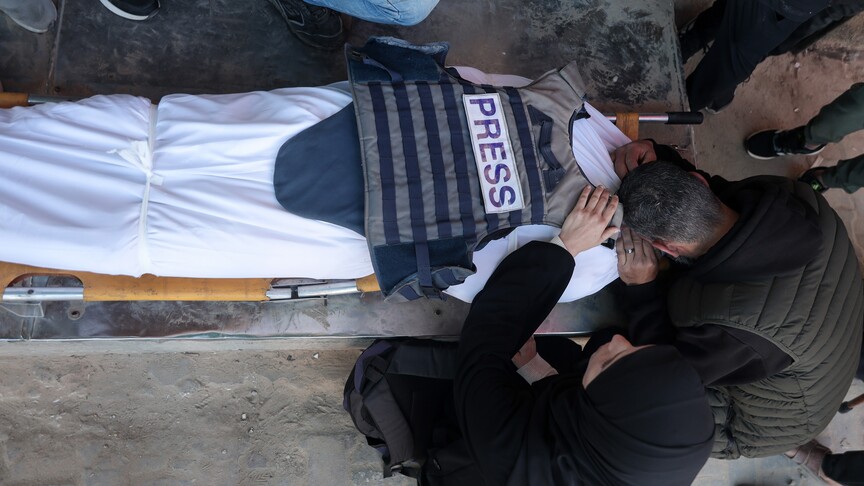
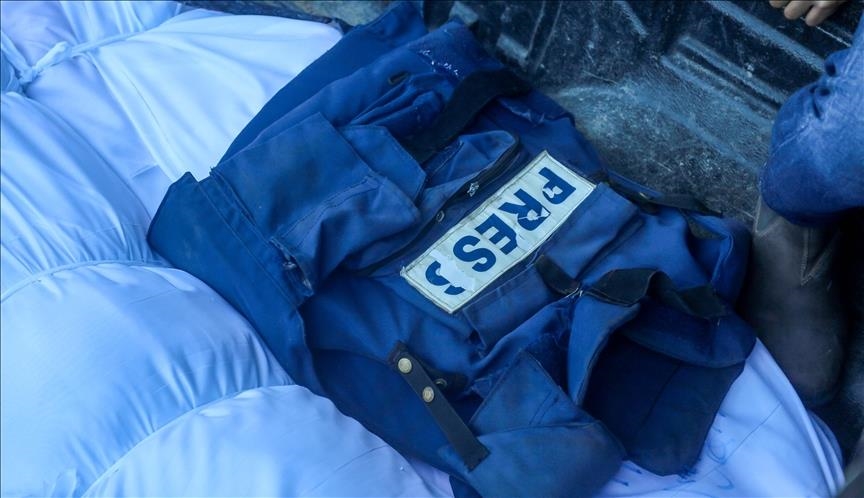
Israeli forces have killed 24 female Palestinian journalists during its genocidal war on Gaza, the head of the Government Media Office in Gaza said on Saturday.
In a statement issued on International Women’s Day, Salama Maarouf said that the killings violated international humanitarian law, adding that they occurred before the “free world, which claims to advocate for women’s rights and the defense of journalists.”

“Their status as women could not protect them from the Israeli army nor could their journalistic immunity shield them from the murderous entity,” he added.
Maarouf also accused the international community of “failing to take substantial action,” saying that “many responses have been limited to statements of condemnation,” which he deemed “hypocritical and inadequate.”
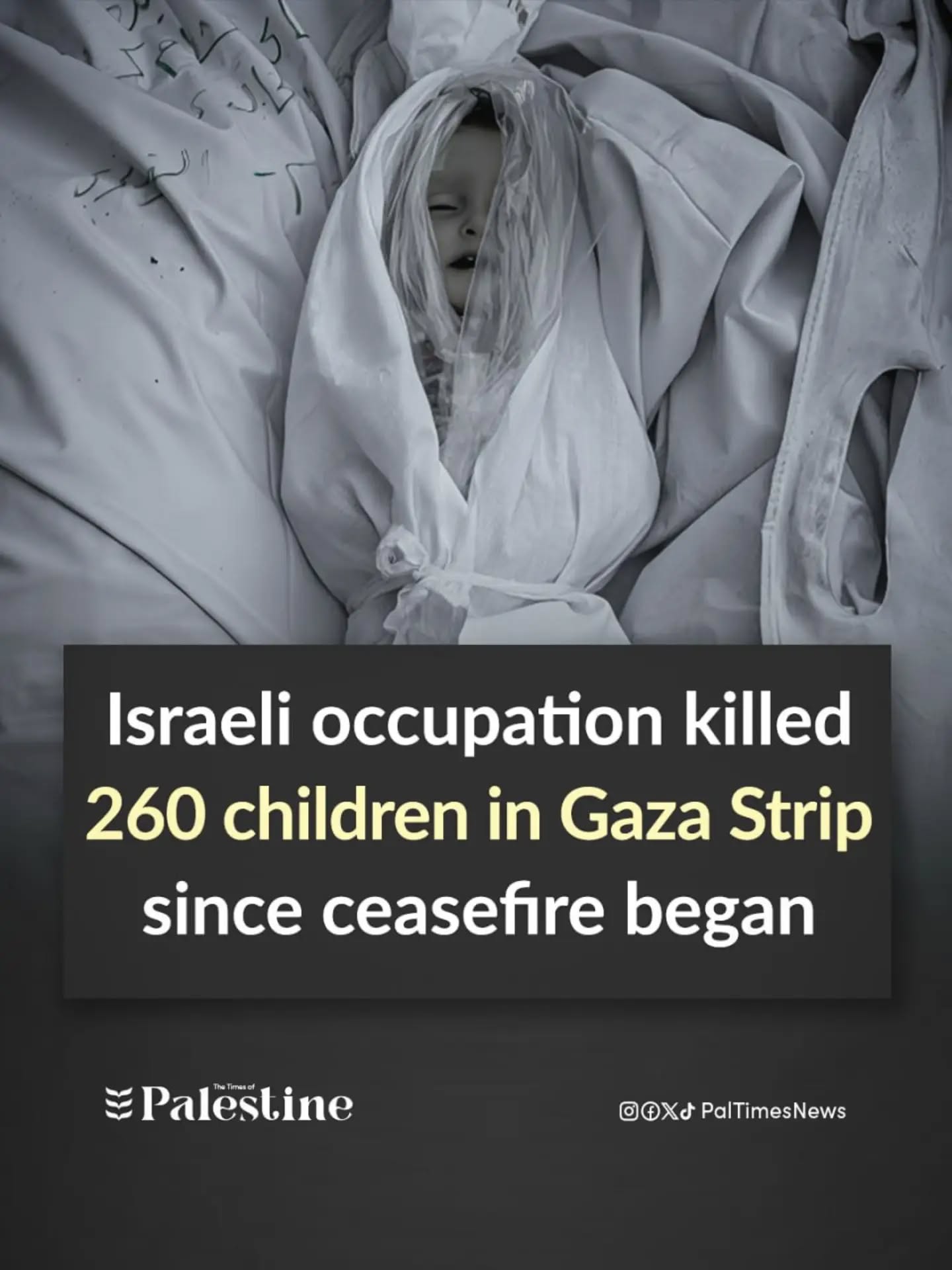
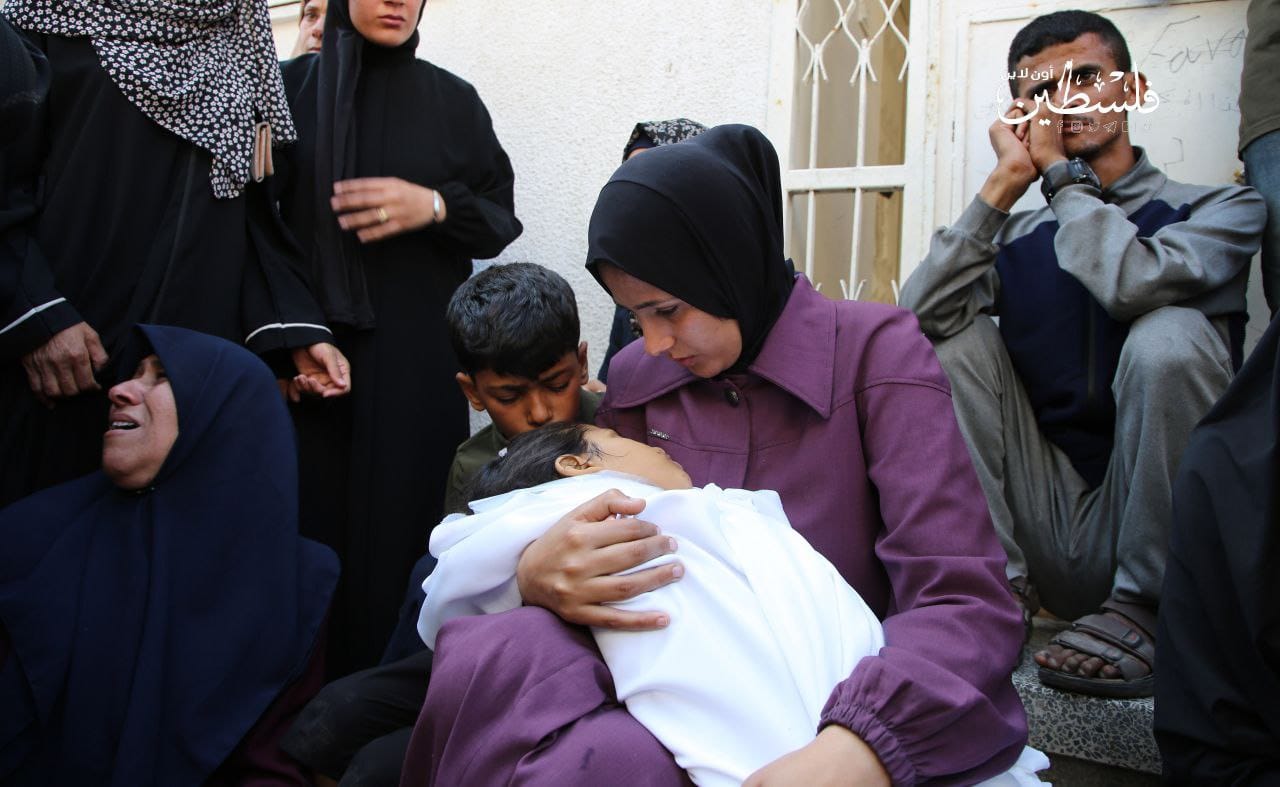
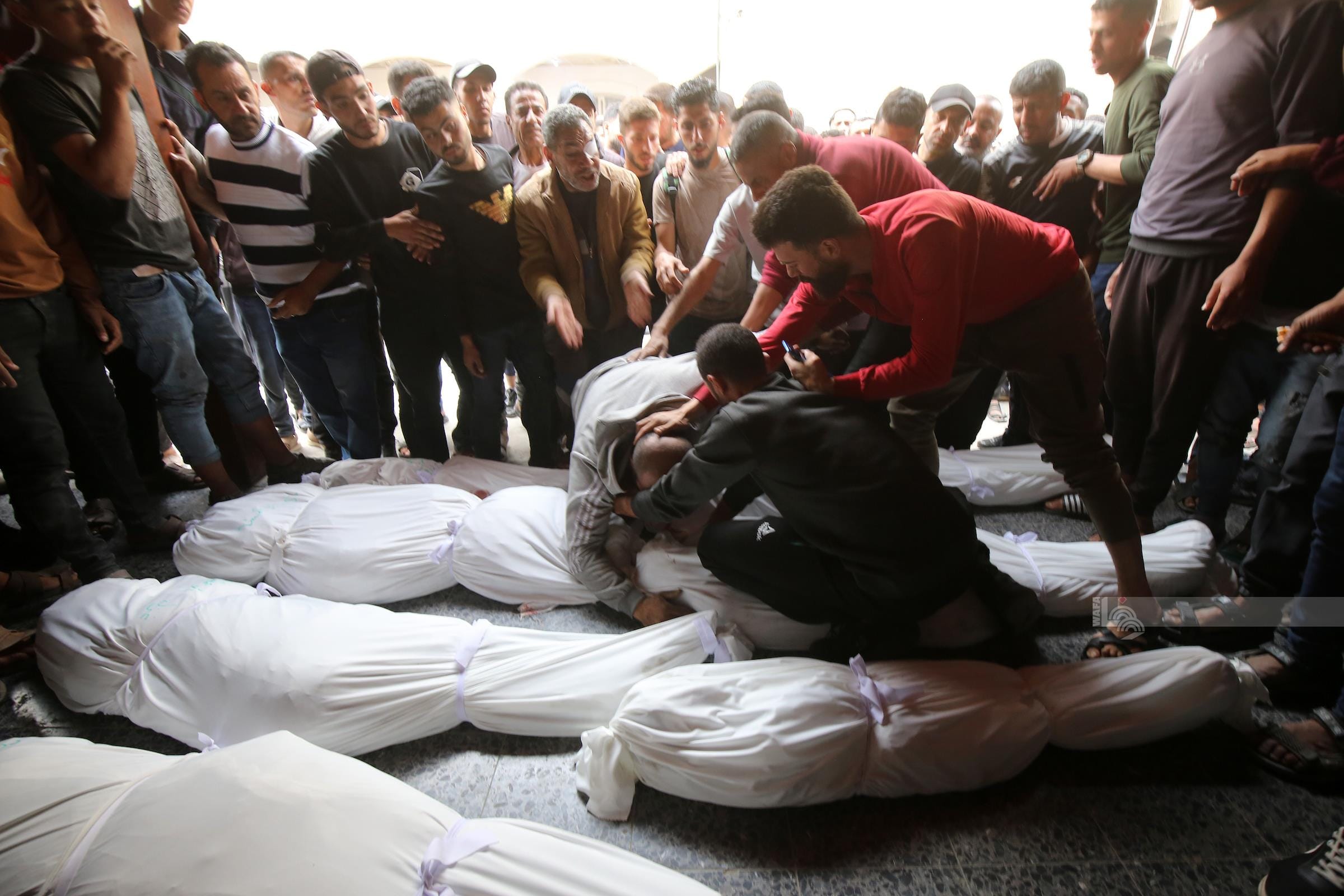
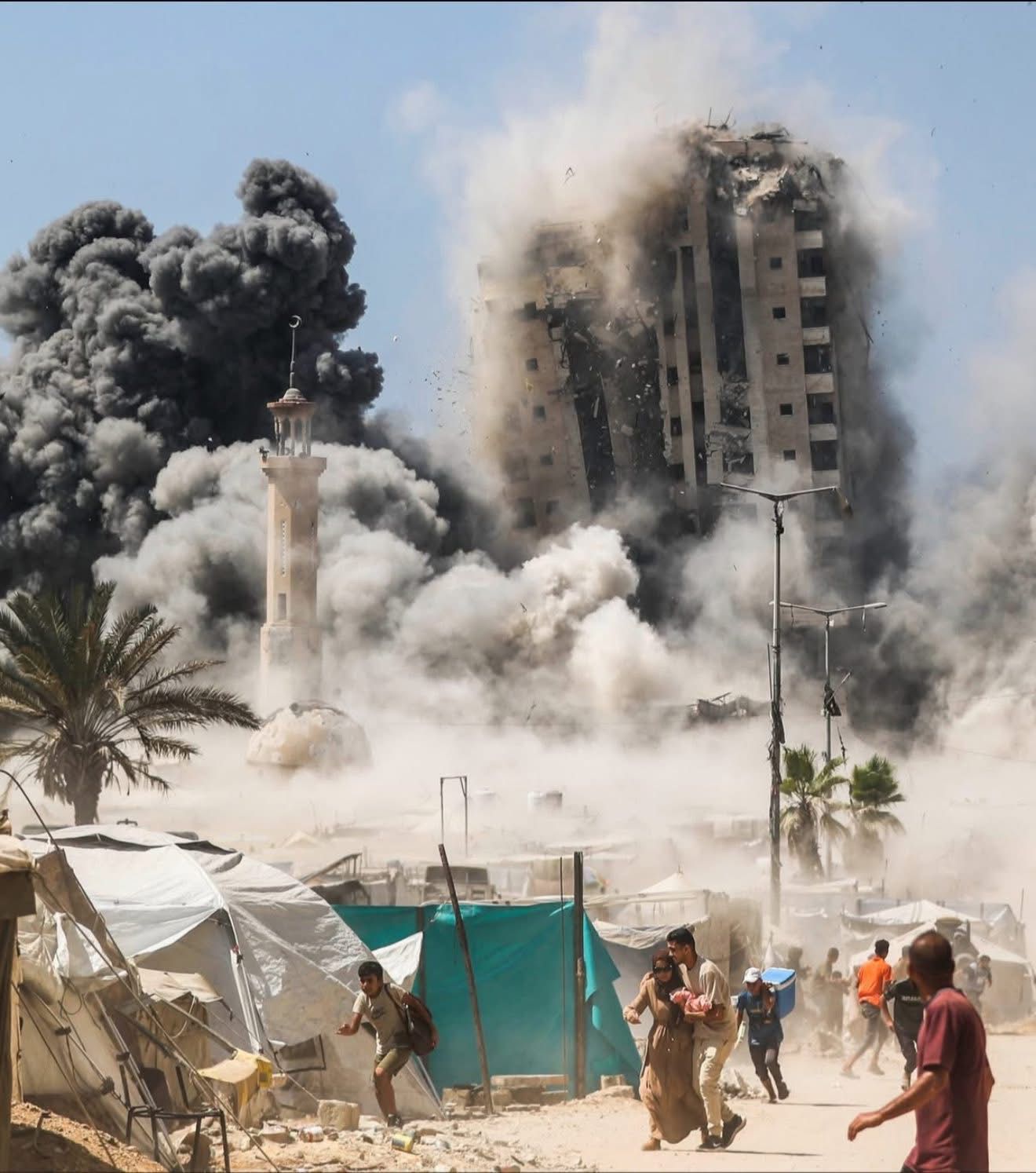
The Gaza Strip has been devastated by the Israeli war, with women and children bearing the brunt of the violence. Together, they have represented 70% of the total death toll, which reached 46,960 by Jan. 19, 2025, according to a report by the Palestinian Central Bureau of Statistics according to Anadolu.
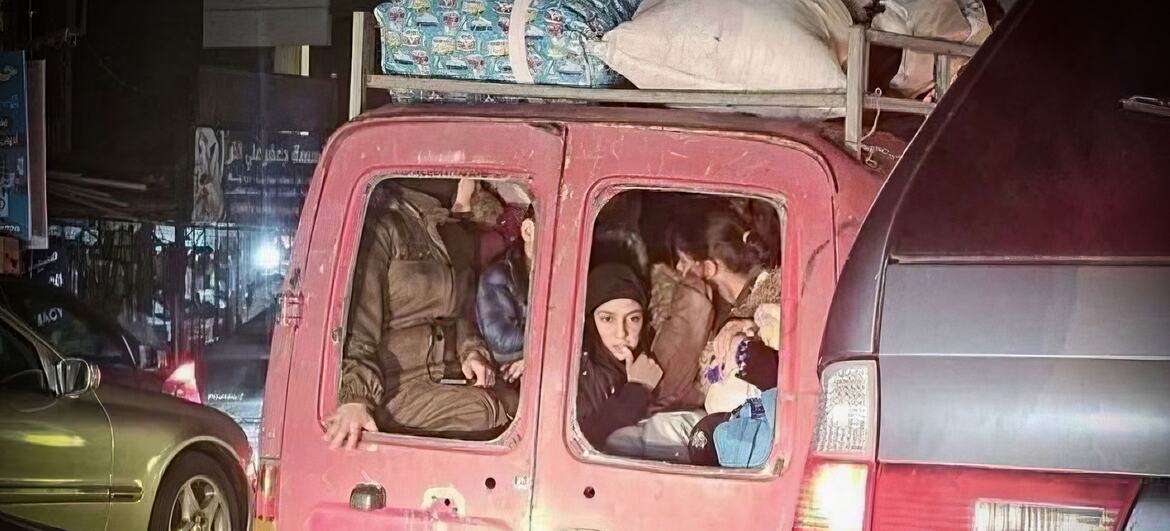
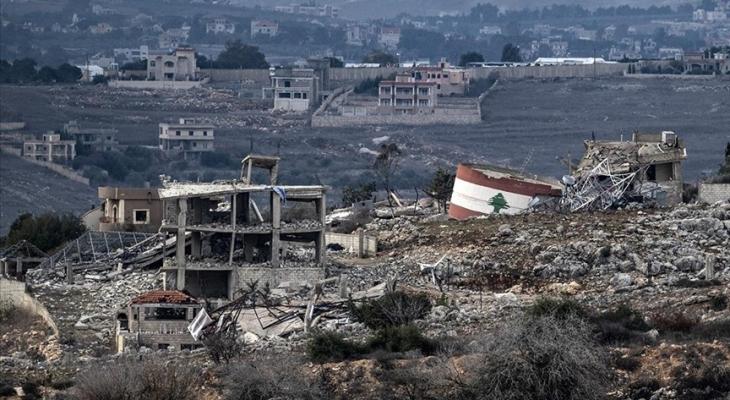
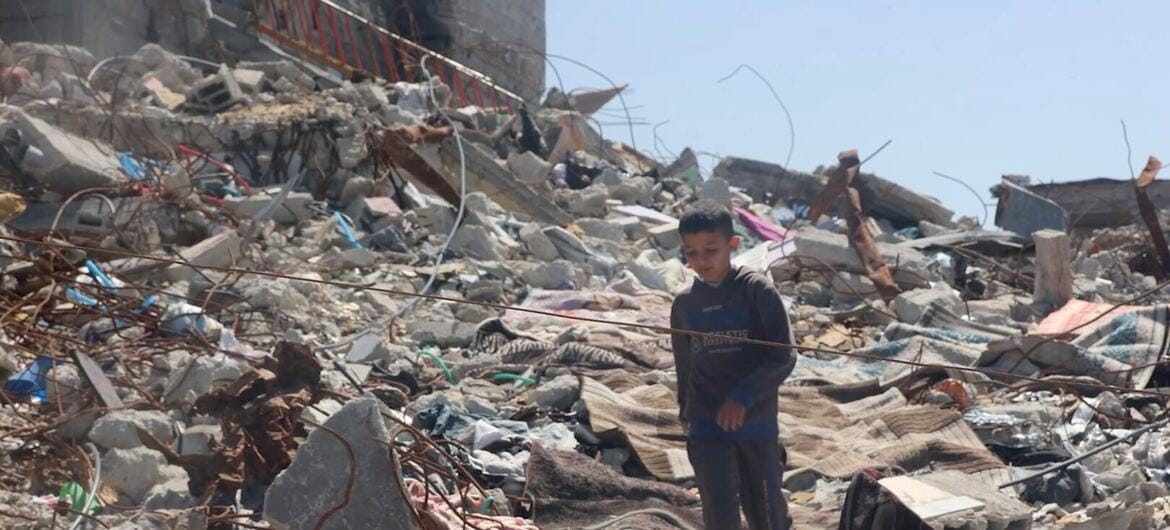
A ceasefire and prisoner exchange agreement has been in place in Gaza since Jan. 19, halting Israel’s brutal war, which has killed over 48,400 Palestinians, most of them women and children, and left the enclave in ruins.

Last November, the International Criminal Court issued arrest warrants for Israeli Prime Minister Benjamin Netanyahu and his former Defense Minister Yoav Gallant for war crimes and crimes against humanity in Gaza.
Israel also faces a genocide case at the International Court of Justice for its military campaign.
CrossFireArabia
Amnesty MENA writes:
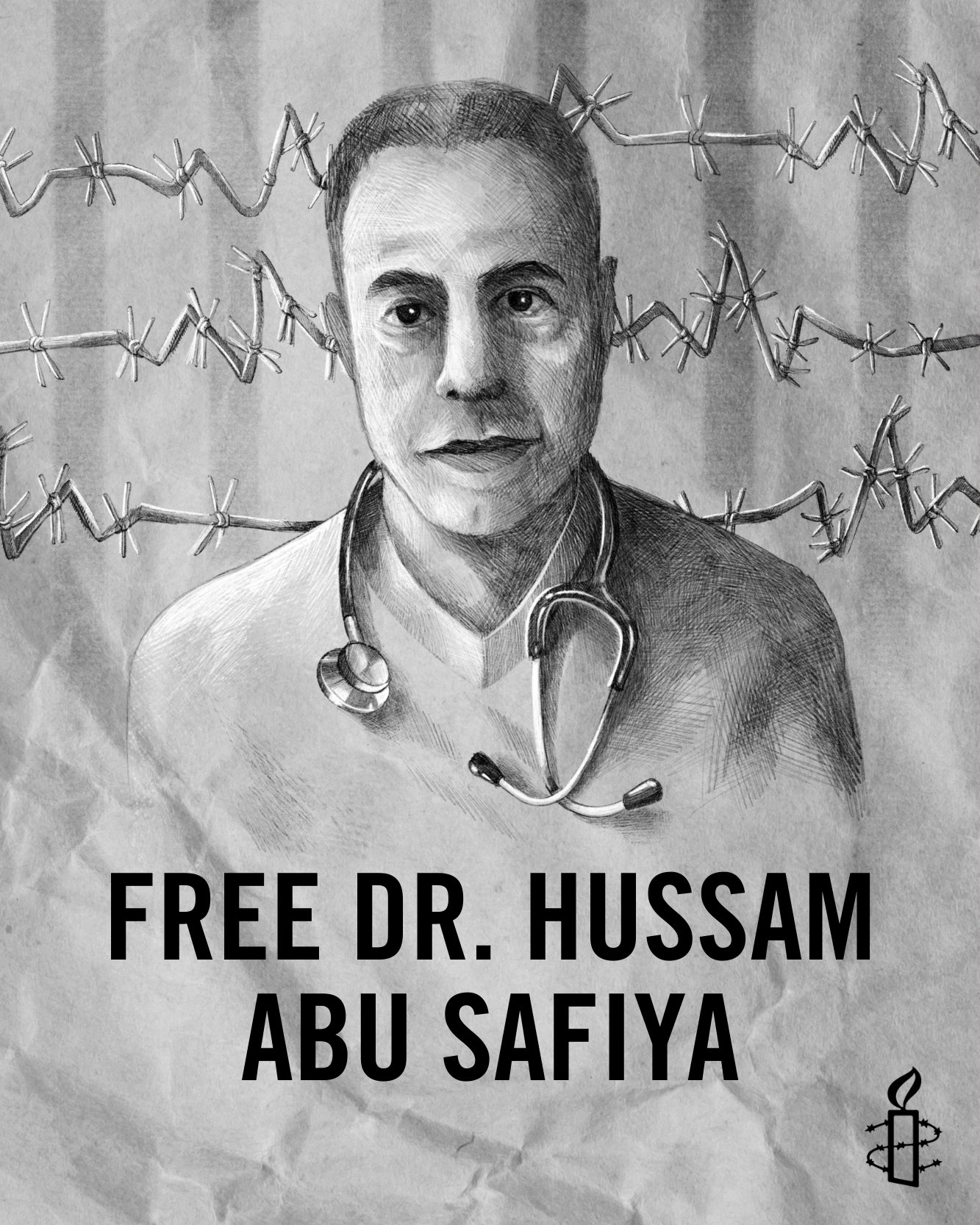
More than two months since the Israeli military raided and destroyed Kamal Adwan hospital north of the occupied Gaza Strip, detaining patients and medical staff, including the hospital’s director Dr. #HussamAbuSafiya.
Dr. Abu Safiya is being detained without charge or trial under Israel’s repressive Unlawful Combatants’ Law, which violates international law. He told his lawyer he was tortured in custody.
Israel must release him & all arbitrarily detained Palestinians immediately. Health workers must be protected, not targeted.
CrossFireArabia
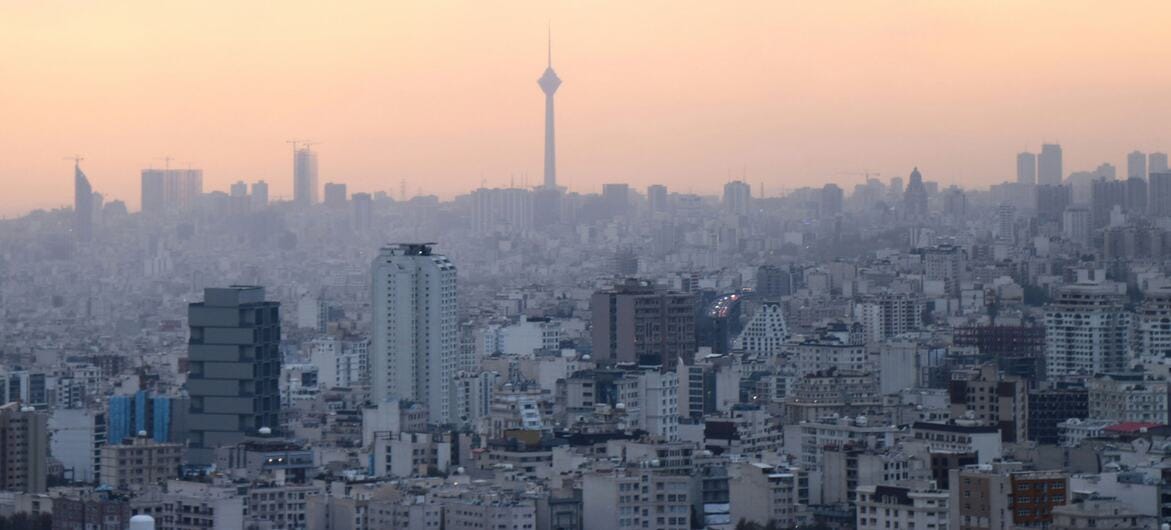
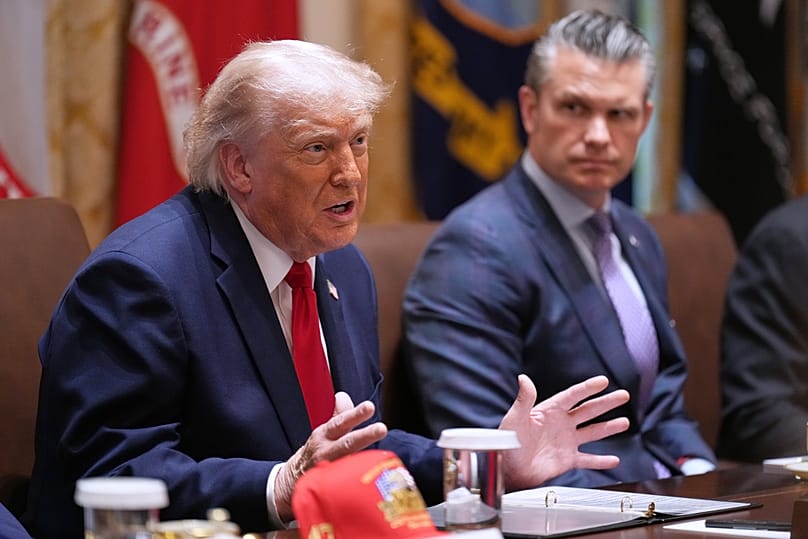
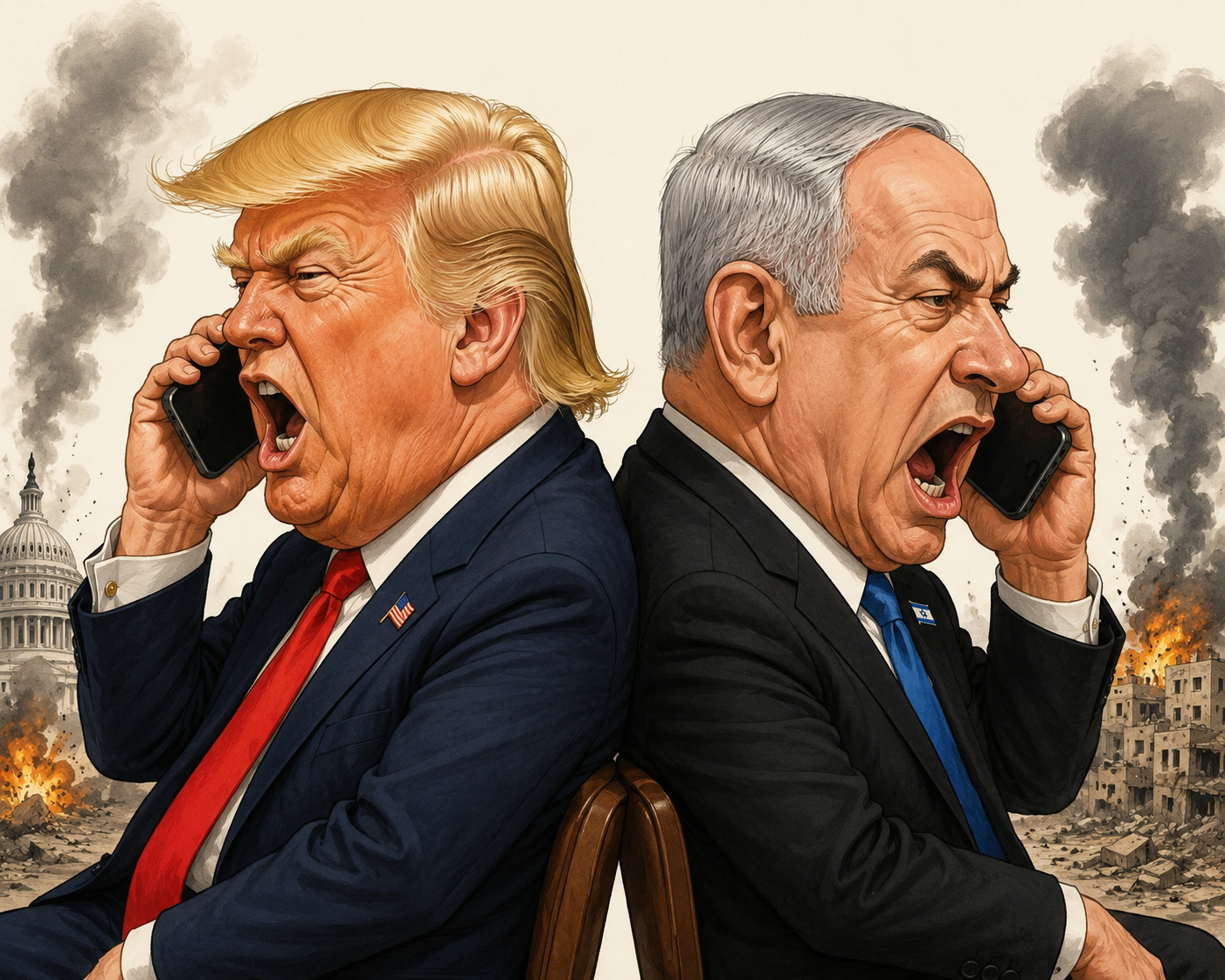
President Donald Trump said Friday that “interesting days” lie ahead for the US and Iran as he seeks to either negotiate a new nuclear deal with Tehran, or pursue “the other option,” a likely allusion to military action.
Trump told reporters in the Oval Office that the “next thing you’ll be talking about is Iran,” vowing “there’ll be some interesting days ahead.”
The comments came just hours after Trump said in an interview with Fox Business Network that he sent a letter to Iranian Supreme Leader Ayatollah Ali Khamenei urging nuclear talks according to Anadolu.
“We’re down to final strokes with Iran. That’s going to be an interesting time, and we’ll see what happens. But we’re down to the final moments. Final moments. Can’t let them have a nuclear weapon,” Trump said in the Oval Office.
“We have a situation with Iran, that something’s going to happen very soon, very, very soon, you’ll be talking about that pretty soon, I guess, and hopefully we can have a peace deal. I’m not speaking out of strength or weakness. I’m just saying I’d rather see a peace deal than the other, but the other will solve the problem,” he added.
Iran’s Permanent Mission to the UN in New York responded to a question about Trump’s statement that he sent a letter to Khamenei, saying they have not received such a letter so far, according to Iranian media reports.
Khamenei had earlier banned negotiations with the Trump administration, which he described as “untrustworthy.”
Senior Iranian officials, including President Masoud Pezeshkian and Foreign Minister Abbas Aragchi, have frequently said they will not negotiate with the US under pressure and threats.
“As long as the US policy of maximum pressure and threats continues, we will not enter into direct negotiations with the US,” Aragchi said in an interview in Jeddah, Saudi Arabia on Friday.
CrossFireArabia
The Houthis are ready to restart their naval military operations in the Red Sea against ships bound for Israel. The leader of the movement Abdul-Malik al-Houthi, said Israel is evading its obligations regarding the humanitarian file, and that Hamas has been keen to fully fulfill its obligations the ongoing ceasefire on Gaza.
“We announce to the whole world that we will give a four-day grace period, this is a grace period for the mediators in their efforts,” he said in a speech broadcast by the Houthi-affiliated Al-Masirah Channel.
“If the Israeli enemy continues after the first four days to prevent the entry of aid into the Gaza Strip and continues to close the crossings and prevent the entry of food and medicine into the Gaza Strip, we will resume our naval operations against the Israeli enemy and meet the siege with a siege,” Abdul-Malik Al Houthi pointed out.