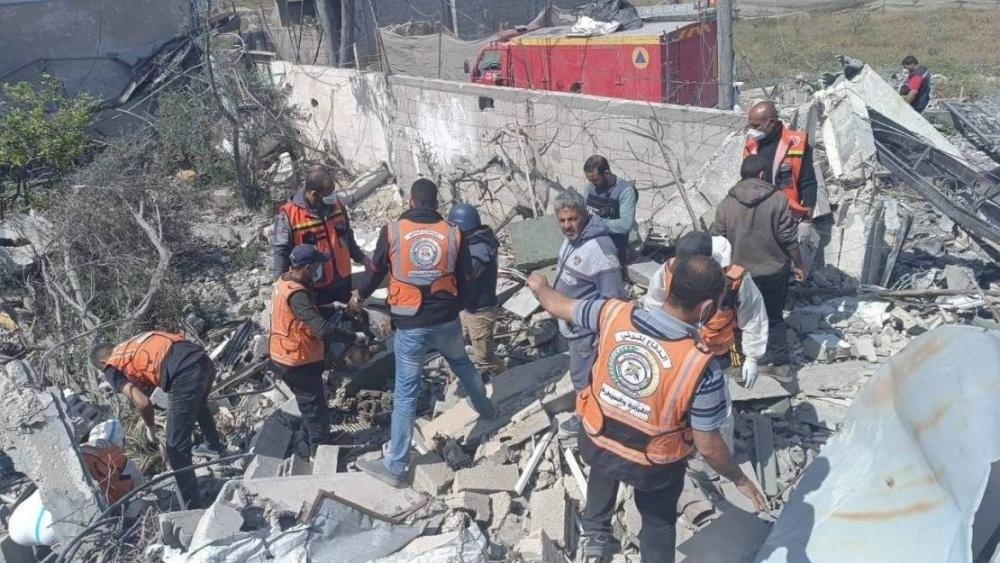
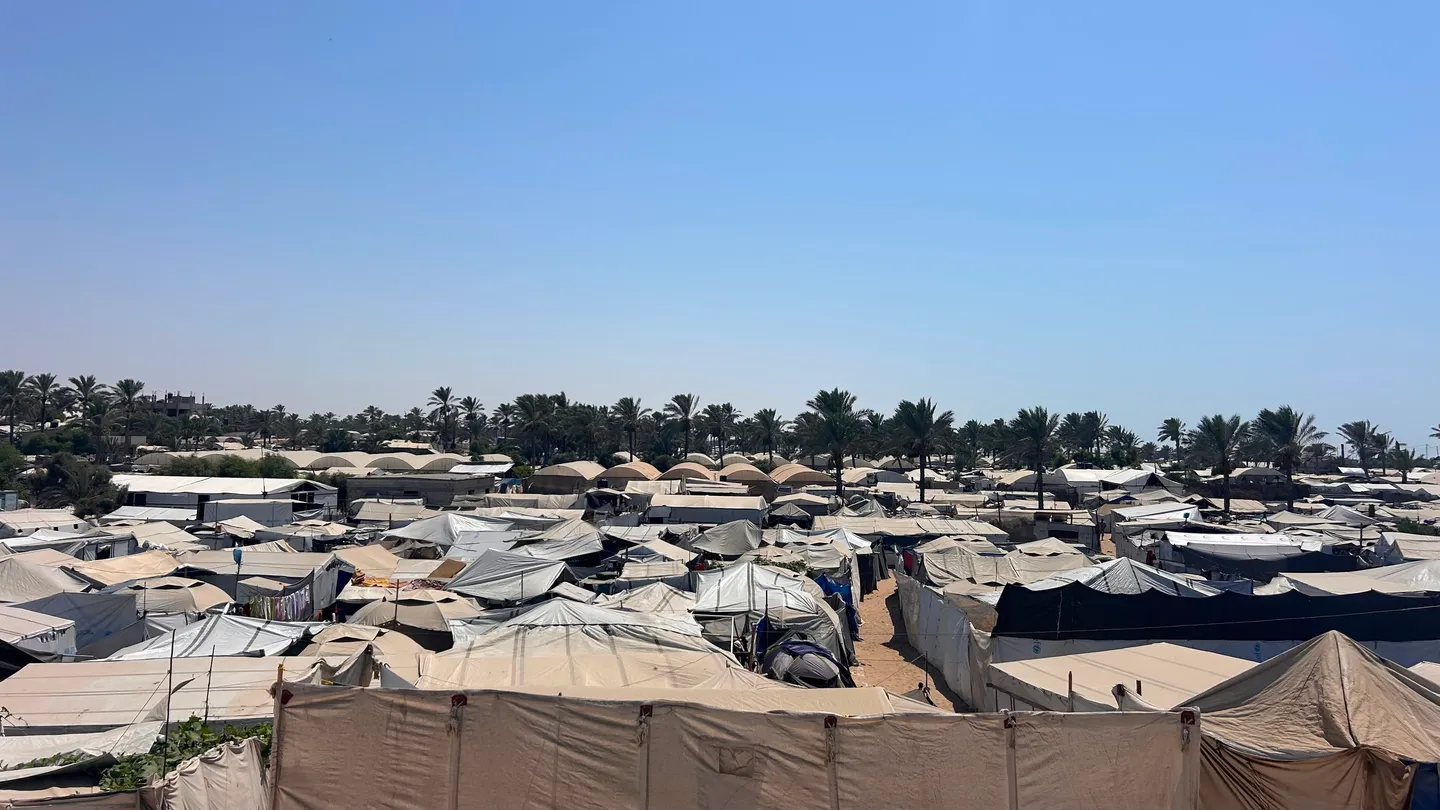
 In The Line of Fire: Gaza Families Fear The ‘Yellow Line’
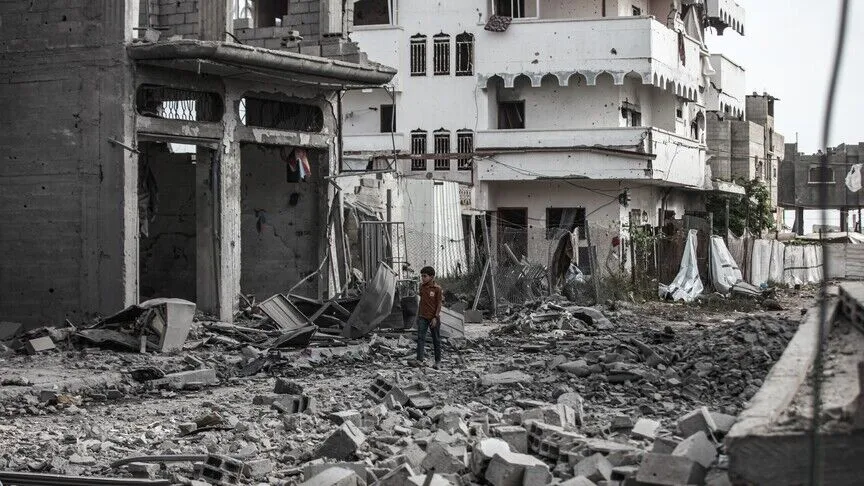 Kushner Tells Netanyahu Not to Move ‘Westwards’ in Gaza
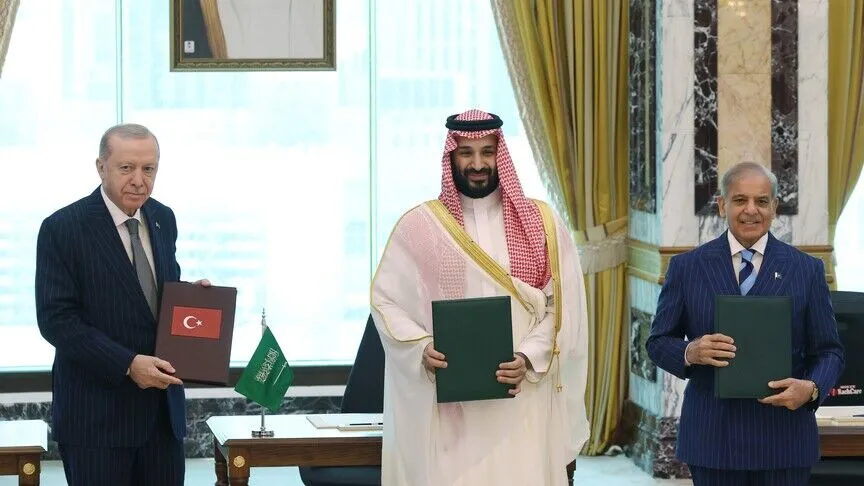
 A Middle East Whirlpool! View From Amman
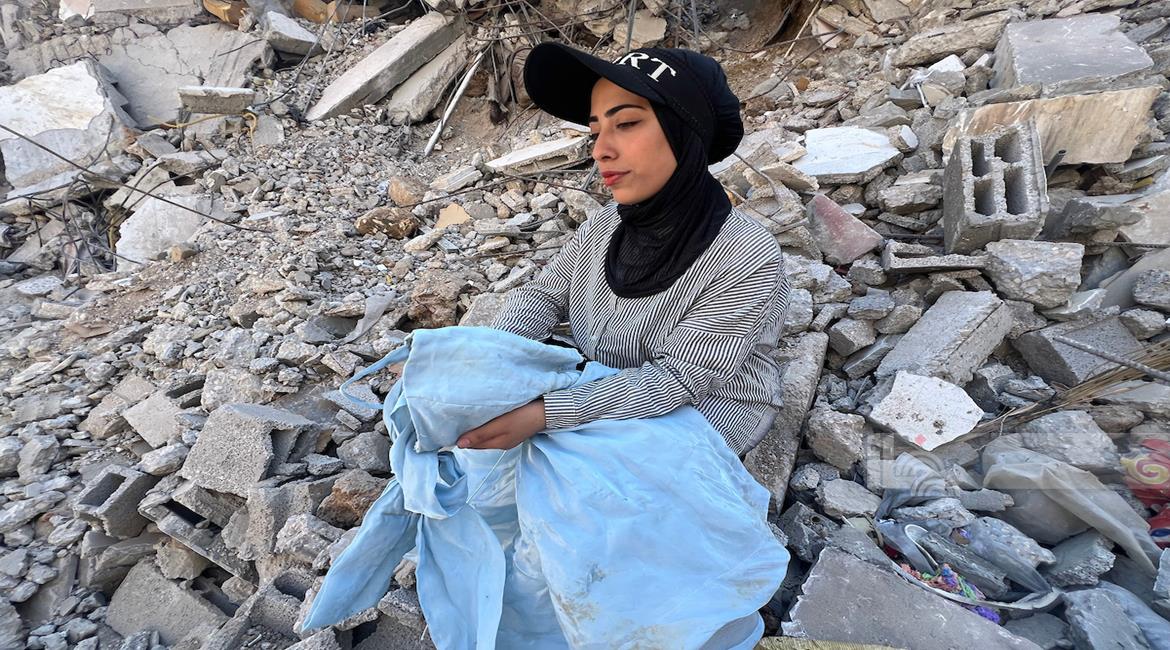
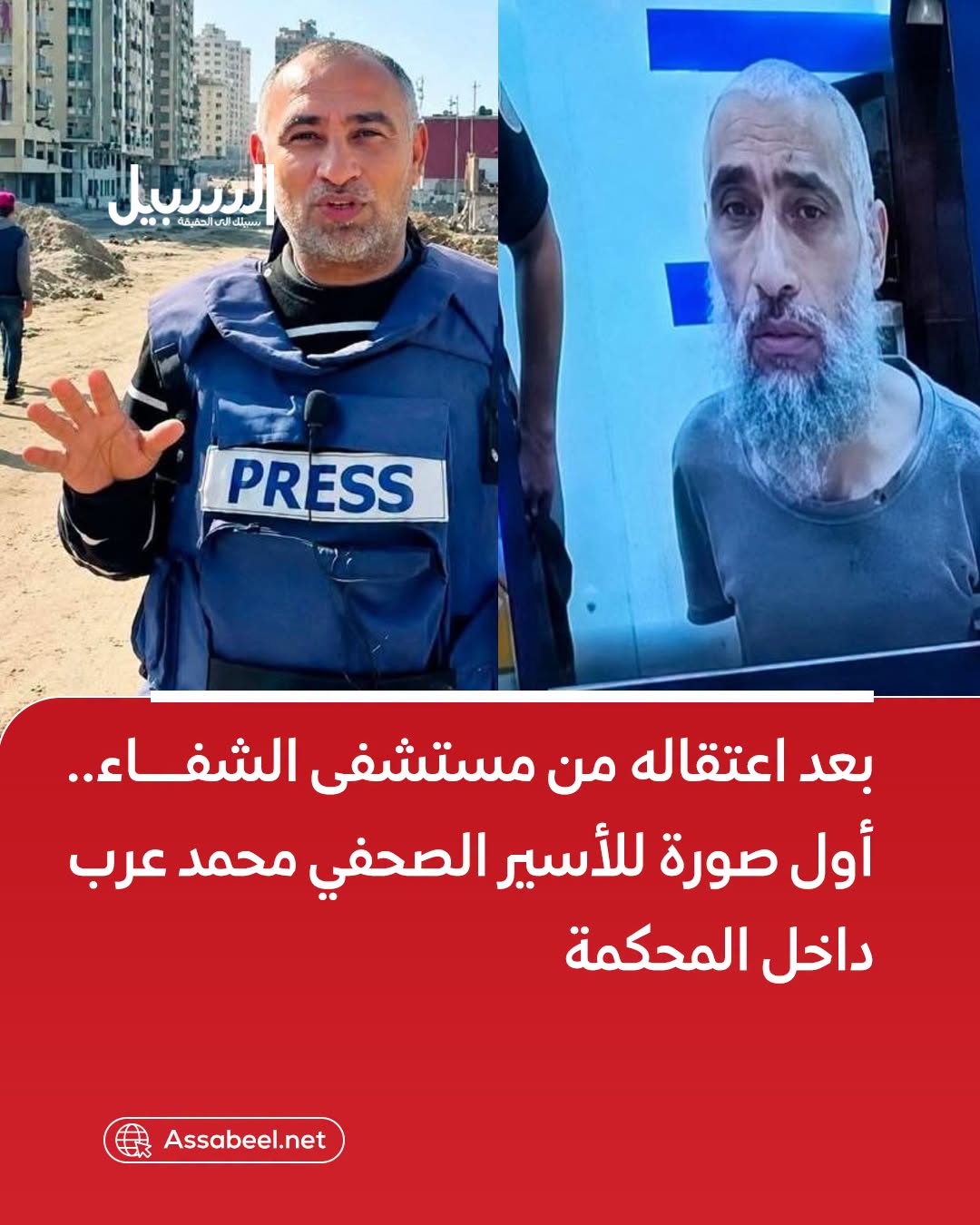 Prisoner Mohammad Arab Hadn’t Seen His Face in 2 Years!
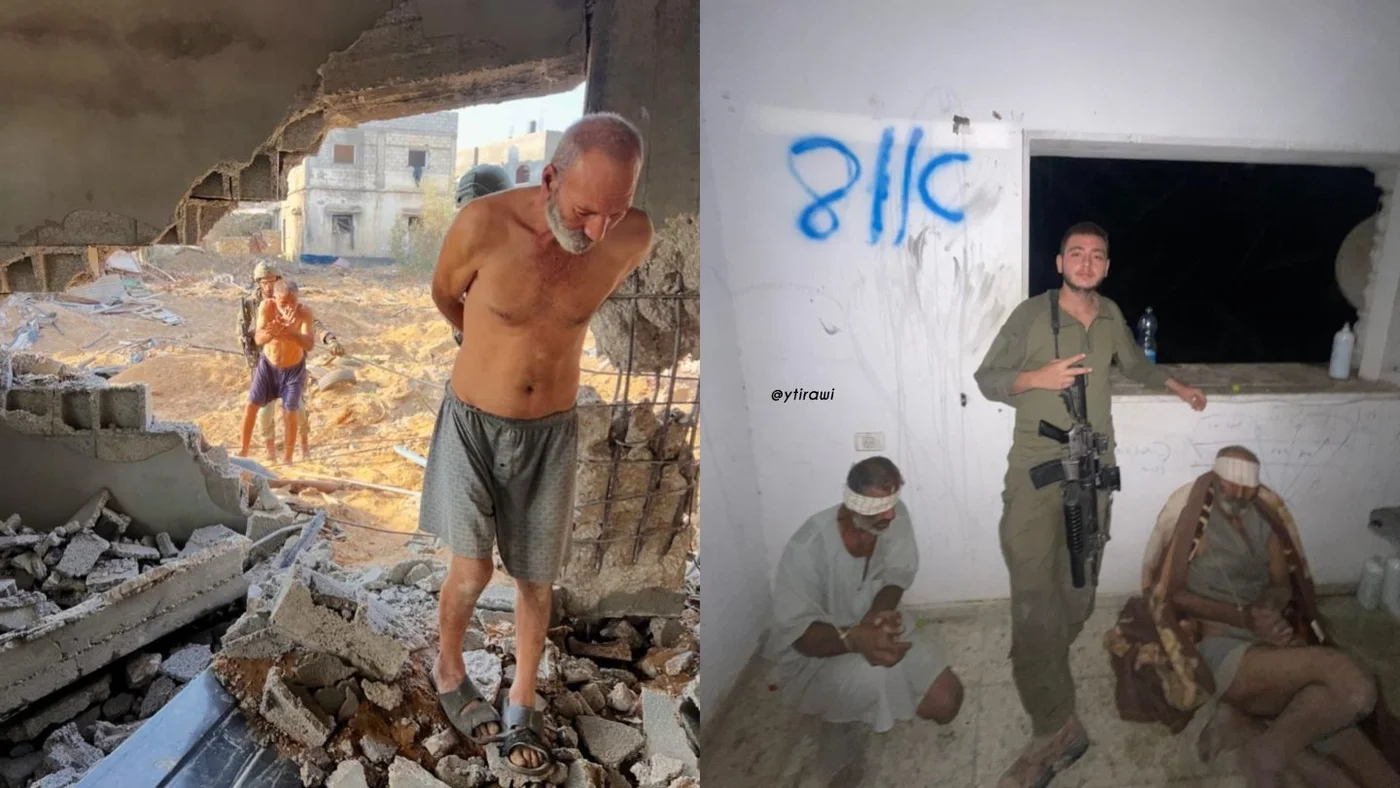
 UN: 3000 Settler Attacks on West Bank Palestinians Since 2025






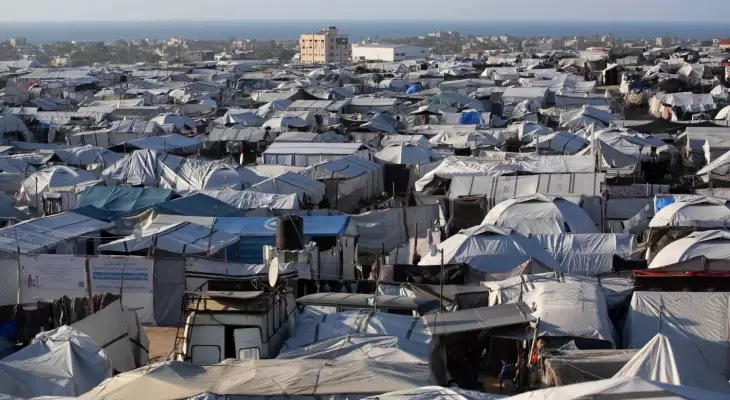
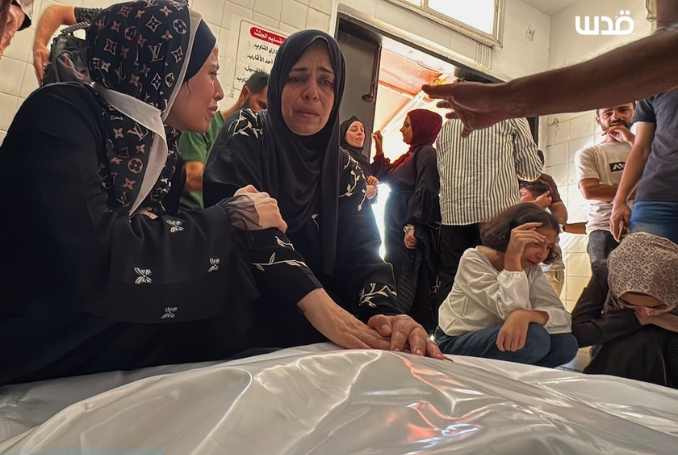
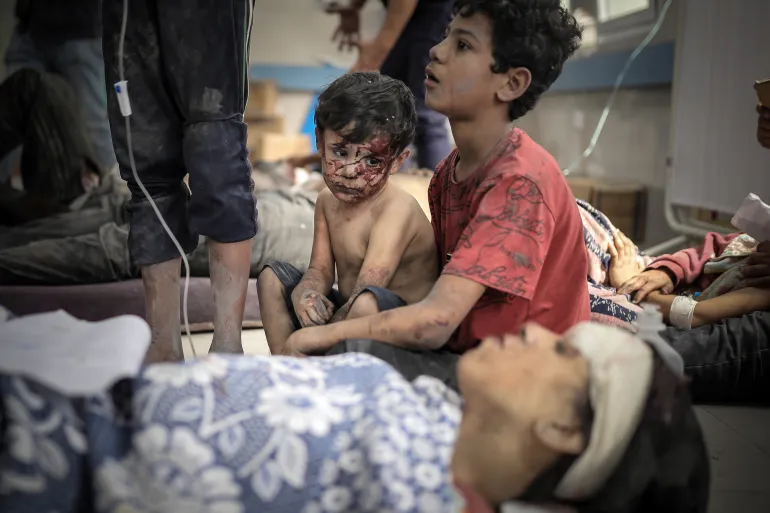
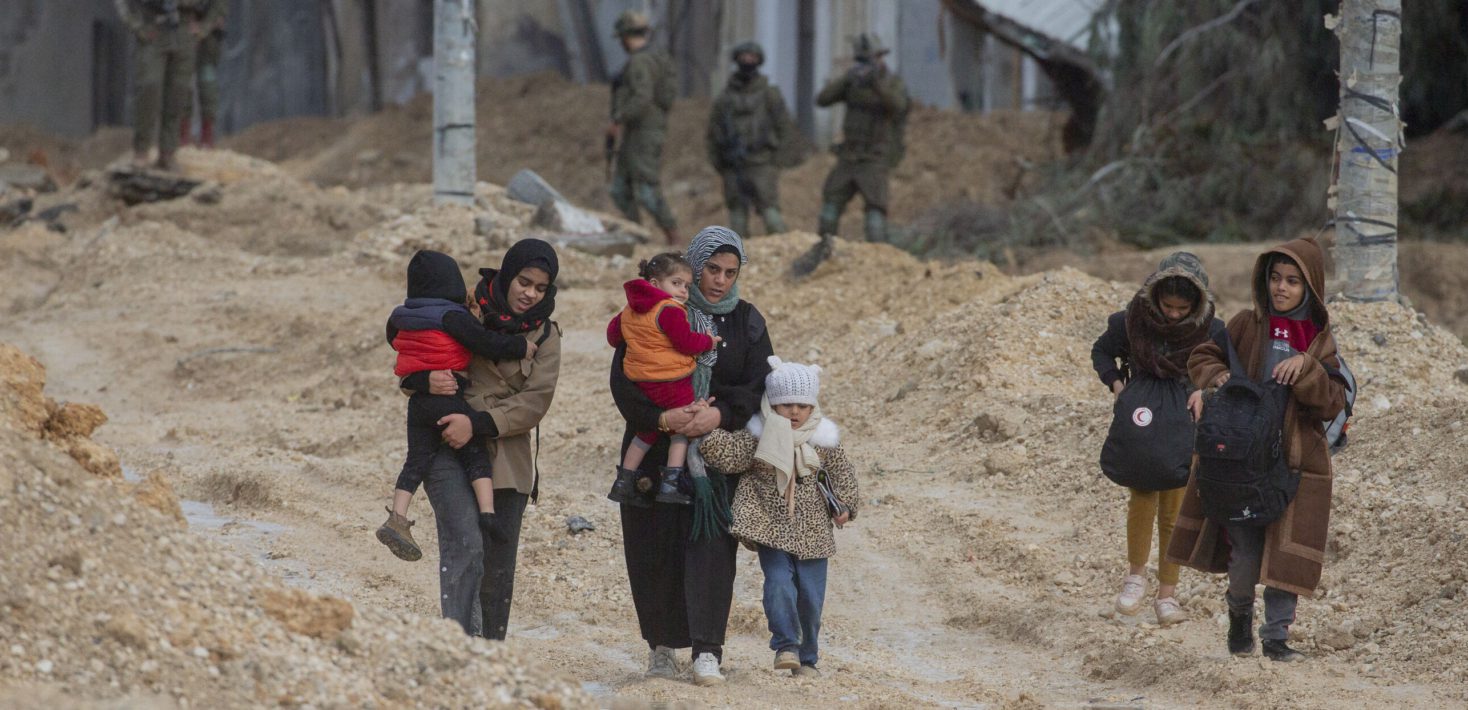
In The Line of Fire: Gaza Families Fear The ‘Yellow Line’
marwan
- August 17, 2026
 marwan
 Saleem Ayoub Qunamarwan
 CrossFireArabiaCrossFireArabiaCrossFireArabiaCrossFireArabiamarwanCrossFireArabiaCrossFireArabiamarwanCrossFireArabia
 HebaCrossFireArabiamarwanCrossFireArabiamarwanHebaCrossFireArabiamarwanmarwanHebaCrossFireArabiamarwanmarwanCrossFireArabiamarwanHebaCrossFireArabiaCrossFireArabiaCrossFireArabiaHebamarwanCrossFireArabiamarwanHebaCrossFireArabiaHebamarwanmarwanCrossFireArabiamarwanmarwanmarwanmarwanmarwanmarwanmarwanmarwanmarwanCrossFireArabiaCrossFireArabiamarwanmarwanCrossFireArabiaCrossFireArabiamarwanCrossFireArabiamarwanHebaHebamarwanmarwanCrossFireArabiamarwanmarwanmarwanmarwanCrossFireArabiaCrossFireArabiamarwanmarwanmarwanCrossFireArabiaCrossFireArabia
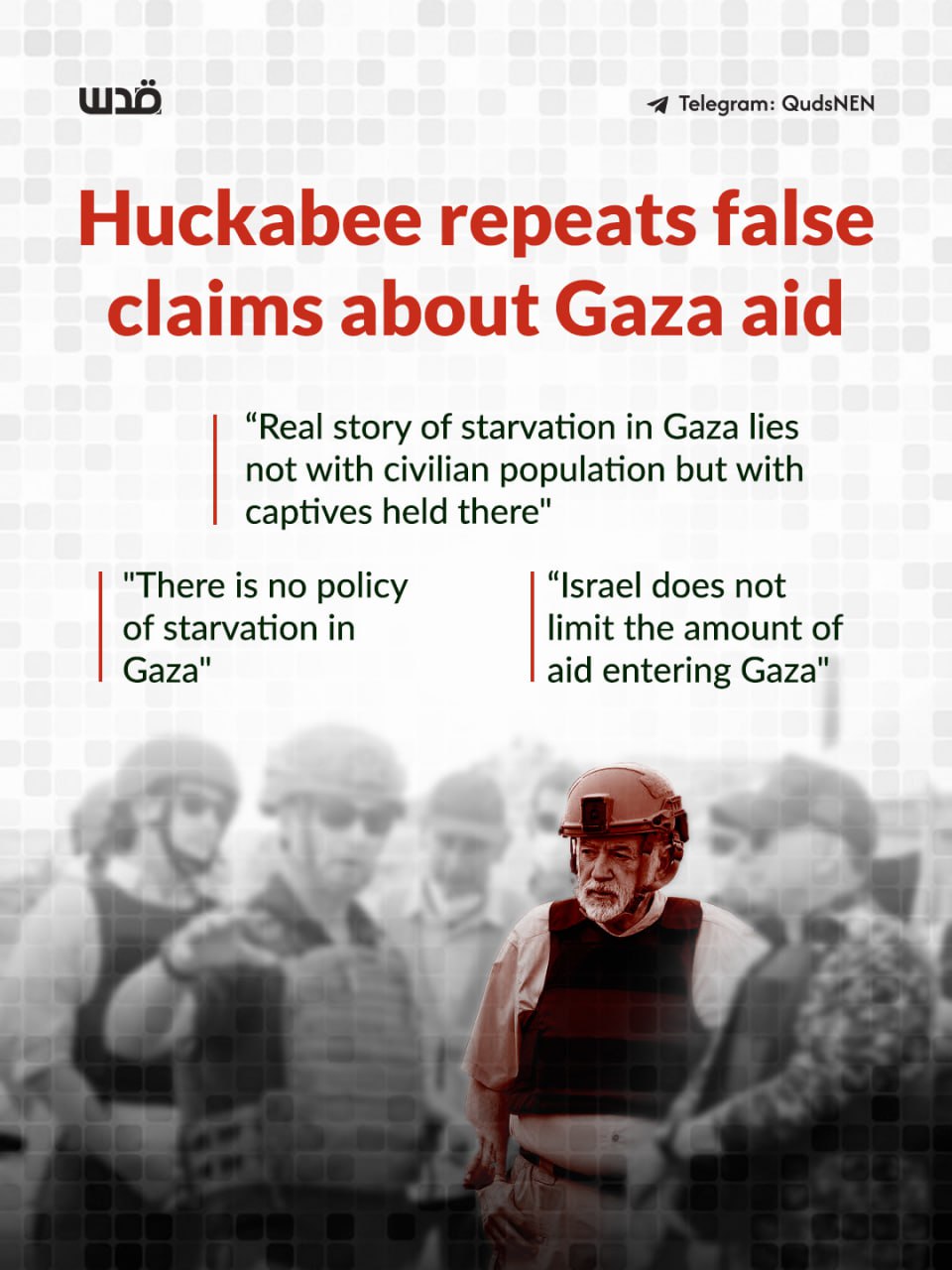
US Ambassador to the Israeli occupation Mike Huckabee claimed that the real starvation crisis in Gaza affects only Israeli prisoners, not the Palestinians.
He also promoted a graphic denying any Israeli policy of starvation, claiming that Israel has allowed up to 700 aid trucks per day, depending on supply from the UN and NGOs, a claim that is not supported by any evidence.
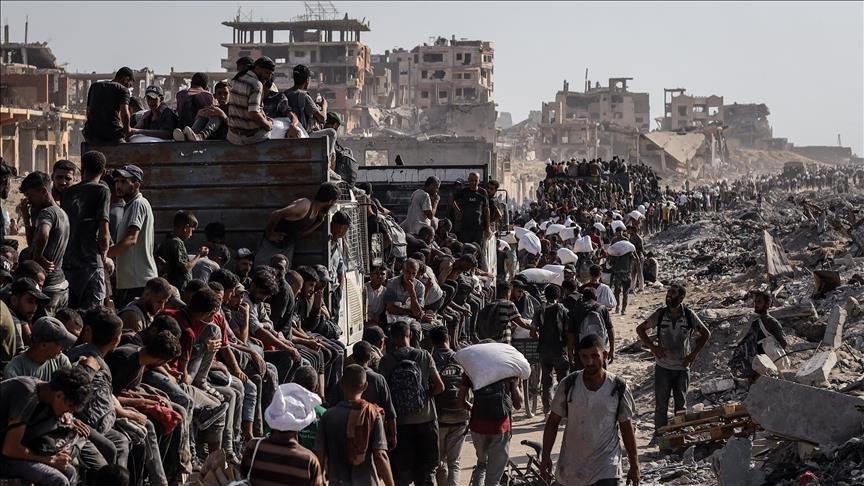
In contrast, Gaza’s Government Media Office reported that only 36 aid trucks out of 22,000 entered the Strip on Saturday. UNRWA says at least 500 to 600 trucks are needed daily to meet minimum humanitarian needs, a target that has never been reached.
UN experts and rights groups, including Human Rights Watch, have repeatedly stressed that Israel is using starvation as a weapon of war.
CrossFireArabia
Israel’s security cabinet is expected to decide this week whether to expand the nearly 22-month war in the Gaza Strip and on the future of ceasefire negotiations, Israeli media reported.
Channel 12 television said the security cabinet will discuss the option of intensifying attacks on Gaza, even at the risk of endangering the lives of Israeli hostages in the enclave.
The plan has divided Israel’s leadership.
Strategic Affairs Minister Ron Dermer, Finance Minister Bezalel Smotrich, National Security Minister Itamar Ben-Gvir, Prime Minister Benjamin Netanyahu’s military secretary Maj. Gen. Roman Gofman and Cabinet Secretary Yossi Fuchs reportedly support expanding the offensive.
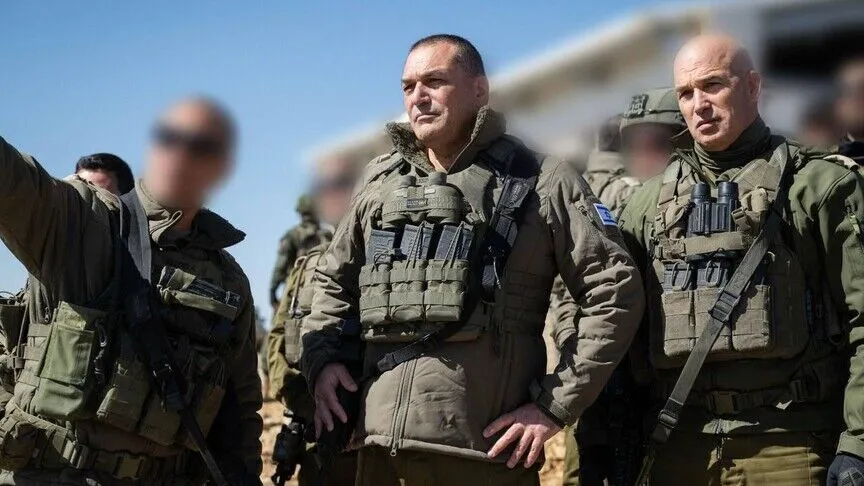
Advocates for pursuing a ceasefire and prisoner exchange include Israeli army Chief of Staff Eyal Zamir, Foreign Minister Gideon Saar, Shas Party leader Aryeh Deri — who recently withdrew from the government — National Security Adviser Tzachi Hanegbi, Mossad Director David Barnea, Nitzan Alon, who is overseeing the hostage file for the military, and members of the Shin Bet negotiating team.
Netanyahu and Defense Minister Israel Katz are undecided on whether to intensify attacks or continue negotiations, according to the report.
Channel 13 also said that Zamir expressed to his close circle concerns that expanding the attacks could endanger the lives of the hostages and that he would not approve such moves without clear political orders.
Separately, the Haaretz daily reported that preparations are underway for expanding Israeli military operations in Gaza, which is already facing a humanitarian disaster due to the ongoing assault.
The report said that Zamir is expected to approve a “phased attack plan.” Under the new plan, “sensitive areas” — including refugee camps sheltering Palestinians who have been displaced multiple times — would be targeted in ground offensives.
The army has so far avoided such ground attacks in these areas due to the Israeli hostages, the report said, but the new plan is expected to be presented to the government.
A senior Israeli official told Haaretz that “there is a growing understanding that Hamas is not interested in a deal.”
“Therefore, the prime minister is pushing for the release of hostages as part of a military resolution, combined with the delivery of humanitarian aid to areas outside combat zones and, as much as possible, to regions not under Hamas control.”
The Israeli army, rejecting international calls for a ceasefire, has pursued a brutal offensive on Gaza since Oct. 7, 2023, killing more than 60,800 Palestinians, most of them women and children.
Last November, the International Criminal Court issued arrest warrants for Netanyahu and his former Defense Minister Yoav Gallant for war crimes and crimes against humanity in Gaza, according to Anadolu.
Israel also faces a genocide case at the International Court of Justice for its war on the enclave.
CrossFireArabia
Around 2,400 Israeli artists and architects have signed two separate petitions demanding an immediate end to Israel’s starvation policy, forced displacement of Palestinians and war crimes in Gaza, Israeli media reported Sunday.
The Walla news outlet said that approximately 1,000 Israeli cultural figures including prominent names in music, theater, literature and film signed a petition calling for “an immediate ceasefire in Gaza.”
“We, the artists of Israel, refuse to be complicit — against our will — in the atrocities committed in Gaza: the killing of children and civilians, starvation, displacement and the senseless destruction of Gaza’s cities,” the petition said according to Anadolu.
“We appeal to decision-makers: Stop! Do not issue unlawful orders. Do not commit war crimes. Do not abandon ethical and humanitarian principles or the values of Judaism,” it added.
The petition concluded with a clear demand: “Stop the war. Bring the hostages home.”
A second petition, also reported by Walla, was signed by nearly 1,400 visual artists, designers and architects. It described the situation in Gaza as “horror on a historic scale” and warned of a deepening humanitarian catastrophe.
“The Israeli public bears responsibility for what is happening just a few kilometers away,” it stated.
Earlier Sunday, the Gaza Health Ministry said the number of Palestinians who have died from starvation caused by the Israeli blockade has reached 175, including 93 children, since Israel’s genocide began in October 2023.
The Israeli army, rejecting international calls for a ceasefire, has pursued a brutal offensive on Gaza since Oct. 7, 2023, killing more than 60,800 Palestinians, most of them women and children.
Last November, the International Criminal Court issued arrest warrants for Israeli Prime Minister Benjamin Netanyahu and his former Defense Minister Yoav Gallant for war crimes and crimes against humanity in Gaza.
Israel also faces a genocide case at the International Court of Justice for its war on the enclave.
CrossFireArabia
By Ali Saada
The visit of US envoy Steve Witkoff to the Gaza Strip is nothing more than a certificate of good conduct to war criminal Benjamin Netanyahu and his gang, and an endorsement for them to continue their war of starvation and to implementing their plan, which aligns with the desires, wishes, and dreams of Donald Trump and his “Gaza Riviera.”
It is an attempt to abort, calm, and cool the growing international outcry and anger over the massacres perpetrated against those awaiting aid, and an attempt to whitewash the ugly face of the US administration.
This is a propaganda and media appearance, drenched in blood, at the expense of the suffering and lives of Gaza’s children and women, by officials who lack even the most basic sense of humanity. This is intended to present a “false” image of the humanitarian situation, to downplay the impact of the images of famine and starvation spreading globally, and to suggest that the situation is under control.
What the occupation wants is an agreement that preserves its interests and ensures the removal of Hamas from power. This agreement may include arrangements for the “transfer of the population of the Gaza Strip,” without committing to reconstruction or substantially alleviating the humanitarian situation.
The agreement should be limited to the entry of aid, a partial withdrawal, a prisoner exchange, and a permanent ceasefire.
In any case, the US administration bears full responsibility for the worsening famine in the Gaza Strip. According to dozens of UN organizations and civil society institutions, including Israeli “human rights” organizations, as well as press and human rights reports, the occupation is committing genocide and, along with American snipers and mercenaries, has transformed aid distribution centers into death traps.
The US aid company has become a lethal criminal tool contributing to the engineering of hunger and the killing of civilians, in a scheme that goes beyond starvation and killing to the destruction of the foundations of Palestinian life and existence, as a starting point for the forced displacement project. The US administration is an essential part of the war of starvation against the Palestinian people, working directly to support the occupation and cover up its crimes.
Wittkoff’s visit to the US aid company is an official American cover for continuing its crimes against the starving and an attempt to point to a blatant moral collapse. It is an attempt to beautify the image of the occupation and fabricate lies about the reality of aid. The truth is that famine is spreading and expanding in the Strip, amid the blocking of aid, the closure of crossings, and the creation of chaos in Gaza by aid-stealing gangs operating under Israeli protection.
Witkoff’s visit is clear evidence of the need to include the United States in the cases before the International Court of Justice and the International Criminal Court, as a de facto partner and complicit in the genocide and war crimes committed in the Gaza Strip and the West Bank.
This article was originally published in Arabic in Al Sabeel electronic newspaper in Amman.