 In The Line of Fire: Gaza Families Fear The ‘Yellow Line’
 Kushner Tells Netanyahu Not to Move ‘Westwards’ in Gaza
 A Middle East Whirlpool! View From Amman
 Prisoner Mohammad Arab Hadn’t Seen His Face in 2 Years!
 UN: 3000 Settler Attacks on West Bank Palestinians Since 2025



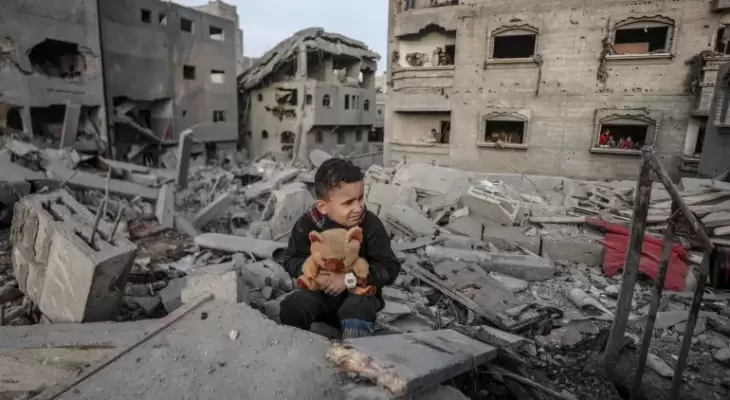
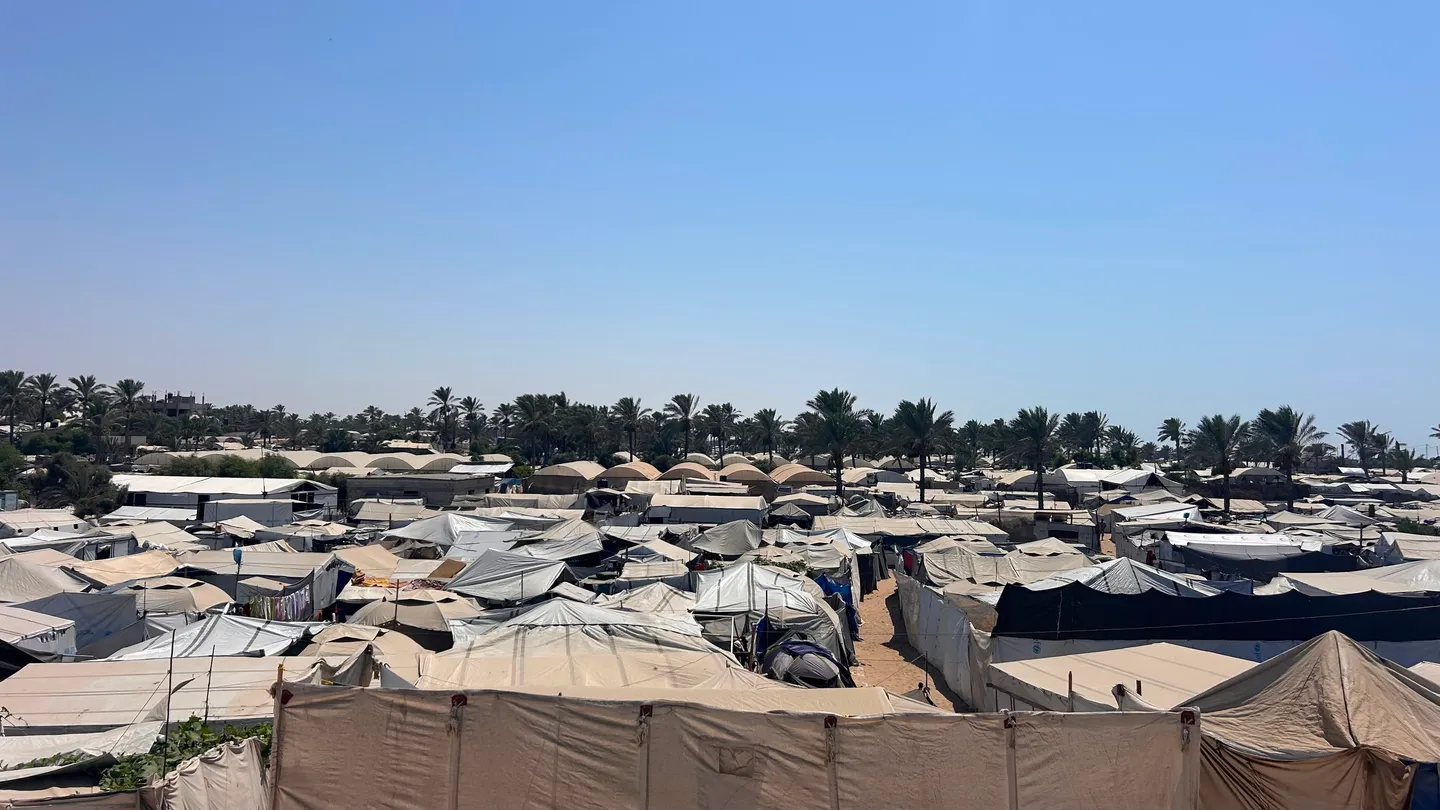
In The Line of Fire: Gaza Families Fear The ‘Yellow Line’
marwan
- August 17, 2026
 marwan
 Saleem Ayoub Qunamarwan
 CrossFireArabiaCrossFireArabiaCrossFireArabiaCrossFireArabiamarwanCrossFireArabiaCrossFireArabiamarwanCrossFireArabia
 HebaCrossFireArabiamarwanCrossFireArabiamarwanHebaCrossFireArabiamarwanmarwanHebaCrossFireArabiamarwanmarwanCrossFireArabiamarwanHebaCrossFireArabiaCrossFireArabiaCrossFireArabiaHebamarwanCrossFireArabiamarwanHebaCrossFireArabiaHebamarwanmarwanCrossFireArabiamarwanmarwanmarwanmarwanmarwanmarwanmarwanmarwanmarwanCrossFireArabiaCrossFireArabiamarwanmarwanCrossFireArabiaCrossFireArabiamarwanCrossFireArabiamarwanHebaHebamarwanmarwanCrossFireArabiamarwanmarwanmarwanmarwanCrossFireArabiaCrossFireArabiamarwanmarwanmarwanCrossFireArabiaCrossFireArabia
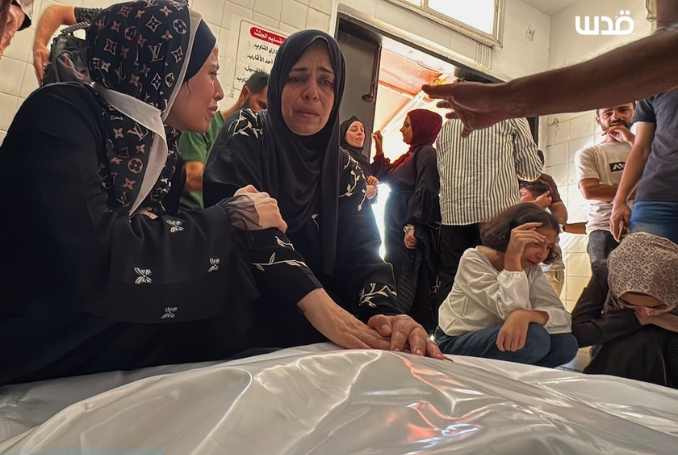
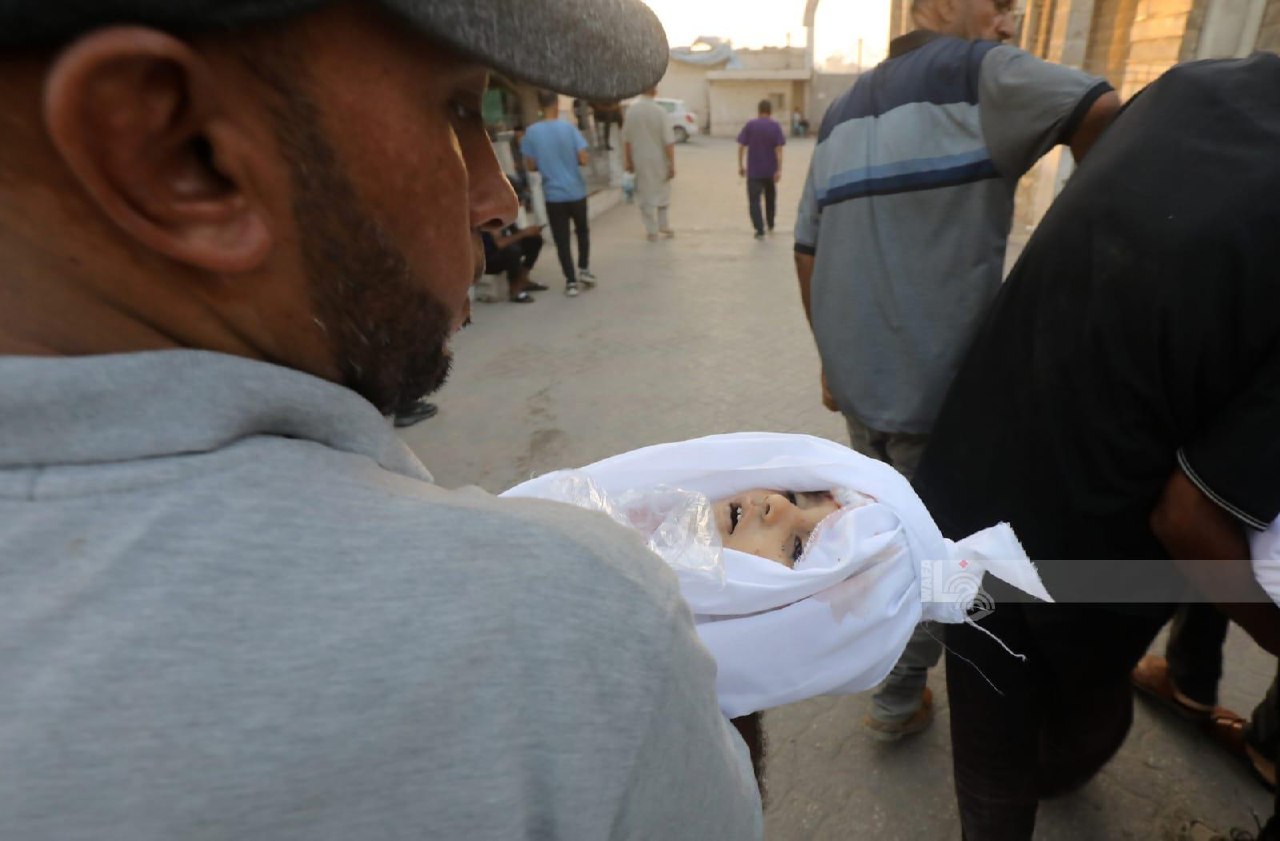
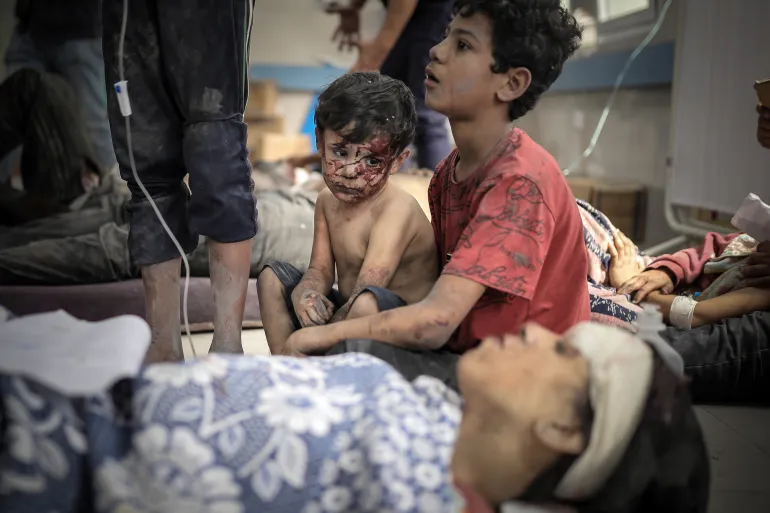
Israeli forces at the sites of a new US-backed aid distribution system in Gaza have routinely opened fire on starving Palestinian civilians in acts that amount to serious violations of international law and war crimes, Human Rights Watch said Friday.
Mass casualty incidents have taken place on a near-daily basis at or near the four sites operated by the Gaza Humanitarian Foundation (GHF), which operates in coordination with the Israeli military. At least 859 Palestinians have been killed while attempting to obtain aid at GHF sites between May 27 and July 31, 2025, most by the Israeli military, according to the United Nations. The dire humanitarian situation is a direct result of Israel’s use of starvation of civilians as a weapon of war—a war crime —as well as Israel’s continued intentional deprivation of aid and basic services, ongoing actions that amount to the crime against humanity of extermination, and acts of genocide.
“Israeli forces are not only deliberately starving Palestinian civilians, but they are now gunning them down almost every day as they desperately seek food for their families,” said Belkis Wille, associate crisis and conflict director at Human Rights Watch. “US-backed Israeli forces and private contractors have put in place a flawed, militarized aid distribution system that has turned aid distributions into regular bloodbaths.”
States should press Israeli authorities to immediately stop using lethal force as a method of crowd control against Palestinian civilians, lift unlawful sweeping restrictions on the entry of aid, and suspend this flawed distribution system, Human Rights Watch said. Instead, the UN and other humanitarian organizations should be permitted to resume aid distributions across Gaza at scale and without restrictions, as they have proven able to feed the population in line with humanitarian standards and as required by binding rulings by the International Court of Justice in South Africa’s genocide case against Israel.
In May, after more than 11 weeks of an Israeli-imposed total blockade on Gaza, the GHF distribution mechanism began operating. The aim of the Israeli authorities was reportedly to ultimately replace humanitarian aid delivery by the UN and other aid organizations.
Israeli authorities justified these moves by claiming Hamas diverted aid, but New York Times reporting, based on Israeli military sources, indicates that the Israeli military does not have evidence that Hamas systematically diverted aid from the UN. The UN-led system remains operational, but is subject to significant restrictions by Israeli authorities, including how much and what type of aid is allowed in and where it can go.
The GHF system is run by two US private subcontracted companies: Safe Reach Solutions (SRS) and UG Solutions, in coordination with the Israeli military. The companies have said they are “committed only to delivering food to suffering civilians” and are independent of any government, but all four distribution sites are within militarized areas. Three sites are in Rafah, which Israeli authorities have largely razed to the ground and where they have proposed to concentrate Gaza’s population. One is in the ethnically cleansed Israeli security zone known as the Netzarim Corridor, which cuts Gaza in half. None of the sites are accessible to people in northern Gaza, who are instead reliant on the UN-led distribution system.
In July, Human Rights Watch interviewed 10 people who were on the ground in Gaza in recent months and witnessed violence at or near aid sites, or who treated those injured and killed at the sites. Those interviewed included Anthony Bailey Aguilar, a retired US Army Special Forces lieutenant colonel, who worked in Gaza as a security contractor for UG Solutions, including in the control centers and at dozens of distributions at all four distribution sites between May and June; a foreign humanitarian worker who worked in Gaza in June; two foreign doctors who worked in Gaza in May, June, and July and treated civilians who were injured at or near GHF aid distribution sites; and six Palestinian witnesses to violent incidents related to the distributions. Researchers also analyzed satellite imagery at different spatial resolutions, verified videos and photographs including content taken by Aguilar, analyzed document metadata, and reviewed social media posts by GHF.
Human Rights Watch sent letters to GHF, SRS, UG Solutions, the Israeli military, and the US government on July 19 with a summary of findings and list of questions. The Israeli military, UG Solutions, counsel for UG Solutions, and counsel for GHF/SRS responded and their overall responses are reflected below.
The four GHF distribution sites were selected and constructed by the Israeli military, counsel for GHF said to Human Rights Watch. Through satellite imagery, researchers confirmed that the sites are in militarized zones, surrounded by military outposts. Counsel for GHF said it hired SRS to run the distribution sites, which in turn hired UG Solutions to provide security at the sites.
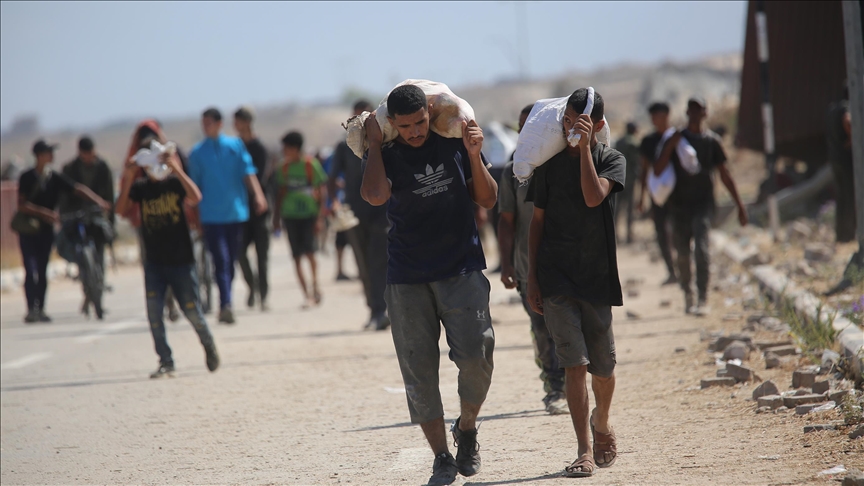
Rather than delivering food to people at hundreds of accessible sites throughout Gaza, the new mechanism requires Palestinians to trek across dangerous and destroyed terrain. According to five witnesses, Israeli forces control the movement of Palestinians to the sites through the use of live ammunition. Inside the sites, the distribution of aid itself is an uncontrolled “free-for-all,” as Aguilar described it, that often leaves the most vulnerable and weakest people with nothing. Human Rights Watch analyzed announcements made on GHF’s Facebook page of 105 distributions across the 4 sites and found that 54 distribution windows were under 20 minutes long and 20 distributions were announced as finished before their official opening time had begun.
One Palestinian man told Human Rights Watch that he left his home at about 9 p.m., trying to reach a site that was due to open at 9 a.m. the next day. On the way, he said, an Israeli tank opened fire on him and others as they were walking towards the site: “If you stopped walking, or did anything they didn’t want, they fired at you.” In a separate incident, Aguilar said he witnessed an Israeli tank fire on a civilian vehicle just outside Site 4, which he believed killed four people inside, on June 8. Another contractor who spoke to ITV News described the same attack on the car.
Another Palestinian man who went to one of the aid sites described the difficult and risky journey: “So many people who need aid are not getting it because they are not able to make it all the way there. Those who do go are taking their luck into their own hands, and it’s remarkable if they come back alive.”
According to seven witnesses interviewed by Human Rights Watch, Israeli forces regularly fired on civilians. Three Palestinian witnesses and Aguilar also claimed they witnessed armed guards within the GHF sites using live fire and other weapons against civilians during aid distributions. These armed guards would apparently be UG Solutions contractors, given that the letter from the counsel of GHF and SRS confirmed that the only contractors with weapons inside the distribution sites are from UG Solutions. GHF, SRS, and UG Solutions have denied the allegations that their contractors used force against civilians and stated that UG Solutions personnel only use deadly force as a last resort and have never harmed civilians or aid seekers.
The aid mechanism has failed to address mass starvation in Gaza, Human Rights Watch said. Counsel for GHF said they have delivered 95 million meals in Gaza, as of July 28. However, even at full capacity at the four sites, the GHF scheme is only capable of providing about 60 trucks of food per day, according to Aguilar, as compared to the 600 trucks per day that entered Gaza under the UN-led aid scheme during the ceasefire in early 2025.
On July 29, the world’s foremost experts on food insecurity, the Integrated Phase Classification (IPC), said that the “worst-case scenario of famine is currently playing out in the Gaza Strip.” Gaza’s Ministry of Health reported that, as of July 30, 154 people, including 89 children, have died due to malnutrition since October 7, 2023, the majority of whom since July 19. On July 27, the Israeli military announced it would resume airdrops, designate secure routes for the entry of aid, and implement “humanitarian pauses” in populated areas to facilitate aid.
International humanitarian law, or the laws of war, applicable to the hostilities between Israeli forces and Palestinian armed groups, require parties at all times to distinguish between civilians and combatants. Attacks may only be directed against military objectives, and attacks that target civilians and civilian objects, or are indiscriminate, are prohibited. International human rights law, which also applies in Gaza, prohibits the intentional lethal use of firearms by law enforcement officials except when “strictly unavoidable to protect life.” These standards also apply to private security personnel exercising police powers.
Under both bodies of law, authorities may take measures to ensure aid delivery, but the use of lethal force against civilians is strictly limited. For example, if civilians had moved off a route designated by the Israeli armed forces, that would not, in itself, make them targets who could be lawfully attacked. Nor would such a situation justify the intentional use of lethal force by policing authorities as “strictly unavoidable in order to protect life.” The willful unlawful killing of civilian members of the occupied population is a war crime.
The repeated use of lethal force against Palestinian civilians by Israeli forces, without justification, violates both international humanitarian and human rights law. Human Rights Watch is not aware of any evidence in the cases documented that those killed represented an imminent threat to life at the time they were killed. The intentional use of lethal force by those exercising policing powers without lawful justification also violates human rights law. Regular killings by Israeli forces near GHF sites also amount to war crimes, given all the evidence indicating that these are deliberate, targeted killings of persons the Israeli authorities would know would be Palestinian civilians.
On June 26, one month after SRS started distributing aid at the sites, the US government announced it was allocating US$30 million to GHF. The source of funding for GHF’s first month of distributions remains unknown; in its letter to Human Rights Watch, counsel for GHF said it “received $100 million from a government other than the United States or Israel,” without specifying the government.
The Trump administration sent the allocation by circumventing congressional approvals. The United States is complicit in Israeli violations of the laws of war in Gaza, given its provision of substantial military aid despite knowledge of the continuing grave violations.
The US Congress should also be requiring notifications on any additional funding destined for GHF and demand a report on how US funds are being used currently, including an assessment of the effectiveness of the aid for starving Palestinians.
Pursuant to their obligations under the Genocide Convention, states should use all forms of their leverage, including targeted sanctions, an arms embargo and suspension of preferential trade agreements, to stop Israeli authorities’ ongoing atrocity crimes.
“It is indefensible that, instead of using its significant leverage to press Israel to end its ongoing acts of genocide, the US is backing and even funding a deadly mechanism that is resulting in Israeli forces killing starving Palestinian civilians as a method of crowd control,” Wille said. “States should urgently act to stop the extermination of Palestinians.”
According to the UN, at least 1,373 Palestinians were killed as they tried to access food between May 27 and July 31, 2025, most by the Israeli military, including 859 who were in the vicinity of GHF sites.
Dr. Victoria Rose, a British doctor who worked at a large hospital in Gaza in May and June, said that on June 1 staff were alerted that there had been mass casualties at Site 1 that morning. She said throughout May, she had not seen any patients with gunshot wounds, only blast injuries. However, on that day, she said over 100 people—mostly men but also some women and teenage boys—were brought into the hospital with gunshot injuries. Two of the men she treated had been shot in the back of their legs. “Already by the late morning there were over 10 bodies piled up against one side of the emergency room,” she said. According to the Gaza’s Ministry of Health, 31 died that day.
Dr. Nick Maynard, another British doctor working at the same hospital in Gaza in June and July, echoed that there has been an uptick in gunshot injuries with the increased distributions via the GHF mechanism. Individuals who sustained injuries at or near distribution sites were mostly teenage boys with gunshot injuries in the abdomen, neck, head, or groin area, he said.
Humanitarian organizations on the ground have documented similar trends. Doctors Without Borders noted “a stark increase in the number of patients with gunshot wounds” at the time of the expansion of GHF aid distributions. The International Committee of the Red Cross (ICRC) on July 8 highlighted a similar “sharp surge in mass casualty incidents linked to aid distribution sites,” saying the organization’s medical team treated “over 2,200 weapon-wounded patients” and logged more than 200 deaths, “a scale and frequency … without precedent.” After the mass casualty event on June 1, the ICRC noted that “all patients said they had been trying to reach an aid distribution site.”
The Israeli military has largely responded to questions about killings of Palestinians seeking aid by saying they fired on people they viewed as a “threat,” or when crowds moved in a way that “threatened the forces,” or that they were merely firing “warning shots.” Based on accounts from Israeli officers and soldiers, the Israeli newspaper Haaretz reported that soldiers were “ordered to fire at unarmed crowds near food distribution points in Gaza, even when no threat was present,” something Anthony Bailey Aguilar alleges he witnessed on numerous occasions. Aguilar told Human Rights Watch that he was monitoring a distribution at Site 4 in a control room along with a senior Israeli commander, who told Aguilar to give the order to contractors to shoot three unarmed children who an adult had lifted up onto a Hesco barrier (a large, collapsible wire mesh container lined with a heavy-duty fabric and filled with sand, dirt, or gravel to create a solid wall) to avoid being crushed or trampled by the crowd. When he refused to give the order, the commander replied, “Tell your men to shoot them now or we will shoot them,” Aguilar said. In the end, he said, no shooting occurred on that occasion because the children got down on their own.
In its letter to Human Rights Watch, the Israeli military said it conducted “in-depth examinations” of “reports of civilians casualties near distribution sites” and that “incidents are under review by the authorized bodies,” but it did not provide any further details. Israel’s internal law enforcement system has long been recognized by human rights monitors as a “whitewash mechanism.”
UG Solutions also said in its July 29 letter that Aguilar could not have witnessed Israeli military abuses, since “he did not leave the static distribution site during operations and would not have had a line of sight to IDF assets beyond the high berms protecting the sites.” Human Rights Watch, though, reviewed multiple videos in which UG Solutions’ contractors were positioned on top of high berms with a line of sight into areas where Israeli forces operated and verified a video taken by Aguilar on June 8 of an Israeli tank next to Site 4.
An aid seeker who has a disability told Human Rights Watch he walked for 12 hours to a GHF distribution site in Rafah in early June for a distribution that began at 2 a.m. He said Israeli forces made him and tens of thousands of others who arrived at the site early wait outside for several hours. He and many others decided to lie down in a pit in the ground until the site opened to avoid being shot by Israeli forces. He said Israeli military tanks were posted in the area and at the site entrance. He said he saw a tank shell hit a young man in the head when the tanks opened fire on the crowd, apparently to keep people from approaching before the site officially opened. He believes the man died.
The aid seeker was able to go inside and pick up some food on that occasion, but the next time, he said:
The smarter and stronger ones got to the aid first. Some people were crushed by the crowd. Within an hour, all the aid was gone, and tanks came back with a quadcopter flying in the sky. I rushed away as fast as I could empty-handed. Someone like me with a disability couldn’t do much. We call this death aid.
Aguilar also highlighted how the GHF aid distribution method disadvantaged those who could not run quickly and push through crowds to get aid, noting that “others, particularly older people, women and children, were sifting through the dirt for scraps like individual beans.”
Another man who went to the distribution sites twice in June said the first time, when he was at the front of the line waiting for Israeli forces to let people into the site, he witnessed Israeli military tanks firing into the crowd, killing at least one man near him in the front. Once allowed into the site, he was able to get some aid. The second time, he waited further back, and as a result was unable to get any aid by the time he entered the site. He witnessed multiple quadcopter drones drop stun grenades onto the crowd on that occasion as well, he said.
The GHF aid mechanism was reportedly designed by about a dozen Israeli reservists and businessmen who began meeting as early as December 2023 in an effort to sideline the UN, according to the Wall Street Journal, citing people who said they took part in the discussions. Aguilar said he and the other contractors entered Israel on B2 tourist visas: “We were just tourists with guns. It was absurd.” Aguilar shared pictures of the visa and the tax invoice he received with Human Rights Watch.
Before the distributions, SRS staff put out boxes and then open the sites, after which Palestinians rush in and grab what they can and leave. According to Aguilar and other witnesses, this distribution system lacks registration, vetting, tracking, or equitable distribution mechanisms.
“There is no oversight of who gets the aid; it’s a free-for-all. People take multiple boxes, and many leave with nothing,” Aguilar said.
The four GHF distribution sites are all located within militarized areas designated by the Israeli military in security corridors and buffer zones in large parts of the Gaza Strip. Three of the distribution sites (Sites 1, 2, and 3) are in the Rafah Governorate within the buffer zones created along the “Philadelphi” and “Morag” Corridors, where Israeli military operations are ongoing. A fourth site (Site 4) is in the buffer zone created by Israeli forces in the “Netzarim Corridor,” located in central Gaza. These areas have been completely razed and emptied of Palestinians by Israeli forces, actions which amount to the crime against humanity of forced displacement and ethnic cleansing.
In contrast, when allowed to operate without restriction, the UN distributes aid to hundreds of sites across Gaza to improve people’s ability to reach aid safely in their area and mitigate issues of crowd control. Aid distribution takes into account identified needs at the community level, specific vulnerabilities, and family size.
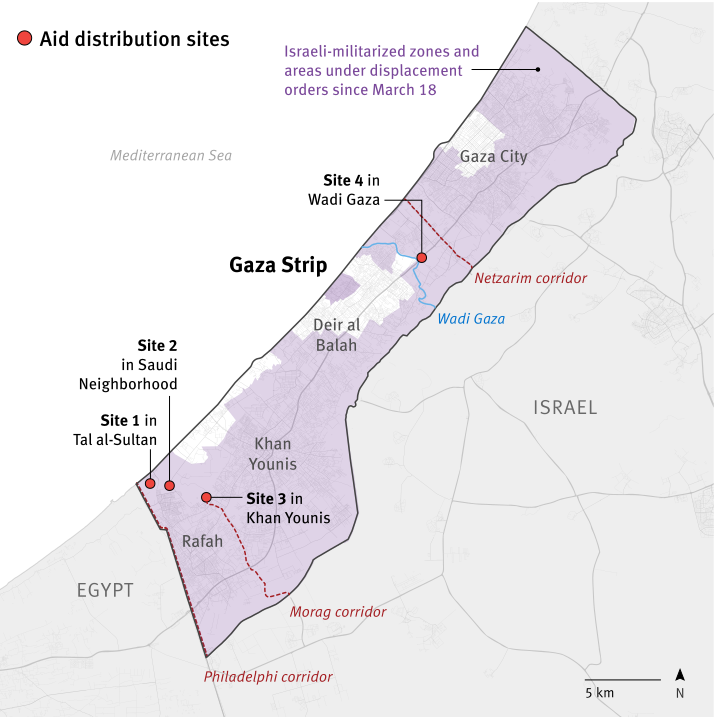
According to satellite imagery, as of April 26, none of the four sites had been established. Soil preparation began in late April for Sites 1 and 4, and in early May for Sites 2 and 3. Construction appears to have been completed around May 17 for Site 4 and by May 23 for Sites 1, 2, and 3, less than three days before Site 1 became operational.
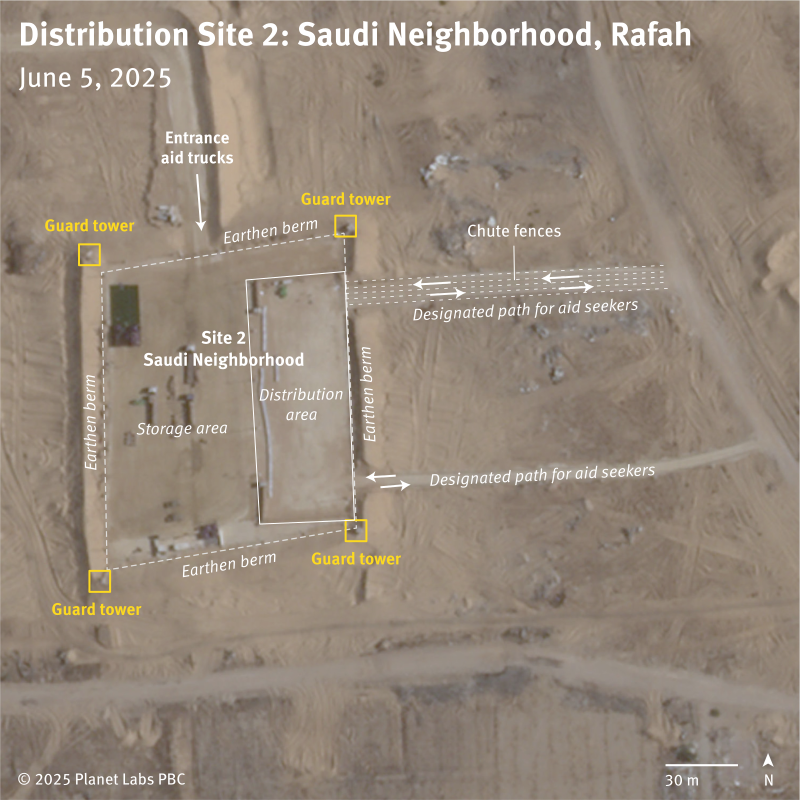
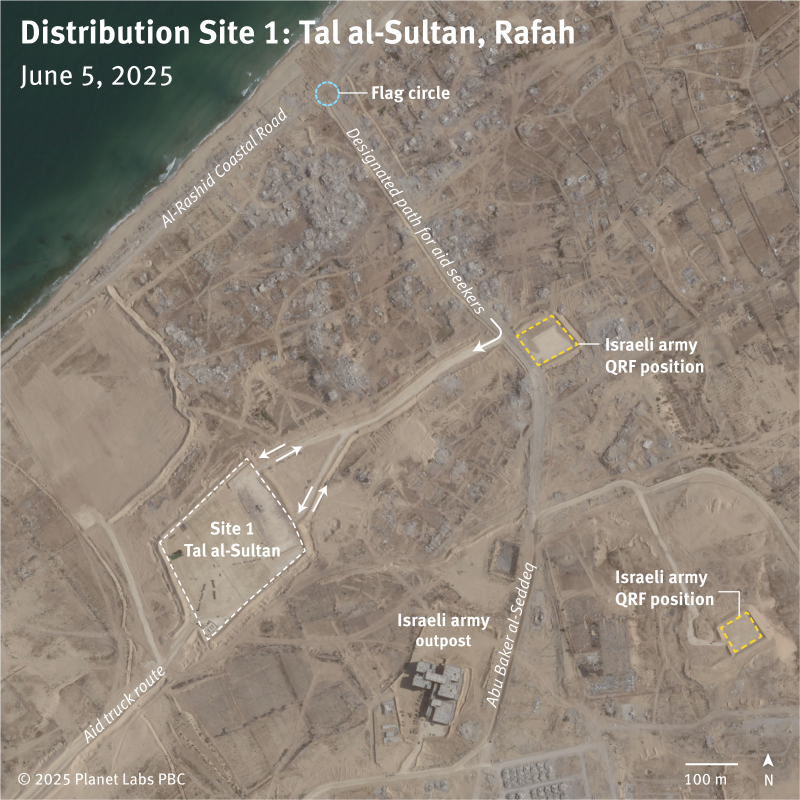
Each of the four open-air distribution sites has a rectangular layout enclosed by earthen berms, with four guard towers positioned at the corners. Civilian access to the distribution area is controlled through narrow entry and exit points, guided by chutes or jersey barriers, while a separate path allows aid trucks to access the storage area.
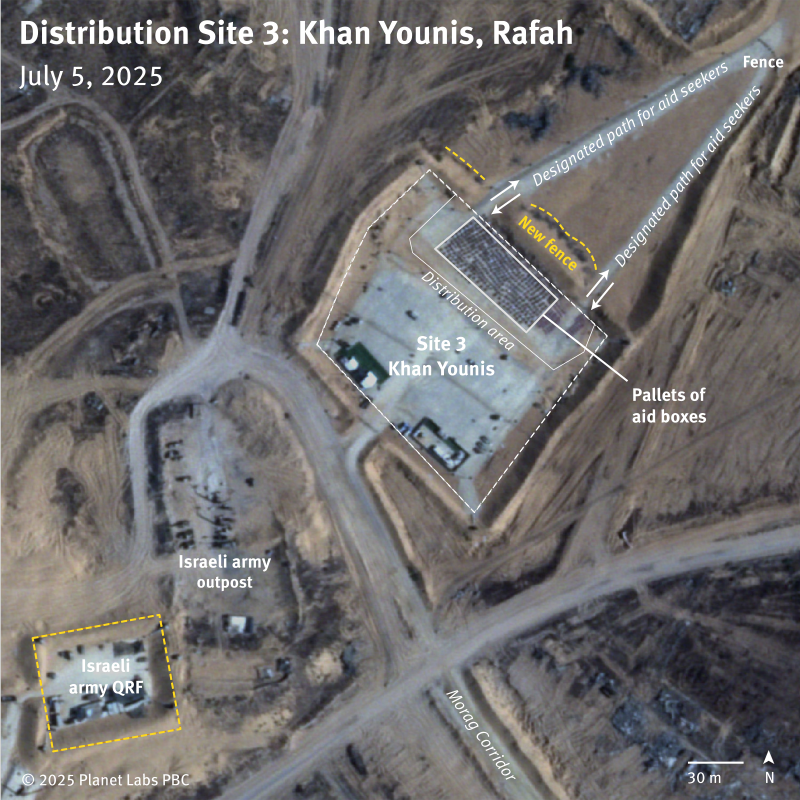
Before distribution operations started on May 26, Aguilar said he raised concerns with the design and construction of all four sites, including in particular Site 3. Human Rights Watch documented how additional “security” features added to some sites in early June could harm Palestinians seeking aid, that the sites were particularly dangerous when congested, and that the sites were in proximity to Israeli forces. Satellite imagery from July 5 shows an additional fence added to the north berm of Site 3. Aguilar said that this is a triple-strand razor wire added in early June to deter civilians from rushing over the berm and could prove dangerous if people were pushed up against it.
The exits and entrances often become congested due to the large crowds. Satellite imagery of Site 4 shows that Israeli armored vehicles usually sit at the entrance and exit of the civilian routes.
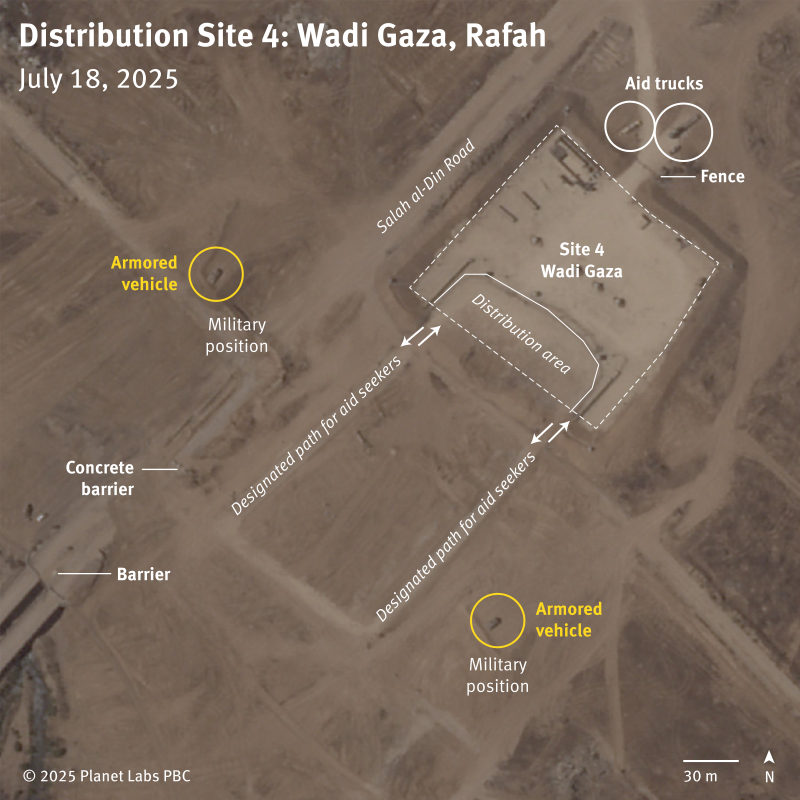
The sites are surrounded by military infrastructure including outposts, equipment, and vehicles, some of which are positioned along the civilian access routes. While some of the infrastructure was pre-established by the Israeli military during the creation of these corridors, additional outposts, defined by Aguilar as Israeli military Quick Reaction Force (QRF) staging areas, were constructed during the establishment of the distribution sites. Aguilar said that when the distribution is ongoing, the Israeli military positions tanks and soldiers in these nearby holding areas.
It is also difficult for Palestinians in need of aid to get basic and accurate information about GHF operations: from May 29 onward, GHF asked people to check its Facebook page where it posted information daily, though many in Gaza do not have an internet connection or sufficient battery charge for their phones. This is because Israel has cut off electricity, targeted and damaged telecommunications infrastructure, and restricted the entry of fuel. There was a near total communications blackout between June 11 and 13.
These posts detailed which sites were open and closed, allowing researchers to identify how long GHF said distributions lasted each day. GHF also posted important notices of changes to their system. Facebook is the main platform through which GHF has consistently communicated to Palestinians despite also having a WhatsApp and a Telegram group. On June 18, GHF posted that all official announcements regarding locations and times would be posted exclusively on their Facebook page.
Through the analysis of GHF Facebook posts from May 29 and July 21 of a total of 105 distributions, Site 2 had 39 distributions, followed by Site 3 with 29, Site 4 with 22, and lastly Site 1, with 15 distributions.
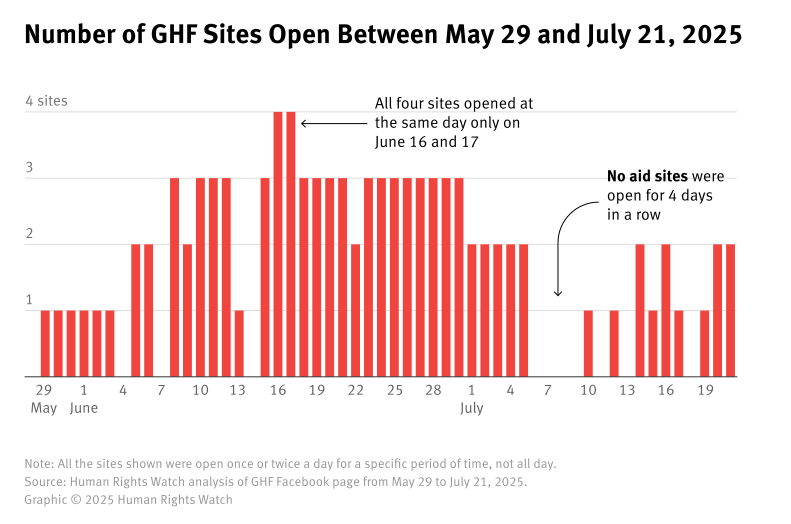
The raw data behind this graphic can be downloaded on the Human Rights Watch GitHub account here.
While the four sites were in operation after May 26, they only all began operating once a day on June 16. However, this only lasted for 2 days, on June 16 and 17. These were the only days on which all 4 sites operated. Either 2 or 3 sites were operational on the majority of days analyzed by Human Rights Watch. On June 18, GHF posted that staff would distribute aid twice a day at the distribution sites, “when they were able.” Staff were able to do this only on 9 occasions. Out of the 54 days between May 29 and July 21, no aid was distributed from any sites on 10 days in this period. The stated reason for this was, most often, due to maintenance and renovation works.
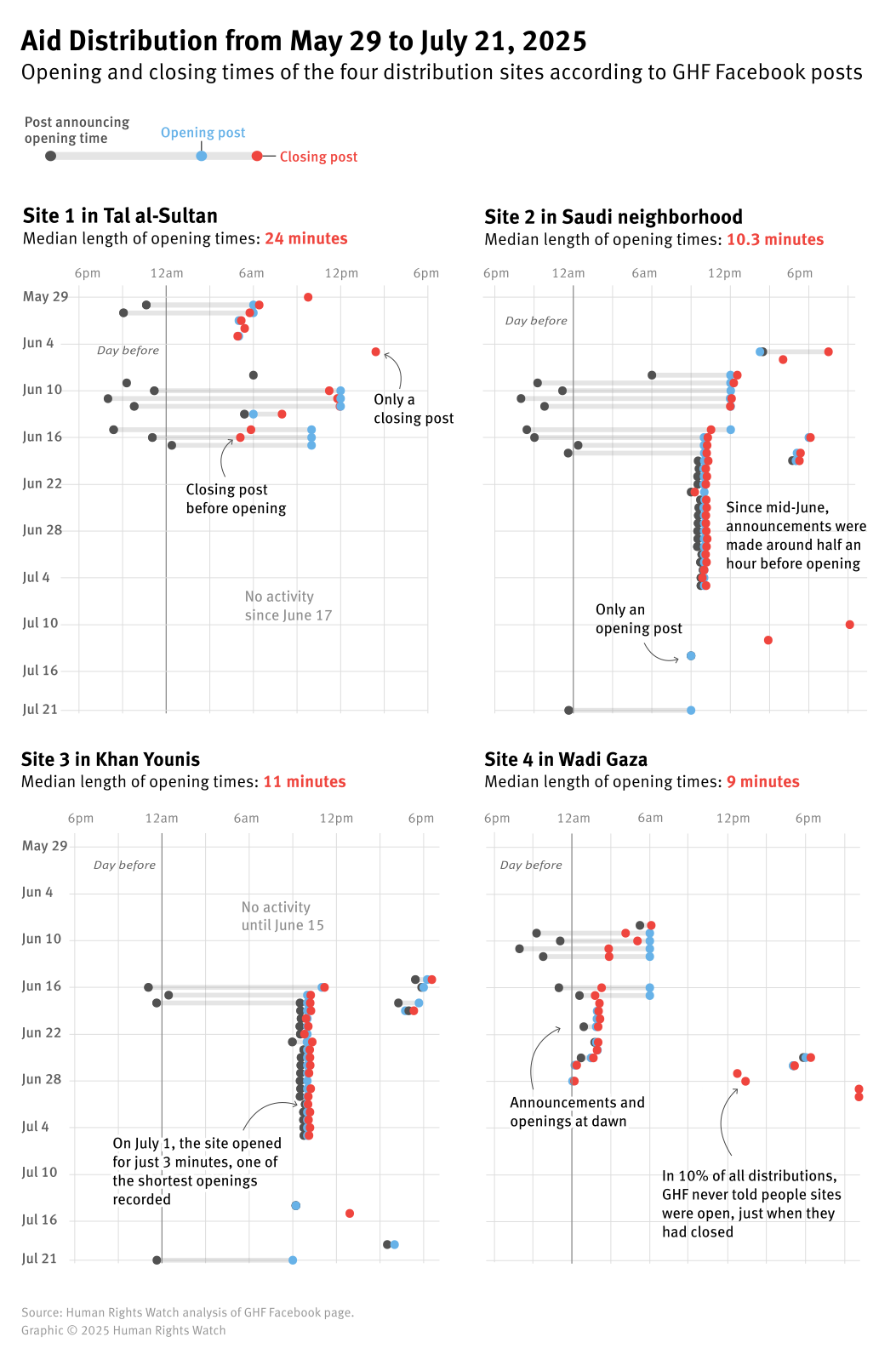
The raw data behind this graphic can be downloaded on the Human Rights Watch GitHub account here.
On 14 occasions, GHF announced that sites were closed at the end of distribution, but they had not announced when distribution had begun, making it impossible for Palestinians to know when aid was being distributed. On 54 occasions, the distribution windows were open for less than 20 minutes. On 20 occasions, the distribution windows were announced to be closed before they had been announced as open. For example, on June 15 and 16, GHF announced that Site 1 would open at 10 a.m. for distribution, but then posted, on June 15, that aid distribution had finished at 5:50 a.m. and, on June 16, at 5:06 a.m. Fifteen distributions took place at Site 1. While, of these, 10 distributions were scheduled with a specific opening time, they still were open at this time on only 3 occasions. Researchers analyzed 21 distribution events at Site 2 from June 15 to July 5, finding that the median duration of each distribution was 11 minutes.
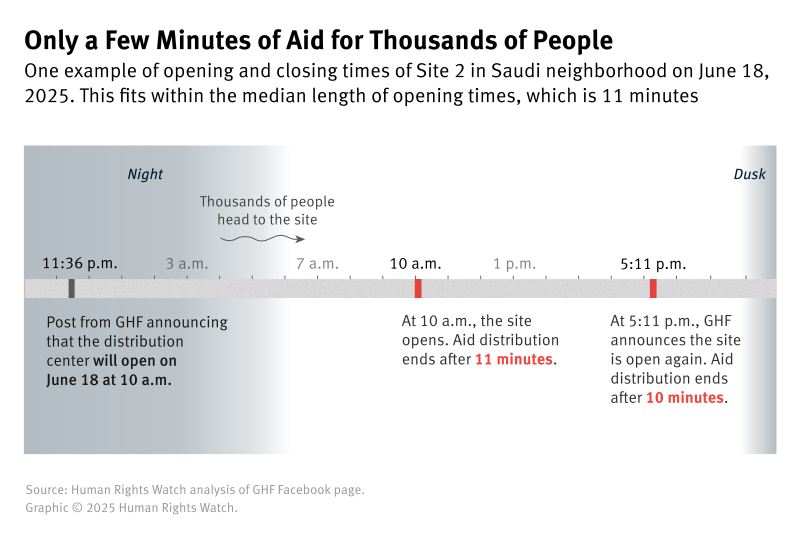
Eleven distributions took place in the hours of darkness between 1 a.m. and 3 a.m. On July 15, GHF posted that people should not approach the sites during the hours of darkness due to safety concerns. This followed the introduction of a red or green flag system at Site 3 on July 14 and at Site 2 on July 17, according to GHF Facebook posts. Green indicated that the site is open and red that it is closed, according to a GHF post on July 14. Human Rights Watch has no further information about how this system supposedly worked, where the flags were placed and how often the sites were opened and closed. In its July 28 letter, GHF said: “SRS has added flag systems to identify open and closure times, loudspeaker systems to better communicate with the population, improved site defenses to prevent interactions that could lead to escalation, and has communicated site rules to the population using a variety of social media platforms.”
A day after introducing this flag system at Site 3, GHF posted on July 15 that they had to shut down the site due to overcrowding. On July 16, between 17 and 21 Palestinians were trampled to death at that site in a crowd crush, GHF counsel said in its letter, adding the incident was triggered by “agitators in the crowd.” The GHF Facebook account never posted that Site 3 and Site 2 were open on that day, and only posted at 1:05 p.m. that they would not reopen that day. Gaza’s Ministry of Health said that 15 Palestinians died in a crowd crush after tear gas was fired at a crowd of people awaiting aid, and that Israel forces shot dead another 6 people.
On July 18, the sites were seemingly all closed. Limited information was shared on July 19 and 20, only that the sites were open, but no time was given for the distribution.
It would be near impossible for Palestinians to follow the instructions issued by GHF, stay safe, and receive aid, particularly in the context of ongoing military operations, Israeli military sanctioned curfews, and frequent GHF messages saying that people should not travel to the sites before the distribution window opens.
The director of GHF stated in a live-streamed event on July 22 that GHF was planning to open up four new distribution sites in the coming weeks.
Human Rights Watch separately interviewed four people, Aguilar and three Palestinians, who claimed they witnessed armed guards using live fire and other weapons against civilians during aid distribution inside the GHF sites. GHF and UG Solutions have both denied this. In letters from UG Solutions and the companies’ counsel, they state that UG Solutions personnel only use deadly force as a last resort and have never harmed civilians or aid seekers.
A 39-year-old Palestinian man, who said he had been to GHF aid distribution sites roughly 30 times, told Human Rights Watch that he was near his brother, a father of three, when he was fatally shot in the head near the entrance of Site 4 in Wadi Gazi at around 9:50 p.m. on June 29. The man said he saw the gunfire that killed his brother coming from armed men inside the site soon after an Israeli tank which had been in the area retreated, the signal the Israeli military has developed to indicate when a site is open for distribution. A second man at the same distribution said he saw two armed guards at the site open fire on the crowd after an Israeli tank retreated. As the crowd rushed into the site, he said a bullet to the head killed his friend, whose body he carried from the site, and bullets hit two other men next to him, one in the chest and one in the leg. He is not sure whether they survived. GHF’s Facebook page notes that a distribution at Site 4 concluded around 10 p.m. that night. A third Palestinian man, who went to the distribution sites twice in June, said, “I saw people being shot in the leg, arm, and head,” inside the distribution sites while he was there.
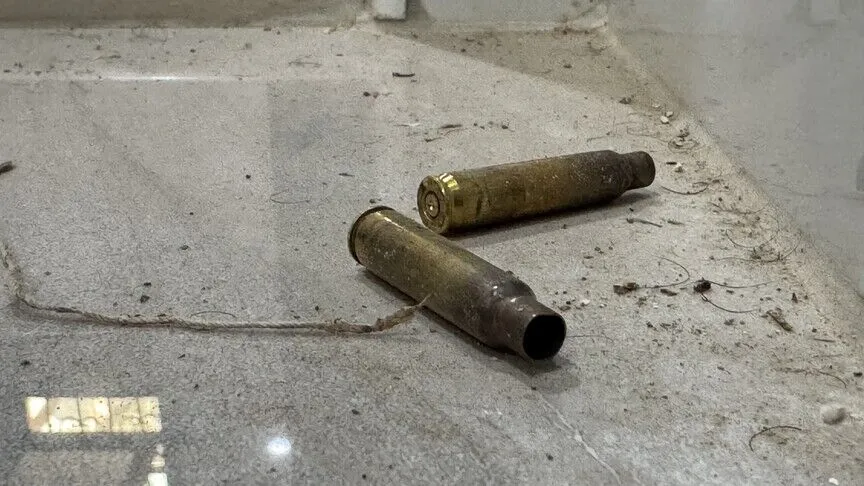
Aguilar has alleged that UG Solutions contractors fired in the direction of civilians, including women and children, who were not visibly armed, apparently as a method of crowd control. During the period while he worked with UG Solutions, he also said he was never given any written rules of engagement. Aguilar alleged that he saw contractors fire towards the crowds during distributions, including with stun grenades and pepper spray and, in some cases, live ammunition. “The crowd control mechanism was live gunfire, rendering these sites into death traps,” he said. “We were setting people up to die. I couldn’t be complicit in that.” Contractors fired toward people, particularly their feet, as they entered the site, to make the crowd stick to a particular path, Aguilar alleged. On occasion after all of the aid boxes were gone—often minutes after the distribution began—he alleged he saw contractors again fire towards the crowds, including with stun grenades, tear gas, and pepper spray, to force out those who remained, scouring the dirt for loose beans, or trying to take wood from the pallets on which the food had been transported, he added.
Aguilar alleged that, from what he saw, at no point were the lives of staff working at the distribution sites in any risk, nor did he see any of the Palestinians coming for aid carrying weapons. However, counsel for GHF said that several staff members were injured during aid distributions, and that Hamas “assassinated” 12 of its employees and “tortured others.” Human Rights Watch asked GHF for more information about the injuries and killings of their employees, but they did not provide further details regarding the 12 employees who were killed. News reports indicate that they were attacked on their way to an aid distribution. Hamas has denied responsibility for the alleged killings. Counsel for GHF added that two UG security personnel were injured by a grenade on July 5, citing a Reuters article, and that, “on July 16, one UG medic was stabbed with an icepick by an unknown person while successfully disarming an unknown individual who threatened UG and local workers with a pistol.”
Aguilar described two incidents he witnessed in which he alleges that private contractors fired live ammunition in the first incident and stun grenades in the second, into crowds of Palestinians at the aid distribution sites, killing one person on each occasion, he believes. Human Rights Watch could not independently verify the killings, which the companies deny. Aguilar provided videos and photographs he took capturing elements of both incidents, which Human Rights Watch analyzed, along with other sources of data where possible.
In one of the incidents, parts of which Aguilar caught on camera, at Site 4 on May 29, Aguilar said he saw a UG Solutions contractor firing into a crowd and then a man dropped to the ground, motionless, at a distance away from him. According to Aguilar, another contractor cheered and said, “Damn, man, I think you got one,” and the shooter yelled back, “Hell yeah, boy.”
Human Rights Watch analyzed seven videos filmed by Aguilar at Site 4 between 12:03 p.m. and 12:30 p.m. local time on May 29, according to the files’ metadata.
One of these videos, taken at 12:17 p.m. on May 29 and geolocated to the civilian access route at Site 4, shows over a dozen armed men inside the site. A man with an American accent says, “I’ve got an IDF tank posted in the northwest corner now. I brought them in and talked to them; they’ll do a show of force.” Aguilar said the distribution had finished for the day and people were leaving because there were no more aid boxes left.
Another voice says, “I told them [the Israeli military] to hold there, I don’t want this to be too aggressive because this is calming down.” A person off-camera, likely on the other side of an earthen berm, fires 29 shots. A voice with an American accent shouts in celebration, and then a second person with an American accent says, “Damn, man, I think you got one.” Someone answers back, “Hell yeah, boy.” Another voice with an American accent comes on a two-way radio nearby and says, “We are destroying trust now, let’s go.”
A second video taken approximately 30 seconds after the video of the alleged shooting finished shows a contractor firing his rifle in the direction of Palestinians. The video shows the individual wearing a gray uniform, wielding a rifle, and he is identified as one of “our guys” through a radio communication made by another contractor, with an American accent, to the Israeli forces. The contractors can be heard telling the Israeli forces that they are firing warning shots. No dead body or injured person can be seen in this six-minute video filmed from the top of a berm.
In a second incident that occurred on June 2 at Site 1, Aguilar alleged he saw a UG Solutions contractor fire a stun grenade into the crowd and hit a woman in the head while she was picking up scattered beans from the ground. He said she dropped, apparently lifeless, to the ground and was taken away by a donkey cart.
Human Rights Watch reviewed a photograph from Aguilar of the woman on the cart that was taken on June 2 at 5:31 a.m. local time, according to the metadata. Aguilar said he touched her body after the incident and found no signs of life, but her injuries are not visible in the photograph.
Aguilar also said that UG Solutions contractors used extensive amounts of less-lethal ammunition, including stun grenades, tear gas, and pepper spray. He said that on June 16 at Site 1, for example, contractors expended 18 stun-tear gas grenades, 19 stun grenades, 27 tear gas canisters, and 60 cans of OC spray, a chemical irritant much stronger than typical pepper spray and capable of incapacitating people rather than merely dispersing crowds, during an 8.5 minute distribution of 25,000 boxes of food for about 8,000 aid seekers in which no-one he believed posed “any risk.”

In its July 28 letter to Human Rights Watch, counsel for GHF said, “SRS Rules of Engagement allow use of deadly force ‘only under extreme necessity and only when lesser means have failed or cannot be reasonably employed.’” GHF’s counsel added, “With respect to crowd control devices, in limited instances, and only when strictly necessary to prevent civilian harm, we use non-lethal devices. At no point has any GHF employee or contractor fired a weapon at a civilian” or “killed or injured aid seekers.”
UG Solutions said contractors used pepper spray and other less-lethal munitions in order to “prevent trampling in the crowds of civilians seeking aid,” noting that this has saved lives. The company’s letter confirmed that the only contractors with weapons inside the distribution sites are from UG Solutions, adding that “no UG Solutions personnel have ever directed warning shots towards civilians,” and that they instead directed them “upwards, in the air and towards the coastline.” Despite Human Rights Watch’s requests for more information on the lethal and less-lethal weapons issued to UG Solutions contractors at the sites, counsel for GHF said it would “not disclose” details on this.
CrossFireArabia
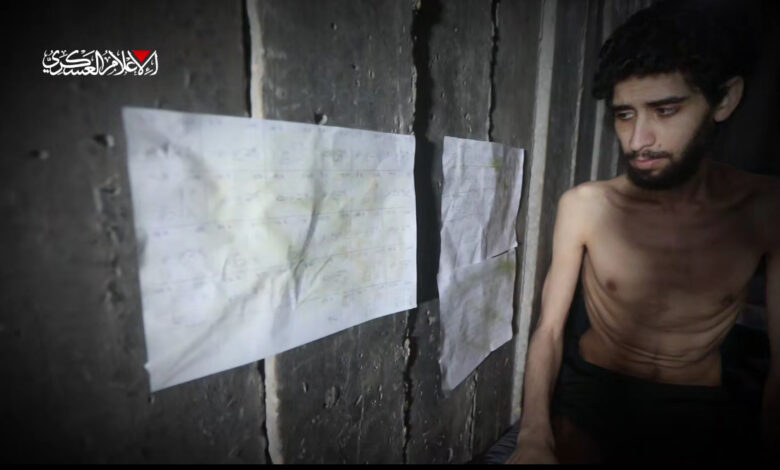
The military wing of Hamas, Al-Qassam Brigades, has released a new video showing an emaciated Israeli soldier prisoner, highlighting the devastating Israeli-made famine in Gaza. The video directly states that the Israeli government is imposing starvation on both Israeli prisoners and Palestinians, especially children.
The footage, titled “The Israeli Government Decided to Starve Them”, was published in Arabic, Hebrew, and English by Al-Qassam’s military media unit. It features a visibly frail Israeli soldier prisoner. His bones are prominent, and his body shows severe signs of malnutrition. The brigades said the prisoner was scheduled for release in a swap deal that Israel continues to delay.
In the same clip, heartbreaking scenes of starved Palestinian infants appear. Their bodies have withered into skeletal frames due to months of Israeli-enforced hunger. The video also includes statements by Israeli officials, including National Security Minister Itamar Ben-Gvir, who is heard saying, “What Gaza needs now is bombs.” Prime Minister Benjamin Netanyahu is also quoted: “We will allow only the bare minimum of aid.”
Al-Qassam states in the video: “They eat what we eat. They drink what we drink,” referring to the Israeli soldier prisoners held in Gaza.
The UN agency for Palestinian refugees, UNRWA, recently confirmed that “the famine in Gaza is entirely man-made.” The agency stressed the urgent need to let humanitarian workers operate freely. Over one million children now face hunger in Gaza.
Human Rights Watch also slammed Israel’s blockade. It described the Israeli aid distribution mechanism as a flawed military structure that has turned humanitarian aid into “a bloodbath and a death trap.”
The Al-Qassam video includes multiple angles of the Israeli prisoner, showing his extreme weight loss. Parallel shots of malnourished Palestinian children drive home the message that starvation in Gaza is widespread and deliberate.
The video also reminds viewers that the prisoner could have been released in a deal. But Israel continues to block progress, leaving both its soldiers and Palestinians to suffer under a policy of starvation.
Gaza today faces its worst humanitarian crisis in modern history. Famine is spreading fast. The population is trapped under relentless Israeli attacks, backed by the United States since October 7, 2023.
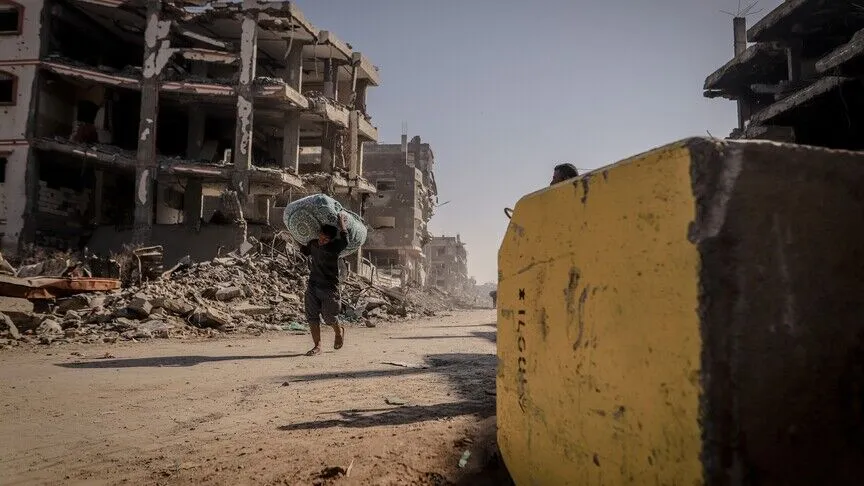
According to the Health Ministry, nearly 208,000 Palestinians have been killed or injured since the start of the genocide. At least 159 people, mostly children, have died from starvation and malnutrition alone. More than 2 million have been displaced. Around 90% of Gaza’s buildings lie in ruins according to the Quds News Network.
CrossFireArabia
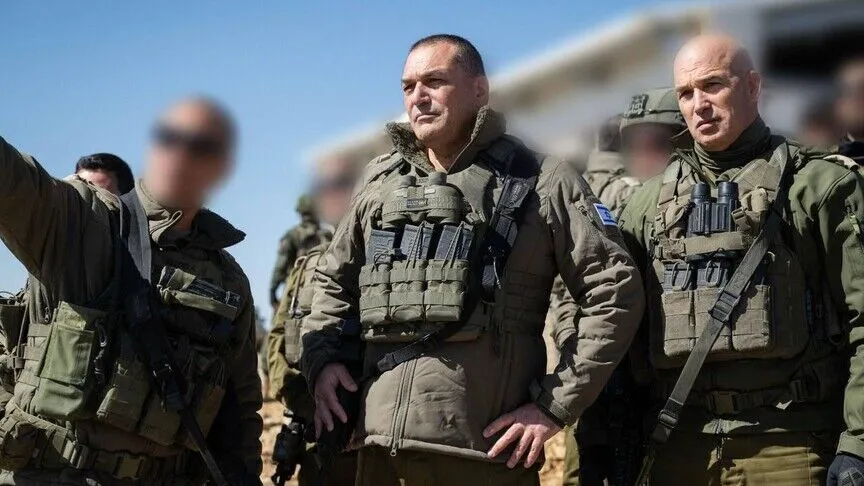
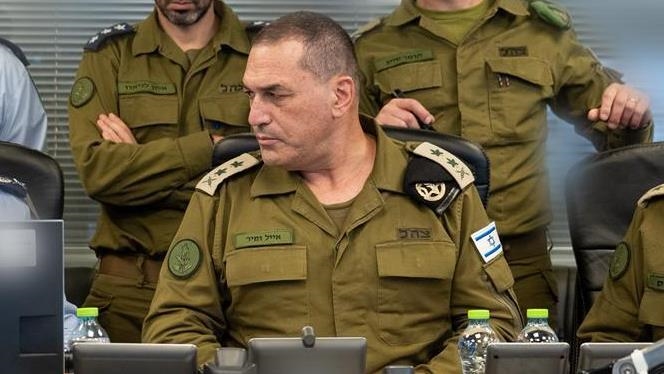
Israel’s military Chief of Staff Eyal Zamir is considering resigning if stalled negotiations with the Palestinian resistance group, Hamas, fail to resume, media reports said Friday.
The Yedioth Ahronoth newspaper reported that Zamir reached a critical crossroads in his relationship with political leaders and resignation may be his only option if the deadlock continues.
The dispute has gone beyond routine institutional friction, it said, with some Cabinet ministers allegedly making derogatory remarks about the army during Cabinet meetings.
Channel 12 television said Zamir is “fed up” with the political–military rift and has asked the government to take clear decisions on the continuation of the Gaza war.
Israeli Prime Minister Benjamin Netanyahu has avoided committing to firm policies, said the report, placing the entire burden of the situation in Gaza on the military.
The rift centers on the fate of Israeli captives in Gaza and the continuation of military operations without a clear political roadmap.
Rejecting international calls for a ceasefire, Israel has pursued a brutal offensive on Gaza since Oct. 7, 2023, killing more than 60,000 Palestinians, most of them women and children. The relentless bombardment has destroyed the enclave and led to food shortages.