 Your Ben Gurion! Revelations
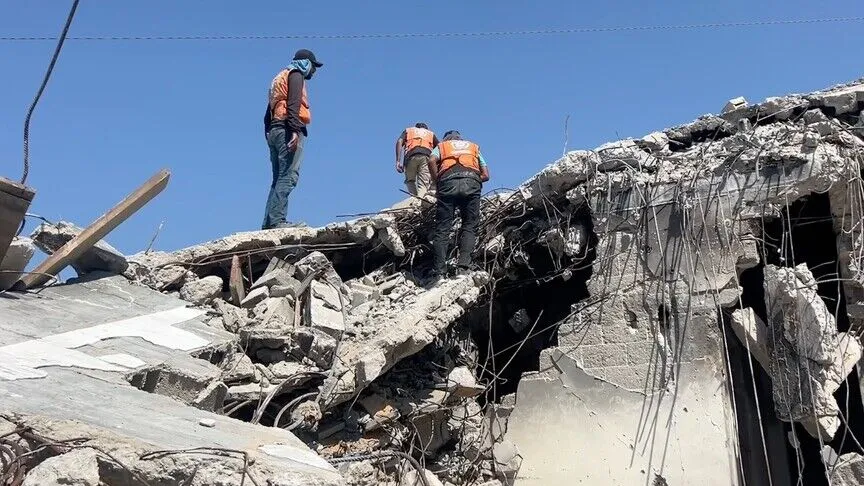
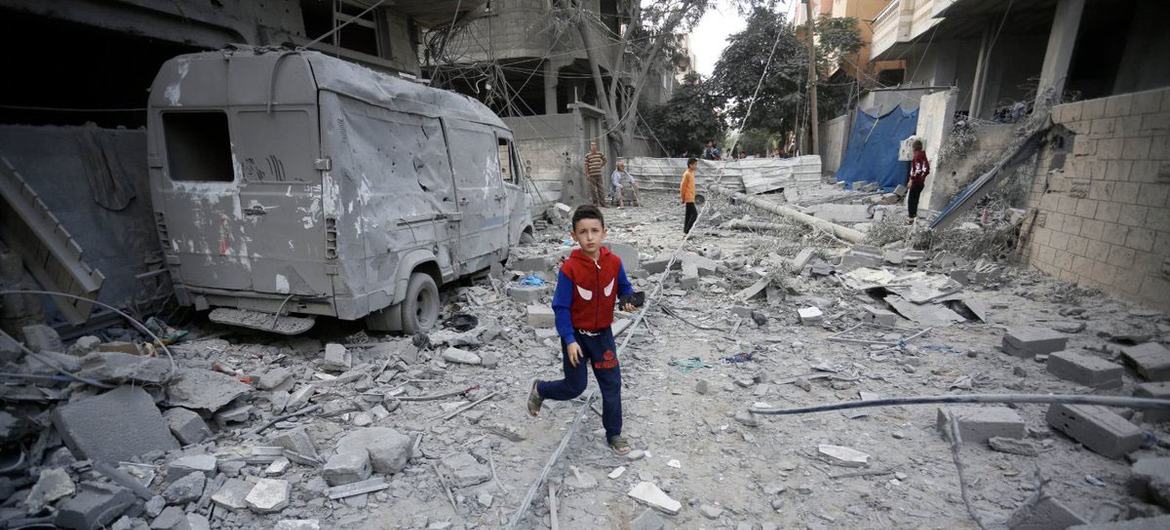
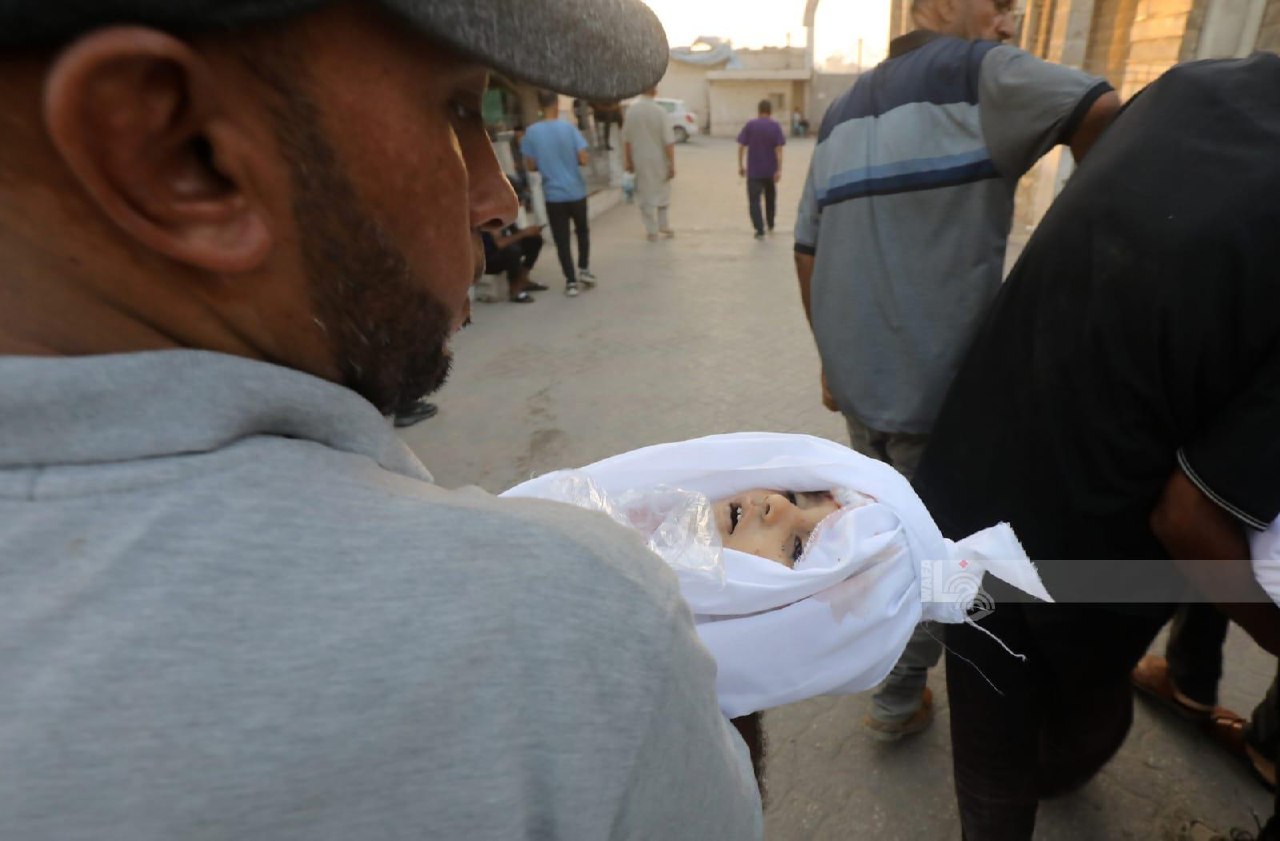
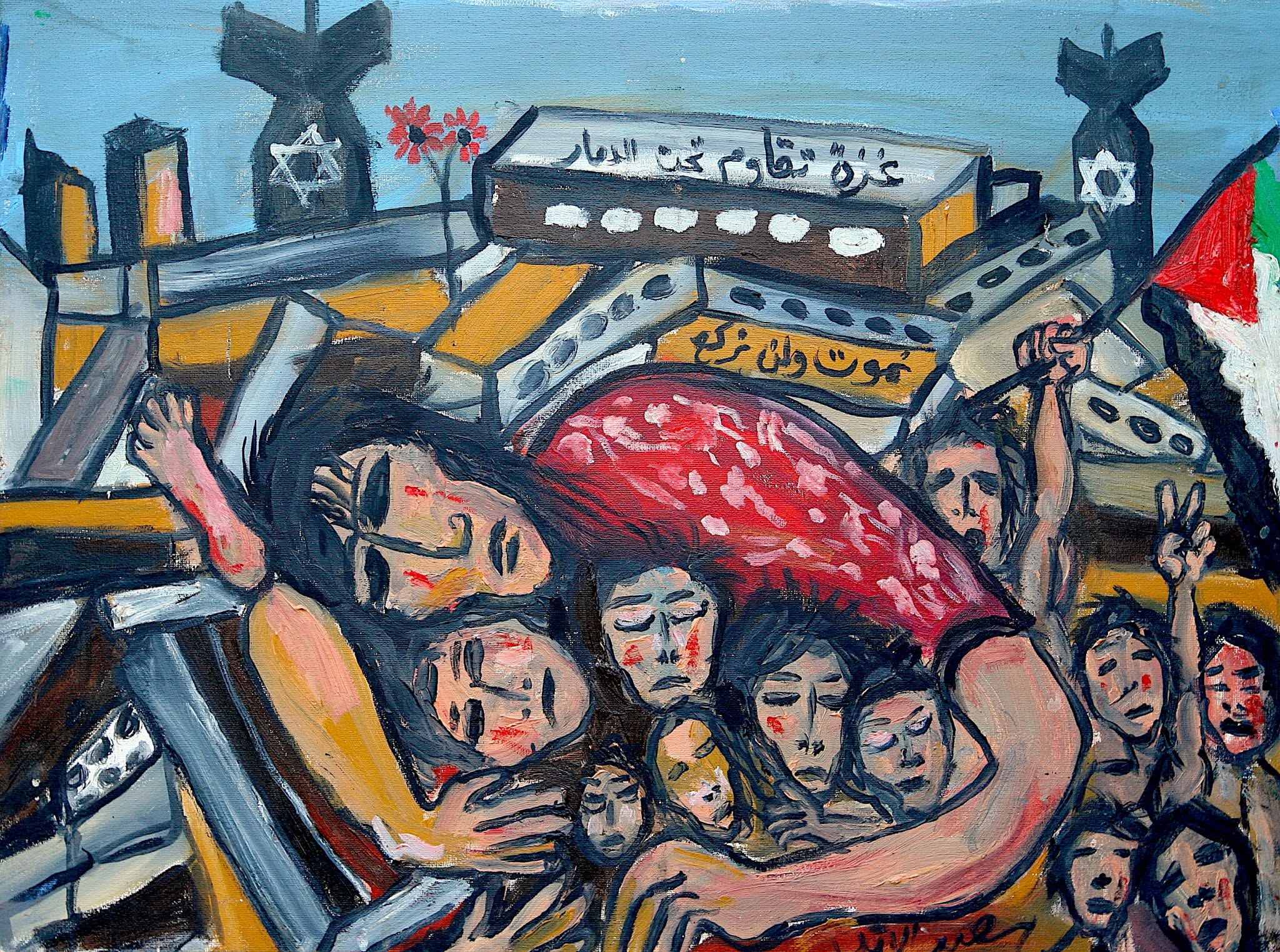
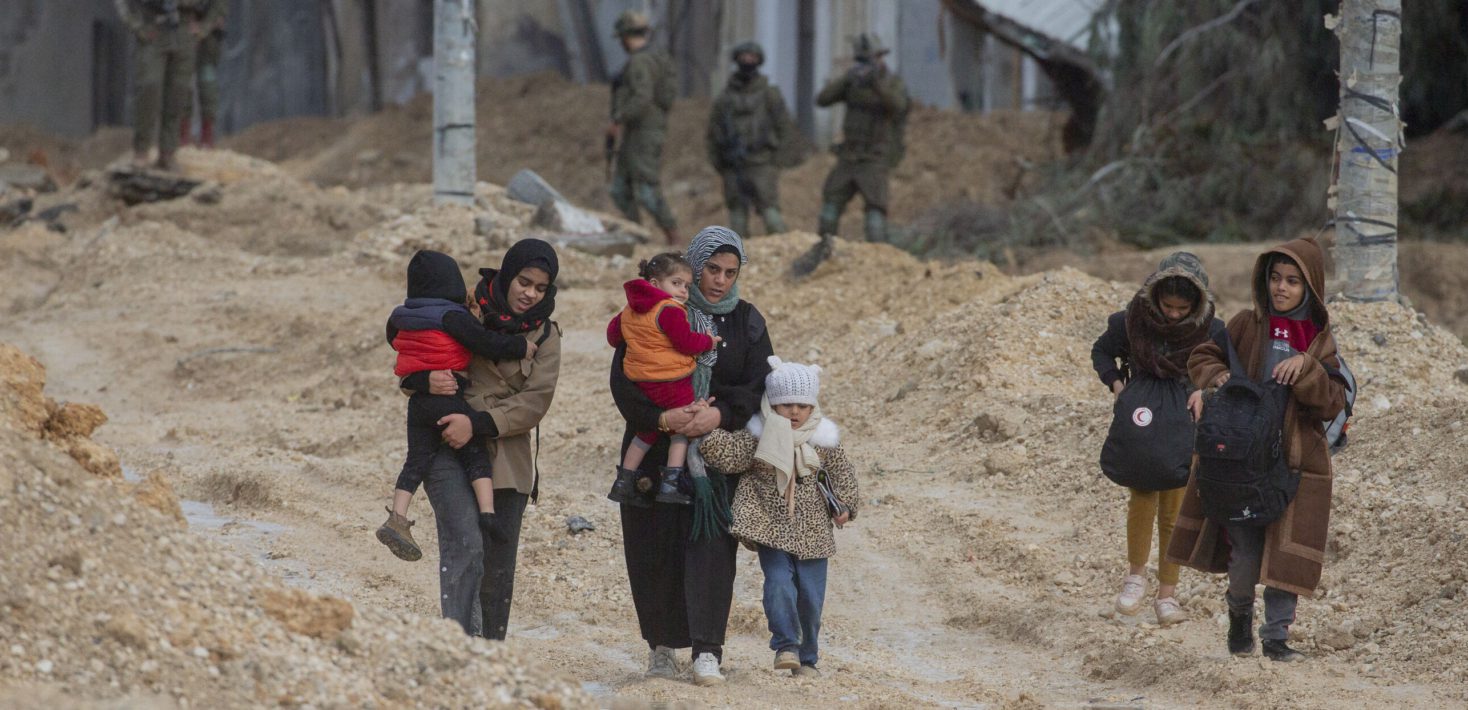
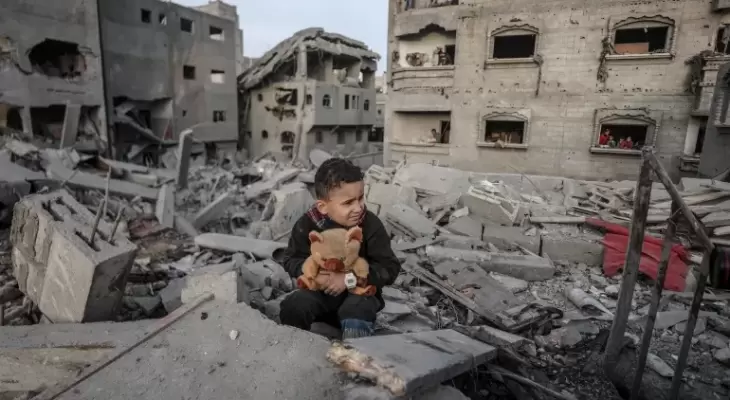
 Gaza’s Face of Destruction
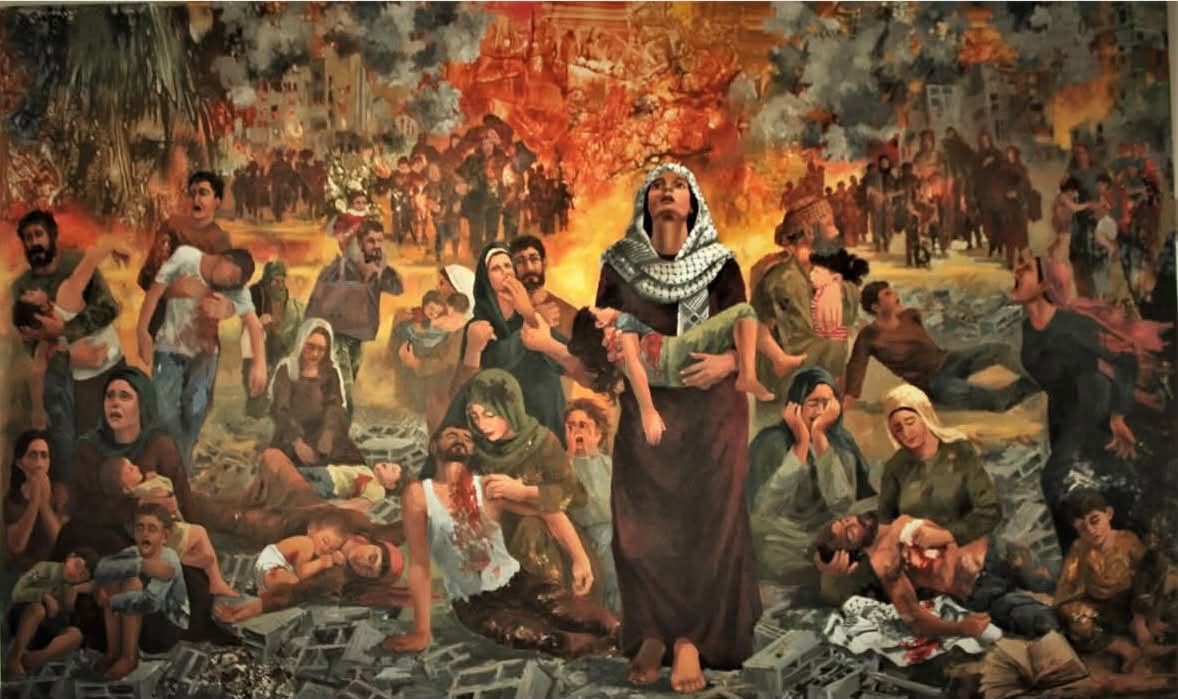
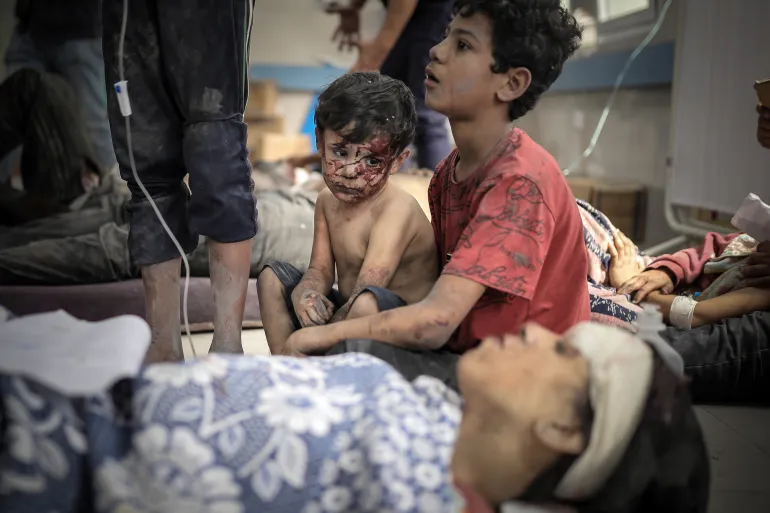
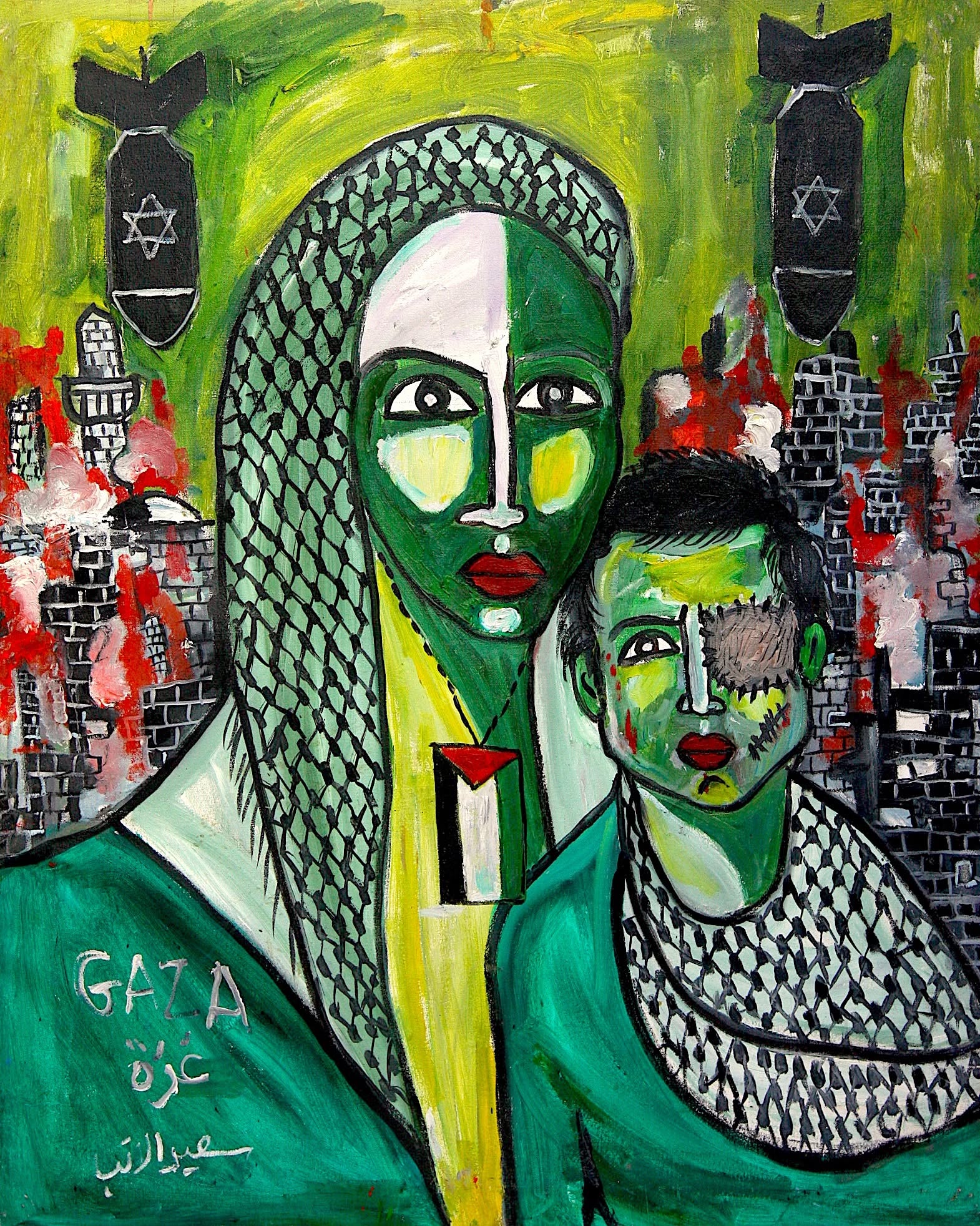
 Sad Woman of Palestine
 Itamar Ben Gvir: ‘We Should Kill 30 to 40 in Gaza Each Night’
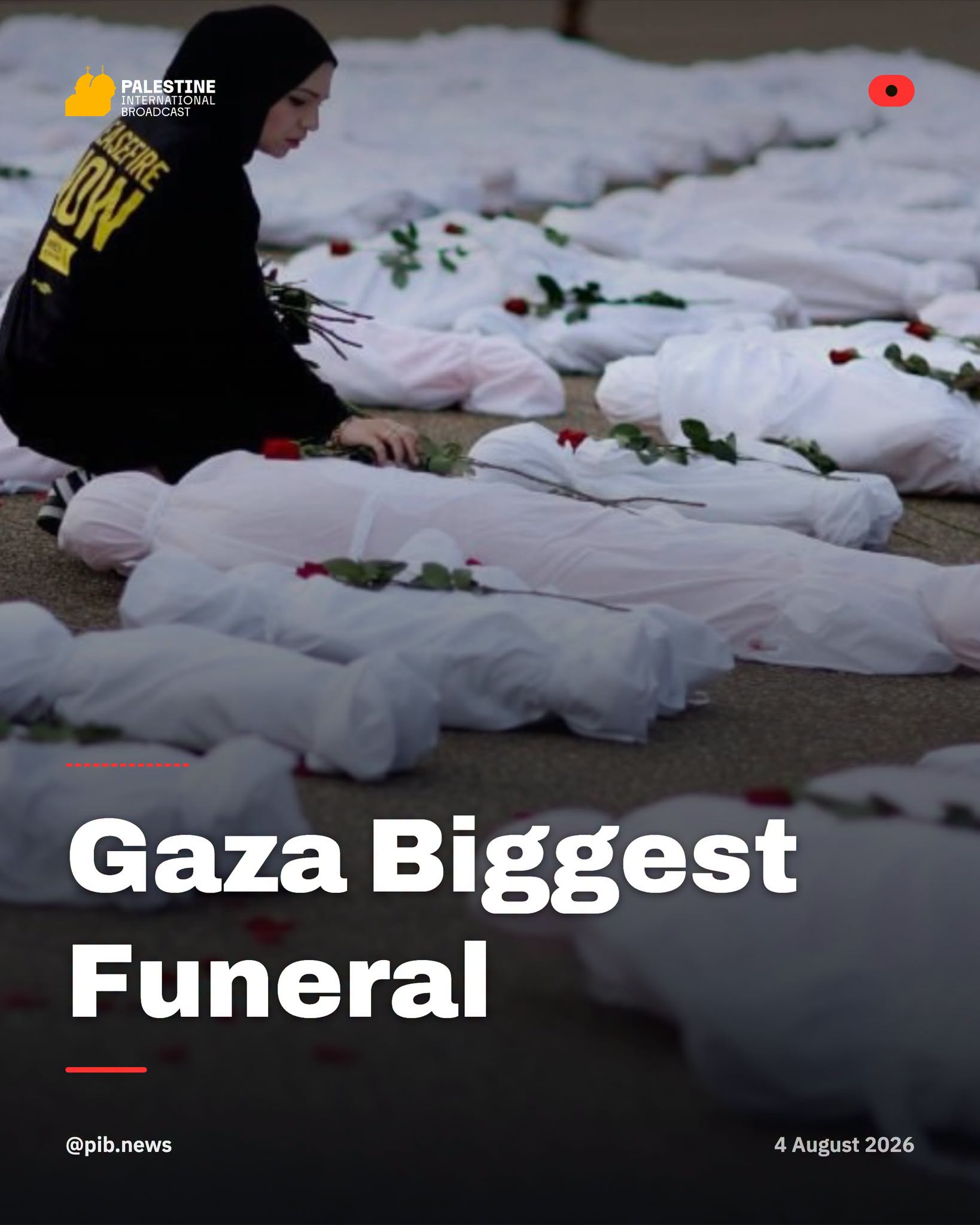
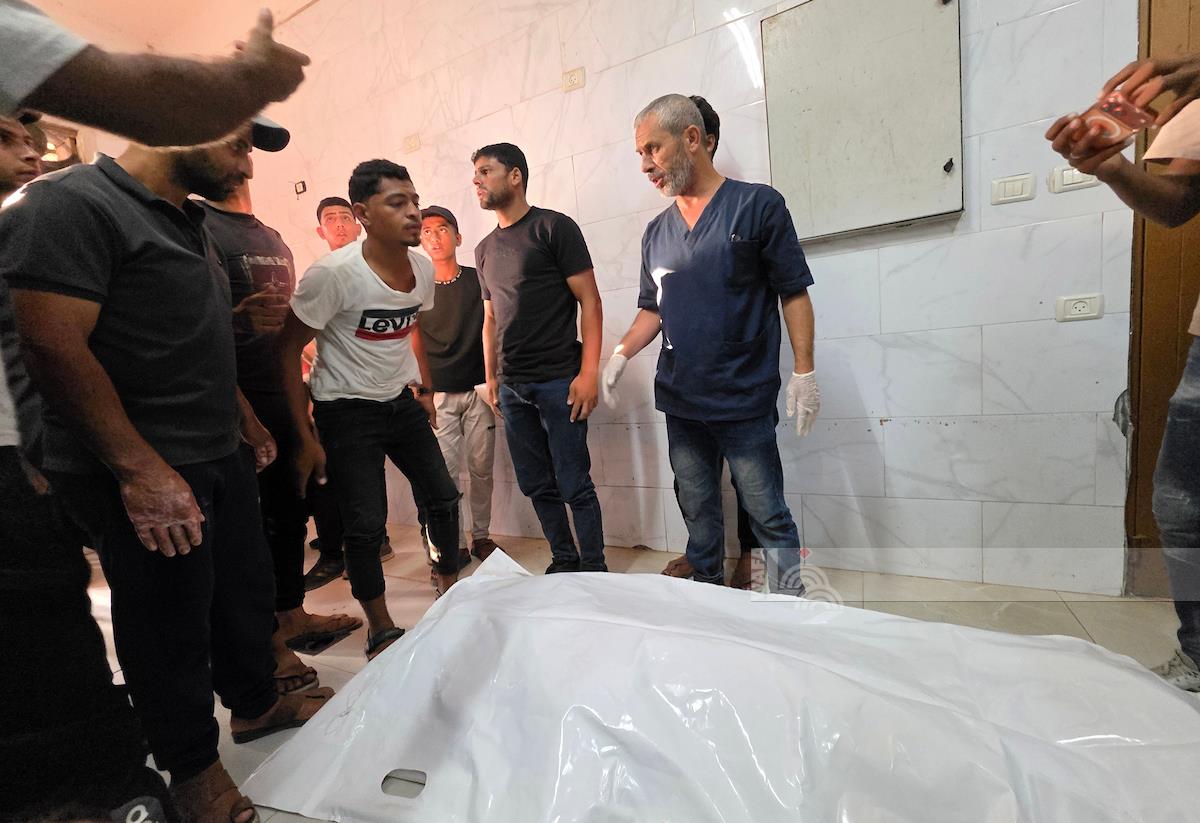 Gaza Health Ministry States 1266 Killed Since The Ceasefire






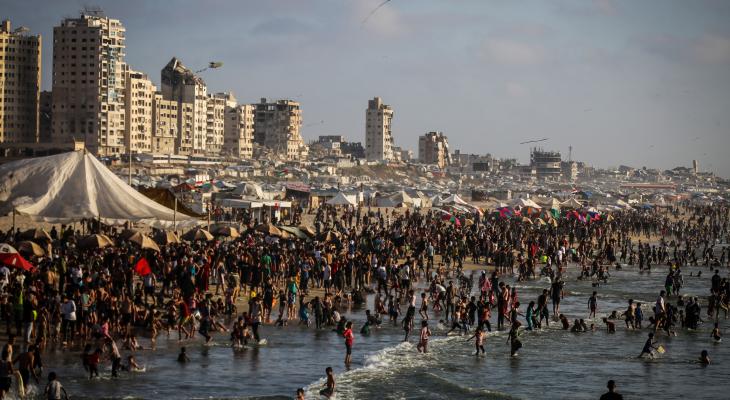
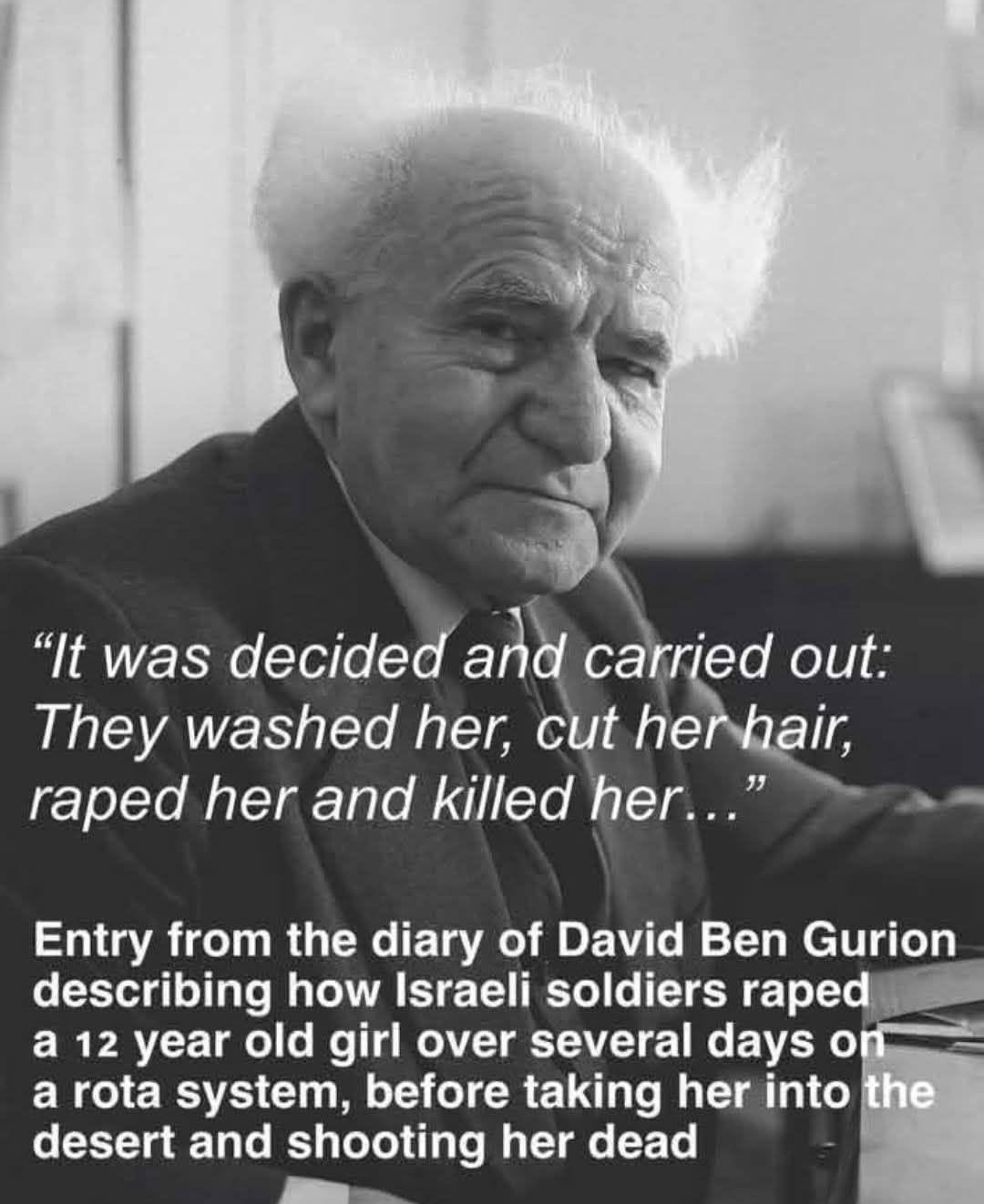
Your Ben Gurion! Revelations
marwan
- August 18, 2026
 marwanmarwanmarwanmarwanmarwanmarwan
 CrossFireArabiamarwanmarwan
 Saleem Ayoub QunamarwanCrossFireArabiaCrossFireArabiaCrossFireArabiaCrossFireArabiamarwanCrossFireArabiaCrossFireArabiamarwanCrossFireArabia
 HebaCrossFireArabiamarwanCrossFireArabiamarwanHebaCrossFireArabiamarwanmarwanHebaCrossFireArabiamarwanmarwanCrossFireArabiamarwanHebaCrossFireArabiaCrossFireArabiaCrossFireArabiaHebamarwanCrossFireArabiamarwanHebaCrossFireArabiaHebamarwanmarwanCrossFireArabiamarwanmarwanmarwanmarwanmarwanmarwanmarwanmarwanmarwanCrossFireArabiaCrossFireArabiamarwanmarwanCrossFireArabiaCrossFireArabiamarwanCrossFireArabiamarwanHebaHebamarwanmarwanCrossFireArabiamarwanmarwanmarwanmarwanCrossFireArabiaCrossFireArabiamarwanCrossFireArabia
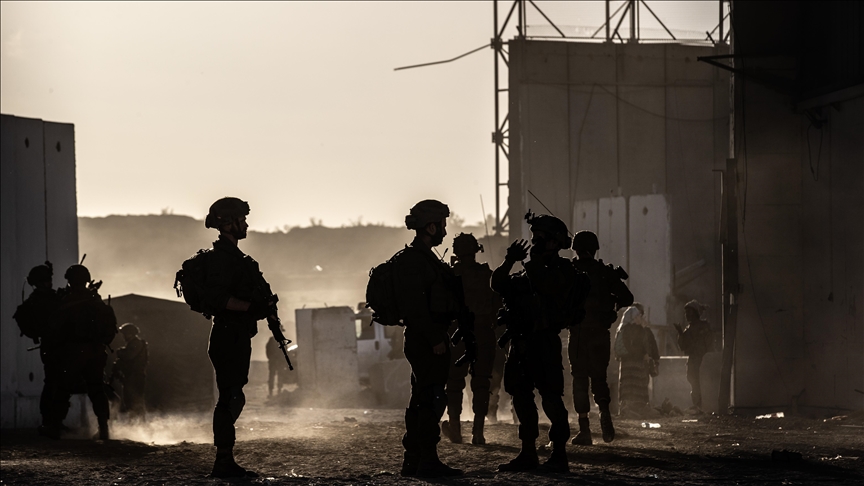
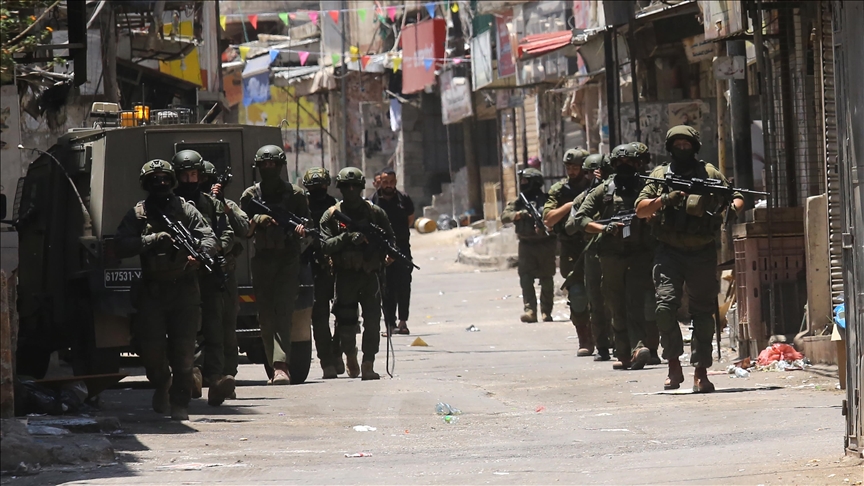
The Israeli army said Sunday that it had dismissed and jailed three soldiers for refusing to return to fighting in the Gaza Strip.
A military statement said the three soldiers, from the Nahal Infantry Brigade’s 931st Battalion, were jailed between seven and 12 days in a military prison.
According to the public broadcaster KAN, the dismissed soldiers cited a “deep internal crisis” as the reason for their refusal to return to fighting in Gaza.
This was not the first time Israeli soldiers have refused to join combat in Gaza according to Anadolu.
According to military data, 895 Israeli soldiers had been reported killed and 6,134 injured since the beginning of the war in Gaza. The army faces domestic accusations of concealing higher losses.
The Israeli army, rejecting international calls for a ceasefire, has pursued a brutal offensive on Gaza since Oct. 7, 2023, killing nearly 60,000 Palestinians, most of them women and children. The relentless bombardment has destroyed the enclave and led to food shortages.
Last November, the International Criminal Court issued arrest warrants for Israeli Prime Minister Benjamin Netanyahu and his former Defense Minister Yoav Gallant for war crimes and crimes against humanity in Gaza.
Israel also faces a genocide case at the International Court of Justice for its war on the enclave.
CrossFireArabia
By Dr Marwan Asmar
When Benjamin Netanyahu eventually dies and goes up to meet God, he is sure to be in for a shock!
God might initially forget all about the Israeli prime minister’s genocidal tendencies to the Palestinian people and ask him just about the horrors committed by his soldiers in Gaza.
I know many will at this point say “what the hell is this writer talking about” but this situation is so bad, catastrophic that one is bound to think that way because of the Israeli genocidal, criminal stubbornness and world failure to act.
Today, Netanyahu, struts as if he is cock-of-the-hoop, made so by the way, by American money and defense, but will he be able to stand and conjure what is in wait for him, either on the ground of Gaza and above in the celestial world. So. make most of your genocidal traits!
Today the pace-maker-attached-to-his-heart 75-year atrocious man is on a crusade to kill as many of the Gaza Palestinians as he can get way with. Having failed to get rid of Hamas and the Palestinian resistance fighters who are in a full-fighting mood, he is doing the next best thing which is to starve and kill its women and children, its old and infirm while looks into the camera with vanity.
The world will remember Gaza as the worst documented genocide under the guise of the west, Arab countries and Muslim states. It will be remembered as the genocide when the world stood shamefully still in the face of the Israeli army who continued to slaughter and starve its people and scorch its earth.
When Netanyahu meets God – and this is doubtful because the Maker refuses to meet those whose hands are blood-laden with murder – the Israeli Prime Minister, though this wouldn’t be the time for fame and pageantry – he will plead that the Muslim politicians never even tried to stop him on an earth thought-to-be designed for murderous Israelis. They just stood still and hoped for the best.
This of course wouldn’t be an excuse.
Netanyahu and his leading men of extremists have orchestrated this genocide to the hilt and under the nose of everyone. From the beginning their army drove into Gaza and imposed an even fiercer regime leading to the starvation of its people who are today dropping off en masse.
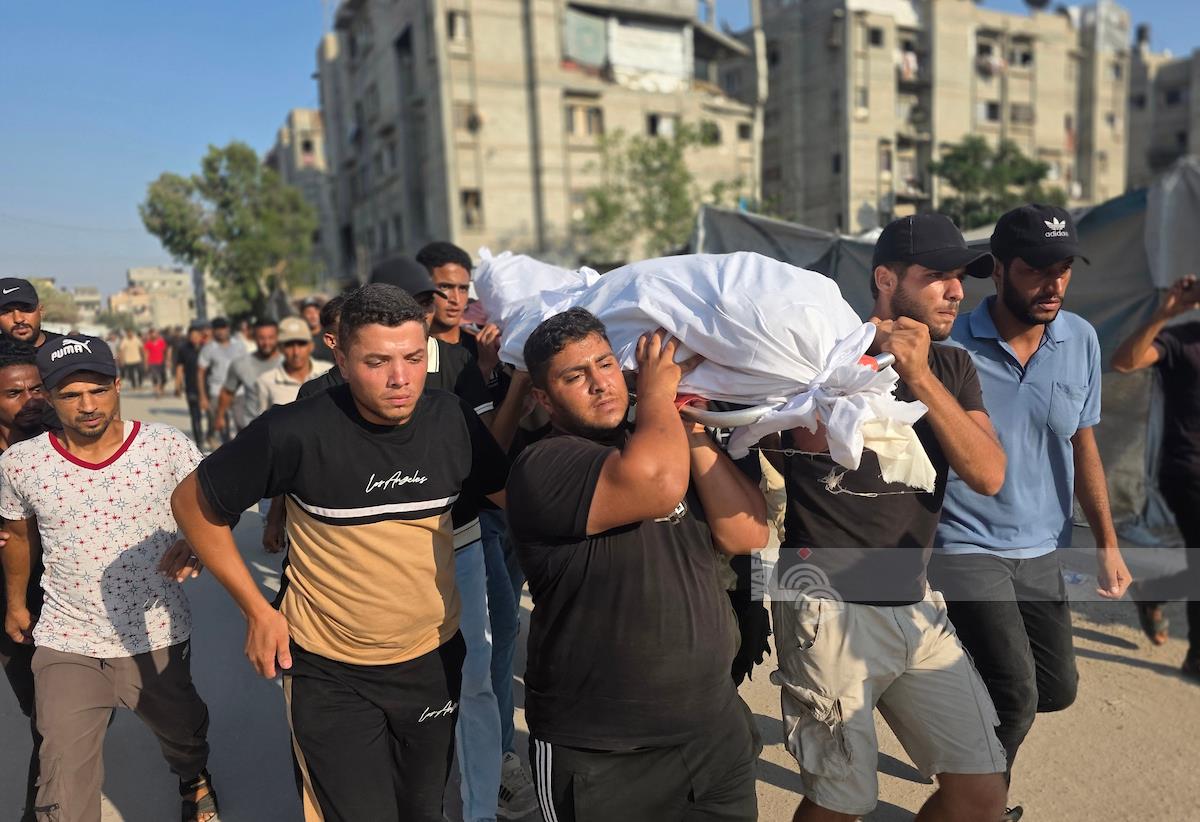
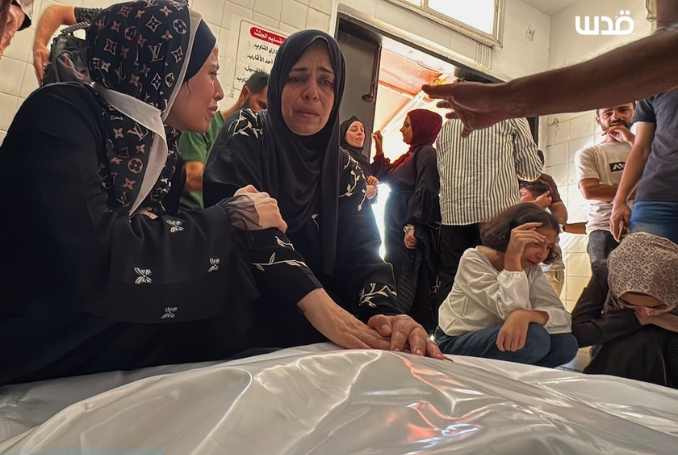
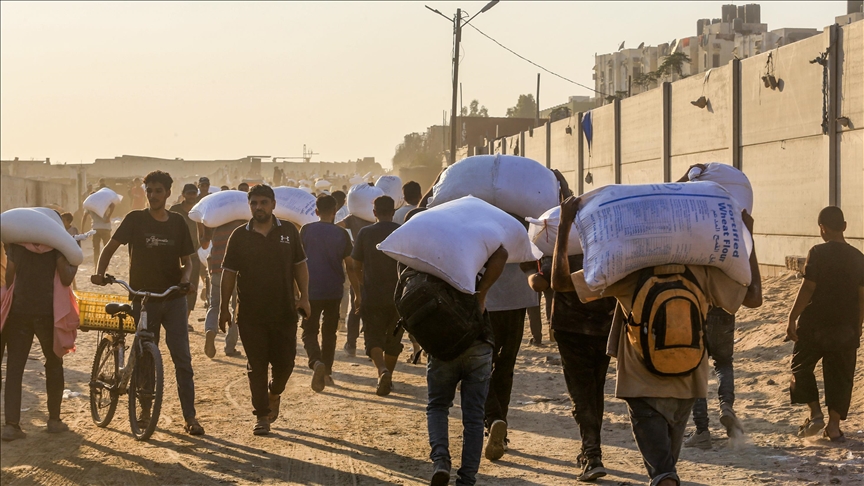
Today people are dying in front of the cameras, on punctured roads, in front of hospital and destroyed homes, they are shot and killed by Israeli snipers while running towards food distribution centers set up by Americans who don’t know half of the story and clouded by the Israeli narrative.
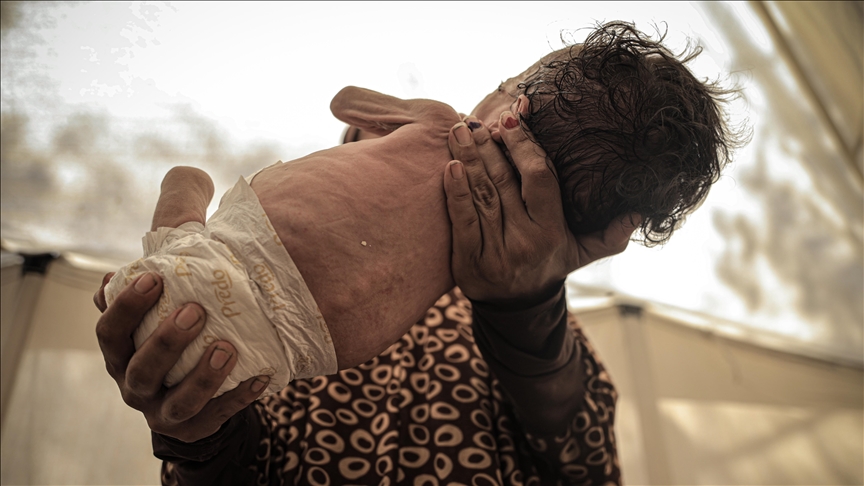
Netanyahu is claiming there is no genocide and there is no starvation but hospitals speak of skeletons and emaciated bodies taking their last breaths and final shrieks before their souls leave their down-trodden bodies. No matter how one tries to hide this starvation genocide, it’s there documented in cyberspace, on social media, on the news and through our veins – in the veins of every Jew, Israeli, Arab, Muslim and westerners even Netanyahu himself who is on a warpath blinded by hate, evil and murder.
You can’t run away from it, no one can. To claim it was Netanyahu, Itamar Ben Gavir and Bezel Smotrich who should rot in hell, is not good enough for all are involved in this genocide, starvation and famine and to say otherwise is degenerate and feeble.
Today the Nazi holocaust is being repeated with different actors. The Jews and Israelis have taken the role of the slave-masters with the Palestinians the victims who have become a travesty of justice for a heinous deep-seated problem involving the Jews, Adolf Hitler and the West.
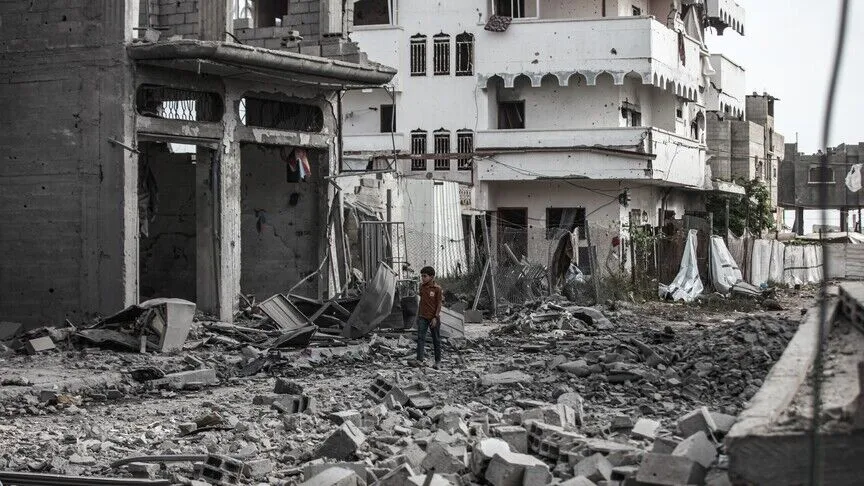
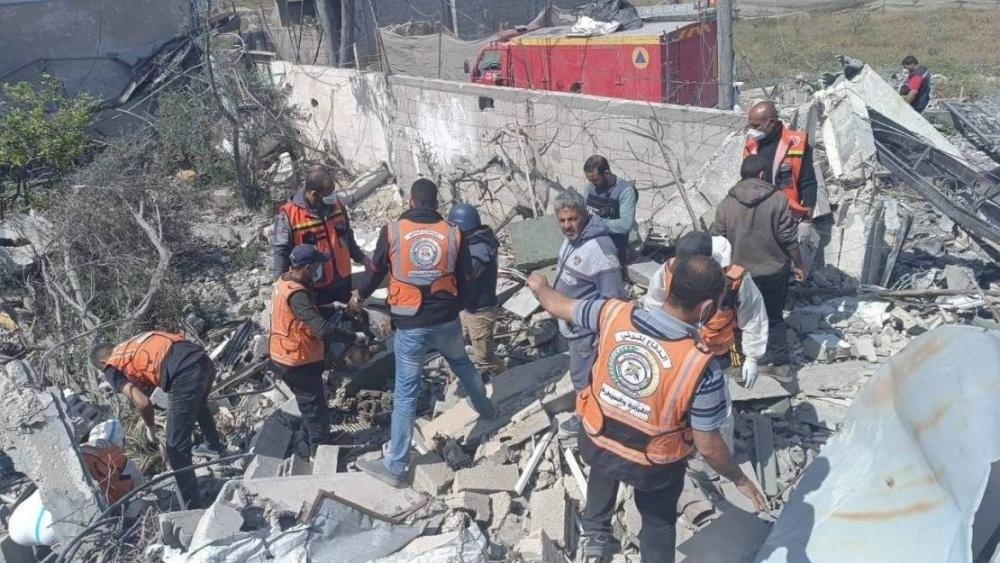
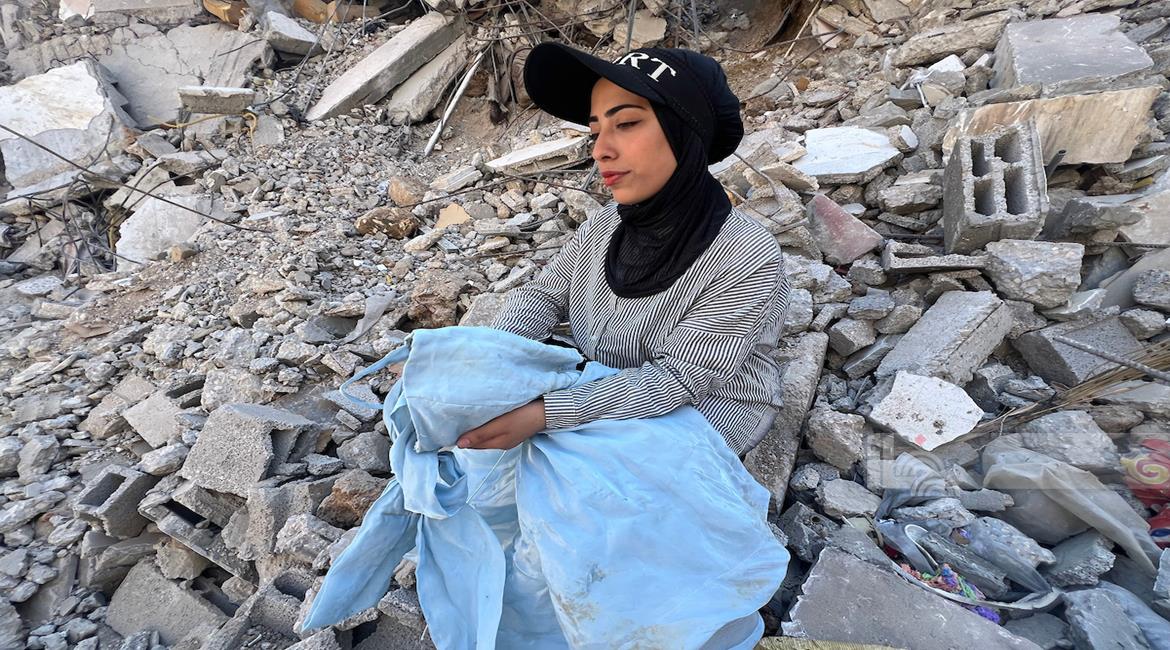
But too late to think of that for the world stood silent for too long while Gaza was destroyed brick-by-brick and turned into rubble that would literally take years and years to remove and rebuild. The tonnage of wreckage is mind-boggling, those civilians killed at the tab of a button is horrendous.
The world watches by and occasionally condemns in a shy way, Arabs do likewise while Muslims are in-between. Stopping Netanyahu requires guts, not empty words spoken in a hollowed world with no action taken.
Meanwhile God watches on to see what man will do to each other next and how the murder cycle unfolds. Can the atrocities be stopped by the earthly hand?
CrossFireArabia
At least 18,500 Israeli soldiers and police have been injured since the outbreak of the Gaza war in October 2023, according to Jewish reports, Sunday.
The Yedioth Ahronoth daily stated that the the Israeli Defense Ministry’s Rehabilitation Division received 18,500 soldiers and other security forces wounded with varying degrees of severity.
However, official Israeli military figures widely differed, saying only 6,145 soldiers have been injured and 895 others killed.
According to the daily, more than 10,000 Israeli soldiers have suffered from mental health ailments, including 3,679 diagnosed with post-traumatic stress disorder.
The newspaper said that 9,000 soldiers submitted requests to have psychological injuries recognized, including anxiety, adjustment disorders, post-traumatic stress disorder, and depression in 2024 alone.
Rejecting international calls for a ceasefire, the Israeli army has pursued a brutal offensive on Gaza since Oct. 7, 2023, killing more than 59,800 Palestinians, most of them women and children. The relentless bombardment has destroyed the enclave and led to food shortages.
Last November, the International Criminal Court issued arrest warrants for Israeli Prime Minister Benjamin Netanyahu and his former Defense Minister Yoav Gallant for war crimes and crimes against humanity in Gaza.
Israel also faces a genocide case at the International Court of Justice for its war on the enclave according to Anadolu.
CrossFireArabia
Hilal Elver
As we approach the second anniversary of the horrific and genocidal assault on the civilian population of the Gaza Strip, we are witnessing Israel’s systematic disregard for international law and human rights and its weaponization of humanitarian principles. In any armed conflict, the denial of food and water constitutes a war crime under international criminal law. But the mass starvation in Gaza—which quickly evolved into a man-made famine—is unlike any other crisis in modern times.
In Gaza, not only is access to food and water deliberately obstructed, but humanitarian aid itself has become a tool of warfare—used as leverage and denied as a means of collective punishment. The visibility of this crisis, the abundance of credible evidence of war crimes, the immense suffering of civilians—above all women and children—and the impunity of powerful actors make this both a test case for the erosion of humanitarian norms and a tragic outlier in the history of international law.
The blockade and starvation of Gaza are not new. They have a long history—and a uniquely bleak future compared to other conflict-related famines. Since 2007, Gaza has been under Israeli blockade. During this period, Israel systematically calculated the minimum caloric intake required for survival—creating a so-called “Gaza Diet.”[1]
Entering the war, Israel had detailed knowledge of the population’s basic needs and made a conscious, sustained choice to deny adequate access to food and clean water for over 21 months.
Unlike other conflicts, there is no escape from the devastation in Gaza. The entire territory is a war zone, and all 2.3 million Palestinians are treated as enemies[2]—collectively punished and militarily targeted. Humanitarian convoys wait at border crossings, fully loaded, but are denied entry. Food rots within sight of starving families, often just meters away.
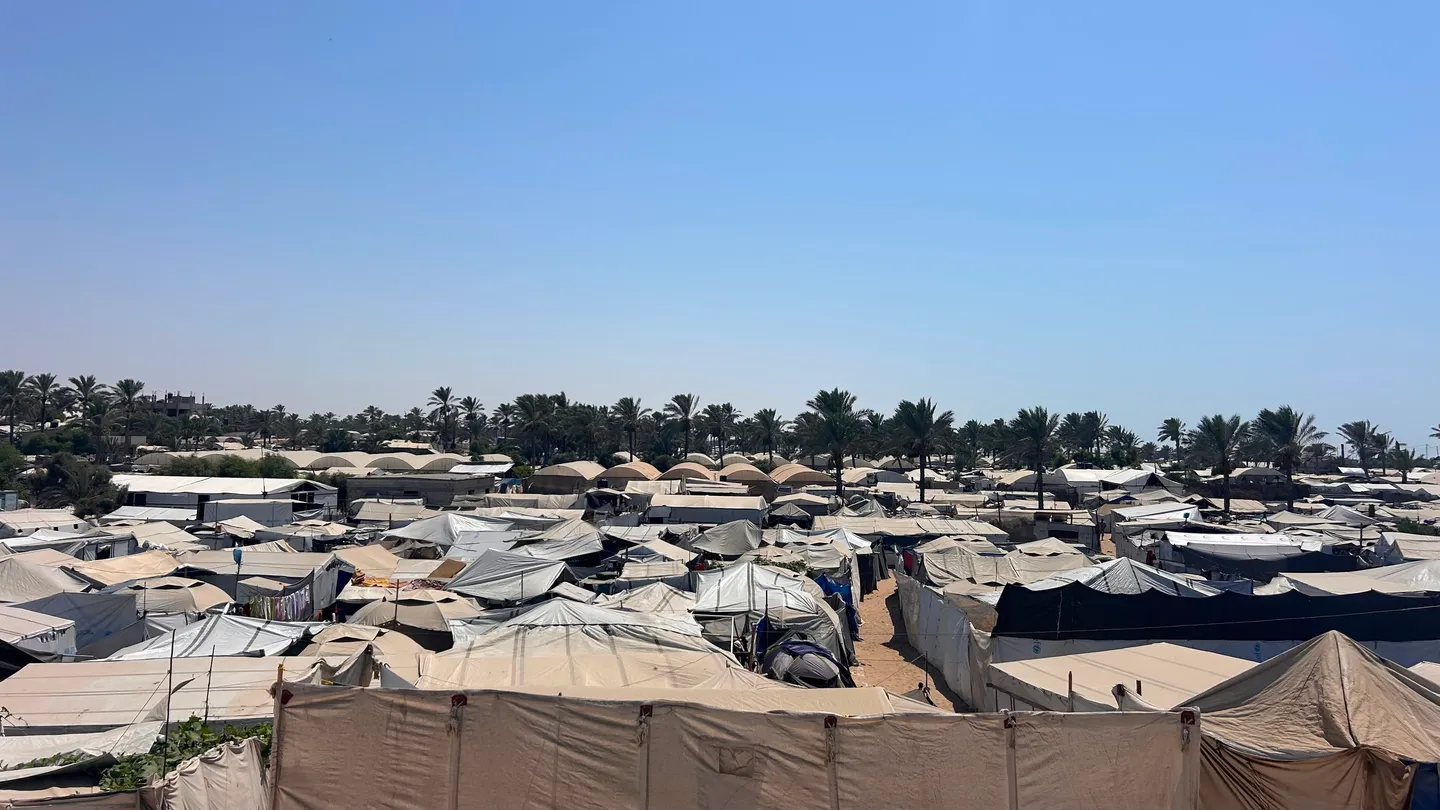
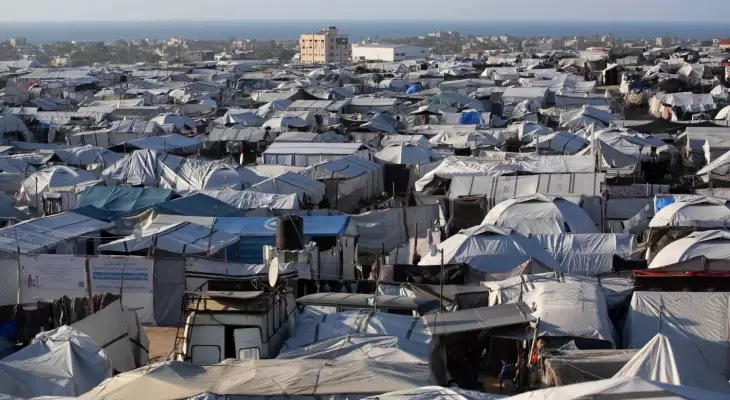
Due to Gaza’s specific circumstances, starvation spread rapidly—from the North to the Center and then to the South. By December 2023, with winter approaching, most homes and residential areas were destroyed. The majority of Gazans were living in tents or the ruins of buildings—without food, water, cooking facilities, heating, or sanitation. Evidence has long shown that catastrophic living conditions, a crumbling healthcare system, and severely inadequate and sporadic humanitarian aid produced mass malnutrition and imminent famine.
Deliberate targeting tactics
Israel has repeatedly denied UN and NGO reports about the use of starvation as a weapon. The US government also ignored clear warnings and overwhelming evidence. For months, most Western governments avoided using the words famine or genocide in relation to Gaza. The UN’s Integrated Food Security Phase Classification (IPC)[3], the authoritative global body on famine assessments, has yet to formally declare a famine in Gaza—despite mounting evidence—due to political pressure from perpetrators. Statements by UN Special Rapporteurs, based on scientific data, and multiple interim rulings by the International Court of Justice [4] warning of the “plausibility of famine” have been disregarded. Instead, Israeli forces have responded with further attacks on aid convoys[5] and on civilians trying to collect sacks of flour.[6] These were not collateral damages; they were targeting tactics.
Day by day, the situation has gone from bad to worse—to catastrophic. On March 2, 2025, during a broken ceasefire, Israel blocked all international humanitarian aid from entering Gaza, allowing only minimal deliveries through a militarized and dehumanizing distribution system it controls. In March 2025, the blockade entered a harsher phase, marked by stricter restrictions and the militarization of aid distribution. After two months without food and water, the United States, alongside private contractors and mercenaries under Israeli military supervision, launched a long-planned entity: the Gaza Humanitarian Foundation (GHF)[7].
This new structure replaced over 400 non-militarized UN distribution points with just four distribution centers—located in highly insecure areas. Humanitarian principles of humanity, neutrality, impartiality, and independence were completely abandoned. UN agencies and international humanitarian organizations refused to participate in this privatized, militarized, and lethally deceptive system.
Dire results were feared from the outset. More than 1,000 people have died of Israeli army sniper attacks at these sites, and more than 5,000 have been injured. People walk for hours along dangerous, dusty roads, wait under the desert sun, and are given just 11 minutes to collect 25 kilograms[8] of flour before the GHF arbitrarily closes its gates. When they exit, the ordeal often continues. Many are shot—by Israeli forces, private security, or armed groups. Gaza’s civilians are forced to choose between being killed by snipers or dying of hunger. Today, simply following the path of supposed humanitarian aid amounts to a death sentence.
Israel knows no limits in committing war crimes
On July 20, 2025, Israeli tanks and snipers attacked a 25-truck World Food Programme convoy[9] at the Zikim crossing. More than 100 Palestinians waiting for food were killed. It is a demonic inversion of humanitarianism: starvation weaponized, aid turned into bait, and civilians punished for seeking sustenance.
Famine, though still undeclared, is now undeniably present in Gaza. Why does the IPC exist if it cannot act? In recent days alone, over 100 people have died of hunger[10], including infants. Humanitarian workers and medical staff are collapsing from exhaustion and malnutrition. Every day, 10–15 people die from starvation.
Starvation is a silent death. It hides its cruelty. It is a societal torture.[11] People lose the energy to ask for help. Children stop crying. It is also one of the most painful deaths—the body consuming itself. Children suffer first, and if they survive, they are left with lifelong physical and cognitive damage. The effects of the Gaza famine will persist for generations.
Even the death toll has become a political battleground. Israel accuses Gaza’s health authorities of inflating numbers, yet respected research institutions have reported far higher estimates. In July 2024, The Lancet [12] projected over 186,000 deaths—many from indirect causes such as starvation, dehydration, and exposure. Oxfam[13] now reports that in the past 100 days, the daily death rate in Gaza is over 250—higher than in any other 21st-century conflict.
Unless there is an immediate permanent ceasefire or a meaningful intervention by the international community, Gaza will become even more of a monstrous killing field—a real-life version of The Hunger Games. What once seemed like dystopian fiction is now a horrifying reality, unfolding in plain sight.
[1] https://visualizingpalestine.org/visual/the-gaza-diet/
[2] https://www.isdglobal.org/digital_dispatches/no-innocents-the-collective-blame-of-palestinians-online/
[3] https://www.ipcinfo.org
[4] https://www.icj-cij.org/node/203447
[5] https://www.aljazeera.com/news/2024/11/30/israel-kills-world-central-kitchen-aid-workers-in-gaza
[6] https://www.ohchr.org/en/press-releases/2024/03/un-experts-condemn-flour-massacre-urge-israel-end-campaign-starvation-gaza
[7] https://www.972mag.com/gaza-social-collapse-criminal-gangs/
[8] https://www.theguardian.com/global-development/2025/jul/22/food-aid-gaza-deaths-visual-story-ghf-israel
[9] https://www.wfp.org/news/gaza-convoy-incident-statement
[10] https://www.ft.com/content/6899af82-1a6f-4ec6-91ba-41e7a5f0012d?utm_source=chatgpt.com
[11] https://cjil.uchicago.edu/print-archive/siege-starvation-war-crime-societal-torture
[12] https://www.thelancet.com/journals/lancet/article/PIIS0140-6736(24)01169-3/fulltext
[13] https://www.oxfam.org/en/press-releases/daily-death-rate-gaza-higher-any-other-major-21st-century-conflict-oxfam
*Opinions expressed in this article are the author’s own and do not necessarily reflect Anadolu’s editorial policy.
The author is a former UN Special Rapporteur on the Right to Food (2014-2020) and a member of the High Level Panel of Experts (HLPE) of the UN Committee of World Food Security (CFS).
CrossFireArabia
Six more Palestinians, including two children, died of starvation in the Gaza Strip in the last 24 hours amid an Israeli siege on the enclave, the Health Ministry said on Sunday.
“Hospitals recorded six new deaths in the past 24 hours due to famine and malnutrition, including two children who exhausted by hunger,” the ministry said in a statement.
The new fatalities brought the death toll from starvation in Gaza since October 2023 to 133, including 87 children.
“These numbers reflect the catastrophic impact of the ongoing Israeli blockade and the prevention of food and aid deliveries into Gaza,” the ministry said.
Israel has imposed a blockade on Gaza for 18 years, and since March 2 has shut down all crossings, blocking the entry of aid convoys and ignoring international calls to reopen them.
Rejecting international calls for a ceasefire, the Israeli army has pursued a brutal offensive on Gaza since Oct. 7, 2023, killing more than 59,700 Palestinians, most of them women and children. The relentless bombardment has destroyed the enclave and led to food shortages.
Last November, the International Criminal Court issued arrest warrants for Israeli Prime Minister Benjamin Netanyahu and his former Defense Minister Yoav Gallant for war crimes and crimes against humanity in Gaza.