Experts: ICC Arrest Warrants is Start For More Israeli Sanctions

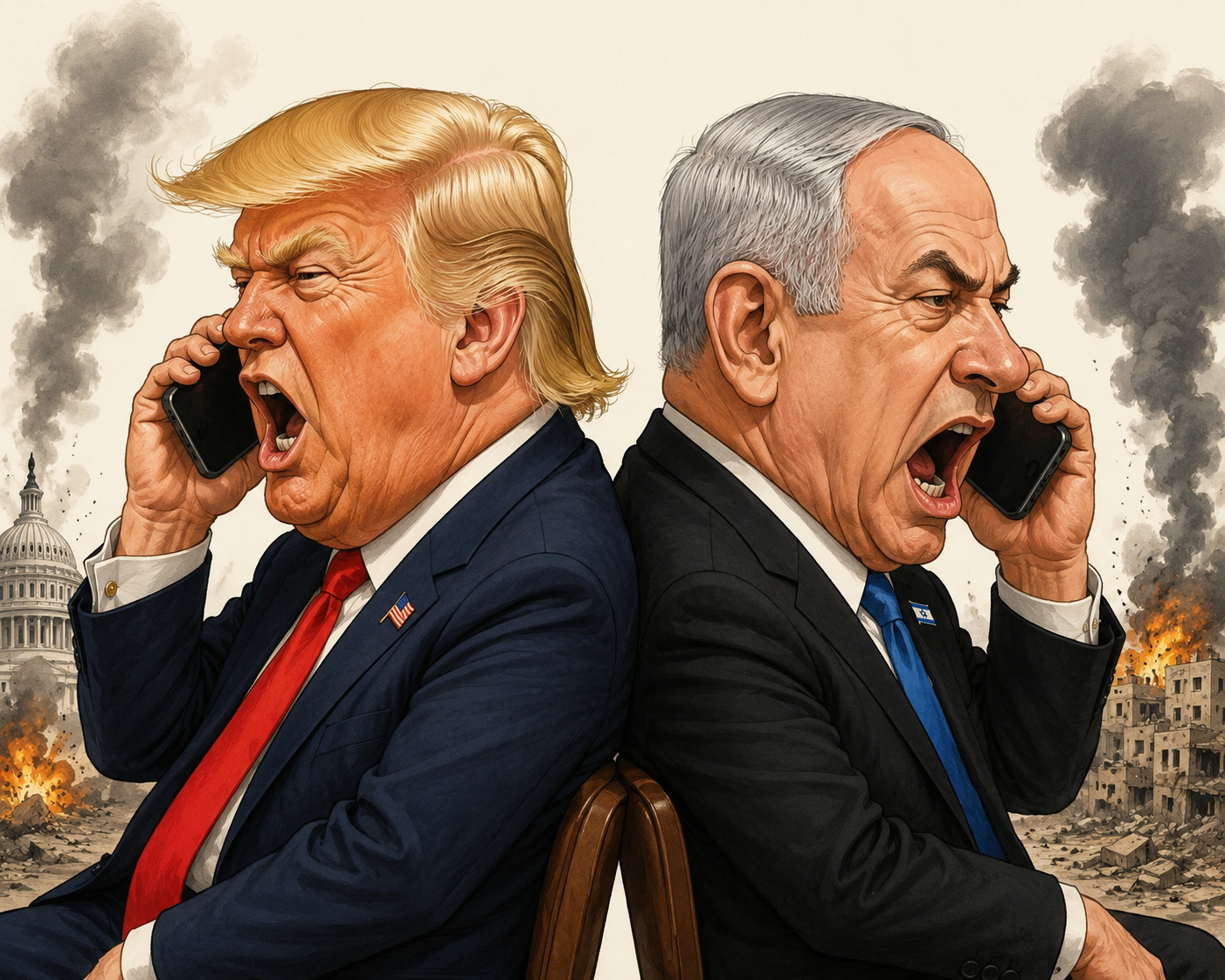
The International Criminal Court’s (ICC) arrest warrants against Israeli Prime Minister Benjamin Netanyahu and former Defense Minister Yoav Gallant could open the floodgates for more legal challenges for other Israeli officials, as well as Western nations supporting the ongoing genocide in Gaza, experts say.

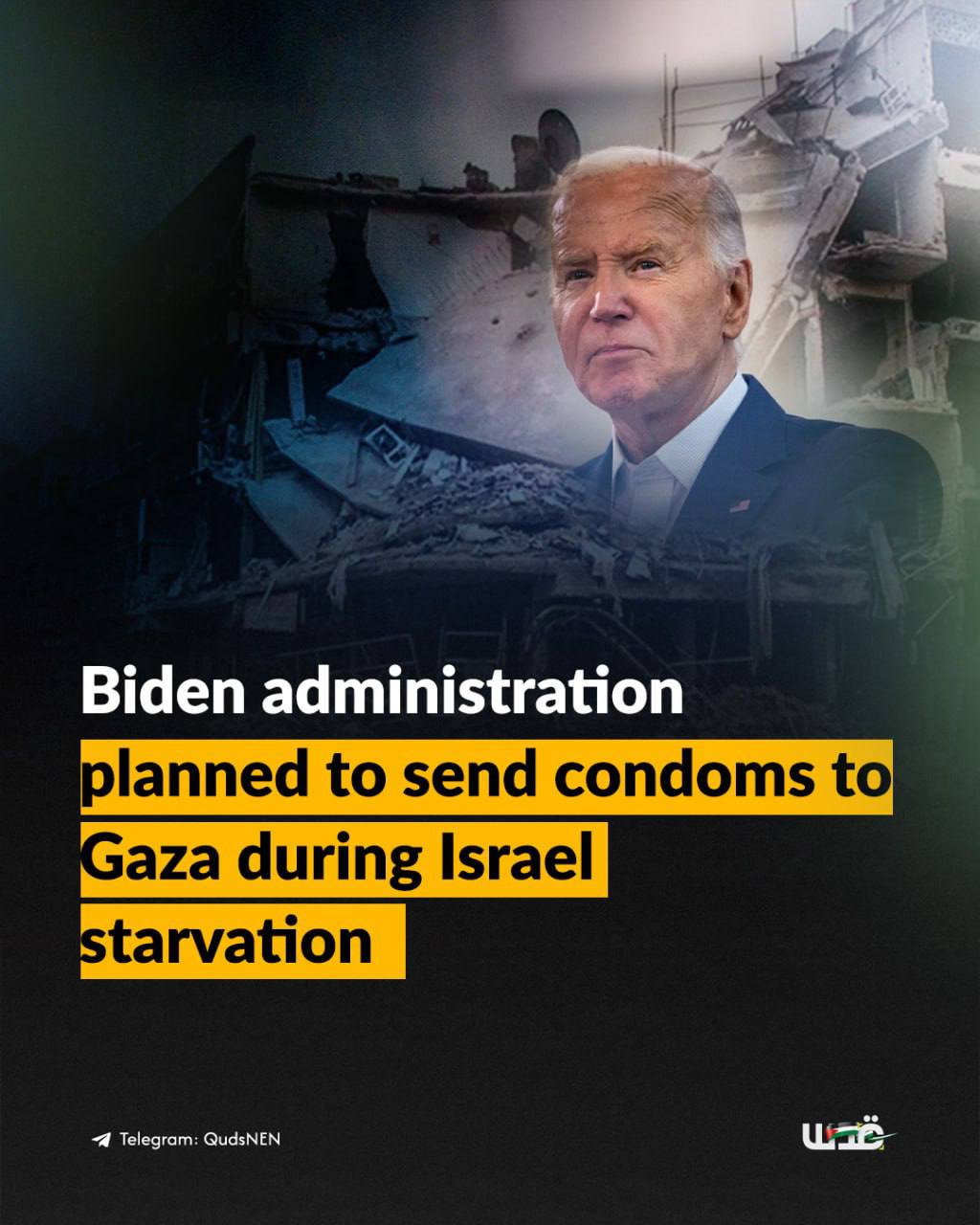
On Nov. 21, ICC Pre-Trial Chamber 1 issued warrants for Netanyahu and Gallant accusing them of using starvation as a method of warfare in Gaza, along with the crimes against humanity of murder, persecution and other inhumane acts.

Israeli academic and law professor Neve Gordon believes this could be the tip of an iceberg of cases and warrants against other top Israeli military officials and leaders.
“It is clear that while Netanyahu and Gallant were at the very top of the decision-making and policymaking apparatus, but there are several other high-ranking politicians and military personnel that are implicated in the starvation and in the systematic attacks on health care,” Gordon, an international law professor at Queen Mary University of London, told Anadolu.
“I will not be surprised if in the coming months or even coming years, there will be warrants against the chief of staff, maybe some other generals, the current defense minister, and maybe other ministers.”

Legal expert Michael Becker pointed to ICC Prosecutor Karim Khan’s statement and reference to ongoing lines of inquiry as an indicator of what could come next.

“It could mean additional charges sought against Netanyahu and Gallant. It could also mean new requests for arrest warrants against other potential defendants,” he said.

“There’s probably no shortage of possible candidates that the court might be interested in pursuing.”

For the initial stage, he said the ICC made “a concerted effort to focus their efforts on the leadership, and those people most responsible for making policy decisions about how to conduct the operation in Gaza.”
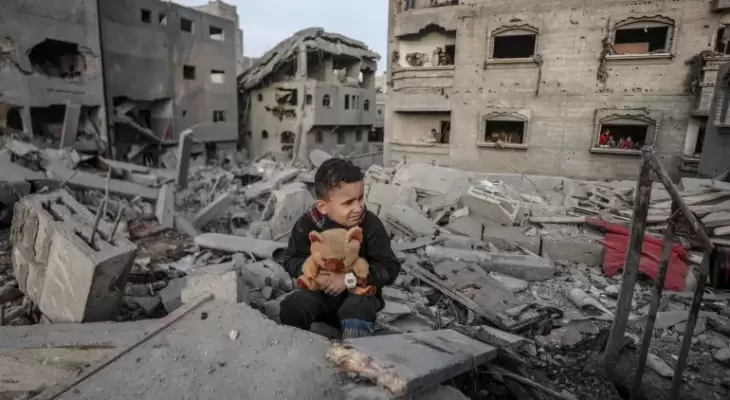
“It is, of course, possible that other people could end up being the target or the subject of arrest warrants,” Becker, assistant professor of international human rights law at Trinity College Dublin, told Anadolu.

Also, he added, the warrants issued do not cover all the charges sought by the prosecutor, most notably the crime against humanity of extermination.

“We might see the prosecutor try to challenge that determination as the process goes on, in order to get that charge included,” he explained.


Legal troubles for Israel’s allies

Experts say the ICC warrants could also lead to legal troubles for Western governments that are selling arms to Israel and supporting it militarily.

“The pre-trial chamber has opened an avenue for a whole series of other legal petitions in domestic courts, particularly in Europe, where countries continue to send arms to Israel,” said Gordon.

Given the ICC’s charges against the Israeli leaders, these countries are violating their own laws because most of them have a memorandum of arms trade setting out certain conditions, he explained.

Each country “legally restricts itself from trading arms with entities that carry out serious violations of international humanitarian law.”

“There is a high possibility, according to the ruling by the pre-trial chamber, that Israel has carried out crimes against humanity,” he continued.

“Therefore, by continuing to trade arms with Israel, these countries are in danger of being complicit with crimes against humanity, and that is against their own laws.”

This gives human rights organizations and NGOs in these countries the space to file cases against their governments in domestic courts, he said.

“This can actually lead to an arms embargo on Israel, not by the US, but by Germany, Italy, UK, Spain and France, which are the major European countries that trade arms with Israel,” said Gordon.

As opposed to the US and Israel itself, most of Tel Aviv’s European allies are members of the ICC, part of 124 countries around the world that are now legally obliged to arrest Netanyahu and Gallant should they set foot on their territory.

Most of Israel’s European allies, such as France and Italy, have said they would uphold international law and execute the warrants. Other European nations that have said the same include Ireland, Sweden, Switzerland, the Netherlands, and Belgium.

The UK has also vowed to “always comply with its legal obligations as set out by domestic law and indeed international law,” but has not explicitly said it would arrest the duo.

Germany has pledged continued support for Israel, with a government spokesperson saying the country generally supports the ICC, but it has not yet decided whether it would actually implement the arrest warrant for Netanyahu and Gallant.


Parallel investigations in West Bank, East Jerusalem

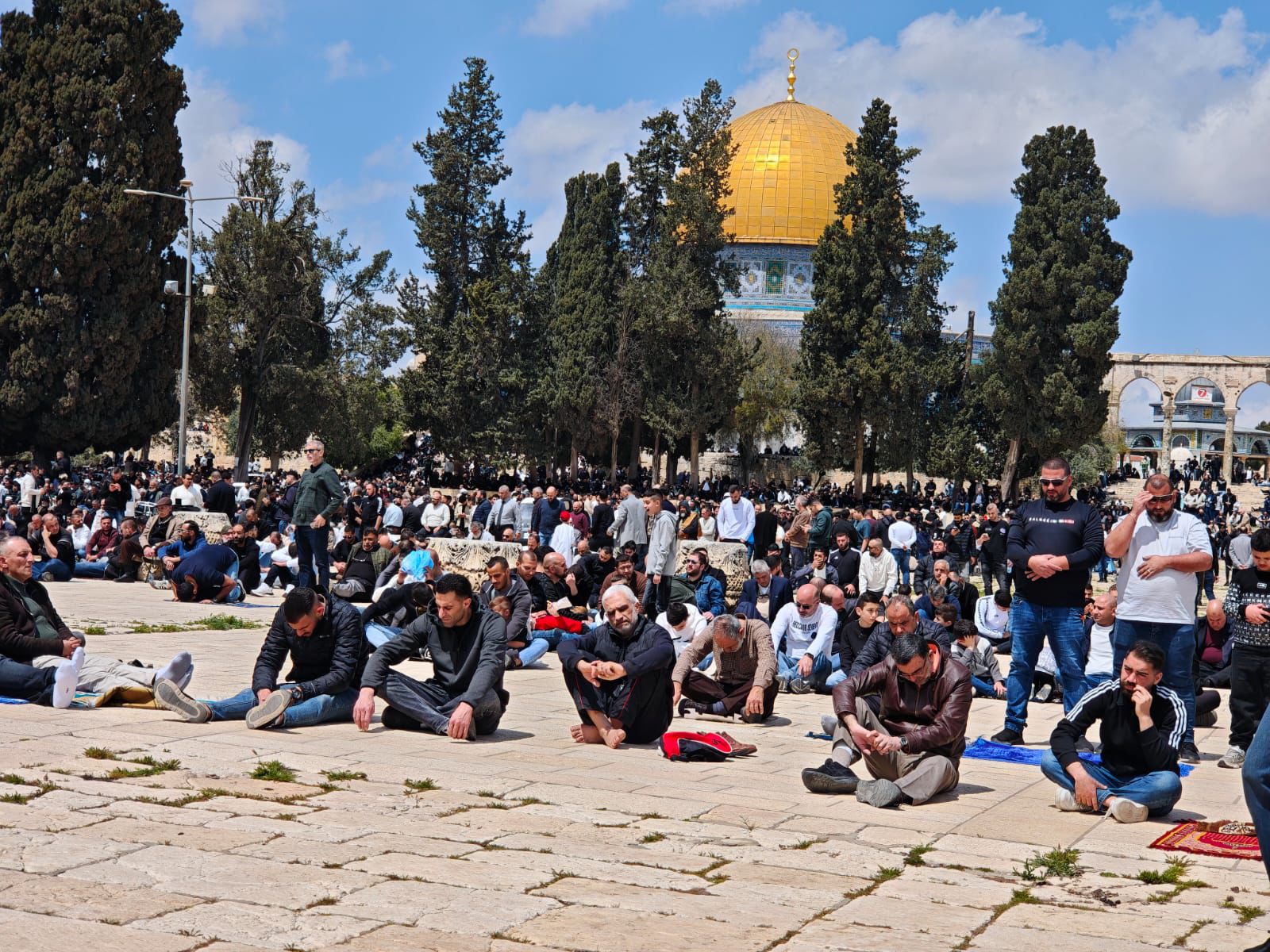
In his statement on the warrants, ICC Prosecutor Khan said his office is also “taking forward additional lines of inquiry in areas under the Court’s jurisdiction, which include Gaza and the West Bank, including East Jerusalem.”

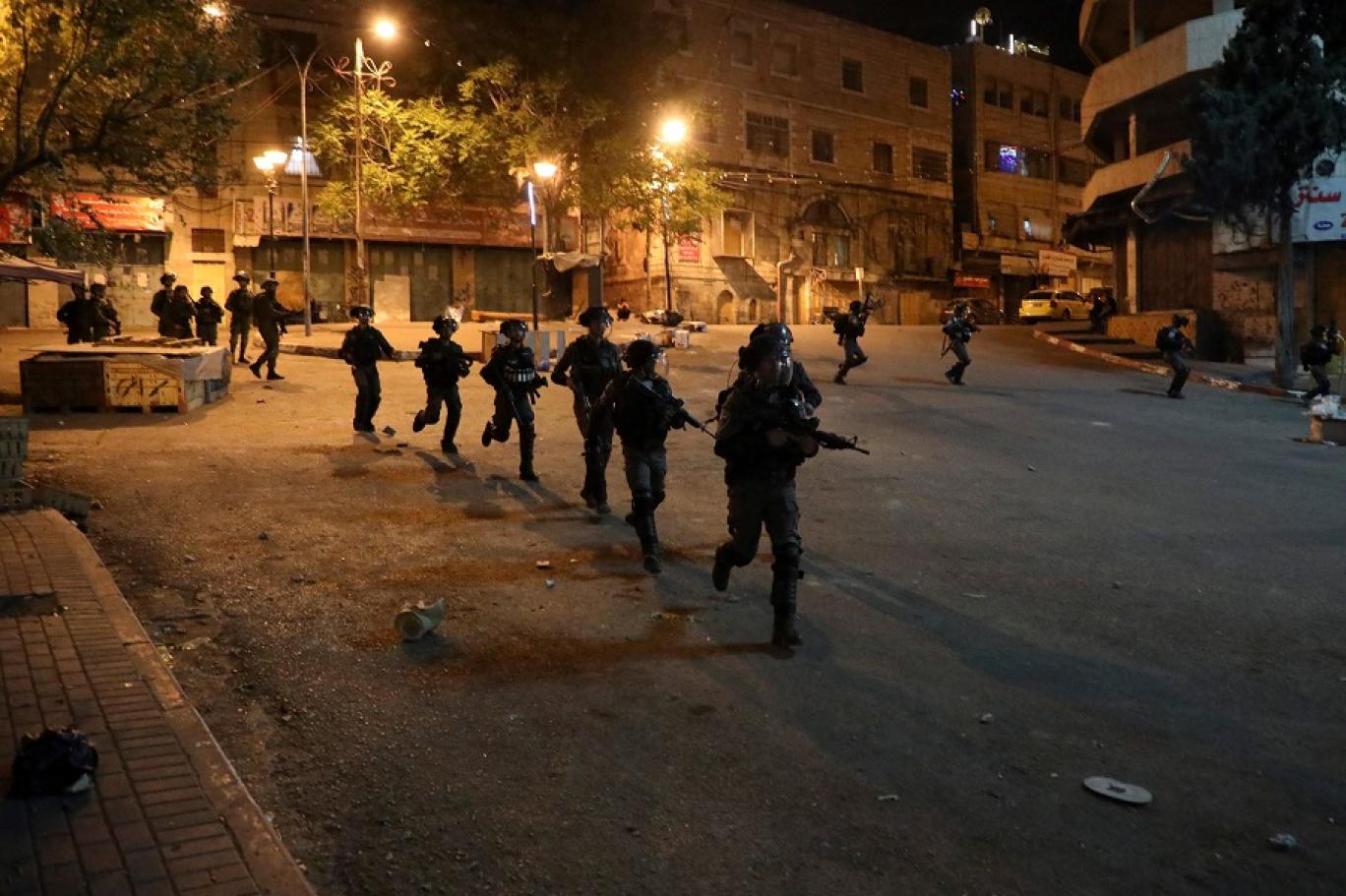
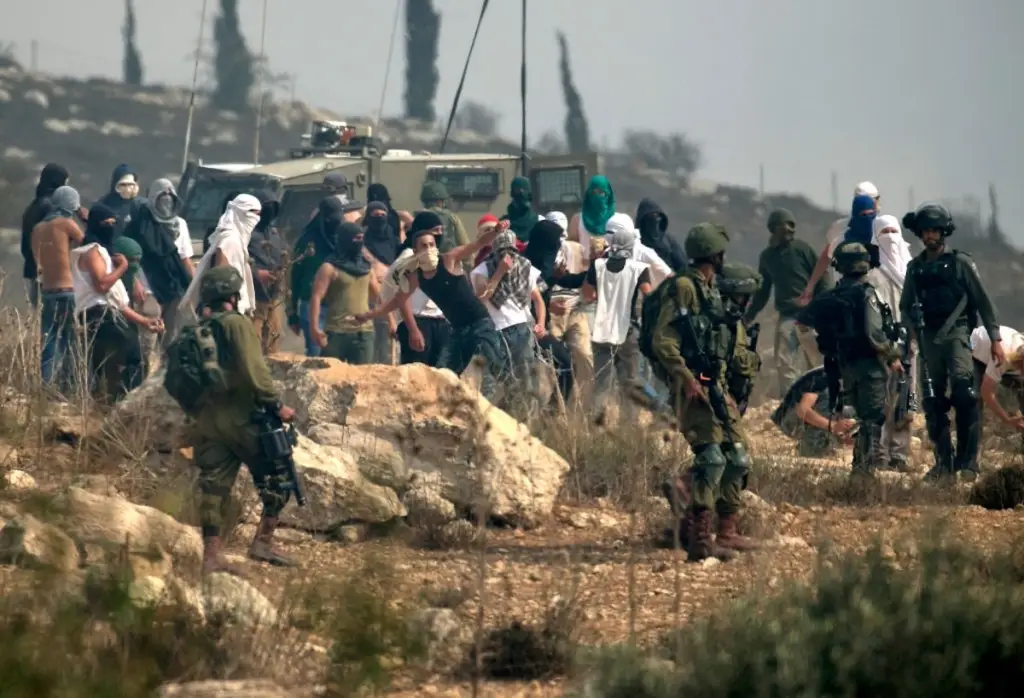
Palestinians in the occupied West Bank have been subjected to ever-escalating Israeli violence and repression in parallel to the genocide in Gaza, with at least 797 killed and more than 6,000 wounded since last October. According to the Israeli advocacy group Peace Now, there are more than 720,000 illegal settlers in the occupied West Bank, including East Jerusalem.

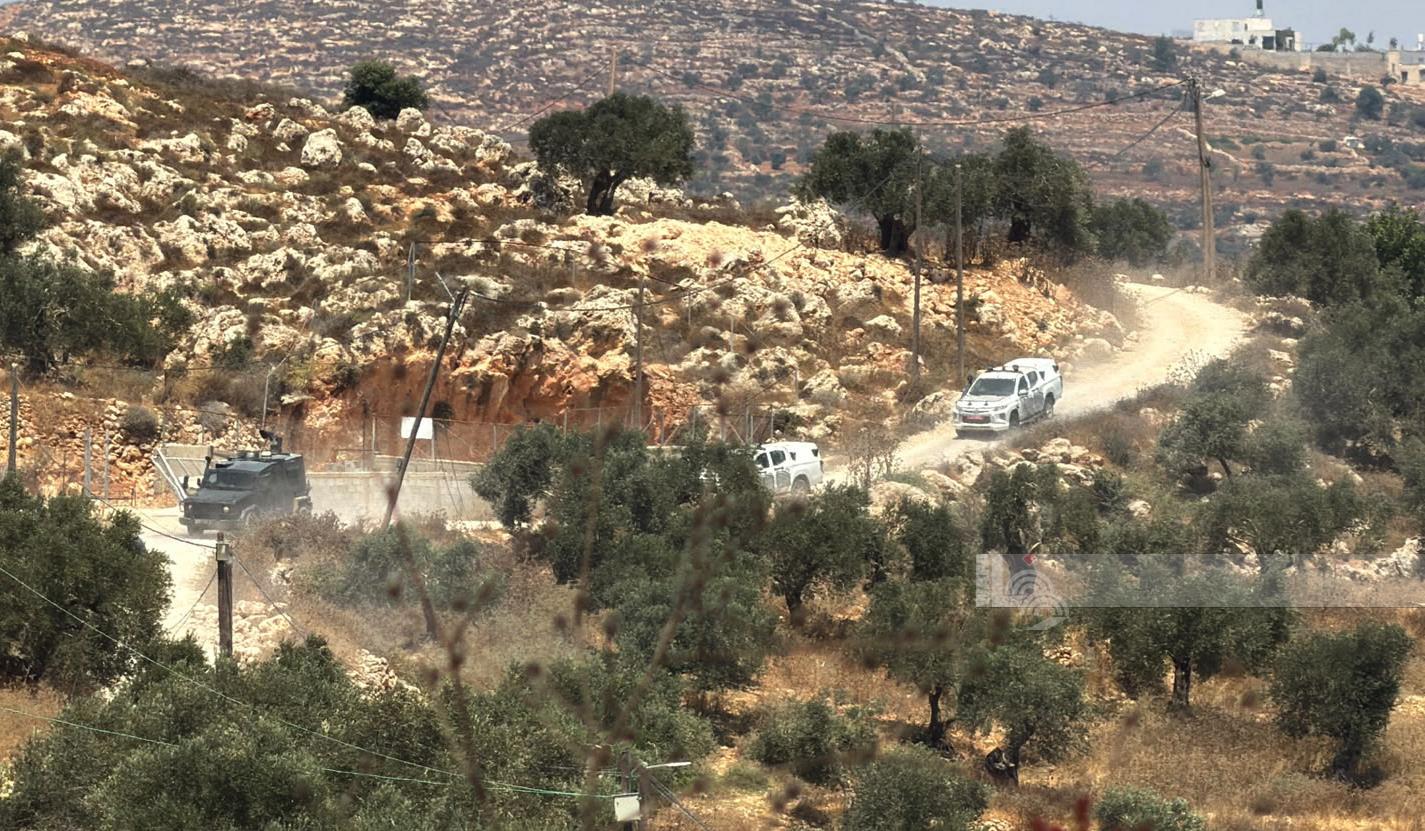
“I think that one of the things that we have been witnessing particularly since October 2023 is the kind of efforts to displace communities in the West Bank from their ancestral lands, particularly in the South Hebron Hills and in the Jordan Valley, not far from Ramallah,” said Gordon.

“I think there is a chance that the prosecutor will look at the kinds of efforts to displace Palestinians and replace them with Jewish settlers, which is part of the settler colonial logic of cleaning the land from its indigenous inhabitants.”

Earlier this month, Israel’s far-right Finance Minister Bezalel Smotrich openly called for annexation of the occupied West Bank, drawing worldwide condemnation.

Smotrich, defying international law, declared that “the only way to remove the threat of a Palestinian state from the agenda is to apply Israeli sovereignty over the settlements in Judea and Samaria (West Bank),” vowing that 2025 will be the year for Israeli sovereignty over the occupied Palestinian territory.


Impact on ICJ case

Becker, a former staffer at the International Court of Justice (ICJ), pointed out the interplay between the ICC charges and those in South Africa’s genocide case against Israel at the ICJ.

He said the ICC prosecutor’s decision to focus on the war crime of starvation when he filed for warrants in May arguably was encouraged or facilitated by the ICJ’s provisional measures order in March.

“Out of the three different provisional measures, the risk of starvation and famine was really the focus of that March order. So, it was interesting to see that was what the prosecutors seem to be focused on,” he said, adding that starvation was again a focal point in the warrants.

While any concrete progress at both courts could take years, the ICC warrants could impact the ICJ case in other ways, he said.

The language used in the pre-trial chamber’s decision to justify the warrants “tracks exactly some of the language from the Genocide Convention, even though the charges that the prosecutor has sought are not charges of genocide,” he explained.

“That’s important in the sense that it might give the ICJ further grounds, or the ICJ might find themselves operating on firmer ground, if they also find that Israel’s actions in Gaza have created conditions of life intended to destroy a part of the population, because that’s the language we see in the pre-trial chamber and that tracks language from Article II of the Genocide Convention.”


‘Disincentive for Israel to de-escalate’

On the question of whether the ICC warrants or threat of more legal troubles could stop Israel’s assault on Gaza, Becker fears it could end up having an “opposite effect.”

“If Israel’s defense all along, as it has been, is that we’re not doing anything wrong and we are complying with international law, Israeli officials might say we actually now have no incentive to change our tactics,” he said.

The thinking there could be that if they do make changes, they would “risk that being framed as some kind of admission that what we were doing before was wrong.”

“So, perversely, I think that the ICC arrest warrants might actually be a disincentive for Israel to de-escalate,” he added.

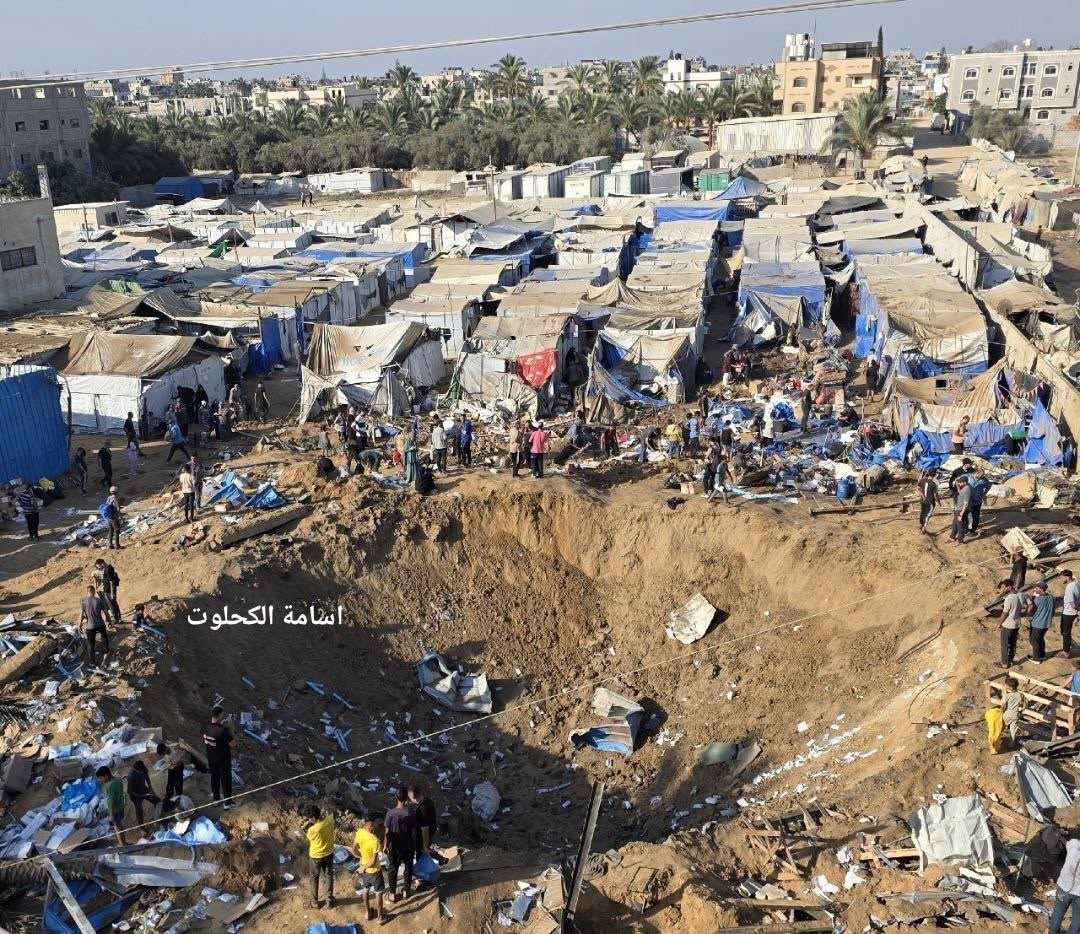
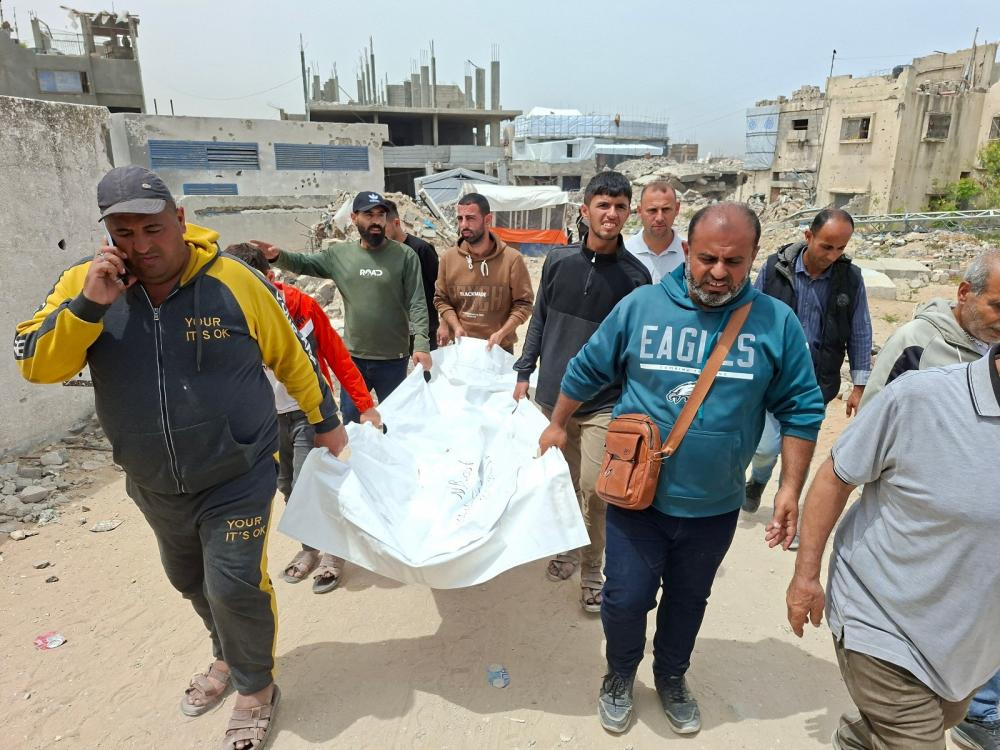
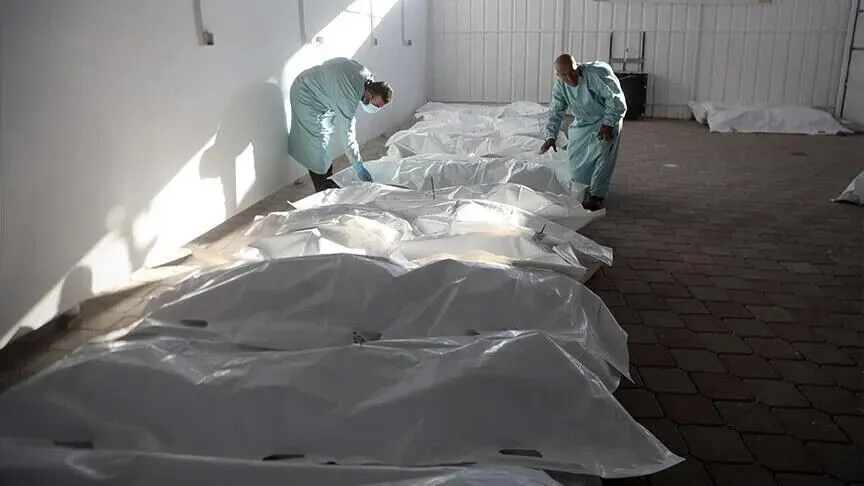
Since last Thursday, Israel has killed at least 150 Palestinians as it continues its relentless attacks on Gaza, raising the overall death toll to nearly 44,200, most of them women and children.

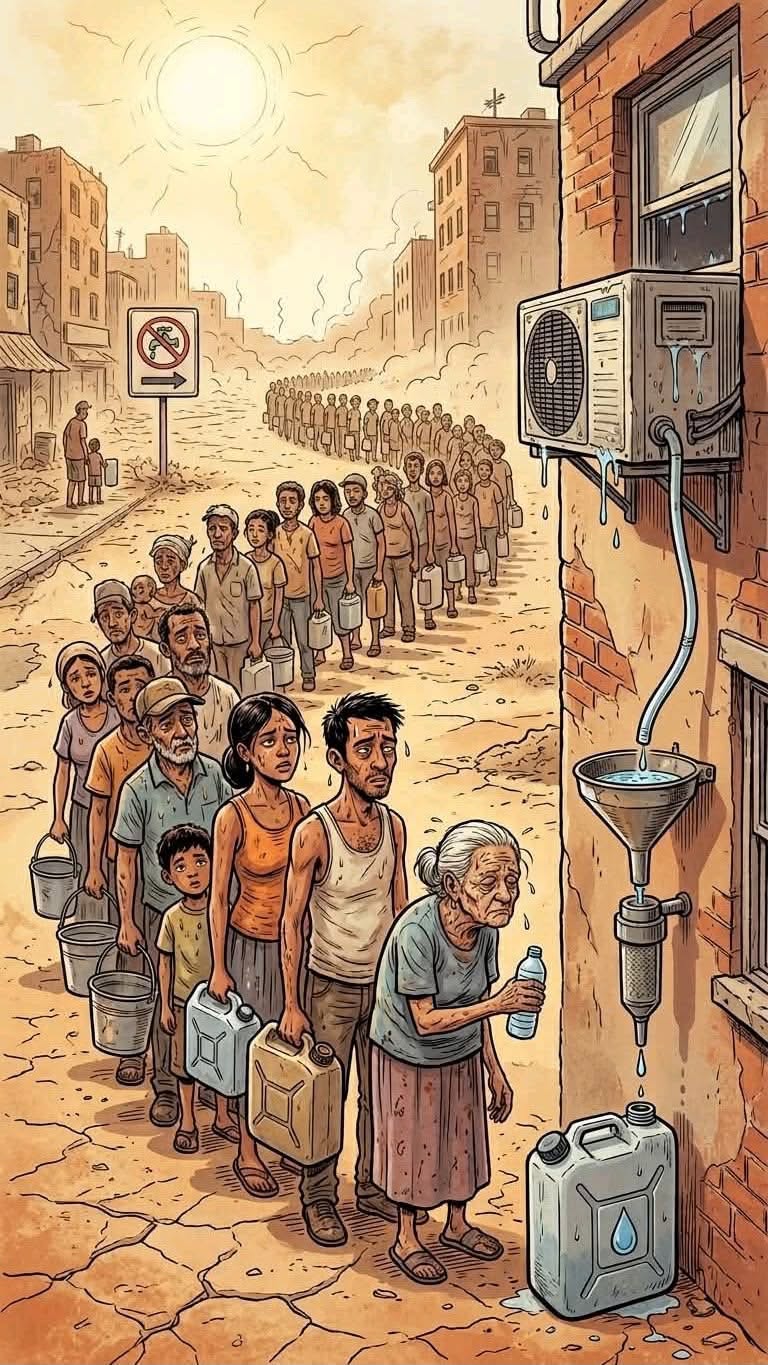
More than 105,000 Palestinians have also been wounded in Israeli attacks, while a crippling siege on water, power, fuel, and all humanitarian essentials has left more than 2 million Palestinians facing death and starvation.

Continue reading
Killed in Lebanon

A Guardian investigation has found that Israel used a US munition to target and kill three journalists and wound three more in a 25 October attack in southern Lebanon which legal experts have called a potential war crime. On 25 October, an Israeli jet shot two bombs at a chalet hosting three journalists – cameraman Ghassan Najjar and technician Mohammad Reda from al-Mayadeen TV, as well as cameraman Wissam Qassem from the al-Manar TV.

Continue reading
Netanyahu Abhors Haaretz

The Israeli occupation’s government has approved a measure instructing all government-funded entities to stop communicating with Haaretz and to withdraw any advertisements from the newspaper. The government explained that the move was due to “numerous articles undermining the legitimacy of the state of Israel and its right to self-defense, especially comments made by Haaretz publisher Amos Schocken in London, which supported terrorism and called for sanctions against the government.” Earlier this month, Schocken had already faced criticism from Israeli officials over his remarks referring to Palestinian “freedom fighters.”

Continue reading
Trapped in North Gaza

Jeremy Stoner, Save the Children director, says the situation in northern Gaza is not fit for human survival and yet there are about 130,000 children under 10 trapped in those conditions, not to mention the thousands of older children and their families.

Since 6 October, when Israeli forces launched a siege on northern Gaza, the area has been cut off from supplies of food, water and medicine.

Stoner points out that humanitarian aid to Gaza has hit an all-time low with the appalling situation in northern Gaza the tip of a terrible iceberg.

He calls for safe humanitarian access to be granted immediately to allow food, water, winter supplies and medical assistance to reach those who are trapped in the death zone in the north.

Continue reading
UN Official: Families Flee With Just ‘The Shirts on Their Backs’

Families fleeing from besieged areas of northern Gaza are leaving homes and shelters with just the shirts on their backs, Louise Wateridge, Senior Emergency Coordinator for UNRWA, the UN agency for Palestinian refugees, told UN News on Saturday.

Speaking from an UNRWA school in Gaza City, which is in the north of the Strip, Ms. Wateridge said that, for almost 50 days, UN humanitarian missions have attempted to deliver supplies to northern Gaza, including besieged areas such as Jabalia, but access to those in desperate need has been extremely limited.

Louise Wateridge: I have heard absolutely horrific stories today, speaking to families who fled Jabalia for their lives. They say there was just nothing left. It was absolutely flattened. There was death around them. They ran out of food. They had no access to water.

They reached UNRWA schools like this one, searching for safety but, days after arriving, airstrikes which killed many of the people sheltering here. And we’ve seen six such incidents on UN school shelters.

Since this siege began, we have had this horrible situation where people are forced to flee for their lives from the besieged north; they come to Gaza City looking for safety, but the danger just keeps following them. Death and destruction are their shadows.

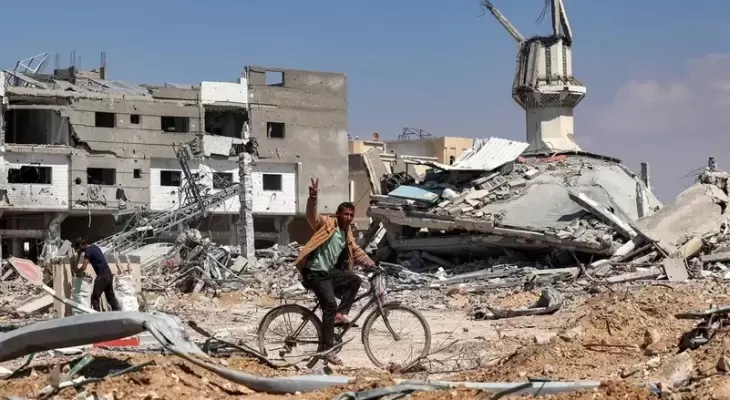
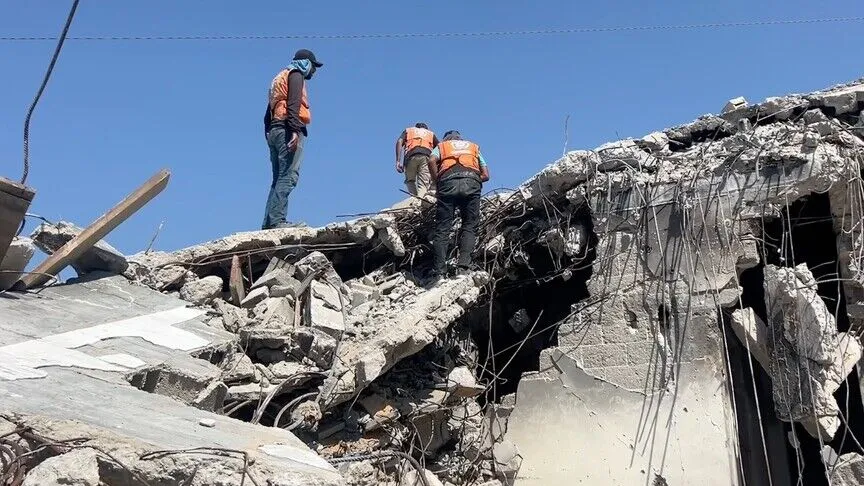
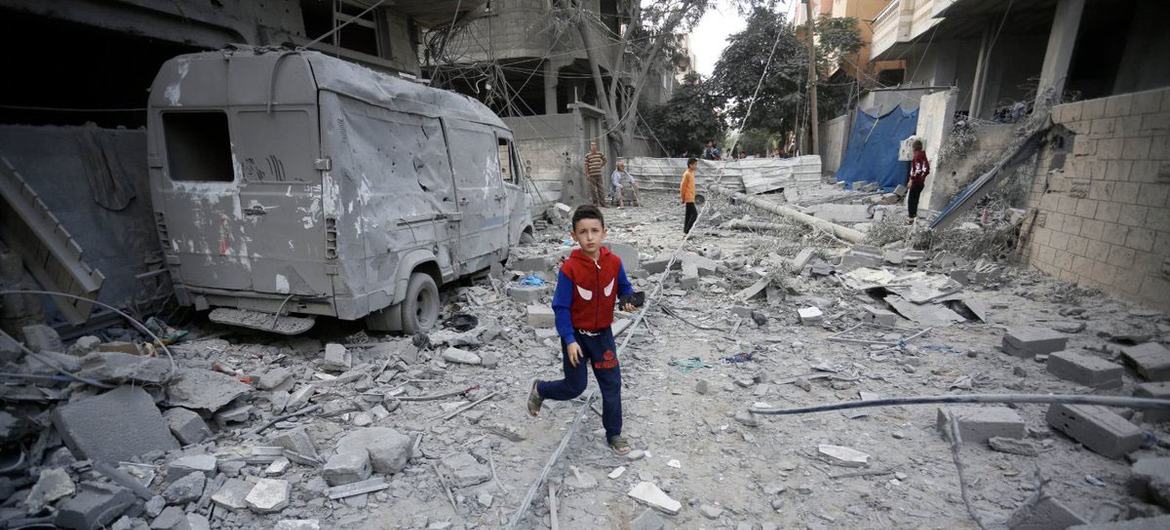
Louise Wateridge: As far as the eye can see, every building is damaged and destroyed. You might see a stairwell riddled with bullet holes, or an exposed living room hanging out of a third-floor apartment, signs that there was once life here.

Around 300,000 people are now in Gaza City and it’s just rubble. That’s why people are forced to shelter in these UN facilities, because there is just nowhere else to go.

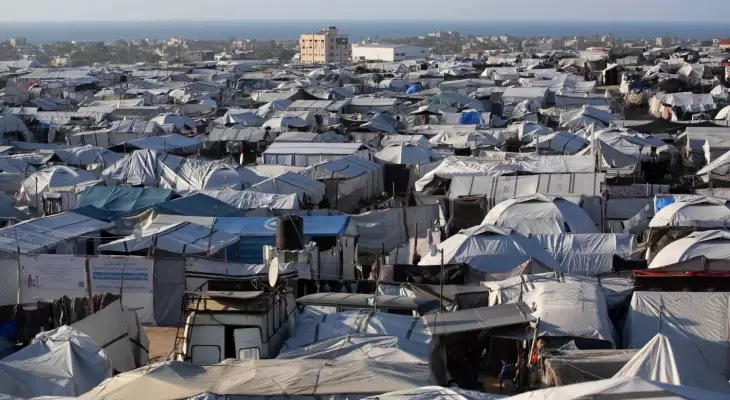
With winter coming, people are trying to find some kind of cover and safety, and protect themselves from the elements. They need tarpaulins, tents and shelter. They don’t have blankets or mattresses. They are just out in the in the open.

Louise Wateridge, UNRWA Spokesperson (middle) following the administering of polio vaccination in UNRWA's Deir El Balah health center.

UN News

Louise Wateridge, UNRWA Spokesperson (middle) following the administering of polio vaccination in UNRWA’s Deir El Balah health center.

UN News: How difficult is it to get aid in?

Louise Wateridge: For almost 50 days, access to besieged areas of north Gaza has either been denied or impeded. People have no access to food or water. We’ve heard people say they drank water from puddles to survive.

The eight UNRWA water wells in Jabalia are all damaged and destroyed. The hospitals have been hit on multiple occasions, and all of the UNRWA health clinics are out of medication.

Many humanitarian workers have been injured and killed themselves since the start of this war. Are they still at risk?

Louise Wateridge: Yes, every day. There is absolutely nowhere safe in Gaza.

247 UNRWA colleagues have been killed in this war.

Time and time again, day in and day out, our colleagues and their families are being injured and killed.

Every day my team and I wake up, the first thing we do is text each other to make sure everybody made it through another night.

For some weeks, we have had colleagues scattered across the Gaza Strip. Sometimes you lose contact with each other for days, if not weeks on end, and we don’t know how they are.

Sometimes we find out our colleagues have been killed and we haven’t known for a few days. Sometimes they come back online. It’s desperate.

Multiple United Nation convoys have been shot at. I was in a convoy in July that was shot at delivering supplies to northern Gaza.

It’s becoming more dangerous and more difficult for humanitarians to do their jobs by the day.

UN News

Continue reading