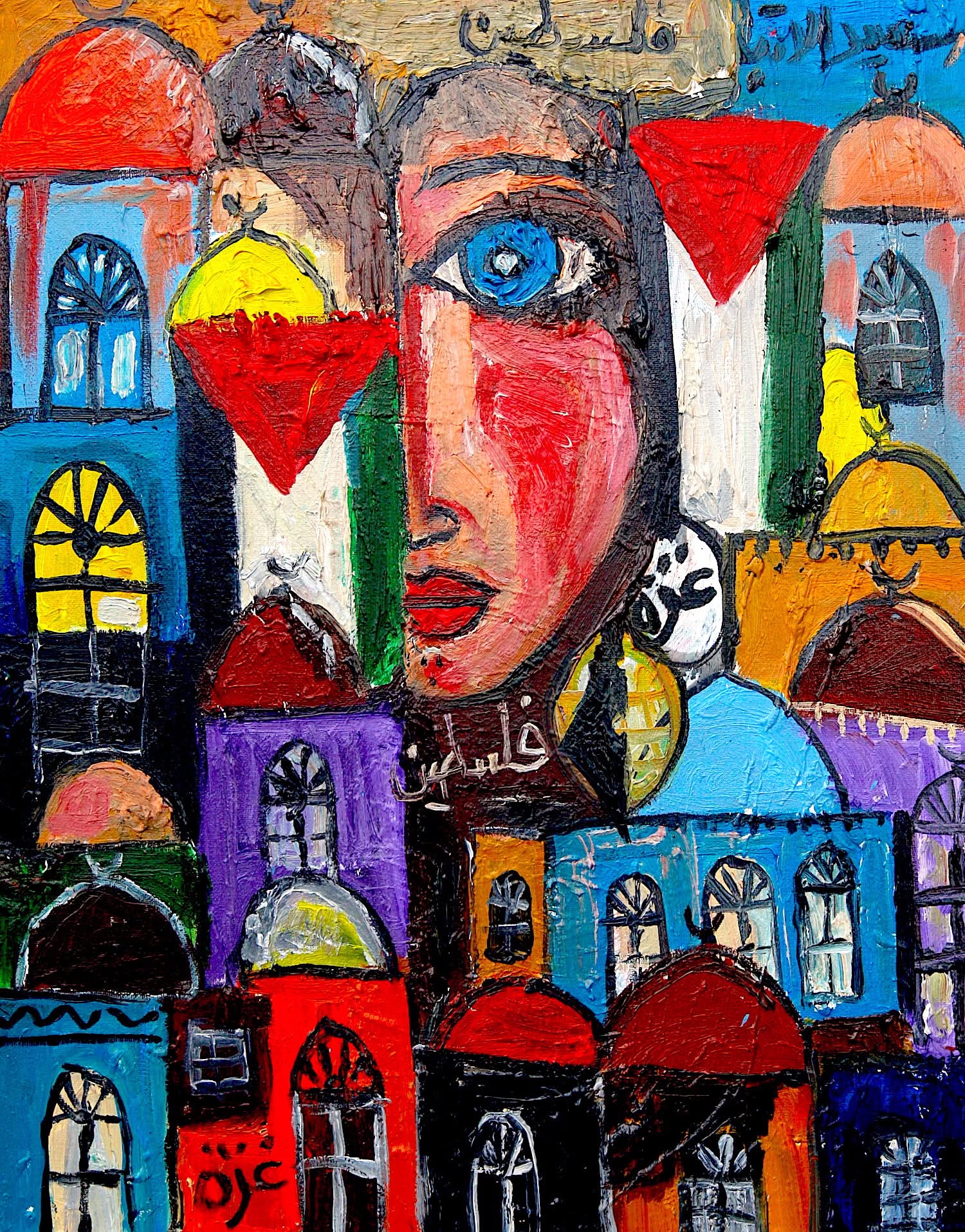
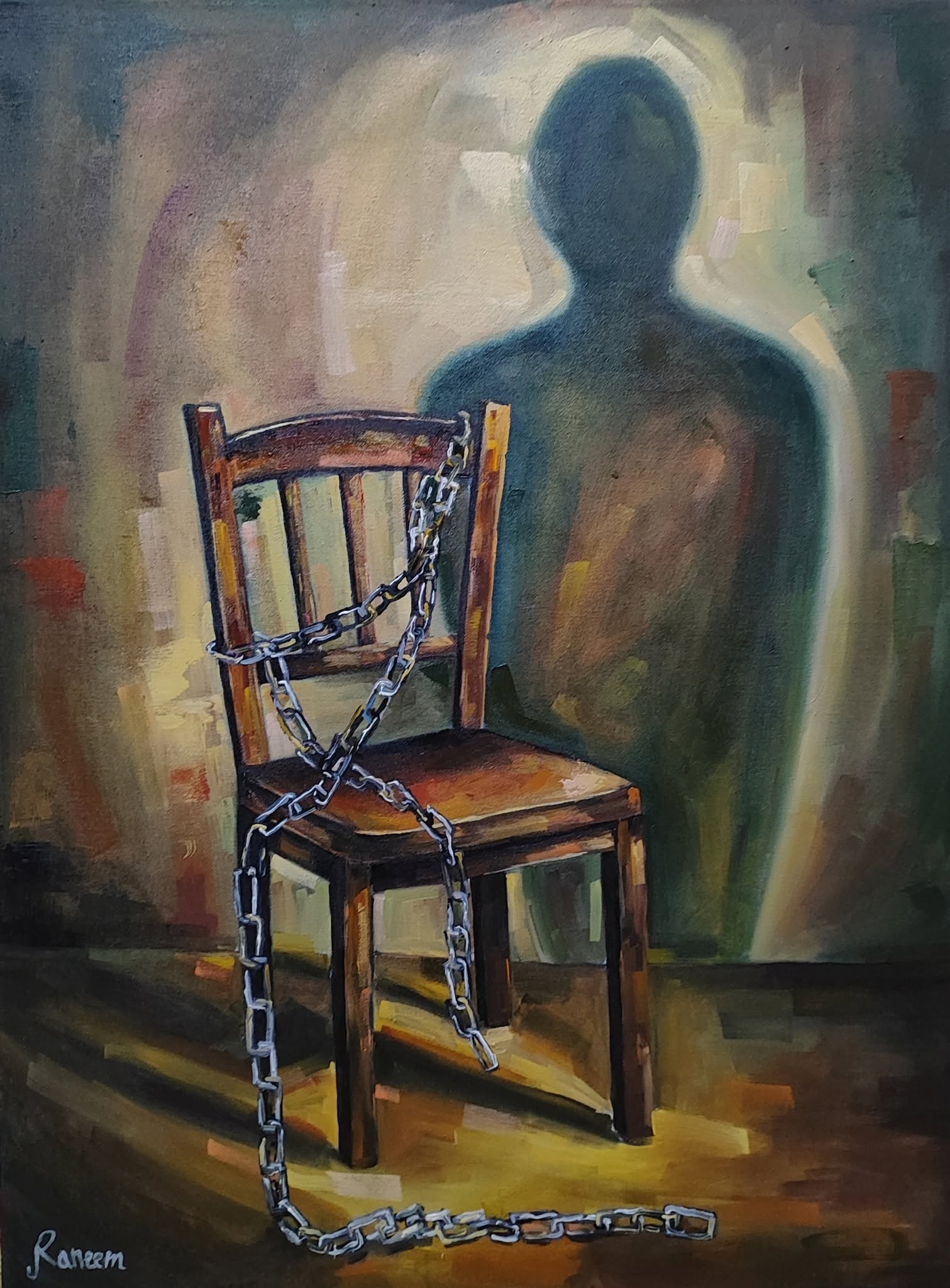
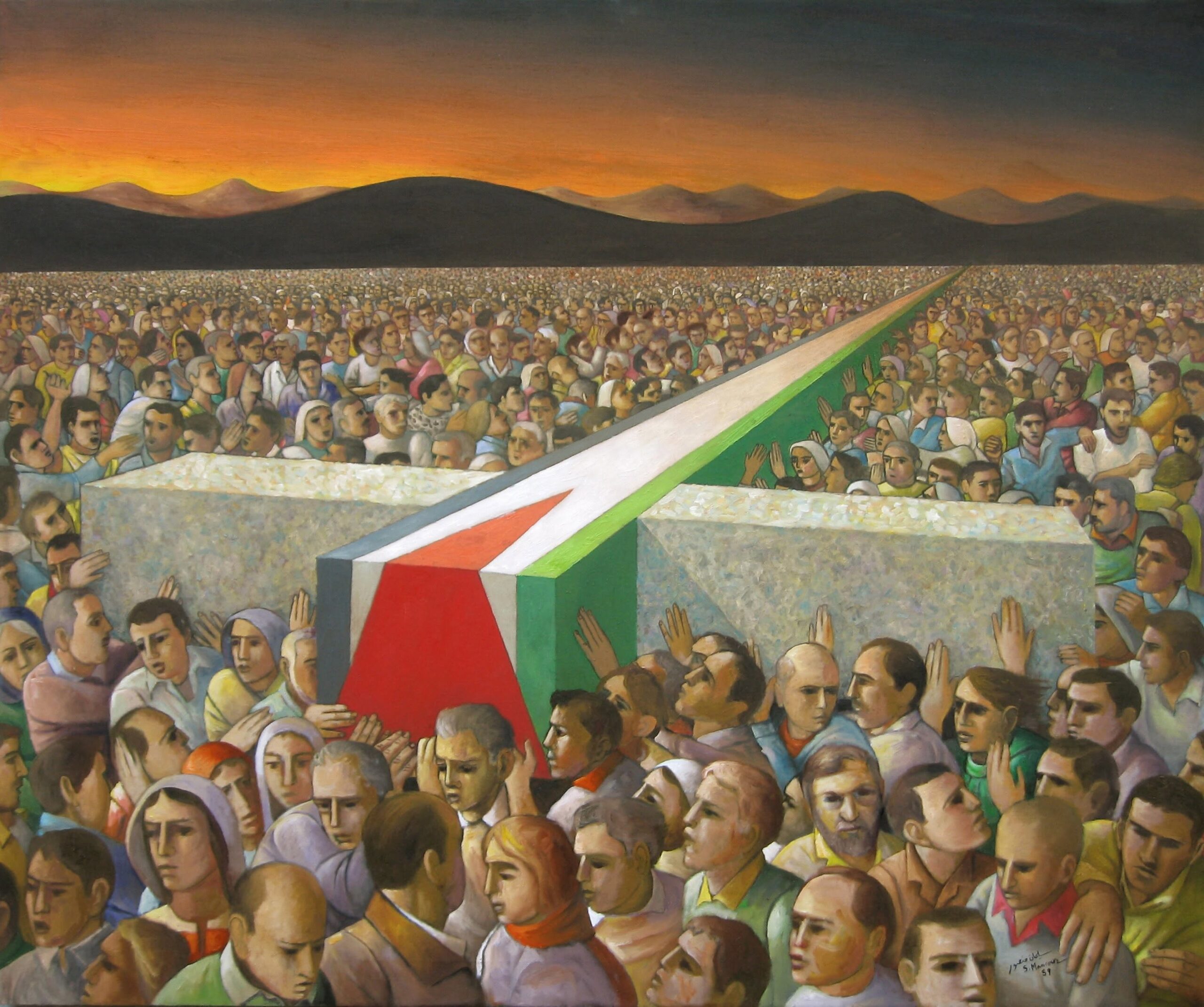
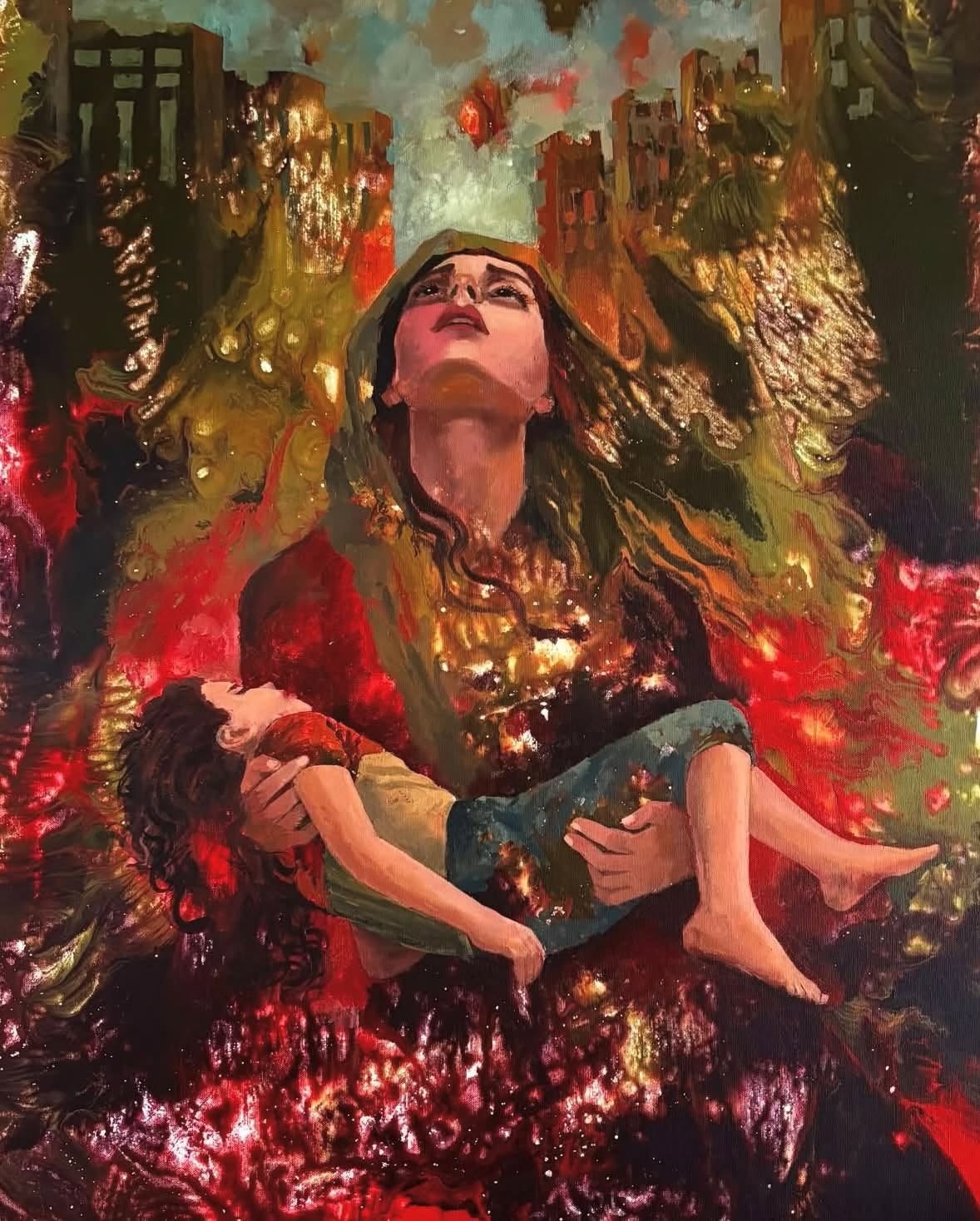
 Art in Revolution: The Dove, The Girl and The Rope
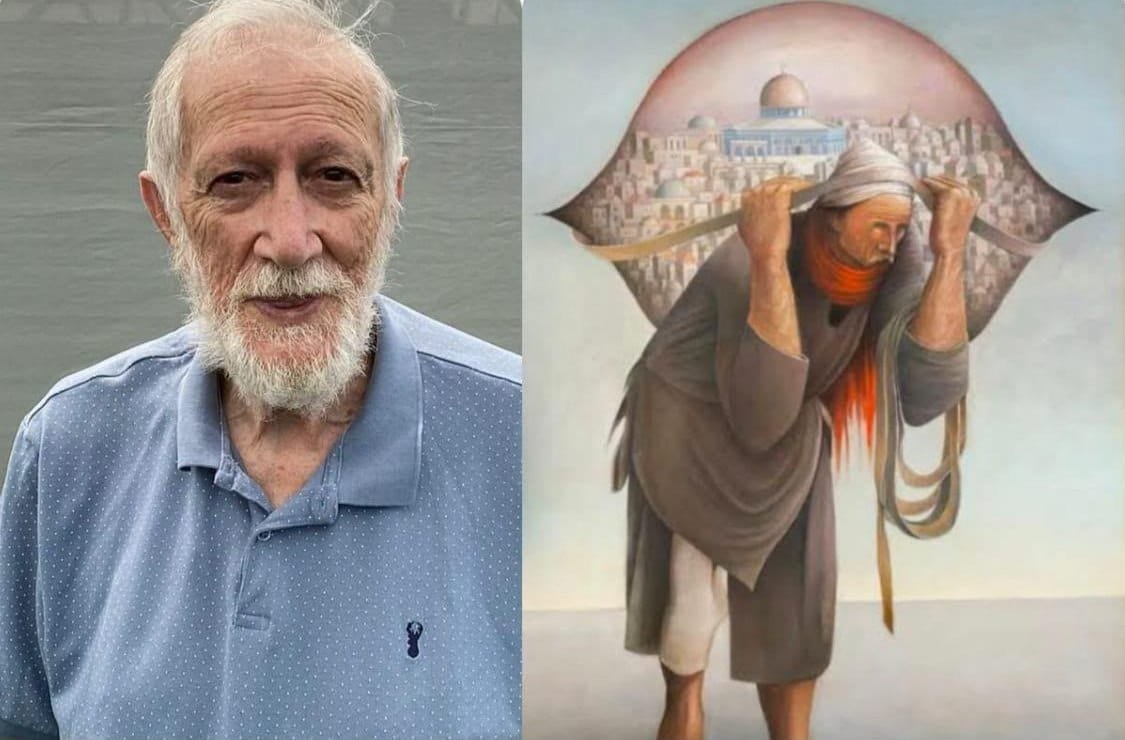
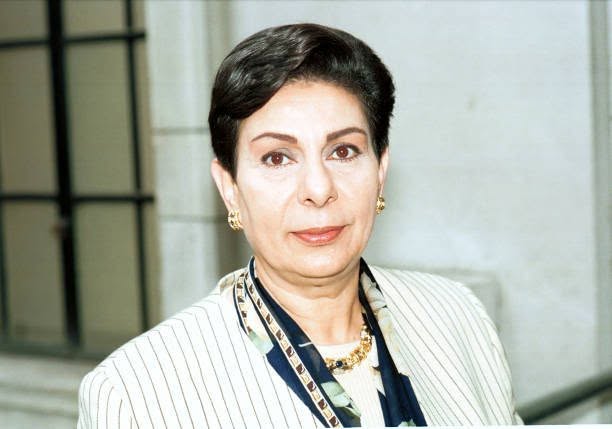
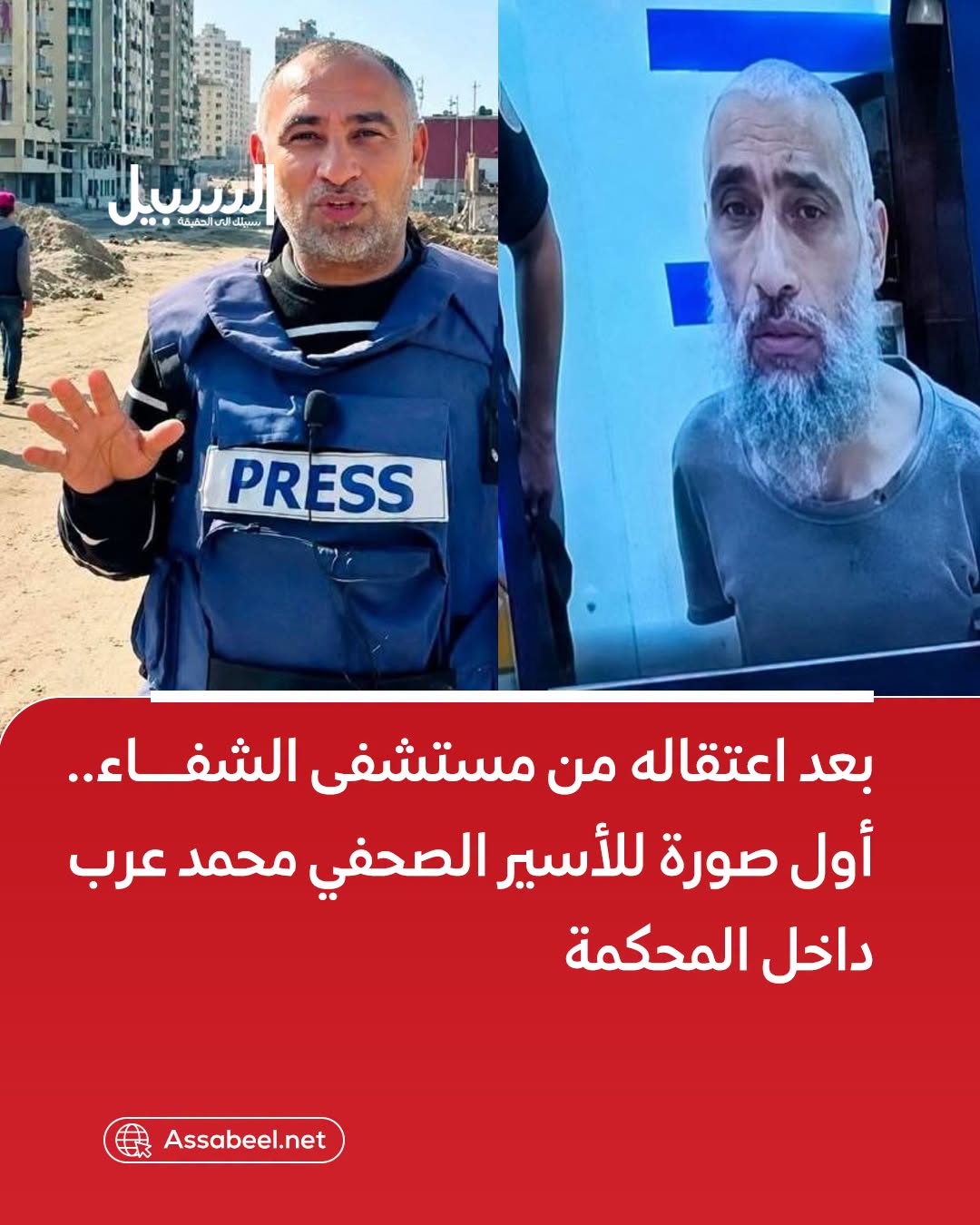
 ‘Dr of The Poor’ Passes Away in Nablus
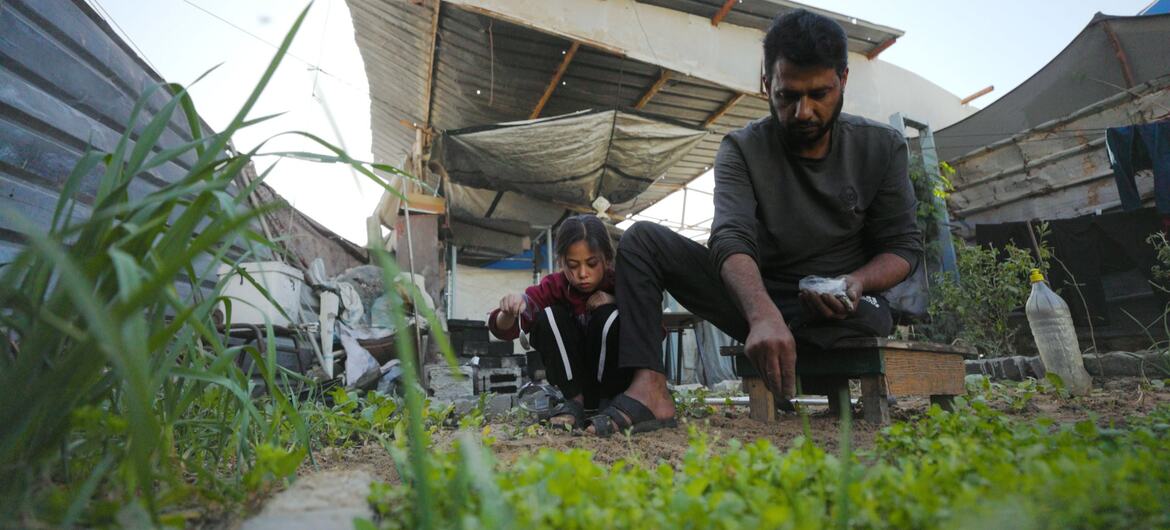
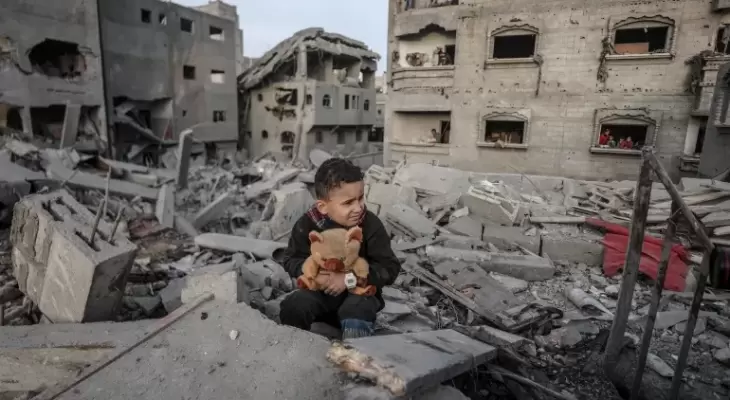
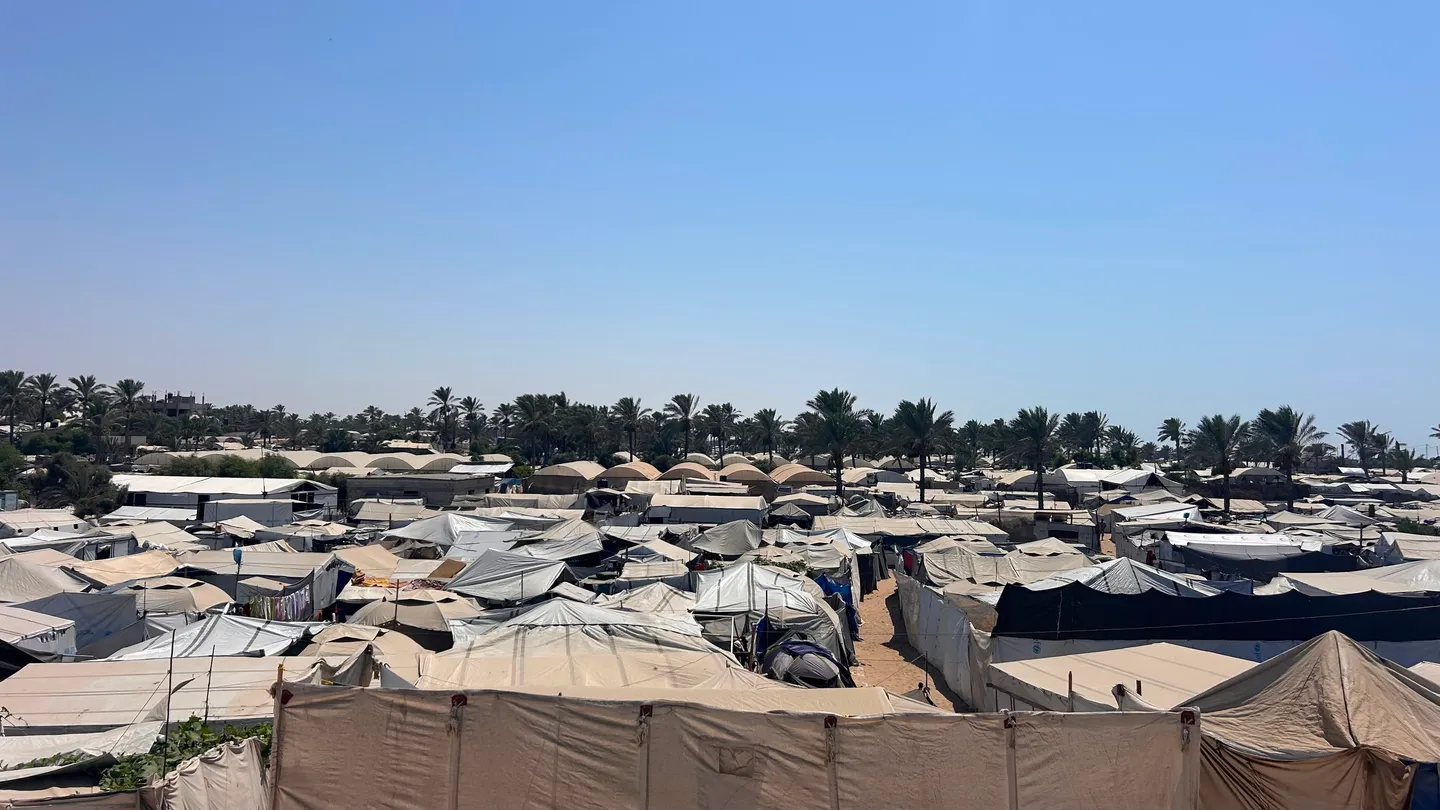
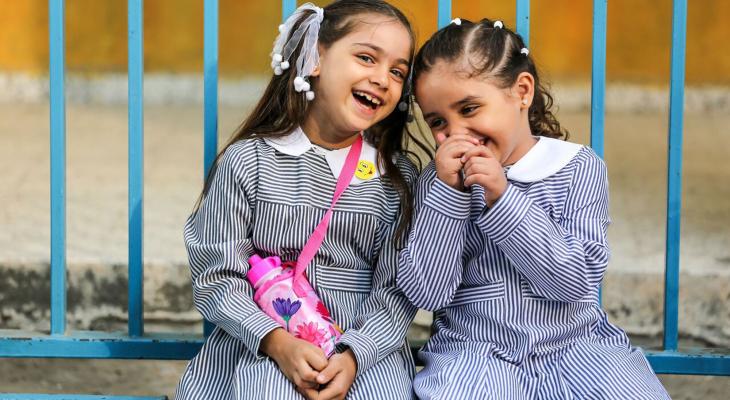
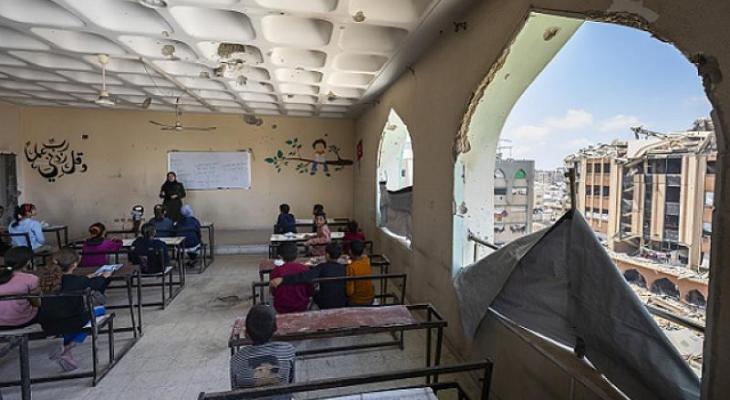 Getting Ready For School in Gaza
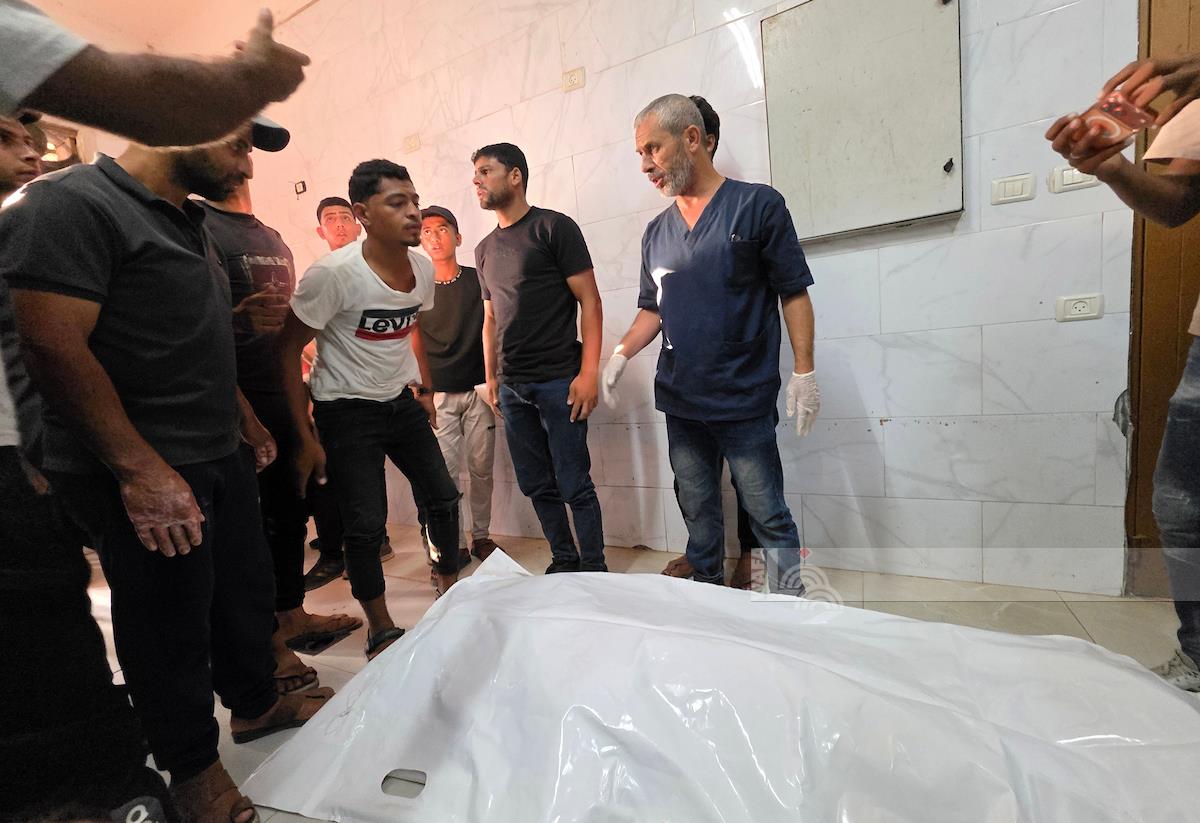
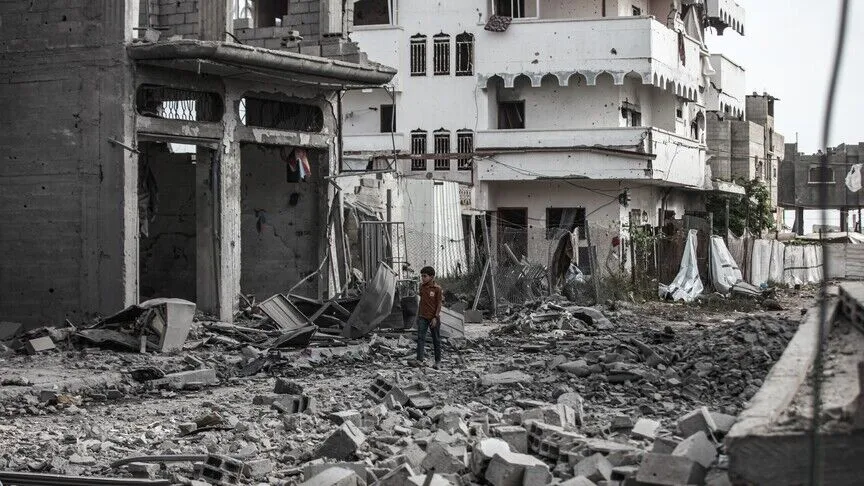
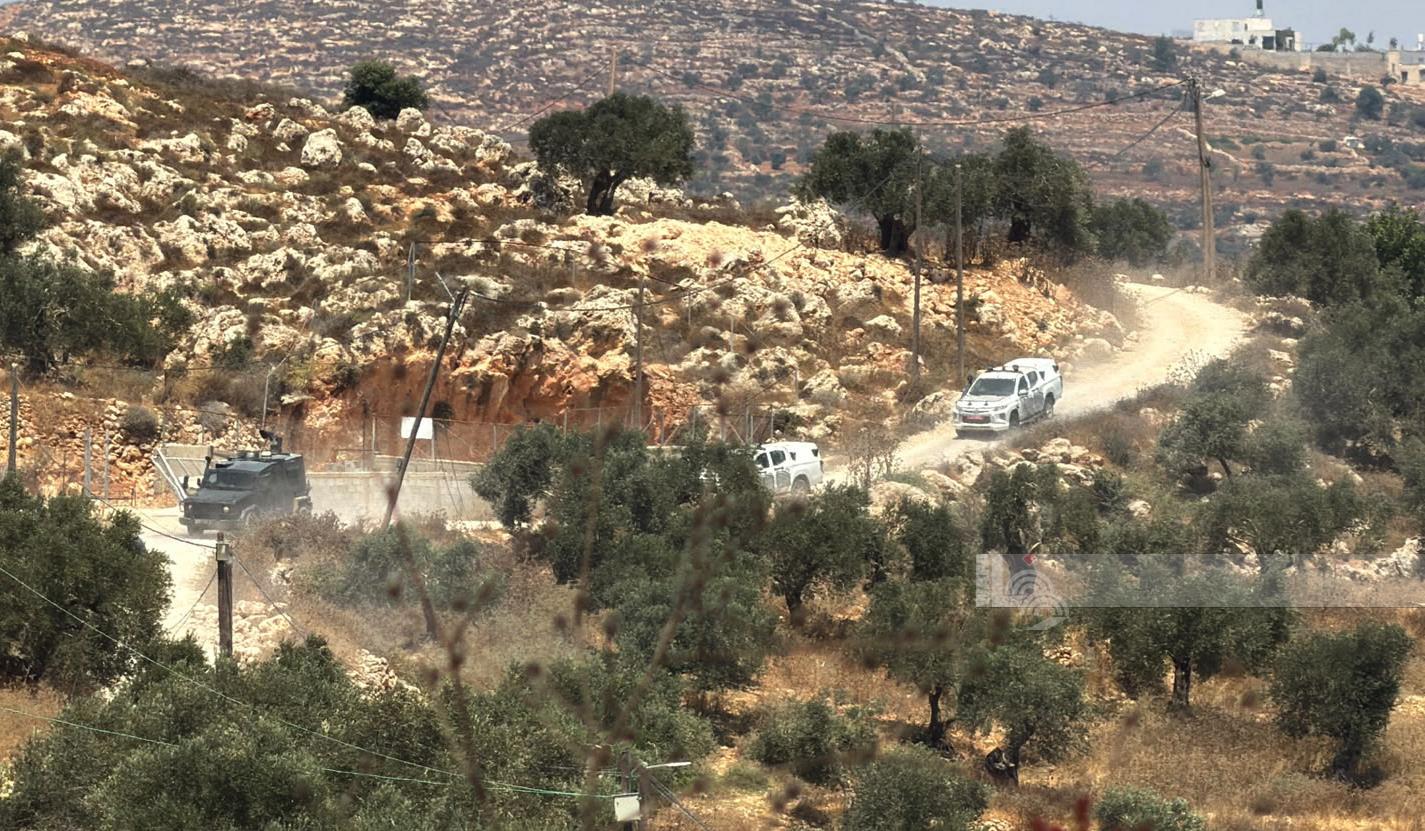
 Beware! Qusra and The Next Nakba
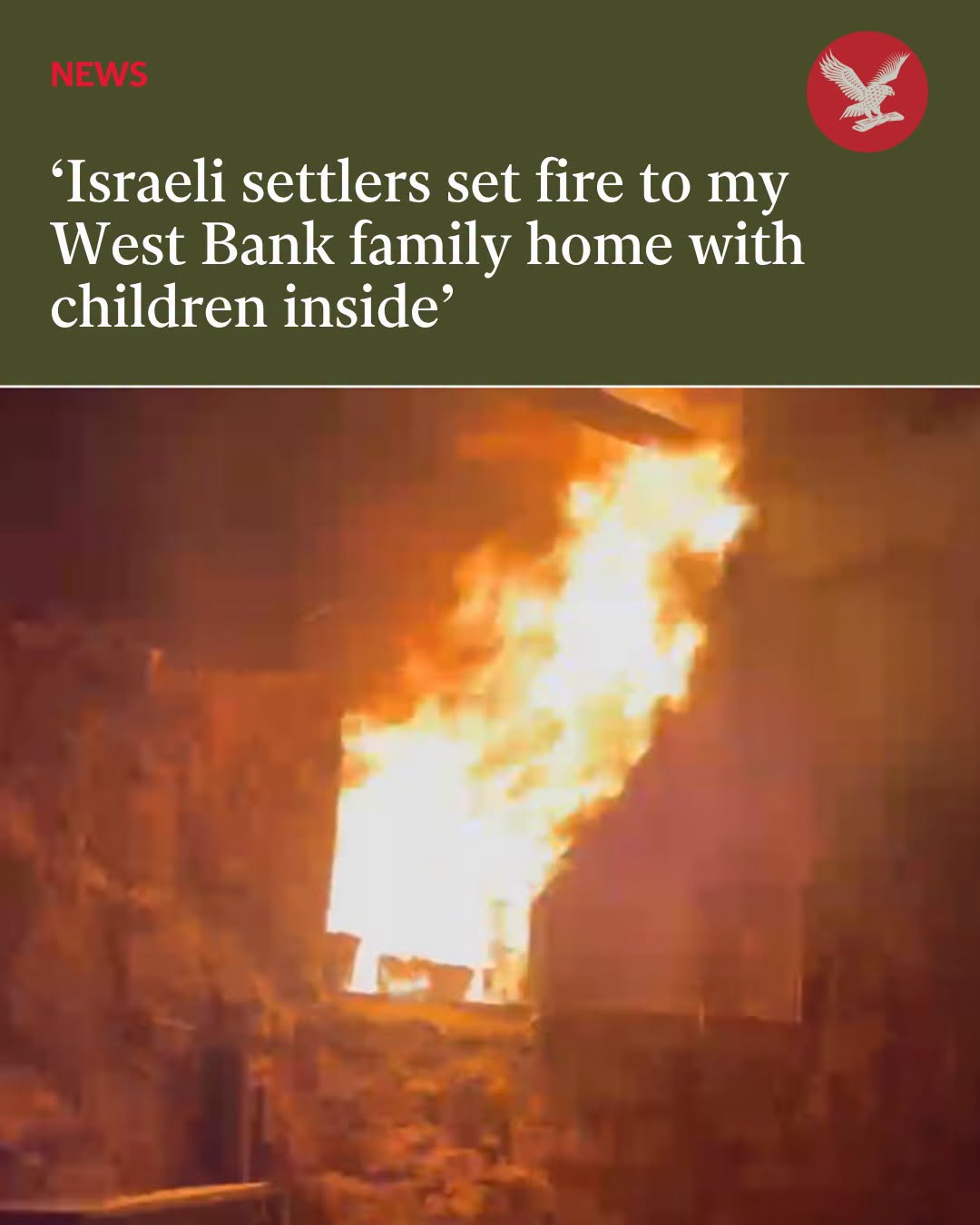
 Israeli Settler Attacks Spiked by 63 percent in the Occupied West Bank

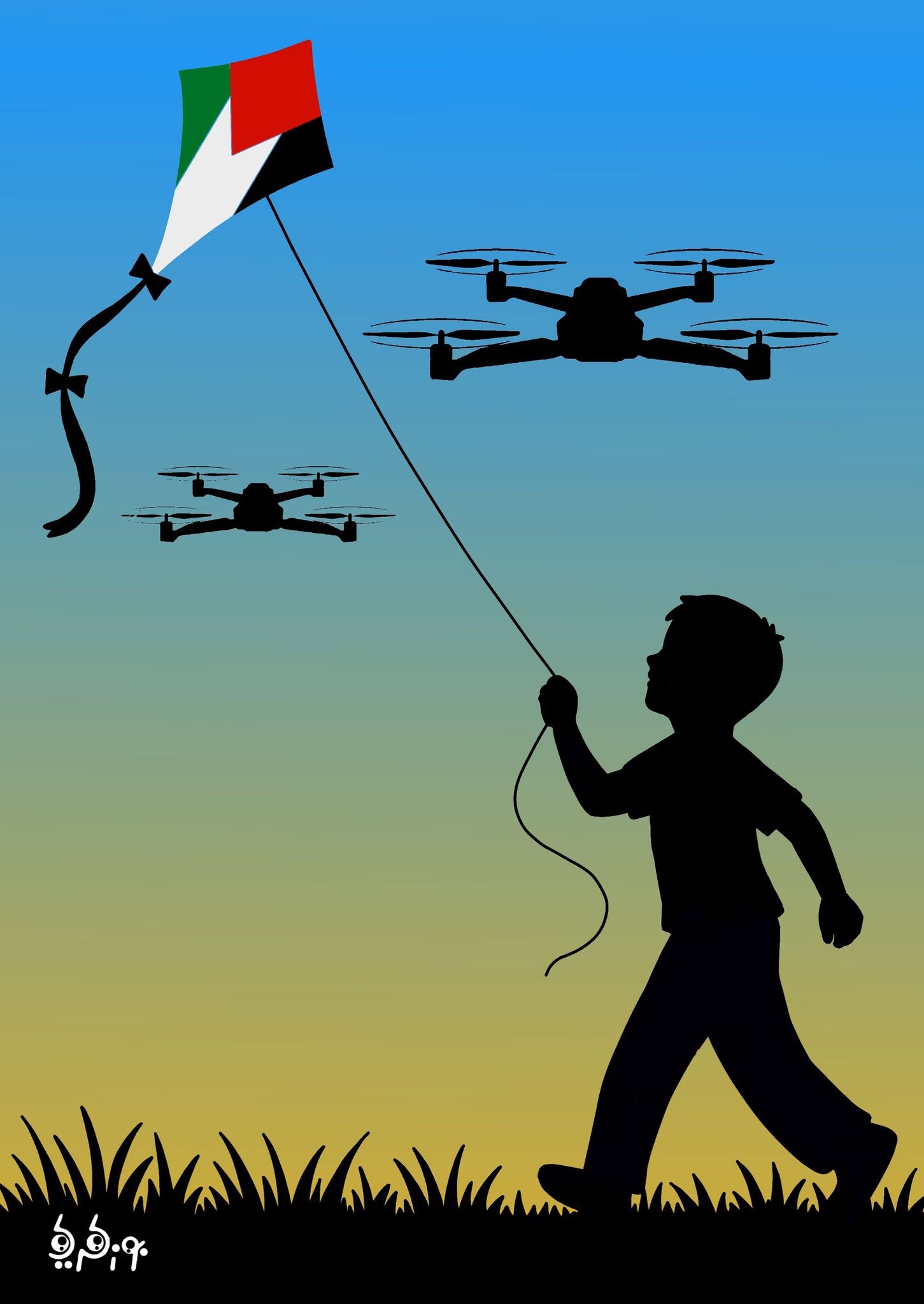
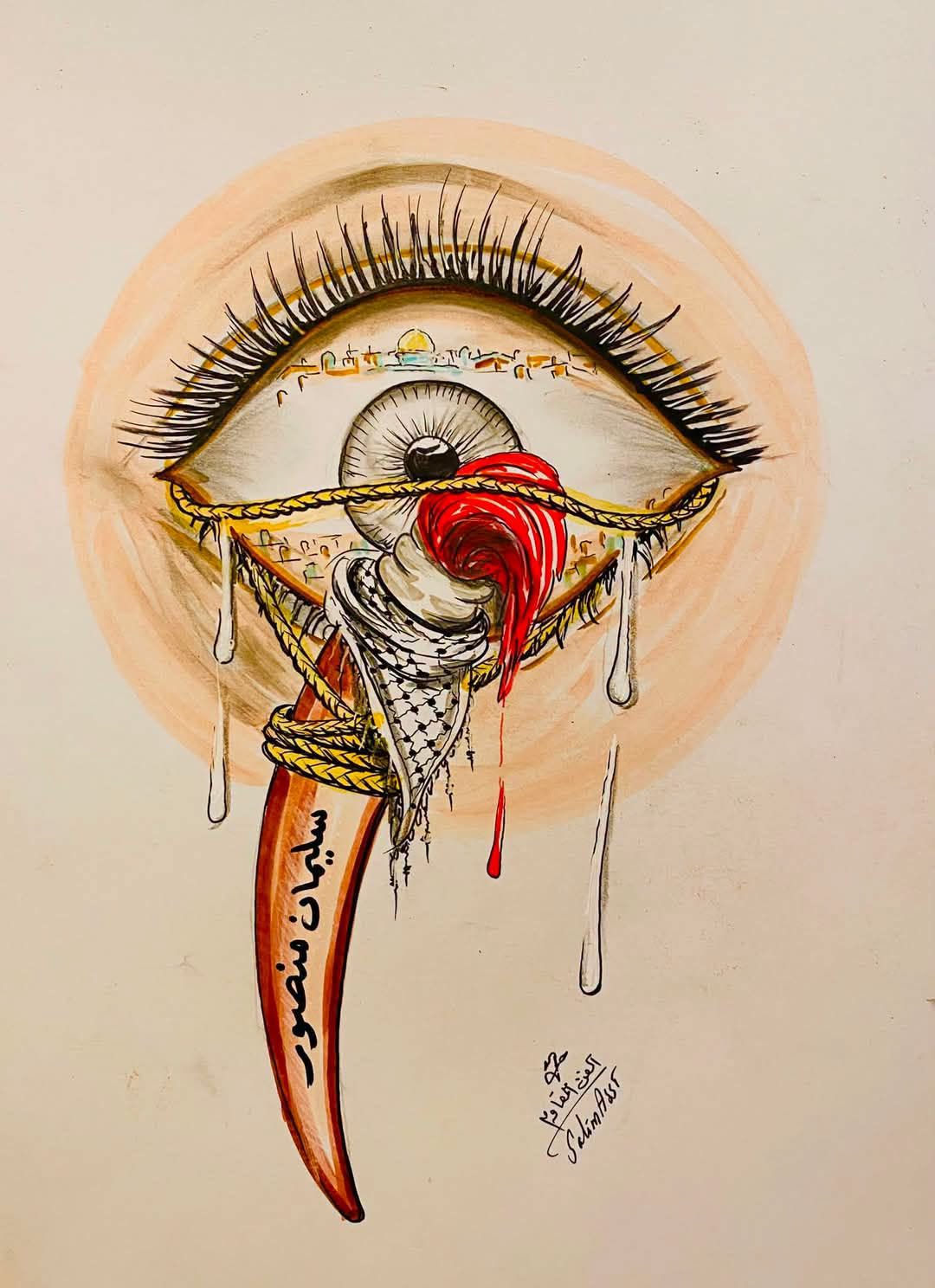
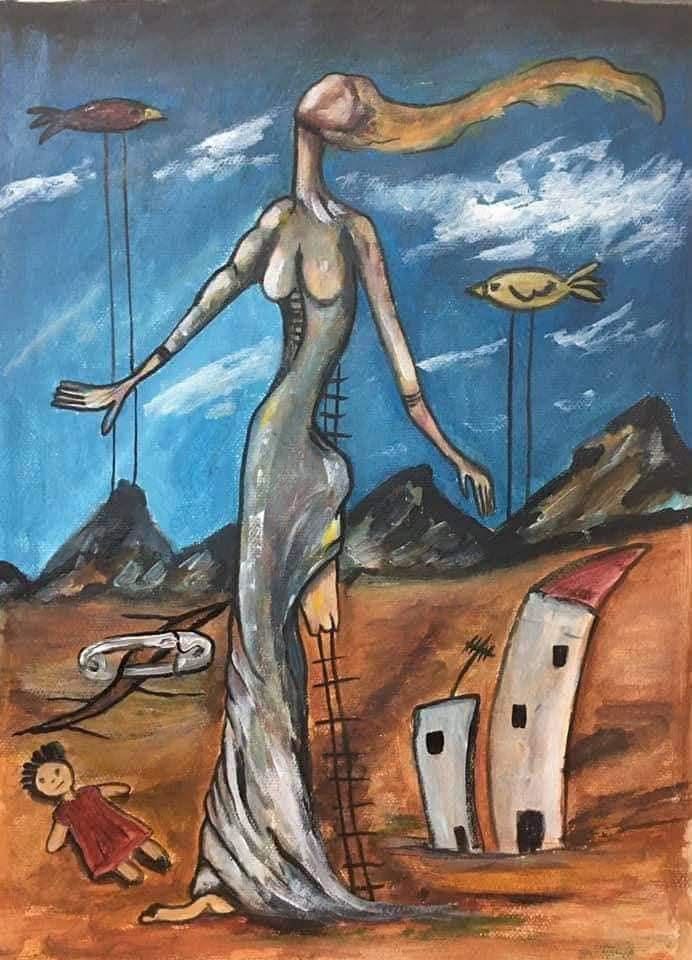
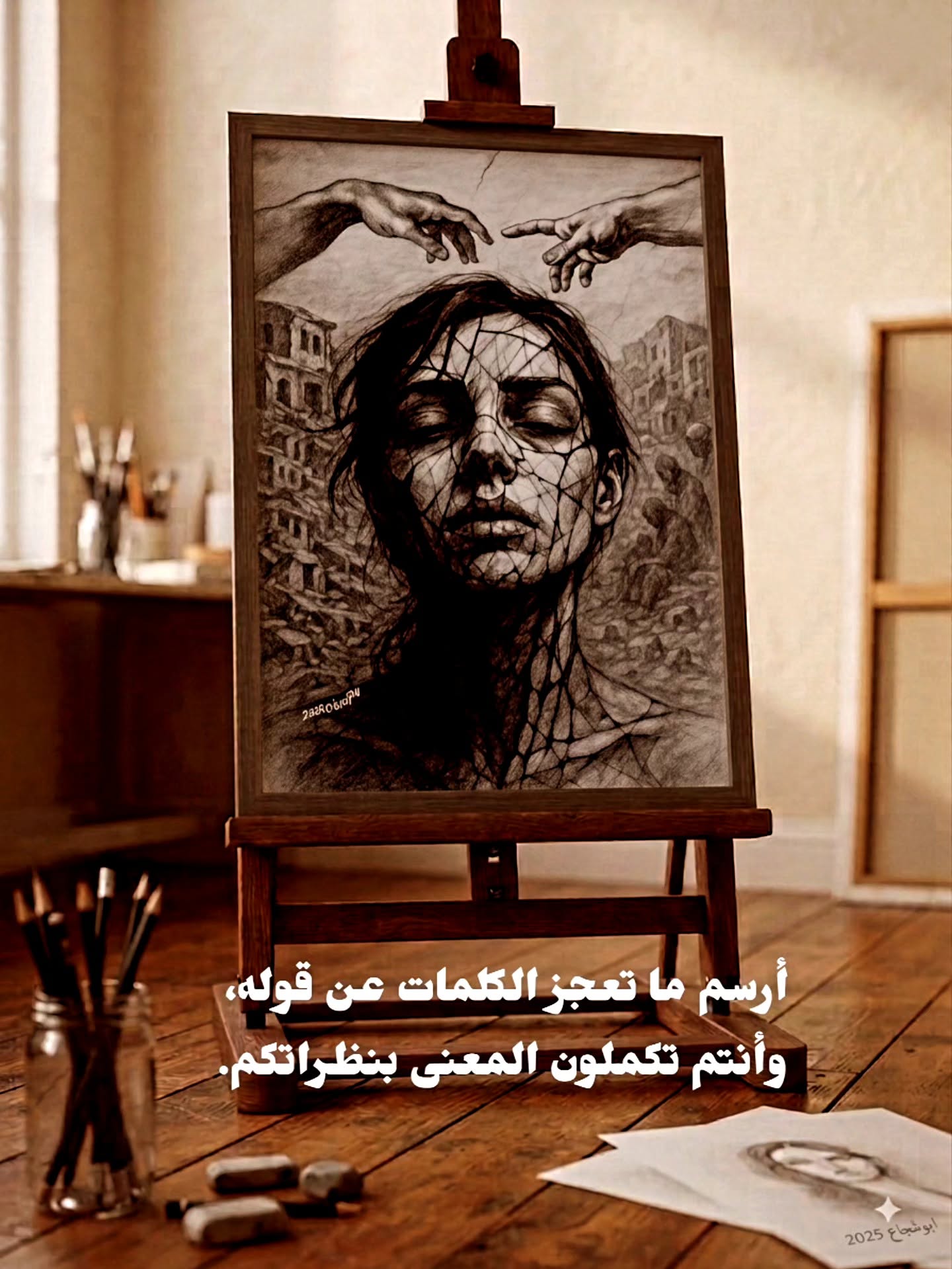
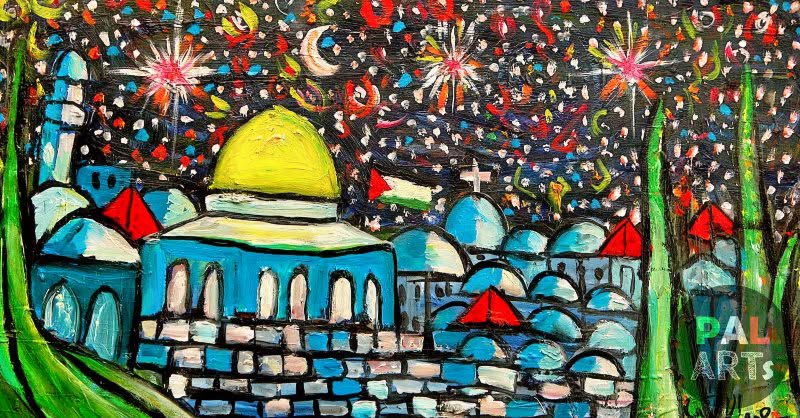
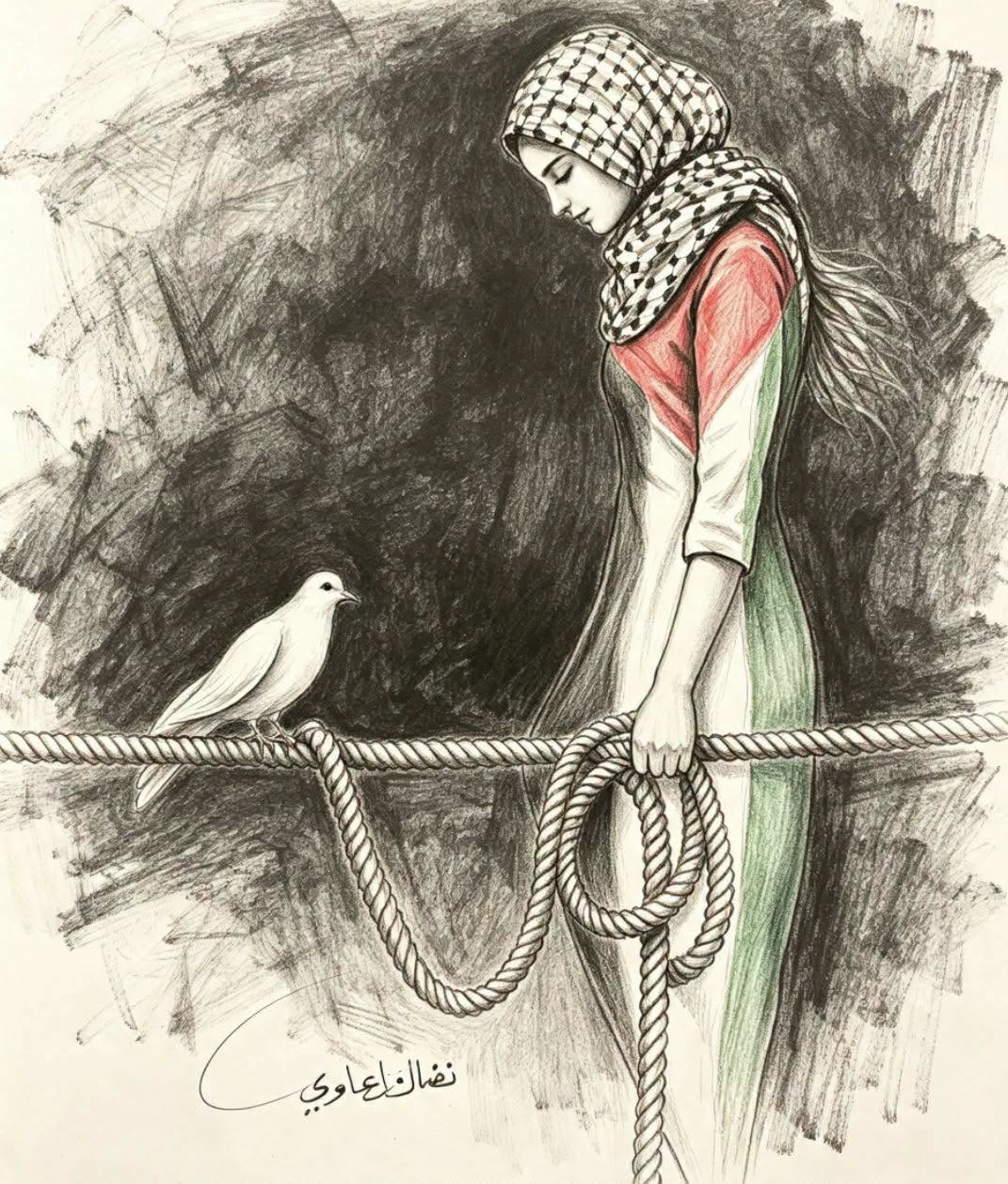
Art in Revolution: The Dove, The Girl and The Rope
marwan
- August 26, 2026
 marwan
 Heba
Heba CrossFireArabiaHebaHebamarwanCrossFireArabiaCrossFireArabiaCrossFireArabiaCrossFireArabiaHebamarwanHebaCrossFireArabiaCrossFireArabiaCrossFireArabiaCrossFireArabiaCrossFireArabiamarwanHebaCrossFireArabiaCrossFireArabiaCrossFireArabiaCrossFireArabiaCrossFireArabiaCrossFireArabiaCrossFireArabiaCrossFireArabiaHebaCrossFireArabiaCrossFireArabiaHebamarwanmarwanmarwanmarwanmarwanmarwanCrossFireArabiamarwanmarwan
 Saleem Ayoub QunamarwanCrossFireArabiaCrossFireArabiaCrossFireArabiaCrossFireArabiamarwanCrossFireArabiaCrossFireArabiamarwanCrossFireArabiaHebaCrossFireArabiamarwanCrossFireArabiamarwanHebaCrossFireArabiamarwanmarwanHebaCrossFireArabiamarwanmarwanCrossFireArabiamarwanHebaCrossFireArabiaCrossFireArabiaCrossFireArabiaHebamarwanCrossFireArabiamarwanCrossFireArabia
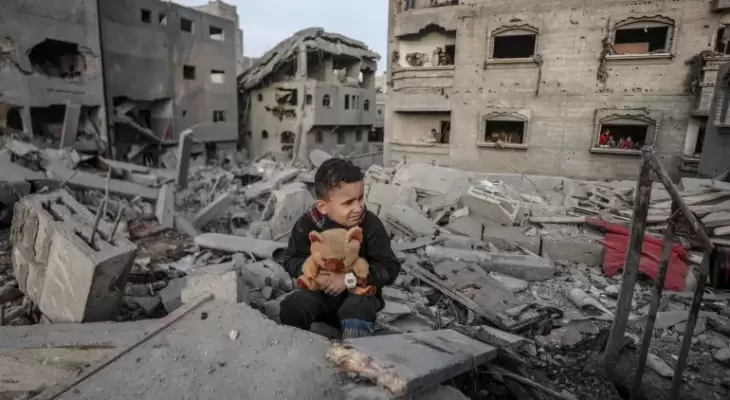
The Ministry of Education in the Gaza Strip announced, Wednesday, the genocide committed by Israel over the course of more than 15 months resulted in the killing and disappearance of more than 15,000 Palestinian school-age children, and the targeting of 95 percent of school and educational buildings.
The ministry said in a statement: “Initial statistics indicate the martyrdom and disappearance of more than 15,000 school-age children, more than 800 education sector workers, and the injury of 50,000 male and female students.”
It added: “The horrific number of martyrs is equivalent to a mass extermination of human elements, students and workers in more than 30 schools, which reflects the extent of the crimes committed against children and educational staff.”
It explained that the genocide resulted in the killing of 1,200 male and female students enrolled in higher education institutions, more than 150 scientists, academics and workers in those institutions, and hundreds were injured and disabled.
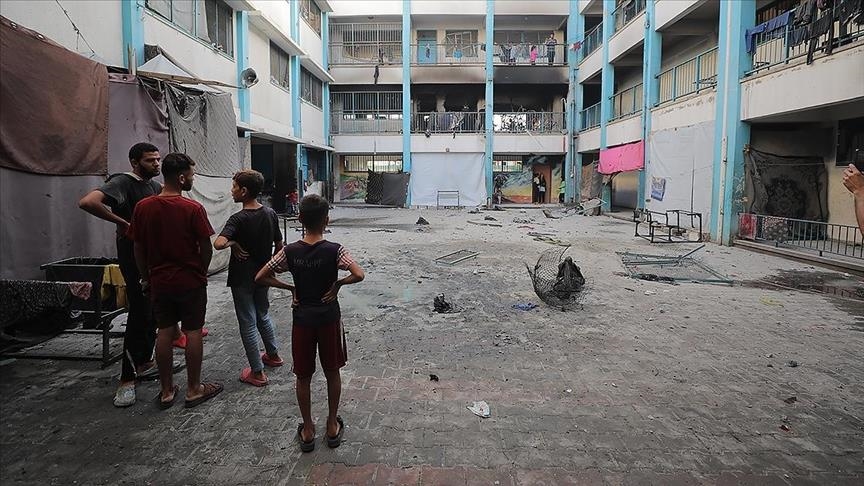
The ministry confirmed that 95 percent of school and educational buildings were directly damaged, while 85 percent of them were completely or partially out of service due to their destruction.
It indicated that the Israeli army destroyed more than 140 administrative and academic facilities, including devices, equipment, laboratories, clinics and libraries.
The ministry estimated losses of the education sector at more than $3 billion.
It explained thousands of children were exposed to shocking experiences and unprecedented psychological pressures, which led to the emergence of psychological symptoms and trauma that require specialized interventions.
The ministry announced the completion of emergency response plans for the next stage, which includes completing the 2023/2024 school year and opening the 2024/2025 school year.
The ministry called on media outlets and human rights institutions to document the “Israeli crimes” against children and depriving them of their right to education, and to prosecute Tel Aviv before international bodies and courts.
It also appealed to supporting bodies and partner institutions to provide urgent and necessary support to relieve and rehabilitate the educational sector.
With American support, Israel committed genocide in the Gaza Strip between October 7, 2023 and January 19, 2025, leaving more than 158,000 Palestinians dead and wounded, most of them children and women, and more than 14,000 missing.
Last Sunday, a ceasefire between Hamas and Israel came into effect, and its first phase will last for 42 days, during which negotiations will begin to start a second and then a third phase, mediated by Egypt, Qatar and the United States.
Israel has turned Gaza into the largest prison in the world, as it has besieged it for the last 18 years, and the genocide has forced about two million of its citizens, numbering about 2.3 million Palestinians, to flee in tragic conditions with a deliberate severe shortage of food, water and medicine.
CrossFireArabia
The international community must put genuine pressure on Israel to promptly guarantee the unconditional entry of technical teams, forensic specialists, and criminal investigators into the Gaza Strip, along with the required tools. This will help Palestinians in the Strip recover the bodies of victims from beneath debris and in areas where Israeli forces invaded, identify the victims, and provide information about the whereabouts of those who have not been found.
These actions are essential, not only to safeguard families’ rights to know the fate of their loved ones and to bury those who have been killed with dignity and respect, but to ensure accountability for the perpetrators of the genocide that Israel has committed in the Gaza Strip for the past 15 months.
Decomposed
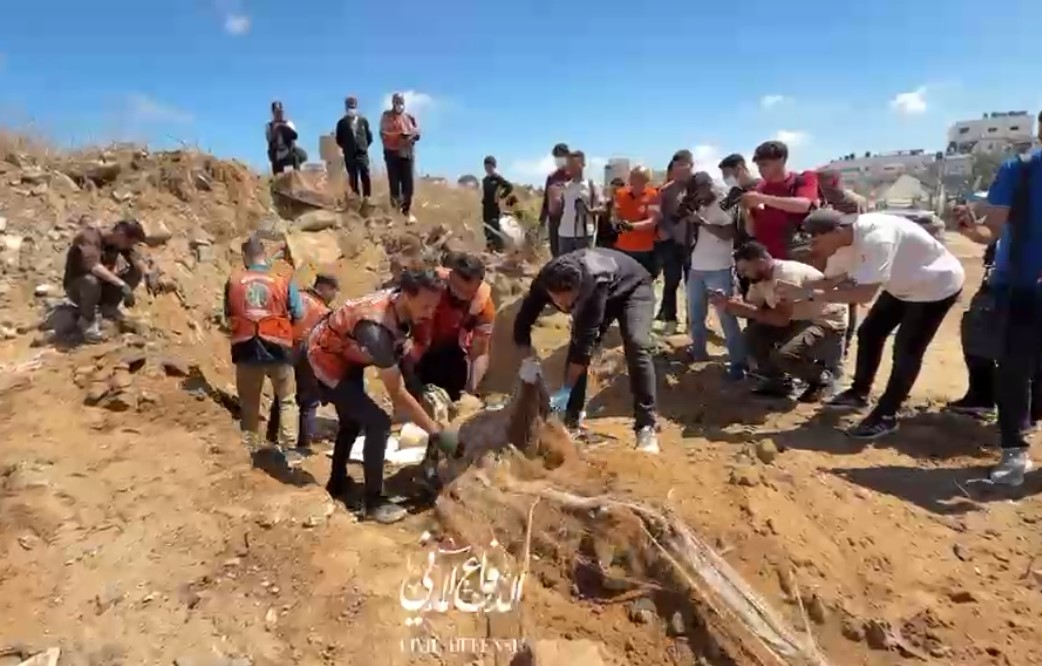
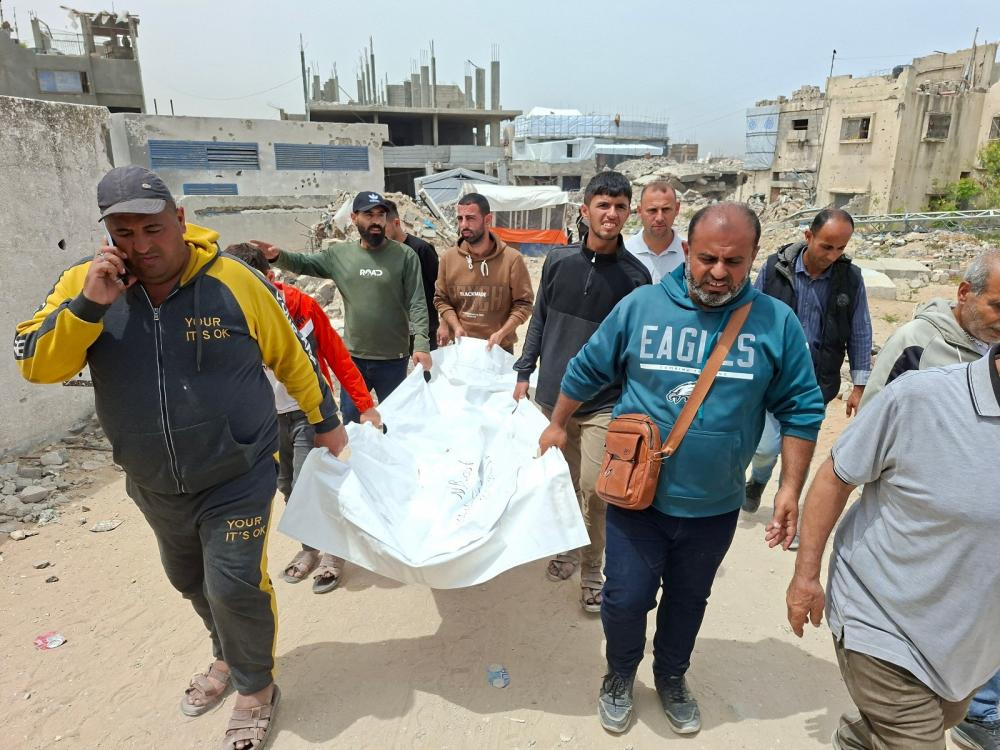
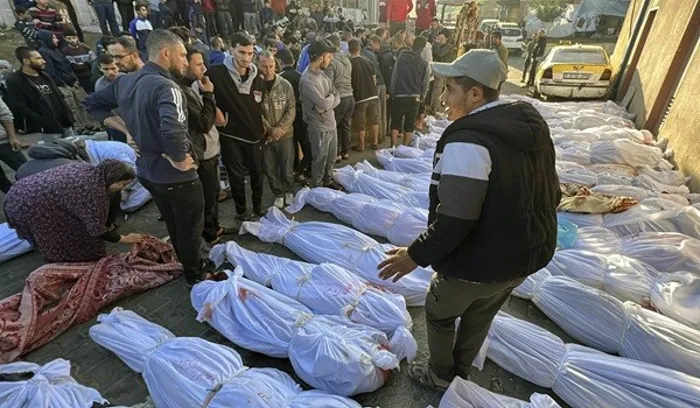
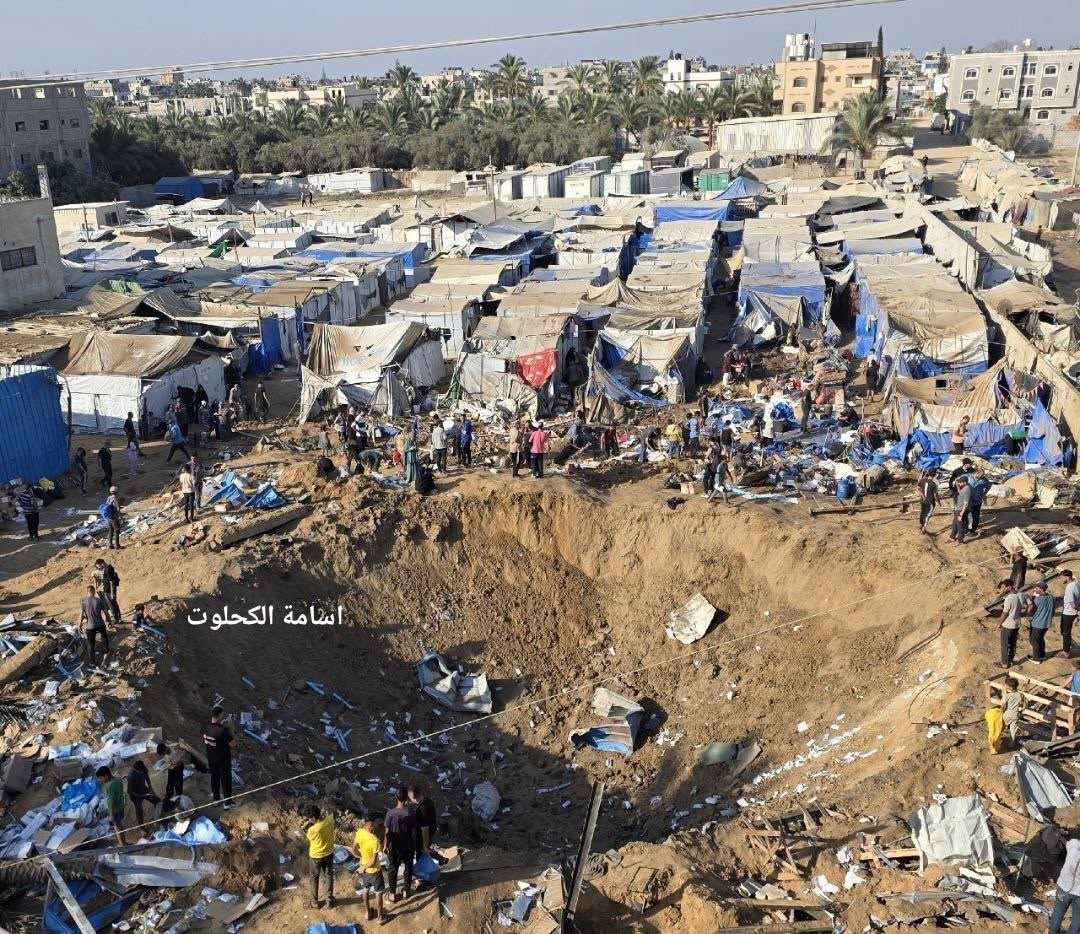
Through urgent field visits during the first few days of the ceasefire, Euro-Med Monitor field teams have documented vast numbers of Palestinian bodies killed by Israeli shelling over the past few months, many of which have almost completely decomposed.
The bodies of 79 people, including 21 unidentified individuals, were recovered in the Rafah neighborhoods by ambulance and civil defense crews following the withdrawal of Israeli army forces.
The Euro-Med Monitor field team was able to inspect areas of incursion in both Rafah and the northern Gaza Strip, and found the severely decomposed remains of multiple additional victims, of whose skulls and a few bones were all that was left.
In order to help local rescue teams recover victims from beneath the massive and intricate debris, it is imperative that specialised equipment and technical crews be brought in. It should be noted that the current rescue teams are using antiquated and inadequate tools, which makes it more difficult for them to carry out their mission effectively, and adds to the suffering of families who are waiting to find out what happened to their loved ones.
The situation could worsen, and the number of victims could rise, if this equipment is not provided right away.
Forensic specialists
Expert teams of criminal investigators and forensic medicine specialists are urgently needed to identify victims, particularly hard-to-identify decomposed bodies. According to preliminary estimates, over 11,000 people are missing, including many individuals who are presumed by their families to have been killed in areas of Israeli military incursion and/or who remain trapped under the rubble following bombings, as well as others who were forcibly disappeared in Israeli occupation prisons. This doubles the suffering of families and highlights the urgent need for international assistance to save remaining survivors and find out what happened to the missing.
Given the potential for heightened suffering if swift action is not taken, this crisis necessitates immediate international intervention. Many of the decomposing bodies found likely belong to individuals who were forcibly disappeared by the Israeli military months ago, underscoring the urgent need for legal proceedings pertaining to the investigation of the missing people’s fate, particularly those who vanished due to the extensive military operations or were detained by the Israeli occupation forces.
Israeli crimes
In addition to strengthening international accountability efforts against the Israeli crimes committed in the Gaza Strip, the presence of specialized forensic teams will help to ensure the preservation of crucial evidence needed to hold those responsible for these violations accountable. To prevent the loss of such evidence or deception in investigations, it is necessary to provide a way to document the condition of victims’ bodies in accordance with human rights standards.
The large number of victims and the fact that Israeli army forces remain heavily deployed in the eastern and northern outskirts of the Gaza Strip, as well as in the Netzarim axis area, south of Gaza City, make it difficult for rescue teams to do their jobs well. To thoroughly investigate the grave crimes Israel has committed against Palestinians in the Strip, it is crucial to make it easier for rescue teams to reach the aforementioned areas, recover victims, and determine the causes of death and potential means of killing.
Given that video footage has shown Israeli bulldozers burying Palestinians after they have been killed—as was the case in the Wadi Gaza Bridge area, south of Gaza City—pressure must be placed on Israel to disclose the locations or potential locations of any mass graves or burial sites of the Palestinian dead, so that the bodies can be exhumed and identified.
Mass graves
Any suspected mass grave sites must be thoroughly investigated, and the appropriate precautions must be taken to safeguard them and prevent tampering. International experts should oversee the exhumation of bodies and victim identification process in compliance with internationally recognised protocols, making sure that victim dignity and family rights are upheld throughout these operations. Additionally, these offences need to be recorded as proof in order to aid in the prosecution of the perpetrators.
It is crucial to speed up the recovery of the deceased people’s bodies in order to begin separating the victims who are confirmed dead or alive from those still missing and to enable families to bury their loved ones’ remains in a dignified manner and in accordance with their religious beliefs, as well as to determine the number of people who may have been forcibly disappeared in Israeli prisons or camps and pressure Israel to disclose their fate.
In the case of detainment, it is also important to ensure that families’ contact with their living loved ones is restored and that they are reunited as soon as possible, to relieve the significant psychological and social strain that people and their families endure due to these extended separations. Euro-Med Monitor emphasizes that family reunification is not just a humanitarian issue, but a fundamental legal right that must be upheld without delay.
To achieve justice and accountability, accurately recording each step of this process is crucial. This will guarantee that the required evidence will be available for use in future court cases or legal investigations.
The international community must also act quickly and decisively to guarantee justice and accountability for the crime of genocide in the Gaza Strip. Euro-Med Human Rights Monitor stresses that this includes establishing and sending specialised teams and investigation committees to the Strip to address these crimes.
Teams from the International Criminal Court, specifically, should be sent to the Gaza Strip immediately in order to ensure independent and thorough investigations; gather and preserve evidence; hear directly from victims and witnesses; establish a permanent office in the Strip to carry out their duties as effectively as possible, expedite their processes, and broaden the scope of their investigations to include the crime of genocide; plus issue arrest warrants for all those involved in these crimes, in order to ensure accountability and bring them to justice.
CrossFireArabia
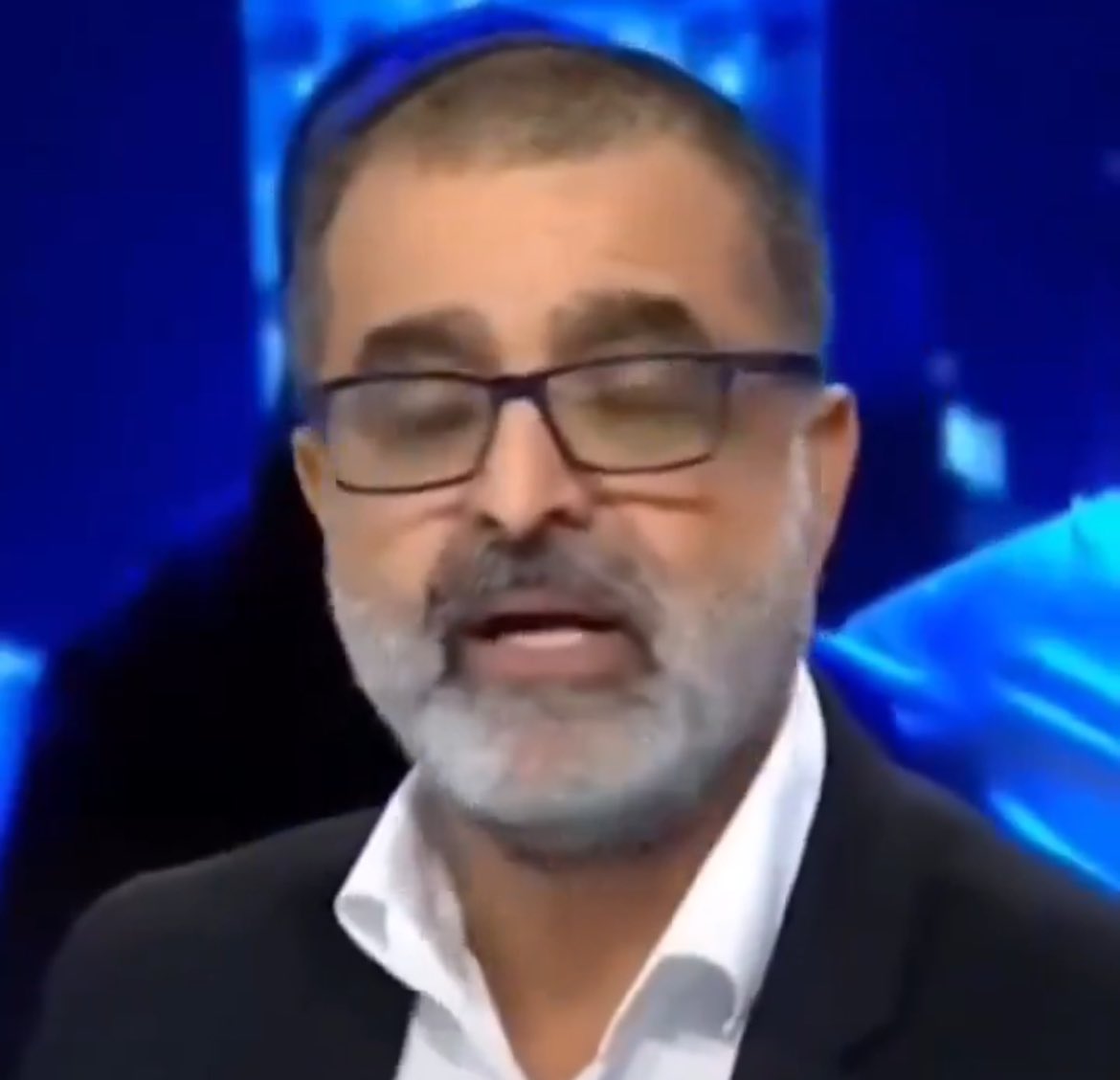
An Israeli soldier who is a bulldozer operator, was interviewed on Hebrew Kan and said:
“I told the officer that I perform a symphony with a D9 bulldozer, demolishing 50 buildings a week by myself,” said Rabbi Avraham Zarbib who served in the Israel army for the whole duration of the war on Gaza.
“A two-story house means nothing to us. We completely destroyed Jabalia and Rafah, and we were on our way to destroying Beit Hanoun and Beit Lahia, but the [ceasefire] agreement didn’t give us enough time, so we settled for destroying half of them,” he added.
CrossFireArabia
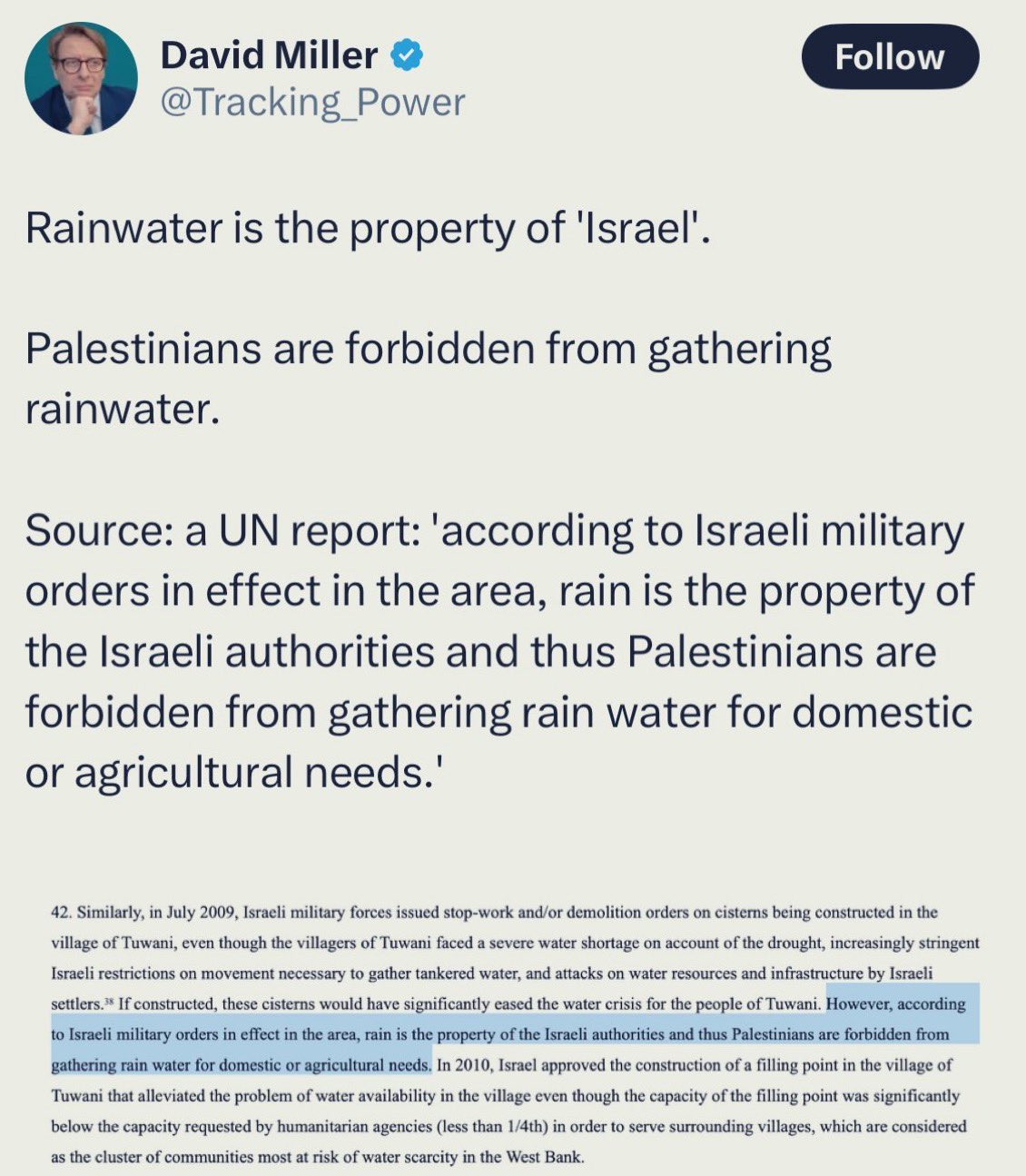
This is from Sarah Wilkinson on X. She writes:
This is from @Tracking_Power: It is probably one of the most absurd, inhumane, supremacy nonsense ever scribed: No one owns rain, not even the Israelis
Below it is reposted:
CrossFireArabia
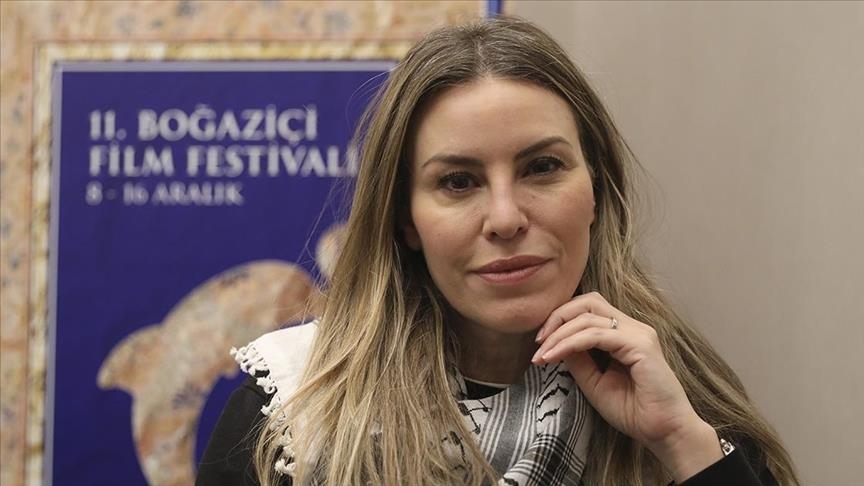
Oscar-nominated and BAFTA award-winning Palestinian-British filmmaker Farah Nabulsi is calling for global empathy for Palestinians through her debut feature film, The Teacher.
In an interview with Anadolu, Nabulsi said her goal is to challenge audiences to reflect on the hardships Palestinians face under occupation. “I really want people to ask themselves: Is this a reality they would accept for themselves? And if it isn’t, why have Palestinians been expected to?”
Nabulsi shared her experiences filming The Teacher, which premiered at the Toronto Film Festival on Sept. 9, 2023.
“Given the current reality in Palestine, as Israel conducts a genocide in Gaza, I hope this film offers a deeper human context to that reality. The sociopolitical is important but often missing from the discourse.”
Born and raised in the UK, Nabulsi said a visit to Palestine a decade ago profoundly changed her perspective.
“Despite thinking I knew about the injustice and discrimination, witnessing it firsthand—checkpoints, demolished homes, detained children—was shocking,” she recounted.
“This injustice hit me deeply,” she continued, explaining that storytelling became her way to process and respond.
Drawing inspiration from real life
Nabulsi said the script for The Teacher was shaped by her conversations with Palestinians and her observations during her time in Palestine. The film addresses settler violence, home demolitions, and the treatment of children in military courts.
Referring to a 2011 exchange where an Israeli soldier was released by Hamas in return for over 1,000 Palestinian prisoners, Nabulsi highlighted the disparity in the perceived value of human life.
“It’s this idea that Palestinian lives are not valued like Israeli Jewish lives. That imbalance inspired the story,” she said.
“I never could have imagined, though, the exponential magnification of that imbalance, as we now witness hundreds of thousands of Palestinians being killed, maimed, starved, and subjected to malnutrition and disease in Gaza.”
Filming amid real-life injustices
Filming in the occupied West Bank brought emotional and logistical difficulties, Nabulsi said.
“I didn’t realize how emotionally taxing it would be to witness these injustices while shooting scenes replicating them,” she said.
“It’s different from reading about it or watching it on the news. When your cast and crew have lived through these realities, you feel a responsibility to do justice to their experiences. It takes a mental and emotional toll.”
The film was shot near the village of Burin, close to Nablus in the occupied West Bank, where challenges arose during production.
“We heard that illegal Israeli settlers had descended onto the village, torching olive groves—something depicted in the story itself. On another occasion, I encountered a family with six children standing before the rubble of their freshly demolished home, an act mirrored in the film.”
Nabulsi said she hopes her work will inspire audiences to empathize with Palestinians and support their pursuit of freedom.