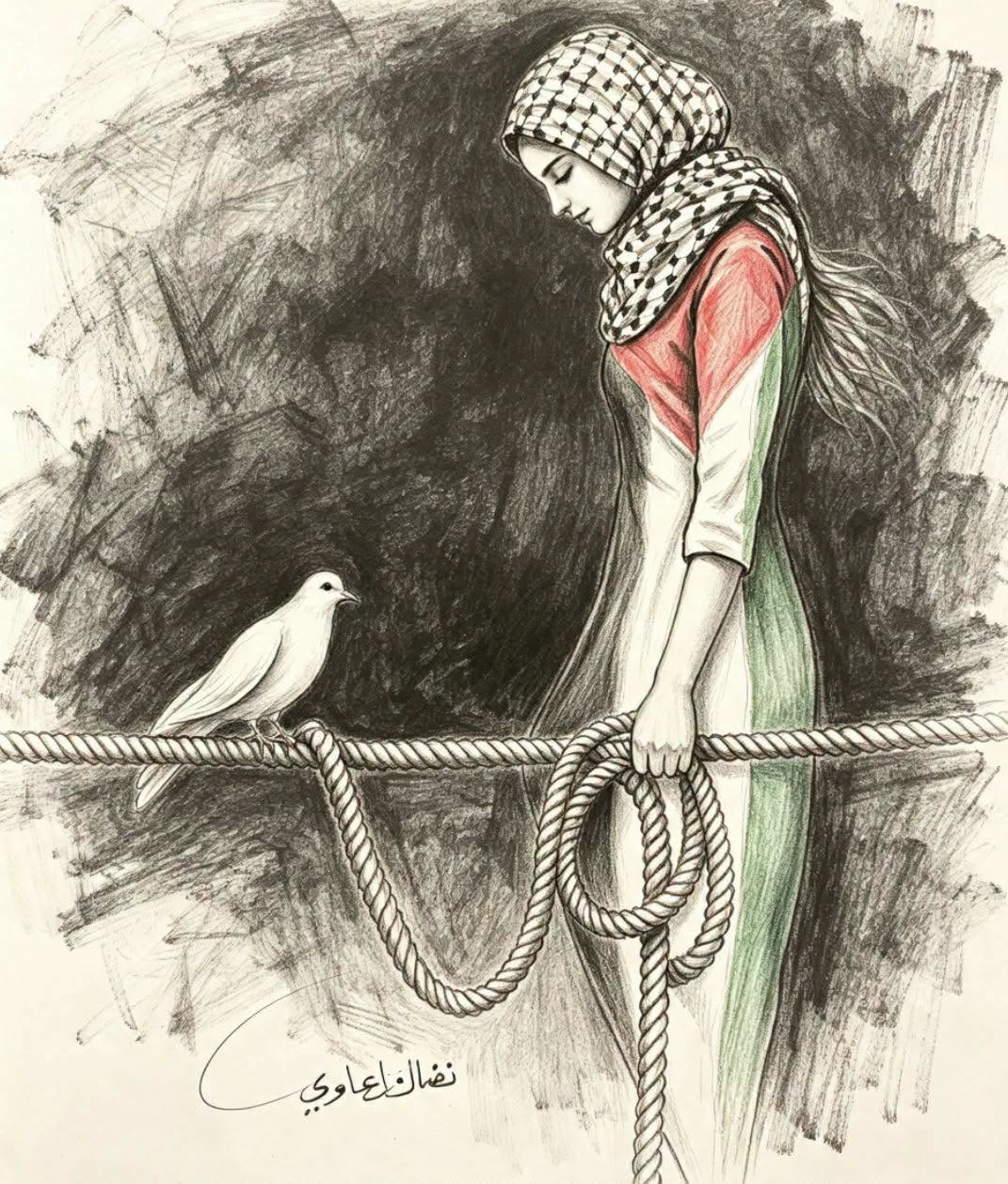
 Art in Revolution: The Dove, The Girl and The Rope
 ‘Dr of The Poor’ Passes Away in Nablus
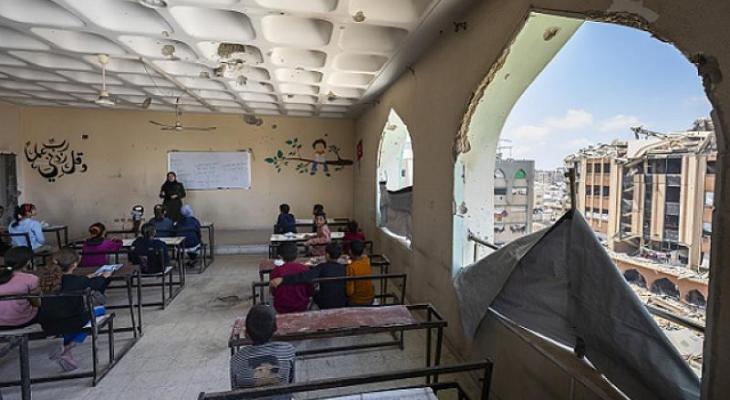 Getting Ready For School in Gaza
 Beware! Qusra and The Next Nakba
 Israeli Settler Attacks Spiked by 63 percent in the Occupied West Bank
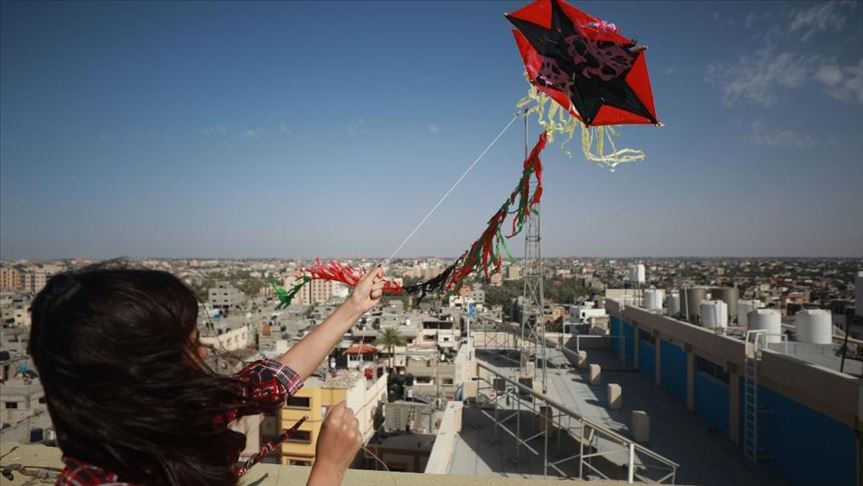
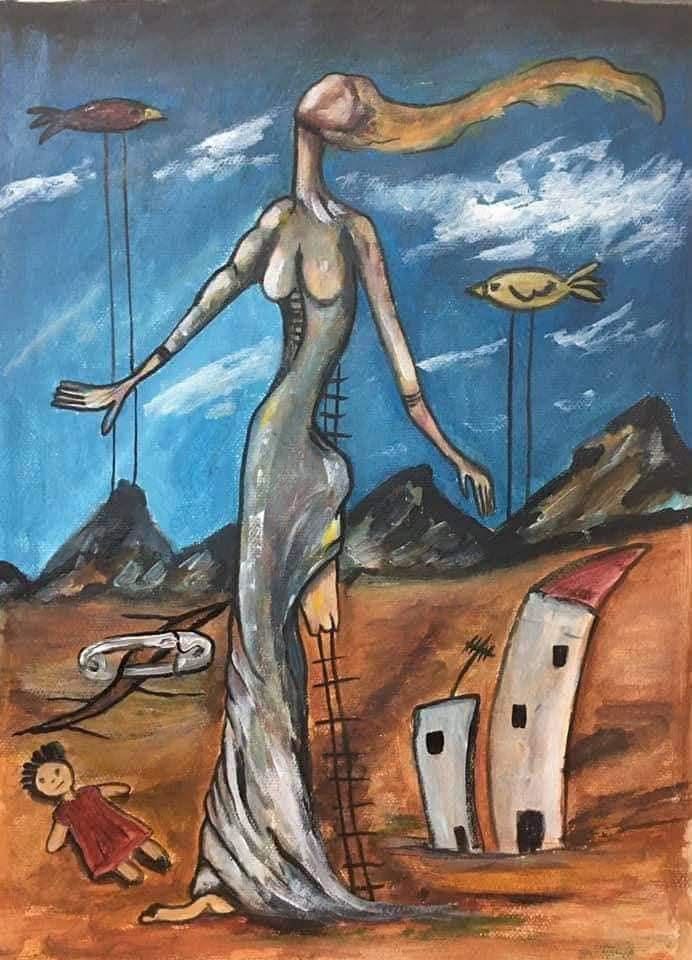
Art in Revolution: The Dove, The Girl and The Rope
marwan
- August 26, 2026
 marwan
 Heba
Heba CrossFireArabiaHebaHebamarwanCrossFireArabiaCrossFireArabiaCrossFireArabiaCrossFireArabiaHebamarwanHebaCrossFireArabiaCrossFireArabiaCrossFireArabiaCrossFireArabiaCrossFireArabiamarwanHebaCrossFireArabiaCrossFireArabiaCrossFireArabiaCrossFireArabiaCrossFireArabiaCrossFireArabiaCrossFireArabiaCrossFireArabiaHebaCrossFireArabiaCrossFireArabiaHebamarwanmarwanmarwanmarwanmarwanmarwanCrossFireArabiamarwanmarwan
 Saleem Ayoub QunamarwanCrossFireArabiaCrossFireArabiaCrossFireArabiaCrossFireArabiamarwanCrossFireArabiaCrossFireArabiamarwanCrossFireArabiaHebaCrossFireArabiamarwanCrossFireArabiamarwanHebaCrossFireArabiamarwanmarwanHebaCrossFireArabiamarwanmarwanCrossFireArabiamarwanHebaCrossFireArabiaCrossFireArabiaCrossFireArabiaHebamarwanCrossFireArabiamarwanSaleem Ayoub Quna
By Saleem Ayoub Quna
Yes, this is the only way I could come up with to describe the special type of approach and fascination, just recently demonstrated by US President-elect Donald Trump, versus the science of geography.
As we all know, geography has for centuries, drew the lines not only between countries and peoples, but also built demarcation signs for different nations to respect each other’s space, identity, culture, way of life and freedom.
Geography in this sense is good and useful. But when some men at the top in the past failed to read its subtle codes, problem happened. History is rich of such incidents. Take for example Genghis Khan of Mongolia in the 11th century, Napoleon Bonaparte of France in the 17th century, and Adolf Hitler of Germany in the 20th century.
Who do think would be a good candidate today to replay the role of one of those who once misread the language of maps?
No one on earth can tell what’s really was going on in the mind of Donald Trump, the newly re-elected President of the US, when he talked the way he did, about his plans for his country’s second door neighbors and allies such as Canada, Mexico, Panama and even faraway Greenland, all in one coup, just few days before he takes office!
Surely, Trump’s hands are full at home and abroad. But it seems that his biggest obsession next to blaming Joe Biden for all mischiefs at home and abroad, is China!
China, he is told, is doing well. Not only its business and reputation are flourishing all over the world, including in the US, but also at home, where the standard of living and economy is impressively on the rise.
In addition to all of these strong cards China holds, its army must be the biggest in the world, plus its nuclear arsenal. Trump is aware of that too.
China for its part, is talking about Taiwan, the American and Western success story, since the end of WWII. China wants it back as part of its territorial national sovereignty. The US, Taiwan’s government and its people (23 million) and the West, do not agree to that, saying that the current world order has been constructed on the results of that war which they won, as did Communist China.
The current situation in the eastern Pacific Ocean, which harbors among others, South Korea, Japan and Taiwan is part and parcel of that glorious history.
Trump, to his own credit, is aware of China’s credentials. He obviously realizes the meaning of a full scale war with China. In some way, Trump thinks, and this goes also to his credit, that economy could be more important and effective than military force with equal rivals!
So to get out of this self-dug quagmire, Trump’s imagination takes him and the whole world, beyond all known classical boundaries of imagination, that politicians and strategists have experienced before.
Here, emerges the other hidden side of Trump, the visionary leader who, most probably, is living an illusion that he could be the greatest American President since 1776! Maybe, he thinks that, if George Washington, 250 years ago was chosen to become the first President of this vast rich country, it is now time for America, under his watch, to change the course of history and adjust some lines of geography again!
So what is he coming up with? He wants to change the name of the Gulf of Mexico to the Gulf of America, because, first it is appropriate, and second because it is a more beautiful name! Thanks God that he did not suggest to name it the Gulf of Trump!
But what are the facts on the ground?
The Gulf of Mexico was known since Mexico and Mexican civilization were born nearly 3000 years ago. The US as such came to exist less than 300 years ago. The coast line of the Gulf of Mexico makes the waterfront boundaries of states that were taken by the American colonizers, as a result of the Mexican-American War of 1846-1848. Look at the map again!
Other inland states such as Utah, Wyoming, Colorado, Nevada, Kansas and others were all also part of Mexican territory before that war. According to the Treaty of Guadalupe-Hidalgo signed between representatives of the two governments of the US and Mexico at that time, Mexico had conceded all these territories to the strong and better armed Americans. In brief, more than 50% of what constitutes the USA today, was originally Mexican, but still the names of all these states are still Spanish, not English!
Looking north, Trump beholds Canada, a vast and sparsely populated land with lot of rich natural resources. Why not make it the 51 state now? If the Founding Fathers managed to conquer all these states that make half of the country today, from Mexico 200 years ago by force, why not invite Canada to join the Union, without a fight? Together they would make a great beautiful landscape, and a unique merging venture, Trump fantasizes!
Then he turns to Panama Canal! He wants to take control of this strategic water way between South and North America, because he does not like the news that the Chinese are using it to market their merchandise!
Finally, he looks way up to the Atlantic Ocean and spots a huge island covered with ice, where nearly 60,000 people live. They formally and willingly are loyal to the Danish Crown in Copenhagen, the capital of Denmark. According to the Mercator Map Projection, Greenland is as big as Africa, although topographically Africa is 14 times larger. But that does deter Trump from wanting to annex it to America as well!
The only way Trump would convince those 60000 Greenlanders to accept his offer would be to offer them all full-board stay in three star Hotels in America which do not belong to his hospitality empire of course, but are owned and run by a Cuban businessman, who was once granted political asylum in Florida along with other Cubans soldiers, after the American planned invasion of the Bay of Pigs in Cuba, during the JFK presidency in the early 1960s, had failed!
With this nostalgic note, I want to close, by sincerely hoping that this Trumpography bubble will not be around after Trump himself is gone four years from now!
This opinion was especially written for Crossfire Arabia by Saleem Ayoub Quna who is a Jordanian author writing on local, regional and international affairs and has two books published. He has a BA in English Literature from Jordan University, a diploma from Paris and an MA from Johns Hopkins University in Washington. He also has working knowledge of French and German.
CrossFireArabia
Suppressed News, an alternative media website is highlighting:
Hebrew Media is reporting a ‘black Saturday’. More than 7 Israeli soldiers killed and more than 11 injured. This is although, officially the number that is announced so far is 4 killed and 3 injured.
A patrol led by the deputy commander of the “Nahal” Brigade was traveling down a side street in an area that the Israeli army described as “cleared,” meaning that the Palestinian resistance there had been completely eliminated but clearly it wasn’t.
The latest deadly incident occurred in Beit Hanoon, at the northernmost tip of the Gaza Strip and a short distance from the border overlooking Israeli settlements.
A powerful IED, manufactured by the resistance using remnants of Israeli military equipment, detonated inside one of the vehicles, killing three soldiers and officers who were inside.
Following this, Palestinian resistance fighters completed the mission by directly firing on the convoy to confirm the casualties, as well as on the rescue team, before reportedly withdrawing from the area through a tunnel.
CrossFireArabia
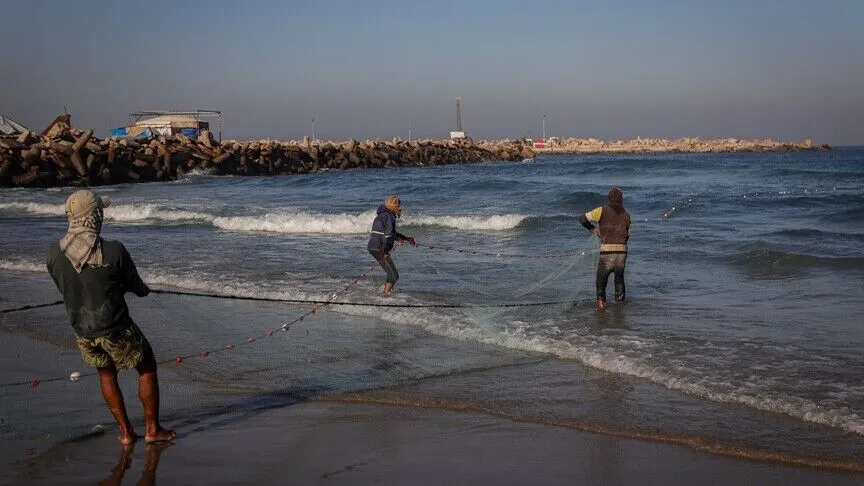
Before the war Gaza fisherman used to return dolphins caught in their net back to the sea but this is now changing.
A Palestinian fisherman caught a dolphin in the Qarara Sea, south of the Gaza Strip, Saturday. Everyone, locally and international as well as those on the social media are talking about this incident especially because of the starvation imposed on the enclave by Israel through its tight blockade.
In a bid to try to deflect their hunger, Gaza fisherman are trying to scrape the narrow parts of the Gaza waters on the Mediterranean. A picture of the Palestinian fisherman, holding the dolphin, which is more than two meters long, have spread on social media.
Dozens of Palestinians gathered around the fisherman to watch the dolphin and take pictures next to it as if its a treasure trove and delight for the hungry.
This incident comes in the context of highlighting the rich environmental diversity in the Gaza Sea, as fishermen documented repeated scenes of dolphins swimming near their boats according to a report in Anadolu.
Before the Israeli war of extermination, fishermen in Gaza used to return dolphins caught in their nets to the sea, but the famine conditions and the Israeli siege imposed on the Strip prompted them this time to take out the dolphin and eat it.
The sector is suffering, in conjunction with Israeli onslaught, from starvation operations created by Israel which tightened the closure of the border crossings on more than two million Palestinians.
The World Food Program states that “hunger is widespread in Gaza” and the organization has only been able to secure a third of the food it needs to support the Palestinians in the Strip, due to the genocide that Israel is committing against the Palestinians now in its 15 months.
Famine has worsened in most areas of the Gaza Strip due to the Israeli blockade, especially in the northern governorate, following the escalation of genocide and starvation to force citizens to flee south.
With American support, Israel has been committing genocide in Gaza since 7 October, 2023, leaving more than 156,000 Palestinians dead and wounded, most of them children and women, and more than 11,000 missing, amid massive destruction and famine that killed dozens of children and elderly people, in one of the worst humanitarian disasters in the world.
Israel continues its massacres, ignoring two arrest warrants issued by the International Criminal Court on 21 November, 2024 against Prime Minister Benjamin Netanyahu and former Defense Minister Yoav Galant, for committing war crimes and crimes against humanity against the Palestinians in Gaza according to the Anadolu news agency.
CrossFireArabia
The Government Media Office in Gaza reported:
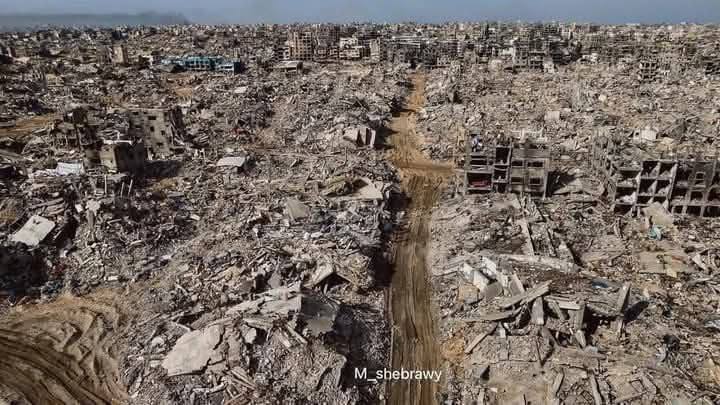
5,000 Palestinians were killed or remain missing due to the annihilation plan imposed by Israeli occupation forces over the past 100 days in northern Gaza Strip.
Israeli occupation forces have abducted 2,600 Palestinians, including women and children, from multiple neighborhoods in the northern Gaza Strip.
“Some 9,500 others have also been injured, in addition to the detention of 2,600 people, including women and children, in a flagrant violation of all international conventions and norms,” the media office said in a statement.
“In the past 100 days, our people in northern Gaza have suffered the most horrific forms of killing, ethnic cleansing, destruction, and displacement,” it added.