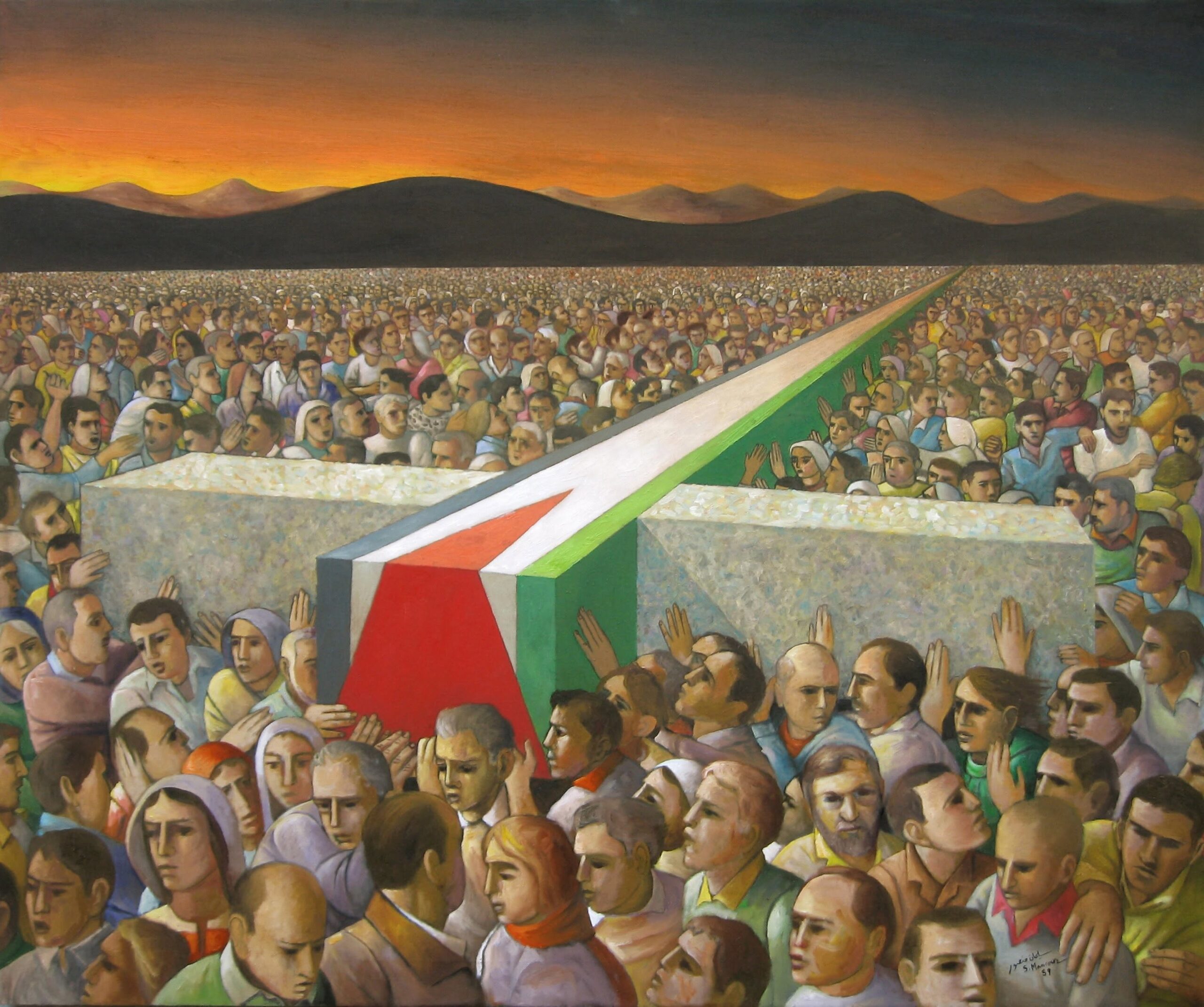
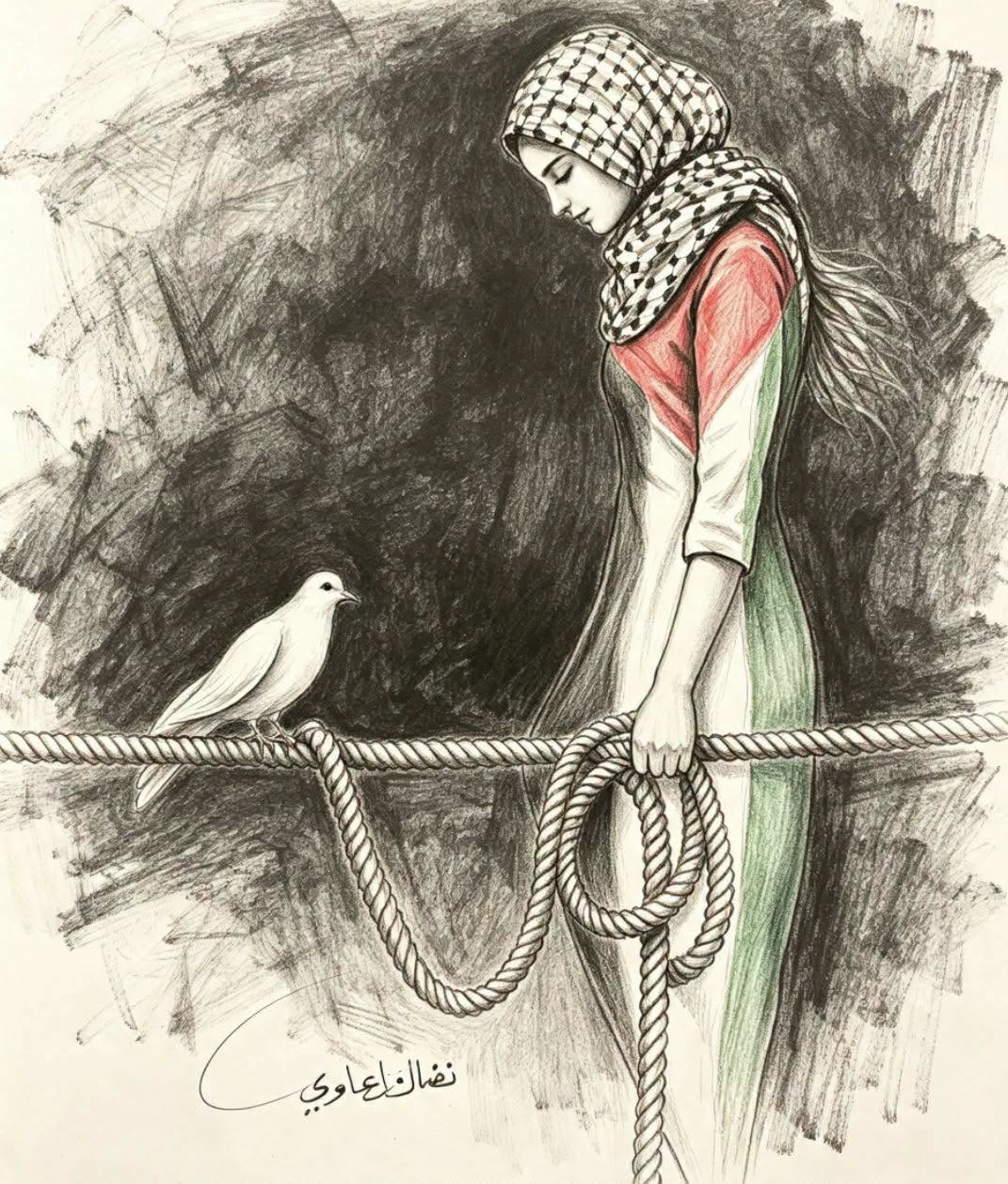
 Art in Revolution: The Dove, The Girl and The Rope
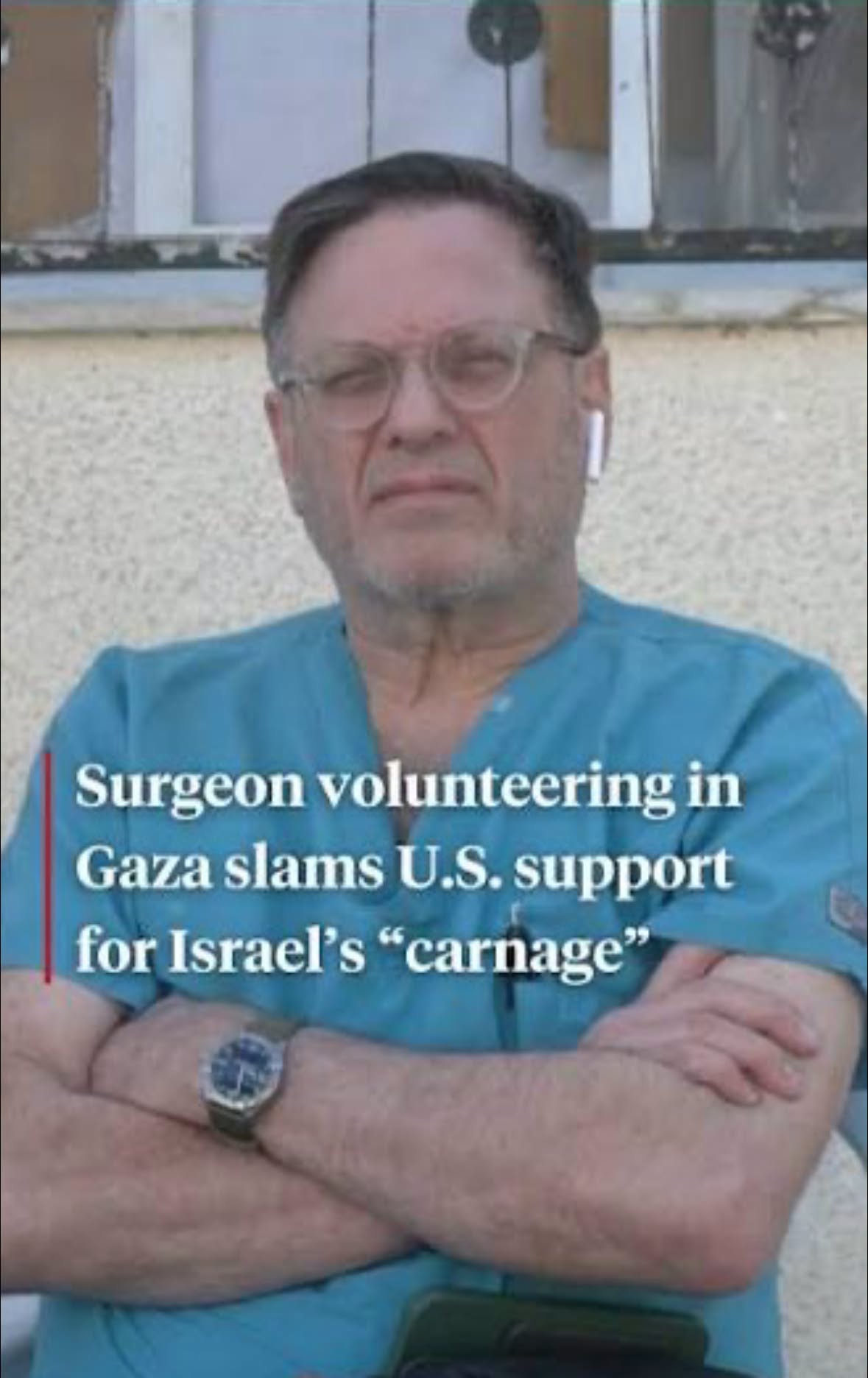
 ‘Dr of The Poor’ Passes Away in Nablus
 Getting Ready For School in Gaza
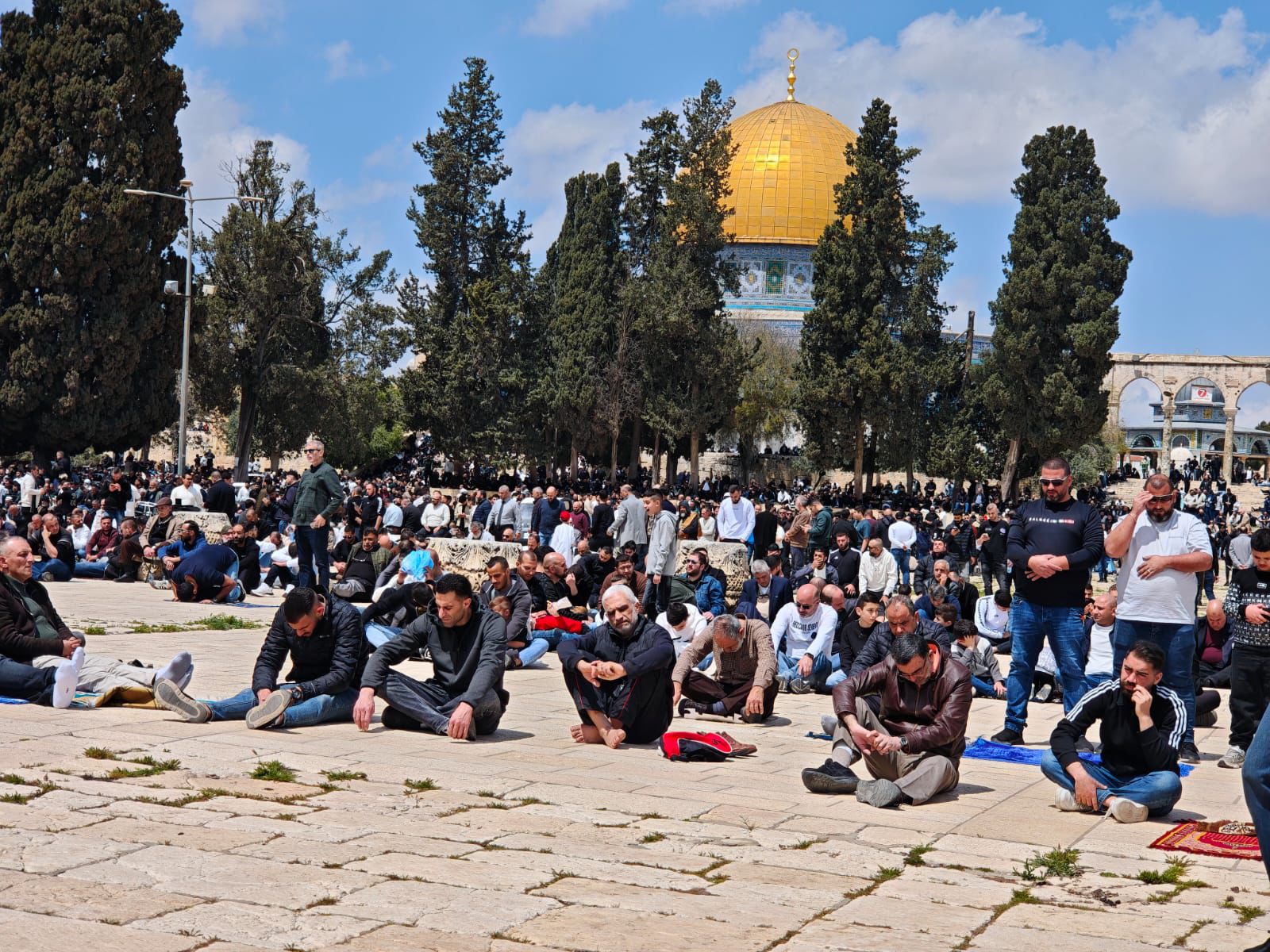
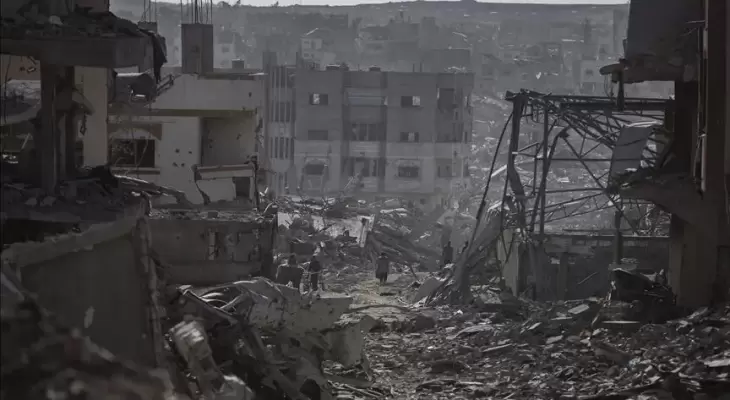 Beware! Qusra and The Next Nakba
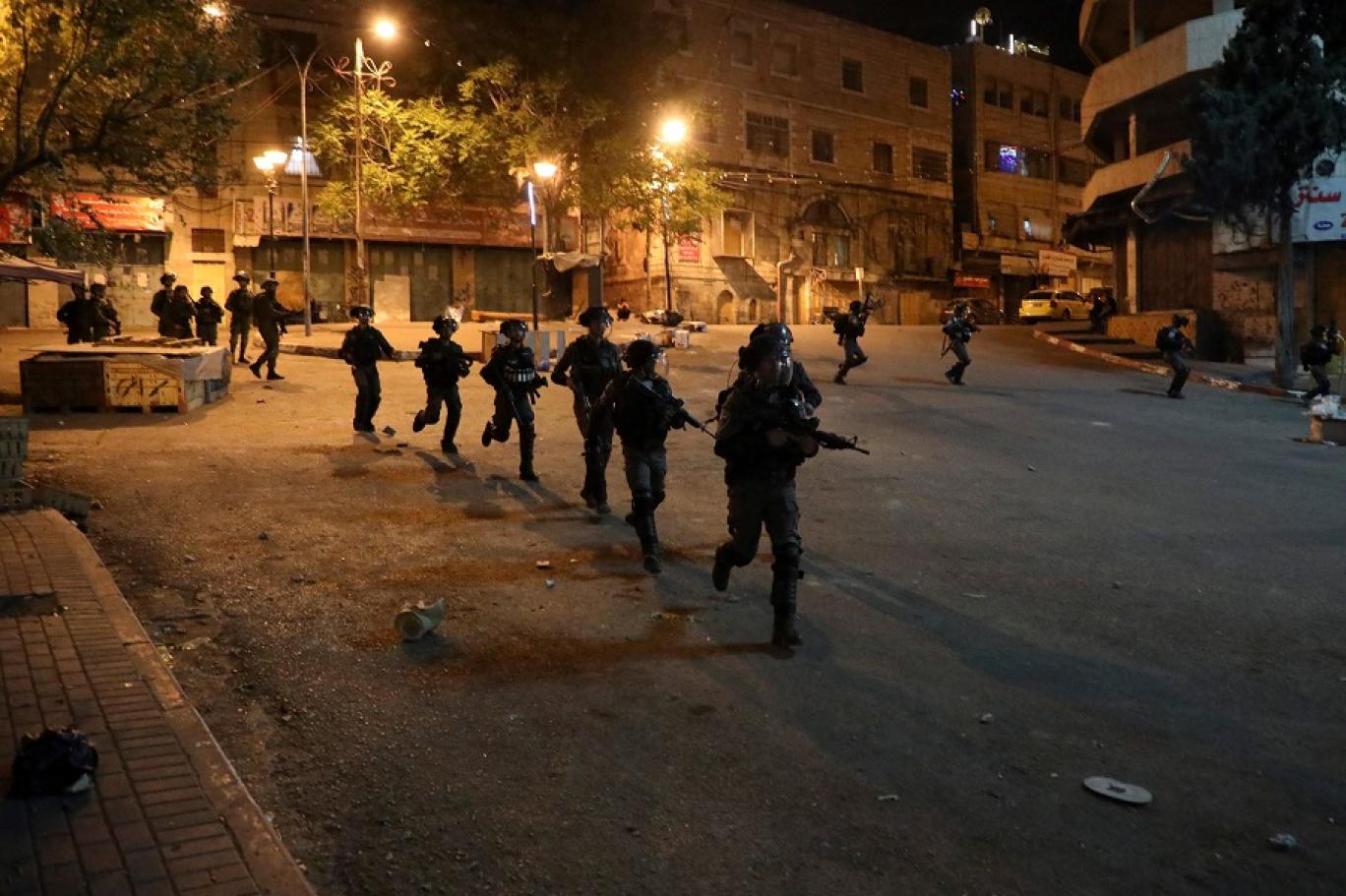
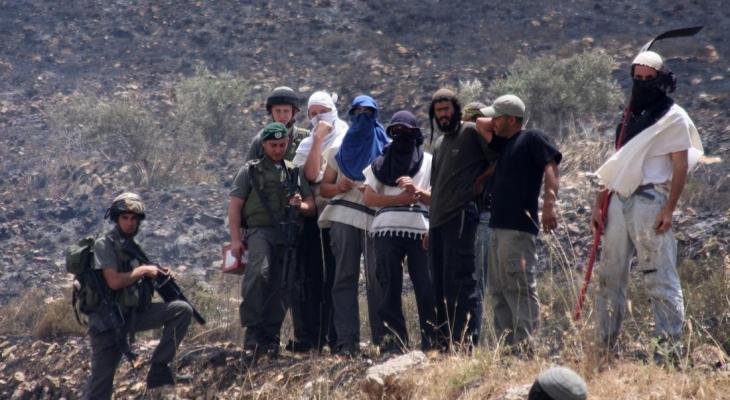 Israeli Settler Attacks Spiked by 63 percent in the Occupied West Bank

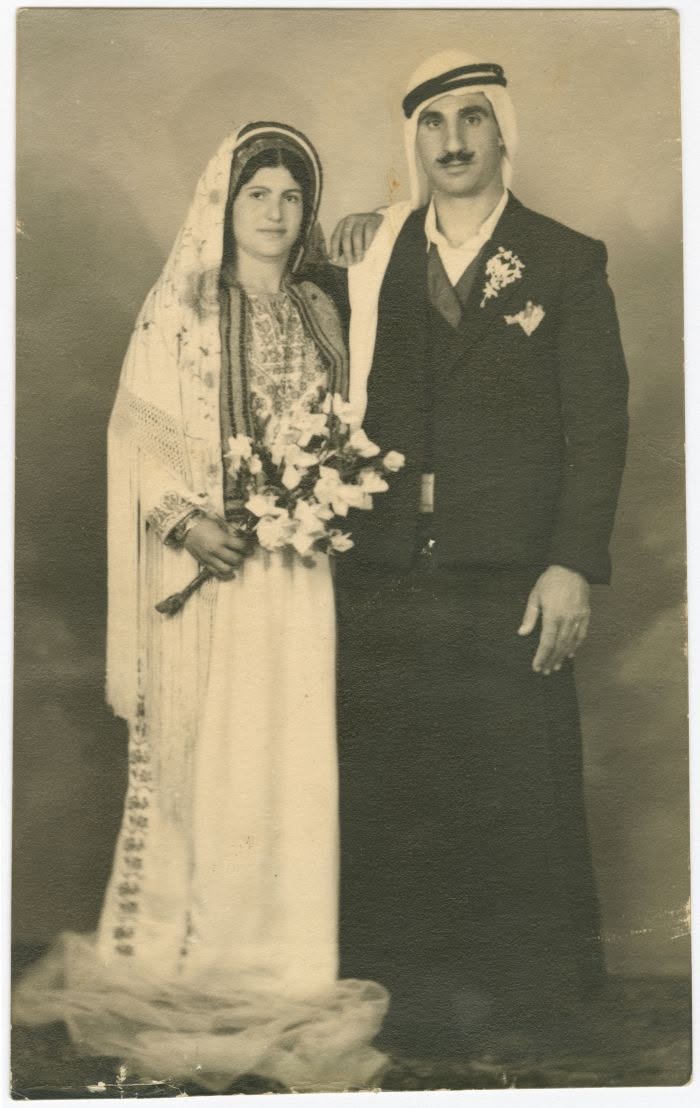
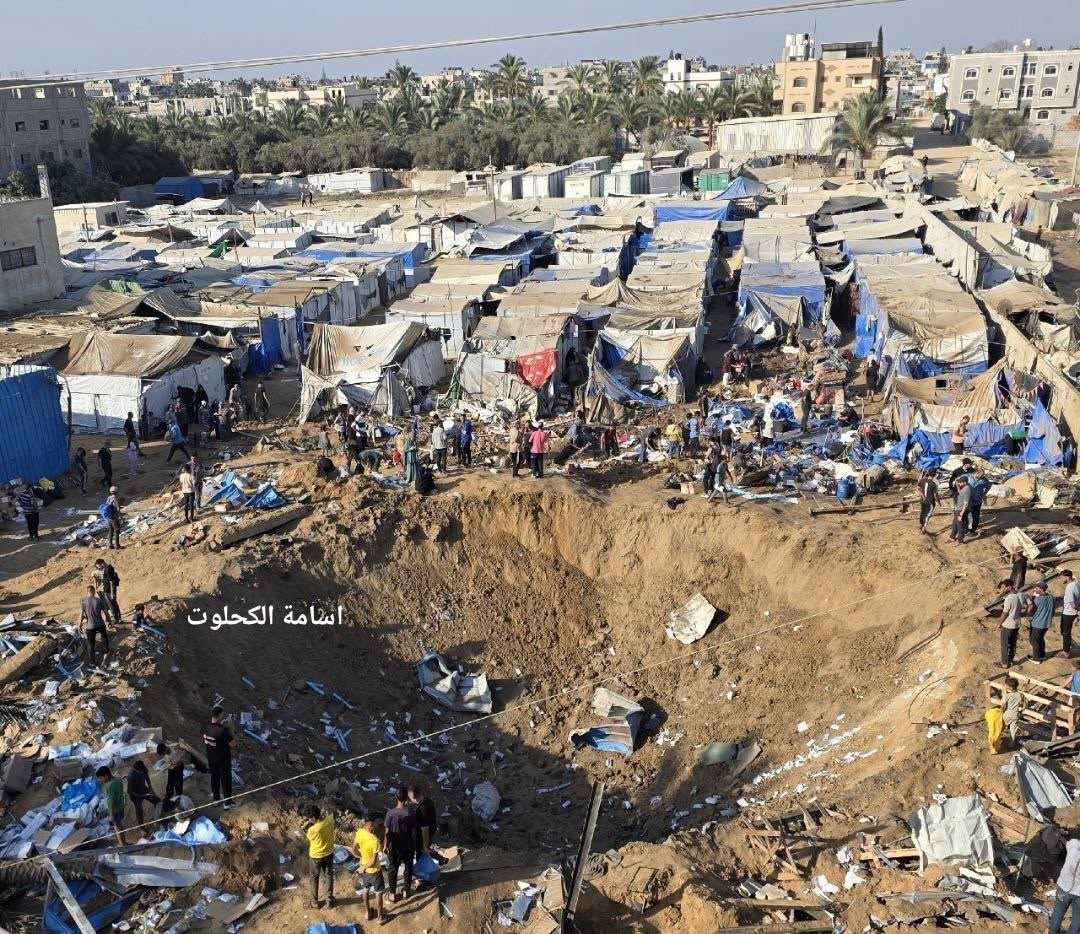

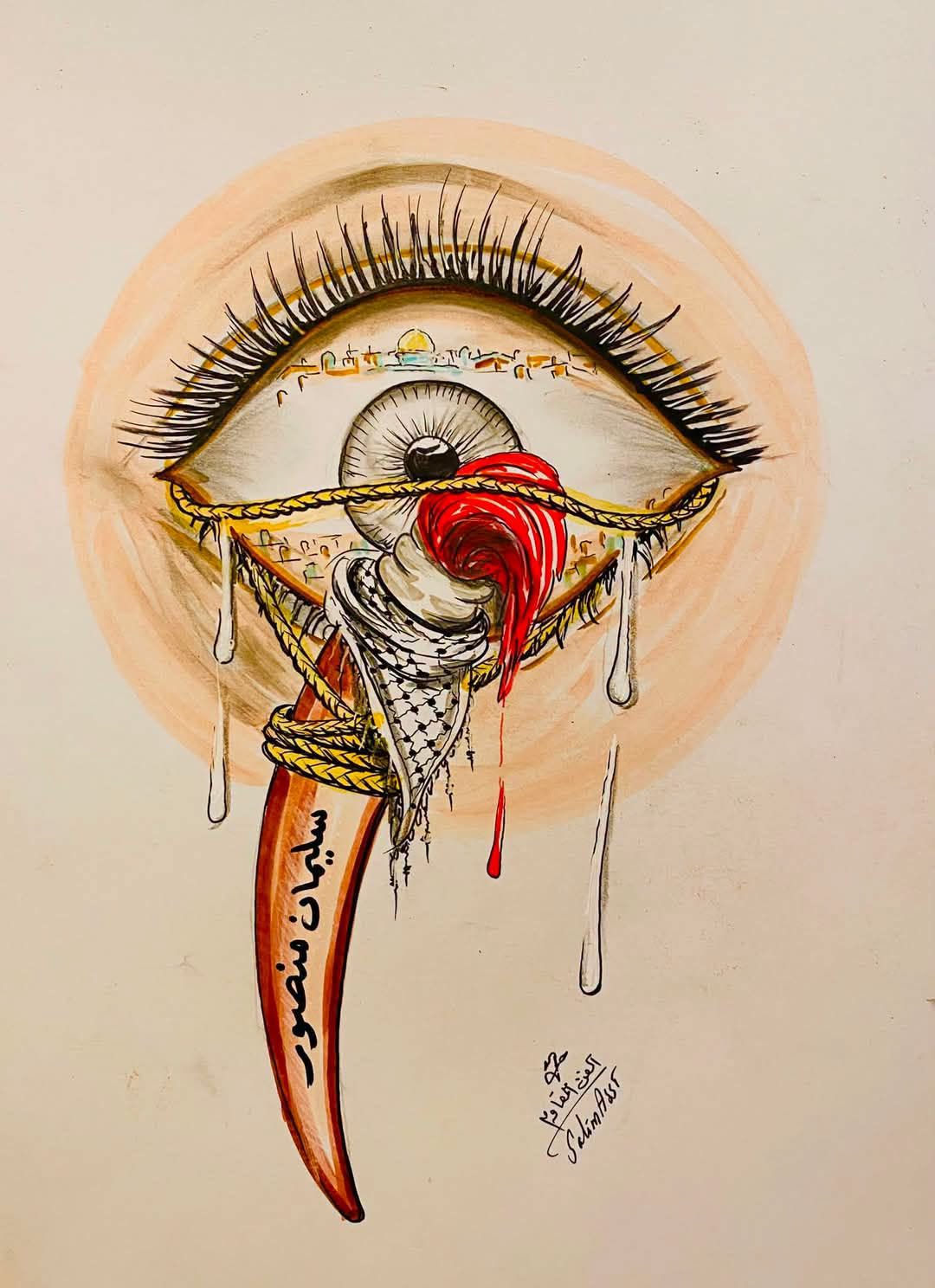
Art in Revolution: The Dove, The Girl and The Rope
marwan
- August 26, 2026
 marwan
 Heba
Heba CrossFireArabiaHebaHebamarwanCrossFireArabiaCrossFireArabiaCrossFireArabiaCrossFireArabiaHebamarwanHebaCrossFireArabiaCrossFireArabiaCrossFireArabiaCrossFireArabiaCrossFireArabiamarwanHebaCrossFireArabiaCrossFireArabiaCrossFireArabiaCrossFireArabiaCrossFireArabiaCrossFireArabiaCrossFireArabiaCrossFireArabiaHebaCrossFireArabiaCrossFireArabiaHebamarwanmarwanmarwanmarwanmarwanmarwanCrossFireArabiamarwanmarwan
 Saleem Ayoub QunamarwanCrossFireArabiaCrossFireArabiaCrossFireArabiaCrossFireArabiamarwanCrossFireArabiaCrossFireArabiamarwanCrossFireArabiaHebaCrossFireArabiamarwanCrossFireArabiamarwanHebaCrossFireArabiamarwanmarwanHebaCrossFireArabiamarwanmarwanCrossFireArabiamarwanHebaCrossFireArabiaCrossFireArabiaCrossFireArabiaHebamarwanCrossFireArabiamarwanCrossFireArabia
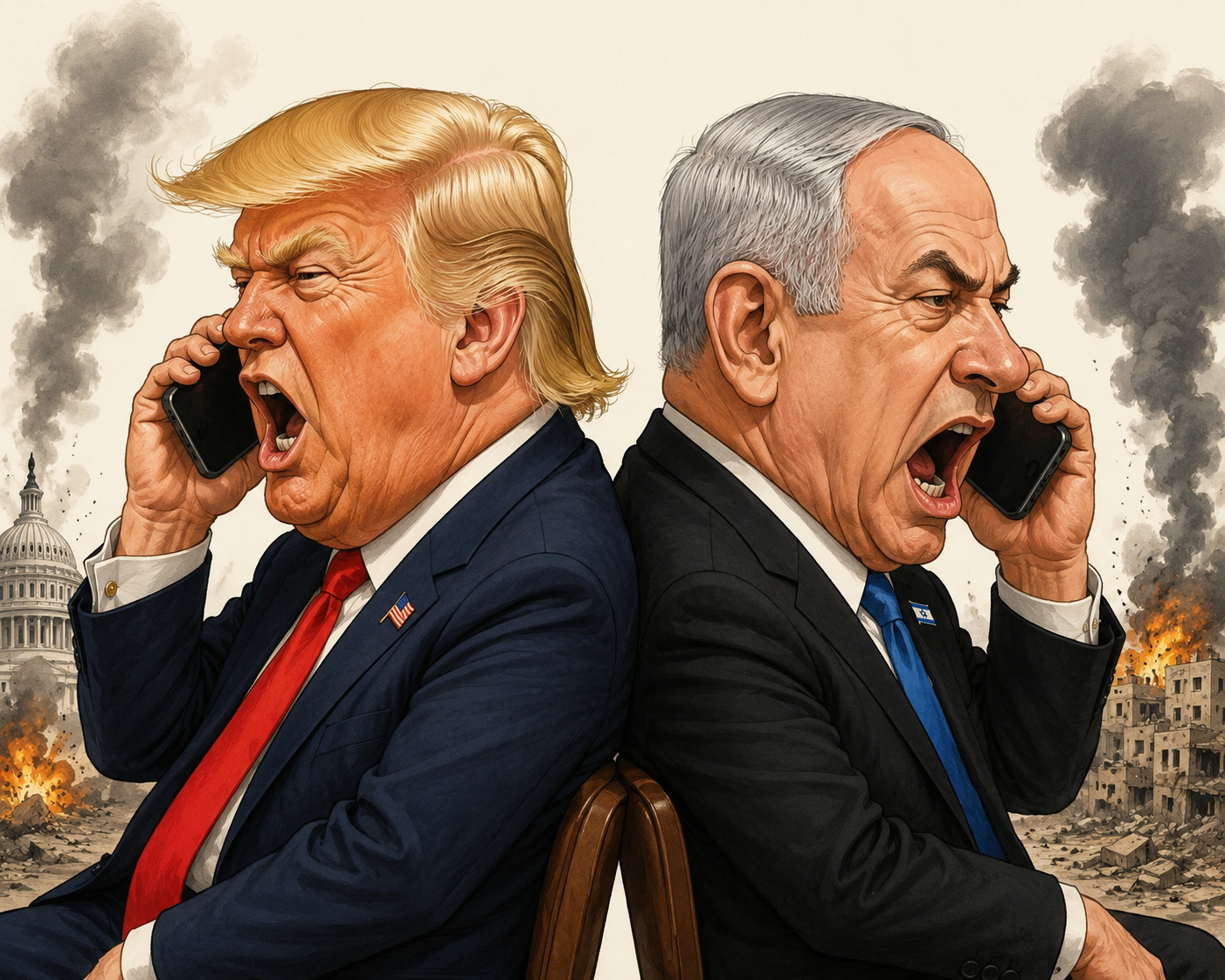
US President Donald Trump said he is not confident that the ceasefire agreement on Gaza would continue. He stressed the Strip was subjected to massive destruction but did not rule out taking part in the reconstruction of the 364-kilometer-enclave.
Trump spoke to reporters on Monday from the Oval Office while signing executive orders on the first day of his second term, and said in response to a question about the possibility of continuing the ceasefire agreement in Gaza, “I’m not confident. This is not our war, this is their war.”
Speaking to reporters, Monday, from the Oval Office while signing executive orders on the first day of his second term as US president, Trump said in response to a question about the possibility of continuing the Gaza ceasefire: “I’m not confident. This is not our war, this is their war.”
While claiming that Hamas was “weakened” after the Israeli war on the Strip for 15 months, he added: “As to the future regarding the rule of Gaza, that depends on several things, and I still cannot imagine that. Most of those who ruled there were killed, and there are those who rule in a brutal way.”
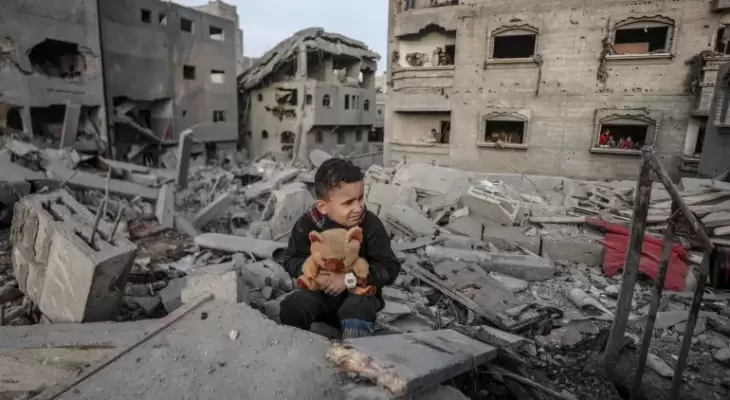
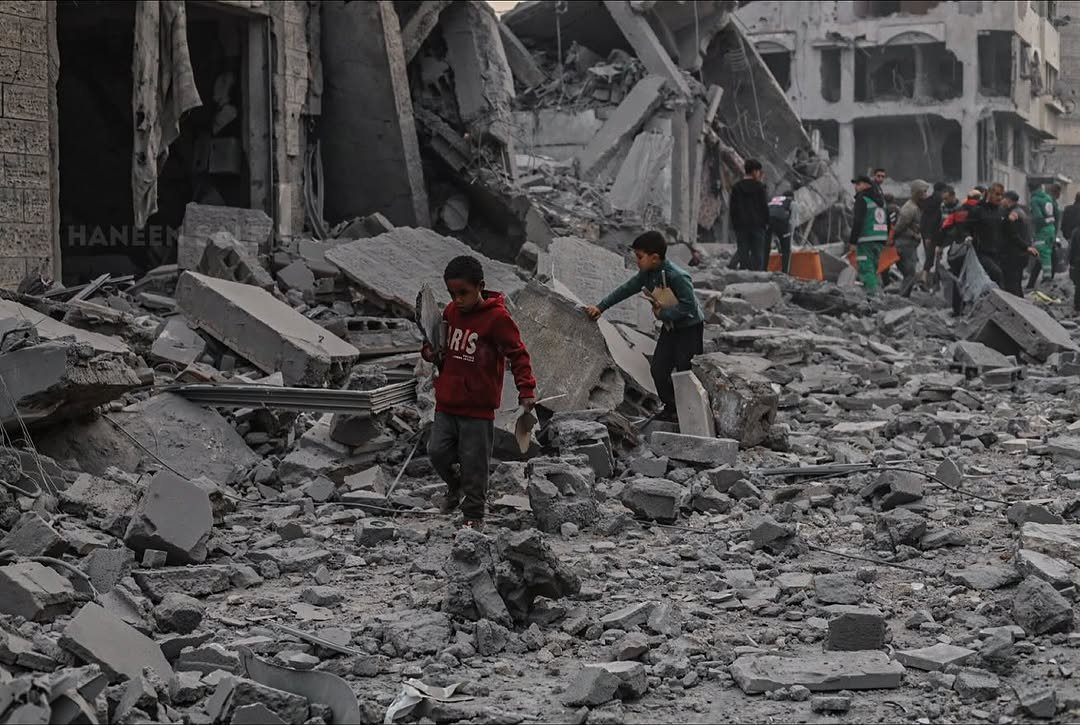
Trump pointed out Gaza was subjected to massive destruction. He described it as a “huge demolition site” but must be rebuilt in a different way, indicating his administration may contribute to the reconstruction of the Strip.
“There are some beautiful things you can do there. The coast is amazing, the weather and the location are great. There are some beautiful things you can do in Gaza. There are some beautiful things you can do in Gaza,” he said.
In his inauguration speech, Trump said that he wants to be a peacemaker: “My proudest legacy is to be a peacemaker and a unifier. That’s what I want to be and that’s what I want to do. And I’m so happy that the day before I took office for a second term, the hostages in the Middle East are coming home.”
The Gaza ceasefire agreement came into effect at 8:30 am last Sunday, ending 471 days of genocidal war waged by the Israeli occupation army on the Strip, which left more than 158,000 Palestinian martyrs and wounded, most of them children and women, and more than 11,000 missing, amid massive destruction and famine that killed dozens of children and elderly people, in one of the worst humanitarian disasters in the world.
The Prime Minister and Minister of Foreign Affairs of Qatar, Mohammed bin Abdulrahman, announced last Wednesday evening the success of the efforts of the mediators (Doha, Cairo and Washington) in reaching a ceasefire agreement in Gaza.
The agreement consists of three stages, each lasting 42 days, and includes a cessation of military operations, the withdrawal of the occupation army from populated areas in Gaza, the opening of the Rafah crossing and enhancing the entry of aid through it, and the exchange of prisoners according to Quds Press.
CrossFireArabia
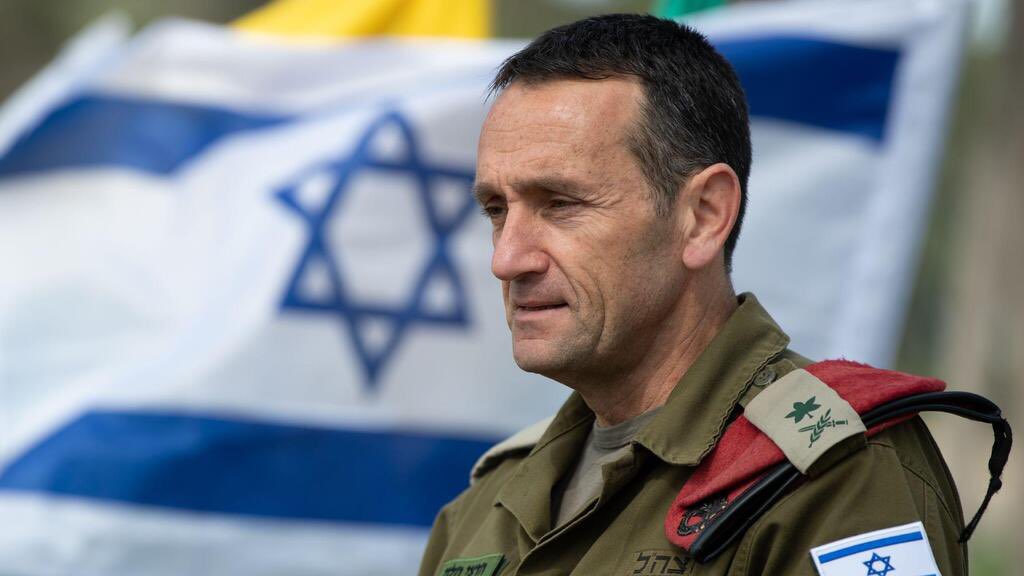
Israeli Army Chief of Staff Herzi Halevi resigns from office amidst recriminations in the Israeli military force about the conduct of the Israeli war on Gaza.
The news announcement is breaking on the social media. Halevi who holds the rank of Lieutenant General will officially resign as of 6 March 2025 and has informed Defense Minister Israel Katz of his decision.
His decision to quit as army boss follows a string of resignations by rank officers over the way the Israeli war on Gaza was being conducted and which it lasted 15 months.
Also with his resignations comes the announcement of the Southern Command Yaron Finkelman who says he wants to resign from his post.
Halevi he said he is resigning because he wants to take responsibility over the army’s security failure over the 7 October, 2023 debacle in which Hamas fighters enroaded the fence surrounding Gaza and captured about 250 Israeli hostages and in which up to 1200 people were killed.
Over the past months Halevi said he would resign but kept going on because of the bloody war in which over 45,000 Palestinians were killed in Gaza and over 96,000 wounded.
Halevi leaves the army with an arrest warrant on his head together with Israeli Prime Minister Benjamin Netanyahu and former Defense Minister Yoav Gallant. It was issued against them back in November 2024 for his atrocities in Gaza.
The war on Gaza, described as a genocide and ethnic cleansing created much tension within the Israeli rank-and-file over the conduct of the war but fell well short of a rebellion.
CrossFireArabia
Israeli Channel 12 acknowledged that the Islamic Resistance Movement, Hamas, is still the only force in the Gaza Strip capable of ruling, 15 months after the war.
Speaking about “the next day,” the channel acknowledged Israel’s failure to achieve its goals in the war, as the objective was “not to allow Hamas to rule or return,” but “we saw yesterday it still has this ability.”
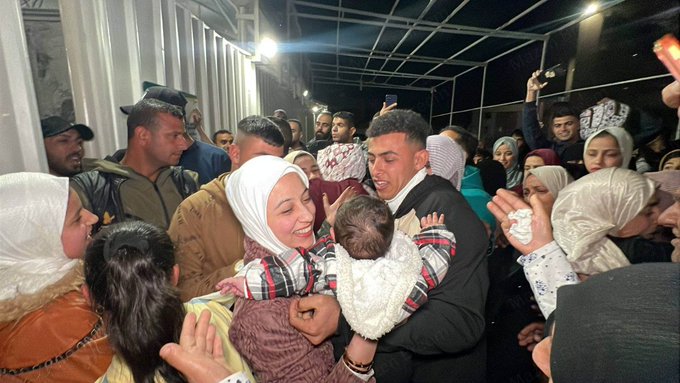
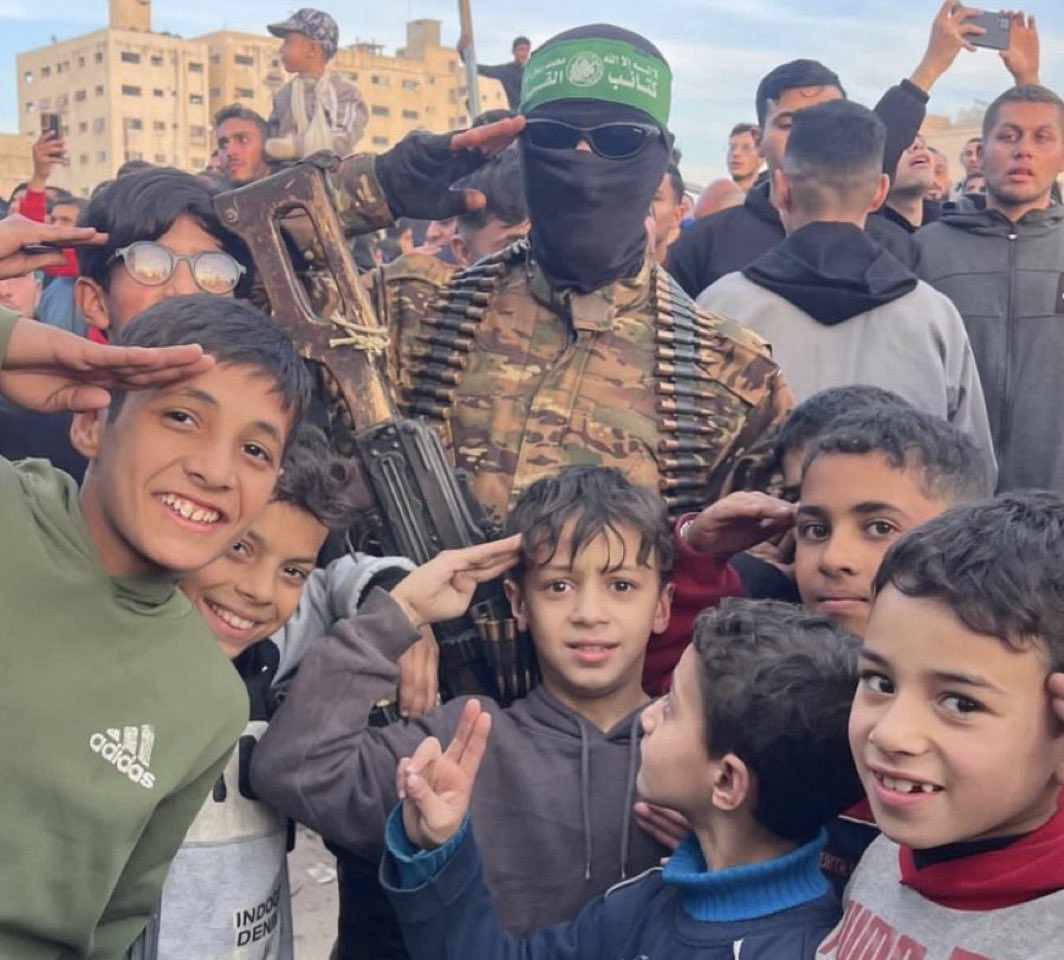
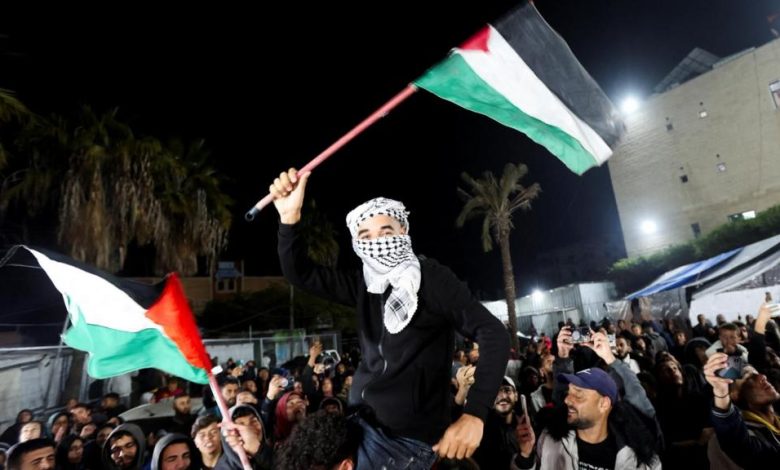
This views was expressed in referrence to scenes of the Qassam Brigades coming out among the people and handing over the Israeli female prisoners.
The TV channel concluded that there is no other force in Gaza with the same ability, which allows Hamas to return, and restricts the ability of the Israeli army to operate, according to its expression, so “Israel cannot even evade this goal now.”
In a related context, Channel 12 estimated that Israel will not resume fighting in Gaza, stressing that the Palestinian resistance can continue fighting forever, and is capable of “recruiting” individuals.
Likewise, the military affairs analyst for the Israeli newspaper Haaretz, Amos Harel, commented on the appearance of hundreds of Qassam Brigades members a few kilometers away from the place where the Israeli army forces were located, saying, “Hamas demonstrated its military strength and signs of civil rule by displaying it.”
The Israeli military correspondent for Channel 12, Lila Shoval, said that the agreement on the ceasefire in Gaza does not guarantee the achievement of the two goals that Israel has set for itself, that of eliminating Hamas and recovering the prisoners according to JO24.
CrossFireArabia
By Dr. Tariq Sami Khoury
Despite the Gaza truce announcement, the question everyone is asking: Did this war end in victory or defeat?
Did the Zionist entity achieve its strategic goals, or did the Palestinian resistance factions impose a new equation on the ground? The mass destruction and great human losses open the way for a deeper analysis of the situation from multiple angles.
Zionist entity…Goals successes or victory illusions?
Israel launched its aggression on Gaza with unprecedented brutality, resulting in the near-total destruction of the Strip’s infrastructure, and the deaths of more than 250,000 people between those killed and wounded with the displacement of hundreds of thousands of residents.
Also the Israeli aggression extended to southern Lebanon and Syria, whilst targeting Yemen and Iran in clear attempts to expand the scope of the confrontation.
But did the Zionist entity achieve its goals?
1) Eliminating the resistance: Despite all attempts at genocide and continuous bombing, the Israeli army was unable to end the resistance or dismantle its infrastructure. The resistance proved its ability to continue to confront, and to carry out qualitative military operations till the last minute.
2) Recovering Its prisoners: Israel did not succeed to recover all its prisoners. In the end it was forced to enter into negotiations with the resistance under their own terms, which showed Israel was unable to impose its will by military force alone.
3) No deterrence: Instead of imposing a new equation to deter the resistance, Israel faced continuous missile strikes that reached deep into its territories and imposed a new and unprecedented reality on the Israeli internal front and unbearable political and security pressure on the Zionist leadership.
Legendary Palestinian resistance…
Despite the Israel ferocity and the intense destruction, the Palestinian resistance emerged strong and cohesive. The battle it fought was not only for defense, but to establish a new equation in the conflict, as it was able to:
1) Survive despite the bombardment: Israel was unable to break the resistance will or push its fighters to surrender and remained able to respond and maneuver till the last moment, which shows the failure of the Zionist plan to crush it.
2) Imposing negotiating equations: The resistance was able to impose itself as a key party in any future solution, and succeeded in confirming that the prisoners are not just a pressure card, but a negotiating element that changes the equation.
3) Maintaining morale: Despite Gaza’s humanitarian catastrophe, the Palestinian people came out to celebrate the truce, in scenes that reflect their steadfastness and ability to overcome hardships. That is a psychological defeat for the Zionist entity.
Regional and international dimension… Exhaustion or victory?
Israel expanded the scope of its aggression to Lebanon, Syria, Yemen and even Iran to attempt to weaken any future threats. But this did not lead to decisive results. Rather it opened up several fronts without achieving any strategic gains.
1) Northern front (Lebanon and Syria): Despite its continuous bombing, Israel was not able to stop the force of the axis of resistance, but faced more threats leading to the exhaustion of its forces.
2) Yemeni front: The air strikes on the country failed to stop Yemen from participating in the conflict equation by targeting the ships in the Red Sea going to the Israeli Port of Eilat, and which added a new strategic dimension.
3) Iranian Front: The Zionist strikes did not deter Iran or stop its support for the axis of resistance, but strengthened its position whilst prompting it to escalate its support for the Palestinian resistance.
Truce.. Rest bite and an opportunity?
With the ceasefire announcement, it can be said the resistance emerged victorious through its ability to withstand and maintain its position to influence the future. In contrast, while the Zionist entity may have achieved some of its field goals, it failed to draw a decisive victory and end of the resistance.
Conclusion.. Victory and defeat
The battle was not equal in terms of military strength, but victory is not only measured by the ability to destroy; it is by steadfastness and ability to continue. Israel did not achieve a decisive victory, but fought a long war of attrition, while the Palestinian resistance emerged more solid and able to impose a new reality in the regional equation.
In the final analysis, the fact remains that liberating the land and restoring rights can only be achieved through continuous resistance, and that every Zionist attempt to eliminate the Palestinian people will be met with a will that does not know surrender. Thus, Palestine remains the compass of the free.
The author is a Jordanian writer and contributed this piece in Arabic for the JO24 website.
 Dr Khairi Janbek
Dr Khairi Janbek
The idea of peace in Gaza is a deeply complex and sensitive issue that involves multiple layers of history, politics, and human rights concerns. When asking who is the winner in such a situation, it is important to note that in conflicts like this, there is often no clear cut winner. Both sides have experienced significant losses, and the true victory is ideally peace and justice for all involved.
Therfore, writing about peace in Gaza and identifying a winner is a delicate and complex issue, given the long history of the conflict, the many political, religious, and social factors involved , anf the human toll. Rather than framing it in terms of winner, it might be more constructive to focus on how peace could be achieved and what that would mean for the people of Gaza, Israel, and the broader region.
To move forward, in any conflict the idea of a winner is flawed. For those caught in the crossfire, both Palestinians and Israeli have face immeasurable losses, so instead of asking who emerged victorious, we must ask how can both, Israelis and Palestinians, live side by side in dignity and security? Essentially, a lasting peace would not mean the obliteration of one side or the domination of another. It would require mutual recognition of each other’s rights, history and humanity. It would mean ending the cycle of violence that harms innocent civilians and leaves communities devastated, while opening the door for political and economic solutions that allow both peoples to thrive.
Heavy hand
For Israel, security is a non-negotiable priority. The persistent threat of violence from militant groups in Gaza has been a constant concern. On the other hand, Palestinians in Gaza must also be able to live without the heavy hand of occupation and blocade, ensuring their freedom. In this context, the international community must ensure that the rights of both Palestinians and Israelis are upheld, with a focus on dignity of the individuals; whether it is the right to live without fear of violence, or the right to self- determination and sovereignty.
Indeed the people of Gaza have long suffered under economic hardship, with hardly any access to basic services like healthcare, education, and employment opportunities, consequently any peace agreement must include a comprehensive plan for rebuilding Gaza, improving living standards, and opening up pathways to regional cooperation and trade. Achieving peace will require honest peacemakers on both sides, committed to negotiation and diaogue over violence. This clearly will involve the international community playing a much more active rôle in mediating talks, promoting trust-building measures, and holding all parties accountable.
The true winners in a new beginning would be the people; both Palestinians and Israelis, whom have suffered for too long. Peace would allow for the children of Gaza to grow up without fear of bombings, and for Israeli families to live in security without constant worry of attacks. Therefore, victory would be a shared one, a victory of humanity over hate, of hope over despair, and of a future where both Palestinians and Israelis can claim their right to live in peace, security, and mutual respect.
Dr Khairi Janbek is a Jordanian analyst based in Paris