Jordan: United Kingdom Plan and Dashing The Chance for Peace 

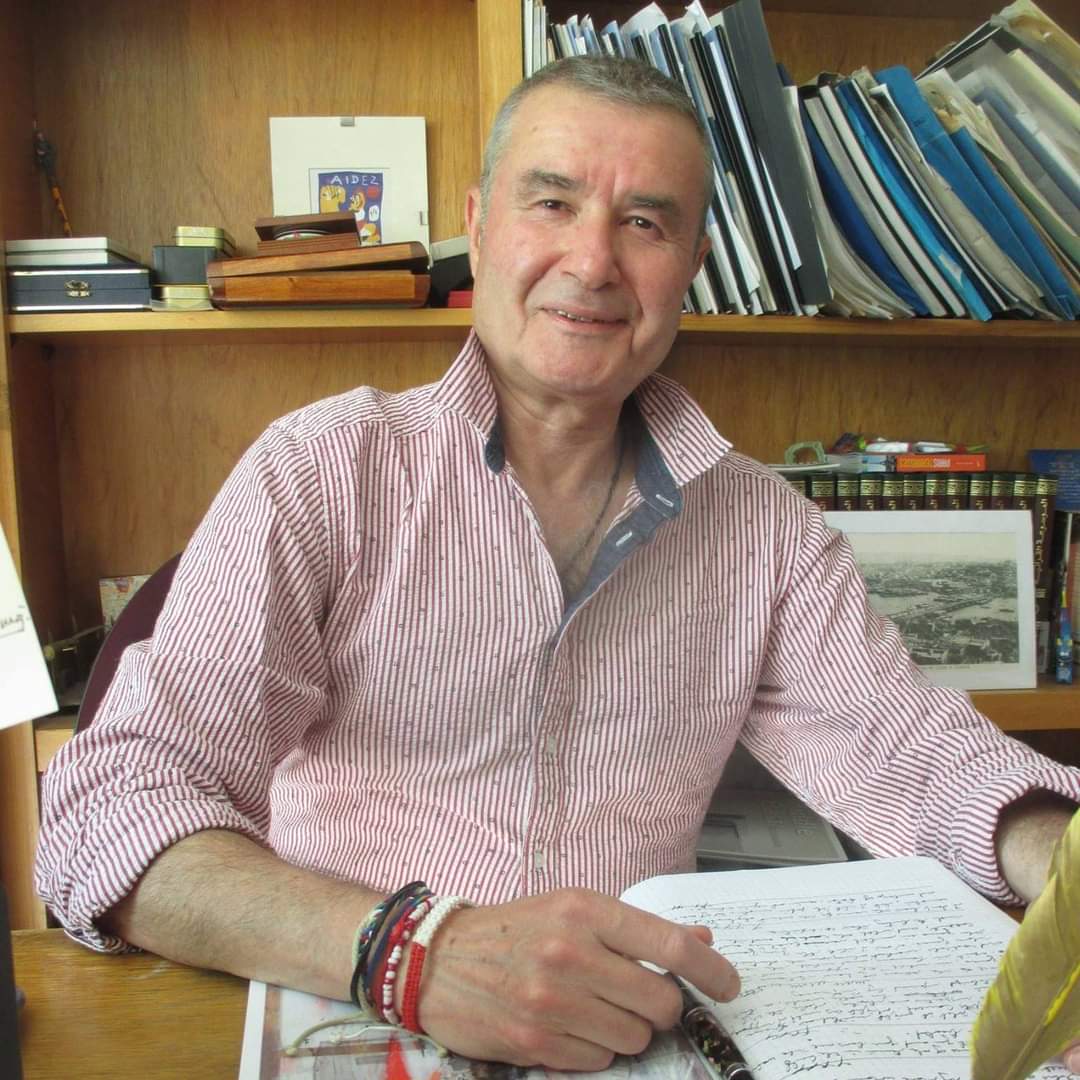
By Khairi Janbek

In order to reinforce the concept of the unity of the two banks, which was reaffirmed at the Cairo Arab Summit in 1970, and in order to placate the rising Palestinian sentiments, King Hussein unveiled on 15 March, 1972, his United Arab Kingdom Plan (UAK). 

In an address to the nation on that day, the late King elaborated on the proposed plan, as the Hashemite Kingdom of Jordan would, after the withdrawal of Israel from the West Bank, become the United Arab Kingdom comprising of two regions: First: Region of Palestine ie. West Bank and any future territories to be liberated and whose inhabitants opt to join in, with Jerusalem as its capital. Second: Region of Jordan, is East Bank and its capital Amman.

Furthermore, Amman would be the administrative capital of both regions. The King would be the head of state. There would be a local parliament and local government for each region, as well as a federal government and a parliament. There would be one federal supreme court and one army. 

The late King added, this arrangement is his preference, though he intended to give the Palestinians, after liberation, the opportunity to determine their own future, and pledged to respect their choice.

Despite the fact that this plan was only a proposal, it drew violent reactions from the PLO as well as the Arab states who all in the 1970 Arab League Summit reaffirmed the unity of the two banks. 

The late Mr. Yasser Arafat considered the plan a mere ressurection of Jordan’s long standing policy of insisting that the West Bank was an integral part of Jordan, and the Palestinians residents were Jordanian citizens. He considered that, a real threat to his own claim of representing the Palestinian people.

The late president Sadat of Egypt wanted to identify his own regime with the Palestinan cause, and announced before a cheering crowd at the Palestine National Council (PNC) meeting in Cairo on 10 April 1972, the break of diplomatic relations with Jordan. Syria, in order not to be upstaged by Egypt, cut diplomatic relations with Jordan and closed its borders.

Significantly the Plan remained under consideration until the Rabat Arab Summit of 1974, when the Arab states decided the sole representative of the Palestinian people should by the PLO. 

The Rabat Summit forced Jordan to withdraw from direct involvement in the peace process at the time when the eyes of the whole world and the attention of the USA, were focused on the settlement of the Arab-israeli conflict.

The Rabat decision confused the issue. Instead of concentrating on the basic problem of Israel’s occupation of Arab lands, the questions of Palestinian national rights and independent Palestinian state were introduced. The nature of the problem changed overnight. 

Jordan tried to seperate the issue of withdrawal from the issue of national rights of the Palestinian people. Jordan stood for the ending of the Israeli occupation of all Arab lands; occupied after 1967 war, establish peace and then address the question of Palestinian national rights within the context of inter-Arab relations.

But the Arabs states supported the claims of the PLO as the sole representative of the Palestinian people, and the PLO leadership was not prepared to accept Israel’s withdrawal from the West Bank in favor of Jordan, fearing that would prevent it from attaining its goal; Creation of an independent Palestinian state. 

The various Arab states supported the PLO for their own reasons, and were totally content to dump the Palestinian problem on the shoulders of the PLO.

The Late President Sadat and ex-US Secretary of State Henry Kissinger, exploited the PLO’s position and the Arab support to it, and manipulated events in order to enable Egypt to sign a separate peace with israel. 

The Rabat decision which neutralized Jordan’s role, and paved the way for Egypt’s separate peace with Israel, enabled Tel Aviv to tighten its grip on the West Bank and the Golan Heights. 

Developments since Rabat have shown that, Jordan’s position for a comprehensive peace settlement with Israel, would have been the best chance for a lasting peace. A chance dashed in Rabat.

Dr Khairi Janbek is a Jordanian writer based in Paris and the above opinion is that of the author and doesn’t reflect crossfirearabia.com. 

Continue reading
Thousands Rally in Amman For Gaza

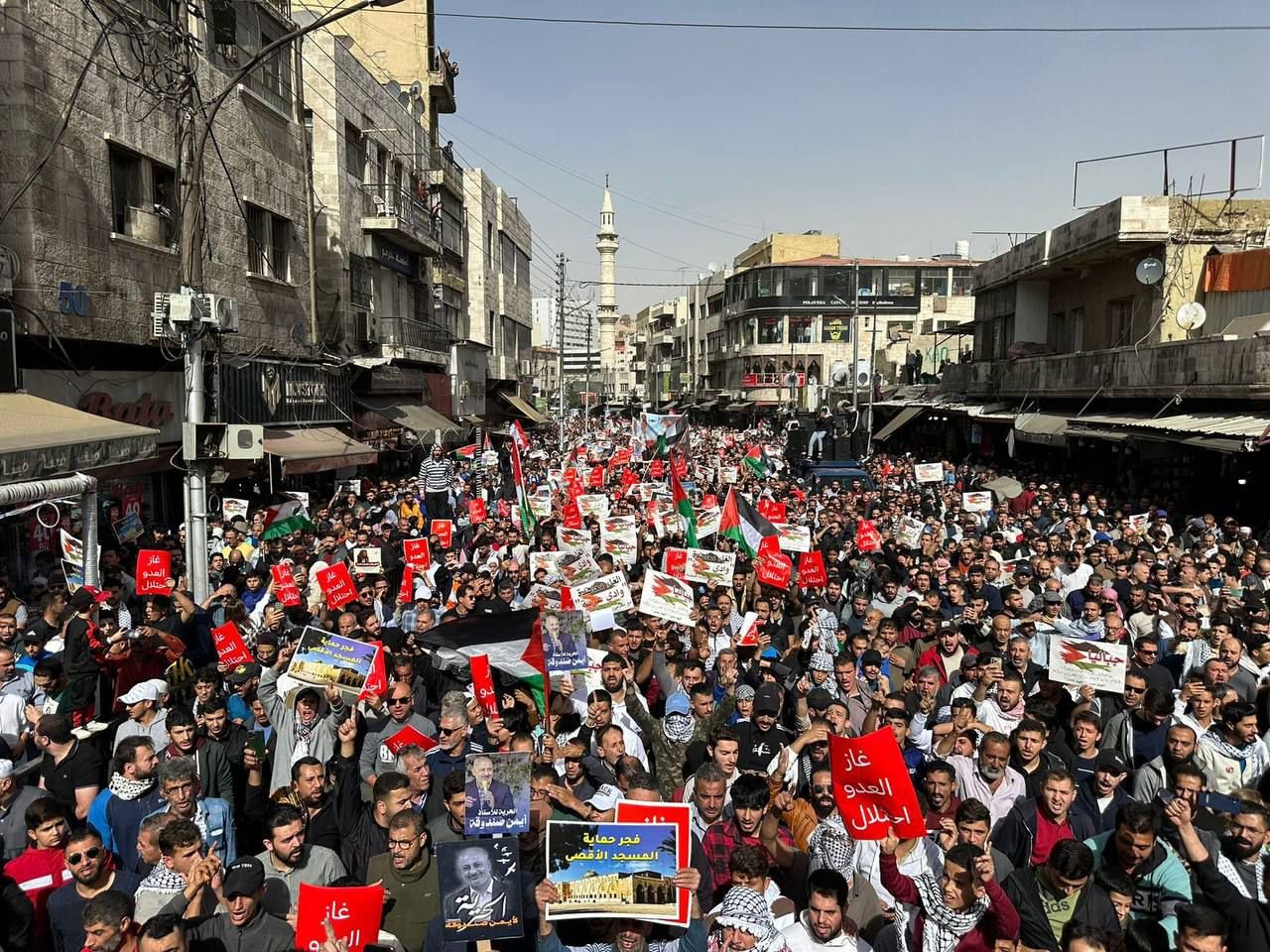
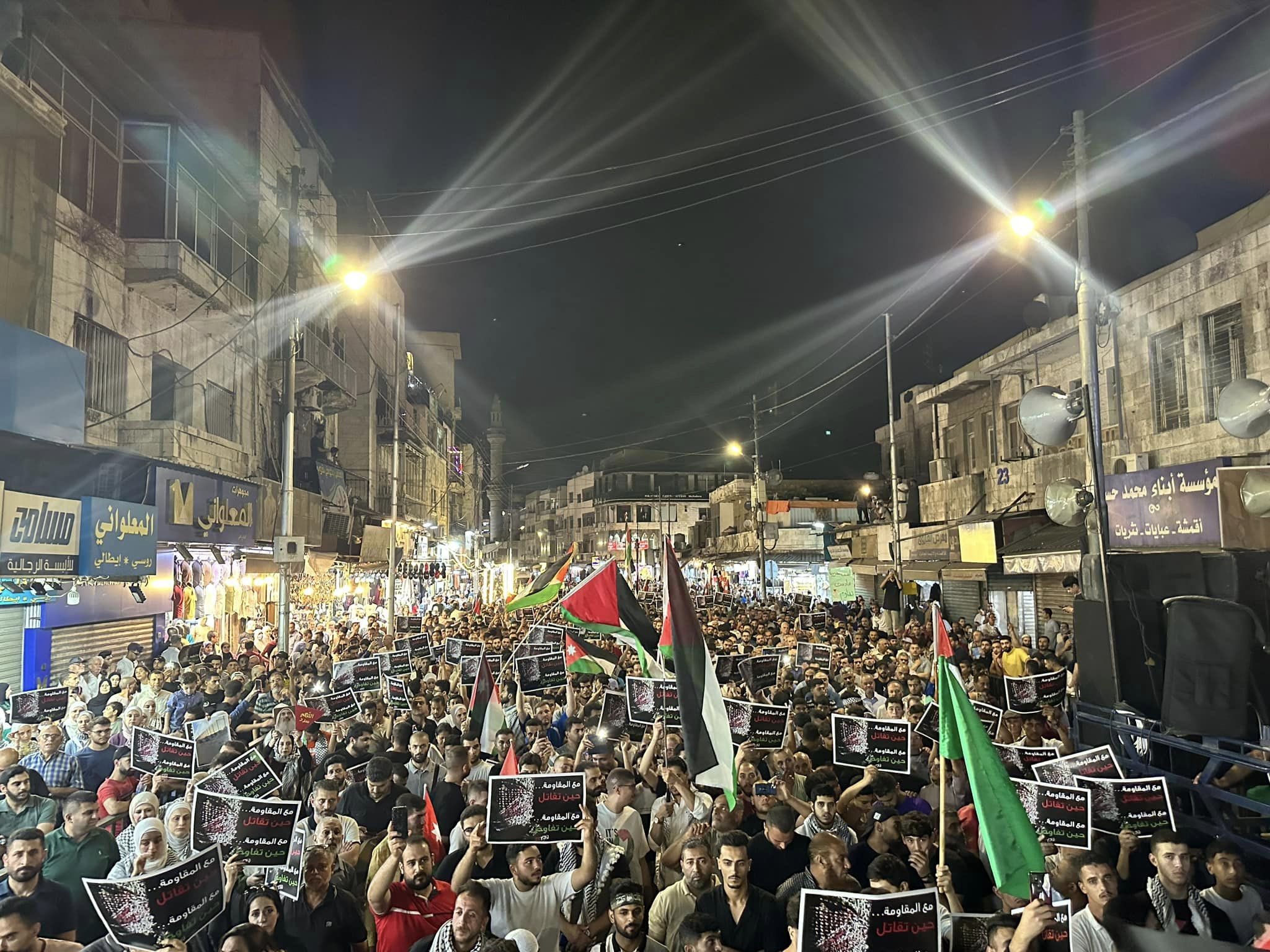
Thousands held a rally, Friday in downtown Amman, Jordan, in solidarity with the people of Gaza and Lebanon in the face of the ongoing Israeli aggression.

The great march started after the Friday noon prayers from the famous Al-Husseini Mosque under the slogan “Cancel the shameful Wadi Araba Treaty”.

Participants denounced the genocide the Gazans are being subjected by the Israeli army with unlimited American and Western support whilst denouncing the international and Arab silence despite the massacres against the Palestinians in the occupied West Bank and Gaza Strip.

The participants called on the government and Arab countries to take the necessary measures to stop the genocide and stop all forms of normalization with the Israeli army and called on Jordan government to cancel the 1994 Wadi Araba Agreement and the latest gas agreement.

The participants affirmed their support for the Palestinian resistance factions, led by the Islamic Resistance Movement (Hamas), noting the resistance constitutes the first line of defense against the Zionist expansionist project that targets Jordan as it targets Palestine according to Jordan24.

Continue reading
Jordan Denounces Smotrich’s Remarks as Racist

The Ministry of Foreign and Expatriates confirmed that the decried remarks made by the radical Israeli Finance Minister Bezalel Smotrich in 2016 while he was a member of the Knesset represent the Israeli minister’s irrational and provocative ideological views.

Ambassador Sufian Al-Qudah, the ministry’s official spokesperson, emphasized that the Kingdom completely rejects and denounces these divisive and exclusionary remarks, characterizing them as a breach of international law and conventions. He also emphasized that these remarks do not diminish Jordan’s standing or the Palestinian people’s inalienable right to establish their own independent state along the lines of June 4, 1967, with occupied Jerusalem as its capital.

The statements made by the Israeli minister, according to Ambassador Al-Qudah, expose the dangers of his extreme, racist ideologies and highlight the urgent need for the international community to act swiftly to stop Israel’s unchecked aggression, as evidenced by its ongoing, aggressive war against Lebanon, the West Bank, and the Gaza Strip according to the Jordan News Agency, Petra.

Continue reading
Jordan Polls: Will Islamists Dominate Politics Now?

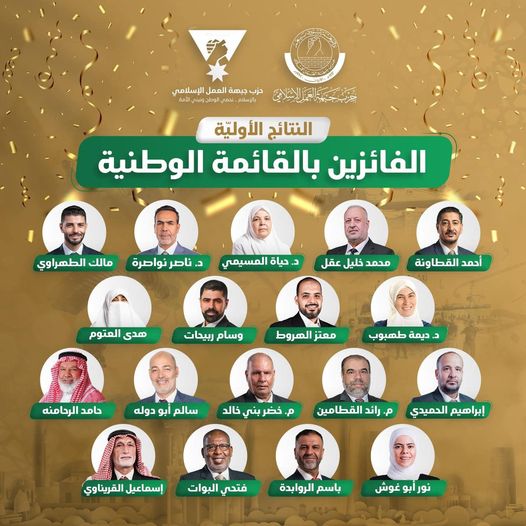
Islamist made a huge win in Jordan’s  20th parliamentary elections, registering a never-before number of seats the Kingdom’s bicameral legislature.

The Kingdom’s Independent Election Commission (IEC), chairman Musa Maaytah, announced that the Islamic Action Front, which is the political arm of the Muslim Brotherhood in Jordan, won a massive 31 seats to the Lower House in the latest parliamentary elections held, Tuesday, including four women.

The party is elated to have so many members in a reformed Lower whose total seats today stands at 138 including 18 quota seats allocated to women and who won nine extra seats outside the quota hiking up their total 27.

“We thank our great Jordanian people who gave us this precious trust with nearly half a million electoral votes for the national list, in addition to the local lists. In this context, we affirm that the first winner today is the homeland and the advanced results we have achieved will enhance the strength, resilience and stability of our state. The supreme national interests have always been in our sights and are the focus of our attention,” an IAF party statement emphasized.

“We affirm our firm approach in seeking to serve our people, defend their causes, bear the concerns of its citizens, strive to achieve their hopes, and remain steadfast in our choice to support the Palestinian resistance, which constitutes the first line of defense for Jordan in the face of Zionist ambitions and displacement and alternative homeland plans,” it tolds Quds Press.

The current parliamentary elections were held under a new electoral law, which increased the number of members of the House from 130 to 138, 41 of whom were allocated to political parties.

The elected Lower House is part of Jordan’s bicameral parliament that includes a Senate of 69 members appointed by King Abdullah. Parliament can withdraw confidence from the government, pass laws, and issue legislation.

105 party members

This is the first elections in Jordan to be fought along party lines. Maaytah said the 105 party members won seats in this elections according to the Jordan Times. He added their win represents 75 percents of the total seats.

He added that Al Mithaq Party won 21 seats, Irada Party 19 seats and the Taqadum Party clenched eight seats.  

According to the IEC the overall voter turn out was 32.25 percent with 1,638,348 million out of an eligible electorates of 5,115,219, who cast their votes in the elections.

Continue reading
No School, Poor Mental Health

Lack of access to education is impacting children’s mental health, safety and development and risking their future prospects

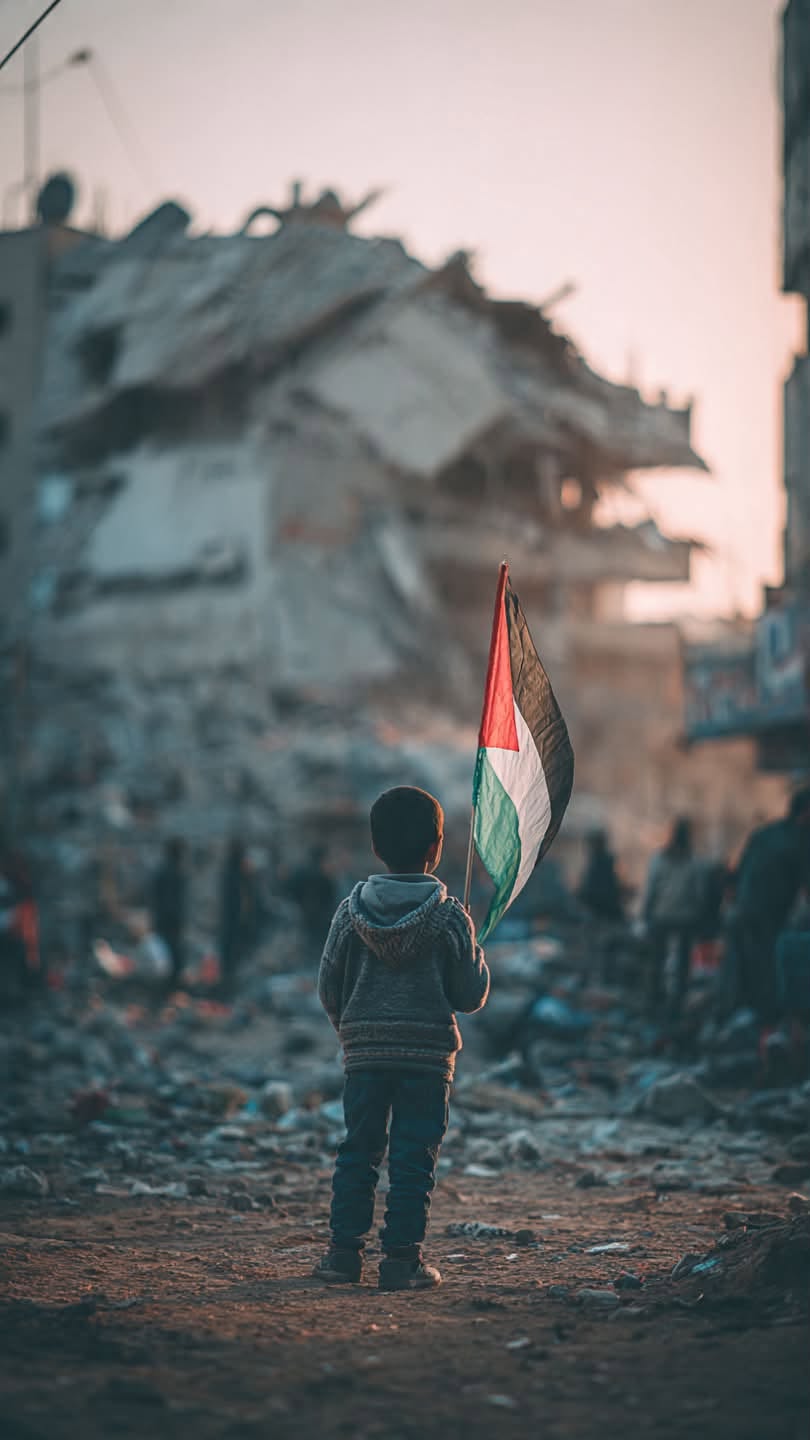
As children prepare for their first year and first day at school across several countries in the Middle East, at least 45,000 six-year-old children in the Gaza Strip are deprived of this right. The vast majority of them have been displaced from their homes and are facing a daily battle for survival.

The new school year was due to start across the State of Palestine today, but it has not resumed in the Gaza Strip where the intense conflict continues to take a dramatic toll on Gaza’s students, teachers and schools. The first graders join 625,000 children who have already been denied an entire school year, and with the conflict still ongoing, face the high risk of a second year without education.

“Children in the Gaza Strip have lost their homes, family members, friends, safety, and routine,” said UNICEF Middle East and North Africa Regional Director Adele Khodr. “They have also lost the sanctuary and stimulation provided by school, putting their bright futures at risk of being dimmed by this terrible conflict.”

Since October 2023, every school in the Gaza Strip has been shuttered. Among the students who were unable to learn last year are 39,000 students who missed their final year of school and couldn’t take their Tawjihi exams. This marks the first time in decades that a graduating class in the Strip has faced such a situation.

For older children, the disruption to their education has created uncertainty and anxiety. Without schooling, young people are at an increased risk of exploitation, child labor, early marriage, and other forms of abuse, and most importantly they are at risk of dropping out of school permanently.

For younger children, the absence of schooling threatens their cognitive, social, and emotional development. Parents are reporting significant mental health and psychosocial impacts among children, including feelings of increased frustration and isolation.

Children in the West Bank, including East Jerusalem are also affected as the school year starts. Increasing violence and movement restrictions since October 2023 have created new learning barriers for the 782,000 students there. Data from the Ministry of Education and the Education Cluster suggests that, on any day since October 2023, between 8 and 20 per cent of schools in the West Bank have been closed. Even when schools are not closed, the fear of violence, movement restrictions, and mental health concerns have led many students to skip school, leading to more learning loss.

In both the Gaza Strip and the West Bank, including East Jerusalem, attacks on schools and education have increased in recent weeks. In the Gaza Strip, at least 84 per cent of schools require full reconstruction or significant rehabilitation before schooling can resume. In the West Bank including East Jerusalem, there has been 69 attacks on schools and 2,354 incidents affecting schools, students and teachers in or around schools, according to the Palestinian Ministry of Education.

Despite these overwhelming and critical needs, education continues to be one of the least funded sectors in humanitarian appeals. In the State of Palestine, UNICEF’s education programming faces an 88 per cent funding gap.

To respond to this situation, UNICEF and its partners have established 39 Temporary Learning Spaces in the Gaza Strip serving over 12,400 students. In addition, recreational activities, emergency learning kits, and Mental Health and Psycho-Social Support (MHPSS) are being offered to children, youth, caregivers, and teachers in shelters.

“We must find ways to restart learning and rebuild schools to uphold the right to education of the next generations in the State of Palestine,” Khodr continued “Children need stability to cope with the trauma they have experienced, and the opportunity to develop and reach their full potential.”

“All barriers preventing us from doing our important work must be lifted. We must urgently be able to bring education and recreational supplies into Gaza at scale, have safe spaces to run learning hubs, and have guarantees students and teachers can safely access, live or learn in school buildings. Above all else, we need a ceasefire in the Gaza Strip and a de-escalation in the West Bank so all children can return to the classroom and damaged schools can be rebuilt.”

Reliefweb

Continue reading