‘Palestine 2’ Hypersonic Missile is 5 Times The Speed of Sound

The Yemeni Ansar Allah Houthi Group published in a videoclip, Monday, scenes from the launch of a hypersonic ballistic missile launched at a military target in the occupied city of Jaffa that is now also known as Tel Aviv.

The Houthis named the missile “Palestine 2”, while its range reaching 2,150 km, and operates on solid fuel in two stages, and is characterized by stealth technology and a speed of up to 16 Mach.

The latest “Palestine 2” missile has a high maneuverability to bypass the latest air defense systems, including the Iron Dome, according to the Houthi war media in a report by Quds Press.

The Yemeni Houthis launched a new “hypersonic” ballistic missile, Sunday, at a “military target” in the city of Jaffa, hours after the Israeli army announced that a missile fell in an “open area” in the Tel Aviv area in the center of the country.

The “hypersonic” missile is a type of deadly weapon, reaching a speed of five times the speed of sound and sometimes more. It does not follow a curved path but has the ability to evade during flight, making it easy to penetrate air defenses and hinders its tracking by radars, and flies at low altitudes compared to ordinary ballistic missiles.

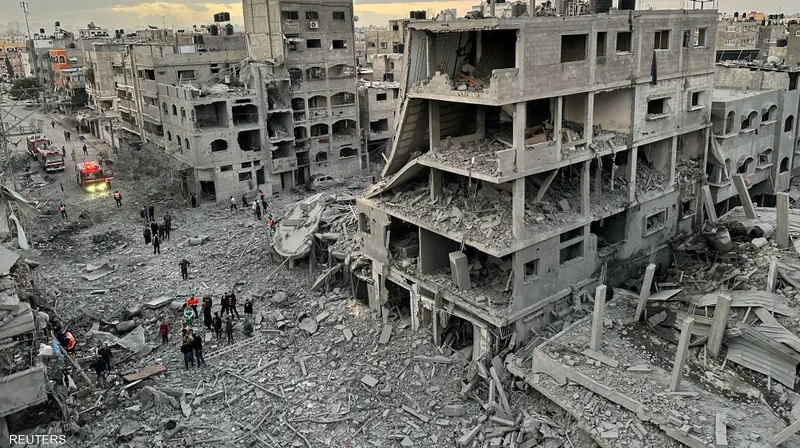
The Israeli occupation army has continued its aggression on the Gaza Strip for 346 days, with American and European support, as its airplanes bomb the vicinity of hospitals, buildings, towers and homes of Palestinian civilians and destroy them over the heads of their residents, and prevents the entry of water, food, medicine and fuel.

The ongoing aggression by the occupation on Gaza has led to the martyrdom of more than 41,226 martyrs, the injury of 95,413 others, and the displacement of 90% of the population of the Strip, according to data from the United Nations.

Continue reading
The Pain of Gaza

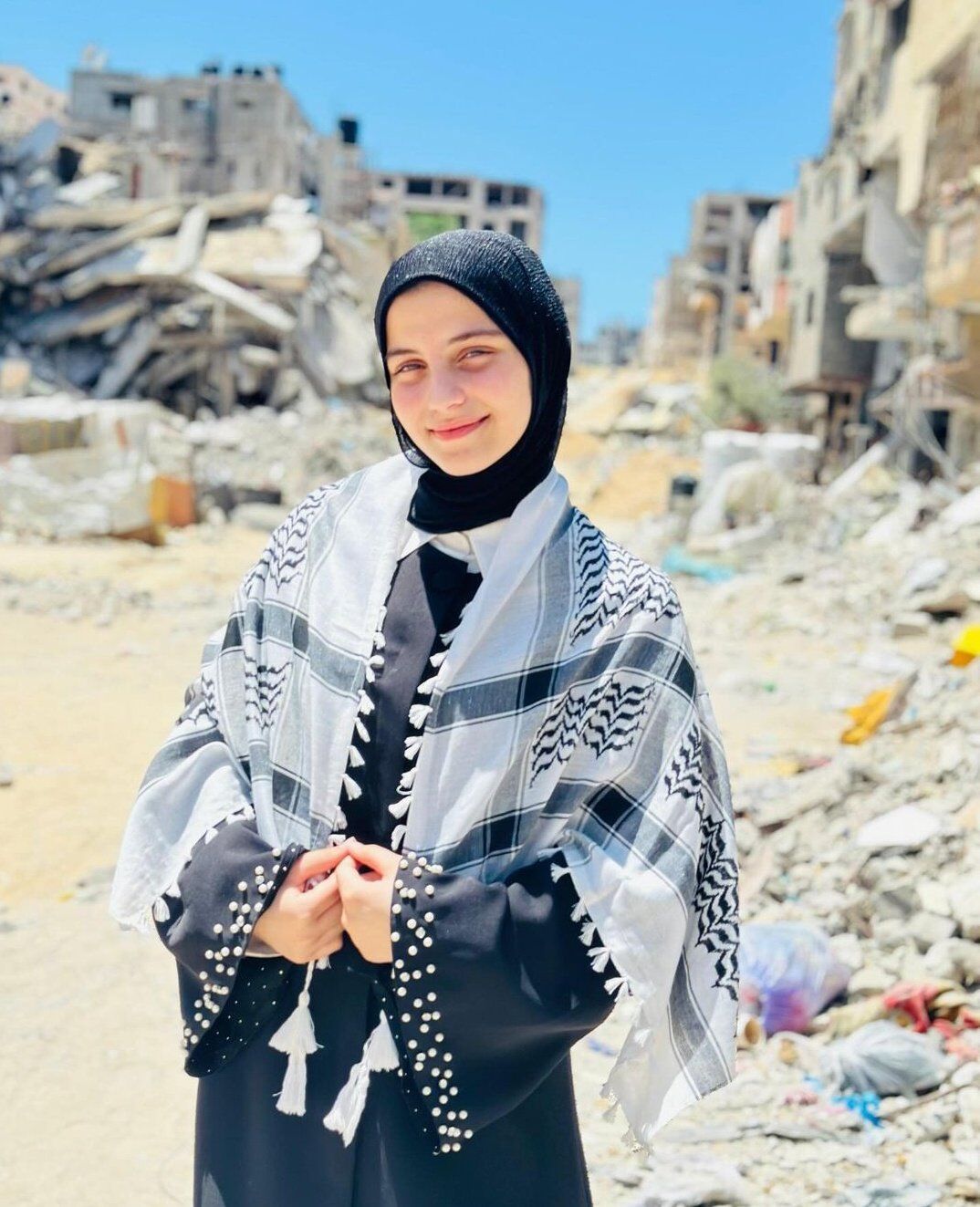
Gazan journalist Abdul Qader Sabbah describes the tragic scene every morning in the war-torn Strip during Israel’s ongoing genocide that started soon after 7 October, 2023, turning the life of people literally upside down with massacres, mass displacements and destruction.

Continue reading
The Beheaded Children of Gaza

A beheaded girl transported to hospital following an Israeli airstrike on the Al-Mawasi region, west of Khan Younis, Monday, afternoon.

But she is not the only one. On another newsflash a beheaded boy was also just transported to hospital following an Israeli airstrike on the Al-Mawasi region.

https://twitter.com/QudsNen/status/1835639053150011791

At least four more civilians were killed in the deadly attack.

Continue reading
Palestine Bids Farewell to Elias Khoury

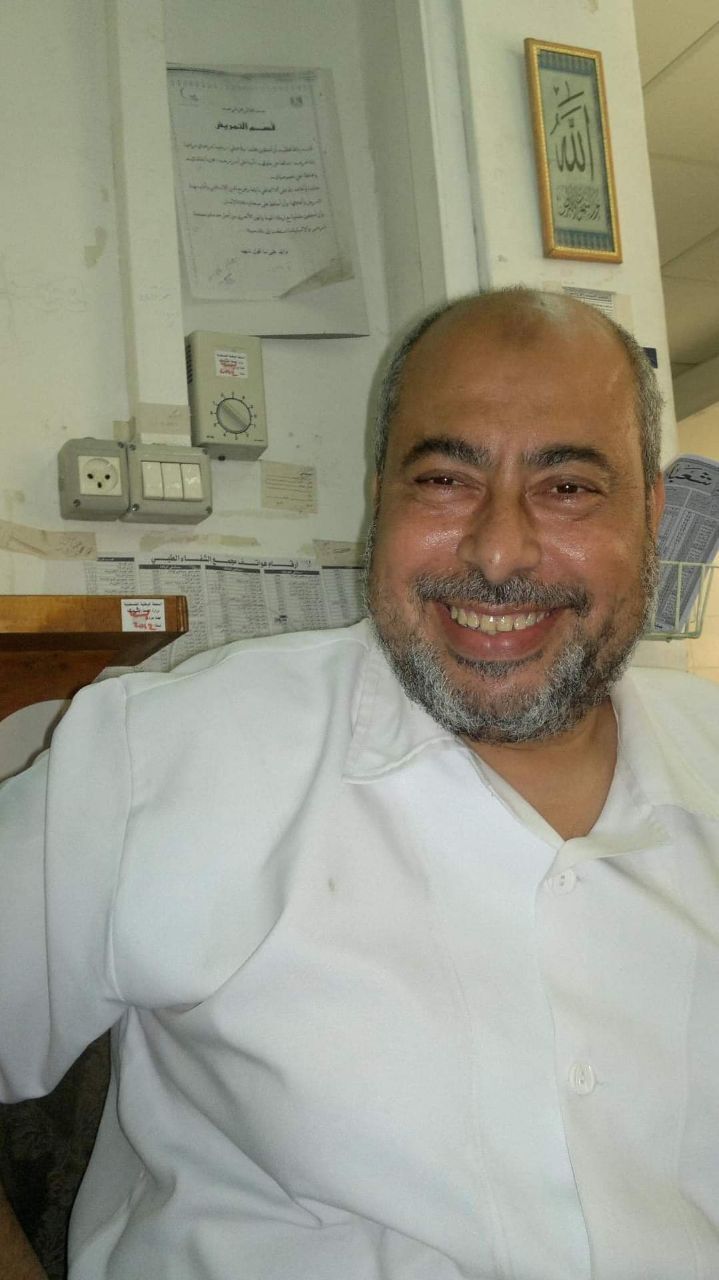
Palestine will miss him greatly. Elias Khoury, a leading Lebanese novelist and writers and a staunch advocate for the Palestinian cause, gave up and died, Sunday.

Khoury, a leading voice of Arab literature, had been ill for months and admitted and discharged from hospital several times over the past year until his death, the Al-Quds Al-Arabi daily for which he worked stated.

One of his best-known novels, Gate of the Sun, tells the story of Palestinian refugees expelled from their homes in 1948 during the war that coincided with heartache creation of Israel.

“The Catastrophe began in 1948 and it is still going on,” he once wrote referring to Israel’s illegal settlements in the occupied Palestinian territories.

On 16 July, he published an article, titled A Year of Pain, recounting his time bedridden in hospital and enduring “a life filled with pain, which stops only to herald in more pain”. He ended his piece by alluding to the Israeli war in the besieged Gaza Strip, which by had rthen aged on for more than nine months.

“Gaza and Palestine have been brutally bombarded for almost a year now, but they stand steadfast and unshakable,” Khoury wrote. “A model from which I have learned to love life every day.”

The Institute for Palestine Studies honored the late Lebanese novelist for his contributions in support of the Palestinian people.

“Elias Khoury was a staunch advocate for Palestine, contributing to the struggle nationally and intellectually,” the institute said in a statement posted on X.

“Even while hospitalised due to illness, Khoury continued to work on the publication of the institute’s Majallat al-Dirasat al-Filastiniyya journal, “especially during the genocide in the Gaza Strip”, the institute pointed out in a statement

He “paid exceptional attention to the plight of prisoners and detainees in Israeli prisons, devoting pages of the journal to this crucial cause”, the statement added according to the Quds News Network.

Continue reading