Nervous Mideast Awaits: Gaza, Lebanon and Possibly Iran

In recent days, the region has witnessed significant events, the most notable of which was the assassination of Yahya Sinwar, the de facto leader of Hamas. This event, heavily relied upon by Israel, came at a time when the military focus had already shifted to the Lebanese front. This shift has kept the war atmosphere ablaze, making it difficult for the international community to put more pressure on Netanyahu to end the war in Gaza.

Meanwhile, Israel will likely manoeuvre by appearing to offer concessions in humanitarian aid and relief efforts, while in reality escalating its pressure on Hamas and seeking to take advantage of the uncertainty within the movement following Sinwar’s death. This situation may force Hamas to urgently craft a new political strategy for the coming phase, especially as its upcoming political battle promises to be one of its most complex challenges.

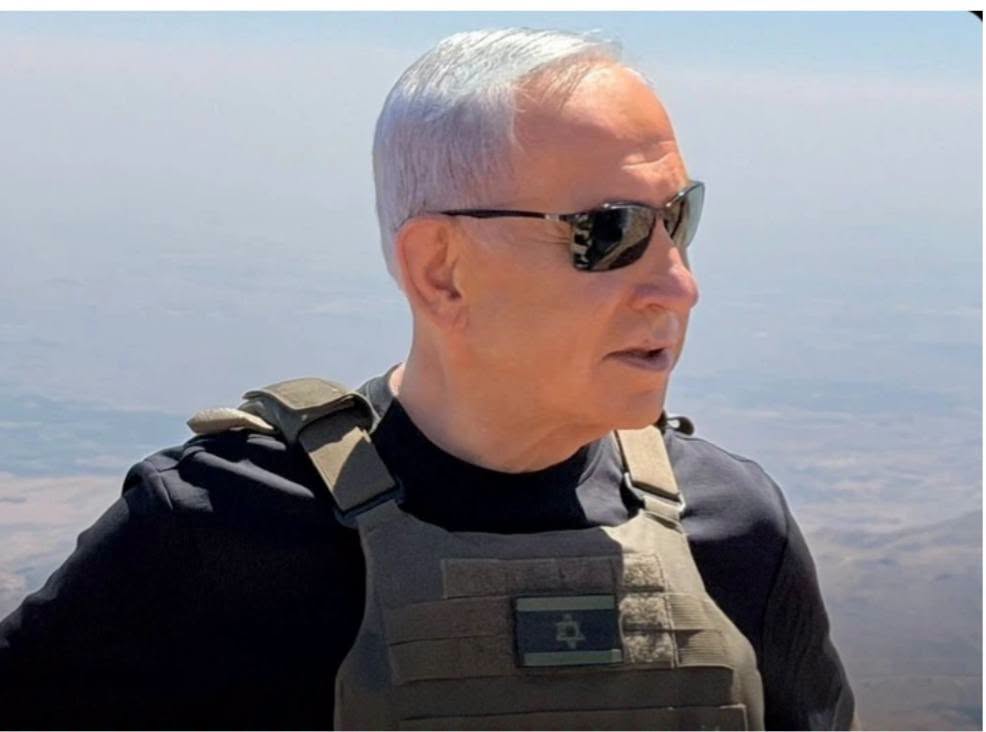
On the Lebanese front, Hizbollah managed to deliver strikes inside Israel in recent days, the most prominent of which was the drone attack targeting Israeli Prime Minister Benjamin Netanyahu’s residence. Although the attack did not cause significant damage, its symbolism was considerable. Netanyahu quickly seized the opportunity to shift the narrative in his favour, moving from a position of blame in the eyes of some allies to portraying himself as a victim. This allowed him to launch a new campaign of mobilization. Through this effort, Netanyahu aims to gain a green light for a series of operations that could go beyond military and security targets to also include political objectives in Lebanon and Iran, with potential extensions into Syria and Iraq.

At the same time, Israel has intensified its attacks on Hizbollah across various regions of Lebanon, targeting individuals and locations, particularly in Beirut’s southern suburbs. It is clear that Israel aims to dismantle the urban infrastructure of this area while also contributing to ongoing demographic displacement efforts. The broader goal appears to be turning the southern suburbs into an uninhabitable zone, displacing its residents. Ultimately, Israel seeks to reshape Lebanon’s security landscape by creating a deep buffer zone in the south, ensuring a different form of international presence that would replace the current UNIFIL forces, and stripping Hezbollah of its social strongholds in the future.

As Israel works to contain the surrounding fronts, from Gaza to the West Bank, it continues to escalate its strikes against Lebanon and maintains Syria under constant attack to disrupt the presence of Iran and Hezbollah and cut off potential logistical supplies. These actions indicate that Israel is paving the way to target Iran’s Revolutionary Guard Corps (IRGC).

At the same time, Yemen and Iraq remain potential sources of threat. The United States’ robust engagement in targeting the Houthis with specialized operations, particularly using B-2 bombers, suggests that Iraq might be the front activated to distract Israel and create a security crisis within its borders. This aligns with recent operations from Lebanon that aim to create internal security turmoil in Israel, seeking to disrupt daily life. These efforts are expected to escalate through multiple operations using diverse methods, as has already been observed in recent weeks.

The intensification of attacks on Lebanon, the isolation of Syria, and the significant US military buildup, including the deployment of the “THAAD” missile defence systems to Israel, all fall under the broader preparations for what could come after an Israeli strike on Iran. This further suggests that the groundwork has been laid for a significant and targeted attack on the IRGC.

Sensing this looming threat, Iran’s foreign minister has embarked on a wide-reaching diplomatic campaign across the region, though it appears that none of its objectives have been met. The campaign’s primary goal was to prevent military action against Iran while highlighting the dangers of entering an open confrontation with Iran and the security risks it would pose across the region.

The region’s entry into a phase of direct targeting of Iran opens the door to new repercussions. Large swaths of geography could face waves of violence and attacks, particularly given the possibility that various groups and cells may act independently. This raises the level of security threats across much of the region, including areas that are not currently involved in the active conflict zones.

Dr Amer Al Sabaileh, a professor in Jordan University, is a columnist for the Jordan Times
Continue reading
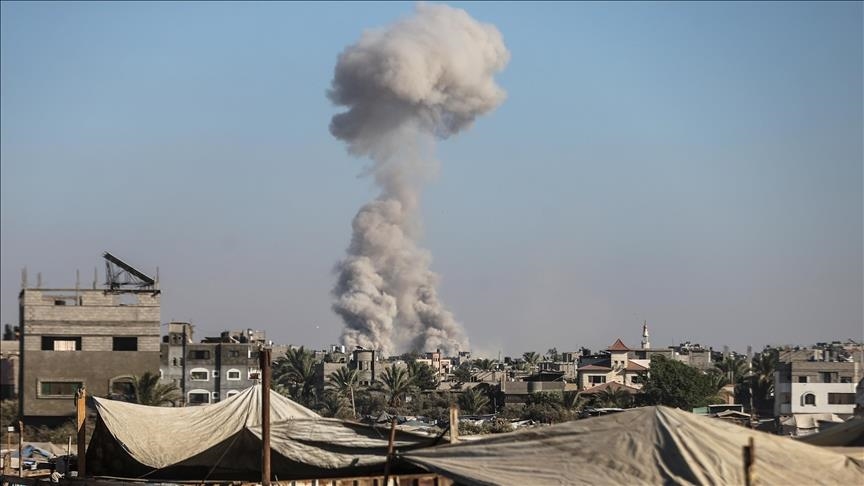
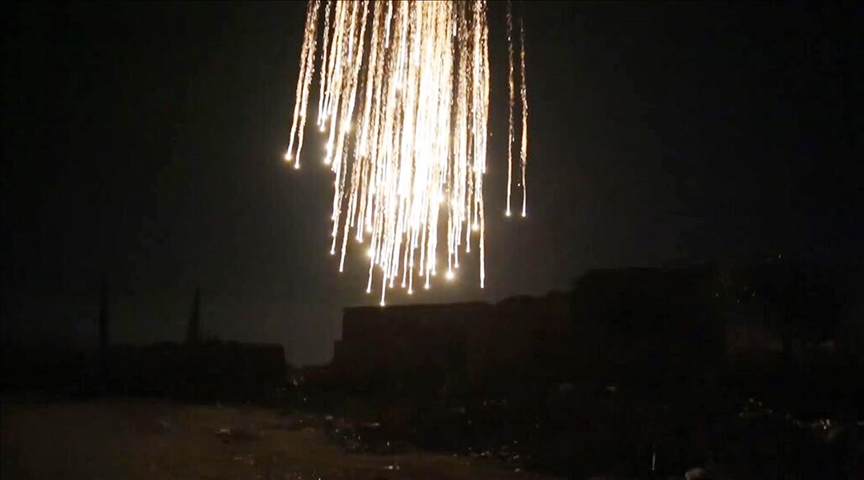
Israel Bombs Lebanese Town With Banned Munitions

The Israeli army shelled the southern Lebanese town of Kafr Shuba with internationally banned phosphorus munitions, Lebanon’s state news agency reported on Sunday.

No information was provided about damage or injuries.

The state-run National News Agency also said that Israeli forces shelled the nearby town of Al-Qantara.

Israeli warplanes also staged fresh airstrikes in the southern suburb of Beirut, including Haret Hreik, a Hezbollah stronghold according to Anadolu.

Separately, Hezbollah said that its fighters targeted with rockets Israeli troop deployments in the Misgav Am settlement in northern Israel and the Ma’ale Golani barracks in Syria’s occupied Golan Heights.

Israel has mounted a huge air campaign in Lebanon since late last month against what it claims are Hezbollah targets, killing over 1,500 people and displacing more than 1.34 million others. Cross-border warfare between the two sides continued since the Gaza war last October.

Continue reading
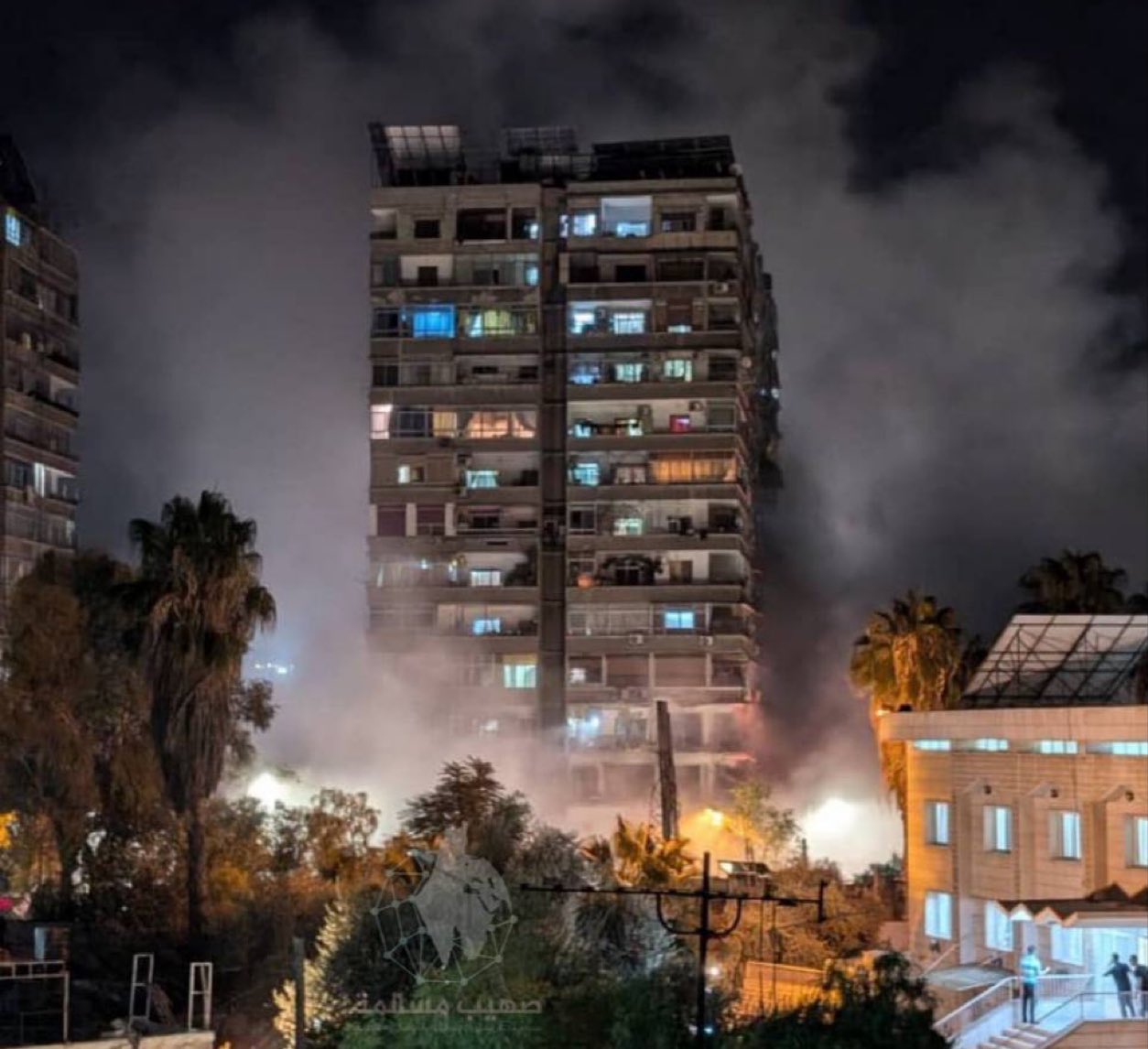
Israeli Planes Bomb Apartment Building in Damascus

Israeli planes bombed an apartment building in Damascus, Tuesday night with a violent explosion rocking the area.

The report of the bombing is trending on the social media with images of the building that was bombed.

The Syrian Defense Ministry reported seven civilians were killed and 11 injured in Israeli strikes targeting a residential building in the Al Mazzeh district of the Syrian capital according to the Quds News Network.

As of last Syria has been bombed almost nightly by Israeli planes.

Continue reading
Is an Israel-Iran War Coming?

By Dr Khairi Janbek

In the late 1990s, the grandiose talk of a new order for the Middle East emerged which turned out to be nothing more than a euphemism for Disney Land Arab countries, poverty and conflict-stricken regional reality, with a mixture bordering on more than buffer zones.

Now we have a less ambitious notion and that is a new balance of power in the Middle East, another euphemism for Israel calling the shots and all its neighbors being called on to abide.

But how does this new notion translate in practical terms? Well basically, to all concerned and less concerned waking up every morning asking the question: Will Israel strike Iran or will it not? 

Of course, this is a horrific question if indeed Israel does hit Iran as it carries with it many important existential perils for the whole region and beyond.

One believes whatever is on Benjamin Netanyahu’s mind to achieve advantageous results must be carried out before the date of the US elections this November because no matter what he has been told by the US prospective candidates, at the end of the day, a sitting president doesn’t act like a president-elect.

Now what would a direct confrontation and open warfare between Israel and Iran entail? Well primarily, direct confrontation takes precedence over war by proxies, which means Israel will have to go directly into destroying the military capabilities of Iran in a hugely destructive war.

This would ultimately open the possibilities for its own destruction which means dragging the US and western powers into the conflict, no matter how reluctantly they maybe to defend it, and/or basically go into a slippery-slope open warfare reaching Syria and Iraq and Iran and whatever is on its plate regarding Gaza and Lebanon.

The current wisdom dictates a large scale war does not seem to be likely on the agenda, but that does not exclude a cycle of tit-for-tat strikes between Israel and Iran.  Clearly Israel knows that for the economy of the west which is seriously preoccupied with prices and inflation, to target the Iranian oil facilities is a red line.

Moreover, to target the Iranian nuclear facilities would open the door for Tehran to retaliate against the Israeli nuclear facilities which will have dire consequences for the whole region and the world.

Therefore, if Israel is seriously thinking of dealing a blow to Iran, it will either resort to targeting personalities from the hierarchy of the country, and/or will be a just a face saving act with superfluous consequences.

Dr Khairi Janbek is a Jordanian writer based in Paris and the above opinion is that of the author and doesn’t reflect crossfirearabia.com.

Continue reading
‘Israel Will Not be Able to Defeat Hezbollah’ – Military Expert

Israel will not succeed in achieving the goals it set in Lebanon and will not be able to defeat Hezbollah said military expert Retired Maj-Gen Mamoun Abu Nawar.

He pointed out Israel is still unable to cross the border into southern Lebanon due to the heavy losses and after seven failed attempts to do so by its soldiers.

He stressed Israel does not have the ability to defeat Hezbollah despite the losses and assassinations it carried out through its air strikes on southern Lebanon and Beirut’s southern district in the last two weeks.

Abu Nawar added to Jordan 24 the Israeli occupation army is trying to get out of the Gaza impasse and its inability to achieve the goals it announced there by opening the Lebanese front and is trying to cross the border and establish a foothold there to start extensive military operations later.

But he pointed out it is failing to do so after the heavy losses inflicted on its invading soldiers.

Abu Nawar explained opening a third front with Iran will not be easy and Israel does not have the ability to confront the strikes and ballistic and hypersonic missiles, which are considered among Iran’s most powerful weapons.

Abu Nawar pointed out that the air strike on Iran requires the approval of four countries for the aircraft to cross, namely Jordan, Saudi Arabia, Iraq and Syria. He noted Jordan has already refused for its airspace to be used by both parties and the other countries will not allow the use of their airspace because they will be partners in the operation and this is not easy either.

Abu Nawar continued that there are also technical, technological and logistical reasons for Israel’s inability to strike Iran by air, including because the lack of aircrafts available to refuel after they were taken out of service; and in this case it needs the intervention of the USA to supply it with them or use its military bases in the Middle East, and this is not possible at the present time.

Continue reading