Arabs Wake Up!

Dr. Muhammad Turki Bani Salama

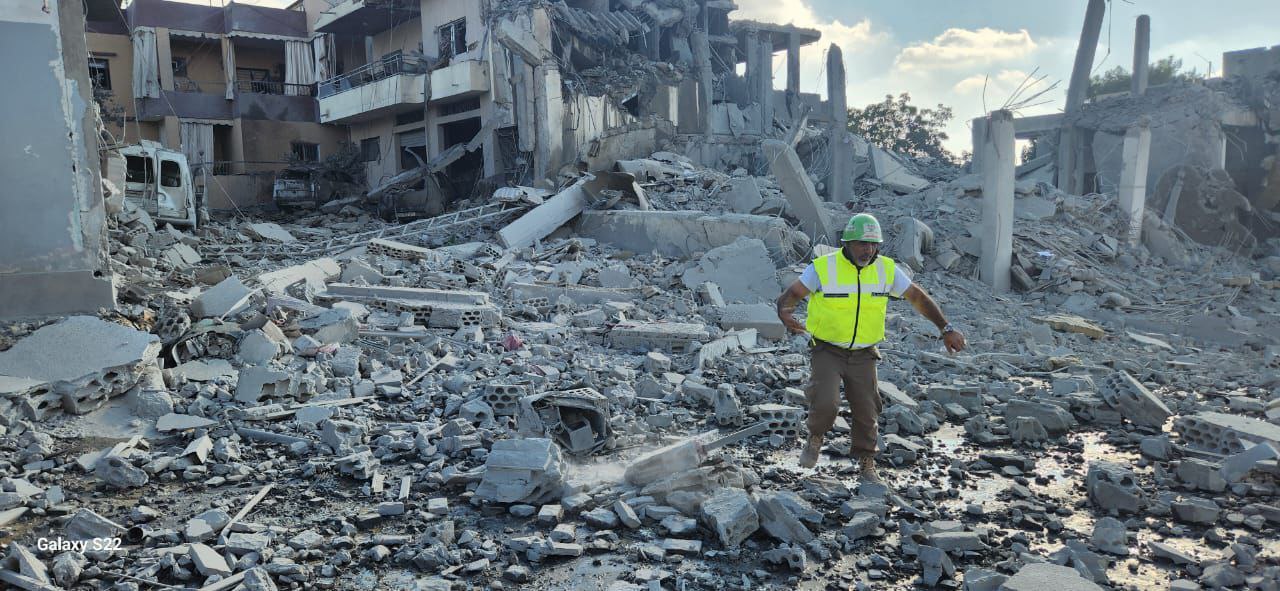
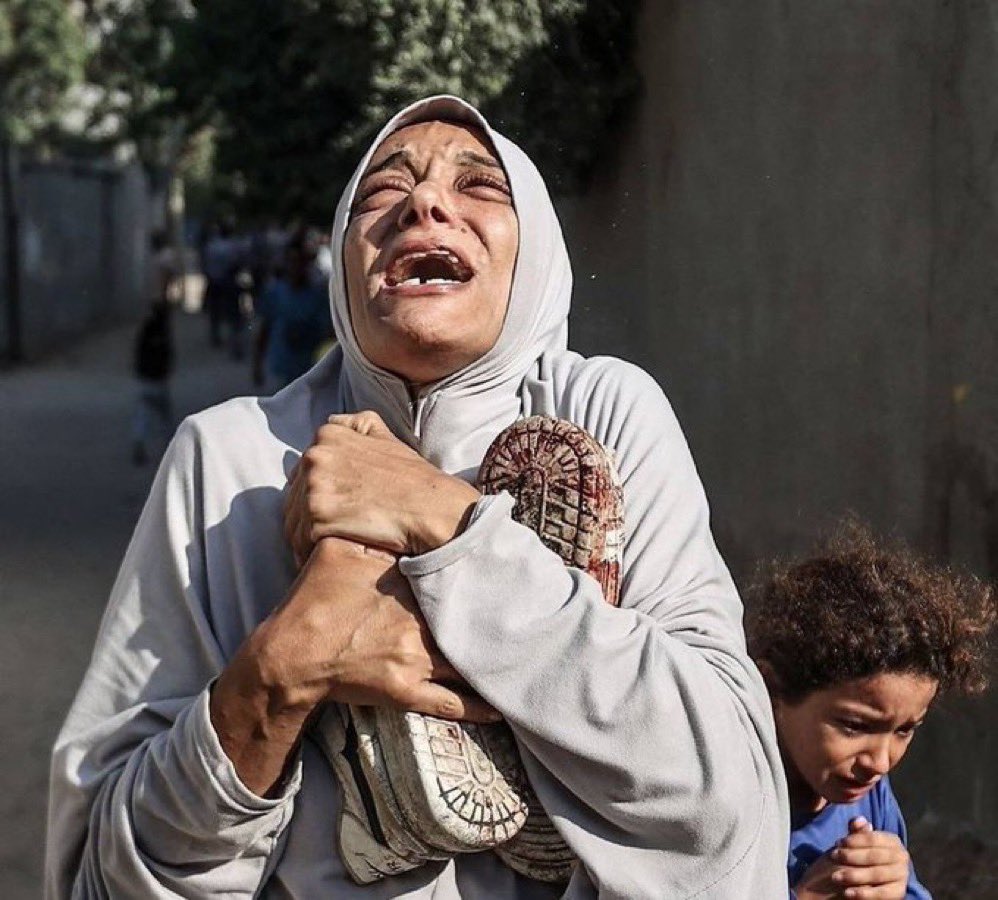
In light of the ongoing brutal Israeli aggression on Palestine, Lebanon, Syria and Yemen, the Arab and Islamic media arenas are crowded with official statements of condemnation and denunciation yet the situation remains the same. These expressions of concern and repeated warnings have become, in essence, part of a farcical and repetitive political play that does not provide any tangible support or actual assistance to the afflicted peoples. Rather they are empty words to alleviate popular pressures without any actual intention to take effective steps on the ground.

It is ironic these Arab and Islamic countries do not miss an opportunity to declare their support for Palestine and Lebanon in international forums. They are content with a monotonous diplomatic theatrical performance of statements of condemnation and warning without taking any real steps on the ground.

This is despite the number of dead, wounded and displaced who are increasing daily. These countries, especially the ones who normalized with Israel, are not even bothering to sever relations with Jewish state, or even think of imposing any significant economic sanctions on the entity.

On the contrary, some of these countries have increased the volume of trade and economic exchange with Israel since the outbreak of the Al-Aqsa Flood battle since last October, as if they fear upsetting their new trading partner, while continue to present themselves to the world as protectors of Arab, Islamic and humanitarian principles and values.

This blatant contradiction between political rhetoric and action on the ground cannot but arouse the astonishment of the Arab and Islamic peoples. How can these countries claim to adhere to the values ​​of Arabism, Islam and humanity, while they turn a blind eye to Israeli violations against the Arab populations of Palestine, Lebanon, Syria and Yemen?

How can this support and these hollow words be considered real solidarity? The Arab peoples are asking: Where are the actions that reflect these resonant statements on the ground?

What is even more bizarre in this absurd scene is that even the drug dealers in the Maghreb have taken a more serious stance than those countries. By their decision to stop drug smuggling to Israel, they have demonstrated a greater understanding of effective action than many of the nation’s leaders.

Those who operate in an illegal field have taken a stance that shows that real action can be more effective than any diplomatic statements at Arab summits. If only Arab leaders would learn a lesson from the drug dealers on how to provide support, relief to the distressed and rescue the oppressed.

As for banking on international law and the international community to stop the Israeli aggression, it is a losing bet by all standards. Israel is fully supported by the West, led by the Zionist United States, the head of the snake, and which no longer hides its explicit loyalty to the Zionist project.

While Washington sings the praises of human rights on every occasion, it adopts double-standard policies, turns a blind eye to the flagrant violations of Arab rights, and supplies Israel on daily basis the latest lethal weapons to continue its aggression against the Arab people without deterrence.

Relying on the Security Council or the United Nations for justice and/or stop the aggression is just an illusion and a mirage, closer to waiting for the impossible, because these institutions have proven time and again, they are unable to take any serious position when it comes to Israel.

So the fundamental question here is: Will the Arabs continue to play the role of spectators or will they decide to take serious positions to protect themselves and their interests first before thinking about protecting the rights of the peoples of Palestine and Lebanon?

And can the Arabs ever go beyond mere statements and take actual steps that restore balance in the face of Israeli arrogance? Or have the Arabs left history, geography and the entire political equation, and no benefit can be expected of them?

Only the coming days will reveal the answer but what is for certain now is Arab peoples can no longer tolerate more empty promises and hollow statements. They are waiting for real action that embody a strong political will capable of bringing about change.

In the end, the aggression continues, and with it the official Arab and international silence remains, at a time when the suffering of the Arab peoples in Palestine, Lebanon, Syria, Yemen and elsewhere increases. These people have no choice but to resist, without expecting someone to appear in this lunatic world to take bold positions and truly stand for justice and humanity, in the face of the Zionist-American barbarism, brutal aggression and ongoing injustice.

The author is a Jordanian academic and a full professor who contributed this opinion in Arabic to Raialyoum.com
Continue reading
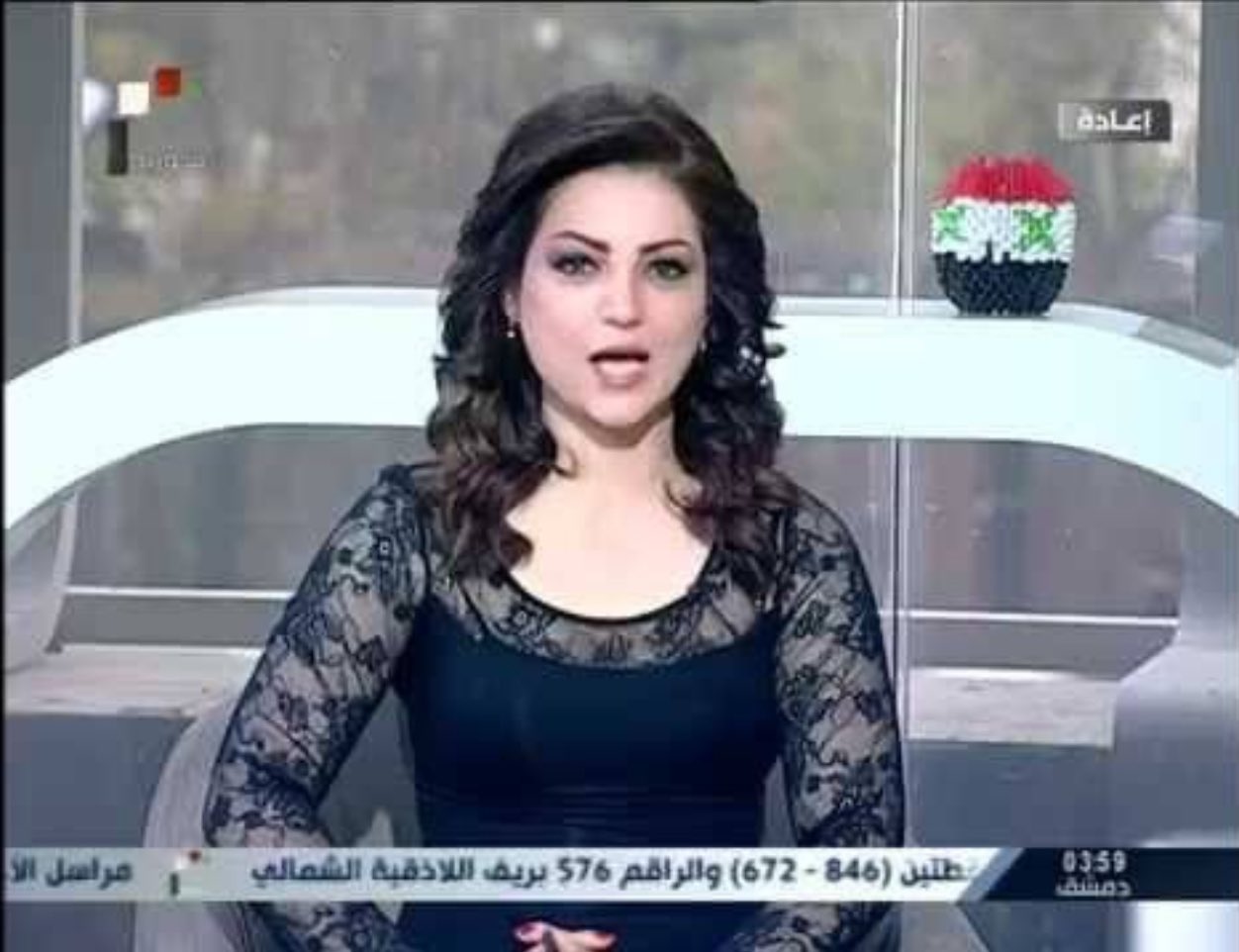
Israeli Missiles Kill Syrian TV Anchor

Israeli warplanes kill three people in an attack on Damascus, Monday night, it is being reported on news websites and trending on the social media.

One of those killed was Safa Ahmad who worked in the Syrian state television in a attack that hit the Mezzeh neighborhood in Damascus.

The International Federation of Journalists condemned the attack on the female journalist. It stated on its website that it joins with its affiliate, the Syrian Journalists’ Union (SJU) in condemning “the heinous killing, and reiterates that the perpetrators of the deadliest conflict for journalists must be tried before the International Criminal Court, as international law requires that journalists are considered civilians and combatants are obliged to ensure their safety.”

The Syrian capital was subjected to three missile strikes, Monday night, and the death of the anchor was subsequently reported by her employer, the Syrian State Television.

This war has been deadly for journalists. On 24 September Hadi Sayed and Kamel Karaki were killed in Lebanon whilst on 30 September Wafaa Al Udaini was killed in Gaza, making her journalist number 174 to be targeted and killed in the Strip.

Continue reading
Dialectic of Converging Interests

By Dr Khairi Janbek

One’s experience has always been in peace building and not war mongering, therefore try to understand that to make a paradigm shift can make one fall into the transition gap.  

From the start I can say I have been wondering about the daily carnage, murder and destruction in the Middle East. Point one, how come a country like Israel, well-endowed with superior technology, can pinpoint the time and space accurately of the Hezbollah leaderships, same with Hamas, and assassinates them with impunity, fails to see the coming of 7 October from merely across the border? 

Some said that Israel has been fighting Hezbollah for a long time which enabled it to organize infiltrations and plans for assassinations, but isn’t its war against Hamas has been just for the same length of time?

So can Israelis accuse their own state with negligence, or is this so-called negligence carries notions that are more than meets the eye?

Now, what about Israel carrying out land operations across the border into Lebanon, for all intents and purposes, this would be the ideal time with the Hezbollah command in disarray? Or is it really that fact that Israel has no intention of doing so a priori?

To explain what I mean bluntly, after all the expected new leader of Hezbollah is Hashem Safi el Deen; he is through and through Iran’s man, his brother is also the bureau chief of Hezbollah in Tehran, all the top ranking commanders of the Iran allied groups in Syria and Iraq will be also through and through Tehran’s men and strictly under its direct command.

Therefore, the most logical conclusion is that Iran neither sold out Hezbollah nor any other its allies, but rather sold out the leaderships of those allied organizations in order to end their autonomy.

Which could mean also, Israel’s intentions are not actually the elimination of the allied organisations of Iran, but rather the elimination of their leaders in a dialectical formula of convergence with its Iranian enemy

Dr Khairi Janbek is a Jordanian writer based in Paris and the above opinion is that of the author and doesn’t reflect crossfirearabia.com.

Continue reading
Gaza: Bloodiest War of the 21st Century

Its being described as one of the “bloodiest” war of the 21st century. This is how Israel’s Haaretz daily termed the war on Gaza in a recent investigation.

According to Haaretz, the war has claimed the lives of tens of thousands of Palestinians, many of whom were in zones previously designated as “safe” by the Israeli military.

The report criticized Israeli Prime Minister Benjamin Netanyahu for accusing “the international community of hypocrisy concerning the war in the Gaza Strip – and to claim it is ignoring other conflicts and humanitarian disasters,” according to Anadolu.

For example, Netanyahu in January said: “Where was South Africa when millions were killed or expelled from their homes in Syria and Yemen?”

“But a cold examination of the numbers killed in the Gaza Strip reveals this is one of the bloodiest wars since the beginning of the century, especially if you examine the rate of mortality out of the total population,” the report pointed out.

The Israeli newspaper stated the Gaza war resulted in an extraordinarily high death toll, with approximately 40,000 Palestinians killed since the onslaught began on 7 October, 2023 7 – this this is about 2% of the Gaza’s population of two million.

Targeting safe areas

Despite the Israeli army’s designation of certain areas in Gaza as “safe areas,” the daily said “most of the residents of Gaza were displaced, but their escape to areas the Israel Defense Forces (army) has designated as safe zones has not always helped, and many have been killed in these areas too.”

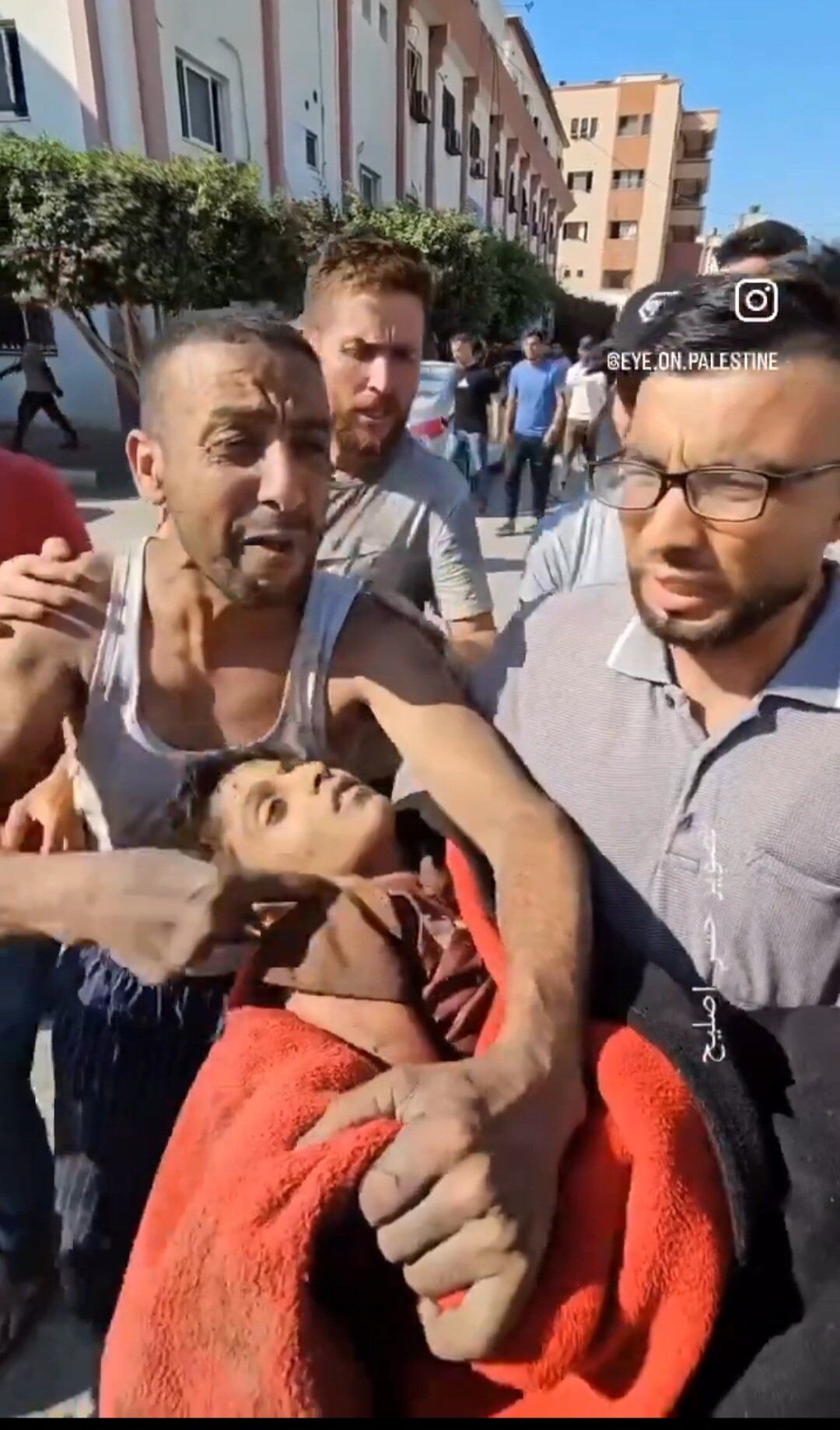
The Israeli forces have repeatedly targeted these “safe areas” where displaced civilians gathered, resulting in the deaths of hundreds of people, including women and children.

The report noted international organizations and media outlets have consistently verified the casualty figures provided by Gaza’s Ministry of Health.

As of Wednesday, the ministry reported nearly 40,000 Palestinian deaths and over 92,000 injuries due to the ongoing war, with more than 10,000 people still missing under the rubble.

Haaretz compared the Gaza conflict to other major humanitarian disasters.

“In the Rohingya genocide in Myanmar, for example, about 25,000 people have been killed, according to the United Nations.

“The war in Gaza also stands out in comparison to wars from the 1990s, for example those that took place in the former state of Yugoslavia. One of these regions was Bosnia, and in the worst year of the conflict, 1991, the average number of deaths per month was 2,097 – and the total number killed over four years there was 63,000,” it added.

4,000 fatalities per month

The newspaper highlighted the alarming death rate in Gaza, which averages around 4,000 fatalities per month, far surpassing the monthly death toll in Ukraine’s ongoing conflict.

One of the most striking aspects of the Gaza war, according to Haaretz, is the lack of safe refuge for civilians. The densely populated, 360-square-kilometer (139-square-mile) area offers little to no escape for non-combatants, further exacerbating the humanitarian crisis.

“The difference that stands out the most between the rest of the wars of the 21st century and the war in the Gaza Strip is the size of the territory where the fighting is taking place, and the inability of the uninvolved civilians to flee the battles – and in particular the percentage of casualties among the overall population,” the newspaper elaborated.​​​​​​​

Living conditions for displaced civilians in so-called “humanitarian” zones are dire, with overcrowding, disease and a lack of shelter and medical supplies. Haaretz emphasized the staggering impact of the war, noting that 2% of Gaza’s population has been killed in less than a year—a level of destruction rarely seen outside of Africa since World War II.

Michael Spagat, a professor at the University of London who specializes in monitoring conflict casualties, told Haaretz that “in terms of the total number of dead, I assume Gaza won’t be among the 10 most violent conflicts of the 21st century.”

“But compared to the percentage of the population killed,” Spagat assumes it is already “among the top five.”

The devastation in Gaza has led to widespread starvation and malnutrition, particularly among children. As of Wednesday, 115 infants had died since the start of the war, according to Gaza’s Ministry of Health. The ministry also reported that 37 Palestinians, including children, have succumbed to hunger and malnutrition during the conflict.

Adding to the grim toll, Gaza’s Civil Defense announced the deaths of two more rescue workers in Rafah on Wednesday, bringing the total number of first responders killed since 7 October to 82.

Israel, flouting a UN Security Council resolution demanding an immediate cease-fire, has faced international condemnation amid its continued brutal offensive on Gaza since an 7 October attack last year by the Palestinian resistance group Hamas.

Nearly 40,000 Palestinians have since been killed in Gaza, most of them women and children, and over 92,000 others injured, according to local health authorities.

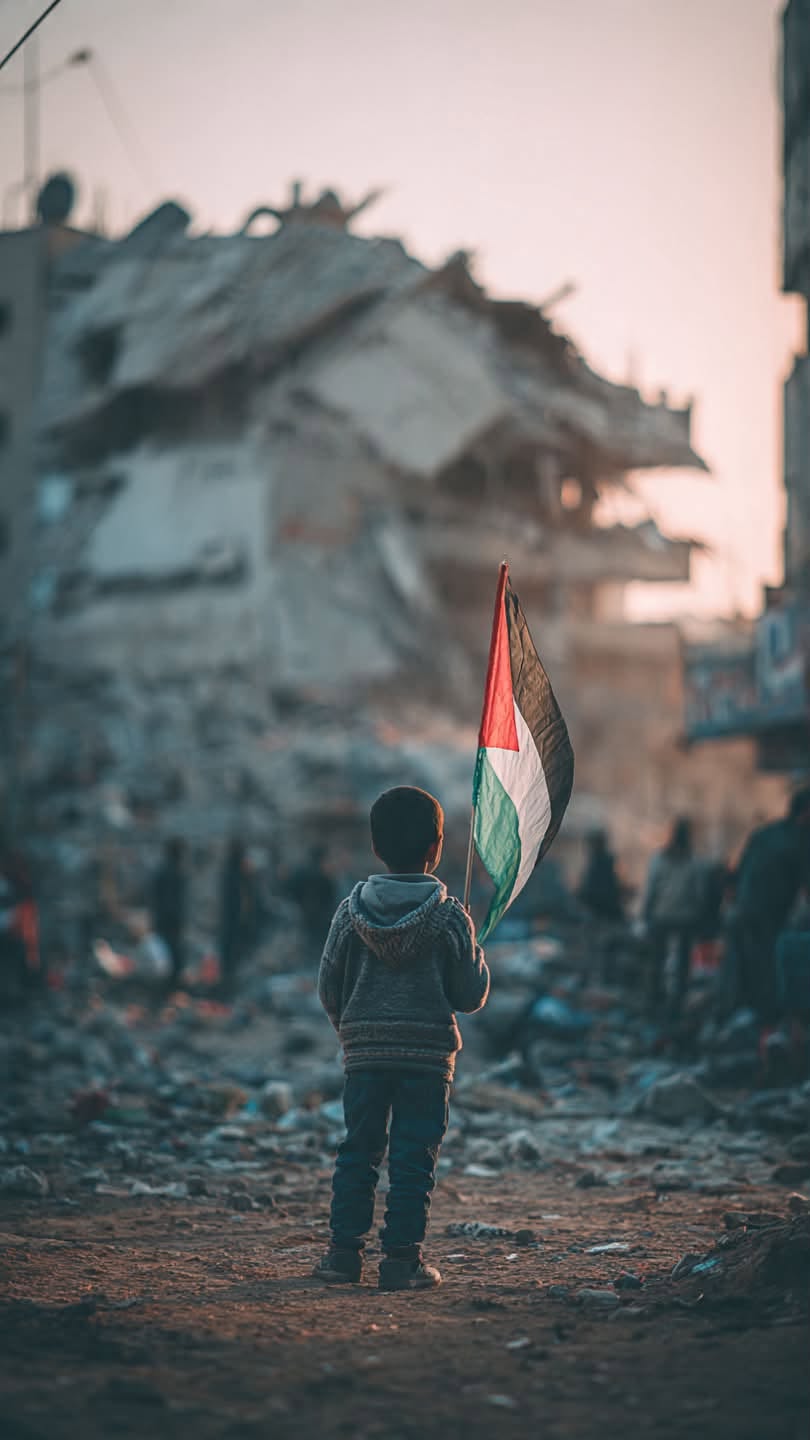
More than 10 months into the Israeli war, vast tracts of Gaza lie in ruins amid a crippling blockade of food, clean water and medicine.

The International Court of Justice has accused Israel of genocide and ordered a halt to its military operations in the southern city of Rafah, where over a million Palestinians had sought refuge before the city was invaded on May 6.

Continue reading
Expert: Iran to Launch Strike on Israel Soon

Military expert Dr Nidal Abu Zeid said the resistance is provening it still has the ability to continue confronting the Israel occupation forces after 301 days. As evidence of that it launched a rockets barrage towards the Jewish settlements sorrounding Gaza from the southern region.

He added this is an area witnessing one of the largest military operations these days.

Abu Zeid added to Jo24 Israeli forces introduced a new brigade to fight in Gaza – so-called the Jerusalem Brigade affiliated to the Central Military Region – and not from the brigades of the Southern Military Region responsible for operations in Gaza.

Its confirms the extent of the attrition affecting the Israeli combat units from the Palestinian resistance groups in Gaza, the military expert said.

Abu Zeid pointed out the Israeli occupation army withdrew its Seventh Brigade in east of Khan Yunis recently due to the heavy losses they incurred amongst their ranks and has instead deployed the Jerusalem Brigade.

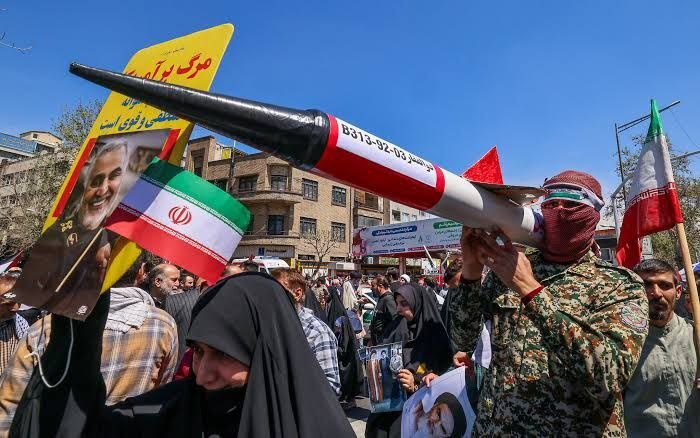
The continuing media statements about Hezbollah and Iran’s response to the assassination of martyrs Ismail Haniyeh and Fouad Shukr confirms that its coming military action on Israel will not be delayed, he said.

Waiting for the hit

This is especially in light of the repositioning of the Hezbollah units in southern Lebanon, withdrawal of Iranian militias from Deir Ezzor, Syria and the fact that most airlines stopped their flights to Ben Gurion Airport in Tel Aviv.

Abu Zeid explained the clip circulating about the explosion in the building where Ismail Haniyeh was in Tehran is not true. He noted this clip is an old one, published on the occupation army’s website targeting a house in Attara, north Ramallah.

He added the coincidence of its publication now with the New York Times item comes within Israel’s attempt to show the explosion was caused by a device placed inside the building where Haniyeh was staying.

Abu Zeid this is being stressed to shatter the image of Iranian intelligence and show its been compromised. He added however, all indications show the area targeted was by an advanced missile launched from outside Iran, specifically from a base in Azerbaijan.

Continue reading