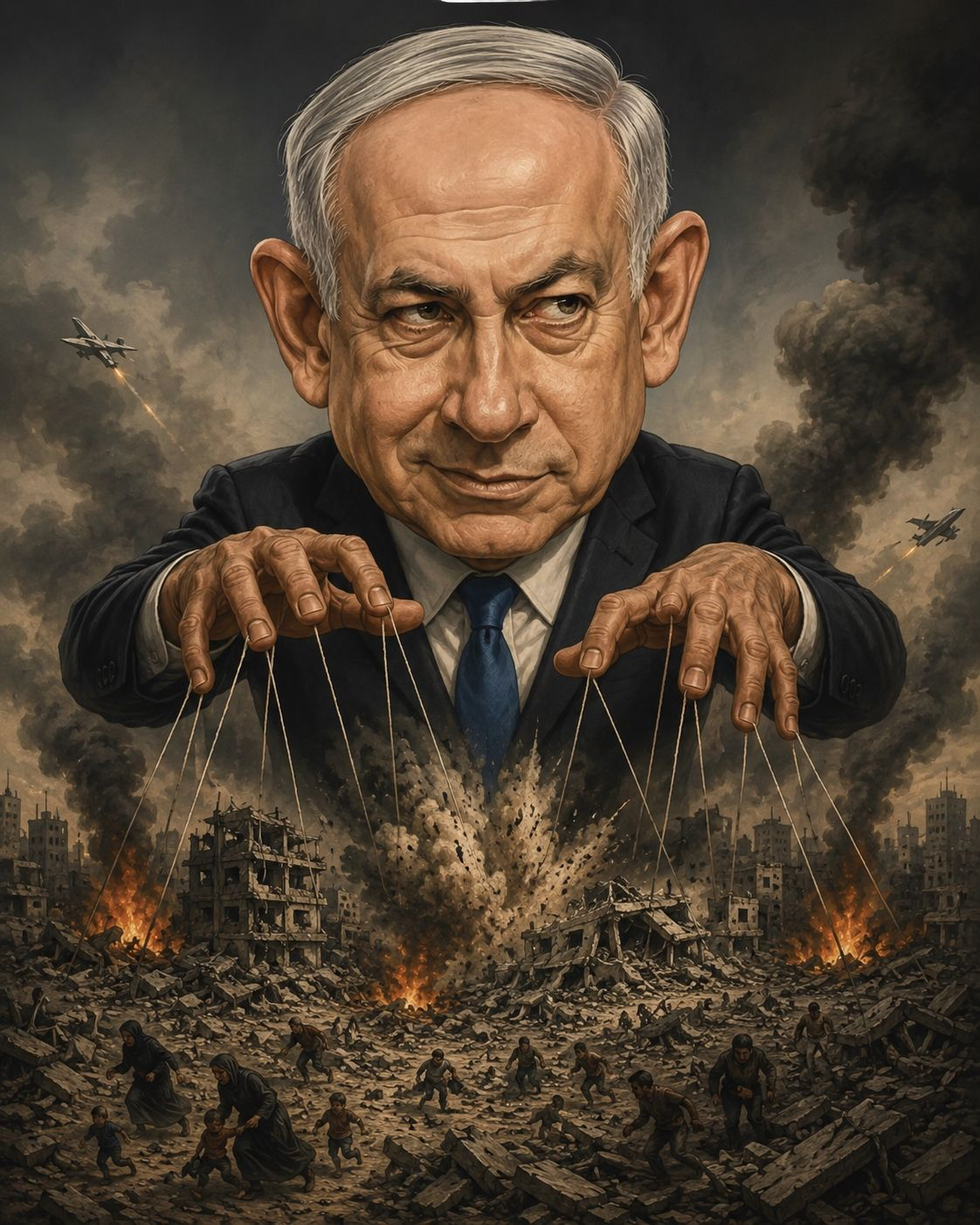
 Is Eyal Zamir ‘Restricting’ Raids on Gaza?
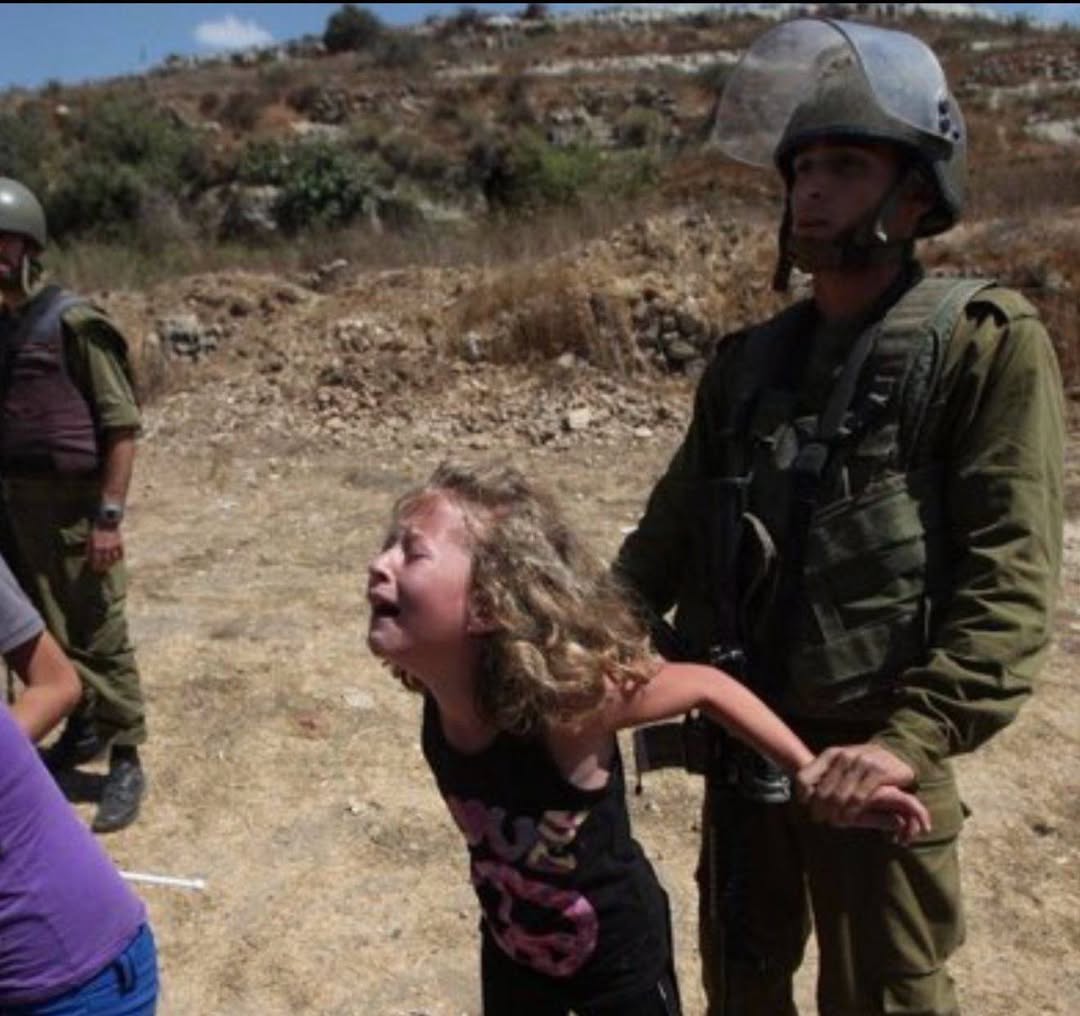
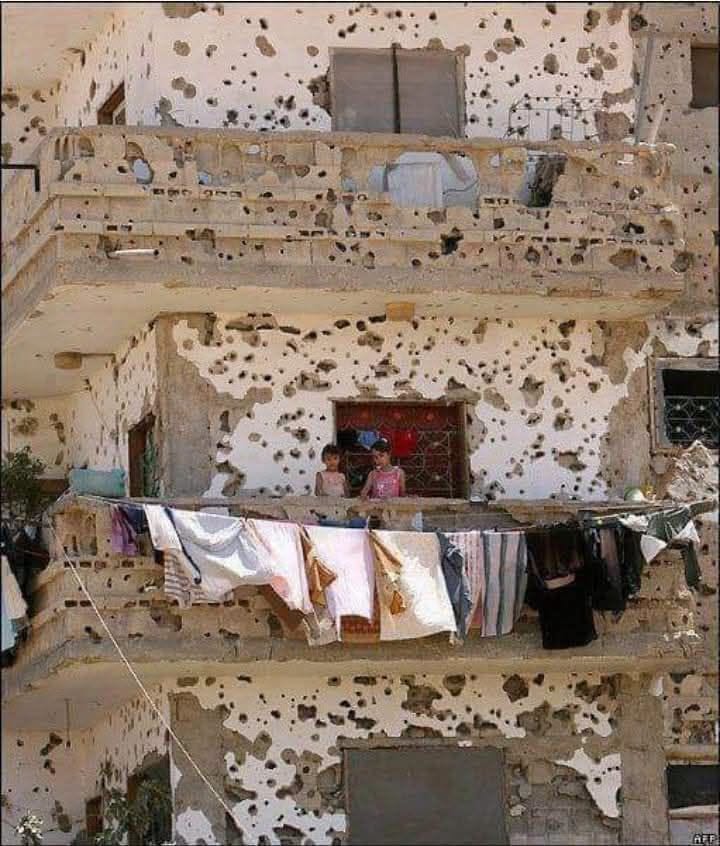
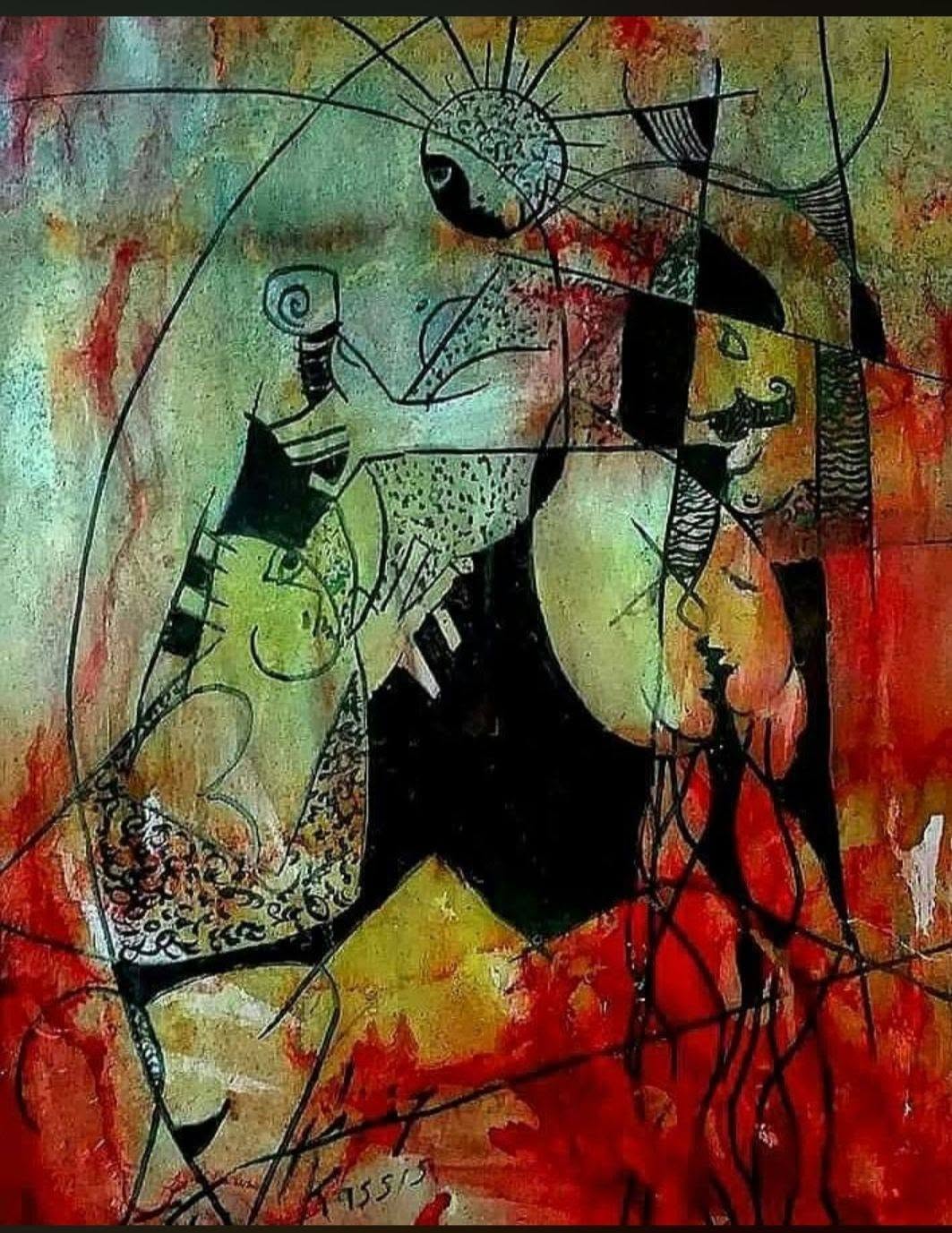
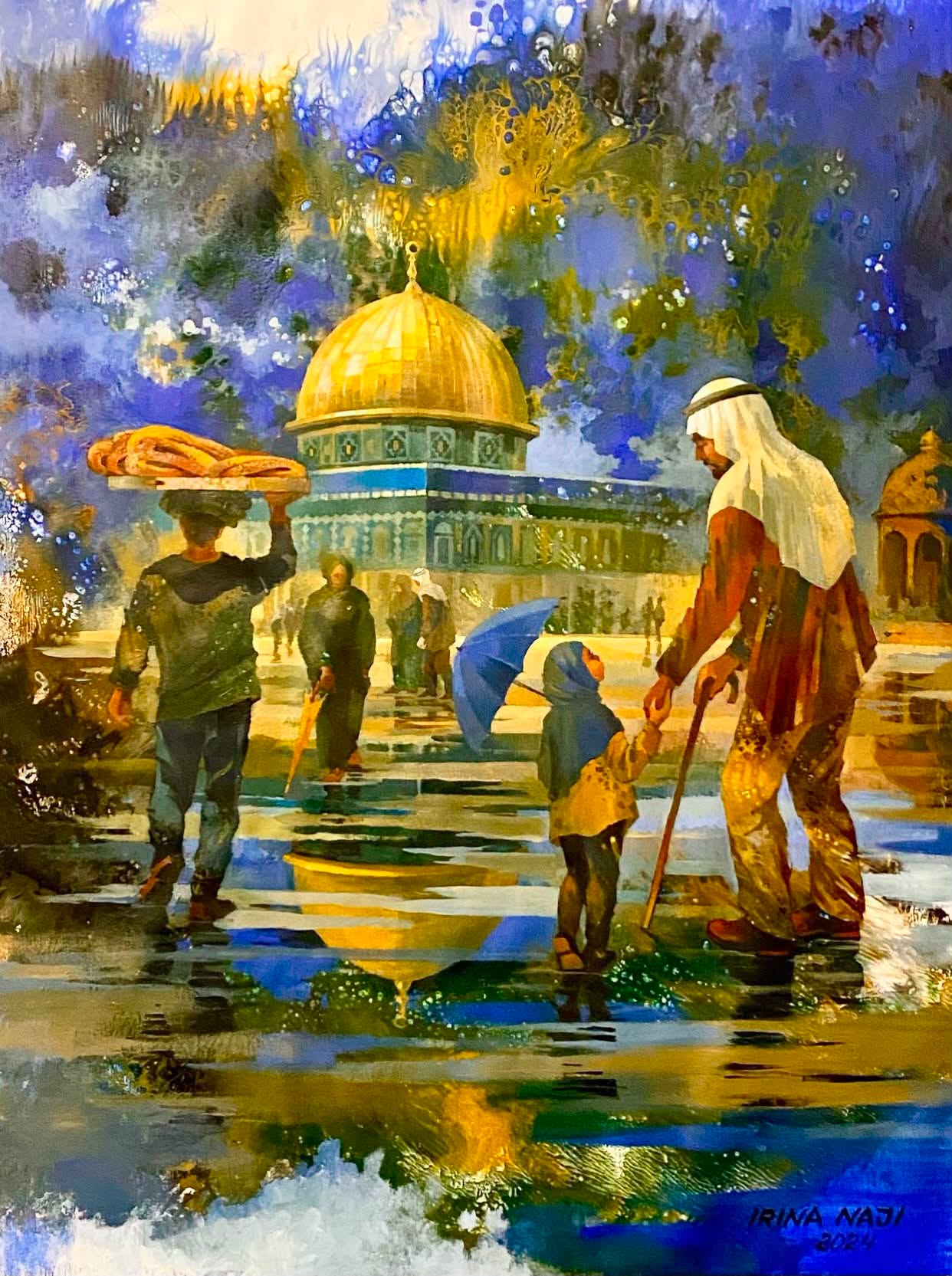
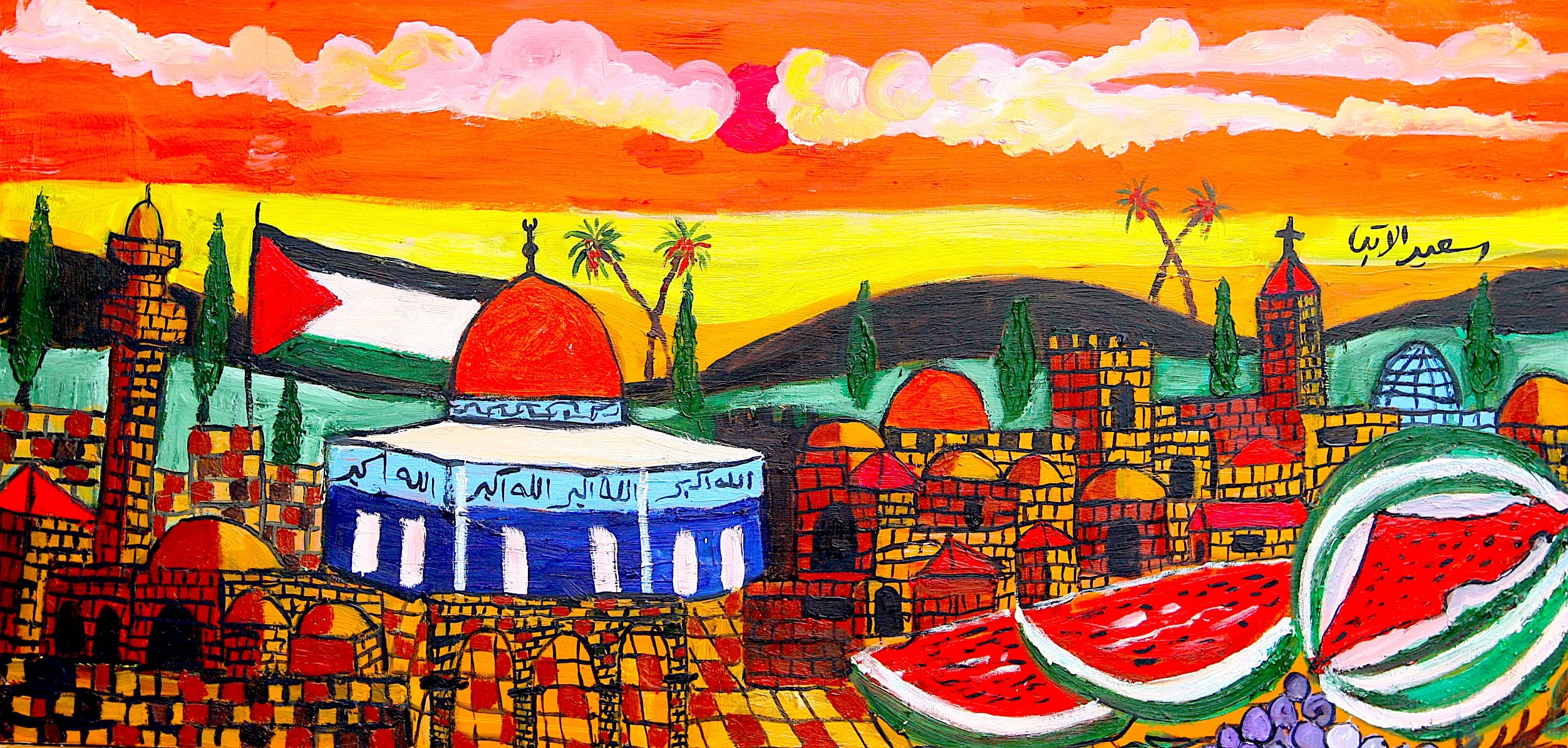
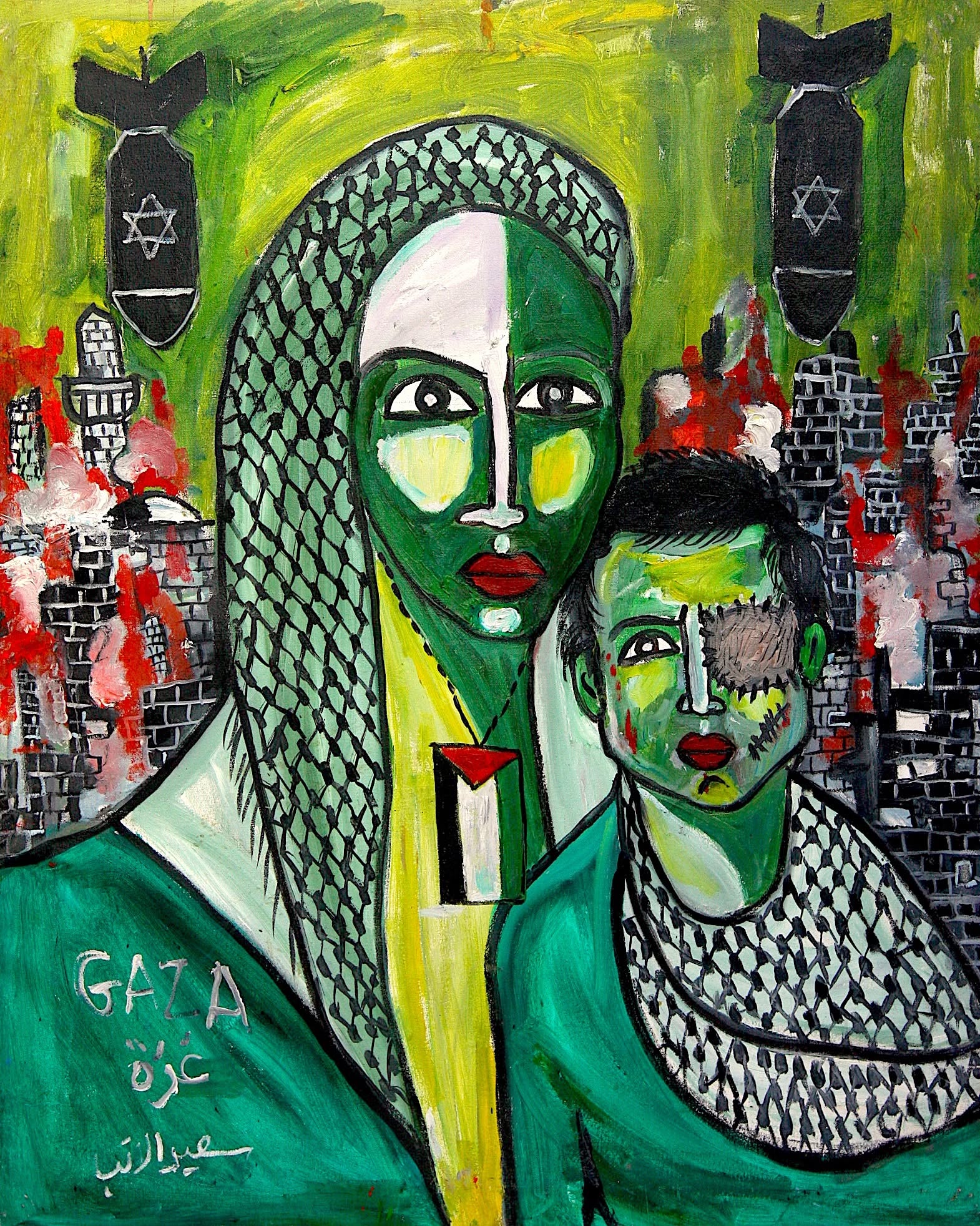 ‘Mutilated Art’
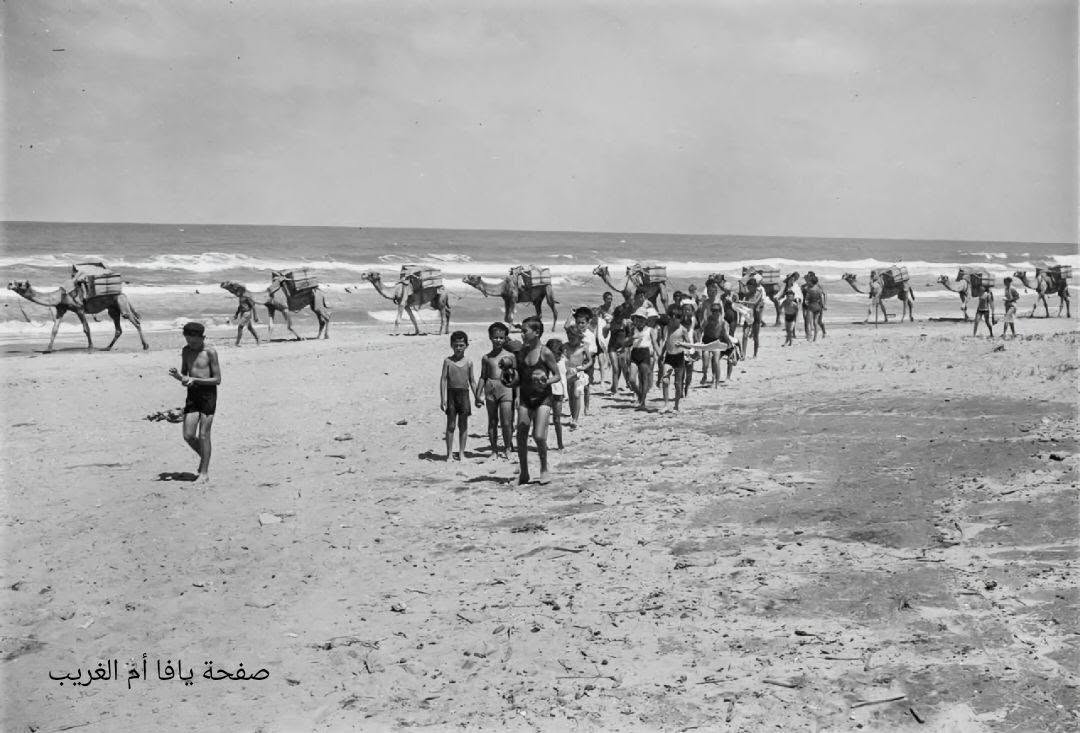 Jaffa: Our Grandparents in 1945
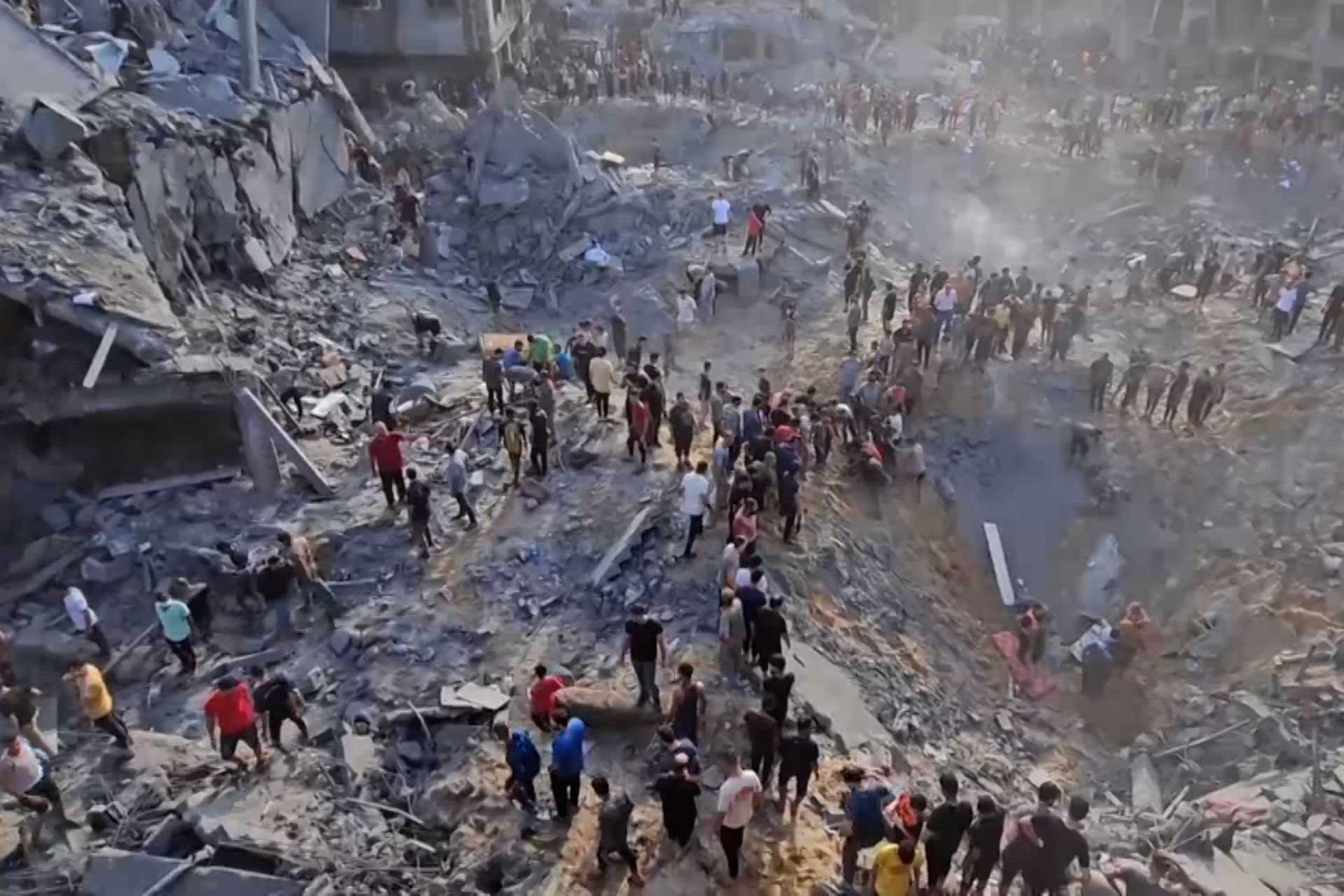
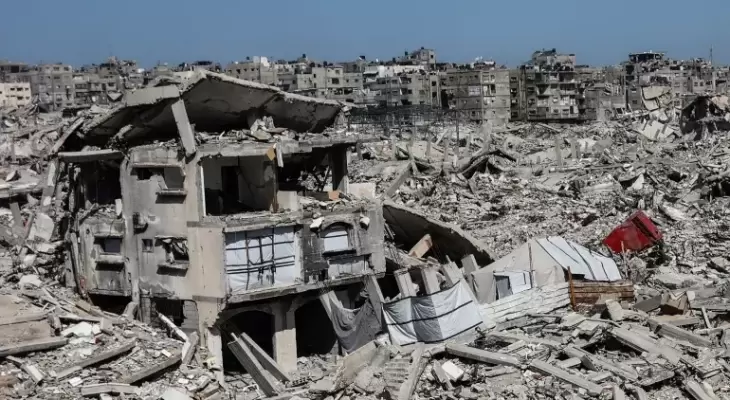
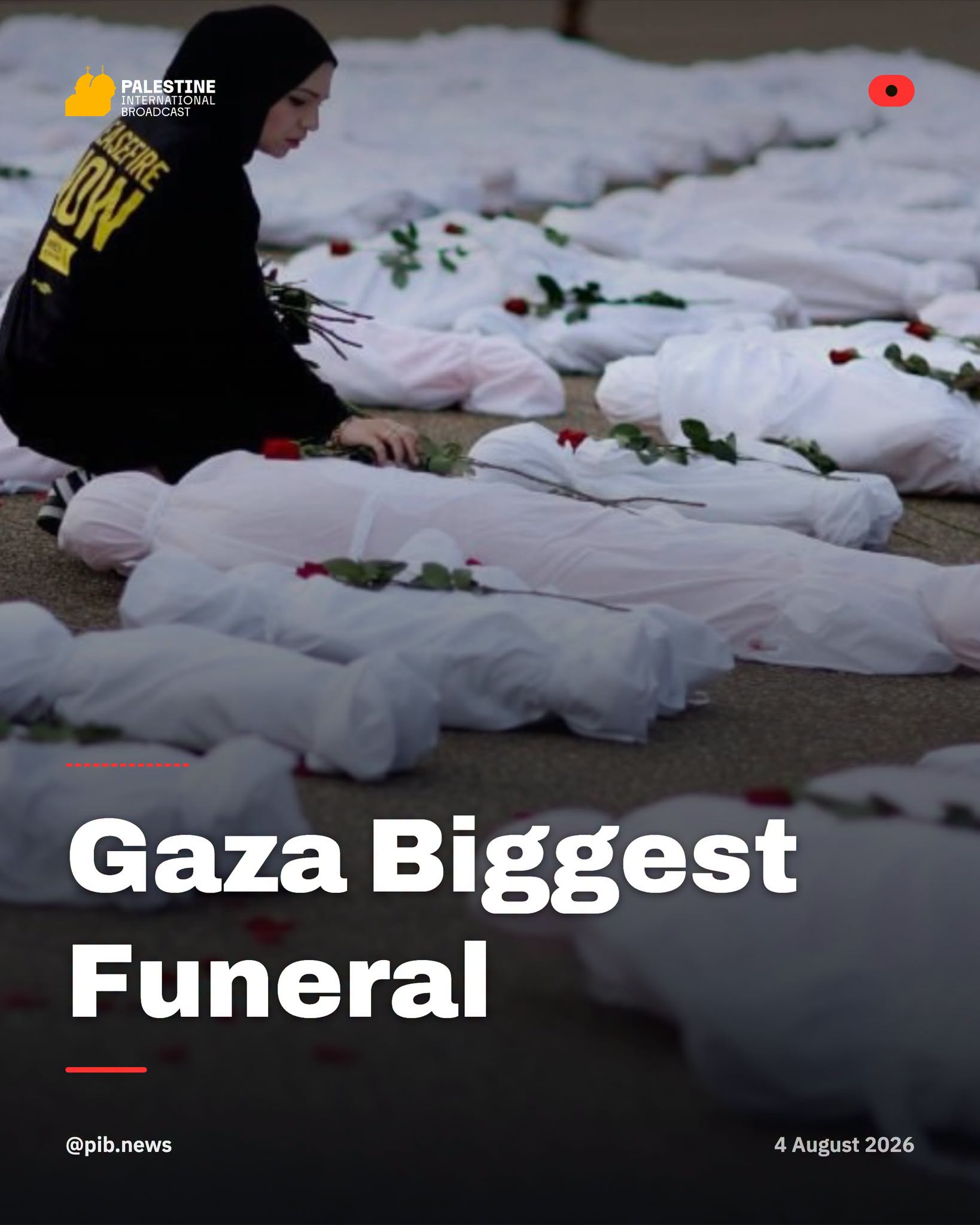
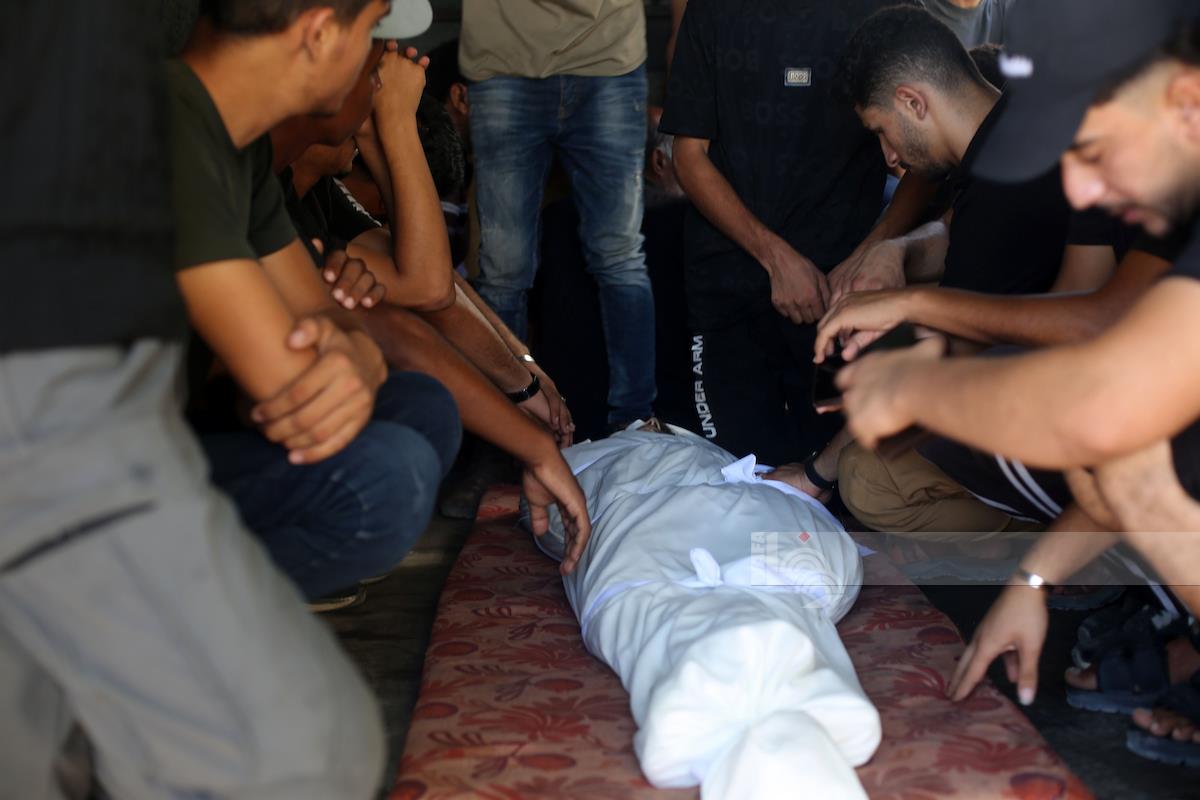
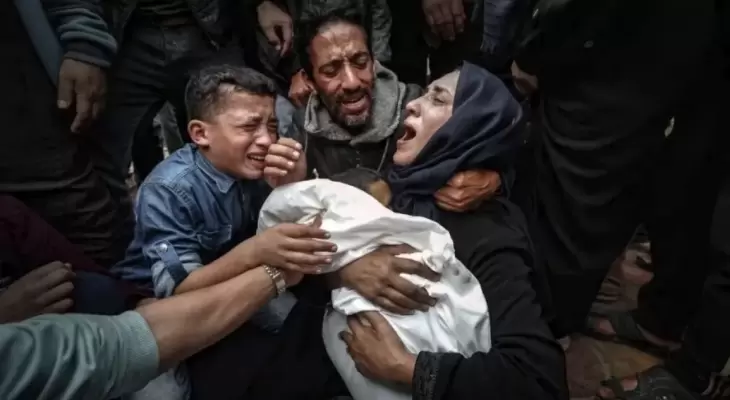
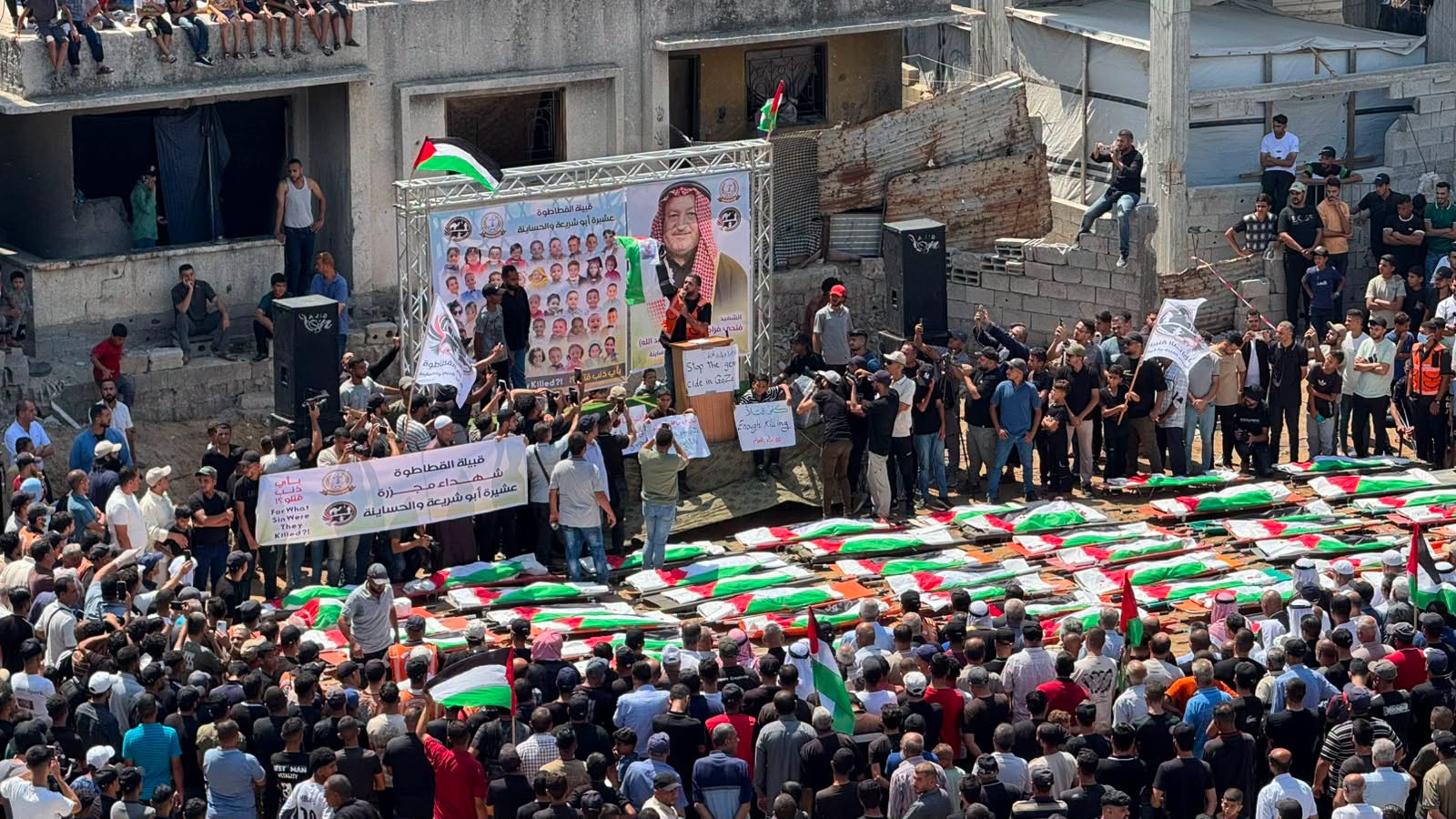 Gaza Turns Out to Bury 112 Martyrs in Worst Israeli Massacre
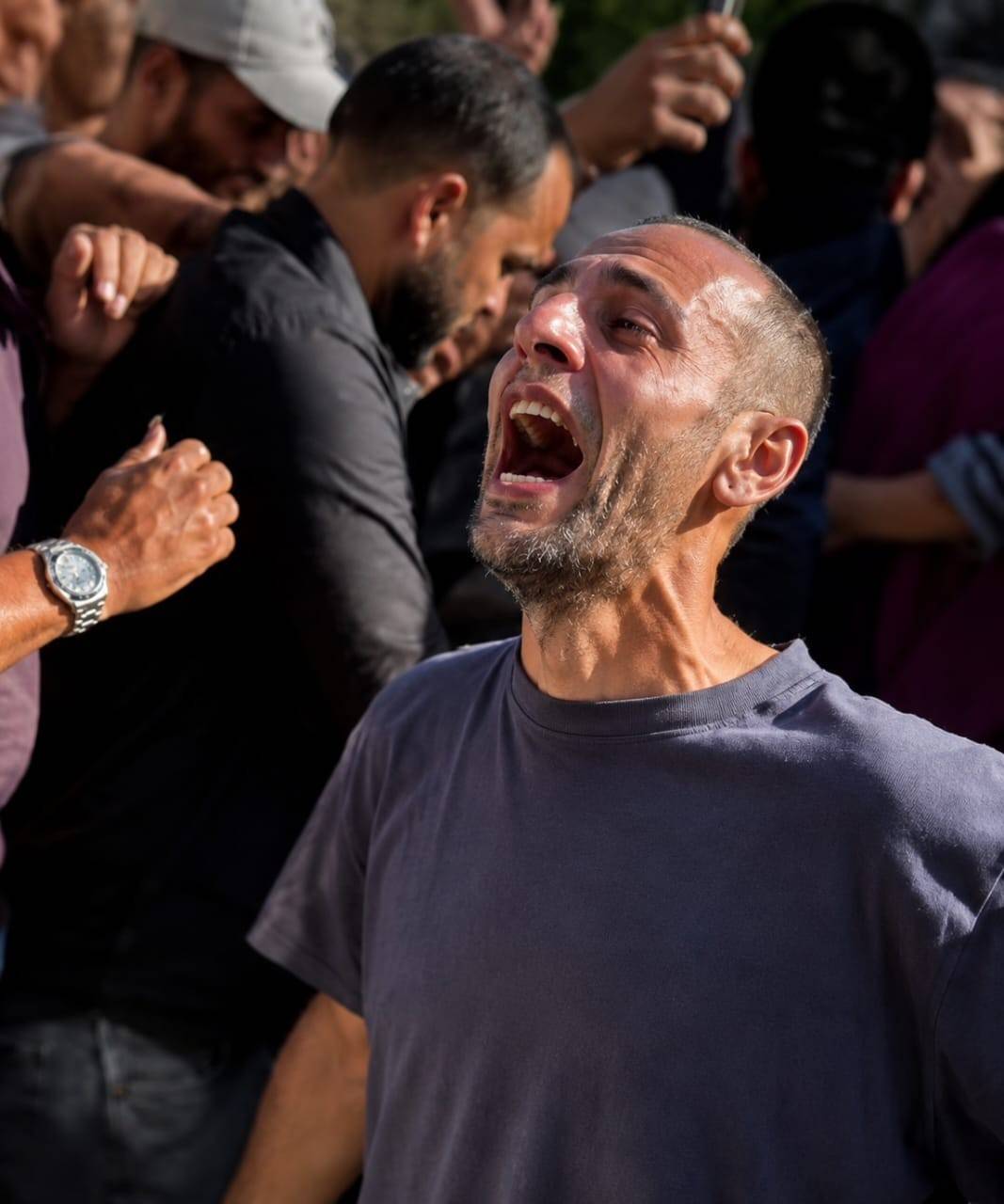
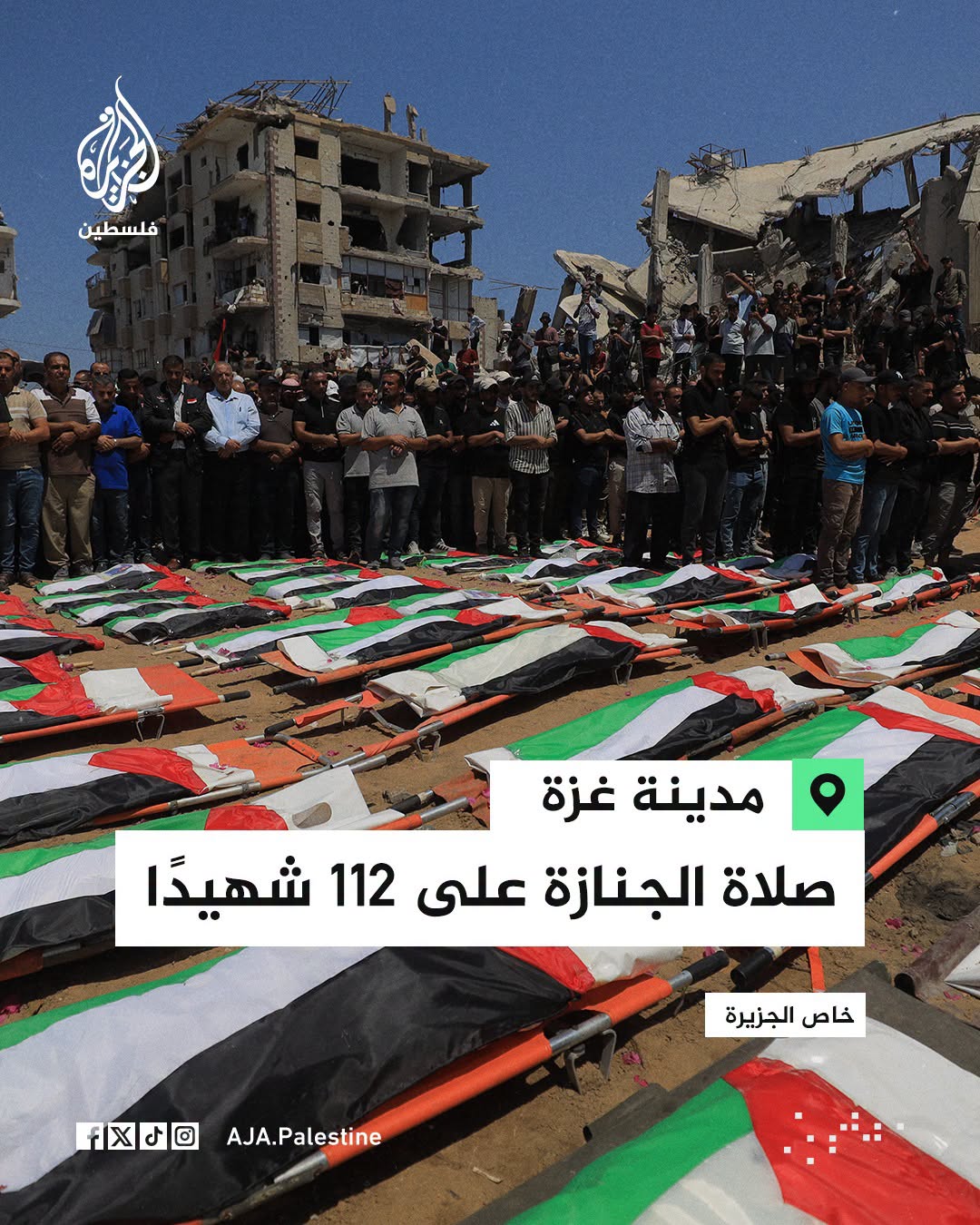 Janza Salat For 112 Martyrs




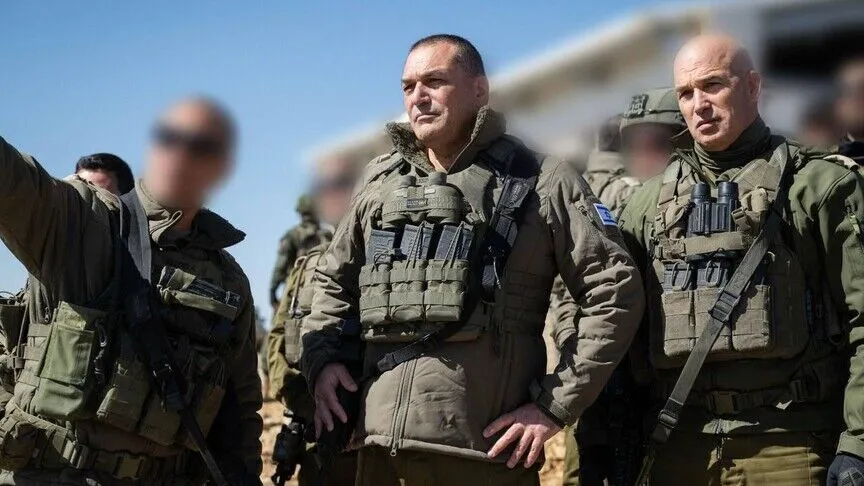
Is Eyal Zamir ‘Restricting’ Raids on Gaza?
 CrossFireArabia
- August 4, 2026

 marwanmarwanmarwanCrossFireArabiaCrossFireArabiamarwanmarwanmarwanCrossFireArabiamarwanmarwanmarwanmarwanmarwanCrossFireArabiamarwanmarwanmarwanmarwanCrossFireArabiamarwanmarwanmarwanmarwanmarwanmarwanmarwanmarwanmarwanmarwanmarwanmarwanCrossFireArabiaCrossFireArabiamarwanCrossFireArabiamarwanmarwanCrossFireArabiamarwanmarwanmarwanmarwanmarwanmarwanmarwanmarwanmarwanmarwanmarwanmarwanmarwanmarwanmarwanmarwanmarwanmarwanmarwanmarwanCrossFireArabiamarwanCrossFireArabiamarwanmarwanmarwanmarwanCrossFireArabia
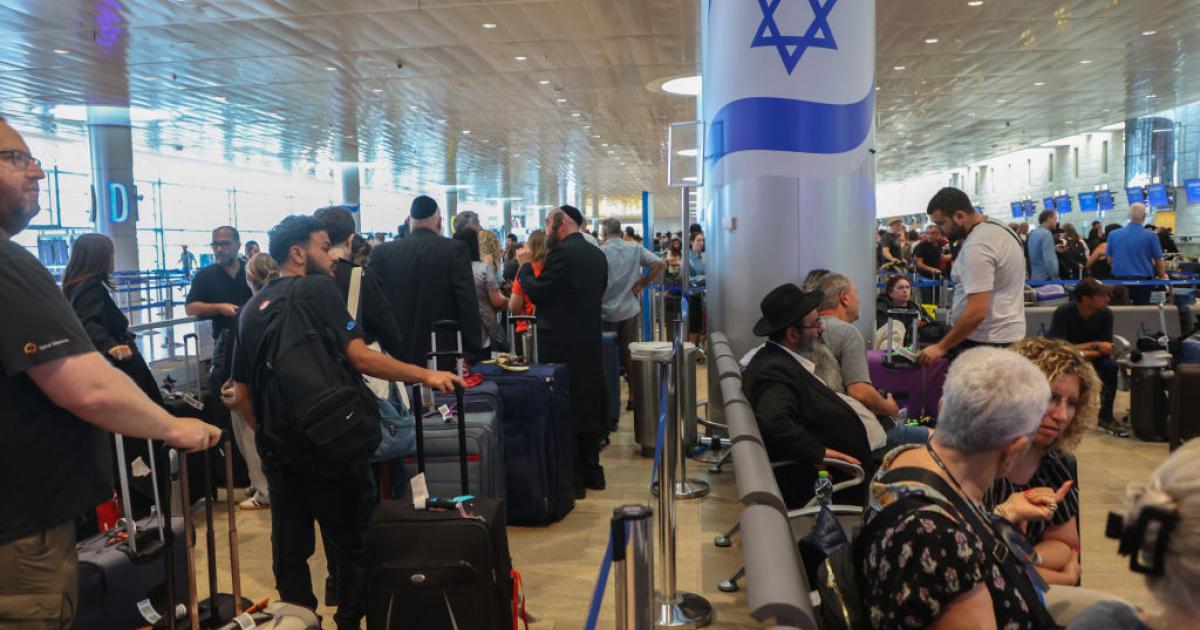
A new poll released Sunday revealed that 57 percent of young Israelis feel uncertain about their future, while 30 percent are considering leaving the country due to the potential repercussions of a war with Iran.
The poll was conducted by the Israeli NGO Aluma, which provides support to young people, according to the Hebrew news site Walla.
According to the poll results, approximately 30 percent of young people have considered or are considering leaving Israel because of the potential repercussions of a war.
57 percent of young Israelis said they feel uncertain about their future in Israel.
64 percent of the young people surveyed reported that their educational programs have been affected or disrupted by the war.
About 25 percent said they are very worried about their financial situation because of the war.
74 percent of the young people surveyed asserted that they feel “the state doesn’t see them and doesn’t care about their future at all.”
The website did not specify when the poll was conducted or the number of participants.
Since February 28, Israel and the United States have been waging a military offensive against Iran, resulting in the deaths of hundreds of people, including Supreme Leader Ali Khamenei. Tehran has responded by launching missiles and drones toward Israel.
Iran has also targeted what it describes as American interests in Arab countries, causing deaths and injuries and damaging civilian infrastructure. These attacks have been condemned by the targeted countries. Anadolu
CrossFireArabia
With the shift toward systematic assassinations, the Israeli-American effort is gradually entering a new phase: Operating inside Iran in a qualitative and unconventional manner. Repeated assassinations are not merely the result of intelligence work, surveillance and long-term penetration, but of a structural and continuous breach sustained by active intelligence operations around the clock.
Their core effect lies in transferring doubt and mutual suspicion into the regime’s own corridors and institutions, creating a hesitant operational reality, increasing exposure, and striking directly at the regime’s decision-making mechanism. In parallel, Israel and the United States are moving toward complex strikes targeting the Iranian regime’s internal infrastructure, most notably its military capabilities and military-industrial facilities.
At the same time, they are also striking the regime’s internal pillars, namely its internal security capabilities and personnel. This means that the Basij, as a central instrument of internal control, has effectively become a primary target at this stage, alongside the Revolutionary Guard. This points to a practical translation of what President Trump had previously said about creating internal conditions for change from within.
At the same time, the intensive targeting of the regime’s military assets along the western and southern coastal areas appears to be preparation for something larger. The targeting of military infrastructure, bases, headquarters, as well as Iranian ports and naval craft, points to one objective: preparing the ground for qualitative operations ahead. This is likely what the American administration needs in order to demonstrate a tangible achievement on the ground and move toward a strategy of controlling strategic Iranian areas.
Such a move could be carried out through special forces operations with clearly defined missions: abduction, liquidation, or seizure of strategic areas after ensuring full security and containing any threat to an American presence, particularly on the Iranian islands, most importantly Kharg Island.
This qualitative shift may reflect the evolutionary path of gradual American operations built in stages, beginning with striking the head of the regime, then its infrastructure, and eventually reaching the assassination of its leaders and the targeting of its internal bases. This may represent the most important step in translating this strategy, especially with the parallel suggestion of activating internal components in the border regions, whether Kurdish, Azerbaijani, or Arab in Ahvaz.
From the Iranian side, Tehran has demonstrated an ability to sustain attacks using missiles and drones, and to diversify its strikes in a way that preserves the impression that it remains capable of targeting the Israeli interior on the one hand, and threatening the Gulf states and energy centers on the other, especially in light of the notable evolution in the targeting of energy sites in Qatar, Kuwait, and Saudi Arabia.
Iran’s strategy of maximizing the war’s global impact has pushed it toward a propaganda discourse built around threat. This includes threatening places linked to financial stability and the energy market, such as the UAE, while trying to display the capability to strike these states and simultaneously directing internal messaging calling for distancing from ports and installations. This reflects the Iranian need to preserve the image of a regime still capable of threatening, acting, and disrupting regional stability whenever it chooses.
The Iranian approach, based on linking the war to dangerous international repercussions, begins with threatening the Gulf states and magnifying the danger to energy markets and international navigation. It also extends to nuclear leak scenarios and to highlighting Iran’s ability to launch long-range missiles, such as those fired toward Diego Garcia.
After the third week of the war, the United States appears to be deepening its strikes inside Iran, targeting the regime’s structure, instruments, and military facilities in their entirety. The acceleration of this process suggests a desire to move into a phase in which these strikes are translated into steps on the ground, preserving acceptance of the American settlement as the only option left for any internal Iranian actor. At the same time, a new Iranian reality is being created, one in which it becomes difficult for any future regime to return to the form in which the current one ends.
Neutralizing Iran, ending its threat, eliminating its military capabilities, and confining any Iranian future to reconstruction and internal recovery detached from regional policies now appears to be the clearest objective of this phase.
By Amer Al Sabaileh is a columnist in The Jordan Times.
CrossFireArabia
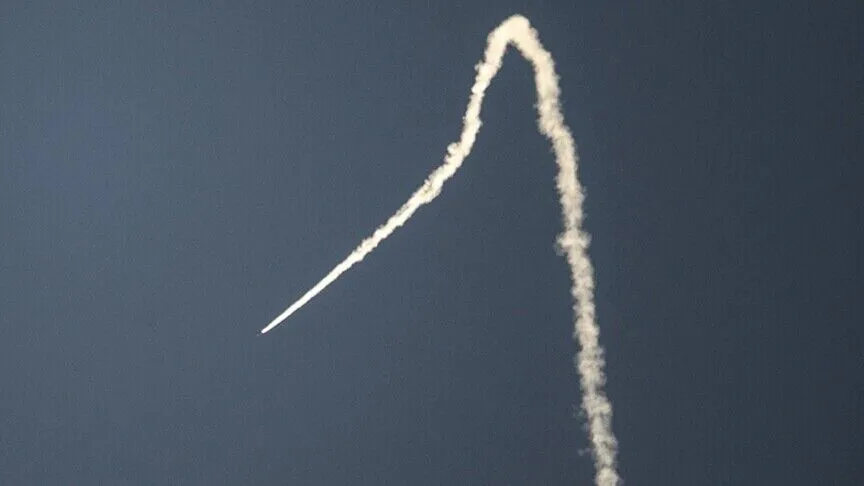
Twenty-two missiles were launched from Iran towards Jordanian territory in The fourth week of the ongoing war in the region, the Jordan Armed Forces – Arab Army (JAF) said on Saturday and as carried by the Jordan News Agency (Petra).
In a joint statement with the Public Security Directorate, the Military Media Directorate said that the Royal Jordanian Air Force intercepted and destroyed the missiles with high efficiency, but failed to intercept two that fell in the east of the country.
Jordanian territory has been directly targeted by Iranian attacks since the start of the regional conflict, with 262 missiles and drones launched at the Kingdom, targeting vital sites, said the statement.
Since the war began, the Royal Jordanian Air Force has successfully intercepted and destroyed 242 missiles and drones, but defenses failed to intercept 20, it said.
JAF reiterated a commitment to fulfilling its duty with full force to protect the country’s security and the safety of its citizens from any vicious aggression, and to safeguard the Kingdom’s borders with all available resources to prevent any incursion or violation.
For his part, the media spokesperson for the Public Security Directorate said that the number of incidents of falling missiles and drones handled by the Engineering Corps of the Armed Forces, Civil Defense personnel, and police last week reached 64. These involved falling objects and debris across the Kingdom’s governorates, he said.
During the fourth week of the war, one of the personnel handling falling objects suffered moderate injuries and is receiving treatment, and some material damage was also reported in various parts of the Kingdom, he said.
The Public Security spokesperson reported a total of 478 falling objects of projectiles and debris since the start of the conflict, while the total number of injuries from these rose to 25, all have been discharged, except for the most recent injury.
He further said material damage since the start of the conflict included 25 vehicles, 55 homes and shops, and 14 public properties.
The Public Security spokesperson again warned against gathering around, approaching, or tampering with any suspicious object or fragments, and urged citizens and residents to heed instructions issued by official authorities.
He urged the public to report any suspicious object to security bodies and call 911, stressing the need to follow instructions, rely on information from official sources, and refrain from rumors and misleading news.
CrossFireArabia
Iran’s Islamic Revolutionary Guard Corps (IRGC) Sunday warned that US- and Israeli-linked universities in the region are now “legitimate targets” in retaliation for attacks on Iranian educational facilities.
In a statement carried by the semi-official Fars news agency, the IRGC accused the US and Israel of repeatedly bombing Iranian universities, including Iran University of Science and Technology in Tehran.
“From now on, all universities of the occupying entity (Israel) and American universities in West Asia will be considered legitimate targets,” in response to the destruction of Iranian academic institutions, it said, calling on staff and students at US-linked universities in the region, as well as nearby residents, to stay at least one kilometer away from such facilities for their safety.
On Wednesday, the IRGC demanded that Washington condemn attacks on universities or face retaliatory attacks.
Iranian media reported several US and Israeli strikes on educational facilities, including Isfahan University of Technology and, Iran University of Science and Technology in Tehran.
The US and Israel have maintained airstrikes on Iran since Feb. 28, killing so far over 1,340 people, including then-Supreme Leader Ali Khamenei.
Iran has retaliated with drone and missile strikes targeting Israel, along with Jordan, Iraq, and Gulf countries hosting US military assets, causing casualties and damage to infrastructure while disrupting global markets and aviation. Anadolu










 Saleem Ayoub Quna