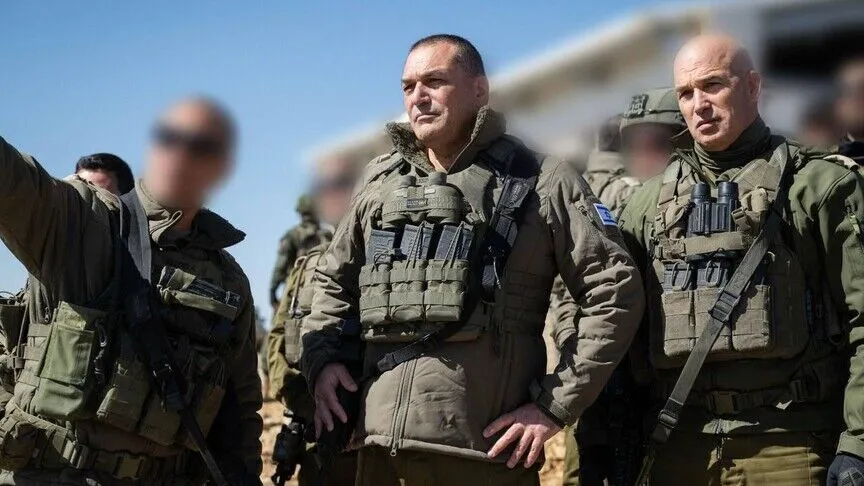
 Is Eyal Zamir ‘Restricting’ Raids on Gaza?
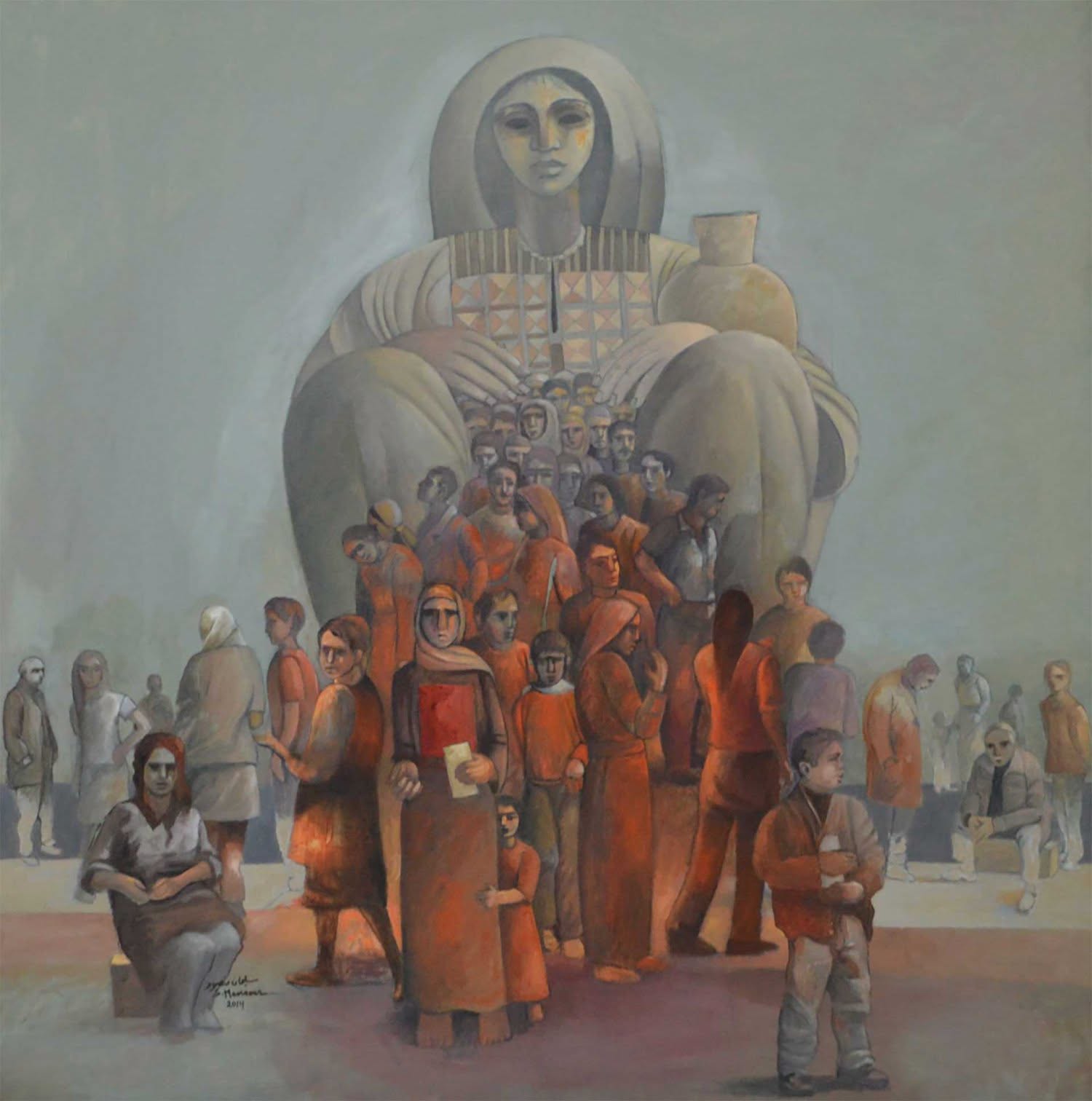
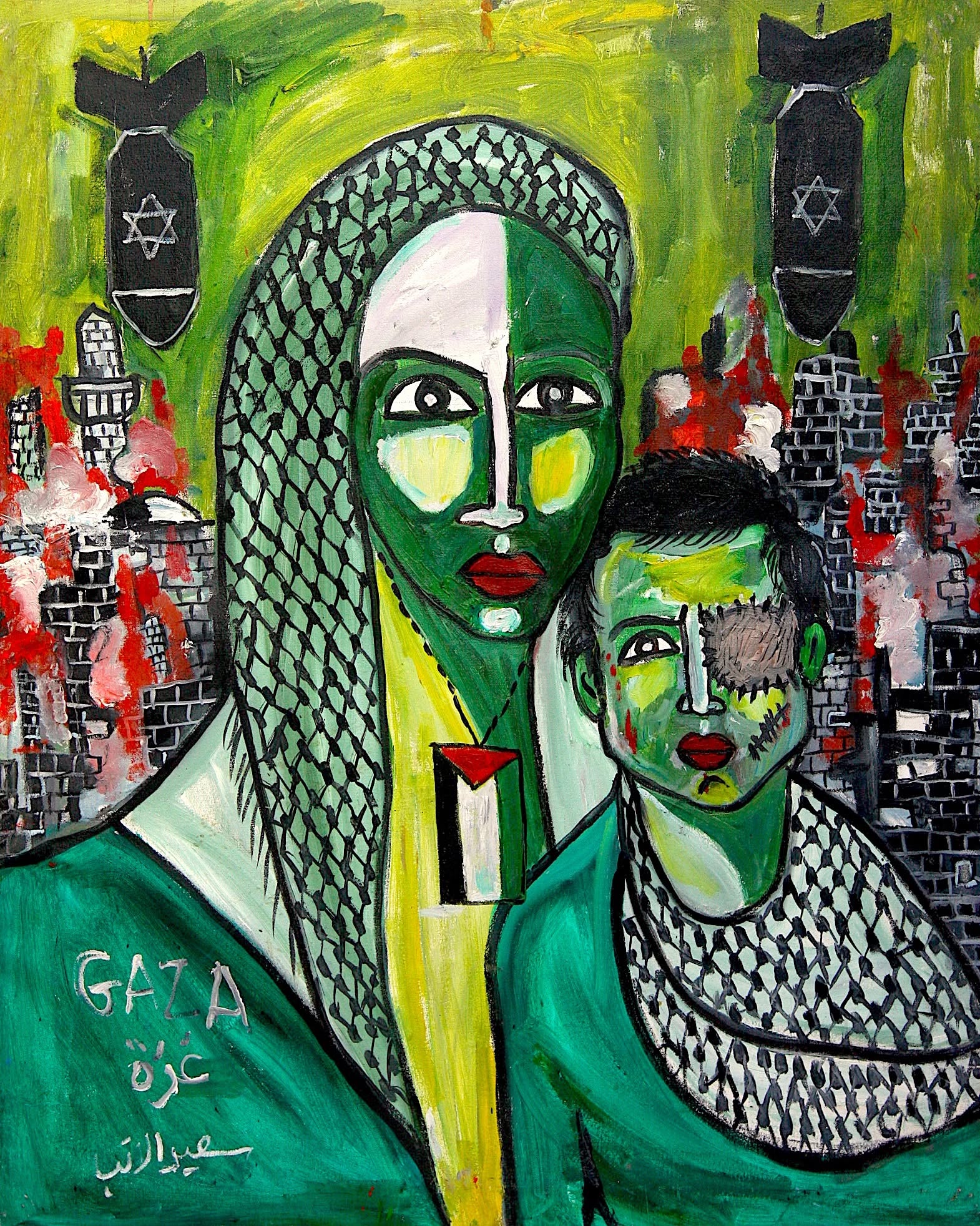 ‘Mutilated Art’
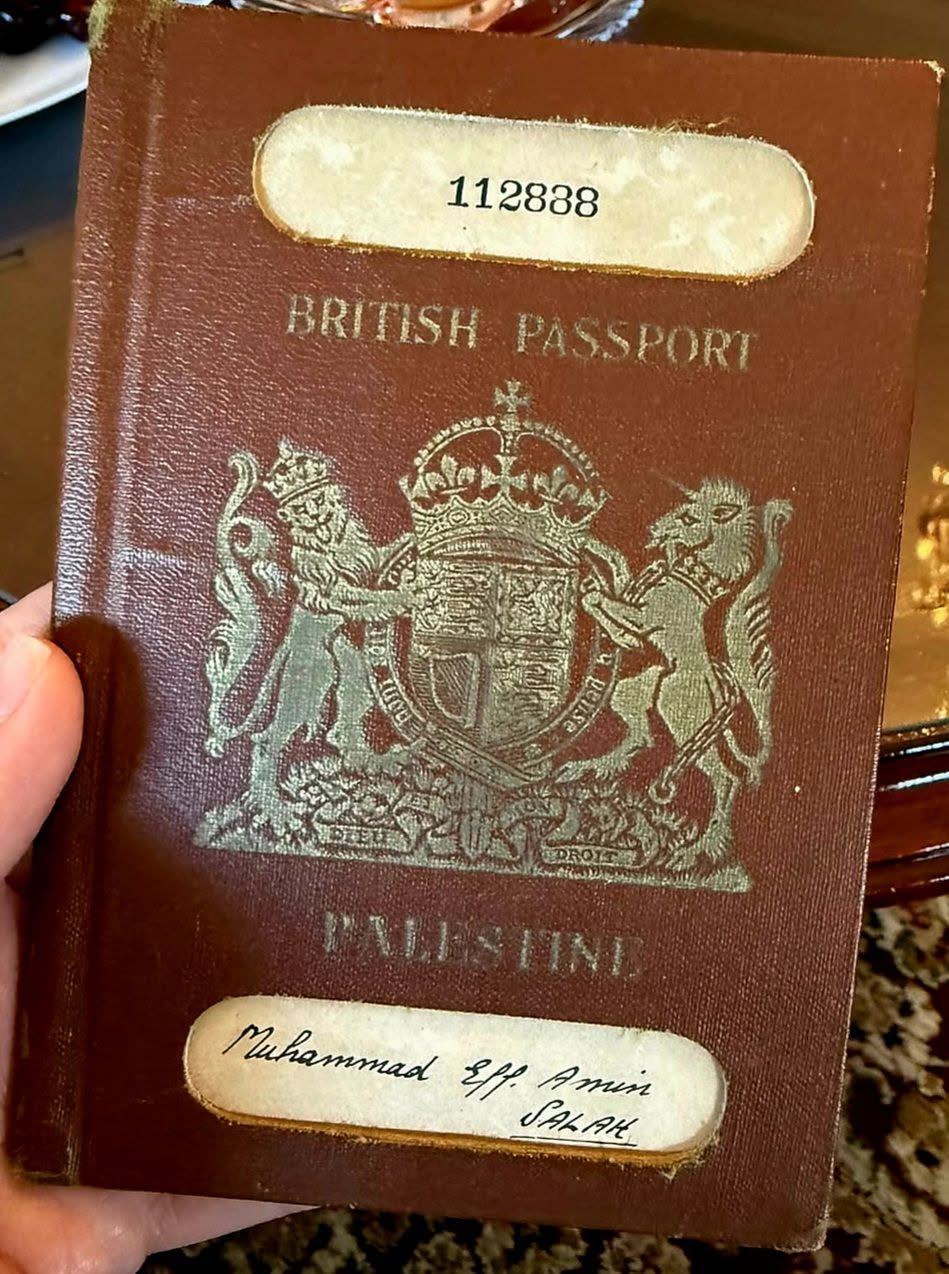
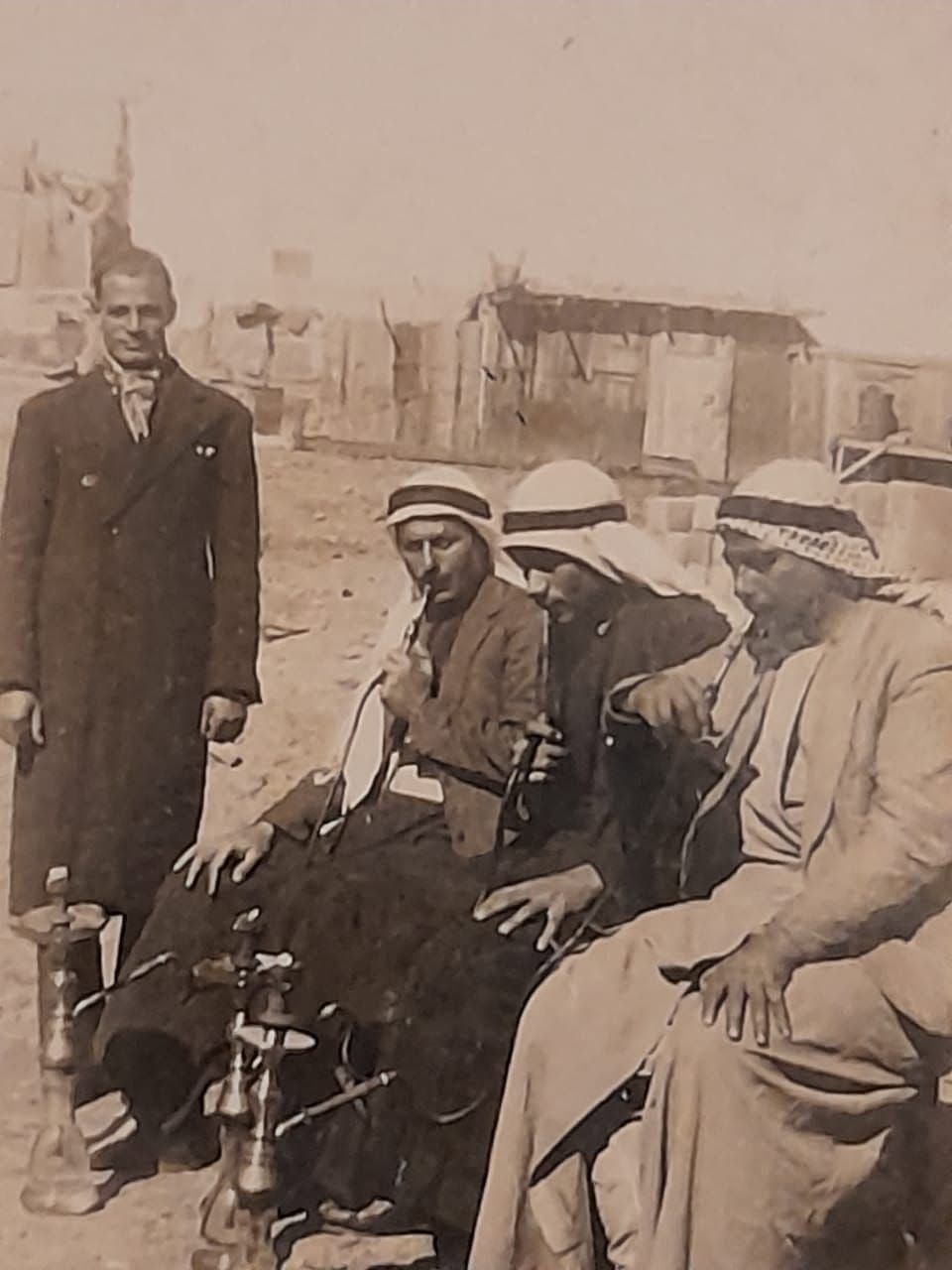
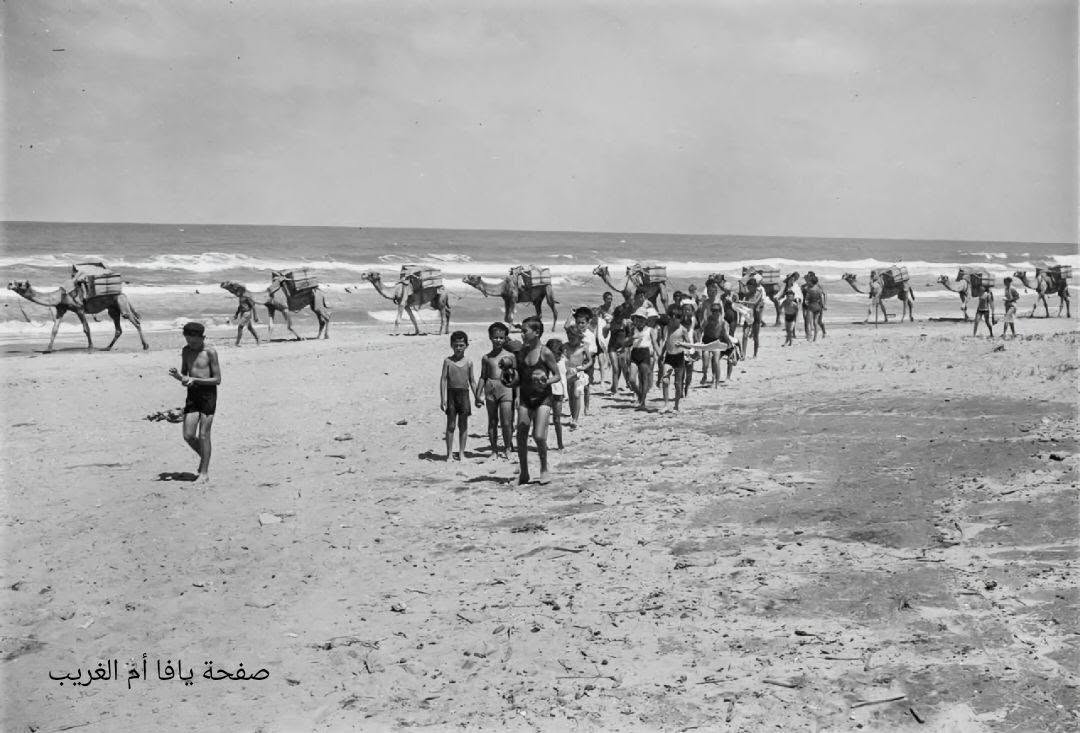 Jaffa: Our Grandparents in 1945
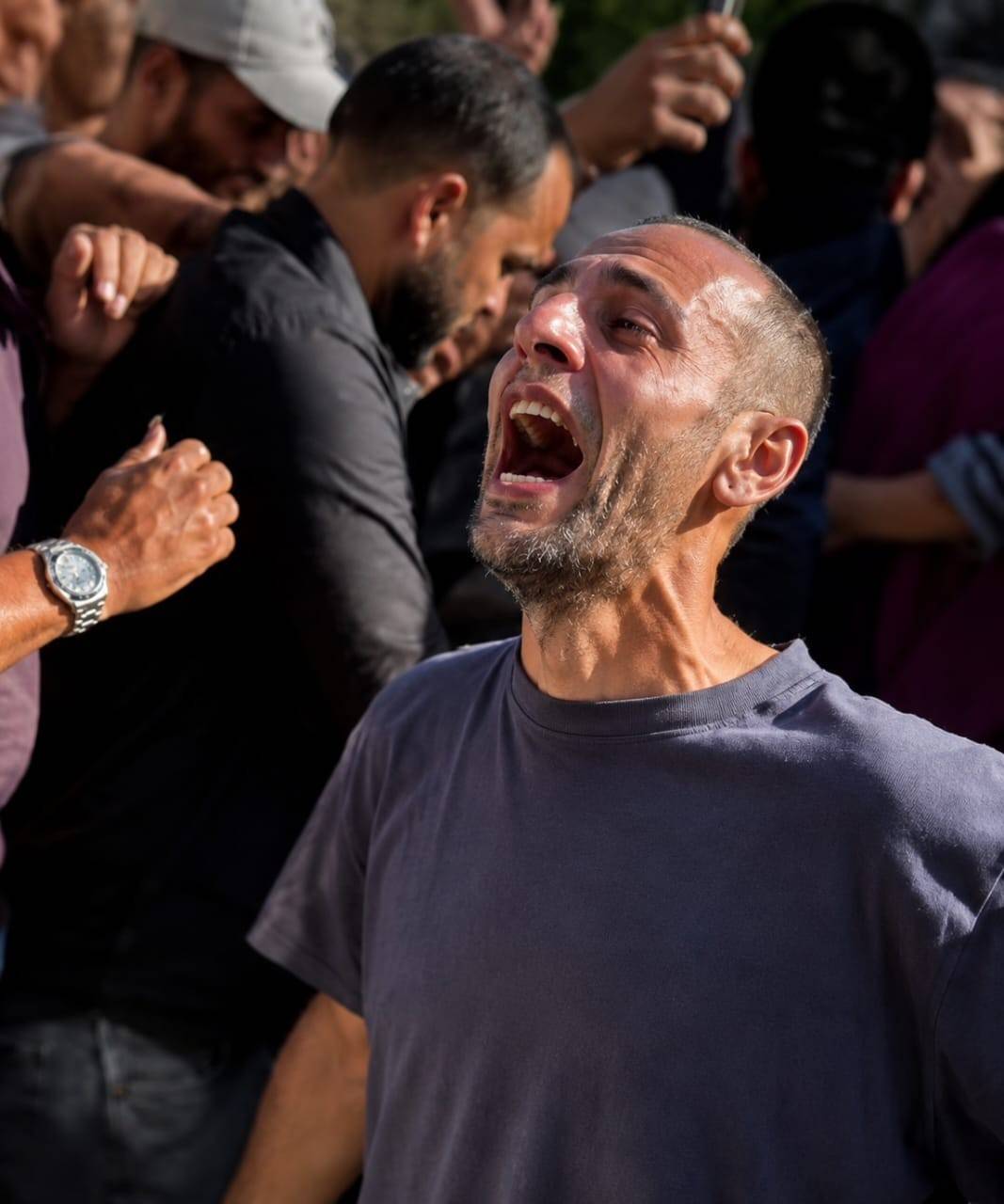
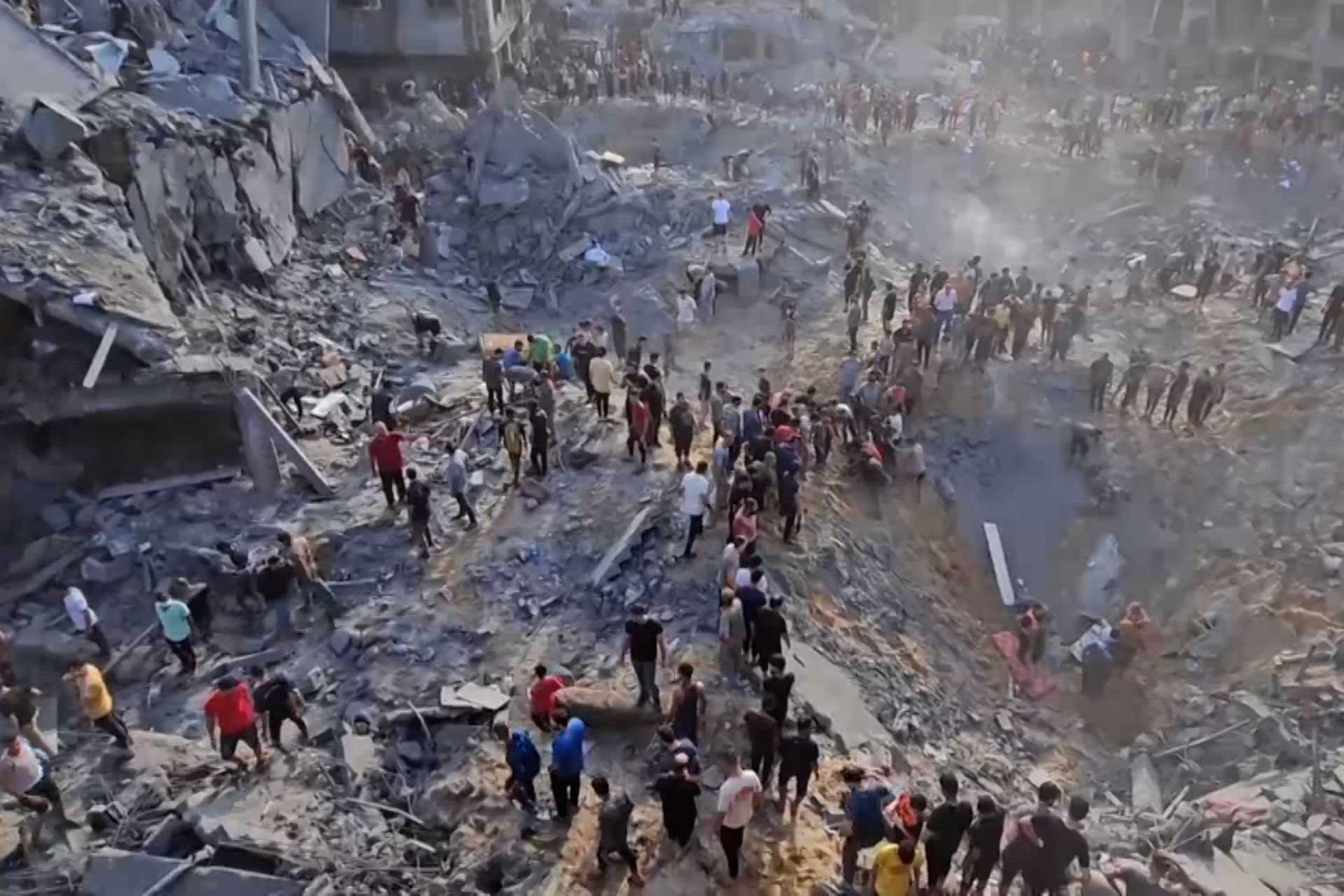
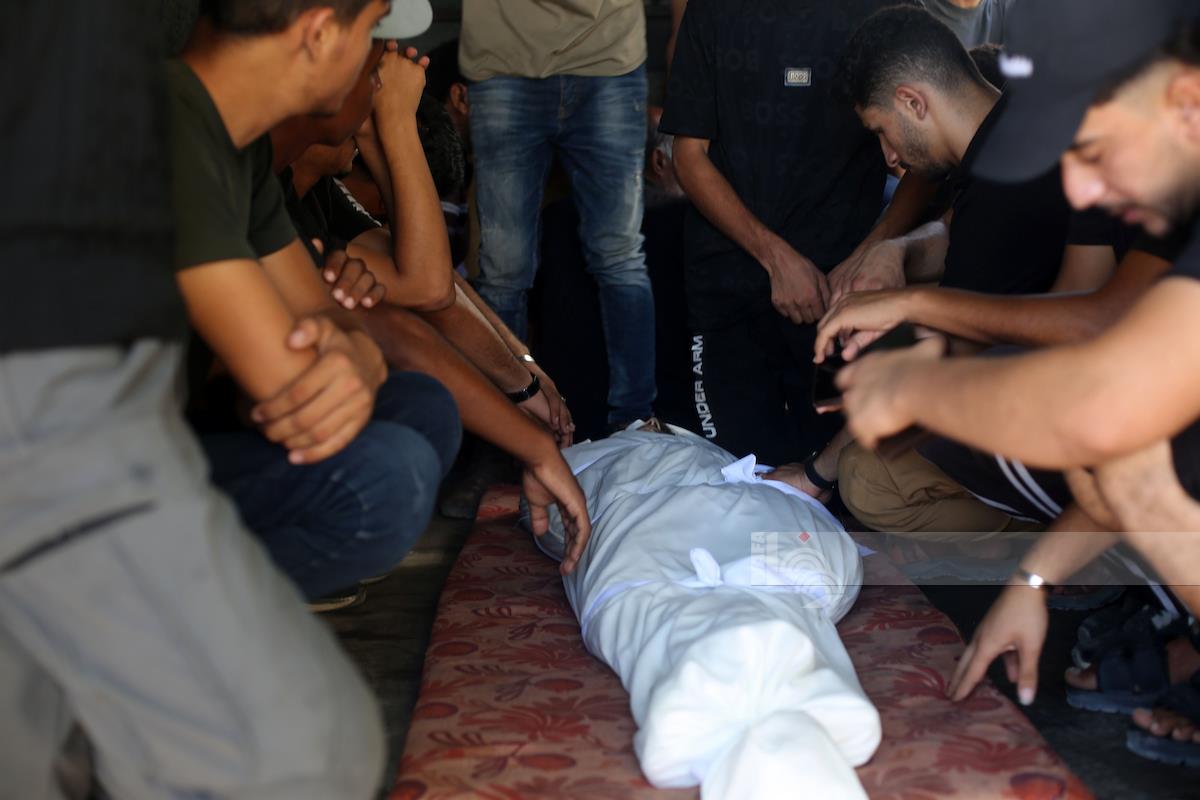
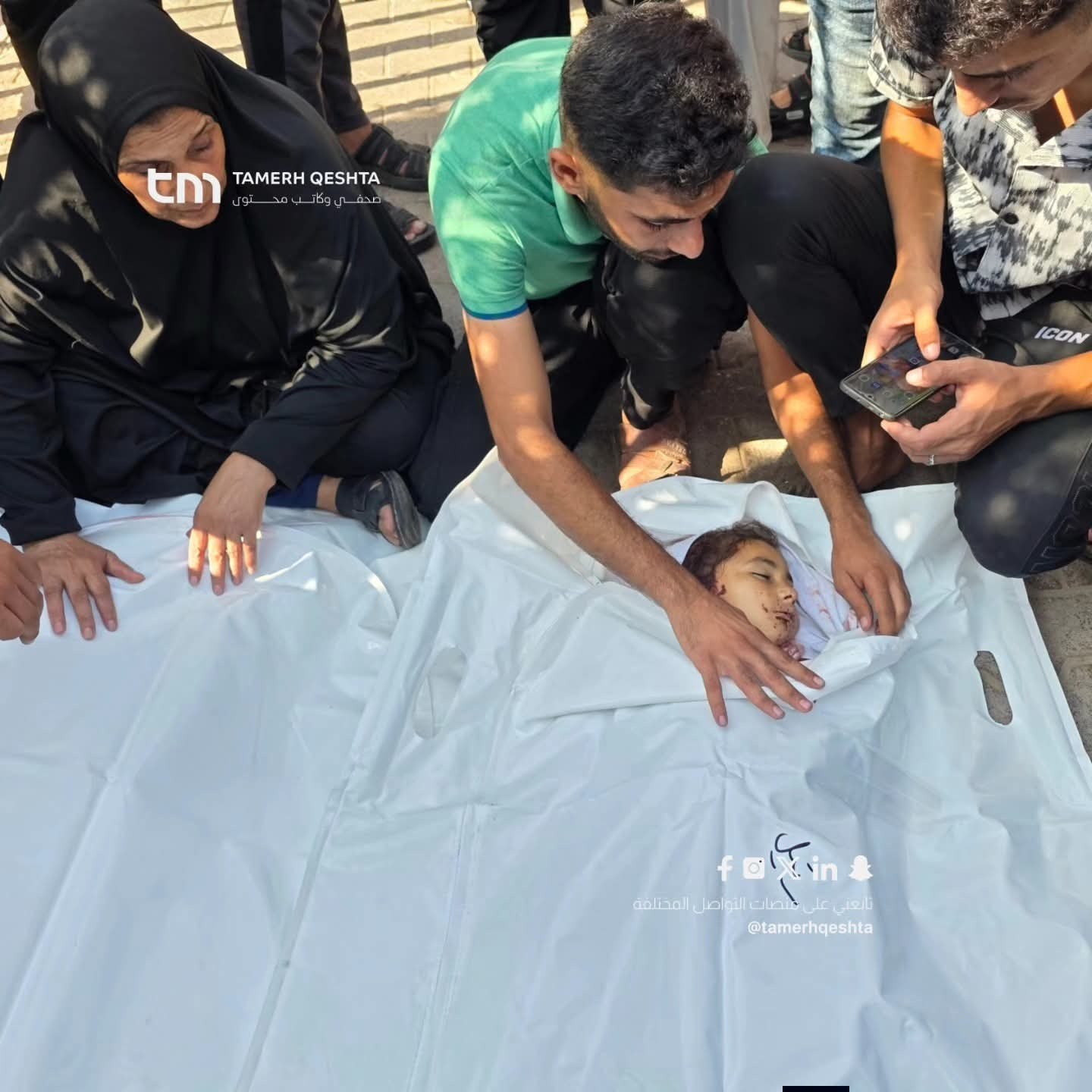
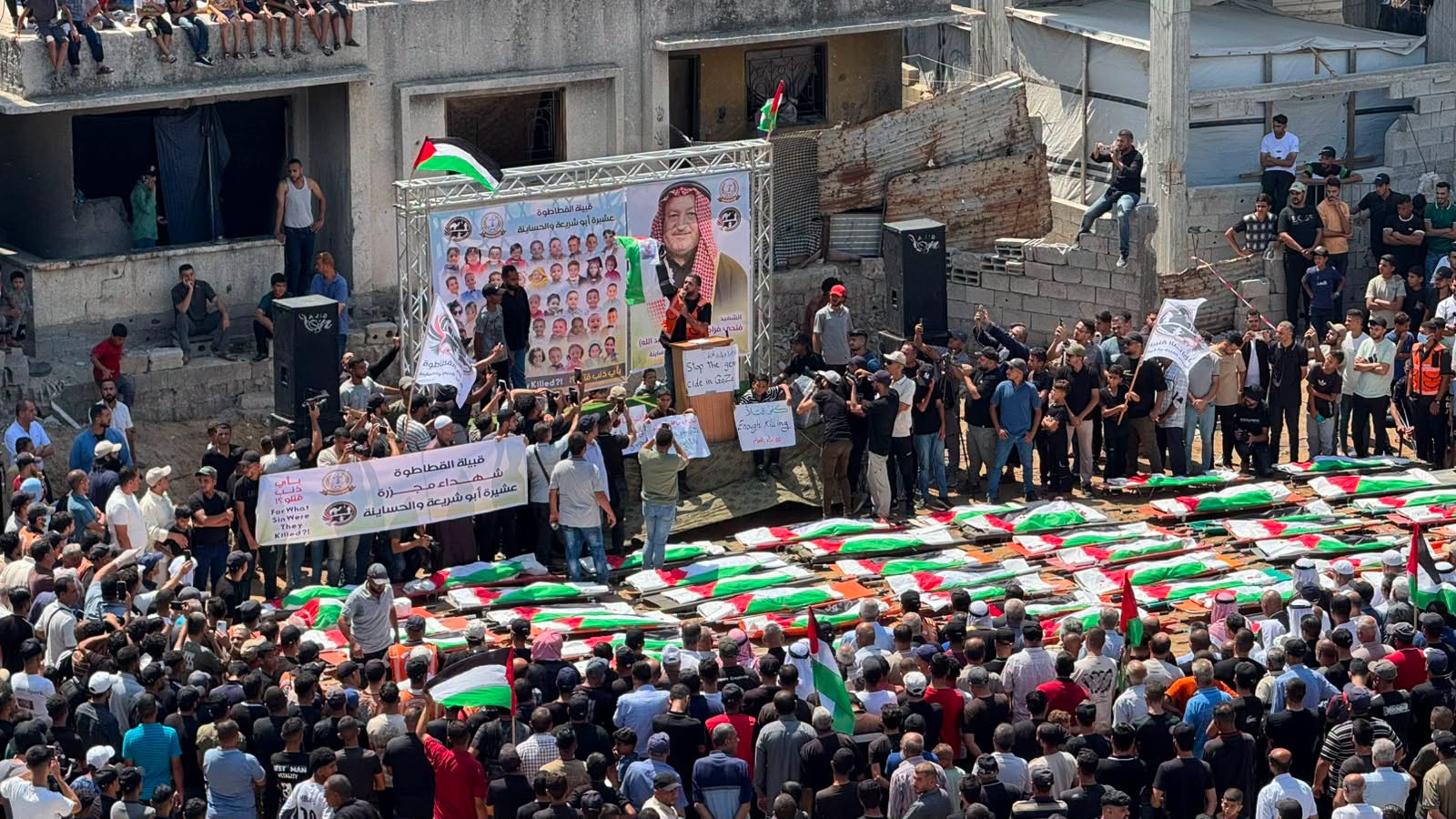 Gaza Turns Out to Bury 112 Martyrs in Worst Israeli Massacre
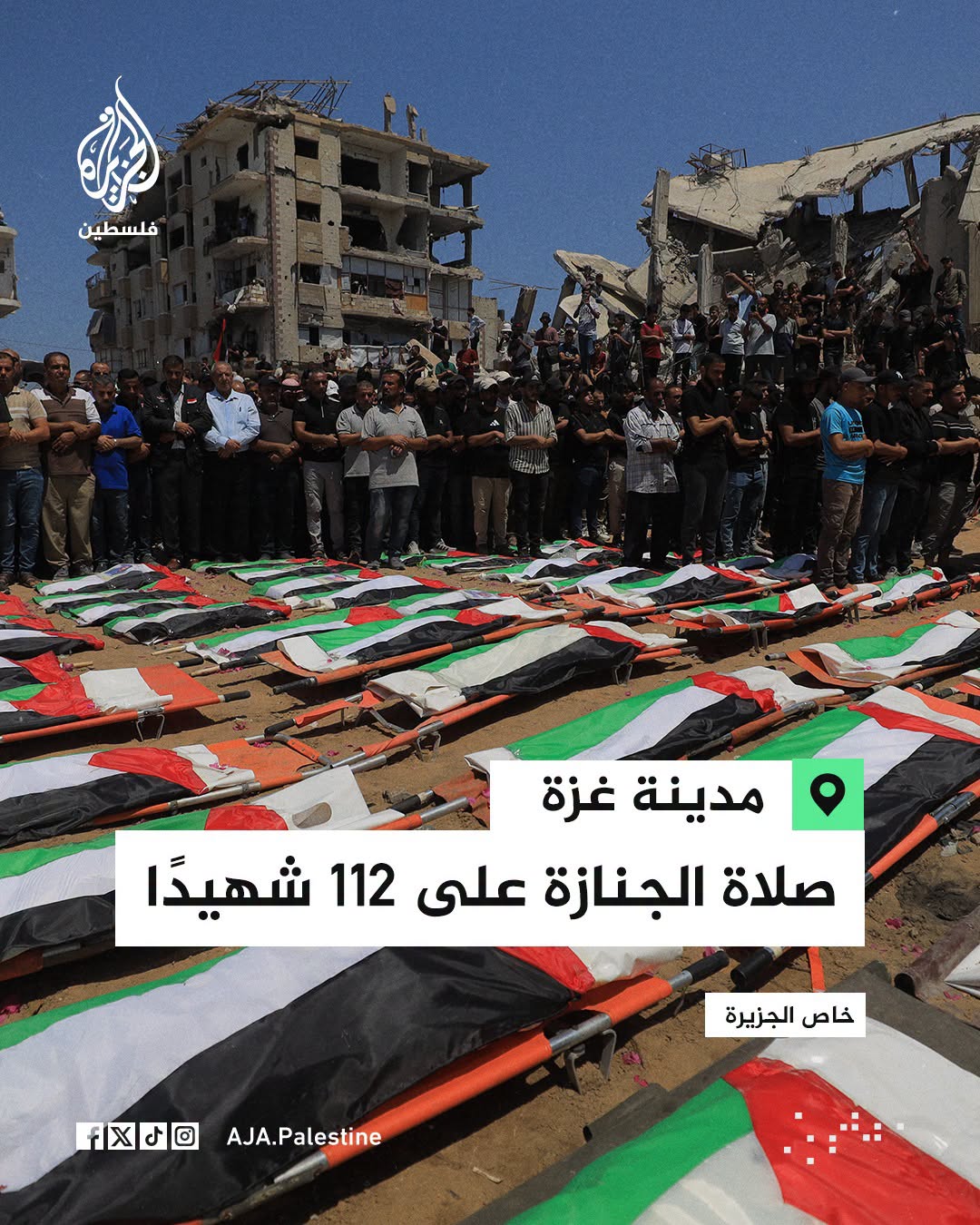 Janza Salat For 112 Martyrs



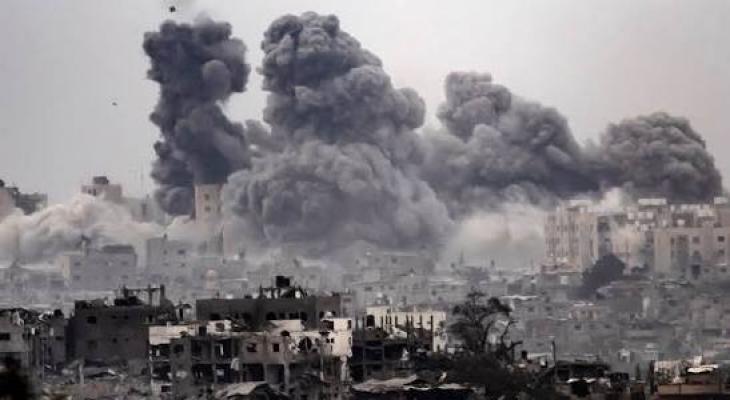
Is Eyal Zamir ‘Restricting’ Raids on Gaza?
 CrossFireArabia
- August 4, 2026

 marwanmarwanmarwanCrossFireArabiaCrossFireArabiamarwanmarwanmarwanCrossFireArabiamarwanmarwanmarwanmarwanmarwanCrossFireArabiamarwanmarwanmarwanmarwanCrossFireArabiamarwanmarwanmarwanmarwanmarwanmarwanmarwanmarwanmarwanmarwanmarwanmarwanCrossFireArabiaCrossFireArabiamarwanCrossFireArabiamarwanmarwanCrossFireArabiamarwanmarwanmarwanmarwanmarwanmarwanmarwanmarwanmarwanmarwanmarwanmarwanmarwanmarwanmarwanmarwanmarwanmarwanmarwanmarwanCrossFireArabiamarwanCrossFireArabiamarwanmarwanmarwanmarwanCrossFireArabia
ran’s parliament speaker accused the US on Sunday of pursuing a 15-point plan to achieve its war goals after failing to achieve them by military force, warning that any ground attack on the country would face a “decisive” response.
Writing on Telegram, Mohammad Bagher Qalibaf said the US is “openly calling for negotiations while secretly planning a ground attack.”
He said the Iranians are prepared for any ground operation by US forces, vowing a “decisive response” for any such attack.
“These days, different words and statements are heard from enemy officials about negotiations. America is expressing its desires and declaring what it has not achieved in war as a 15-point list and seeking it in diplomacy.”
Iran on Wednesday rejected a 15-point US plan to end the war, saying any ceasefire would take place only on Tehran’s terms and timeline.
The state television, citing an Iranian official, said Iran outlined five conditions for ending the war, including a complete halt to “aggression and assassinations.”
It came amid reports about US plans for a ground attack on Iran as thousands of US troops deploy to the Middle East, pending a decision by President Donald Trump.
The US and Israel have maintained airstrikes on Iran since Feb. 28, killing so far over 1,340 people, including then-Supreme Leader Ali Khamenei.
Iran has retaliated with drone and missile strikes targeting Israel, along with Jordan, Iraq, and Gulf countries hosting US military assets, causing casualties and damage to infrastructure while disrupting global markets and aviation. Anadolu
CrossFireArabia
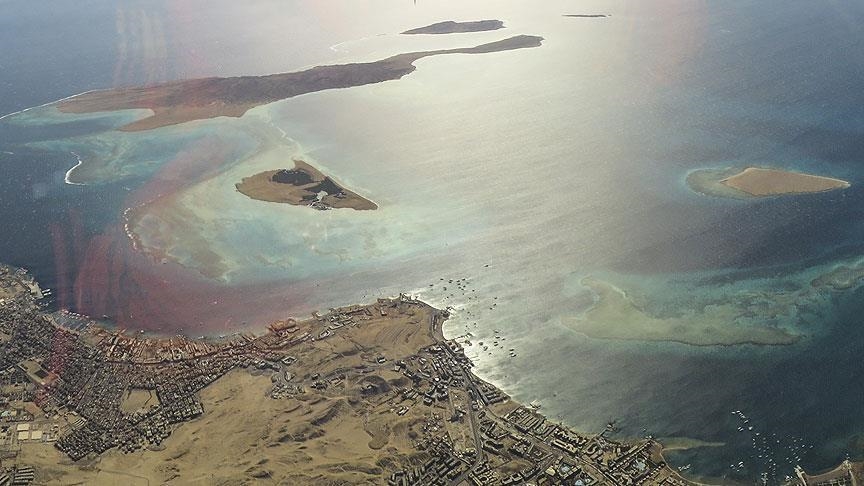
A Houthi official in Yemen has not ruled out the closure of the Bab al-Mandeb Strait, which connects the Red Sea and the Gulf of Aden, as part of the ongoing military escalation between Iran, the US and Israel, as war entered its second month.
The Houthi group launched missile strikes toward Israel on Saturday, the first by the Iran-backed Yemeni group since the US and Israel launched a joint offensive against Tehran last month.
“We are in joint coordination with our brothers in Iran, Lebanon, and Iraq,” Mohammed Mansour, deputy information minister in the Houthi-run government, told Al-Araby Television on Saturday.
He said the Houthis joined the conflict “to provide support to our brothers in Iran who are fighting epic battles” as well as the Lebanese group Hezbollah.
Mansour said the Houthis’ move to join the war “aims to increase pressure on Israel and the US.”
“Every step we take is carefully calculated to be effective and to increase the pressure on Israel and the US,” he said.
Yemen “bears a moral, religious, and humanitarian responsibility toward Iran, Hezbollah, and Iraq’s Popular Mobilization Forces,” the Houthi official said, describing the alliance as “primarily aiming to support Palestine.”
Mansour said the Houthi group has many options to pile pressure on Israel and the US amid the current war with Iran.
“The Red Sea, the Gulf of Aden, and Bab al-Mandab will be among the options,” he said.
The Red Sea is one of the world’s most frequently used sea routes for oil and fuel shipments.
“We have extensive experience in naval and land operations, and our previous intervention to support Gaza was one of the important surprises for the world,” the Houthi official said.
The Houthi group had launched missile and drone attacks on Israel and Red Sea shipping lanes in response to Israel’s deadly offensive on Gaza, which killed more than 72,000 people since October 2023.
Regarding the possible closure of the strategic strait or attacks on passing ships, Mansour said: “This depends on the Israeli and US escalation, and the American preparations for any ground movement.”
“The Yemeni leadership makes its decisions independently based on military and political assessments, taking into account that any step will be calculated and effective.”
Regional escalation has continued to flare since the US and Israel launched a joint offensive on Iran on Feb. 28, so far killing over 1,340 people, including then-Supreme Leader Ali Khamenei.
Iran has retaliated with drone and missile strikes targeting Israel, along with Jordan, Iraq, and Gulf countries hosting US military assets, causing casualties and damage to infrastructure while disrupting global markets and aviation. Anadolu
CrossFireArabia
The military spokesman for the Ansar Allah group in Yemen announced that the armed forces had carried out the “second military operation in the ‘Holy Jihad Battle,'” using a barrage of cruise missiles and drones targeting several vital and military sites belonging to the “Zionist enemy” in southern occupied Palestine.
In a statement issued, Saturday evening, Brigadier General Yahya Saree said that the operation coincided with “military operations carried out by our mujahideen brothers in Iran and Hezbollah in Lebanon, and achieved their objectives successfully, thanks to God.”
Brigadier General Saree affirmed that the armed forces would continue their military operations in the coming days until the enemy ceases its attacks and aggression.
CrossFireArabia
Israel’s Health Ministry said Wednesday that at least 5,165 people have been injured in Iranian attacks since late last month.
In a statement, the ministry said that 120 people were injured in attacks from Iran in the past 24 hours.
It, however, did not specify how many people are still hospitalized.
The US and Israel have maintained airstrikes on Iran since Feb. 28, killing so far over 1,340 people, including then-Supreme Leader Ali Khamenei.
Tehran has retaliated with drone and missile strikes targeting Israel, along with Jordan, Iraq, and Gulf countries hosting US military assets, causing casualties and damage to infrastructure while disrupting global markets and aviation according to Anadolu.
CrossFireArabia
By Abdel Bari Atwan
After repeatedly threatening to launch a devastating carpet bombing campaign against all of Iran’s power plants, and giving it only 48 hours to fully open the Strait of Hormuz to oil tankers, US president Donald Trump shamefully backed down from this threat just hours before the deadline. He justified this retreat by claiming that “good and fruitful” talks had taken place with Iran, and that he had therefore ordered an immediate halt to the strikes.
The semi-official Iranian news agency Tasnim quoted a senior Iranian official, who preferred to remain anonymous, denying any negotiations with the US side. The official stated that the message conveyed by the Iranian leadership to various mediators affirmed that “Iran will continue to defend its territory until the necessary deterrence is achieved,” and described Trump’s threats as part of a “psychological war.”
The real reasons that prompted Trump to make this shameful retreat, revealing the state of delirium and collapse he has been experiencing since the beginning of the aggression against Iran, can be summarized in the following points:
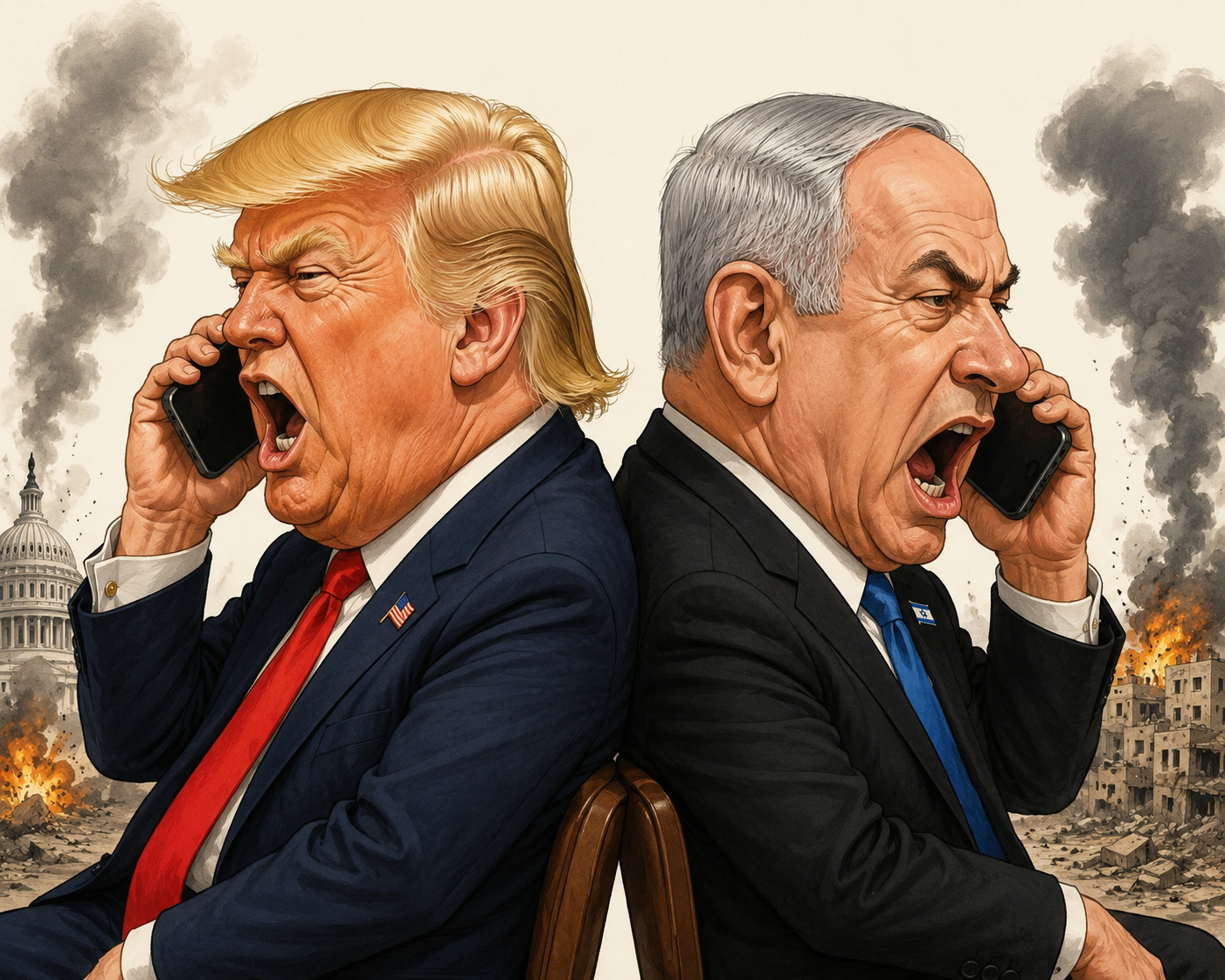
First: This retreat, which came less than 48 hours after issuing the ultimatum, is neither new nor surprising. The American president has learned nothing from his “mentor,” Netanyahu, who embroiled him in this aggression against Iran, and before that, in supporting the war of annihilation in the Gaza Strip, except for lying, deception, and exploiting the media to perpetuate them.
Second: Iran’s swift response to these threats came in the form of a pledge to retaliate in kind and bomb all energy facilities and infrastructure in Israel and the Gulf Arab states allied with America.
Third: The missile attack on the oil facilities and refinery in Jaffa three days ago was the first practical application of this response. This was followed by another response to the American aggression against the Iranian Natanz nuclear facility: The bombing of two Israeli cities with two giant hypersonic ballistic missiles, each with a warhead weighing at least a ton. The first city was Dimona, home to the Israeli nuclear reactor, and the second was Arad, where workers and experts at this reactor reside.
Fourth: The immense pressure exerted by the Gulf states on Trump to immediately retract this threat stems from the fact that their oil and gas facilities and desalination plants would be easy and certain targets for any Iranian retaliation, given their geographical proximity. Furthermore, retaliatory attacks on American bases in their territories have continued unabated since the beginning of the war.
Fifth: Trump hasn’t strayed from his background as a businessman and real estate broker. He demonstrates his loyalty to his associates, children, and in-laws who live off brokerage and profit-making by any means, amassing millions and billions in their bank accounts. These threats led to a rise in oil prices by more than $20 and gas prices by 30 percent. It’s certain they reaped substantial profits, perhaps in coordination with him, due to their speculation.
Sixth: The war has entered its 25th day without the aggression achieving any of its objectives: Toppling and dismantling the Iranian regime, and forcing it to retract its decision to control navigation in the Strait of Hormuz, through which 21 million barrels of oil pass daily. The only ones harmed by this closure are the Western world and its economy, and the Gulf oil and gas producing states allied with Washington, most of which haven’t exported a single barrel since the start of the war.
Seventh: The “peace through strength” theory that President Trump boasts about has failed miserably so far and has backfired. To date, two American aircraft carriers have been damaged: The Abraham Lincoln, which was struck by a ballistic missile, and the Gerald R. Ford, which was hit by another missile, causing a fire that forced it to be towed to the Greek island of Crete for repairs. The false pretext given was a fire in the laundry room on board—a justification that even the most gullible people, including those like their leader Trump, wouldn’t be believed.
They wanted a short war with a swift and clean victory, while Iran wanted a long, attritional regional war. Iran has achieved a resounding victory and holds the upper hand, at least so far. The losses of the aggressors, particularly the Israelis and Americans, are now estimated in the billions daily. The scale of destruction we witnessed in Tel Aviv, Haifa, and most recently in Dimona and Arad is the most compelling evidence of this. Even more serious is the moral defeat, with more than seven million Israeli settlers living in shelters and tunnels day and night for the past 24 days of this aggression.
It is striking that the arrogant and foolish Trump found no one but Israel to praise for standing with him in this war after NATO and all European countries, his traditional allies and partners in all previous wars, abandoned him.
Perhaps it is worth reminding Trump, in conclusion, that Israel stood with him because he is fighting its war, not America’s or the Western world’s, and that it was Israel’s leadership that embroiled him in this aggression. Trump has lost his credibility, his war, most of his allies, if not all of them, and the prestige of his country and its global standing as a superpower. The only thing he gained was the satisfaction of “Israel,” or rather, its extremist right-wing terrorist government. Congratulations on this great achievement. We are waiting for his next threat and his shameful retreat from it, and our wait will certainly not be long.
The author is the Editor of the Arabic Al Rai Al Youm website and reprinted crossfirearabia.com
















 Saleem Ayoub Quna