Despite Ceasefire Gaza’s ‘Humanitarian’ Crisis Remains Acute

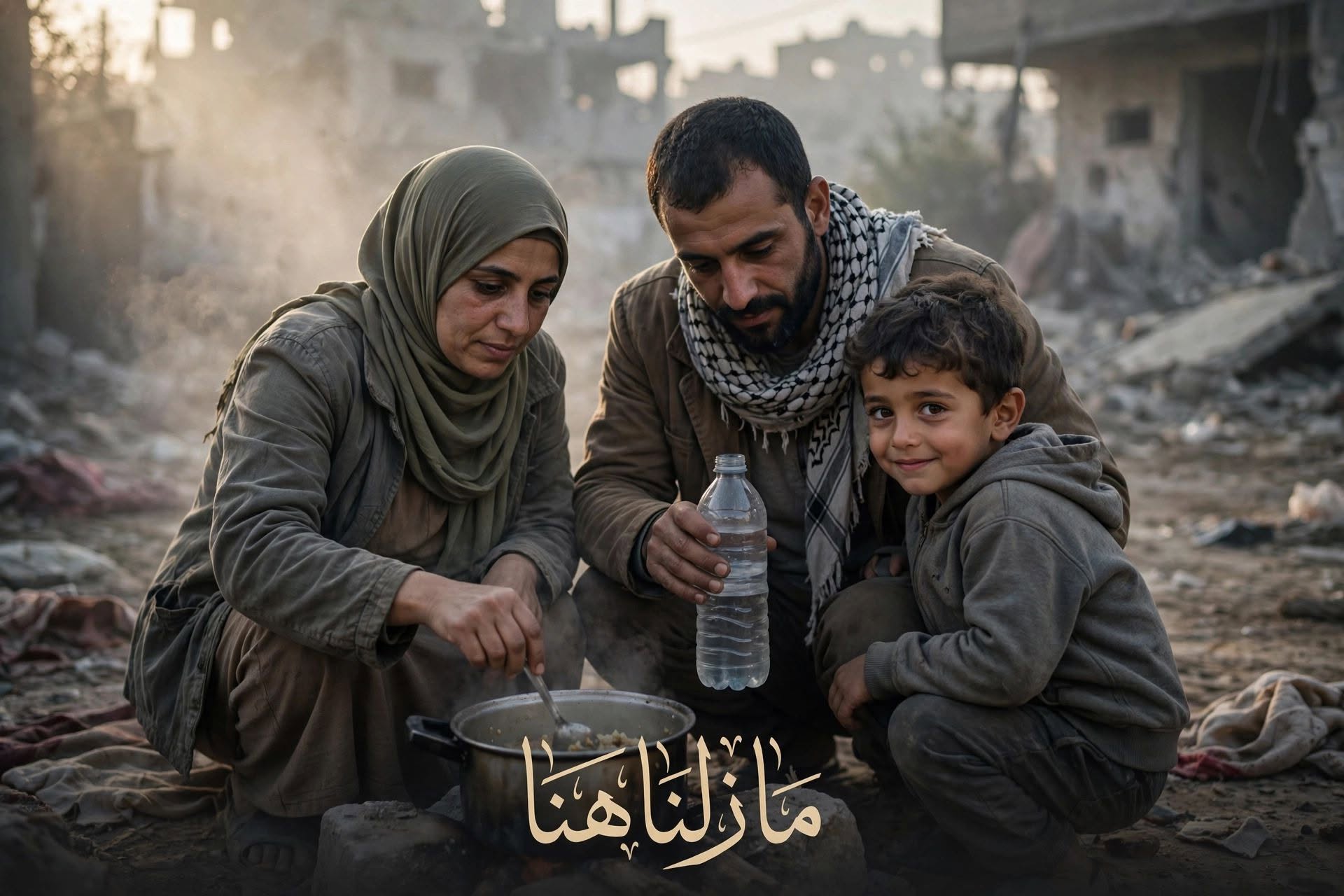
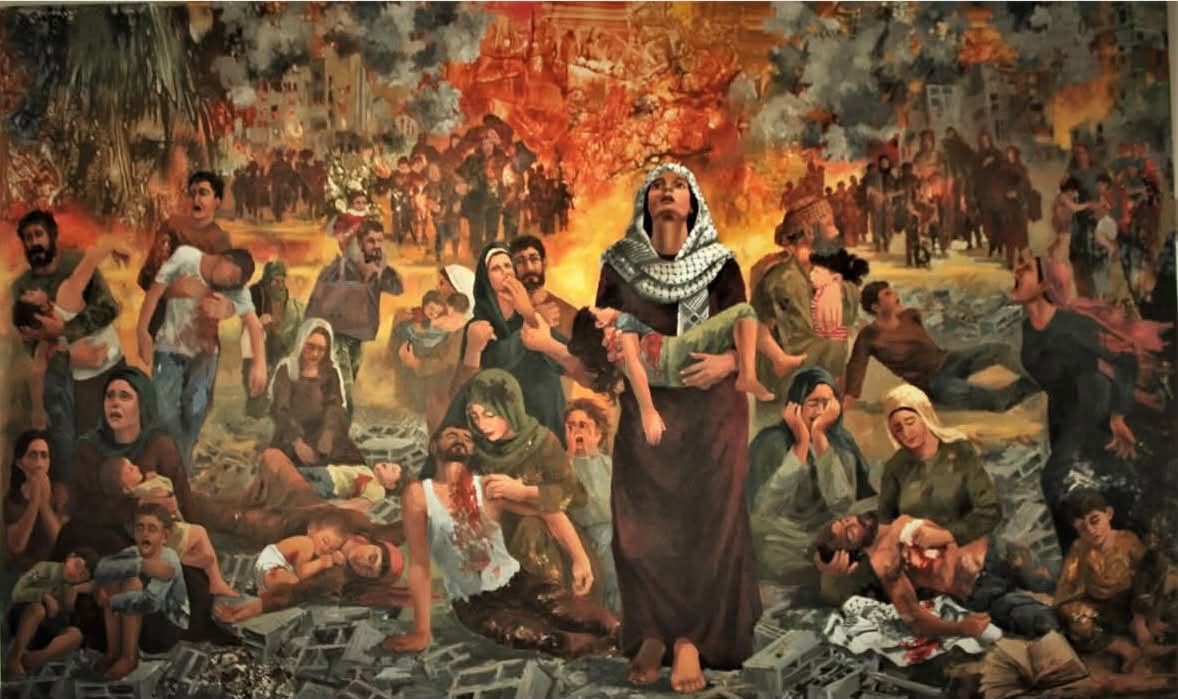
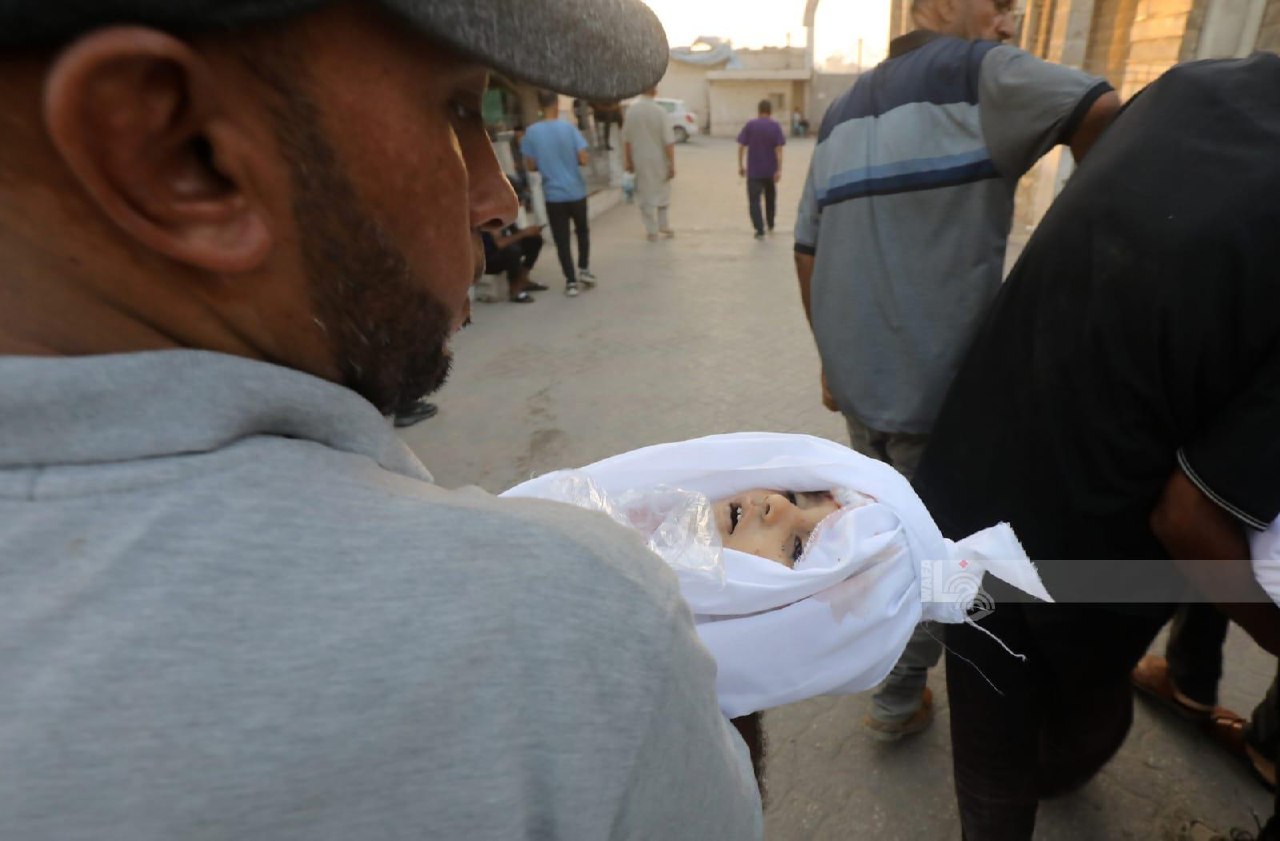
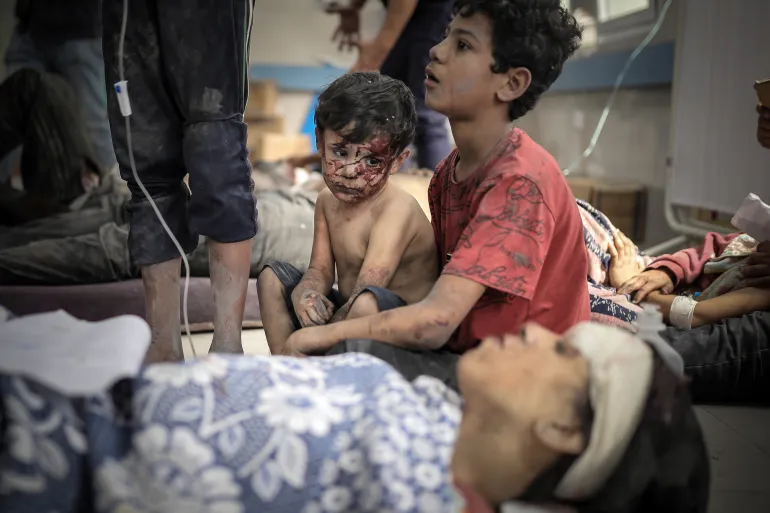
Sixteen days have passed since the ceasefire agreement between Israel and Palestinian factions was announced, yet the humanitarian situation in the Gaza Strip is still dire. Nearly all forms of aid remain disrupted, and the urgent humanitarian needs of the Strip’s roughly 2.3 million residents have not been met.

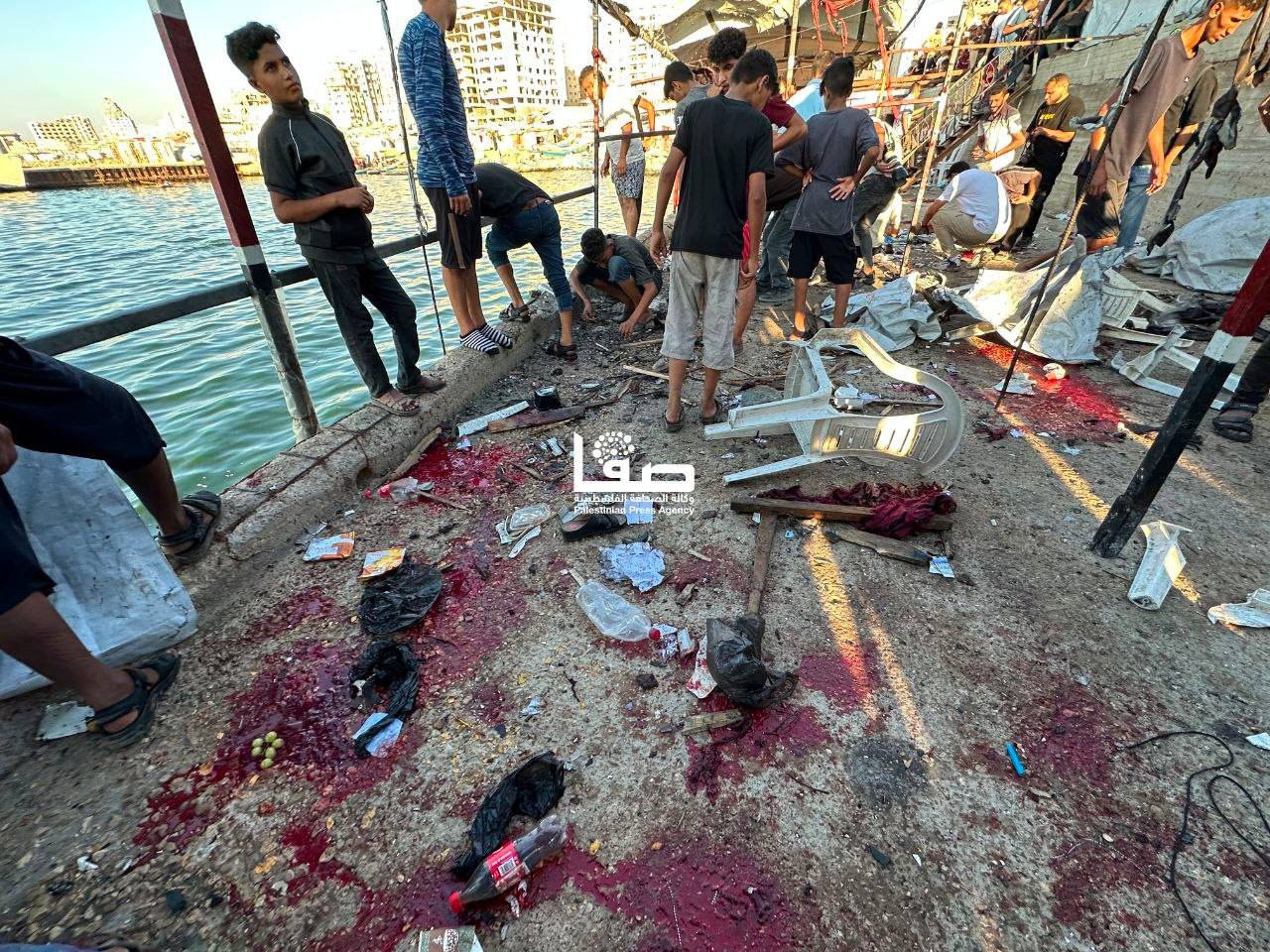
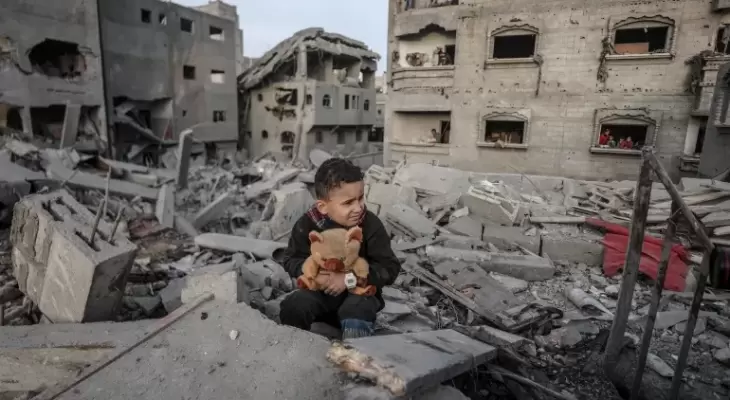
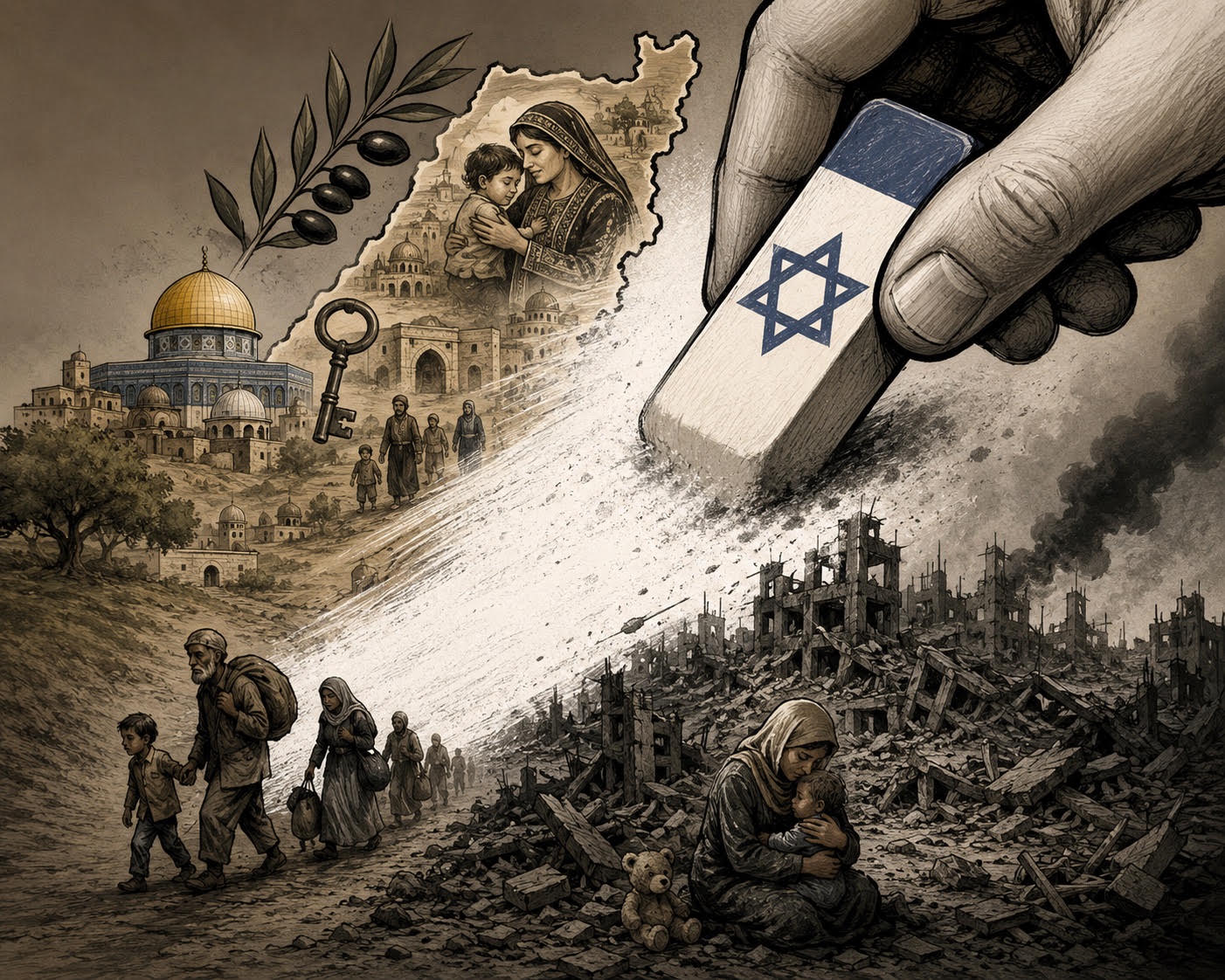
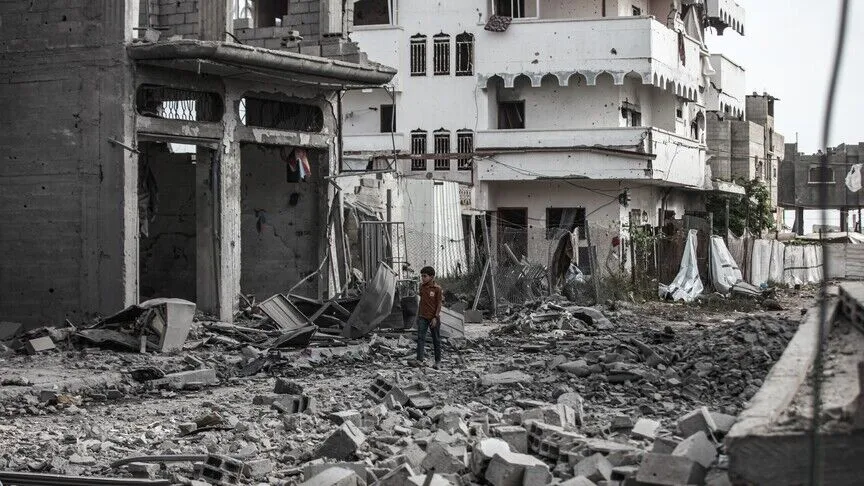
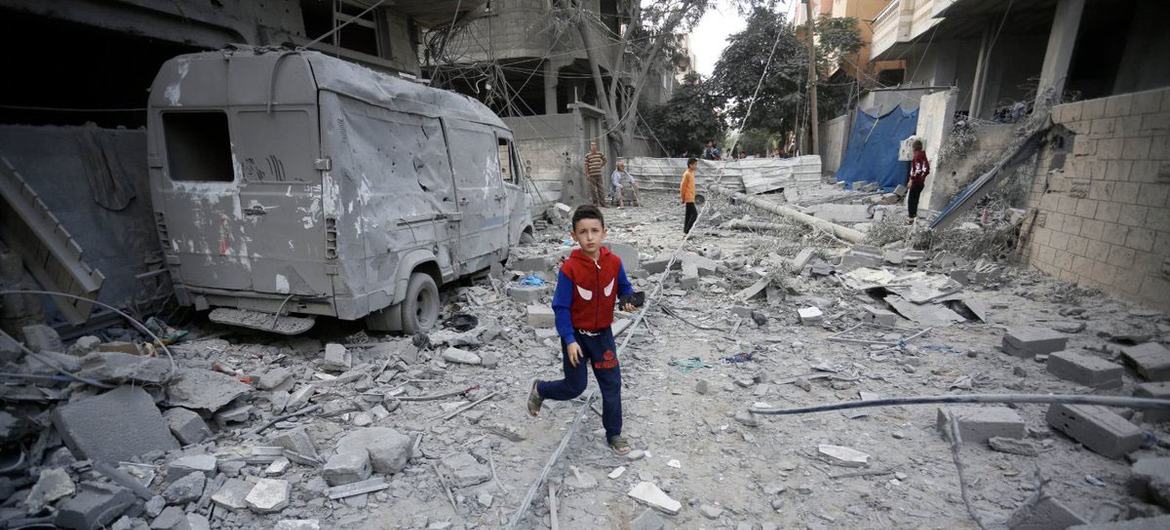
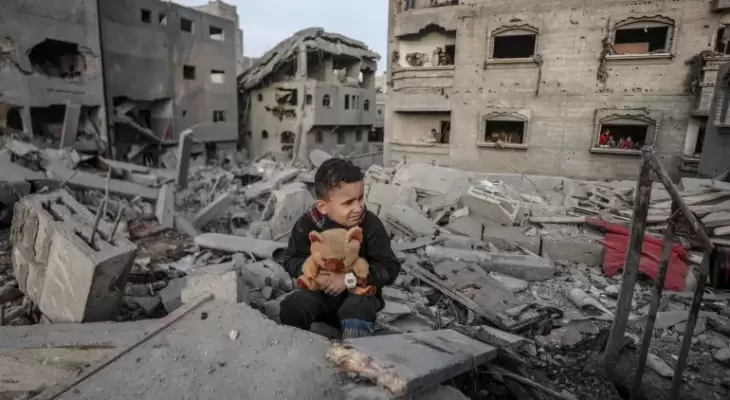
Despite the ceasefire agreement announced on 19 January, which reduced the intensity of Israel’s daily bombing and killings, the humanitarian situation and living conditions have remained dire, with homes and infrastructure in all its forms severely destroyed.

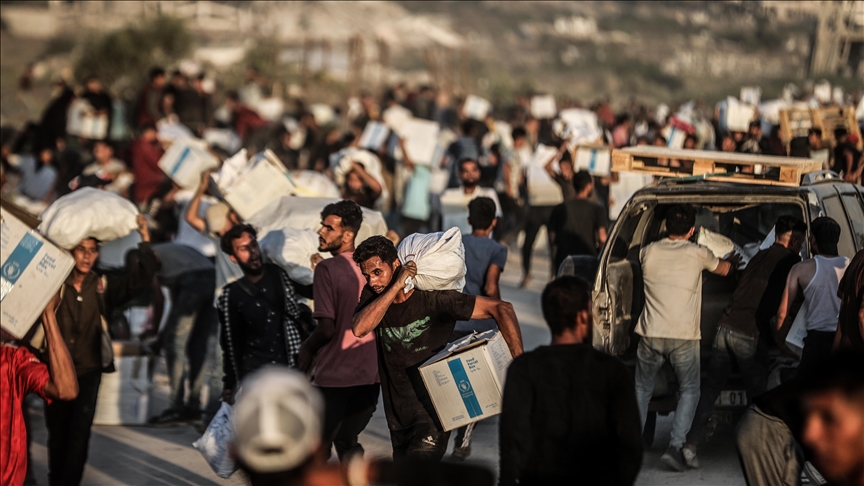
Though the number of trucks entering the Gaza Strip has increased, the Euro-Med Monitor field team’s preliminary analysis of the volume and type of aid entering the enclave reveals that some of it is goods for merchants, i.e. non-essential items like snacks, which are not a priority for the people of the Strip. This is also true of other aid being delivered in trucks to international organisations within the Strip.

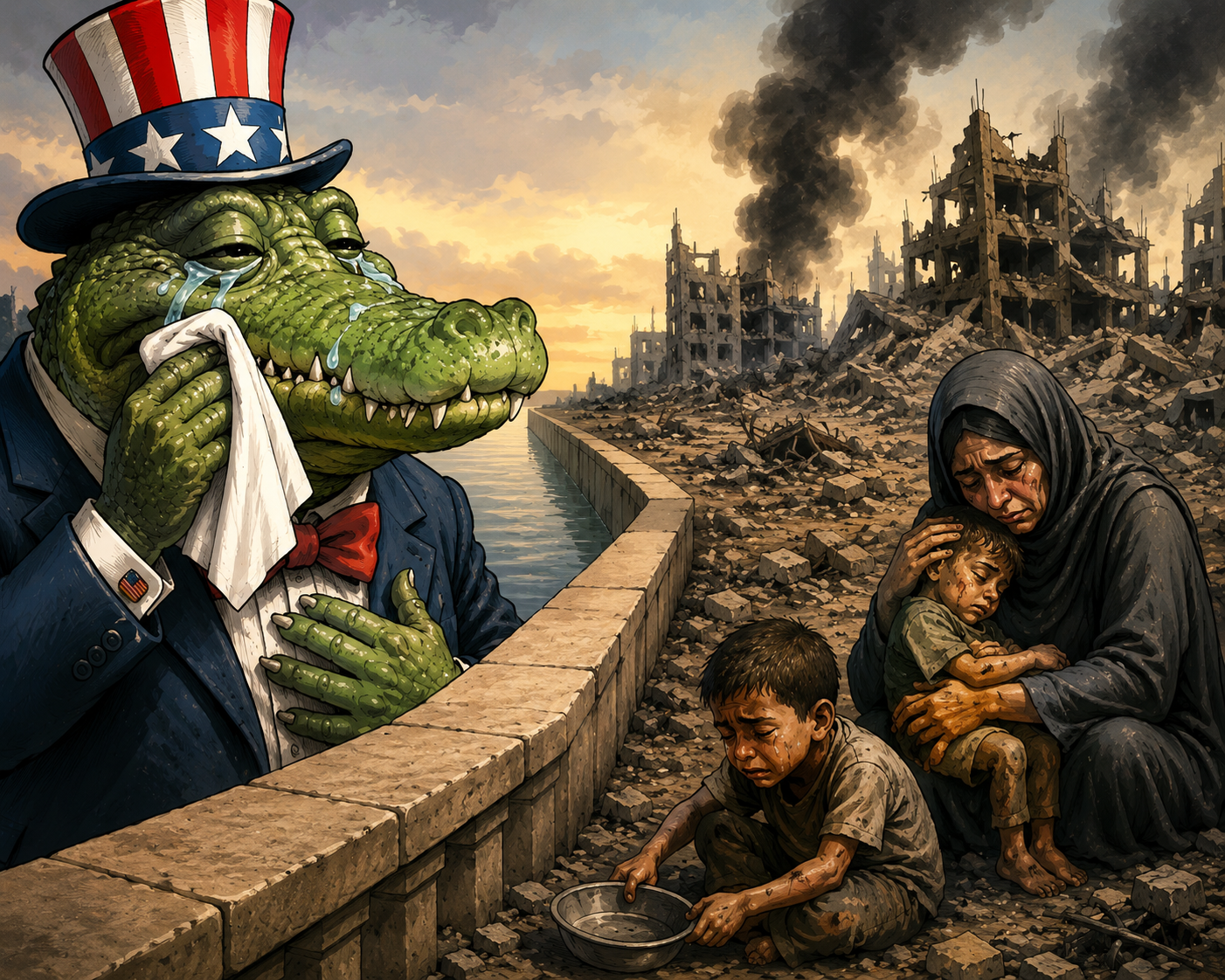
While hundreds of thousands of Gazans live in a tragic reality every day, the humanitarian situation in the Gaza Strip is only getting worse. International commitments have not substantially alleviated the suffering of the populace, as urgent humanitarian concerns remain unresolved.

Since the ceasefire agreement went into effect, about 8,500 trucks have entered the Gaza Strip, but only about 35% of them have made it to the northern part of the Strip. Emergency needs are estimated to require around 1,000 trucks per day, but the number of trucks that are able to reach the enclave does not exceed half of this daily need.

Euro-Med Monitor reiterates that many of the trucks that have entered are carrying goods for merchants rather than humanitarian aid, and the majority of this aid is non-essential.

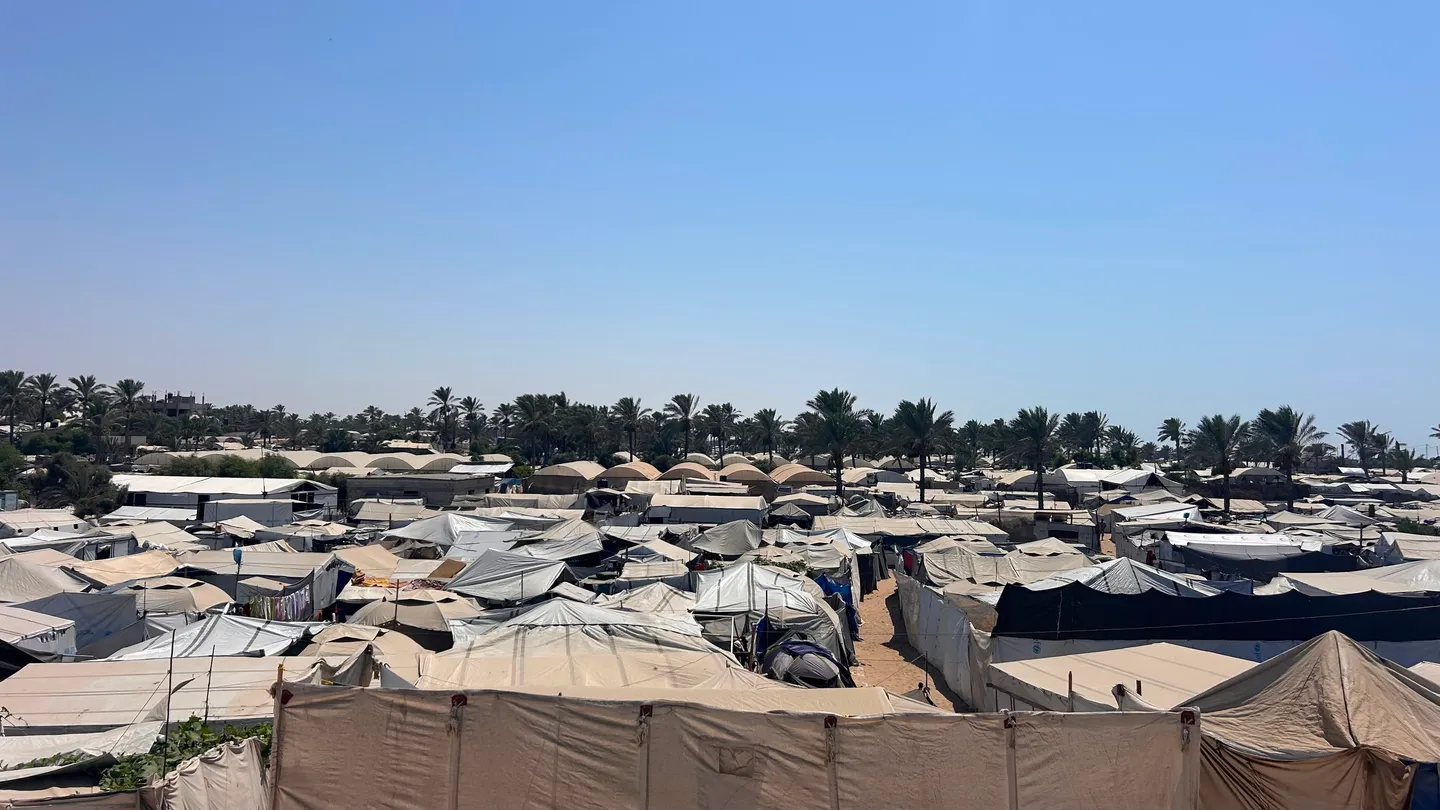
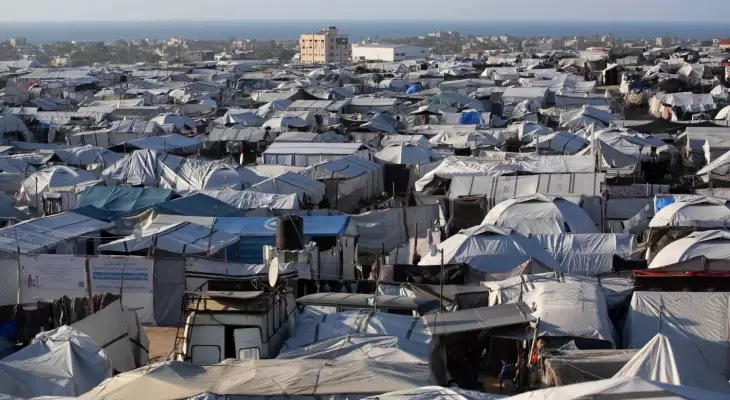
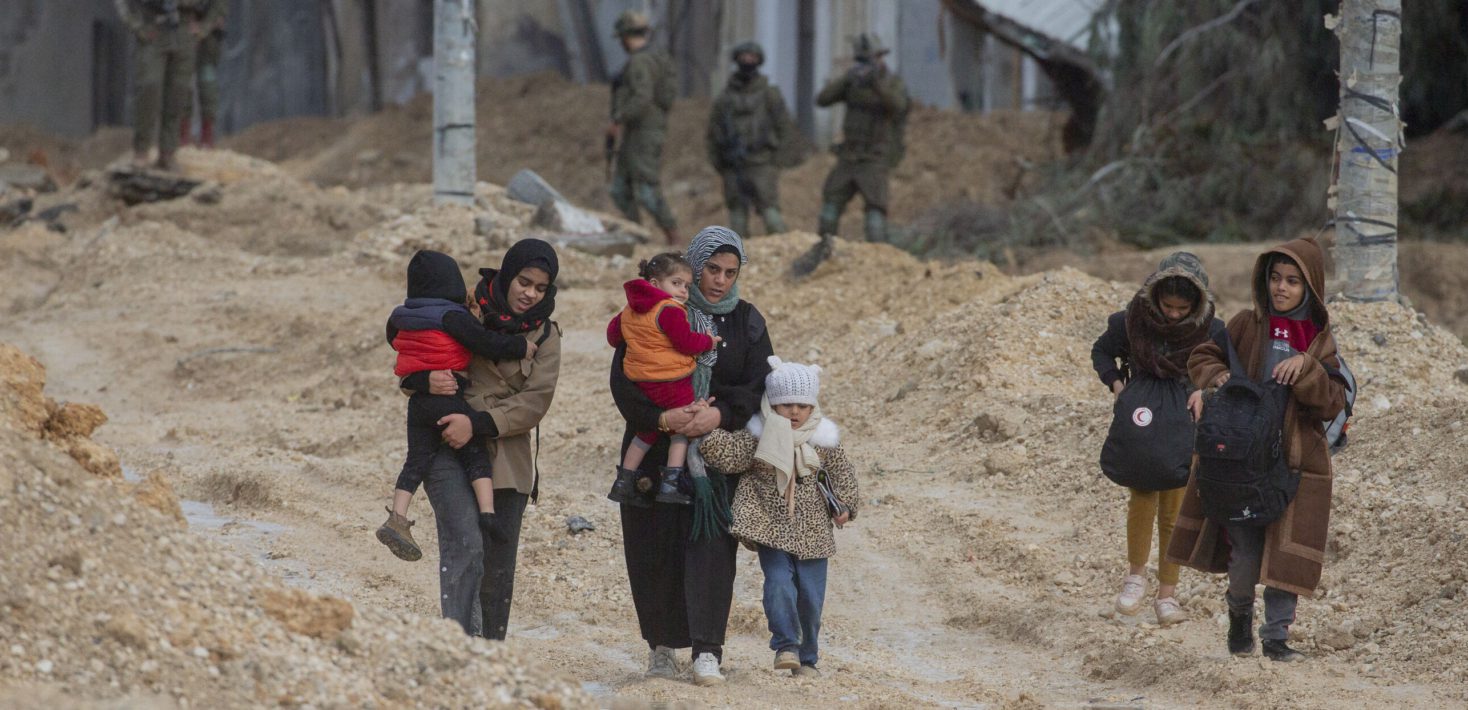
There is an urgent need for temporary shelter in the form of tents and mobile homes, which were supposed to be introduced under the ceasefire agreement, because hundreds of thousands of displaced Palestinians have returned from the south to their residential areas in the northern part of the Gaza Valley. So far, however, Israel has not fulfilled its end of the deal.

The initial need was estimated to be around 120,000 tents, but only 9,500 tents—the majority of which are small and of poor quality—arrived in the Strip. This means that the tents that have arrived only make up eight percent of the total emergency need, and that hundreds of thousands of residents lack adequate temporary housing due to the widespread destruction of homes and buildings across the Strip, particularly in Rafah, the northern Gaza Strip, and large portions of Gaza City and Khan Younis.

The Strip is receiving half of the agreed-upon amount of fuel and petrol needed to run the basic services sector, which is 30 trucks per day on average due to the urgent need to support emergency services, and 14 trucks per day on average.

Sanitary wares, water pipes, solar power, and materials for home restoration are additional urgent needs that would allow families to remain in their partially destroyed homes while any of these are being installed.

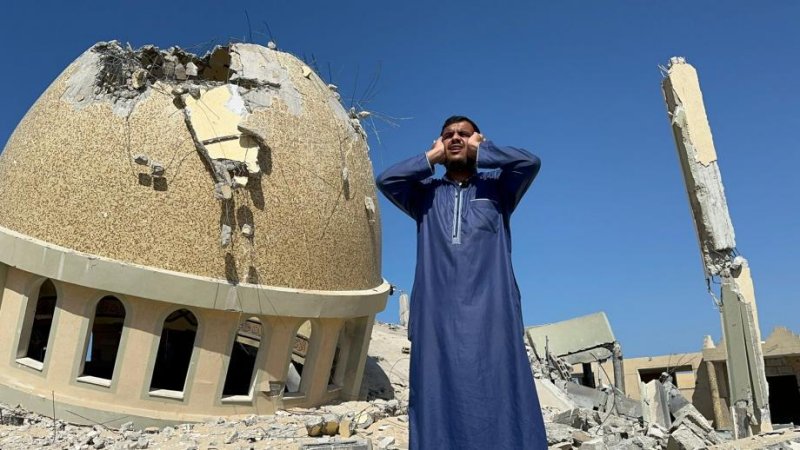
About 85% of the water wells in the Strip have been destroyed, and Israel has forbidden the importation of supplies to repair and restore them. According to estimates from the Gaza Municipality and the northern Gaza Strip municipalities, 100 wells in the northern Gaza Valley need to be restored and repaired immediately; none have been fixed thus far.

It is imperative that municipalities and service sectors install solar panels, water tanks, water extensions, and submersible pumps for water wells, plus electricity batteries, in order to meet the basic needs of people living in alternative housing areas.

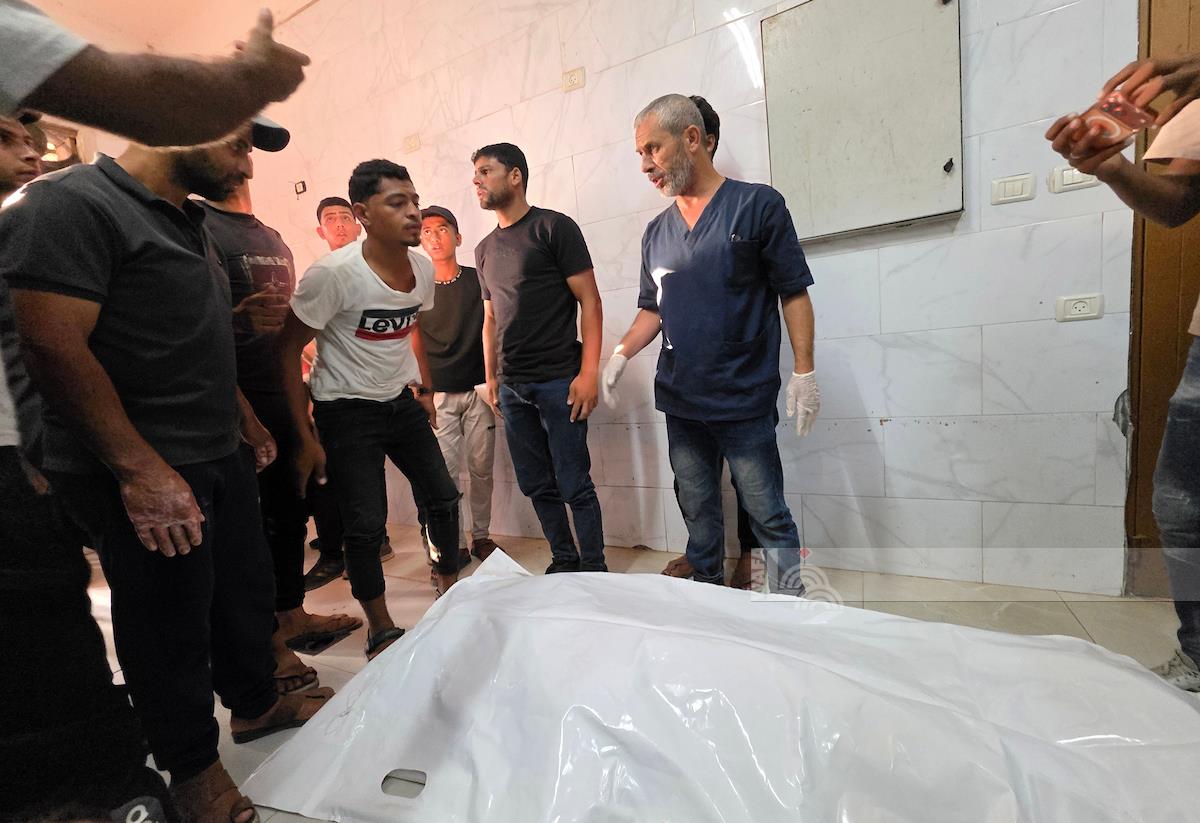
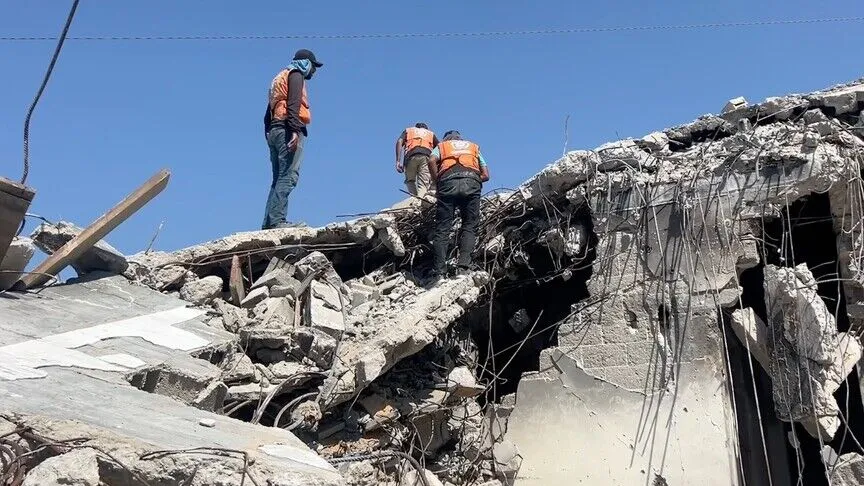
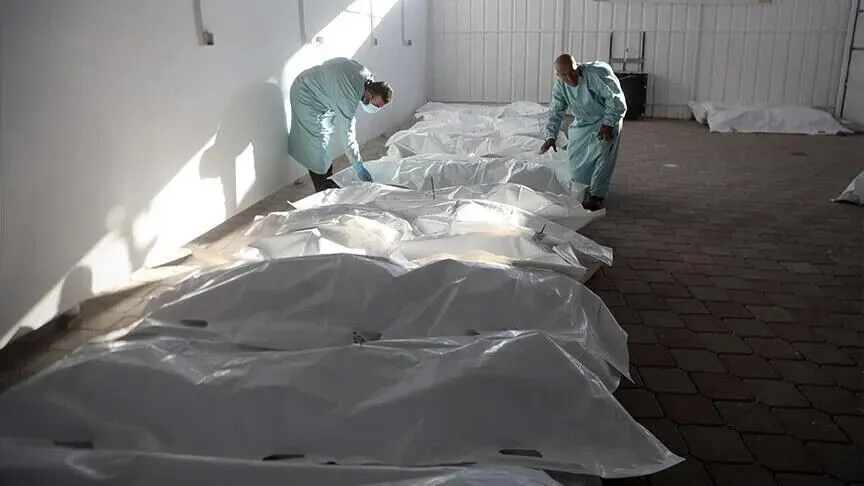
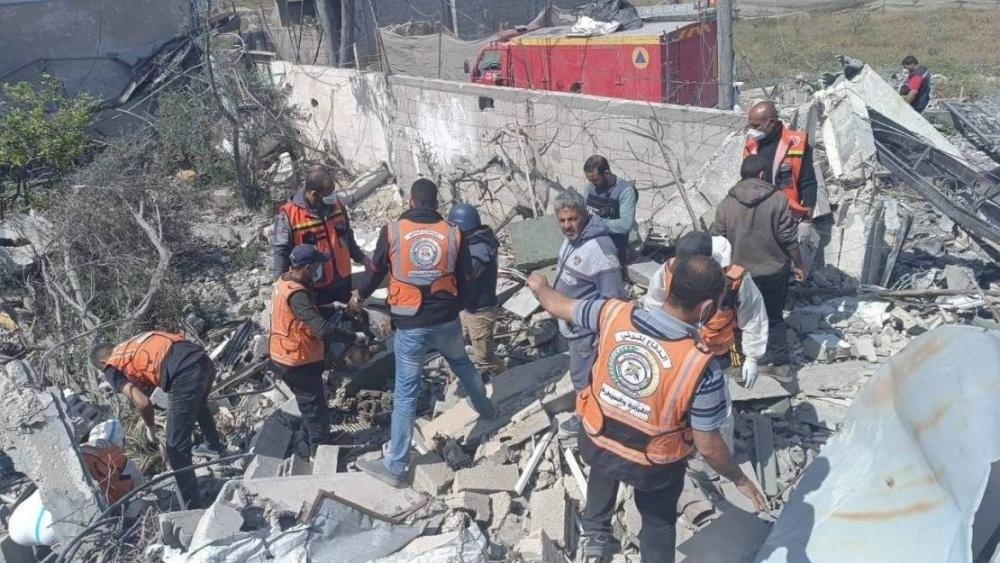
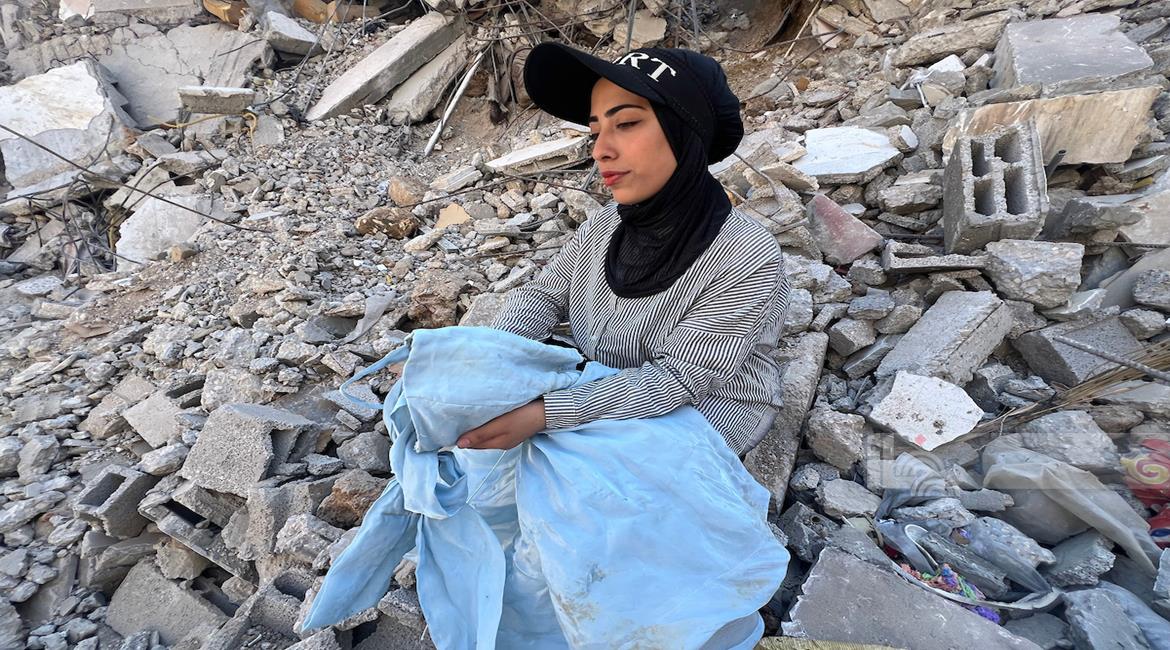
To date, no suitable tools or systems have been permitted to clear debris, recover victims’ bodies, clear streets, or remove deteriorating structures that endanger the lives of locals in the Gaza Strip.

While only four pieces of equipment, including small ones, were brought in to repair the Rafah border crossing and the road leading to it, the ceasefire included an agreement to provide 100 pieces of various heavy equipment to open streets and retrieve bodies.

Regarding medical devices and equipment, none of the equipment needed to resume hospital operations, such as MRI machines, has arrived in the Gaza Strip. This is especially true for Al-Shifa Hospital, whose buildings and equipment were extensively destroyed and set on fire by the Israeli occupation army. Meanwhile, the European Hospital urgently needs to replace its malfunctioning MRI machine, and Nasser Medical Complex in Khan Yunis has yet to receive one. The same applies to radiology equipment, as the Strip lacks all X-ray and C-Arm devices. Since their generators were destroyed or burned during the genocide, hospitals now require generators as well.

The lack of these essential components represents the parties’ inability to protect and care for those impacted by Israel’s genocide over a period of more than 15 months. This exacerbates civilian suffering, as does the delayed delivery of urgent humanitarian aid that the people are demanding.

The international community and mediators in the ceasefire agreement must act immediately and urgently to meet urgent humanitarian needs; activate support and assistance mechanisms to ensure the safety and dignity of hundreds of thousands of affected individuals; and ensure strict monitoring and independent investigations to secure the implementation of humanitarian and legal obligations, with the sole goal of protecting civilians and guaranteeing their basic rights.

Taking the needs of women, children, and members of the most vulnerable groups into account, swift action must be taken to appropriately address the immediate needs of the people living in the Strip. This includes providing adequate temporary housing; ensuring the entry and access of all humanitarian aid; and removing any restrictions or blockades that impede the provision of relief to the civilian population, including hospital services and access to water and education. Additionally, social and psychological support must be provided to address the devastating psychological effects of the genocide, particularly on children and survivors of direct attacks.

The humanitarian crisis in the Gaza Strip is worsening due to the international community’s ongoing inaction and indifference to the delayed entry of basic necessities. The international community must instead stand together and take immediate action to guarantee that aid reaches those in need as soon as possible.

Euro-Med Human Rights Monitor

Continue reading
Jordan Sends 20 Tons of Relief to Gaza

The Jordan Armed Forces -Arab Army (JAF) on Monday dispatched 16 helicopters to Gaza, carrying 20 tonnes of relief supplies to the war-torn Strip.

JAF said that the aid was sent in coordination with the Jordan Hashemite Charity Organisation (JHCO).

The assistance on Monday was part of the eight-day air bridge to Gaza, which the Kingdom launched last Tuesday, with 16 flights scheduled daily that carry relief aid to the besieged Palestinian territory as reported in The Jordan Times.

JAF reiterated its commitment to continuing the delivery of humanitarian and medical aid through the air bridge, expediting the transport of critical supplies, particularly medical treatments and equipment, to Gaza.

Since the launch of the air bridge, 72 Jordanian aircraft, alongside eight Italian helicopters, have contributed to this vital operation, demonstrating international cooperation in response to the crisis, JAF said. 

Continue reading
Japan May Take War-Injured Gazans

Japanese Prime Minister Shigeru Ishiba said his government is considering offering medical support in Japan to Palestinians from the Gaza Strip, local media reported.

“We’re making efforts to find ways to accept people in Japan who have fallen ill or been injured in Gaza,” Ishiba told a parliamentary session, according to Kyodo News Agency.

He added that Japan will also try to launch a special program for Palestinian students to study at Japanese universities.

Last month during a visit to Malaysia, Ishiba said his country would facilitate the development of Palestine.

Later, Malaysian Prime Minister Anwar Ibrahim said his government will establish a fund along with Japan to build hospitals, schools and mosques in Gaza which have been destroyed by Israel’s genocidal war since October 2023.

A ceasefire agreement between the Palestinian group Hamas and Israel took hold in Gaza on Jan. 19, halting the war, which has caused widespread destruction and left the enclave in ruins.


Israel’s genocidal war has killed more than 47,500 Palestinians, most of them women and children, and injured over 111,600 since Oct. 7, 2023.


The Israeli onslaught on Gaza has left more than 11,000 people missing, with widespread destruction and a humanitarian crisis that has claimed the lives of many elderly people and children in one of the worst-ever global humanitarian disasters.


The International Criminal Court issued arrest warrants in November last year for Israeli Prime Minister Benjamin Netanyahu and his former Defense Minister Yoav Gallant for war crimes and crimes against humanity in Gaza.

Continue reading
A World Without America?

By Dr Khairi Janbek

Away from the condom politics which seems to be just an obsession of a Washington administration suffering from erectile dysfunction, on thought it would be intriguing to imagine a world without America, which means deep cultural, economic as well as political implications. It’s a thought experiment which forces one to imagine how the world would look like without the specific influence, history and power dynamics that the USA has shaped.

On the geopolitical and global power level, other nations would have to step in into the void, vying for influence. Europe, China, Russia and India would probably play a central role on global politics, in addition, the Security Council of the UN will start looking very different, Europe would become the dominant force strengthening its collective military and political capabilities.

In terms of culture and society, American has played a central role in shaping global pop culture, Hollywood, music, fashion and hi-tech, indeed other nations would have come in, in Asia South Korea, Japan and India would take a central role in shaping global culture, with Europe asserting itself in the arts and literature.

In technology and innovation, the US has produced Silicon Valley and leading corporations in software, hardware and AI, however without, China and Europe would fill the hitech leadership role which probably would accelerate their breakthroughs.
As for the economy, without America, the world economy would be real different, the US dollar would not be the world reserve currency, with the Euro and the Yuan, being the global standard. Trade dynamics would be rearranged and institutions like the World Bank and the IMF would have other substitutes.

Regarding military and defense, American power is unmatched , without it global security dynamics would shift drastically, NATO might not exist, while regions powers like Russia, China and India, would become more aggressive in asserting their influence.
In terms of the environment and social movements, the US has been at the forefront of global debates on climate change, social Justice and human rights; taking note of course, with mixed results, but without it, certainly others would take the lead, for a start, Europe has been a leader in pushing for climate action , and in social action, countries like Brazil, South Africa, would fill in the gap with most probably leading to different outcomes. But , the USA has been a major donor for global and humanitarian aid, and their contribution would have to be substituted by other coalitions, which one assumes would be limited only to crisis.

Essentially, a world system without America, the international system would be less centered around one dominant great power, as power would be more diffuse with multiple centers of influence and more regional power struggles, but at the end of the day, the purpose for the use of condoms would be much clearer.

Dr Janbek is an opinion writer based in Paris

Continue reading
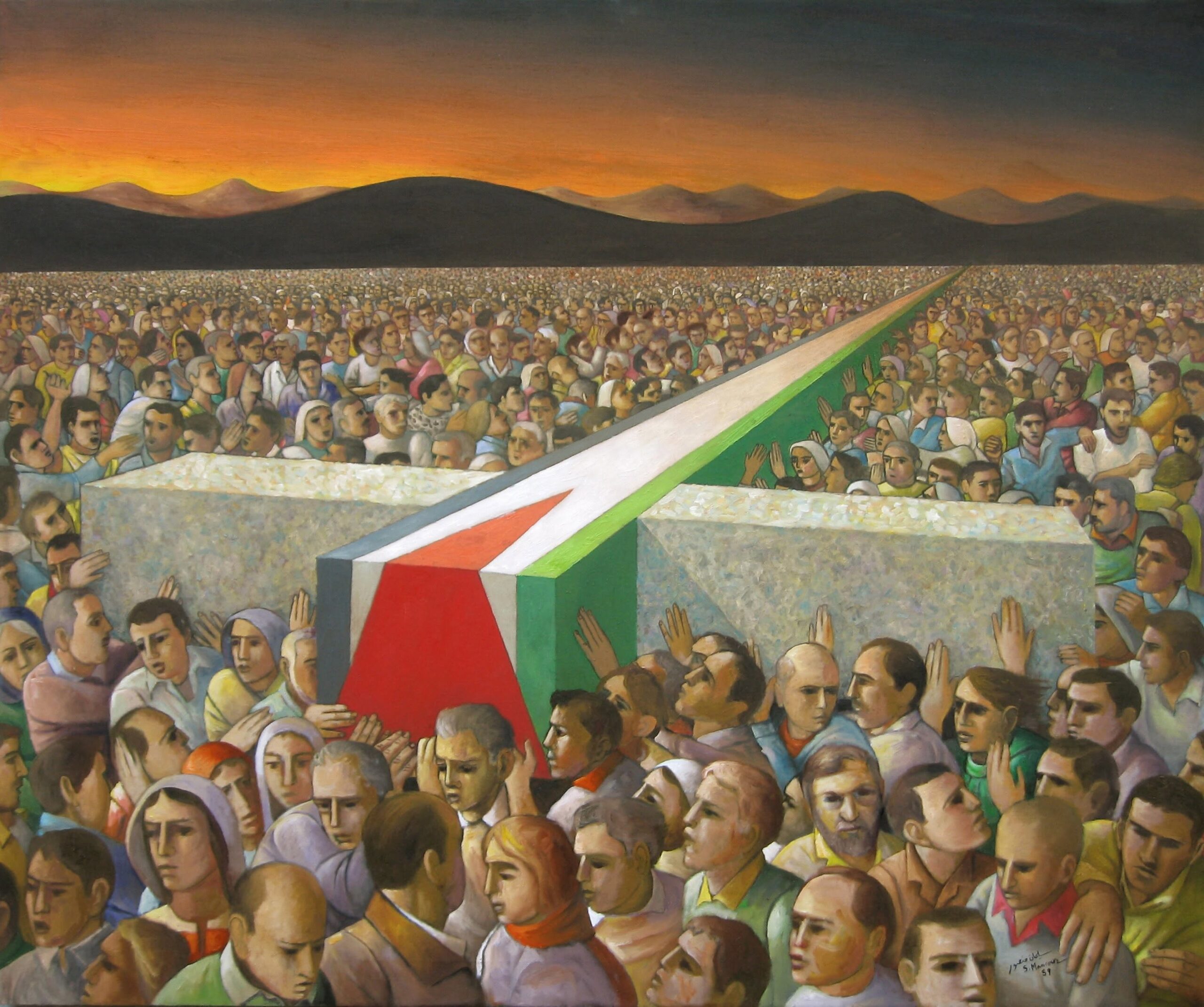
Hassan Nasrallah’s Funeral to be on 23 February

Hezbollah on Sunday annoucned that the funeral for it longtime leader Hassan Nasrallah, killed in an Israeli attack last year, will take place on Feb. 23 in Beirut.

In a televised statement, Secretary General Naeem Qassem said Nasrallah “was martyred at a time when the conditions were difficult, and there was no possibility for a funeral.”

Nasrallah “was temporarily buried (due to security conditions), and we have now decided to hold a public funeral on Feb. 23,” he added.

Qassem said a funeral will also be held for Sayyid Hashem Safieddine, another senior Hezbollah official who was killed in an Israeli airstrike nearly a week after Nasrallah’s assassination.

He said Safieddine will be buried with the title of secretary-general, confirming for the first time that he had been elected as Nasrallah’s successor before being killed.

“Sayyid Hashem Safieddine will also be mourned as the secretary-general of the party, as four days after Nasrallah’s assassination, we elected Hashem as secretary-general, and we consider him martyred in that capacity,” Qassem said.

The Hezbollah chief said Nasrallah will be buried on the outskirts of Beirut “in a plot of land on the airport road,” while Safieddine will be laid to rest in his hometown of Deir Qanoun in southern Lebanon.

Nasrallah was assassinated by Israel on Sept. 27, 2024 in a series of airstrikes in Beirut’s southern suburbs. Safieddine was targeted on Oct. 3.

Israel was to complete its army’s withdrawal from Lebanon by Jan. 26 under a ceasefire deal, but it refused and the deadline was extended to Feb. 18.

The truce ended shelling between Israel and the Lebanese group that began in October 2023 after the onslaught in the Gaza Strip commenced, and escalated into a full-scale conflict in September 2024.

The more than a year of fighting killed more than 4,000 people in Lebanon and injured many others.​​​​​​​

Continue reading